Hotels in Sapporo
Discover your perfect stay in Sapporo.
Sapporo(Japan) Travel 2026: Cheap Flights, Hotels & Top Attractions
Popular Landmarks in Sapporo
Discover the most iconic attractions in Sapporo
Recommended Hotels in Sapporo
Find the perfect place to stay in Sapporo
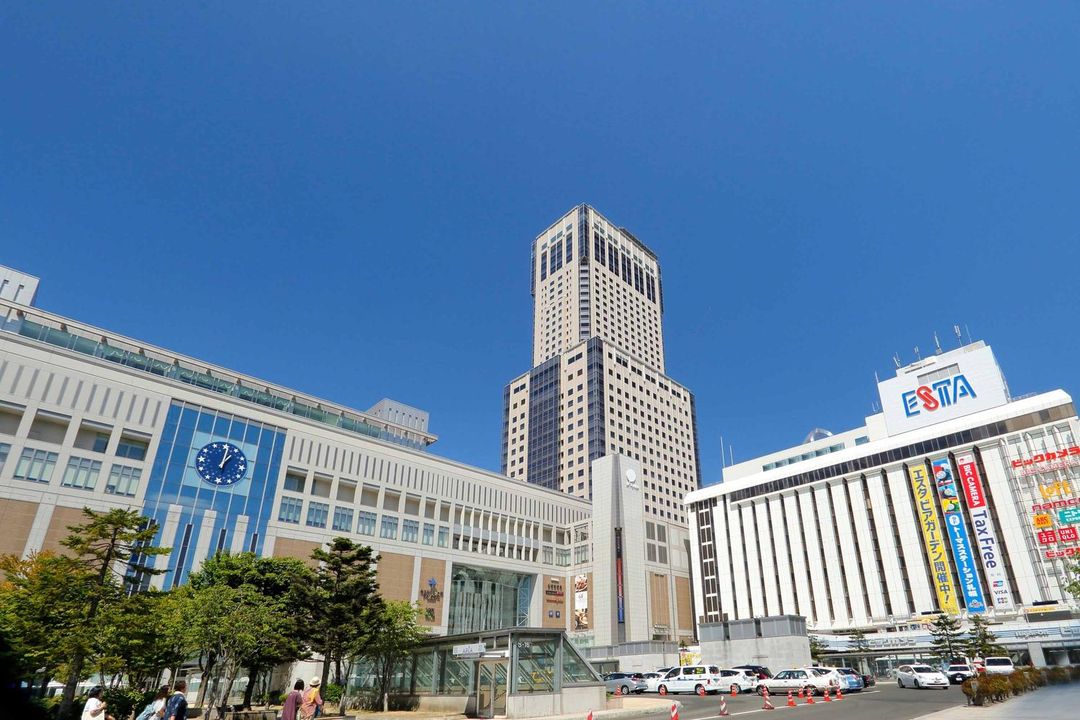
Jr Tower Hotel Nikko Sapporo
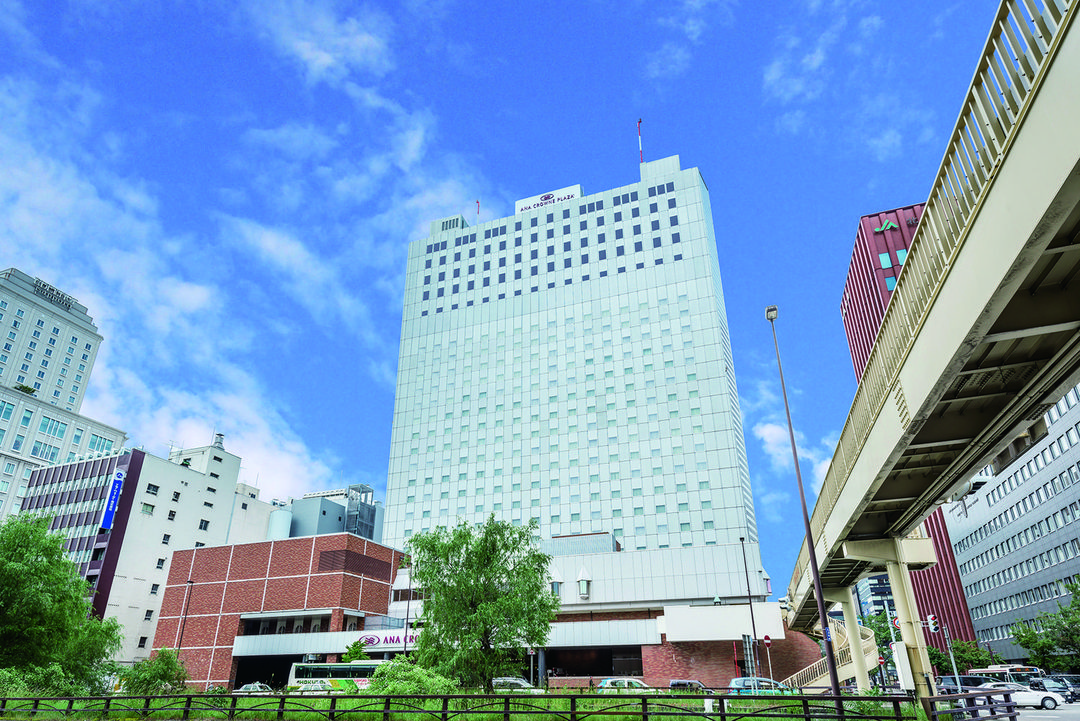
ANA Crowne Plaza Sapporo
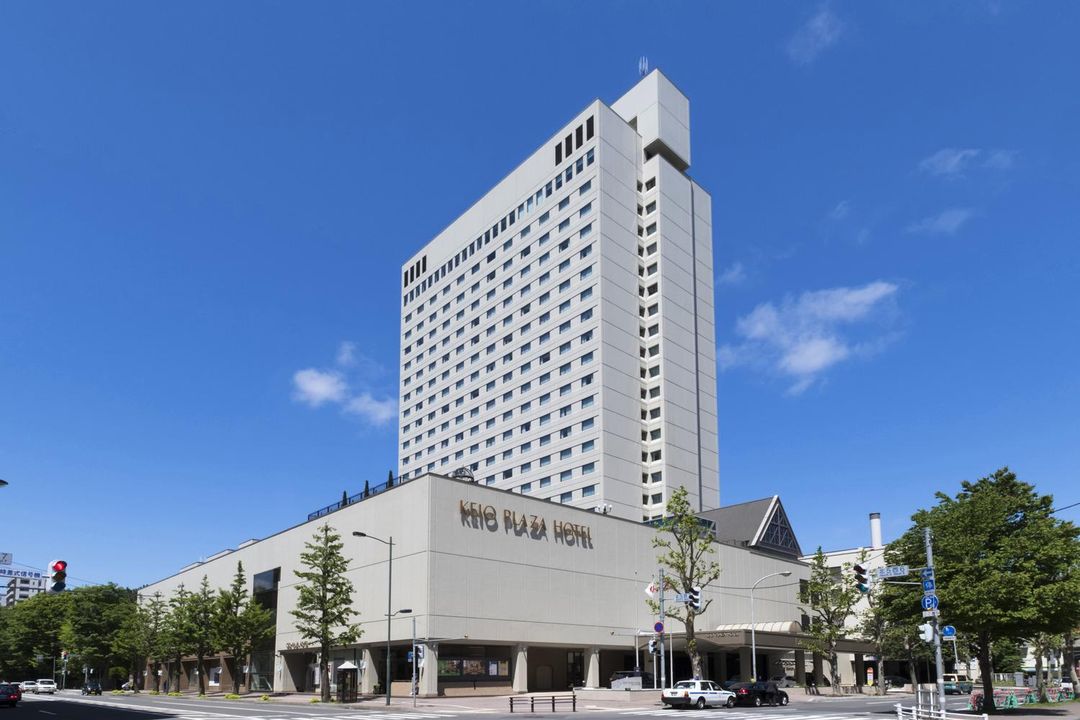
Keio Plaza Hotel Sapporo
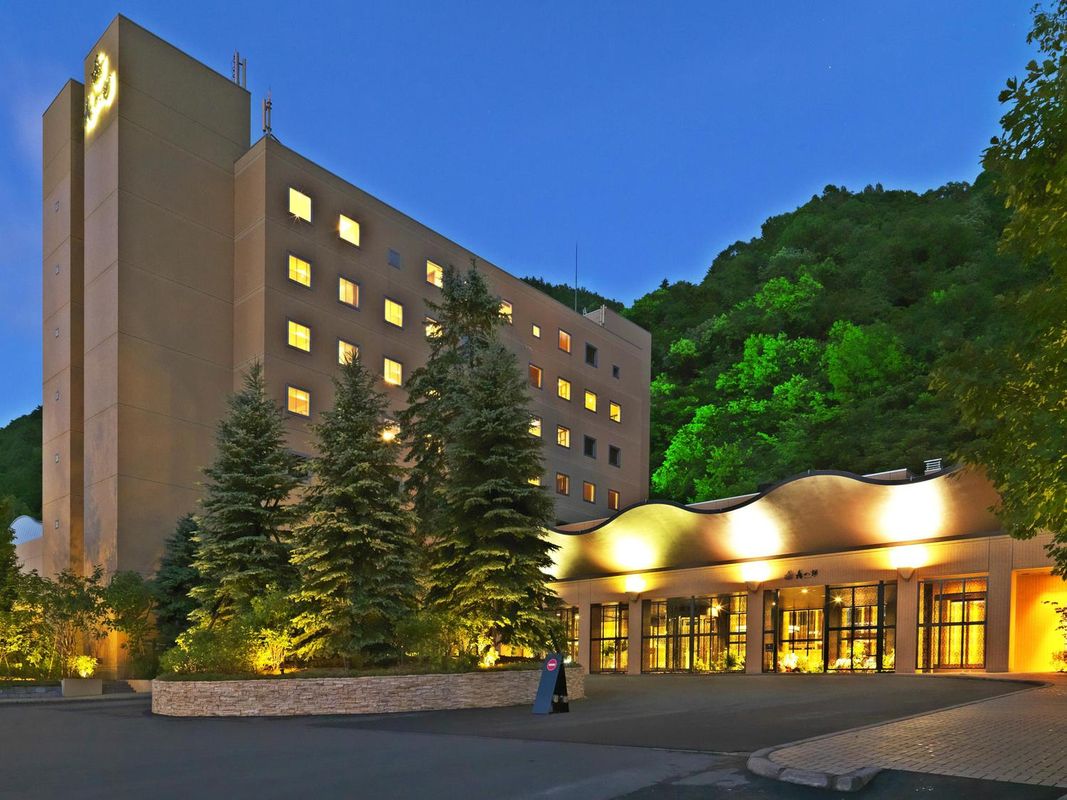
Jozankei Tsuruga Resort Spa Mori No Uta
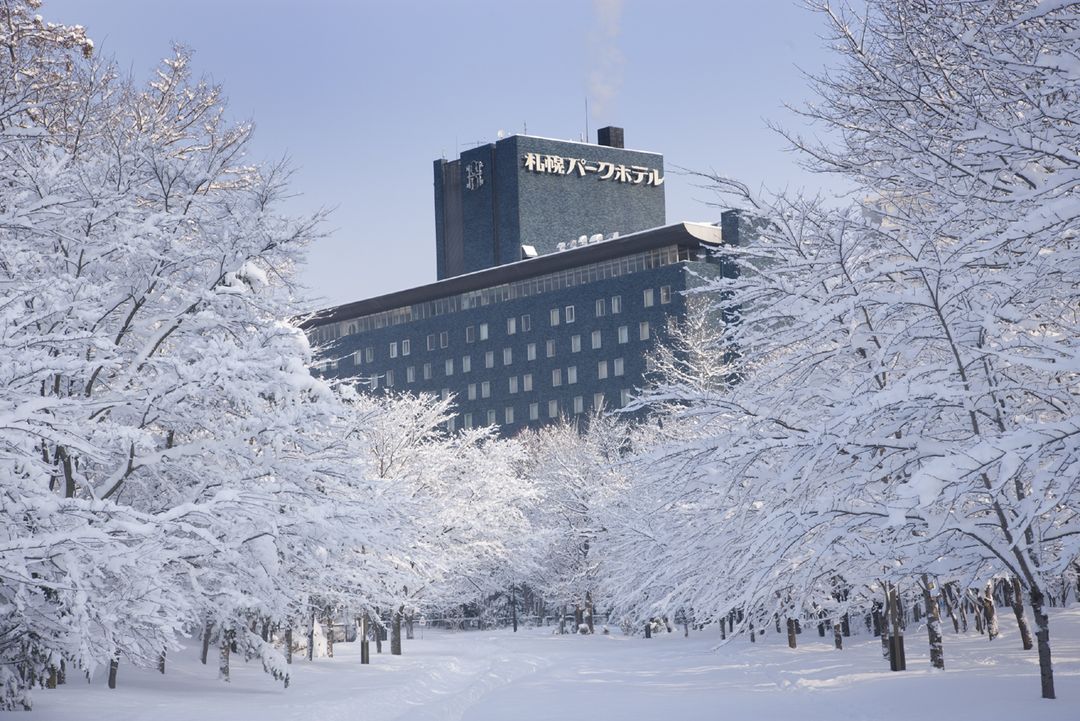
Sapporo Park Hotel
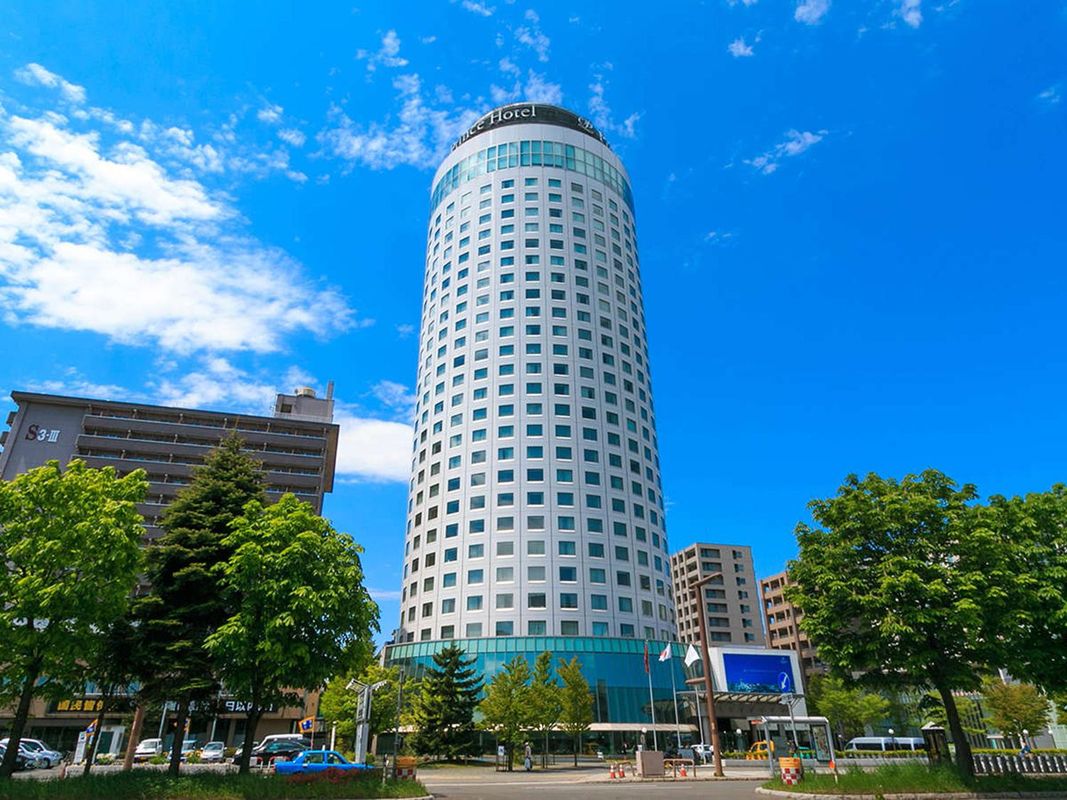
Sapporo Prince Hotel
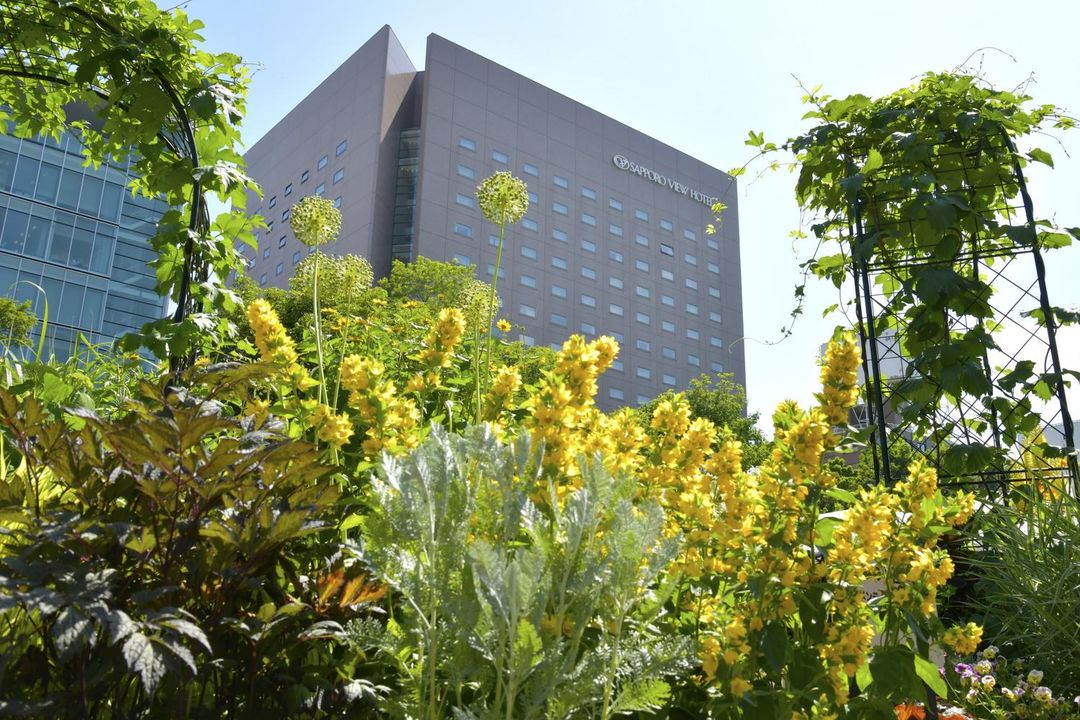
Sapporo View Hotel Odori Park
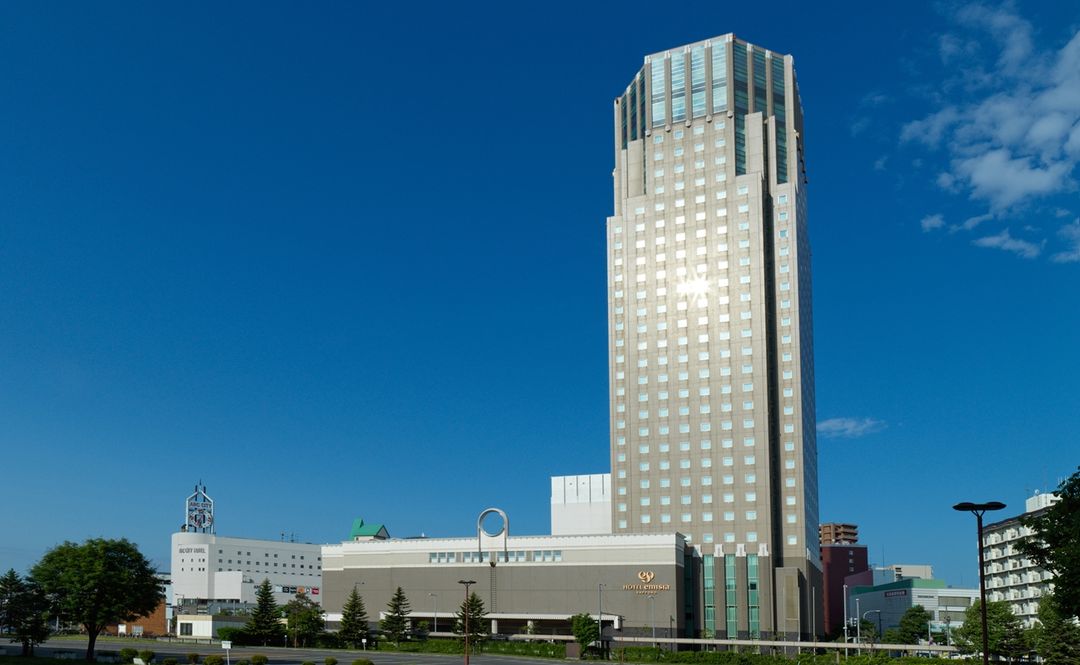
Hotel Emisia Sapporo
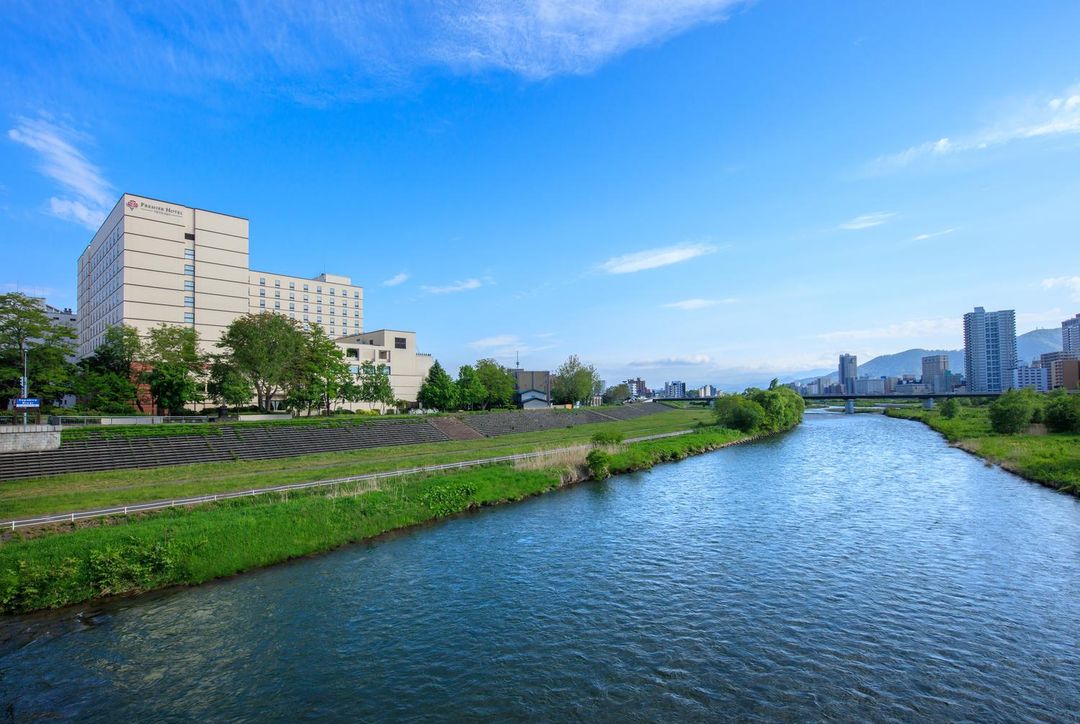
Premier Hotel -Tsubaki- Sapporo
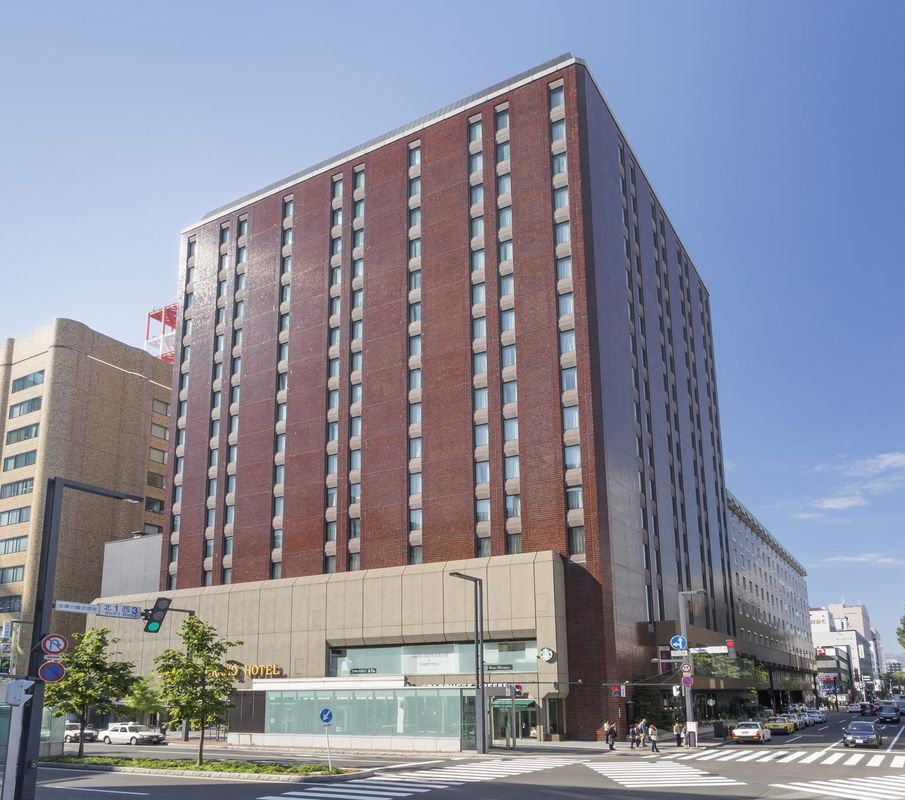
Sapporo Grand Hotel
Best Hotels in Sapporo
Discover curated hotel collections in Sapporo
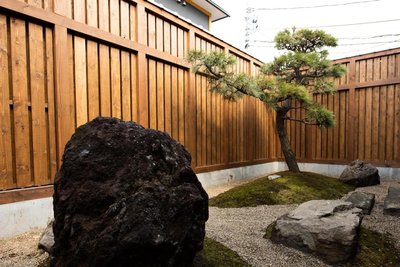
Hotel Zen-Adult Only
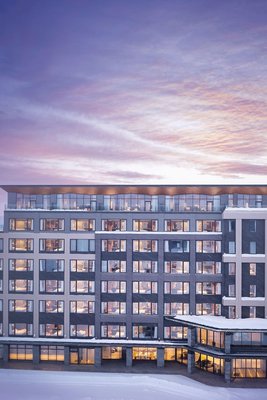
Nikko Style Niseko Hanazono
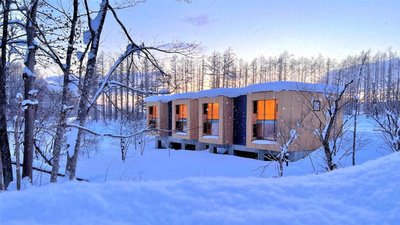
Miru Niseko
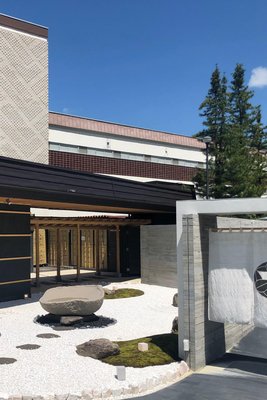
Shogetsu Grand Hotel
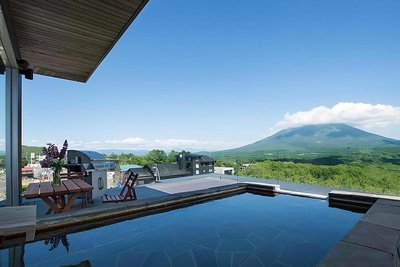
The Vale Niseko
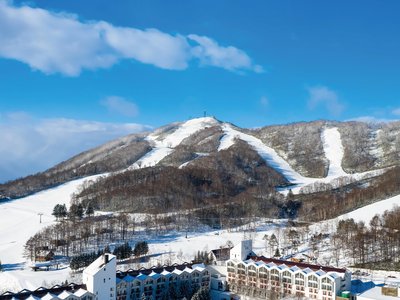
Rusutsu Resort Hotel & Convention
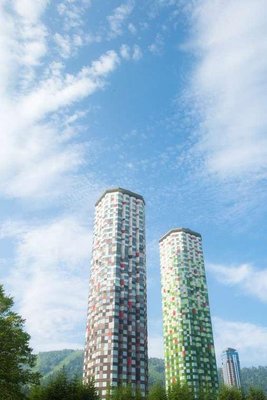
Hoshino Resorts Tomamu The Tower
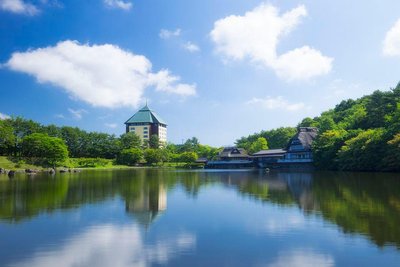
Hoshino Resorts Aomoriya
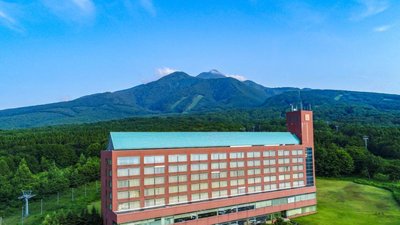
Rockwood Hotel & Spa
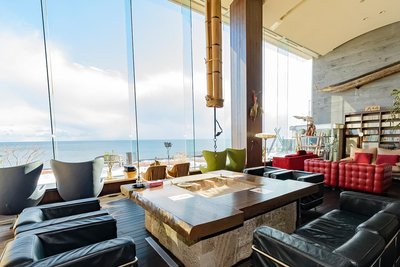
Kokorono Resort Umino Bettei Furukawa
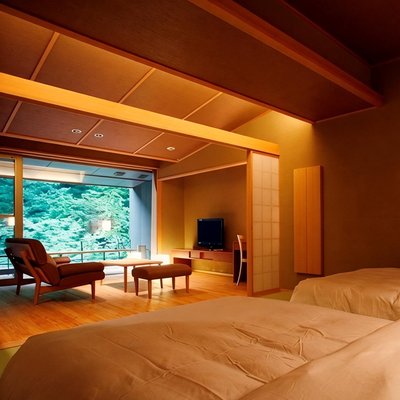
Noboribetsu Onsenkyo Takinoya
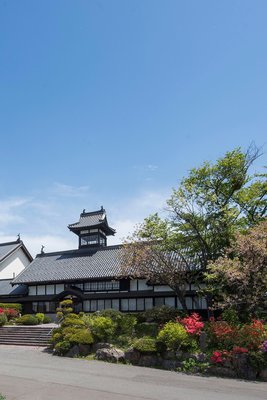
Ginrinsou
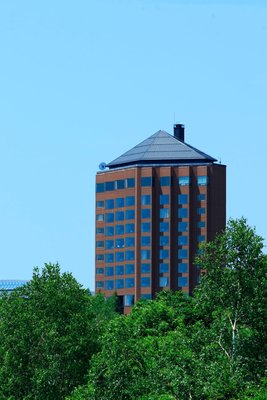
Furano Resort Orika
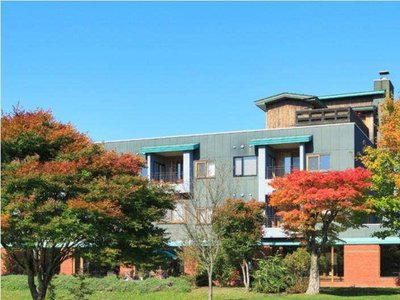
Sanyoan
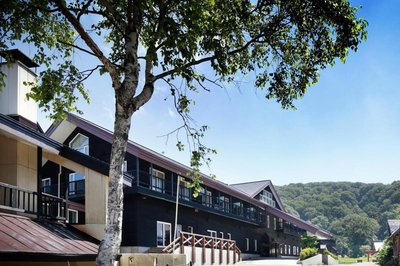
Hotel Jogakura
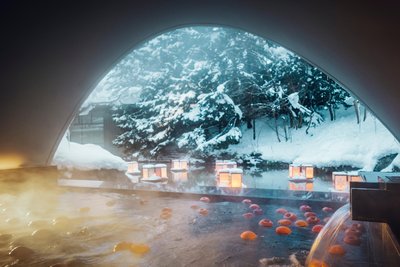
Hoshino Resorts Kai Tsugaru
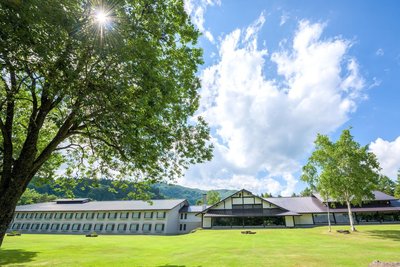
Towada Prince Hotel
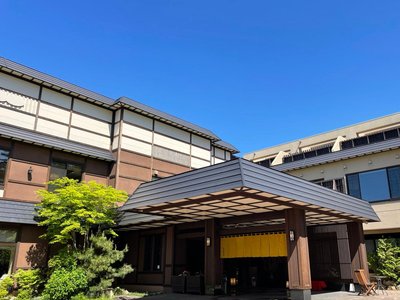
Otaru Kourakuen
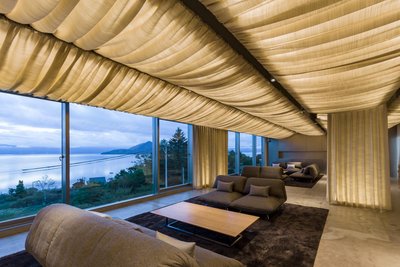
WE Hotel Toya
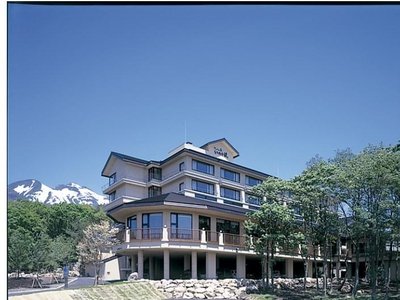
Asobe No Mori Iwakiso
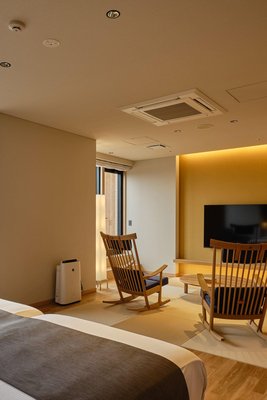
Lake Toya Tsuruga Resort Hikarinouta
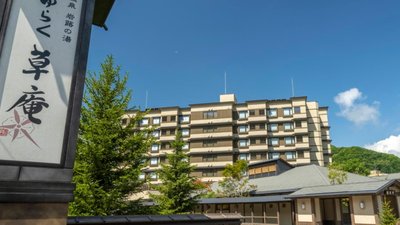
Jozankei Onsen Yurakusoan
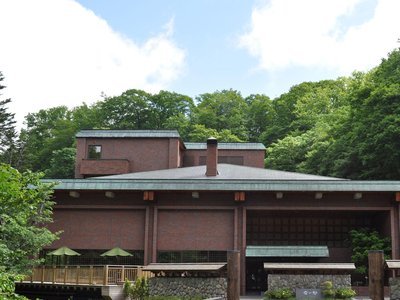
Niseko Konbu Onsen Tsuruga Moku-No-Sho
Shogetsu Grand Hotel
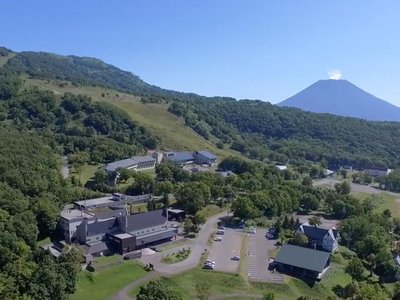
Niseko Hot Spring Ikoino Yuyado Iroha
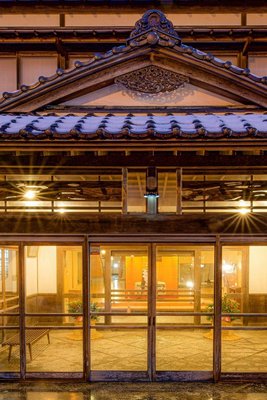
Wakamatsu Hot Spring Resort
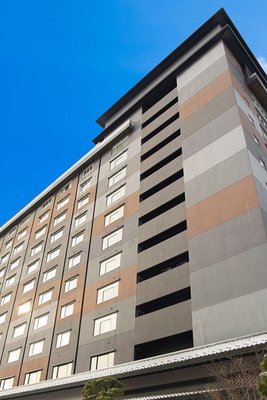
Bourou NOGUCHI Hakodate
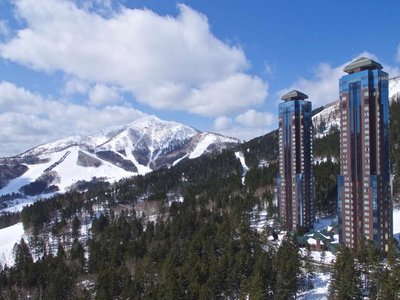
Hoshino Resorts RISONARE Tomamu
Rusutsu Resort Hotel & Convention
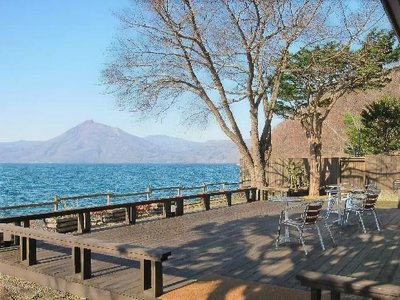
Lakeside Villa Suimeikaku
Kokorono Resort Umino Bettei Furukawa
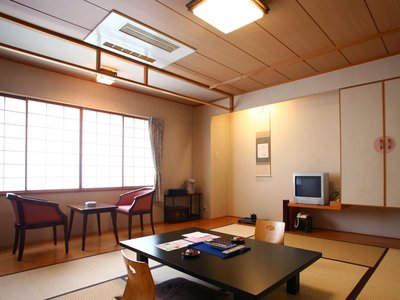
Takinoya Bekkan Tamanoyu
Ginrinsou
Sanyoan
Hotel Jogakura
Hoshino Resorts Kai Tsugaru
Towada Prince Hotel
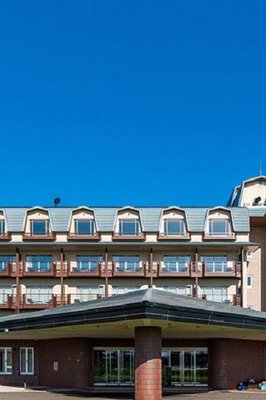
Tokachigawa Onsen Daiichi Hotel
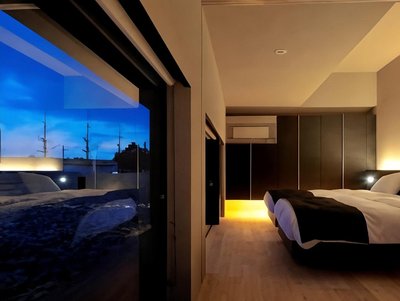
Esashi Ryotei Kuki
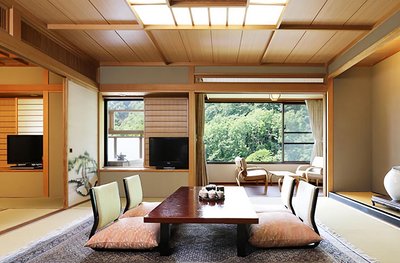
Ryotei Hanayura
Wakamatsu Hot Spring Resort
Ryotei Hanayura
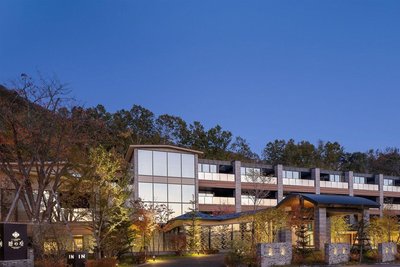
Lake Shikotsu Tsuruga Bessou Ao No Za
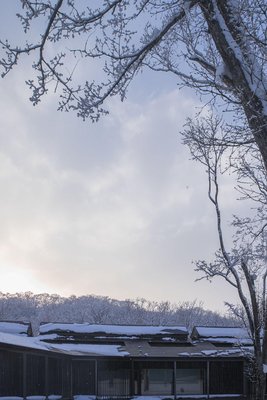
Zaborin
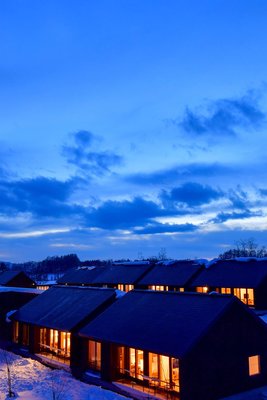
Niseko Inn of Youtei Raku Suisan
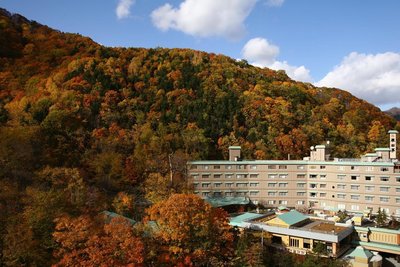
Jozankei Daiichi Hotel Suizantei
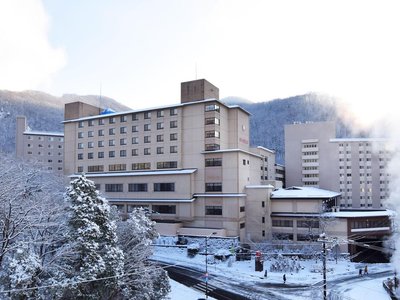
Dai-ichi Takimotokan
Jozankei Onsen Yurakusoan
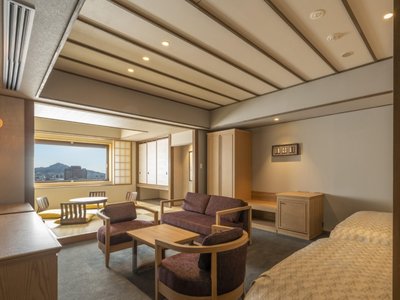
La Vista Hakodate Bay Annex
Niseko Konbu Onsen Tsuruga Moku-No-Sho
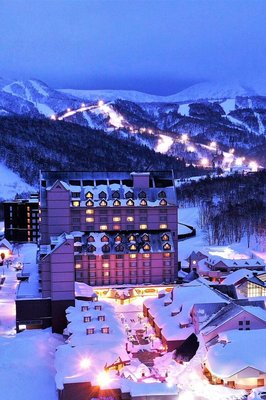
Club Med Kiroro Grand
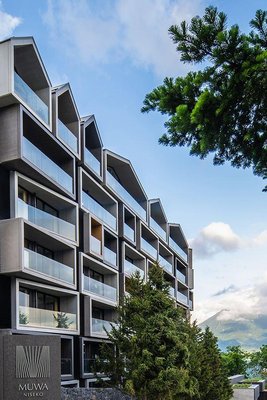
MUWA NISEKO
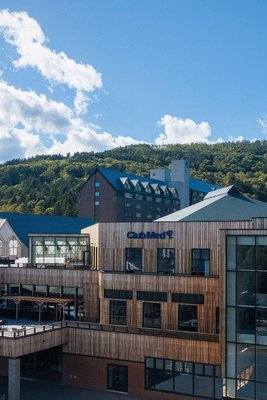
Club Med Tomamu Hokkaido
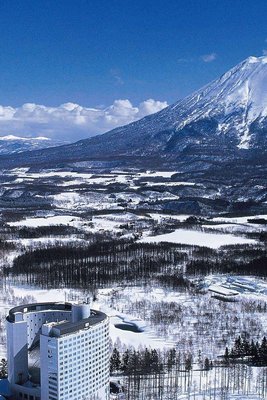
Hilton Niseko Village
Wakamatsu Hot Spring Resort
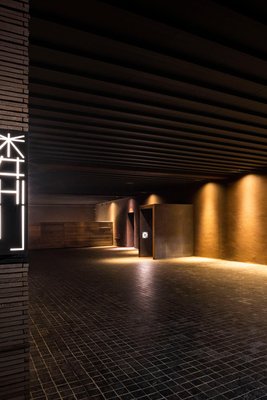
Bourou Noguchi Noboribetsu (Adult Only)
Bourou NOGUCHI Hakodate
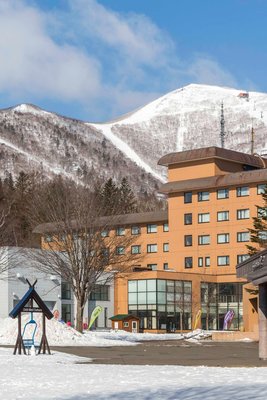
Club Med Sahoro Hokkaido
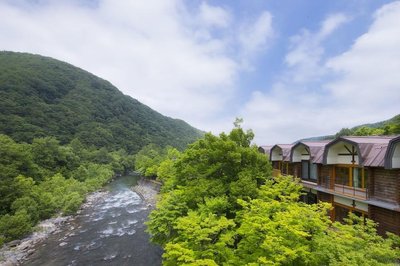
Hoshino Resorts Oirase Keiryu Hotel
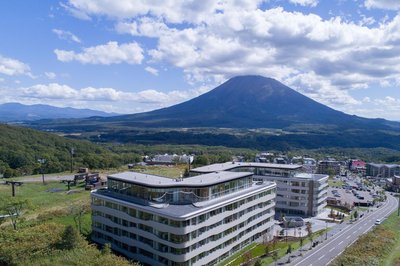
Skye Niseko
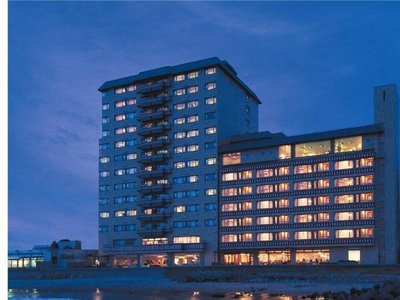
Heiseikan Shiosaitei Hanatsuki
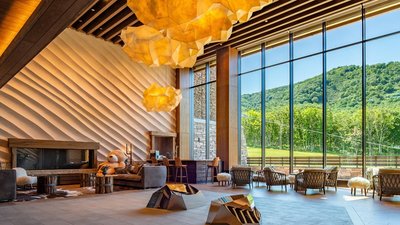
Yu Kiroro, Ski-in Ski-out Luxury Residences
Zaborin
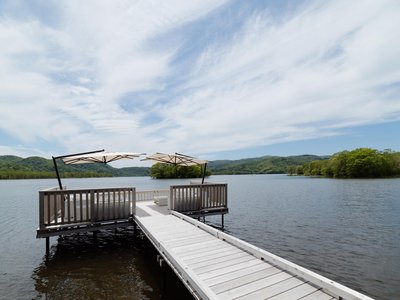
Hakodate Onuma Tsuruga Resort EPUY
Jozankei Daiichi Hotel Suizantei
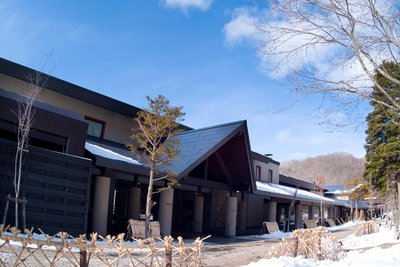
Lake Shikotsu Tsuruga Resort Spa Mizu No Uta
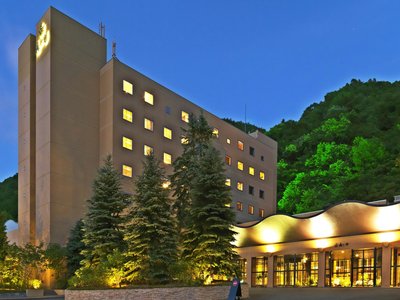
Jozankei Tsuruga Resort Spa Mori No Uta
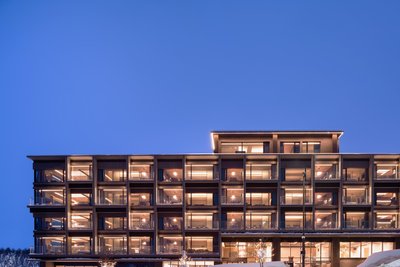
SANSUI NISEKO
Niseko Konbu Onsen Tsuruga Moku-No-Sho
Club Med Kiroro Grand
MUWA NISEKO
Club Med Tomamu Hokkaido
Miru Niseko
Hilton Niseko Village
The Vale Niseko
Niseko Hot Spring Ikoino Yuyado Iroha
Hoshino Resorts RISONARE Tomamu
Rusutsu Resort Hotel & Convention
Hoshino Resorts Tomamu The Tower
Club Med Sahoro Hokkaido
Skye Niseko
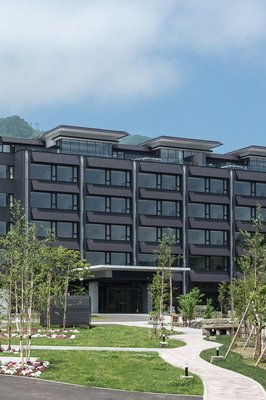
Ki Niseko
Yu Kiroro, Ski-in Ski-out Luxury Residences
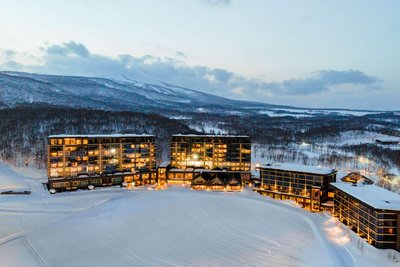
Park Hyatt Niseko Hanazono
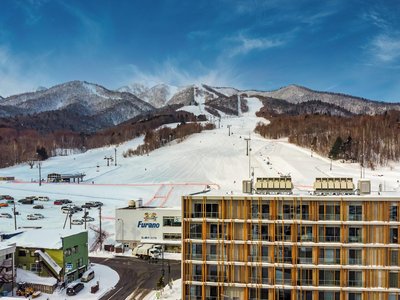
Fenix Furano
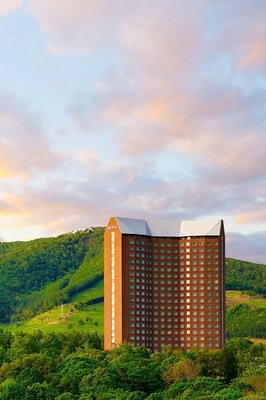
The Westin Rusutsu Resort
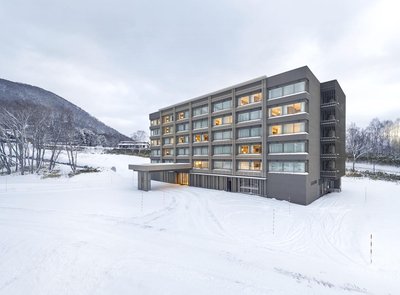
Hinode Hills Niseko Village, Curio Collection by Hilton
SANSUI NISEKO
Lake Toya Tsuruga Resort Hikarinouta
Hoshino Resorts RISONARE Tomamu
Lake Shikotsu Tsuruga Bessou Ao No Za
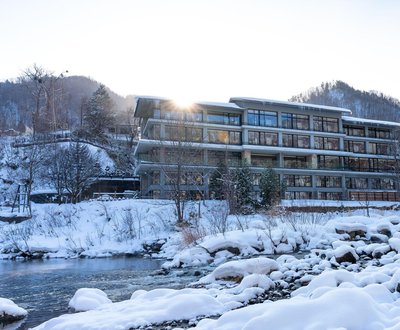
Chalet Ivy Jozankei
Park Hyatt Niseko Hanazono
The Westin Rusutsu Resort
Niseko Inn of Youtei Raku Suisan
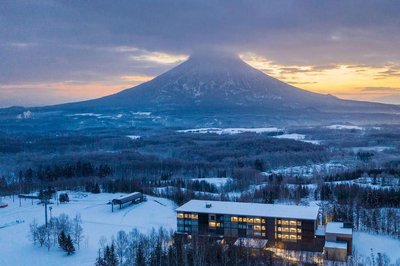
Higashiyama Niseko Village, a Ritz-Carlton Reserve
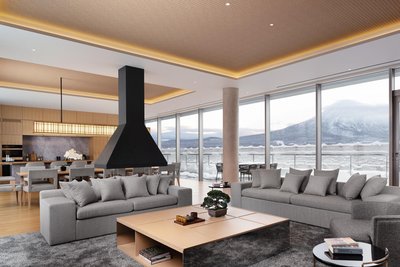
Setsu Niseko
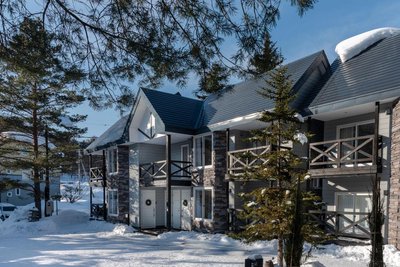
Furano Lofts
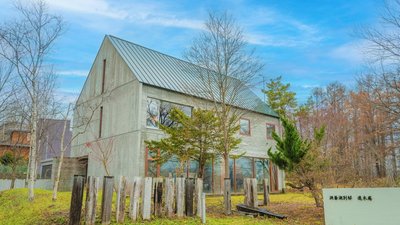
Toyako Villa Susukian
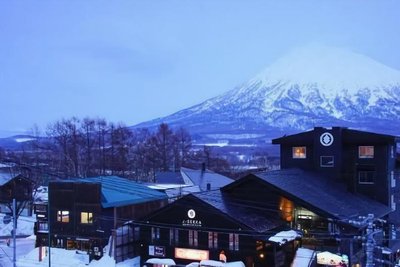
Snow Crystal
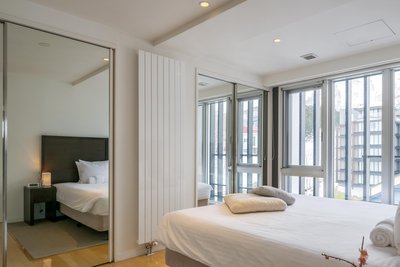
Alpen Ridge
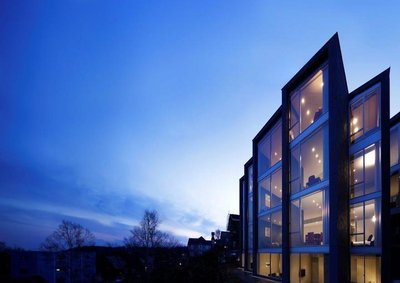
Terrazze
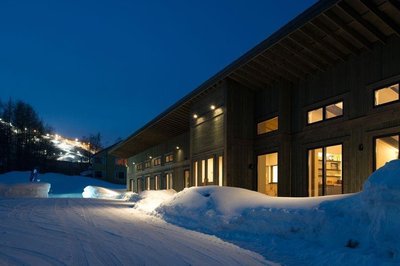
The Orchards Niseko
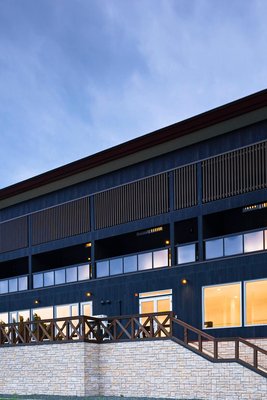
Furano Lookout
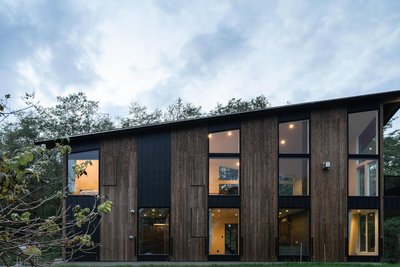
Furano Peak
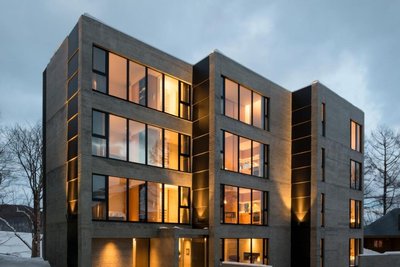
Kozue
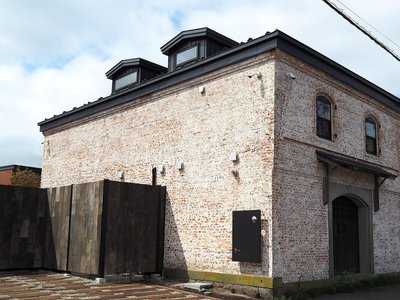
Pres de La Mer
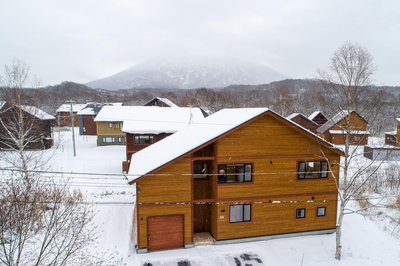
Country Resort Niseko
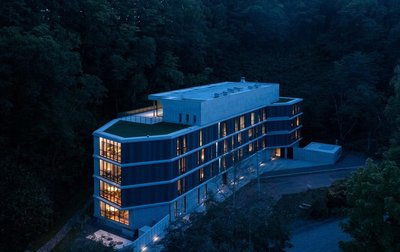
Yamakei Residences
Frequently Asked Questions about Traveling to Sapporo
Questions You Might Need to Know About Traveling to Sapporo
For excellent public transit access, stay at Sapporo Station Front Hotel or Hotel Sunroute Plaza Sapporo, both located directly above Sapporo Station. These hotels offer seamless connections to the JR Line, subway, and bus services, making it easy to reach Odori Park, Clock Tower, and Susukino. They also provide multilingual staff and free Wi-Fi, ideal for travelers prioritizing convenience and efficiency in exploring Sapporo.
Susukino (Higashi-ku) is Sapporo’s cultural and nightlife hub, known for its vibrant streets filled with izakayas, cocktail bars, and live music venues. Stay at Sapporo Higashi-ku Gran Hotel or Mitsui Garden Hotel Sapporo, which offer authentic local charm combined with modern comfort. The district is also home to Sapporo Beer Museum and Goryōkaku Fortress, making it perfect for travelers seeking immersive experiences beyond typical tourist spots.
Beyond the Sapporo Snow Festival, try snowshoeing in Mount Teine or skiing at Sapporo Teine Ski Resort, just a 30-minute drive from downtown. Visit Shiroi Koibito Park to tour a chocolate factory and taste signature white love biscuits. For a serene experience, take a horse-drawn sleigh ride at Yakumo Ranch, where you can enjoy panoramic views of snow-covered fields under the stars.
While Sapporo itself lacks traditional onsen hotels, Four Seasons Hotel Sapporo offers an exceptional spa experience with indoor heated pools, Finnish saunas, and therapeutic treatments using Hokkaido natural ingredients. The hotel’s design blends Nordic minimalism with Japanese aesthetics, creating a tranquil retreat. For true onsen immersion, consider a short trip to Dentetsu Ropeway Onsen in Tsuruoka, only one hour away by train.
Hyatt Regency Sapporo stands out with spacious family rooms, a children’s playroom, and complimentary breakfast featuring local Hokkaido dairy products. It’s near Odori Park and Sapporo Children’s Zoo, making it ideal for families. Additionally, Sapporo Grand Hotel provides baby cots, high chairs, and organized family tours, ensuring a stress-free vacation for parents and kids alike.
Stay near Susukino or Nijo Market to access some of Sapporo’s most authentic dining spots. Hotels like Sapporo Higashi-ku Gran Hotel place guests within walking distance of famous ramen shops, seafood stalls, and yakitori grills. Don’t miss Izakaya District in Susukino, where locals gather nightly to enjoy fresh sashimi, kaisendon, and Hokkaido milk-based desserts.
Hilton Sapporo and Sapporo Shinkansen Hotel offer complimentary shuttle buses from New Chitose Airport to the hotel, operating every 30 minutes during peak hours. These services save time and reduce travel stress, especially for late-night arrivals. HopeGoo in advance via their websites ensures availability, and drivers speak English, making international travelers feel welcome.
In summer, hike the scenic trails of Mount Moiwa for panoramic views of Sapporo city and surrounding mountains. Take a cable car ride to the summit and enjoy the alpine flowers and cool breeze. Visit Teine River Park for river kayaking and picnic areas, or explore Takinoue Forest, a lush green oasis perfect for cycling and birdwatching. Evening visits to Odori Park’s Summer Music Festival add cultural flair to your trip.
Four Seasons Hotel Sapporo features striking minimalist architecture with floor-to-ceiling glass walls and a sleek, modern façade inspired by Hokkaido’s mountain landscapes. Its rooftop lounge and lobby design make it a favorite among photographers. Nearby, Sapporo City Hall’s iconic glass dome also serves as a stunning backdrop for social media content, especially during sunset.
For a short trip, prioritize hotels near Sapporo Station such as Hotel Sunroute Plaza Sapporo or JR Sapporo Hotel. These centrally located properties offer quick access to major attractions like Odori Park, Sapporo Beer Museum, and Susukino. Many provide express check-in/out and luggage storage, maximizing your time in the city while minimizing transit hassle.
Sapporo Overview
City Summary
Sapporo, the capital of Hokkaido, blends urban sophistication with stunning natural beauty. The city is famous for its Snow Festival in winter, featuring massive ice sculptures that draw visitors worldwide. In summer, Odori Park offers lush greenery for leisurely strolls. Don’t miss trying Sapporo ramen and Genghis Khan BBQ for a culinary delight. The campus of Hokkaido University provides a scholarly retreat, while nearby Jozankei Onsen adds a relaxing touch to your journey.
Must-See Attractions
Sapporo, the capital of Hokkaido, blends urban modernity with natural beauty. The Sapporo Snow Festival in winter is a must-see, featuring stunning ice sculptures at Odori Park. Historic landmarks like the Clock Tower and Old Hokkaido Government Building showcase Meiji-era architecture, while Tanukikoji Shopping Street offers local delights. Food lovers can savor Sapporo ramen and seafood bowls, with Nijo Market providing the freshest catches. From summer’s Furano flower fields to winter’s ski resorts, it’s a year-round destination.
Food Guide
Sapporo, the capital of Hokkaido, Japan, is renowned for its rich culinary culture, especially its seafood and ramen. The city’s signature miso ramen features a rich broth, chewy noodles, and fresh toppings, making it a favorite among visitors. Another local specialty is Genghis Khan barbecue (grilled lamb), cooked with a unique sauce for a distinctive flavor. During winter, don’t miss the street food at the Sapporo Snow Festival, such as grilled corn and warm red bean soup, to experience Hokkaido’s winter charm.
Transportation Guide
Sapporo, the capital of Hokkaido, boasts a well-developed transport network ideal for exploring this city of distinct seasons. The subway system is efficient with three main lines connecting downtown attractions like Odori Park and Sapporo Station. Consider purchasing a one-day subway pass (around ¥800) for unlimited rides.
During winter visits to the Sapporo Snow Festival (held at Odori Park), check JR train and subway schedules in advance to avoid snow delays. Buses cover areas beyond subway reach but may have infrequent services. For day trips to Otaru or Furano, the JR Hokkaido Pass can save transport costs.
Taxis start at approximately ¥670, suitable for group travel or nighttime commuting. Note: Winter roads require snow tires—rental drivers should familiarize themselves with local regulations.
Best Time to Visit
Sapporo, the largest city in Hokkaido, offers distinct charms in each season. The best times to visit are winter (December to February) and summer (July to August). In winter, Sapporo is covered in snow, making it a paradise for skiers, and the Sapporo Snow Festival attracts visitors worldwide. Summer brings cool weather, perfect for the Odori Park beer festival and outdoor activities. Spring (May to June) and autumn (September to October) are quieter, ideal for those who prefer tranquil trips to see cherry blossoms or autumn foliage. Note that winter can be extremely cold, so warm clothing is essential.
Useful Information
Sapporo, the capital of Hokkaido, Japan, is renowned for its stunning natural scenery, rich culinary culture, and unique festivals.
Language: Japanese is the primary language, but English and basic Chinese are understood in tourist areas and hotels. A translation app is recommended.
Internet & Communication: Free Wi-Fi spots (e.g., Sapporo City Wi-Fi) are widely available. Alternatively, purchase a local SIM card or rent a portable Wi-Fi device.
Currency & Payment: Use Japanese Yen (JPY). Credit cards (Visa/Master) are widely accepted, but carrying cash is advised for small shops and markets.
Emergencies: Dial 110 for police or 119 for ambulance. Sapporo is safe, but remain vigilant at night.
Must-Do: Visit the Sapporo Snow Festival (giant snow sculptures) in winter, or explore Odori Park and savor Genghis Khan BBQ and seafood donburi in summer. The subway and bus systems are efficient—consider a SAPICA card for travel.
Traveler Reviews
See what other travelers say about Sapporo

Jr Tower Hotel Nikko Sapporo
Staying at JR Sapporo Nikko Hotel was an absolute delight from start to finish. The service was exceptional—staff went above and beyond, even carrying my luggage up to the room and neatly placing it on the shelf for easy access. I was especially impressed by the spa, which is exclusively available to guests in the morning, so it’s never crowded and feels truly relaxing. I spent a peaceful moment lounging in a quiet corner, enjoying soft music and a refreshing ice cream—perfect way to unwind after a long journey. Breakfast was a highlight too: I tried both the Japanese-style and buffet options, but the Japanese meal stood out with its fresh ingredients and authentic flavors. Everything felt thoughtfully curated. Located just steps from the subway, it’s incredibly convenient for exploring Sapporo. This hotel offers an unbeatable mix of comfort, service, and value—I’ll definitely be returning.

ANA Crowne Plaza Sapporo
We stayed in a room with four single beds, and it was surprisingly spacious—perfect for our group. The hotel's location is unbeatable: just steps from Subway Exit 21, and only a 5- to 10-minute walk to Sapporo Station. Across the street is the Higashiya Department Store, while Sapporo Station itself has two major shopping spots—Mitsukoshi and Stellar Place—ideal for some retail therapy. Just a 5-minute stroll takes you to the Sapporo TV Tower, and it’s about 10–15 minutes to reach the lively Nijo Street shopping district. Not far away, we found the famous PICANTA curry ramen place—absolutely worth a visit. We also appreciated that the hotel offers shuttle bookings to Mount Teine ski resort, making winter trips super convenient. Room cleaning was done daily, and the staff were consistently friendly and helpful. Breakfast was a highlight—great variety, fresh ingredients, and excellent quality. Overall, this stay was fantastic, and I’d definitely return.

Keio Plaza Hotel Sapporo
Staying at Keio Plaza Hotel Sapporo was a truly delightful experience. As a well-established hotel with classic Japanese hospitality, the service and amenities felt familiar and comforting—exactly what you’d expect from a trusted name. The staff were consistently friendly, attentive, and patient, making check-in and daily interactions smooth and pleasant. What stood out most was the incredible value for money—great quality without breaking the bank. The breakfast buffet was absolutely outstanding: wide variety of dishes, including authentic Hokkaido specialties like fresh seafood, local cheese, and regional sauces, plus plenty of fresh vegetables. It felt like a real taste of Hokkaido. Right across the street is the flagship store of Rokkaku-tei, perfect for picking up some delicious local treats. And being just a short walk from Sapporo Station makes exploring the city incredibly convenient. Whether you're here for business or leisure, this hotel delivers comfort, charm, and excellent convenience—all in one package.

Jozankei Tsuruga Resort Spa Mori No Uta
Staying at this mountain-side resort in Datejima was an absolute delight. Nestled in the quiet hills near Sapporo, the atmosphere is peaceful and truly feels like a retreat from the city. I booked a room with an outdoor onsen—what a treat! Soaking under the stars with views of the surrounding forest was magical and totally unique. The cleanliness was excellent throughout, and every detail felt thoughtfully maintained. The staff were incredibly attentive and professional, always ready to help without being intrusive. Dinner featured a standout crab hot pot—huge, fresh crab legs and claws, paired with delicious mushrooms and seasonal vegetables. It was generous in portion and so flavorful. Breakfast was another highlight: a rich, thick curry (not the usual soup version) that paired perfectly with rice—simple but deeply satisfying. Every aspect of this stay exceeded expectations. If you're looking for a serene, authentic Japanese ryokan experience with great food and top-tier service, this place is a must-visit.

Sapporo Park Hotel
Staying at Sapporo Park Hotel was an absolute delight! Located right next to Nakajima Park, the hotel offers a peaceful retreat with easy access to everything. The airport shuttle from New Chitose Airport drops you off directly at the front door—so convenient for both arrival and departure (just cross the street to catch the bus back). From the moment I stepped in, staff were incredibly warm and helpful—someone even escorted me to my room with luggage and took time to explain all the amenities. They also offered baggage storage, and when I returned for a second stay, my bags were already waiting inside. The breakfast was fantastic—both Japanese-style and buffet options, with fresh, delicious food. I especially loved the miso soup and homemade rice cakes. It feels like staying in a quiet park oasis, surrounded by nature yet just minutes away from city life. Highly recommend this gem for anyone visiting Sapporo.

Sapporo Prince Hotel
Staying at Sapporo Prince Hotel was an absolute delight from start to finish. The room was surprisingly spacious—my 34-inch suitcase fit easily, even when fully opened, with plenty of room left over. Free umbrella lending was such a thoughtful touch, especially during heavy snowfall. Multiple elevators meant zero waiting time—just press and go. The second-floor onsen was a real highlight: separate men’s and women’s baths, both indoor and outdoor options, with high-end Pola skincare products. Pure luxury. I stayed on the 10th floor, and the view was breathtaking—the large windows framed stunning cityscapes and snowy landscapes, perfect for morning coffee or evening relaxation. Breakfast was outstanding—plentiful, delicious, and beautifully presented. For the first three days, it was served in the adjacent International Pavilion; for the last three, it moved to the main lobby area, which had just finished renovations and now felt even more elegant. Eating breakfast while watching the snow fall outside was simply magical. The staff were incredibly warm and welcoming—especially the front desk lady who greeted us with a cheerful "Good morning" and "Hello" in fluent Chinese. This level of personal attention made all the difference. Overall, the hotel exceeded expectations in comfort, service, and atmosphere. A top-tier experience that I’d happily return to.

Sapporo View Hotel Odori Park
Staying at this hotel was an absolute delight, especially for the location—right across from Odori Park with stunning views through the large windows. The natural light floods in, making the room feel bright and airy from morning till night. The space is generous, and while the interior has a slightly vintage vibe, it's well-maintained, clean, and feels cozy. The bed was incredibly comfortable—perfect for a good night’s sleep after a long journey. What really stood out was the convenience of walking just 7 minutes to the airport bus stop. With heavy luggage, this made getting to and from the airport so much easier than expected. It’s a fantastic option for travelers who value comfort, location, and practicality. Highly recommend!

Hotel Emisia Sapporo
The view from the hotel window was absolutely stunning—lush greenery and natural scenery that instantly put me at ease. The room itself was spacious, well-designed, and incredibly comfortable, with plenty of room to move around and unwind. What really stood out was how accommodating the staff were: we arrived early in the morning after our flight, and even though check-in wasn’t until 12 PM, they had a room ready and allowed us to check in early so I could catch up on sleep. That kind of flexibility made a huge difference in our travel experience. Everything about this stay felt thoughtful and high-quality—from the clean, modern space to the friendly service. I can’t recommend it enough. If I’m ever back in Sapporo, this will be my first choice again.

Premier Hotel -Tsubaki- Sapporo
Staying at Premier Hotel -Tsubaki- Sapporo was a fantastic experience. The location is incredibly convenient—right across from a convenience store, making late-night snacks or essentials super easy to grab. Public transportation is just steps away, and getting into downtown Sapporo is a breeze. While the hotel’s interior design has a classic feel and isn’t brand new, the rooms are spacious and well-maintained, with a large, clean bathroom that adds to the comfort. The staff were friendly and attentive throughout our stay, making check-in and check-out smooth. Breakfast was a real highlight—abundant variety, including both Japanese and Western options, all fresh and delicious. It’s clear the hotel focuses on value without compromising quality. For travelers looking for comfort, convenience, and great service in a central location, this hotel is a top pick. Highly recommended!

Sapporo Grand Hotel
My recent stay at Sapporo Grand Hotel was absolutely outstanding—every single aspect exceeded my expectations. Located right next to Sapporo Station, the hotel offers seamless access via underground walkways, making it incredibly convenient whether you're arriving or departing. The location is perfect for exploring the city on foot—just a short stroll to major attractions and shopping areas. Inside the room, I was immediately impressed by the modern yet elegant design. The bed was incredibly comfortable, ensuring a restful night’s sleep, and the large windows flooded the space with natural light, creating a bright and welcoming atmosphere. Everything you’d want is here: free Wi-Fi, a well-stocked mini-bar, and a coffee machine—perfect for that morning brew. The staff were friendly, efficient, and genuinely helpful during check-in and beyond. They offered excellent local tips and recommendations, which made planning our days so much easier. Dining options on-site, including the in-house restaurant and bakery, served high-quality meals with great attention to detail. Breakfast was especially satisfying, with a wide variety of fresh, delicious choices. Overall, this hotel delivers top-tier comfort, convenience, and service—all at an amazing value. If you're visiting Sapporo, this is definitely one of the best places to stay. I’m already looking forward to coming back.

Hotel Sosei Sapporo - MGallery Collection
Staying at Hotel Sosei Sapporo - MGallery Collection truly exceeded my expectations for a Japanese hotel. The design aesthetic is sophisticated, the staff were attentive and friendly, the room size was just right, and the dining options were excellent. I initially had to split my booking across different dates due to availability issues with my preferred room type, but upon arrival, the hotel kindly upgraded me to a deluxe standard room—completely free of charge—and consolidated all my reservations seamlessly. There was a small oversight when housekeeping missed my room, but instead of a generic apology, they handed me a handwritten note along with a little sweet treat. That personal touch really showed how much they value their guests and how quickly they address any hiccups. This experience felt warm and human, not just transactional. If I ever return to Sapporo, this will be my first choice. Also, since I booked early, I noticed a significant price difference before departure—thank you to the platform for promptly processing the refund for the price difference. Truly appreciated!

Hotel Monterey Edelhof Sapporo
Staying at Hotel Monterey Edelhof Sapporo was a delightful surprise. Just a 700-meter walk from the JR station, it’s convenient yet peaceful—perfect for unwinding after a day of exploring. I originally booked two nights, but ended up extending by one more because the experience was so relaxing. The hot spring bath every evening became my favorite ritual—warm, soothing, and incredibly refreshing. Breakfast was generous and satisfying, especially loved the fresh eggs, crisp vegetables, fruit platters, and a good cup of coffee. Staff were friendly and attentive without being intrusive. The room was surprisingly spacious compared to typical Japanese hotels, and the soundproofing made it wonderfully quiet—ideal for a restful sleep. Cleanliness is always top-notch in Japan, but this place exceeded expectations in comfort and space. If you're looking for a serene, well-appointed stay in Sapporo with excellent value, this hotel is a must-try.