Hotels in saraphi
Discover your perfect stay in saraphi.
saraphi(Thailand) Travel 2026: Cheap Flights, Hotels & Top Attractions
Popular Landmarks in saraphi
Discover the most iconic attractions in saraphi
Recommended Hotels in saraphi
Find the perfect place to stay in saraphi
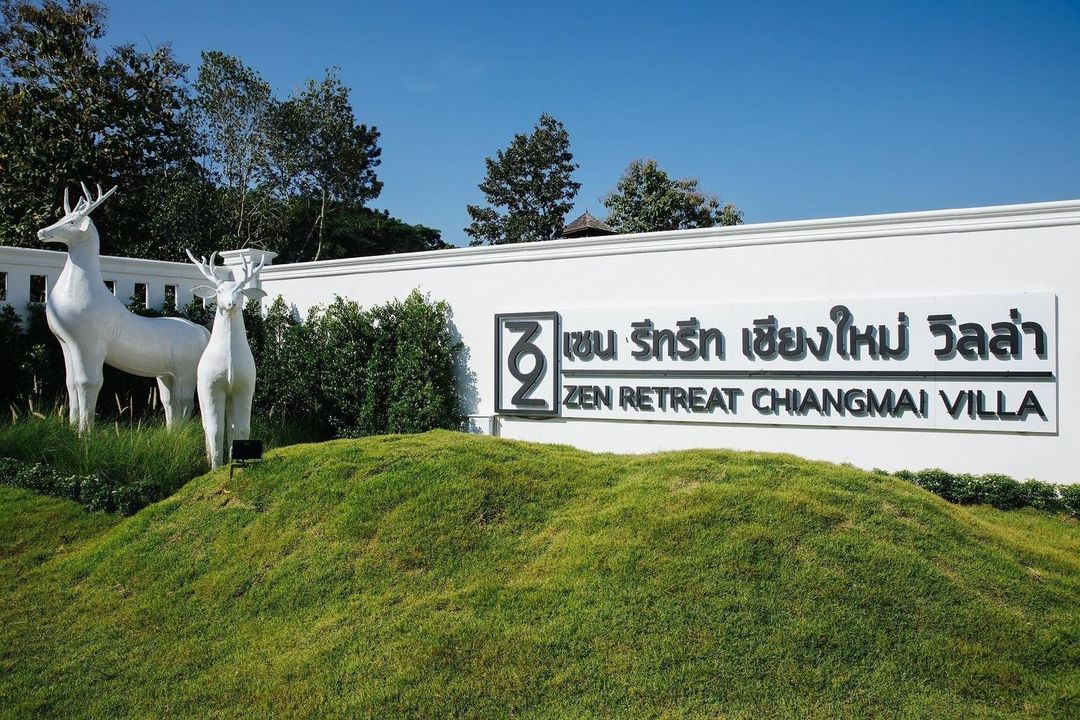
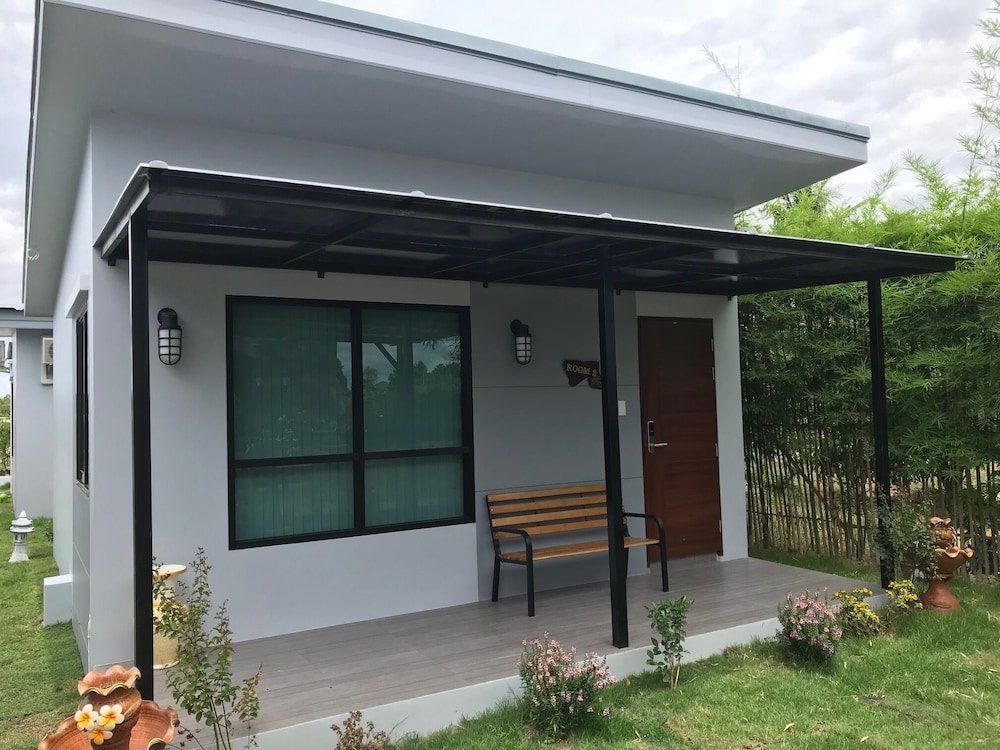
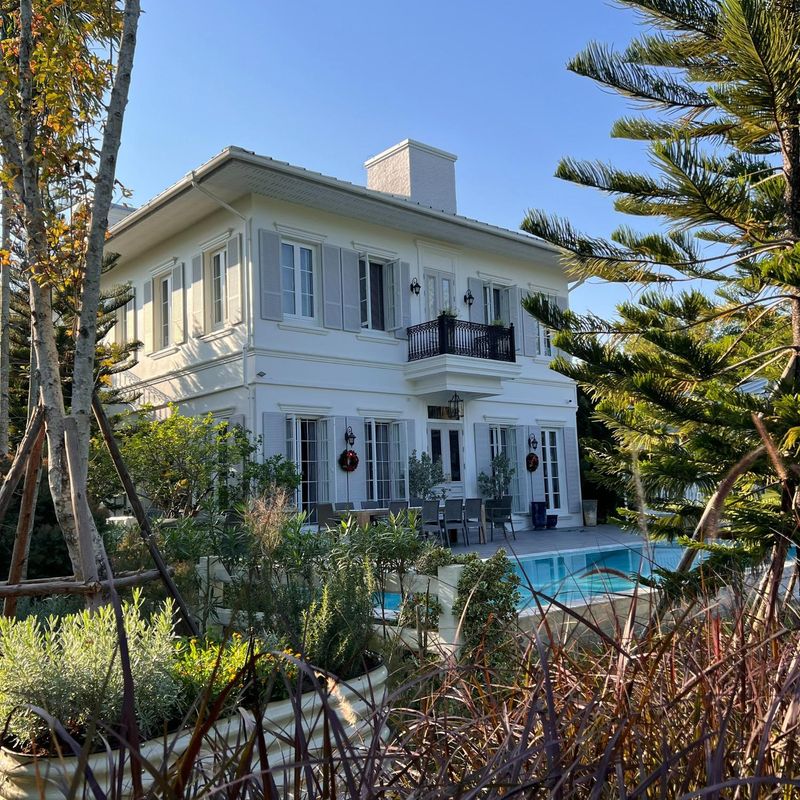
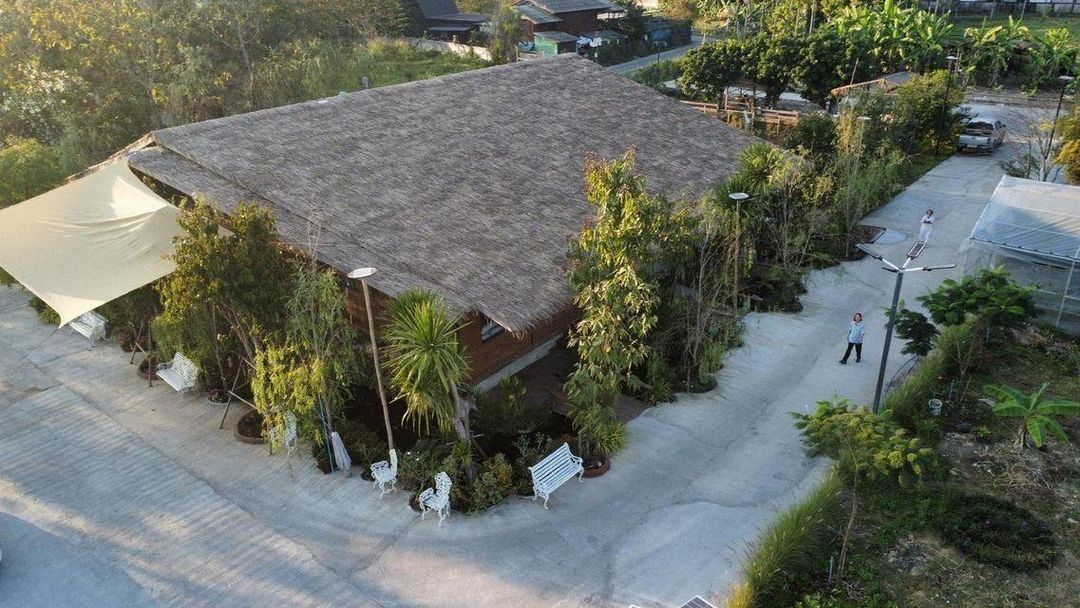
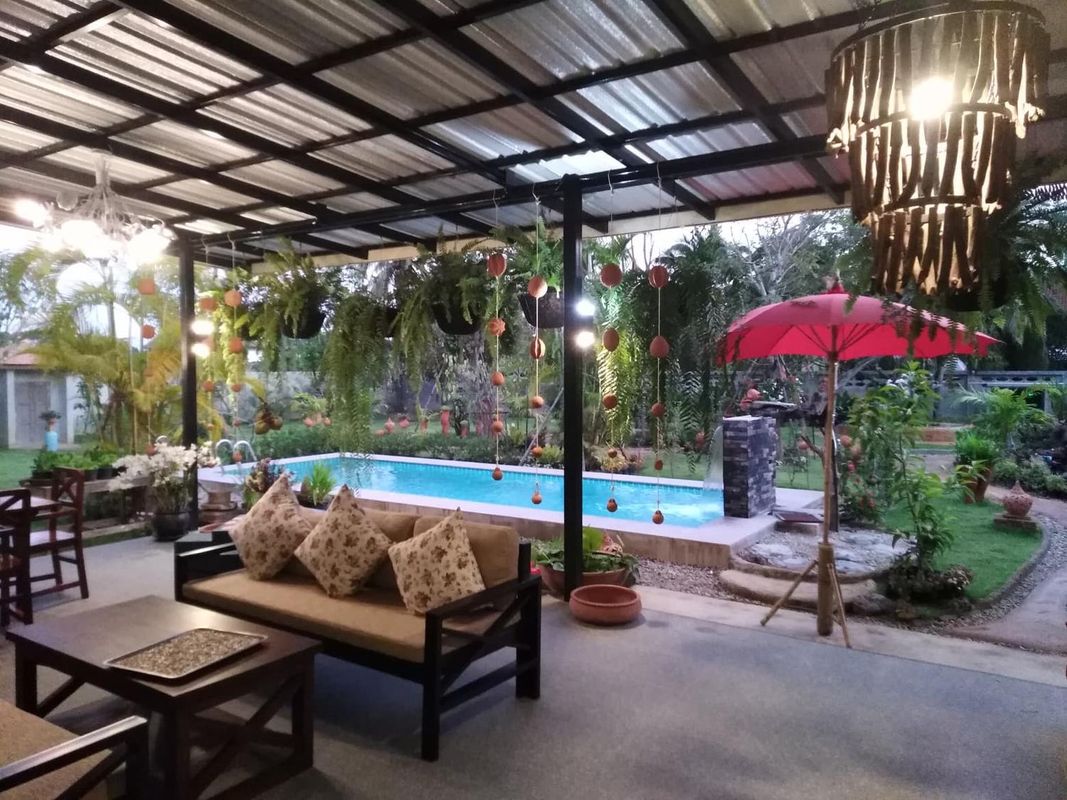
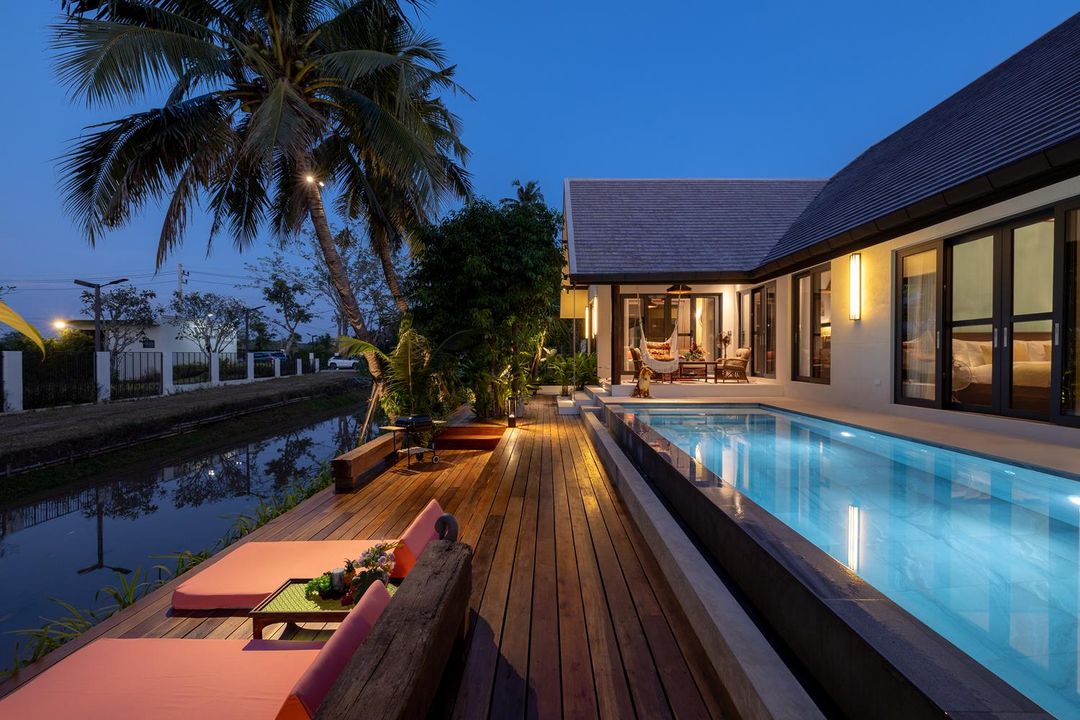
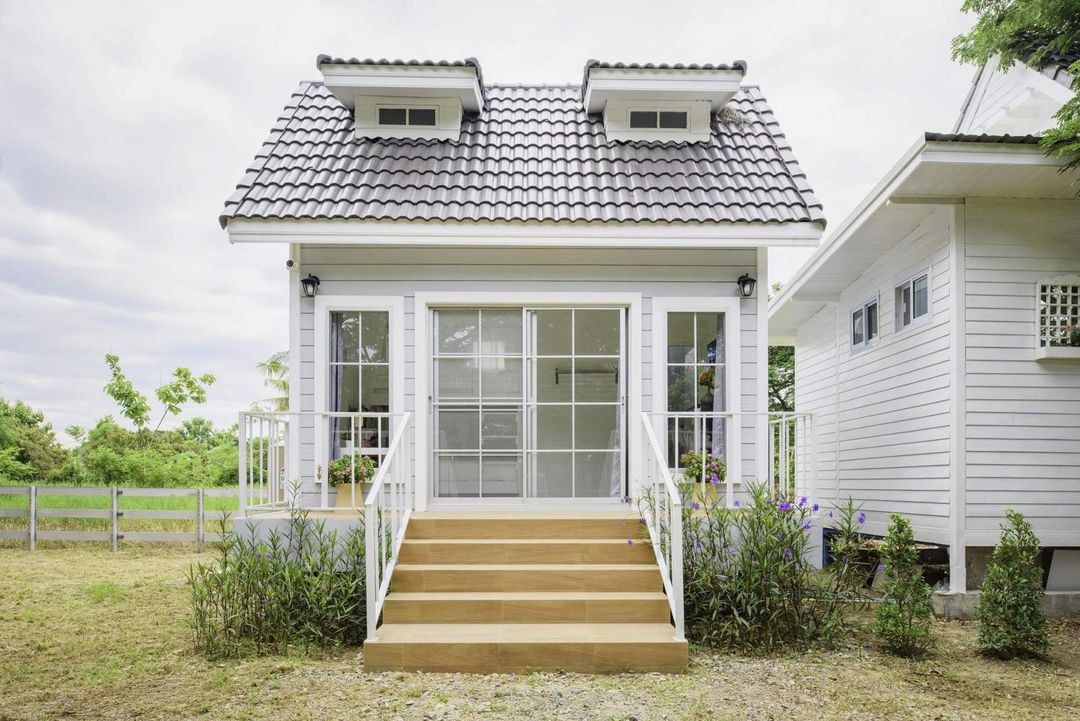
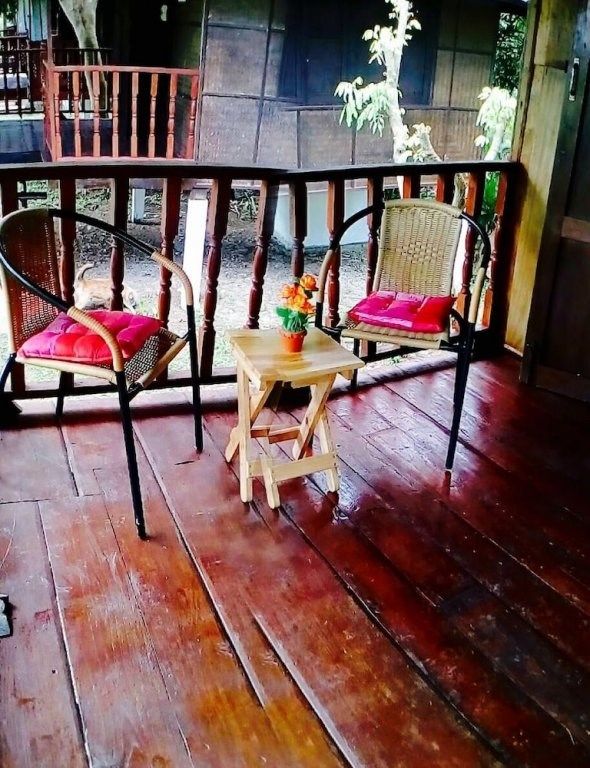
Best Hotels in saraphi
Discover curated hotel collections in saraphi


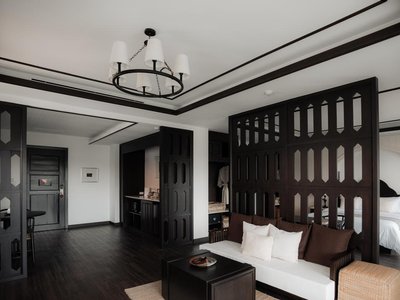
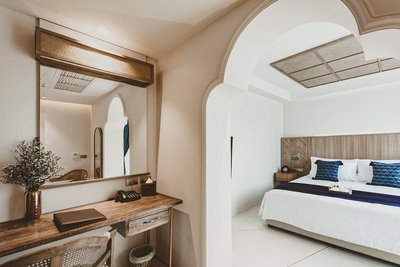
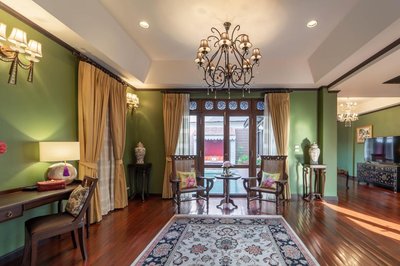
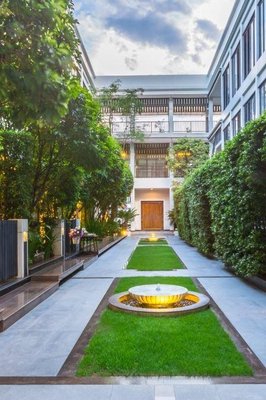
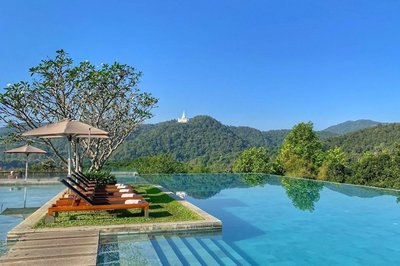
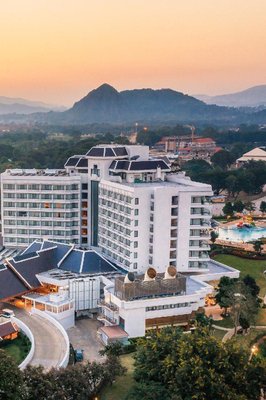
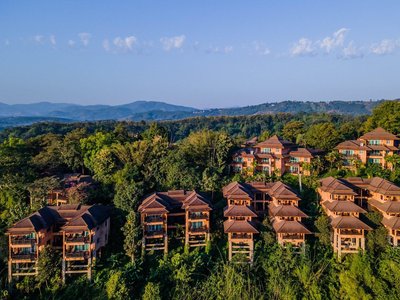
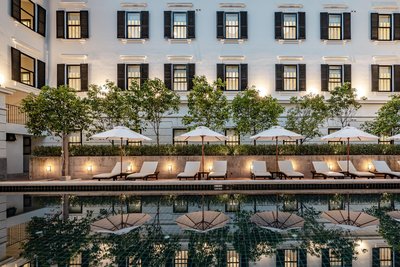
Frequently Asked Questions about Traveling to saraphi
Questions You Might Need to Know About Traveling to saraphi
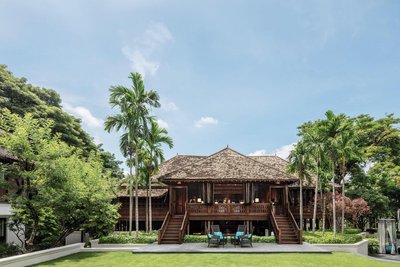
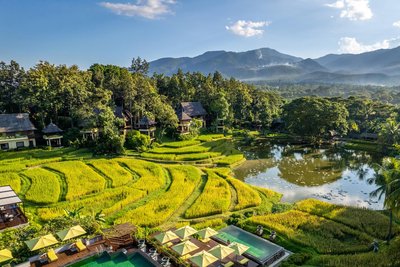
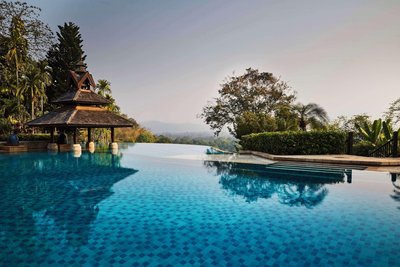
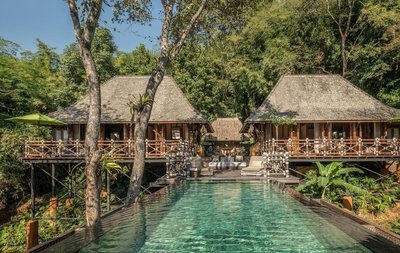
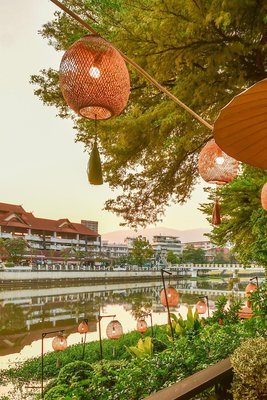
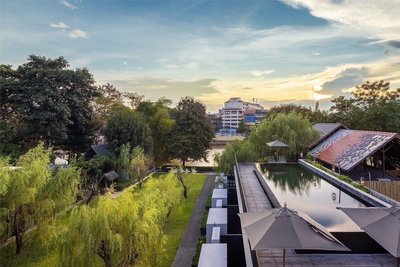
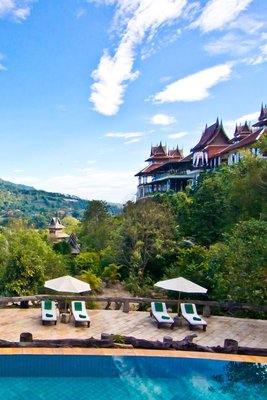
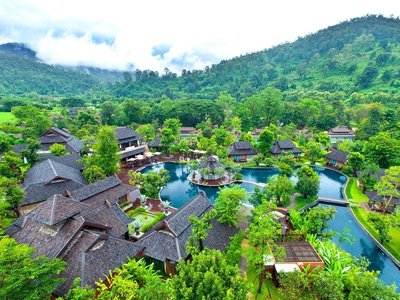
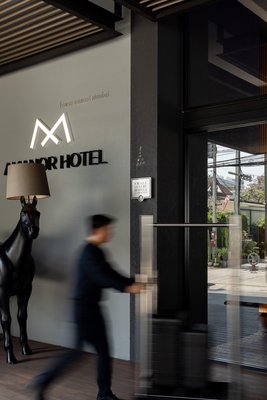
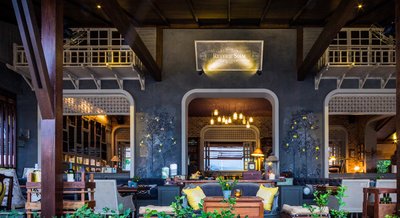
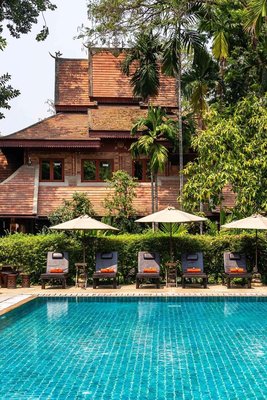
In Sala Pa District, the standout boutique hotel is Chiang Mai Hill Resort, a serene retreat nestled among lush hills overlooking the Mae Ping River. This eco-luxury property blends traditional Lanna architecture with modern comfort, featuring bamboo villas, private gardens, and panoramic views. Guests enjoy authentic Thai massages, organic farm-to-table dining, and guided cultural walks to nearby ancient temples and handicraft villages. Its secluded setting offers peace and privacy, making it ideal for travelers seeking authenticity and tranquility in Northern Thailand's heartland.
The best area for accommodation in Sala Pa District is the Tha Phae Riverside Zone, located just steps from Talad Warorot Market and Chiang Mai Old City. This riverside stretch hosts charming boutique guesthouses like Mae Ping Retreat, known for its tranquil courtyards, low-impact design, and easy access to local temples and night markets. The area combines convenience with serenity—perfect for morning strolls along the river, evening sunsets, and exploring heritage sites without the crowds. It’s also well-connected by tuk-tuks and bike rentals, offering an ideal base for cultural and urban exploration.
Visitors to Sala Pa District can immerse themselves in Lanna textile workshops in Ban Pong Sa Village, where local artisans teach traditional handloom weaving using ancient wooden looms. Participants create their own Lanna-patterned scarves while learning about symbolic motifs and natural dyeing techniques. Additionally, during the annual Lantern Festival (Yi Peng) in November, guests can join riverbank ceremonies to release floating lanterns, honoring ancestors and wishing for peace—a deeply spiritual and visually stunning experience that captures the soul of Northern Thai culture.
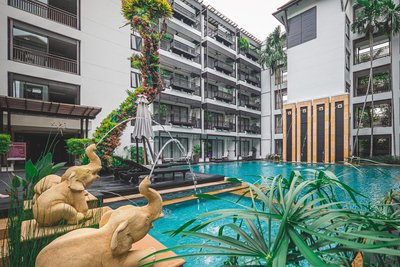
Yes, Sala Pa District is highly suitable for families. The district features family-friendly resorts such as Elephant Home Chiang Mai, which offers safe, educational elephant interactions, children’s nature trails, and hands-on cooking classes using local ingredients. Nearby attractions like Chiang Mai Zoo, Botanical Garden, and kids’ play zones ensure entertainment for all ages. With clean air, low crime rates, and welcoming locals, the area provides a secure, enriching environment. Many hotels also offer child-sized meals and multilingual staff, making it a top destination for stress-free family adventures in Northern Thailand.
Must-visit landmarks in Sala Pa District include Wiang Kum Kam Ruins—the ancient capital of the Lanna Kingdom—and Wat Mahathat, one of Chiang Mai’s oldest temples housing the revered Broken Buddha statue. The Mae Ping River scenic overlooks offer breathtaking views of misty mountains and rural villages, especially at sunrise. These sites reflect deep historical and spiritual significance, blending archaeology, architecture, and Buddhist tradition. They serve as essential stops for anyone wanting to understand the cultural roots of Northern Thailand through tangible heritage.
Local specialties in Sala Pa District center around Lanna cuisine: try Som Tum Lanna (green papaya salad) made with local chili, lime, and roasted peanuts, and Khao Soi Lanna—a rich coconut curry noodle soup with crispy fried noodles and boiled egg. Best enjoyed at Tha Phae Market stalls or night bazaars like Chiang Mai Night Bazaar, where street vendors serve authentic, flavorful dishes. These dishes highlight regional ingredients, balance of spicy-sour-sweet tastes, and centuries-old culinary traditions passed down through generations.
The best time to visit Sala Pa District is between November and February, during the dry season when temperatures range from 20–28°C with low humidity and clear skies. Ideal for outdoor activities like hiking, biking, and temple visits. While the rainy season (May–October) brings lush greenery and fewer tourists, occasional storms may disrupt travel. Avoid July due to monsoon risks. For optimal weather and cultural access, plan your trip during the dry months—perfect for experiencing both natural beauty and traditional festivals like Yi Peng.
In Sala Pa District, travelers can choose from motorbike rentals, private car services, and electric bicycles. Motorbikes are widely available near Talad Warorot Market and Old City, perfect for short trips. For longer excursions to villages like Ban Pong Sa, hiring a local driver via app or hotel is recommended (~300 THB/day). Public buses connect major sites affordably. Electric bikes offer eco-friendly mobility across parks and riverside paths. Always download Google Maps offline for navigation—especially in areas with spotty signal. These options provide flexibility and ease of access throughout the region.
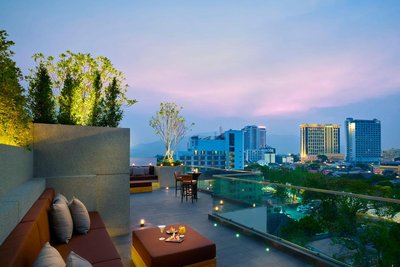
Nightlife in Sala Pa District centers on riverside night markets and cultural performances. Every evening, Tha Phae Riverside transforms into a vibrant hub with food stalls, live music, and artisan crafts. The Chiang Mai Arts Center regularly hosts traditional Lanna dance and drum shows, offering immersive cultural experiences. Some upscale hotels, like Hotel Vista, feature rooftop bars with city views and craft cocktails. The atmosphere is relaxed, community-driven, and centered on storytelling and connection—ideal for travelers seeking quiet nights filled with authenticity and local charm.
Top shopping spots in Sala Pa District include Tha Phae Market and Chiang Mai Night Bazaar, where visitors can find handmade Lanna wood carvings, natural-dye textiles, and local spices. For unique souvenirs, visit artisan fairs in Ban Pong Sa Village, specializing in handwoven fabrics and silver jewelry. Prices are negotiable—bring cash for better deals. These markets support local craftsmanship and sustainable tourism, allowing travelers to take home meaningful, culturally rich mementos while contributing directly to community livelihoods.
saraphi Overview
City Summary
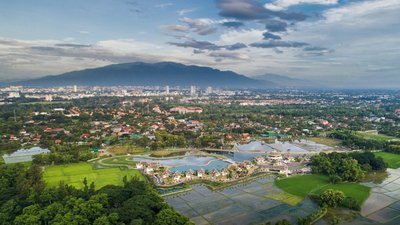
Saraburi County, located in Chiang Mai Province, Thailand, is a region rich in natural beauty and cultural heritage. Known for its lush mountains, traditional Lanna culture, and tranquil rural atmosphere, it is an ideal escape from urban hustle. Visitors can experience the unique lifestyle of Northern Thailand, exploring ancient temples and handicraft villages.
Must-See Attractions
Key attractions in Saraburi County include Wat Phra That Si Chom Thong, a historic temple with exquisite architecture and a sacred stupa. Additionally, Mae Klang Waterfall and Doi Inthanon National Park offer excellent opportunities for nature adventures. Visitors can also explore local handicraft villages to learn about traditional weaving and silverware making.
Food Guide
The local cuisine features Northern Thai flavors, with must-try dishes like Khao Soi (curry noodles), Sai Oua (Northern Thai sausage), and Nam Prik Noom (green chili dip). Street food such as sticky rice with grilled chicken and fried insects are also local specialties.
Transportation Guide
Renting a motorbike is the most flexible way to get around Saraburi County, ideal for exploring rural areas and trails. Songthaews (shared taxis) are a common and affordable public transport option, though routes are fixed. From Chiang Mai city, buses or private cars can be arranged, with a travel time of about 1.5 hours. Plan routes in advance as some remote areas have poor road conditions.
Best Time to Visit
The best time to visit is November to February, when the weather is cool and dry, perfect for outdoor activities. Avoid the rainy season (June to October), as some attractions may close due to rainfall.
Travel Tips
- Respect temple etiquette: remove shoes and dress modestly when entering temples.
- Mountain areas have significant temperature drops at night; pack warm clothing.
- Some rural areas only accept cash; carry sufficient Thai Baht.
- Avoid touching locals' heads, as it is considered impolite.
- Drink bottled water for hygiene.
- Learn basic Thai greetings like "Sawasdee" (hello).
Useful Information
The primary language is Thai, though English is understood in tourist areas. Network coverage is good; consider purchasing a local SIM card. Cash is preferred, with credit cards accepted at larger establishments. For emergencies, contact local hospitals or dial 1669. Travel insurance is recommended for unexpected situations.