Hotels in Sarreguemines
Discover your perfect stay in Sarreguemines.
Sarreguemines(France) Travel 2026: Cheap Flights, Hotels & Top Attractions
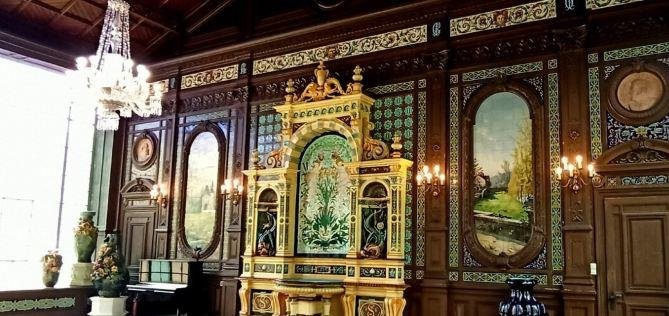
Popular Landmarks in Sarreguemines
Discover the most iconic attractions in Sarreguemines
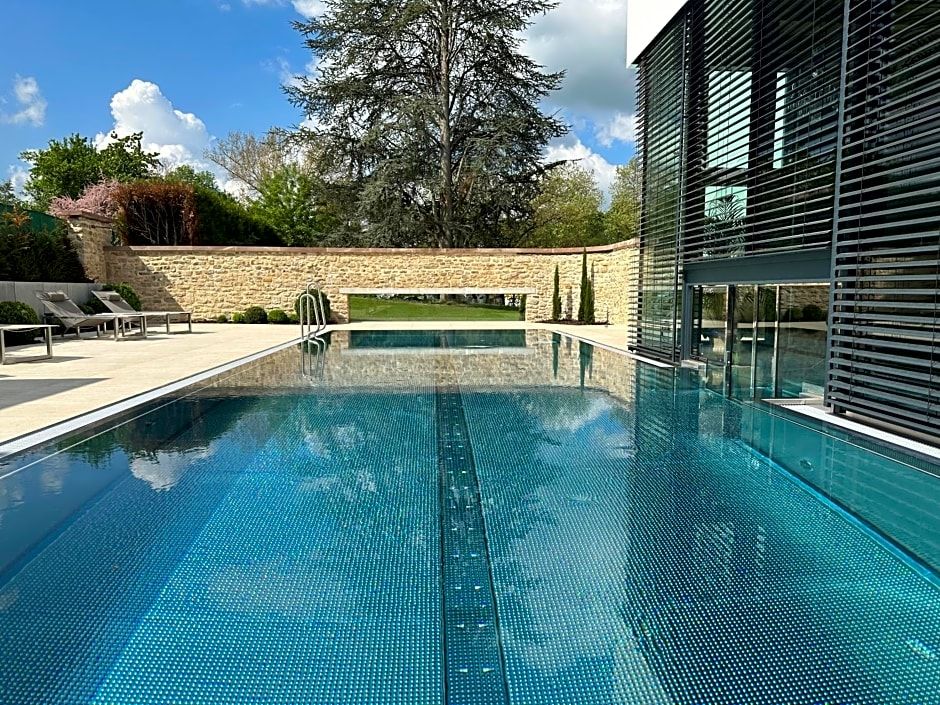
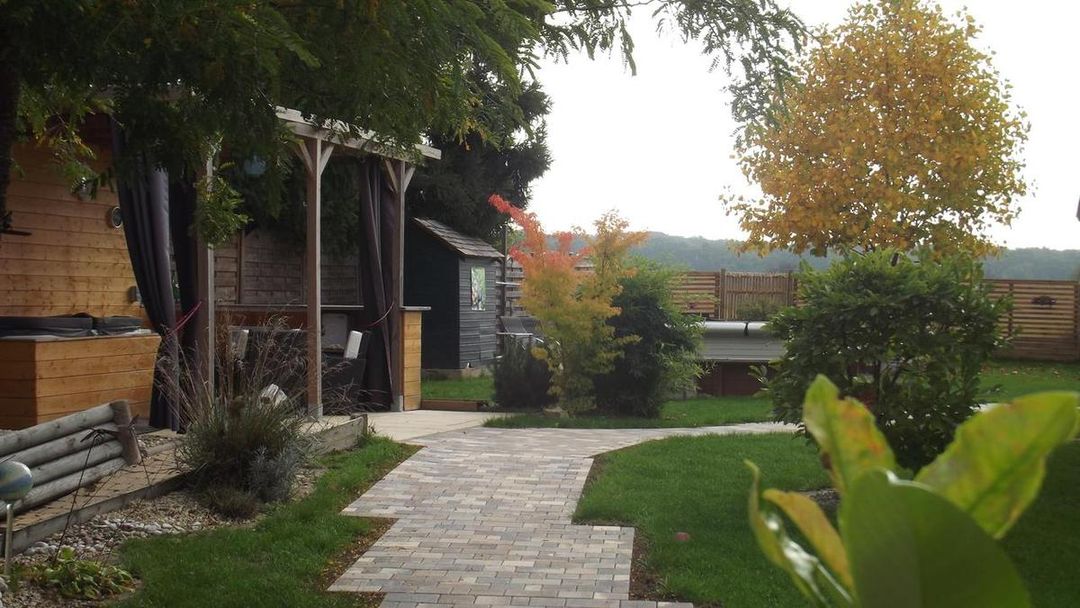
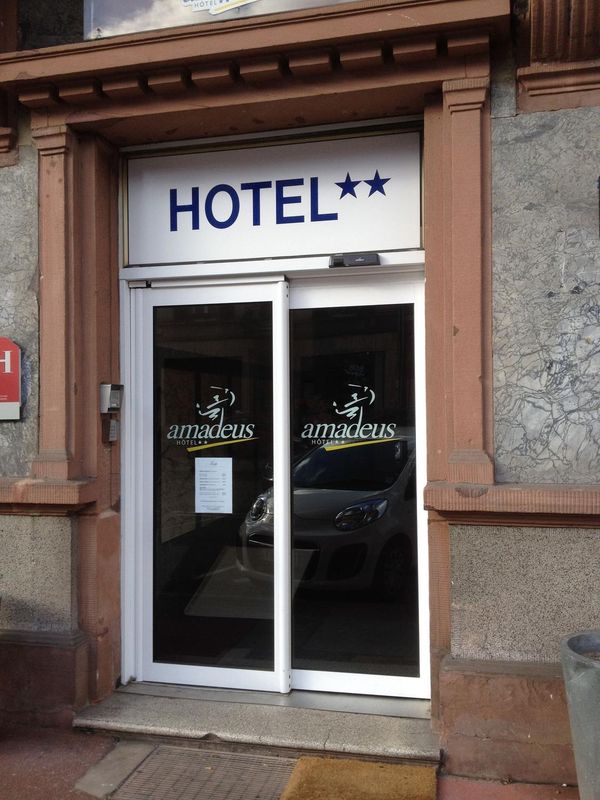
Recommended Hotels in Sarreguemines
Find the perfect place to stay in Sarreguemines

Frequently Asked Questions about Traveling to Sarreguemines
Questions You Might Need to Know About Traveling to Sarreguemines
Sarreguemines Overview
City Summary
Sarreguemines is a charming town in the Moselle department of France, renowned for its Baroque architecture and ceramic traditions. The town boasts a rich historical heritage, exemplified by the Notre-Dame-de-l'Assomption Church and the Ceramic Museum. The old town area, with its narrow streets and colorful houses, offers a delightful medieval ambiance.
Must-See Attractions
The Notre-Dame-de-l'Assomption Church is a landmark of Sarreguemines, showcasing stunning Baroque architecture. The Ceramic Museum highlights the town's long-standing ceramic craftsmanship. A stroll through the old town is a must, with its well-preserved historical buildings and cozy cafés. The Town Hall Square serves as the social hub, often hosting markets and cultural events.
Food Guide
Sarreguemines' cuisine blends French and German influences, featuring local specialties like Choucroute (sauerkraut with meat) and Moselle wines. Street food such as Bretzel (pretzels) and sausages are popular. Don’t miss trying Pot-au-Feu (French stew) and Tarte aux Pommes (apple tart) at local restaurants, which capture the regional flavors perfectly.
Transportation Guide
Public transport in Sarreguemines primarily consists of buses, with several routes connecting major attractions. Walking is the best way to explore the old town due to its compact layout. For trips to nearby areas, regional trains or car rentals are recommended. Taxis are scarce, so advance HopeGoo is advised.
Best Time to Visit
The best time to visit is May to September, when the weather is mild and ideal for outdoor activities. While summer sees more tourists, the town remains quieter compared to other French destinations. The Christmas markets in winter are also charming, but be prepared for cold weather.
Travel Tips
- Respect local etiquette: French people value politeness; always greet when entering shops or restaurants.
- Learn basic French: While some speak English, simple French greetings are appreciated.
- Check opening hours: Many shops and restaurants close on Sundays; plan accordingly.
- Carry cash: Small businesses may not accept cards; keep some euros handy.
- Dress modestly: Avoid overly revealing clothing when visiting churches.
- Try local wines: Moselle wines are excellent and worth sampling.
Useful Information
Language: French is the main language; English is understood in tourist areas. Internet: Free Wi-Fi hotspots are available but limited; consider a local SIM card. Payment: Cards are accepted in larger establishments, but cash is preferred in small shops. Emergency: Dial 112 for emergencies; hospitals and pharmacies are available. Voltage: 220V, with European plugs; bring an adapter if needed.