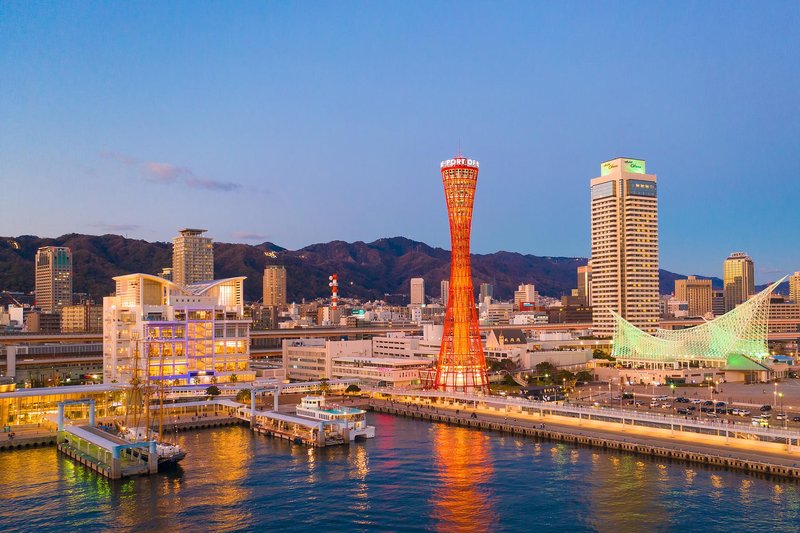
Hotels in Sasaguri
Discover your perfect stay in Sasaguri.
Sasaguri(Japan) Travel 2026: Cheap Flights, Hotels & Top Attractions
Popular Landmarks in Sasaguri
Discover the most iconic attractions in Sasaguri
Recommended Hotels in Sasaguri
Find the perfect place to stay in Sasaguri
Frequently Asked Questions about Traveling to Sasaguri
Questions You Might Need to Know About Traveling to Sasaguri
For authentic cultural immersion in Saga-cho, stay near Sagari Shrine and the Old Kurokawa Road, where traditional thatched-roof farmhouses line quiet streets. The Sagariya Guesthouse offers a unique homestay experience with tatami rooms, kaiseki meals using local ingredients, and guided tours to nearby pottery villages and seasonal rice planting festivals. Alternatively, Chikuzen Onsen Inn provides a serene retreat with open-air baths overlooking the Dazaifu Mountains, perfect for unwinding while connecting with rural Kyushu traditions. These areas offer intimate access to community life, crafts, and seasonal rituals.
Yes, Saga-cho offers several family-friendly stays with nature-based activities. The Sagariya Guesthouse features a children’s garden where kids can plant vegetables and join seasonal harvest events. Nearby Chikuzen Farm Park allows families to ride ponies, feed goats, and participate in rice-planting demonstrations during spring. Many guesthouses also provide rental bikes for exploring the scenic Kurokawa Trail, and some offer on-site barbecue pits and firepit storytelling sessions under the stars—perfect for bonding with little ones amid the peaceful countryside.
Visitors to Saga-cho can engage in rare cultural experiences such as weaving Kagoshima hemp cloth in a traditional workshop, sipping Shinchu Sencha tea at an old-style chaya (tea house) nestled in forested hills, and joining the spring Sagari Shrine Festival with paper lantern processions. The annual Ceramic Festival invites guests to shape clay on a wheel and witness kiln firings. Additionally, locals host Kimono Strolls through rice fields and forest paths, offering a meditative journey into rural Kyushu’s heritage. All experiences are led by master artisans, preserving living traditions passed down for generations.
The Chikuzen Onsen Inn stands out as the top choice in Saga-cho, featuring natural hot springs fed by century-old underground sources rich in minerals beneficial for skin and joint health. The inn’s wooden architecture blends seamlessly with nature, and each room includes a private open-air bath (rotenburo) with views of the Dazaifu Mountains and starlit skies. Guests enjoy breakfast with locally sourced ingredients like wild mushrooms and black pork ham. Additional amenities include complimentary foot baths, tea ceremony sessions, and personalized hospitality rooted in centuries-old tradition.
Photography enthusiasts will love Sagari Shrine’s vermilion torii gate framed by autumn maple trees, especially in late November. The Old Kurokawa Road offers timeless shots of moss-covered stone walls and weathered thatched roofs. During spring and summer, the Rice Field Labyrinth creates stunning geometric patterns against the sky—ideal for drone or ground-level compositions. For dramatic vistas, hike to Moyama Observatory at dawn to capture mist rising over the Dazaifu Mountains, turning the landscape into a surreal canvas. Bring a wide-angle lens and tripod for golden hour silhouettes and ethereal light effects.
Must-try delicacies in Saga-cho include Chikuzen Wild Fish Grilled Over Charcoal, made with fresh mackerel caught daily from nearby rivers—smoky, tender, and perfectly seasoned. Try Yam Tofu, crafted from local mountain yams for a silky texture, often served in miso soup. Seasonal markets feature handmade wild mushroom pastes and herb-pickled umeboshi. At the Old Kurokawa Tea House, sample the Shinchu Sencha Set paired with matcha mochi. Many guesthouses also offer farm-to-table dinners, where guests harvest vegetables and cook together, creating a deeply immersive culinary experience rooted in regional pride.
Sasaguri Overview
City Summary
Shōgatsu-machi is a tranquil town located in the eastern part of Fukuoka Prefecture, Japan, surrounded by nature. Known for its abundant hot springs and traditional Japanese countryside charm, it is an ideal escape from urban hustle. The town's core appeal lies in its healing hot springs and distinct four-season landscapes, with autumn foliage and spring cherry blossoms being particularly breathtaking.
Must-See Attractions
Must-see attractions include Shōgatsu Onsen, famous for its therapeutic waters, perfect for relaxation. The Shōgatsu-machi History and Folklore Museum showcases local heritage. Nature lovers can explore trails like the "Shōgatsu Nine Great Forests," offering rich flora and fauna.
Food Guide
Local cuisine features Jidori chicken dishes and rural specialties such as "Shōgatsu Jidori Nabe" (chicken hot pot) and "sansai tempura" (mountain vegetable tempura). Many ryokans also serve kaiseki meals with seasonal ingredients, highlighting Japanese culinary artistry.
Transportation Guide
Transportation relies mainly on buses and taxis. From Fukuoka city, take a Nishitetsu bus to Shōgatsu-machi (about 1 hour). Attractions within the town are walkable, or rent a bicycle. For remote spots, taxi services are recommended.
Best Time to Visit
Best time to visit is spring (March-May) and autumn (September-November), with pleasant weather and stunning scenery. Summers are hot, while winters may see snow, appealing to those seeking solitude.
Travel Tips
- Onsen etiquette: Rinse before bathing; no swimwear allowed.
- Waste sorting: Strictly follow local recycling rules.
- Respect quietness: Shōgatsu-machi is known for its serenity—avoid loud noises.
- Cash readiness: Some small shops may not accept cards.
- Seasonal attire: Light jackets for spring/autumn; winter requires warm clothing.
- Ryokan bookings: Reserve hot spring inns in advance during peak seasons.
Useful Information
Practical info:
- Language: Japanese is primary; some inns offer basic English.
- Internet: Limited Wi-Fi; consider a local SIM card.
- Payment: Cash is king; few ryokans accept cards.
- Emergency: Nearest hospital is in Fukuoka city; travel insurance advised.
- Voltage: 100V, two-flat-pin plugs.