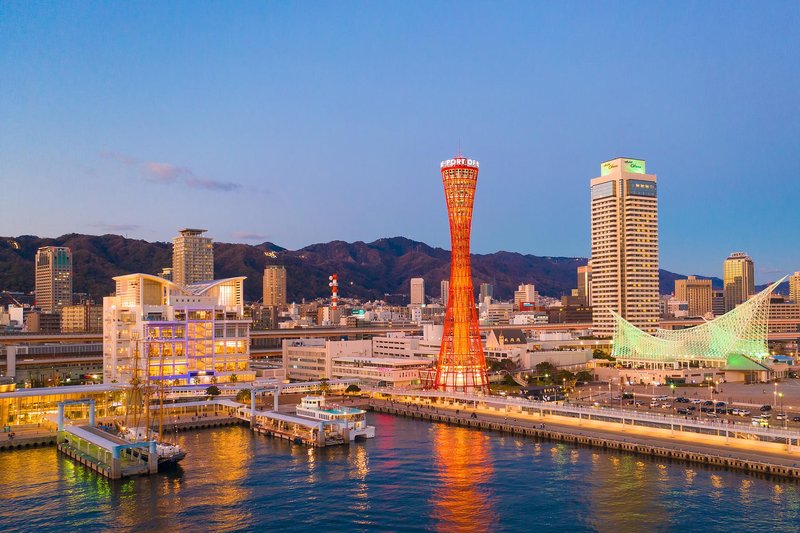
Hotels in Sasebo
Discover your perfect stay in Sasebo.
Sasebo(Japan) Travel 2026: Cheap Flights, Hotels & Top Attractions
Popular Landmarks in Sasebo
Discover the most iconic attractions in Sasebo
Recommended Hotels in Sasebo
Find the perfect place to stay in Sasebo
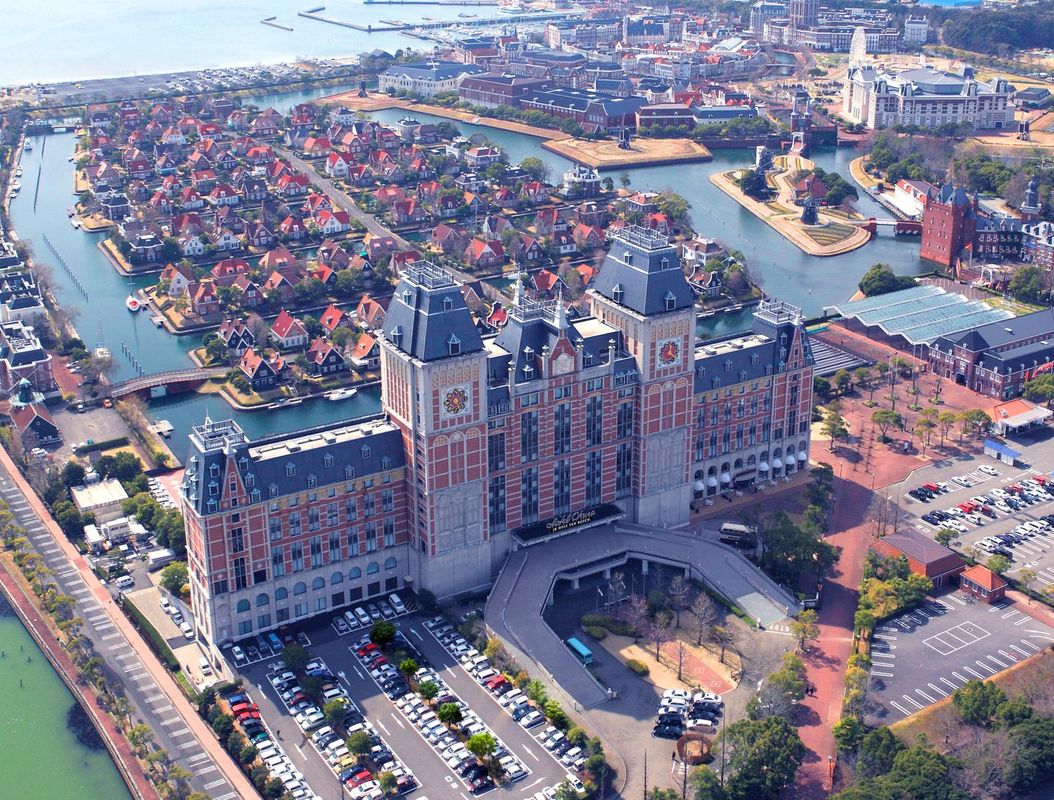
Hotel Okura Jr Huis Ten Bosch
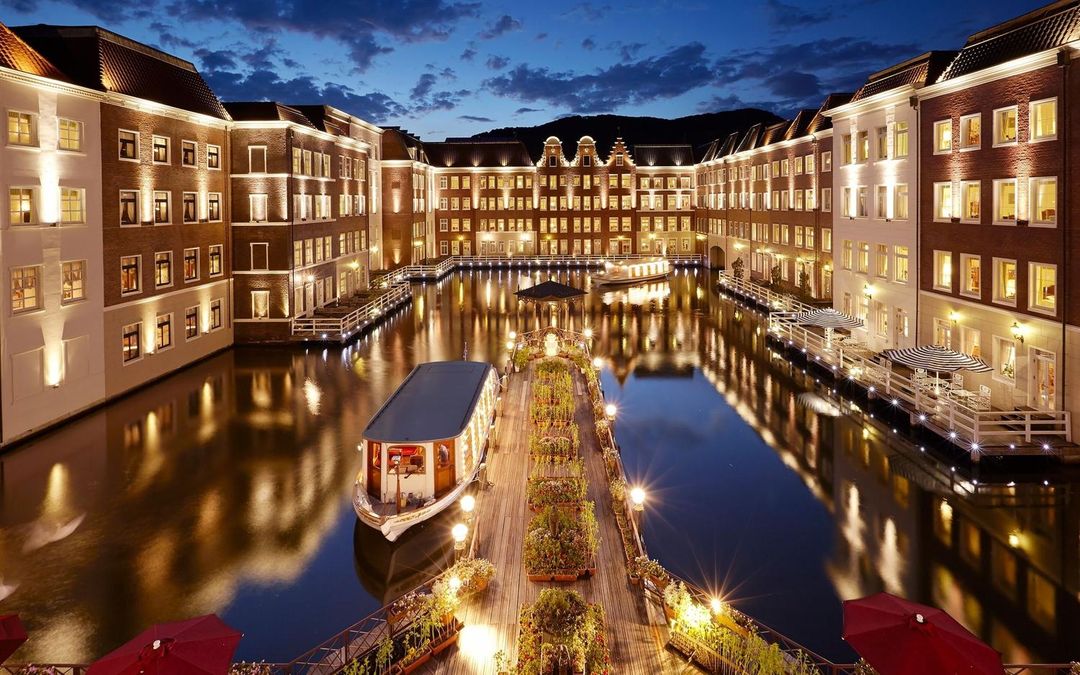
Hotel Europe Huis Ten Bosch
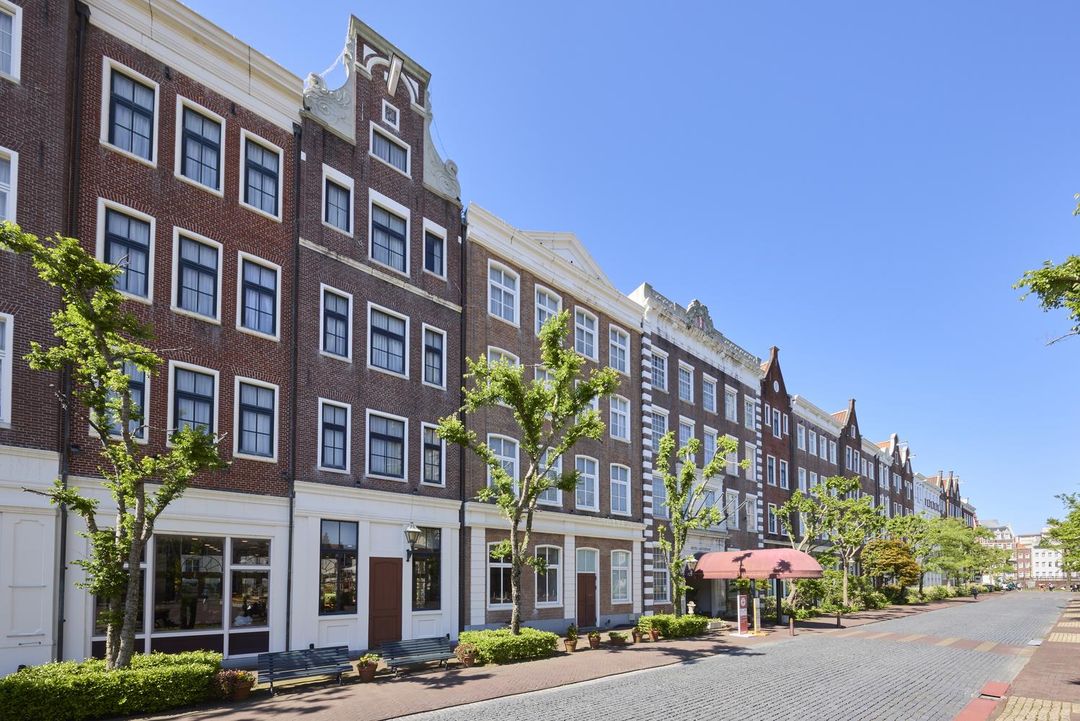
Hotel Amsterdam Huis Ten Bosch
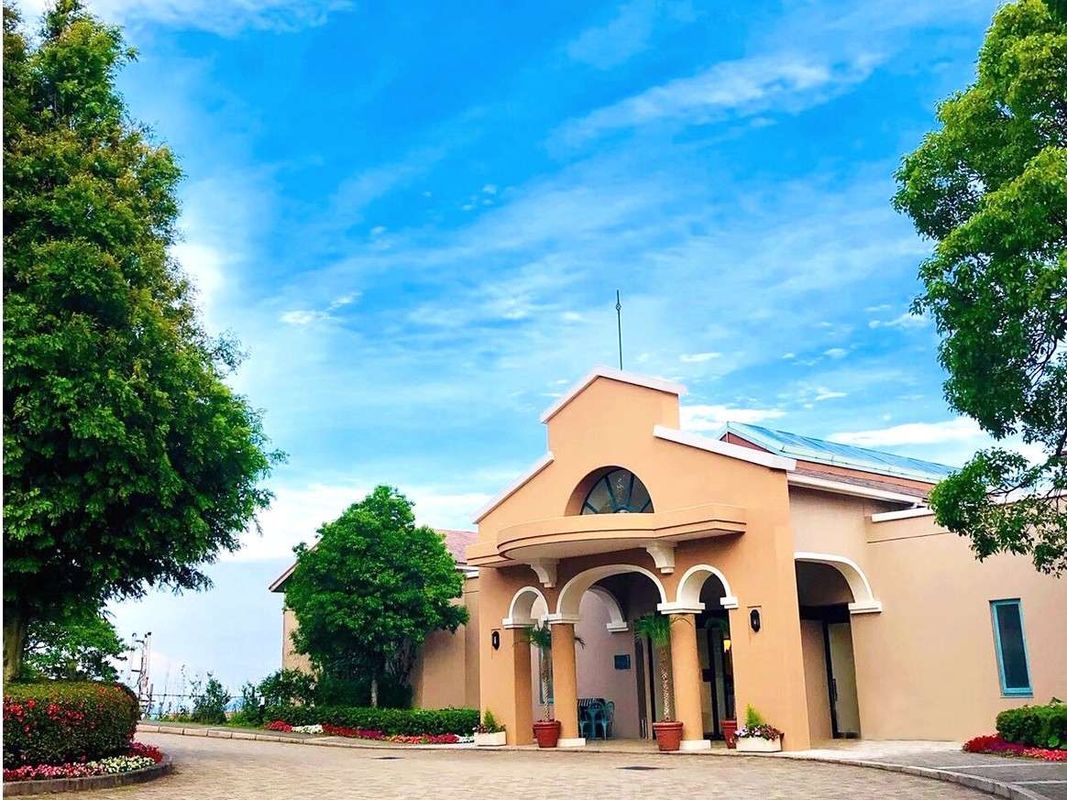
Yumihari-No-OKA Hotel
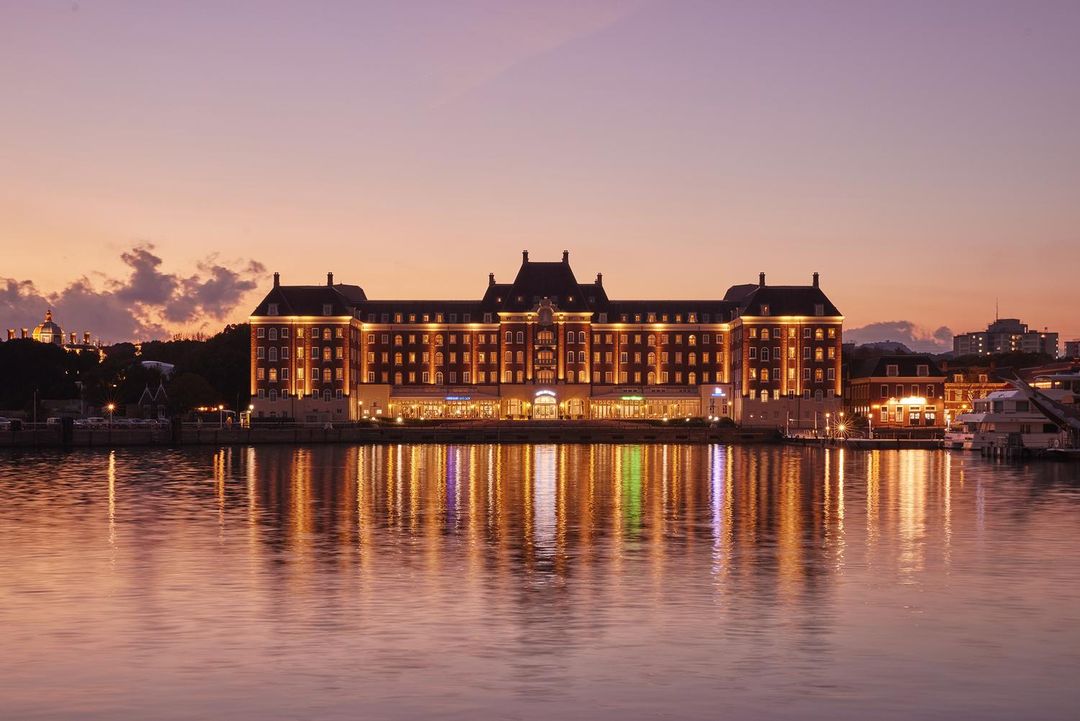
Hotel Denhaag Huis Ten Bosch
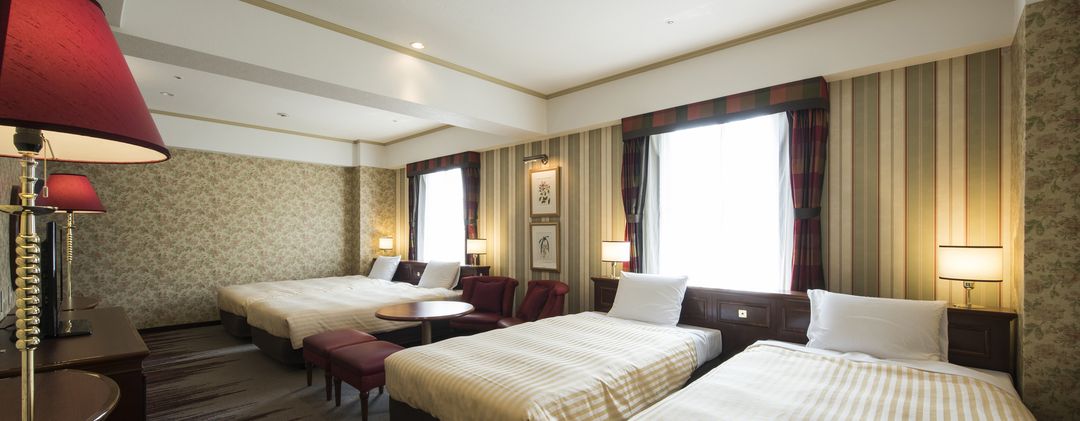
Hotel Nikko Huis Ten Bosch
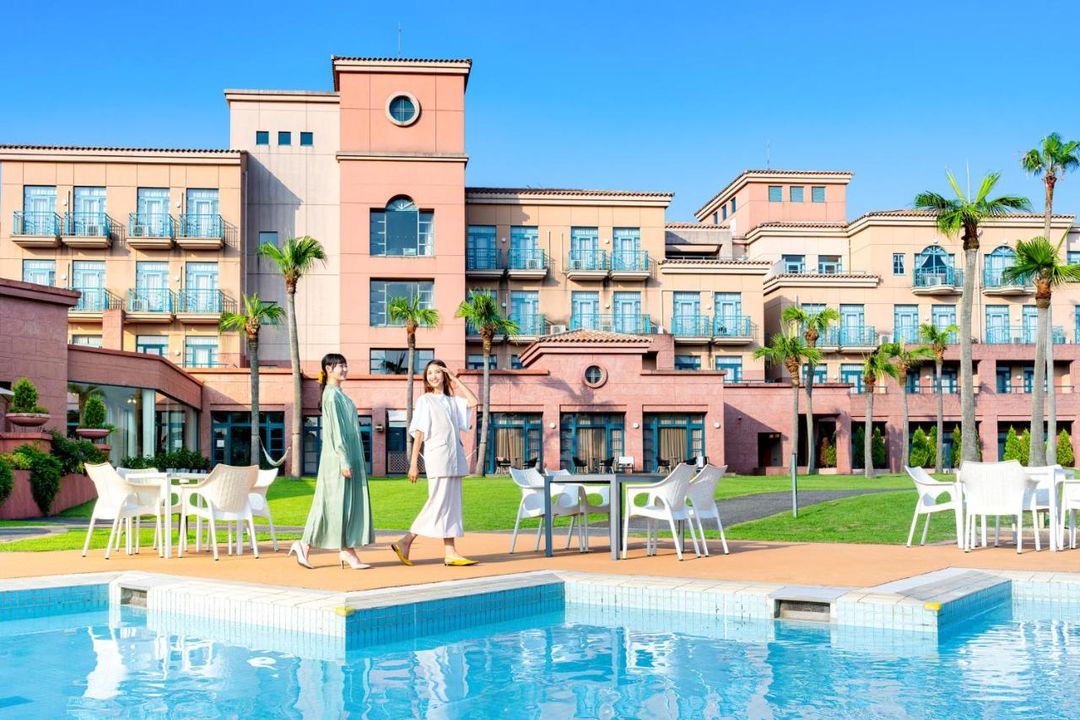
Ooedo Onsen Monogatari Premium Saikaibashi
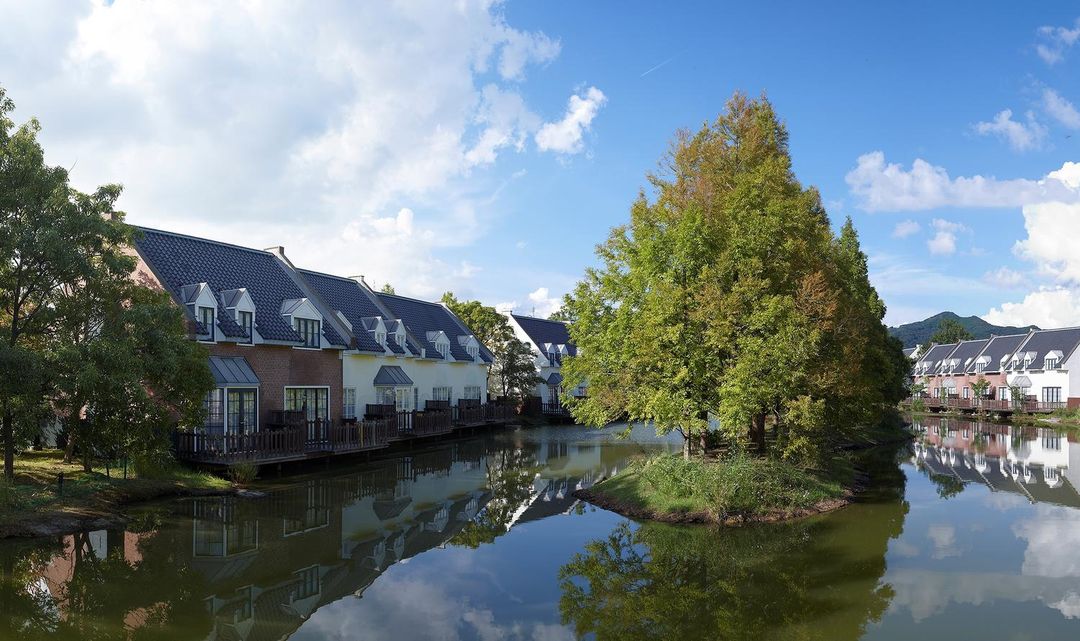
Forest Villa Huis Ten Bosch
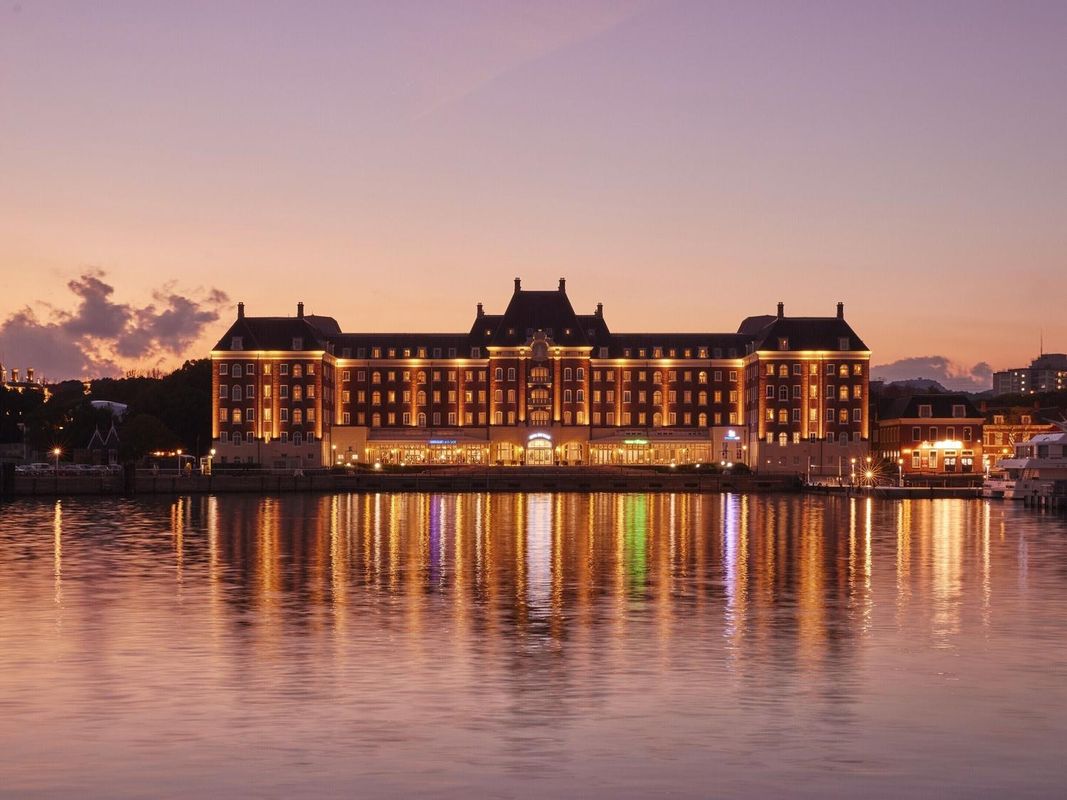
Hotel Den Haag Huis Ten Bosch
Best Hotels in Sasebo
Discover curated hotel collections in Sasebo
Ikkoten
Chikurakutei
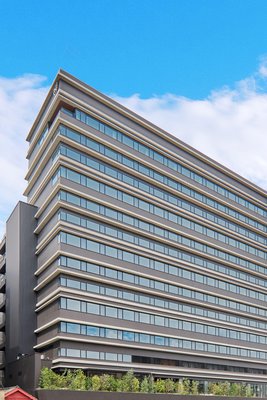
The Royal Park Canvas Fukuoka Nakasu
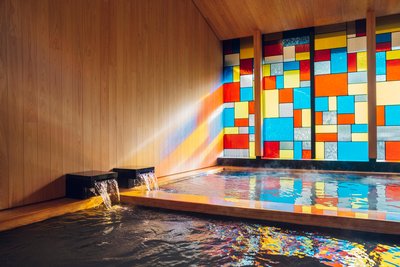
Hoshino Resorts Kai Unzen
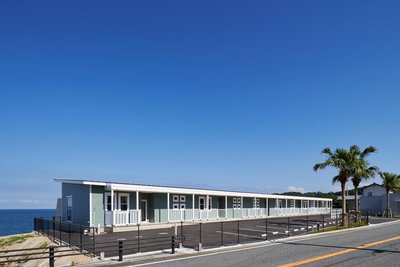
Alfacio Resort Stay Itoshima
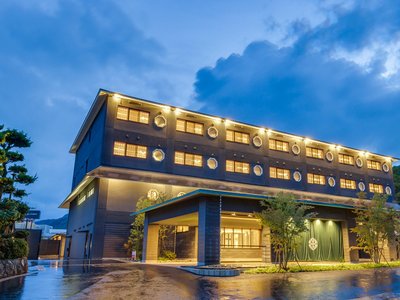
Ureshino Yadoya
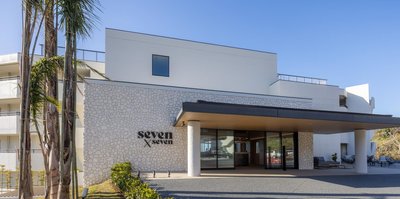
seven x seven itoshima
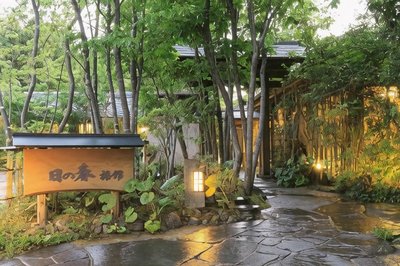
Yufuin Onsen Hinoharu Ryokan
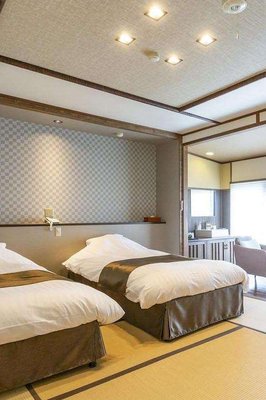
Sozankyo
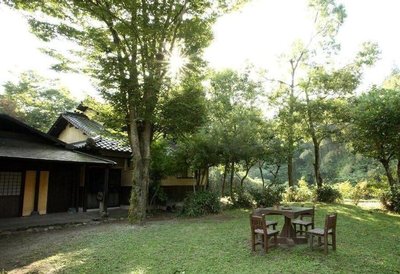
Yamashinobu
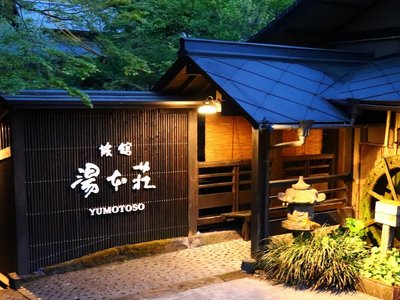
Ryokan Yumotosou
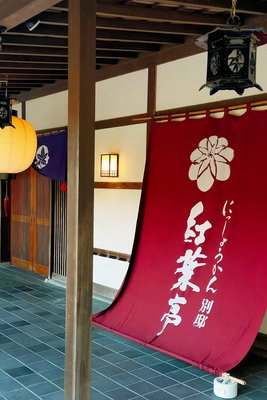
Nisshokan Bettei Koyotei
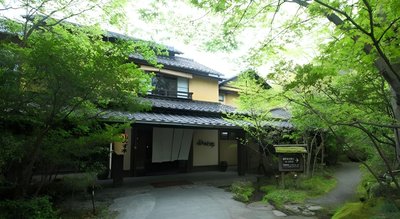
Kurokawaonsen Yamamizuki
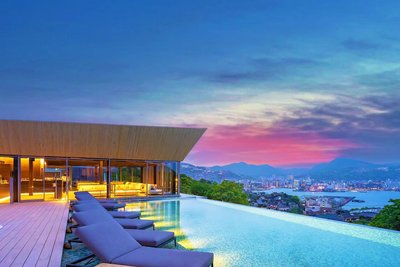
Garden Terrace Nagasaki Hotel & Resort
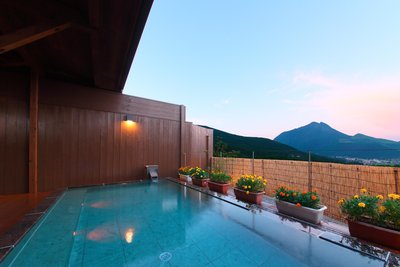
Asagirinomieru Yado Yufuin Hanayoshi
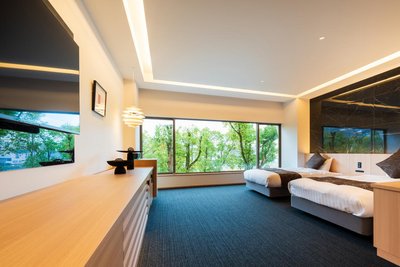
Bansyoukaku Shikishima
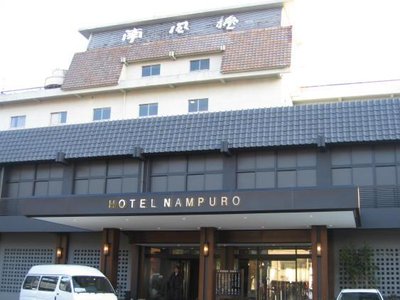
Hotel Nampuro
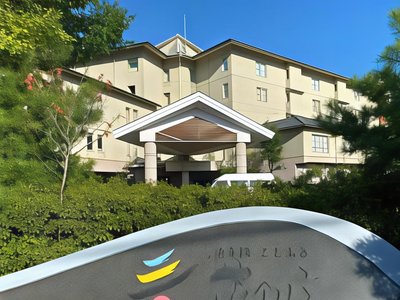
Yufuin Kotobuki Hananosho
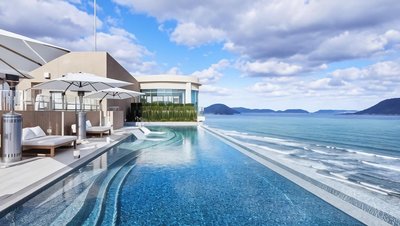
Karatsu Seaside Hotel
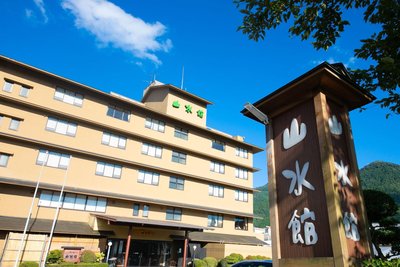
Yufuin Sansuikan
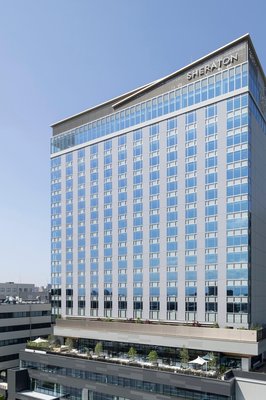
Sheraton Kagoshima
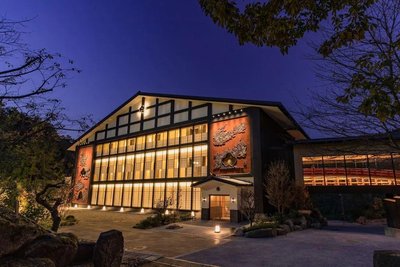
Okuhita Onsen Umehibiki
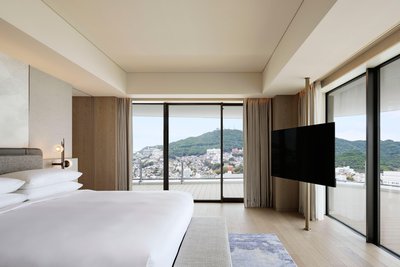
Nagasaki Marriott Hotel
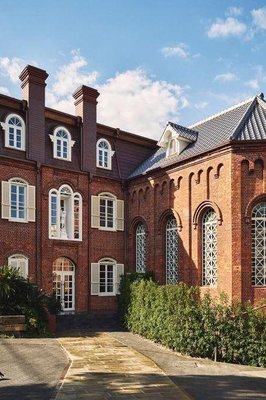
Hotel Indigo Nagasaki Glover Street by IHG
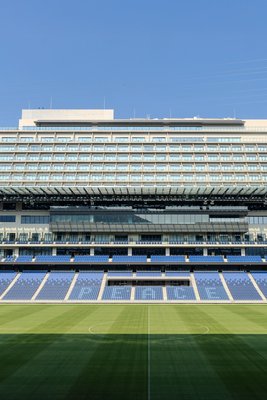
Stadium City Hotel Nagasaki
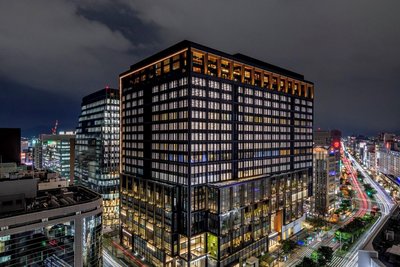
ONE FUKUOKA HOTEL
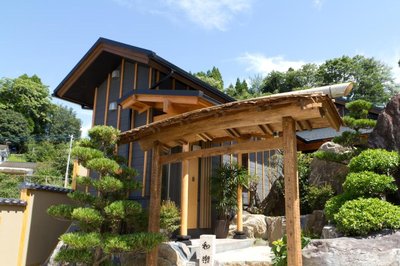
Ryokan Shinsen
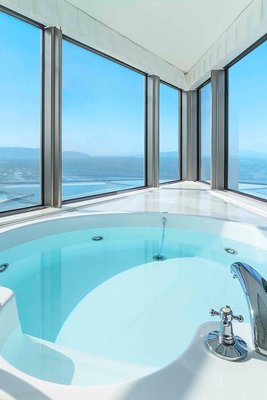
Hilton Fukuoka Sea Hawk

Olive Bay Hotel
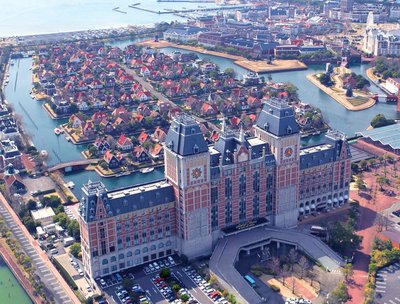
Hotel Okura Jr Huis Ten Bosch
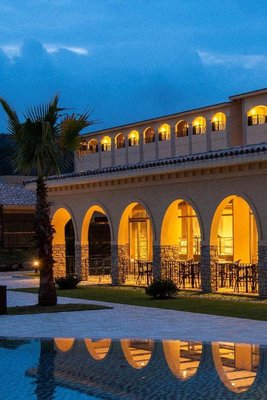
La Vista Kirishima Hills
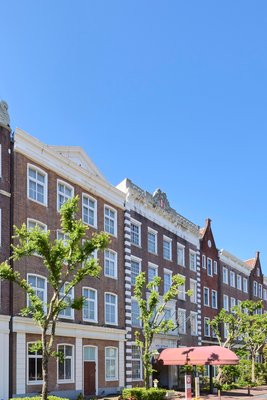
Hotel Amsterdam Huis Ten Bosch

Yumotoankiyohime
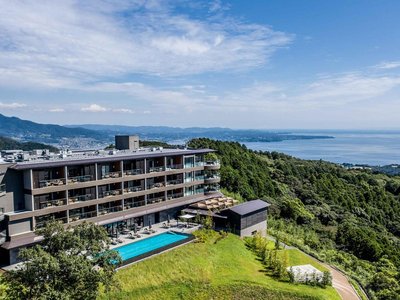
Ana InterContinental Beppu Resort & Spa
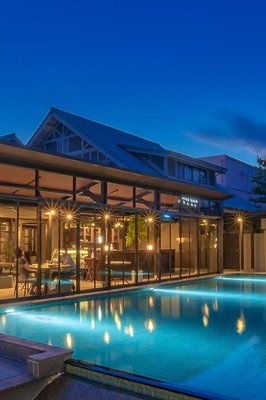
Amane Resort Gahama

Phoenix Seagaia Ocean Tower
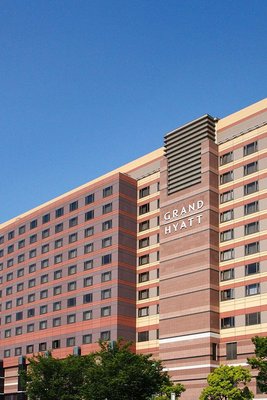
Grand Hyatt Fukuoka
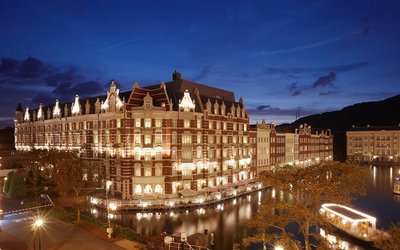
Hotel Europe Huis Ten Bosch
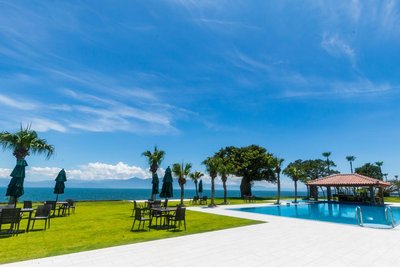
Kagoshima Sunamushi Onsen Ibusuki Hakusuikan
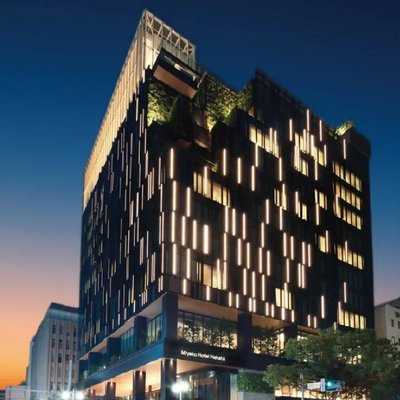
Miyako Hotel Hakata
Ikkoten
Okuhita Onsen Umehibiki
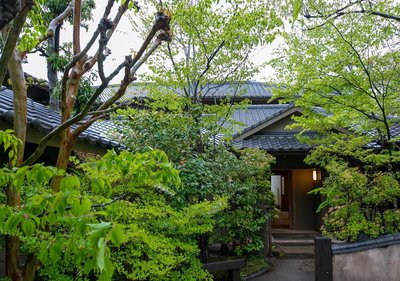
Yufuin Onsen Hinoharu Ryokan
Sozankyo
Yamashinobu
Kurokawaonsen Yamamizuki
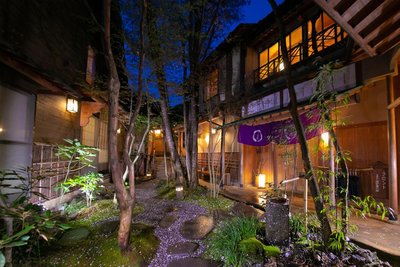
Oyado Ichizen
Asagirinomieru Yado Yufuin Hanayoshi
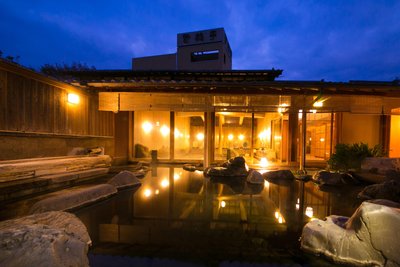
Yakakutei
Yufuin Kotobuki Hananosho
Yufuin Sansuikan
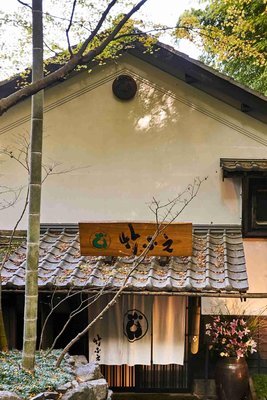
Hikyou Shirakawagensen Sansou Takefue
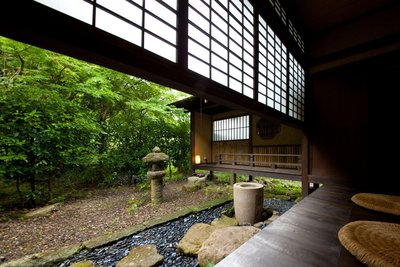
Yufuin Gettouan
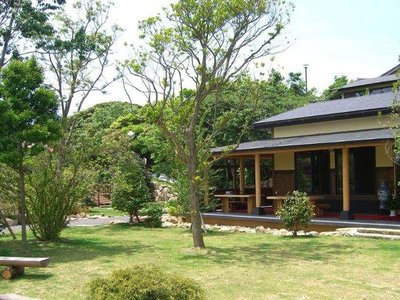
Saigetsuan
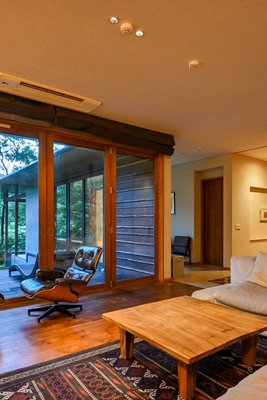
Oita kokonoe Kuoritei
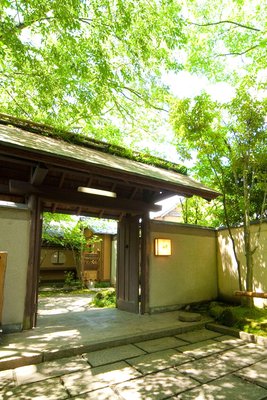
Kutsurogi-No-Yado Nanakawa
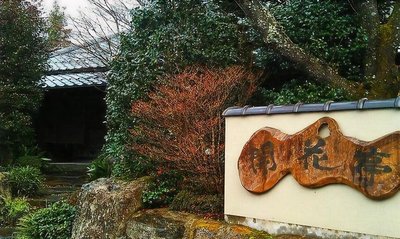
Oyado Kaikatei Ryokan
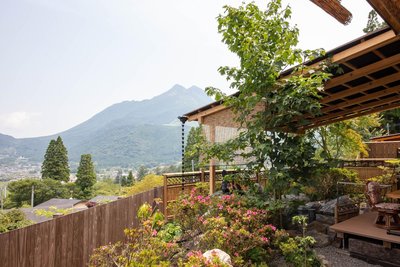
Yufuin-Sanso Waremokou
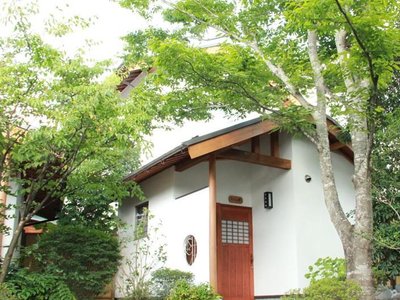
Oyado Sakuratei
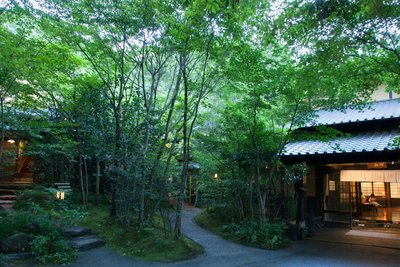
Ryokan Sanga
Garden Terrace Nagasaki Hotel & Resort
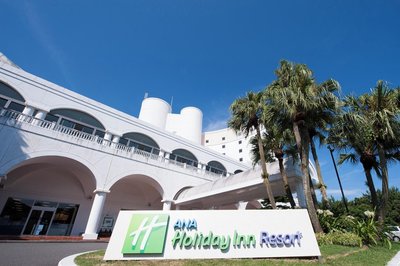
Holiday Inn Resort Miyazaki
Yufuin Kotobuki Hananosho
Karatsu Seaside Hotel
Yufuin Sansuikan
Yufuin-Sanso Waremokou
Ana InterContinental Beppu Resort & Spa
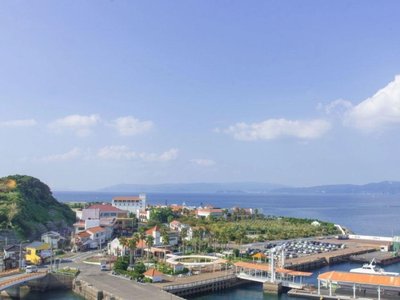
I+Land Nagasaki
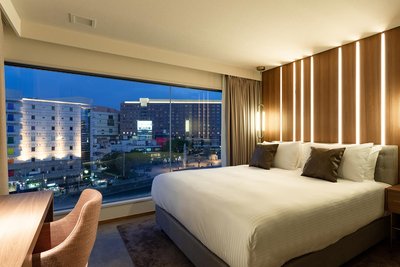
The OneFive Villa Fukuoka
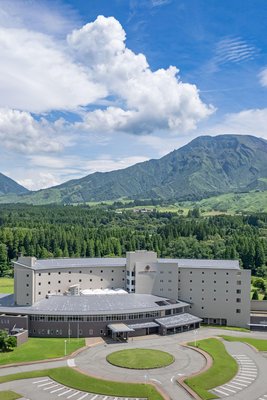
KAMENOI HOTEL ASO
Amane Resort Gahama
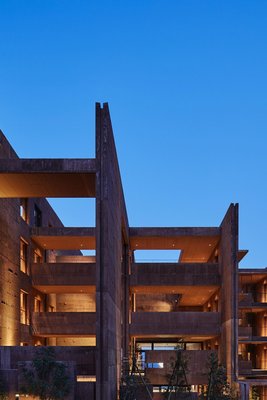
SEKIYA RESORT GALLERIA MIDOBARU
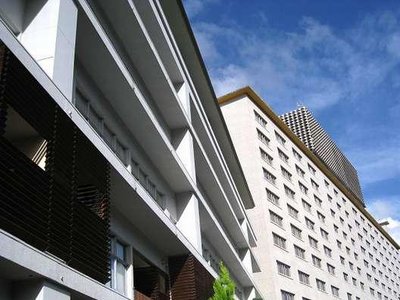
Beppu Suginoi Hotel
Phoenix Seagaia Ocean Tower
Kagoshima Sunamushi Onsen Ibusuki Hakusuikan
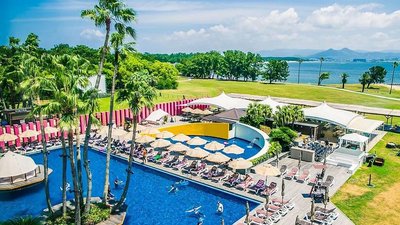
The Luigans Spa and Resort
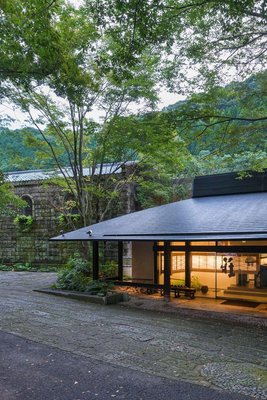
Myoken Ishiharaso

SHIROYAMA HOTEL kagoshima
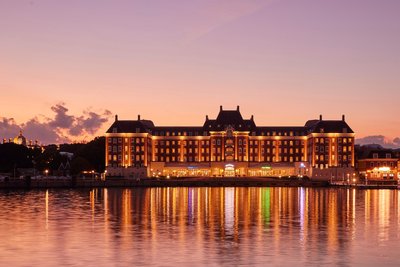
Hotel Denhaag Huis Ten Bosch
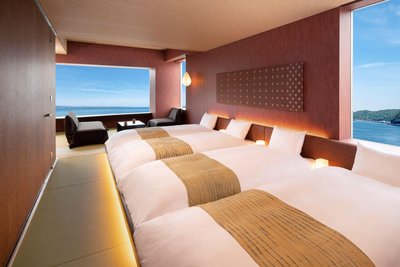
Hoshino Resorts Kai Beppu
Ryokan Shinsen
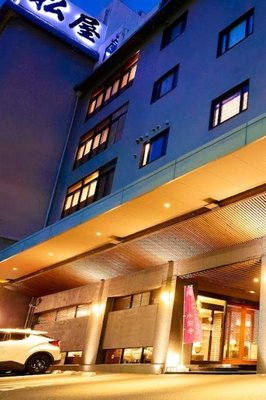
Ryotei Matsuya Honkan Suizenji
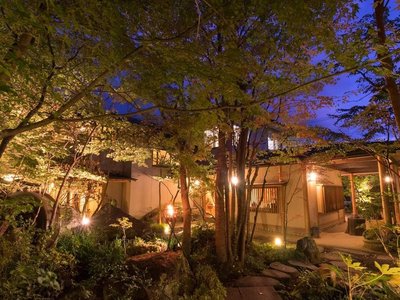
Ryoso Yufuin Yamadaya
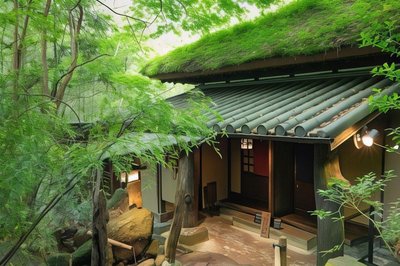
Sanso Tensui
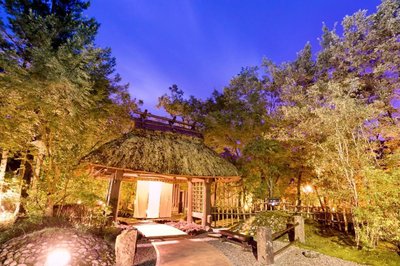
Satonoyu Waraku
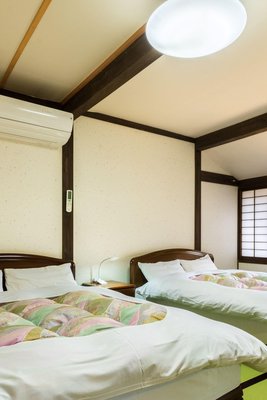
Tobise Onsen Tenga Sanso
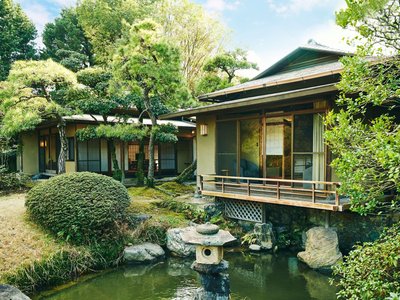
Suisui Garden Ryokan (in the Art Hotel Kokura New Tagawa)
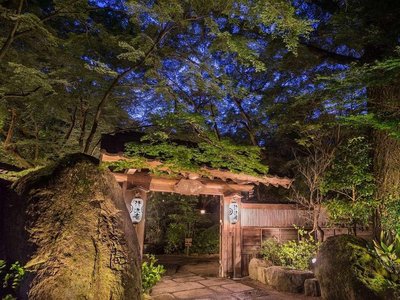
Akizuki Spa Ryokan Seiryuan
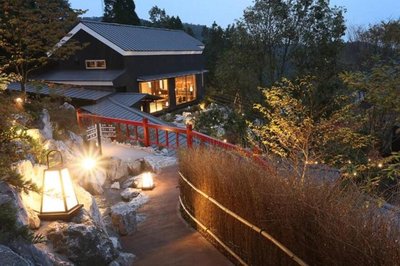
Gekkoju Kurokawa
Frequently Asked Questions about Traveling to Sasebo
Questions You Might Need to Know About Traveling to Sasebo
For a truly relaxing seaside experience in Sasebo, consider staying at Hyatt Regency Sasebo, located directly along Daiura Bay, offering panoramic ocean views from its rooms. The hotel features a serene rooftop terrace with sunset vistas and access to private beach areas. For a more traditional atmosphere, Sasebo Station Front Hotel provides comfortable accommodations near the harbor, with easy access to the Sasebo Port Ferry Terminal and local seafood markets. If you prefer a quiet retreat, Nishitetsu Hotel Sasebo offers Japanese-style guest rooms with tatami mats and garden courtyards, ideal for unwinding after a day of exploring. All these hotels provide excellent breakfast buffets featuring fresh local seafood, including mackerel sushi and squid tempura. Many also offer free shuttle services to nearby attractions like the Old Naval Base Site and Sasebo City Museum, making it convenient to enjoy both luxury and authenticity.
Additionally, during summer months, some hotels host special evening events such as fireworks viewing parties and coastal stargazing nights, enhancing the tranquil seaside vibe. Choose a room facing the bay for uninterrupted views of fishing boats and the shimmering sea—perfect for early morning coffee or late-night reflection.
The Sasebo Station Area is the most convenient and welcoming zone for first-time visitors. It’s centrally located, surrounded by major hotels like Sasebo Station Front Hotel and Nishitetsu Hotel Sasebo, and connected to all key transport hubs, including the JR Sasebo Line and city buses. From here, you can easily reach Daiura Bay, Sasebo Port, and the Old Naval Base Site within 15 minutes. The area is also home to shopping streets, convenience stores, restaurants, and cafes, ensuring comfort and accessibility. For those interested in culture, the Sasebo City Museum and Nagasaki Prefectural Art Museum are just a short walk away. The Sasebo Festival held annually in September transforms this district into a vibrant hub with parades, fireworks, and street food stalls. Additionally, many hotels offer free airport and train station shuttles, reducing travel stress. Whether you’re arriving by train or ferry, starting your journey here ensures a smooth, stress-free introduction to the city’s unique blend of maritime history and modern charm.
One of the top cultural experiences in Sasebo is visiting the Former Imperial Japanese Navy Sasebo Base Site, a designated national historic landmark showcasing preserved shipyards, command towers, and submarine docks from WWII. Guided tours explain its strategic role in Japan’s naval history. Another must-see is the Daiura Bay Coastal Walkway, where you can stroll past traditional fishing villages, view ancient lighthouses, and observe daily life on the water. During the Sasebo Festival in September, locals celebrate with mikoshi processions, traditional dances, and fireworks over the bay, offering an authentic glimpse into regional customs. You can also participate in hands-on workshops at local studios, learning Sasebo lacquerware crafting or Nagasaki paper-making (Washi). For deeper insight, visit the Sasebo City Museum, which houses artifacts from the Meiji era to modern times. These experiences combine history, art, and community spirit—making them essential for travelers seeking meaningful cultural immersion in this coastal gem.
In Sasebo, be sure to try Sasebo Seafood Bowl (Sasebo Kaisen Don)—a rich rice bowl topped with freshly caught mackerel, squid, and octopus, served with a savory soy-based broth. It’s a staple dish available at nearly every local restaurant and street vendor. Another highlight is Sasebo Yaki, skewered grilled meats and seafood cooked over charcoal, often enjoyed with a side of miso soup and pickled vegetables. Visit Daiura Bay Night Market to sample these dishes at affordable prices. Don’t miss Sasebo Onion Pancakes (Nikkei Mochi), a sweet-savory treat made with locally grown onions and batter, popular among tourists. For dessert, try Umeboshi Ice Cream—a unique local flavor combining sour plum and creamy vanilla. If you’re visiting during the Sasebo Festival, look out for seasonal treats like grilled fish cakes and plum wine popsicles. Many hotels also serve breakfast sets featuring these specialties, giving you a perfect way to start your day with authentic taste. These flavors reflect Sasebo’s deep connection to the sea and its culinary heritage.
Yes, public transportation in Sasebo is reliable and well-organized. The JR Sasebo Station is the main transit hub, connecting to Nagasaki, Kumamoto, and Fukuoka via the Kyushu Main Line. Local city buses cover major attractions like Daiura Bay, Old Naval Base Site, and Sasebo City Museum, with frequent service during peak hours. Most buses accept IC cards (like Suica or ICOCA), and routes are clearly marked. For added convenience, Hyatt Regency Sasebo and Nishitetsu Hotel Sasebo offer free shuttle services to and from the station and key sights. If you plan to visit Tsushima Island, ferries depart daily from Sasebo Port, with schedules posted online and onboard staff providing multilingual assistance. Renting a car is also practical for exploring rural areas like Matsuura Coast or Shimabara Peninsula, with rental desks available near the station. Overall, Sasebo’s transport system supports both efficient travel and flexible exploration, making it easy for tourists to navigate independently while enjoying a low-stress journey.
The best time to visit Sasebo is from March to May and September to November, when the weather is mild and pleasant—around 15–20°C—with clear skies and minimal rainfall. Spring brings cherry blossoms along the Daiura River and Sasebo Park, creating picturesque scenes perfect for photography. Autumn is ideal for experiencing the Sasebo Festival, held in late September, featuring lively mikoshi processions, fireworks, and street food stalls. These months also avoid the humid summer heat and typhoon season (June–August), which can disrupt travel plans. Winter (December–February) is quieter, with fewer crowds and lower temperatures, though some outdoor attractions may have limited hours. Summer is warm but refreshing due to sea breezes, and the port area remains lively. However, if you’re planning to attend festivals or enjoy outdoor walks, aim for April or October—the sweet spot between good weather and manageable crowds. HopeGoo accommodations early is recommended, especially during festival periods.
Sasebo is highly family-friendly, with several attractions designed for children and parents alike. Start at Daiura Bay Coastal Walkway, a safe, paved path lined with benches and playgrounds, where kids can watch fishing boats and feed seagulls. Nearby, the Sasebo City Museum hosts interactive exhibits on naval history and offers child-friendly guided tours. For a fun-filled outing, visit Sasebo Port’s Children’s Harbor Zone, which includes a small aquarium, a model ship display, and a mini-train ride. The Hyatt Regency Sasebo provides family rooms and hosts weekly kids’ activity programs, such as marine-themed scavenger hunts and storytelling sessions. During the Sasebo Festival, families can enjoy the fireworks show, parade, and games corner. If you’re looking for nature, head to Matsuura Wetland Park, where electric boats allow safe, scenic exploration of tidal channels. Many hotels also offer baby cots, high chairs, and family meal options. With clean facilities, gentle pace, and thoughtful amenities, Sasebo ensures a relaxed, enjoyable experience for travelers of all ages.
Sasebo’s nightlife centers around its harbor charm and local cuisine. The Daiura Bay Night Market is a highlight, running from dusk until late night, offering grilled seafood, Sasebo Yaki, onion pancakes, and plum wine. The atmosphere is lively yet relaxed, with live acoustic music and lantern-lit alleys. For a quieter option, Harbor-side Cafés like Sasebo View Coffee offer ocean-view seating with homemade desserts and coffee—perfect for a peaceful evening. During the Sasebo Festival, the entire downtown area comes alive with lantern displays, evening parades, and fireworks over the bay, drawing thousands. Some hotels, such as Nishitetsu Hotel Sasebo, host themed night events like tea ceremonies or stargazing sessions. If you're traveling with a partner, consider taking a night ferry to Tsushima Island, where you can enjoy a romantic sea view under the stars. With a low-key, community-driven vibe and no overwhelming nightlife, Sasebo offers a genuine, unhurried evening experience—ideal for travelers seeking authenticity over partying.
The Former Imperial Japanese Navy Sasebo Base Site is the must-visit historical landmark, featuring preserved ship repair yards, command towers, and submarine berths from WWII. It’s a designated national historic site, with informative signage and audio guides available in multiple languages. Nearby, the Daiura Bay Lighthouse, built in the Meiji era, stands as a symbol of Japan’s maritime expansion and offers panoramic views of the surrounding waters. The Sasebo City Museum houses a comprehensive collection of naval artifacts, including models of warships, uniforms, and personal items from sailors. For a deeper dive into local heritage, explore the Yamato District, where traditional wooden townhouses from the early 20th century still stand, some repurposed as galleries or tea houses. The Sasebo Peace Memorial Hall honors those lost during wartime and features moving exhibitions on reconciliation. These sites collectively reveal Sasebo’s pivotal role in Japan’s naval development and its enduring legacy—making them essential stops for history enthusiasts.
Absolutely, Sasebo is ideal for solo travelers. The city is small, safe, and welcoming, with friendly locals and low crime rates. The Sasebo Station Area is bustling with cafes, bookstores, and convenience shops, making it easy to spend time alone without feeling isolated. Hotels like Hyatt Regency Sasebo and Nishitetsu Hotel Sasebo offer single rooms and even shared lounge spaces for meeting fellow travelers. You can take a peaceful walk along the Daiura Bay Coastal Walkway, enjoy a quiet meal at a waterfront café, or join a local craft workshop—many of which welcome individual participants. The Sasebo Festival is particularly great for solo visitors, as it encourages interaction through communal activities and street performances. Public transport is straightforward, and many hotels provide free shuttle services to key sites. With its calm rhythm, natural beauty, and emphasis on community, Sasebo offers a serene environment where solo travelers can recharge, reflect, and connect—without the pressure of large tourist crowds.
Sasebo Overview
City Summary
Sasebo, located in northern Nagasaki Prefecture, Japan, is a port city blending natural landscapes with military history. Known for the breathtaking views of Kujuku-shima islands, unique Self-Defense Forces culture, and multicultural influences from the U.S. naval base, its seafood cuisine and theme parks are major attractions.
Must-See Attractions
The Kujuku-shima Pearl Sea Resort is a must-visit for its archipelago scenery; Sasebo Self-Defense Force Base offers insights into Japan's defense culture with limited public access; Huis Ten Bosch theme park recreates Dutch landscapes with spectacular night illuminations. The retro Yonkacho Shopping Street is ideal for local crafts.
Food Guide
Sasebo is famed for its navy curry, originating from imperial Japanese navy traditions; lemon steak combines American cooking with local flavors; sara udon (plate noodles) features seafood toppings. Visit the fish market morning stalls for grilled mackerel and fugu dishes.
Transportation Guide
City travel relies on bus networks centered at JR Sasebo Station, with routes to Kujuku-shima and Huis Ten Bosch. Car rentals suit exploring outskirts but note steep roads. Taxis start at ¥650; station-to-Kujuku-shima costs ~¥2000. Buses from Nagasaki/Fukuoka airports take 90 mins/2.5 hrs respectively.
Best Time to Visit
Spring (March-May) offers mild weather; autumn (October-November) has fewer crowds and autumn foliage. Summer is humid with July fireworks but requires heat precautions. Some sea tours pause December-February.
Travel Tips
- Book Huis Ten Bosch tickets early: Peak seasons may incur 1-hour queues
- Respect military zones: Photography near bases is prohibited
- Kujuku-shima cruises: Sunset tours showcase island silhouettes
- Carry cash: Small eateries/markets may reject cards
- Shopping hours: Most stores close by 18:00—plan dinners ahead
- Onsen etiquette: Wash thoroughly before entering baths
Useful Information
English signs exist at major stations/attractions, but staff proficiency varies—translation apps help. Free WiFi hotspots cluster at JR Station/malls; pocket WiFi rentals are recommended. Cash dominates payments; VISA/JCB work at large venues. Sasebo City Hospital has international services; dial 119 for emergencies. Areas near U.S. base offer more English-speaking assistance.