Hotels in Satte
Discover your perfect stay in Satte.
Satte(Japan) Travel 2026: Cheap Flights, Hotels & Top Attractions
Popular Landmarks in Satte
Discover the most iconic attractions in Satte
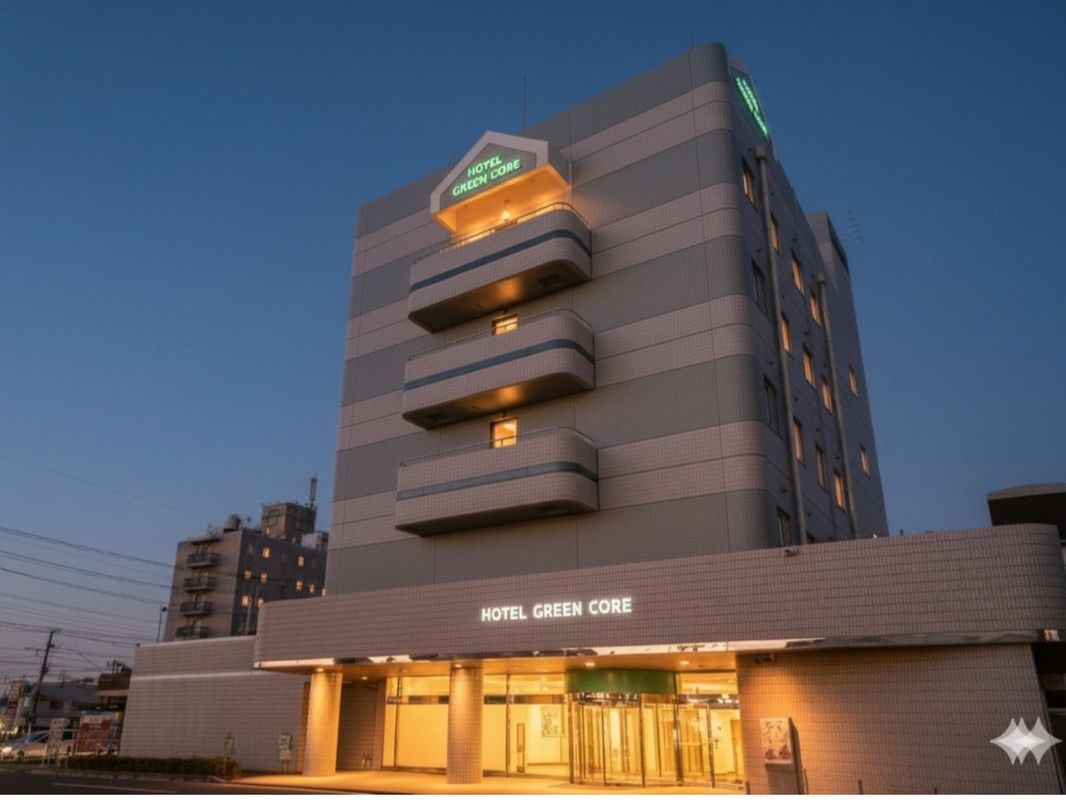
Recommended Hotels in Satte
Find the perfect place to stay in Satte


Frequently Asked Questions about Traveling to Satte
Questions You Might Need to Know About Traveling to Satte
In Sawaguchi City, the top choice for families is Sawaguchi Resort Hotel, located near the city center with spacious rooms, a kids' playground, and on-site breakfast featuring local miso soup and fresh rice. The hotel is within walking distance of Sawaguchi Park and the historic Kawagoe District, making it ideal for day trips. For quieter stays, consider Sawaguchi Ekimae Business Hotel, just a 5-minute walk from Sawaguchi Station, offering reliable amenities and convenient access to public transport. Both properties welcome children and provide family packages during seasonal festivals like Sawaguchi Matsuri, enhancing the travel experience.
Additionally, the hotel offers multilingual staff and free Wi-Fi, ensuring comfort for international visitors seeking a peaceful Japanese countryside escape.
The best area for accommodation in Sawaguchi City is around Sawaguchi Station, offering excellent connectivity to Tokyo (just 30 minutes by train) and easy access to local attractions. This district hosts several mid-to-high-end business hotels such as Sawaguchi Grand Hotel, which features free Wi-Fi, a fitness center, and 24-hour front desk service. It’s also a short walk to Sawaguchi Shrine and Sawaguchi Civic Center, allowing guests to immerse in traditional Japanese culture. At night, explore the lively Sawaguchi Shopping Street, where you can enjoy local grilled skewers and sake. For those seeking tranquility, consider staying near the Musashino Hills outskirts, where quiet guesthouses like Mori no Yado Haruka offer forest views and peaceful mornings filled with bird songs.
A must-try cultural experience in Sawaguchi City is attending the annual Sawaguchi Matsuri, held every October, featuring traditional taiko drumming, colorful parade floats, and neighborhood shrine visits. One highlight is the "Paper Weaving Dance," where locals wear traditional attire and perform rhythmic movements symbolizing harvest prayers. At night, witness the Lantern Floating Ceremony, where paper lanterns inscribed with wishes are released into the Sawaguchi River, creating a serene, luminous spectacle. Don’t miss the artisan markets offering handmade pottery, bamboo crafts, and local produce. Visitors can even participate in a Shinto ritual at Sawaguchi Shrine, deepening their understanding of regional spiritual traditions.
Sawaguchi City offers stunning photo opportunities across its natural and cultural landscapes. Capture the cherry blossoms along the Sawaguchi River in spring, especially at sunrise when the pink petals reflect on the water—perfect for long-exposure shots. The vermilion torii gate at Sawaguchi Shrine, framed by ancient stone lanterns, creates a dramatic composition ideal for portrait photography. For nature lovers, hike the forest trails near the Musashino Hills, where morning mist drifts through pine trees—ideal for ethereal landscape shots. To capture authentic daily life, visit the Sawaguchi Shopping Street and photograph vintage storefronts like Sato Bakery, whose handcrafted bread and retro signage offer rich visual storytelling for documentary-style photography.
While Sawaguchi City itself has no natural hot springs, nearby Kosugi Region offers exceptional onsen resorts. Recommended is Mizunoya Hot Spring Resort, located just 25 minutes by bus or car, featuring open-air baths made of hinoki wood and mineral-rich waters known for skin rejuvenation. The hotel blends modern comfort with traditional design, including private ryokan-style rooms with tatami mats. Another option is Kosugi Highland Resort Hotel, which offers multi-level onsen facilities with panoramic mountain views. Both properties provide shuttle services from Sawaguchi Station, making them accessible for day-trippers or overnight stays. Ideal for relaxation after exploring the surrounding rural towns and historical sites.
Must-try local delicacies in Sawaguchi City include Sawaguchi Milk Soft Cream, crafted from locally sourced milk—creamy, rich, and served with red bean paste and caramel sauce. At Sawaguchi Shopping Street, visit Obaachan no Pan Yaya, a century-old bakery specializing in naturally fermented sourdough bread, crispy on the outside, soft inside. For a hearty meal, head to Tanbo Dining Hall, a farm-to-table restaurant serving Sawaguchi-style Kama-don (rice cooked in clay pots), paired with pickled vegetables and miso soup. Food enthusiasts should also book a seasonal kaiseki set at Ichiyo Tea House, where each dish reflects the region’s seasonal ingredients and minimalist aesthetic, showcasing the soul of Japanese culinary tradition.
Sawaguchi City is ideal for travelers seeking slow-paced, authentic Japanese countryside experiences. It appeals to families looking for safe, clean environments with child-friendly amenities; photography enthusiasts drawn to serene natural scenery and cultural details; and history lovers eager to explore Edo-period agricultural heritage and local festivals. Its proximity to Tokyo (30-minute train ride) makes it perfect for weekend getaways or day trips, especially as a gateway to Kawagoe and Kosugi. The city’s low population density and strong community spirit create an ideal setting for those wanting to disconnect from urban chaos and reconnect with nature and tradition.
From Tokyo Station, take the Seibu Shinjuku Line directly to Sawaguchi Station, a journey of approximately 30 minutes with frequent departures and a fare of about 800 JPY. Alternatively, board the same line from Shinjuku Station without transfers. Upon arrival, rent a bicycle via Sawaguchi Bike Share to explore the city at your own pace, or walk to nearby attractions like Sawaguchi Shrine and Sawaguchi Park. For luggage-heavy travelers, taxis are readily available, or use JR East's shuttle bus service connecting the station to major hotels. Some accommodations offer complimentary airport-to-hotel shuttles, simplifying logistics for visiting tourists.
The highlight of Sawaguchi City's festivals is the Sawaguchi Matsuri, held annually in October over three days, featuring vibrant taiko drum performances, elaborate parade floats, and neighborhood shrine processions. A standout moment is the "Paper Weaving Dance," where participants in traditional costumes perform synchronized movements symbolizing fertility and gratitude. At dusk, the Lantern Floating Ceremony lights up the Sawaguchi River with hundreds of glowing lanterns bearing personal wishes—a deeply moving visual experience. Local artisans run stalls selling handmade ceramics, woven goods, and seasonal produce. Guests can also join a special Shinto purification rite at Sawaguchi Shrine, gaining insight into the spiritual roots of this cherished community event.
Explore Sawaguchi City via scenic routes ideal for walking and cycling. The Sawaguchi River Cycling Path, stretching 6 km along the riverbank, is lined with cherry and maple trees, offering changing seasonal views. Rest stops with drinking fountains make it perfect for families and casual riders. Another recommended route runs from Sawaguchi Park to Sawaguchi Shrine and onward to the Musashino Hills Trailhead, covering 5 km of gentle terrain through forests and farmland—great for spotting birds and deer. For a moderate challenge, hike the trail from the hills’ entrance to Senbon Matsu Observatory, where panoramic views reveal the entire cityscape. All paths are clearly marked and offer bike rental options, including electric bikes, accommodating diverse fitness levels.
Satte Overview
City Summary
Satte City, located in the eastern part of Saitama Prefecture, Japan, is a tranquil town renowned for its rural scenery and traditional culture. The Kongendo Sakura Tsutsumi cherry blossom spot attracts visitors with its 1-kilometer tunnel of blooms in spring. The city preserves Edo-period street layouts and historic buildings, while the Satte Sunflower Festival (summer) and handmade soba noodles showcase local charm.
Must-See Attractions
Must-visit Kongendo Park offers seasonal landscapes: cherry blossoms, rapeseed flowers, and spider lilies. Satte Folk Museum displays agricultural tools and daily artifacts depicting past lifestyles. In July, join the Satte Gion Festival with float parades and Kagura performances. Nearby Tobu Zoo Park combines amusement rides with animal exhibits for family fun.
Food Guide
Savor authentic handcrafted soba noodles, like the cold "warigo soba" at renowned shop "Sobadokoro Kawajin". Local farmers' markets supply fresh produce—try Saitama specialties "Sayama tea" and "Mugi pork". In summer, experience nagashi somen by catching noodles in bamboo water channels.
Transportation Guide
From Tokyo: Take Tobu Skytree Line (Express) to "Satte Station" (≈50 mins). Rent bicycles at the station (¥500/day). Most attractions are walkable; use Asahi Bus (≈15 mins) to Kongendo Park. Suica/Pasmo cards work for all Kanto transport.
Best Time to Visit
Prime seasons: late March-early April (cherry blossoms) and late July (Gion Festival/sunflowers). Winters are quiet but chilly. Avoid Golden Week and Obon crowds.
Travel Tips
- Visit Kongendo Park on weekday mornings during cherry blossom season
- Carry a flashlight for poorly-lit rural paths at night
- Observe festival etiquette—don't touch sacred floats
- Most small vendors accept cash only
- Soba shops often close early afternoon
- Respect private farmland signage
Useful Information
Language: Basic English at stations/tourist spots; translation apps recommended. Internet: Free WiFi at convenience stores/stations; pocket WiFi rentals available. Payment: Cash preferred; credit cards only at major facilities. Emergencies: Satte Police (0480-42-0110), Satte Municipal Hospital (0480-43-1111). Souvenirs: Sayama tea, Mugi pork products, handmade konjac soap.