Hotels in Saviano
Discover your perfect stay in Saviano.
Saviano(Italy) Travel 2026: Cheap Flights, Hotels & Top Attractions
Popular Landmarks in Saviano
Discover the most iconic attractions in Saviano
Recommended Hotels in Saviano
Find the perfect place to stay in Saviano
Best Hotels in Saviano
Discover curated hotel collections in Saviano






















Frequently Asked Questions about Traveling to Saviano
Questions You Might Need to Know About Traveling to Saviano
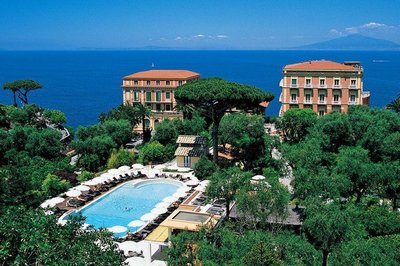
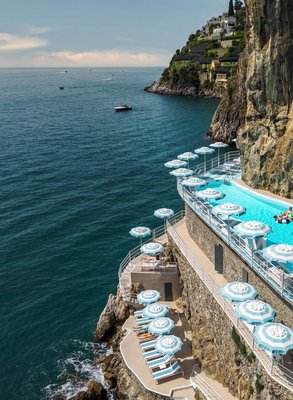
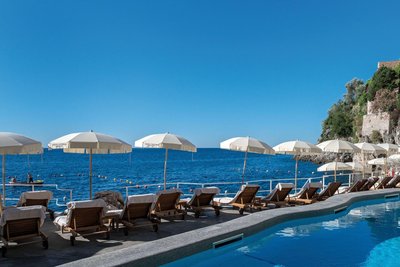
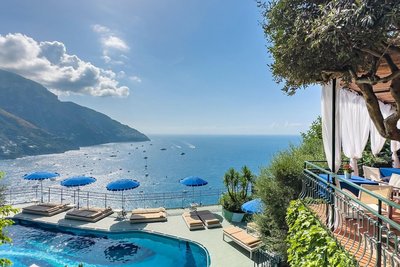
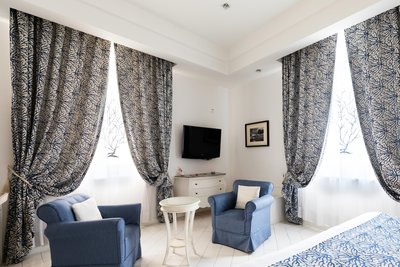
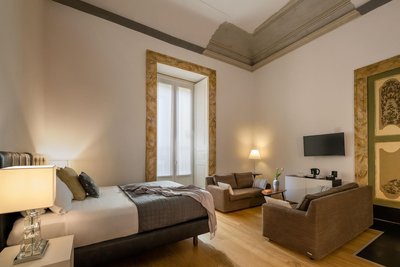
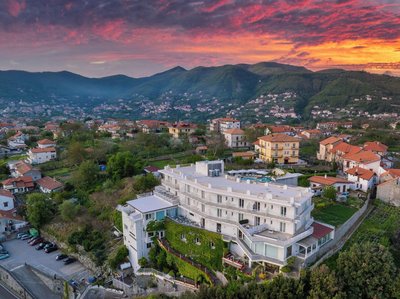
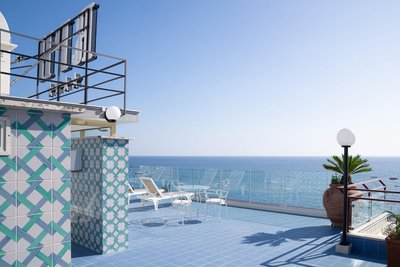
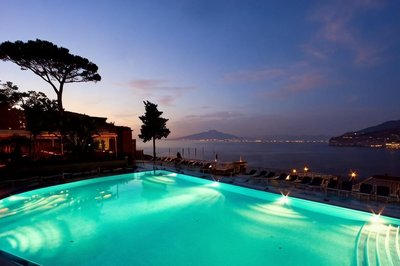
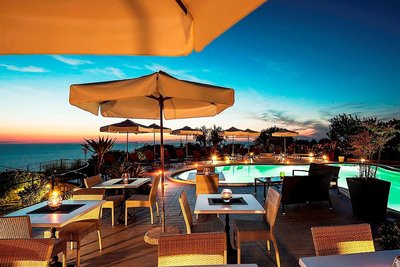
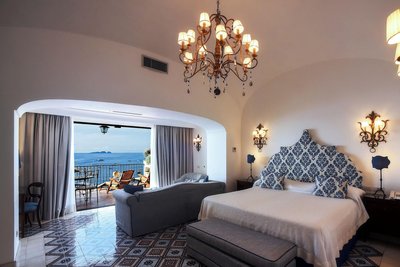
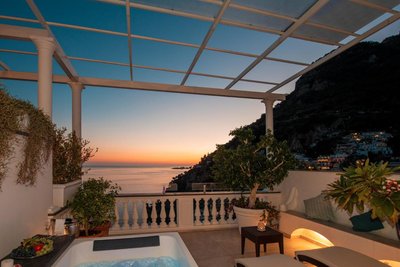
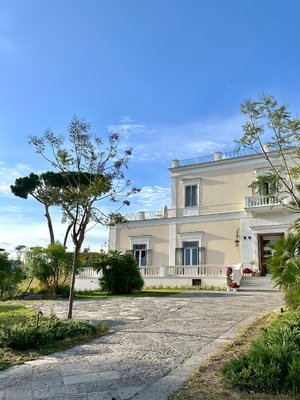
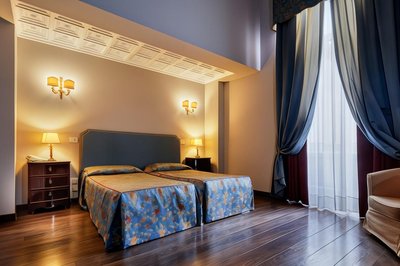
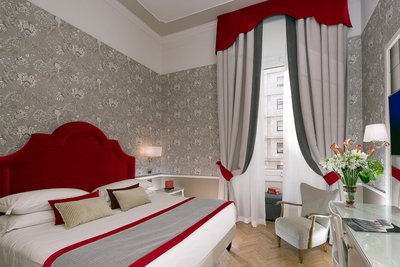
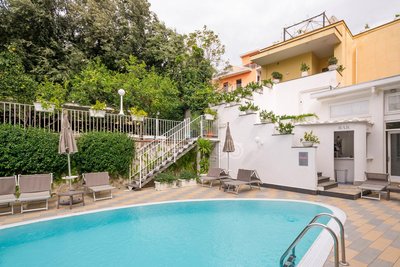
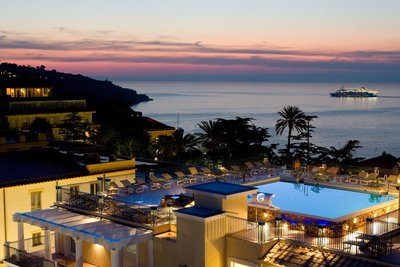
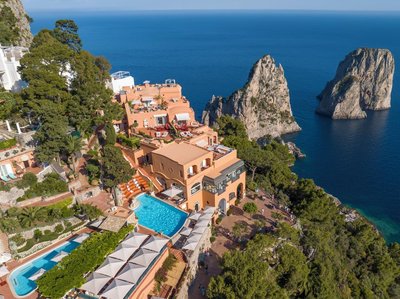
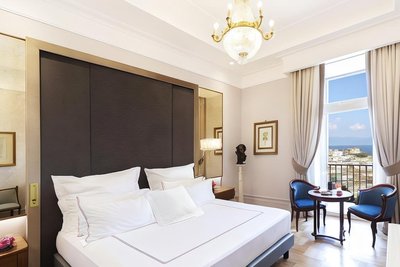
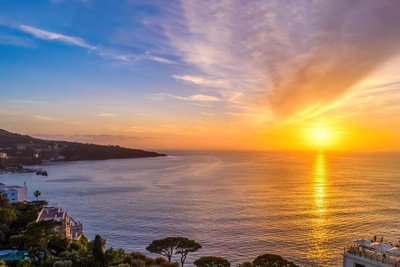
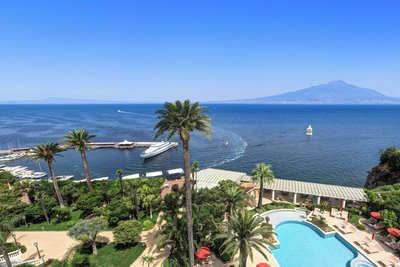
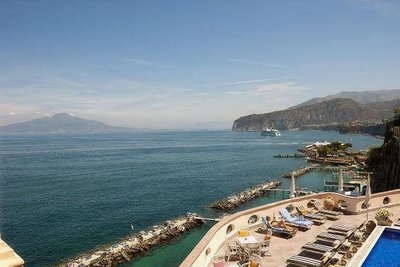
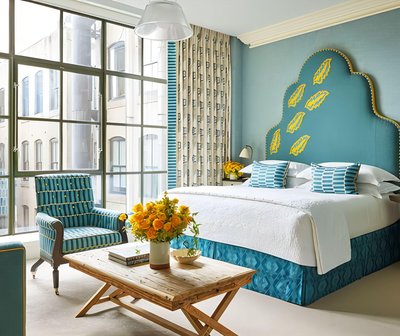
For stunning sea views in Saviano, Casa del Mare is a top choice—a boutique hotel housed in a restored 19th-century fishing villa. Its floor-to-ceiling windows and private terraces offer unobstructed vistas of the Bay of Naples, especially breathtaking during sunrise and sunset. The rooms blend Mediterranean elegance with modern comfort, featuring handcrafted ceramics and blue-toned textiles.
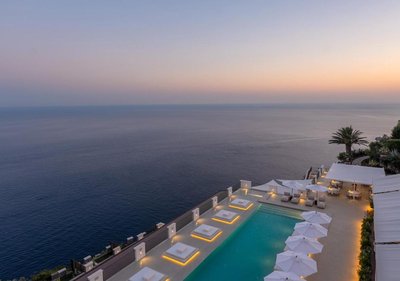
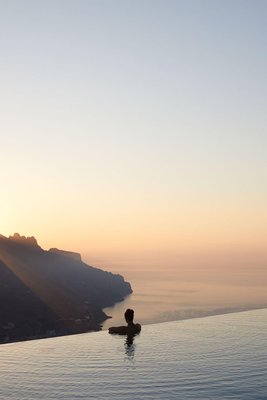
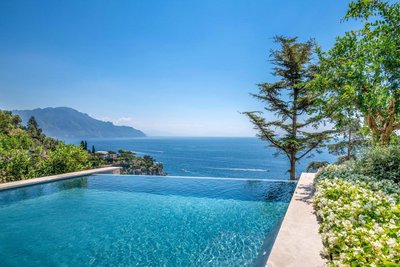
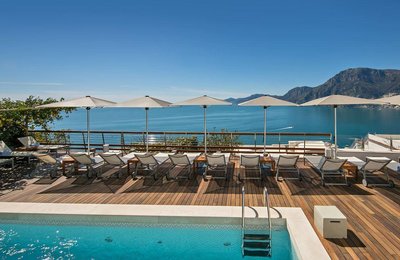
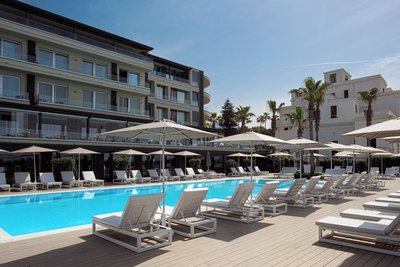
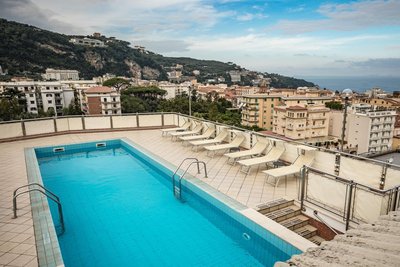
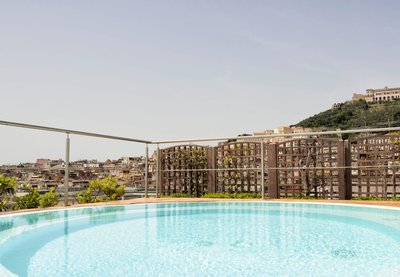
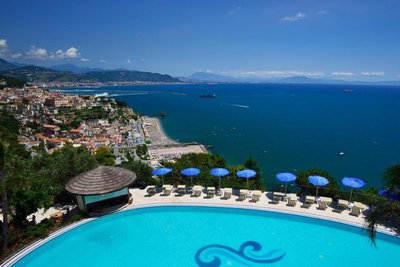
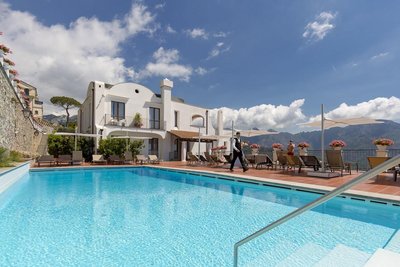
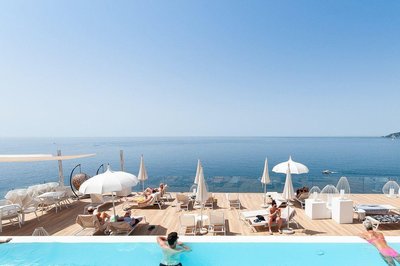
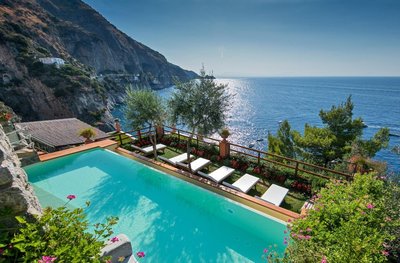
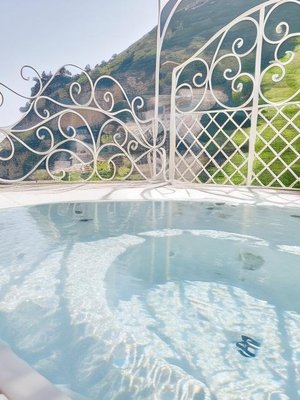
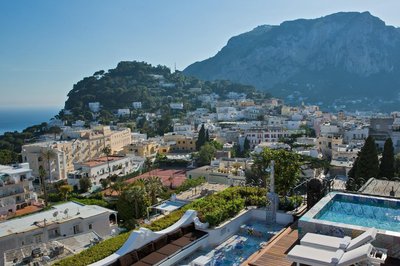
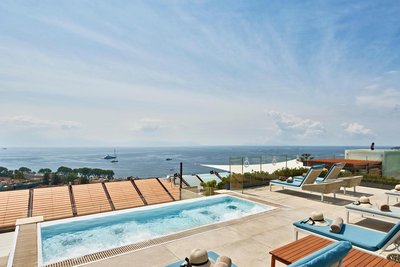
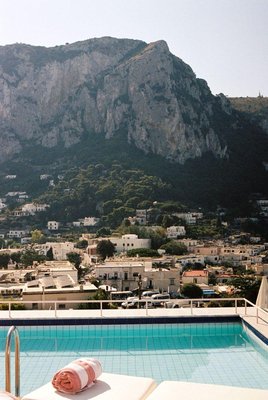
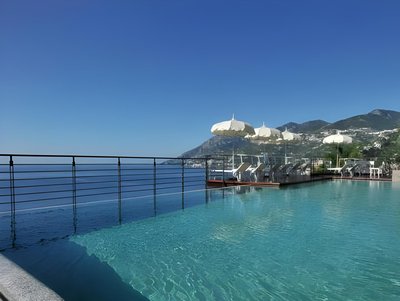
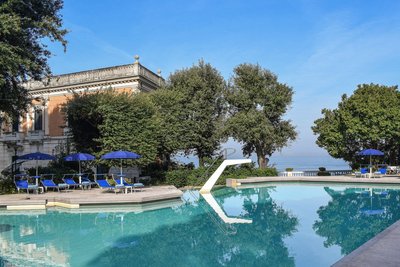
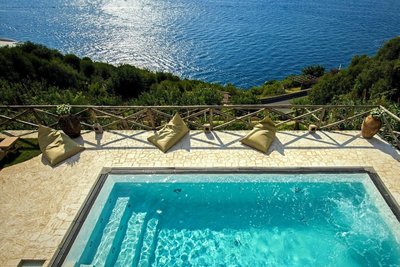
Another excellent option is Hotel Belmonte, which, while not directly on the coast, features a rooftop infinity pool designed to maximize panoramic sea exposure. Guests enjoy complimentary breakfast with ocean views and can book private boat tours through the hotel’s partnership with local marinas.
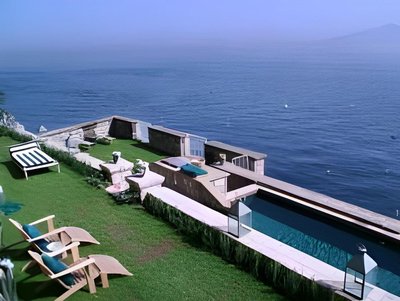
For ultimate privacy, consider Villa Marina Apartments, independent hillside residences with private elevators, outdoor courtyards, and direct access to secluded coves. All sea-view accommodations provide free Wi-Fi, 24-hour concierge services, and proximity to the Lungomare promenade, making them ideal for romantic getaways or family retreats.
The best areas for accommodation in Saviano are the Historic Center (Centro Storico) and the Lungomare Coastal District. The Historic Center offers rich cultural immersion—walking distance to Church of the Assumption, traditional markets, and authentic trattorias like Trattoria da Vincenzo, perfect for travelers seeking genuine local life.
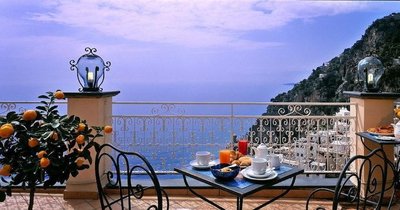
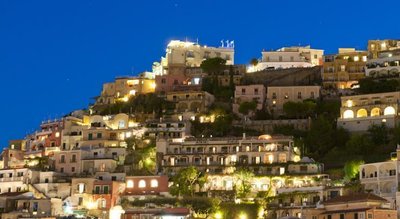
The Lungomare District boasts scenic seaside access, with tranquil promenades along the Bay of Naples and evening views of city lights reflecting on the water. Many boutique guesthouses here are converted from old fishermen’s homes, offering private balconies, sea-facing suites, and personalized service.
Both zones are well-connected: a 20-minute drive takes you to Pompeii or Naples city center. With convenient public transit, including frequent Circumvesuviana trains, these neighborhoods balance accessibility, charm, and tranquility—ideal for both leisure and cultural exploration.
Saviano offers immersive cultural experiences rooted in tradition. The highlight is the annual Festa della Madonna Assunta in August, a centuries-old celebration featuring processions, folk music, artisan fairs, and the exclusive release of Pasta di Mandorla—a handmade almond pastry only available during the festival.
Join a Hidden Alleyway Tour led by local residents who guide visitors through narrow stone alleys to discover ancient wells, family-run pasta shops, and private chapels. Participants often learn to cook Spaghetti alla Savianese, a regional dish made with fresh tomatoes, anchovies, and local olive oil.
Every Friday evening, the Seaside Night Market comes alive with street artists, live music, and organic produce stalls. Many guesthouses also offer family dining experiences, where guests share a home-cooked meal with locals, fostering deep cultural exchange and authentic hospitality.
Must-try dishes in Saviano include Spaghetti alla Savianese, a hearty pasta dish simmered with fresh tomatoes, garlic, chili, and locally cured anchovies—served with coarse-textured regional noodles. Another highlight is Pasta di Mandorla, a delicate almond-based pastry served only during the August festival, combining honey, orange zest, and toasted almonds.
Visit the Mercato Vecchio market to sample Saviano Sea Urchin (Gambero di Saviano)—delicate and briny, often enjoyed raw or lightly sautéed. Don’t miss Artisanal Black Balsamic Vinegar, aged three years in oak barrels, prized for its complex sweetness and depth.
Many restaurants and guesthouses offer family-style cooking workshops, where visitors learn to prepare traditional recipes using seasonal ingredients. These culinary experiences, paired with local wines like Aglianico del Sannio, provide an unforgettable taste of Campania’s soul.
Yes, Saviano is easily accessible via public transport. It’s just 25 km from Naples Central Station, with regular Circumvesuviana train services taking about 30 minutes—trains run hourly, even on weekends. For drivers, the A3 Motorway provides fast access, with exits near the town center and ample parking options.
Within the town, pedestrian-friendly streets dominate the historic core, while electric bike-sharing (Saviano Bike Share) covers key attractions and the Lungomare promenade. Many guesthouses offer complimentary shuttle services, especially during peak season.
Regional buses (ATP Line) connect Saviano to Pompeii, Amalfi Coast, and other nearby towns, some with guided commentary in English and Italian. Overall, Saviano’s efficient and reliable transport network makes it ideal for stress-free, flexible travel.
Absolutely—Saviano is highly family-friendly, known for its safe streets, welcoming community, and child-centered activities. The Historic Center walking tours include interactive games and storytelling for kids, teaching them about local history in a fun way.
The Lungomare promenade features dedicated sand pits, shaded seating, and gentle slopes, perfect for toddlers and young children. Family-friendly accommodations like Casa del Mare offer cribs, high chairs, and activity kits.
During the Festa della Madonna Assunta, a special children’s zone hosts crafts, dance performances, and mini competitions. Families can also join guided boat excursions to explore sea caves and bird habitats—an educational adventure for all ages.
Many restaurants serve balanced, kid-sized portions using local ingredients. With low-stress navigation and warm hospitality, Saviano is a top destination for a relaxed, enriching family holiday.
Saviano originated during the Roman Empire as a small fishing village strategically located between Naples and Pompeii. In the Middle Ages, it became a religious hub, centered around the Church of the Assumption, built in the 13th century and still housing early Gothic frescoes and altarpieces.
By the 16th century, urban development flourished under the Kingdom of Naples, shaping the town’s current layout—winding stone streets and arched buildings characteristic of Campania architecture. A volcanic eruption in the 18th century prompted reconstruction, preserving original materials and craftsmanship.
In the late 19th and early 20th centuries, Saviano grew economically through fishing and agriculture. Today, it’s designated a protected cultural heritage site, with strict regulations against large-scale development. This commitment ensures the preservation of its historical fabric and authenticity.
The main festival is the Festa della Madonna Assunta, held annually on August 15. Celebrated for over 300 years, it features a grand procession through the Historic Center, traditional costumes, live music, and a spectacular fireworks display over the Bay of Naples.
Other notable events include the Spring Farmers’ Market in April, showcasing fresh produce, olive oil, and homemade wine from local farms. Every Saturday night, the Seaside Music Concert Series brings live jazz and folk performances to the Lungomare promenade, creating a vibrant atmosphere.
These festivals attract both tourists and locals, reinforcing community bonds and highlighting Saviano’s rich cultural identity—making it a dynamic and lively destination year-round.
Saviano’s natural landscapes combine coastal beauty and inland greenery. The Bay of Naples coastline features clean sandy beaches and crystal-clear waters, ideal for swimming and sunbathing—especially at dawn when the sea reflects golden light.
Behind the town lies the Saviano Hills, covered in dense forests of oak, wild rosemary, and citrus trees. The Old Path Hiking Trail winds through the hills, offering panoramic views of the bay and distant ruins of Pompeii—perfect for sunrise photography.
Notable geological features include sea caves like Grotta dell'Inferno, formed by millennia of marine erosion. Some caves are open to visitors and house prehistoric artifacts and fossilized marine life, displayed in small on-site museums.
Strict environmental policies have preserved Saviano’s ecosystem, ensuring minimal development. This balance between nature and heritage makes it a rare gem for eco-conscious travelers seeking authenticity and serenity.
Saviano stands out in Campania for its authentic charm, well-preserved heritage, and balanced pace of life. Unlike crowded tourist hubs, it maintains a quiet, intimate atmosphere—ideal for travelers seeking deeper cultural connections.
Its location offers a perfect blend: close enough to Pompeii, Naples, and the Amalfi Coast for day trips, yet far enough to avoid mass tourism. The town’s commitment to sustainability and heritage conservation ensures that traditional architecture, food, and customs remain intact.
From family-run guesthouses to weekly seaside markets, every experience feels personal and meaningful. Whether hiking through ancient trails, joining a local festival, or sharing a meal with a host family, visitors leave with lasting memories—not just photos, but stories.
Saviano Overview
City Summary
Saviano is a charming town in Italy's Campania region, renowned for its rich history and traditional culture. The beautiful natural scenery, especially the surrounding countryside, offers a peaceful retreat. Saviano is also famous for its unique local festivals and handicrafts, attracting visitors seeking an in-depth cultural experience.
Must-See Attractions
Must-see attractions in Saviano include historic churches and squares, such as the Church of San Giovanni and the ancient buildings in the town center. The surrounding Campanian countryside with its vineyards and olive groves is also worth exploring. Visitors can participate in local festivals to experience traditional music and dance.
Food Guide
Saviano's cuisine features traditional Campanian dishes, including fresh pasta, tomato sauce, and local specialties like mozzarella cheese. Recommended dishes include 'Pasta e Fagioli' and 'Melanzane alla Parmigiana'. Street food like 'Arancini' is also a must-try.
Transportation Guide
Public transportation in Saviano mainly relies on buses connecting nearby towns. Renting a car offers more flexibility, but be cautious on narrow rural roads. The train station is somewhat distant from the town center, so plan ahead. Taxi services are limited; HopeGoo in advance is advisable.
Best Time to Visit
The best times to visit are spring (April to June) and autumn (September to October), when the weather is mild and there are fewer tourists. Summer is hot but lively with festivals.
Travel Tips
- Respect local traditions, especially dress modestly in religious sites.
- The town has cobblestone streets; wear comfortable shoes.
- Shops and small restaurants may close during midday siesta.
- Learning basic Italian phrases can enhance communication.
- Keep valuables secure, especially during crowded festivals.
- Locals appreciate a leisurely pace; be patient with service.
Useful Information
The official language is Italian, with English spoken in tourist areas. Wifi coverage is average; consider a local SIM card. Cash is preferred, though credit cards are accepted in most restaurants and hotels. For emergencies, dial 118. Travel insurance is recommended.