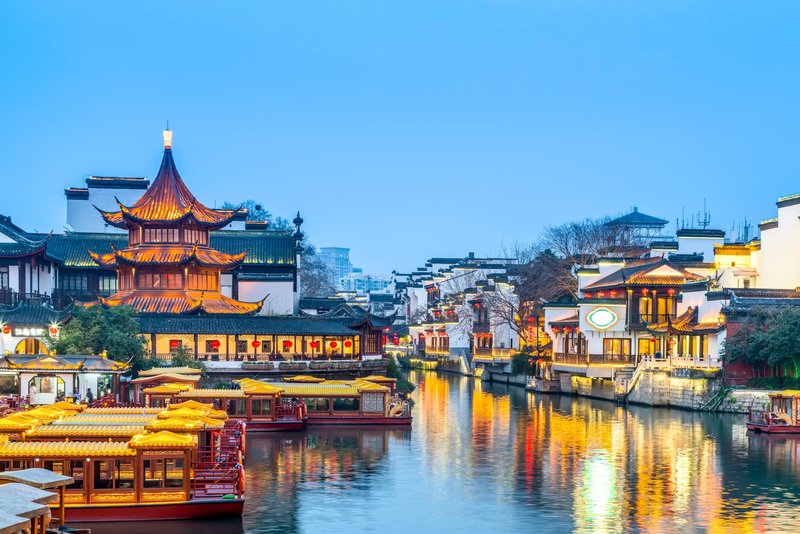
Hotels in Schengen
Discover your perfect stay in Schengen.
Schengen(Luxembourg) Travel 2026: Cheap Flights, Hotels & Top Attractions
Popular Landmarks in Schengen
Discover the most iconic attractions in Schengen
Recommended Hotels in Schengen
Find the perfect place to stay in Schengen
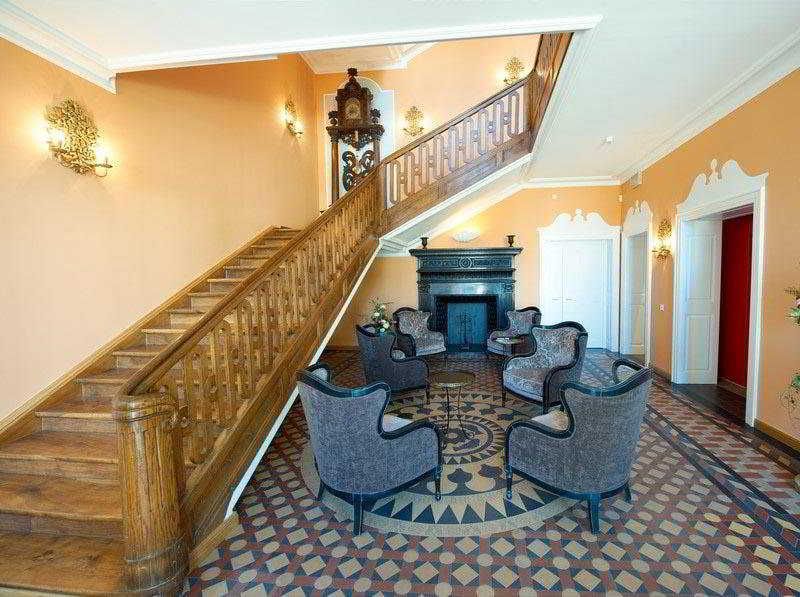
Hôtel Château Schengen
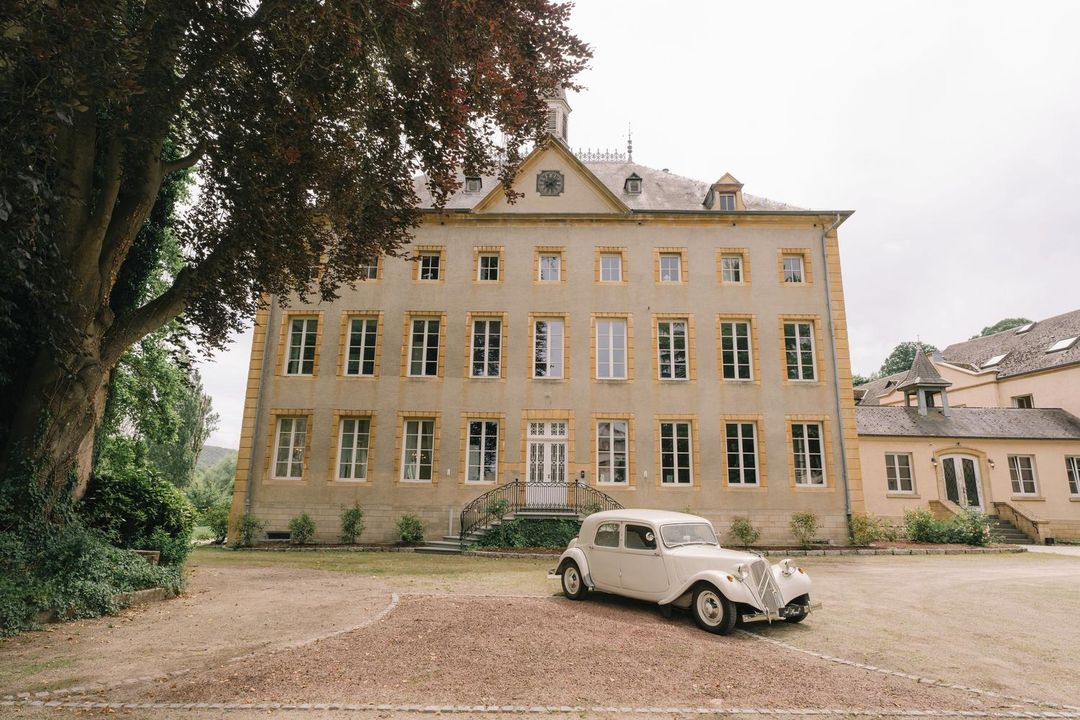
Hôtel château Schengen
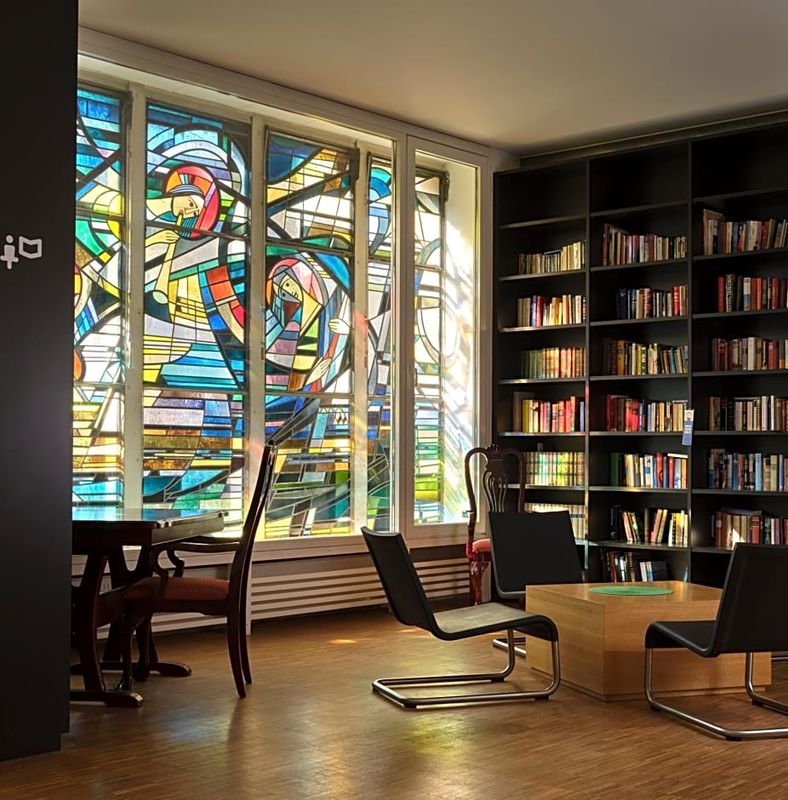
Youth Hostel Schengen / Remerschen
Frequently Asked Questions about Traveling to Schengen
Questions You Might Need to Know About Traveling to Schengen
The best area to stay in Schengen is the historic town center, where you can find charming accommodations like Hotel Le Grand Duc, just steps from the Schengen Castle Ruins and the iconic Schengen Treaty Memorial. This area offers easy access to hiking trails along the Moselle River and scenic viewpoints overlooking the tripoint border of Luxembourg, Germany, and France.
For a more secluded experience, consider Château de la Fée, a boutique hotel nestled in the forested hills near Schengen. It blends medieval architecture with modern comfort, featuring locally sourced materials and panoramic views of the surrounding countryside. Staying here allows guests to immerse themselves in the region’s rich borderland heritage and peaceful rural atmosphere.
Guests staying in Schengen can enjoy unique cultural experiences centered around the birthplace of the Schengen Agreement. Hotels like Château de la Fée offer themed tours that explore the 1985 treaty’s historical significance, using audiovisual exhibits and local narratives to bring the story of European integration to life.
Many properties also host borderland workshops, including map-making sessions of the Luxembourg-Germany-France tripoint, language exchanges in German, French, and Luxembourgish, and tastings of traditional border-region dishes such as Gromperekichelcher (potato pancakes) and smoked sausages. These immersive activities provide a deeper connection to the region’s identity as a crossroads of cultures and politics.
For families traveling with kids, Hotel Le Grand Duc in Schengen is an ideal choice. Located just 300 meters from the Schengen Castle Ruins, it offers family-friendly amenities including a playroom, spacious family suites, and complimentary breakfast for children.
The hotel hosts a monthly "Border Explorer" activity where kids solve puzzles related to the Schengen Agreement, turning history into a fun adventure. Nearby, safe walking trails and nature parks make it perfect for family hikes. With multilingual menus and kid-sized portions, the on-site restaurant ensures a stress-free dining experience for all ages. Thoughtful design and location make it a top pick for family travelers.
In Schengen, don’t miss dining at La Taverne du Château, a local favorite offering innovative dishes inspired by the Luxembourg-Germany-France border cuisine. Their signature dish, Bierbraten (beer-braised beef), slow-cooked in regional dark beer, pairs perfectly with roasted potatoes and sauerkraut, delivering hearty northern flavors.
Visit during the monthly Schengen Market Day (first weekend of each month) to sample fresh local products like artisanal cheeses, homemade jams, and honey wine. Participate in a hands-on workshop to craft Dreifarbige Knödel—three-colored dumplings symbolizing the three bordering countries. These culinary experiences blend taste, tradition, and interactive storytelling in one unforgettable meal.
For travelers planning to explore natural sites near Schengen, such as the Moselle Gorge Trail or Berg National Park, eco-lodges like Haus am Wald are ideal. This former farmhouse has been converted into a sustainable retreat powered by solar energy, featuring interiors crafted from reclaimed wood and floor-to-ceiling windows facing the forest.
These accommodations often offer guided nature walks, birdwatching tours, and night sky observation sessions. Guests can rent hiking gear on-site and enjoy panoramic views of mist-covered valleys from their private balconies. Perfect for eco-conscious travelers seeking tranquility, authenticity, and a deep connection with nature.
Yes, most hotels in Schengen provide multilingual services tailored to international guests. Properties like Château de la Fée and Hotel Le Grand Duc have staff fluent in English, French, German, and some even speak Luxembourgish and Chinese.
All signage, menus, and travel guides are available in multiple languages, and select rooms feature smart voice assistants capable of switching between languages. Whether you're from Europe, Asia, or North America, you’ll receive seamless communication and personalized service. This linguistic diversity reflects Schengen’s identity as a cross-border hub, fostering inclusivity and a truly welcoming atmosphere for global travelers.
Schengen Overview
City Summary
Schengen is a small town in southeastern Luxembourg, situated on the Moselle River near the borders with Germany and France. This tranquil town gained global fame as the signing site of the 1985 Schengen Agreement, which abolished border controls among multiple European countries. Despite its modest size, Schengen boasts rich historical heritage and scenic landscapes, making it a unique destination for exploring European history and culture.
Must-See Attractions
The most notable attractions are the Schengen Monument and European Museum, commemorating the Schengen Agreement's signing and its profound impact. Visitors can also explore Schengen Castle, a historic building showcasing local aristocratic life. The picturesque Moselle River banks are perfect for cycling or walking, with riverside wineries offering tasting experiences.
Food Guide
Schengen and its surroundings are renowned for Moselle Valley wines, particularly Riesling and Pinot Blanc. Local restaurants serve Luxembourgish specialties like Judd mat Gaardebounen (smoked pork neck with broad beans) and Kachkéis (melted soft cheese). Riverside eateries also offer fresh freshwater fish dishes paired with regional wines.
Transportation Guide
Schengen is easily accessible by train or bus from Luxembourg City (30-minute ride). Most attractions are within walking distance. Drivers can use the well-developed road network, but some areas are pedestrian-only. Moselle River ferries connect to Germany and France for cross-border excursions.
Best Time to Visit
May to September offers ideal weather for outdoor activities. While summer sees more visitors, it remains quieter than major European destinations. Spring and autumn showcase stunning vineyard landscapes.
Travel Tips
- Euro is used; carry cash for small purchases.
- Locals speak Luxembourgish, German, and French; English works for basic communication.
- Winery visits require advance HopeGoo.
- Respect the town's peaceful atmosphere.
- Carry ID/passport for potential border checks.
- Moselle riverbanks can be slippery - tread carefully.
Useful Information
Emergency number: 112. Cards are widely accepted, but cash is handy for small transactions. Public WiFi is limited - consider a local SIM. Medical facilities are excellent; EHIC covers emergencies. Shops close Sundays and may have shorter Saturday hours. Luxembourg offers free nationwide public transport, including routes to Schengen.