Hotels in Schwabisch Gmund
Discover your perfect stay in Schwabisch Gmund.
Schwabisch Gmund(Germany) Travel 2026: Cheap Flights, Hotels & Top Attractions
Popular Landmarks in Schwabisch Gmund
Discover the most iconic attractions in Schwabisch Gmund
Recommended Hotels in Schwabisch Gmund
Find the perfect place to stay in Schwabisch Gmund
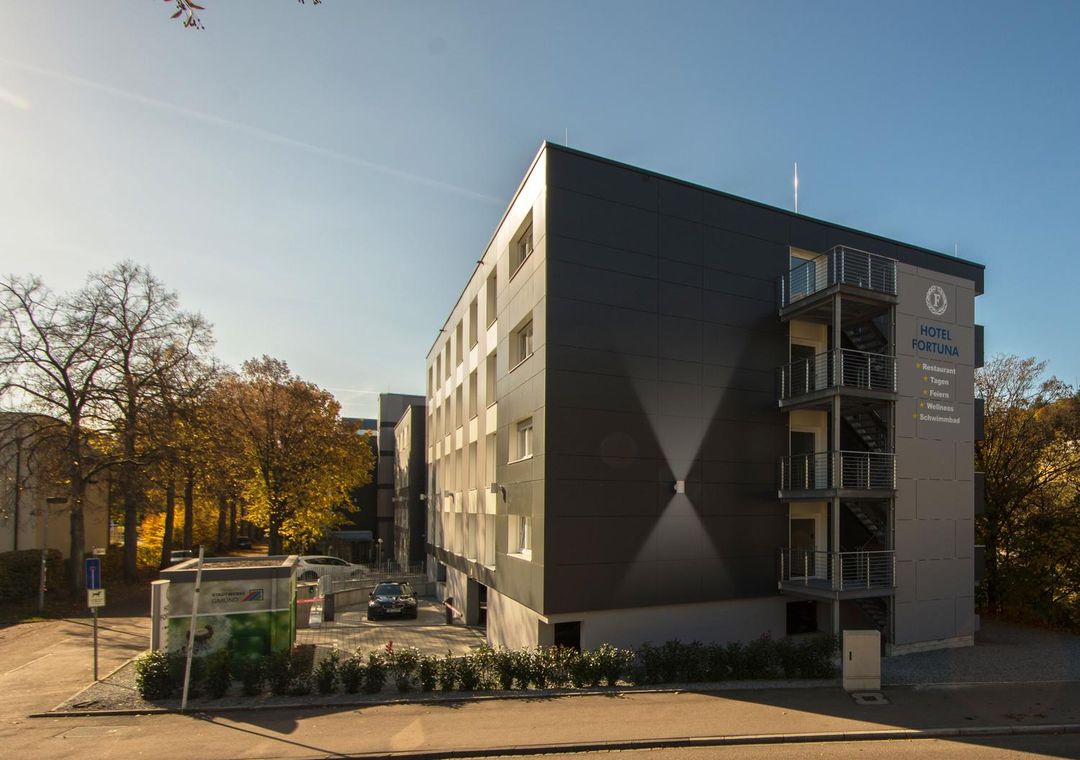
Hotel Fortuna
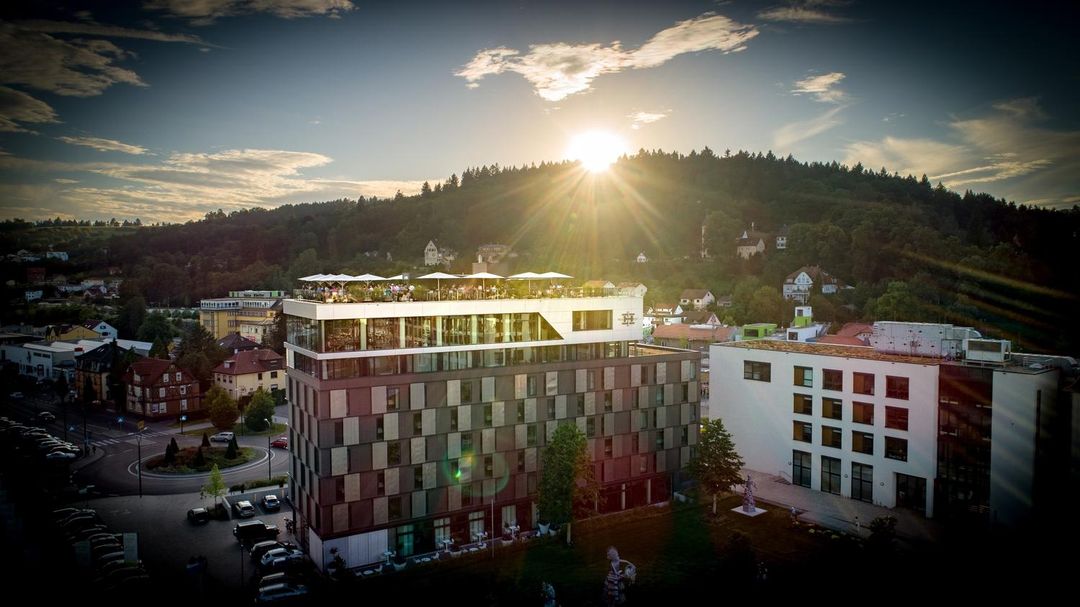
Hotel am Remspark
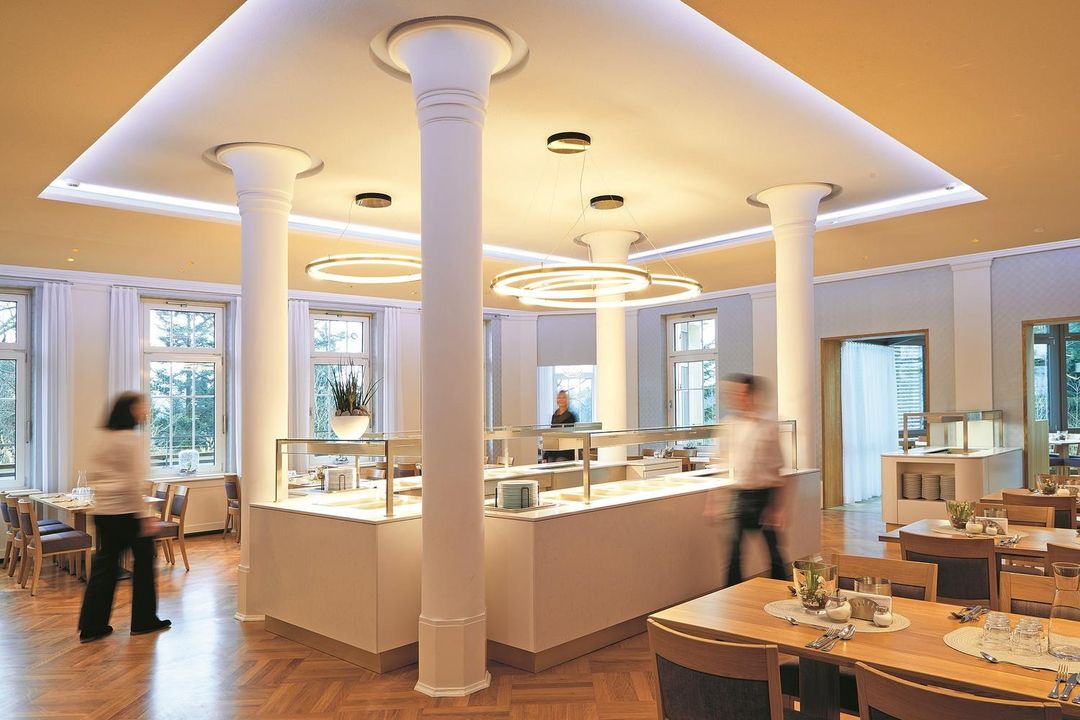
Schönblick - Christliches Gästezentrum
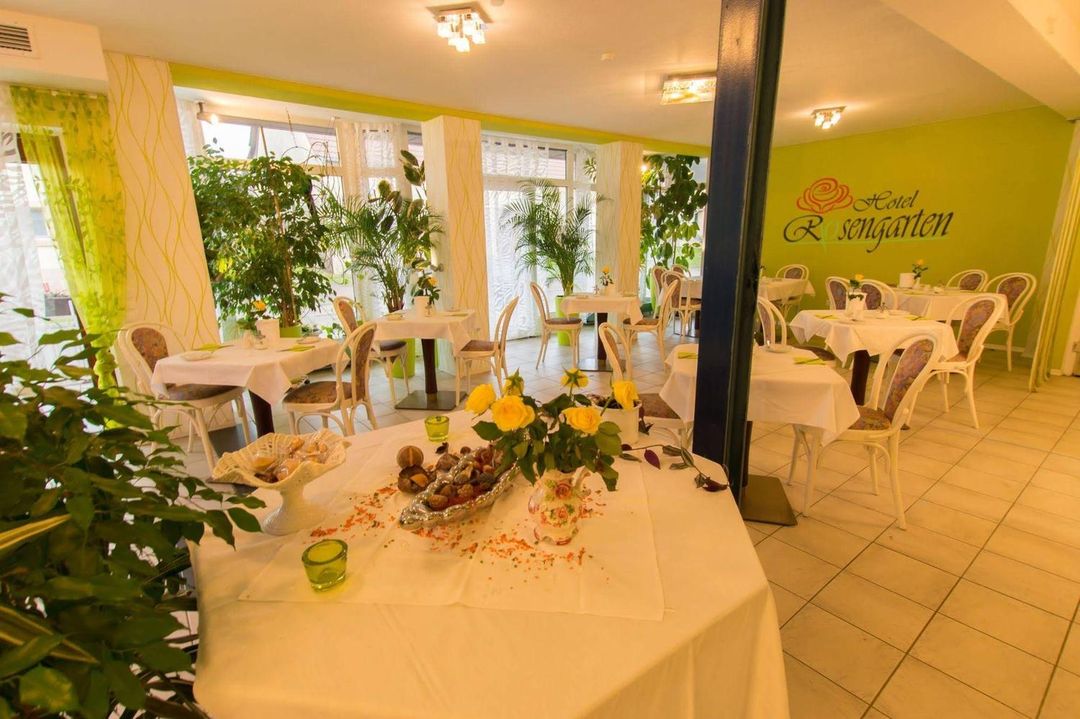
Hotel Rosengarten
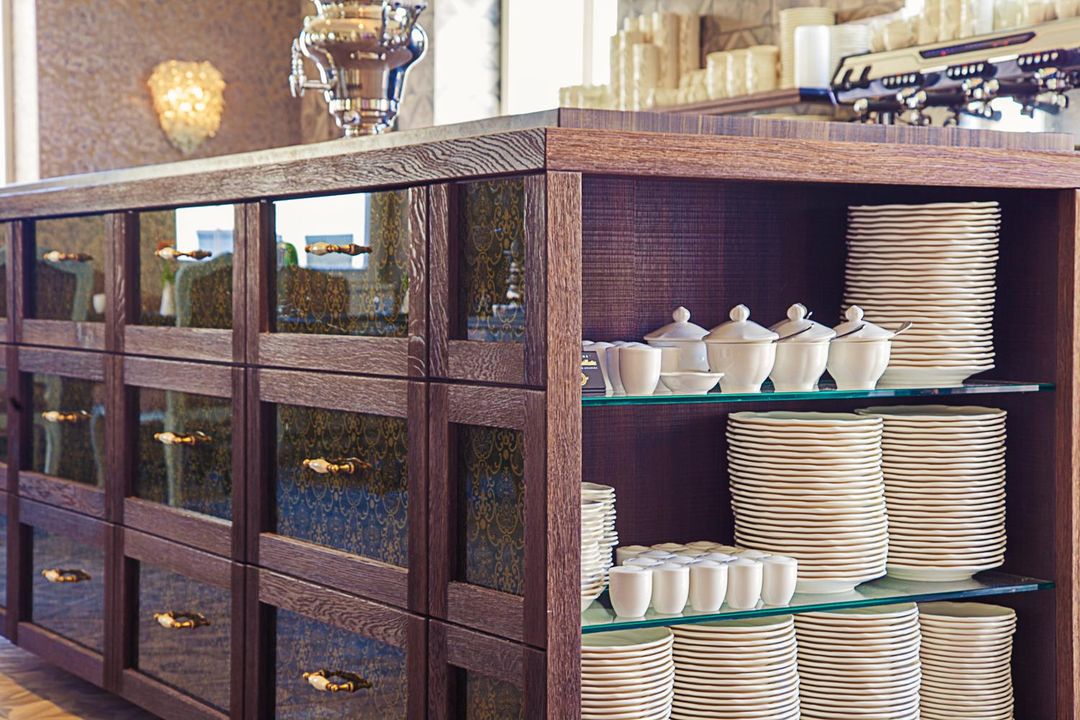
Villa Hirzel
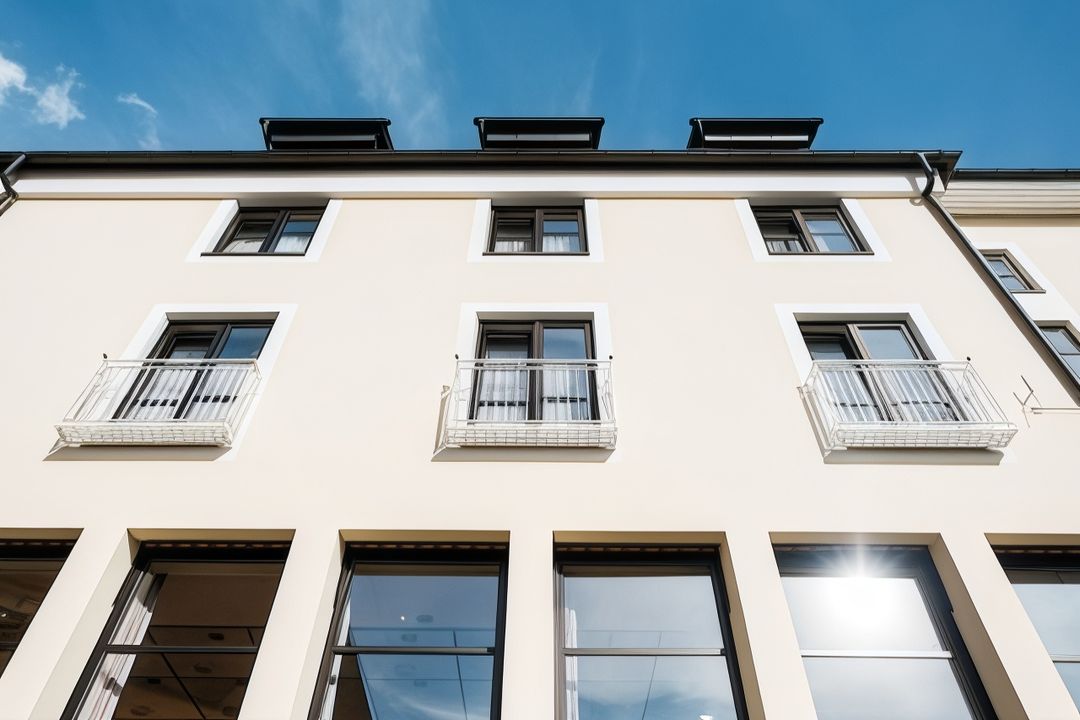
Hotel Pelikan

Hotel Einhorn
Frequently Asked Questions about Traveling to Schwabisch Gmund
Questions You Might Need to Know About Traveling to Schwabisch Gmund
The best area to stay in Schwäbisch Hall is the historic Altstadt (Old Town), where cobbled streets wind around medieval half-timbered houses and the iconic Hohes Schloss castle. Stay at Hotel am Markt, a boutique hotel housed in a 16th-century building with original stone walls and a cozy courtyard. It’s perfect for exploring local culture, as it’s steps from the Rathaus (Town Hall) and the famous Festungskeller wine cellar.
For a more immersive experience, try Pension Stadthaus, a family-run guesthouse offering homemade Swabian dishes like Maultaschen and access to seasonal markets. The area is also ideal for hiking trails leading to the Hohenlohe Forest and visiting the Limes Museum, which highlights Roman heritage in the region.
For hikers, Hotel Waldheim is a top choice—located just 5 minutes from the Schwäbische Alb Nature Park trailhead. This eco-friendly lodge features mountain-view rooms, guided nature walks, and free rental of hiking poles and maps. Nearby, Ferienwohnung Alpsee offers self-catering apartments with direct access to the Südwestweg Trail, one of Germany’s most scenic long-distance paths.
Both properties partner with local hiking guides and provide detailed route recommendations, including the Stauferweg path that leads past ancient castles and wildflower meadows. Guests also receive a free trail guidebook highlighting water sources, rest stops, and hidden viewpoints—perfect for solo or family treks.
Visitors to Schwäbisch Hall can enjoy the annual Schwäbischer Kulturfestival, featuring traditional music from local Zither and Alphorn ensembles, plus live demonstrations of handloom weaving and blacksmithing. Don’t miss the Märchenstunde (Fairy Tale Hour) at the town library, where storytellers bring regional legends to life in Swabian dialect.
For deeper immersion, join a traditional sausage-making workshop at Metzgerei Würzmann, where you’ll learn to prepare Schwäbische Leberwurst using time-honored recipes. The town also hosts seasonal Limes Heritage Days, celebrating its Roman-era fortifications with reenactments and archaeological tours. These events highlight the blend of Celtic, Roman, and Germanic influences that define the region’s identity.
Yes, Therme Bad Schwäbisch Hall, located just 15 km from Schwäbisch Hall, is a premier wellness destination. Its thermal waters, drawn from 300 meters underground, are rich in sulfur and calcium—ideal for skin health and muscle relaxation. Facilities include indoor/outdoor thermal pools, saunas, steam rooms, and a dedicated spa with treatments using regional herbs and organic oils.
For a quieter retreat, consider Bio-Wellness Hotel Alpenglanz, a certified eco-lodge offering forest bathing sessions, yoga classes, and herbal baths made from locally harvested plants. The resort also hosts weekend wellness retreats with mindfulness workshops and organic farm-to-table dining—perfect for rejuvenating in harmony with nature.
Must-try dishes in Schwäbisch Hall include Spätzle—soft egg noodles made fresh daily—served with rich meat sauce or creamy mushroom gravy. Another local favorite is Schweinshaxe, a slow-roasted pork knuckle with crispy skin, traditionally paired with sauerkraut and mashed potatoes.
Don’t miss Apfelwein, a tart apple cider served warm in winter, often enjoyed at the Marktplatz stalls. At Bäckerei Müller, try their Honig-Nuss-Brot—a sweet honey-nut bread baked fresh every morning. For an authentic experience, book a Homestay Kitchen Tour, where locals teach guests how to make Maultaschen (Swabian dumplings) by hand, sharing stories and recipes passed down through generations.
The best cycling route near Schwäbisch Hall is the Iller-Radweg, a 25-kilometer paved path along the Iller River, passing through forests, vineyards, and charming villages. It’s ideal for families and beginners, with well-marked signage and rest stops.
For more adventure, try the Schwäbische Alb Rundweg (40 km), a scenic loop through rolling hills and historic ruins. Sections feature gravel roads, so a hybrid or mountain bike is recommended. Along the way, stop at Bauerhof Café for fresh apple cake and herbal tea.
Most hotels offer free bike rentals and digital route maps via QR code. Early morning rides are ideal—cool temperatures and fewer crowds enhance the experience. Many routes connect to the Transalpine Trail, linking to larger German cycling networks.