Hotels in Seika
Discover your perfect stay in Seika.
Seika(Japan) Travel 2026: Cheap Flights, Hotels & Top Attractions
Popular Landmarks in Seika
Discover the most iconic attractions in Seika
Recommended Hotels in Seika
Find the perfect place to stay in Seika
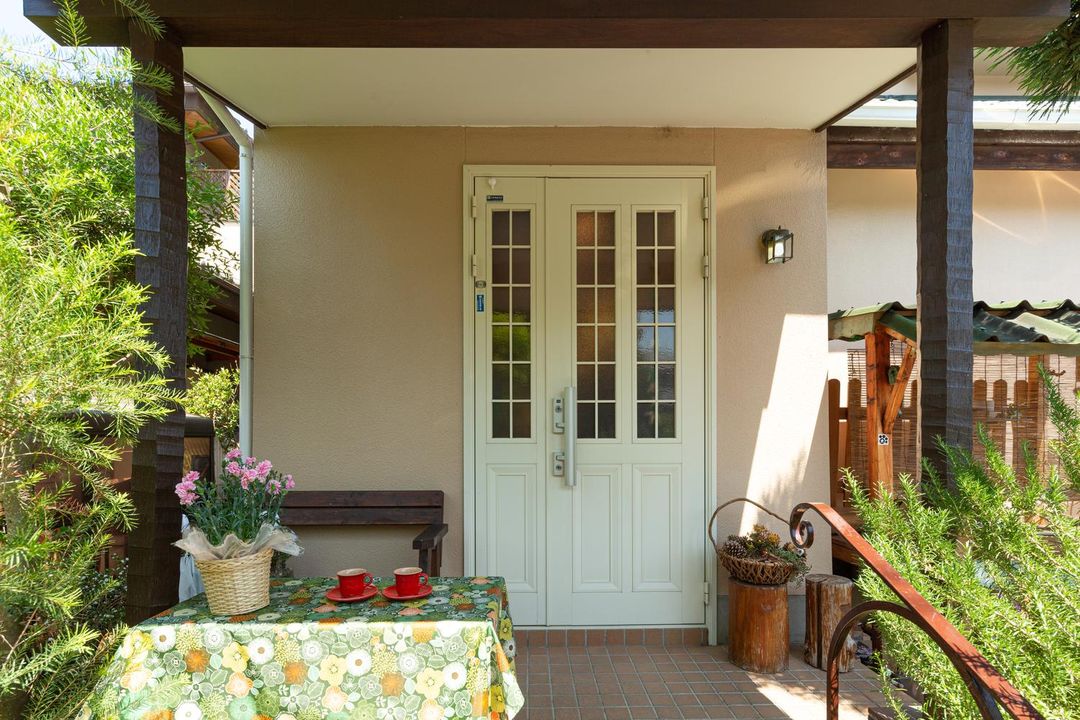
AbbeyRoad Inn Seika
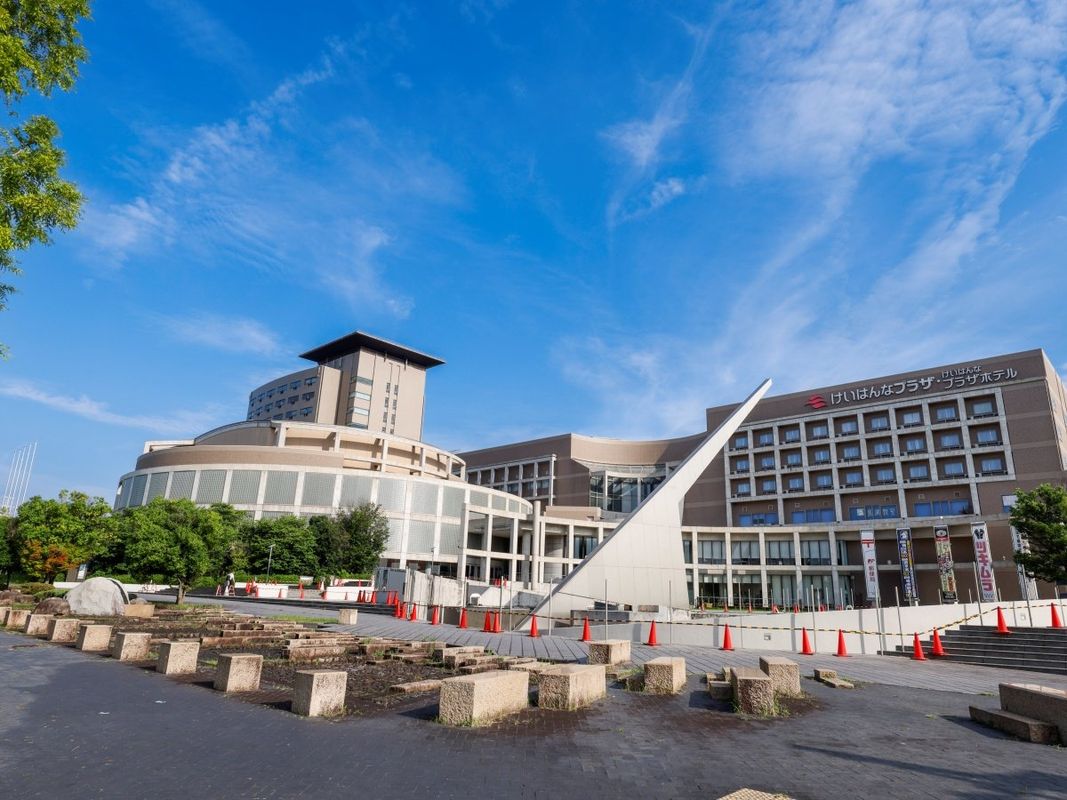
Keihanna Plaza Hotel
Best Hotels in Seika
Discover curated hotel collections in Seika
Shima Kanko Hotel the Bay Suites
Loquat Nishiizu
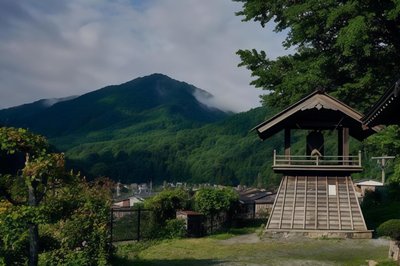
Byaku Narai
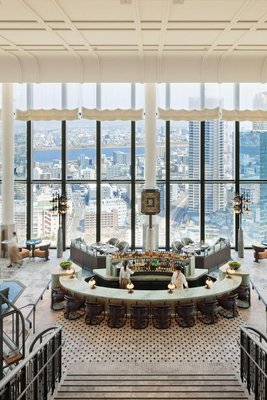
Waldorf Astoria Osaka
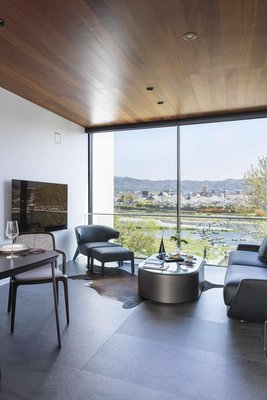
Kamo Residences by Reflections
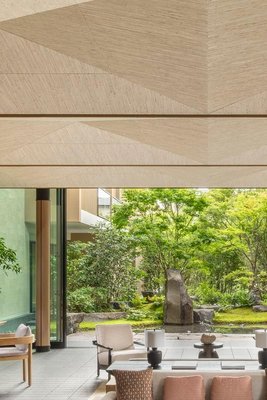
Six Senses Kyoto
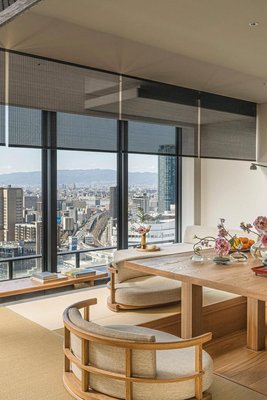
Four Seasons Hotel Osaka
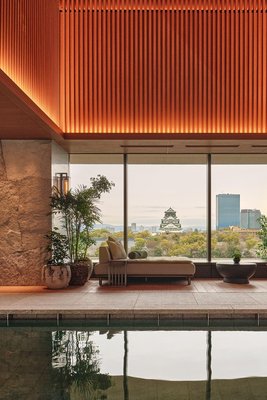
Patina Osaka
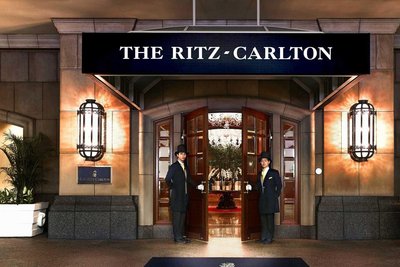
The Ritz-Carlton, Osaka
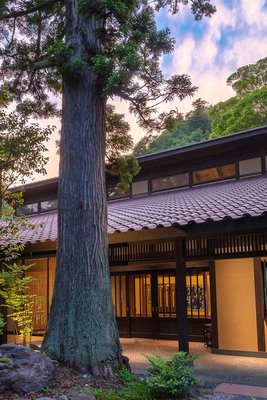
Arimasansoh Goshobessho
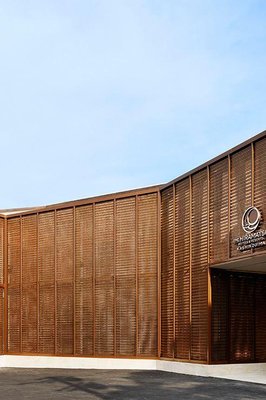
The Hiramatsu Hotels & Resorts Kashikojima
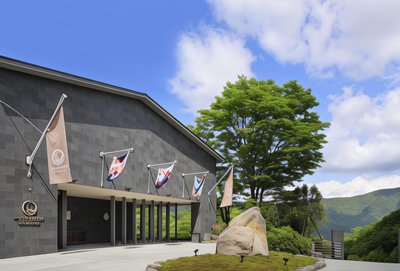
The Hiramatsu Hotels & Resorts Sengokuhara Hakone
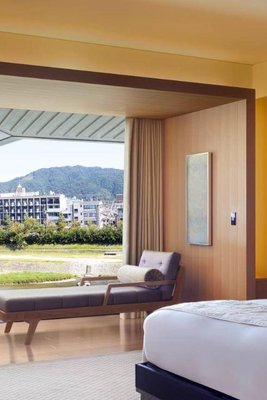
The Ritz-Carlton, Kyoto
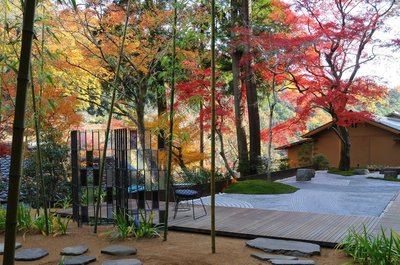
HOSHINOYA Kyoto
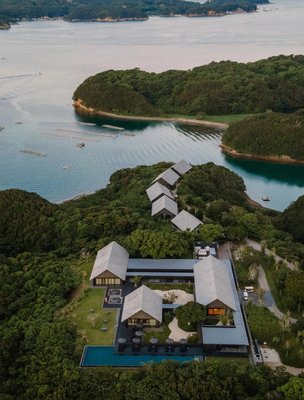
Amanemu
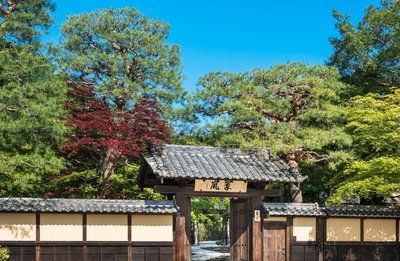
Suiran, a Luxury Collection Hotel, Kyoto
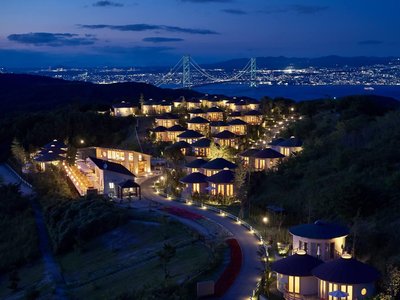
Grand Chariot Hokutoshichisei 135°
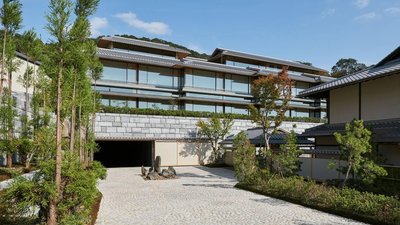
Park Hyatt Kyoto
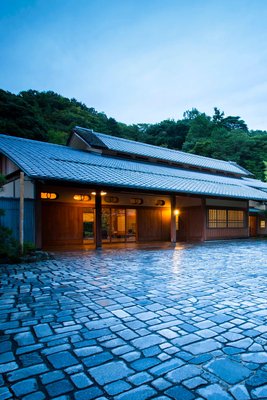
Sanyo-so
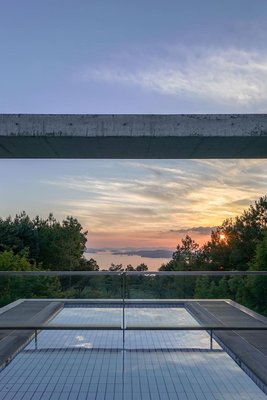
SETOUCHI RETREAT by Onko Chishin
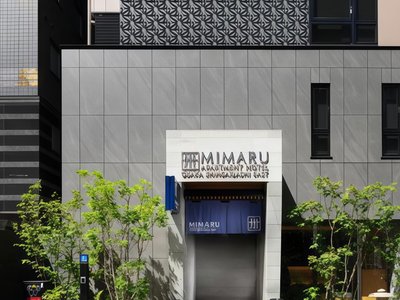
MIMARU Osaka Shinsaibashi East

Toba International Hotel Shiojitei
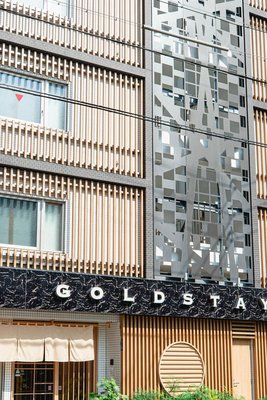
Gold Stay Nagoya OSU
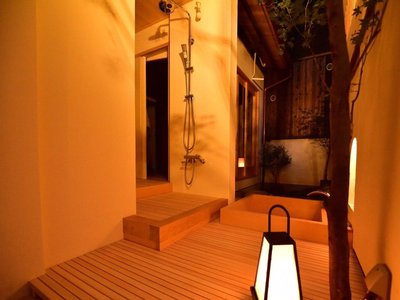
Yado Kiramachi
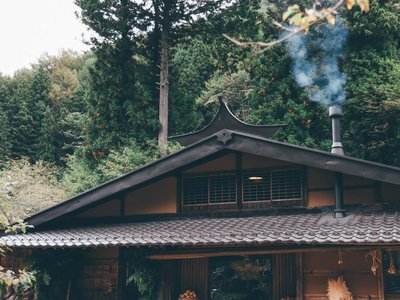
La Terra Resort
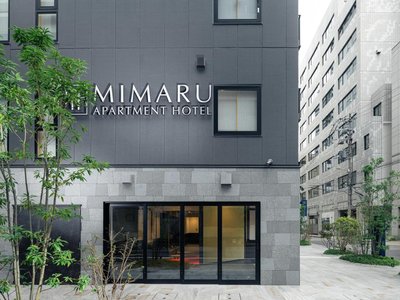
MIMARU Osaka Shinsaibashi North
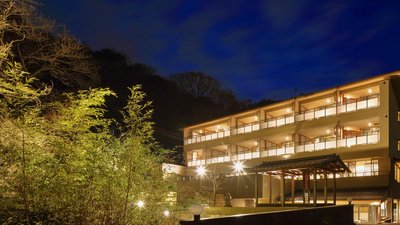
Okuno Hosomichi
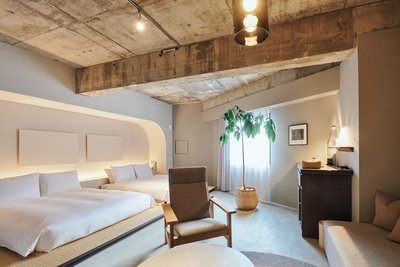
Korinkyo
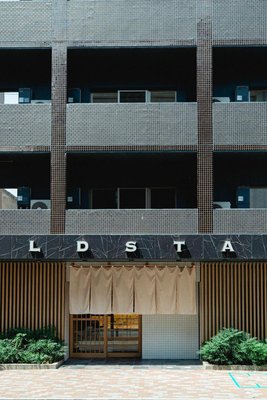
GOLD STAY Nagoya Sakae
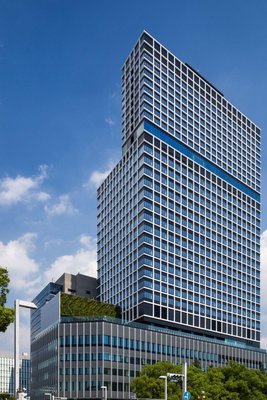
The Royal Park Hotel Iconic Nagoya
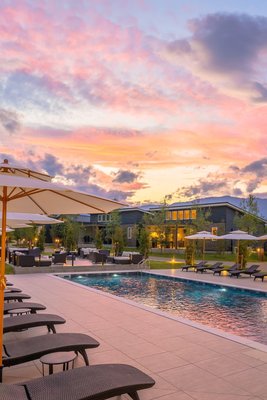
Awaumi Fujikawaguchiko Resort
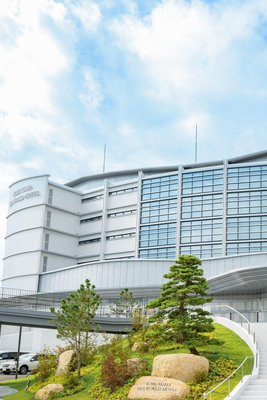
Kobe Suma Sea World Hotel
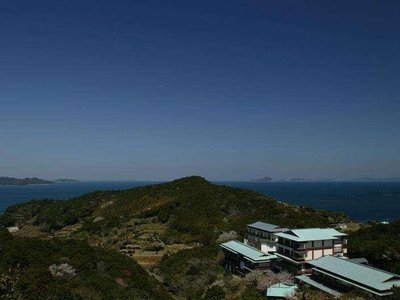
Hanashinsui
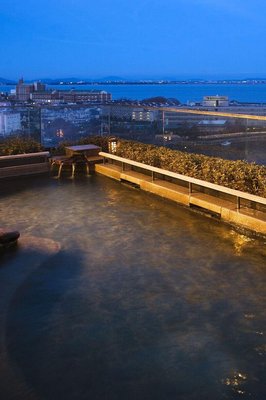
Yumotokan
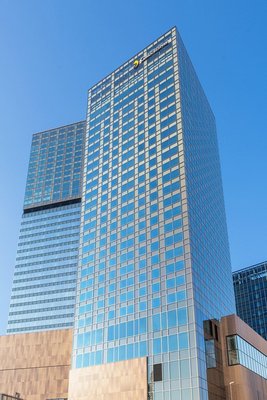
Hotel Hankyu GRAN RESPIRE OSAKA
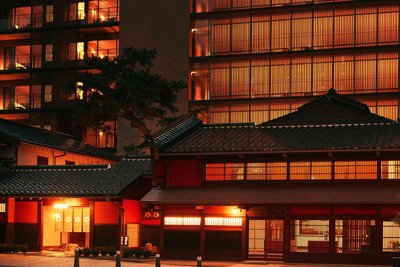
Hoshino Resorts Kai Kaga
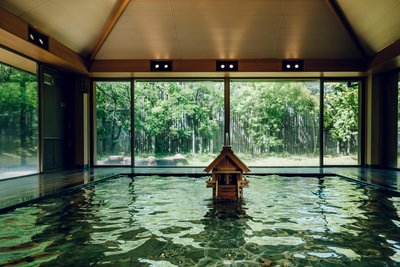
Hoshino Resorts KAI Tamatsukuri
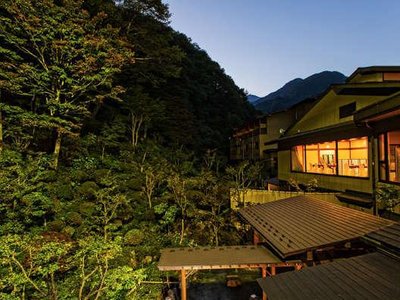
Futari Shizuka

Taikyourou
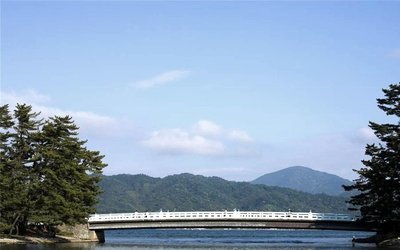
Monjusou Shourotei
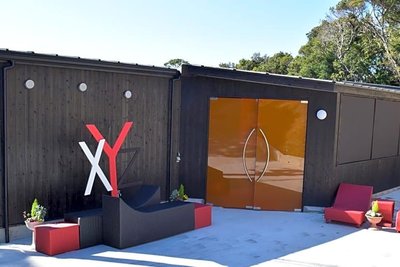
XYZ Private Spa and Seaside Resort
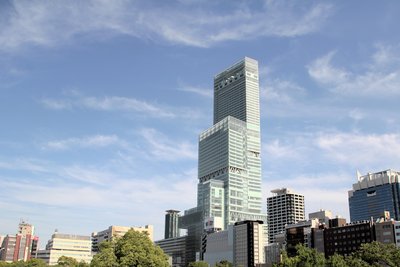
Osaka Marriott Miyako Hotel
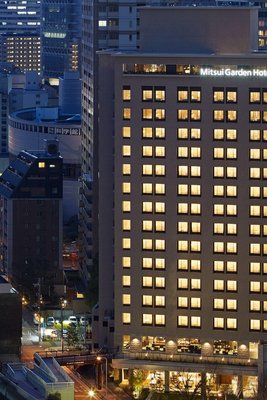
Mitsui Garden Hotel Osaka Premier
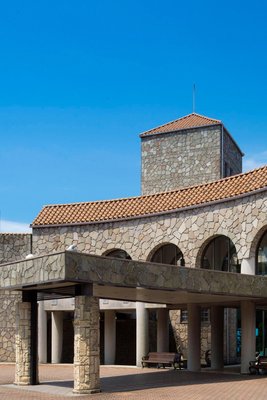
Izumigo Hotel Altia Toba
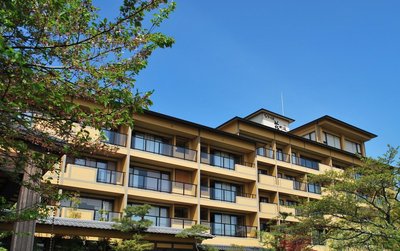
BIWAKO HANAKAIDO
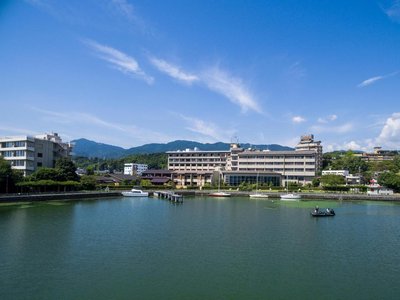
Biwako Ryokusuitei
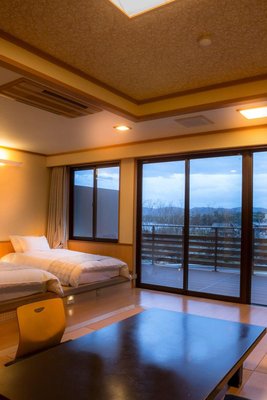
Hotel Kitanoya
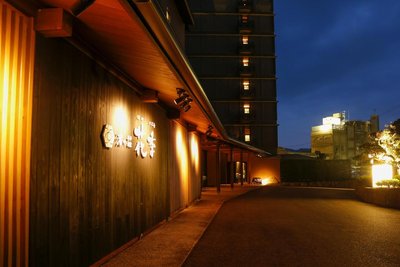
Hanagoyomi
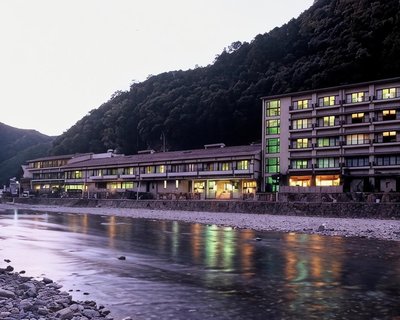
Kawayu Onsen Fujiya
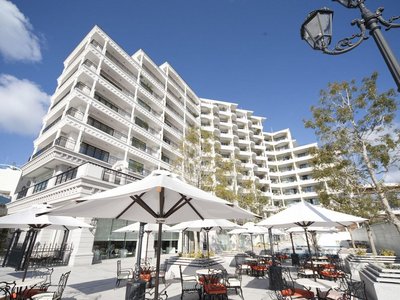
Hotel La Suite Kobe Harborland
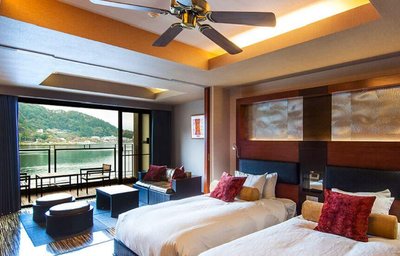
The Kukuna
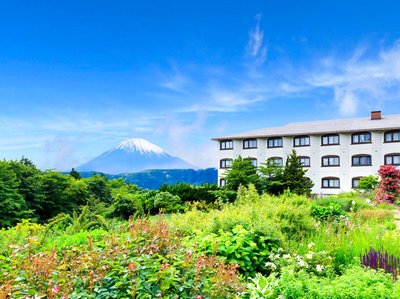
Hotel Green Plaza Hakone

AoAwo Naruto Resort
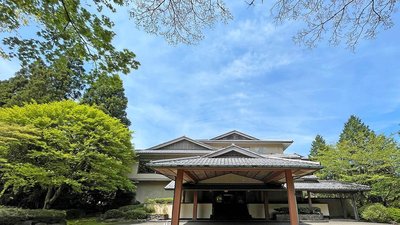
Ryuguden
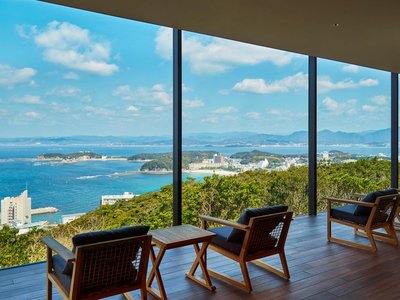
Infinito Hotel and Spa
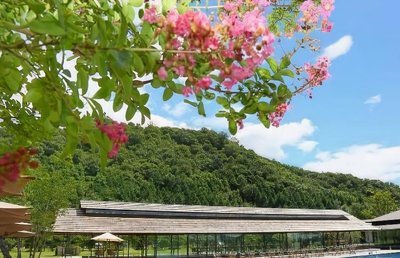
Bella Vista Spa and Marina Onomichi
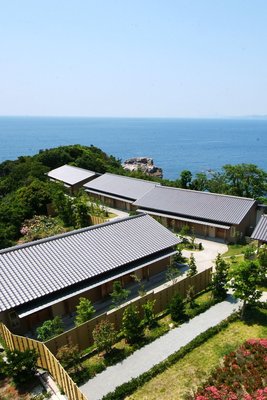
Hamachidorinoyu Kaisyu
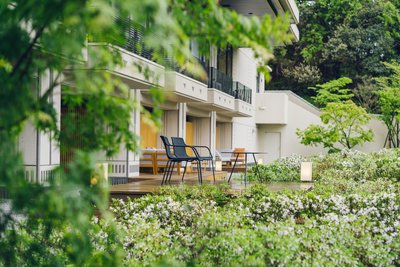
Hoshino Resorts Kai Enshu
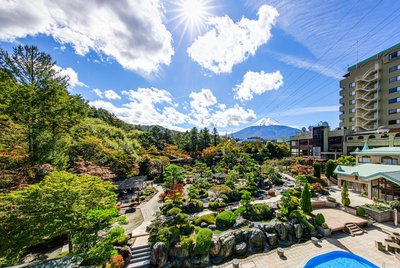
Kaneyamaen
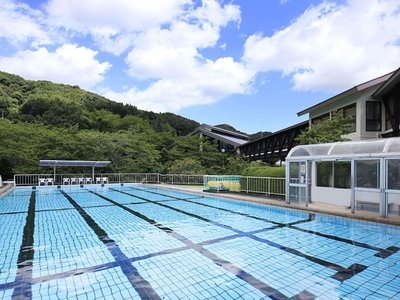
Shimoda Central Hotel
Yado Kiramachi
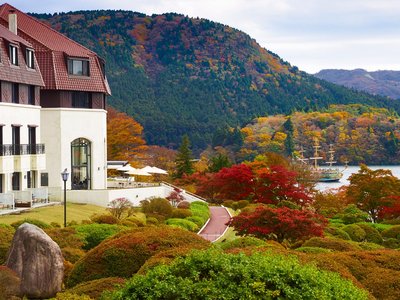
Hotakajyo
Arimasansoh Goshobessho
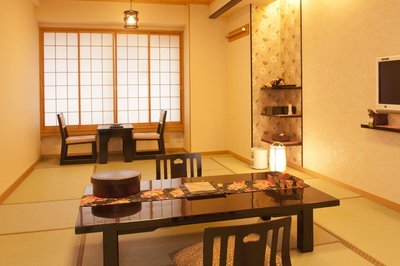
Matsui-Bekkan Hanakanzashi
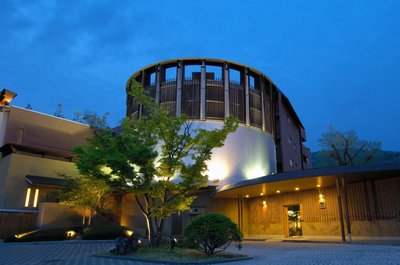
Hoshino Resorts Kai Matsumoto
Hoshino Resorts KAI Tamatsukuri
Taikyourou
Monjusou Shourotei
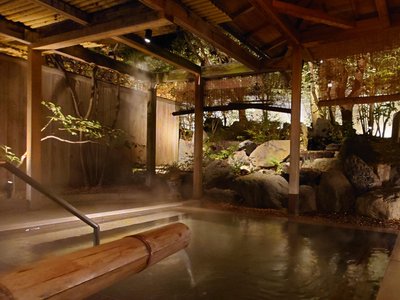
Kasuga Hotel
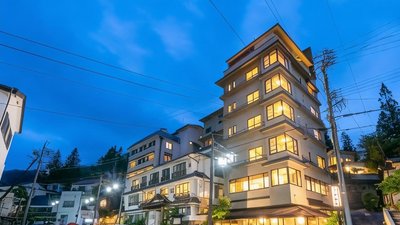
Nakamatsuya Ryokan
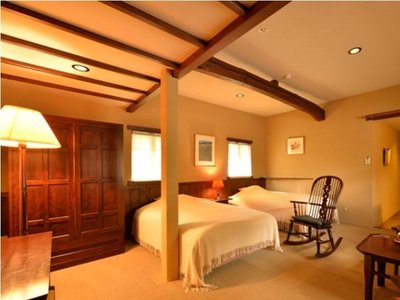
Ryokan Sugimoto
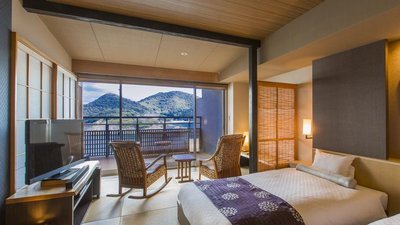
Migiwatei Ochi Kochi
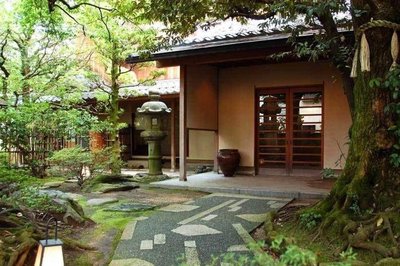
Kocho
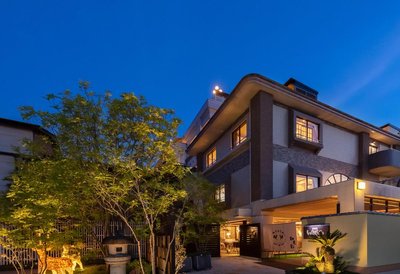
Hotel New Wakasa
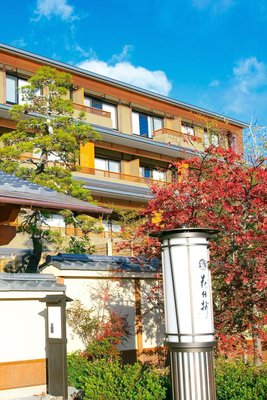
Kyoto Arashiyama Onsen Kadensho (Kyoritsu Resort)
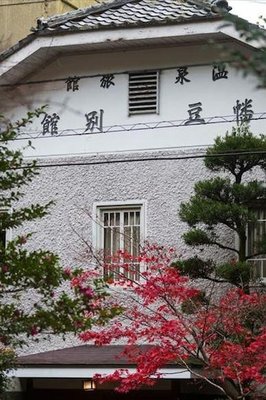
Oku-Mikawa・Yuya Onsen HAZU Bekkan
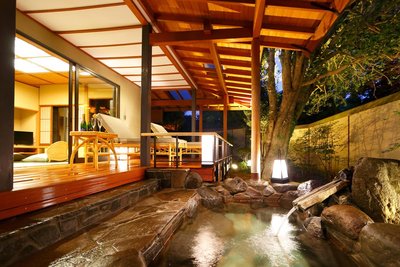
Yoshiharu Ryokan – Izu Nagaoka Onsen
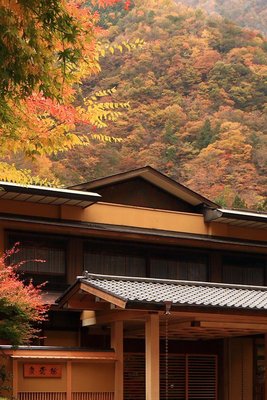
Nishiyama Onsen Keiunkan
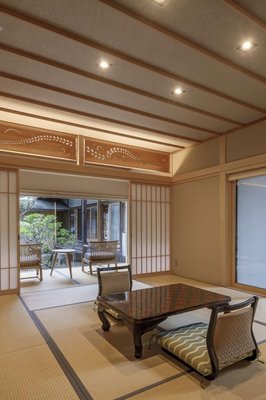
Ichijoin
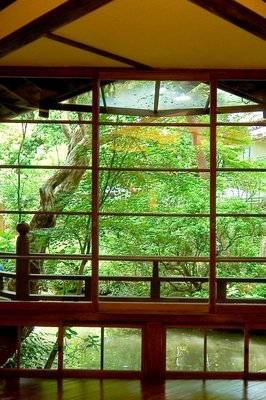
Yukairo Kikuya
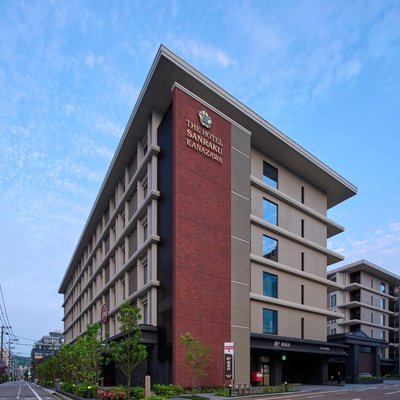
The Hotel Sanraku Kanazawa 21th December 2022 Open
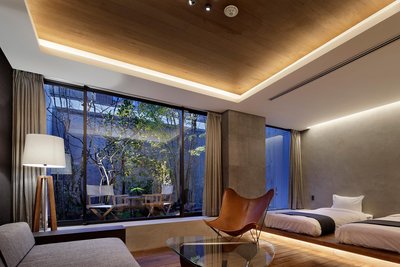
22 PIECES
The Ritz-Carlton, Osaka
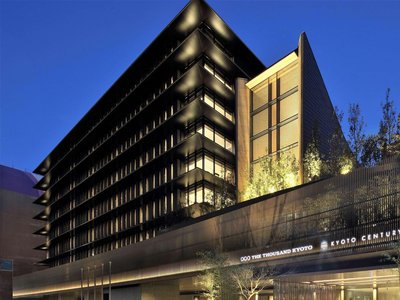
The Thousand Kyoto
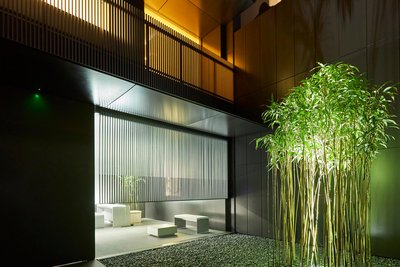
Mogana
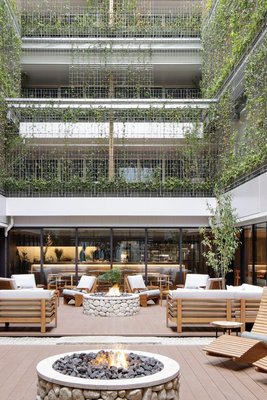
GOOD NATURE HOTEL KYOTO
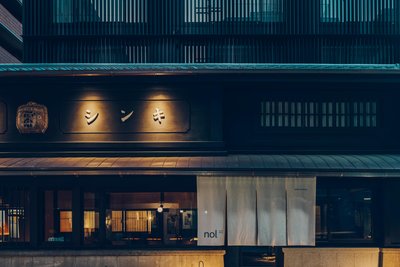
Nol Kyoto Sanjo
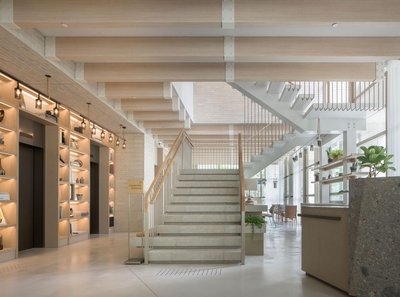
Zentis Osaka
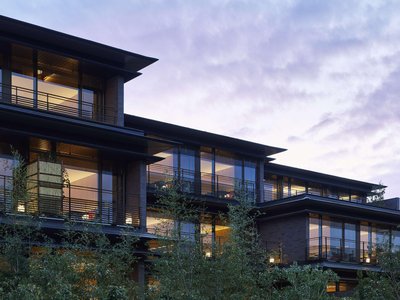
Garrya Nijo Castle Kyoto
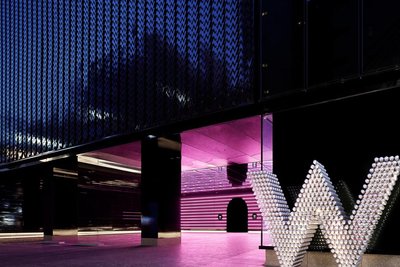
W Osaka
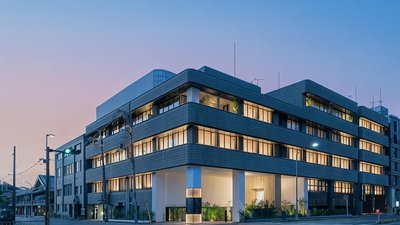
Hotel Kanra Kyoto
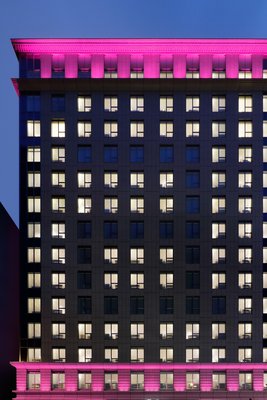
Aloft Osaka Dojima
Osaka Marriott Miyako Hotel
The Ritz-Carlton, Osaka
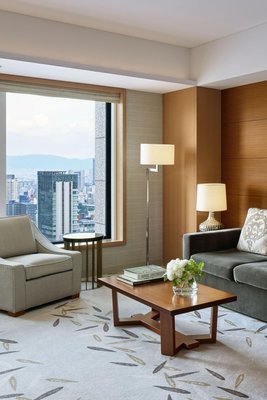
InterContinental Hotel Osaka
The Ritz-Carlton, Kyoto
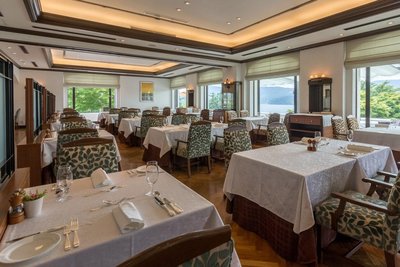
Odakyu Hotel de Yama
Suiran, a Luxury Collection Hotel, Kyoto
GOOD NATURE HOTEL KYOTO
Park Hyatt Kyoto
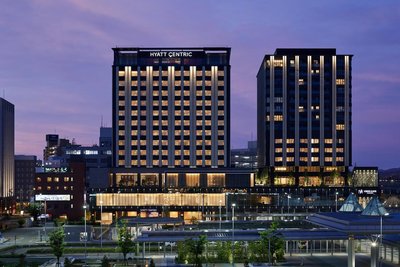
Hyatt Centric Kanazawa
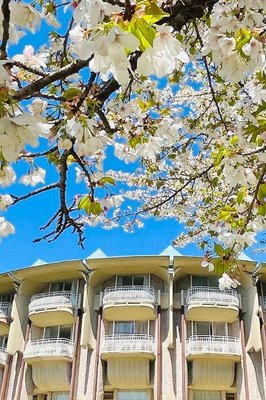
The Prince Hakone Lake Ashinoko
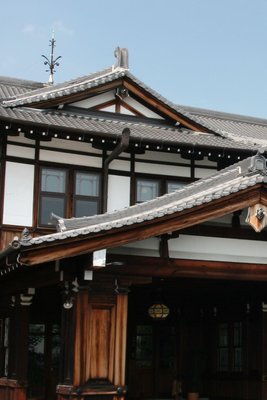
Nara Hotel
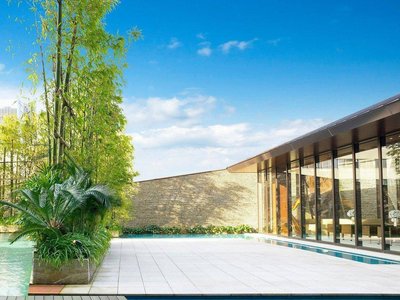
ORIENTAL HOTEL
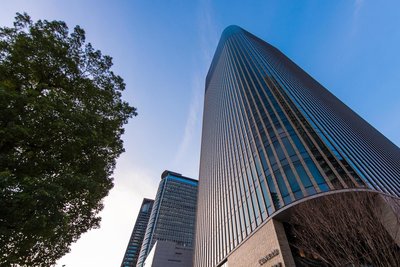
Conrad Osaka
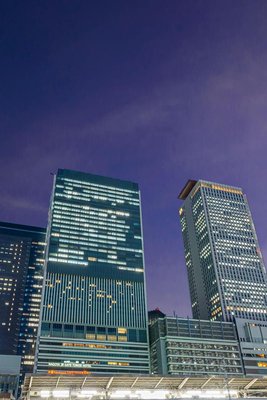
Nagoya JR Gate Tower Hotel (JR-Central Hotels)
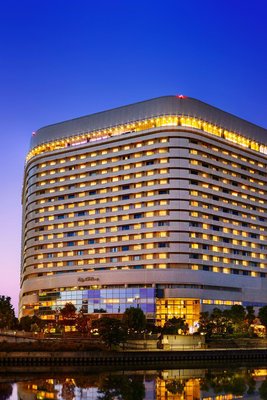
Hotel New Otani Osaka
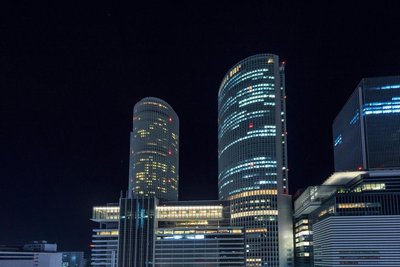
Nagoya Marriott Associa Hotel
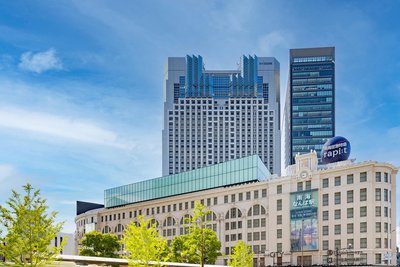
Swissotel Nankai Osaka
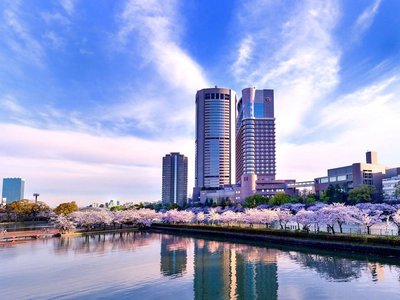
Imperial Hotel Osaka
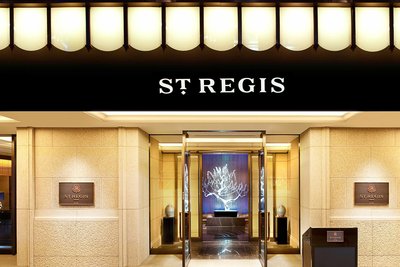
The St. Regis Osaka
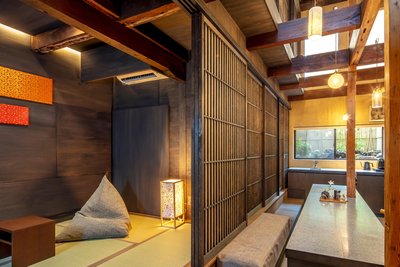
Kyo No Oozora Kihana
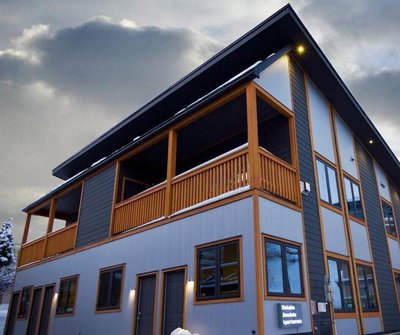
Hakuba Gondola Apartments
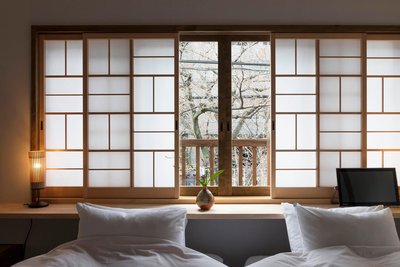
Hanagoromo Machiya House
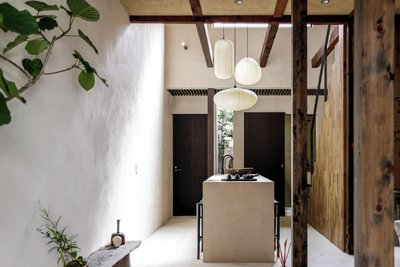
Maana Kiyomizu
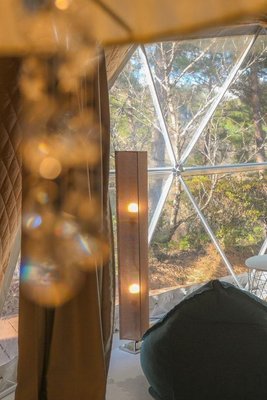
glampark Gekkabijin Nagano
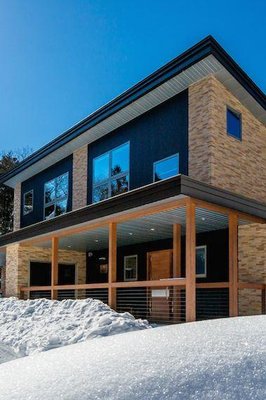
Phoenix Chalets by Hhg
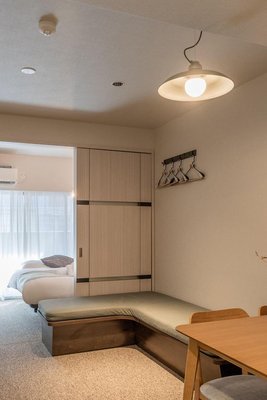
Apartment Hotel 11 Shinsaibashi
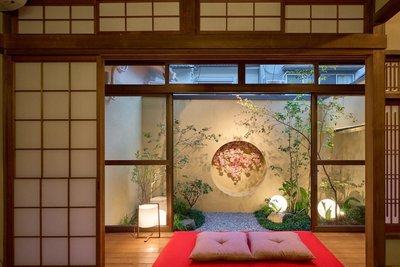
KONJAKUSO Osaka Tengachaya "NIHONCHA" Tea & Relax
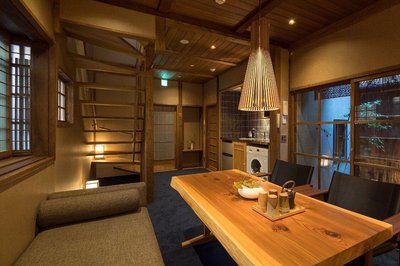
Bonbori an Machiya House
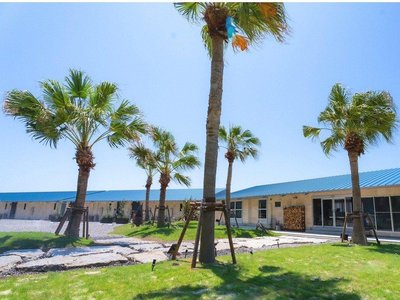
Glamping&Resort Wood Design Park Noma
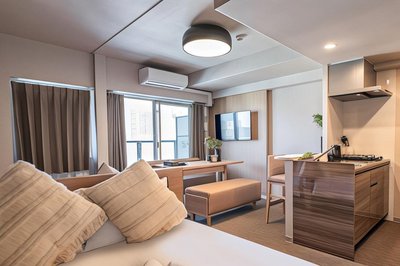
Apartment Hotel 11 Shinsaibashi III
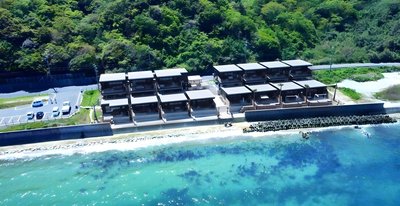
Solavilla Umi Terrace Minamiawaji
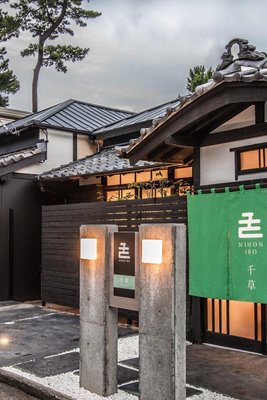
Nihon Iro
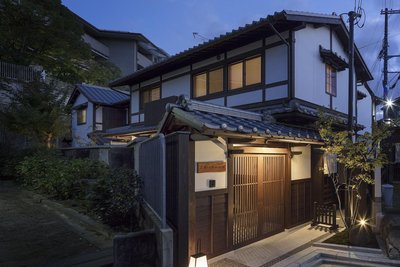
The Machiya Villa Sanjo Shirakawa Koji
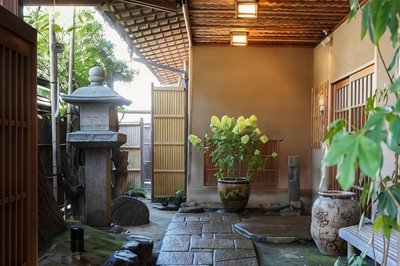
Ryokan Asadaya
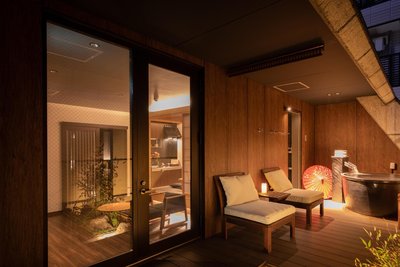
Konjaku-So Dotonbori
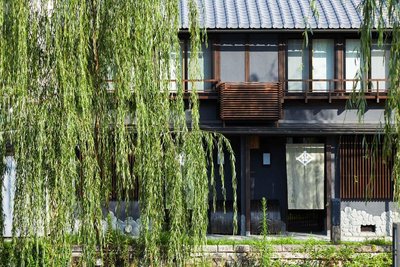
Gion Shirakawa No Yado

Kitashirakawa Natural Radium Onsen
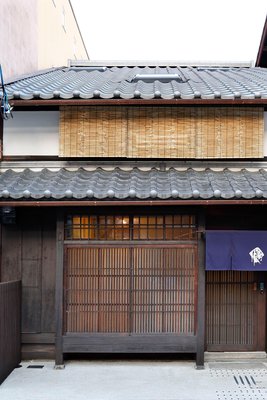
Kyo No Ondokoro Kamanza Nijo #2
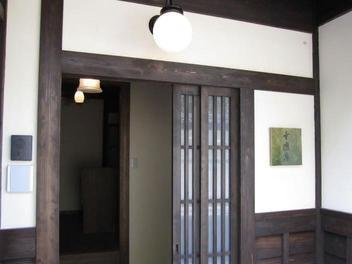
Gion Koyu an Machiya House

Hotel Barrière Fouquet's New York
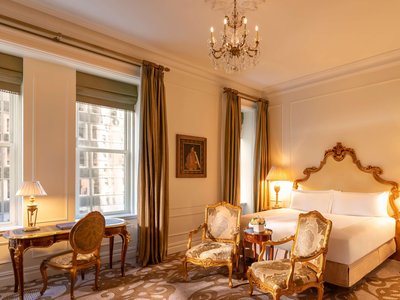
The Plaza - A Fairmont Managed Hotel
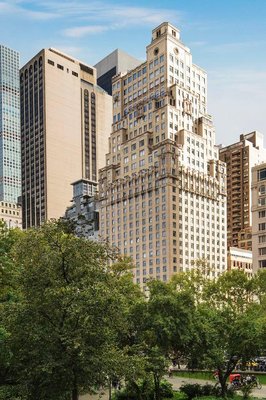
The Ritz-Carlton New York, Central Park
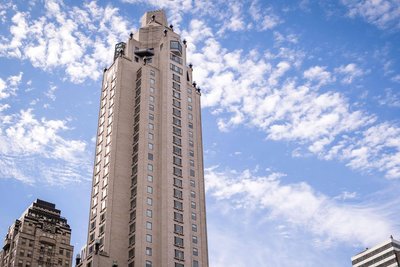
Four Seasons Hotel New York
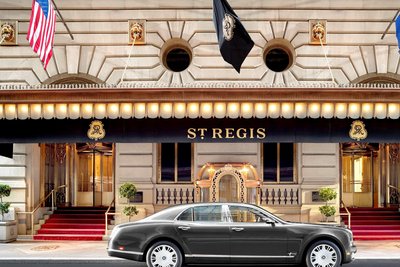
The St. Regis New York
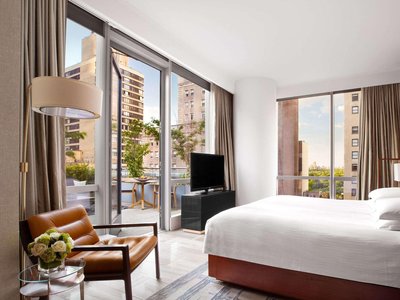
Park Hyatt New York
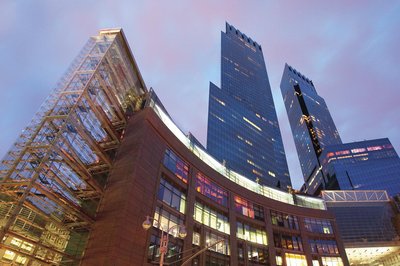
Mandarin Oriental New York
Times Square Edition New York
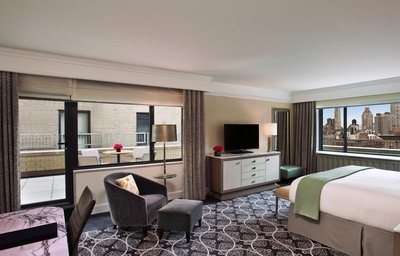
Loews Regency New York Hotel
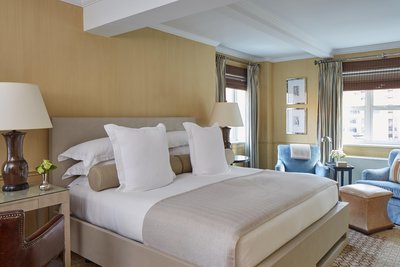
Lowell Hotel
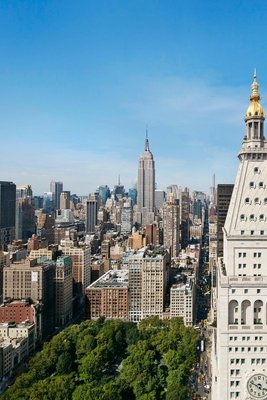
New York Edition
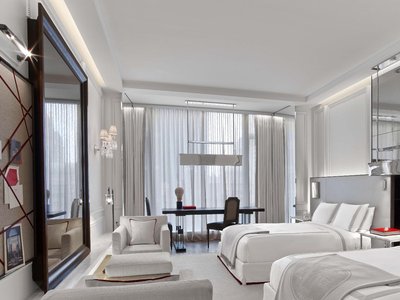
Baccarat Hotel New York
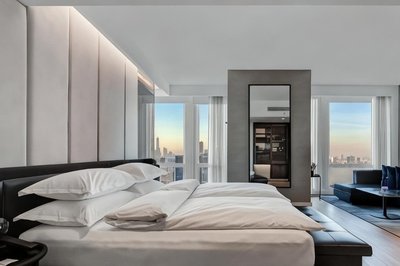
Equinox Hotel New York
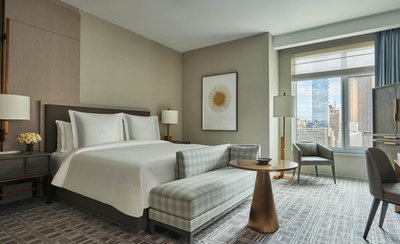
Four Seasons Hotel New York Downtown
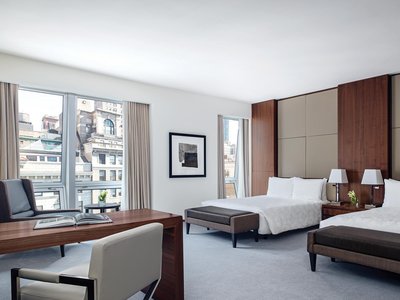
The Langham, New York, Fifth Avenue
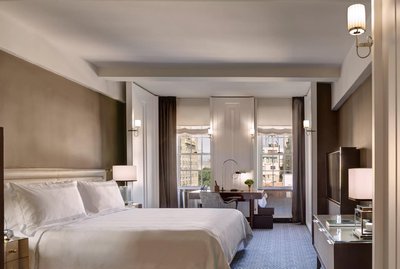
The Carlyle, A Rosewood Hotel

The Chatwal, in the Unbound Collection by Hyatt
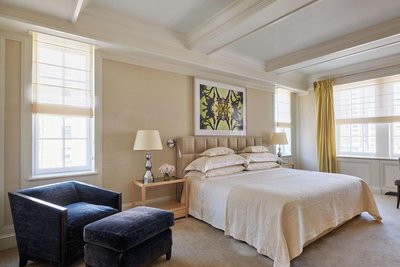
The Mark New York
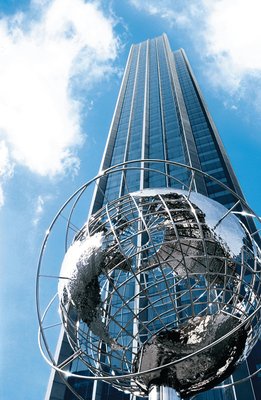
Trump International Hotel & Tower® New York
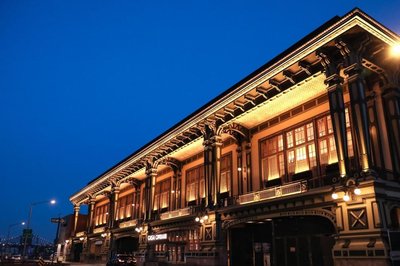
Casa Cipriani New York
Frequently Asked Questions about Traveling to Seika
Questions You Might Need to Know About Traveling to Seika
In Seikaku-chō, the standout choice is Kyoto Seikatsu Minka, a boutique ryokan housed in a restored machiya townhouse. Its authentic wooden beams, shoji screens, and tatami floors reflect true Japanese heritage. Guests enjoy private gardens, kaiseki breakfasts, and guided tea ceremonies. Nearby, Seikatsu Garden Inn offers tranquil courtyard rooms with seasonal flower arrangements and access to the Fushimi Inari Trail. Both properties blend modern comfort with timeless Kyoto elegance.
The best area to stay in Seikaku-chō is along Ninenzaka and Sannenzaka streets, just steps from Kiyomizu-dera Temple and Yasaka Shrine. These cobbled lanes offer immersive experiences with centuries-old shops, lantern-lit alleys, and quiet morning walks. Staying here ensures easy access to sunrise views at Kiyomizu-dera’s stage and evening rituals at the shrine. Plus, the area’s proximity to Gion District enhances cultural immersion with nightly geisha sightings.
Visitors can participate in tea ceremony workshops at Chashin Tea House, located near Kiyomizu-dera, where experts teach the art of matcha preparation and etiquette. For deeper tradition, join the Gion Matsuri Preparatory Night Procession (July 17), featuring elaborate miko dancers and historic costumes. Some guesthouses also offer kimono rental with walking tours, allowing guests to stroll through ancient streets in full period attire, truly living Kyoto’s cultural soul.
Try Gion Sushiya for fresh kaiseki-style breakfasts featuring seasonal vegetables, miso soup, and sushi made with Kyoto-grown produce. For sweet treats, visit Matcha Dofu Shop, known for its creamy matcha tofu pudding and handmade wagashi. Many ryokan serve traditional Kyoto breakfasts with pickled vegetables, grilled fish, and steamed rice—perfect for experiencing the region’s culinary philosophy and seasonal awareness.
Photographers love Ninenzaka’s red lantern alley, especially at dawn when sunlight glows through paper lanterns. The Kiyomizu-dera Stage, overlooking the city’s rooftops and autumn foliage, is iconic. Capture the rhythmic curves of wooden eaves on Sannenzaka or the reflections in stone paths after rain. Bring a wide-angle lens to frame the narrow streets with their layered depth and warm lighting, creating unforgettable images of Kyoto’s timeless beauty.
Nighttime highlights include the Kiyomizu-dera Illumination Festival (spring and autumn), where the temple’s wooden stage glows under soft lights. Experience the Gion Geisha Evening Walk—private performances in intimate tea houses with music and dance. For tranquility, stroll along the Kamo River Path, listening to flowing water and distant temple bells. These moments embody Kyoto’s serene night spirit and poetic stillness.
Yes, Seikaku-chō is family-friendly. Most temples have stroller-accessible paths, and many ryokan offer family rooms and child-sized yukata. Kids enjoy hands-on activities like origami workshops, calligraphy classes, and tea ceremony demos at local cultural studios. Nearby attractions such as the Kyoto City Museum and Gion Children’s Theater provide educational fun. Family-friendly restaurants also serve kid-sized portions of tempura and soba noodles.
Seikaku-chō is highly accessible via Kyoto Subway's Tōzai Line to Kiyomizu-Gojō Station, a 10-minute walk away. Multiple bus lines stop at Kiyomizu-dera Bus Stop, connecting to Fushimi Inari, Nijo Castle, and Arashiyama. From Kansai Airport, take the JR Limited Express to Kyoto Station (~70 minutes). Once in town, use bike rentals or Kyoto Sightseeing Shuttle for flexible travel. Most attractions are within walking distance, making it ideal for pedestrian exploration.
Discover Kichijōtei, a tiny restaurant serving exquisite kyo-yasai tempura using mountain-grown vegetables. Try Mizuno’s Matcha Dango for delicate green tea mochi with sweet bean paste—best enjoyed with a cup of house-made matcha. Another secret: Odanoya, a family-run shop offering cold tofu with yuzu dressing, perfect in summer. These gems often open early and close by 3 PM—arrive before noon for the best chance to savor them.
Look for handmade washi paper crafts from Ninenzaka artisans, including lanterns, notebooks, and scrolls featuring seasonal motifs. Gion lacquerware items like small boxes and chopsticks make elegant gifts. Don’t miss limited-edition matcha wagashi gift sets from local confectioners. For something distinctive, purchase miniature kokedama moss balls or tea ceremony utensils from independent boutiques—each piece reflects Kyoto’s craftsmanship and minimalist aesthetic.
Seika Overview
City Summary
Keihoku-cho, located in the southern part of Kyoto Prefecture, Japan, is a tranquil town that blends tradition with modernity. Known for its serene rural landscapes and rich cultural heritage, it's an ideal escape from urban hustle. Its core appeal lies in historical sites like ancient temples and scenic cherry blossom tunnels.
Must-See Attractions
Must-see spots in Keihoku-cho include the centuries-old Joruri-ji Temple and the breathtaking cherry blossom tunnels in spring, a paradise for photographers. Traditional craft workshops and hot springs also offer unique cultural and leisure experiences.
Food Guide
Savor authentic Kyoto cuisine in Keihoku-cho, such as soba noodles and pickles. Street food like freshly grilled dango and warm red bean soup is a must-try, showcasing local flavors.
Transportation Guide
Public transport in Keihoku-cho is primarily bus-based; a day pass is recommended for city exploration. From Kyoto Station, take a JR train followed by a bus. Bicycle rentals are perfect for discovering the town's charm.
Best Time to Visit
The best time to visit is spring (March-May) for cherry blossoms and pleasant weather. Autumn (September-November) offers vibrant foliage but attracts more crowds.
Travel Tips
- Respect local culture by maintaining silence at temples.
- Book accommodations early during cherry blossom season.
- Check bus schedules in advance.
- Try wearing a kimono for a traditional experience.
- Carry sufficient cash as some shops don't accept cards.
- Learning basic Japanese phrases aids communication.
Useful Information
Japanese is the primary language; English signage is limited—download a translation app. Free Wi-Fi is available at tourist centers and select cafes. Cash is preferred; credit cards work in major stores. Dial 119 for emergencies; the nearest hospital is in Kyoto City.









