Hotels in Seki
Discover your perfect stay in Seki.
Seki(Japan) Travel 2026: Cheap Flights, Hotels & Top Attractions
Popular Landmarks in Seki
Discover the most iconic attractions in Seki
Recommended Hotels in Seki
Find the perfect place to stay in Seki
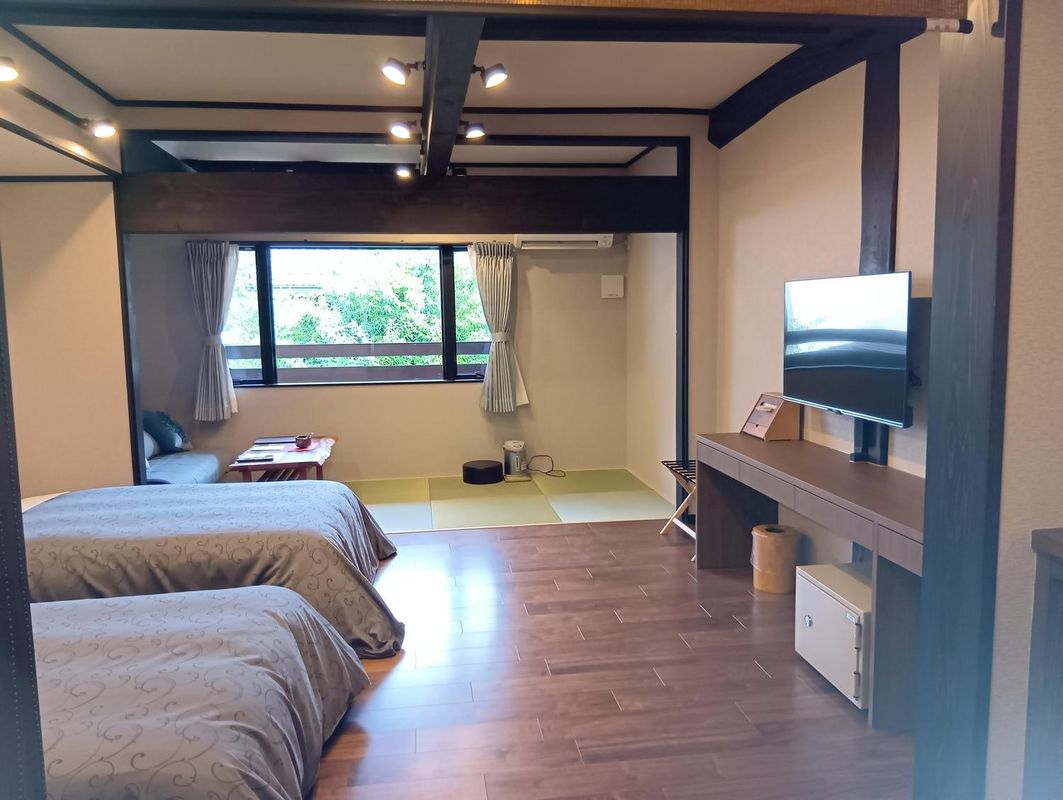
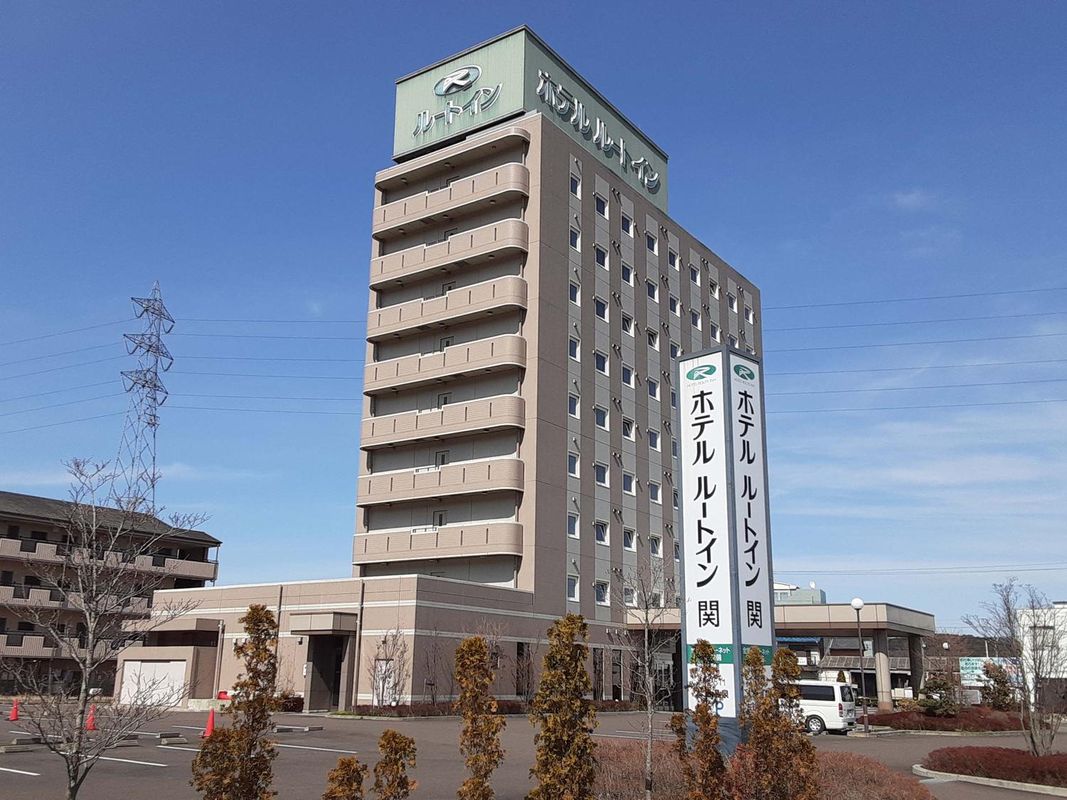
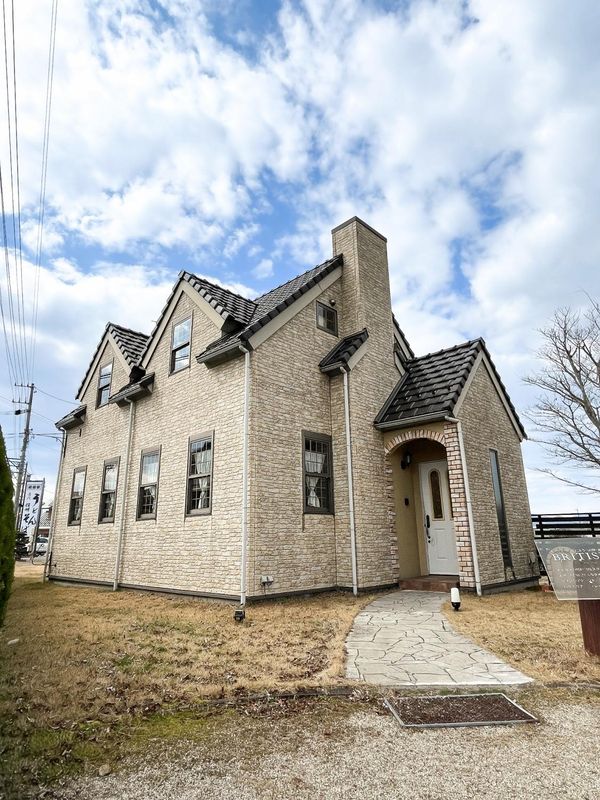
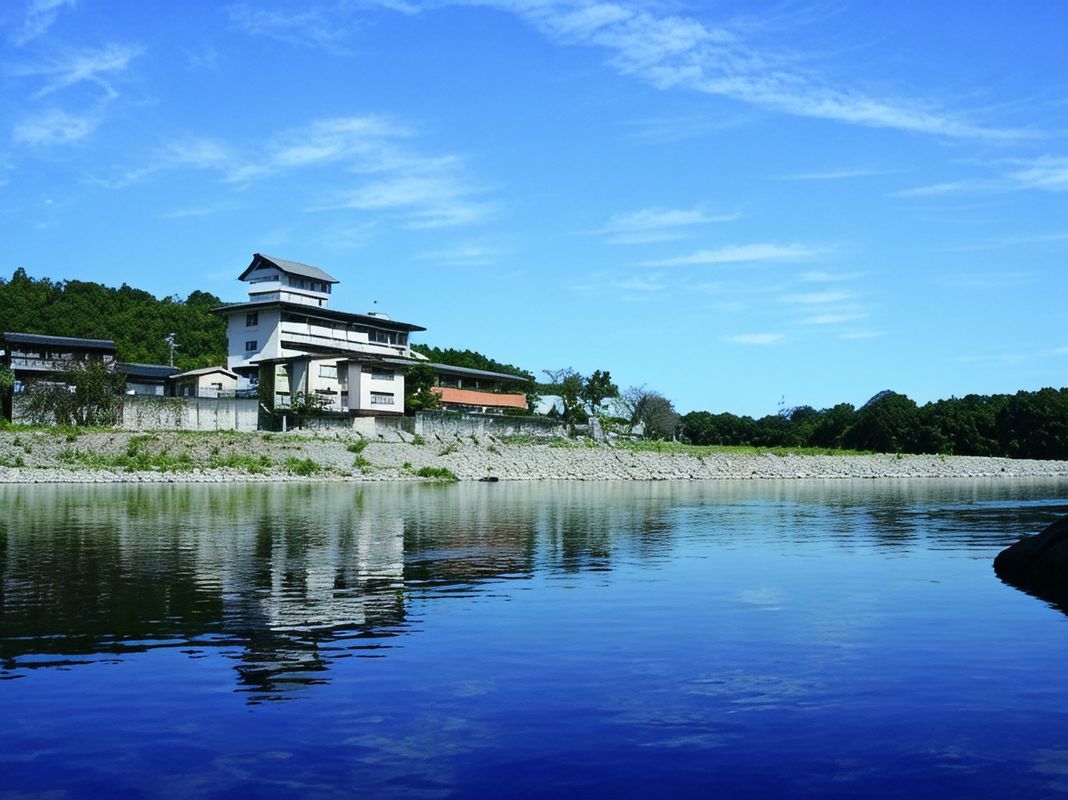
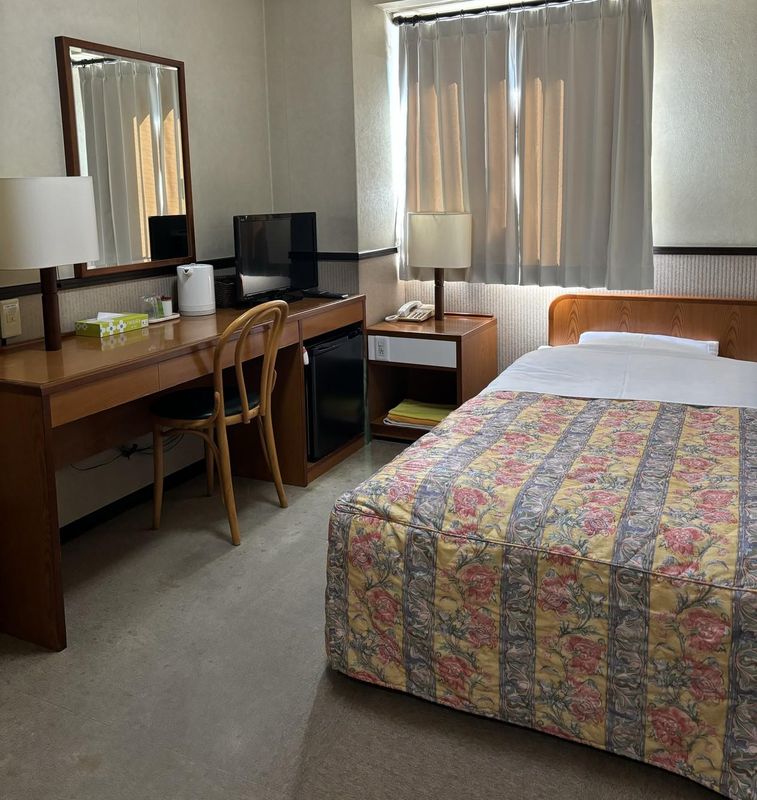
Best Hotels in Seki
Discover curated hotel collections in Seki

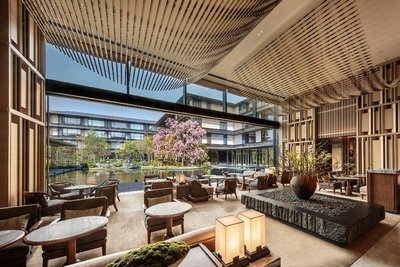
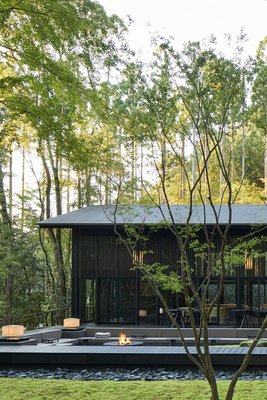
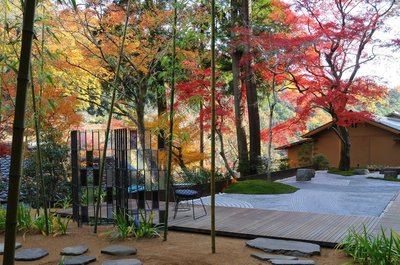
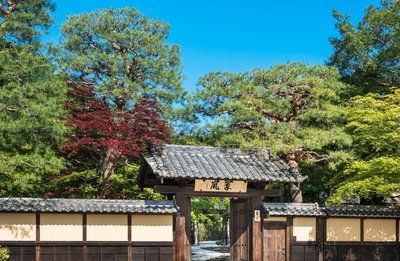


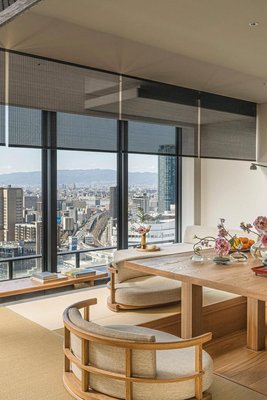
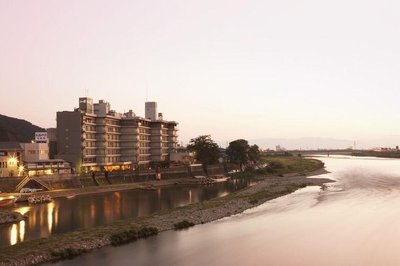
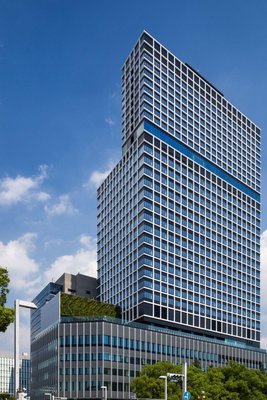

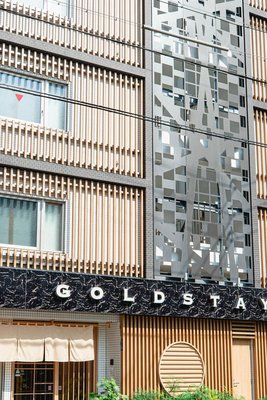





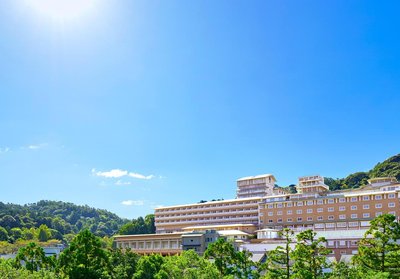
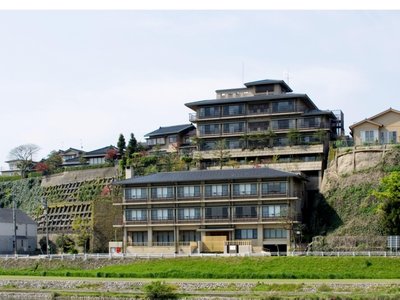
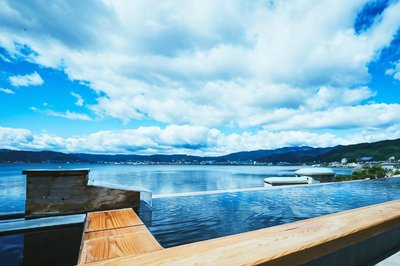
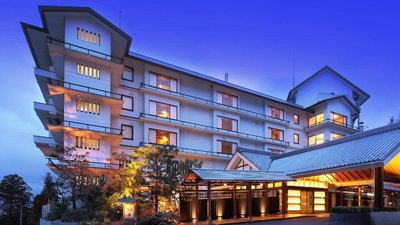
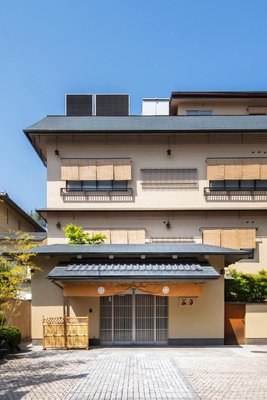
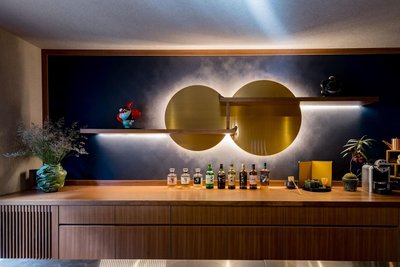
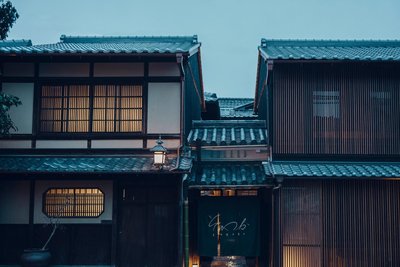
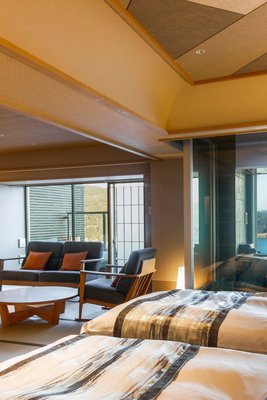











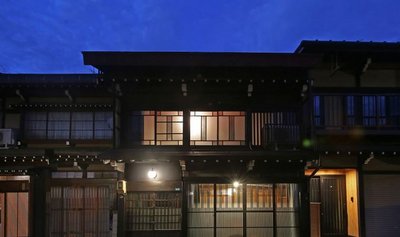

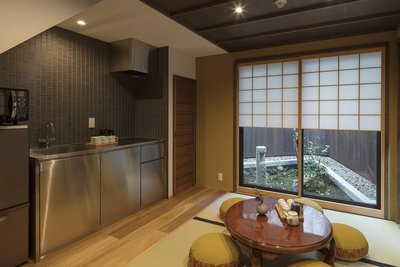
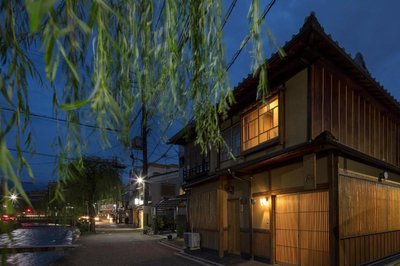
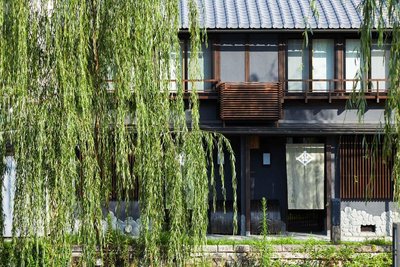

Frequently Asked Questions about Traveling to Seki
Questions You Might Need to Know About Traveling to Seki
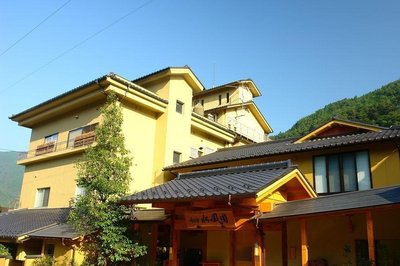
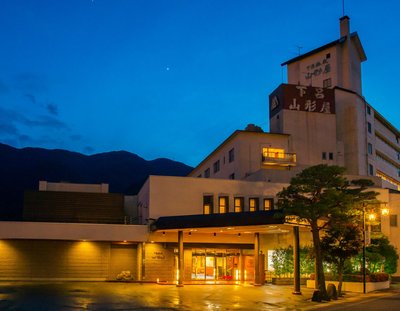
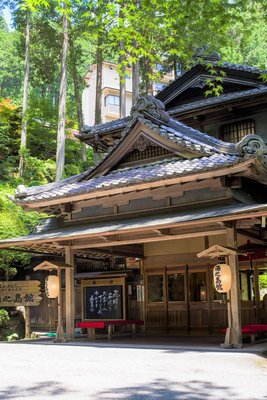
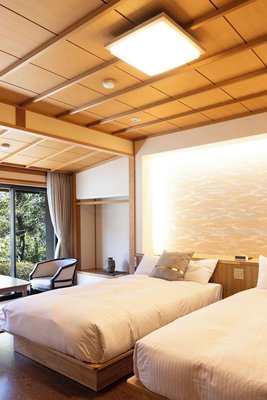
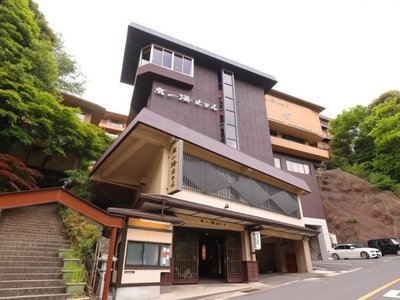
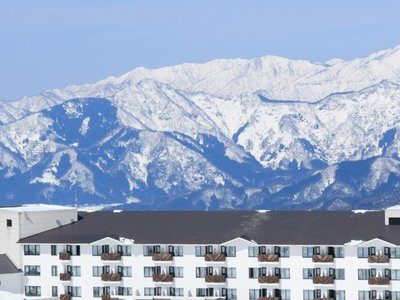
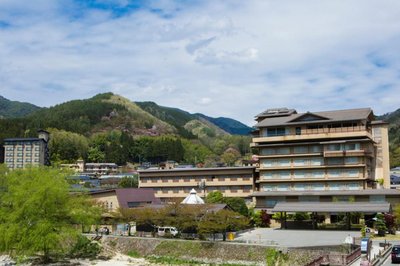
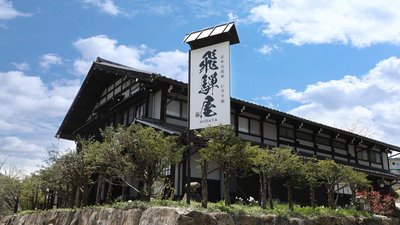
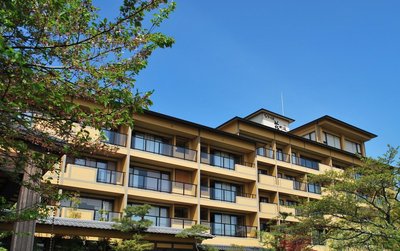
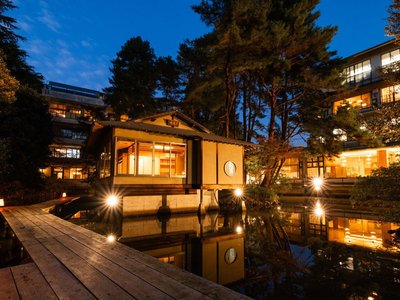
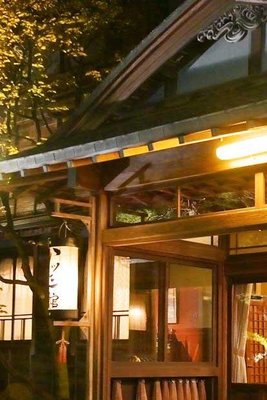
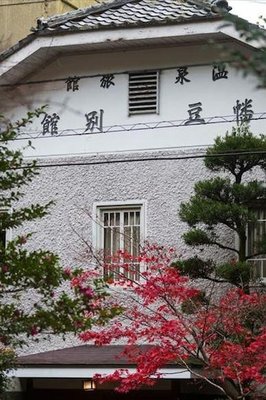
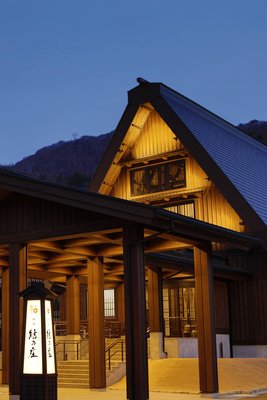
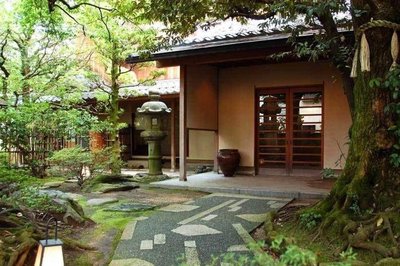
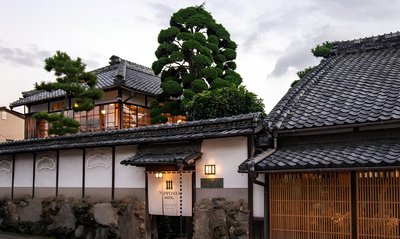
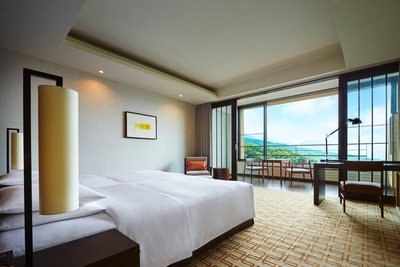
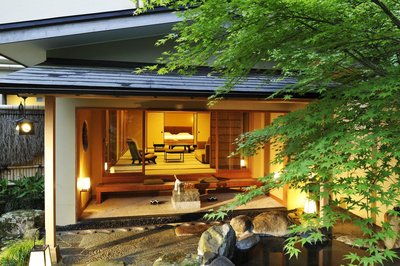
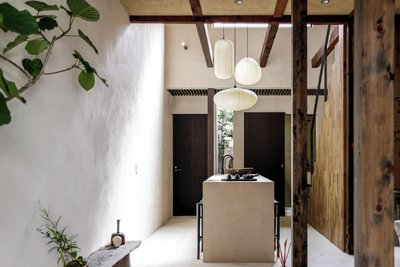
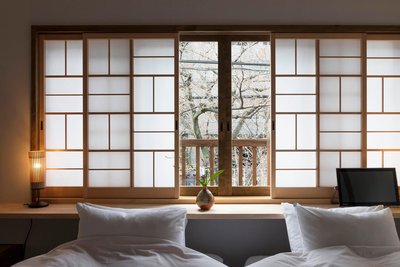
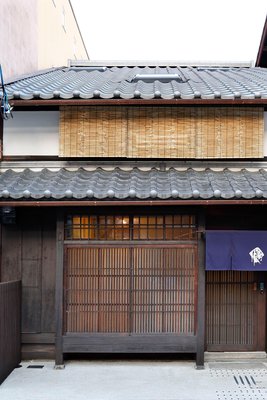
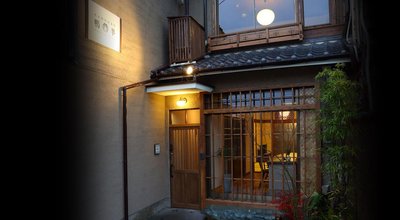
In Kan, Gifu Prefecture, the best accommodations include Kan City Onsen Ryokan, a traditional Japanese inn near the historic Battle of Sekigahara, offering natural hot springs and authentic kaiseki cuisine. For a modern yet cultural stay, Hida Town Guesthouse provides cozy rooms with local art and guided heritage tours. If convenience is key, Kan City Station Front Hotel offers easy access to trains and nearby attractions, making it ideal for business travelers and tourists alike. All options emphasize comfort, authenticity, and proximity to nature and history.
The best areas for accommodation in Kan are central Kan City and Sekigahara Town, both close to major landmarks like Battle of Sekigahara and Hida Kokubun-ji Temple. These districts offer rich historical atmosphere, local dining, and shops. The Kan Station area is also highly recommended for its accessibility and variety of mid-range to luxury hotels. For tranquility and scenic views, consider riverside guesthouses along the Hida River, where you can enjoy morning mist and starlit nights. Many lodgings provide guided local experiences, enhancing your immersion in Hida’s culture.
Must-do cultural experiences in Kan include visiting the Battle of Sekigahara Historical Site, exploring the ancient Hida Kokubun-ji Temple, and joining a hands-on Hida Woodcraft Workshop to create traditional carvings or lacquerware. Don’t miss the annual Kan Lantern Festival in spring and the Hida Gion Festival in autumn, featuring vibrant street performances and folk art. Enhance your visit with a Hida Tea Ceremony, where you’ll savor locally grown matcha and wagashi, deepening your connection to the slow, mindful lifestyle of the Hida region.
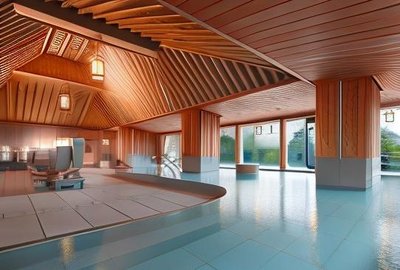
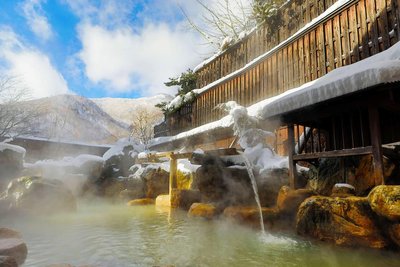
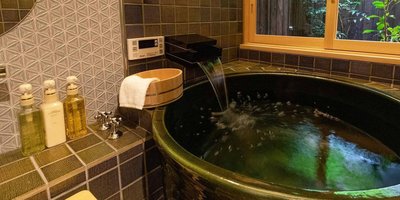
While not a large-scale onsen destination, Kan features excellent natural hot springs, particularly at Kan City Onsen Ryokan, known for its pure simple hot spring water with skin-friendly properties. The bath temperature averages 42°C, ideal for relaxation and muscle recovery. The ryokan offers indoor and outdoor baths with mountain views—perfect for nighttime soaking under the stars. Some guesthouses also provide small private baths. Special packages like the "Onsen & Kaiseki Experience Day" combine thermal therapy with cooking classes using local ingredients, offering a holistic wellness journey.
Yes, Kan is very family-friendly. Attractions like the Sekigahara Children’s Museum offer interactive exhibits on Edo-era life, while the Hida Folk Village lets kids engage in farming, bamboo weaving, and pottery. Kan City Park has spacious play areas and picnic spots, ideal for families. Most hotels provide baby beds and child-friendly amenities. Stay at Hida Town Guesthouse, which features a mini farm where children can feed sheep and chickens—an educational and joyful experience. The quiet, safe environment makes it perfect for stress-free family getaways.
Signature dishes in Kan include Hida beef, renowned for its tender, sweet flavor—best enjoyed in sukiyaki or grilled steak at restaurants like Hida Wagyu House or Old Street Diner. Another must-try is Hida tofu, silky and delicate, served in soups or tempura. Hida soba, thick handmade noodles with savory broth, is a local staple. Visit the weekly Kan Morning Market for fresh seafood, homemade jam, and regional sake. For a deeper culinary experience, book a Hida Cooking Class, where you’ll learn to prepare traditional dishes using seasonal ingredients from the region.
Transportation in Kan is convenient. From Tokyo, take the JR Takayama Main Line via Nagoya to Kan Station, a 3-hour journey. The station connects to free shuttle buses to Battle of Sekigahara, Hida Kokubun-ji Temple, and Hida Folk Village. Local bus services cover major sites. For self-drivers, the Tōkai-Hokuriku Expressway passes through Kan, with ample parking. The Kan Tourist Information Center offers multilingual maps and rental car assistance, helping visitors easily explore the scenic Hida region.
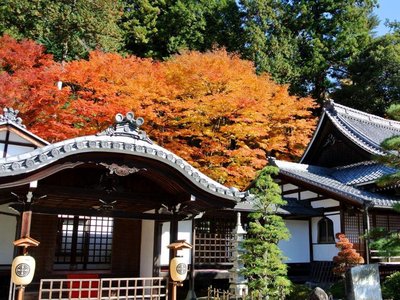
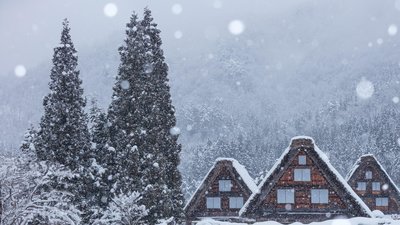
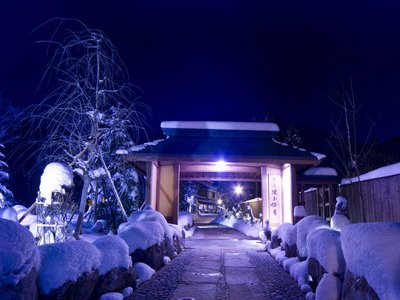
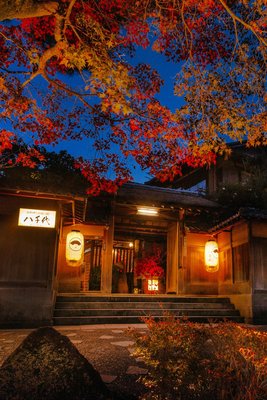
Kan shines in every season. Spring brings cherry blossoms along the Hida River and Kan City Park, creating dreamy pink landscapes. Summer features cool mountain air and the lively Hida Gion Festival. Autumn paints the Hida Mountains in fiery reds and golds—ideal for photography. Winter blankets the town in snow, turning traditional wooden houses into serene winter scenes. Don’t miss the Snowy Onsen Night Walk, where you stroll through snow-lit paths with warm baths nearby. Each season hosts unique events, making Kan a year-round destination.
Kan holds immense historical importance as the site of the Battle of Sekigahara (1600), a decisive conflict that shaped Japan’s future by establishing Tokugawa Ieyasu’s dominance and beginning the Edo period. After the battle, Kan became a strategic castle town. Today, the Sekigahara Battlefield Historic Site features monuments, museums, and reenactments. The city preserves remnants of Edo-period streets, including Hida Kokubun-ji Temple and Kan Castle Ruins, offering a window into Japan’s military and cultural evolution. Annual reenactments attract history enthusiasts worldwide.
Kan is famed for Hida woodcraft, including intricate carpentry and temple construction techniques passed down for centuries. Another highlight is Hida lacquerware, made with natural urushi resin, known for durability and elegance in tableware and gifts. Hida textiles, such as hemp and silk fabrics, feature minimalist patterns reflecting rural aesthetics. Visitors can join workshops at the Hida Craft Hall to make their own lacquerware or wood carving. Some guesthouses offer "Master Craftsman Evenings", where guests interact with artisans, learning about craftsmanship, patience, and the enduring spirit of Hida culture.
Seki Overview
City Summary
Seki City in Gifu Prefecture is renowned as the "City of Blades" for its centuries-old sword forging tradition. The city's core appeal lies in its metallurgic heritage, where visitors can witness live hand-forging demonstrations in workshops dating back to the Kamakura period. Surrounded by the Nagara River valley, the town balances industrial heritage with serene natural scenery.
Must-See Attractions
Top attraction is the Seki Sword Traditional Industry Museum showcasing 800 years of craftsmanship. The Mino Washi Akari Art Gallery features exquisite paper lanterns, especially magical during illumination events. Cherry blossoms at Nagaragawa Embankment (spring) and autumn foliage at Seki Cultural Forest are seasonal highlights. Don't miss the Hamono Shopping Street at dusk when master smiths' studios glow with forge fires.
Food Guide
Local cuisine benefits from Nagara River's pristine waters - try ayu salt-grilled sweetfish and hoba miso (fermented soybean on magnolia leaves). Unique blade-themed cafes serve chocolate shaped like sword patterns. Morning markets offer freshly grilled "gobei-mochi" rice cakes with secret soy glaze.
Transportation Guide
Local buses and taxis serve the city center. JR Seki Station connects to Gifu City (25min). The 1-Day Bus Pass (¥800) is ideal for workshop hopping. Walking suits the compact old town, but rent bicycles (¥500/day) for riverfront areas. Note rural buses to Nagara sites often end by 6:30pm.
Best Time to Visit
Prime seasons are April-May (cherry blossoms) and October-November (fall colors). Avoid July-August's humid rainy season. Weekdays see fewer tourists than festival weekends.
Travel Tips
- Learn basic Japanese tool terminology as English signage is limited in workshops
- Always ask permission before photographing forging processes
- When handling blades, keep tips downward as instructed
- Carry ¥1,000 bills - many artisans only accept cash
- Tattoo cover-ups are required at most onsens
- Book accommodation 3 months ahead for blade festivals
Useful Information
Language: Major hotels have English staff; translation apps help elsewhere. Internet: Rent WiFi devices at convenience stores (¥500/day). Payments: Visa/Mastercard work at department stores but carry cash for artisans. Emergencies: Seki Municipal Hospital offers 24/7 care (+81-572-631-1111). Blade Export: Purchase certificates (1hr processing) for edged tools over 15cm. Note: China prohibits importing sharpened blades.