Hotels in Sekikawa
Discover your perfect stay in Sekikawa.
Sekikawa(Japan) Travel 2026: Cheap Flights, Hotels & Top Attractions
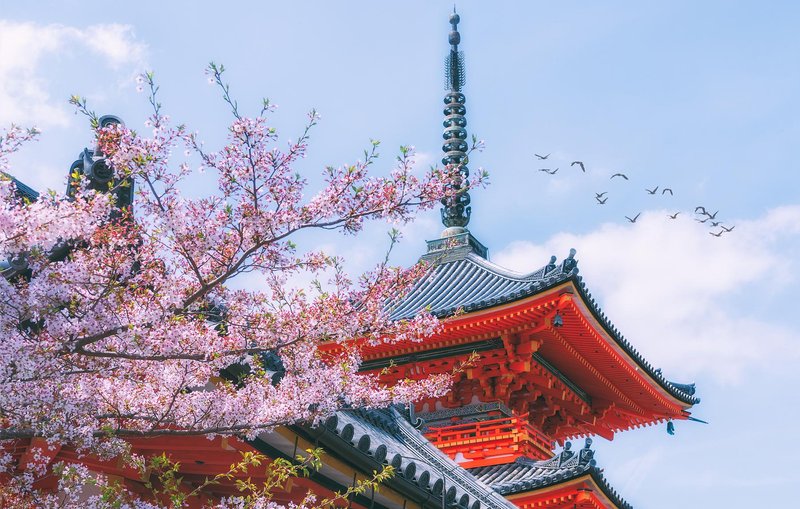
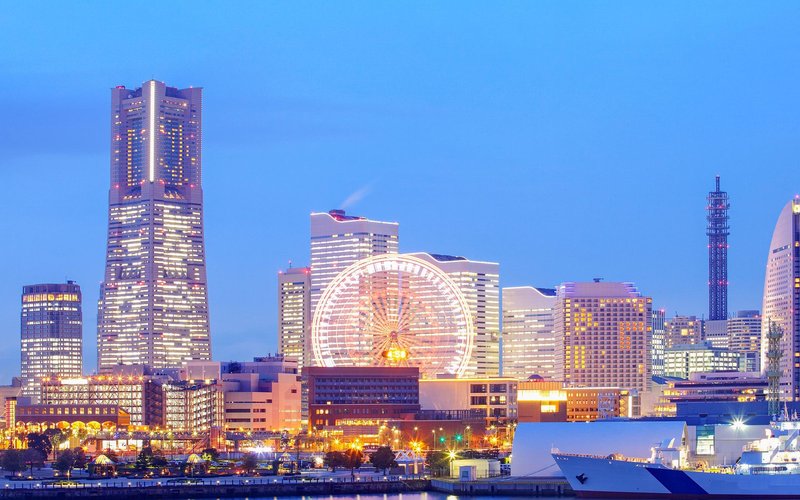
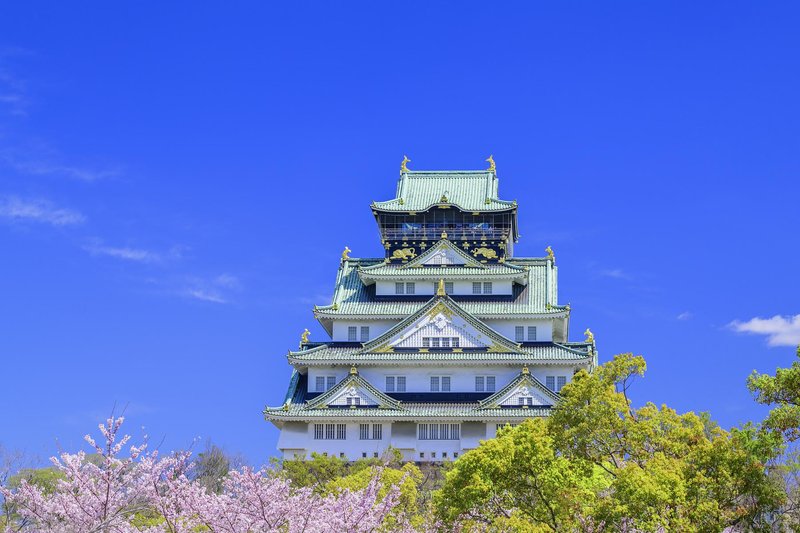
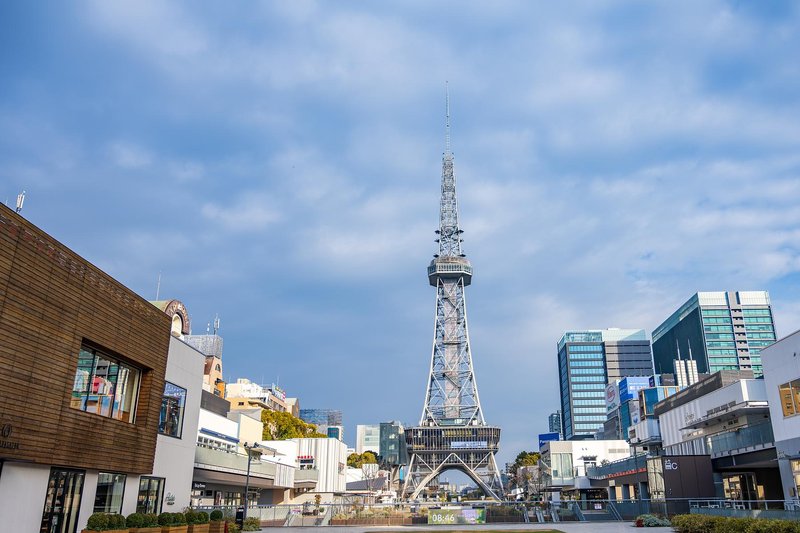
Popular Landmarks in Sekikawa
Discover the most iconic attractions in Sekikawa
Recommended Hotels in Sekikawa
Find the perfect place to stay in Sekikawa
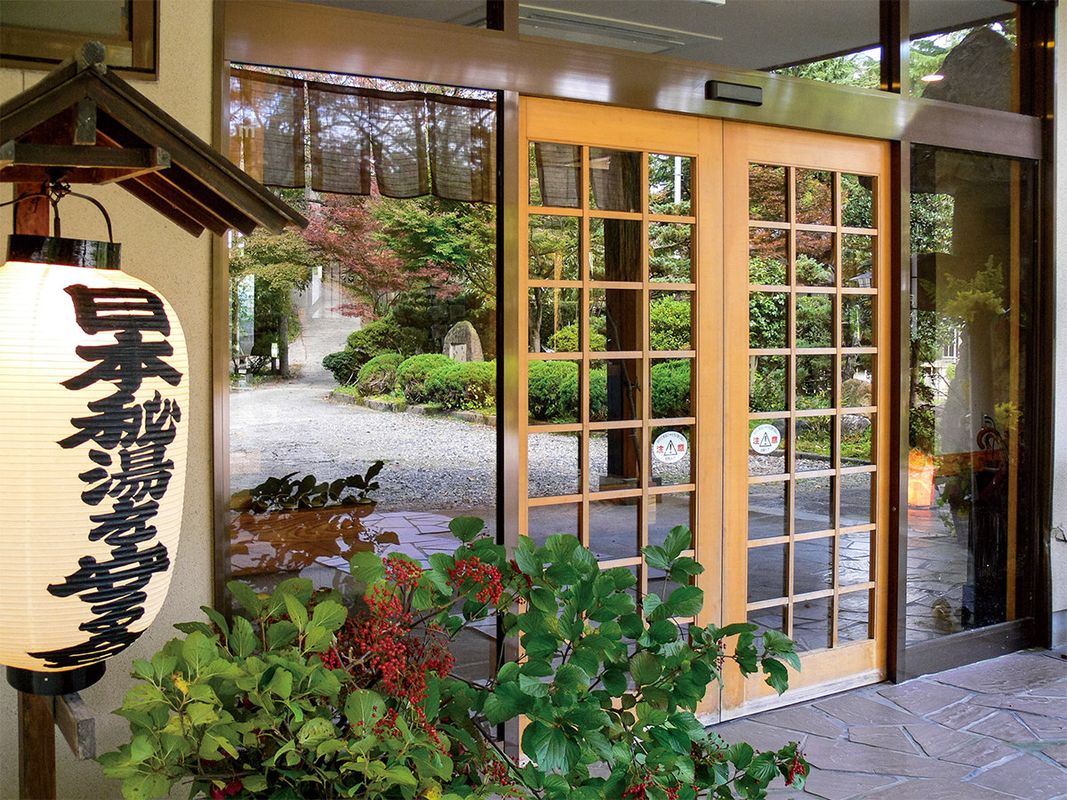
Takanosukan
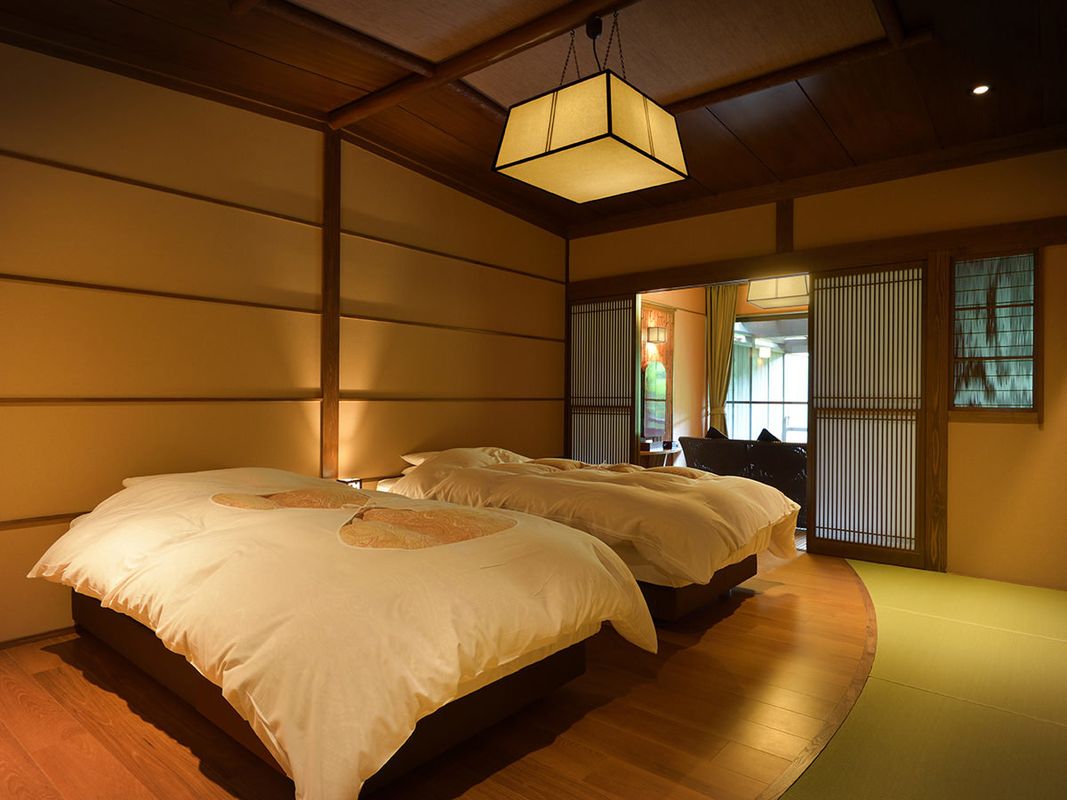
Shikinosato Kikuya
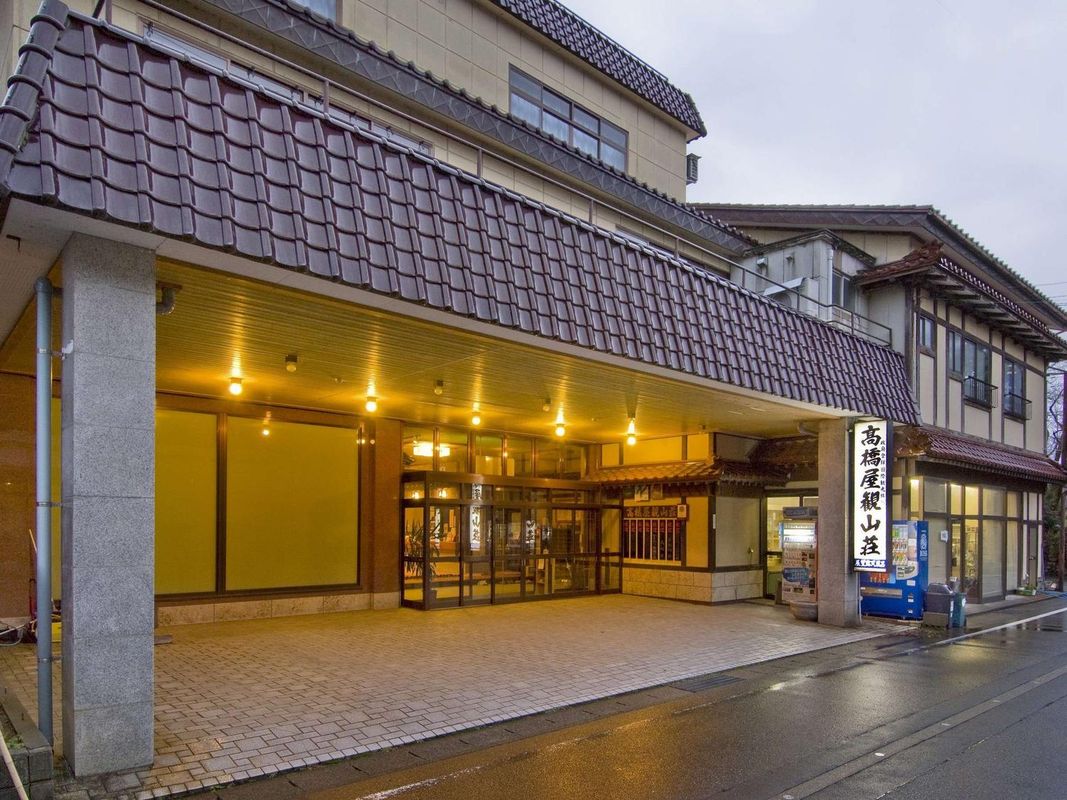
Takahashiya Kanzansou
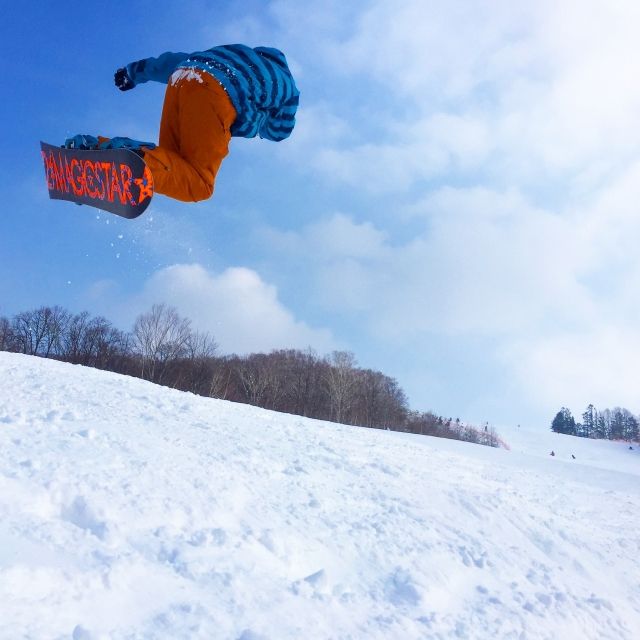
Arakawakyo Echigosekikawa Kira Onsen Kiramotokan
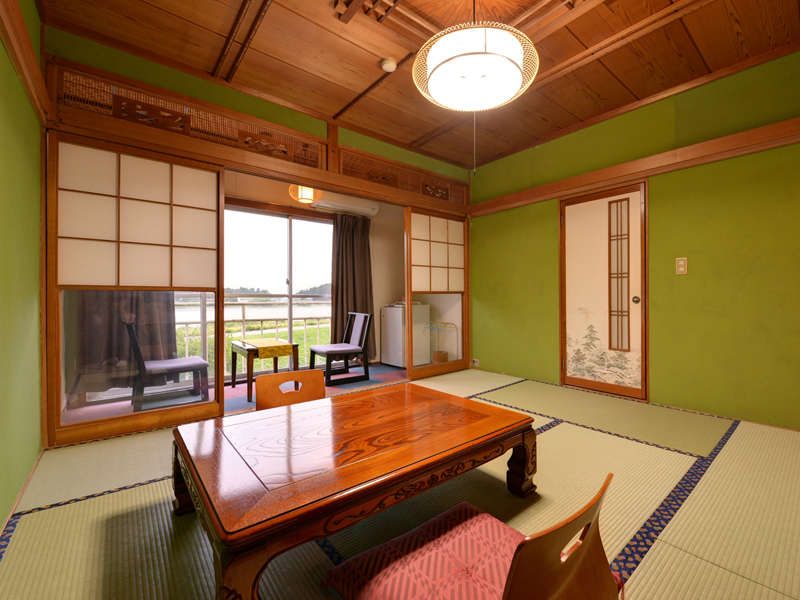
Hanamichiru Yado New Manriki
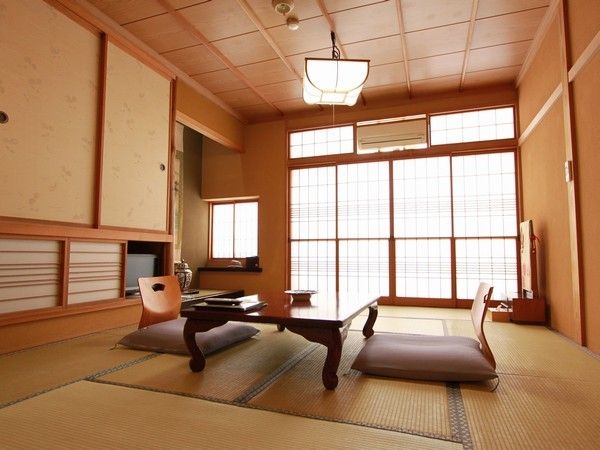
Kousagi No Yado Arakawaso
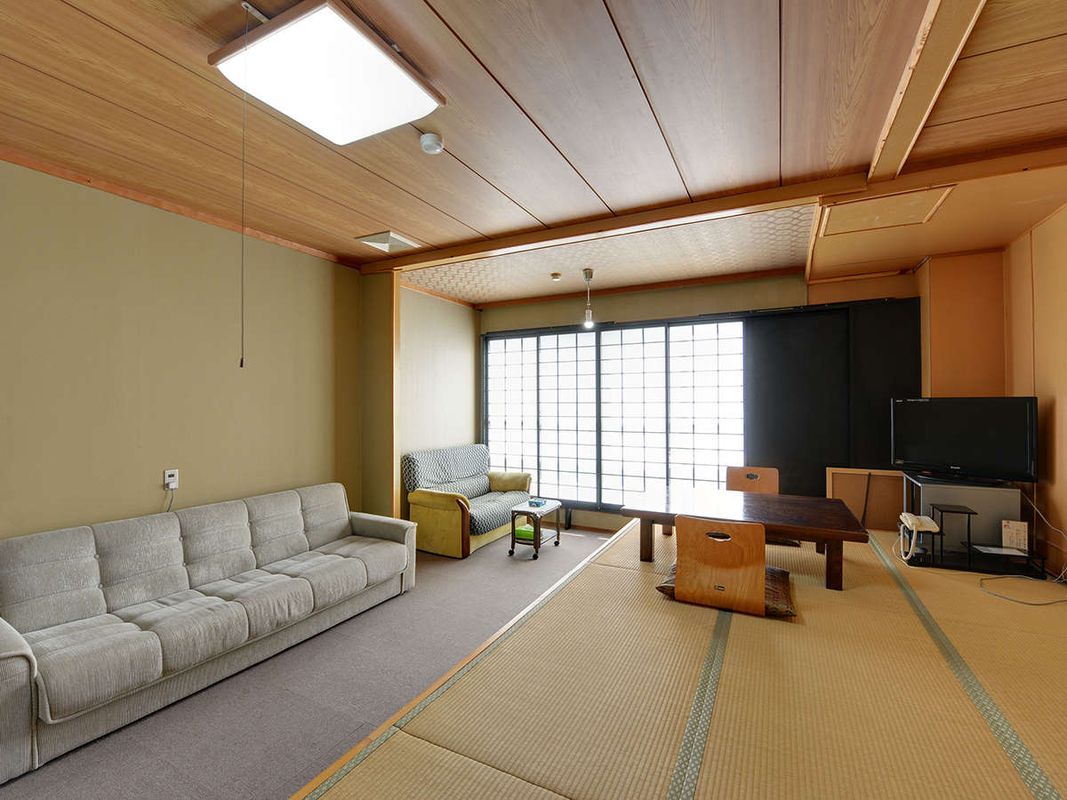
Kajika No Yado Yawaragiso
Frequently Asked Questions about Traveling to Sekikawa
Questions You Might Need to Know About Traveling to Sekikawa
In Kankawa Village, the top boutique stay is Yamanoie Mizuho, a charming ryokan nestled in the mountains of Niigata Prefecture. This eco-conscious retreat blends traditional Japanese architecture with modern comfort, featuring tatami rooms, wooden beams, and private garden views. Guests enjoy homemade kaiseki breakfasts using locally foraged ingredients like wild mountain vegetables and river trout. The property offers access to forest trails, seasonal festivals, and stargazing under pristine night skies—perfect for travelers seeking authentic rural Japan. Located just steps from the Kankawa River, it’s ideal for nature lovers and cultural explorers.
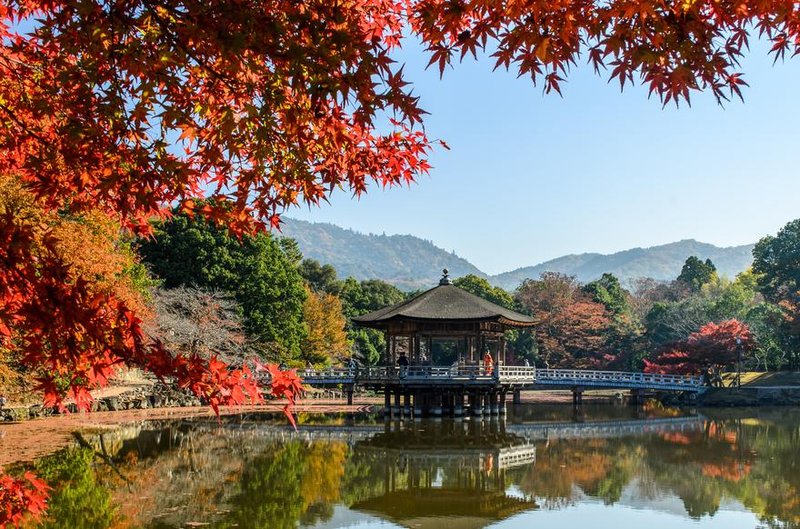
The best time to visit Kankawa Village for autumn foliage is from late October to early November, when the valley's maple and ginkgo trees blaze in fiery reds, oranges, and golds. The Otsuka Forest Trail becomes a living canvas of color, especially along the Kankawa Riverbanks where reflections shimmer in the sunlight. Don’t miss the annual Kankawa Autumn Festival, which features local crafts, folk dances, and traditional food stalls. For photography enthusiasts, sunrise at Sankyō Lookout offers breathtaking panoramic views of the colored landscape—a must-see highlight for any traveler.
Yes, Kankawa Village offers numerous family-friendly activities. The Kankawa Children’s Nature Classroom provides hands-on experiences like forest walks, plant identification, and making paper lanterns—ideal for kids aged 5–12. Families can also rent bicycles to ride along the scenic riverside path or enjoy a shared bath in the open-air hot spring at Kankawa Onsen Rakurou. The village is safe and quiet, with minimal traffic, making it perfect for parents wanting to reconnect with children in a peaceful, natural setting. Local restaurants offer kid-sized portions and warm hospitality.
To reach Kankawa Village from Tokyo, take the JR Tohoku Main Line to Nagaoka Station, then transfer to a Niigata Transportation Bus heading toward Kankawa Village—journey time is approximately 4.5 hours. Alternatively, book a private car service for greater flexibility and direct door-to-door transport. Buses run infrequently, so check schedules in advance, especially on weekends and holidays. Upon arrival, visit the Village Tourist Information Center for free maps, event guides, and recommendations on hiking routes and local cuisine.
Kankawa Village hosts several traditional festivals each year. The Kankawa Spring Festival (March) features Shinto prayers at the village shrine, traditional costumes, and rice planting ceremonies symbolizing renewal. The Autumn Harvest Thanksgiving Festival (October) celebrates the season with folk dances, local food booths, and rice-harvesting workshops. Another unique event is the Night Fire Festival, where hundreds of paper lanterns are lit at dusk to honor ancestors and welcome good fortune. These events offer deep insight into the community’s spiritual life and agricultural roots, inviting visitors to participate in centuries-old customs.
Must-try dishes in Kankawa Village include Kankawa Burdock Stew, made with deep-rooted local burdock and chicken broth, simmered slowly to bring out its earthy sweetness. Another highlight is Mountain Vegetable Tempura, featuring wild ferns, bamboo shoots, and chickweed harvested in spring—light, crisp, and bursting with freshness. During winter, sample Snow-Preserved Vegetables, a traditional method of fermenting greens under snow, resulting in tangy, probiotic-rich flavors. These dishes are served at local inns like Yamanoie Mizuho and small family-run eateries, offering an authentic taste of rural Niigata cuisine.
Absolutely. Kankawa Village is highly welcoming to solo travelers. Guesthouses like Yamanoie Mizuho offer cozy single rooms with private gardens and reading nooks, ideal for quiet reflection. The village hosts Solo Traveler Workshops—such as bamboo weaving and tea ceremony sessions—where guests can connect with others over shared interests. Evening stargazing at the hot spring baths or quiet walks along the river provide peaceful solitude. With low crime rates and friendly locals, it’s a safe, serene escape for introspection, creativity, or simply unwinding amidst nature.
Top natural attractions in Kankawa Village include the Kankawa River Source, a pristine headwater surrounded by moss-covered rocks and clear flowing water. Nearby, Shiratori Forest is a protected woodland habitat home to migratory birds like egrets and eagles—best visited in winter. The Sankyō Lookout offers sweeping views of the valley’s winding river gorge, perfect for sunrise photography. For hikers, the Otsuka Trail winds through deciduous forests and seasonal wildflowers. These sites emphasize untouched beauty, offering immersive experiences in biodiversity and tranquil landscapes.
Yes, Kankawa Onsen Rakurou is a renowned hot spring resort located just outside the village. Its outdoor baths overlook the Kankawa River, with views that change dramatically with the seasons—snow-dusted in winter, lush green in summer. The mineral-rich waters originate from 300 meters underground, rich in sulfur, believed to soothe skin conditions and muscle fatigue. The ryokan serves farm-to-table kaiseki meals using local produce and offers private onsen baths in select rooms. It’s a true haven for wellness seekers and those wanting to experience Japan’s traditional "onsen culture".
Kankawa Village is a photographer’s paradise due to its unspoiled landscapes and dramatic lighting. Key spots include Kankawa Bridge at Sunrise, where golden rays reflect off the river and old wooden bridge, creating a mirror-like effect. Shiratori Forest in Morning Mist presents ethereal scenes with fog drifting through ancient trees and birds in flight. Winter’s Snow-Laden Valley transforms the scenery into a silent, silver world. The Sankyō Lookout offers wide-angle vistas of the entire valley during golden hour. Bring a wide-angle lens and tripod—these moments are fleeting but unforgettable, capturing the soul of rural Japan in its purest form.
Sekikawa Overview
City Summary
Sekikawa Village is a tranquil rural area located in Niigata Prefecture, Japan, surrounded by mountains and known for its traditional Japanese countryside culture and natural beauty. The village experiences distinct four seasons, with cherry blossoms in spring, lush greenery in summer, fiery autumn foliage, and snowy landscapes in winter, making it an ideal escape from urban life. The village is also famous for its abundant hot springs, attracting visitors seeking a pure onsen experience.
Must-See Attractions
In Sekikawa Village, hot spring experiences are a must-try, with several traditional ryokan offering serene bathing environments. Natural scenery, such as nearby hiking trails and forests, is perfect for outdoor enthusiasts. Additionally, rural cultural experiences like farm stays and handicraft workshops provide deep insights into local lifestyles.
Food Guide
Sekikawa's countryside cuisine is renowned for its fresh ingredients. Try the local wild vegetable dishes and river fish dishes. Winter hot pots, made with locally sourced vegetables and meats, are particularly delicious. The village also hosts sake breweries where you can sample authentic Japanese sake.
Transportation Guide
Transportation in Sekikawa Village is primarily by bus, with a roughly 2-hour ride from Niigata City. There is no subway, so renting a bicycle or walking is recommended for exploring. If driving, ample parking is available. Some roads may close due to snow in winter, so check weather and road conditions in advance.
Best Time to Visit
The best times to visit are spring (April-May) and autumn (September-November), when the weather is pleasant and scenery stunning. Winter (December-February) is ideal for snow lovers and hot spring enthusiasts, but prepare for cold temperatures and potential travel disruptions.
Travel Tips
- Respect local culture: Sekikawa preserves traditional Japanese rural customs; observe etiquette.
- Onsen etiquette: Shower before entering hot springs and do not wear swimsuits.
- Waste disposal: Strict garbage segregation rules apply; follow instructions.
- Language: English is limited; learn basic Japanese or use translation tools.
- Cash: Some small shops may not accept cards; carry sufficient cash.
- Winter preparedness: Temperatures drop significantly; pack warm clothing.
Useful Information
Language: Japanese is main; English is limited. Internet: WiFi coverage is sparse; consider a local SIM card. Payment: Cash is preferred; some lodgings and restaurants accept cards. Medical care: A small clinic is available; serious cases require hospitals in Niigata City. Emergency contacts: Dial 110 (police) or 119 (ambulance). Voltage: 100V; two-pin plugs (same as Taiwan).