Hotels in Sekikawa
Discover your perfect stay in Sekikawa.
Sekikawa(Japan) Travel 2026: Cheap Flights, Hotels & Top Attractions
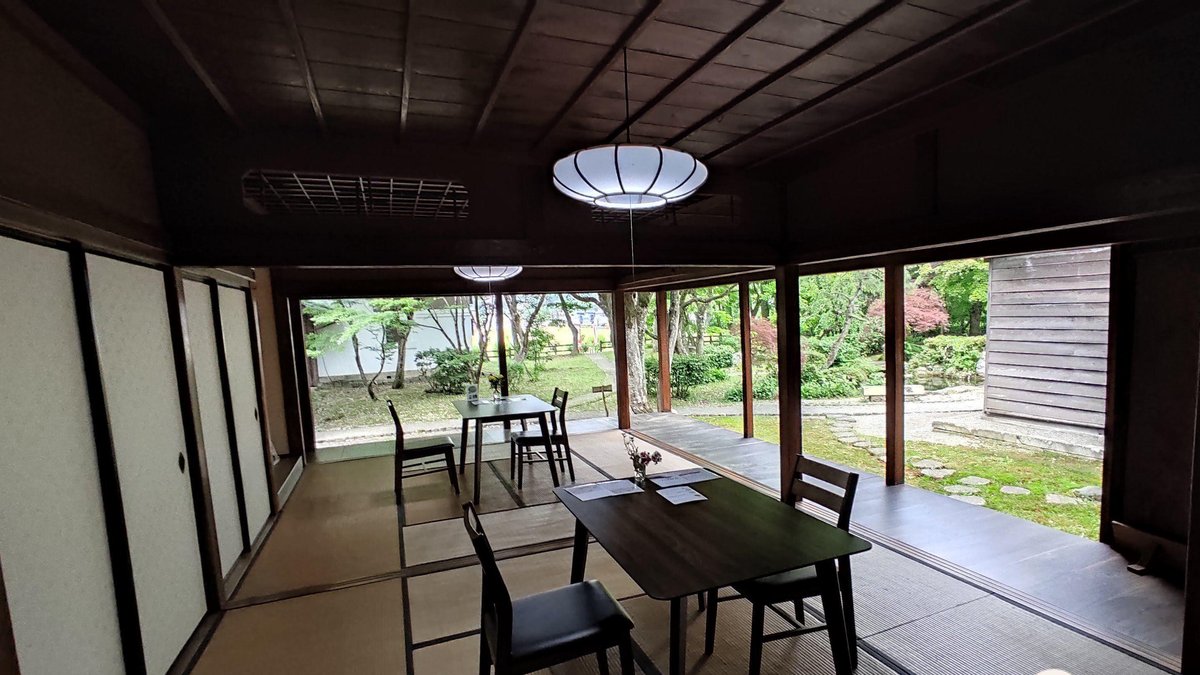
Popular Landmarks in Sekikawa
Discover the most iconic attractions in Sekikawa
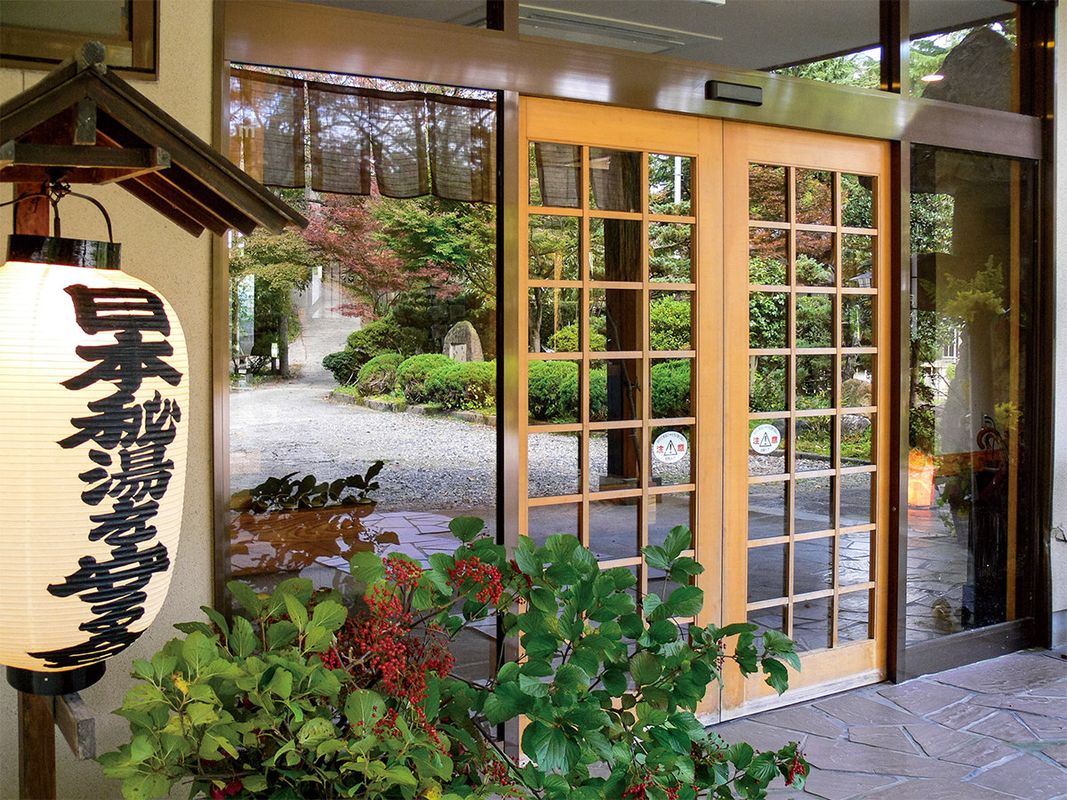
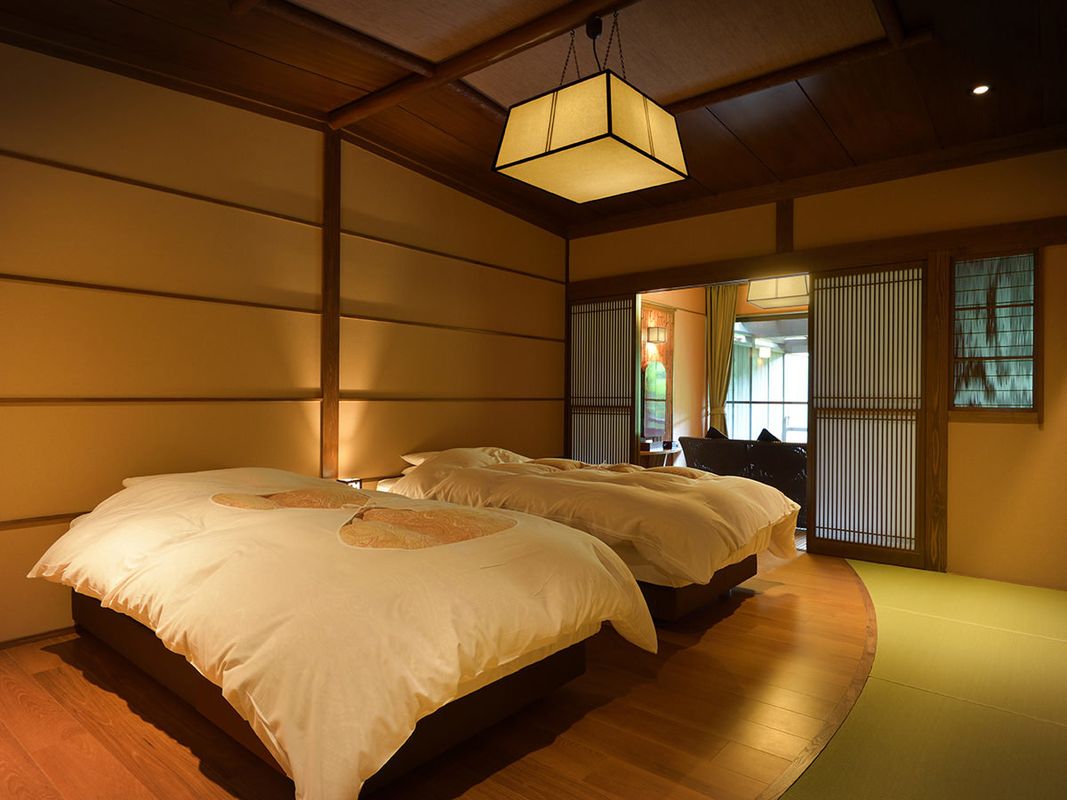
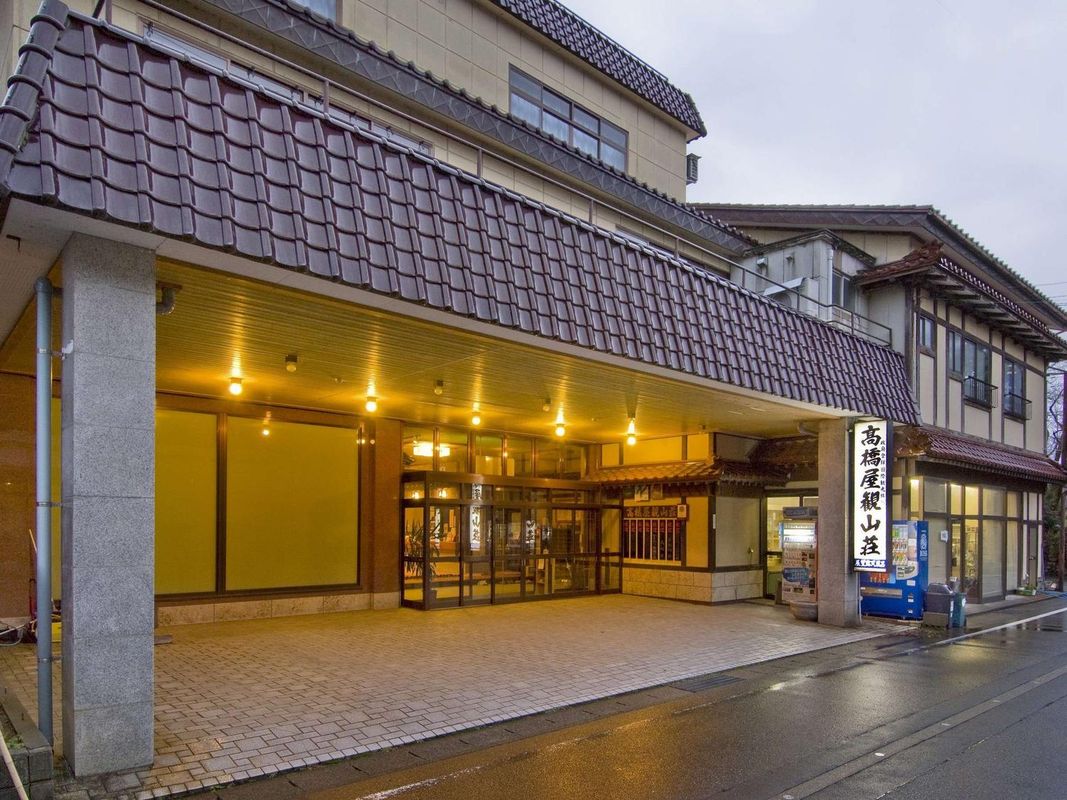
Recommended Hotels in Sekikawa
Find the perfect place to stay in Sekikawa
Frequently Asked Questions about Traveling to Sekikawa
Questions You Might Need to Know About Traveling to Sekikawa
Sekikawa Overview
City Summary
Sekikawa Village is a tranquil rural area located in Niigata Prefecture, Japan, surrounded by mountains and known for its traditional Japanese countryside culture and natural beauty. The village experiences distinct four seasons, with cherry blossoms in spring, lush greenery in summer, fiery autumn foliage, and snowy landscapes in winter, making it an ideal escape from urban life. The village is also famous for its abundant hot springs, attracting visitors seeking a pure onsen experience.
Must-See Attractions
In Sekikawa Village, hot spring experiences are a must-try, with several traditional ryokan offering serene bathing environments. Natural scenery, such as nearby hiking trails and forests, is perfect for outdoor enthusiasts. Additionally, rural cultural experiences like farm stays and handicraft workshops provide deep insights into local lifestyles.
Food Guide
Sekikawa's countryside cuisine is renowned for its fresh ingredients. Try the local wild vegetable dishes and river fish dishes. Winter hot pots, made with locally sourced vegetables and meats, are particularly delicious. The village also hosts sake breweries where you can sample authentic Japanese sake.
Transportation Guide
Transportation in Sekikawa Village is primarily by bus, with a roughly 2-hour ride from Niigata City. There is no subway, so renting a bicycle or walking is recommended for exploring. If driving, ample parking is available. Some roads may close due to snow in winter, so check weather and road conditions in advance.
Best Time to Visit
The best times to visit are spring (April-May) and autumn (September-November), when the weather is pleasant and scenery stunning. Winter (December-February) is ideal for snow lovers and hot spring enthusiasts, but prepare for cold temperatures and potential travel disruptions.
Travel Tips
- Respect local culture: Sekikawa preserves traditional Japanese rural customs; observe etiquette.
- Onsen etiquette: Shower before entering hot springs and do not wear swimsuits.
- Waste disposal: Strict garbage segregation rules apply; follow instructions.
- Language: English is limited; learn basic Japanese or use translation tools.
- Cash: Some small shops may not accept cards; carry sufficient cash.
- Winter preparedness: Temperatures drop significantly; pack warm clothing.
Useful Information
Language: Japanese is main; English is limited. Internet: WiFi coverage is sparse; consider a local SIM card. Payment: Cash is preferred; some lodgings and restaurants accept cards. Medical care: A small clinic is available; serious cases require hospitals in Niigata City. Emergency contacts: Dial 110 (police) or 119 (ambulance). Voltage: 100V; two-pin plugs (same as Taiwan).









