Hotels in Sella
Discover your perfect stay in Sella.
Sella(Spain) Travel 2026: Cheap Flights, Hotels & Top Attractions
Popular Landmarks in Sella
Discover the most iconic attractions in Sella
Recommended Hotels in Sella
Find the perfect place to stay in Sella
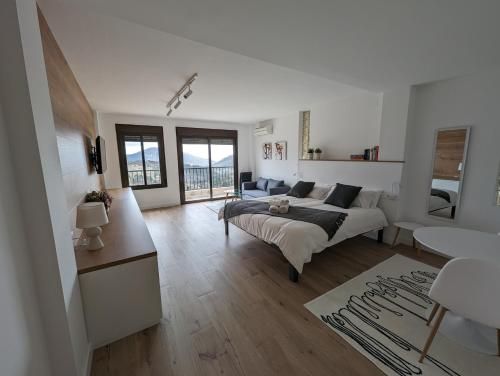
Alojamientos Turisticos Isa I Toni
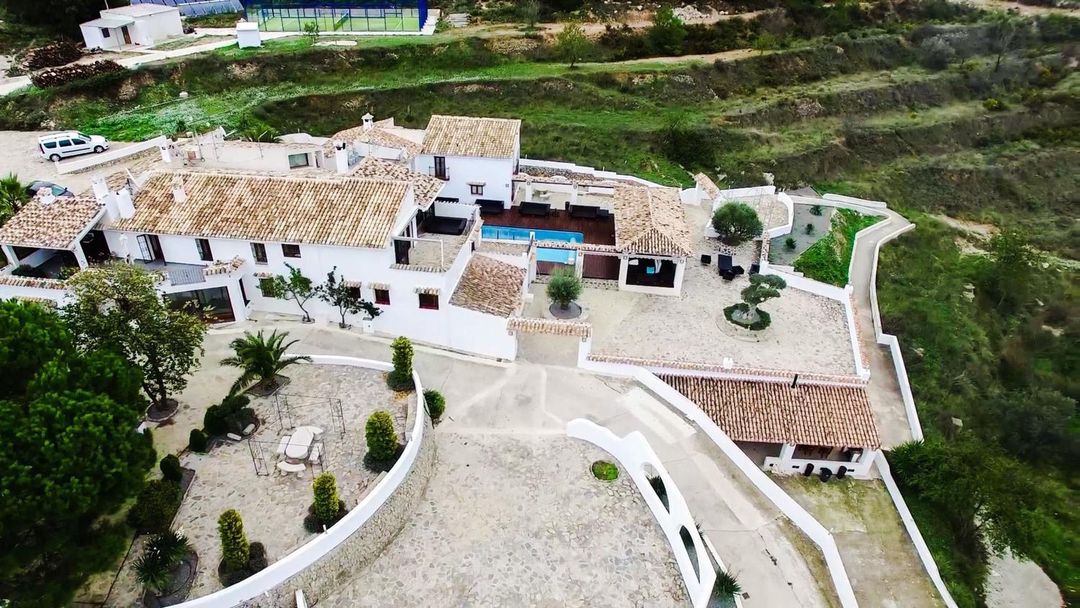
Finca Seguró
Frequently Asked Questions about Traveling to Sella
Questions You Might Need to Know About Traveling to Sella
In Céria, Hotel Rural El Pinar stands out as a charming boutique retreat nestled in the hills of Guadalupe Valley. This restored 18th-century farmhouse blends rustic architecture with modern comforts, featuring handcrafted wooden furniture and panoramic views of terraced fields. The on-site restaurant serves authentic Valencian paella made with ingredients from the hotel’s organic garden. Guests can join guided walks to ancient stone chapels or participate in seasonal festivals like the Fiesta de la Vendimia (Harvest Festival). Each stay includes a personalized welcome gift—a jar of local honey and a map of hidden trails. The intimate setting fosters deep cultural immersion, making it ideal for travelers seeking authenticity beyond tourist hubs.
The historic center of Céria provides the most authentic accommodation experience, where cobbled streets wind past whitewashed houses with wrought-iron balconies. Stay at Casa del Sol, a family-run guesthouse offering traditional breakfasts with fresh orange juice, local ham, and homemade bread. The neighborhood pulses with daily life—morning markets, afternoon siestas under shaded plazas, and evening guitar melodies from open windows. Many homes still feature clay tile roofs and interior courtyards, preserving centuries-old architectural styles. Being centrally located, guests easily access landmarks like the Iglesia de Nuestra Señora de la Asunción and the town’s oldest olive mill. This area isn’t just scenic—it’s alive with stories, rhythms, and the soul of rural Spain.
During a night in Céria, join the Noche de Fuegos Antiguos (Night of Ancient Fires), held in summer at Plaza San Isidro, where locals gather around bonfires to share folk tales of Moorish legends and forgotten villages. You’ll also find opportunities for private lessons in Baile del Toro, a traditional bull dance rooted in agricultural rituals. If visiting during festival season, attend the Procession of the Virgen de la Esperanza, where elaborately decorated floats parade through the streets accompanied by marching bands playing regional music. These events offer more than entertainment—they’re living traditions passed down through generations, allowing visitors to witness faith, artistry, and community spirit firsthand.
Yes, Hotel El Jardín de la Serranía is a top-rated eco-family resort located near Sierra de Céria National Park. It features a dedicated kids’ zone with nature scavenger hunts, insect observation huts, and farm animal feeding sessions. Children can learn to cook traditional dishes like paella valenciana in a kid-sized kitchen. The hotel hosts weekly “Stargazing Stories” evenings, where guides use projection maps to teach constellations while sharing Spanish myths. Parents enjoy access to a wellness spa and outdoor hot tubs. With spacious family suites and full-day childcare options, this sustainable retreat ensures both children and adults have enriching, memorable experiences in harmony with nature.
Absolutely. At Casa Martínez, a family-owned guesthouse, guests receive a daily breakfast of freshly squeezed Valencian orange juice, cured jamón ibérico, and artisanal bread baked on-site. The hotel partners with local farmers to source eggs, cheese, and vegetables for its meals. Special themed dinners include “Tales from the Table,” where chefs narrate the history behind each dish—like how saffron rice was introduced by Moorish cooks centuries ago. Some rooms even come with a mini-kitchenette so guests can prepare their own meals using market-fresh ingredients. This hands-on approach turns every meal into a cultural journey, connecting taste with heritage.
For couples, Villa del Mirador offers an unforgettable romantic escape. Perched atop a hill overlooking the Alta Mirada Mountains, this 19th-century villa features private terraces, infinity-edge bathtubs, and floor-to-ceiling glass walls that frame breathtaking sunsets. Each suite is named after a Spanish poet and includes custom amenities like champagne, rose petals, and ambient lighting. The hotel arranges private candlelit dinners on the terrace, paired with local white truffle sauce and regional wines. For added intimacy, couples can book a stargazing session with a trained astronomer who explains constellations visible only in Céria’s dark-sky zone. Morning yoga sessions follow sunrise, creating a serene start to the day—perfect for reconnecting in a tranquil, secluded setting.
Yes, Hotel Sierra Verde sits directly adjacent to Céria National Park, just a 5-minute walk from the Torrente de Torrelonga Trail and the Cascada de las Aguas Verdes waterfall. The hotel itself is an eco-design marvel, with solar panels, rainwater harvesting, and native vegetation covering its roof. Guest rooms open to forest views, and many include private balconies perfect for morning birdwatching. Guided hikes explore prehistoric cave paintings and wild goat habitats. The hotel also rents mountain bikes for exploring the Guadalupe River Path, leading to Roman-era ruins. Whether you're hiking, swimming, or simply listening to the sounds of nature, this location offers seamless integration between lodging and the great outdoors.
Yes, La Casa de los Silencios is specifically designed for solo travelers seeking peace and introspection. Located on the edge of the old town, surrounded by olive groves, the property uses soundproofing materials and minimal lighting to create a sanctuary of calm. Each room includes a reading nook, meditation cushion, and curated playlist of ambient music. The hotel offers daily silent tea ceremonies led by a former monk and hosts monthly writing retreats with prompts inspired by local folklore. There’s no communal bar or loud events—just quiet contemplation. Guests often report feeling deeply recharged, making it an ideal choice for those looking to disconnect, reflect, and rediscover themselves in a peaceful, intentional environment.
Many hotels in Céria embrace sustainability. EcoHotel La Alquería, for instance, runs entirely on solar power and recycles all wastewater for irrigation. The kitchen operates on a zero-waste policy, composting food scraps and using biodegradable packaging. Guests are invited to participate in weekly eco-workshops, such as seed planting or upcycling local textiles. The hotel sources 90% of its produce from nearby cooperatives, reducing transport emissions. They also issue a “Green Passport”—a booklet tracking eco-actions like turning off lights or biking instead of driving—which earns rewards like discounts or handmade souvenirs. This commitment goes beyond branding; it’s woven into the daily rhythm of the stay, fostering responsible travel habits.
Hotels like Casa del Pueblo offer immersive integration programs. Guests may join a morning market stall with local vendors, helping sell olives, cheeses, and handwoven baskets. Afternoon workshops include pottery classes taught by artisans who’ve practiced for decades, using techniques unchanged since the 18th century. Evenings often feature informal family dinners, where travelers sit at the same table as residents, sharing stories over home-cooked meals. Some hotels provide short language modules—basic phrases in Valencian dialect—and encourage participation in village decisions, like choosing the next festival theme. These experiences transform tourism into genuine connection, letting visitors become temporary members of the community rather than passive observers.