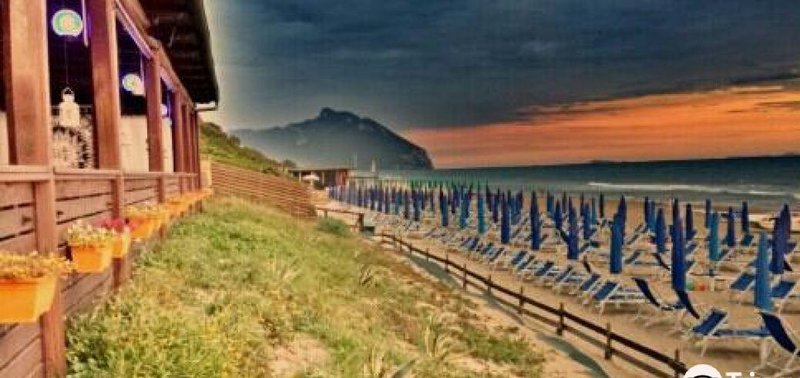
Hotels in Sellano
Discover your perfect stay in Sellano.
Sellano(Italy) Travel 2026: Cheap Flights, Hotels & Top Attractions
Popular Landmarks in Sellano
Discover the most iconic attractions in Sellano
Recommended Hotels in Sellano
Find the perfect place to stay in Sellano
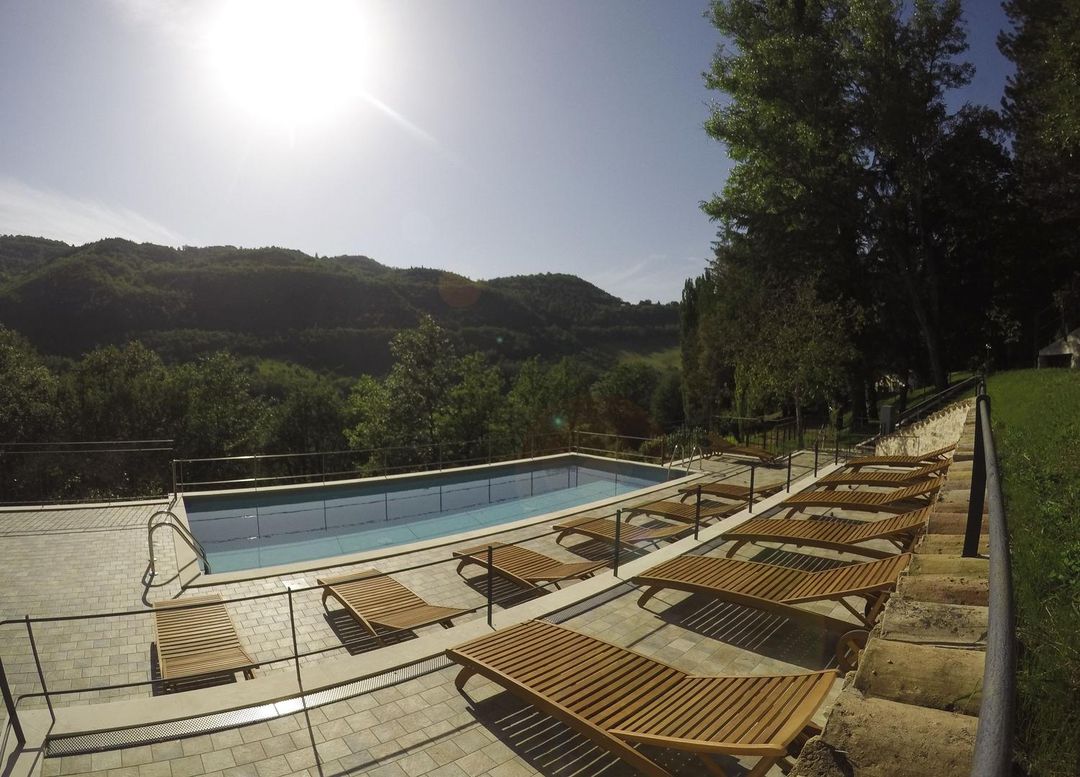
Convento di Acqua Premula
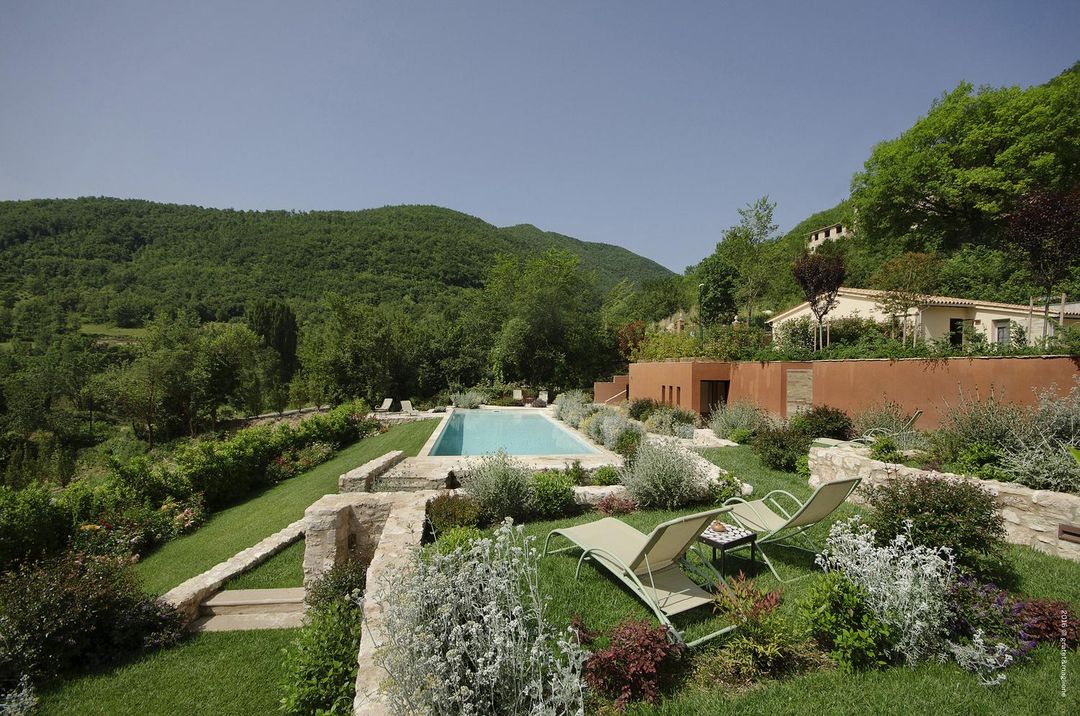
Castello di Postignano Relais
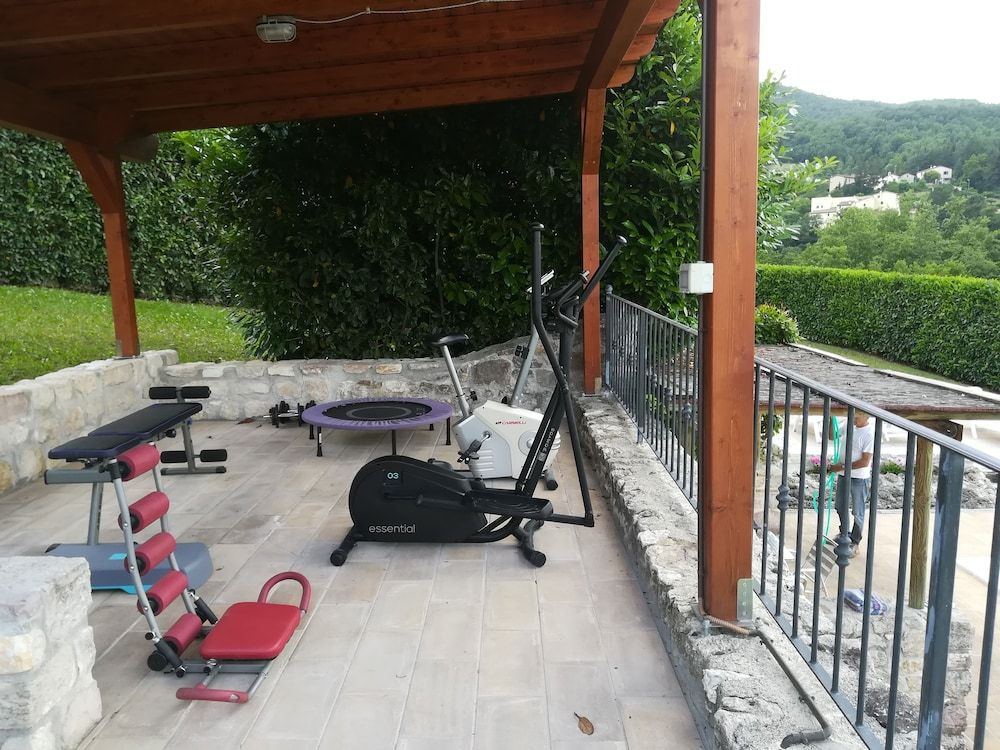
Valleprata
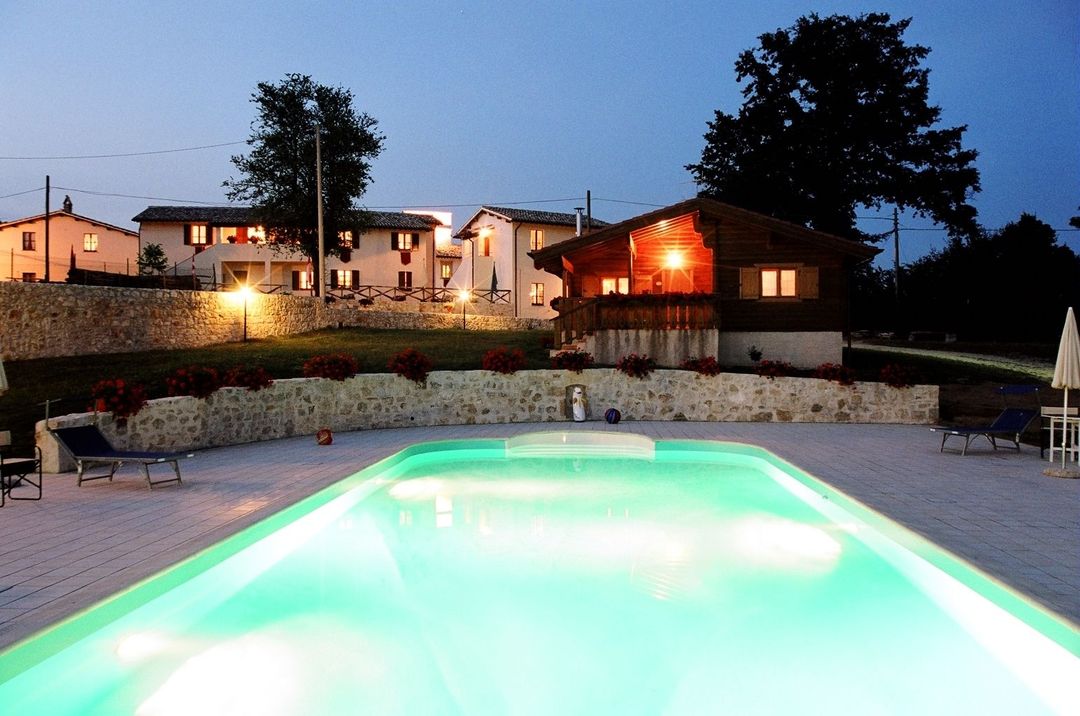
Castello di Pupaggi
Frequently Asked Questions about Traveling to Sellano
Questions You Might Need to Know About Traveling to Sellano
In Serrano, the standout boutique hotel is Agriturismo La Torre, a restored 14th-century stone farmhouse nestled in the heart of Umbria’s hills. Surrounded by olive groves and vineyards, it blends medieval architecture with modern comfort—featuring locally crafted furniture, organic linens, and panoramic views of the Apennine Mountains. Each room is named after a local herb, reflecting its therapeutic essence. Guests enjoy farm-to-table breakfasts using ingredients from on-site gardens. The property also hosts seasonal workshops in ceramic art and wine tasting, offering immersive cultural experiences. Ideal for travelers seeking authenticity and tranquility.
The historic center of Serrano is the prime area for lodging, preserving its original medieval layout with cobblestone alleys and arcaded walkways. Stay near Piazza Roma, where you’ll find family-run guesthouses like Casa del Sole, offering cozy rooms with wooden beams and private balconies. This district provides easy access to San Pietro Church, the ancient bell tower, and charming artisan shops. It’s also quiet at night, making it perfect for travelers who value safety and serenity. Plus, it’s just a 10-minute walk to the Umbria National Park, ideal for morning hikes or sunset photography.
Visitors to Serrano should attend the annual Festa della Madonna Assunta in May, a vibrant celebration featuring traditional costumes, folk music, and floral processions through the old town. Another must-try is the pottery workshop at the former mill site, where guests craft authentic Umbrian ceramics using age-old techniques. In summer, experience open-air opera performances at the Roman Theater Ruins, set against starlit skies and mountain backdrops. These events reflect the deep-rooted traditions and spiritual heritage of central Italy, offering unforgettable immersion in local life.
Must-try dishes in Serrano include Cinghiale alla Cacciatora, a rich wild boar stew cooked with tomatoes, garlic, and rosemary—a regional specialty. Another highlight is Sfogliatelle di San Giuseppe, a flaky almond-honey pastry served only during Easter. Pair these with Montevarchi red wine, grown in nearby terraced vineyards with soft tannins and bright berry notes. Many restaurants, such as Osteria del Tempo Perso, source ingredients directly from local farms, ensuring freshness and tradition. Dining here isn’t just a meal—it’s a journey into Umbrian culinary soul.
Yes, Serrano is highly suitable for families. The town center is safe and pedestrian-friendly, with attractions like the Roman Aqueduct Museum, which features interactive children’s tours. Nearby hiking trails in the Umbria Nature Reserve offer gentle paths perfect for kids. Family-friendly accommodations like Villa Rosa provide spacious suites with private gardens and baby amenities. During summer, the "Little Farmer Day" event lets children harvest olives, make pasta, and feed goats—blending fun with learning. The relaxed pace and strong community spirit make it an ideal destination for intergenerational travel.
While Serrano lies in a mountainous region, it remains well-connected. The nearest train station is Perugia, about 30 minutes away via regional rail links to Rome and Florence. Within the town, there’s no public bus system, but electric bike rentals and private shuttle services are available. For drivers, the SS4 State Road offers scenic access, though some roads are one-way. Tourists are advised to pre-book transport, especially in peak season. Additionally, the Serrano Tourism Office runs daily shuttles to Abruzzo Mountains and Marche Region, enabling seamless multi-day exploration.
The ideal time to visit Serrano is spring (April–June) and autumn (September–October). Temperatures hover between 15–22°C, with abundant sunshine and fewer crowds. Spring brings blooming lavender and irises across the hillsides; autumn paints the valleys in golden hues. Summer (July–August) can be hot with sudden thunderstorms, while winter brings cold temperatures and occasional road closures. For optimal weather and peaceful exploration, avoid peak tourist months and choose late spring or early fall for the most memorable experience.
Key landmarks in Serrano include San Pietro Church, a 13th-century masterpiece adorned with intricate mosaic façades and Renaissance frescoes inside. The Ancient Bell Tower, standing 35 meters tall, offers breathtaking views of the Apennines and surrounding valleys. Don’t miss the Roman Aqueduct Ruins, still partially functional, showcasing ancient engineering brilliance. These sites aren’t just historical—they embody the spiritual and cultural identity of central Italy, making them essential stops for any visitor seeking depth beyond scenery.
For genuine insights, visit the Serrano Tourist Office in Piazza Roma, staffed by locals who offer up-to-date event calendars and personalized itineraries. Join a guided walk led by retired teachers, known as the "Old Town Memory Tour," which reveals hidden stories behind every alleyway. Also follow local social media accounts like @SerranoLife, which share real-time tips—such as the best bakery for Pizzelle or the secret path to see wild thyme blooms. These grassroots sources deliver more truthful, heartfelt guidance than mainstream guides.
Unique souvenirs in Serrano include handwoven embroidered shawls, olive wood carvings, and naturally dyed textiles made using traditional methods. Monthly artisan markets in Piazza Roma feature local makers selling handmade goods with the "Made in Serrano" certification. A standout item is Citrus Honey Spread, a sweet blend of local lemons and honey, available at the church-side shop. All products come with a story—many artisans explain their creation process in person. Packaged in eco-friendly boxes, they make meaningful gifts that celebrate Umbrian craftsmanship and heritage.