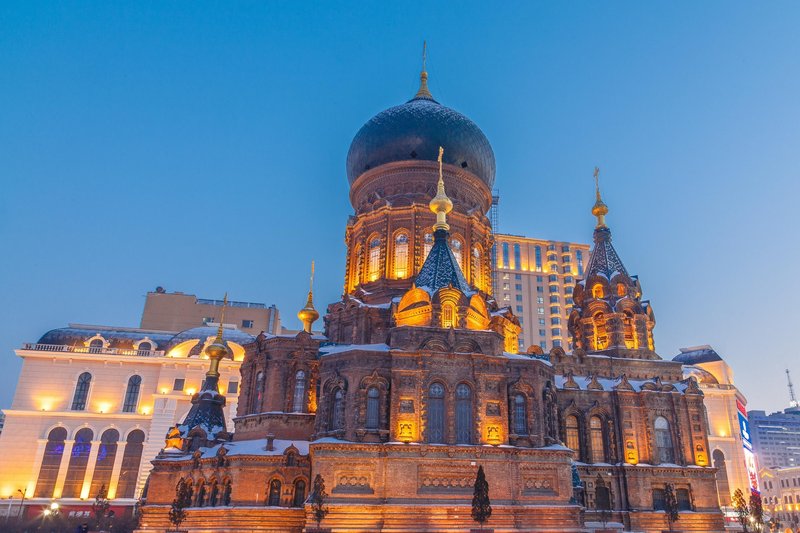
Hotels in Selo
Discover your perfect stay in Selo.
Selo(Indonesia) Travel 2026: Cheap Flights, Hotels & Top Attractions
Popular Landmarks in Selo
Discover the most iconic attractions in Selo
Recommended Hotels in Selo
Find the perfect place to stay in Selo
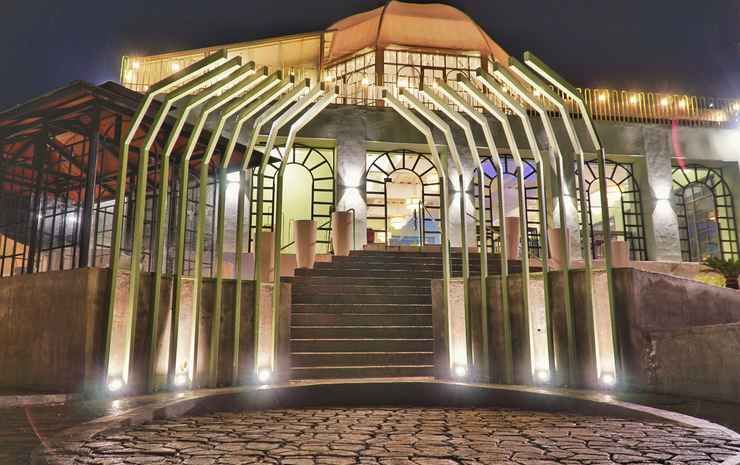
Azana Essence Selo Boyolali
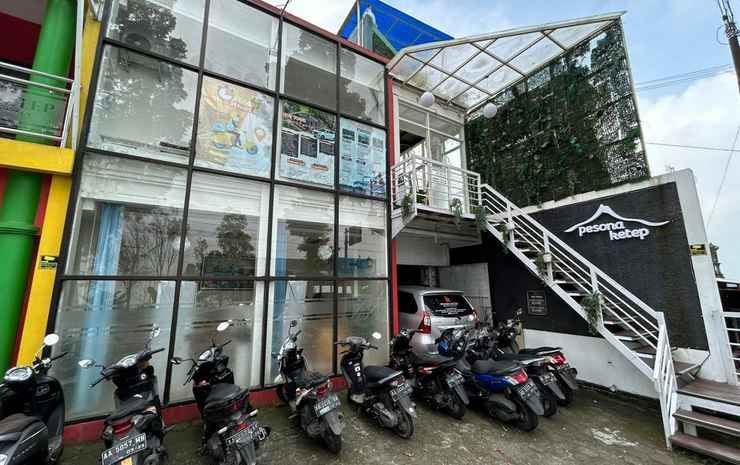
Pesona Ketep
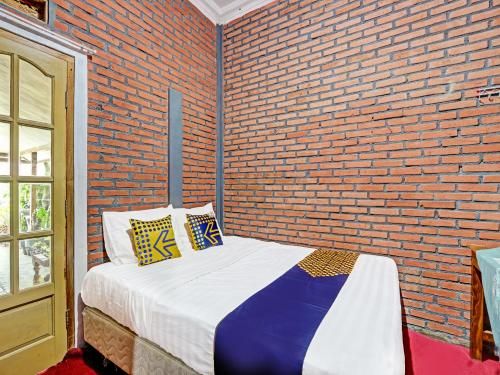
OYO Homes 91150 Desa Wisata Samiran
Best Hotels in Selo
Discover curated hotel collections in Selo
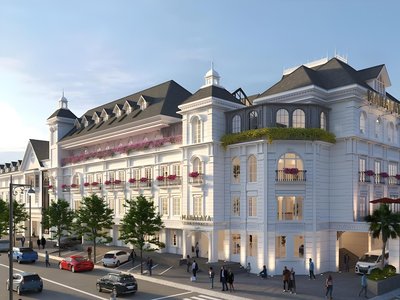
MAHALAYA The Legacy Hotel
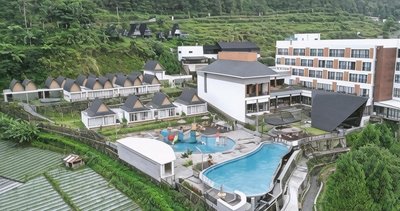
Gulala Azana Hotel & Resort Guci Tegal
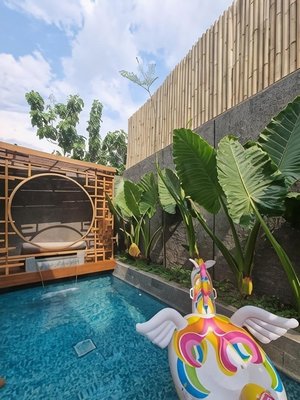
Akaya Villas Solo
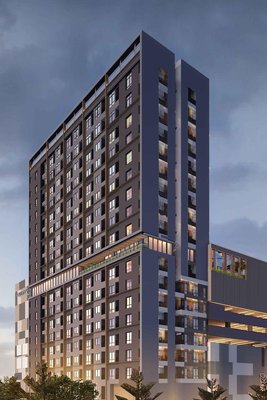
Somerset Queen City Semarang
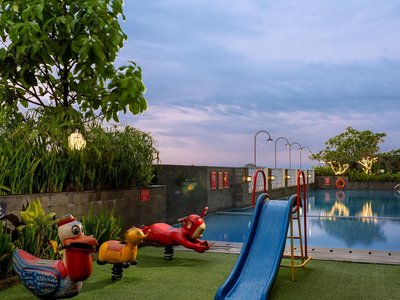
Aston Solo Hotel

Surya Hotel & Cottages Prigen
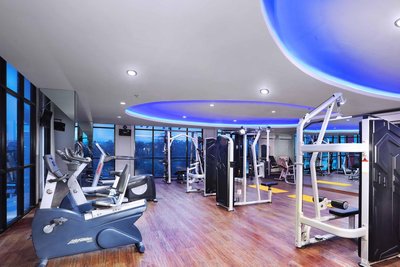
Aston Inn Pandanaran
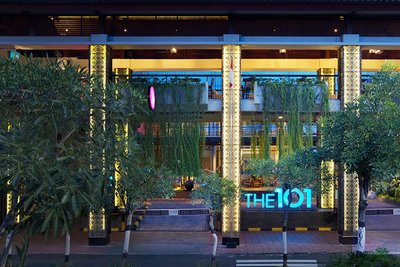
THE 1O1 Yogyakarta Tugu
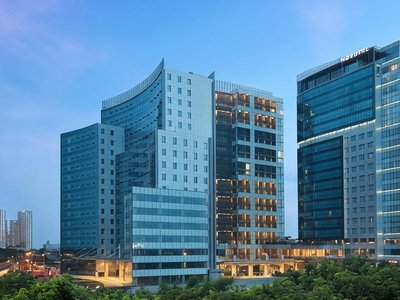
Novotel Samator Surabaya Timur
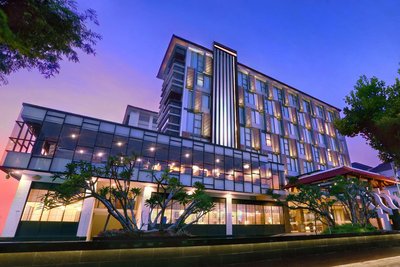
Harper Malioboro Yogyakarta by ASTON
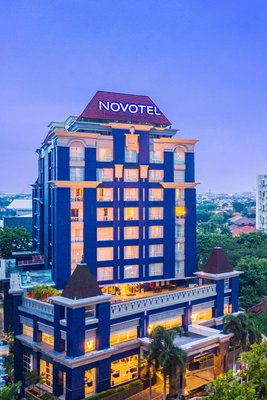
Novotel Semarang
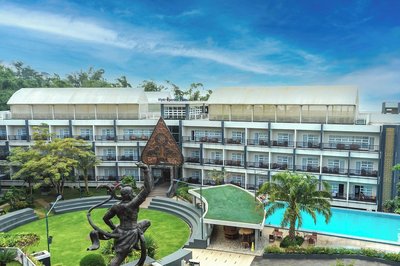
Griya Persada Convention Hotel & Resort
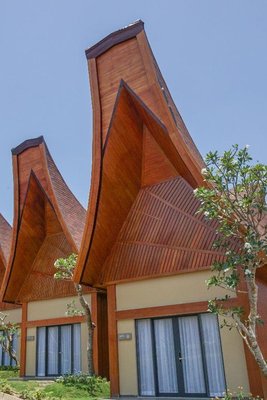
Shanaya Resort Malang
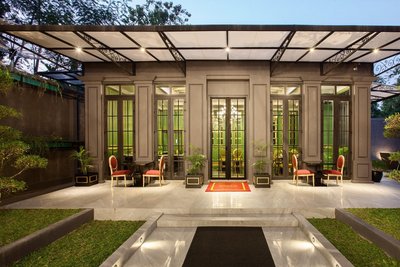
Sofia Boutique Residence
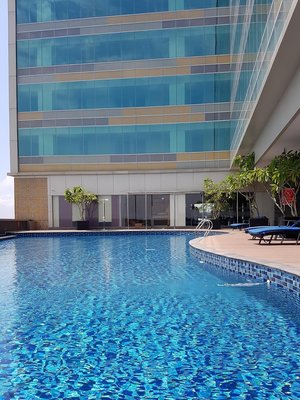
The Alana Hotel & Convention Center Solo by Aston
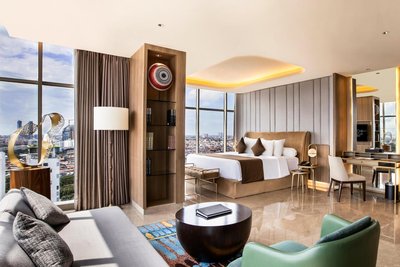
Morazen Surabaya
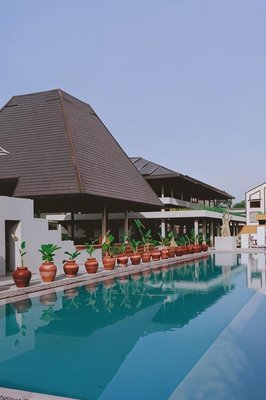
Ayom Java Village Solo
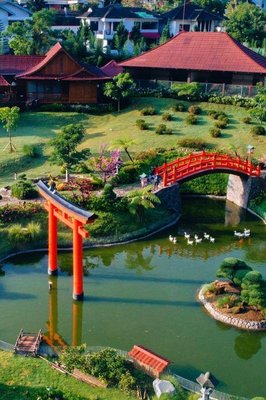
The Onsen Hot Spring Resort
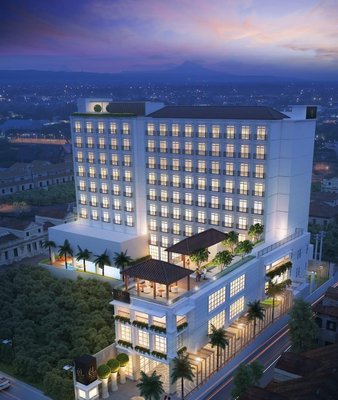
El Hotel Yogyakarta Malioboro

Susan Spa and Resort
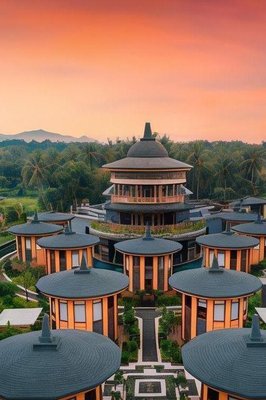
Hotel Le Temple Borobudur
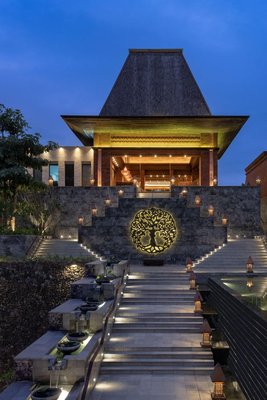
Garrya Bianti Yogyakarta
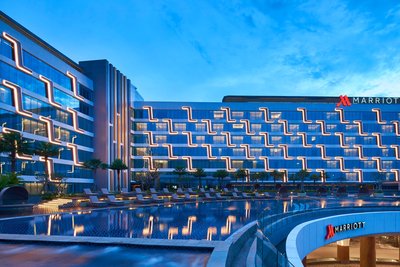
Yogyakarta Marriott Hotel
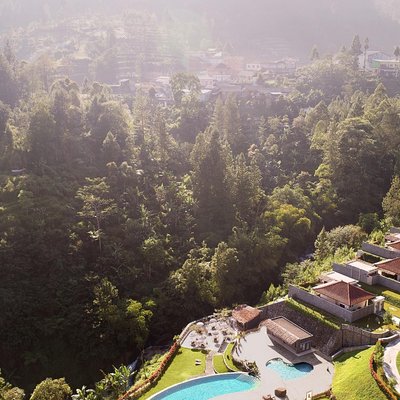
Joglo Ageng Guci Tegal
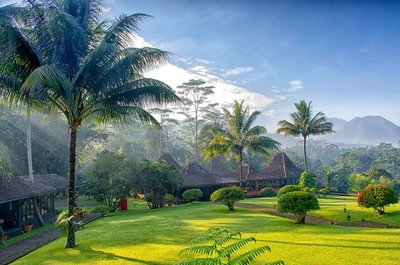
MesaStila Resort and Spa
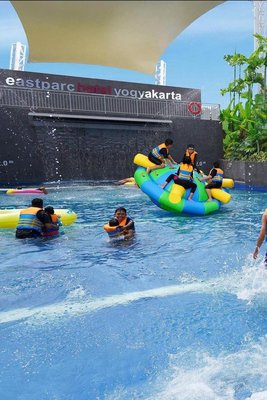
Eastparc Hotel Yogyakarta
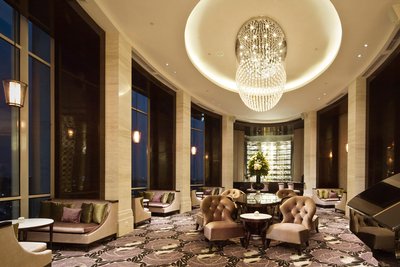
Hotel Ciputra World Surabaya managed by Swiss-Belhotel International

The Phoenix Hotel Yogyakarta - Handwritten Collection
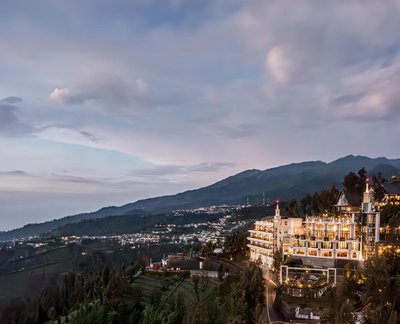
Plataran Bromo
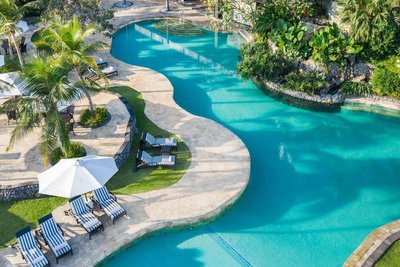
JW Marriott Hotel Surabaya
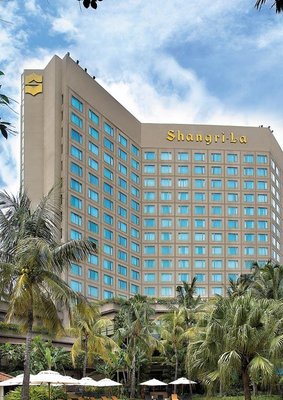
Shangri-La Surabaya
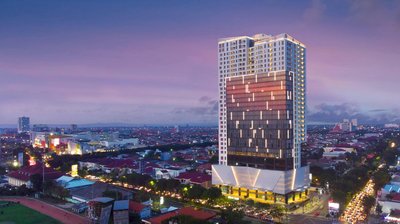
Oakwood Hotel & Residence Surabaya
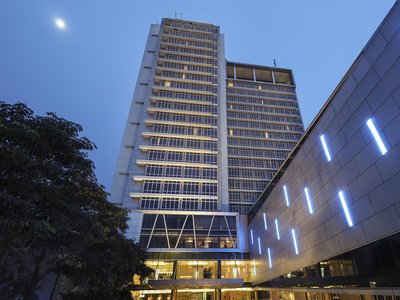
Grand Mercure Solo Baru
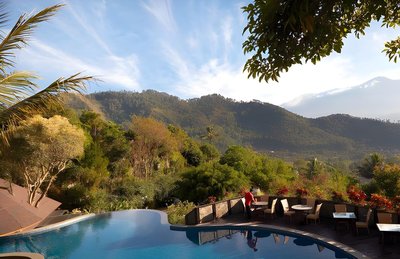
Jambuluwuk Convention Hall & Resort Batu
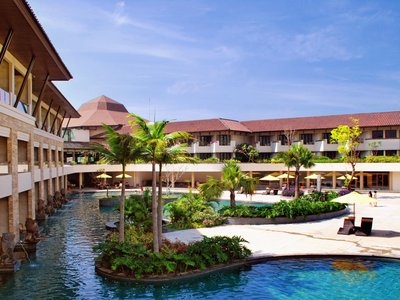
The Singhasari Resort Batu
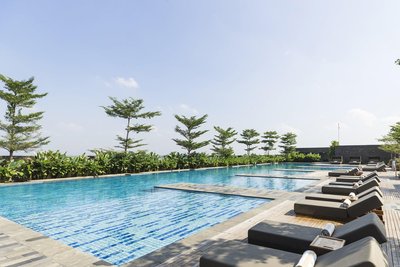
Alila Solo
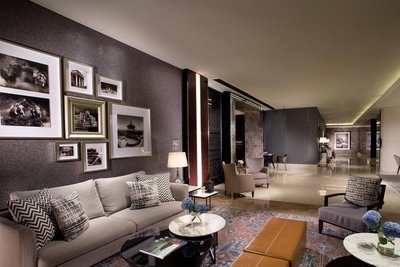
Ascott Waterplace Surabaya
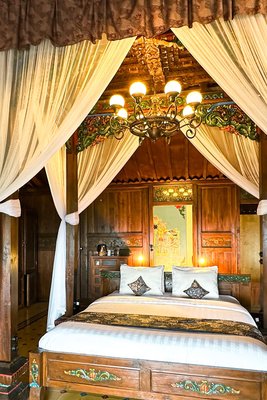
Villa Borobudur Resort
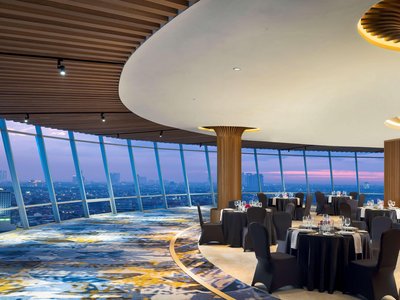
DoubleTree by Hilton Surabaya
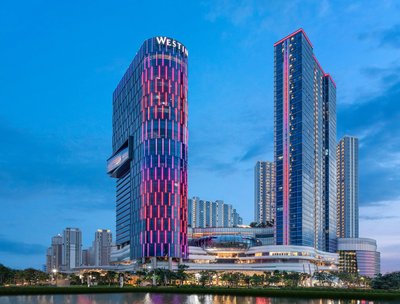
The Westin Surabaya
Frequently Asked Questions about Traveling to Selo
Questions You Might Need to Know About Traveling to Selo
In Selo, the best hotel with views of Borobudur is Selo Lakeview Resort, offering panoramic vistas of the UNESCO World Heritage site from its hillside villas. Each room features a private terrace overlooking the ancient temple complex, perfect for sunrise viewing. The resort also provides guided tours to Prambanan Temple and cultural workshops on Javanese batik and traditional dance. For a more intimate stay, Bodhi Tree Cottages offers eco-friendly bamboo bungalows nestled among rice fields, combining comfort with sustainability. Both properties offer authentic Indonesian breakfasts and seamless access to spiritual and scenic highlights.
The hillside zone near Borobudur Temple is ideal for a peaceful and immersive stay in Selo. This elevated area offers serene mountain air, breathtaking views of the temple and surrounding rice terraces, and minimal noise pollution. Accommodations like Green Hill Retreat and Dawn Hill Villa feature traditional Javanese architecture with modern amenities, including private gardens and open-air showers. Guests can participate in early morning meditation sessions, join local village tours, or simply unwind with a book while listening to birdsong. Its proximity to cultural landmarks makes it perfect for travelers seeking tranquility and authenticity.
Visitors to Selo can experience traditional Javanese ceremonies at dawn, where locals perform prayers around Borobudur Temple—a deeply spiritual ritual that offers insight into local beliefs. Attend a Kecak Dance workshop led by master performers, learning the rhythmic chants and storytelling behind this iconic Balinese-Javanese art form. Explore village markets to taste satay, nasi uduk, and locally roasted Indonesian coffee, while watching artisans craft intricate batik patterns by hand. Many resorts also host family-style cooking classes, allowing guests to prepare dishes like gudeg and rendang under expert guidance.
Yes, Selo is highly suitable for family travel. The region offers safe, scenic environments ideal for multi-generational trips. Families can join Borobudur Kids Explorer Tours, which use games and storytelling to teach children about Buddhist history and temple architecture. Resorts like Greenfield Family Stay provide spacious suites, playgrounds, and hands-on activities such as batik-making and cooking classes for kids. Parents can relax at the pool while children enjoy nature walks along the Selo Lake shoreline. With low traffic and welcoming communities, Selo ensures a stress-free, enriching experience for all ages.
Selo has a tropical climate with a rainy season from October to March, making high-altitude hotels like Green Hill Retreat and Emerald Hill Lodge ideal—they offer better ventilation and reduced humidity. During the dry season (April–September), when skies are clear and temperatures pleasant, lakeside resorts such as Selo Lakeview Resort shine, providing cool breezes and stunning views. All recommended accommodations feature air conditioning and dehumidifiers. Travelers should pack lightweight, breathable clothing and mosquito repellent, especially during evening hours. HopeGoo in advance ensures availability during peak seasons.
Tourists can reach Selo from Yogyakarta via several convenient options: a direct taxi or private car takes about 1 hour, passing through Borobudur Temple, ideal for sightseeing en route. Local bus services like "Selo Express" operate hourly but require careful timing due to infrequent departures. For flexibility and comfort, using ride-hailing apps such as Grab or Gojek is recommended—offering transparent pricing and door-to-door service. Avoid rush hours during weekdays, especially in the rainy season, to prevent delays. Many hotels offer airport pickup upon request.
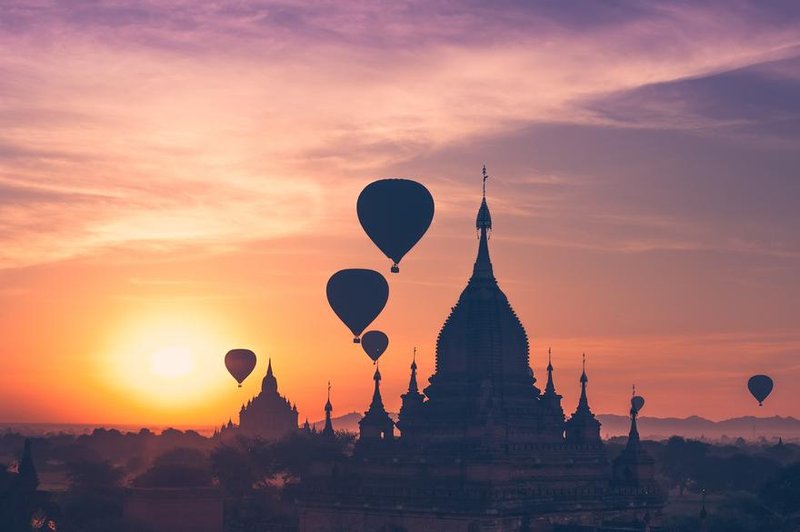
The most photogenic spots in Selo include the sunrise view from Borobudur Temple, where golden light floods over the tiered stone structures, creating a dramatic silhouette against the sky. The reflective pathways along Selo Lake offer perfect symmetry for mirror-like shots, especially during calm mornings. Prambanan Temple’s intricate carvings and the volcanic rock trails provide rich textures and depth. Wear traditional batik attire for cultural contrast in photos. Visit early morning or late afternoon for soft lighting and fewer crowds. These locations are frequently featured in travel photography and social media content worldwide.
Must-try dishes in Selo include Selo Grilled Chicken, marinated in secret spices and slow-roasted over charcoal, served with coconut rice (nasi uduk) and peanut sauce. Another highlight is Gudeg, a sweet-savory stew made from young jackfruit, coconut milk, and spices, often paired with fried tempeh. At night markets near the town center, sample satay skewers, banana fritters (lumpia), and freshly brewed Indonesian coffee. Many boutique hotels, such as Bodhi Tree Cottages, offer personalized cooking experiences where guests learn to prepare these dishes firsthand, deepening their connection to Javanese cuisine.
The best time to visit Selo is during the dry season, from April to September, when skies are clear, temperatures are comfortable, and outdoor exploration is ideal. May to July sees peak tourism due to favorable weather and major cultural festivals around Borobudur Temple. In contrast, the rainy season (October–March) brings lush greenery and fewer crowds, making it perfect for nature lovers and photographers. However, roads may be slippery, so travel plans should allow extra time. HopeGoo accommodations in advance is strongly advised, particularly during holidays and religious events.
Couples in Selo can enjoy a magical sunrise at Borobudur Temple, walking hand-in-hand through the ancient stone corridors as light breaks over the horizon. Stay at Emerald Hill Lodge, where glass-walled suites feature private hot tubs overlooking the lake and distant mountains—perfect for intimate moments. Enjoy a candlelit dinner by the lake, featuring local delicacies like gudeg and satay, accompanied by live Javanese gamelan music. Complete your trip with a shared batik-making session, crafting a fabric piece with both your names woven into the design—a lasting symbol of your journey together.
Selo Overview
City Summary
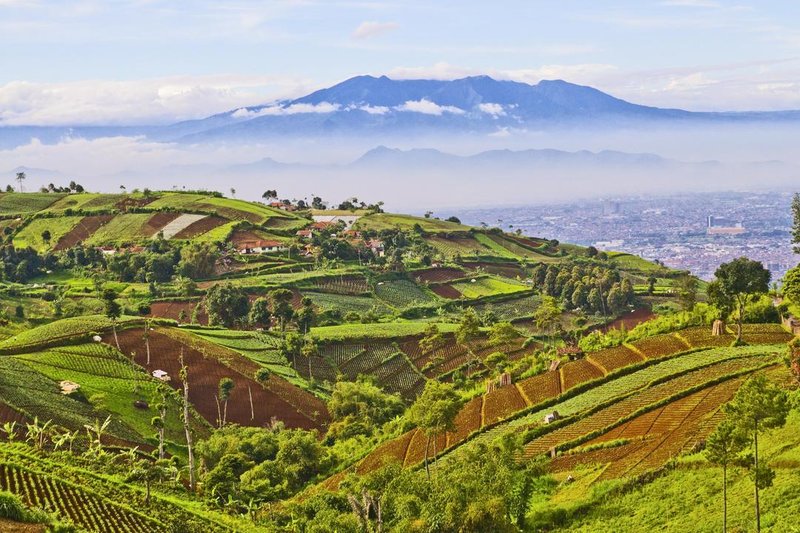
Selo, located in Central Java, Indonesia, is a small town rich in cultural heritage and natural beauty. Known for its tranquil village atmosphere and unique traditional arts, it is an ideal escape from urban chaos. Visitors can experience Javanese culture, admire local handicrafts, and explore nearby volcanic landscapes. Selo's core appeal lies in its simple lifestyle and rich cultural legacy.
Must-See Attractions
Key attractions in Selo include Gunung Merbabu Volcano, a challenge for hikers; traditional Javanese villages to glimpse local life; and handicraft markets for unique souvenirs. Cultural enthusiasts can visit local temples and enjoy traditional dance performances. Selo's blend of natural scenery and cultural experiences makes it a captivating destination.
Food Guide
Selo's cuisine features traditional Javanese dishes. Street food like Gudeg (sweet jackfruit stew) and Sate Kelinci (rabbit satay) are must-tries. Local markets offer Tempeh (fermented soybean cake) and traditional sweets. The food culture emphasizes fresh ingredients and local flavors, perfect for adventurous eaters.
Transportation Guide
Transport in Selo relies on motorcycles and bicycles for short trips. For longer journeys, public buses or car rentals are options, though road conditions are basic. Hiring a local guide is recommended for safety. No metro system exists, and taxi services are limited, so plan routes in advance.
Best Time to Visit
The best time to visit is May to October, with dry and cool weather ideal for outdoor activities. The rainy season (November-April) may disrupt plans. Fewer tourists make it perfect for a serene experience.
Travel Tips
- Respect local culture: Dress modestly when visiting temples.
- Carry cash: Most vendors don't accept cards.
- Stay safe: Travel in groups at night.
- Learn basic Indonesian: Helps with communication.
- Sun protection: The sun can be harsh.
- Eco-friendly travel: Minimize plastic use.
Useful Information
The primary language is Indonesian, with limited English spoken. Network coverage is spotty; consider a local SIM card. Cash is the main payment method, though some shops accept e-payments. Medical facilities are scarce, so bring basic medicines. Voltage is 220V with Type C/F plugs. Locals are friendly, but cultural differences should be noted.