Hotels in Semboku
Discover your perfect stay in Semboku.
Semboku(Japan) Travel 2026: Cheap Flights, Hotels & Top Attractions
Popular Landmarks in Semboku
Discover the most iconic attractions in Semboku
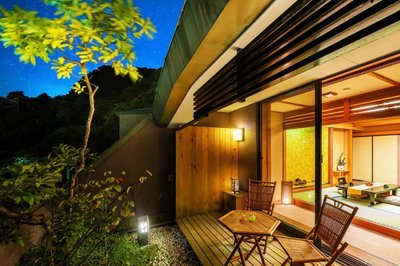
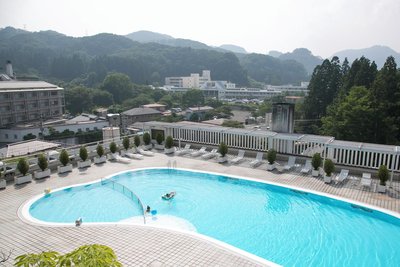
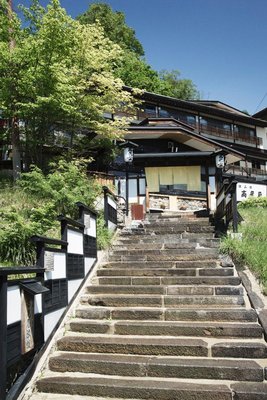
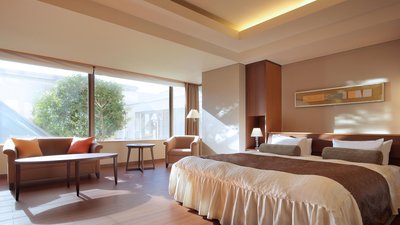
Recommended Hotels in Semboku
Find the perfect place to stay in Semboku
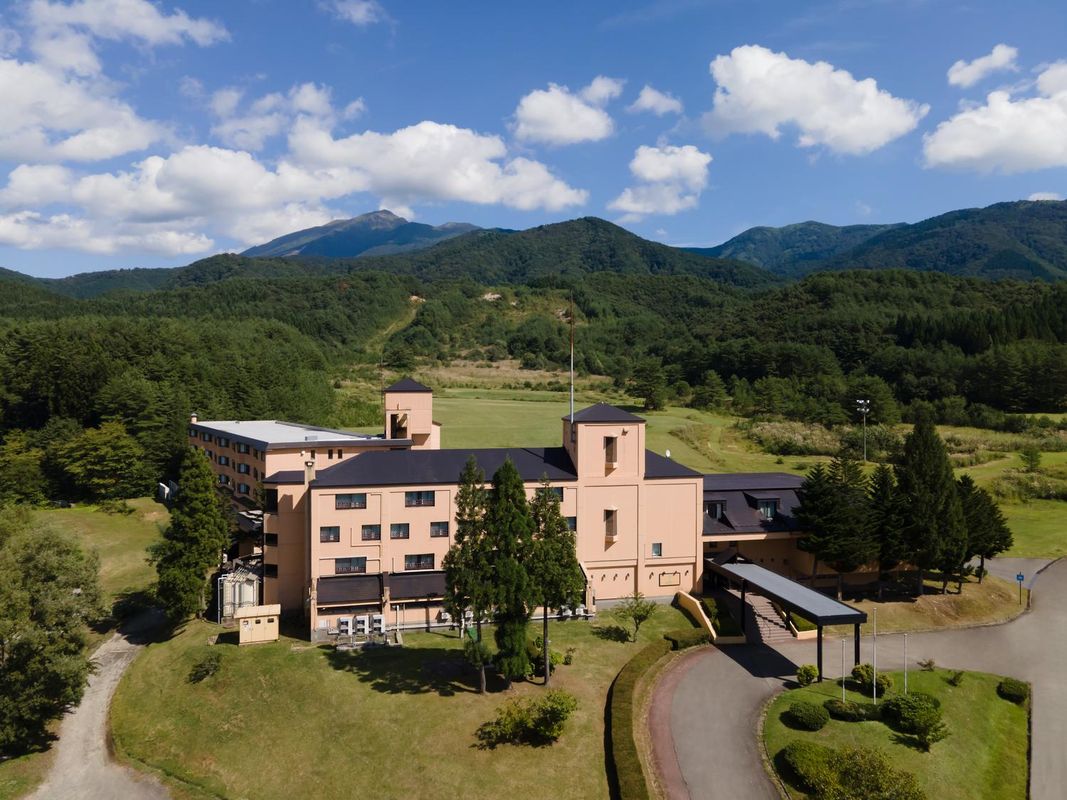
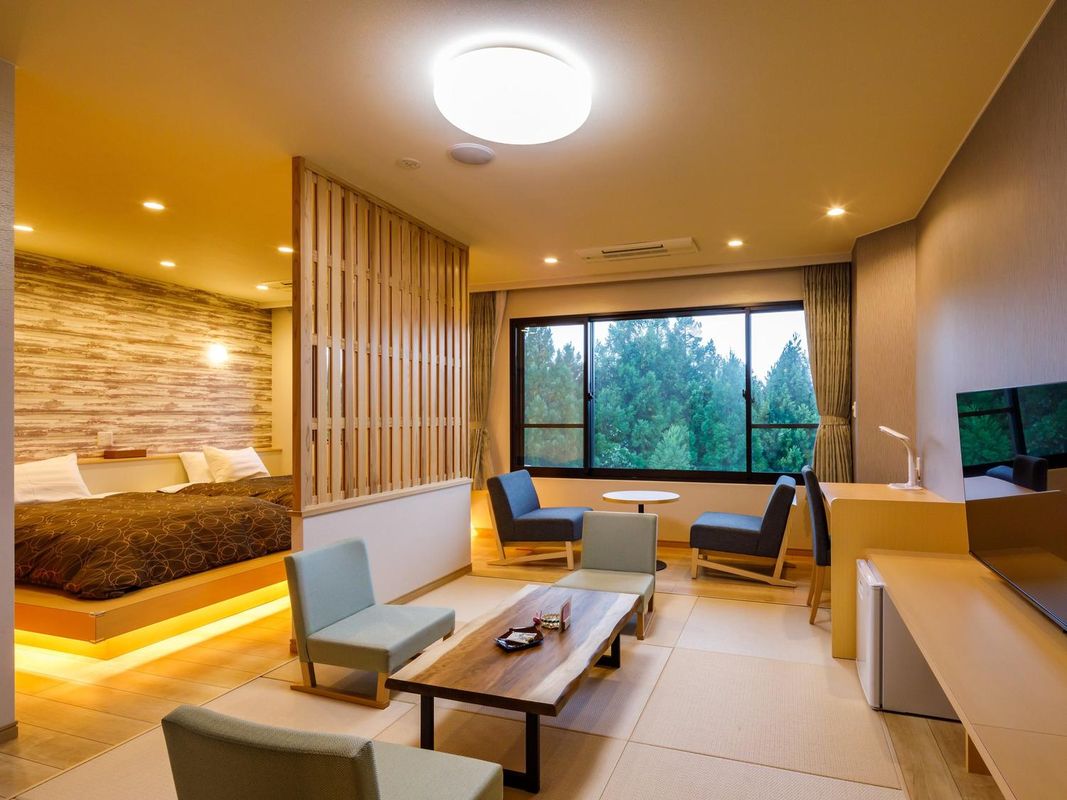
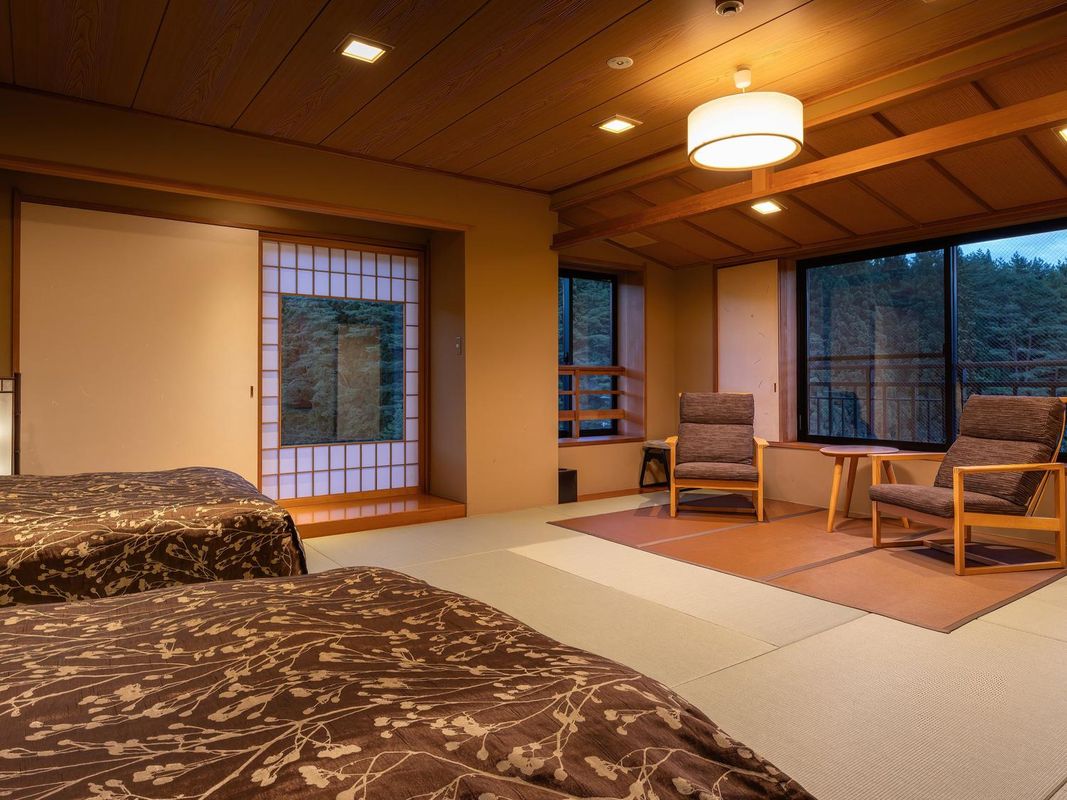
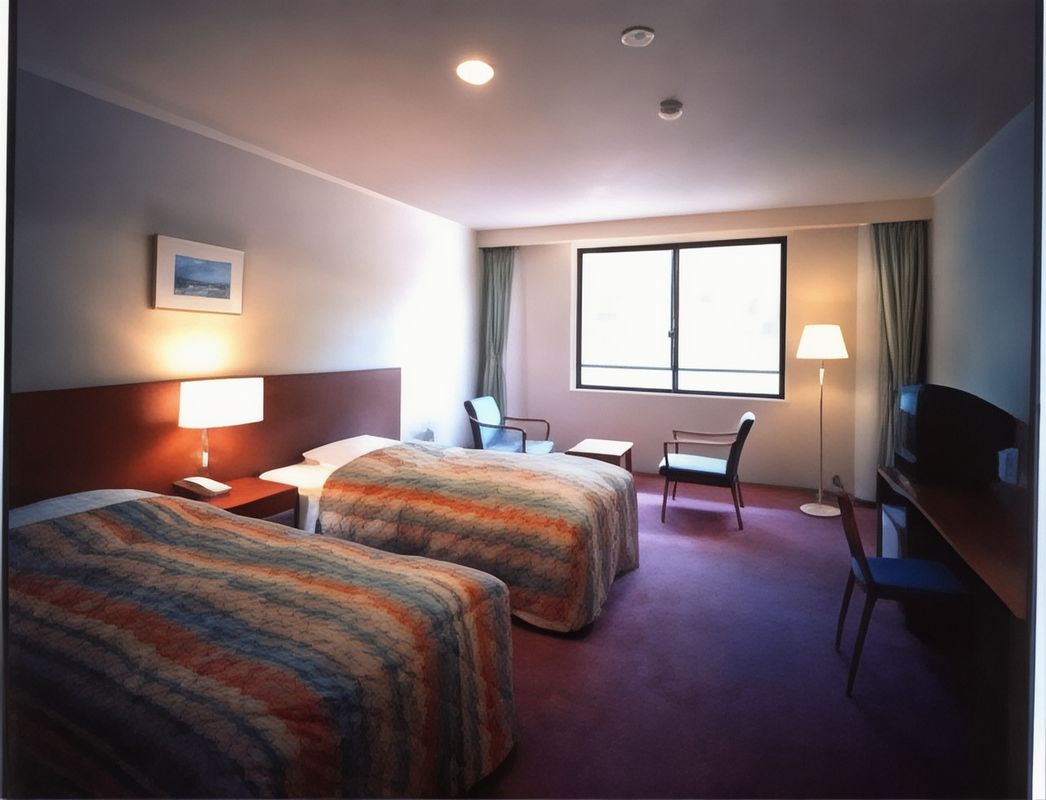
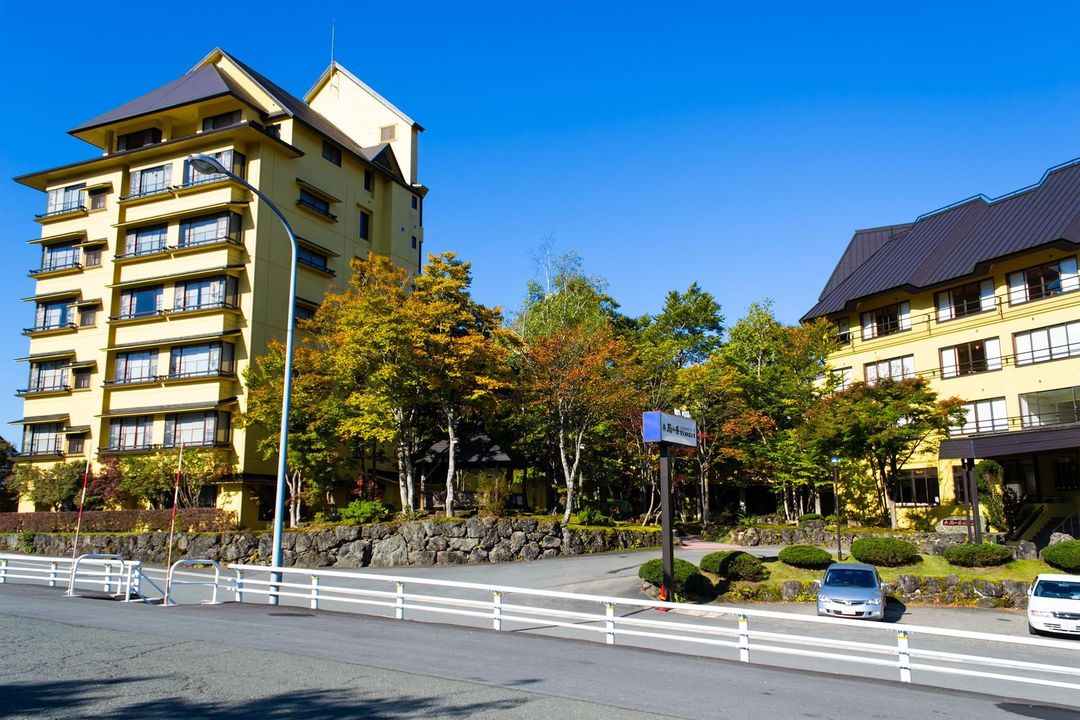
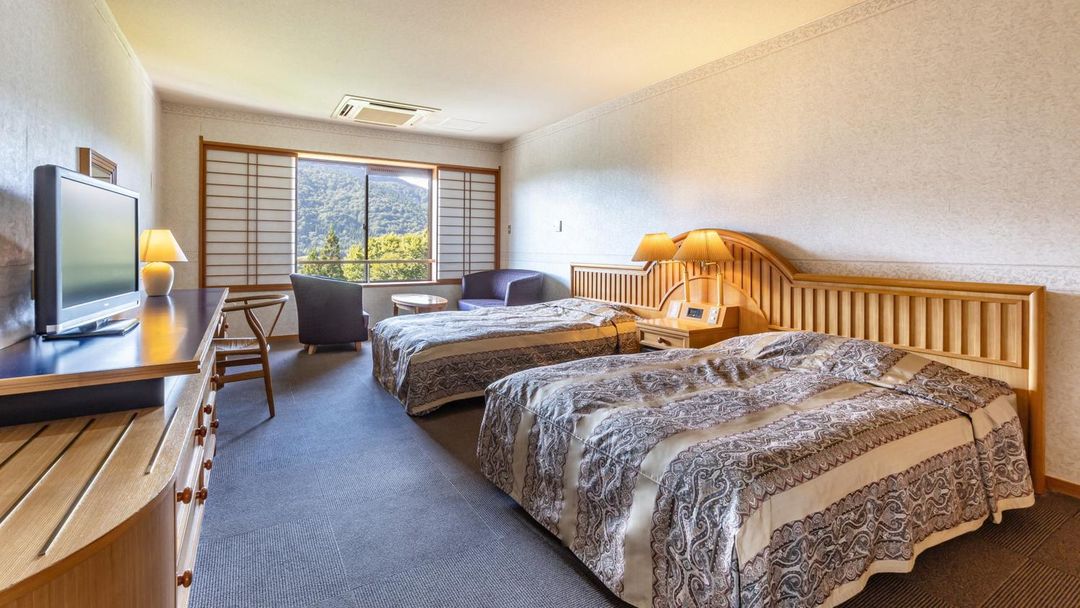
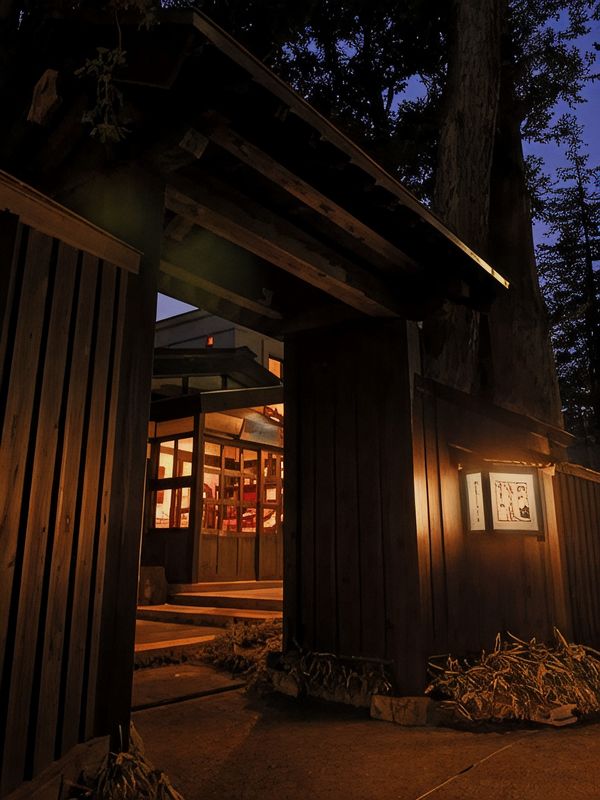
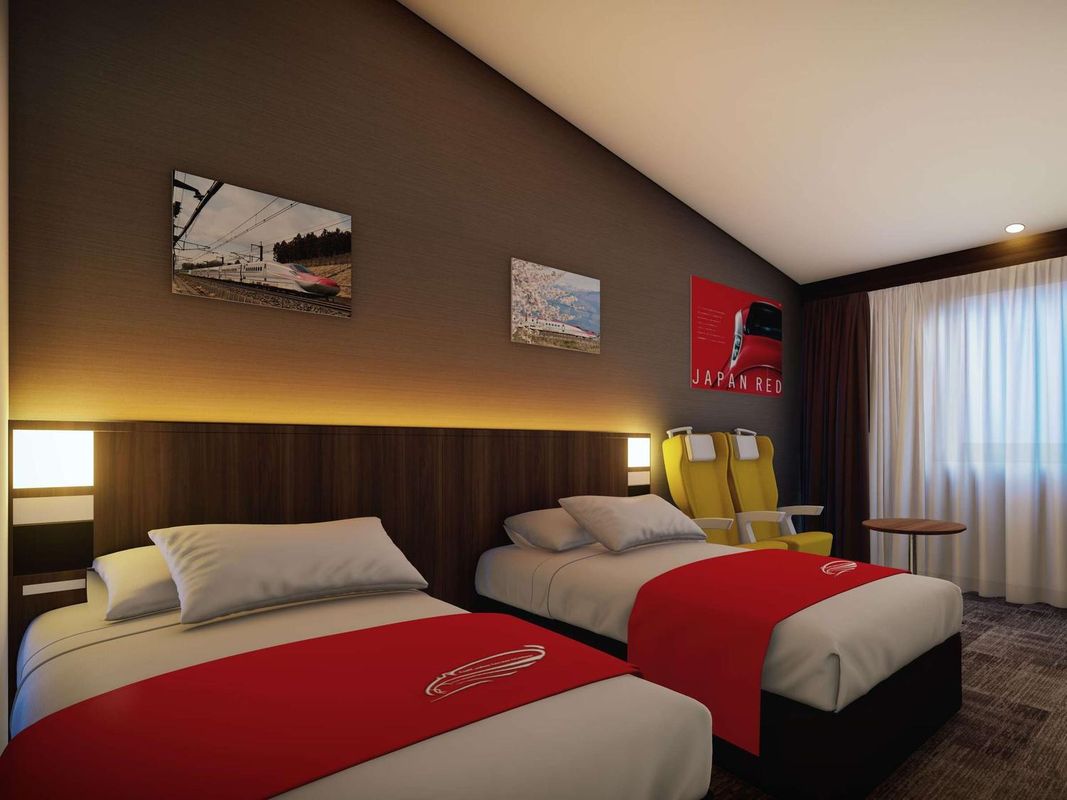
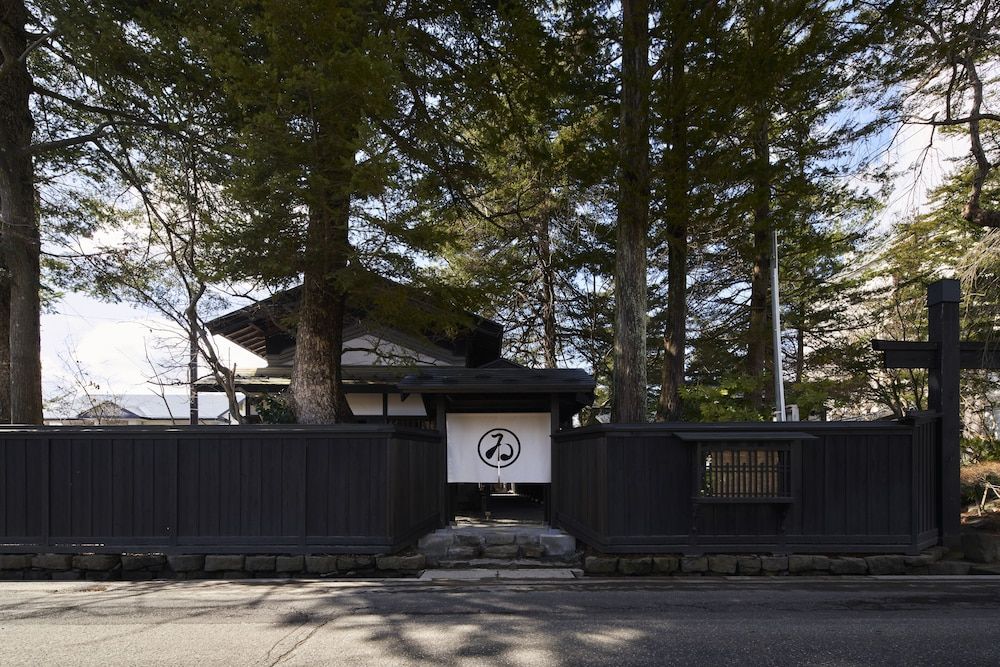
Best Hotels in Semboku
Discover curated hotel collections in Semboku
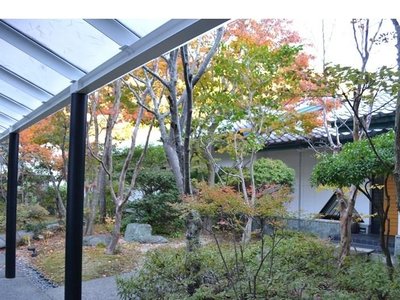
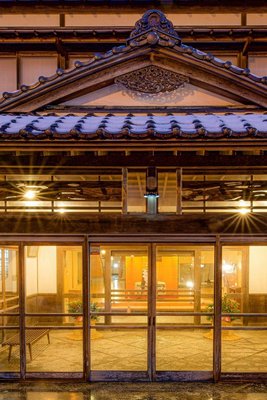


Frequently Asked Questions about Traveling to Semboku
Questions You Might Need to Know About Traveling to Semboku
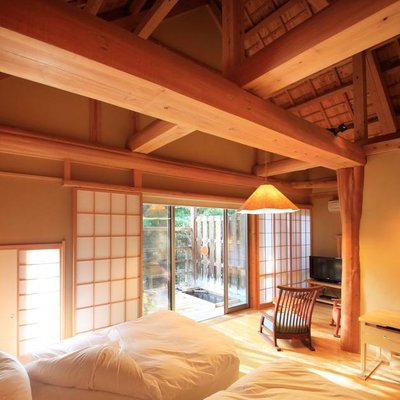
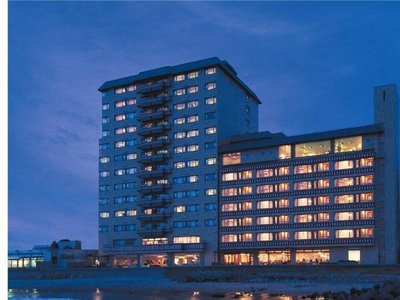
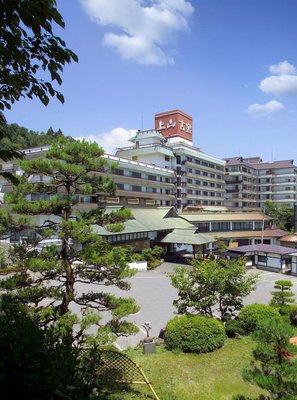
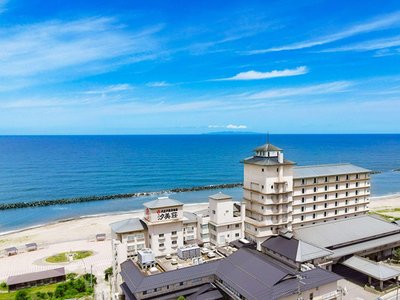
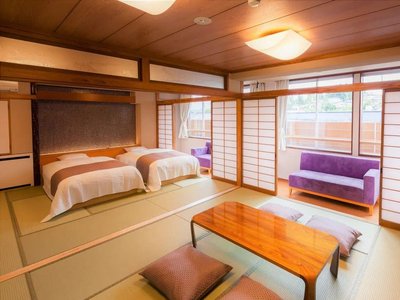
In Senboku City, the standout choice is Senboku Onsen Yukan, a traditional ryokan offering private outdoor baths with views of Lake Tazawa and mineral-rich sulfur springs. The hotel blends Japanese aesthetics with modern comfort, serving locally sourced dishes like fresh Lake Tazawa trout sushi and seasonal kaiseki meals. During winter, guests can enjoy "snow-viewing onsen" experiences under falling flakes. Its central location near Ōu Expressway and Odate Station makes it ideal for exploring nearby cultural sites such as Ōu Shrine and Daiwa Ancient Tombs.
The best area for cultural immersion is Ōkura Town, home to the renowned Ōkura Gion Festival, one of Japan’s three major Gion festivals. Strolling through its historic streets reveals centuries-old wooden houses, local craft shops, and community-run tea houses. Visitors can participate in traditional activities like kotatsu-making workshops or hand-painted fan art sessions. Nearby, the Senboku Municipal Cultural Center hosts rotating exhibitions on regional history, while the Tazawa Lake Folk Museum offers insights into ancient fishing practices and Ainu heritage.
Guests in Senboku City should try Lake Tazawa trout prepared in local styles—from grilled skewers at roadside stalls to delicate sashimi served at Senboku Onsen Yukan. Don’t miss the regional specialty: Giant miso stew with wild mountain vegetables, a hearty dish made from autumn harvests. For hands-on fun, join a family-style cooking class where you’ll learn to prepare Kamakura soba (pumpkin buckwheat noodles) using ingredients grown in nearby fields. Many restaurants also offer tasting menus paired with local sake brewed in the region.
Yes, Tazawa Lake Family Camp Resort is perfect for families, featuring spacious cabins, a children’s playground, and guided nature walks along the lakeshore. Kids can enjoy fishing lessons, bamboo lantern crafting, and nighttime stargazing tours led by local astronomers. The resort provides baby cots, high chairs, and kid-sized bathrobes. Nearby, the Senboku Nature Education Center offers interactive exhibits about local wildlife, including deer and red foxes, making it an ideal destination for eco-conscious travelers.
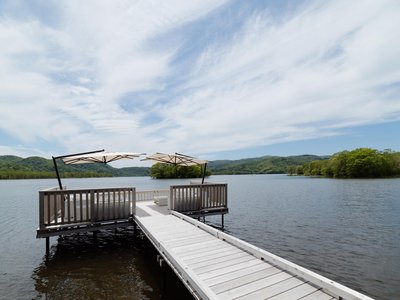
Outdoor enthusiasts will love Lake Tazawa's scenic trails, especially the Tazawa Lake Loop Trail, which winds through alpine forests and offers panoramic views of the lake and surrounding mountains. In summer, rent a paddleboat or try kayaking to explore hidden coves. Fall brings spectacular autumn foliage hikes, while winter invites snowshoeing and ice fishing on the frozen lake surface. Guided tours are available through Senboku Outdoor Adventure Co., ensuring safety and rich storytelling along the way.
Travelers can reach Senboku City via the Akita Shinkansen, taking just under 3 hours from Tokyo Station to Ōkura Station. From there, free shuttle buses connect to major attractions like Ōkura Gion Festival Grounds and Lake Tazawa. Alternatively, rent a car at Akita Airport for greater flexibility—routes follow the scenic Ōu Main Line and offer stunning views of rice terraces and mountain ranges. Most hotels provide airport pickup services upon request.
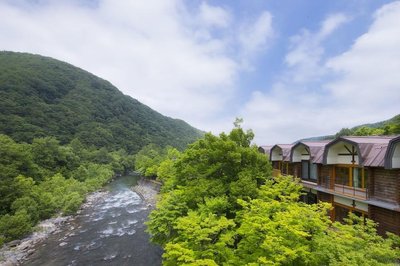
Couples should book a stay at Tazawa Lake Hidden Cabin, a secluded wooden retreat nestled beside Lake Tazawa with floor-to-ceiling glass walls and a private open-air onsen. Enjoy candlelit dinners with trout carpaccio and local matcha dessert, followed by quiet moments gazing at starlit waters. The hotel also offers a couple’s pottery workshop and a “Midnight Firefly Viewing” tour during summer months. Some rooms feature custom amenities like rose petals and champagne, creating an unforgettable intimate experience.
The prime time to visit is August, when the world-famous Ōkura Fireworks Festival lights up Lake Tazawa with over 10,000 shells. It’s considered one of Japan’s most spectacular firework displays. Spring brings the Ōkura Cherry Blossom Festival, with blooming sakura trees lining the town’s avenues. Autumn sees the Tazawa Red Leaf Festival, featuring illuminated paths, night photography sessions, and traditional drum performances. These events often include special hotel packages and extended operating hours for attractions.
Senboku City stands out due to its rare blend of natural beauty, cultural heritage, and eco-tourism innovation. Unlike other towns in Akita, it centers around Lake Tazawa, Japan’s deepest freshwater lake, surrounded by pristine forests and volcanic landscapes. The city actively promotes sustainable tourism through initiatives like zero-waste camping zones and community-led conservation tours. Its deep-rooted traditions—from Gion festivals to woodcraft villages—remain vibrant, offering authentic, uncommercialized experiences rarely found elsewhere in Japan.
Yes, visitors can immerse themselves in traditional crafts at Ōkura Craft Village, where local artisans teach techniques like hand-carved lacquerware, woven bamboo baskets, and indigo dyeing. Workshops are held at Senboku Artisan Hall, lasting 2–3 hours and culminating in a personalized souvenir. You can also purchase handcrafted items directly from homespun studios along the Tazawa River Path. Some hotels even offer
Semboku Overview
City Summary
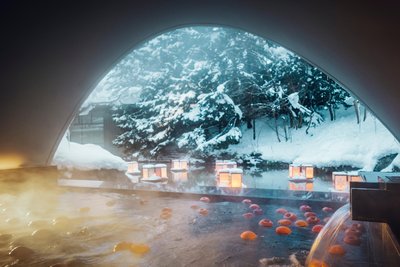
Semboku City in Akita Prefecture is famed for its stunning nature and traditions. Lake Tazawa, Japan's deepest lake, shimmers with cobalt blue waters, while Nyuto Onsen Village offers hot spring bathing amid snow. As the birthplace of straw crafts and folk songs, it boasts rich agriculture. The key draws are its四季distinct seasons and onsen culture.
Must-See Attractions
Must-see Lake Tazawa invites cycling or boat tours, with the golden Tatsuko Statue as its icon. Kakunodate's Samurai District preserves Edo-era architecture with spring cherry tunnels. Nyuto Onsen's seven ryokans feature unique baths - Tsuru-no-Yu's mixed-gender rotemburo is iconic. Meet Akita dogs at the Akita Dog Museum.
Food Guide
Try Inaniwa udon - delicate dried noodles in mackerel broth. Kiritanpo nabe stews grilled rice sticks with wild plants. Smoked daikon radish is a winter specialty. Hinai-jidori chicken is prized for tenderness. Lakefront restaurants serve grilled trout and yamame fish dishes.
Transportation Guide
From Tokyo, take Akita Shinkansen to Tazawako Station (3hrs). Local buses operate every 50-90 mins. JR Buses run 6x daily between Tazawa and Kakunodate (30min). Nyuto Onsen requires ryokan shuttles. Rent bikes near the station (seasonal). Taxis start at ¥600 - book ahead for remote areas. Winter bus frequency drops sharply.
Best Time to Visit
Prime seasons are September-November for autumn foliage and February for snow festivals. June sees heavy rains. Winter temps plunge to -10°C requiring heavy gear, while summer averages 25°C. Tazawako Ski Resort operates December-March.
Travel Tips
- Nyuto onsen baths require thorough pre-washing
- Winter driving demands snow tires - some roads close
- Drones prohibited in Kakunodate's historic zone
- Experience folk dance at Semboku Matsuri (3rd week Oct)
- Carry cash for rural restaurants
- Ryokan check-out is strictly by 10am
- Avoid flash photography with Akita dogs
- Bear warnings in certain mountain areas
Useful Information
Language: Basic English at stations/ryokans - translation apps help. Internet: Free WiFi at major stations; rent 4G pocket WiFi. Payments: Cash preferred outside JR stations/large hotels. Healthcare: Tazawako Clinic handles minor issues; serious cases go to Akita City Hospital (1.5hr). Emergency: 110 (police)/119 (ambulance). Voltage: 100V Type A plugs. Pack ice grips for winter.









