Hotels in Sendai
Discover your perfect stay in Sendai.
Sendai(Japan) Travel 2026: Cheap Flights, Hotels & Top Attractions
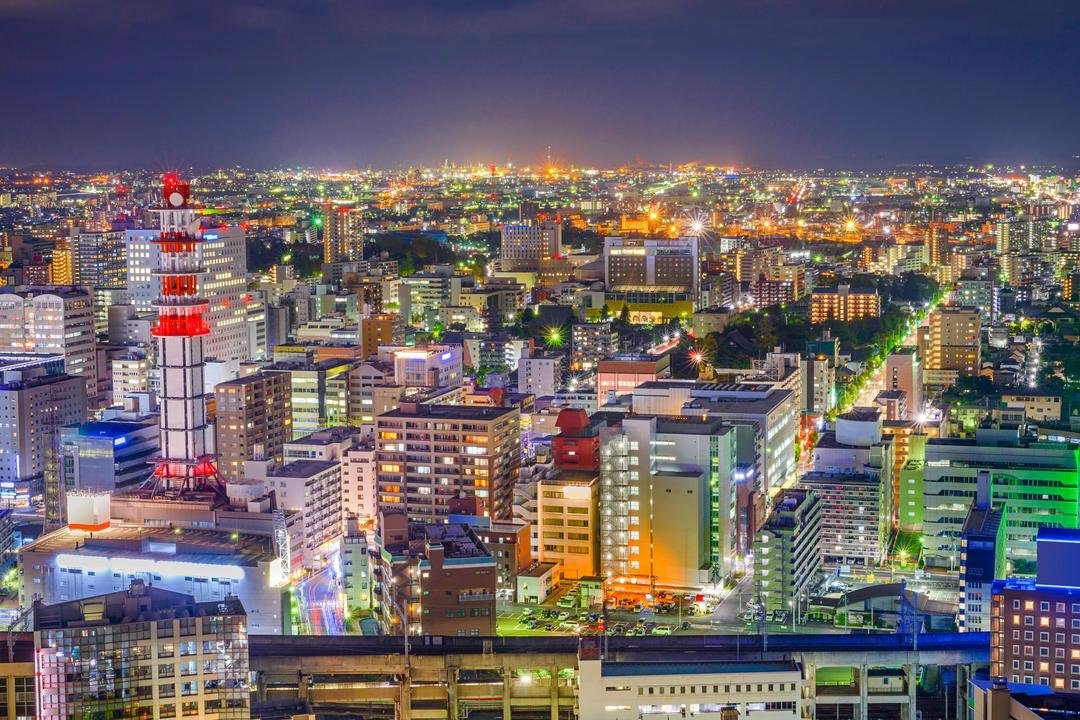
Popular Landmarks in Sendai
Discover the most iconic attractions in Sendai
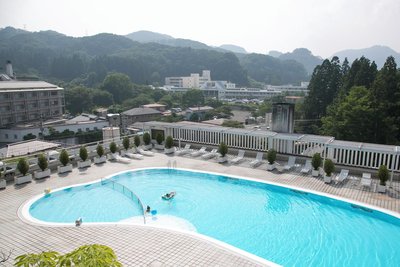
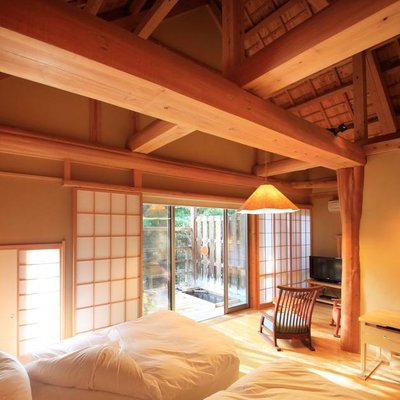
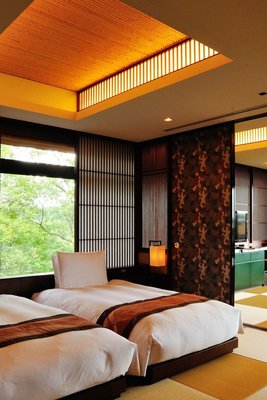
Recommended Hotels in Sendai
Find the perfect place to stay in Sendai
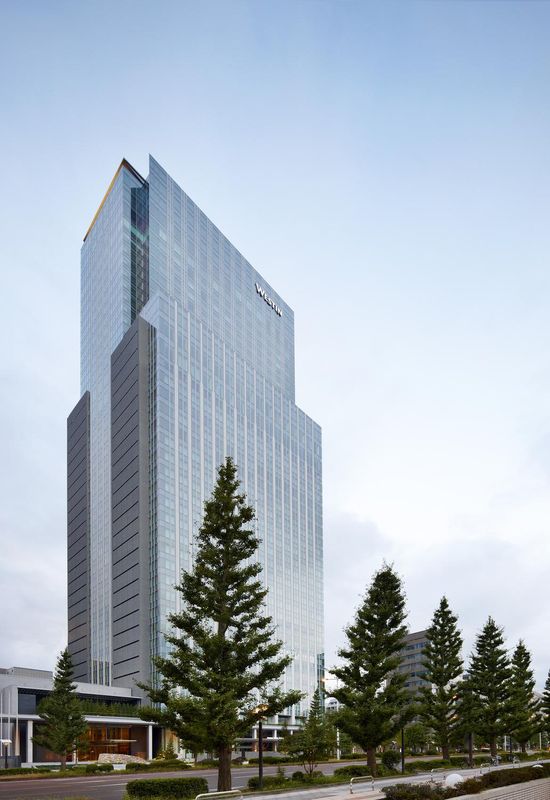
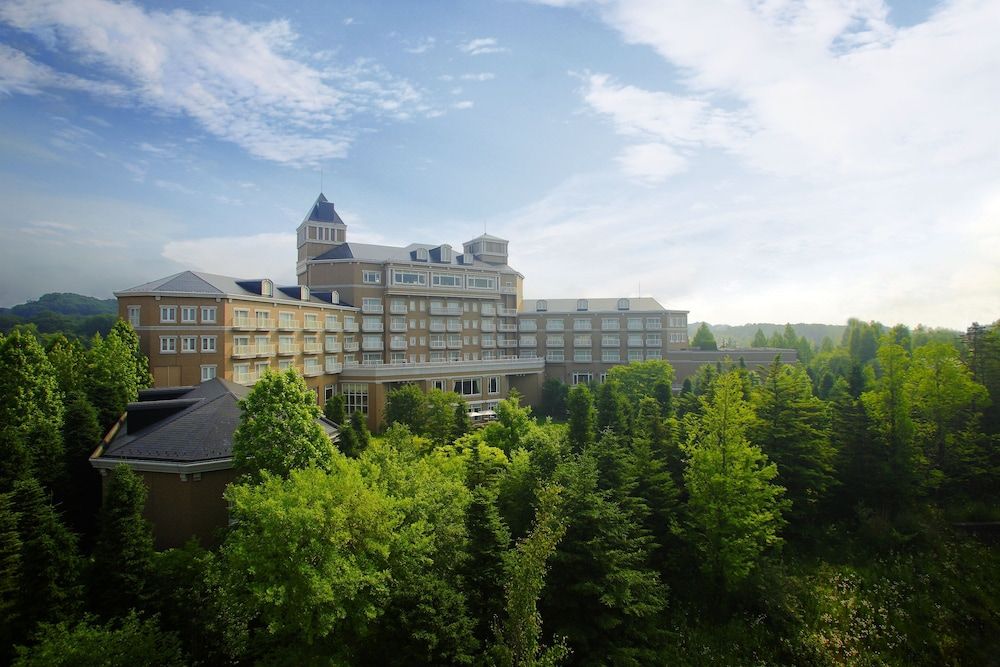
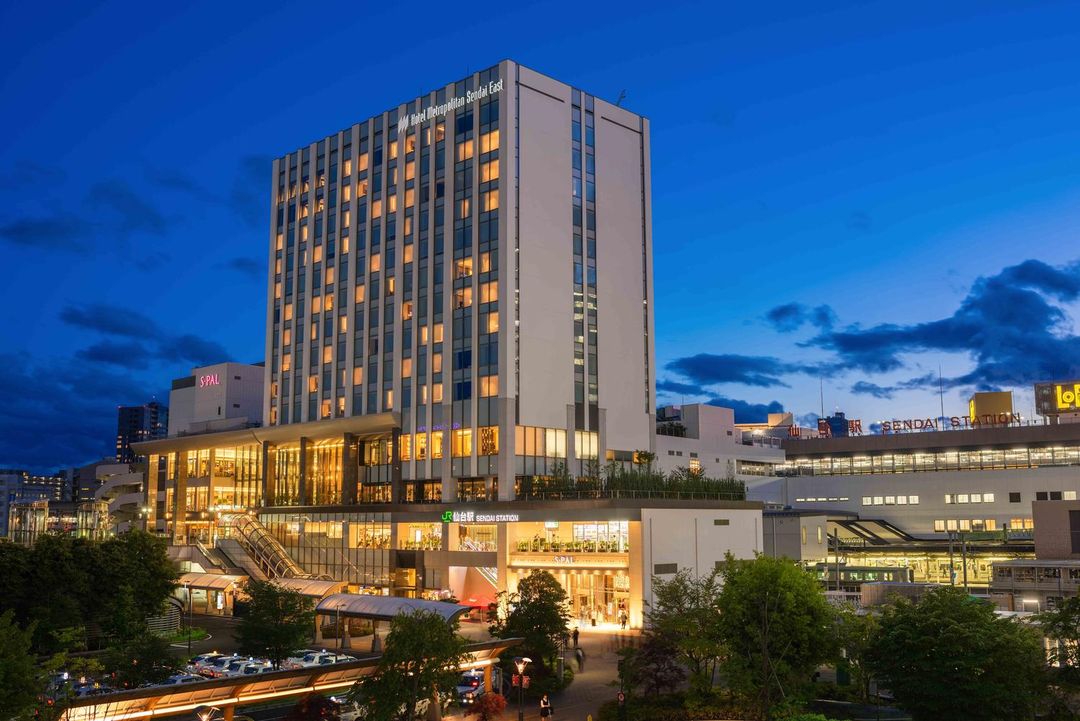
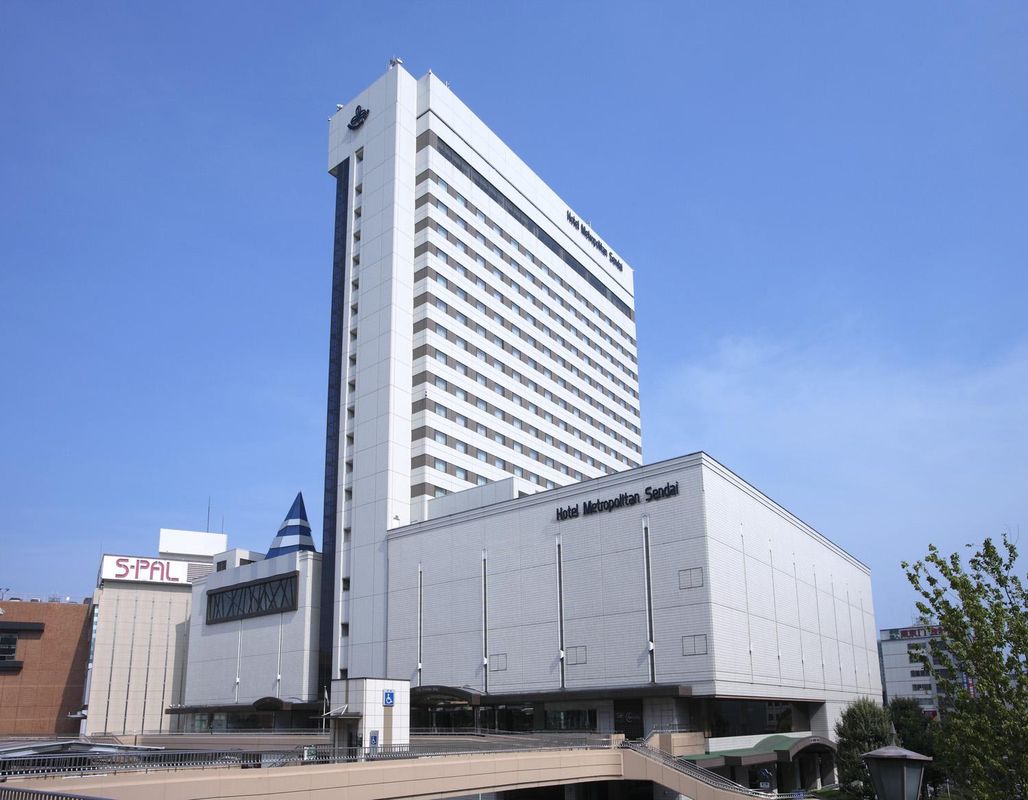
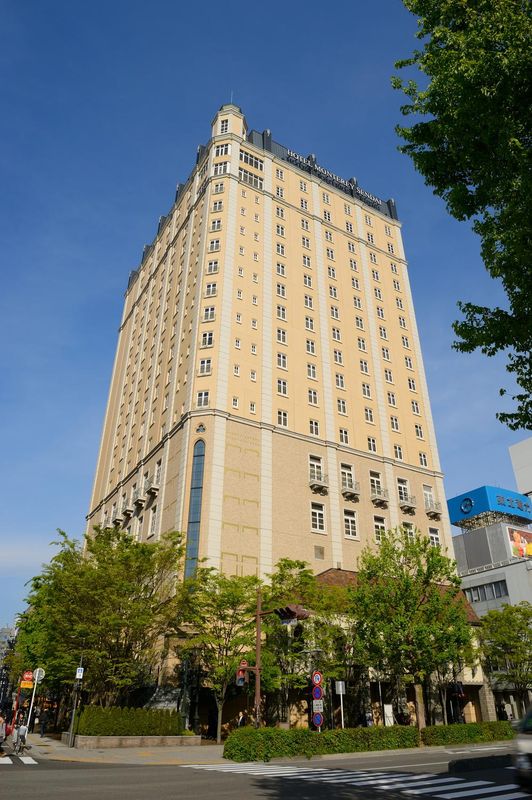
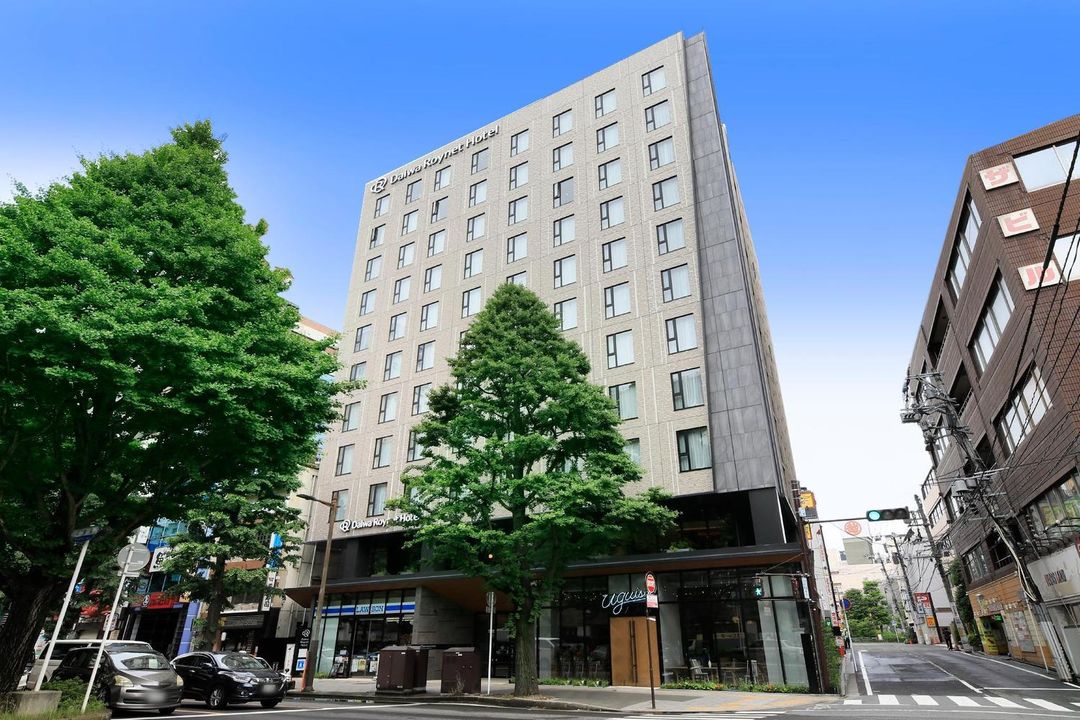
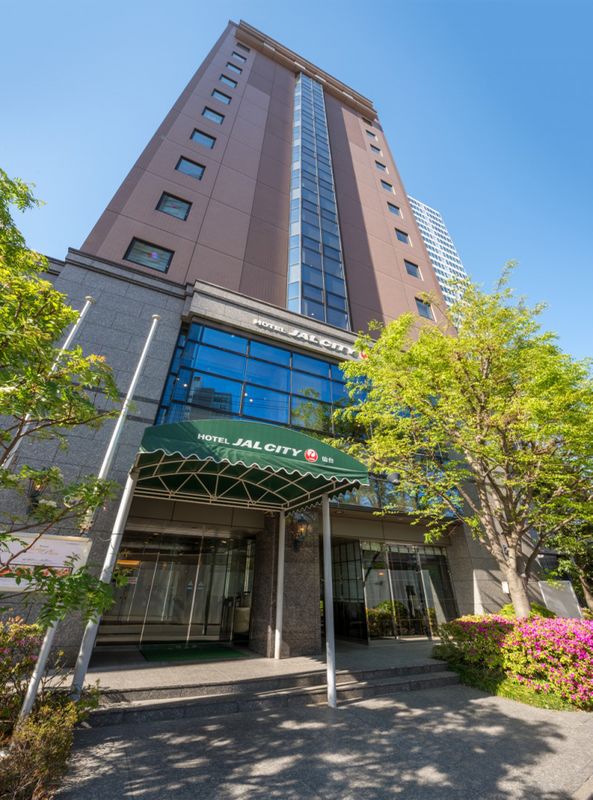
Best Hotels in Sendai
Discover curated hotel collections in Sendai

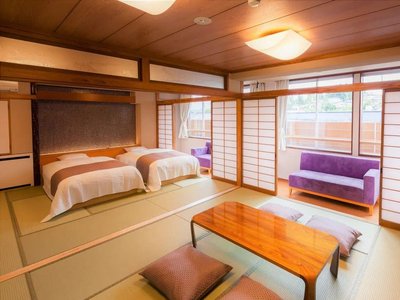
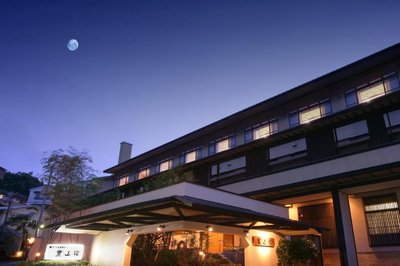
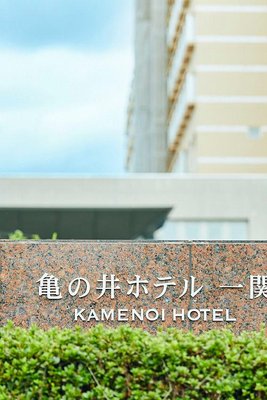
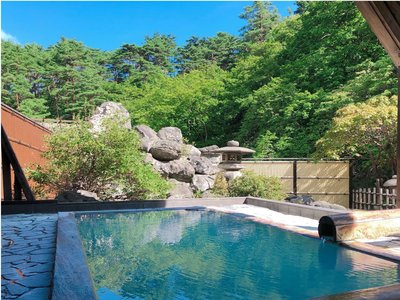

Frequently Asked Questions about Traveling to Sendai
Questions You Might Need to Know About Traveling to Sendai
Sendai Overview
City Summary
Sendai, located in Miyagi Prefecture, is the largest city in Japan's Tohoku region, renowned for its rich history, culture, and natural beauty. Known as the "City of Trees," it blends lush greenery with modern architecture. As the stronghold of feudal lord Date Masamune, Sendai boasts numerous historical sites and is a culinary paradise, especially famous for its beef tongue dishes.
Must-See Attractions
Must-visit sites include Sendai Castle Ruins (Aoba Castle), offering panoramic city views. Zuihoden is the ornate mausoleum of Date Masamune. Jozenji-dori Avenue features beautiful zelkova trees, stunning in autumn. Sendai Mediatheque, designed by architect Toyo Ito, is a modern architectural marvel. Don't miss the vibrant nightlife at Ichibancho shopping district.
Food Guide
Sendai's grilled beef tongue is a must-try, crispy outside and tender inside. Zunda mochi (sweet edamame paste rice cakes) is a unique local dessert. Seafood bowls showcase fresh Pacific Ocean catches. Sendai ramen, with rich broth and chewy noodles, is highly recommended.
Transportation Guide
Sendai has efficient public transport. The subway's Tozai and Nanboku lines cover major attractions. Buses are extensive, accepting IC cards like Suica. Taxis start at around 650 yen, ideal for short trips or groups. The "Loople Sendai" sightseeing bus from Sendai Station is perfect for tourists. Consider day passes for cost savings.
Best Time to Visit
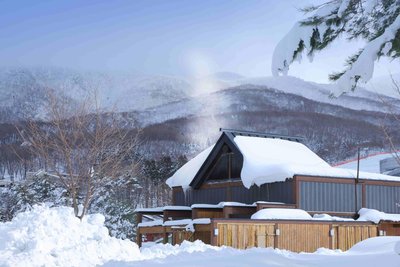
Best visiting periods are spring (April-May) for cherry blossoms or autumn (September-November) for fall foliage. Summers (June-August) are mild but may have typhoons. Winters (December-February) are cold but offer snowy landscapes and hot springs.
Travel Tips
- Visit the tourist information center at Sendai Station for maps and discounts.
- Many restaurants offer affordable lunch sets.
- Maintain quietness when visiting temples, respecting local customs.
- Pack warm clothes for winter and rain gear for summer.
- Set phones to silent mode on public transport.
- Some attractions close on Mondays - check schedules in advance.
Useful Information
Japanese is the main language, but English signs are available at stations and tourist areas. Free WiFi is provided at stations, cafes, and public spaces. Cash remains dominant, though credit cards are accepted at major establishments. Dial 110 for police or 119 for ambulance in emergencies. Drugstores with common medicines are widespread. Electricity is 100V with Type A plugs.









