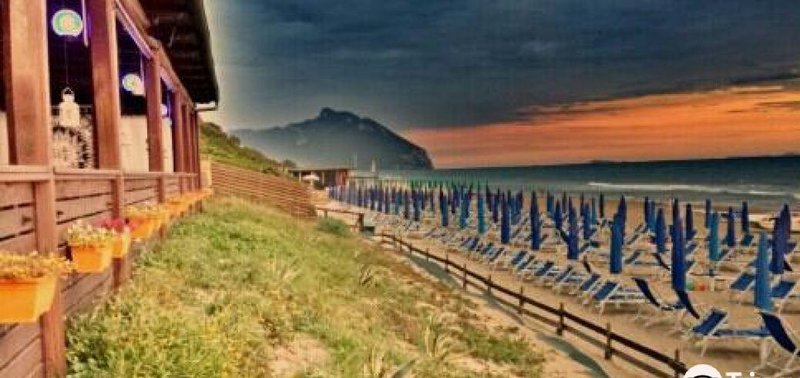
Hotels in Seravezza
Discover your perfect stay in Seravezza.
Seravezza(Italy) Travel 2026: Cheap Flights, Hotels & Top Attractions
Popular Landmarks in Seravezza
Discover the most iconic attractions in Seravezza
Recommended Hotels in Seravezza
Find the perfect place to stay in Seravezza
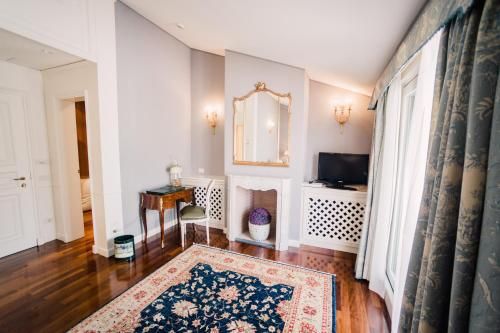
Versilia Golf Resort
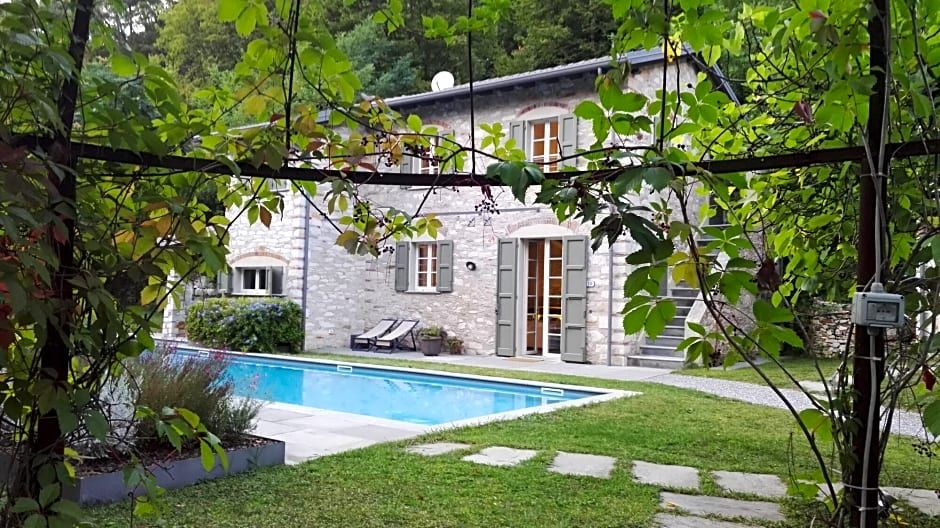
Il Borgo Mediceo
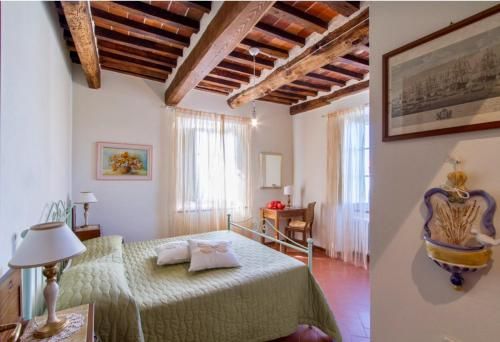
Suite Agave
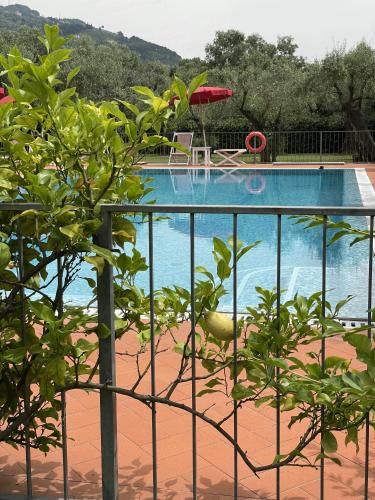
In Versilia
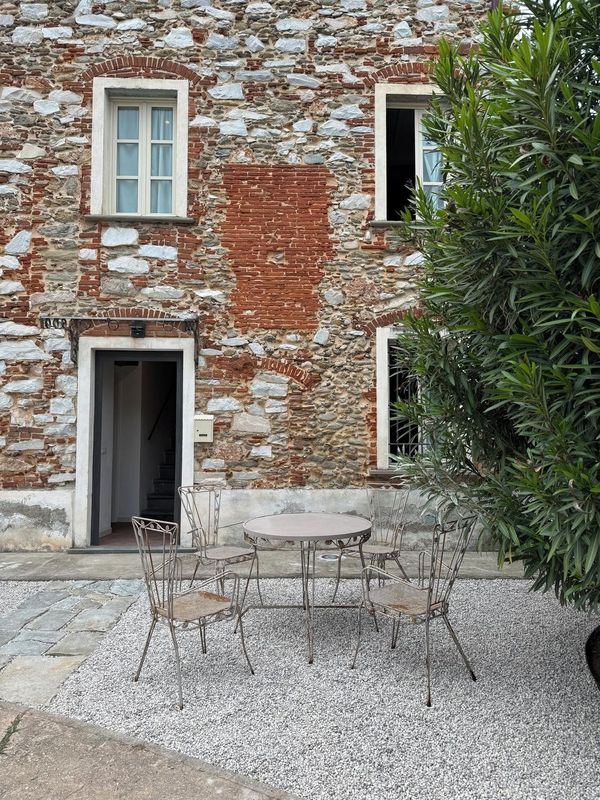
Villa Sofia
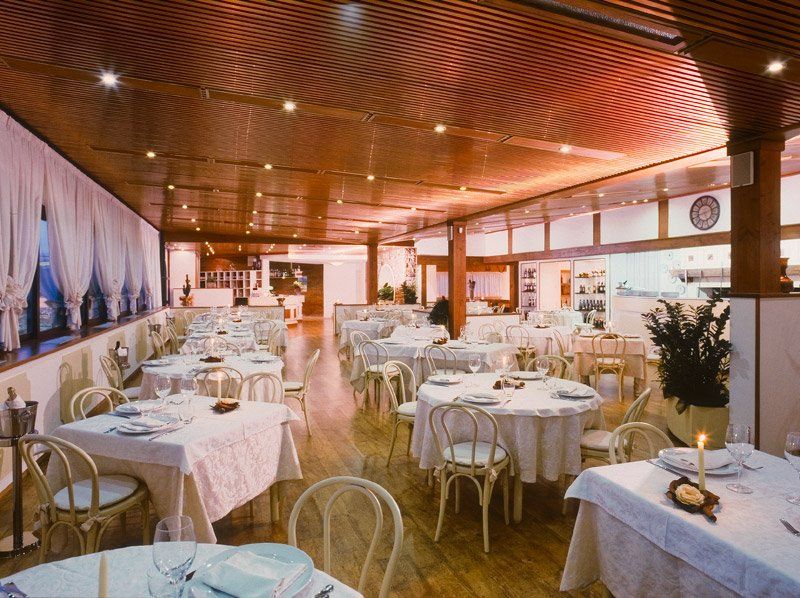
Hotel Da Filiè
Best Hotels in Seravezza
Discover curated hotel collections in Seravezza
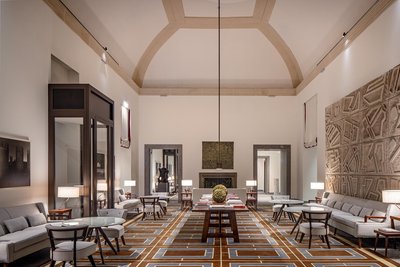
Portrait Milano - Lungarno Collection
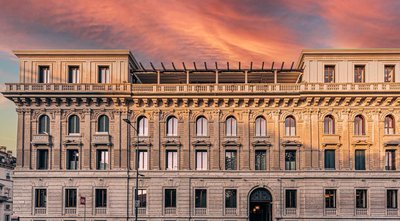
Casa Cipriani Milano
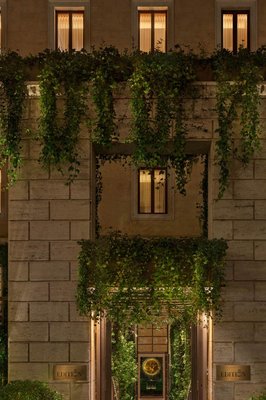
The Rome Edition
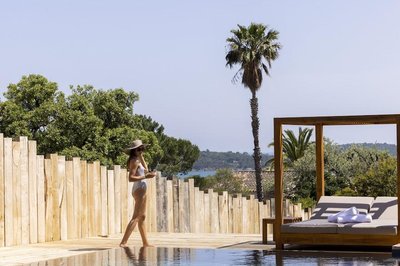
Les Regalia Hôtel & Spa
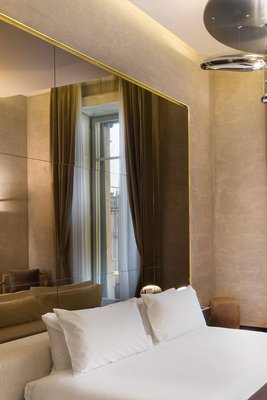
The Glamore Milano Duomo
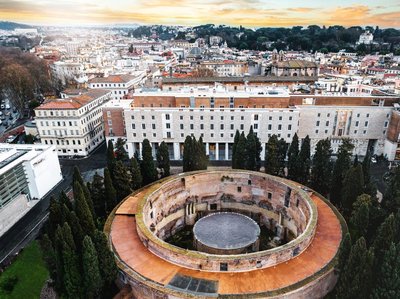
Bulgari Hotel Roma
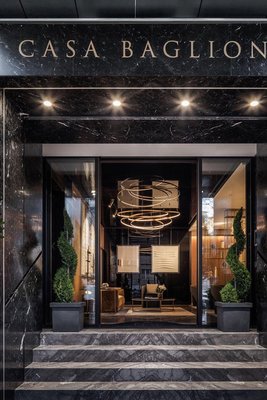
Casa Baglioni Milan - the Leading Hotels of the World
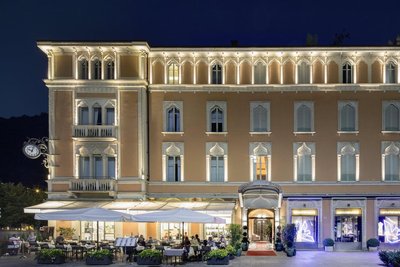
Vista Lago di Como
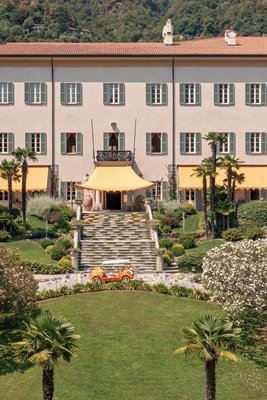
Passalacqua
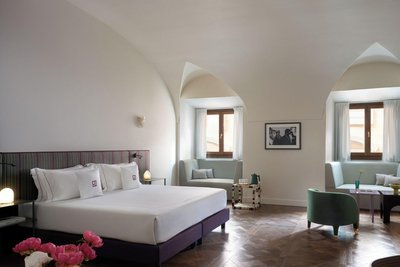
Palazzo Talìa - Small Luxury Hotels of the World
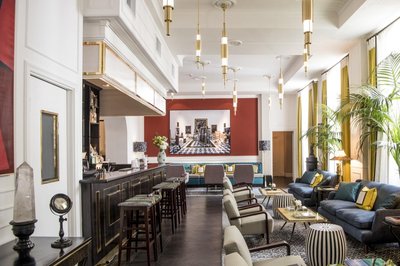
Hotel Vilòn
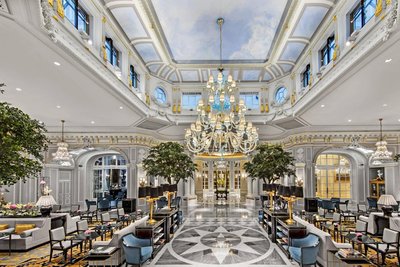
The St. Regis Rome
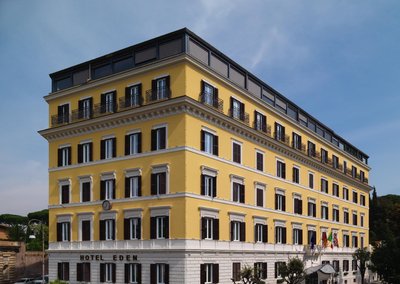
Hotel Eden - Dorchester Collection
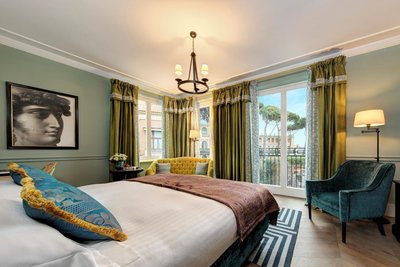
Rocco Forte Hotel de La Ville
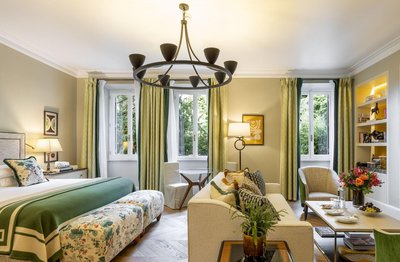
Rocco Forte Hotel De Russie
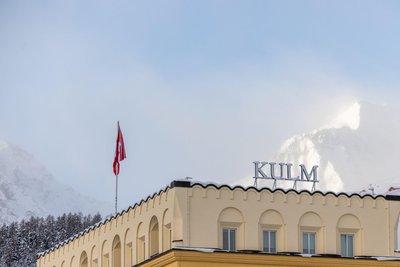
Kulm Hotel St. Moritz
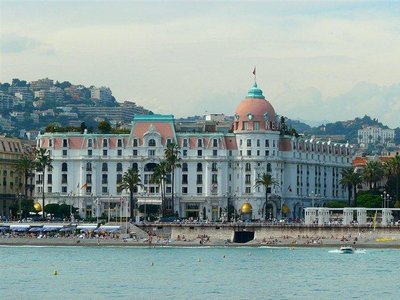
Hotel le Negresco
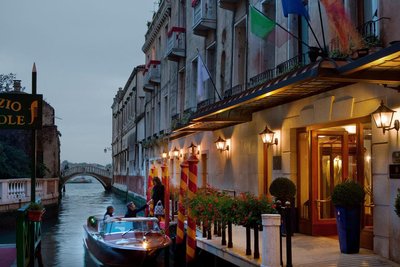
Baglioni Hotel Luna
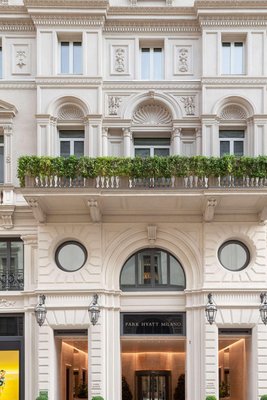
Park Hyatt Milan
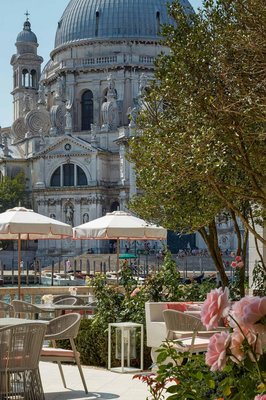
The St. Regis Venice
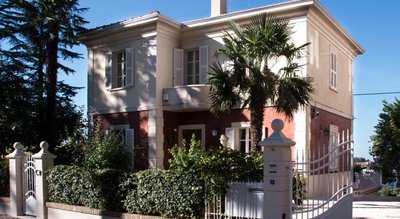
Residenza Ambrogi
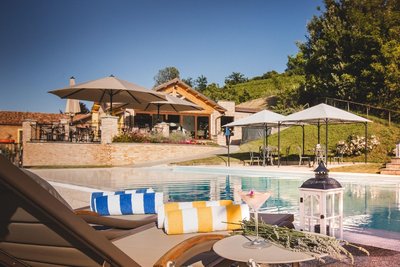
Relais Almaranto
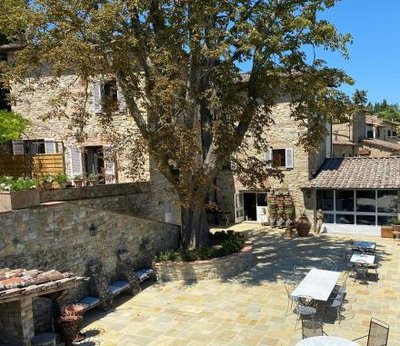
Villa la Petraia
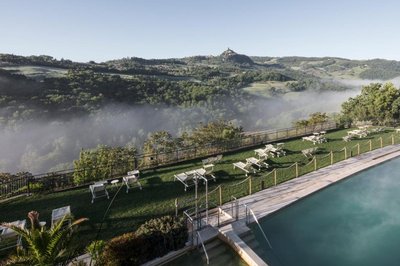
La Posta Hotel & Thermal Spa
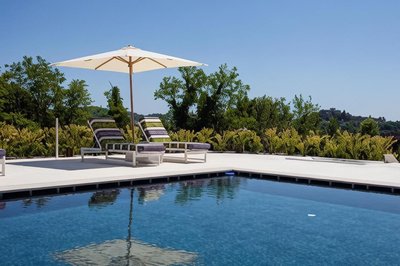
Villa Francesca Relais
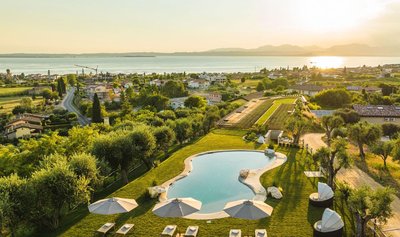
Privilegium Lazise
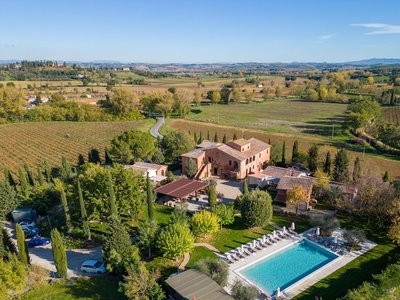
Borgo San Vincenzo
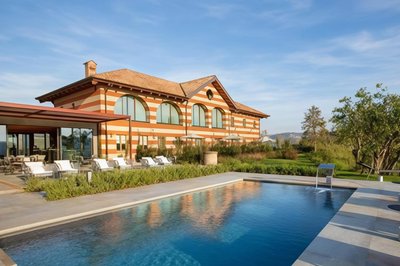
Villaggio Narrante - Cascina Galarej
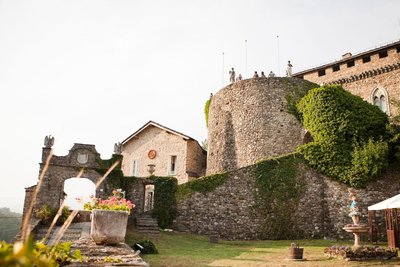
Castello di Compiano Hotel Relais Museum
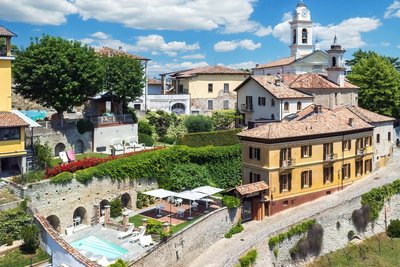
Relais Villa del Borgo
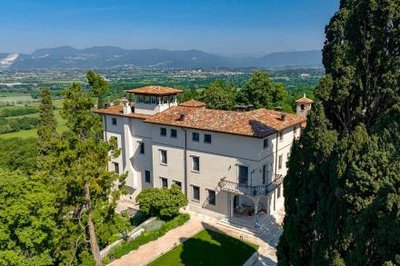
Eremus Relais
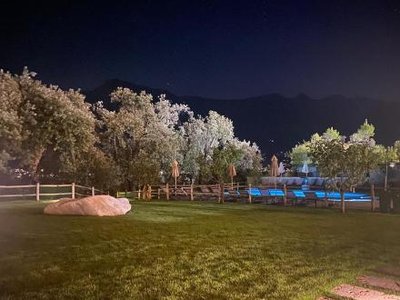
Sibenbras Natural Aparthotel
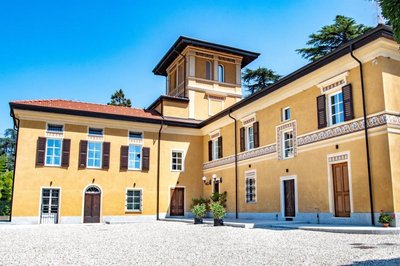
Capriccio Art Hotel
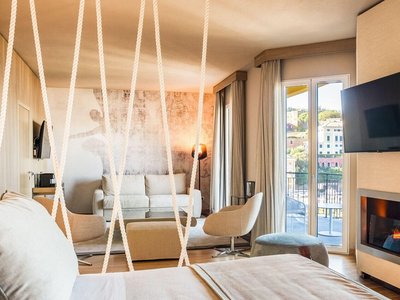
Miramare Suites
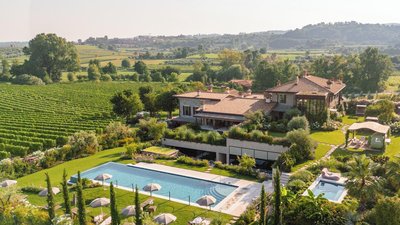
Conti Thun Wine Resort
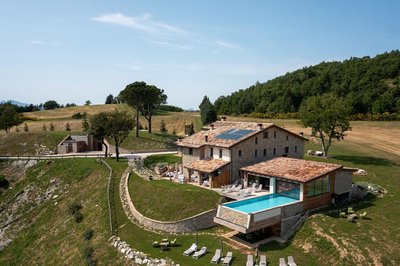
Aura Relais
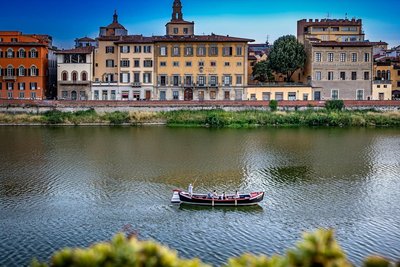
Il Rivalta
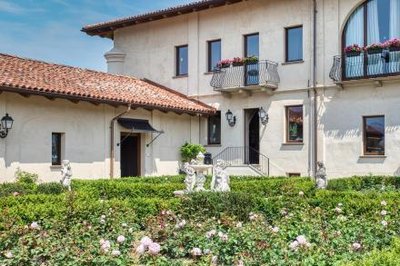
Relais le Due Matote
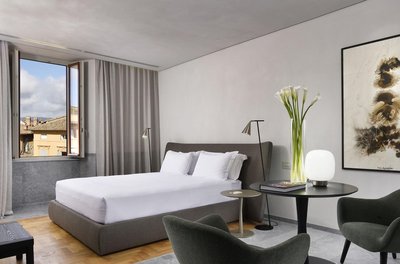
The Bank - Locanda Della Posta Dependance
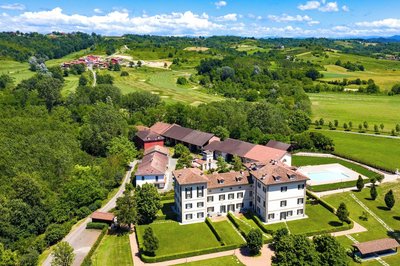
Villa Raggi
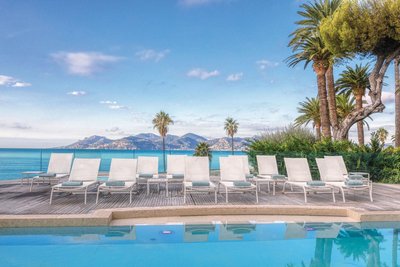
Canopy by Hilton Cannes
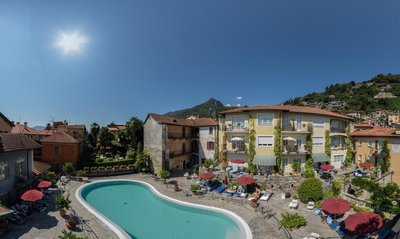
Hotel Cannero
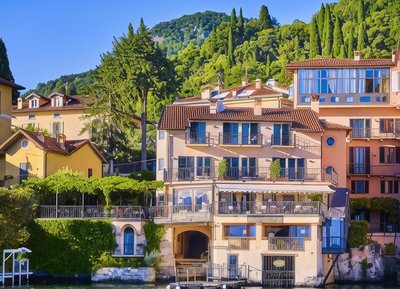
Casa du Lac, by R Collection Hotels
Sibenbras Natural Aparthotel
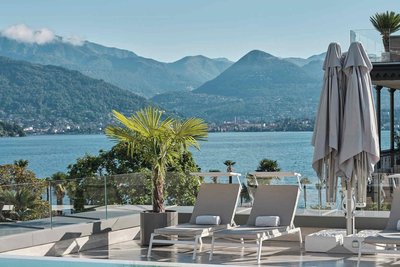
Boutique Hotel Stresa
Miramare Suites
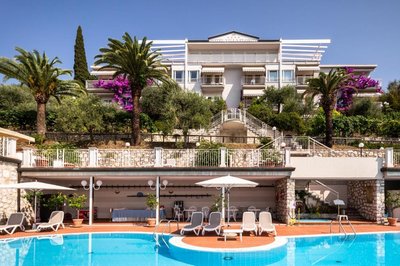
Hotel Villa Florida & Suite Apartments
Il Rivalta
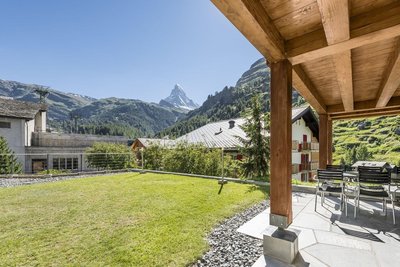
Ari Resort Apartments
Vista Lago di Como
Passalacqua
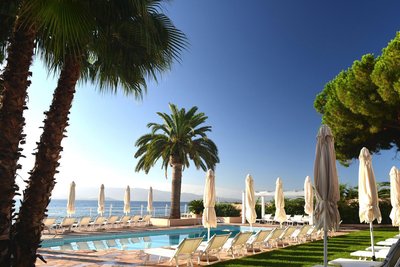
Hôtel les Mouettes - Teritoria
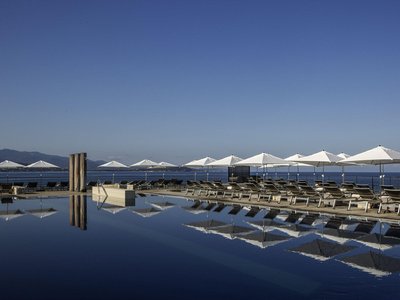
Sofitel Golfe d'Ajaccio Thalassa Sea & Spa
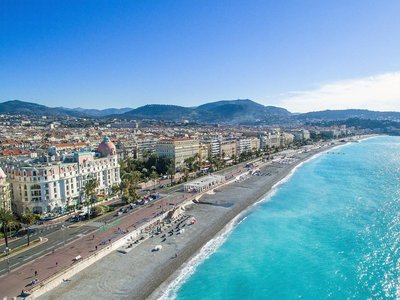
Hotel Suisse Nice
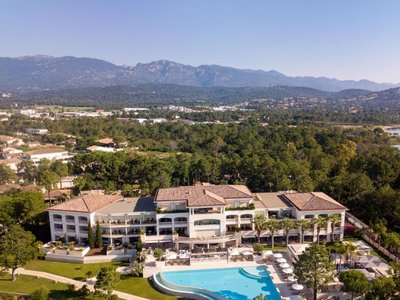
Hotel Don Cesar
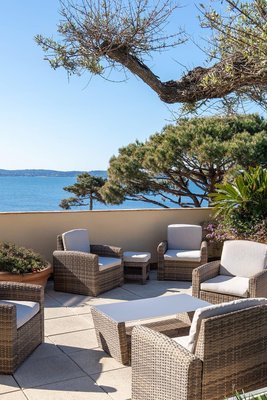
Best Western Premier Montfleuri
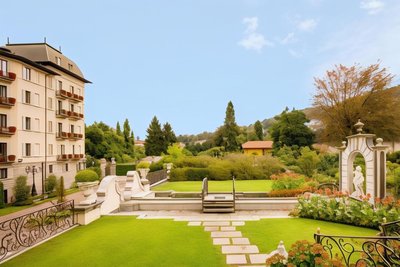
Hotel Regina Palace
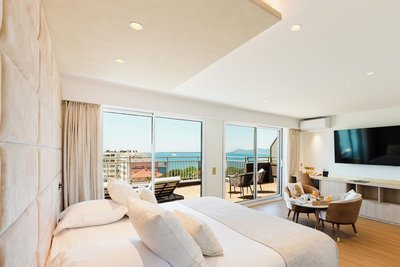
Hôtel Hélios
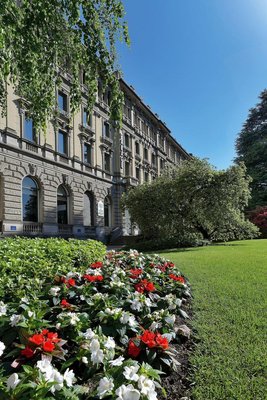
Palace Hotel Lake Como
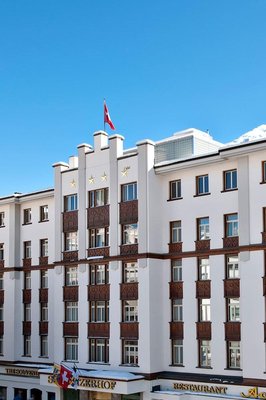
Hotel Schweizerhof St. Moritz
Castello di Compiano Hotel Relais Museum
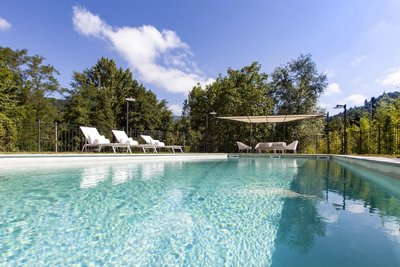
Castello di Pontebosio Luxury Resort
Passalacqua
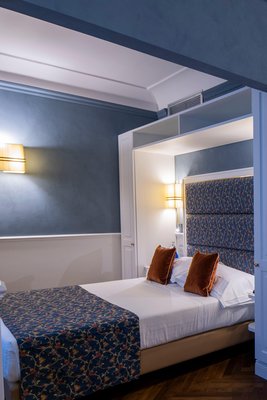
Rivoli Boutique Hotel
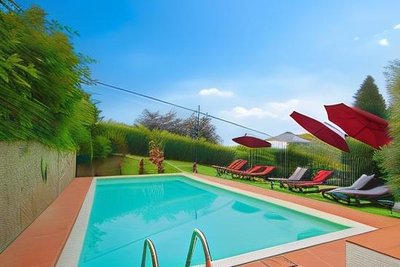
Hotel Villa Sermolli
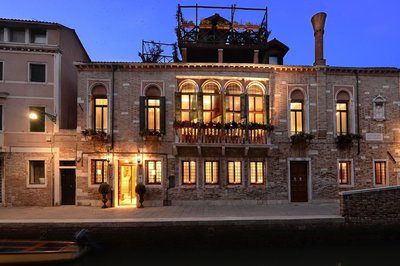
Palazzetto Madonna
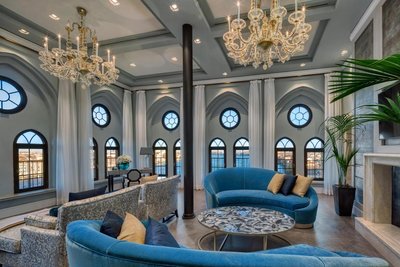
Hilton Molino Stucky Venice
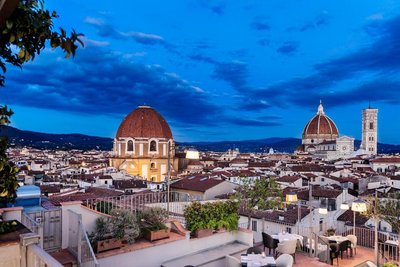
Grand Hotel Baglioni
Hotel Suisse Nice
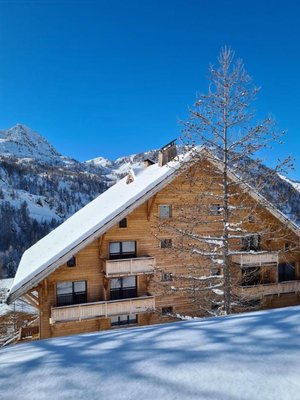
Chalet Marano Restaurant & Spa
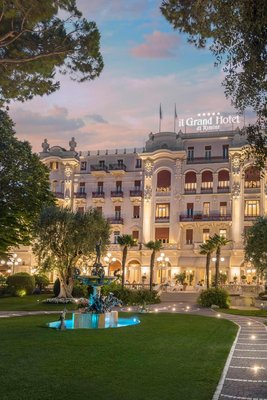
Grand Hotel Rimini

Palazzetto Pisani Grand Canal
The St. Regis Rome
Hotel Schweizerhof St. Moritz
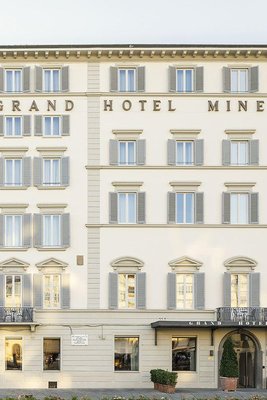
Grand Hotel Minerva
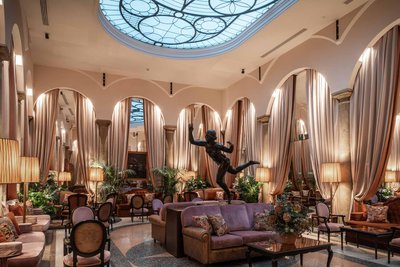
Grand Hotel et de Milan - the Leading Hotels of the World
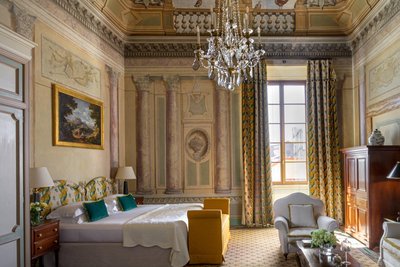
Grand Hotel Continental Siena - Starhotels Collezione
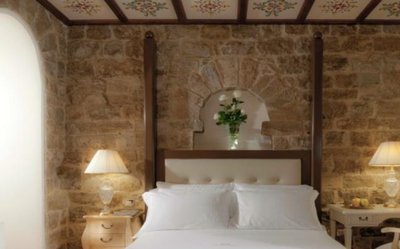
Golden Tower Hotel & Spa
Hotel le Negresco
Baglioni Hotel Luna
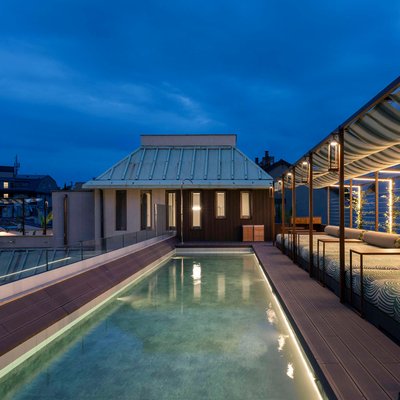
Radisson Collection Hotel Santa Sofia Milan
Bulgari Hotel Roma
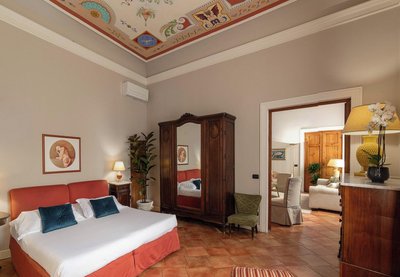
Palazzo Alfani - Residenza d'Epoca
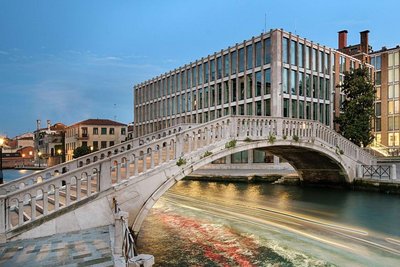
Avani Rio Novo Venice Hotel
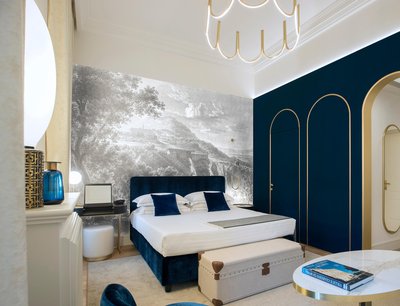
Elizabeth Unique Hotel Rome By Design Hotels
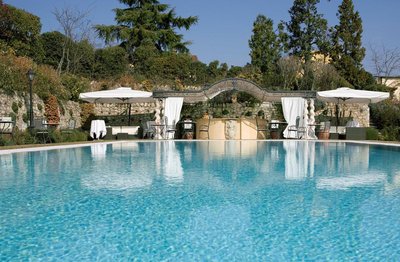
Byblos Art Hotel Villa Amista
Grand Hotel Minerva
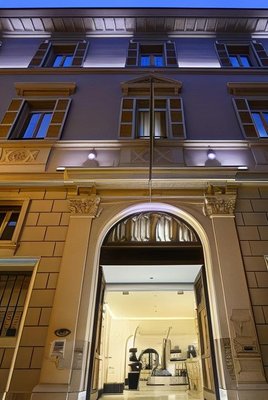
The First Arte - Preferred Hotels & Resorts
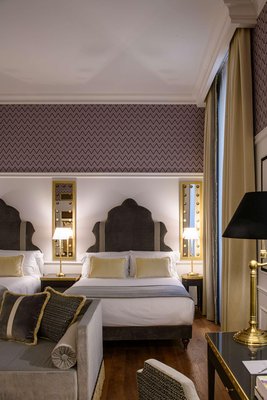
Il Tornabuoni Unbound
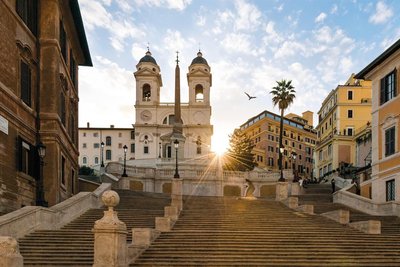
Hassler Roma
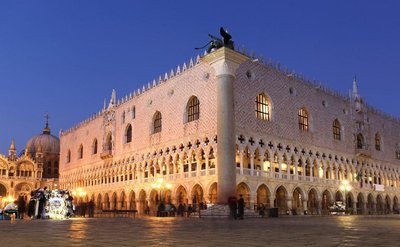
Ai Mori d'Oriente
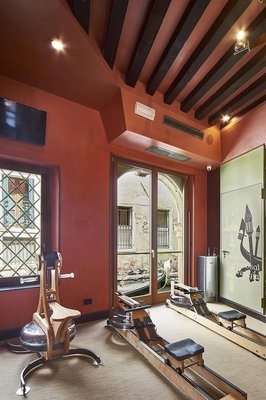
Hotel Saturnia & International
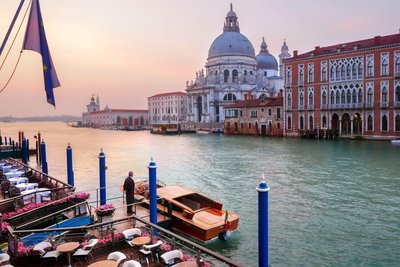
The Gritti Palace, a Luxury Collection Hotel, Venice
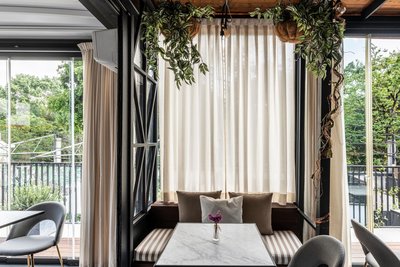
Horti 14 Borgo Trastevere Hotel
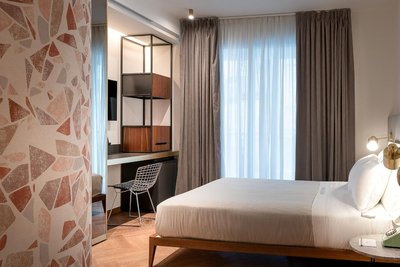
The Box Riccione - Adults Only
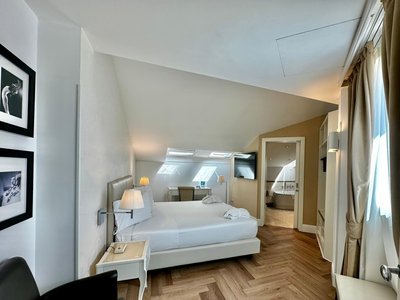
Maison Milano | UNA Esperienze
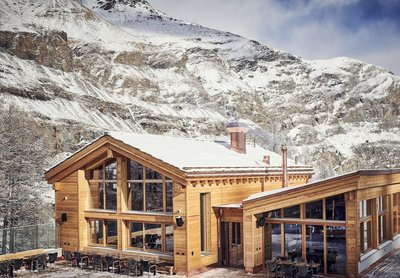
Matthiol Boutique Hotel
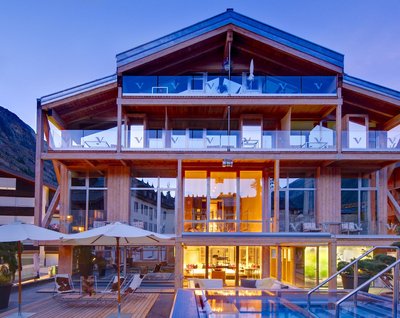
Backstage Boutique Spa Hotel
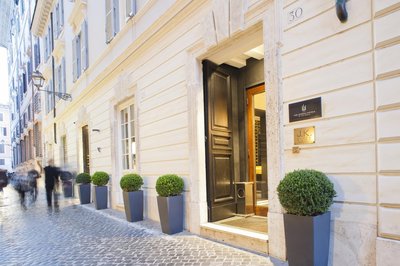
J.K. Place Roma - the Leading Hotels of the World
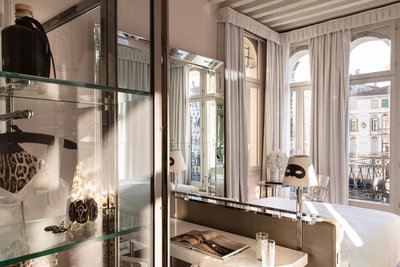
Palazzina Grassi
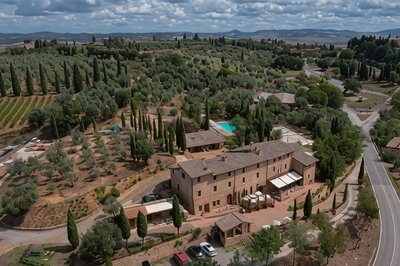
Il Miraggio in Val d'Orcia Relais & Spa
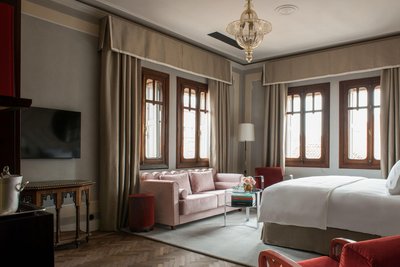
Nolinski Venezia - Evok Collection
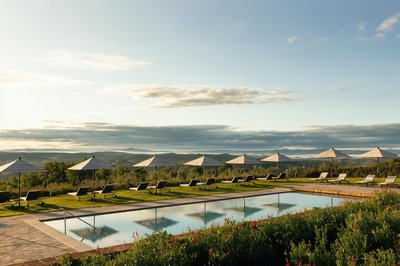
The Club House
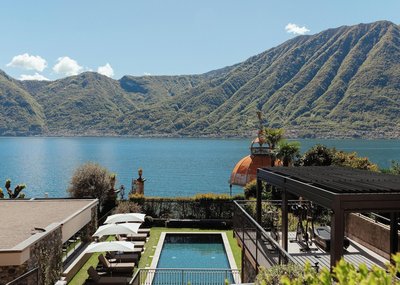
MUSA Lago di Como
Radisson Collection Hotel Santa Sofia Milan
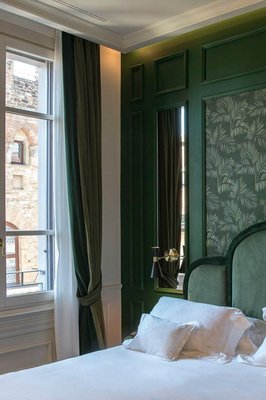
Hotel la Gemma
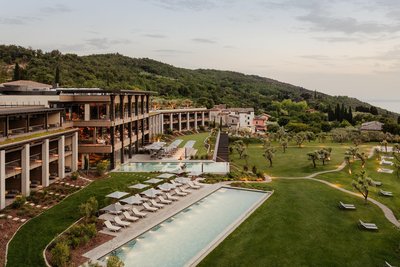
Cape of Senses
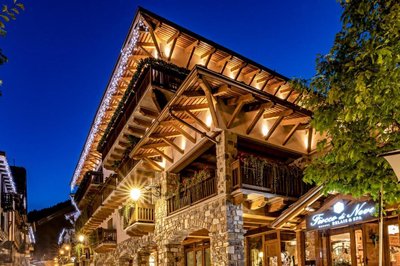
Fiocco di Neve Relais & Spa
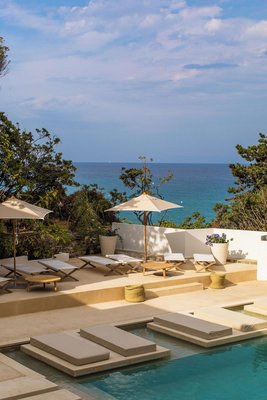
Misincu
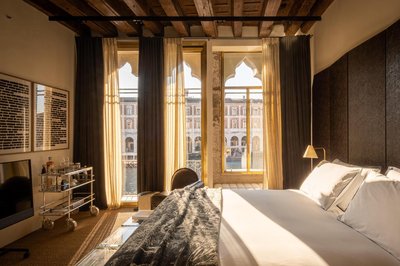
The Venice Venice Hotel
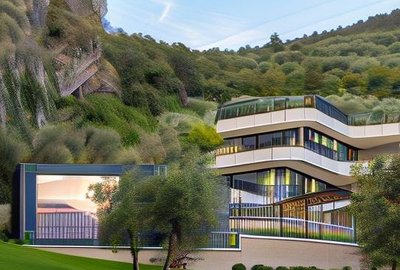
Gardea SoulFamily Resort
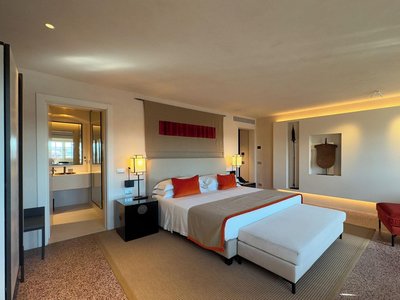
Hotel Palazzo Durazzo Suites
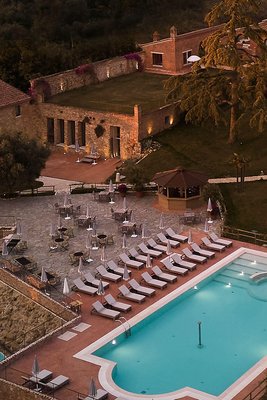
Precise Tale Poggio Alla Sala
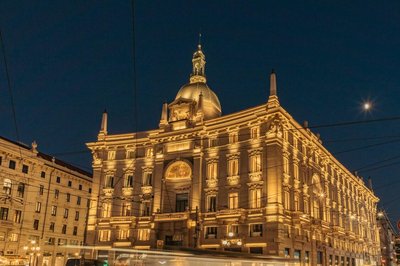
Palazzo Cordusio Gran Meliá – The Leading Hotels of the World
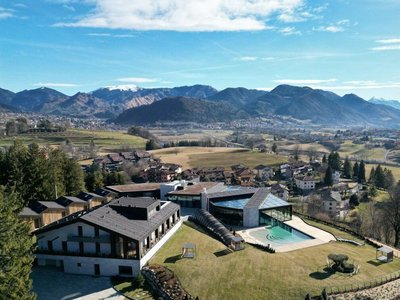
Collina Luxury Relais
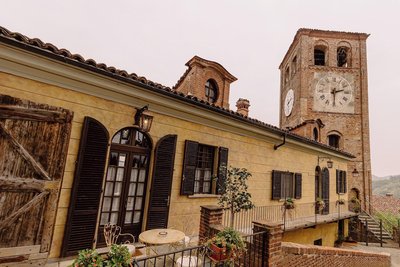
Castello di Casalborgone - Luxury Castle
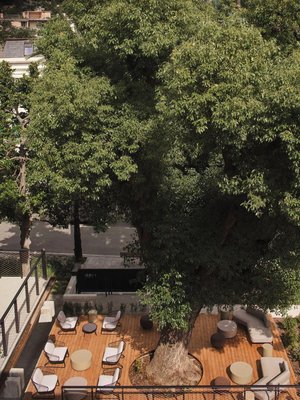
Capitolo Riviera
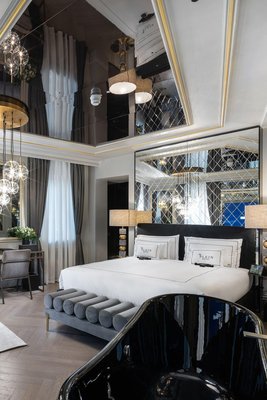
The Plein Hotel - Small Luxury Hotels of the World
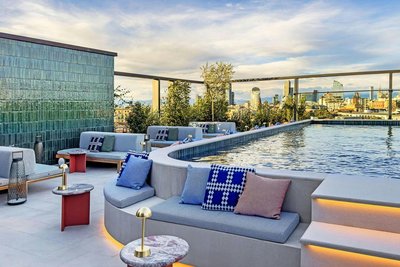
Casa Brera, a Luxury Collection Hotel, Milan
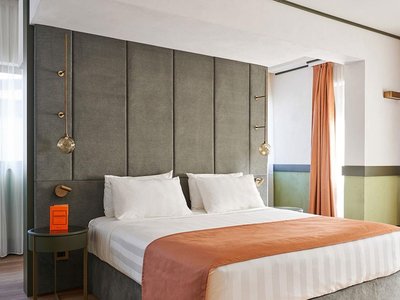
NEMI Hotel
Casa Baglioni Milan - the Leading Hotels of the World
Grand Hotel Baglioni
Hotel Eden - Dorchester Collection
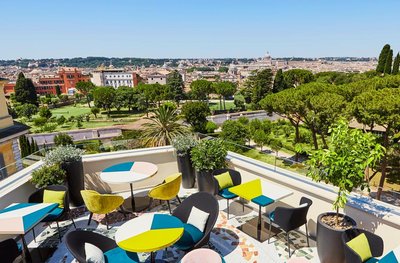
Sofitel Roma Villa Borghese
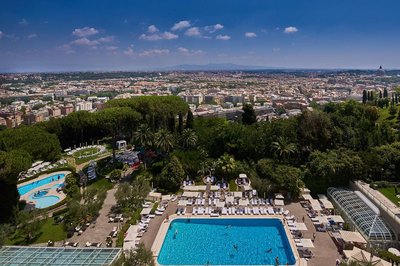
Rome Cavalieri, A Waldorf Astoria Hotel
The First Arte - Preferred Hotels & Resorts
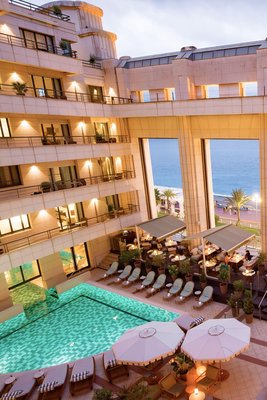
Hyatt Regency Nice Palais de la Méditerranée
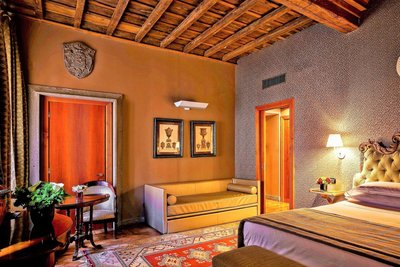
Hotel Valadier
Baglioni Hotel Luna
The St. Regis Venice
Hassler Roma
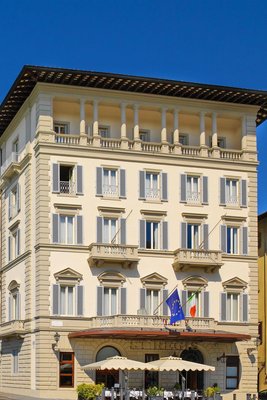
The St. Regis Florence
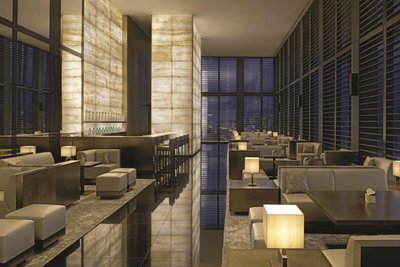
Armani Hotel Milano
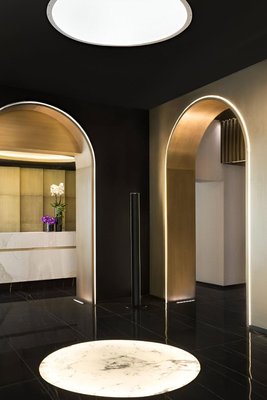
The Pantheon Iconic Rome Hotel, Autograph Collection
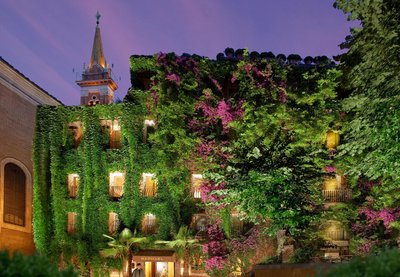
Bio Hotel Raphael - Relais & Châteaux
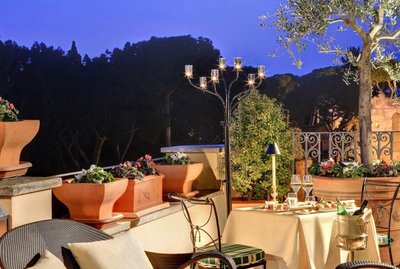
Hotel Splendide Royal - the Leading Hotels of the World
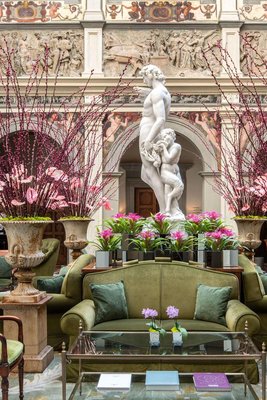
Four Seasons Hotel Firenze
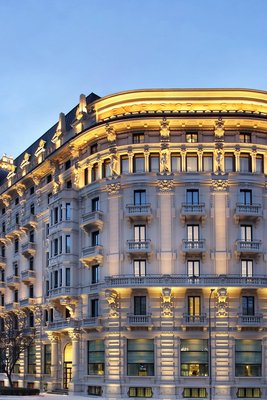
Excelsior Hotel Gallia, a Luxury Collection Hotel, Milan
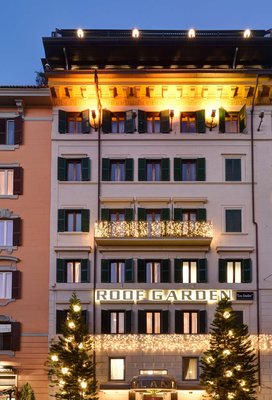
Atlante Star Hotel
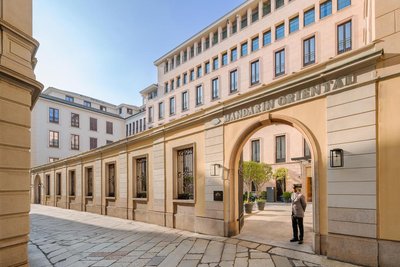
Mandarin Oriental, Milan
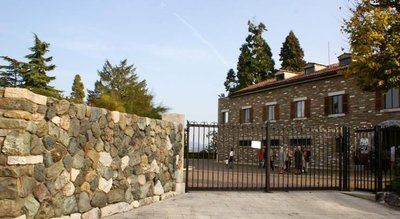
Villa Ottolenghi Wedekind
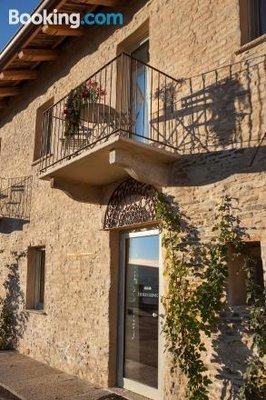
Borgese Camere e Suites
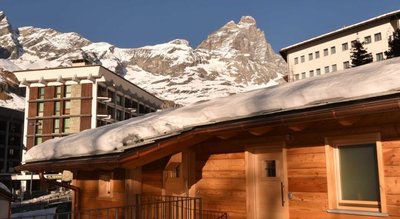
Il Cuore Del Cervino
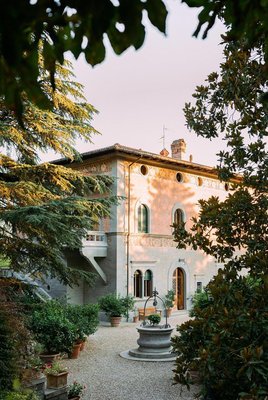
Villa la Commenda Concordia
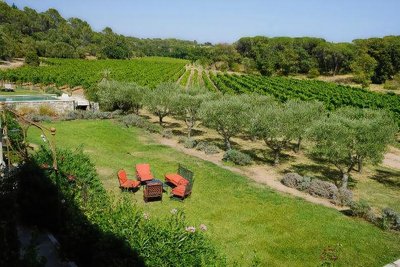
La Bastide du Clos des Roses
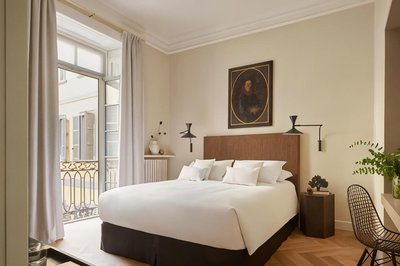
Crossing Manzoni
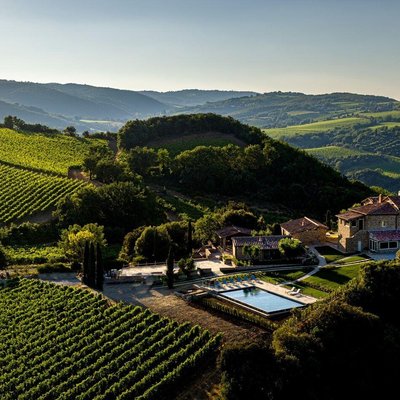
Mastrojanni Relais
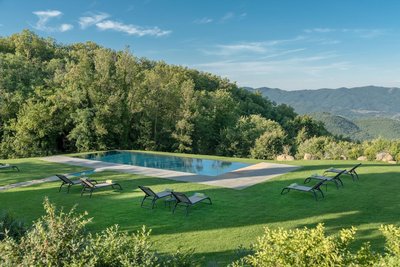
Badia di Pomaio
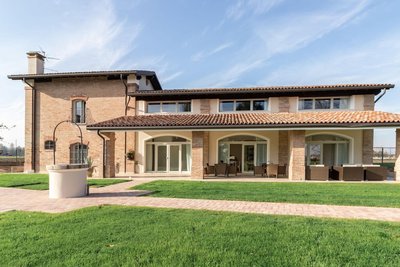
Monteborre
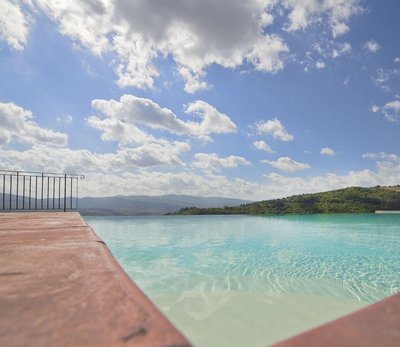
Castello Vicchiomaggio
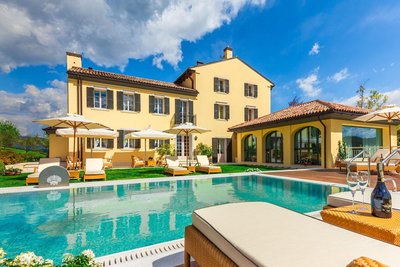
Romantik Relais d'Arfanta
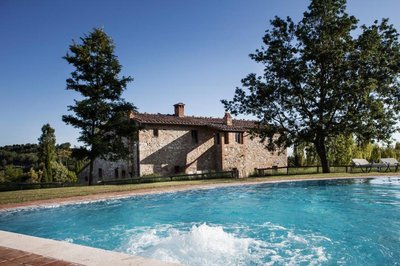
B&B - Podere Monti
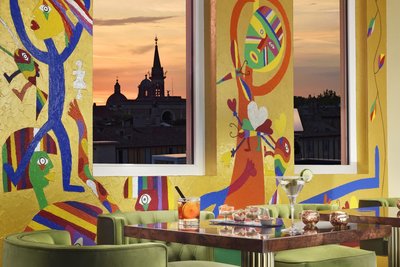
Lifestyle Suites Rome
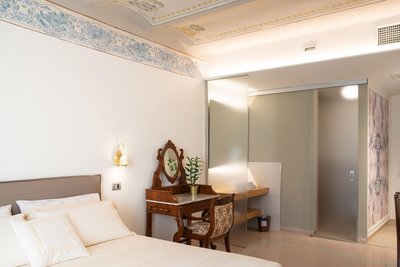
Portica10
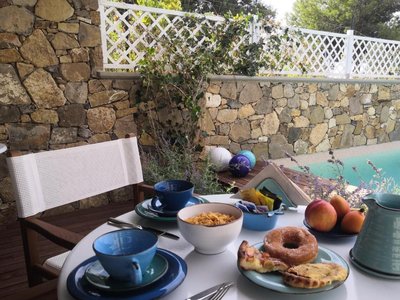
Stile Libero b&b
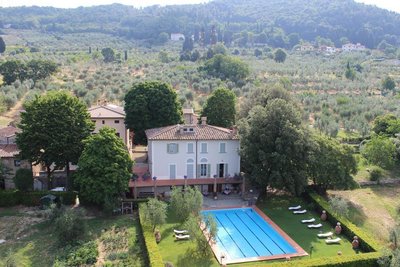
Borgo I Vicelli
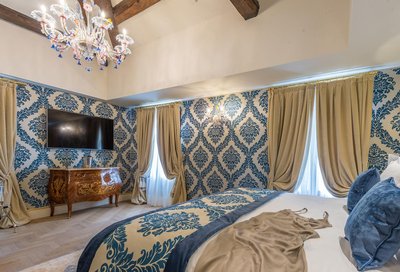
Ai Patrizi di Venezia
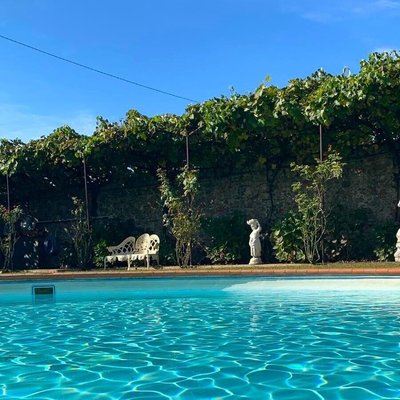
Villa la Preziosa
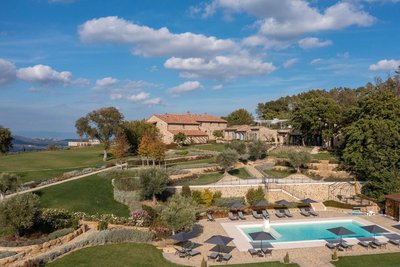
I Borghi Dell'Eremo
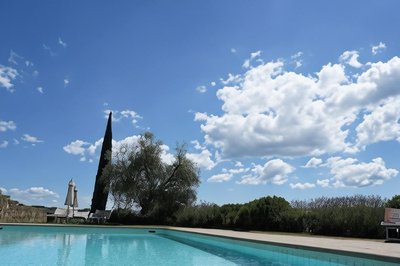
Wine Resort Dievole

Hotel Barrière Fouquet's New York
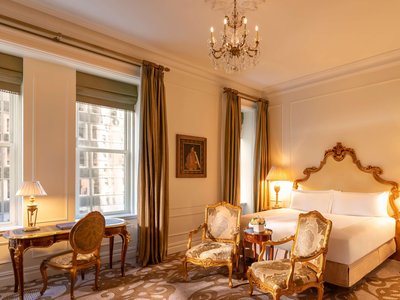
The Plaza - A Fairmont Managed Hotel
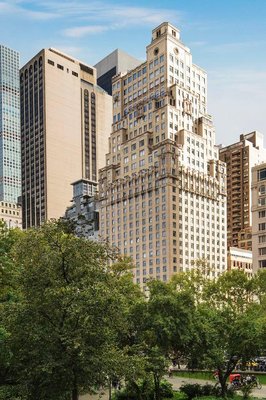
The Ritz-Carlton New York, Central Park

Four Seasons Hotel New York
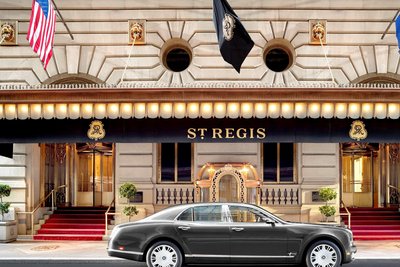
The St. Regis New York
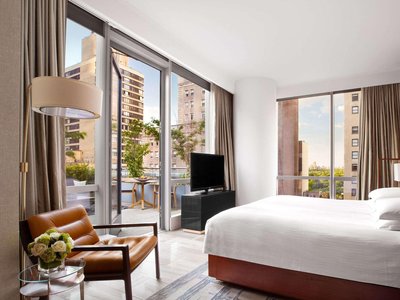
Park Hyatt New York
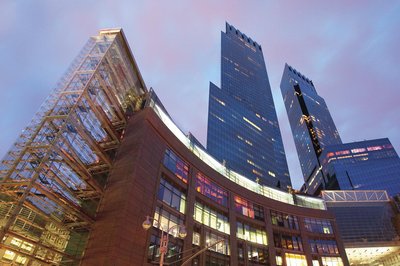
Mandarin Oriental New York
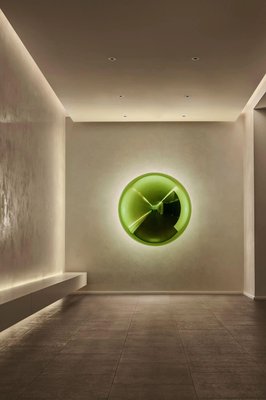
Times Square Edition New York
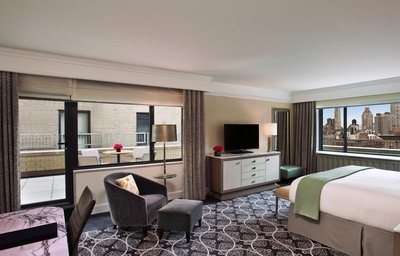
Loews Regency New York Hotel
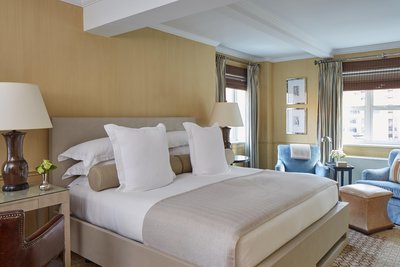
Lowell Hotel
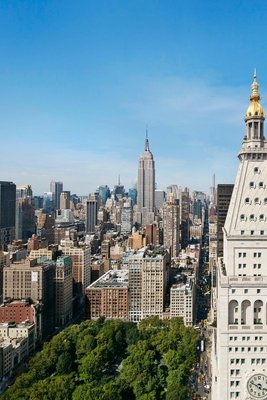
New York Edition
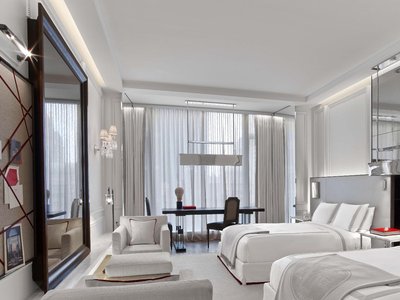
Baccarat Hotel New York
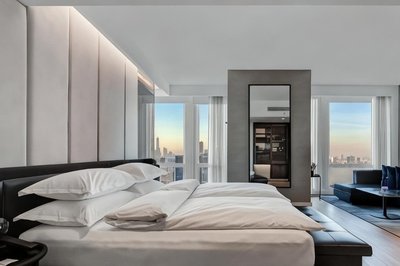
Equinox Hotel New York
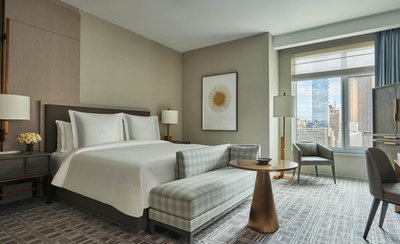
Four Seasons Hotel New York Downtown
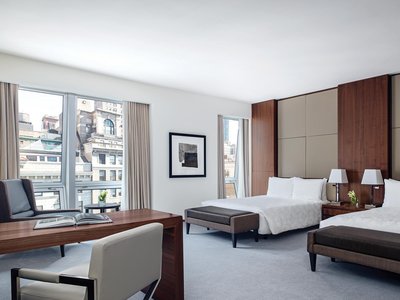
The Langham, New York, Fifth Avenue
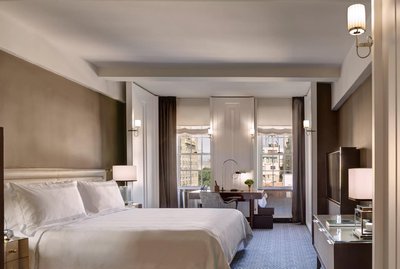
The Carlyle, A Rosewood Hotel

The Chatwal, in the Unbound Collection by Hyatt
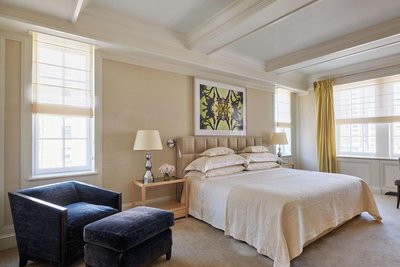
The Mark New York
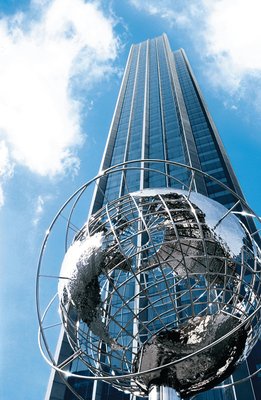
Trump International Hotel & Tower® New York
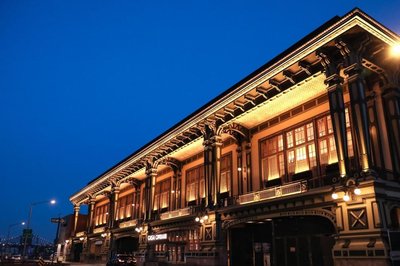
Casa Cipriani New York
Frequently Asked Questions about Traveling to Seravezza
Questions You Might Need to Know About Traveling to Seravezza
In Serravalle, the top boutique stay is La Dimora di San Giorgio, a restored 16th-century farmhouse nestled in rolling vineyards. This intimate retreat blends Renaissance architecture with modern comforts, featuring private terraces overlooking olive groves and a heated pool. Each room offers handcrafted furnishings and local art.
Another standout is Villa Le Pianelle, a secluded agriturismo with organic gardens and a wine cellar. Guests enjoy farm-to-table dinners using ingredients from on-site orchards. Both properties host wine tastings, cooking classes with local chefs, and guided hikes through Val d’Orcia—perfect for travelers seeking authenticity and tranquility in Tuscany’s heartland.
The town center of Serravalle is ideal for accommodations, offering easy access to Piazza del Popolo, historic churches, and family-run restaurants. It’s safe, walkable, and centrally located for exploring nearby gems like Montepulciano and Val d’Orcia.
For peace and privacy, consider rural villas on the outskirts, many of which offer private pools and panoramic views. These are perfect for couples or families wanting seclusion, though HopeGoo ahead is essential—especially during peak season. All options provide authentic Tuscan charm with minimal tourist crowds.
Don’t miss the Olive Oil Festival (Festa dell’Olio) held every October, where locals press fresh olives and share samples of golden extra virgin oil. You can even take home limited-edition bottles.
Visit San Giorgio Church, where weekly masses feature traditional choral music in Latin and Italian, echoing centuries-old traditions. Also explore Ceramica Antica, a workshop where artisans demonstrate ancient pottery techniques using hand-thrown wheels. Guests can create their own hand-painted ceramic piece, a lasting memory of your time in authentic Tuscany.
Serravalle’s cuisine centers on traditional Tuscan flavors: try Ribollita, a hearty vegetable and bread soup enriched with olive oil; and Bistecca alla Fiorentina, a thick-cut steak grilled over oak, served rare with sea salt and rosemary.
Local wines shine too—especially Vino Nobile di Montepulciano, made from Sangiovese grapes. Many restaurants, like Osteria del Sole, offer farm-to-table dining, sourcing ingredients from nearby organic farms. Even the bread is stone-ground, showcasing respect for local terroir and heritage cooking.
Yes, Serravalle is excellent for families. The town has child-friendly walking trails, such as the path to Monte San Michele, where kids can spot deer, wild boars, and birds amid pine forests.
Many guesthouses offer family packages including pottery workshops, olive harvesting, and horseback riding. Agriturismo La Collina features a small animal enclosure with goats, sheep, and ponies—ideal for young explorers. At night, enjoy stargazing under pristine skies, one of Europe’s darkest zones, making it perfect for quiet, nature-filled family memories.
The best way to explore Serravalle is by car, allowing scenic drives through vineyard-lined roads and access to hidden viewpoints like Val d’Orcia Panorama. Public transport is limited but viable: TuscanBus runs daily from Montepulciano and Val d’Orcia, taking about 30 minutes.
International travelers should fly into Florence Peretola Airport (FLR), 70 km away. Renting a car or arranging a private transfer is recommended. Book early—especially in summer—as narrow mountain roads and low bus frequency make alternatives challenging.
The ideal times to visit Serravalle are spring (April–June) and autumn (September–October). Temperatures hover around 20–25°C, perfect for hiking, cycling, and outdoor dining. Spring brings blooming wildflowers; autumn offers harvest festivals and golden light across the hills.
Summer (July–August) is warm but crowded and expensive. Winter (November–March) is cool, sometimes snowy, but offers peaceful solitude and stunning winter landscapes—ideal for photography and quiet reflection. Avoid peak season for a more immersive experience.
For couples, La Casa delle Stelle is a dream—a hilltop villa with a private hot tub and panoramic views of endless vineyards. Wake up to sunrise over the valley, sip Tuscan red wine, and dine under the stars.
Book a private dinner at a converted farmhouse restaurant, featuring seasonal menus crafted by a local chef. Afterward, stroll through Piazza del Popolo, lit by lanterns, listening to distant church bells. Or join a ceramic workshop, creating matching mugs together—a symbolic keepsake of your journey through romantic Tuscany.
Visit the weekly market at Piazza del Popolo (Wednesdays & Saturdays), where local farmers sell organic olive oil, pecorino cheese, and honey in rustic packaging—ideal gifts.
Stop by Ceramica Antica, a family-run studio crafting hand-painted ceramics inspired by Tuscan motifs. Each piece is unique. Also check La Bottega del Gusto, which offers curated gift boxes of limited-edition wines, herbal soaps, and natural oils—all made by small producers. These purchases support local craftsmanship and sustainability.
Key landmarks include San Giorgio Church, built in the 13th century, with preserved frescoes depicting Saint George slaying the dragon. Its stone walls echo centuries of devotion.
Nearby, the Roman ruins of Via Cassia reveal remnants of an ancient trade route connecting Rome to northern Italy. Inscribed stones and arches hint at imperial pasts. During Easter, the church hosts a solemn procession with torchlight and chanting—offering a rare glimpse into enduring religious tradition in rural Tuscany.
Seravezza Overview
City Summary
Seravezza is a charming town in Tuscany, Italy, renowned for its rich history and cultural heritage. As a center of marble quarrying, it offers stunning views of the Apuan Alps. The town's Renaissance architecture and ancient streets transport visitors back in time.
Must-See Attractions
Must-see attractions include the Palazzo Mediceo, a 16th-century palace showcasing the grandeur of the Medici family. The Chiesa di San Martino features exquisite frescoes and sculptures. The marble quarries (Cave di Marmo) offer unique industrial tourism experiences.
Food Guide
Tuscan cuisine shines here. Don't miss Ribollita (vegetable bread soup) and Castagnaccio (chestnut cake). Local restaurants also serve fresh truffles and olive oil, making it a paradise for food lovers.
Transportation Guide
Public transport relies on buses from Pisa or Florence. Renting a car is more flexible but beware of narrow mountain roads. Walking is ideal within the town, though cobblestone paths and steep slopes require comfortable shoes.
Best Time to Visit
Best seasons are spring (April-June) and autumn (September-October) for mild weather and fewer crowds. Summer (July-August) is hot but festive, while winter (December-February) suits those seeking tranquility.
Travel Tips
- Respect local culture: Dress modestly for churches.
- Carry cash: Small shops may not accept cards.
- Mountain weather changes: Always bring a jacket.
- Book ahead: Popular restaurants/attractions require reservations.
- Learn basic Italian: English proficiency is limited.
- Sun protection: Summer sun is intense.
Useful Information
Language: Italian is primary; some English in tourist areas. Internet: Free Wi-Fi in town centers but weak signals in mountains. Payment: Cash and cards (Visa/Mastercard) accepted. Emergency: Small clinics in town; serious cases go to Pisa Hospital. Voltage: 220V, bring adapters.