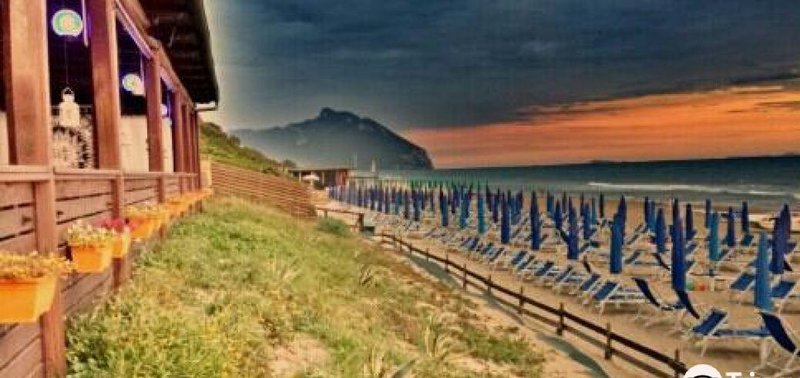
Hotels in Serrone
Discover your perfect stay in Serrone.
Serrone(Italy) Travel 2026: Cheap Flights, Hotels & Top Attractions
Popular Landmarks in Serrone
Discover the most iconic attractions in Serrone
Recommended Hotels in Serrone
Find the perfect place to stay in Serrone
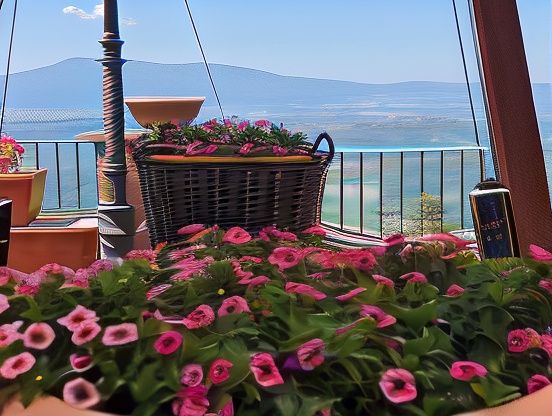
Belsito
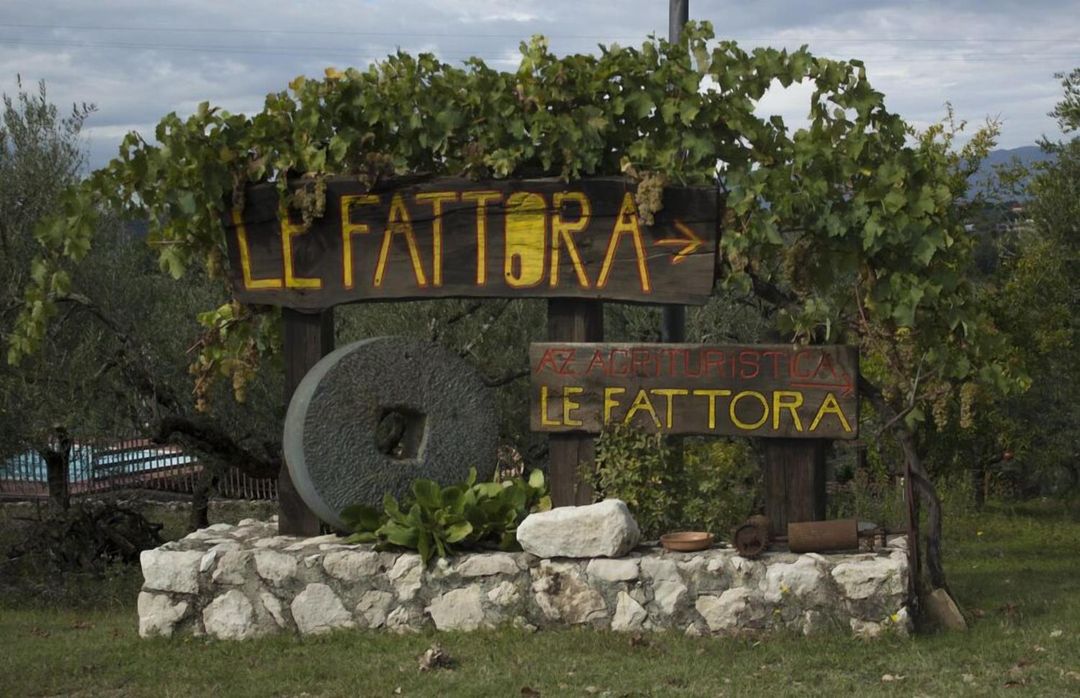
Le Fattora
Best Hotels in Serrone
Discover curated hotel collections in Serrone
Hotel Piccolo Sant'Andrea
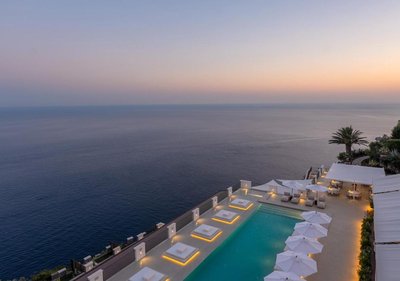
Furore Grand Hotel
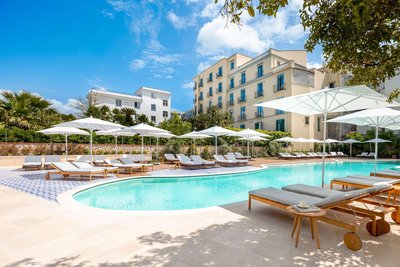
Ara Maris
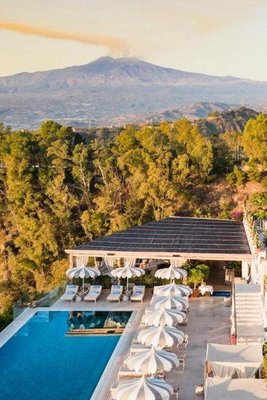
San Domenico Palace, Taormina, A Four Seasons Hotel
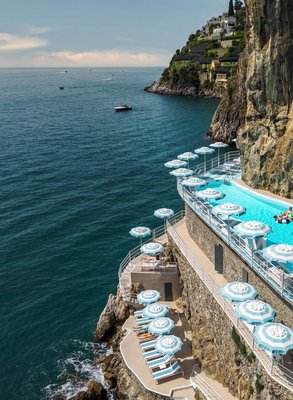
Hotel Miramalfi

Anantara Convento di Amalfi Grand Hotel
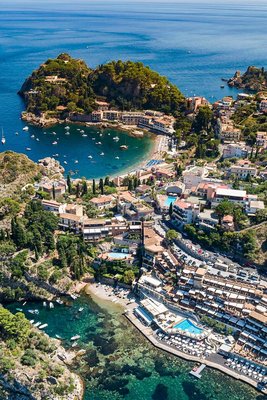
Atlantis Bay
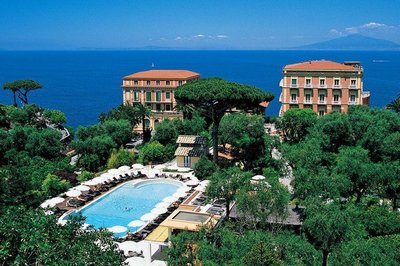
Grand Hotel Excelsior Vittoria
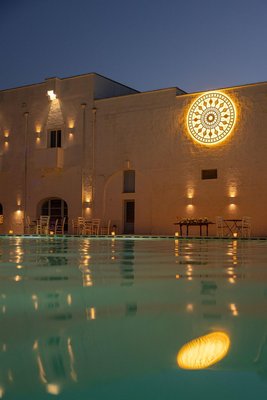
Masseria Malvindi
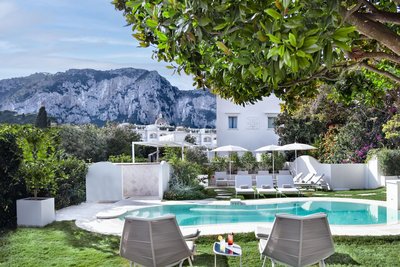
Pazziella Garden & Suites
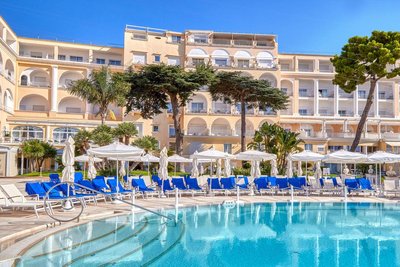
Hotel Quisisana
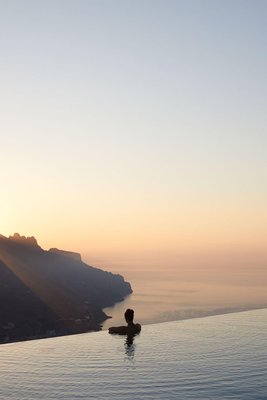
Caruso, A Belmond Hotel, Amalfi Coast
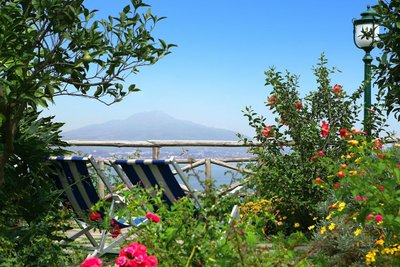
Grand Hotel Ambasciatori
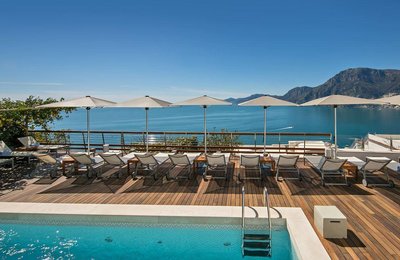
Casa Angelina

Hotel Villa Cimbrone
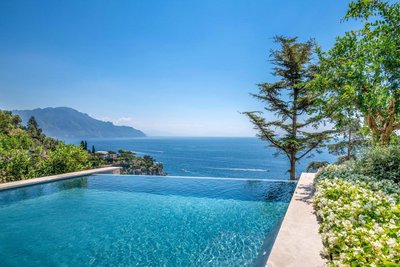
Borgo Santandrea
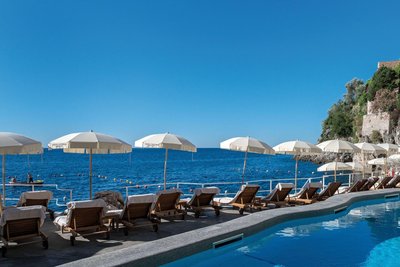
Hotel Santa Caterina
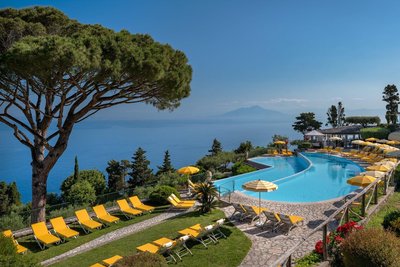
Hotel Caesar Augustus
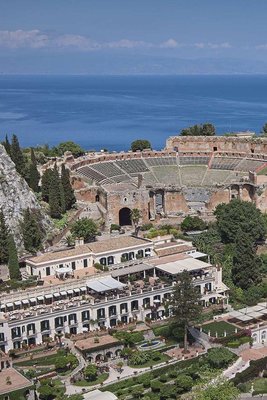
Grand Hotel Timeo, A Belmond Hotel, Taormina
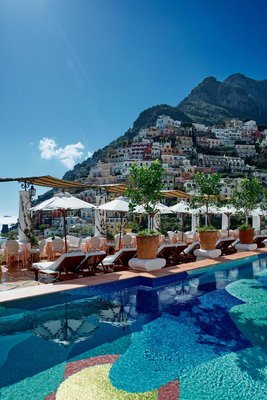
Le Sirenuse
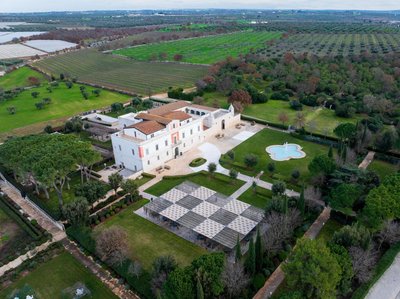
Relais Il Santissimo
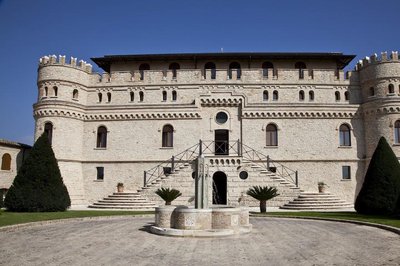
Hotel Castello di Septe
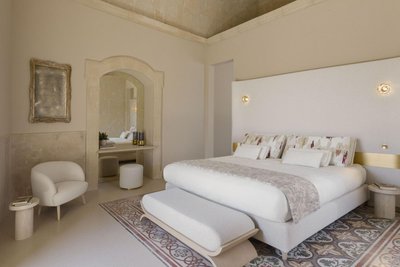
Palazzo Del Duca Hotel & Restaurant
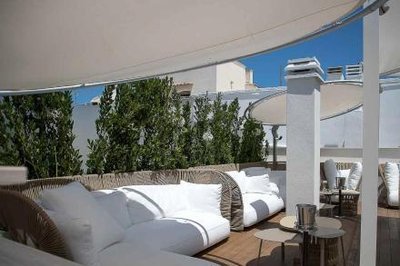
Ognissanti Restaurant Spa Hotel Rooftop
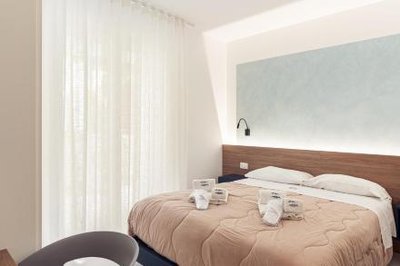
Vilu Suite Centro
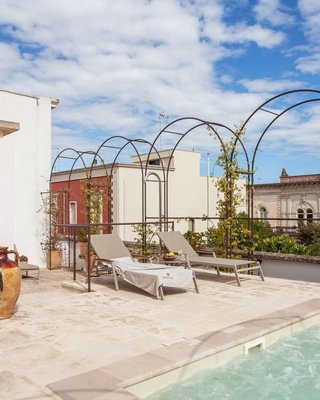
Palazzo Tafuri
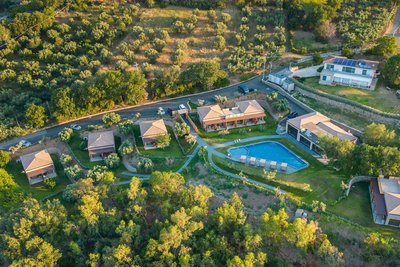
Hang Loose Cottage Hotel & Resort 4 Stelle Gizzeria Calabria
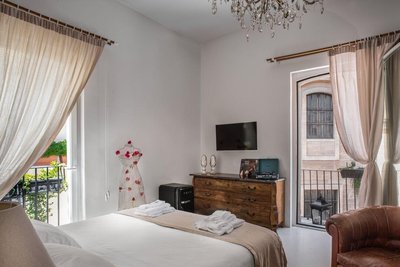
Palazzo Sant'Anna Lecce
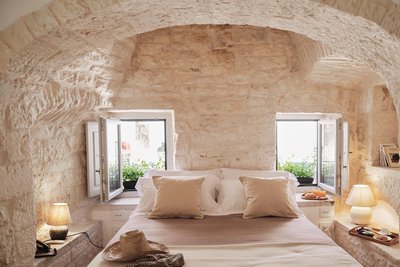
1783 Dimora d'Epoca
Trulli e Puglia Luxury Suite
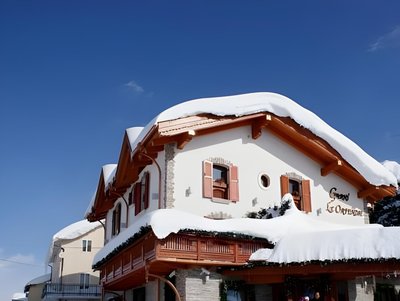
Hotel le Ortensie
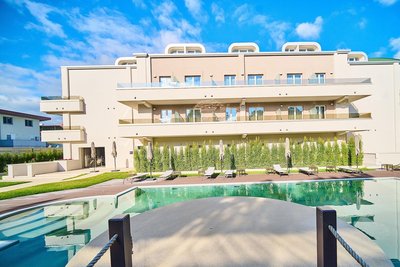
Park Hotel le Dune di Giovino
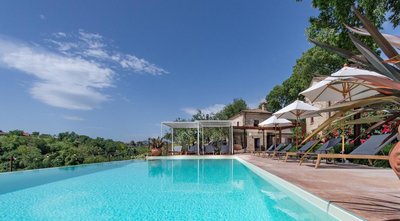
Borgo Baccile by Vini Fantini
Lo Stemma Luxury Boutique Hotel
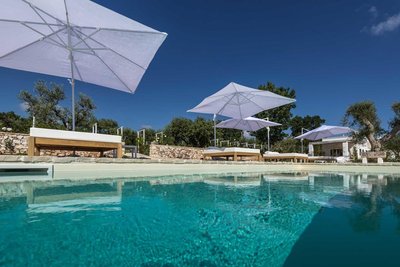
Tenuta del Lauro
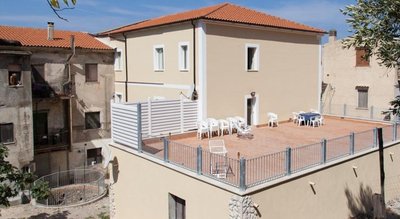
Donna Lea
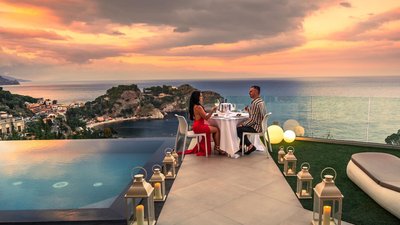
Isola Bella Infinity Suites
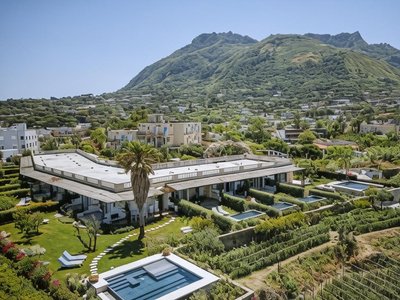
OraBlu Exclusive Villas

B21 Lifestyle Hotel

Hotel Medinblu
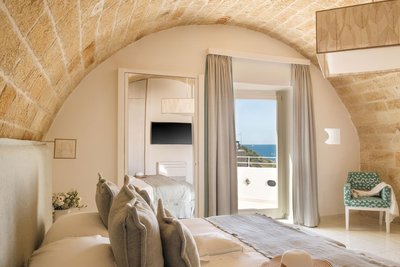
San Michele Suite
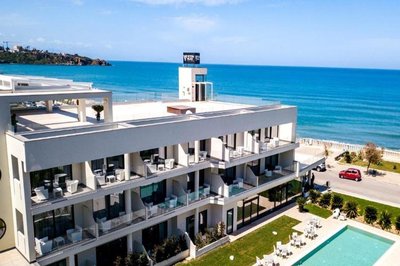
Victoria Palace Cefalù
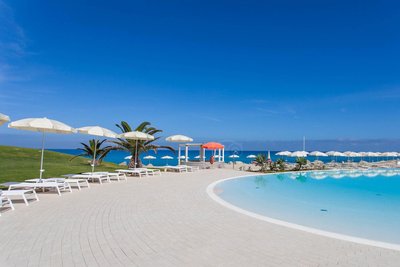
Capovaticano Resort Thalasso Spa
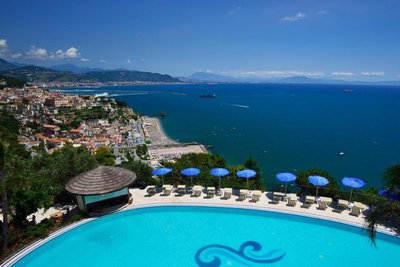
Hotel Raito Vietri Sul Mare
San Domenico Palace, Taormina, A Four Seasons Hotel
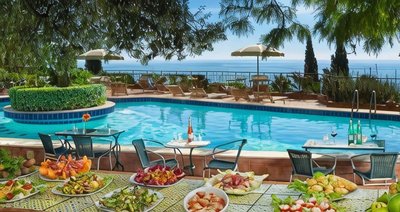
Hotel Villa Belvedere
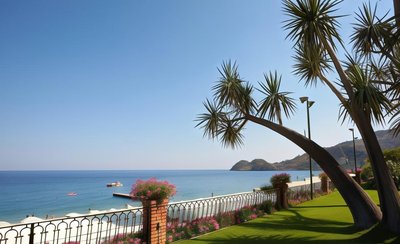
Hotel Caparena
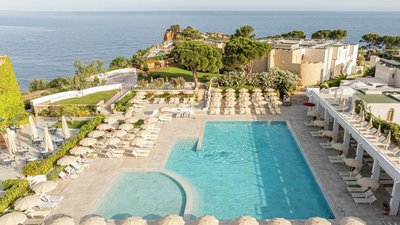
Mangia's Pollina Resort
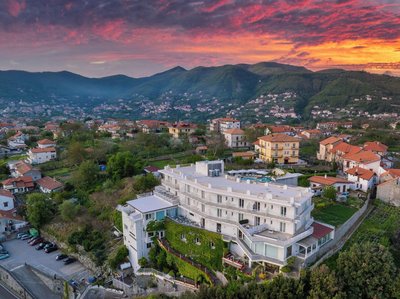
Hotel le Rocce - Agerola, Amalfi Coast
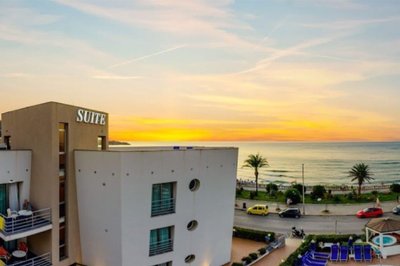
Astro Suite Hotel
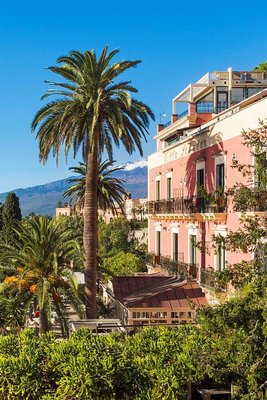
Hotel Villa Schuler
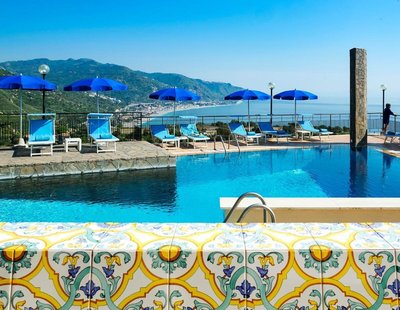
Hotel Sirius
Caruso, A Belmond Hotel, Amalfi Coast
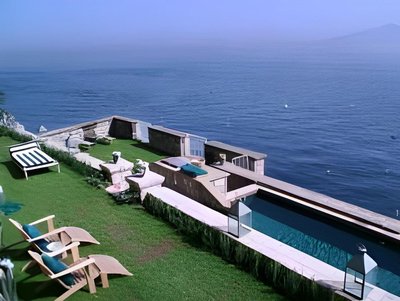
Maison la Minervetta
Borgo Santandrea
Hotel Santa Caterina
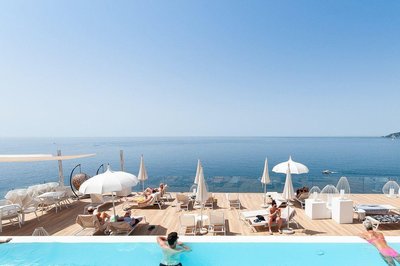
Hotel Club Due Torri
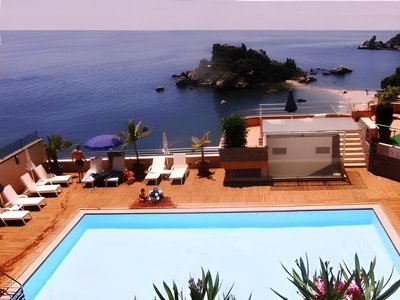
Taormina Panoramic Hotel
Grand Hotel Timeo, A Belmond Hotel, Taormina
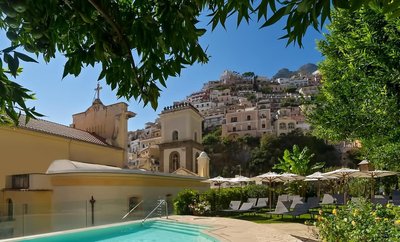
Hotel Palazzo Murat
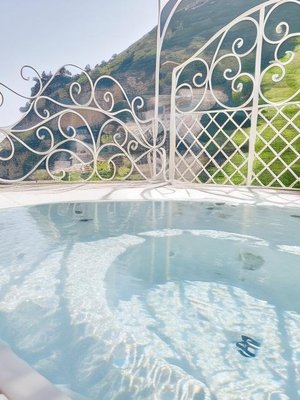
La Bizantina Luxury Villa
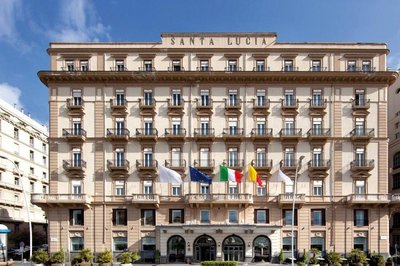
Grand Hotel Santa Lucia
San Domenico Palace, Taormina, A Four Seasons Hotel

Eurostars Hotel Excelsior
Hotel Villa Belvedere
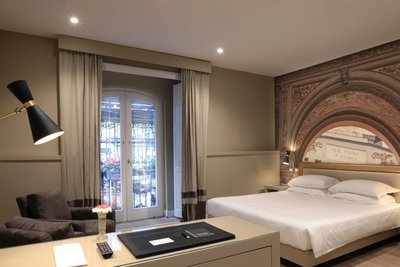
Caruso Place Boutique & Wellness Suites
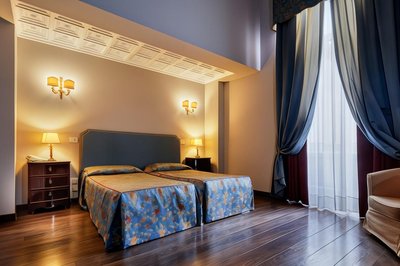
Decumani Hotel de Charme

Hotel Palazzo Papaleo
Borgo Santandrea
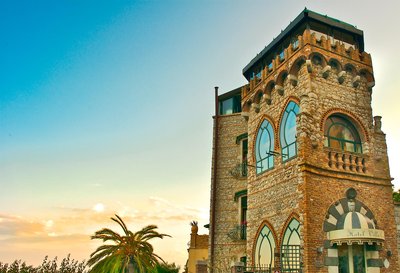
Hotel Villa Carlotta
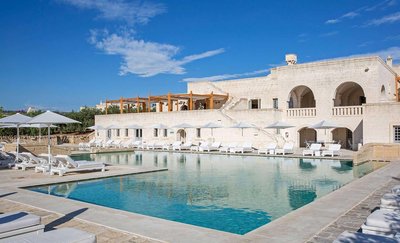
Borgo Egnazia
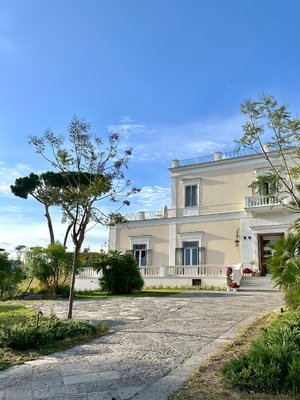
Villa de Cillis Carafa
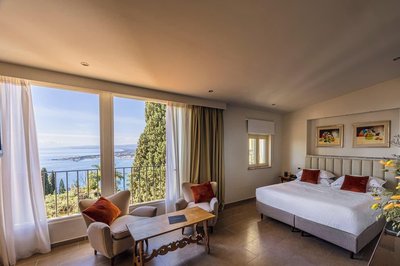
Hotel Villa Paradiso
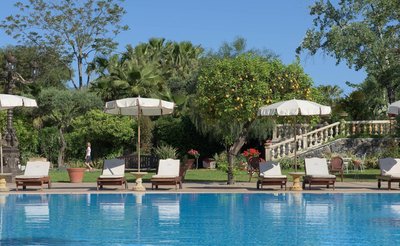
Castello di San Marco Charming Hotel & Spa
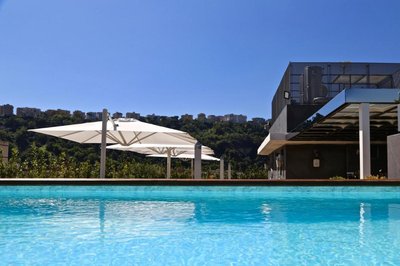
LHP Napoli Palace & Spa
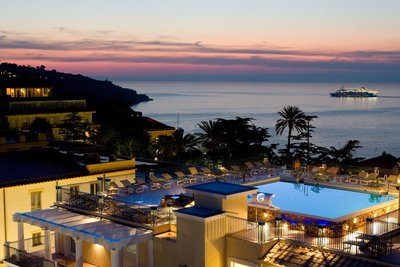
Grand Hotel la Favorita
Hotel Villa Carlotta
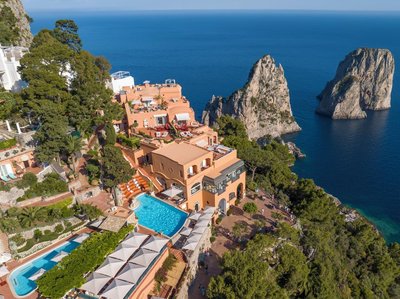
Hotel Punta Tragara
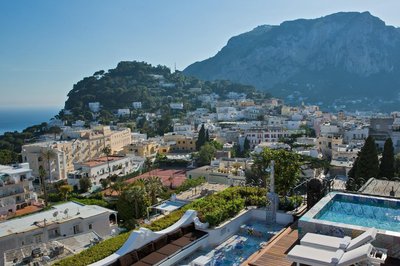
Capri Tiberio Palace
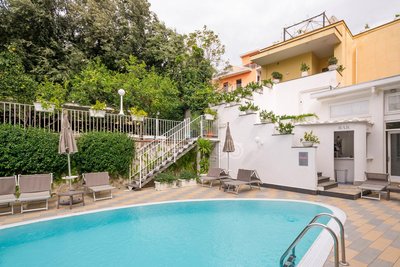
Hotel Capri

Habita79 Pompeii MGallery
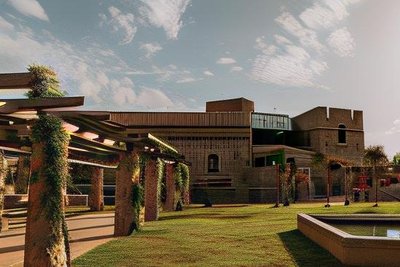
Castello di Rocca Cilento
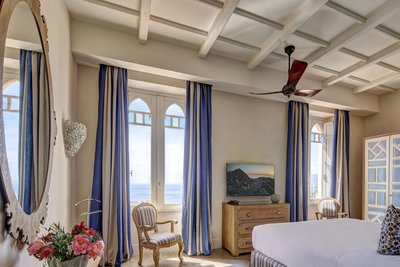
Palazzo Vecchio Taormina
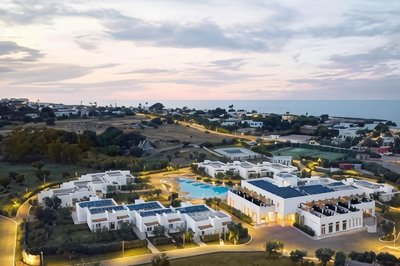
Cala Ponte, a Tribute Portfolio Hotel

Praia Art Resort
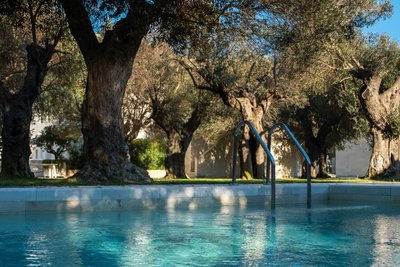
La Fiermontina Luxury Home Hotel
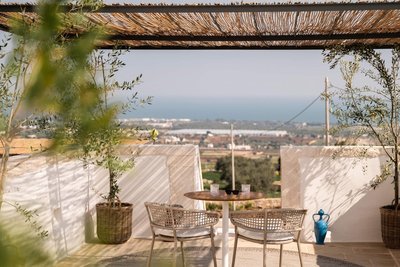
Masseria Auraterrae
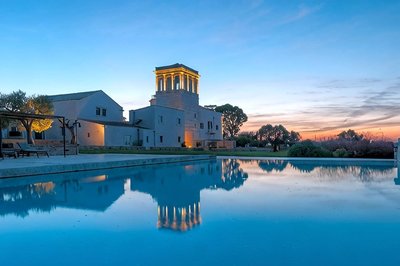
Villa Torre Bianca by Emily Hotels
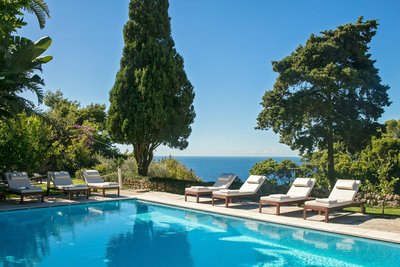
Hotel la Minerva
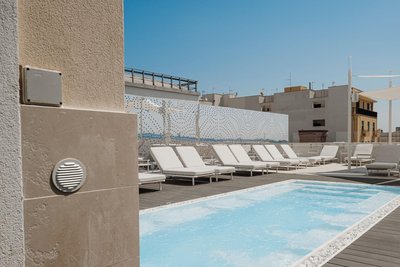
Biancodonda Greenblu Hotel & Spa
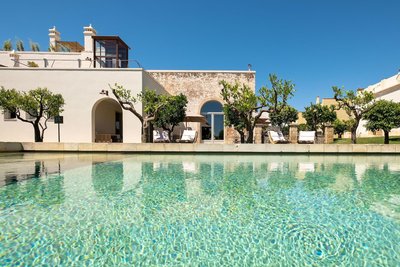
Nohasi Palace Lifestyle Hotel & Spa
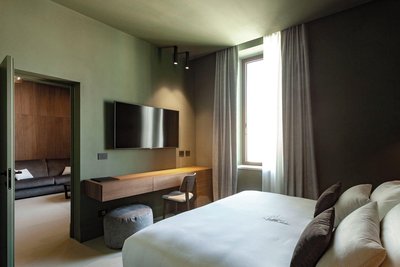
Palazzo Giusti Lecce - Exclusive Boutique Hotel
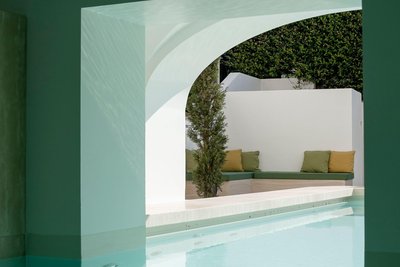
Villa Certosa Capri
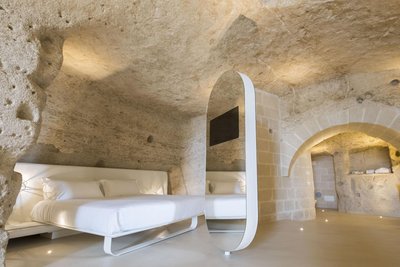
Aquatio Cave Luxury Hotel & Spa
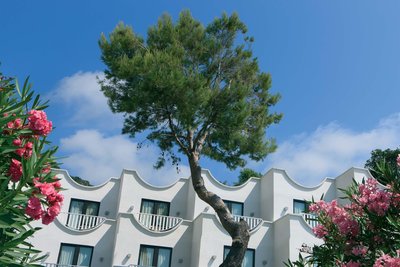
Maya Beach Resort
Capovaticano Resort Thalasso Spa
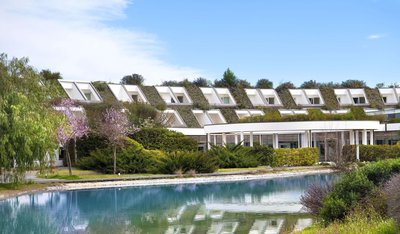
Ethra Reserve Kalidria
Hotel Raito Vietri Sul Mare
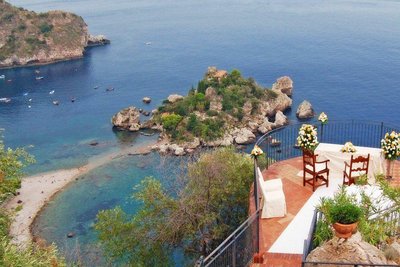
Grand Hotel San Pietro Taormina
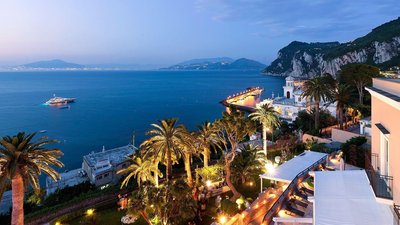
Villa Marina Capri Hotel & Spa
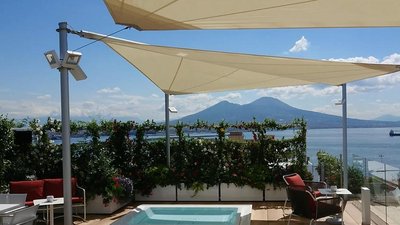
Grand Hotel Vesuvio
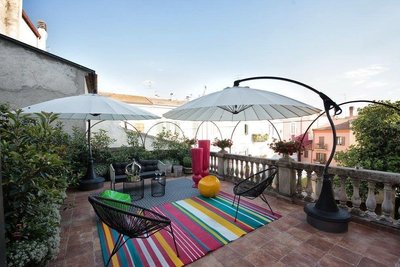
Palazzo Cannavina Suite & Private Spa
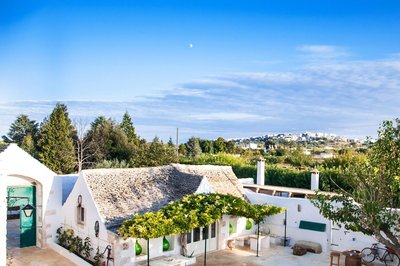
Masseria San Michele
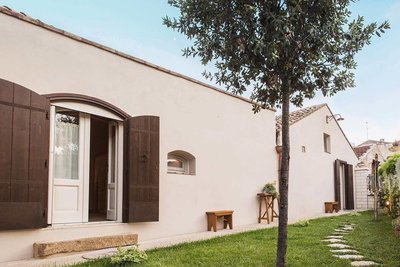
Borgo San Gaetano
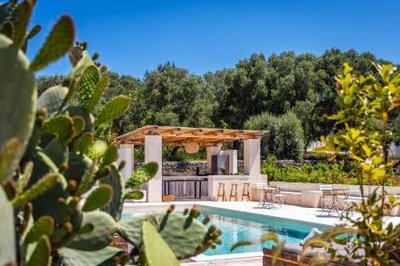
Boutique B&B Villa Gufo
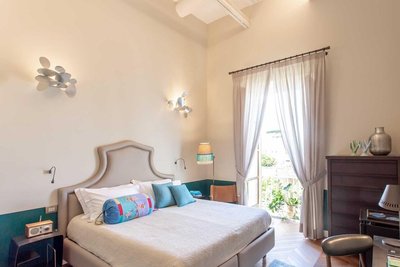
Accademia 39
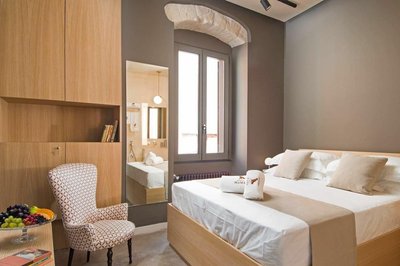
Sei Stelle Mama
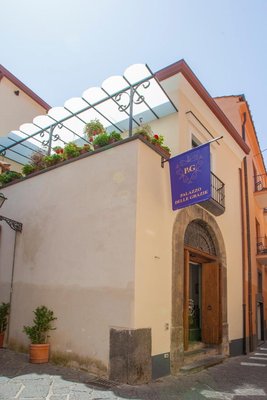
Palazzo Delle Grazie
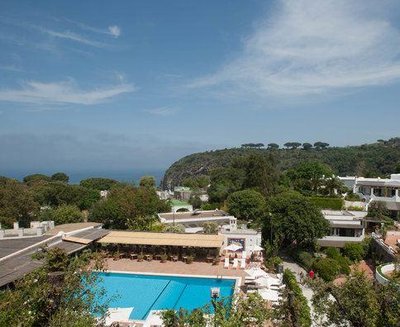
Botania Relais & Spa - the Leading Hotels of the World
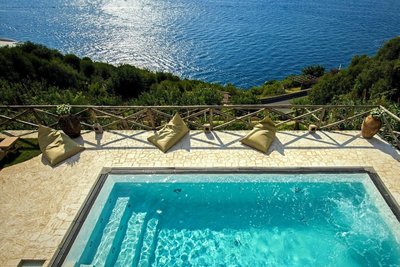
Villa Gianlica
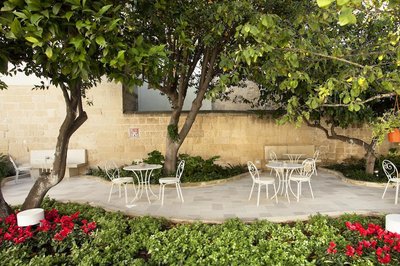
Mantatelurè
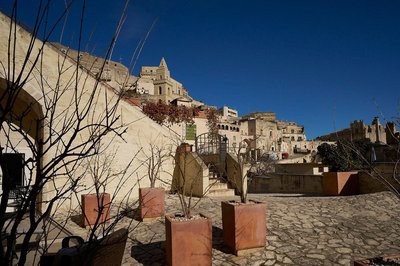
FRA I Sassi Residence
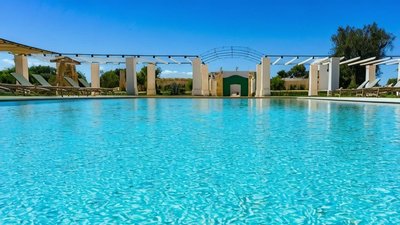
Masseria Ayroldi
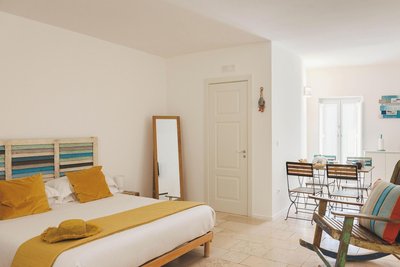
Santa Maria 24

Home Boutique Luxury & Design
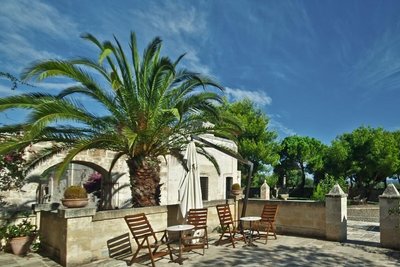
Masseria Brigantino
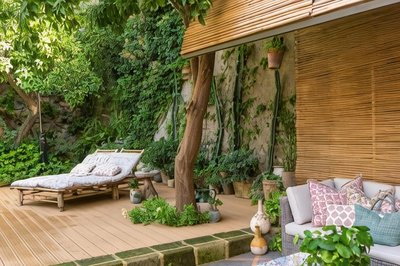
Casa Buonocore
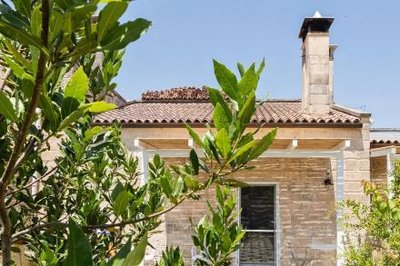
Masseria Vittoria
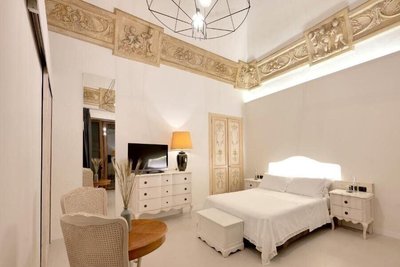
Dimora San Giuseppe

Hotel Barrière Fouquet's New York
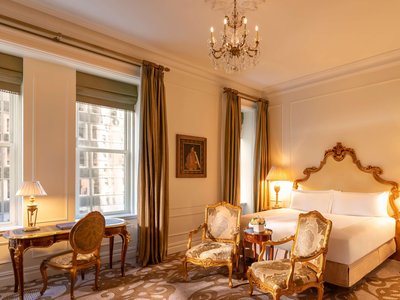
The Plaza - A Fairmont Managed Hotel
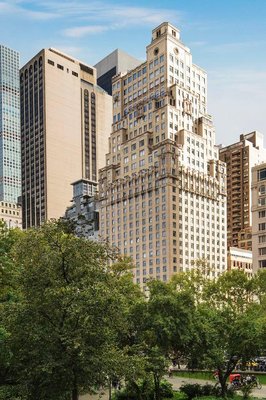
The Ritz-Carlton New York, Central Park

Four Seasons Hotel New York
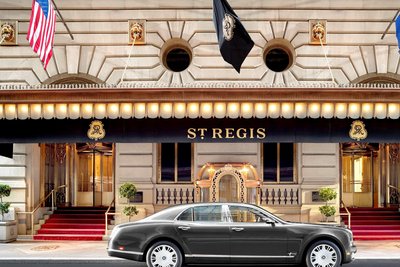
The St. Regis New York
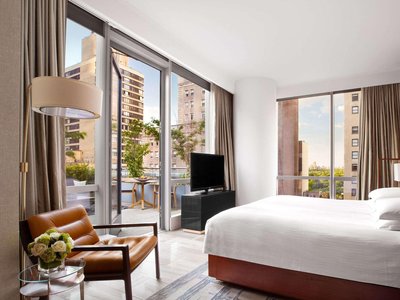
Park Hyatt New York
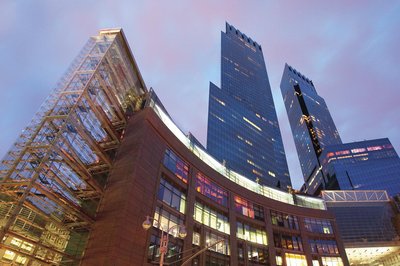
Mandarin Oriental New York
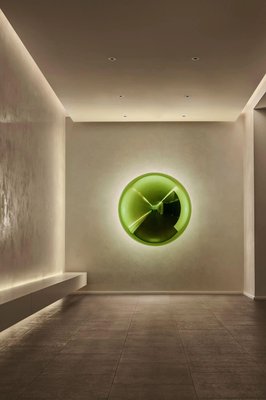
Times Square Edition New York
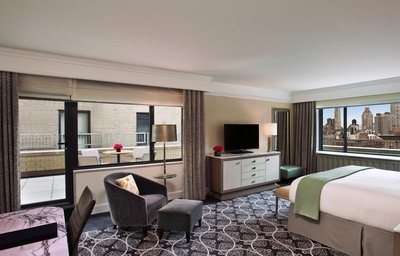
Loews Regency New York Hotel
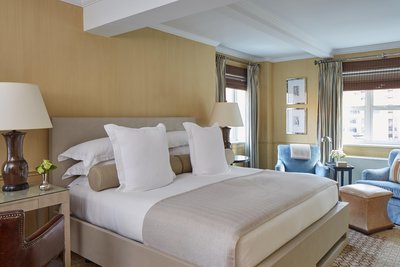
Lowell Hotel
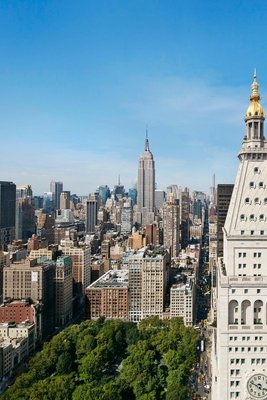
New York Edition
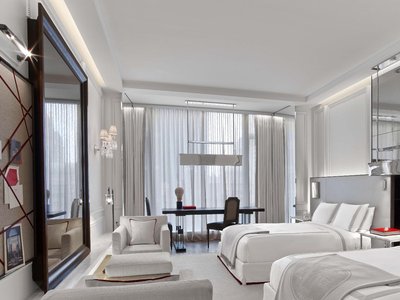
Baccarat Hotel New York
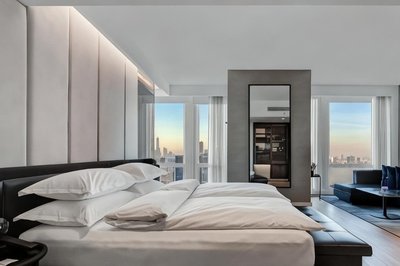
Equinox Hotel New York
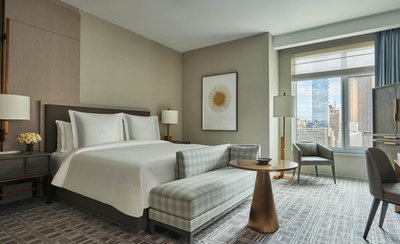
Four Seasons Hotel New York Downtown
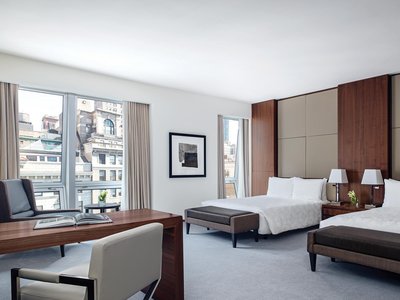
The Langham, New York, Fifth Avenue
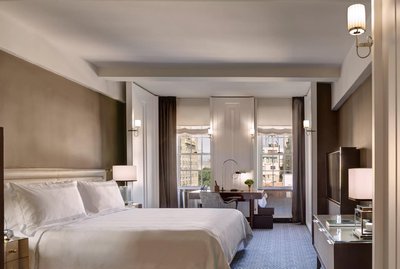
The Carlyle, A Rosewood Hotel

The Chatwal, in the Unbound Collection by Hyatt
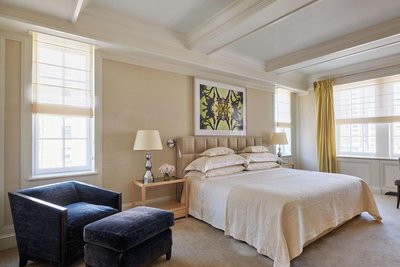
The Mark New York

Trump International Hotel & Tower® New York
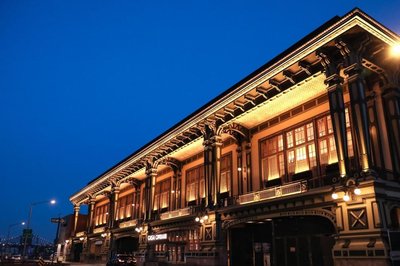
Casa Cipriani New York
Frequently Asked Questions about Traveling to Serrone
Questions You Might Need to Know About Traveling to Serrone
In Cerveteri, the top-rated hotel with historic charm is Hotel Villa dei Papiri, a restored 19th-century villa nestled near the Etruscan Necropolis. The property features original frescoes, stone arches, and an olive garden, blending ancient ambiance with modern comfort. Guests enjoy private access to the archaeological park and guided tours of the nearby tombs. Another excellent choice is B&B La Terra dei Fichi, located in a centuries-old farmhouse with handcrafted furnishings and panoramic views over the Tuscan hills. Both offer authentic Etruscan-inspired breakfasts using local ingredients.
The best district for tourists seeking authenticity is Centro Storico (Old Town), where narrow cobblestone streets wind past medieval buildings and family-run shops. This area is centered around the Piazza del Comune, home to the town’s ancient fountain and a weekly farmers’ market selling regional cheeses, olives, and honey. Stay close to San Pietro Church, which hosts traditional Etruscan rituals during festivals. Locals still speak the dialect, and many homes open their doors for informal wine tastings, offering a rare glimpse into genuine rural life.
Visitors to Cerveteri can experience the Etruscan Heritage Festival, held annually in June, featuring reenactments of ancient ceremonies, live music from lyres and flutes, and artisan workshops on terracotta sculpting. You can also book a private tour of the Necropolis with a licensed archaeologist, gaining insights into burial customs and symbolic tomb art. Additionally, local families host 'Cucina Etrusca' dinners, where guests learn to cook dishes like pasta con la frittata and crescia, using recipes passed down through generations, making it a deeply immersive culinary journey.
Yes, Cerveteri is highly suitable for families. The Etruscan Children's Discovery Trail offers interactive maps and scavenger hunts through the necropolis, turning history into adventure. The town’s central park, Parco della Pianura, has a safe playground, shaded picnic areas, and a small petting zoo. Many hotels provide cribs, high chairs, and kid-friendly menus. Families can also join hands-on pottery workshops at local studios, creating their own miniature tombs or vases. Evening storytelling sessions under the stars, narrated by elders, bring myths to life in a magical setting.
Must-visit landmarks in Cerveteri include the Etruscan Necropolis, a UNESCO World Heritage Site with over 300 well-preserved tombs, including the famous Tomb of the Augurs and Tomb of the Chariot. Nearby, the Museo Nazionale Etrusco houses artifacts excavated from the site, including bronze mirrors, funerary urns, and intricate jewelry. Don’t miss the Porta Romana, an ancient city gate built during Roman times, now surrounded by a tranquil garden. All these sites are within walking distance of the old town center, making them perfect for a self-guided historical walk.
Yes, the Lago di Vico Nature Reserve, just 15 km from Cerveteri, is a stunning volcanic lake surrounded by pine forests and hiking trails. It’s ideal for birdwatching, kayaking, and sunset walks along the shore. For a more adventurous option, visit the Monti Cimini range, where you can hike through wildflower meadows and explore hidden caves. The Fiume Fiorito river valley offers gentle trails perfect for families, with clear waters and shaded resting spots. In spring, the region bursts with blooming orchids and poppies—nature at its most vibrant.
Travelers should try Cacio e Pepe di Cerveteri, a regional twist on the classic Roman dish, made with aged pecorino and freshly ground black pepper. Also sample Zuppa di Cicerchia, a hearty chickpea soup flavored with wild herbs and cured pork. Don’t miss Fritto Misto di Mare, fresh fried seafood caught from the nearby coast, served with lemon and rosemary. For dessert, taste Sfogliatella di Vico, a flaky pastry filled with ricotta and candied fruit. Enjoy these dishes at Trattoria Il Pozzo, a family-run eatery known for its farm-to-table philosophy and seasonal menus.
Absolutely, Cerveteri is safe and welcoming for solo travelers. The town’s small size ensures low crime rates, and locals are known for their hospitality. Many guesthouses offer single rooms with private balconies or quiet reading nooks. Solo visitors can join guided walking tours, attend evening lectures at the museum, or simply relax at a café overlooking the piazza. The absence of nightlife means peaceful evenings, ideal for journaling or stargazing. With a strong sense of community and warm smiles, you’ll feel instantly at home.
The best time to visit Cerveteri is April to June and September to October, when temperatures range from 18–24°C, and crowds are minimal. Spring brings blooming wildflowers and lush greenery around the necropolis, while autumn offers golden light perfect for photography. Avoid July and August due to high heat and tourist influx. The Etruscan Festival in late May provides a unique cultural highlight, with open-air performances and artisan markets. These months balance comfort, beauty, and authenticity, making them ideal for deep exploration.
Cerveteri is easily accessible: take a train from Rome Termini Station to Cerveteri Scalo, a 35-minute ride operated by Trenitalia. From there, a free shuttle bus runs to the town center. Alternatively, rent a car at Rome Fiumicino Airport and drive via the A1 highway, exiting at Civita Castellana. Once in town, most attractions are within walking distance. Many hotels offer free pickup services and multilingual staff. For those preferring guided travel, several companies provide private transfers and full-day excursions from Rome, including visits to the necropolis and local vineyards.
Serrone Overview
City Summary
Serone, a charming town in Italy's Lazio region, is known for its rich historical heritage and picturesque landscapes. With its medieval architecture, cobblestone streets, and ancient churches, Serone offers a tranquil escape from urban life.
Must-See Attractions
Key attractions in Serone include the Church of Santa Maria Assunta, a centuries-old Gothic masterpiece. The medieval town walls and local craft markets provide cultural insights. Nearby natural parks are perfect for hiking and picnics.
Food Guide
Serone's cuisine reflects traditional Italian rural cooking. Must-tries include homemade pasta with local sauces and roasted lamb. Local taverns serve authentic Lazio wines.
Transportation Guide
Public transport in Serone relies on buses connecting nearby towns. Renting a car offers more flexibility, but be mindful of narrow streets in the old town. The nearest international airport is in Rome, with a 2-hour drive or bus ride to Serone.
Best Time to Visit
The best times to visit are spring (April-June) and autumn (September-October), when the weather is pleasant and crowds are thinner.
Travel Tips
- Wear comfortable shoes for Serone's narrow cobblestone streets.
- Local restaurants serve dinner late, typically after 8 PM.
- Dress modestly when visiting churches (no sleeveless tops or shorts).
- Basic Italian phrases will enhance interactions with locals.
- Drivers should watch for ZTL (traffic-limited zone) signs.
Useful Information
Italian is the main language in Serone, with some English spoken in tourist areas. WiFi is available but may be spotty in rural zones. Most businesses accept cards, but small vendors might be cash-only. The emergency number is 112, with the nearest hospital in a larger nearby town. Travel insurance is recommended.