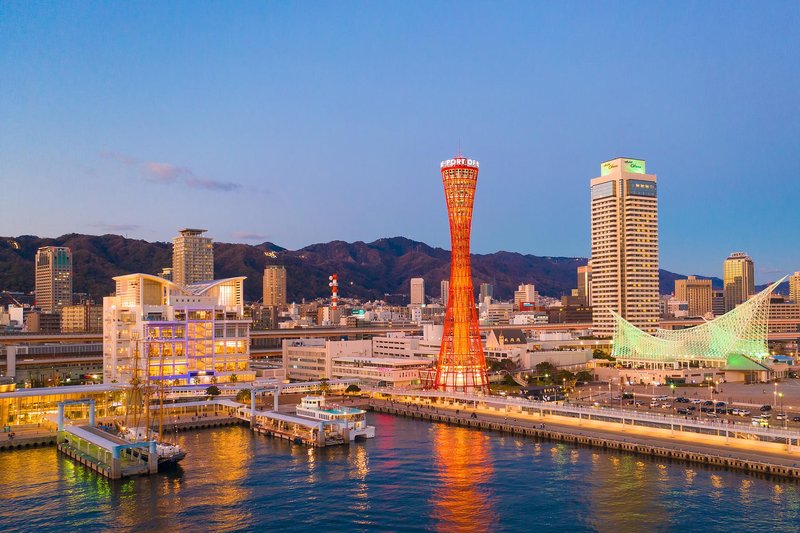
Hotels in Seto
Discover your perfect stay in Seto.
Seto(Japan) Travel 2026: Cheap Flights, Hotels & Top Attractions
Popular Landmarks in Seto
Discover the most iconic attractions in Seto
Recommended Hotels in Seto
Find the perfect place to stay in Seto
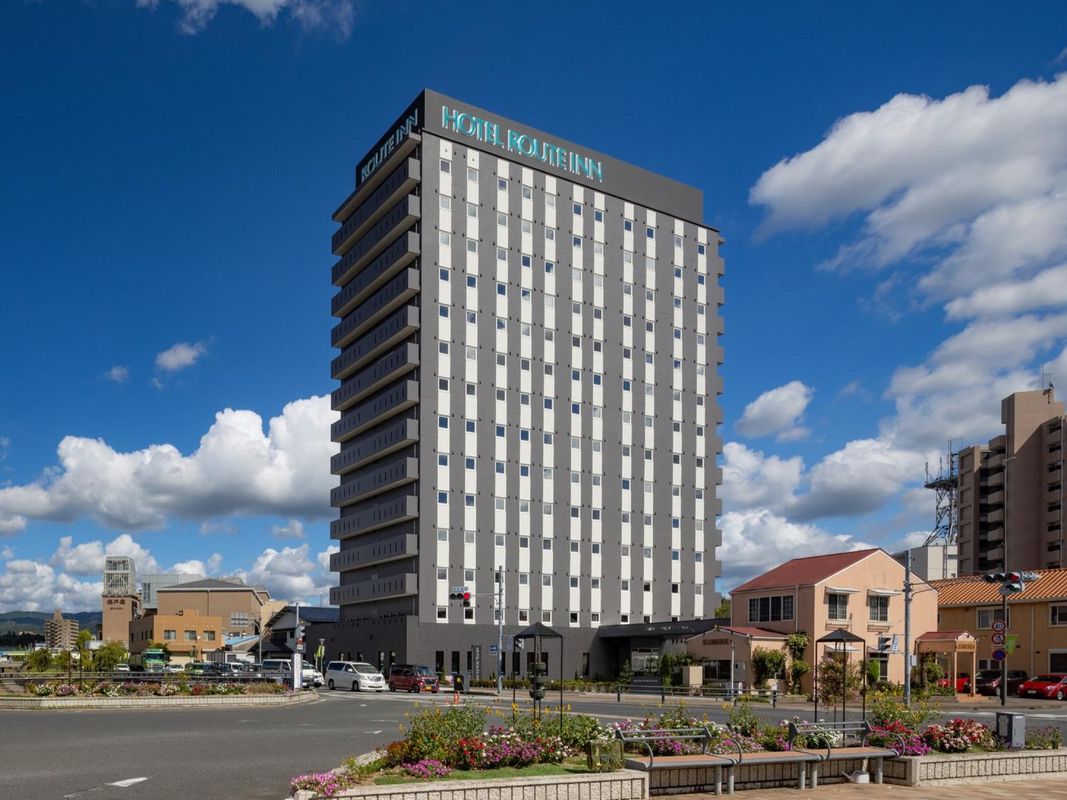
HOTEL ROUTE INN OWARISETO EKIMAE
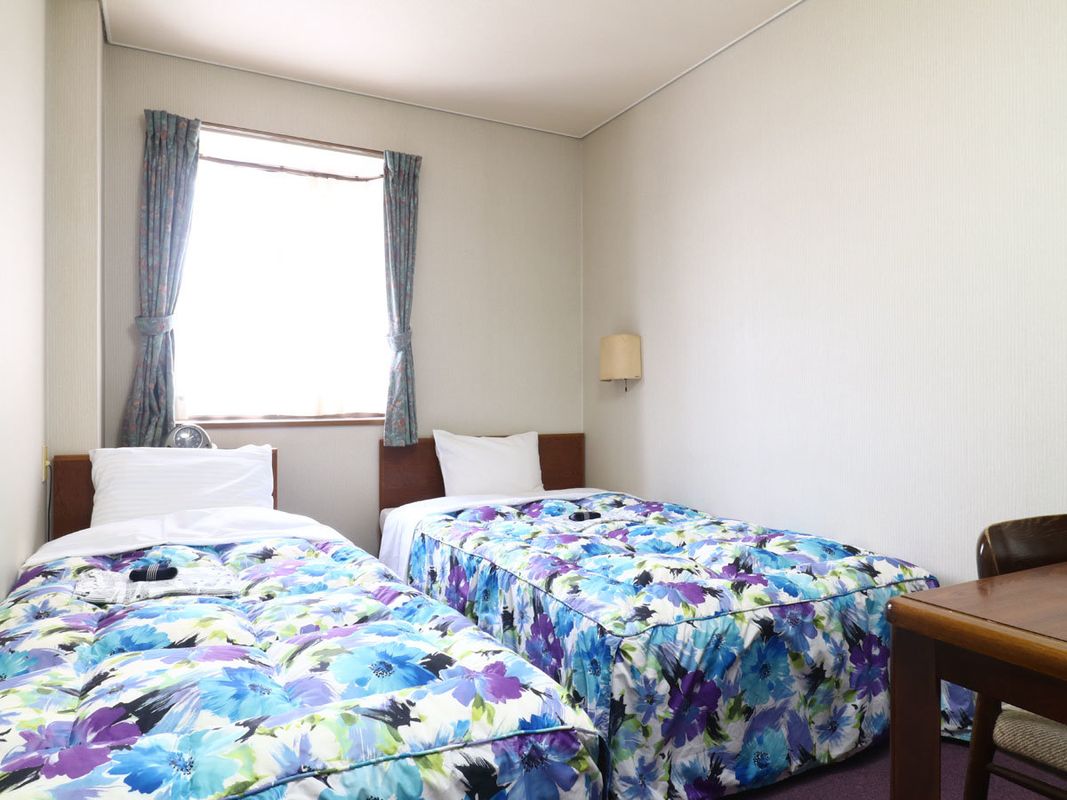
Shinseto Station Hotel
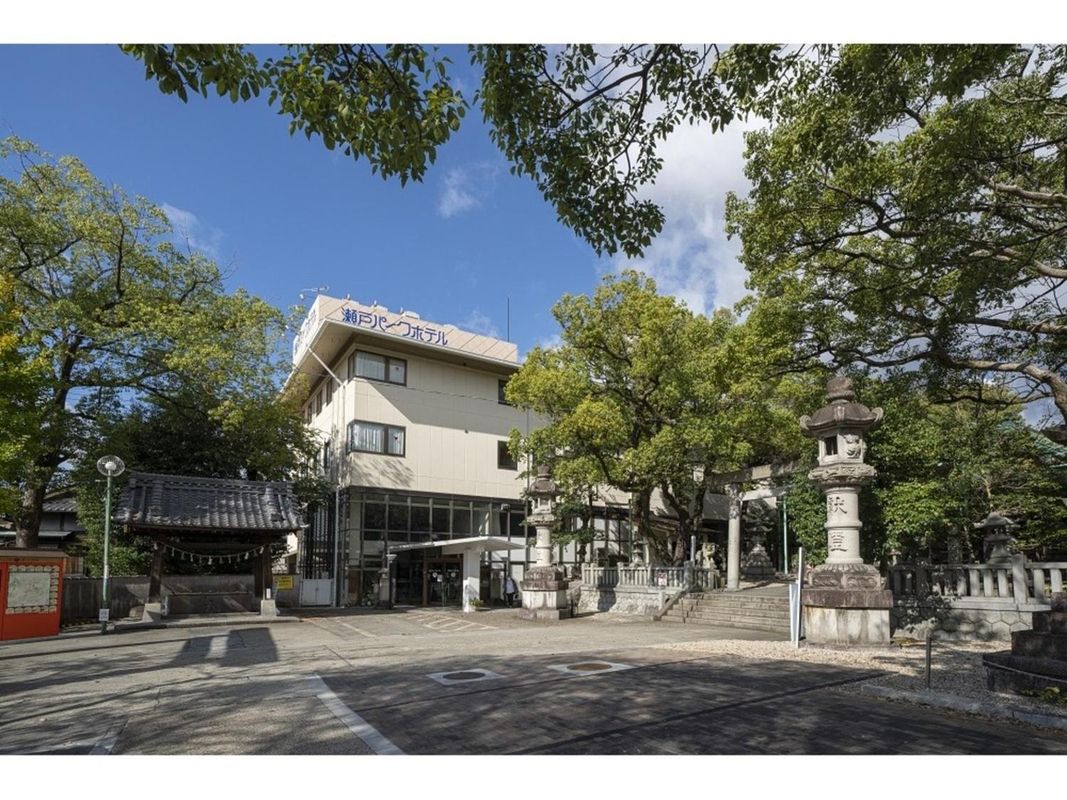
Seto Park Hotel
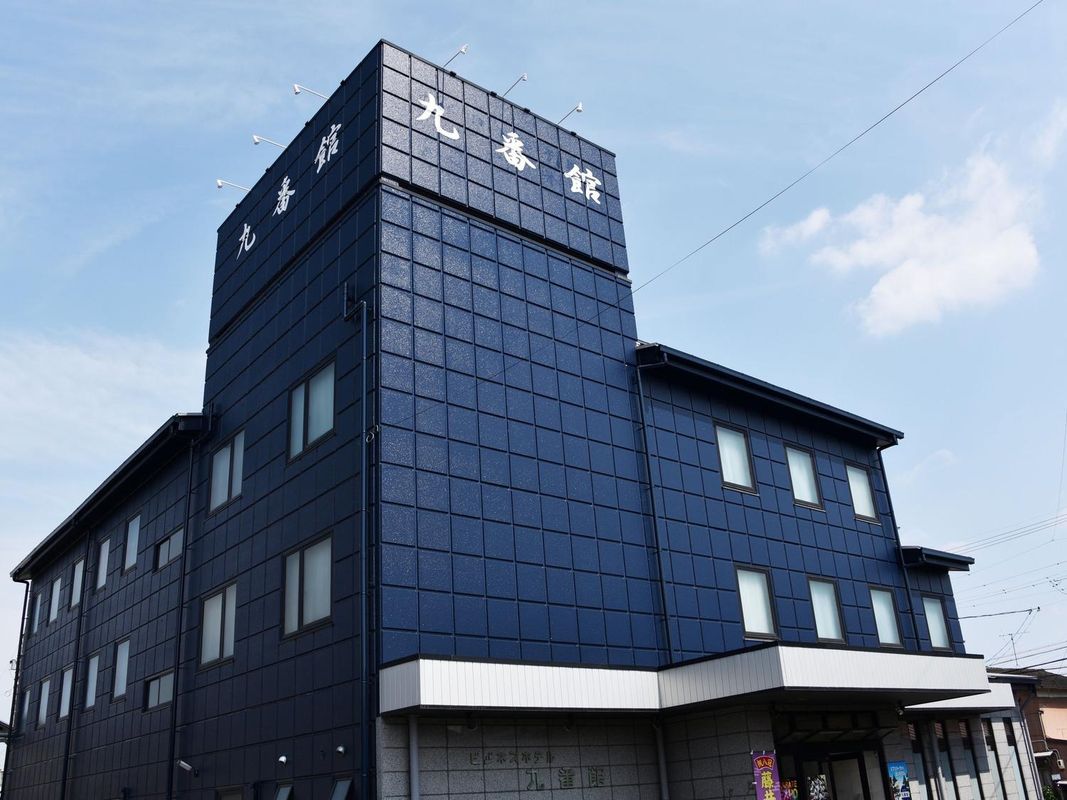
Seto Business Hotel 9 Bankan
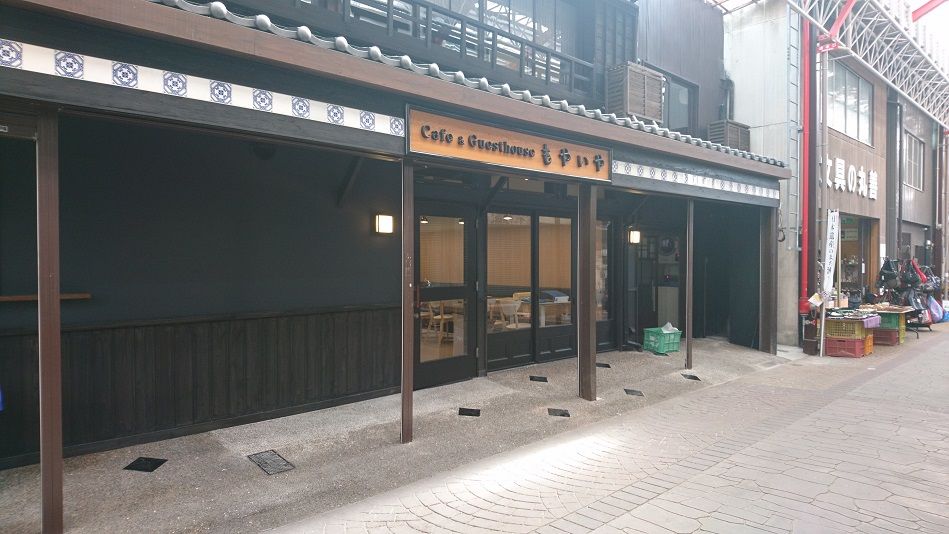
Cafe & Guesthouse Moyaiya
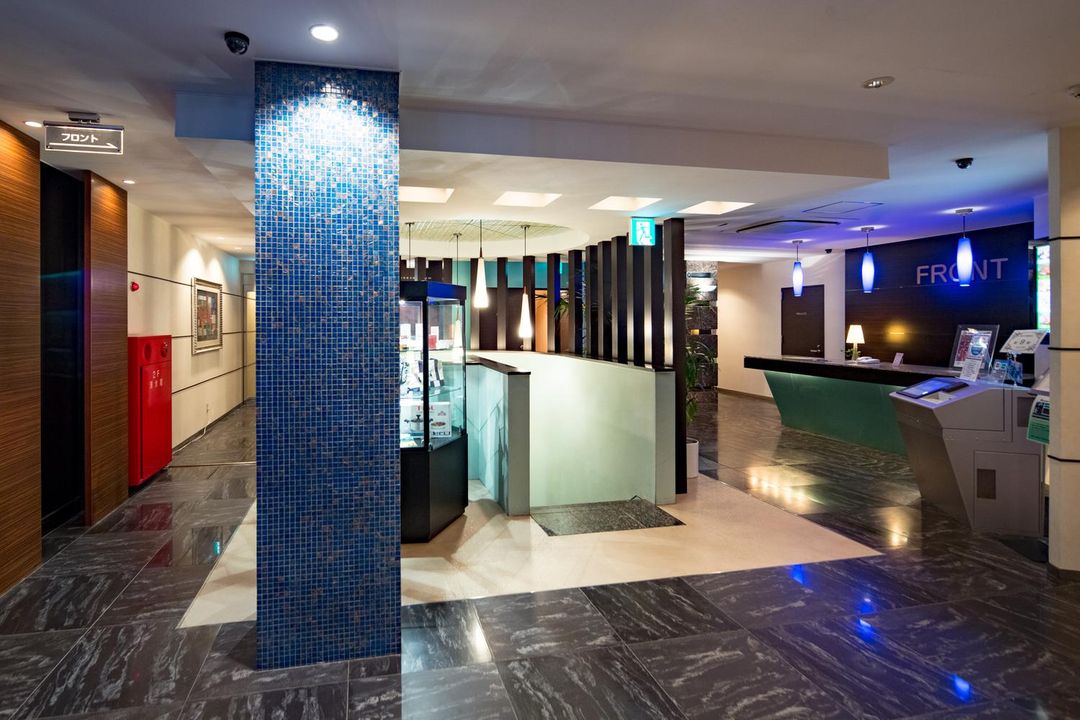
Hotel Venus Ritz (Adult Only)
Best Hotels in Seto
Discover curated hotel collections in Seto
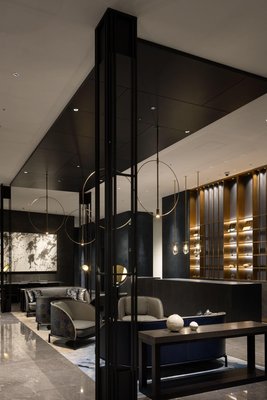
Bellustar Tokyo, A Pan Pacific Hotel
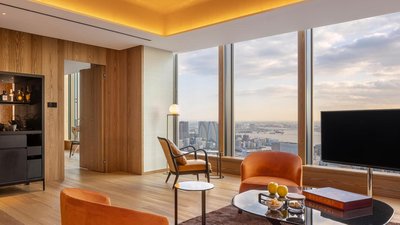
Bvlgari Hotel Tokyo
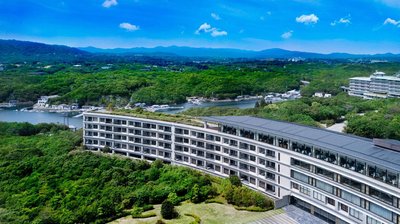
Shima Kanko Hotel the Bay Suites
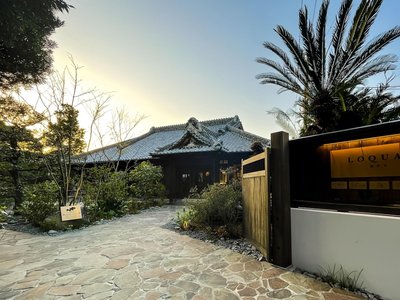
Loquat Nishiizu
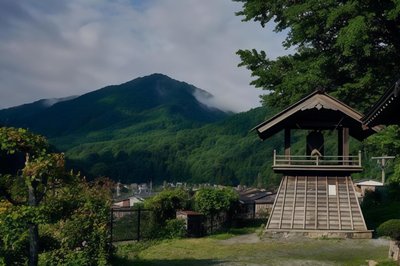
Byaku Narai
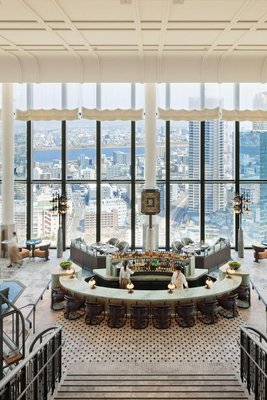
Waldorf Astoria Osaka
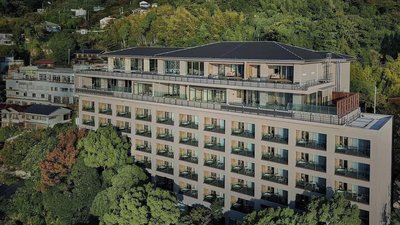
Atami Izusan Karaku
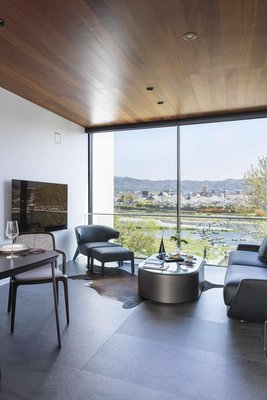
Kamo Residences by Reflections
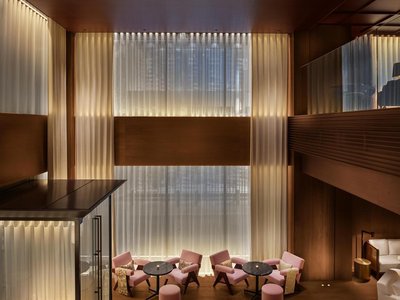
The Tokyo Edition, Ginza
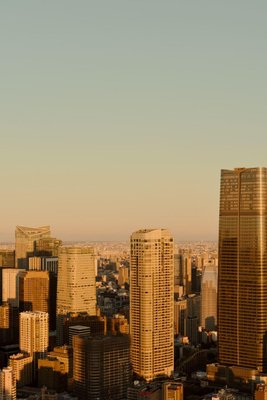
Janu Tokyo
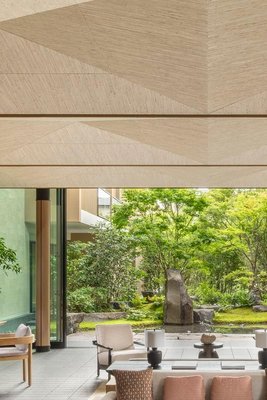
Six Senses Kyoto
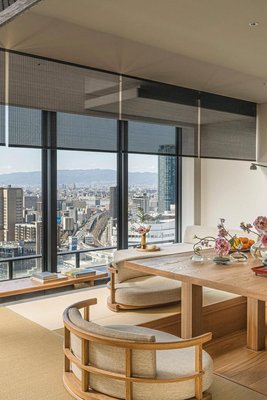
Four Seasons Hotel Osaka
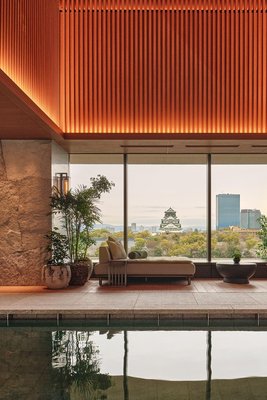
Patina Osaka
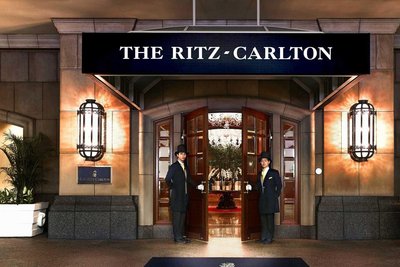
The Ritz-Carlton, Osaka
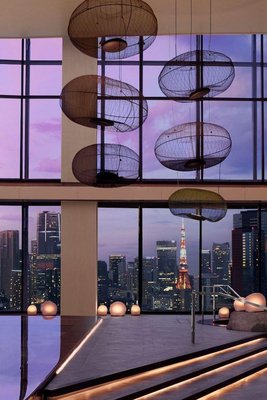
JW Marriott Hotel Tokyo
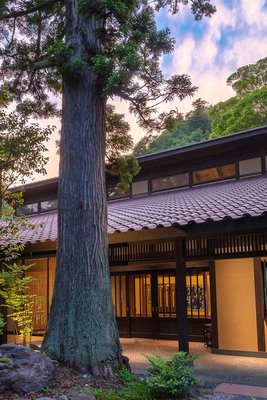
Arimasansoh Goshobessho
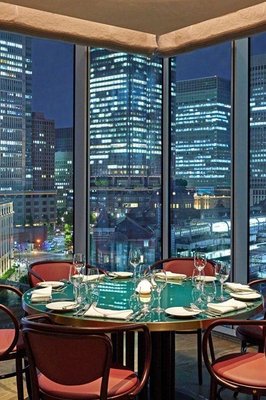
Four Seasons Hotel Tokyo at Marunouchi

Mandarin Oriental, Tokyo
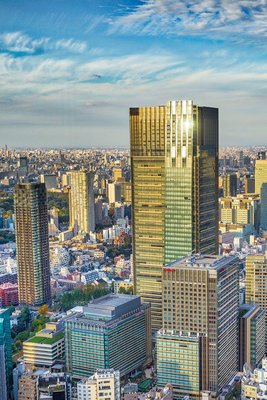
The Ritz-Carlton, Tokyo
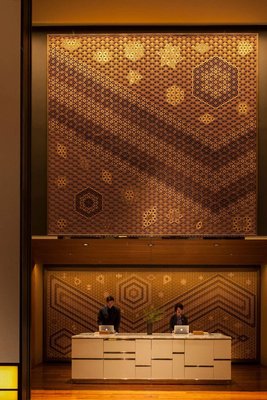
Andaz Tokyo Toranomon Hills- A Concept by Hyatt
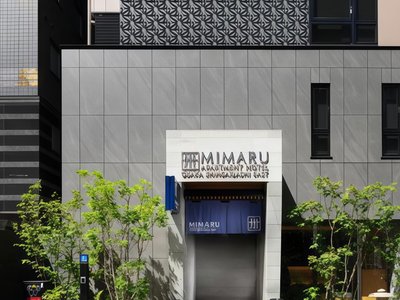
MIMARU Osaka Shinsaibashi East

Toba International Hotel Shiojitei
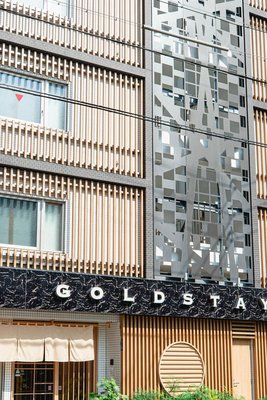
Gold Stay Nagoya OSU
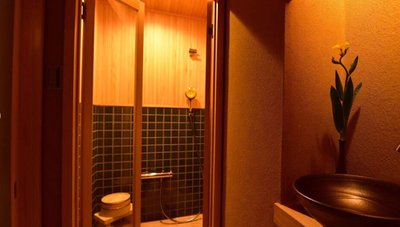
Yado Kiramachi

La Terra Resort
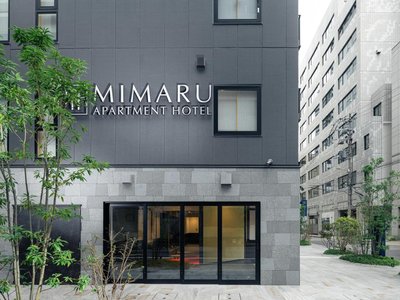
MIMARU Osaka Shinsaibashi North

Kagetsutei
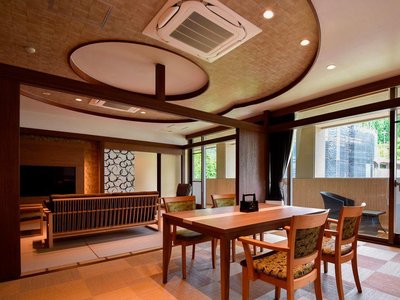
Okuno Hosomichi
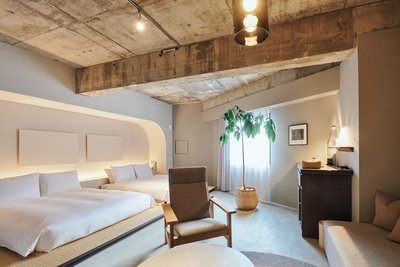
Korinkyo
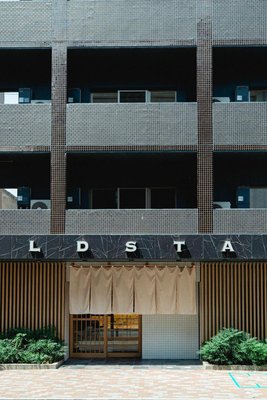
GOLD STAY Nagoya Sakae
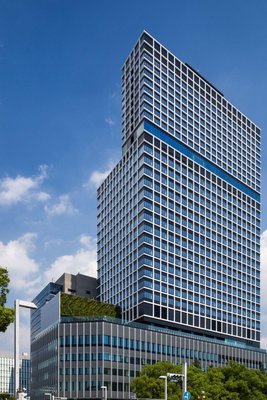
The Royal Park Hotel Iconic Nagoya
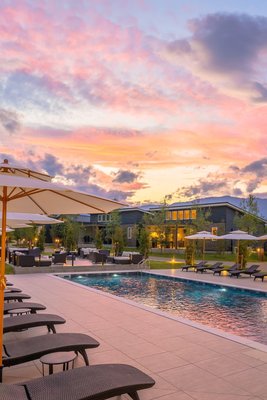
Awaumi Fujikawaguchiko Resort
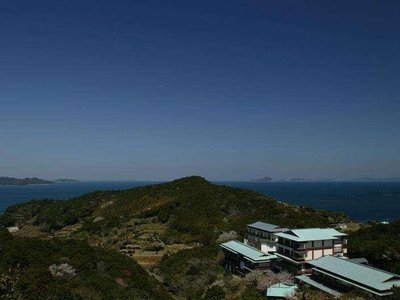
Hanashinsui
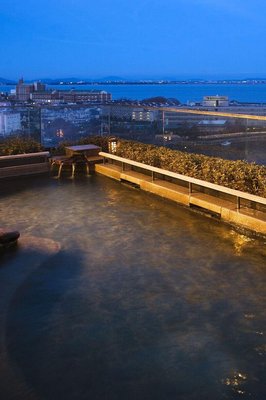
Yumotokan
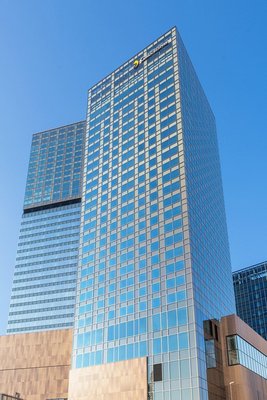
Hotel Hankyu GRAN RESPIRE OSAKA
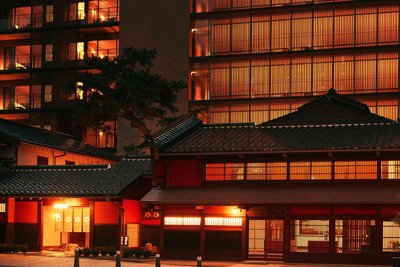
Hoshino Resorts Kai Kaga
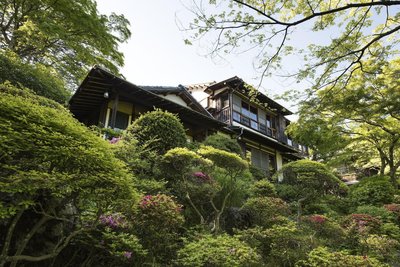
Gora Kansuiro
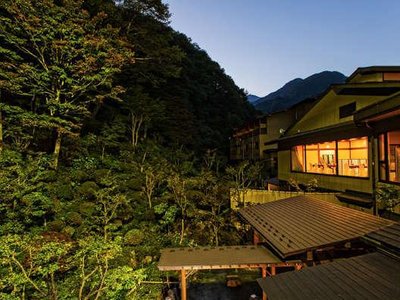
Futari Shizuka

Taikyourou
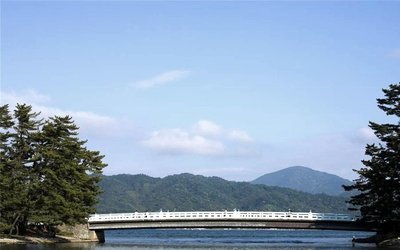
Monjusou Shourotei
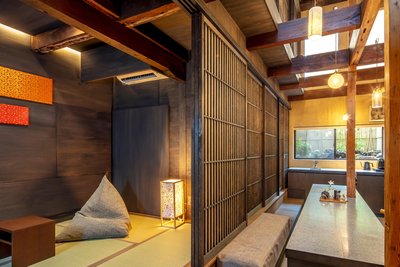
Kyo No Oozora Kihana
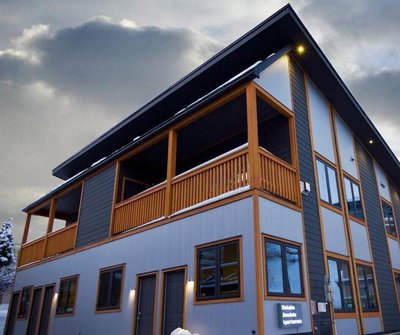
Hakuba Gondola Apartments
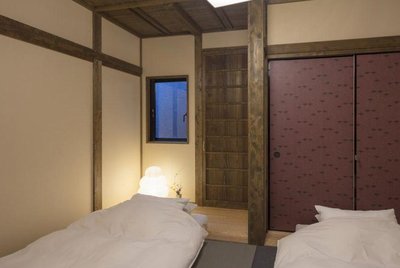
Hanagoromo Machiya House
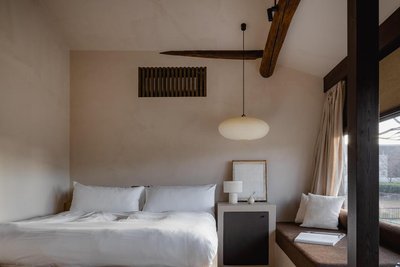
Maana Kiyomizu
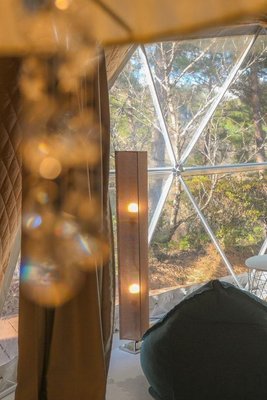
glampark Gekkabijin Nagano
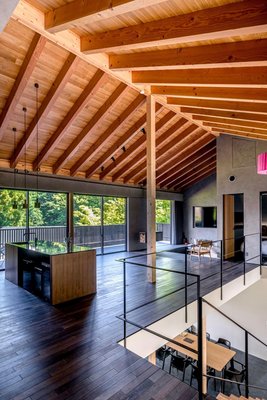
MONS GORA

Phoenix Chalets by Hhg
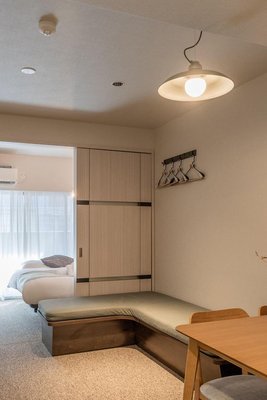
Apartment Hotel 11 Shinsaibashi
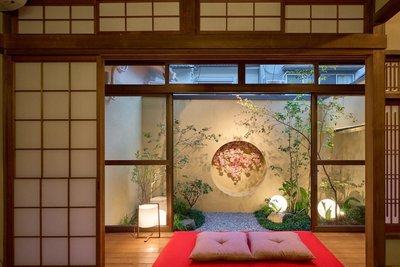
KONJAKUSO Osaka Tengachaya "NIHONCHA" Tea & Relax
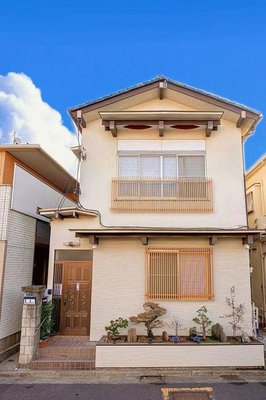
Tokyo Star House-Shinkoiwa
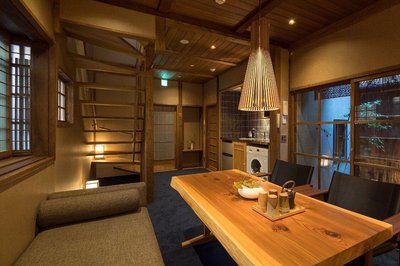
Bonbori an Machiya House
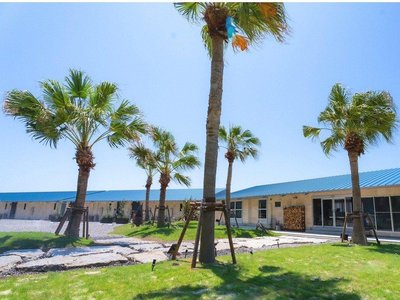
Glamping&Resort Wood Design Park Noma
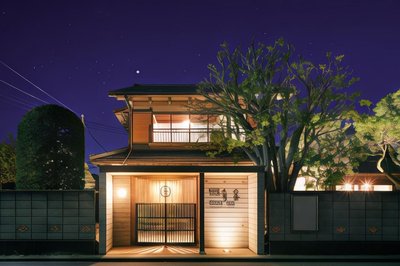
Machi-Jyu
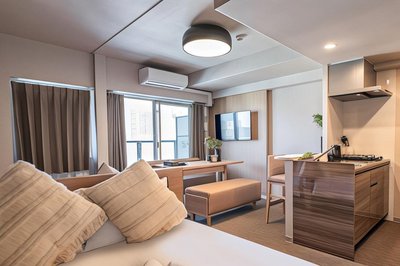
Apartment Hotel 11 Shinsaibashi III
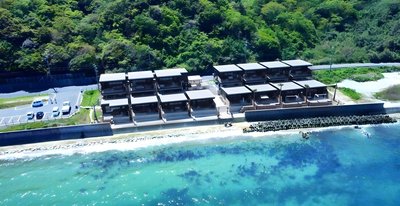
Solavilla Umi Terrace Minamiawaji
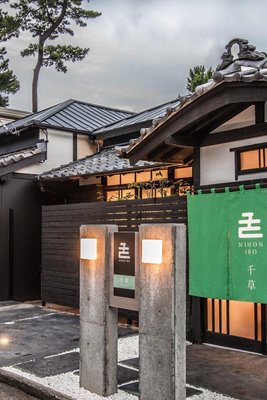
Nihon Iro
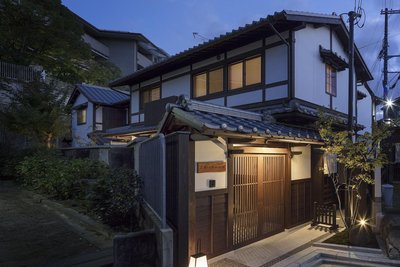
The Machiya Villa Sanjo Shirakawa Koji
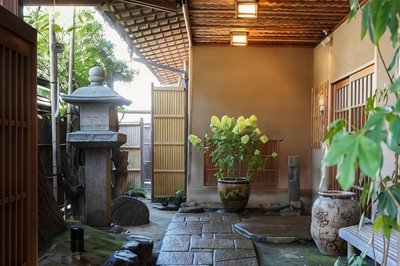
Ryokan Asadaya
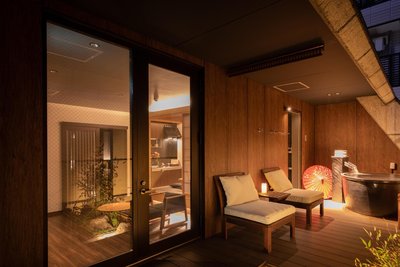
Konjaku-So Dotonbori
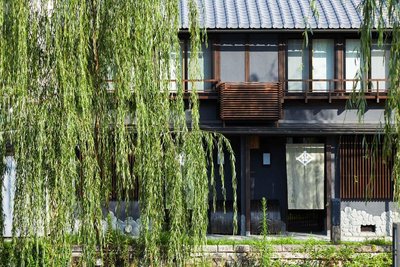
Gion Shirakawa No Yado

Hotel Barrière Fouquet's New York
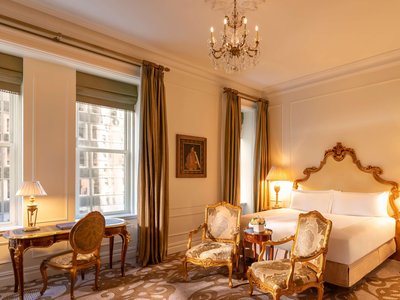
The Plaza - A Fairmont Managed Hotel
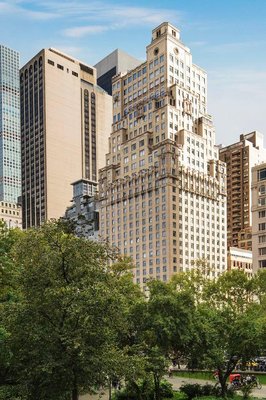
The Ritz-Carlton New York, Central Park
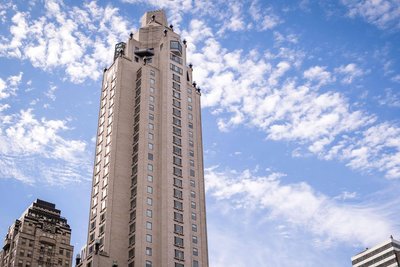
Four Seasons Hotel New York
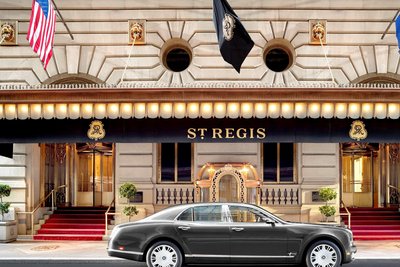
The St. Regis New York
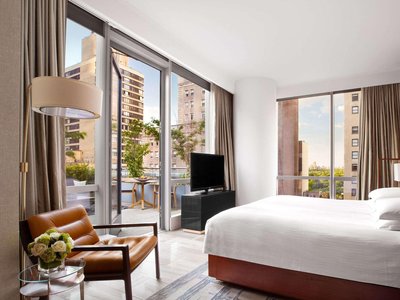
Park Hyatt New York
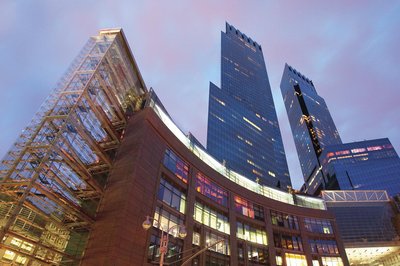
Mandarin Oriental New York
Times Square Edition New York
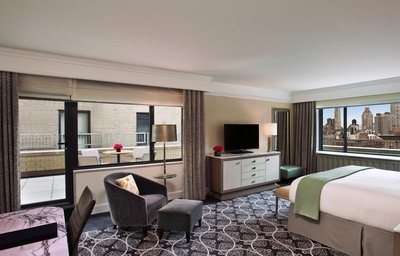
Loews Regency New York Hotel
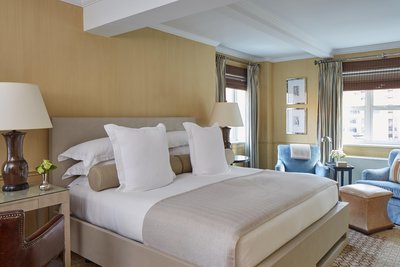
Lowell Hotel
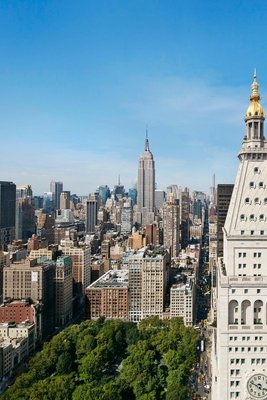
New York Edition
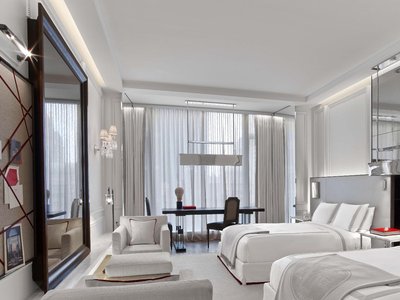
Baccarat Hotel New York
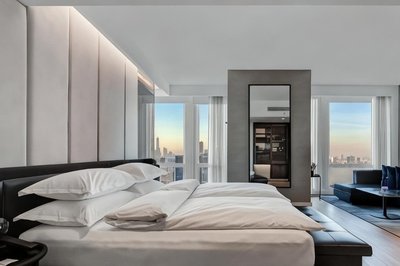
Equinox Hotel New York
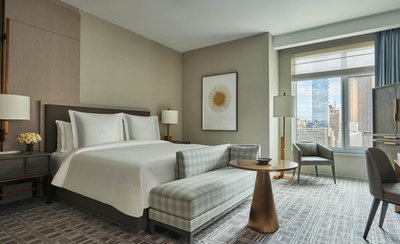
Four Seasons Hotel New York Downtown
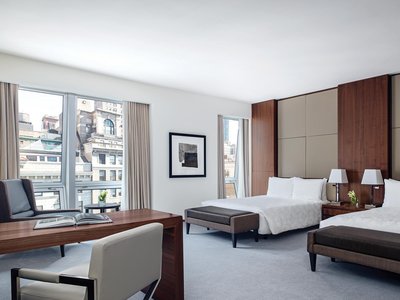
The Langham, New York, Fifth Avenue
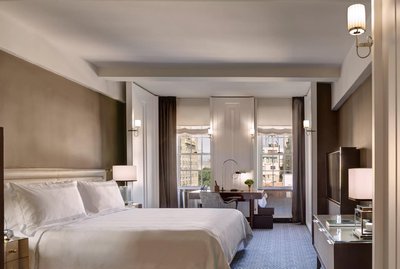
The Carlyle, A Rosewood Hotel

The Chatwal, in the Unbound Collection by Hyatt
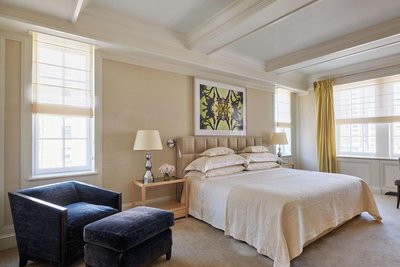
The Mark New York
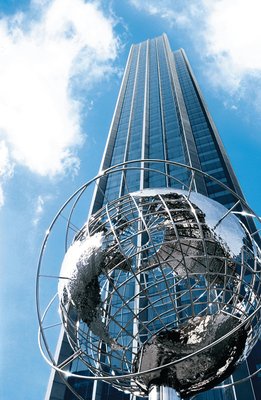
Trump International Hotel & Tower® New York
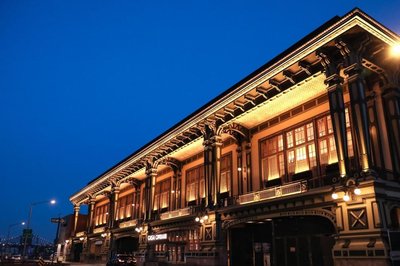
Casa Cipriani New York
Frequently Asked Questions about Traveling to Seto
Questions You Might Need to Know About Traveling to Seto
For an immersive pottery experience, stay at Seto Ceramics Culture Hotel, a boutique property themed around Seto ware—one of Japan’s Three Great Ceramics. The hotel features guest rooms with handcrafted ceramics by local artisans, and offers daily workshops where guests can try their hand at wheel-throwing. Located just steps from the Seto City Museum of Ceramics, it’s ideal for exploring the city’s rich ceramic heritage. The surrounding Old Town of Seto and Daishō-ji Temple add historical depth to your stay.
The central district of Seto City is the most convenient base for visitors, centered around Seto Station and the City Hall. This area hosts several culturally inspired inns like Seto Wafu Inn, which blends traditional Japanese architecture with modern comfort. With easy access to major attractions—including the Seto Ceramic Museum, Daishō-ji Temple, and Higashi-yama Park—it’s perfect for travelers seeking both convenience and authenticity while exploring the heart of this historic ceramic town.
Don’t miss participating in a Seto ware pottery workshop at studios like Yoshida Pottery Studio, where you can create your own piece using traditional techniques. Another highlight is the annual Seto Ware Festival, held in spring, featuring live demonstrations, artisan markets, and tea ceremonies. During this event, hundreds of potters gather to showcase their work, offering a rare glimpse into Japan’s ceramic craftsmanship and living tradition.
Yes, Seto Family Resort is a top choice for families, offering spacious family rooms, indoor heated pools, a children’s playground, and hands-on pottery classes for kids. The resort also includes a mini farm where children can interact with goats and rabbits. Nearby, Seto City Zoo and Higashi-yama Park provide additional outdoor fun. Its central location makes it easy to explore cultural sites without long commutes.
Visit Izenya, a century-old restaurant famous for its miso soup served in Seto ware bowls, paired with house-made tofu and pickled vegetables. For a more rustic taste, try Furumachi Shokudō, tucked in the old town, serving hearty regional dishes like konnyaku-pork stew cooked in clay pots. Ingredients are sourced directly from local farmers, giving meals a genuine sense of place and flavor.
Head to Higashi-yama Park, especially the observation deck, for panoramic views of Seto City and the Shōnai River. At night, the park glows with soft lantern light, creating a serene, meditative atmosphere. During autumn, the maple trees turn crimson, and during winter, special lighting events enhance the beauty. Nearby, the Seto City Art Museum often hosts evening exhibitions, making it a great destination for art lovers seeking quiet nighttime exploration.
Yes, Seto City is well-connected via the Meitetsu Seto Line, linking it to Nagoya with frequent trains from Seto Station. The free Seto Loop Bus serves key attractions like the Ceramic Museum, Daishō-ji Temple, and Old Town. Tourists should consider purchasing the Meitetsu One-Day Pass, allowing unlimited rides on trains and buses, making sightseeing efficient and cost-effective across the region.
The Seto Ware Festival in spring draws artisans and visitors from across Japan, featuring live pottery-making, auctions, and tea ceremonies. In autumn, Daishō-ji Temple’s Maple Festival transforms the grounds into a sea of red leaves, illuminated by lanterns. Summer brings the Shōnai River Fireworks Festival, where fireworks explode above the ancient kiln sites, blending history, light, and sound in a breathtaking display.
Explore Seto Ware Market Street, a charming lane lined with independent ceramic studios and gift shops selling handmade teaware, decorative pieces, and limited-edition glazes. The Seto City Museum of Ceramics Gift Shop offers exclusive items like stationery and apparel featuring Seto ware patterns. For edible souvenirs, try Furumachi Confectionery’s ceramic-tin honey cake, beautifully packaged and deliciously sweet—a unique memento of your visit.
Follow the route: Old Town of Seto → Daishō-ji Temple → Shōnai River Trail → Higashi-yama Park. This 3-kilometer loop passes through Edo-era wooden houses, centuries-old temples, and shaded river paths. Interpretive signs explain the history of Seto ware and local legends. Best visited early morning or late afternoon when the light is soft and crowds are thin. Scattered along the way are small ceramic sculptures and rest benches, enriching the journey with artistic charm.
Seto Overview
City Summary
Seto City, located in the eastern part of Aichi Prefecture, Japan, is renowned for its ceramic industry and is often called "Japan's Jingdezhen." The city boasts a long history of ceramic production, with its signature "Seto-yaki" being one of Japan's Six Ancient Kilns. Seto is not only a paradise for ceramic enthusiasts but also attracts visitors with its natural scenery and hot springs, surrounded by mountains and offering a refreshing environment.
Must-See Attractions
The Ceramic Village Park is a must-visit in Seto, showcasing the rich history and craftsmanship of ceramics. The Seto City Art Museum houses works by local artists, while Setogura is a multifunctional facility combining shopping and hands-on experiences, including ceramic workshops. Additionally, the Seto Hot Springs provide a relaxing retreat, and the surrounding nature trails are perfect for outdoor enthusiasts.
Food Guide
Seto's cuisine features local specialties, such as the "Seto-yaki Bento," served in ceramic dishes that retain heat exceptionally well. Miso Katsu (pork cutlet with miso sauce) is another classic dish, offering a unique flavor with locally produced miso. Izakayas and street stalls also serve a variety of traditional Japanese snacks, like oden and yakitori.
Transportation Guide
Seto's transportation primarily relies on buses and trains. From Nagoya, it takes about 30 minutes to reach the city center via the Meitetsu Seto Line. The local bus network covers major attractions, but services are infrequent, so checking schedules in advance is advised. Renting a bicycle is also a great way to explore the city, as many sites are within close proximity.
Best Time to Visit
The best times to visit Seto are spring (March-May) and autumn (September-November), when the weather is mild and ideal for outdoor activities. Spring cherry blossoms and autumn foliage add vibrant colors to the city, avoiding the summer heat and winter cold.
Travel Tips
- Safety: Seto is generally safe, but remain cautious when walking alone at night.
- Etiquette: Respect the artisans' work when visiting ceramic studios.
- Language: Learning basic Japanese greetings can enhance interactions with locals.
- Customs: Cleanse thoroughly before entering hot springs and follow bathing etiquette.
- Shopping: Ceramics are fragile; ensure proper packaging after purchase.
- Eco-friendly: Strict waste segregation is practiced; dispose of trash accordingly.
Useful Information
Language: Japanese is primary; some attractions offer English information. Internet: Free Wi-Fi is available in many areas, but coverage is limited; consider renting a pocket Wi-Fi. Payment: Cash is dominant; some shops accept credit cards—carry sufficient yen. Emergency: General hospitals are available; dial 119 for emergencies. Tourist Centers: Information centers near stations provide maps and attraction guides.