Hotels in Seto
Discover your perfect stay in Seto.
Seto(Japan) Travel 2026: Cheap Flights, Hotels & Top Attractions
Popular Landmarks in Seto
Discover the most iconic attractions in Seto
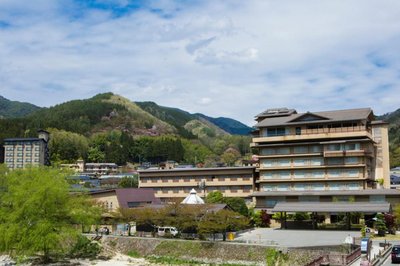
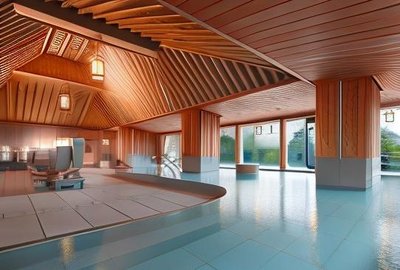
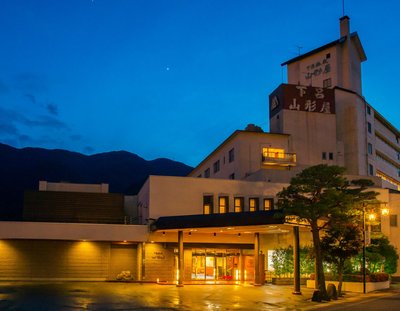
Recommended Hotels in Seto
Find the perfect place to stay in Seto
Best Hotels in Seto
Discover curated hotel collections in Seto
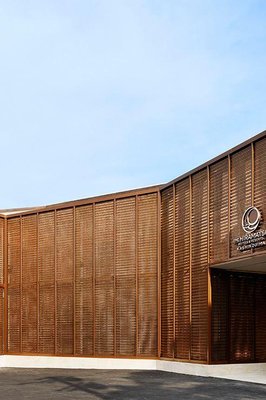
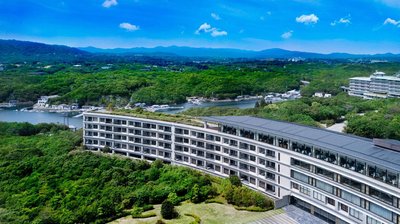
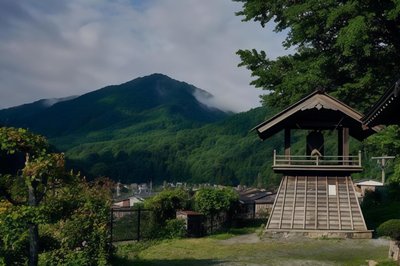
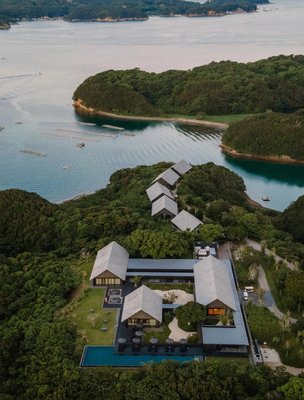
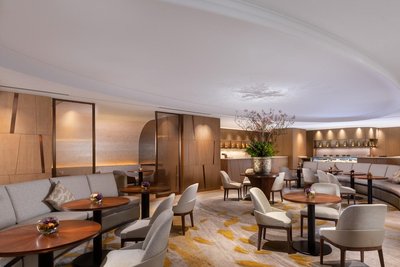
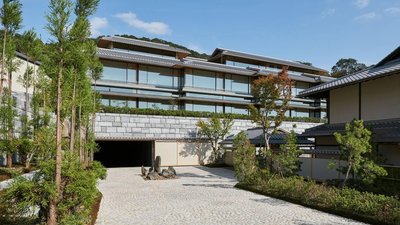
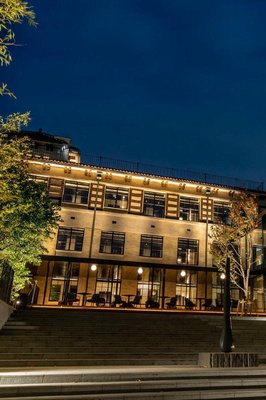
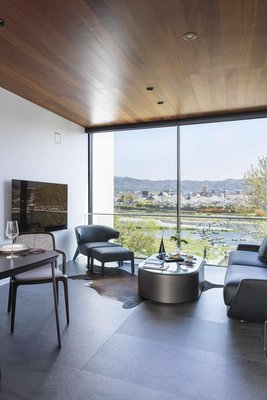
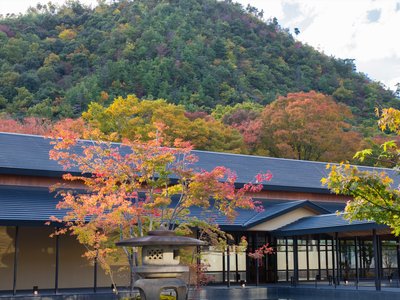
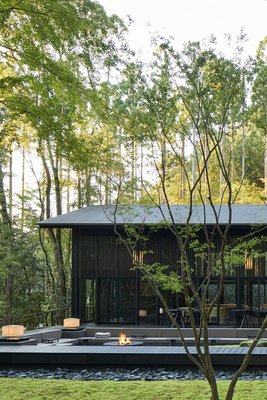
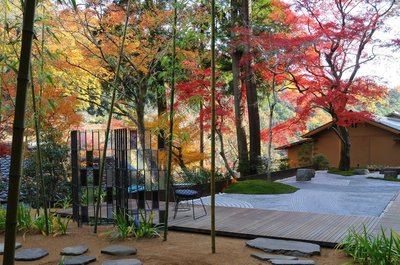
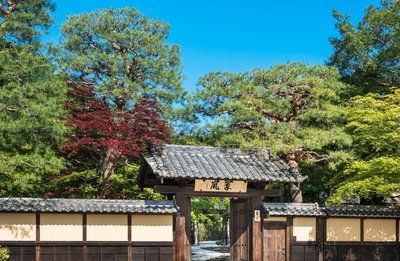
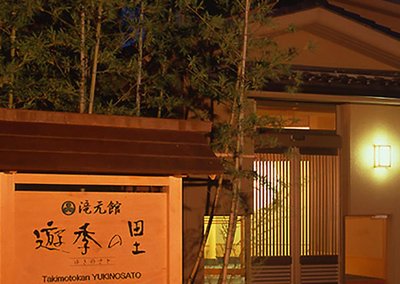
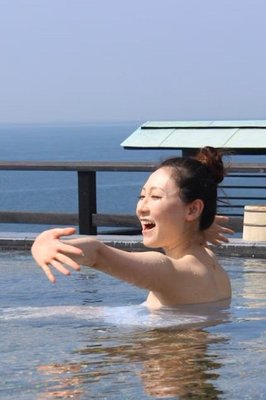
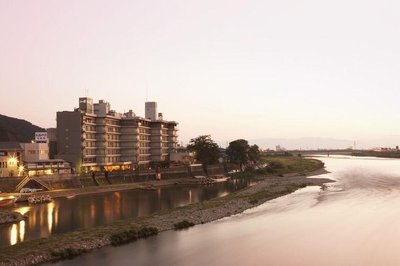
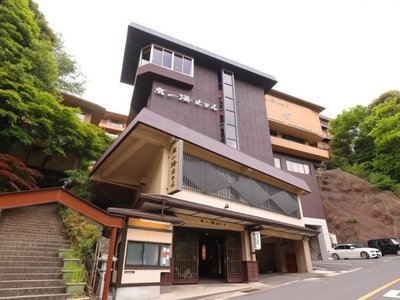
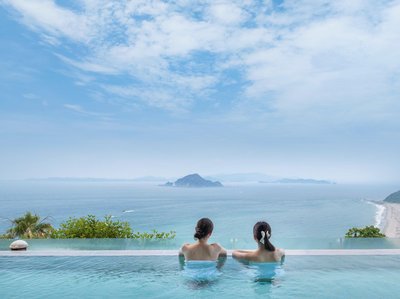


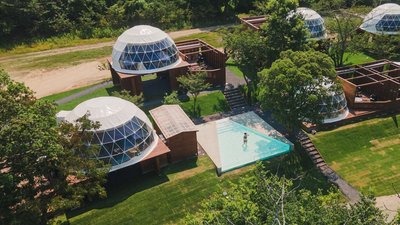
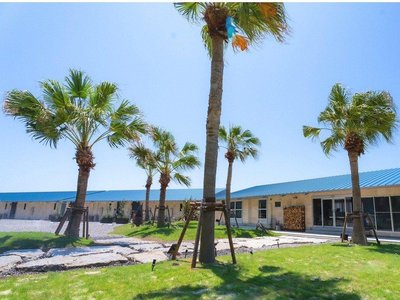
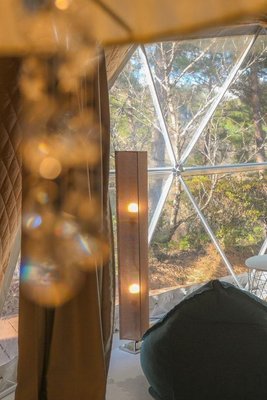
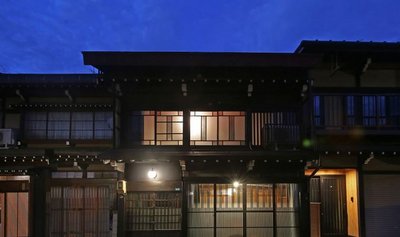

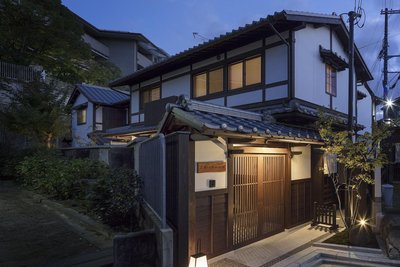
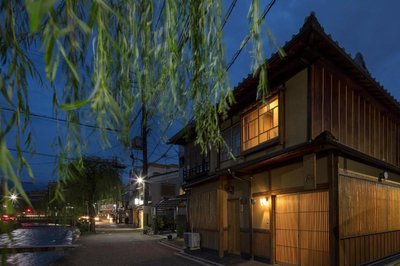
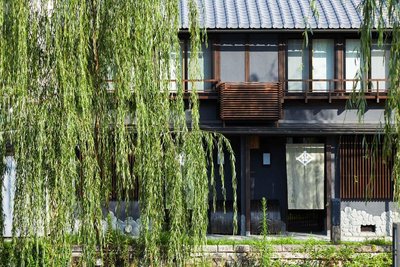

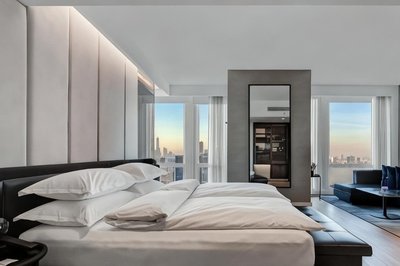
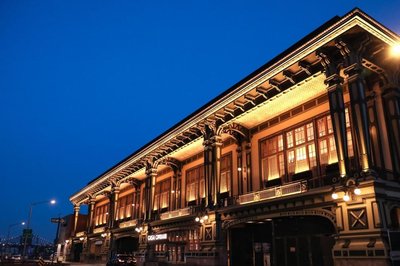
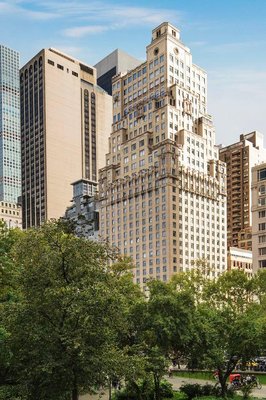
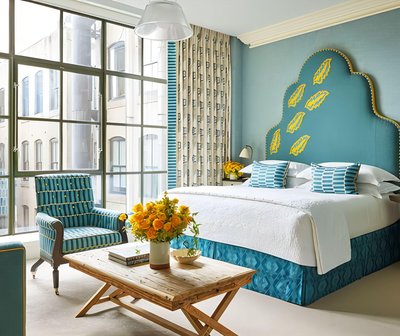

Frequently Asked Questions about Traveling to Seto
Questions You Might Need to Know About Traveling to Seto
Seto Overview
City Summary
Seto City, located in the eastern part of Aichi Prefecture, Japan, is renowned for its ceramic industry and is often called "Japan's Jingdezhen." The city boasts a long history of ceramic production, with its signature "Seto-yaki" being one of Japan's Six Ancient Kilns. Seto is not only a paradise for ceramic enthusiasts but also attracts visitors with its natural scenery and hot springs, surrounded by mountains and offering a refreshing environment.
Must-See Attractions
The Ceramic Village Park is a must-visit in Seto, showcasing the rich history and craftsmanship of ceramics. The Seto City Art Museum houses works by local artists, while Setogura is a multifunctional facility combining shopping and hands-on experiences, including ceramic workshops. Additionally, the Seto Hot Springs provide a relaxing retreat, and the surrounding nature trails are perfect for outdoor enthusiasts.
Food Guide
Seto's cuisine features local specialties, such as the "Seto-yaki Bento," served in ceramic dishes that retain heat exceptionally well. Miso Katsu (pork cutlet with miso sauce) is another classic dish, offering a unique flavor with locally produced miso. Izakayas and street stalls also serve a variety of traditional Japanese snacks, like oden and yakitori.
Transportation Guide
Seto's transportation primarily relies on buses and trains. From Nagoya, it takes about 30 minutes to reach the city center via the Meitetsu Seto Line. The local bus network covers major attractions, but services are infrequent, so checking schedules in advance is advised. Renting a bicycle is also a great way to explore the city, as many sites are within close proximity.
Best Time to Visit
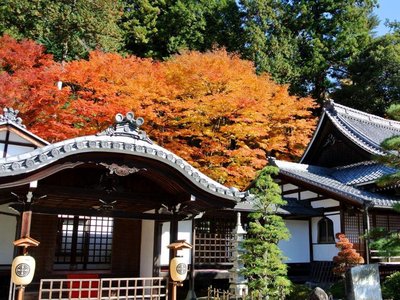
The best times to visit Seto are spring (March-May) and autumn (September-November), when the weather is mild and ideal for outdoor activities. Spring cherry blossoms and autumn foliage add vibrant colors to the city, avoiding the summer heat and winter cold.
Travel Tips
- Safety: Seto is generally safe, but remain cautious when walking alone at night.
- Etiquette: Respect the artisans' work when visiting ceramic studios.
- Language: Learning basic Japanese greetings can enhance interactions with locals.
- Customs: Cleanse thoroughly before entering hot springs and follow bathing etiquette.
- Shopping: Ceramics are fragile; ensure proper packaging after purchase.
- Eco-friendly: Strict waste segregation is practiced; dispose of trash accordingly.
Useful Information
Language: Japanese is primary; some attractions offer English information. Internet: Free Wi-Fi is available in many areas, but coverage is limited; consider renting a pocket Wi-Fi. Payment: Cash is dominant; some shops accept credit cards—carry sufficient yen. Emergency: General hospitals are available; dial 119 for emergencies. Tourist Centers: Information centers near stations provide maps and attraction guides.