Hotels in Sewon
Discover your perfect stay in Sewon.
Sewon(Indonesia) Travel 2026: Cheap Flights, Hotels & Top Attractions
Popular Landmarks in Sewon
Discover the most iconic attractions in Sewon
Recommended Hotels in Sewon
Find the perfect place to stay in Sewon
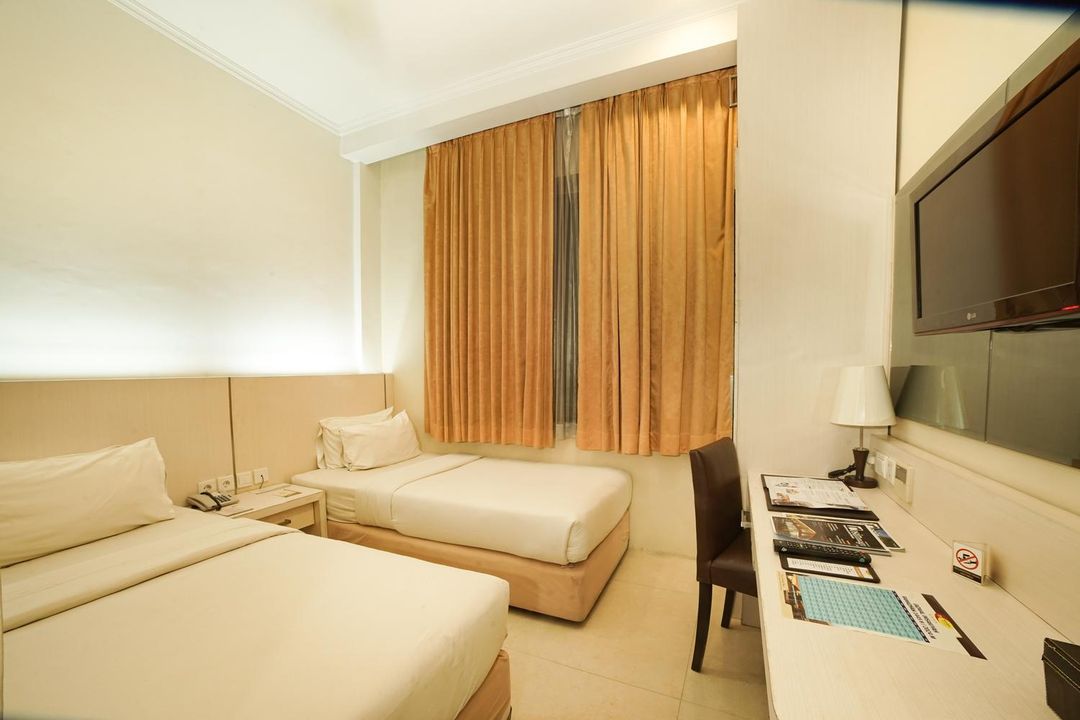
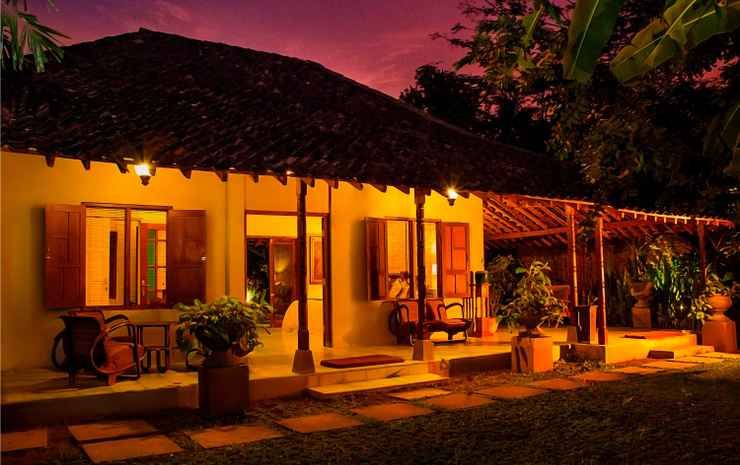
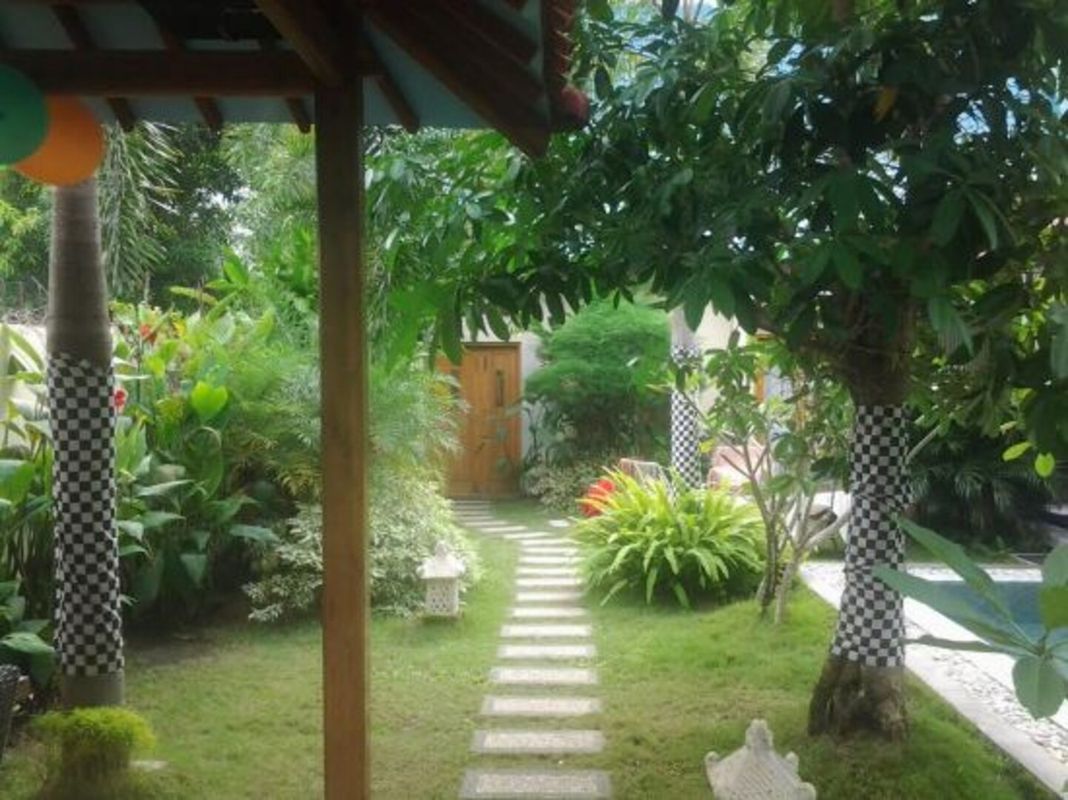
Best Hotels in Sewon
Discover curated hotel collections in Sewon











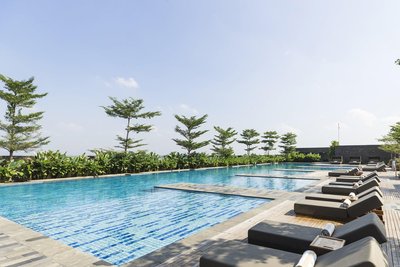
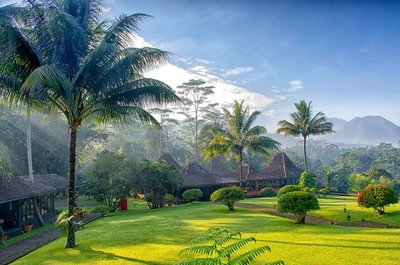
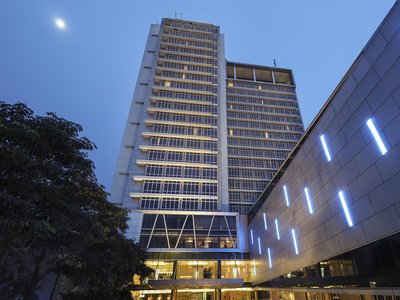
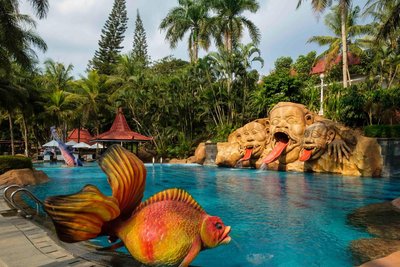

Frequently Asked Questions about Traveling to Sewon
Questions You Might Need to Know About Traveling to Sewon
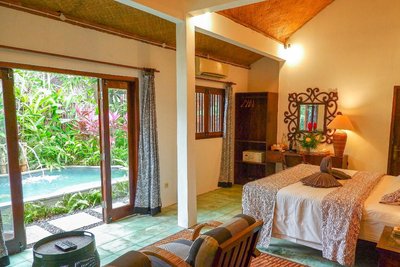
In Sewon, stay at Bumi Sari Homestay, a boutique guesthouse blending Javanese architectural heritage with sustainable design. Featuring natural bamboo walls and volcanic stone flooring, each room reflects the Dasa Pura spiritual philosophy. Located just 10 minutes from Borobudur Temple, guests can join sunrise meditation sessions or participate in traditional prayer ceremonies led by local elders. The hosts serve homemade coconut rice and Indonesian coffee tasting, offering an authentic glimpse into rural Javanese life and community values.
The ideal area for lodging in Sewon is near the Borobudur Trail Entrance. This quiet, village-style zone offers peaceful surroundings and easy access to the UNESCO World Heritage Site. Accommodations like Sewon Village Stay provide free bicycles and guided tours, while being just a 5-minute walk from the archaeological park. With minimal light pollution, it’s perfect for stargazing and early morning yoga. The area also preserves traditional farming practices, allowing guests to experience daily village rhythms firsthand.
To immerse in real Javanese culture, join a morning rice field farming experience at a local farm, where you’ll learn traditional wet paddy cultivation techniques. Afternoon workshops include batik dyeing using natural indigo, creating symbolic Rejekin patterns. In the evening, enjoy a communal long-table dinner (Nasi Campur) with villagers, featuring grilled pork, coconut rice, and spicy sambal. Listen to oral epics like Ramayana sung in Javanese, deepening your understanding of sacred storytelling traditions.
Near Sewon, the paramount landmark is Borobudur Temple, the world’s largest Buddhist temple complex. Visit at sunrise to witness the golden silhouette of the monument mirrored in the surrounding terraced fields. Nearby, Prambanan Temple—a Hindu tri-temples site—hosts nightly Balinese dance performances depicting myths of Shiva, Vishnu, and Brahma. Within the village itself lies a centuries-old well shrine dedicated to the earth goddess, where monthly purification rituals are held, offering insight into indigenous spiritual practices.
Some upscale homestays like Sewon Heritage Lodge provide bilingual support (Indonesian + Mandarin), including assistance with ticket bookings, guide arrangements, and religious ceremony translation. However, most family-run lodges operate primarily in Indonesian, so it’s advisable to pre-notify your request via HopeGoo platforms. Downloading Google Translate offline packs or carrying a card with "Chinese" written on it helps communication. Many properties also offer audio guides in Simplified Chinese for Borobudur history tours.
Sewon is about 30 km east of Yogyakarta city, accessible via Grab or private car transfer (~45 minutes). From Adisucipto Airport, take a shuttle bus to Sewon village, costing around IDR 15,000. There’s no public transit within the village, but most homestays offer shared bicycles or electric tricycles for exploring rice paddies and temples. Avoid traveling on Fridays or during festivals due to traffic caused by pilgrimage convoys.
Sewon has a tropical monsoon climate with high humidity. During the rainy season (November–March), choose lodgings with roof terraces and moisture-resistant flooring, such as Bumi Sari Homestay. For the dry season (April–October), opt for rooms with air conditioning and ceiling fans, especially if visiting midday when temperatures reach 35°C. The best times for outdoor activities are early morning or late afternoon (26–28°C). Many homestays supply herbal cooling drinks and fresh coconut water to combat heat.
Participate in the Waisak Festival procession during the lunar new moon, where villagers carry paper lanterns along rice fields, symbolizing Buddha’s enlightenment. Attend the annual Gamelan Music Festival in June, featuring master musicians teaching traditional instruments like kendhang drums and gong chimes. You can also learn basic Javanese dance movements (Sewas), emphasizing expressive hand gestures and eye focus. All events require advance HopeGoo and often include meals and souvenirs.
In Sewon, sample coconut milk rice cake (Lontong Kari) wrapped in banana leaves, served with rich curry and peanut sauce. Try fried bean curd with spicy sambal (Gorengan Tahu), handmade by village women and crispy outside, soft inside. During festivals, taste Ondol-Ondol, chewy glutinous rice balls filled with palm sugar. All dishes use organic rice and native spices like turmeric, lemongrass, and kaffir lime—flavors deeply rooted in Javanese culinary tradition. Some homestays offer cooking classes to recreate these classics.
Most homestays in Sewon feature 24-hour surveillance systems and keycard access, with Sewon Village Stay providing emergency call buttons and first-aid kits. As a rural area, confirm power stability and internet availability before arrival. Some lodges partner with the village head association to offer night escorts to major sites. All kitchens comply with Indonesian hygiene standards, and ingredients are traceable. Always keep the host’s contact number and inform them before hiking into forested zones.
Sewon Overview
City Summary
Sewon is a small town in the Yogyakarta Special Region of Indonesia, known for its Balinese-style architecture and tranquil rural atmosphere. It is an ideal getaway from urban hustle, offering a glimpse into Indonesia's rich cultural heritage through its historical sites and art studios. The town's handicraft markets and traditional dance performances are major attractions for visitors.
Must-See Attractions
Must-see attractions in Sewon include the local art villages, showcasing Balinese-style sculptures and paintings. The Prambanan Temple, a UNESCO World Heritage site, is nearby and renowned for its intricate stone carvings. Visitors can also explore traditional batik workshops to learn about Indonesian batik-making techniques. Evening Balinese dance performances are a cultural highlight not to be missed.
Food Guide
For food lovers, Sewon's street food is a must-try, including Sate (skewered meat) and Nasi Goreng (fried rice). The traditional markets offer a variety of tropical fruits and fresh seafood. Balinese-style restaurants serve dishes like Bebek Betutu (spiced roasted duck) and Lawar (mixed vegetable salad). Sweet treats include Klepon (coconut-filled glutinous rice balls) and Es Cendol (green jelly dessert).
Transportation Guide
Transportation in Sewon primarily includes motorbike rentals and taxis for short trips. The TransJogja bus system in Yogyakarta is convenient for visiting nearby attractions. Ride-hailing apps like Gojek or Grab are recommended for easy travel. For long-distance journeys, trains and intercity buses are available from Yogyakarta Station.
Best Time to Visit
The best time to visit is from May to September, when the weather is dry and cool. Avoid the rainy season (November to March) to prevent travel disruptions. Peak tourist season is July-August, so book accommodations in advance.
Travel Tips
- Respect local culture: Dress modestly when entering temples; women should wear a sarong.
- Traffic safety: Always wear a helmet when riding motorbikes.
- Carry cash: Small vendors may not accept credit cards.
- Sun protection: The tropical sun is strong; bring sunscreen and a hat.
- Drinking water: Stick to bottled water.
- Basic Bahasa Indonesia: Phrases like "Terima Kasih" (thank you) help with communication.
Useful Information
Useful Guide:
- Language: Indonesian is the main language; English is limited in rural areas.
- Internet: Local SIM cards (e.g., Telkomsel) provide reliable connectivity.
- Payment: Cash is preferred; some places accept credit cards.
- Voltage: 220V, with two-round-pin plugs (European style).
- Emergency care: International hospitals (e.g., Bethesda Hospital) are in Yogyakarta city.
- Emergency numbers: Police 110, ambulance 118.