Hotels in Shōō
Discover your perfect stay in Shōō.
Shōō(Japan) Travel 2026: Cheap Flights, Hotels & Top Attractions
Popular Landmarks in Shōō
Discover the most iconic attractions in Shōō
Recommended Hotels in Shōō
Find the perfect place to stay in Shōō
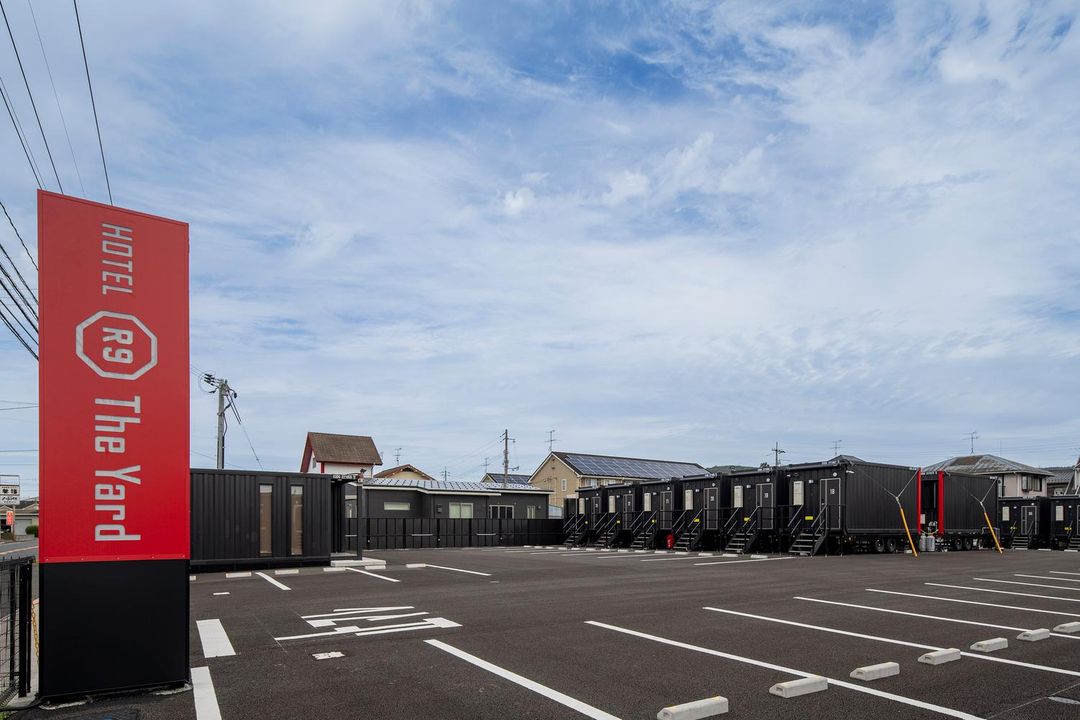
Hotel R9 the Yard Shoo
Best Hotels in Shōō
Discover curated hotel collections in Shōō
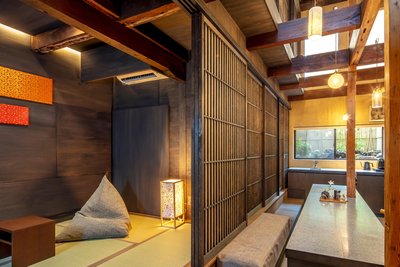
Kyo No Oozora Kihana
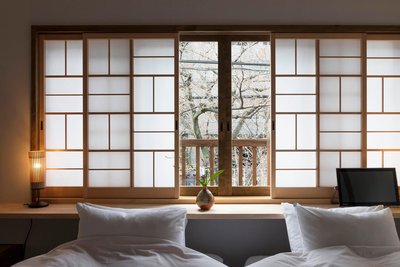
Hanagoromo Machiya House

Maana Kiyomizu
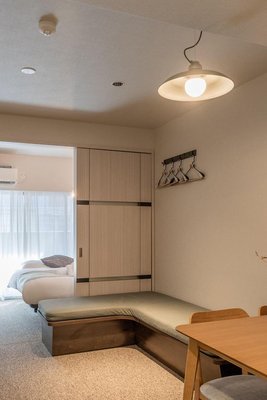
Apartment Hotel 11 Shinsaibashi
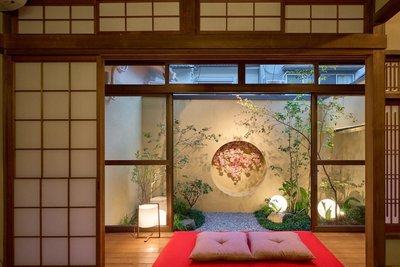
KONJAKUSO Osaka Tengachaya "NIHONCHA" Tea & Relax
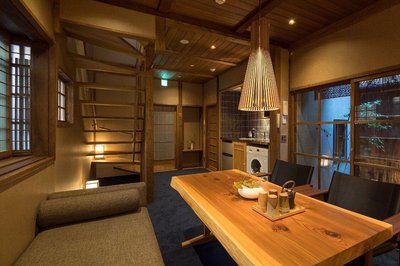
Bonbori an Machiya House

Glamping&Resort Wood Design Park Noma
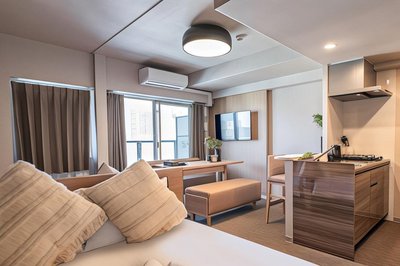
Apartment Hotel 11 Shinsaibashi III

Solavilla Umi Terrace Minamiawaji
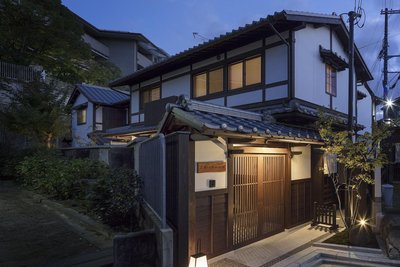
The Machiya Villa Sanjo Shirakawa Koji
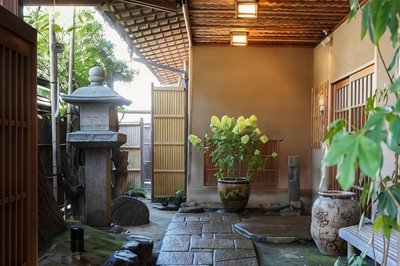
Ryokan Asadaya

Konjaku-So Dotonbori
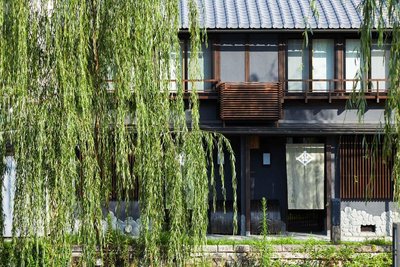
Gion Shirakawa No Yado

Kitashirakawa Natural Radium Onsen
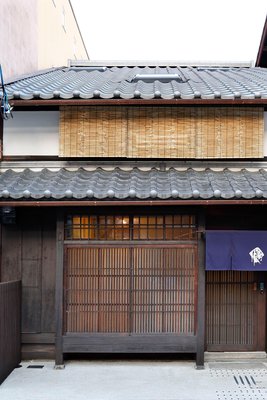
Kyo No Ondokoro Kamanza Nijo #2
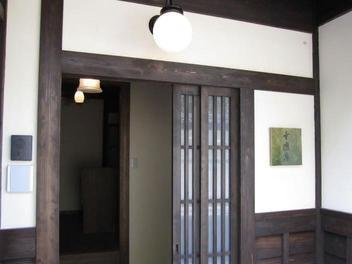
Gion Koyu an Machiya House
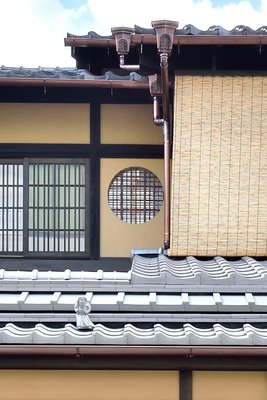
Kyo No Ondokoro Gokomachi Ebisugawa #3
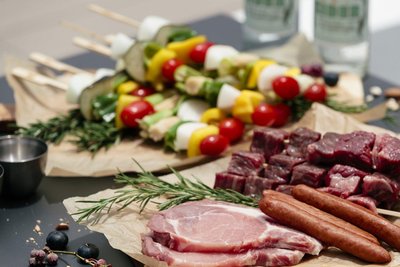
Sana Mane - Glamp Domes
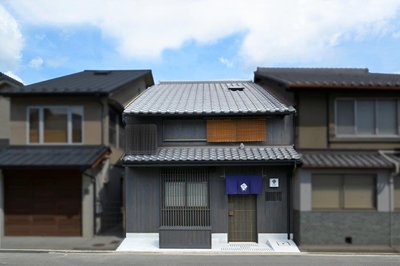
Kyo No Ondokoro Goshonishi #6
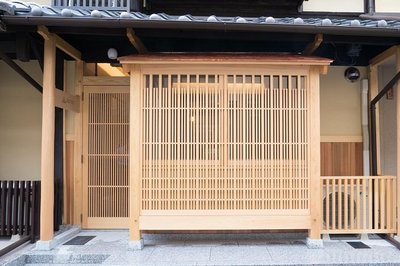
Kyomachiya Suite Rikyu

Shima Kanko Hotel the Bay Suites
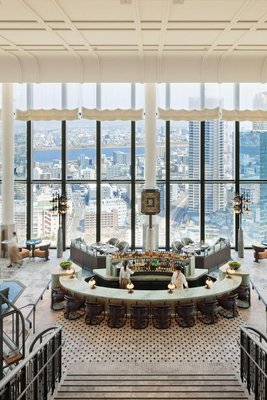
Waldorf Astoria Osaka

Kamo Residences by Reflections

Six Senses Kyoto
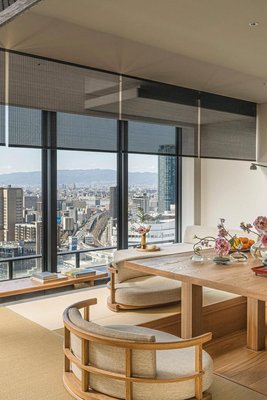
Four Seasons Hotel Osaka

Patina Osaka

The Ritz-Carlton, Osaka
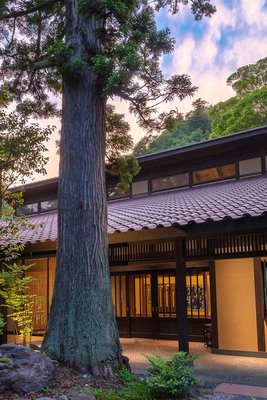
Arimasansoh Goshobessho

The Hiramatsu Hotels & Resorts Kashikojima
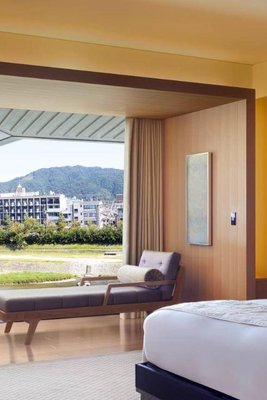
The Ritz-Carlton, Kyoto
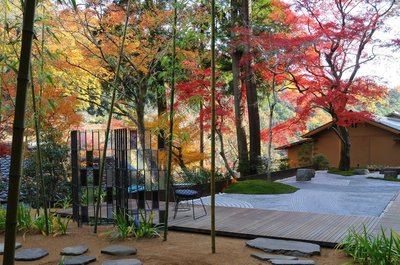
HOSHINOYA Kyoto

Amanemu
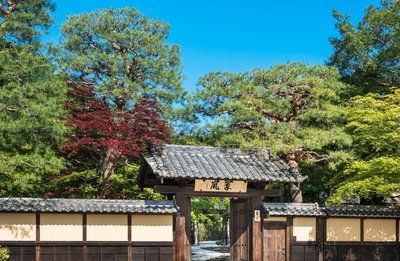
Suiran, a Luxury Collection Hotel, Kyoto

Grand Chariot Hokutoshichisei 135°
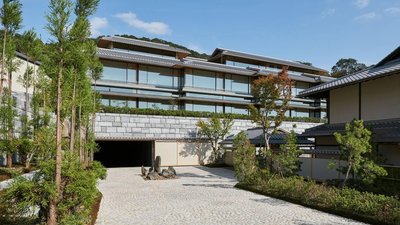
Park Hyatt Kyoto

SETOUCHI RETREAT by Onko Chishin
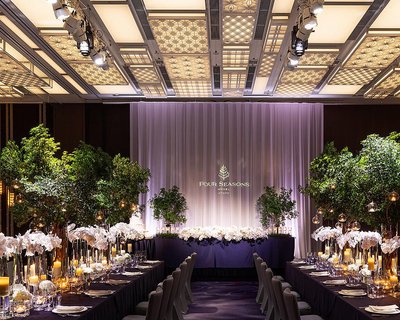
Four Seasons Hotel Kyoto

The Hotel Seiryu Kyoto Kiyomizu - a Member of the Leading Hotels of the World-

Aman Kyoto
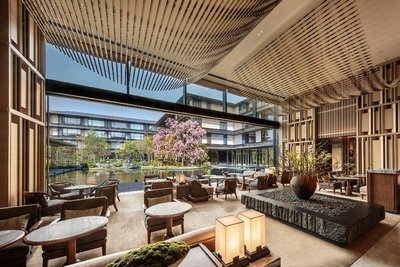
Hotel the Mitsui Kyoto, a Luxury Collection Hotel & Spa
Frequently Asked Questions about Traveling to Shōō
Questions You Might Need to Know About Traveling to Shōō
In Shōgō Town, the best choice is Shōgō Onsen Ryokan, a traditional Japanese inn blending minimalist design with modern comfort. Its open-air baths overlook the Kibi Highlands, offering panoramic views of rice fields and seasonal foliage. The inn serves farm-to-table Okayama cuisine, including fresh melons and wagyu beef, sourced from nearby farms. Another excellent option is Shōgō Tourism Hotel, centrally located near the Shōgō Town Museum, ideal for travelers interested in regional history and culture.
The central district of Shōgō Town is the most convenient place to stay, close to the Shōgō Town Hall and Kibi Central Park. This area hosts boutique guesthouses like Kibi no Yado, offering easy access to local markets and cultural events. Guests can enjoy morning walks through the park and evening strolls along the Shōgō River Trail, perfect for experiencing the town’s peaceful rural lifestyle. Many accommodations also provide free bicycles for exploring nearby farmlands.
Visitors should not miss the Spring Festival at Kibitsu Shrine, featuring traditional dance performances and portable shrine processions. The Okayama Agricultural Experience Workshop allows guests to plant rice, make umeboshi (plum pickles), and learn about sustainable farming. During the annual Harvest Festival, locals showcase homemade persimmon cakes and white peaches, offering an authentic taste of rural Okayama life.
After check-in, visit Kibitsu Shrine, known for its vibrant red torii gate and ancient history. Explore the Shōgō Town Museum, housing artifacts from the Kibi Era, including bronze mirrors and pottery. For nature lovers, head to the Kibi Highlands Viewpoint for sweeping vistas of farmland. In the evening, stroll along the Shōgō River Walkway, enjoying serene riverside views and a quiet, contemplative atmosphere.
Shōgō Town’s onsen hotels feature natural sulfur-rich waters that soothe muscles and improve skin health. Shōgō Onsen Ryokan’s Iwa Furo (rock bath) uses local basalt stones, with water drawn from 300 meters underground. Some rooms include private tatami soaking tubs, offering intimate relaxation. Daily onsen lectures explain the geology and therapeutic benefits, enhancing guests’ understanding of Japan’s onsen culture.
Famille Shōgō, a family-oriented guesthouse, features a private garden, children’s playroom, and farm interaction zones where kids can feed goats and harvest vegetables. It offers connecting rooms and baby amenities. Nearby, the Shōgō Town Children’s Nature Classroom runs weekly programs like insect spotting and leaf pressing. The hotel also organizes family cooking classes to make traditional sweets like mochi, making it perfect for multi-generational travel.
Don’t miss Okayama Melon, especially the summer-only Sunny Honey Melon, often served as a breakfast dessert. Try wagyu sushi and Kibi Dango—sweet rice dumplings with red bean paste. Many hotels offer local ingredient dinners, featuring vegetables harvested that day and paired with locally brewed sake, showcasing the region’s "one product, one dish" culinary philosophy.
Take the West Japan JR Bus from Okayama Station to "Shōgō Town Hall Front," a 45-minute ride with frequent departures. For drivers, follow National Route 2 south via the Kibi Expressway, about 30 km with scenic farmland views. Some hotels offer complimentary shuttle services; HopeGoo ahead is recommended. Alternatively, rent a bicycle and cycle along the greenway, enjoying rural landscapes at your own pace.
Spring brings the Cherry Blossom Festival at Kibi Central Park, with illuminated cherry trees creating a dreamy night scene. Summer features the Shōgō Fireworks Festival along the Shōgō River, accompanied by live music. Autumn hosts the Chestnut Harvest Festival, where you can sample roasted chestnuts and chestnut mochi. Winter’s Snow Lantern Festival lights up the Kibi Highlands with hundreds of handcrafted lanterns, creating a cozy, magical ambiance.
Yes, many hotels in Shōgō Town provide local cultural tours, such as guided visits to Kibitsu Shrine, hands-on agricultural workshops, and washi paper-making sessions. Shōgō Onsen Ryokan hosts a weekly "Kibi Story Night," where local guides share legends of ancient Kibi Kingdom. Some hotels partner with the Shōgō Art Village to offer "One-Day Craftsman" programs, teaching pottery, weaving, or woodworking—perfect for immersive cultural engagement.
Shōō Overview
City Summary
Shōō Town is a tranquil rural town located in the northern part of Okayama Prefecture, Japan. Known for its agriculture, especially rice and fruit cultivation such as grapes and pears, Shōō offers a peaceful escape from urban life. The town boasts beautiful natural scenery, with cherry blossoms in spring and vibrant foliage in autumn. Visitors can also experience traditional Japanese rural culture and the simple, slow-paced lifestyle of the locals.
Must-See Attractions
Key attractions in Shōō include the Shōō Town Agricultural Park, where visitors can learn about local farming and enjoy fruit-picking experiences. The Shōō Town Historical and Folk Museum showcases the town's history and culture, ideal for those interested in rural Japanese heritage. Additionally, the town's nature trails and shrines are perfect for leisurely walks and meditation.
Food Guide
Shōō's culinary scene revolves around local produce. Don't miss the chance to try fresh fruits like grapes and pears, as well as homemade jams and juices made from these fruits. Local farm restaurants serve hearty countryside dishes such as tempura made with seasonal vegetables and rice grown in the region.
Transportation Guide
Getting around Shōō is best done by car or bus. As there are no train lines in the town, renting a car or taking local buses is recommended. Driving from Okayama City takes about an hour, and bus schedules are limited, so plan ahead. The town's attractions are relatively close to each other, making walking or cycling convenient options.
Best Time to Visit
The best times to visit Shōō are spring (March to May) and autumn (September to November), when the weather is pleasant and the natural scenery is at its most beautiful. Summers can be hot, and winters are colder with fewer tourists.
Travel Tips
- Respect local customs: Shōō is a quiet, rural town—keep noise levels low.
- Eco-friendly travel: Preserve the natural beauty by not littering.
- Cash payments: Some local eateries and shops may not accept credit cards, so carry cash.
- Comfortable attire: Wear light clothing and comfortable shoes for walking.
- Book in advance: If you plan to join fruit-picking activities, make reservations ahead.
- Weather awareness: Spring and autumn evenings can be chilly, so bring a jacket.
Useful Information
Language: Japanese is the primary language spoken in Shōō, and English is not widely understood. Learning basic Japanese phrases or using a translation app is helpful. Internet: Some areas may have spotty network coverage, so downloading offline maps is advisable. Payment: Cash is the main form of payment, though some businesses accept credit cards. Carry sufficient yen. Emergency care: Shōō has small clinics, but serious cases require travel to hospitals in Okayama City. Travel insurance is recommended.









