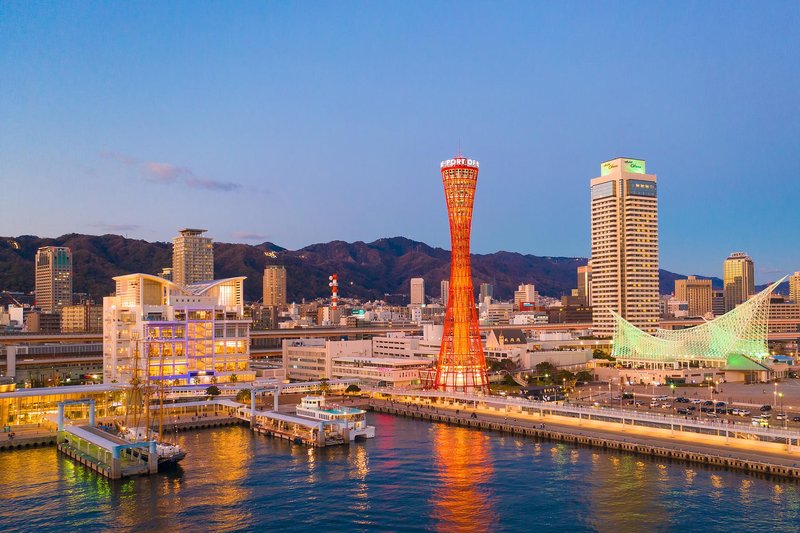
Hotels in Shōbara
Discover your perfect stay in Shōbara.
Shōbara(Japan) Travel 2026: Cheap Flights, Hotels & Top Attractions
Popular Landmarks in Shōbara
Discover the most iconic attractions in Shōbara
Recommended Hotels in Shōbara
Find the perfect place to stay in Shōbara
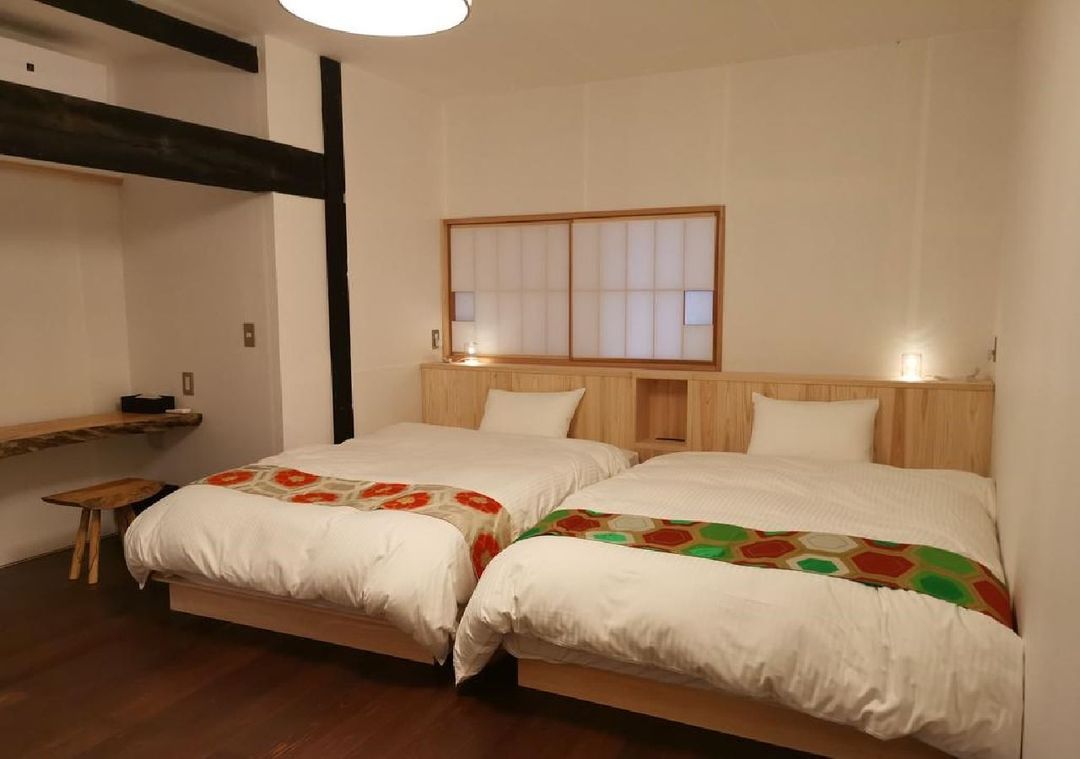
Setouchi Cominca Stays Hiroshima Chojaya
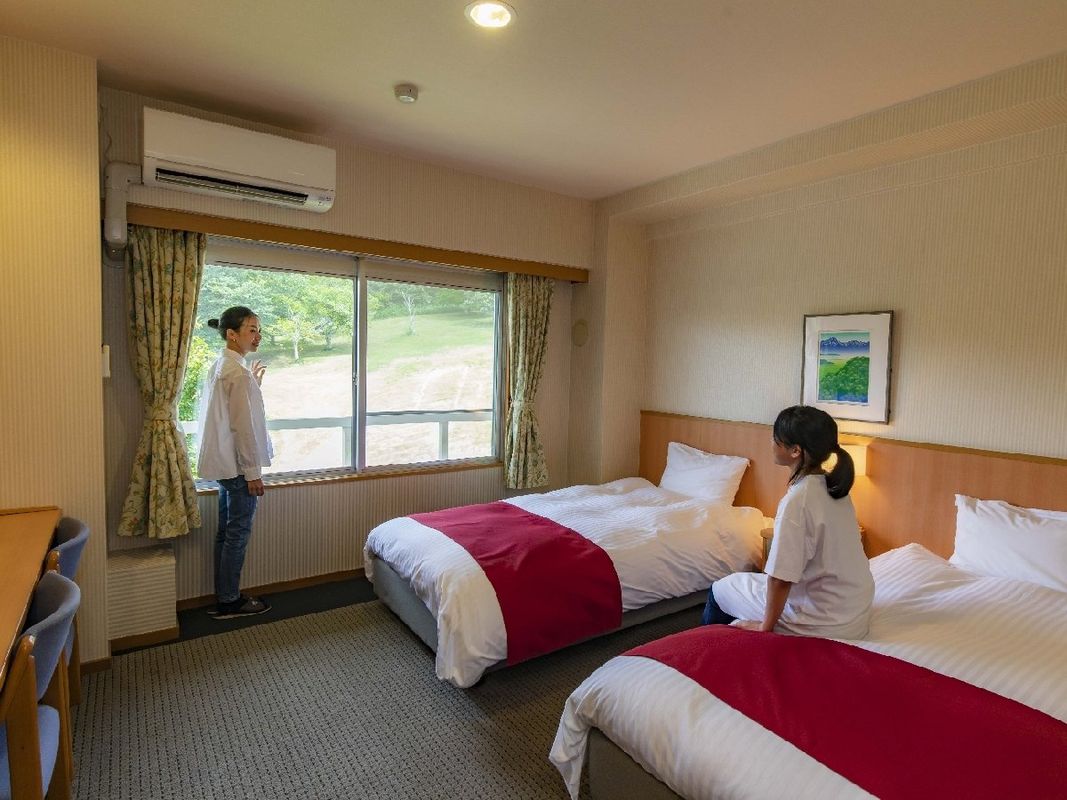
Kyukamura Taishakukyo
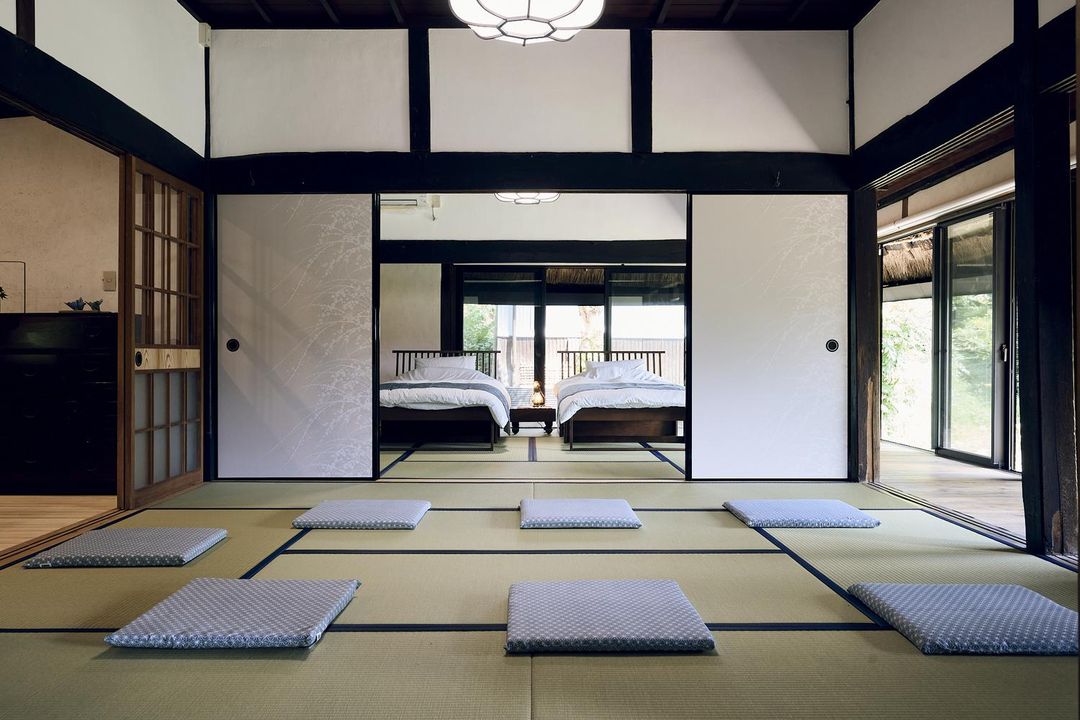
OMOYA SORYO
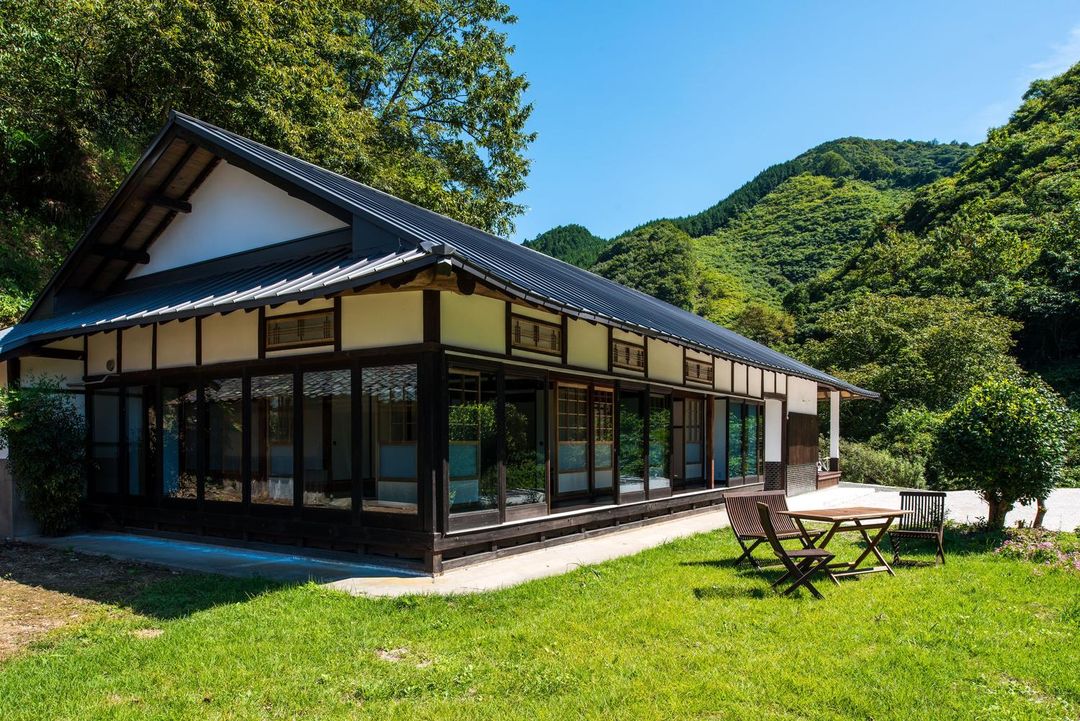
Setouchi Cominca Stays Hiroshima Frosen
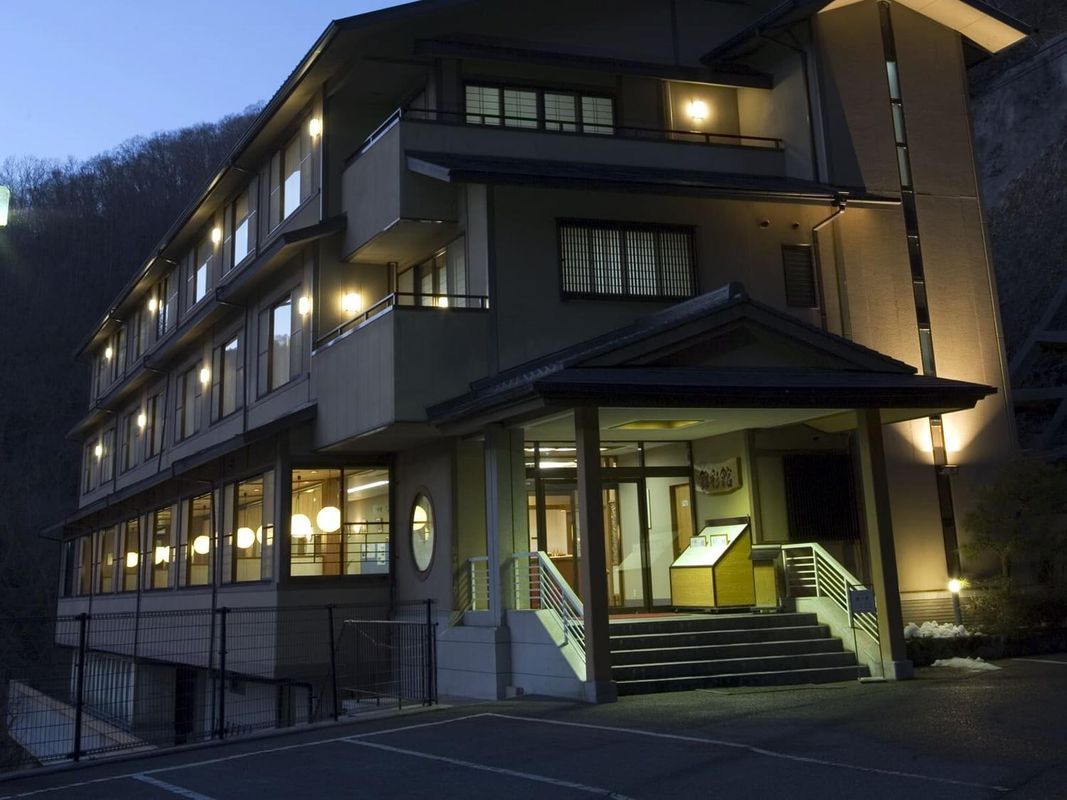
Taishakukyou Kanko Hotel Kinsaikan
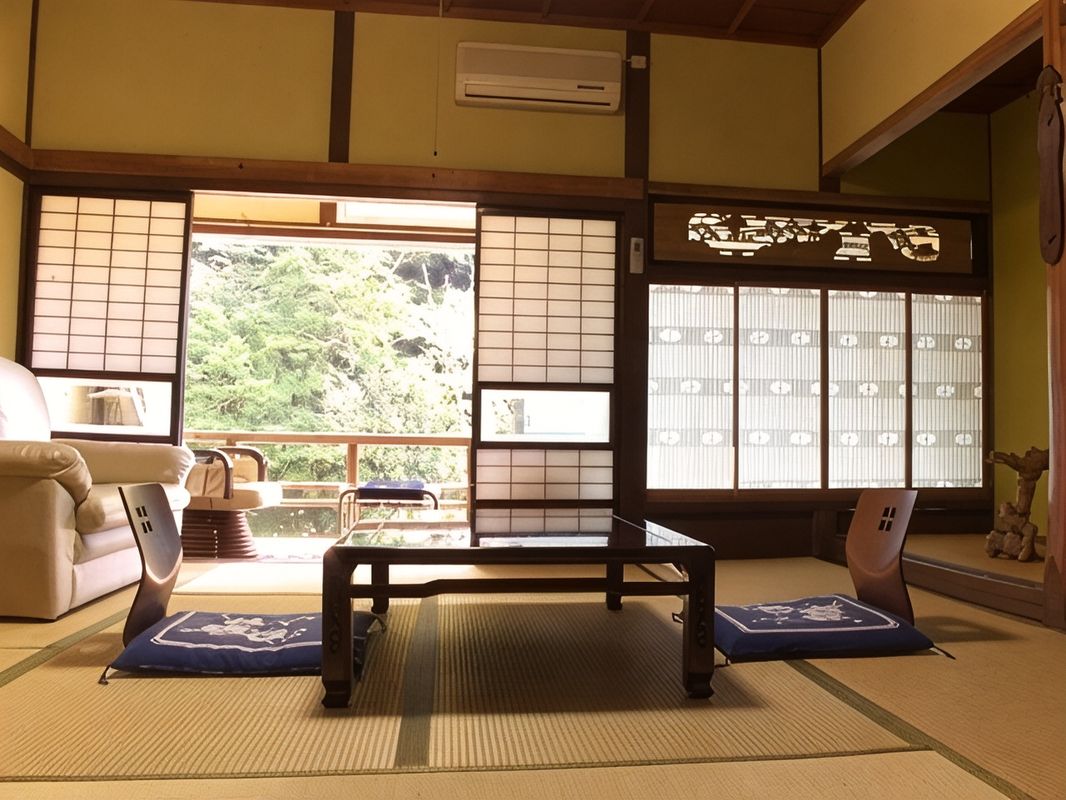
Kadoya Ryokan
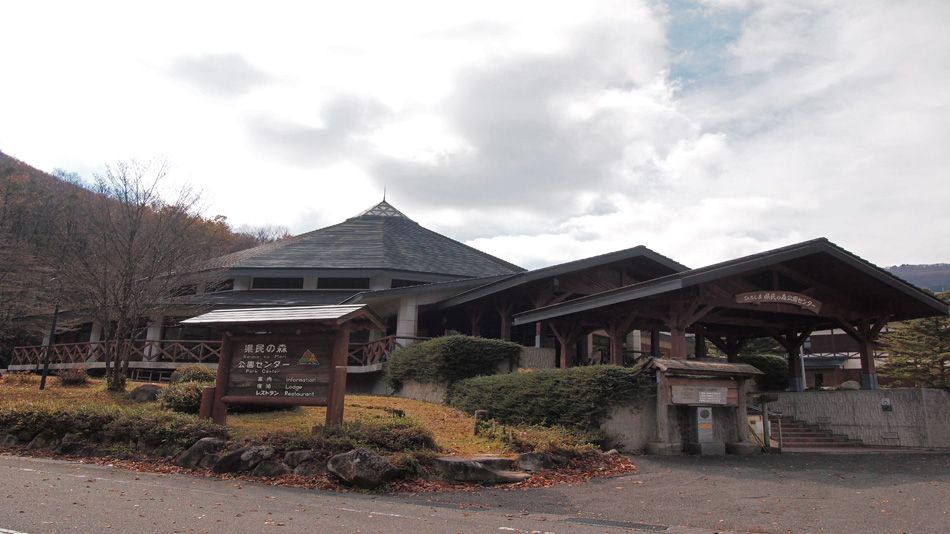
Hiroshima Kenmin No Mori Park Center
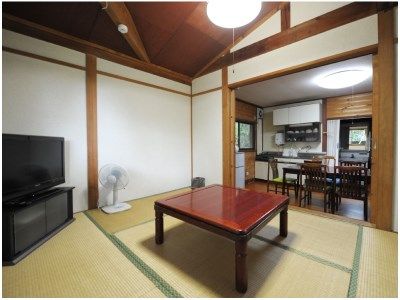
Kyukamura Azumayama-Lodge
Best Hotels in Shōbara
Discover curated hotel collections in Shōbara
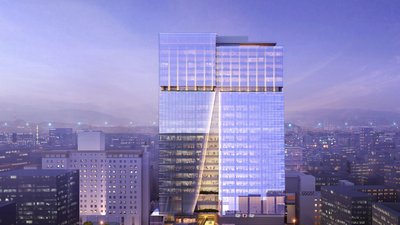
The Ritz-Carlton, Fukuoka
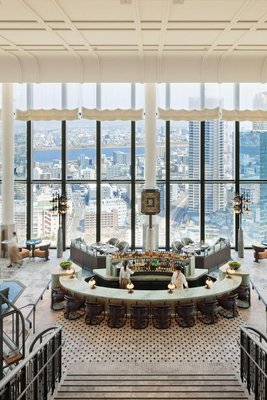
Waldorf Astoria Osaka
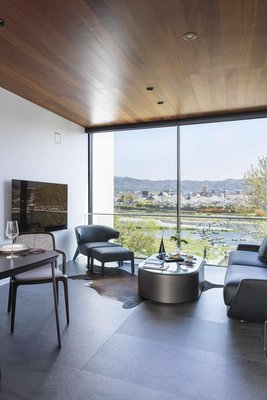
Kamo Residences by Reflections
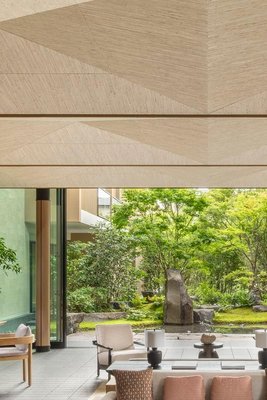
Six Senses Kyoto
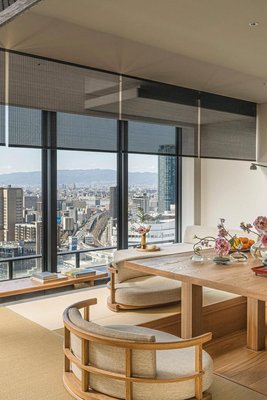
Four Seasons Hotel Osaka
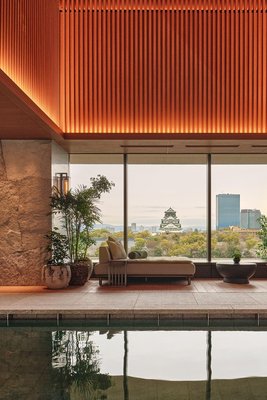
Patina Osaka
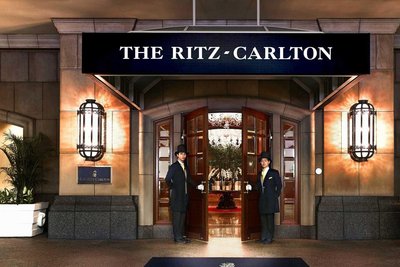
The Ritz-Carlton, Osaka
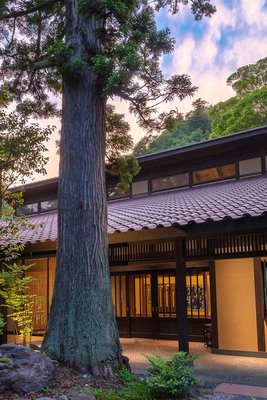
Arimasansoh Goshobessho
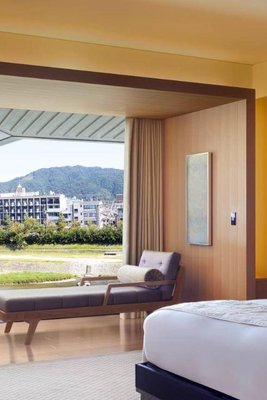
The Ritz-Carlton, Kyoto
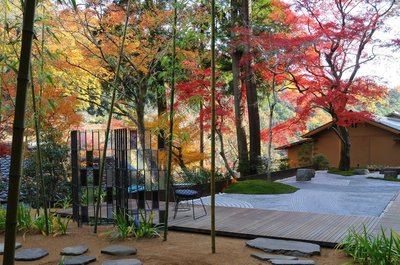
HOSHINOYA Kyoto
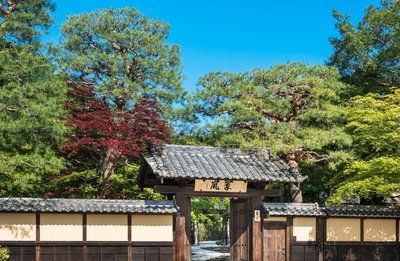
Suiran, a Luxury Collection Hotel, Kyoto
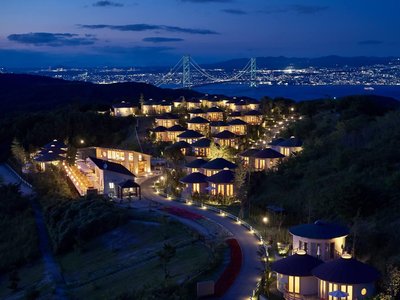
Grand Chariot Hokutoshichisei 135°
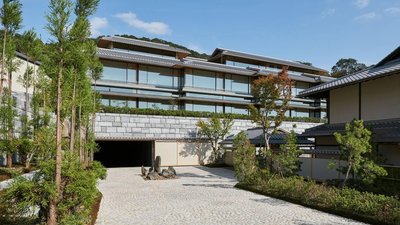
Park Hyatt Kyoto
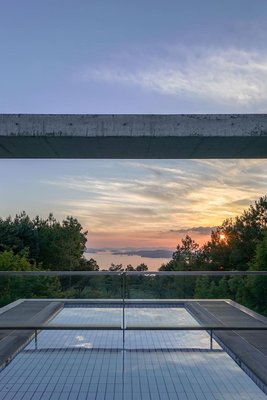
SETOUCHI RETREAT by Onko Chishin
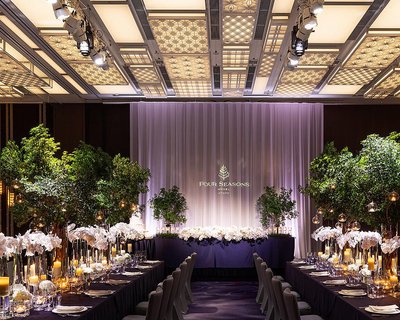
Four Seasons Hotel Kyoto
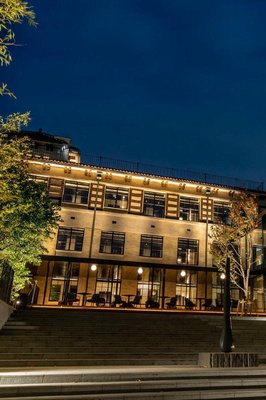
The Hotel Seiryu Kyoto Kiyomizu - a Member of the Leading Hotels of the World-
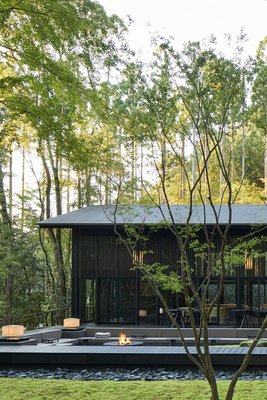
Aman Kyoto
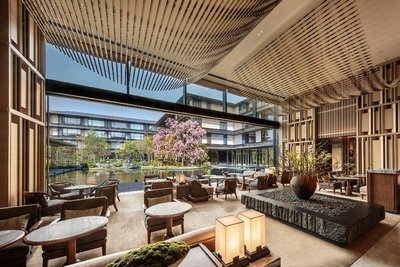
Hotel the Mitsui Kyoto, a Luxury Collection Hotel & Spa
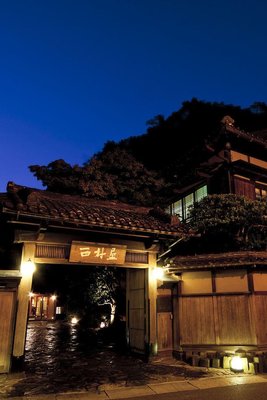
Nishimuraya Honkan
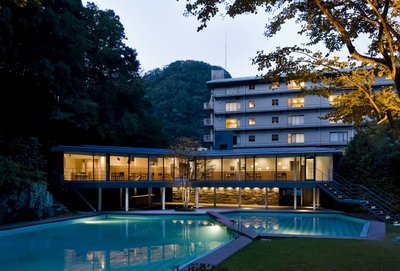
Kinosaki Onsen Nishimuraya Hotel Shogetsutei
MIMARU Osaka Shinsaibashi East
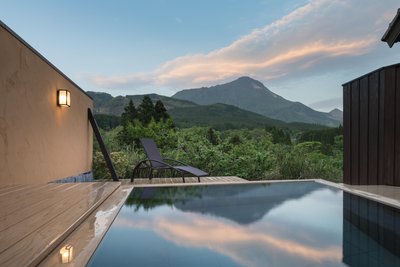
Ikkoten
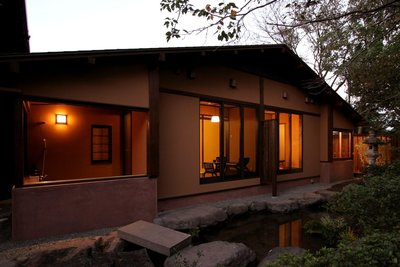
SEKIYA RESORT Bettei Haruki
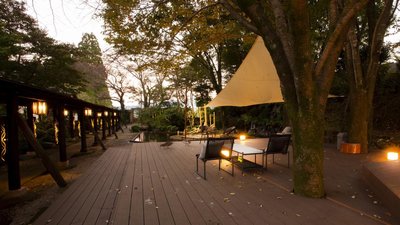
Chikurakutei
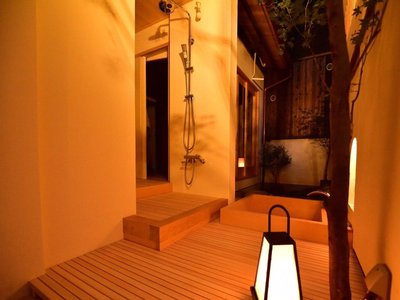
Yado Kiramachi
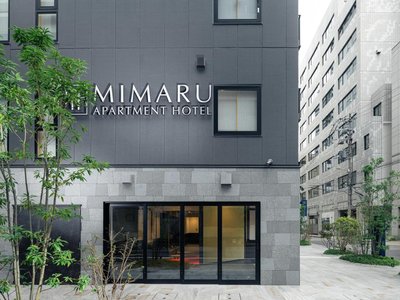
MIMARU Osaka Shinsaibashi North
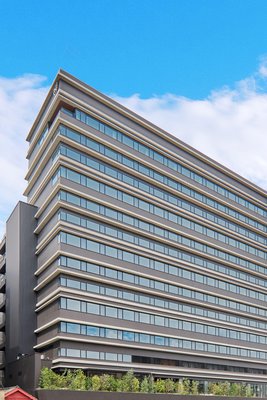
The Royal Park Canvas Fukuoka Nakasu
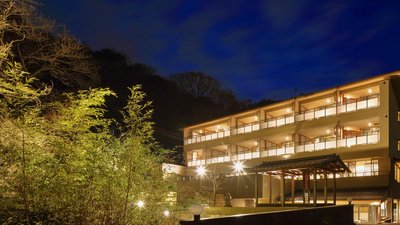
Okuno Hosomichi
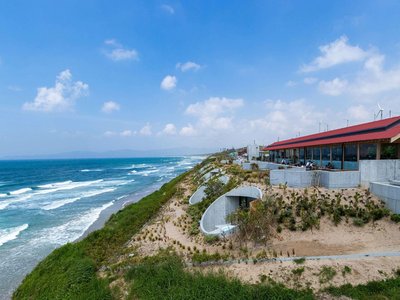
Izumo Hotel the Cliff
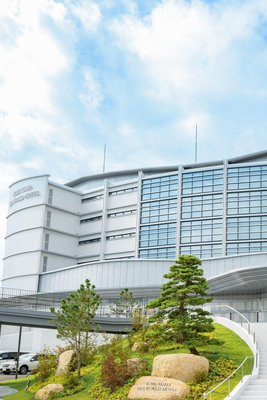
Kobe Suma Sea World Hotel
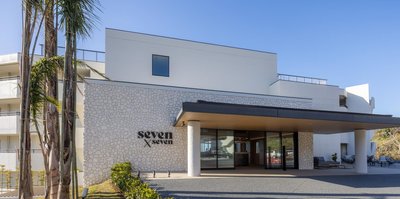
seven x seven itoshima
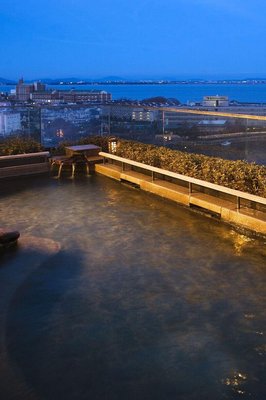
Yumotokan
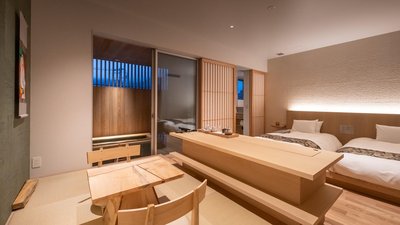
Japanese Auberge Kararako
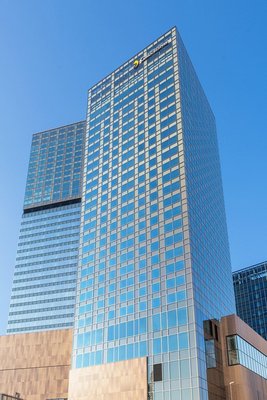
Hotel Hankyu GRAN RESPIRE OSAKA
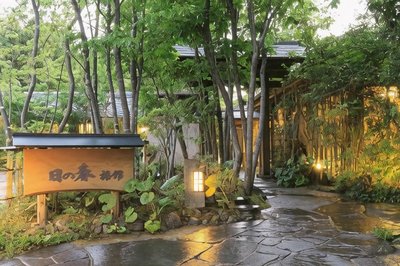
Yufuin Onsen Hinoharu Ryokan
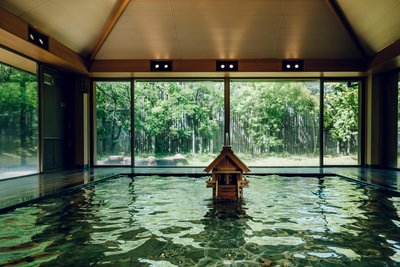
Hoshino Resorts KAI Tamatsukuri
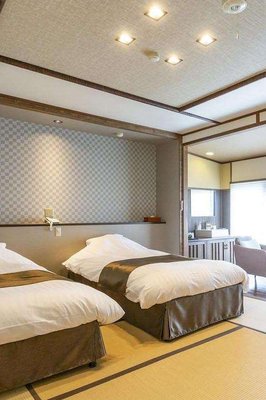
Sozankyo

Taikyourou
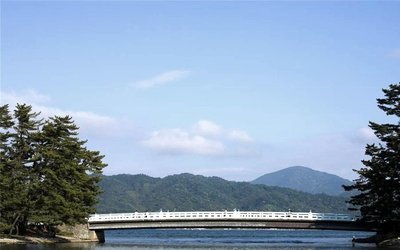
Monjusou Shourotei
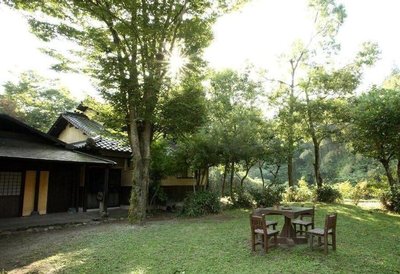
Yamashinobu
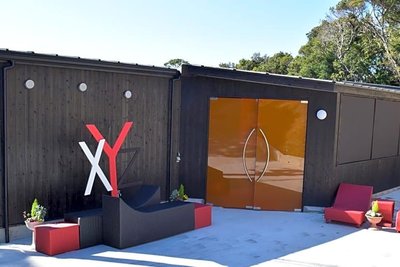
XYZ Private Spa and Seaside Resort
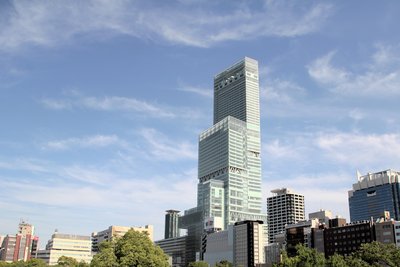
Osaka Marriott Miyako Hotel
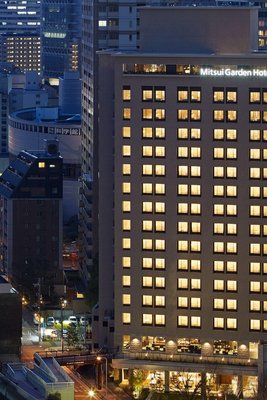
Mitsui Garden Hotel Osaka Premier
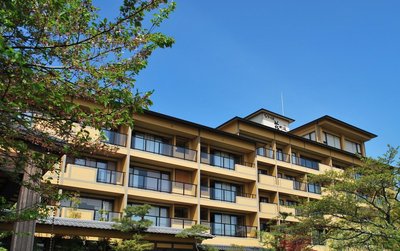
BIWAKO HANAKAIDO
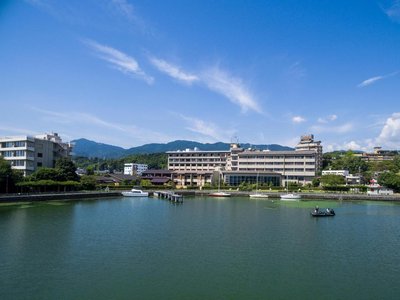
Biwako Ryokusuitei
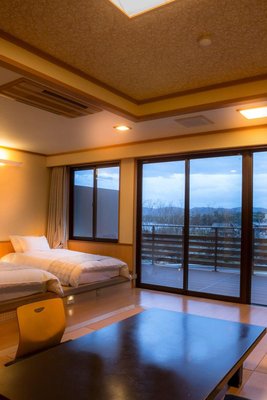
Hotel Kitanoya
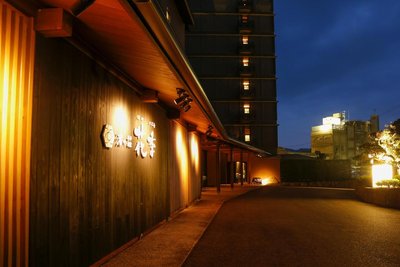
Hanagoyomi
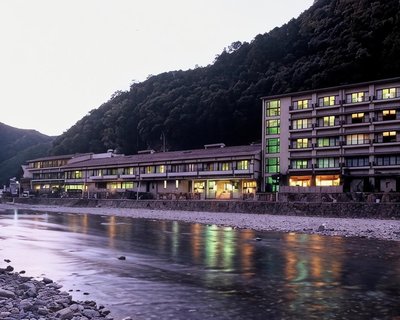
Kawayu Onsen Fujiya
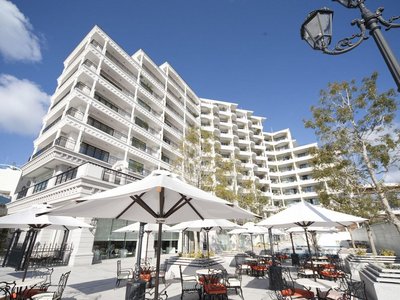
Hotel La Suite Kobe Harborland

AoAwo Naruto Resort
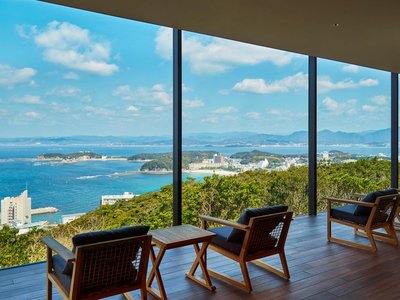
Infinito Hotel and Spa
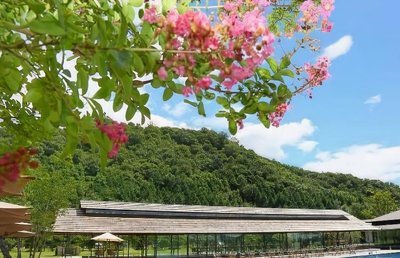
Bella Vista Spa and Marina Onomichi
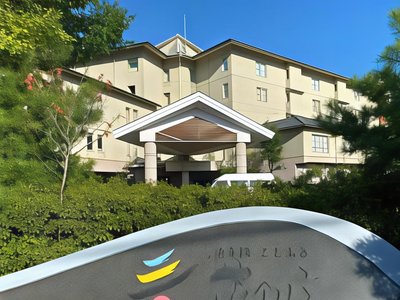
Yufuin Kotobuki Hananosho
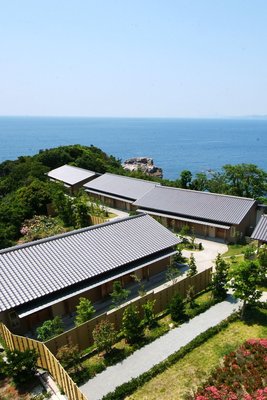
Hamachidorinoyu Kaisyu
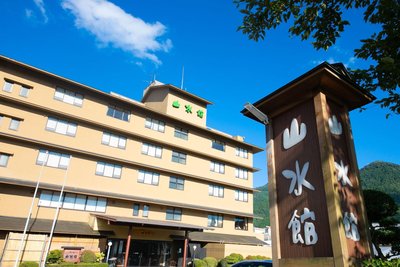
Yufuin Sansuikan
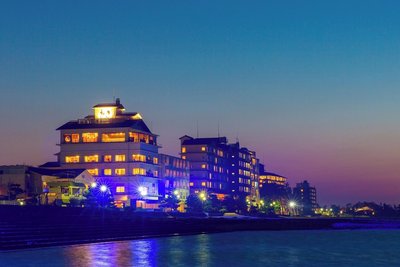
Kaike Shogetsu
The Ritz-Carlton, Kyoto
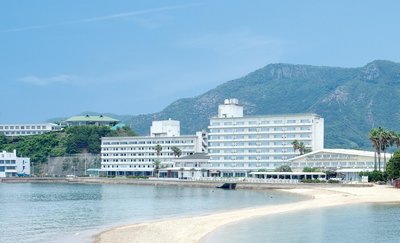
Shodoshima International Hotel
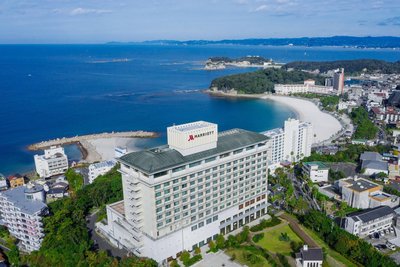
Nanki-Shirahama Marriott Hotel
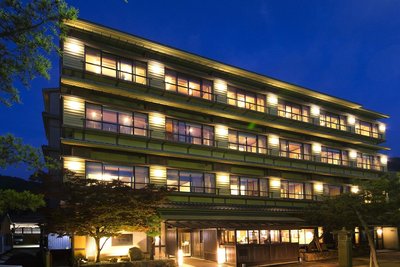
Kinsuikan
Yado Kiramachi
Arimasansoh Goshobessho
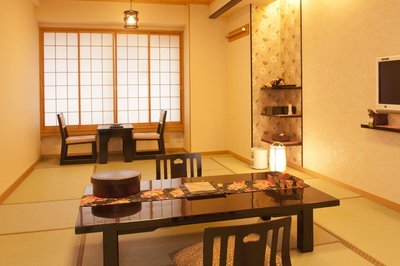
Matsui-Bekkan Hanakanzashi
Hoshino Resorts KAI Tamatsukuri
Taikyourou
Monjusou Shourotei
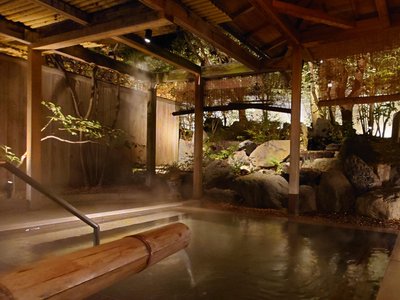
Kasuga Hotel
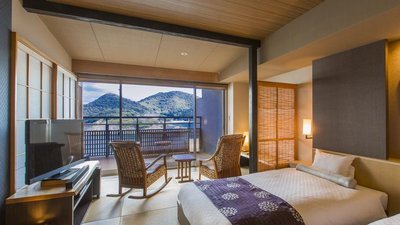
Migiwatei Ochi Kochi
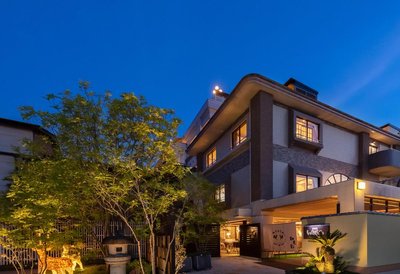
Hotel New Wakasa
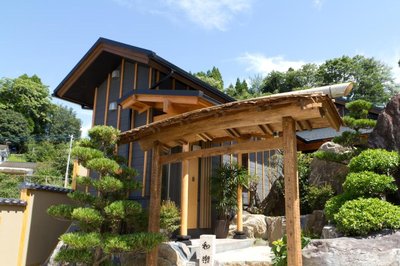
Ryokan Shinsen
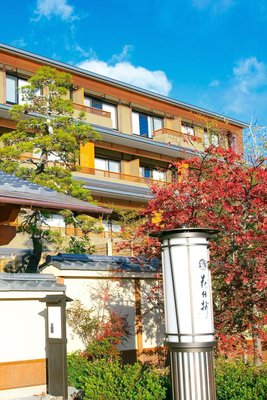
Kyoto Arashiyama Onsen Kadensho (Kyoritsu Resort)
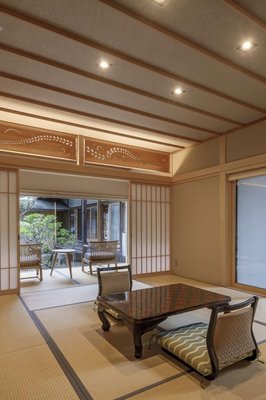
Ichijoin
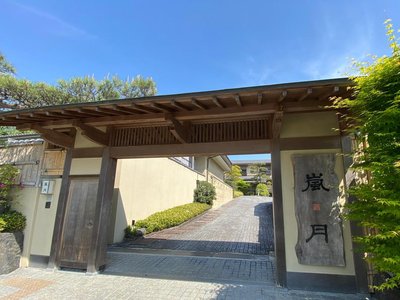
Rangetsu
The Ritz-Carlton, Kyoto
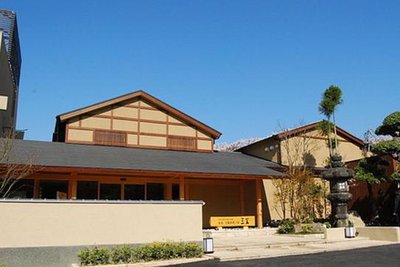
Mikasa
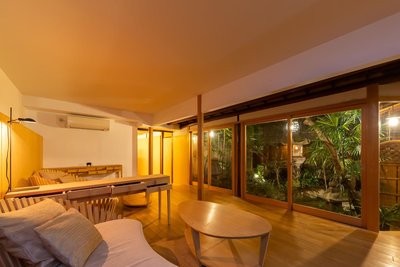
Izuyasu Traditional Kyoto Inn Serving Kyoto Cuisine
HOSHINOYA Kyoto
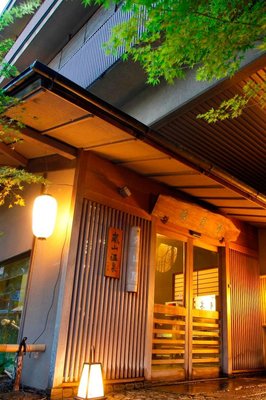
Togetsutei
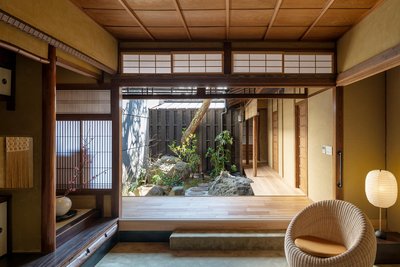
Nazuna Kyoto Gosho
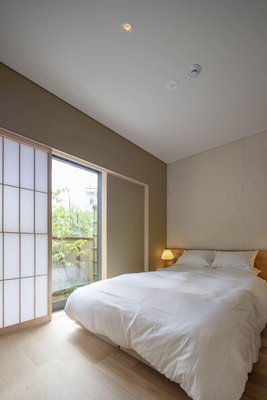
CAMPTON KIYOMIZU
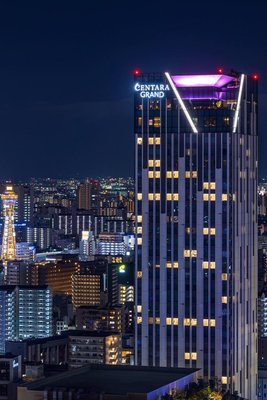
Centara Grand Hotel Osaka
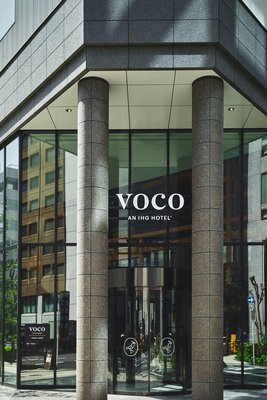
voco Osaka Central
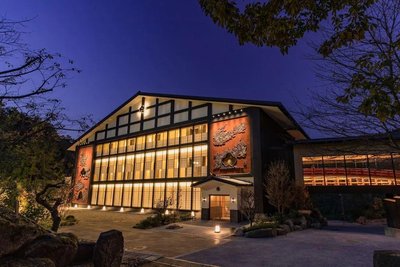
Okuhita Onsen Umehibiki
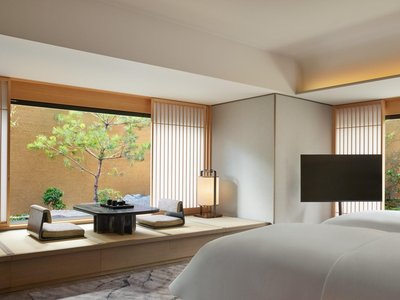
Dusit Thani Kyoto
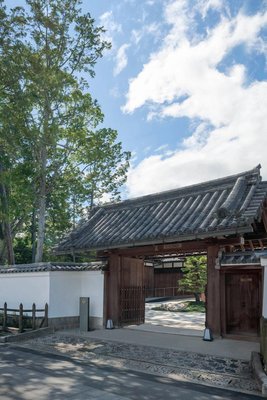
Shisui, a Luxury Collection Hotel, Nara
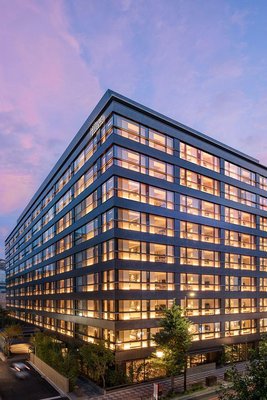
Hilton Kyoto
Osaka Marriott Miyako Hotel
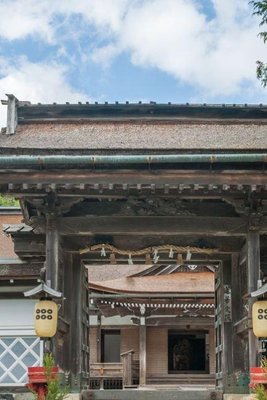
Koyasan Rengejoin
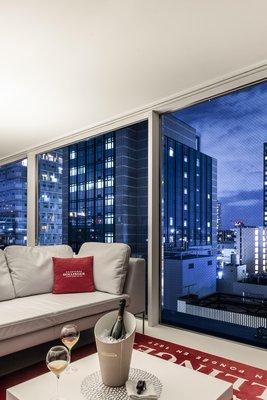
CUVÉE J2 HOTEL OSAKA by Onko Chishin
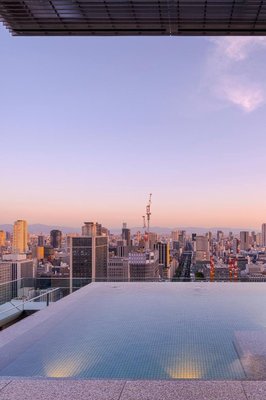
Candeo Hotels Osaka The Tower
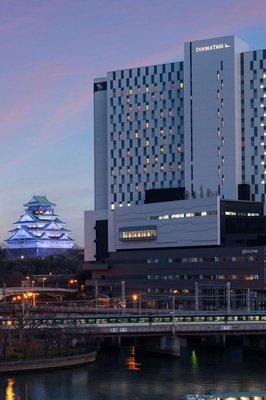
DoubleTree by Hilton Osaka Castle
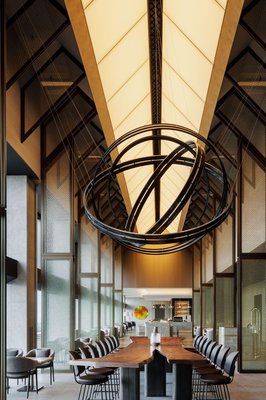
The Osaka Station Hotel, Autograph Collection
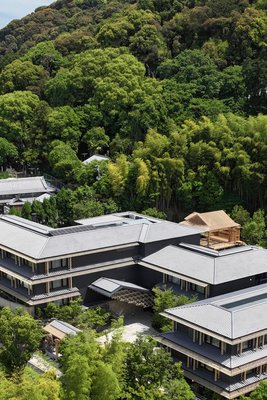
Banyan Tree Higashiyama Kyoto
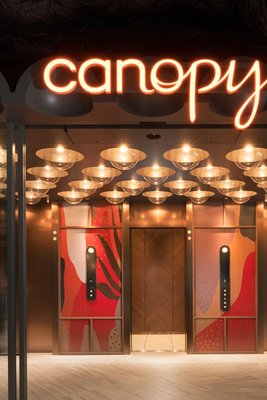
Canopy by Hilton Osaka Umeda
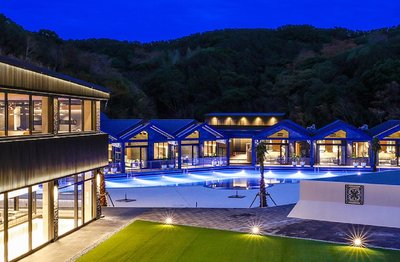
FIVE SPRING RESORT THE SHIRAHAMA
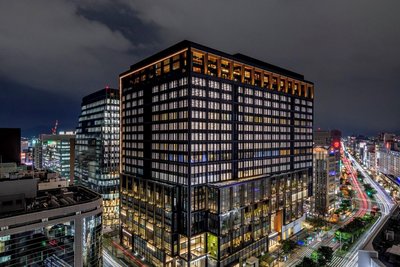
ONE FUKUOKA HOTEL
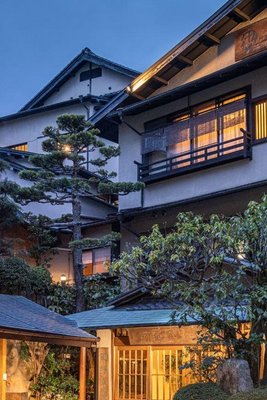
Arima Onsen Tocen Goshobo
Hotel La Suite Kobe Harborland
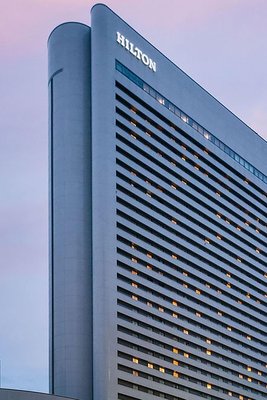
Hilton Osaka Hotel
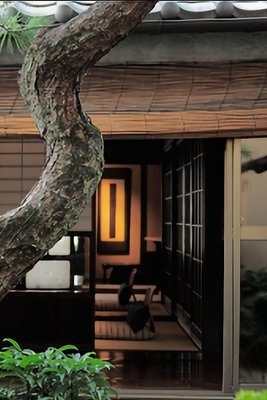
Shimayado Mari
The Ritz-Carlton, Fukuoka
Osaka Marriott Miyako Hotel
The Ritz-Carlton, Osaka
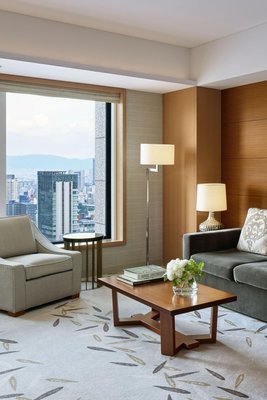
InterContinental Hotel Osaka
The Ritz-Carlton, Kyoto
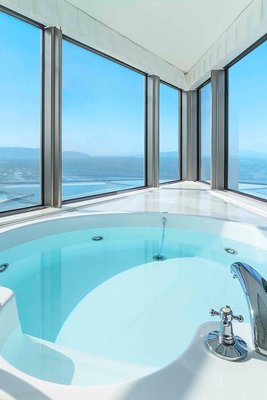
Hilton Fukuoka Sea Hawk
Suiran, a Luxury Collection Hotel, Kyoto
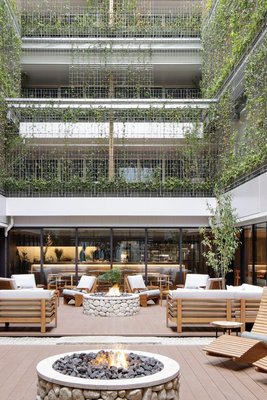
GOOD NATURE HOTEL KYOTO
Park Hyatt Kyoto
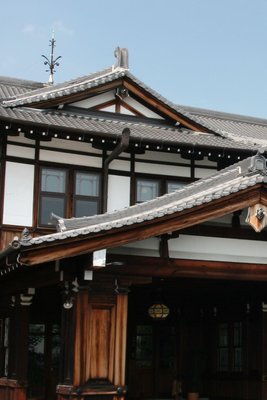
Nara Hotel
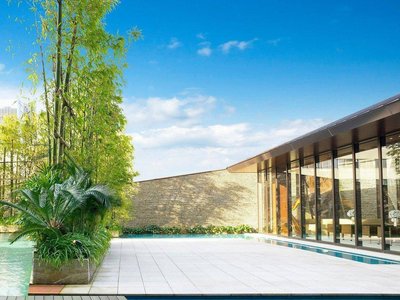
ORIENTAL HOTEL
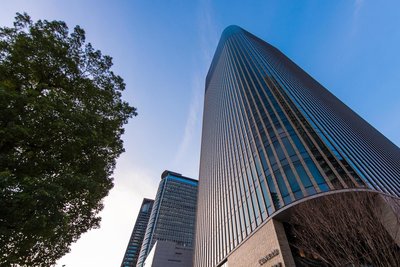
Conrad Osaka
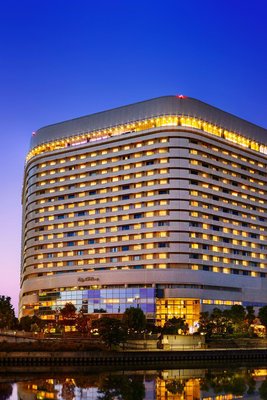
Hotel New Otani Osaka
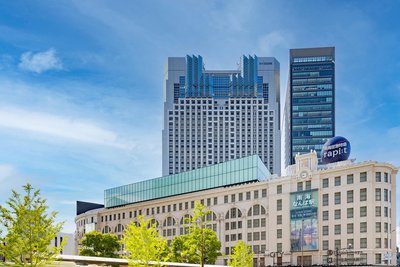
Swissotel Nankai Osaka
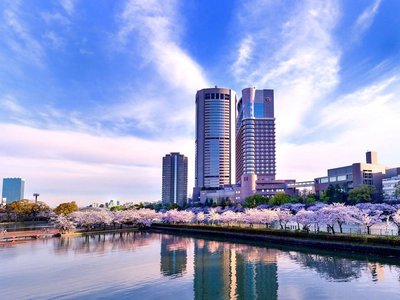
Imperial Hotel Osaka
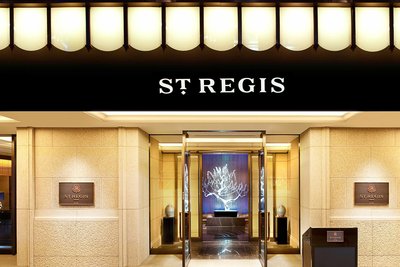
The St. Regis Osaka
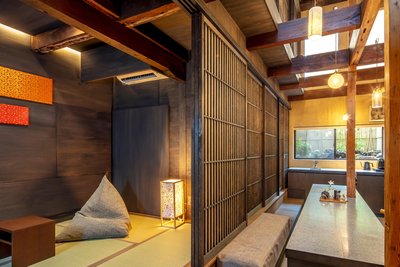
Kyo No Oozora Kihana
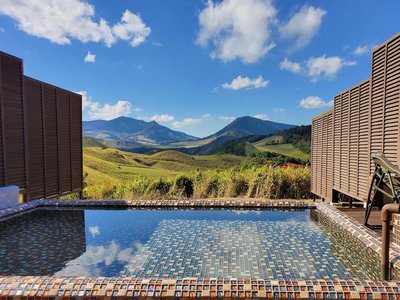
Grand Verde Resort
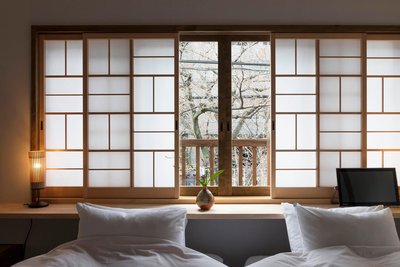
Hanagoromo Machiya House
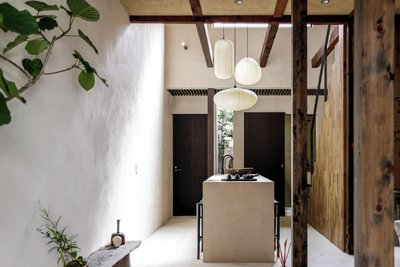
Maana Kiyomizu
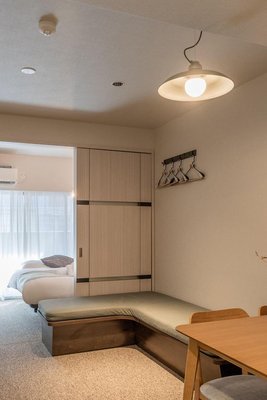
Apartment Hotel 11 Shinsaibashi
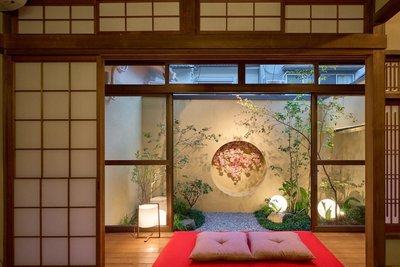
KONJAKUSO Osaka Tengachaya "NIHONCHA" Tea & Relax
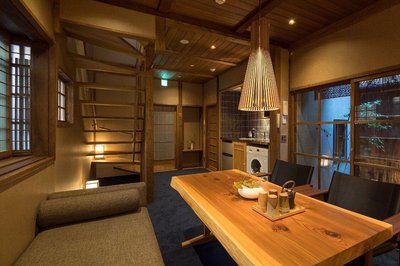
Bonbori an Machiya House
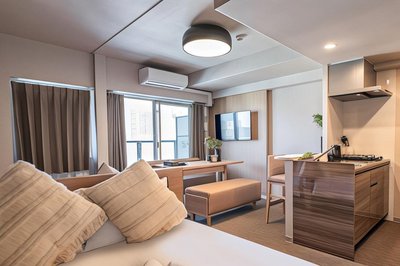
Apartment Hotel 11 Shinsaibashi III
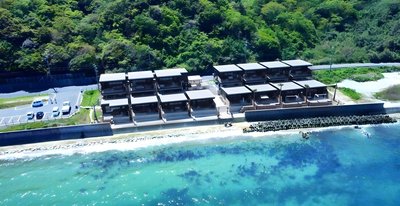
Solavilla Umi Terrace Minamiawaji
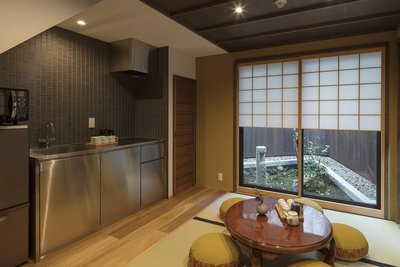
The Machiya Villa Sanjo Shirakawa Koji
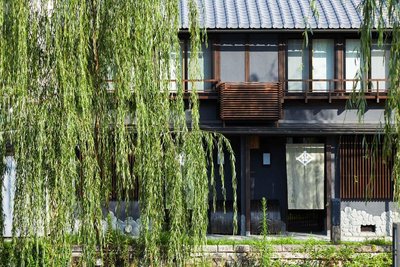
Gion Shirakawa No Yado

Kitashirakawa Natural Radium Onsen
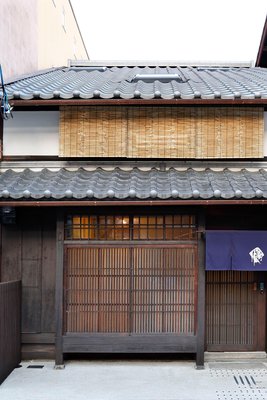
Kyo No Ondokoro Kamanza Nijo #2
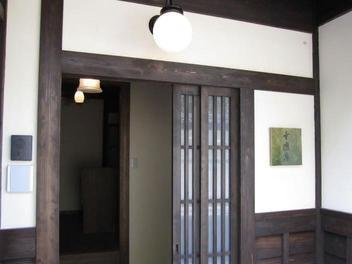
Gion Koyu an Machiya House
Kyo No Ondokoro Gokomachi Ebisugawa #3
Sana Mane - Glamp Domes
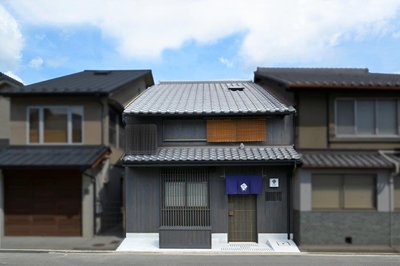
Kyo No Ondokoro Goshonishi #6
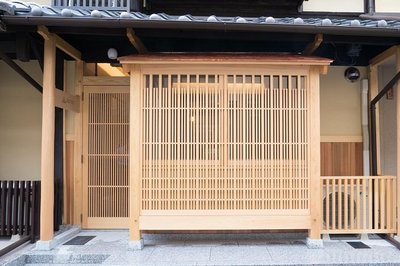
Kyomachiya Suite Rikyu
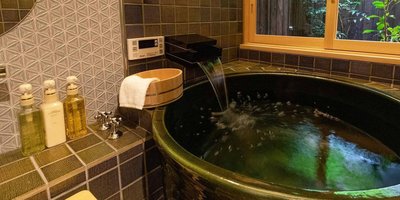
Kyoisuke
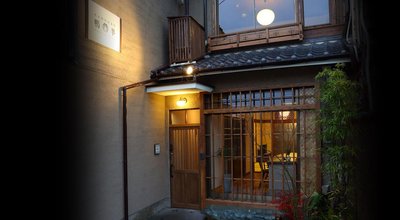
Kamohan
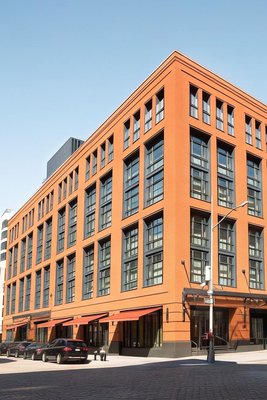
Hotel Barrière Fouquet's New York
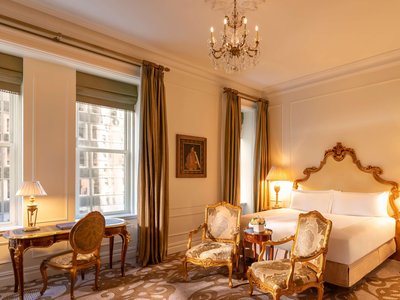
The Plaza - A Fairmont Managed Hotel
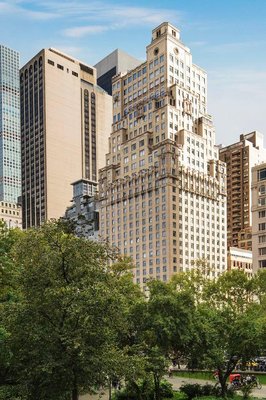
The Ritz-Carlton New York, Central Park
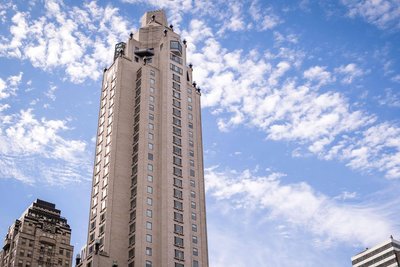
Four Seasons Hotel New York
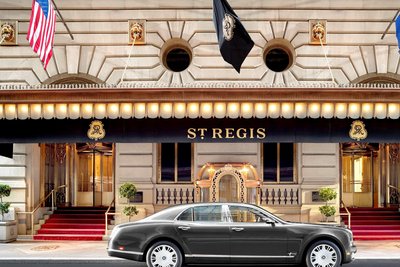
The St. Regis New York
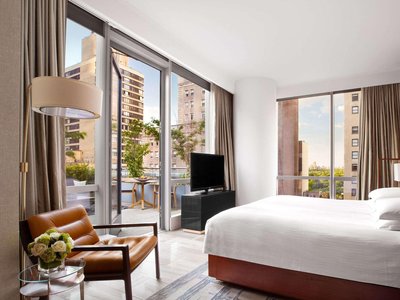
Park Hyatt New York
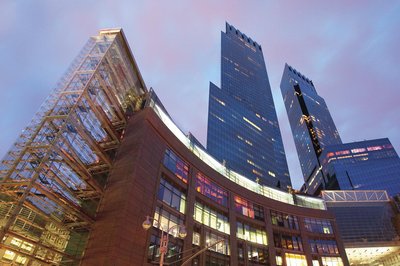
Mandarin Oriental New York
Times Square Edition New York
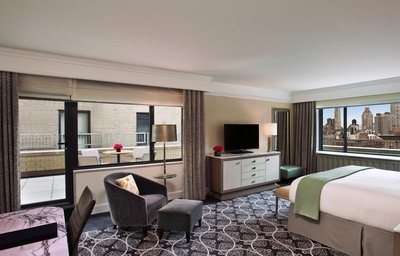
Loews Regency New York Hotel
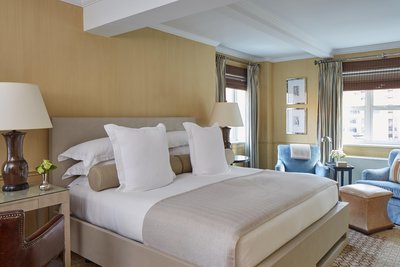
Lowell Hotel
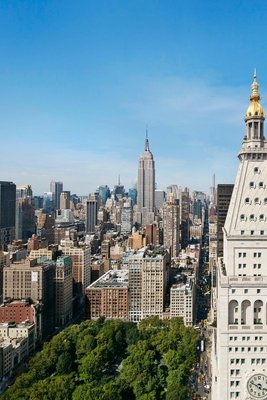
New York Edition
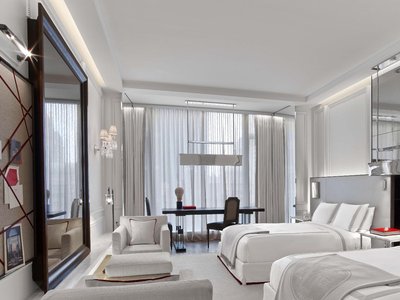
Baccarat Hotel New York
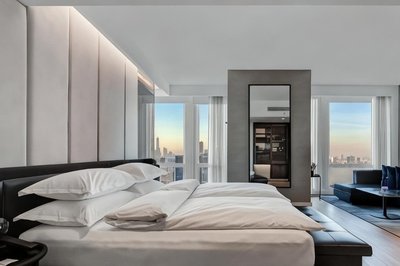
Equinox Hotel New York
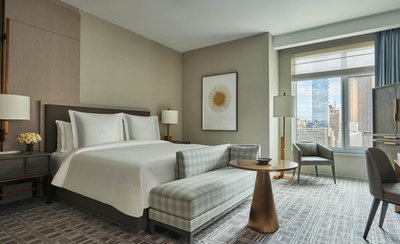
Four Seasons Hotel New York Downtown
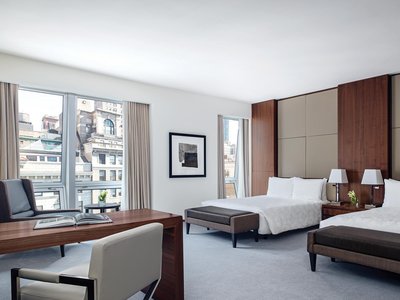
The Langham, New York, Fifth Avenue
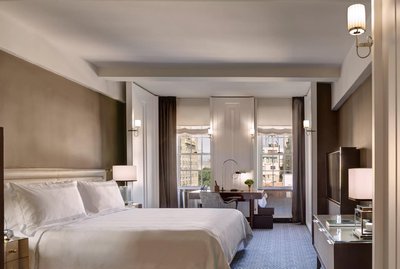
The Carlyle, A Rosewood Hotel

The Chatwal, in the Unbound Collection by Hyatt
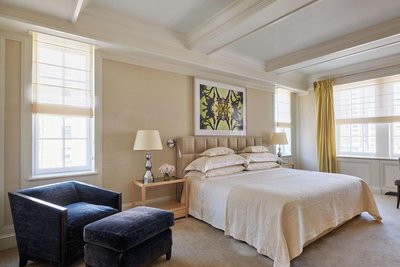
The Mark New York
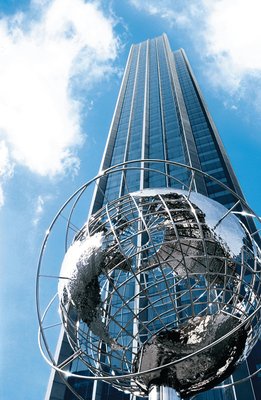
Trump International Hotel & Tower® New York
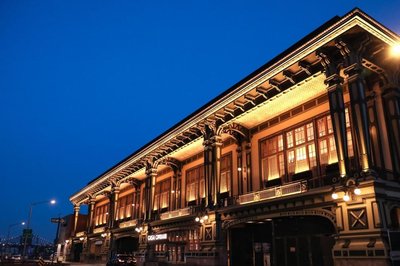
Casa Cipriani New York
Frequently Asked Questions about Traveling to Shōbara
Questions You Might Need to Know About Traveling to Shōbara
Stay at Jojo Machiya Inn, a restored Edo-period townhouse near Jojo Castle Ruins, offering immersive experiences in Bizen paper-making and tea ceremonies. The inn’s staff, trained in local traditions, guide guests through workshops using handmade washi paper and seasonal ingredients from nearby farms. Each room features authentic tatami mats and sliding shoji screens, while evening meals include Bizen miso soup and locally raised Jojo beef. This is ideal for travelers seeking deep cultural connection in rural Hiroshima.
The central Jojo Station district offers the most convenient base for exploring the city. It’s within walking distance of Jojo Castle Ruins, Otemachi Shopping Street, and the Jojo City Museum. Many ryokan here, like Kanehashi Onsen Ryokan, provide access to Jojo Hot Springs and offer traditional onsen baths with views of the Yoshino River. With daily shuttle services to nearby Bizen pottery villages, this area balances comfort, culture, and accessibility for all travelers.
Don’t miss the annual Jojo Matsuri Festival, held every autumn, featuring vibrant taiko drum performances and elaborate float parades along Otemachi Street. Locals wear traditional costumes, showcasing Bizen pottery and washi paper artistry. Some hotels offer special festival-themed rooms with commemorative gifts and guided parade viewing. HopeGoo early is essential—this is one of Japan’s most authentic regional celebrations, reflecting centuries-old community spirit.
Stay at Bizen Pottery Village Stay, nestled beside the Yoshino River, just 15 minutes from Daihara Kiln Site. This eco-friendly guesthouse offers hands-on pottery-making sessions using traditional Bizen firing techniques. Guests can craft their own unfired clay pieces and witness the dramatic night fire ritual at the kiln. The property also hosts evening candlelit exhibitions, where finished works are displayed under soft light—perfect for those wanting to experience Japan’s oldest ceramic tradition firsthand.
Yes, Jojo Kodomo Nature House in Jojo Natural Park is designed for families. With open-air gardens, a children’s farm, and interactive programs like bamboo weaving and firefly night walks (summer only), it blends education and adventure. Rooms feature child-safe flooring and themed activity kits. Breakfast includes organic fruits and local milk, sourced from nearby farms. Ideal for kids to learn about Hiroshima’s ecosystem through play and discovery in a serene countryside setting.
Absolutely. Jojo Machiya Inn and Kanehashi Onsen Ryokan both provide kimono rental and professional photo sessions in historic settings like Jojo Castle Ruins or Otemachi Old Town. Traditional Bizen-patterned kimonos are available, often paired with handmade obi sashes. Guests receive styling tips and can choose between daytime or twilight shoots. Some packages include tea ceremony demonstrations and digital photo albums. Reserve ahead during peak seasons to secure your cultural moment.
Kanehashi Onsen Ryokan stands out with its century-old hot spring baths fed by mineral-rich waters from 800 meters below ground. Its open-air rotenburo overlooks the Yoshino River, perfect for stargazing. The hotel offers private bath bookings and serves meals on Bizen pottery dishes. Guests can also join onsen wellness lectures explaining traditional healing practices. A true sanctuary for relaxation and cultural immersion in rural Hiroshima.
At Jojo Machiya Inn and Kanehashi Onsen Ryokan, savor Jojo beef, fresh Yoshino River fish sashimi, and hearty Bizen miso soup made with local ingredients. Afternoon tea includes wagashi sweets crafted from chestnuts and pickled plums, served on Bizen ceramic tableware. All food comes from local cooperatives, ensuring freshness and sustainability. These meals deliver an authentic taste of western Hiroshima’s agricultural richness and culinary heritage.
Visit Washi Kobo Stay, a craft-focused guesthouse in Ohara District, adjacent to the Jojo Washi Paper Museum. Daily workshops teach the full process—from harvesting kozo bark to hand-pulping and sheet-forming. Guests create their own washi paper and take it home as a souvenir. Evenings feature paper lantern dinners, where handcrafted lanterns illuminate the garden, creating a magical atmosphere. This is a rare chance to engage with Japan’s oldest papermaking tradition in a living, creative environment.
Experience the Night Illumination Ceremony at Jojo Castle Ruins, where ancient stone walls glow softly under warm lights each spring. For a magical evening, join a firefly boat tour along the Yoshino River (June–July), gliding past reeds while listening to frogs and water sounds. Some ryokan, like Kanehashi Onsen Ryokan, host moon-viewing tea ceremonies in traditional minka tea houses, complete with Bizen ware. These quiet, reflective moments capture the essence of Japanese wabi-sabi beauty in the heart of nature.
Shōbara Overview
City Summary
Shobara City, located in the northeastern part of Hiroshima Prefecture, Japan, is renowned for its natural beauty and traditional culture. Nestled in the Chugoku Mountains, it offers vast rural landscapes, clear streams, and rich historical sites. The city's peaceful countryside atmosphere is perfect for slow travel enthusiasts. Additionally, its cherry blossom and autumn foliage seasons are spectacular, making it a paradise for photographers.
Must-See Attractions
Must-see attractions in Shobara include Tessaikyo Gorge, a stunning canyon famous for its clear waters and autumn leaves, ideal for hiking and photography. Mount Hibayama is a great choice for hiking enthusiasts, offering panoramic views of the city from the summit. The Shobara History and Folklore Museum showcases the region's rich cultural heritage. Don’t miss Shobara Rural Park, which hosts various seasonal festivals like the Rice Harvest Festival and Snow Lantern Festival.
Food Guide
Shobara’s cuisine features wild mountain vegetables and local specialties. Try Shobara Beef, a tender and juicy Wagyu variety. Sansai dishes (like fern shoots and bamboo shoots) are fresh and mainly available in spring. Another highlight is carp cuisine, as Shobara’s carp is exceptionally flavorful due to the clear streams. For dessert, anpan (red bean buns) is a beloved local treat.
Transportation Guide
Shobara primarily relies on buses and car rentals for transportation. The city bus network covers major attractions, but schedules are infrequent—check timetables in advance. From Hiroshima, take the JR Geibi Line to Shobara Station (about 1.5 hours), suitable for day trips. Renting a car offers more flexibility for exploring surrounding areas; mountain roads are well-maintained but snowy in winter. Taxi services are limited, so book ahead if needed.
Best Time to Visit
The best times to visit Shobara are spring (April-May) and autumn (October-November), when the weather is mild and cherry blossoms or foliage are at their peak. Summer (June-August) is humid but good for escaping heat. Winter (December-February) is cold with possible snow, ideal for snowscapes and festivals.
Travel Tips
- Carry Cash: Most shops and restaurants in Shobara don’t accept credit cards.
- Observe Local Customs: Follow shrine etiquette, like rinsing hands before entering.
- Wear Proper Footwear: Hiking in mountains requires sturdy, non-slip shoes.
- Use Translation Tools: English proficiency is low; download a translation app.
- Book Accommodation Early: Lodgings may be full during peak seasons.
- Prepare for Weather: Mountain weather is unpredictable; pack rain gear and warm layers.
Useful Information
Japanese is the primary language in Shobara, with limited English proficiency—learn basic phrases or use a translation app. Mobile coverage is good; prepaid SIM cards are available at convenience stores. Cash is the main payment method, though some larger stores accept cards. For medical needs, there are clinics in the city, but major hospitals are in Hiroshima. Dial 119 (ambulance/fire) or 110 (police) in emergencies. Travel insurance is recommended for unexpected situations.