Hotels in Shōbara
Discover your perfect stay in Shōbara.
Shōbara(Japan) Travel 2026: Cheap Flights, Hotels & Top Attractions
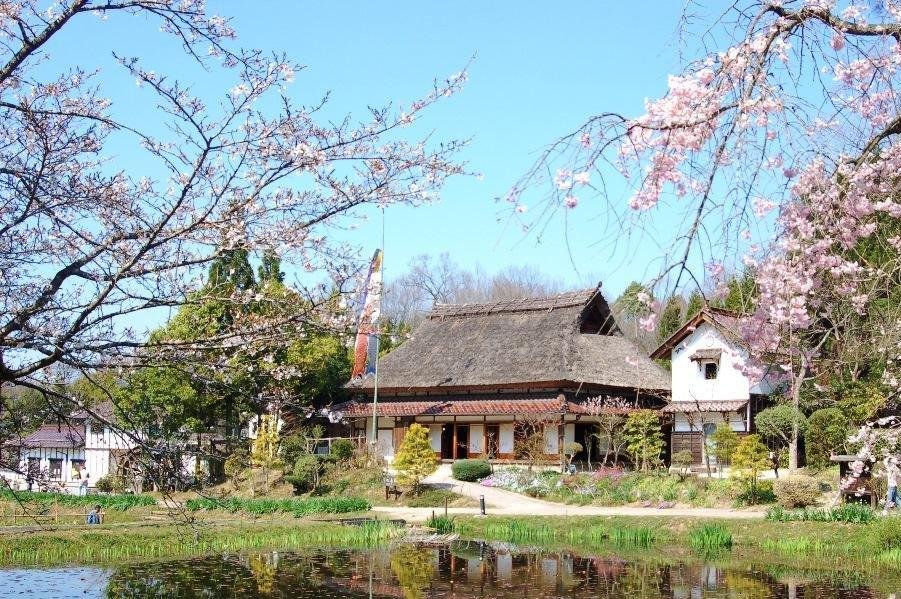
Popular Landmarks in Shōbara
Discover the most iconic attractions in Shōbara
Recommended Hotels in Shōbara
Find the perfect place to stay in Shōbara
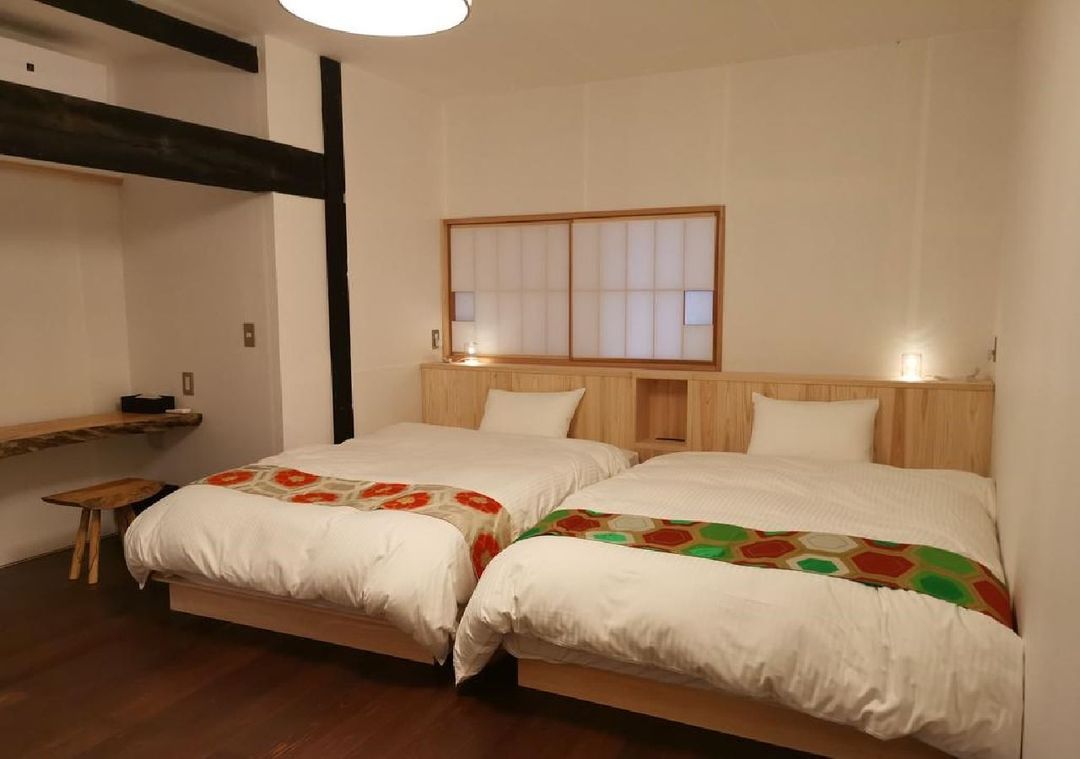
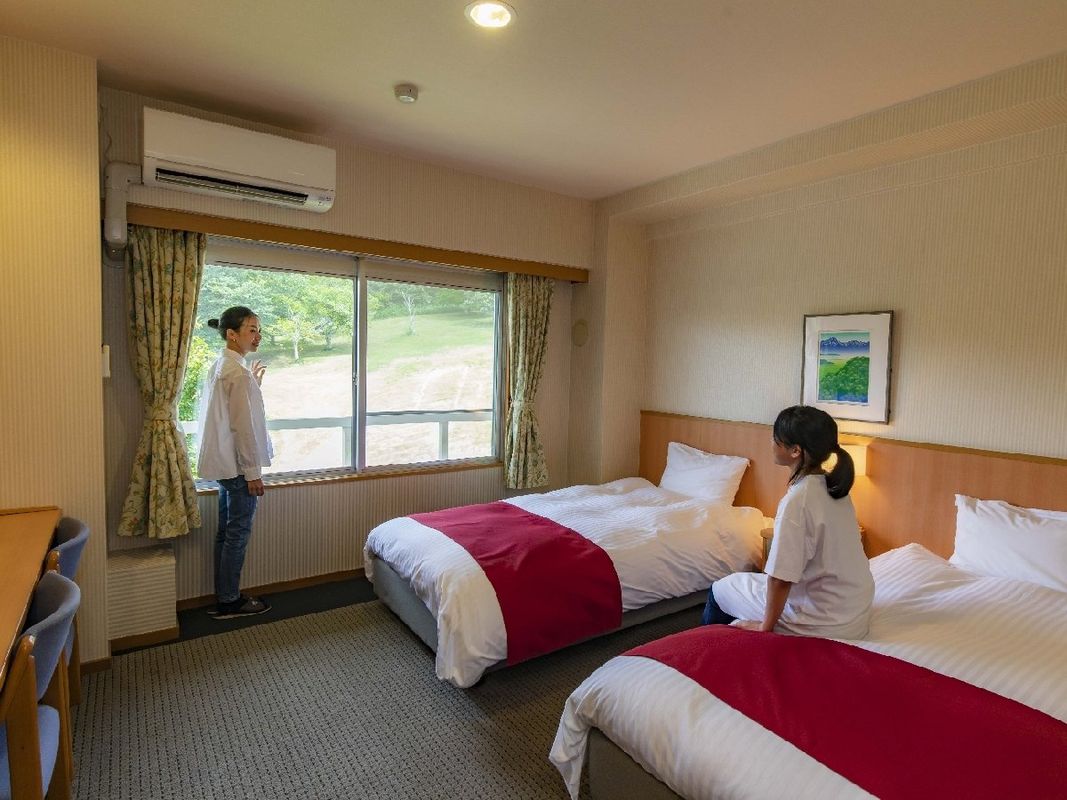
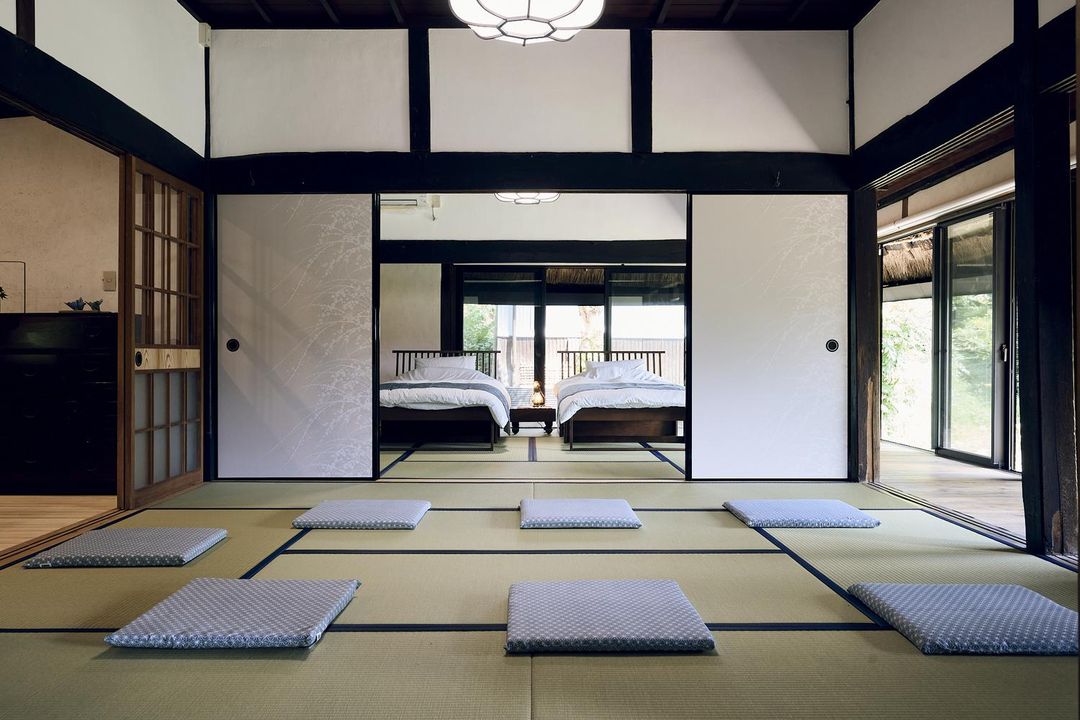
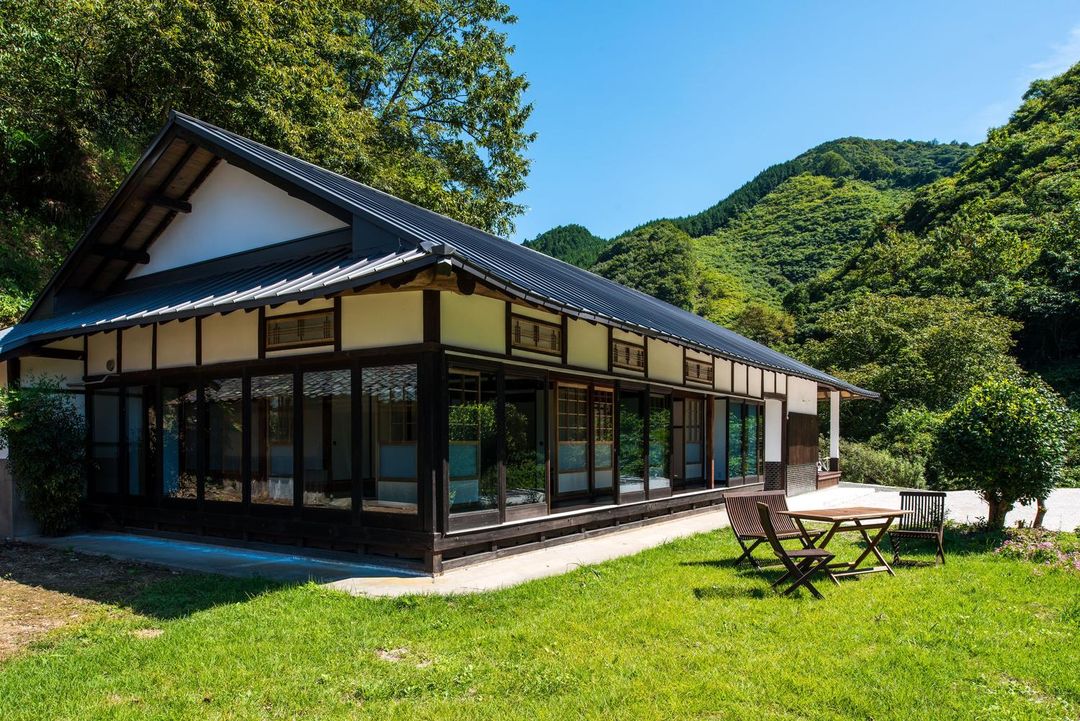
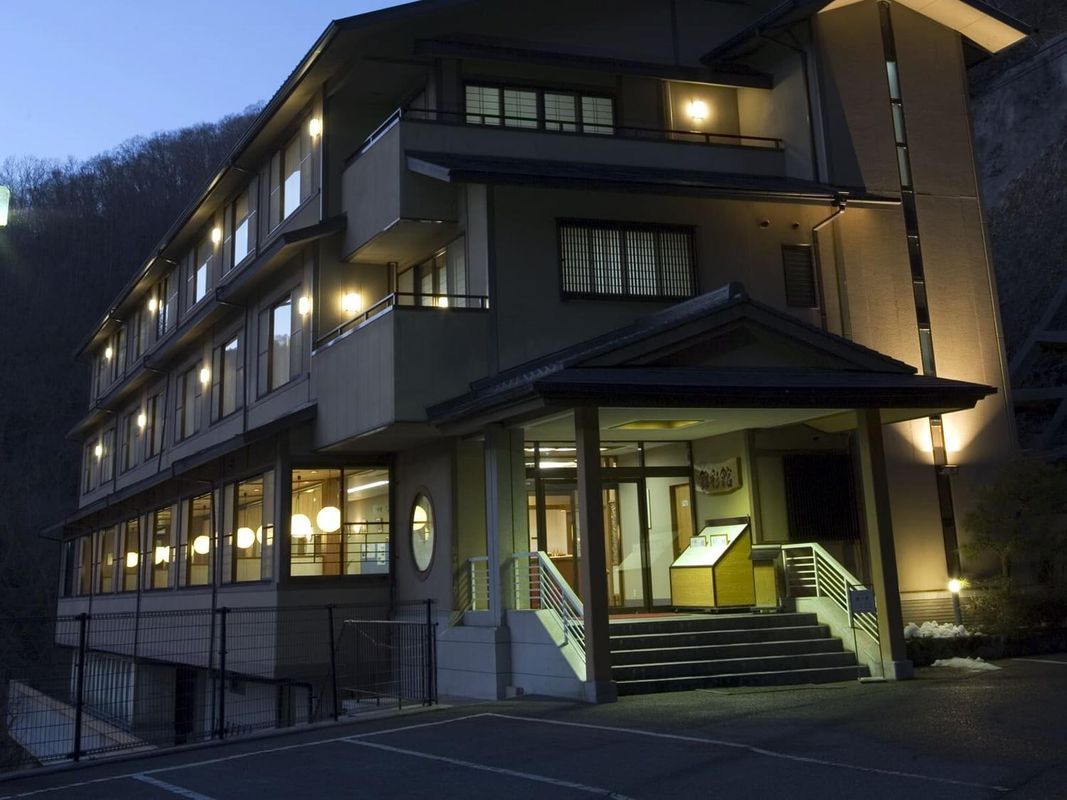
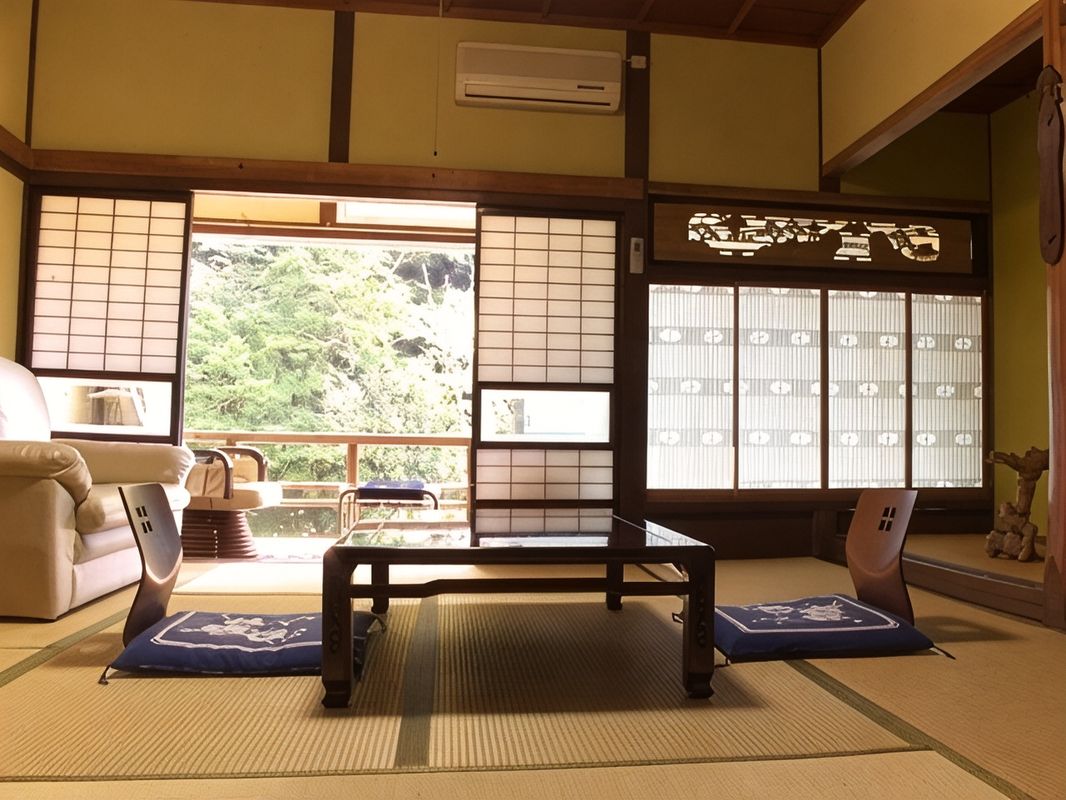
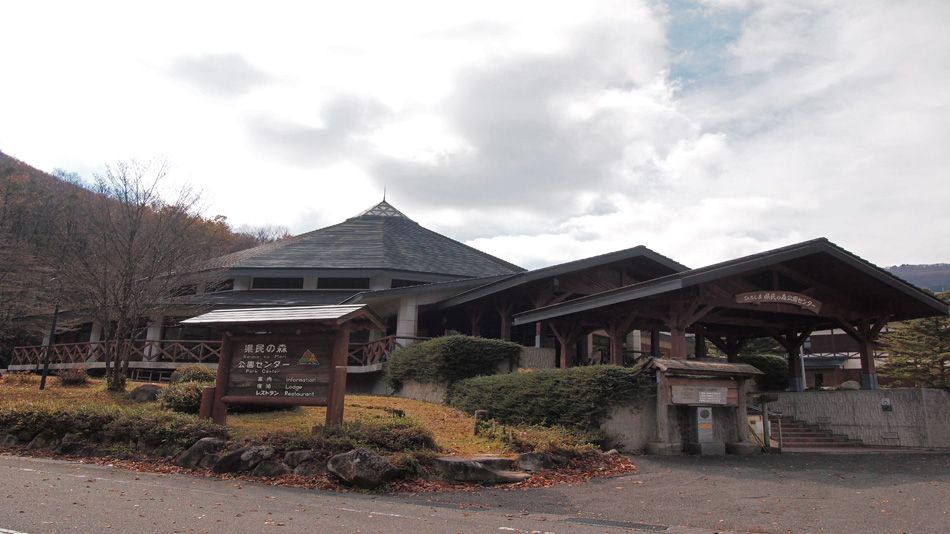
Best Hotels in Shōbara
Discover curated hotel collections in Shōbara

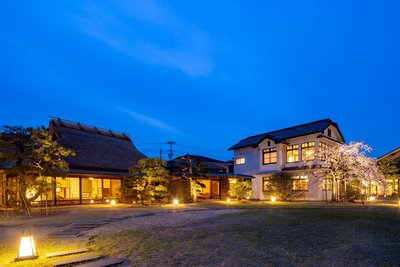
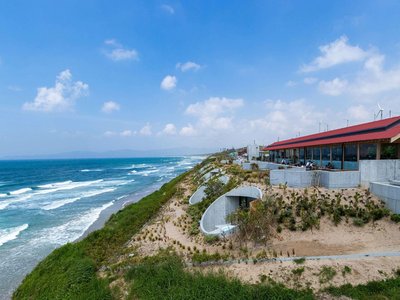
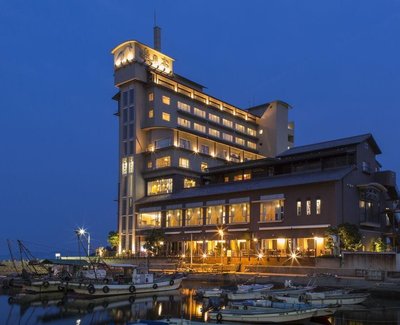

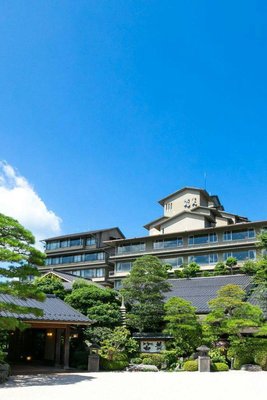



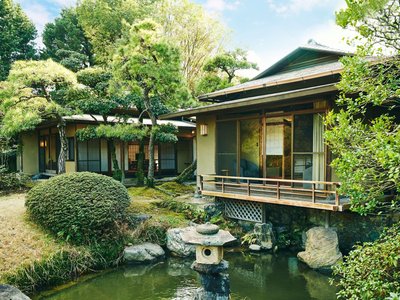
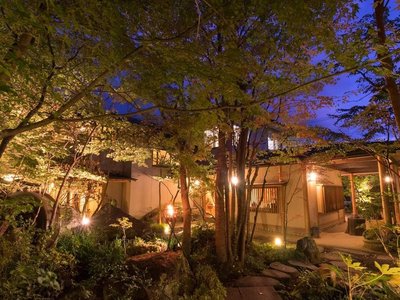
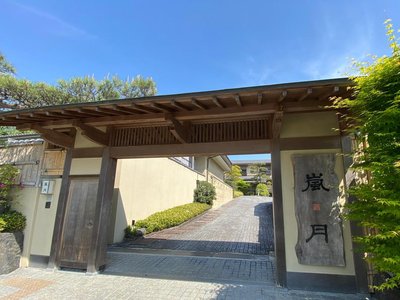
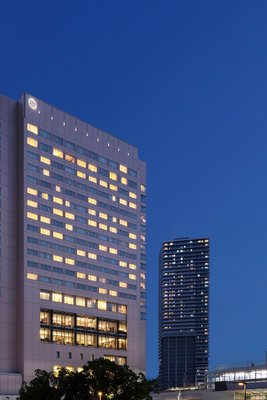

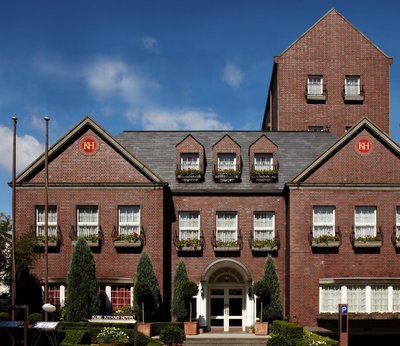
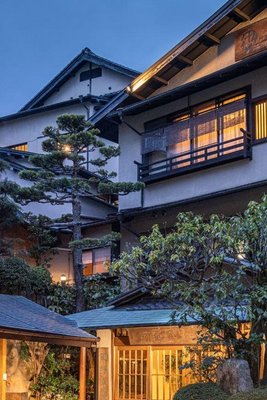
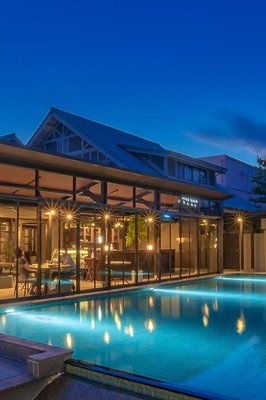
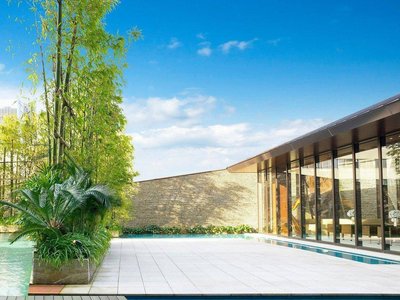



















Frequently Asked Questions about Traveling to Shōbara
Questions You Might Need to Know About Traveling to Shōbara
Shōbara Overview
City Summary
Shobara City, located in the northeastern part of Hiroshima Prefecture, Japan, is renowned for its natural beauty and traditional culture. Nestled in the Chugoku Mountains, it offers vast rural landscapes, clear streams, and rich historical sites. The city's peaceful countryside atmosphere is perfect for slow travel enthusiasts. Additionally, its cherry blossom and autumn foliage seasons are spectacular, making it a paradise for photographers.
Must-See Attractions
Must-see attractions in Shobara include Tessaikyo Gorge, a stunning canyon famous for its clear waters and autumn leaves, ideal for hiking and photography. Mount Hibayama is a great choice for hiking enthusiasts, offering panoramic views of the city from the summit. The Shobara History and Folklore Museum showcases the region's rich cultural heritage. Don’t miss Shobara Rural Park, which hosts various seasonal festivals like the Rice Harvest Festival and Snow Lantern Festival.
Food Guide
Shobara’s cuisine features wild mountain vegetables and local specialties. Try Shobara Beef, a tender and juicy Wagyu variety. Sansai dishes (like fern shoots and bamboo shoots) are fresh and mainly available in spring. Another highlight is carp cuisine, as Shobara’s carp is exceptionally flavorful due to the clear streams. For dessert, anpan (red bean buns) is a beloved local treat.
Transportation Guide
Shobara primarily relies on buses and car rentals for transportation. The city bus network covers major attractions, but schedules are infrequent—check timetables in advance. From Hiroshima, take the JR Geibi Line to Shobara Station (about 1.5 hours), suitable for day trips. Renting a car offers more flexibility for exploring surrounding areas; mountain roads are well-maintained but snowy in winter. Taxi services are limited, so book ahead if needed.
Best Time to Visit
The best times to visit Shobara are spring (April-May) and autumn (October-November), when the weather is mild and cherry blossoms or foliage are at their peak. Summer (June-August) is humid but good for escaping heat. Winter (December-February) is cold with possible snow, ideal for snowscapes and festivals.
Travel Tips
- Carry Cash: Most shops and restaurants in Shobara don’t accept credit cards.
- Observe Local Customs: Follow shrine etiquette, like rinsing hands before entering.
- Wear Proper Footwear: Hiking in mountains requires sturdy, non-slip shoes.
- Use Translation Tools: English proficiency is low; download a translation app.
- Book Accommodation Early: Lodgings may be full during peak seasons.
- Prepare for Weather: Mountain weather is unpredictable; pack rain gear and warm layers.
Useful Information
Japanese is the primary language in Shobara, with limited English proficiency—learn basic phrases or use a translation app. Mobile coverage is good; prepaid SIM cards are available at convenience stores. Cash is the main payment method, though some larger stores accept cards. For medical needs, there are clinics in the city, but major hospitals are in Hiroshima. Dial 119 (ambulance/fire) or 110 (police) in emergencies. Travel insurance is recommended for unexpected situations.









