Hotels in Shōdoshima
Discover your perfect stay in Shōdoshima.
Shōdoshima(Japan) Travel 2026: Cheap Flights, Hotels & Top Attractions
Popular Landmarks in Shōdoshima
Discover the most iconic attractions in Shōdoshima
Recommended Hotels in Shōdoshima
Find the perfect place to stay in Shōdoshima
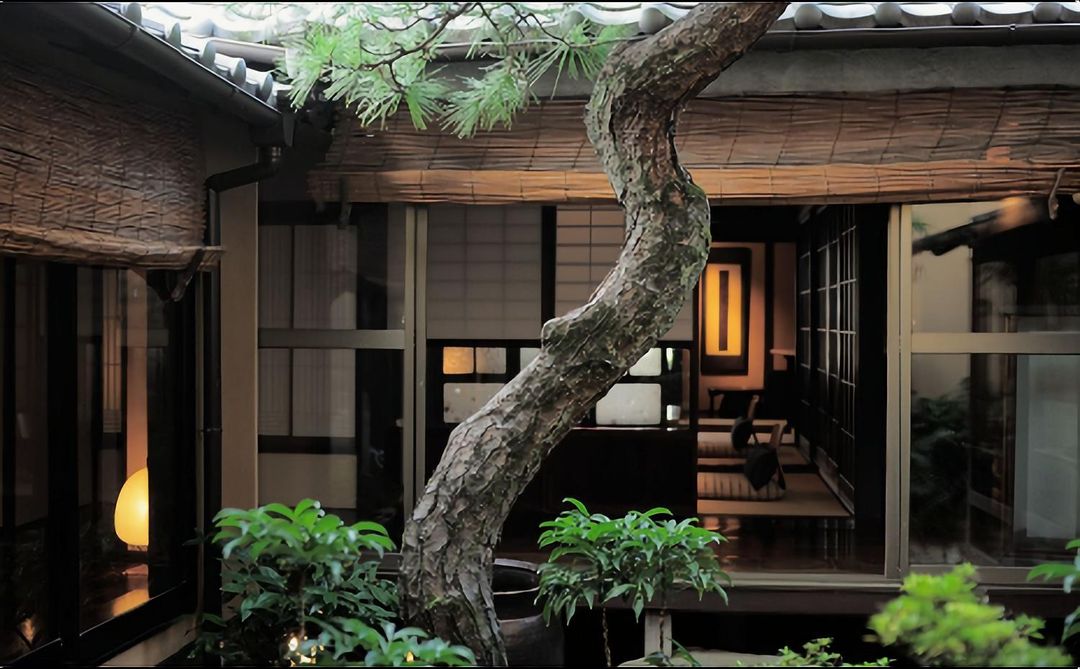
Shimayado Mari
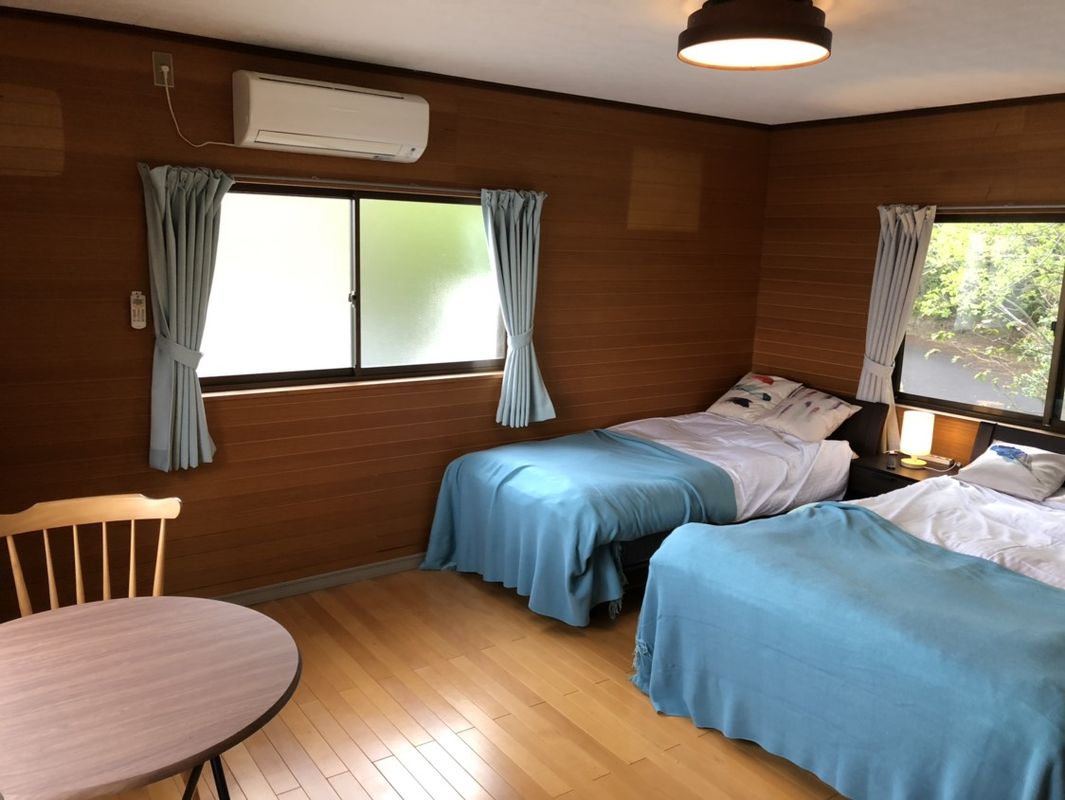
Villa Chillon
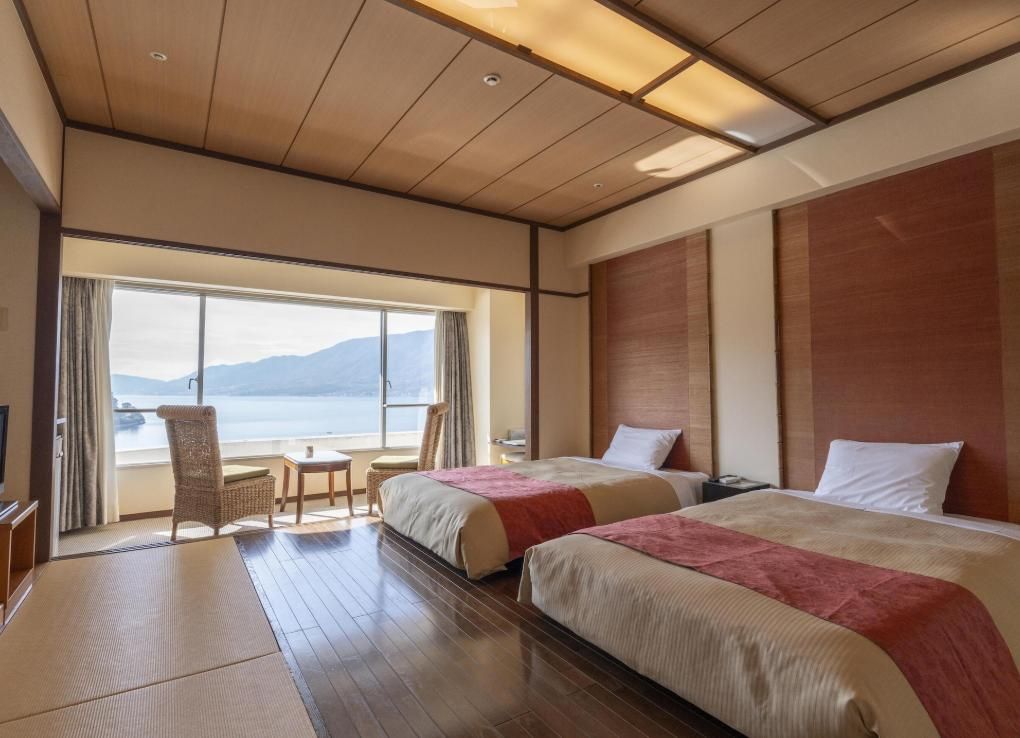
Bay Resort Hotel Shodoshima
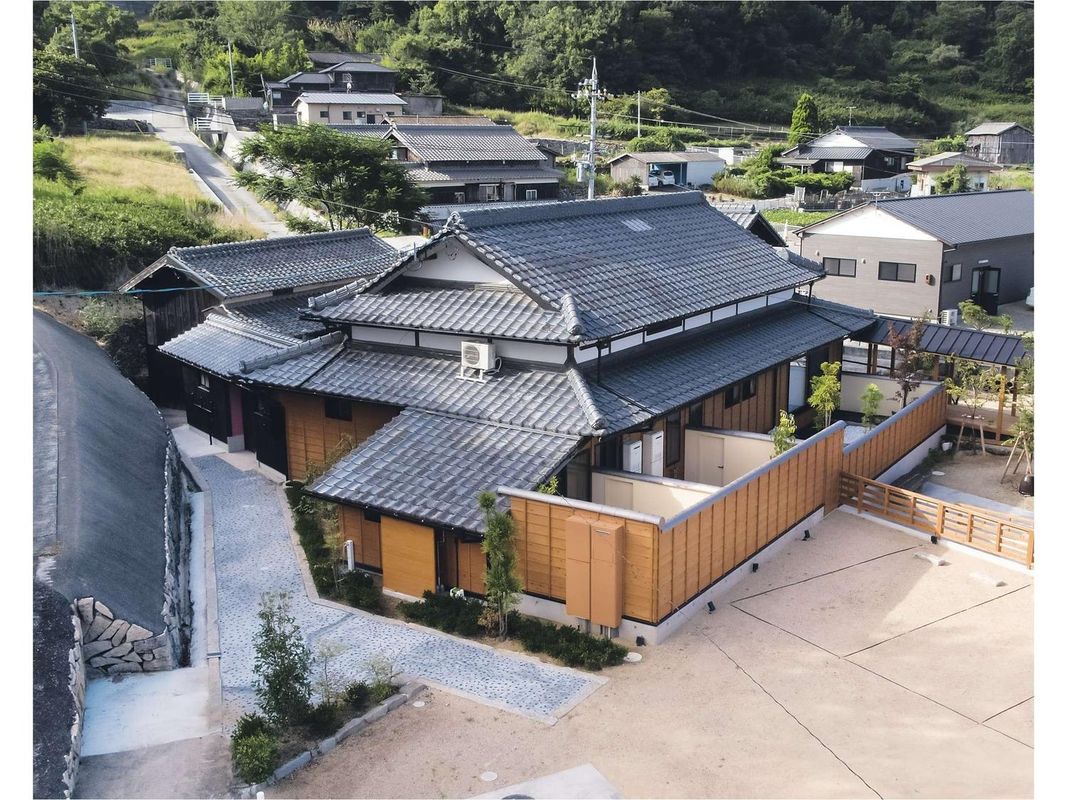
Shodoshima Mitonosato
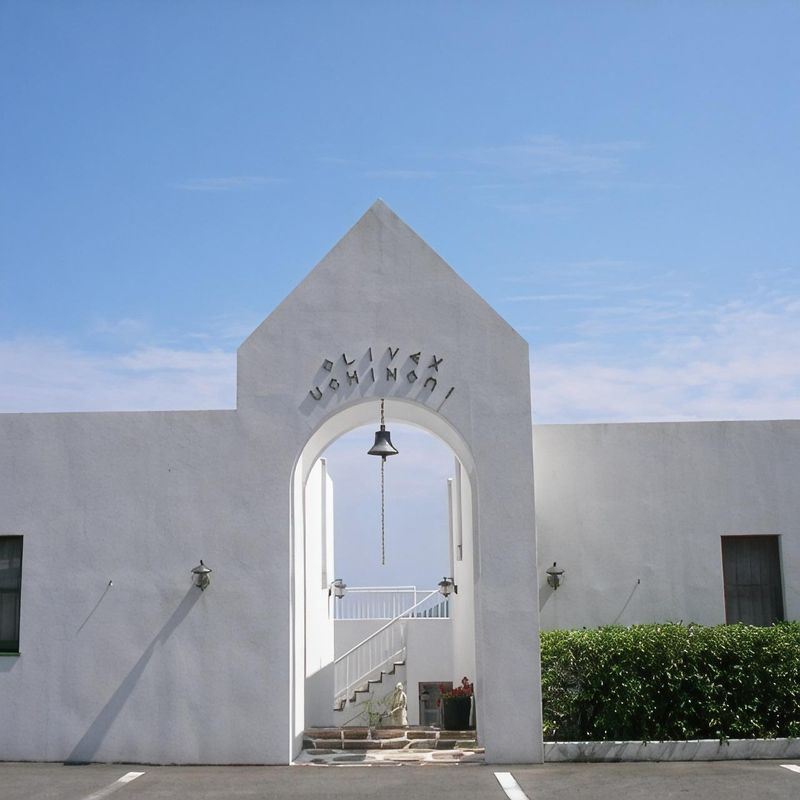
Olivex Uchinomi(The Simple Lodge Type Accommodations)
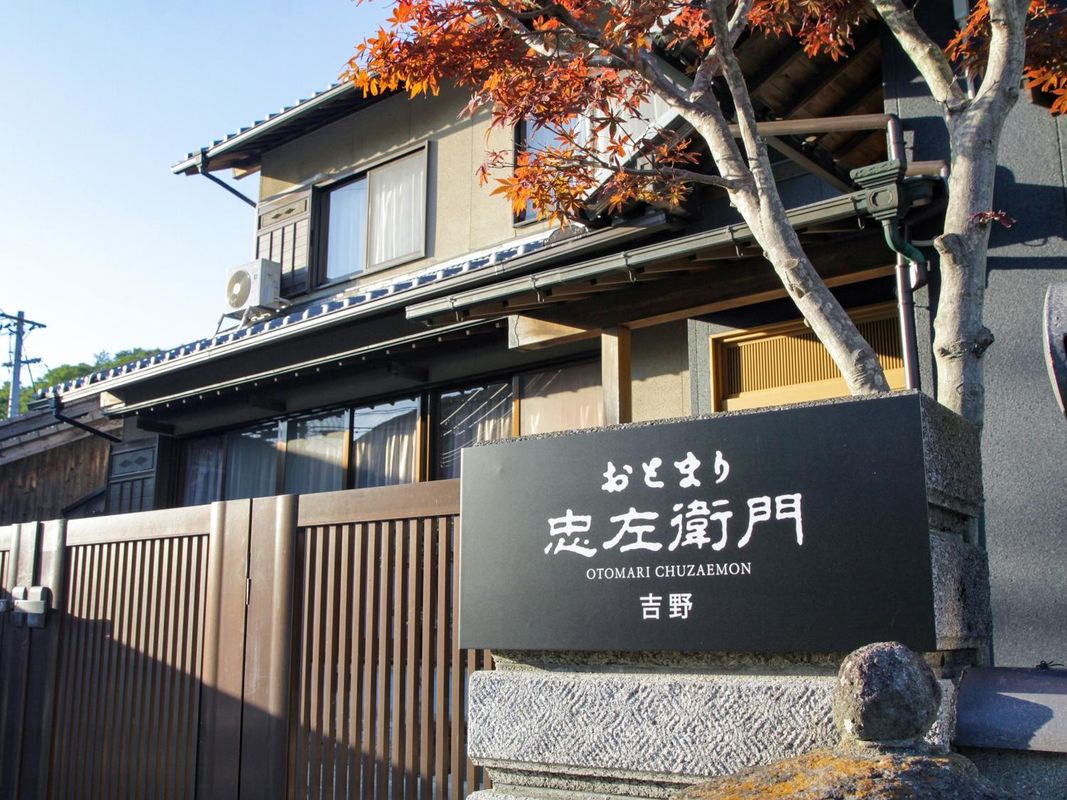
Otomari Chuzaemon Yoshino
Best Hotels in Shōdoshima
Discover curated hotel collections in Shōdoshima
Okuno Hosomichi
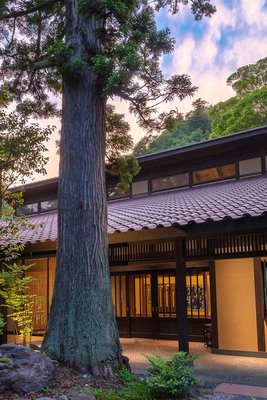
Arimasansoh Goshobessho
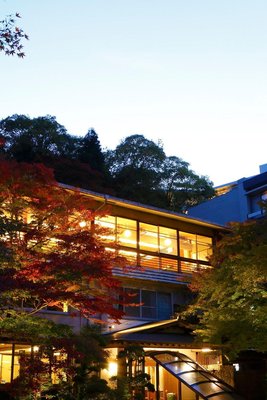
Negiya Ryofukaku
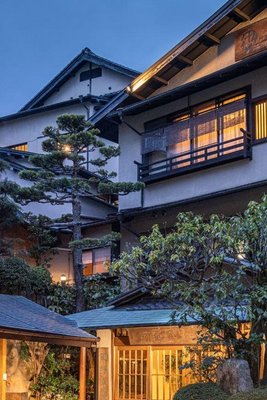
Arima Onsen Tocen Goshobo
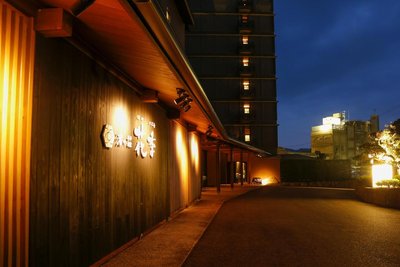
Hanagoyomi
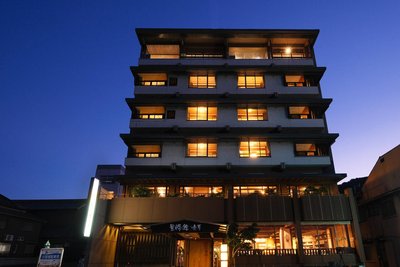
Keishokan Sazanamitei
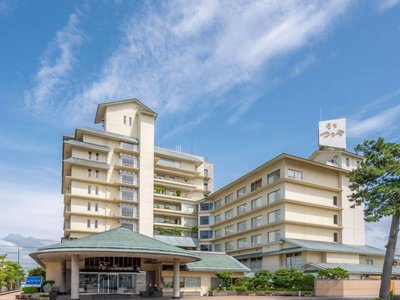
Kaike Tsuruya
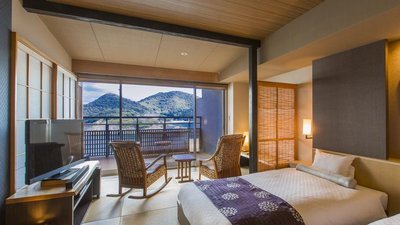
Migiwatei Ochi Kochi
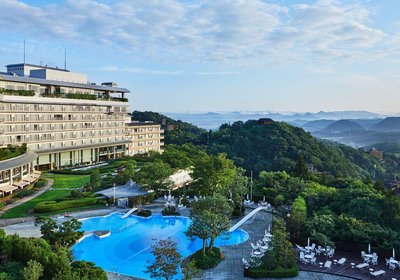
Arima Grand Hotel
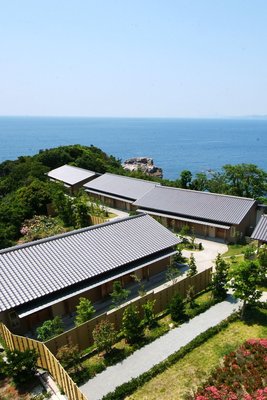
Hamachidorinoyu Kaisyu
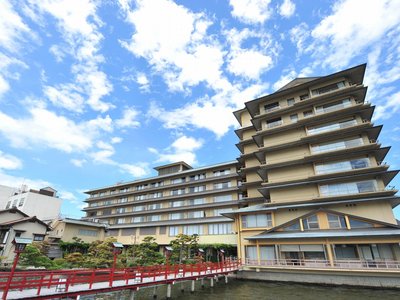
Bokoro Ryokan
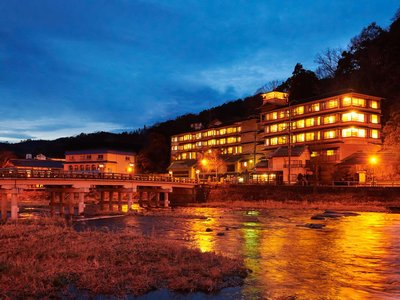
Mansuirou
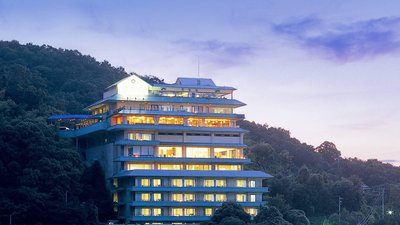
Hotel Hanajyukai
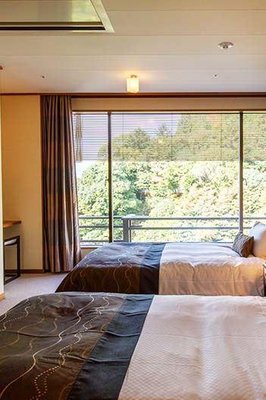
Nakanobo Zuien (Adult Only)
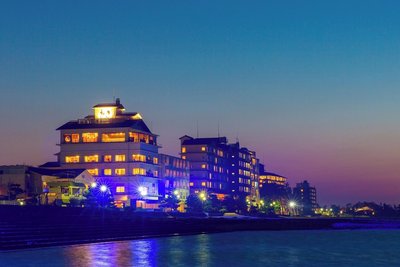
Kaike Shogetsu
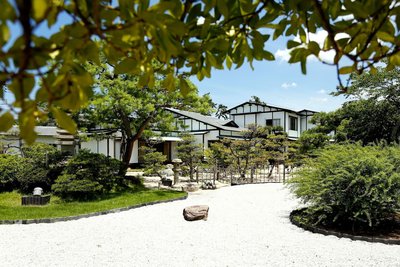
Kaike Fuga
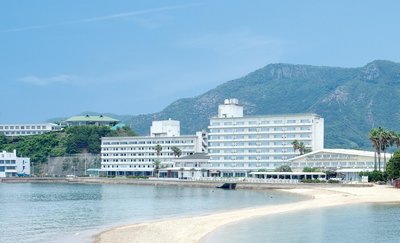
Shodoshima International Hotel
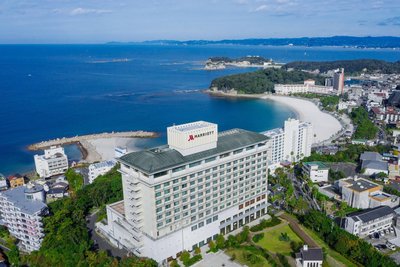
Nanki-Shirahama Marriott Hotel
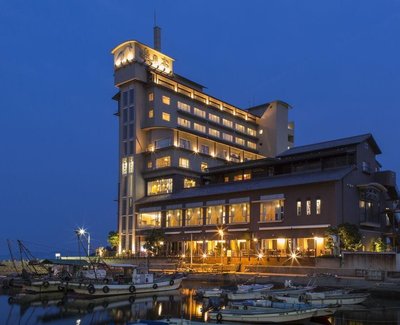
Hotel Ofutei
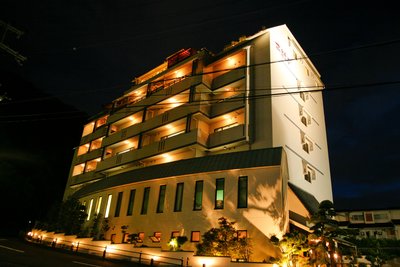
Arima Hot Spring Ryokan Hanamusubi

Shima Kanko Hotel the Bay Suites
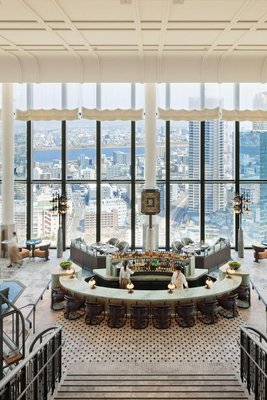
Waldorf Astoria Osaka
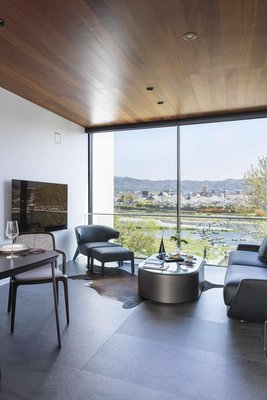
Kamo Residences by Reflections
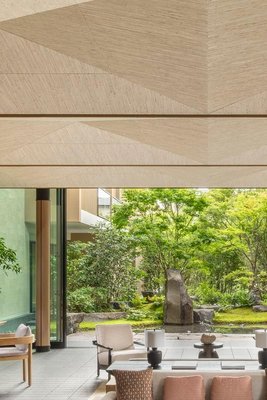
Six Senses Kyoto
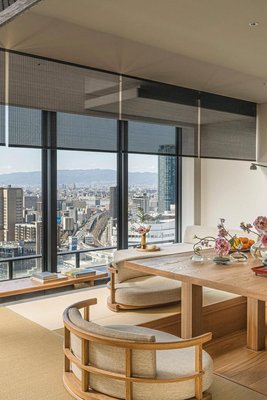
Four Seasons Hotel Osaka
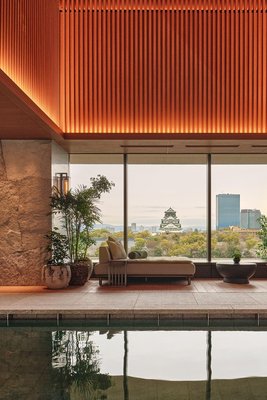
Patina Osaka
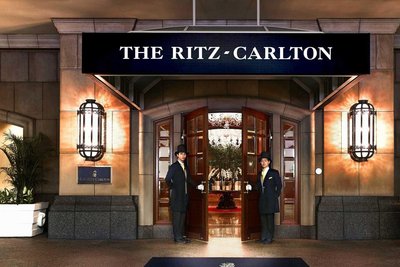
The Ritz-Carlton, Osaka
Arimasansoh Goshobessho
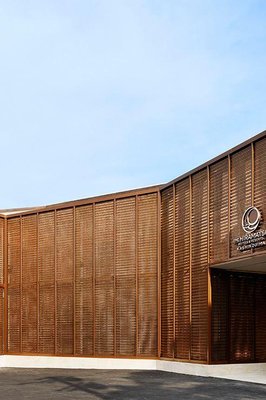
The Hiramatsu Hotels & Resorts Kashikojima
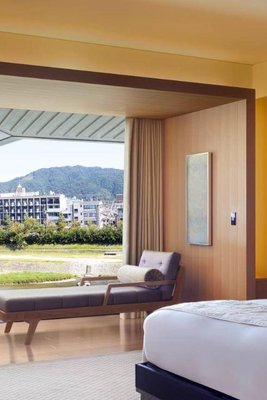
The Ritz-Carlton, Kyoto
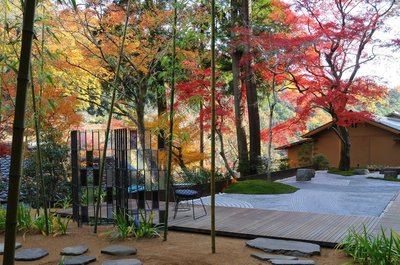
HOSHINOYA Kyoto
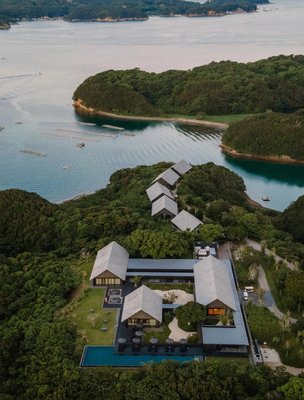
Amanemu
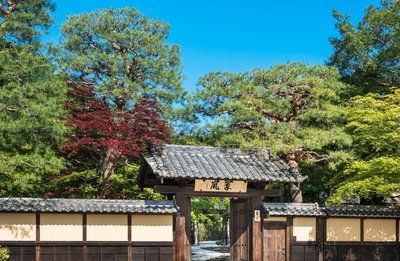
Suiran, a Luxury Collection Hotel, Kyoto
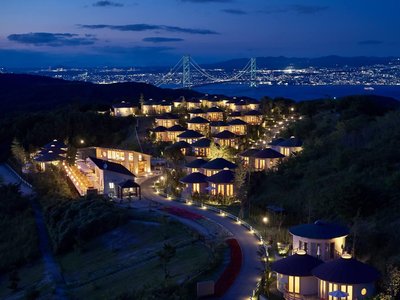
Grand Chariot Hokutoshichisei 135°
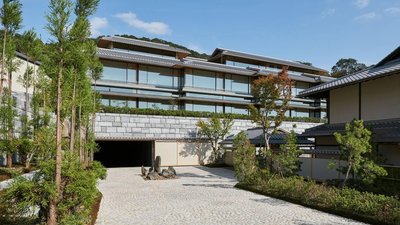
Park Hyatt Kyoto
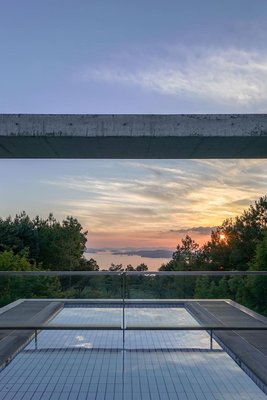
SETOUCHI RETREAT by Onko Chishin
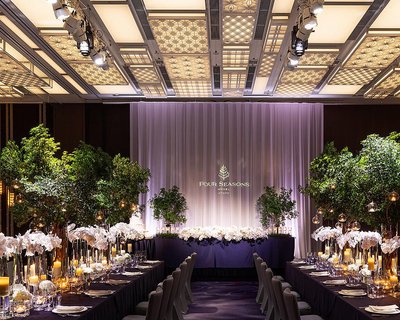
Four Seasons Hotel Kyoto
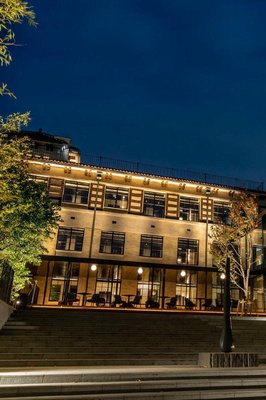
The Hotel Seiryu Kyoto Kiyomizu - a Member of the Leading Hotels of the World-
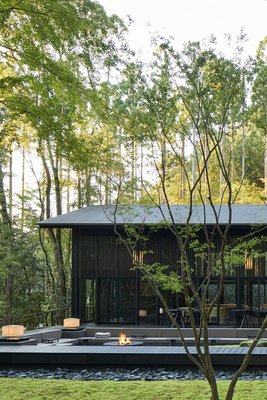
Aman Kyoto
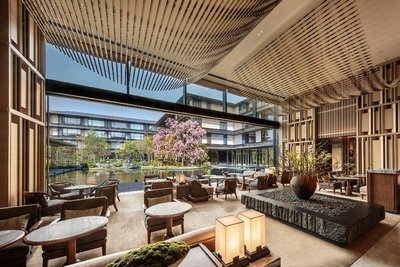
Hotel the Mitsui Kyoto, a Luxury Collection Hotel & Spa
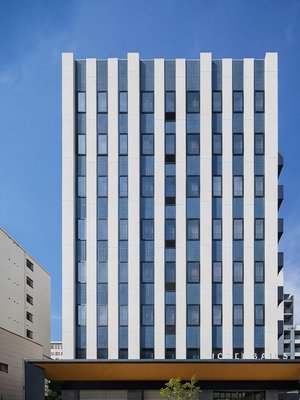
Hotel Sails
Okuno Hosomichi
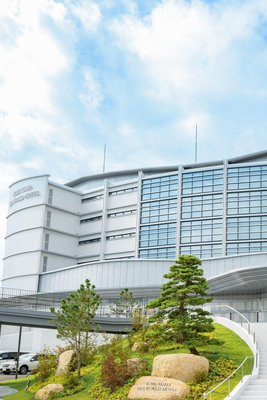
Kobe Suma Sea World Hotel
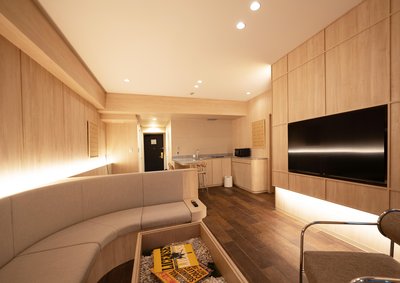
UH SUITE NAMBA STATION
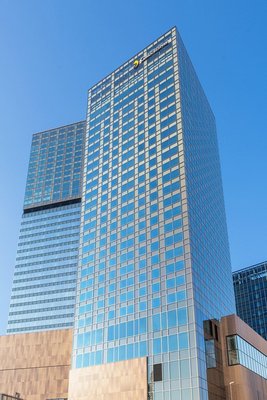
Hotel Hankyu GRAN RESPIRE OSAKA
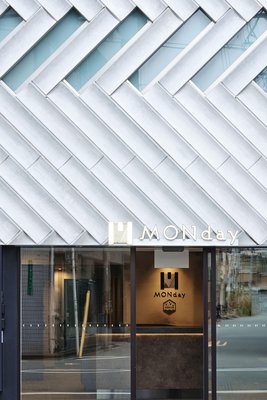
MONday Apart Premium OSAKA NAMBA WEST
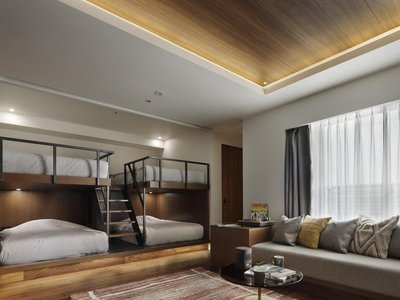
30 PIECES Namba
Negiya Ryofukaku
Hanagoyomi
Arima Grand Hotel
Bokoro Ryokan
Mansuirou
Hotel Hanajyukai
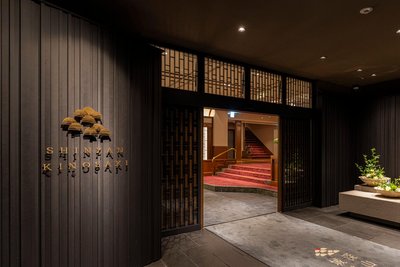
Shinzan Kinosaki
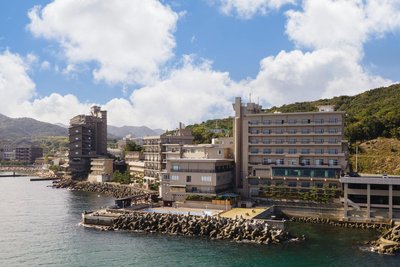
Awakan
Nakanobo Zuien (Adult Only)
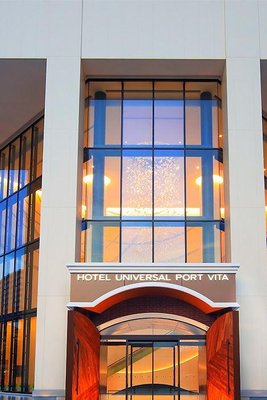
HOTEL UNIVERSAL PORT VITA
Amahara
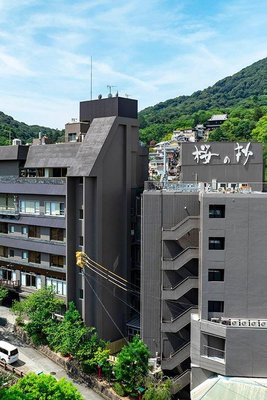
Kotohira Grand Hotel Sakuranosho
Hotel Ofutei
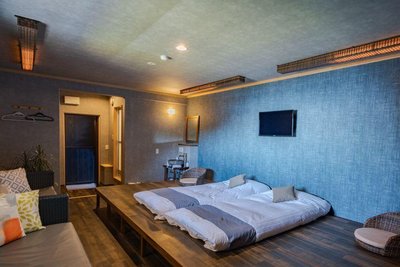
XYZ Private Spa and Seaside Resort
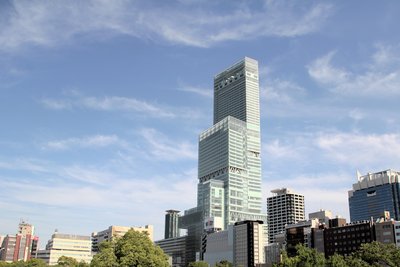
Osaka Marriott Miyako Hotel
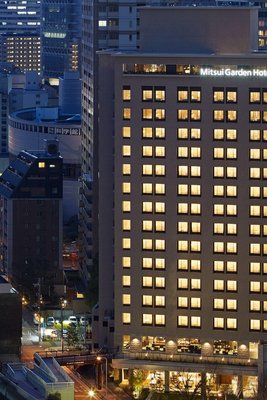
Mitsui Garden Hotel Osaka Premier
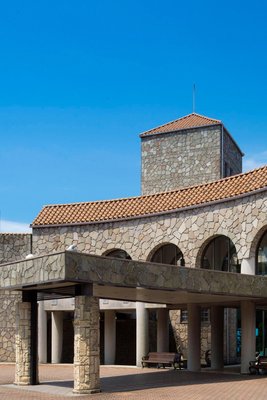
Izumigo Hotel Altia Toba
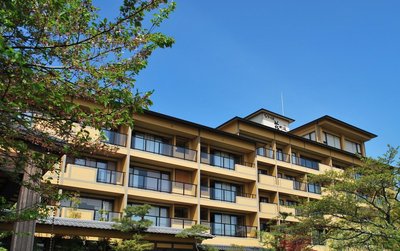
BIWAKO HANAKAIDO
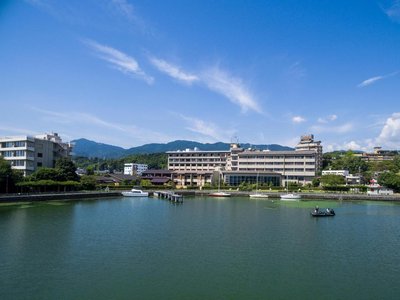
Biwako Ryokusuitei
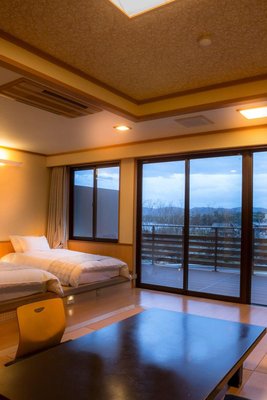
Hotel Kitanoya
Hanagoyomi
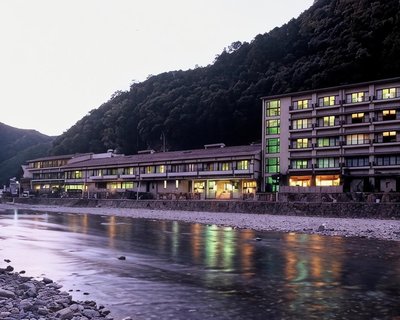
Kawayu Onsen Fujiya
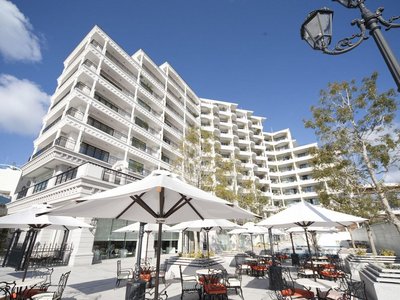
Hotel La Suite Kobe Harborland

AoAwo Naruto Resort
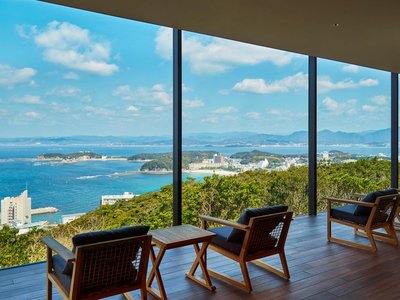
Infinito Hotel and Spa
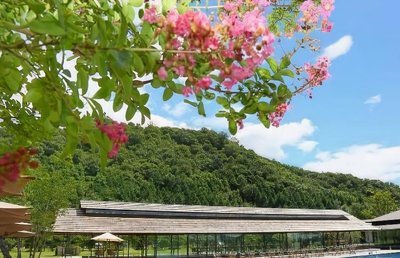
Bella Vista Spa and Marina Onomichi
Hamachidorinoyu Kaisyu
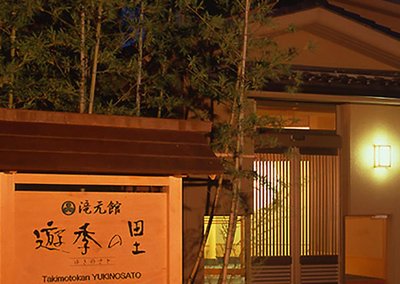
Takimotokan Yuki No Sato
Kaike Shogetsu
The Ritz-Carlton, Kyoto
Shodoshima International Hotel
Nanki-Shirahama Marriott Hotel
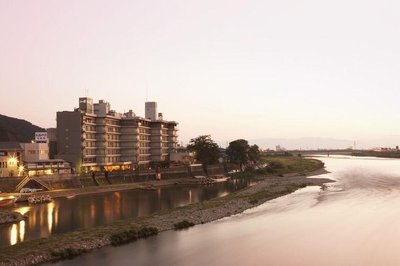
Juhachiro
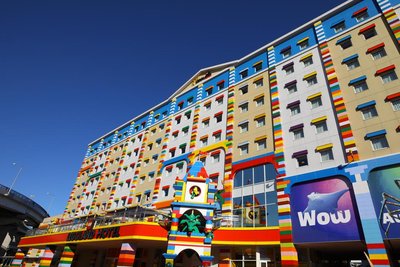
Legoland Japan Hotel
HOTEL UNIVERSAL PORT VITA

The Park Front Hotel at Universal Studios Japan
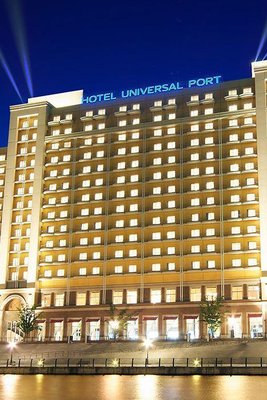
HOTEL UNIVERSAL PORT
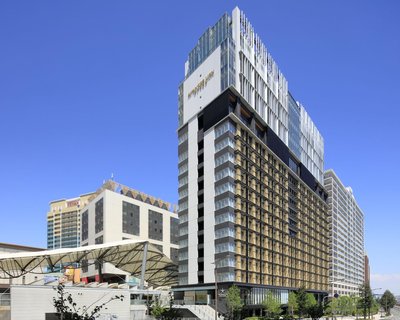
THE SINGULARI HOTEL & SKYSPA at UNIVERSAL STUDIOS JAPAN
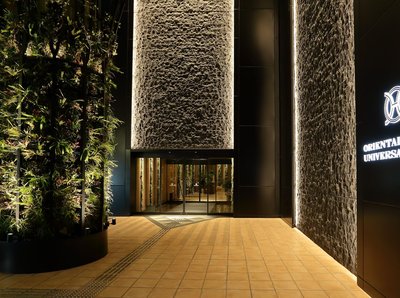
Oriental Hotel Universal City
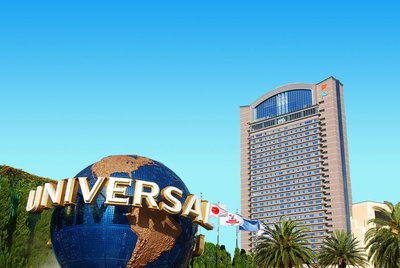
Hotel Keihan Universal Tower
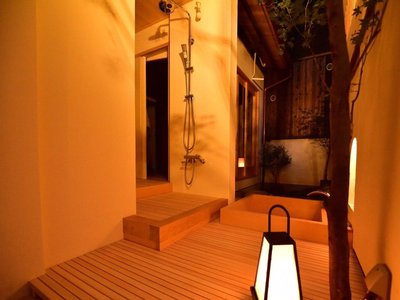
Yado Kiramachi
Arimasansoh Goshobessho
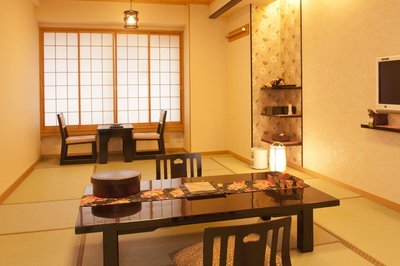
Matsui-Bekkan Hanakanzashi
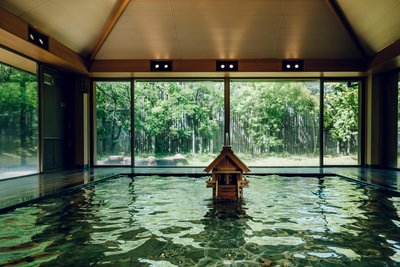
Hoshino Resorts KAI Tamatsukuri

Taikyourou
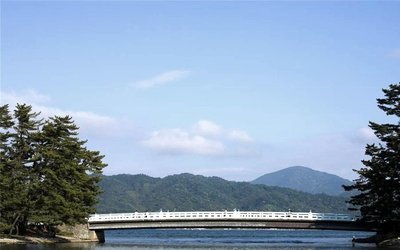
Monjusou Shourotei
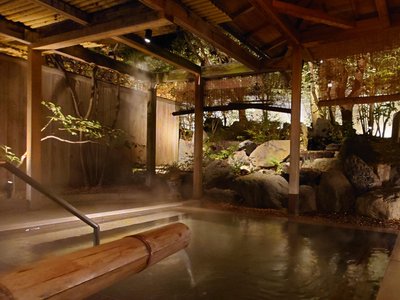
Kasuga Hotel
Migiwatei Ochi Kochi
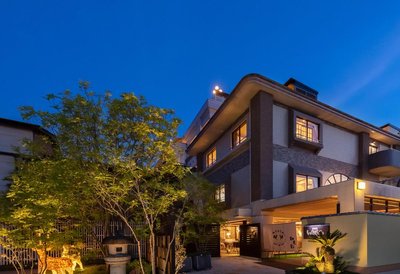
Hotel New Wakasa
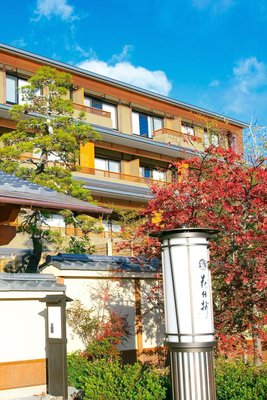
Kyoto Arashiyama Onsen Kadensho (Kyoritsu Resort)
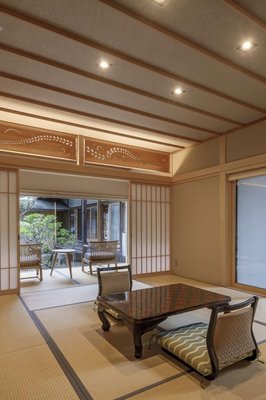
Ichijoin
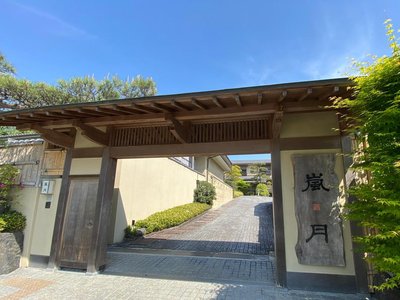
Rangetsu
The Ritz-Carlton, Kyoto
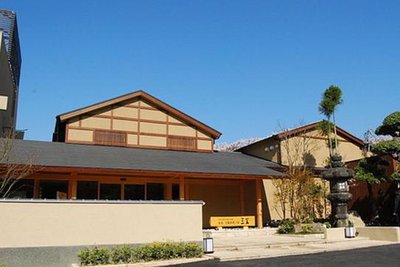
Mikasa
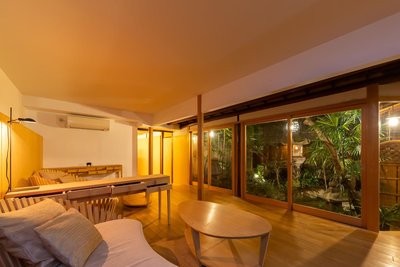
Izuyasu Traditional Kyoto Inn Serving Kyoto Cuisine
HOSHINOYA Kyoto
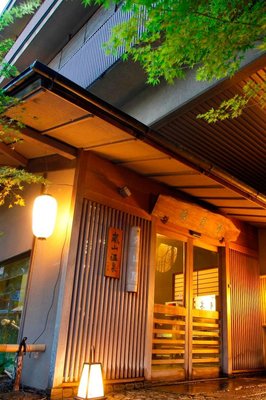
Togetsutei
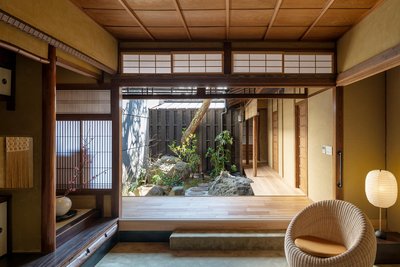
Nazuna Kyoto Gosho
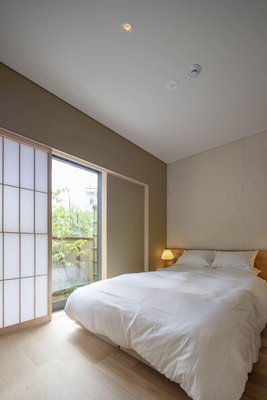
CAMPTON KIYOMIZU
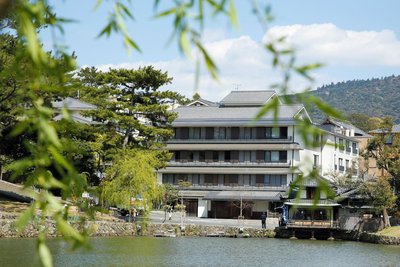
Sarusawaike Yoshidaya
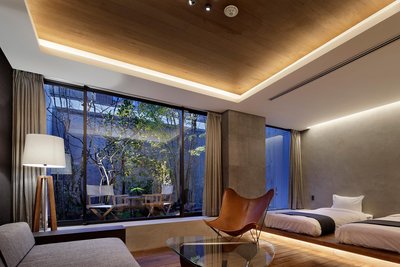
22 PIECES
The Ritz-Carlton, Osaka
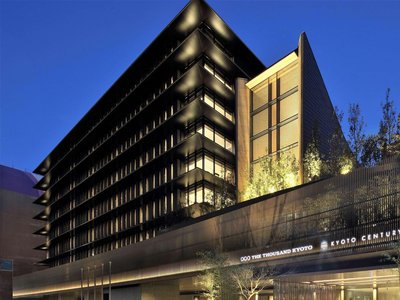
The Thousand Kyoto
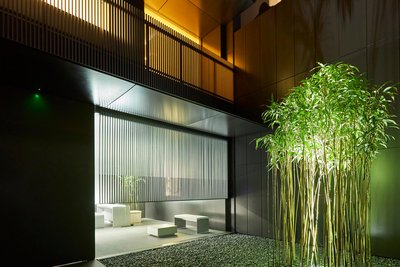
Mogana
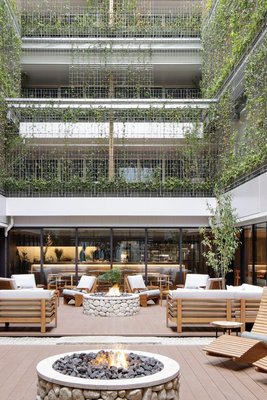
GOOD NATURE HOTEL KYOTO
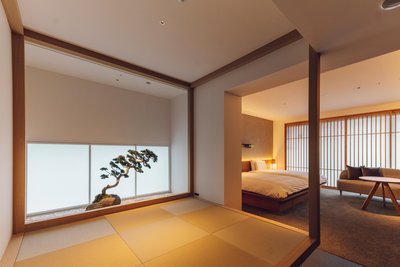
Nol Kyoto Sanjo
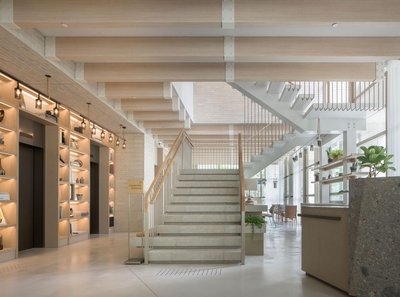
Zentis Osaka
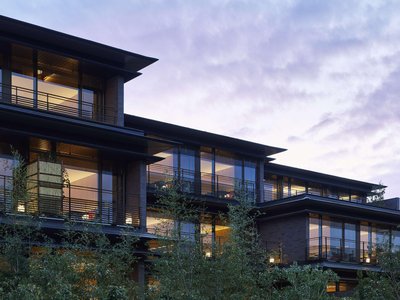
Garrya Nijo Castle Kyoto
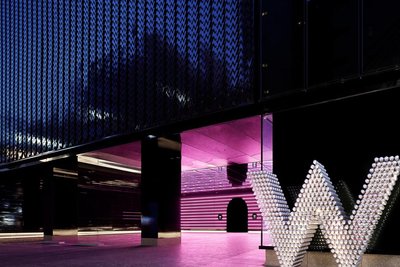
W Osaka
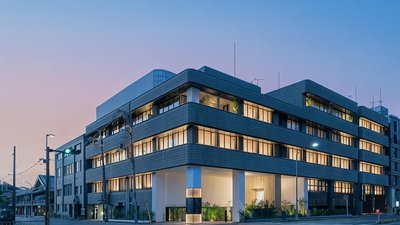
Hotel Kanra Kyoto
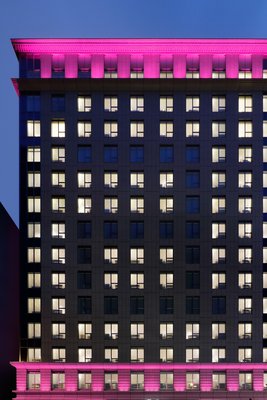
Aloft Osaka Dojima
Osaka Marriott Miyako Hotel
The Ritz-Carlton, Osaka
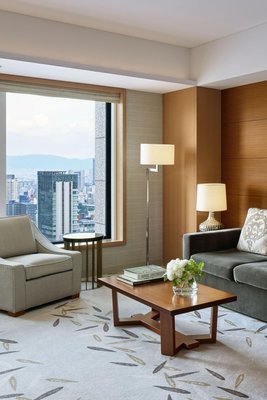
InterContinental Hotel Osaka
The Ritz-Carlton, Kyoto
Suiran, a Luxury Collection Hotel, Kyoto
GOOD NATURE HOTEL KYOTO
Park Hyatt Kyoto
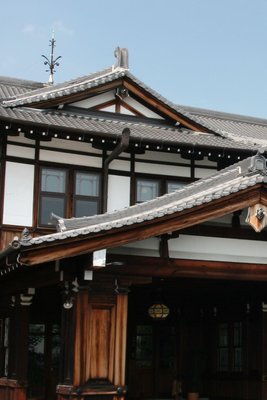
Nara Hotel
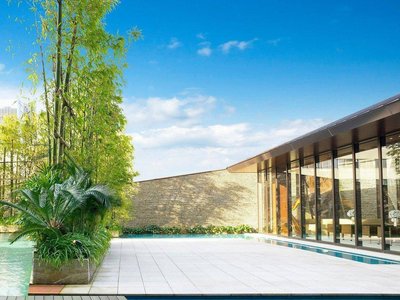
ORIENTAL HOTEL
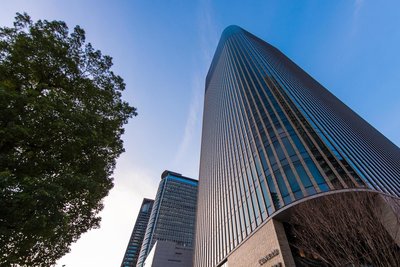
Conrad Osaka
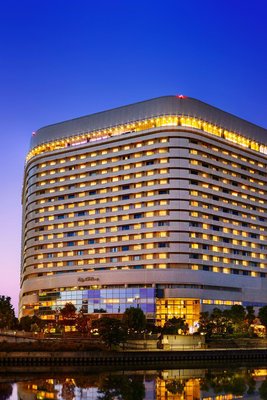
Hotel New Otani Osaka
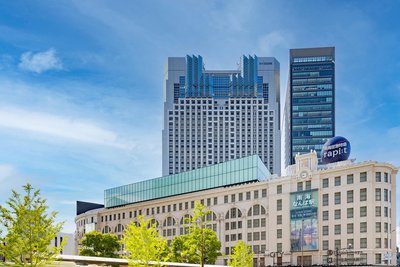
Swissotel Nankai Osaka
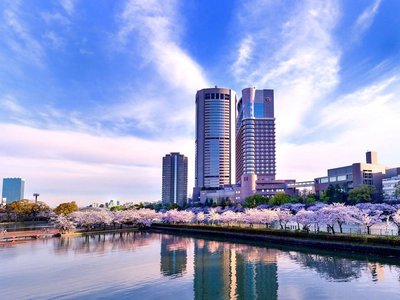
Imperial Hotel Osaka
The St. Regis Osaka
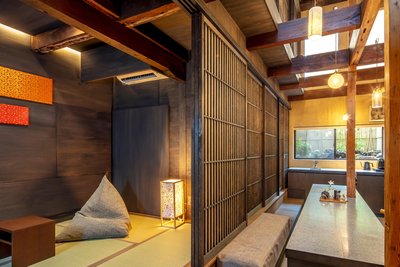
Kyo No Oozora Kihana
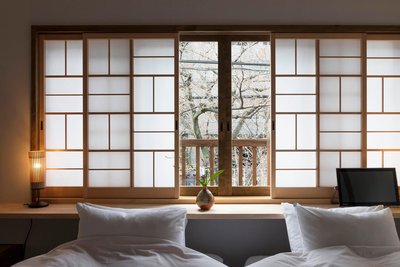
Hanagoromo Machiya House
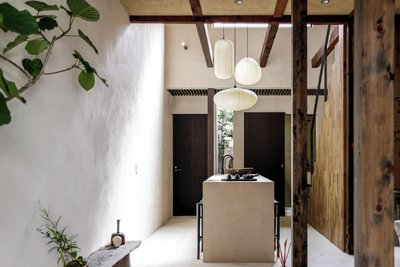
Maana Kiyomizu
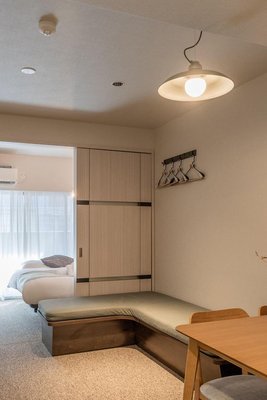
Apartment Hotel 11 Shinsaibashi
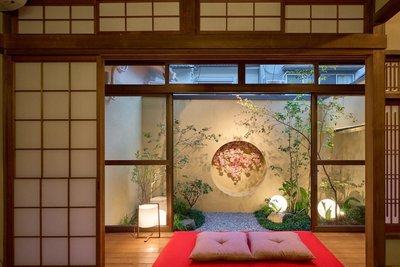
KONJAKUSO Osaka Tengachaya "NIHONCHA" Tea & Relax
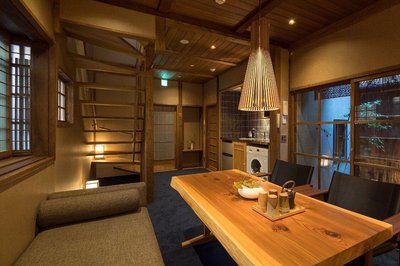
Bonbori an Machiya House
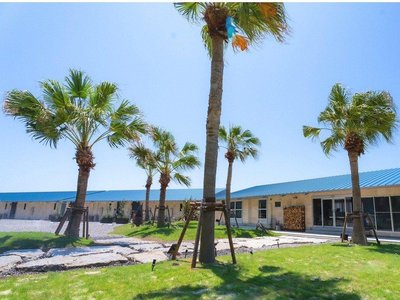
Glamping&Resort Wood Design Park Noma
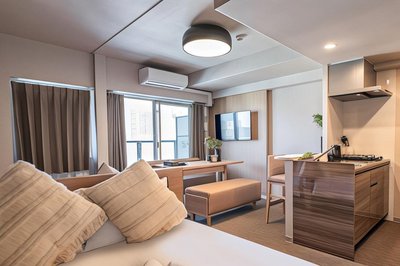
Apartment Hotel 11 Shinsaibashi III
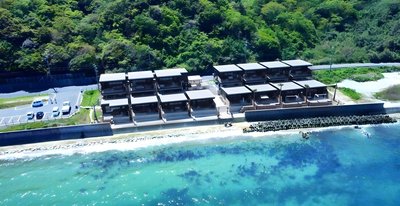
Solavilla Umi Terrace Minamiawaji
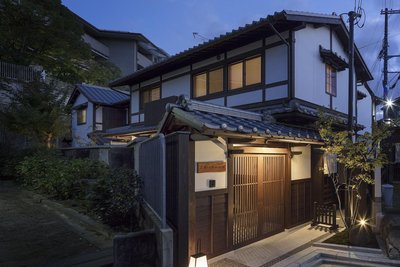
The Machiya Villa Sanjo Shirakawa Koji
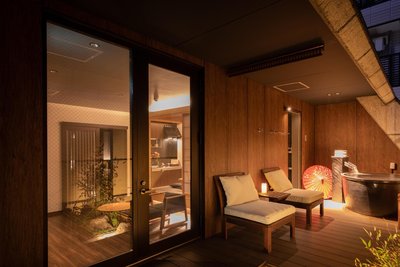
Konjaku-So Dotonbori
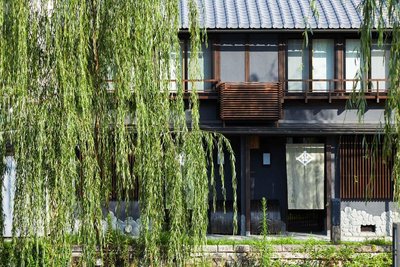
Gion Shirakawa No Yado

Kitashirakawa Natural Radium Onsen
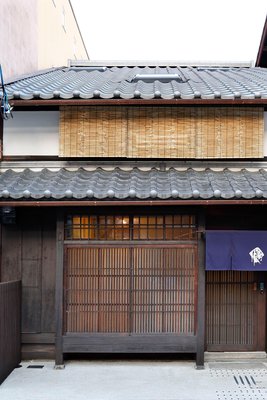
Kyo No Ondokoro Kamanza Nijo #2
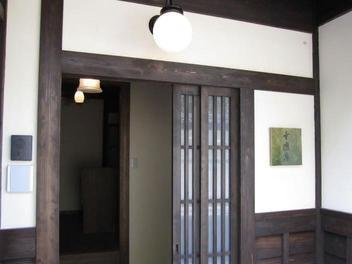
Gion Koyu an Machiya House
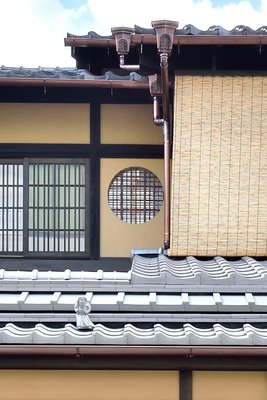
Kyo No Ondokoro Gokomachi Ebisugawa #3
Sana Mane - Glamp Domes
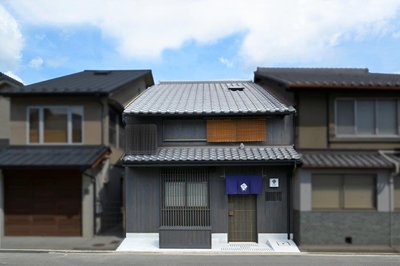
Kyo No Ondokoro Goshonishi #6
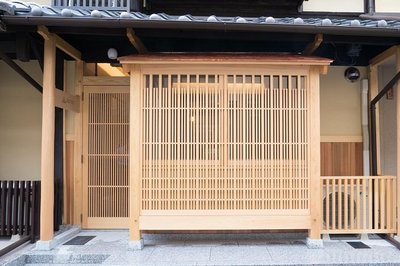
Kyomachiya Suite Rikyu
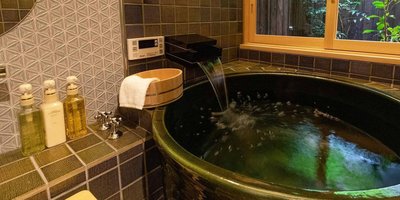
Kyoisuke
Frequently Asked Questions about Traveling to Shōdoshima
Questions You Might Need to Know About Traveling to Shōdoshima
In Shodoshima Town, the top boutique stay is Shodo Island Art Village Stay, a former schoolhouse transformed into an art-inspired inn with minimalist Japanese design and local artworks on display. For a more traditional experience, try Shodo Island Hot Spring Inn, nestled in the hills with private onsen baths and kaiseki dining using fresh island ingredients. Another highlight is Ishigaki Coast Villa, a seaside retreat offering panoramic views of the Seto Inland Sea and sunset decks perfect for romantic getaways.
All these properties emphasize sustainability—using solar power, recycled materials, and locally sourced food. Guests enjoy personalized service, including guided farm tours and olive oil workshops. Located near key attractions like Tamura Art Museum and Olive Garden, these hotels offer seamless access to culture and nature, making them ideal for travelers seeking authentic, low-impact stays.
The best area for accommodation in Shodoshima Town is Sanbongi District, located in the eastern part of the island. This region is close to major attractions such as Tamura Art Museum, Olive Garden, and Kamikawa Beach, making it ideal for cultural and scenic exploration. It offers quiet, tree-lined streets and a peaceful atmosphere, perfect for relaxation.
For travelers prioritizing convenience, Nishi-no-Maru is recommended—it’s near the Shodoshima Port and bus terminal, providing easy access to Kagawa City and ferry connections. Meanwhile, Nagatani District in the south offers stunning sea views and quieter accommodations, especially suited for couples or those seeking privacy.
Regardless of choice, opt for a room facing the Seto Inland Sea to enjoy morning mist and golden sunsets. Most lodgings provide free shuttle services to main sites, enhancing the ease of exploring this idyllic island dubbed "Japan's Tuscany".
In Shodoshima Town, immerse yourself in unique cultural experiences like visiting Tamura Art Museum, which showcases works by renowned local artist Tamura Eri, reflecting rural life and island heritage. Participate in an olive oil workshop at the Shodoshima Olive Oil Factory, where you’ll learn to produce your own bottle of premium olive oil using traditional methods.
Join a washi paper-making class using local mulberry bark and bamboo tools, creating handmade stationery that reflects the island’s craftsmanship. During summer, attend the Shodoshima Film Festival, celebrating films shot by director Akira Kurosawa during his time on the island.
Don’t miss the Omiwa Shrine ritual, where visitors can take part in purification ceremonies and receive blessings. Many guesthouses also offer a "One-Day Farmer Experience," allowing guests to harvest rice or pick citrus fruits, deepening their connection to the island’s sustainable lifestyle.
Must-try dishes in Shodoshima Town include Shodoshima Olive Oil Udon, a savory noodle dish tossed in local olive oil with fresh sea urchin and tomatoes—a signature flavor of the island. Try Kagawa Udon served with a rich, house-made sauce, known for its depth and umami.
Visit Sanbongi Market for freshly caught Seto Inland Sea sea urchin and bonito sashimi, served raw and incredibly fresh. Another local favorite is Olive Oil Cake, baked with 100% island-grown olive oil—sweet yet not cloying, perfect as a souvenir.
Many guesthouses offer home-style dinners featuring seafood hot pots and tempura made from seasonal vegetables. Pair your meal with locally brewed plum wine to fully experience the island’s terroir and hospitality.
A 2- to 3-day itinerary is ideal for experiencing the full charm of Shodoshima Town. On Day 1, arrive via ferry from Takamatsu, check into a hotel in Sanbongi, visit the Tamura Art Museum and Olive Oil Factory, then stroll along the Shodoshima Coastal Trail at sunset.
Day 2: Rent a motorcycle to explore the island—stop by Omiwa Shrine, Ishigaki Lighthouse, and Ohkawa Dam, with photo ops at wild azalea fields. Visit the wild azalea blooms in spring for breathtaking views.
On Day 3, join a washi paper workshop or a farm-to-table experience, then shop at Sanbongi Market for olive oil, ceramics, and sea salt. This balanced schedule allows leisurely exploration without rushing, capturing the island’s serene rhythm and artistic soul.
The primary transport options in Shodoshima Town are motorcycle rentals and local buses. Due to narrow, winding roads, renting a motorcycle is the most convenient way to explore remote spots like Olive Garden, Lighthouses, and shrines. Many guesthouses and rental shops offer bikes starting at ¥1,500–¥2,000 per day.
Local buses operated by Kagawa Prefecture Transportation run to major areas such as Sanbongi, Nishi-no-Maru, and Nagatani, but schedules are infrequent. Purchase a one-day pass (¥800) to save money. For those unable to drive, taxis are available—though they cost between ¥2,000–¥4,000 per trip.
Note: There is no train or subway system on the island. Motorcycles are not only practical—they align with the island’s philosophy of slow, mindful travel, allowing deeper connection with nature and culture.
Must-visit natural attractions in Shodoshima Town include the Shodoshima Coastal Trail, a scenic path along the Seto Inland Sea with dramatic rock formations and turquoise waters. The Ohkawa Dam offers tranquil lake views surrounded by mountains—ideal for photography and quiet reflection.
Visit the Wild Azalea Fields in spring, where pink and purple blossoms blanket the hillsides in a breathtaking floral display. The Ishigaki Lighthouse, perched on a cliff, provides panoramic views of the sea and distant islands—especially magical at night when the light beams cut through the dark.
For hikers, the Shodoshima Mountain Trail leads to a summit with sweeping vistas of the entire island. These locations are best visited early morning or late afternoon to avoid heat and crowds, maximizing the beauty of light and shadow across the landscape.
Guesthouses in Shodoshima Town stand out for their traditional Japanese architecture, eco-conscious design, and personalized hospitality. Many are housed in restored old schools, temples, or farmhouses—like Shodo Island Art Village Stay, which features exposed wood beams, sliding doors, and curated local art.
They emphasize sustainability: using solar energy, reclaimed materials, and serving meals with ingredients from on-site gardens or nearby farms. Families often welcome guests with homemade breakfasts featuring olive oil, sea urchin, and udon.
Some offer unique experiences: private onsen baths, olive harvesting, or art workshops. The staff are usually locals who share stories about island life, adding authenticity. These guesthouses embody the island’s ethos of harmony with nature—perfect for travelers seeking meaningful, low-impact stays.
The best times to visit Shodoshima Town are spring (March to May) and autumn (September to November). Spring brings vibrant azalea blooms, mild temperatures, and lush greenery—ideal for hiking and photography. Autumn offers crisp air, clear skies, and stunning sunsets over the Seto Inland Sea.
In May, don’t miss the Shodoshima Olive Festival, featuring olive oil tastings, cooking demos, and live music. During September, the Setouchi Triennale transforms the island into an open-air art museum, with installations in abandoned buildings and coastal cliffs.
Avoid July to August due to high humidity and peak tourist season. While attractions remain open, the heat and crowds reduce the peaceful charm. Traveling in spring or autumn ensures comfortable weather and rich cultural experiences, making your visit truly memorable.
Yes, Shodoshima Town is highly suitable for family travel. The island is safe, quiet, and child-friendly, with minimal traffic and clean environments. Many guesthouses offer family rooms, baby beds, and children’s activities like olive oil crafting and drawing classes.
Popular family spots include Sanbongi Park, with shaded playgrounds and picnic areas; Ohkawa Dam’s Family Plaza, featuring a covered outdoor space with slides and swings; and Olive Garden, where kids can help harvest olives.
Motorcycle rentals accommodate two riders, and some guesthouses provide child safety seats. Meals are often tailored for children—think mini udon and fruit platters. With gentle pacing, engaging experiences, and warm local hospitality, Shodoshima offers a perfect blend of adventure and relaxation for families.
Shōdoshima Overview
City Summary
Shodoshima Town, located in Kagawa Prefecture, Japan, is a picturesque island renowned for its stunning natural scenery, rich history, and unique artistic ambiance. As Japan's famous olive-producing region, it boasts beautiful coastlines and terraced fields, and has served as filming location for multiple movies. The town's traditional soy sauce brewing and handmade somen noodle crafts are inscribed as Japanese Intangible Cultural Heritage, reflecting its profound culinary culture.
Must-See Attractions
Must-see attractions include Angel Road (a tidal sandbank), Olive Park (filming location for "Kiki's Delivery Service"), Kankakei Gorge (one of Japan's three great scenic valleys), and the Soy Sauce Village to experience traditional brewing. Art lovers shouldn't miss the "Shodoshima Art Program" with installations blending seamlessly with nature.
Food Guide
Local specialties include olive-fed beef, soy sauce ice cream (unique sweet-salty flavor), handmade somen noodles (chewy texture), and fresh seafood. Sauce breweries also offer creative desserts like soy sauce soft serve.
Transportation Guide
Transportation mainly relies on buses and rentals. Island loop buses connect major sites but have limited schedules - advance planning is advised. Renting bicycles or cars provides more flexibility. Ferries from Takamatsu Port take about 1 hour; car ferries are available for drivers. Note some mountain roads are narrow and winding.
Best Time to Visit
Best seasons are spring (March-May) and autumn (September-November) for mild weather and beautiful scenery. Summer is hot but good for beaches, while winter sees fewer visitors with some closures. Avoid Golden Week (late April to early May) for lighter crowds.
Travel Tips
- Check tidal charts for Angel Road as crossing times vary daily
- Some art installations are remote - carry maps/offline navigation
- Sample soy sauce dishes moderately as local flavors are intense
- Mountain areas have big temperature drops - pack layers even in summer
- Respect brewery tour rules - don't touch fermentation equipment without permission
- Sparse bus schedules require advance timetable checking and extra time allowance
Useful Information
English services are limited - translation apps or phrasebooks are recommended. Cellular coverage is decent but weak in mountains; consider renting pocket WiFi in Takamatsu or ferry terminals. Cash dominates payments though some major sites accept cards. Emergency numbers are 110 (police) and 119 (ambulance); the island has small clinics but serious cases transfer to Takamatsu. Post offices and ATMs concentrate in Honmachi area with possible weekend closures.