Hotels in Shibayama
Discover your perfect stay in Shibayama.
Shibayama(Japan) Travel 2026: Cheap Flights, Hotels & Top Attractions
Popular Landmarks in Shibayama
Discover the most iconic attractions in Shibayama
Recommended Hotels in Shibayama
Find the perfect place to stay in Shibayama
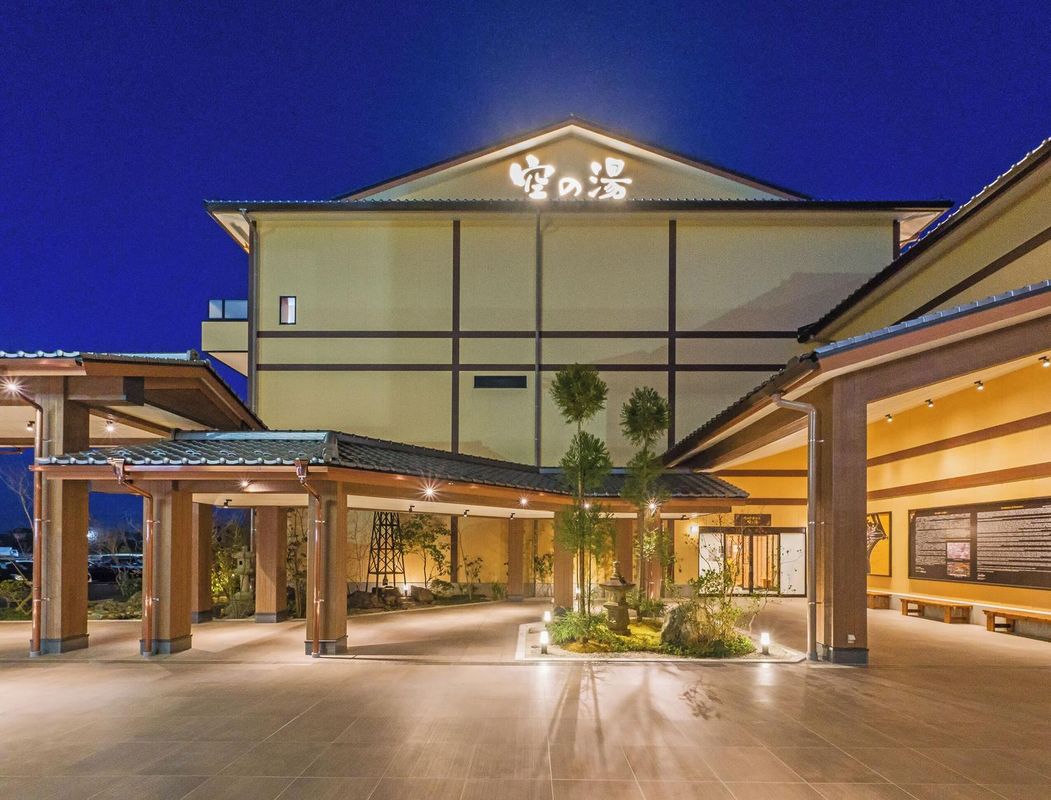
Soranoyu Spa Resort
Best Hotels in Shibayama
Discover curated hotel collections in Shibayama
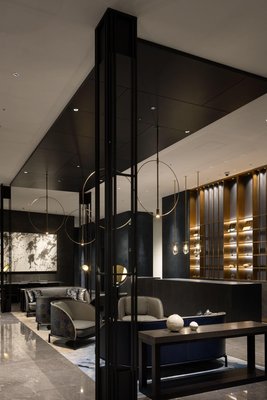
Bellustar Tokyo, A Pan Pacific Hotel
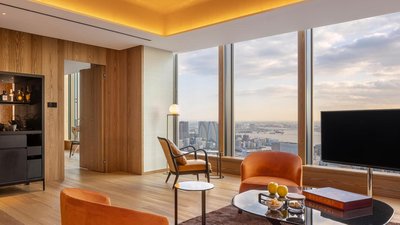
Bvlgari Hotel Tokyo
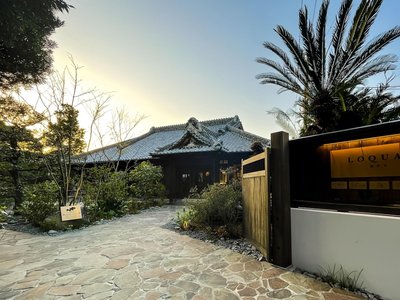
Loquat Nishiizu
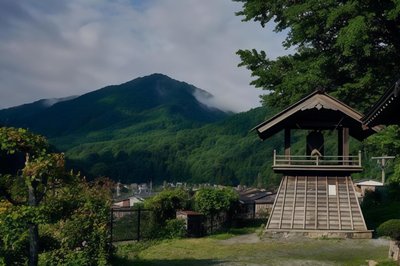
Byaku Narai
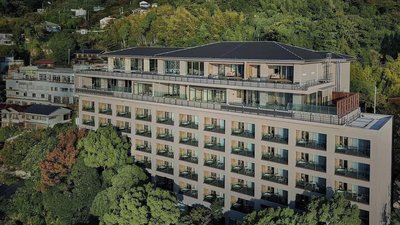
Atami Izusan Karaku
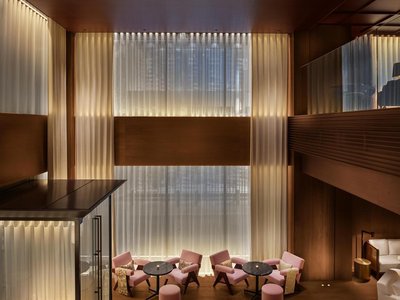
The Tokyo Edition, Ginza

Janu Tokyo
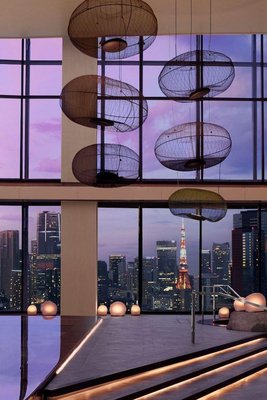
JW Marriott Hotel Tokyo
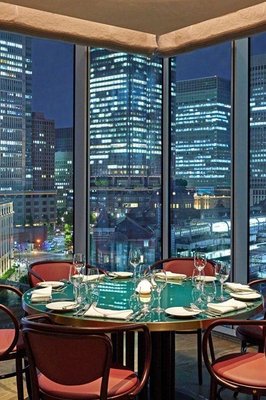
Four Seasons Hotel Tokyo at Marunouchi

Mandarin Oriental, Tokyo
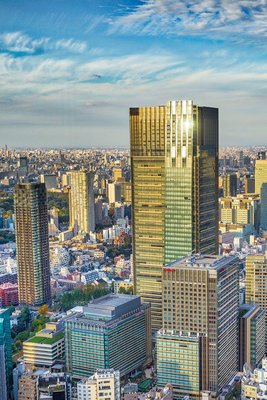
The Ritz-Carlton, Tokyo
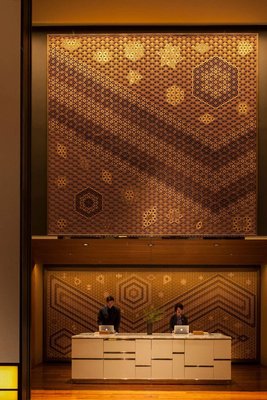
Andaz Tokyo Toranomon Hills- A Concept by Hyatt
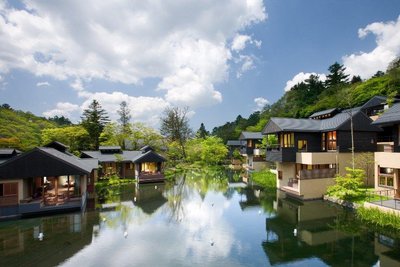
Hoshinoya Karuizawa
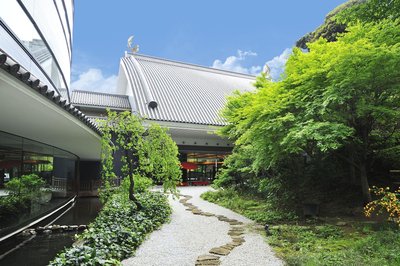
Hotel Gajoen Tokyo
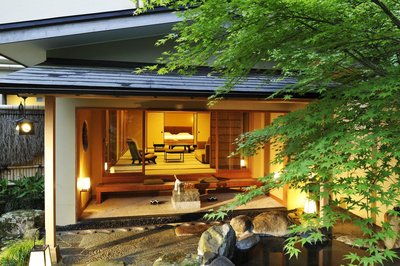
Gora Kadan
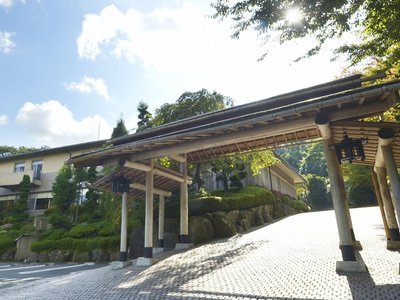
Gora Hanaougi
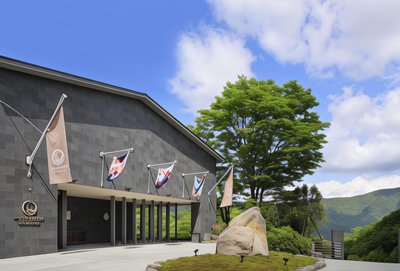
The Hiramatsu Hotels & Resorts Sengokuhara Hakone
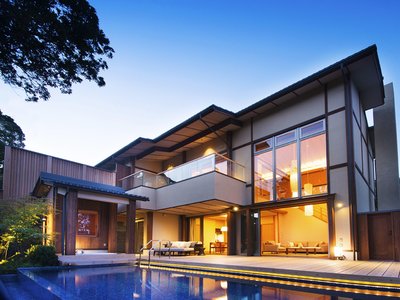
Abba Resorts Izu - Zagyosoh
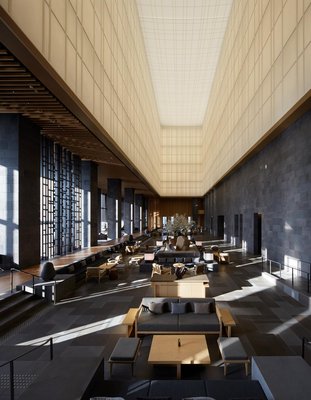
Aman Tokyo

Hotel New Otani Tokyo, Executive House Zen
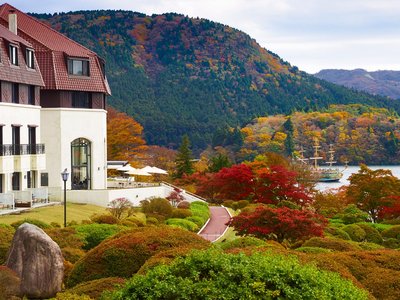
Hotakajyo
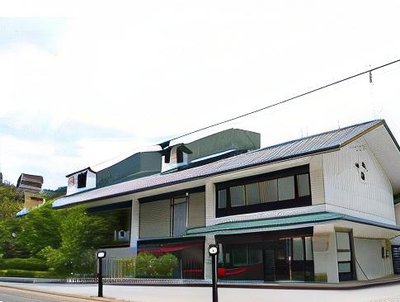
Auberge Suzukane

Onyado Nono Asakusa Bettei Hot Spring
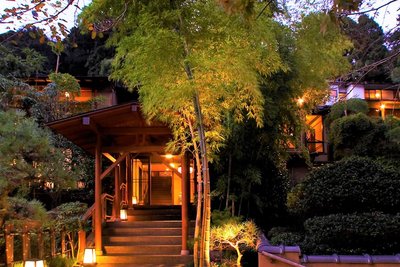
Shiki wo Ajiwau Yado Yamano Chaya
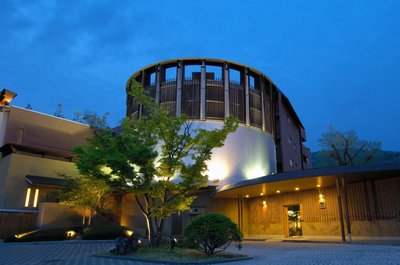
Hoshino Resorts Kai Matsumoto
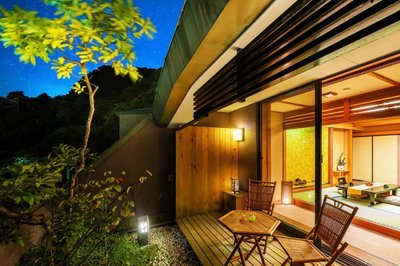
Konjakutei
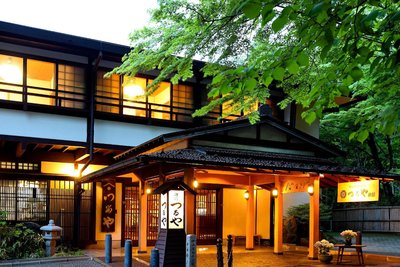
Tsuruya Ryokan
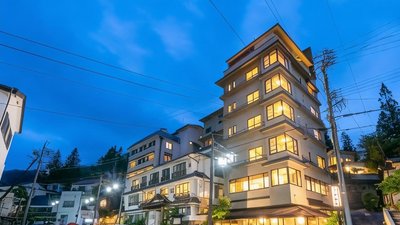
Nakamatsuya Ryokan
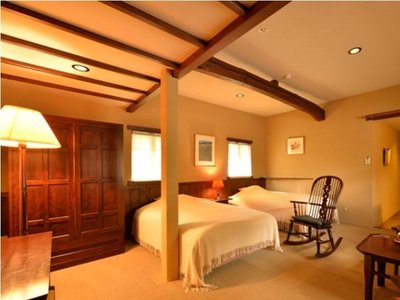
Ryokan Sugimoto
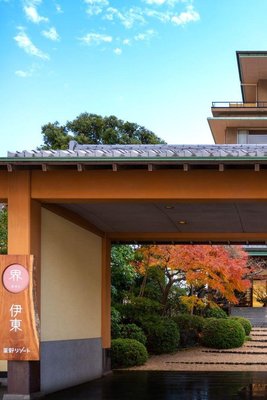
Hoshino Resorts Kai Ito
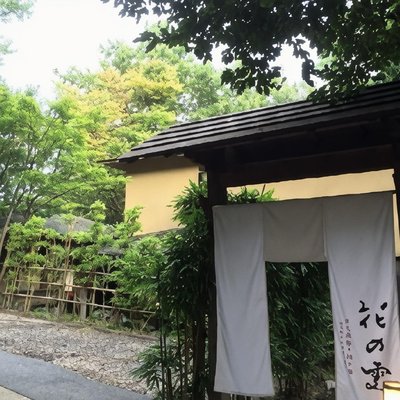
Hana No Kumo
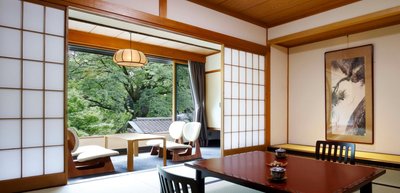
Yoshiike Ryokan
Hotel Gajoen Tokyo
Gora Hanaougi
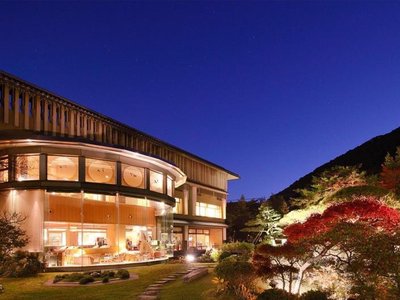
Shikisai Ichiriki
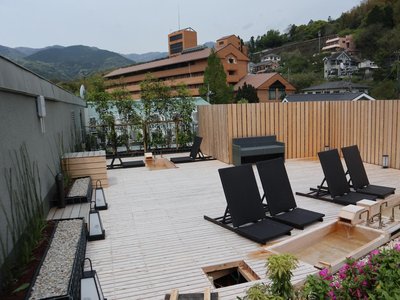
Fukiya Ryokan
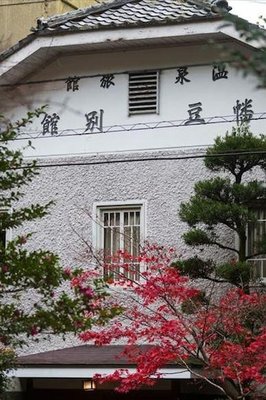
Oku-Mikawa・Yuya Onsen HAZU Bekkan
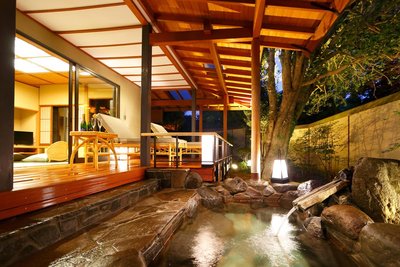
Yoshiharu Ryokan – Izu Nagaoka Onsen
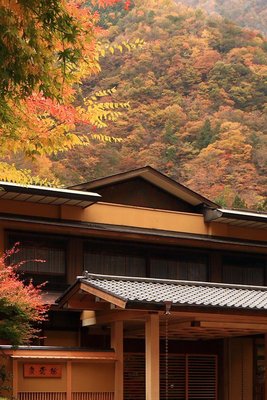
Nishiyama Onsen Keiunkan
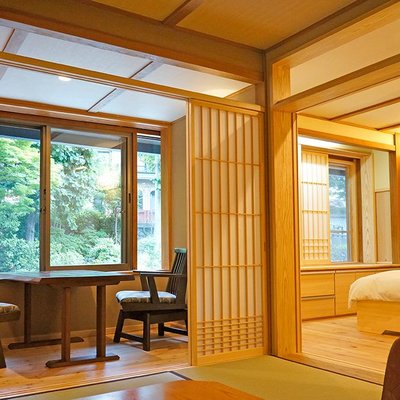
Sumiyosiya Ryokan
Bellustar Tokyo, A Pan Pacific Hotel
JW Marriott Hotel Tokyo
Andaz Tokyo Toranomon Hills- A Concept by Hyatt
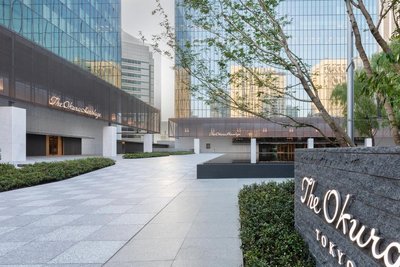
The Okura Tokyo

The Lively Azabujuban Tokyo
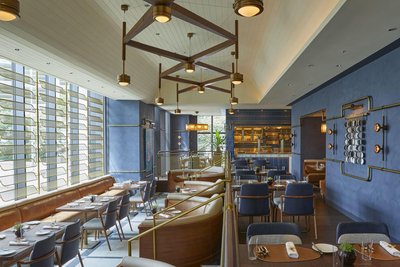
Kimpton Shinjuku Tokyo

HOTEL K5
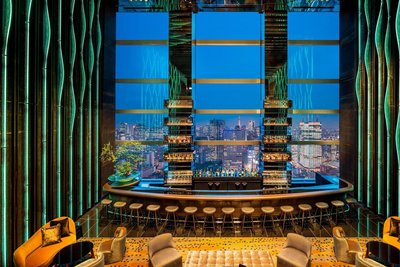
The Prince Gallery Tokyo Kioicho, a Luxury Collection Hotel

Muji Hotel Ginza
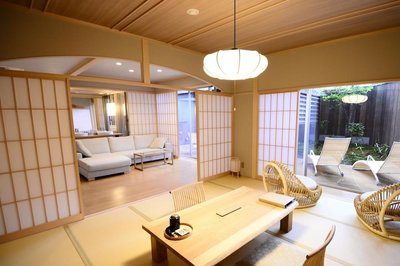
Hakone Gora Byakudan
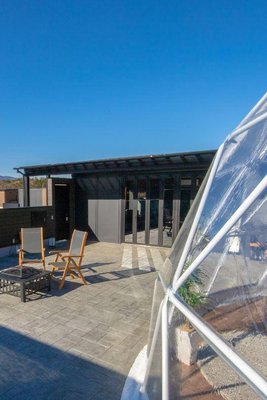
Panoramic Mt. Fuji Views from All Rooms – Vision Glamping Resort & Spa Yamanakako
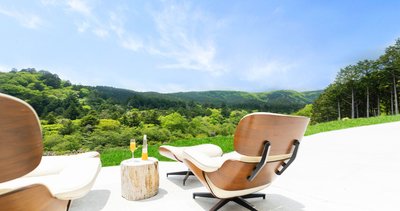
Shelter Garden Nikko
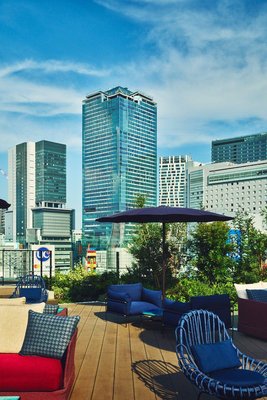
Hotel Indigo Tokyo Shibuya
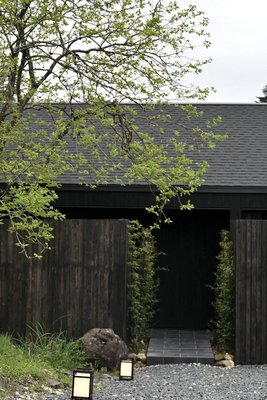
THE LAKOTAN

Forest Village (Fuji Premium Resort)

Hotel Toranomon Hills

Fufu Kyu-Karuizawa Restful Forest
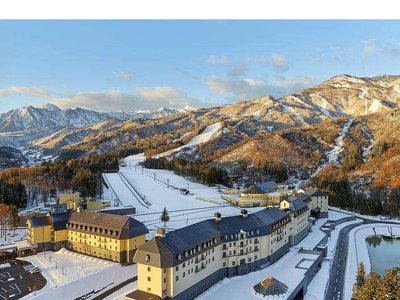
Lotte Arai Resort
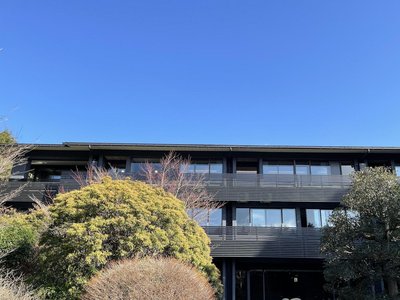
Sengokubara Cocon
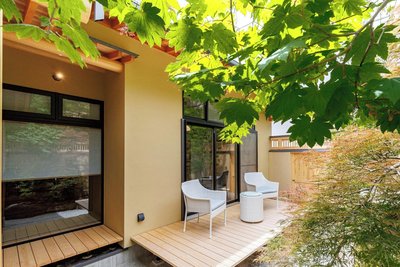
Shoraiso
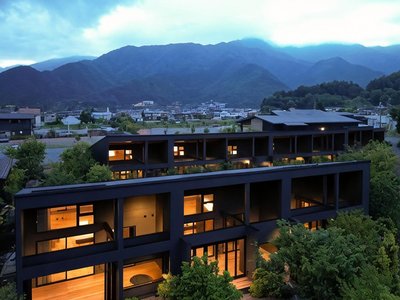
7C Villa and Winery

Hotel la Vigne Hakuba by Onko Chishin
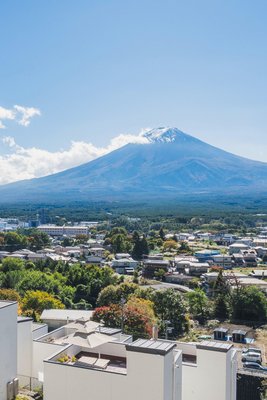
THE TOKI FujiKawaguchiko
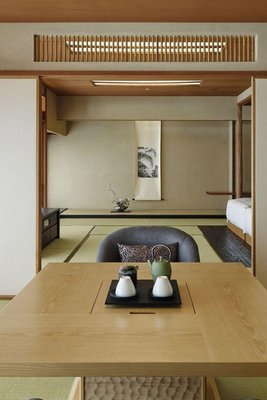
Takanawa Hanakohro (in Grand Prince Hotel Takanawa)

Hyatt Centric Ginza Tokyo
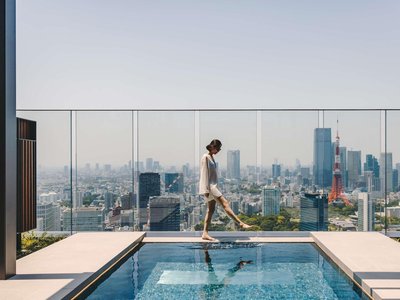
Fairmont Tokyo
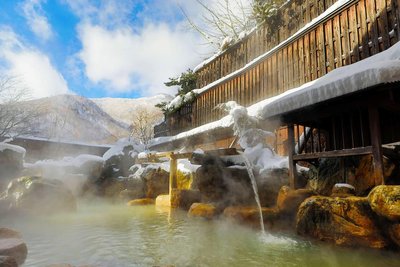
Miyamaouanbekkan yumegurinoyado hirayukan
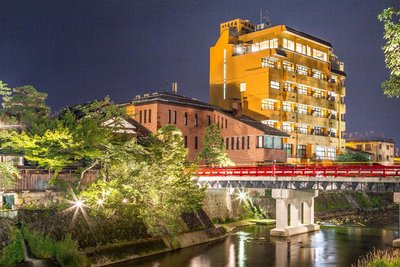
HONJIN HIRANOYA BEKKAN
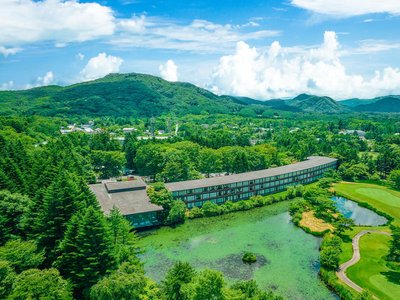
The Prince Karuizawa
Bvlgari Hotel Tokyo
Four Seasons Hotel Tokyo at Marunouchi
Mandarin Oriental, Tokyo
The Ritz-Carlton, Tokyo
Andaz Tokyo Toranomon Hills- A Concept by Hyatt
Gora Kadan

Hotel New Otani Tokyo the Main
Aman Tokyo
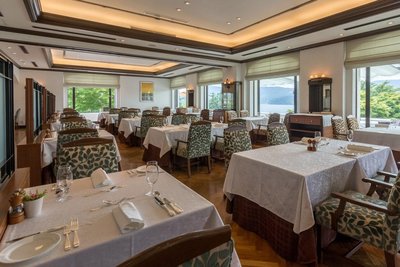
Odakyu Hotel de Yama
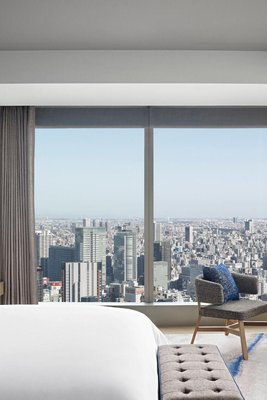
Four Seasons Hotel Tokyo at Otemachi

The Tokyo Edition, Toranomon
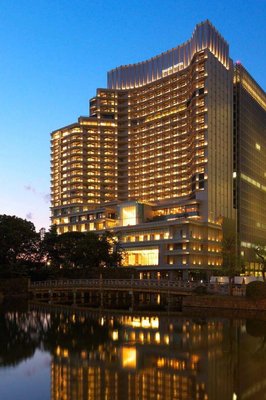
Palace Hotel Tokyo
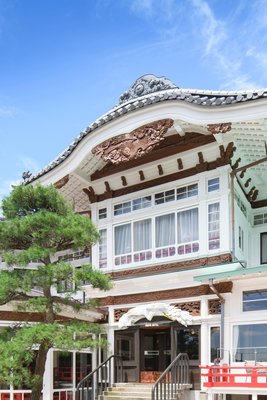
Fujiya Hotel
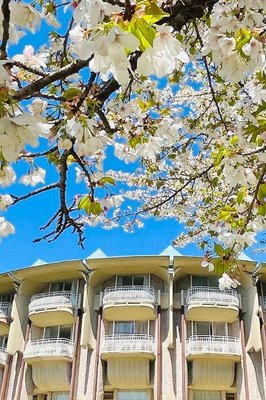
The Prince Hakone Lake Ashinoko

Hyatt Regency Hakone Resort and Spa
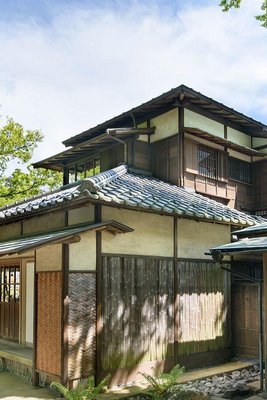
Hakone Suishoen

The Westin Yokohama

The Peninsula Tokyo

Imperial Hotel, Tokyo

Rakuten STAY VILLA Nasu
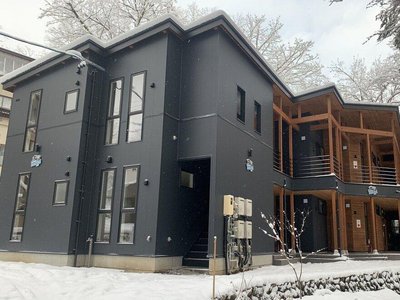
Hakuba Gondola Apartments
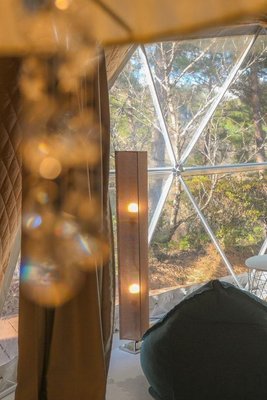
glampark Gekkabijin Nagano
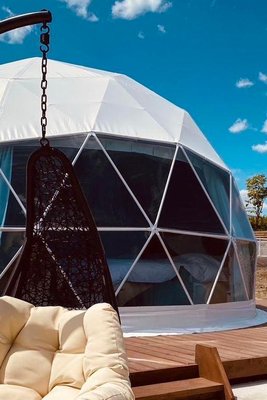
chillout glamping zao
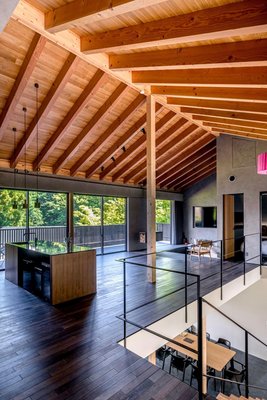
MONS GORA

Phoenix Chalets by Hhg
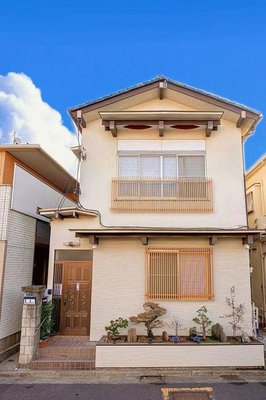
Tokyo Star House-Shinkoiwa
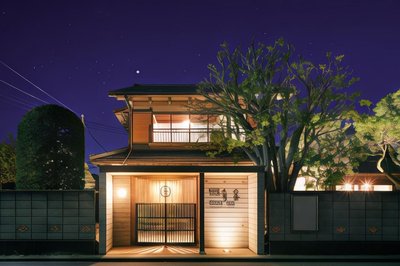
Machi-Jyu
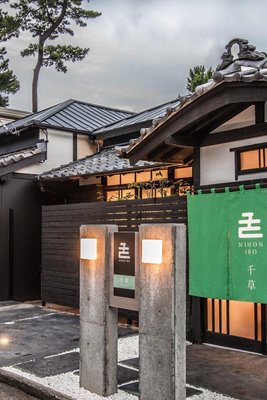
Nihon Iro
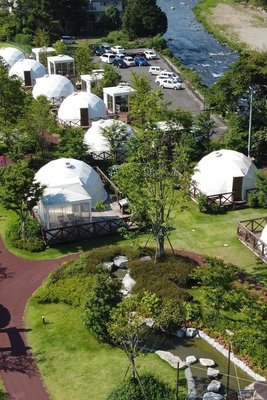
Ufufu Village
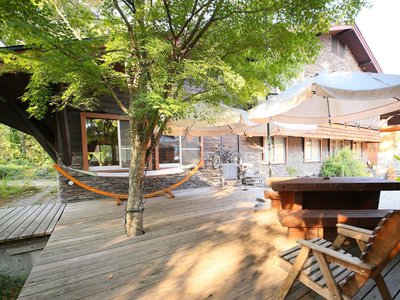
Kunugi Relaxation with 4 Modern Rooms
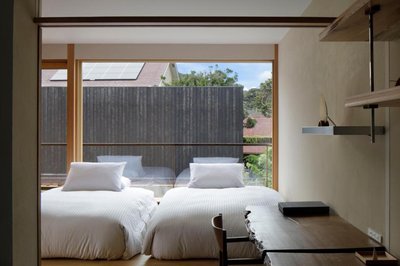
Modern Ryokan Kishi-ke

The Flow Kamakura
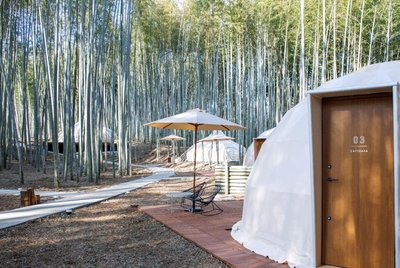
THE BAMBOO FOREST
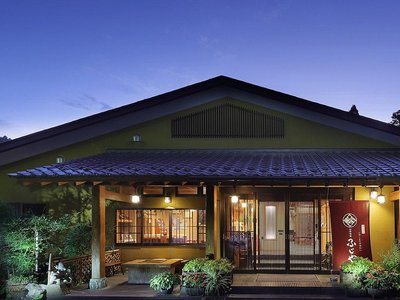
Shikimitei Fujiya
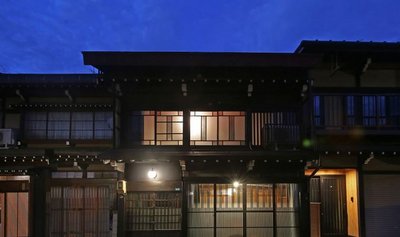
Iori Stay Hida

Hotel Barrière Fouquet's New York

The Plaza - A Fairmont Managed Hotel
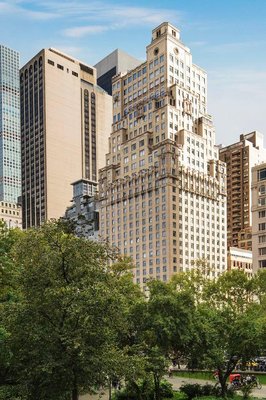
The Ritz-Carlton New York, Central Park

Four Seasons Hotel New York

The St. Regis New York
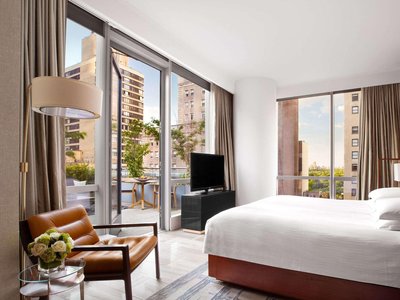
Park Hyatt New York

Mandarin Oriental New York
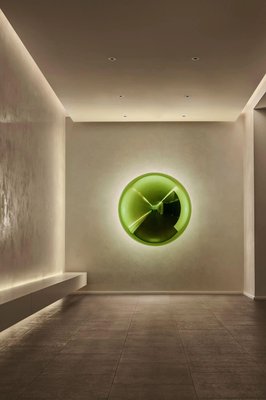
Times Square Edition New York

Loews Regency New York Hotel

Lowell Hotel
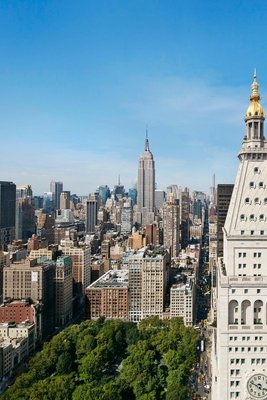
New York Edition
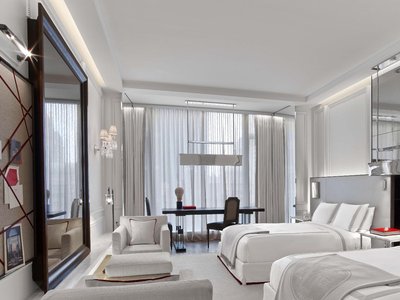
Baccarat Hotel New York

Equinox Hotel New York

Four Seasons Hotel New York Downtown
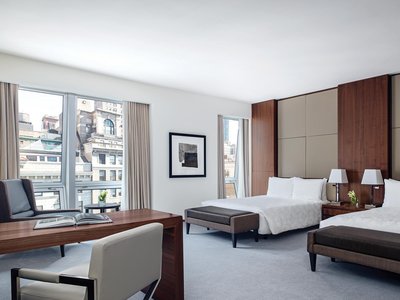
The Langham, New York, Fifth Avenue

The Carlyle, A Rosewood Hotel

The Chatwal, in the Unbound Collection by Hyatt
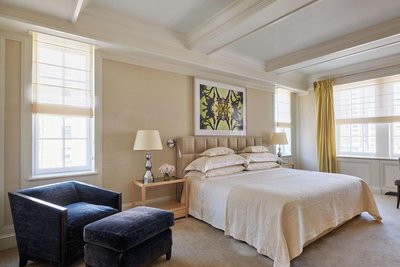
The Mark New York

Trump International Hotel & Tower® New York

Casa Cipriani New York
Frequently Asked Questions about Traveling to Shibayama
Questions You Might Need to Know About Traveling to Shibayama
In Shijima-chō, the top family-friendly option is Shijima Town Inn, nestled in a quiet rural area near Shijima Shrine and Chiba Prefectural Natural Park. This boutique inn offers Japanese-style tatami rooms, modern amenities, and a children’s play zone. Guests can book local farm experiences like rice planting or harvest festivals, making it ideal for authentic family getaways.
Another excellent choice is Green Hill Ryokan, just a 10-minute drive from Sagami Station. With spacious rooms, free Wi-Fi, and a daily buffet breakfast, this hotel blends traditional design with comfort. Both properties emphasize local culture and sustainable tourism, offering guests an immersive taste of Chiba Prefecture’s countryside charm.
The best area for accommodation in Shijima-chō is Sagami District, known for its peaceful atmosphere and convenient access to Sagami Station and Chiba Prefecture Route 28. It’s perfect for self-drive travelers seeking tranquility amid nature.
This region features scenic spots like the Sagami River Walkway and rice paddy landscape zones, where you can enjoy morning mist over fields and evening strolls by the water. Most lodgings here, such as Sagami Villa and Farm House Shijima, use traditional wooden architecture and Japanese gardens, reflecting the authentic rural lifestyle of Chiba Prefecture.
Must-try cultural experiences in Shijima-chō include participating in the annual Rice Harvest Festival, where visitors can join in planting and harvesting rice, gaining insight into Japan’s traditional farming heritage. Don’t miss visiting Shijima Shrine, whose centuries-old vermilion torii gate and sacred rituals embody deep Shinto traditions.
Also highly recommended is the Washi Paper Workshop, where local artisans guide guests in crafting handmade washi lanterns or bookmarks using mulberry bark. These hands-on activities not only preserve local craftsmanship but also support community sustainability efforts.
Unique guesthouses in Shijima-chō focus on harmony with nature. Taniya House, located in the heart of rice paddies, is built from reclaimed wood and features a heated floor, open kitchen, and kaiseki dinner made with locally sourced ingredients.
Another standout is Mori no Yado, a restored old farmhouse with exposed timber beams and skylights—perfect for stargazing at night. The owners offer guided night walks through nearby wetlands to spot ducks and dragonflies. Both properties prioritize eco-conscious design and immersive local experiences.
A stay of 2 to 3 days is ideal in Shijima-chō to fully embrace its slow-paced rural lifestyle and natural beauty. On Day 1, explore the Sagami River Walkway, visit Shijima Shrine, and enjoy fresh seafood near Sagami Station.
Day 2 focuses on immersive experiences: join a rice farming workshop or visit the Washi Paper Studio. On Day 3, hike through Chiba Prefectural Natural Park, have a picnic by the stream, and relax in a forest-view room. This itinerary balances relaxation, culture, and nature—perfect for meaningful travel.
The most photogenic spots in Shijima-chō include the Rice Paddy Landscape Zone, especially during spring planting or autumn harvest when golden fields stretch across the valley under soft sunlight. The Sagami River Walkway features wooden viewing platforms that beautifully reflect the flowing water and willow trees—ideal for sunrise and sunset shots.
The Shijima Shrine’s vermilion torii gate, surrounded by cherry blossoms or autumn leaves, creates a striking contrast against the sky. Meanwhile, Taniya House’s garden, blending Zen rock arrangements with bamboo groves, offers a serene backdrop for minimalist photography. These locations are perfect for capturing authentic Japanese aesthetics.
To reach Shijima-chō, take the JR Sōbu Main Line to Sagami Station, about 1 hour from Tokyo Station. From there, rent a bicycle via Bike Shijima or take a free shuttle bus to major attractions.
For self-drivers, enter via Chiba Prefecture Route 28, which has clear signage throughout. Some guesthouses, like Mori no Yado, offer airport transfer services from Narita or Haneda airports. While the transport system is simple, planning ahead ensures smooth travel, especially during peak seasons.
Must-try local dishes in Shijima-chō include Sagami Seafood Hot Pot, featuring fresh bonito, clams, and local vegetables simmered in a light broth—deliciously savory and seasonal.
Also sample Inari Mochi, a sweet rice dumpling filled with red bean paste, wrapped in fried tofu pouches—a traditional treat from the region. Dine at Den’en Shokudō, which serves full-course meals including local sake and pickled vegetables.
For a deeper culinary experience, book a Farm-to-Table Cooking Class at Taniya House, where you’ll learn to make kamaboko (fish cake) and homemade miso, connecting with Chiba’s food heritage.
Shijima-chō boasts rich ecological diversity, especially around the Sagami Wetland, a key stopover for migratory birds like egrets, herons, and kingfishers. During spring, the wetland blooms with purple irises, creating a stunning floral display.
The Chiba Prefectural Natural Park spans diverse forests and streams, offering well-marked trails and observation decks perfect for spotting squirrels, foxes, and rare insects. The park enforces a zero-waste policy and hosts regular clean-up events. These initiatives highlight Chiba Prefecture’s commitment to environmental education and sustainable tourism.
Nighttime activities in Shijima-chō center on serenity and nature. Join the Stargazing Tour at Mori no Yado, where local astronomers guide guests through constellations like the Big Dipper and Milky Way—especially spectacular in winter with visible meteor showers.
During summer, the Night Illumination Festival lights up the Rice Paddy Landscape Zone with dynamic projections telling stories of local farming history. Some guesthouses also host bonfire nights, where guests roast marshmallows and listen to elders share folk tales—creating unforgettable rural evenings.
Shibayama Overview
City Summary
Shibayama Town, located in Chiba Prefecture, Japan, is a charming rural area known for its serene countryside scenery and rich cultural heritage. Ideal for travelers seeking an escape from urban hustle, the town features ancient temples and traditional Japanese architecture, offering a deep dive into rural Japanese life and culture.
Must-See Attractions
Must-see attractions in Shibayama include Shibayama Nioh-son, a historic temple renowned for its solemn atmosphere and exquisite architecture. The Shibayama Town Historical and Folk Museum showcases local history and culture, providing insights into the town's background. Visitors can also stroll along countryside paths to enjoy the changing natural beauty across seasons.
Food Guide
Shibayama's culinary scene highlights locally grown produce, with recommended dishes featuring fresh vegetables and traditional Japanese meals from local farms. Street food like roasted sweet potatoes and handmade pickles are also popular, reflecting the rustic flavors of the countryside.
Transportation Guide
Transportation in Shibayama primarily relies on buses and taxis. Visitors are advised to check bus schedules in advance due to limited frequency. From Chiba City or Narita Airport, buses or rental cars are available, with a travel time of about 1-2 hours. Renting a car is a convenient option for exploring surrounding rural areas.
Best Time to Visit
The best times to visit are spring (March-May) and autumn (September-November), when the weather is mild and the scenery is stunning. Spring offers cherry blossoms, while autumn features vibrant foliage, with fewer tourists for a relaxed exploration.
Travel Tips
- Respect local customs; maintain silence in temples.
- Rural shops close early, so plan meals and shopping ahead.
- Carry cash, as some small shops may not accept cards.
- Wear comfortable shoes for walking on countryside paths.
- Learn basic Japanese greetings for friendlier interactions.
- Check bus schedules to avoid missing the last ride.
Useful Information
Japanese is the primary language in Shibayama, with limited English proficiency; a translation app is recommended. Internet coverage is generally good but may be unstable in rural areas. Cash is the main payment method, though some shops accept cards. Medical facilities are concentrated in the town center, so carrying basic medicines is advised. Tourist centers provide maps and information for visitors.









