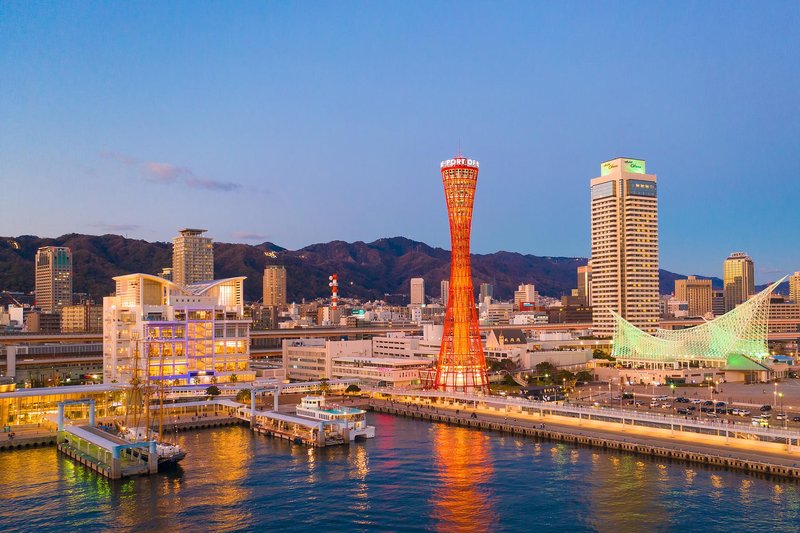
Hotels in Shimoda
Discover your perfect stay in Shimoda.
Shimoda(Japan) Travel 2026: Cheap Flights, Hotels & Top Attractions
Popular Landmarks in Shimoda
Discover the most iconic attractions in Shimoda
Recommended Hotels in Shimoda
Find the perfect place to stay in Shimoda
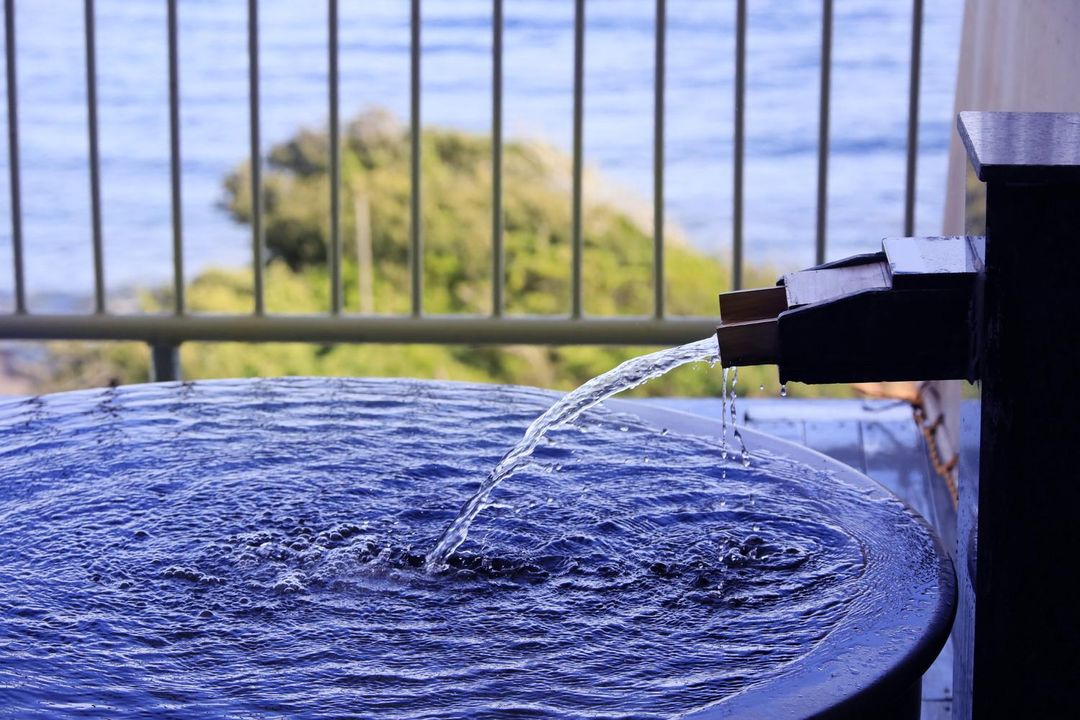
Hiromi Onsen Hotel
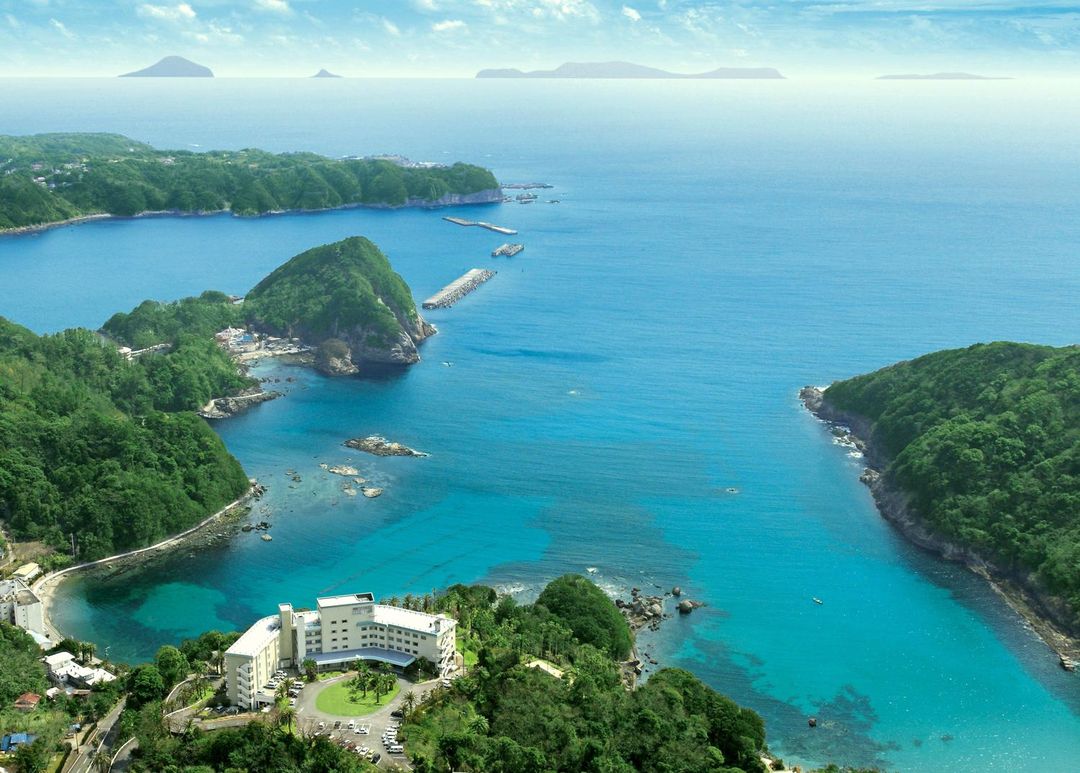
Shimoda Tokyu Hotel
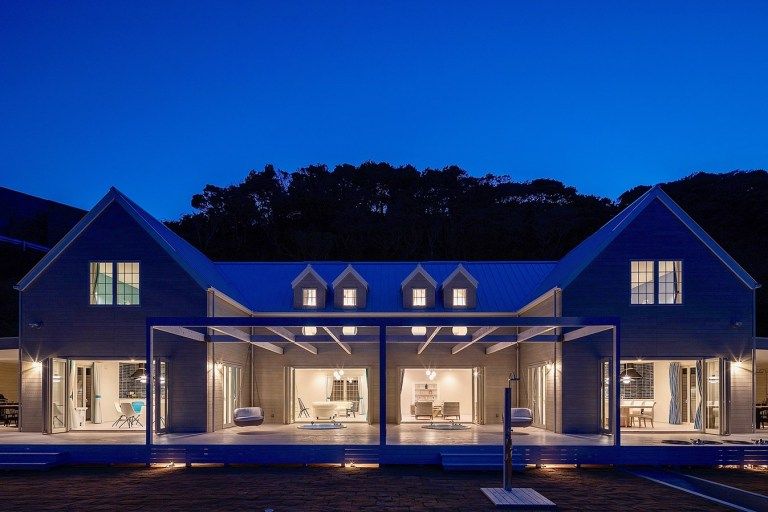
Aquaholic Iritahama
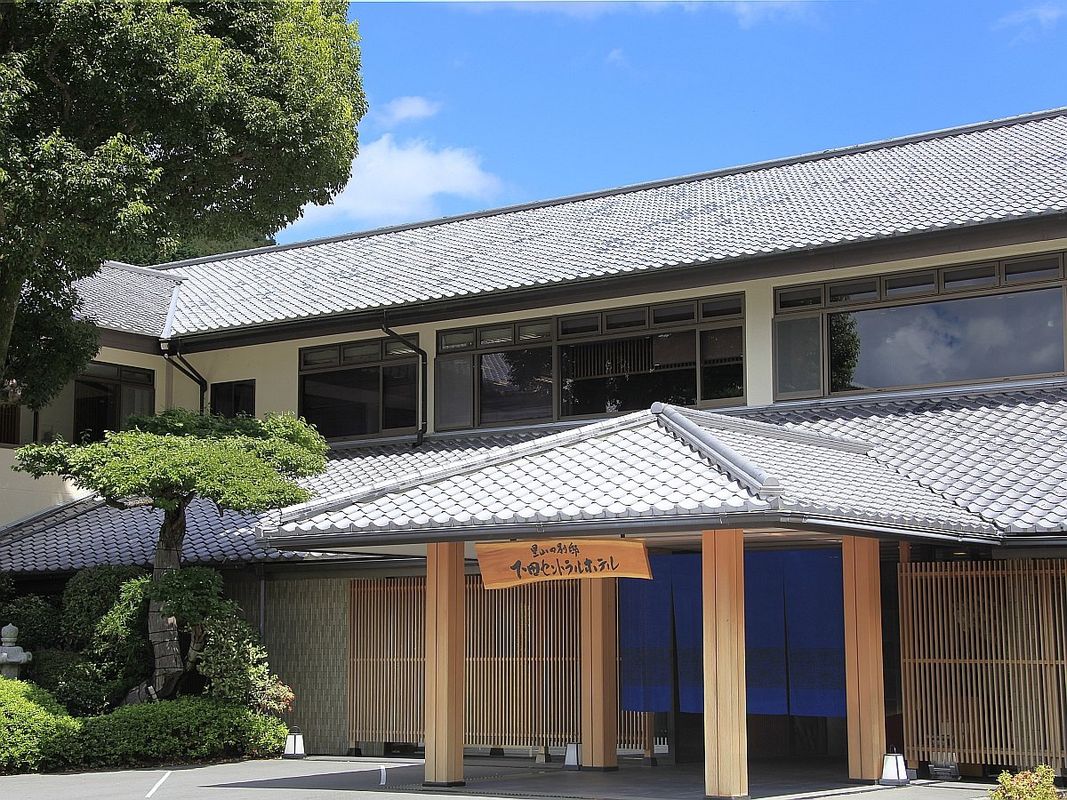
Shimoda Central Hotel
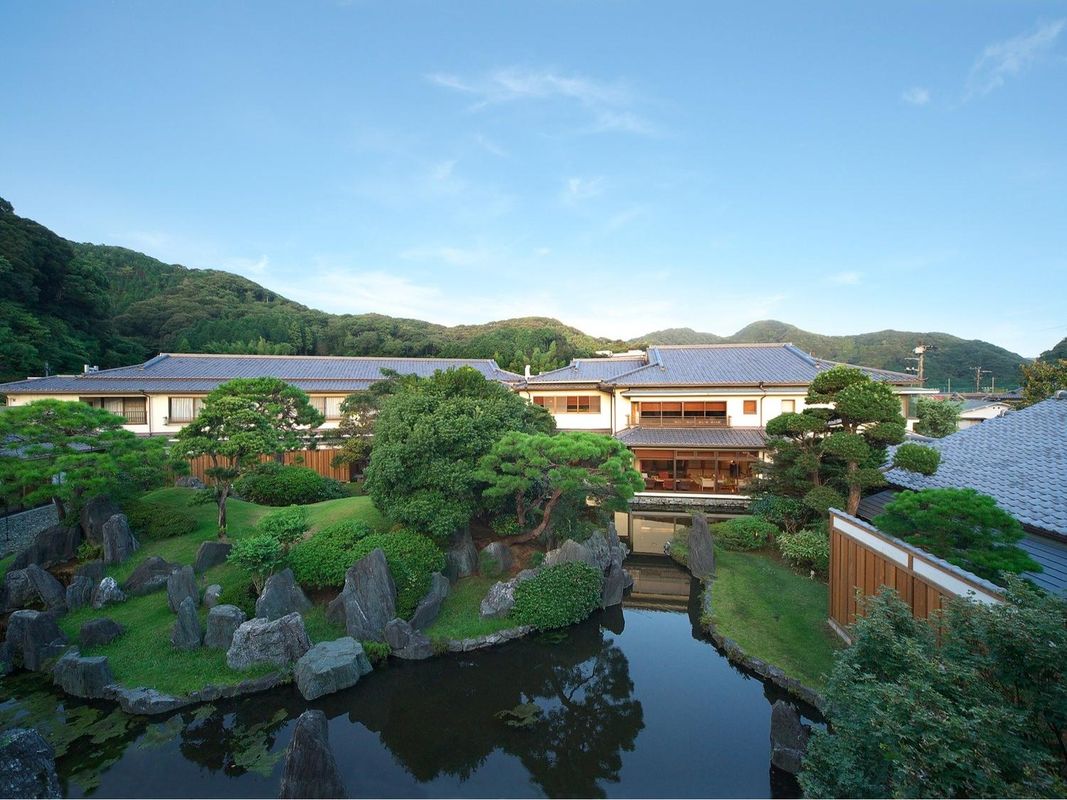
Kagetsutei
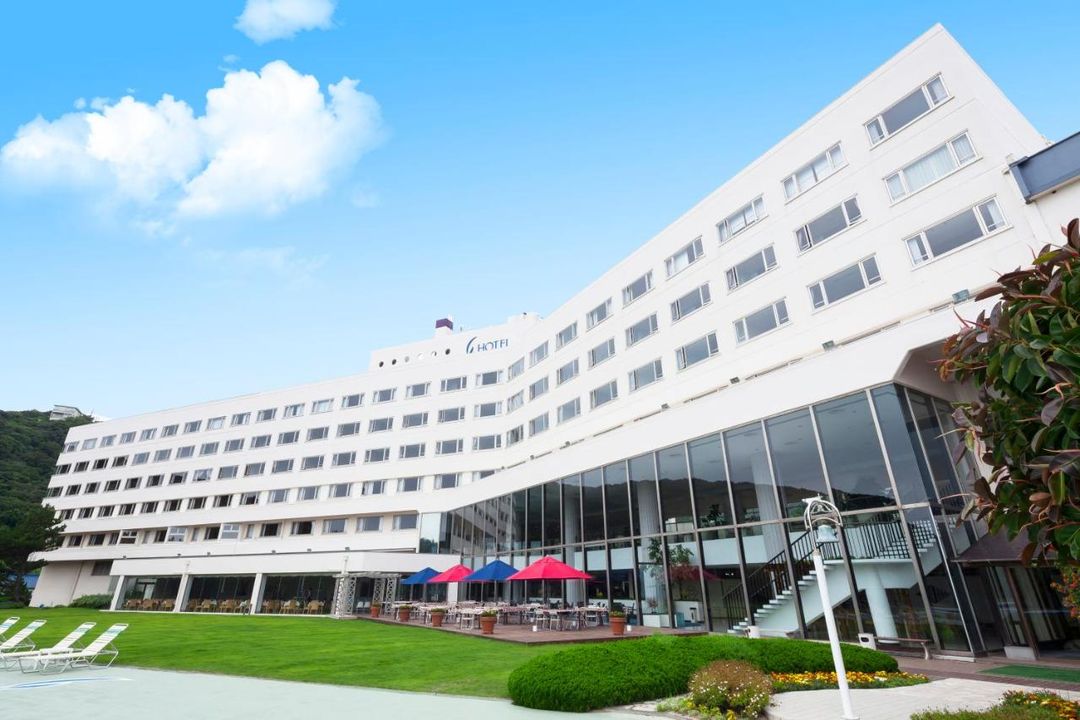
Hotel Izukyu
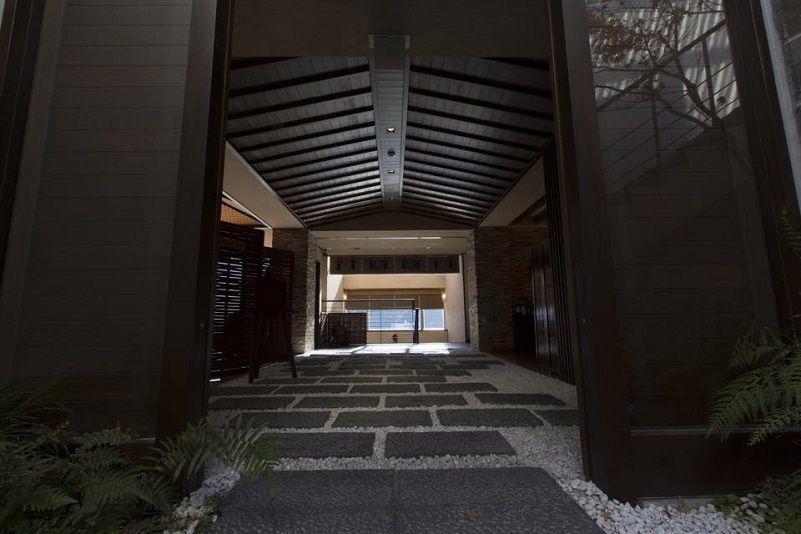
The Spa Resort Bettei Rakuyu
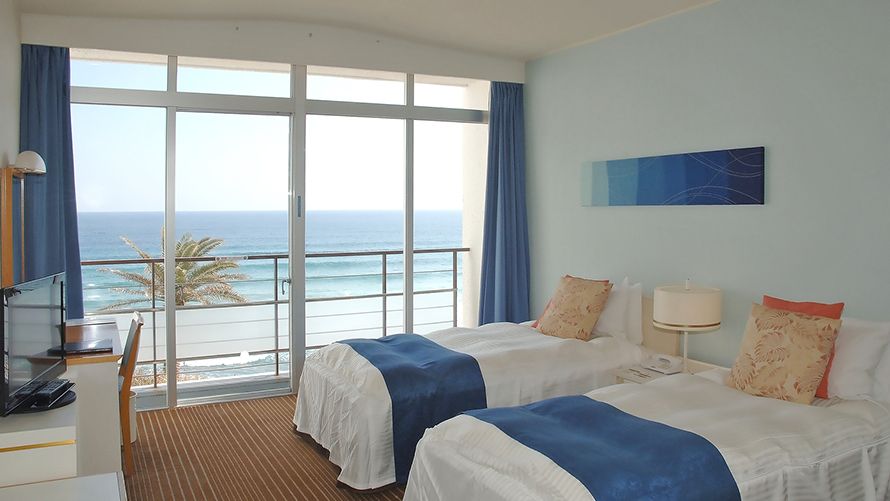
Shimoda Prince Hotel
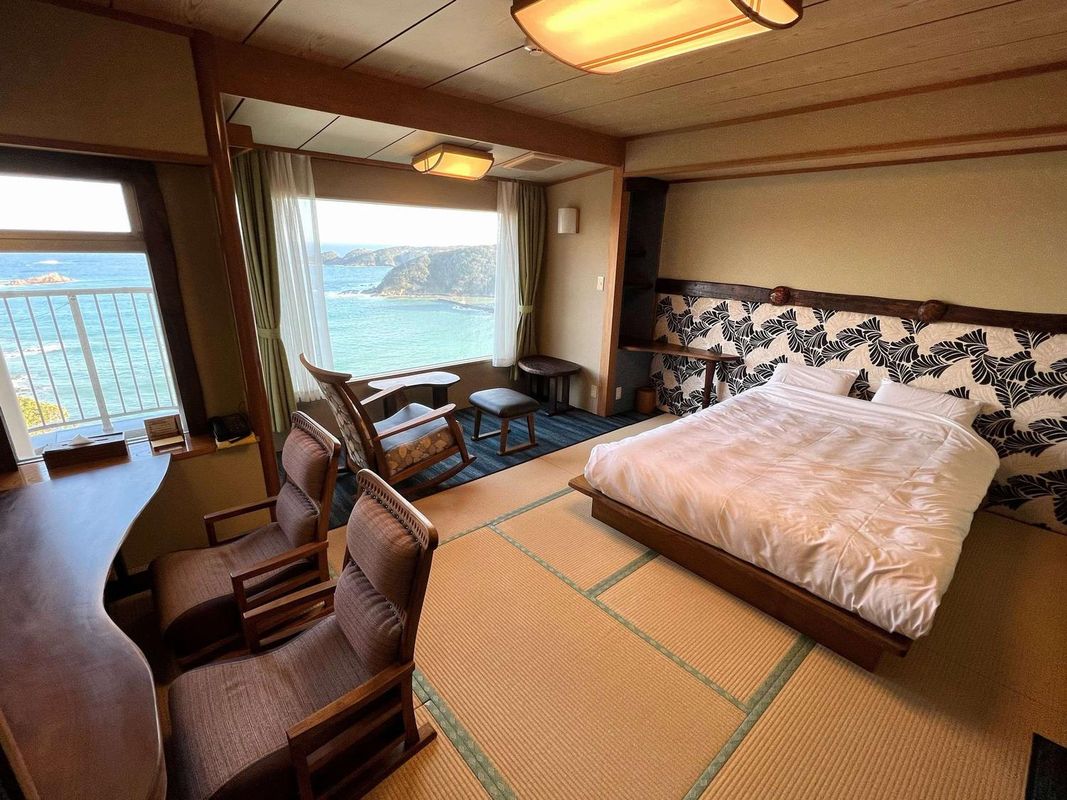
Shimoda View Hotel
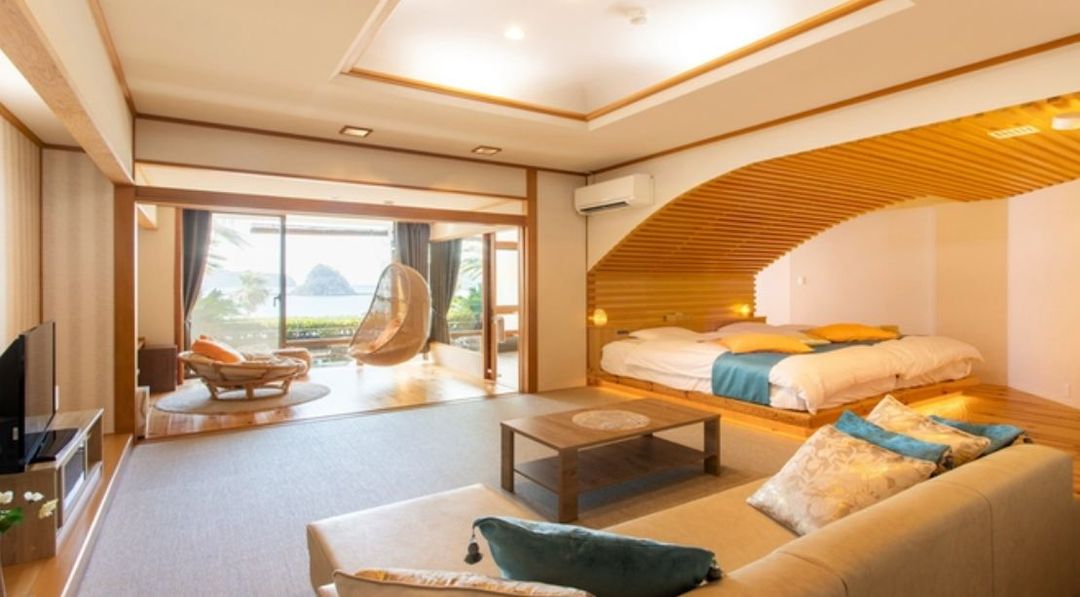
Kurofune Hotel
Best Hotels in Shimoda
Discover curated hotel collections in Shimoda
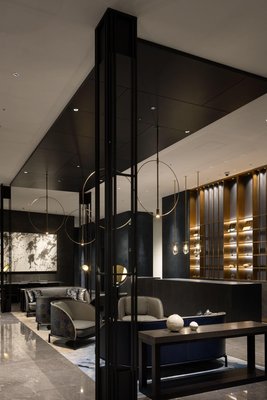
Bellustar Tokyo, A Pan Pacific Hotel
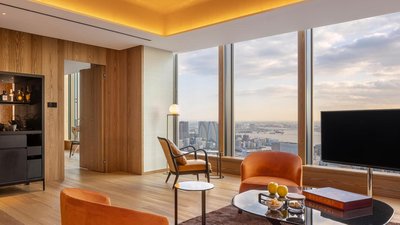
Bvlgari Hotel Tokyo
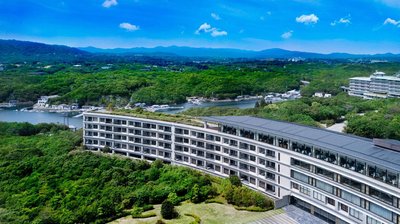
Shima Kanko Hotel the Bay Suites
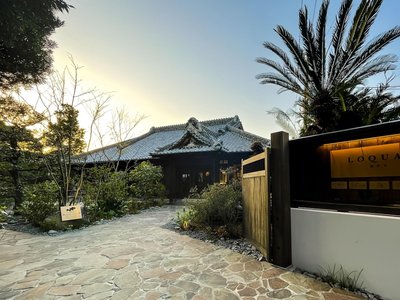
Loquat Nishiizu
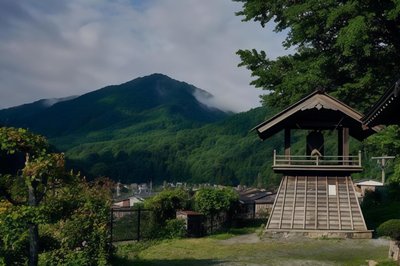
Byaku Narai
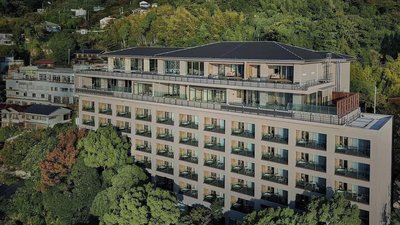
Atami Izusan Karaku
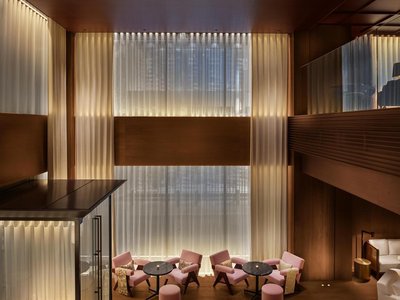
The Tokyo Edition, Ginza
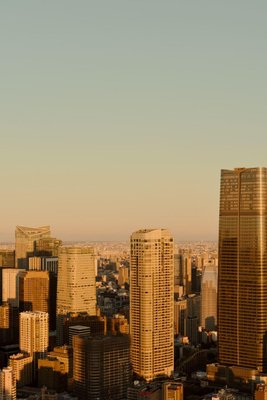
Janu Tokyo
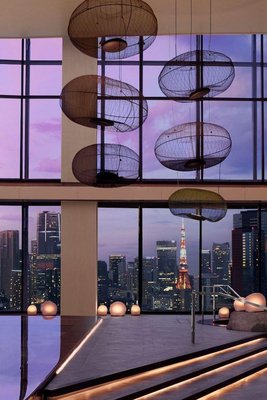
JW Marriott Hotel Tokyo
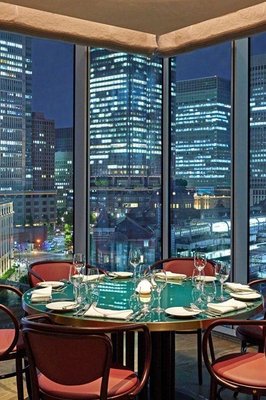
Four Seasons Hotel Tokyo at Marunouchi

Mandarin Oriental, Tokyo
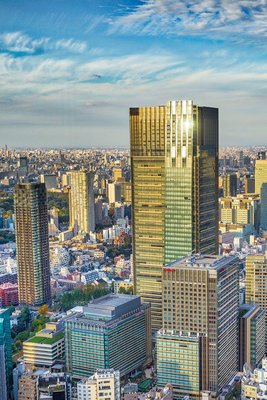
The Ritz-Carlton, Tokyo
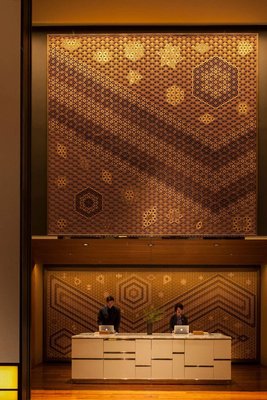
Andaz Tokyo Toranomon Hills- A Concept by Hyatt
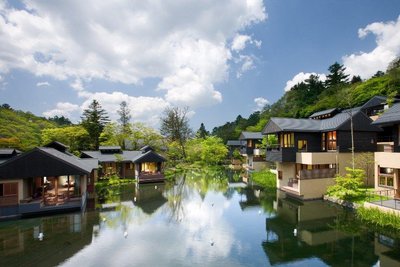
Hoshinoya Karuizawa
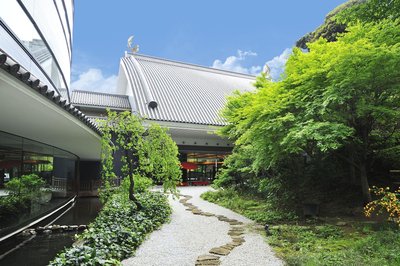
Hotel Gajoen Tokyo
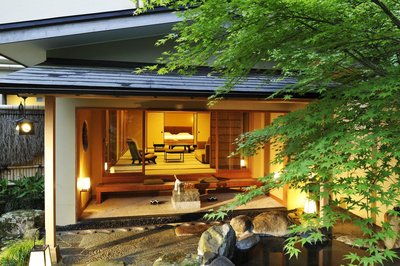
Gora Kadan
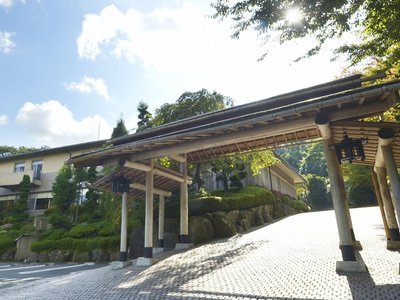
Gora Hanaougi
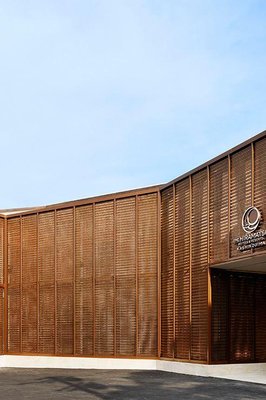
The Hiramatsu Hotels & Resorts Kashikojima
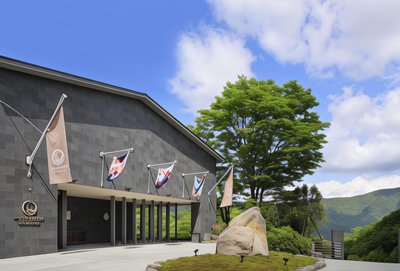
The Hiramatsu Hotels & Resorts Sengokuhara Hakone
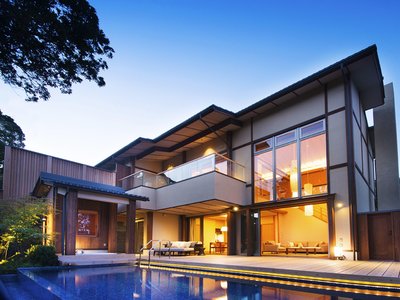
Abba Resorts Izu - Zagyosoh
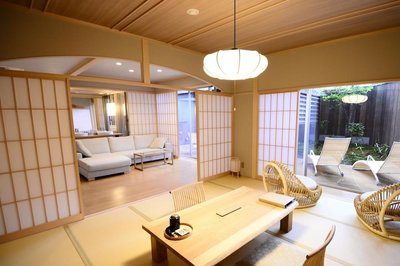
Hakone Gora Byakudan
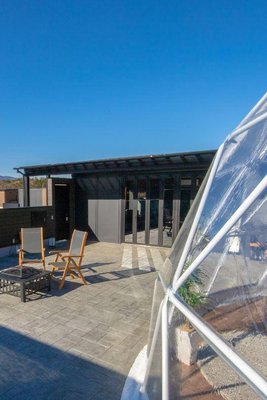
Panoramic Mt. Fuji Views from All Rooms – Vision Glamping Resort & Spa Yamanakako
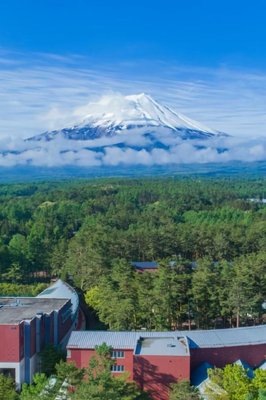
Forest Village (Fuji Premium Resort)
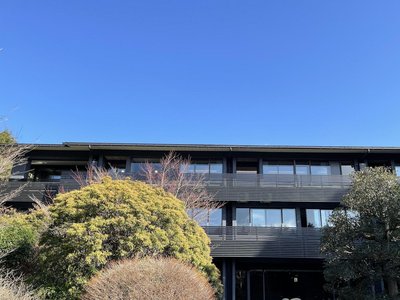
Sengokubara Cocon
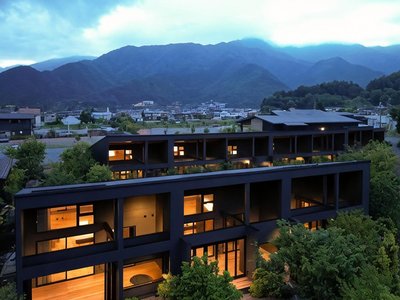
7C Villa and Winery
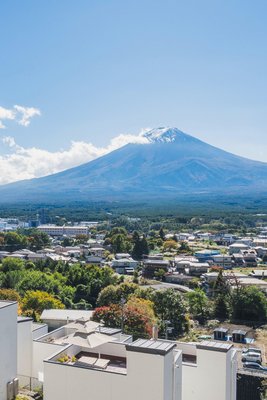
THE TOKI FujiKawaguchiko
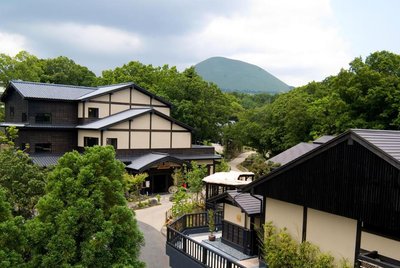
Mori no yu Kira No Sato 【Reopening on December 22, 2025】
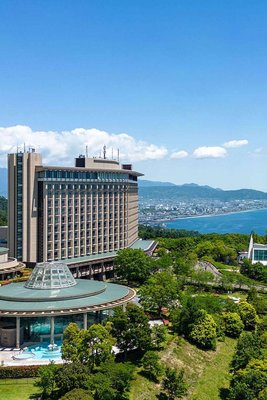
Hilton Odawara Resort & Spa
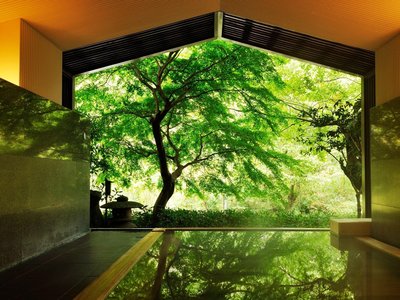
Hoshino Resorts KAI Hakone
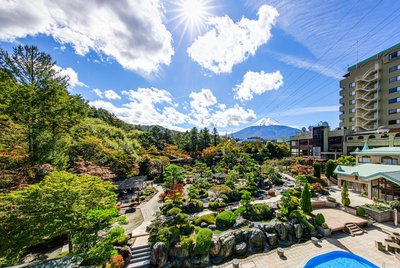
Kaneyamaen
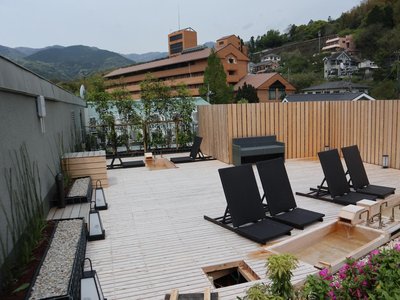
Fukiya Ryokan

Toushinan Komeya
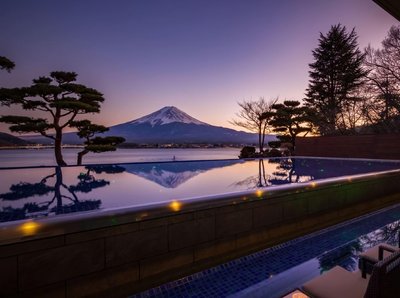
Shuhokaku Kogetsu

Gora-Onsen Setsugetsuka-Bettei Suiun

Ishinoya Izunagaoka (TKP Hotels & Resorts)

Laforet Shuzenji Sanshisuimei
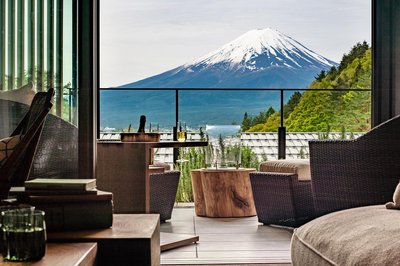
FUFU Kawaguchiko

Omuro No Mori Gyokusui -Adult Only-

Hamanoyu

Hotel Indigo Hakone Gora
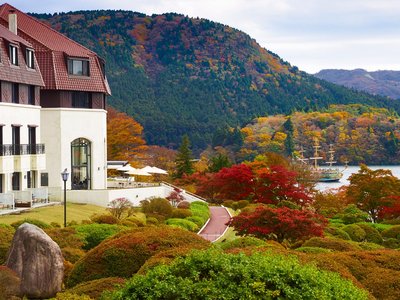
Hotakajyo

Onyado Nono Asakusa Bettei Hot Spring
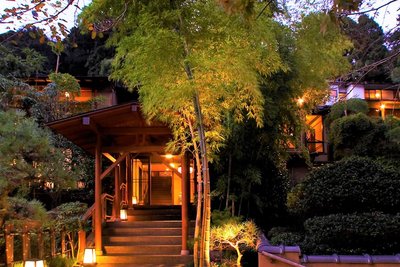
Shiki wo Ajiwau Yado Yamano Chaya
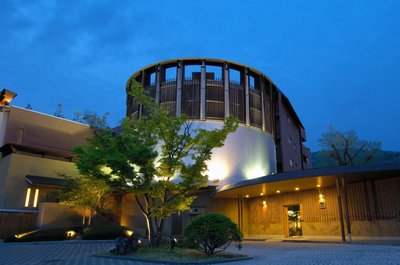
Hoshino Resorts Kai Matsumoto
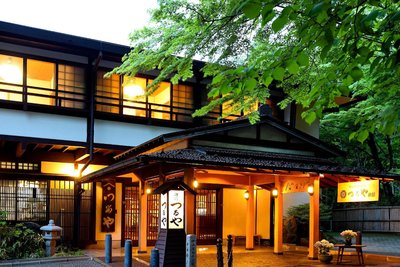
Tsuruya Ryokan
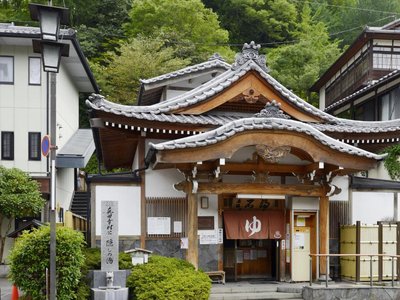
Nakamatsuya Ryokan
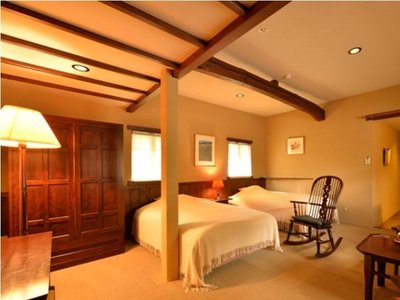
Ryokan Sugimoto
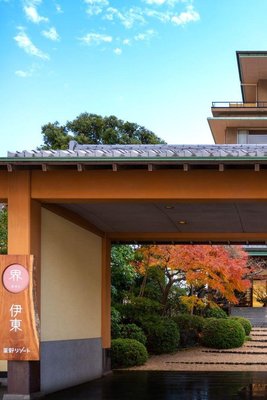
Hoshino Resorts Kai Ito
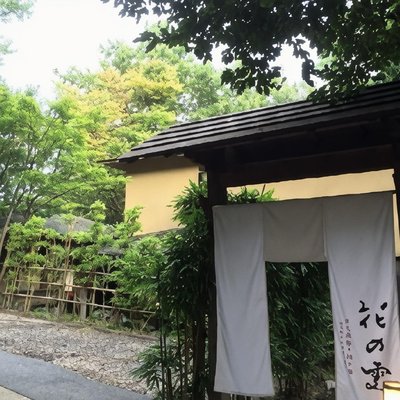
Hana No Kumo
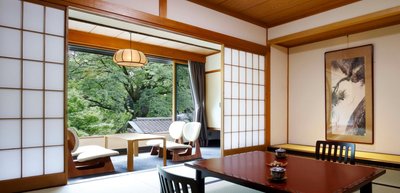
Yoshiike Ryokan
Hotel Gajoen Tokyo
Gora Hanaougi
Fukiya Ryokan
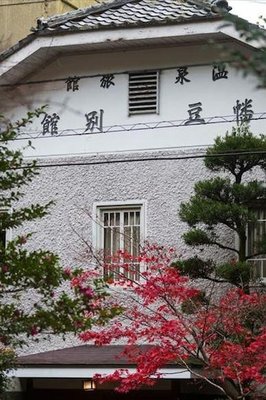
Oku-Mikawa・Yuya Onsen HAZU Bekkan
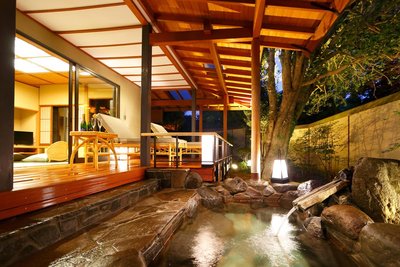
Yoshiharu Ryokan – Izu Nagaoka Onsen
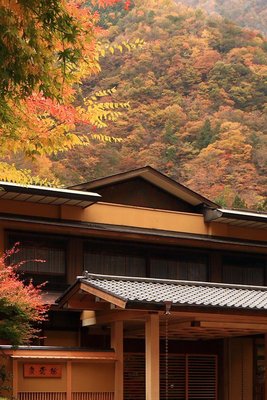
Nishiyama Onsen Keiunkan
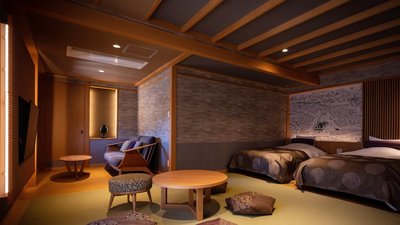
Naraya
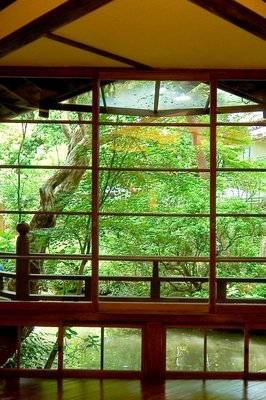
Yukairo Kikuya
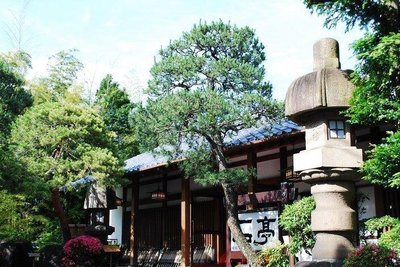
Atami Sekitei
Abba Resorts Izu - Zagyosoh
Bellustar Tokyo, A Pan Pacific Hotel
JW Marriott Hotel Tokyo
Andaz Tokyo Toranomon Hills- A Concept by Hyatt
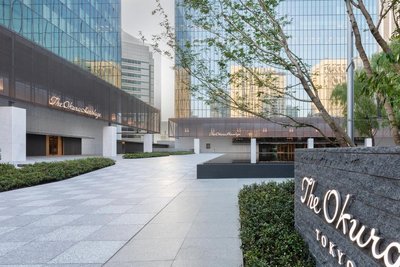
The Okura Tokyo
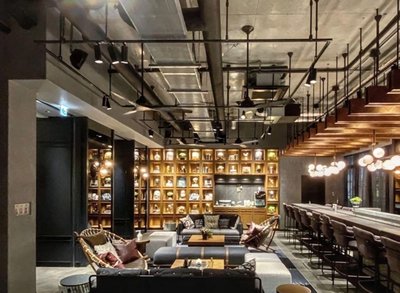
The Lively Azabujuban Tokyo
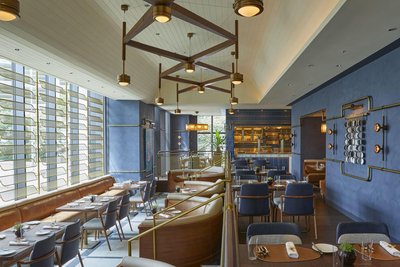
Kimpton Shinjuku Tokyo
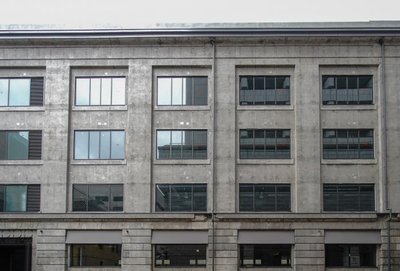
HOTEL K5
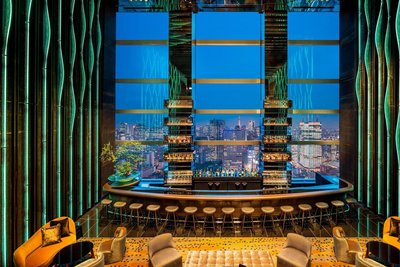
The Prince Gallery Tokyo Kioicho, a Luxury Collection Hotel
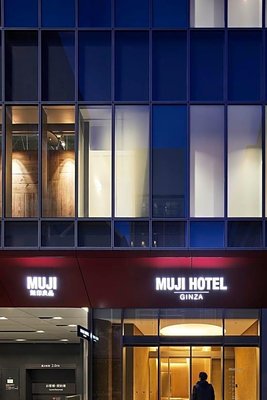
Muji Hotel Ginza
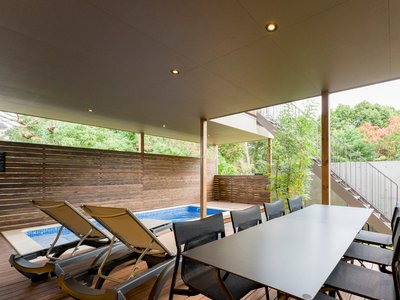
Rakuten STAY VILLA Kamogawa
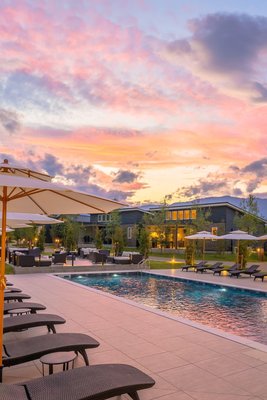
Awaumi Fujikawaguchiko Resort
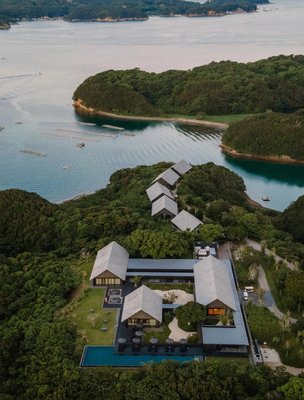
Amanemu
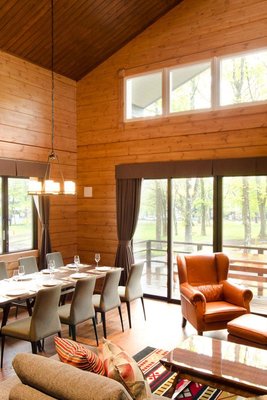
The Prince Villa Karuizawa
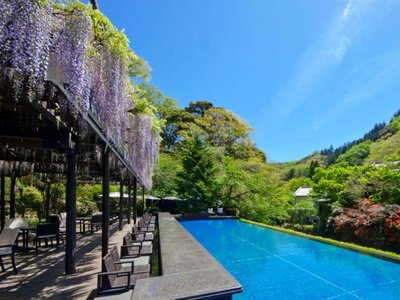
Tofuya Resort & Spa Izu
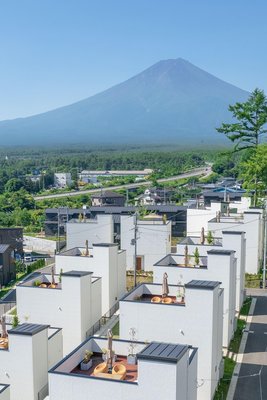
Fuji Granvilla -TOKI-

The Address Akakura
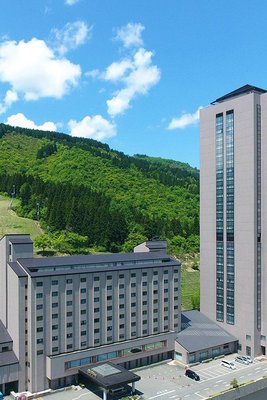
Naspa New Otani
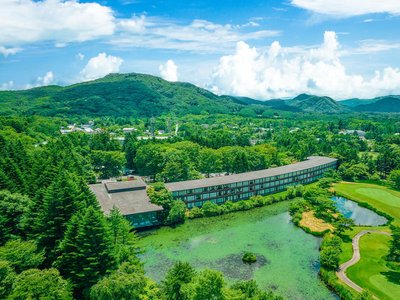
The Prince Karuizawa
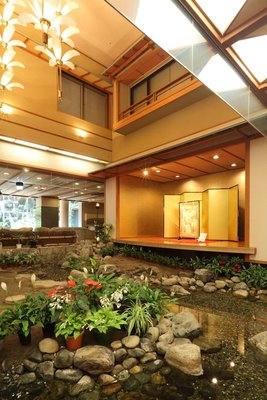
Hotel Futaba
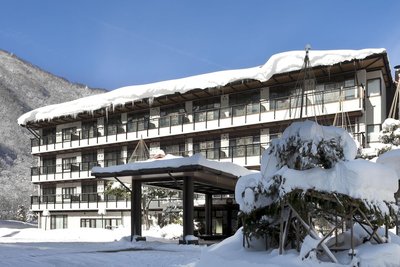
Okada Ryokan Warakutei
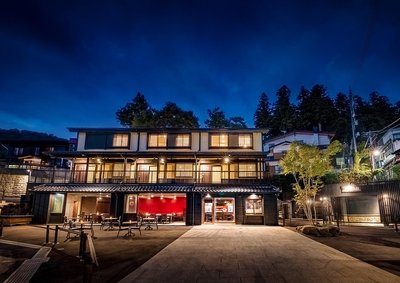
Ryokan Sakaya
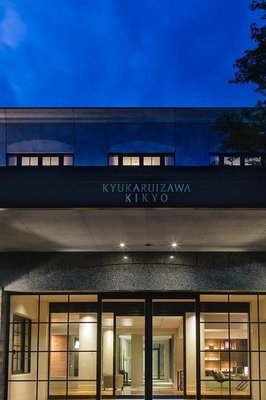
Kyukaruizawa Kikyo, Curio Collection by Hilton
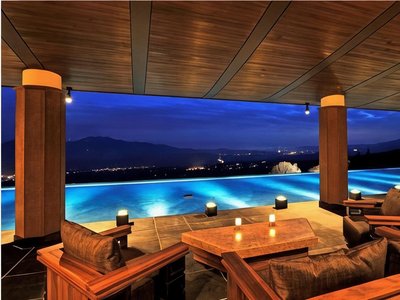
Akakura Kanko Hotel
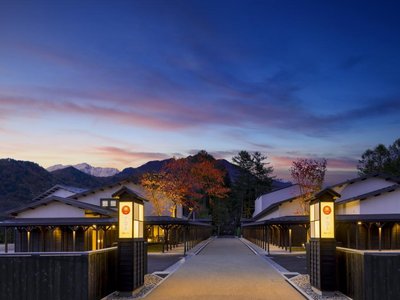
Hoshino Resorts KAI Alps
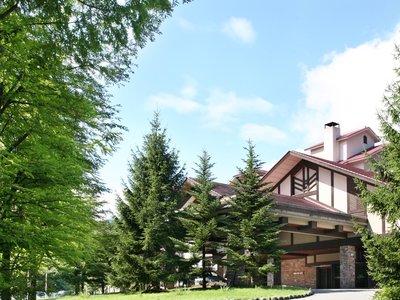
Hakuba Tokyu Hotel
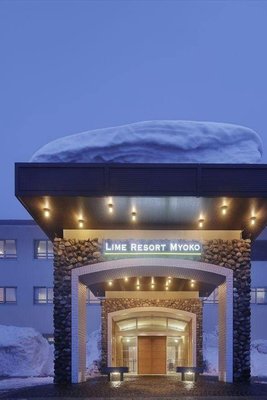
Lime Resort Myoko
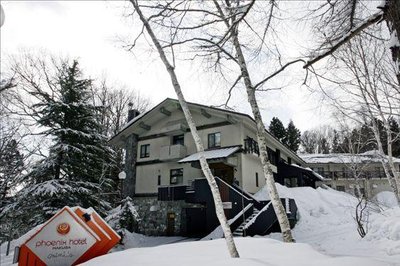
Phoenix Hotel by Hhg
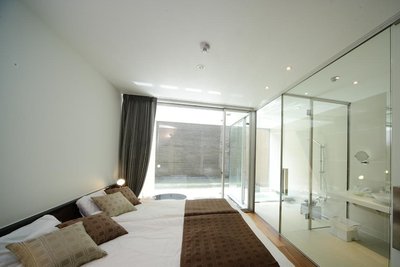
Four Seasons Yuzawa Quattro
Courtyard by Marriott Hakuba
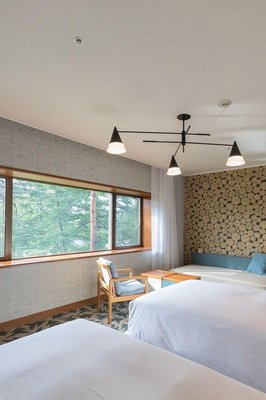
Karuizawa Prince Hotel East
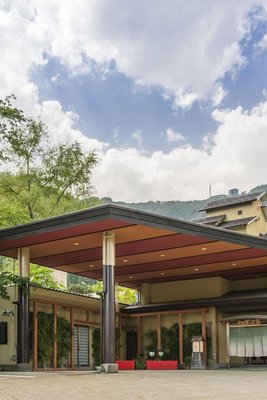
Shosenkaku Kagetsu
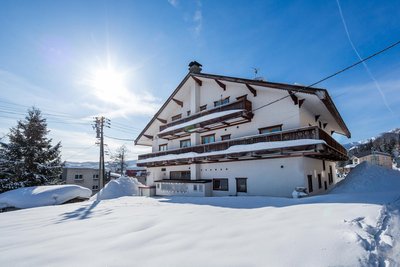
Marillen Hotel by Hhg
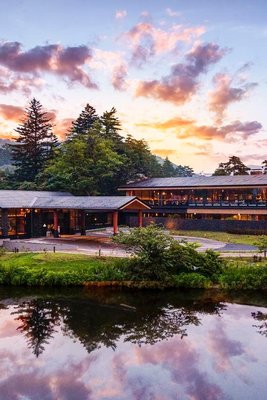
Karuizawa Prince Hotel West
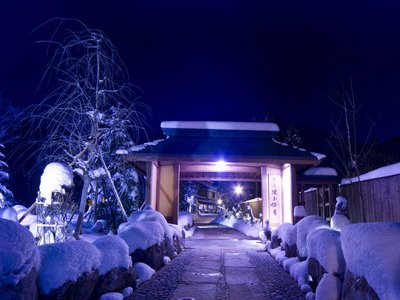
Miyama Ouan
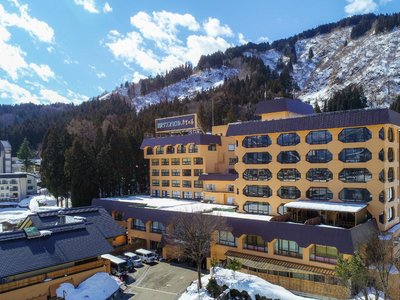
Yuzawa Grand Hotel
Bvlgari Hotel Tokyo
Four Seasons Hotel Tokyo at Marunouchi
Mandarin Oriental, Tokyo
The Ritz-Carlton, Tokyo
Andaz Tokyo Toranomon Hills- A Concept by Hyatt
Gora Kadan
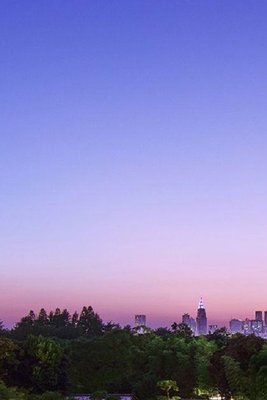
Hotel New Otani Tokyo the Main
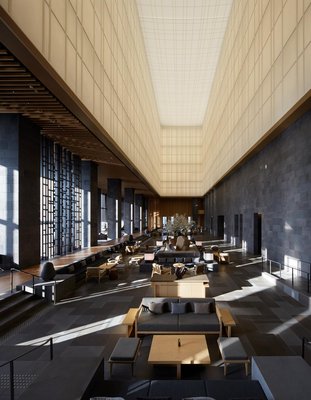
Aman Tokyo
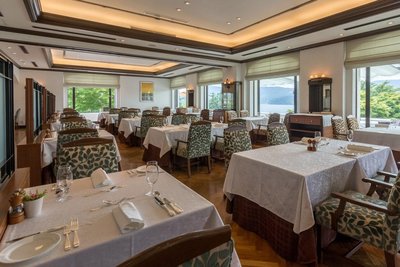
Odakyu Hotel de Yama
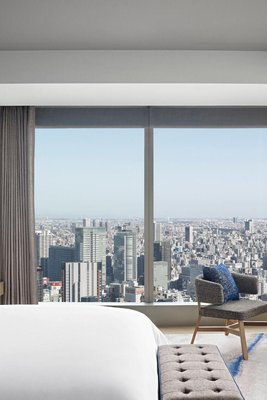
Four Seasons Hotel Tokyo at Otemachi
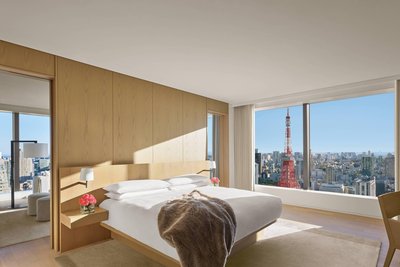
The Tokyo Edition, Toranomon
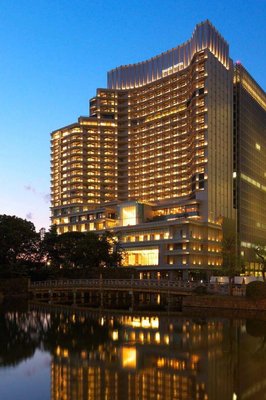
Palace Hotel Tokyo
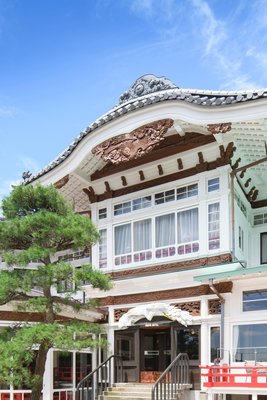
Fujiya Hotel
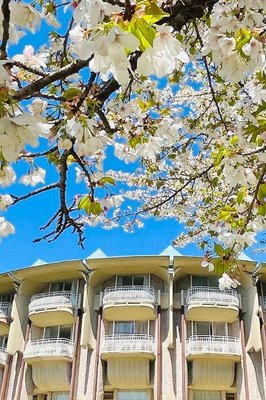
The Prince Hakone Lake Ashinoko
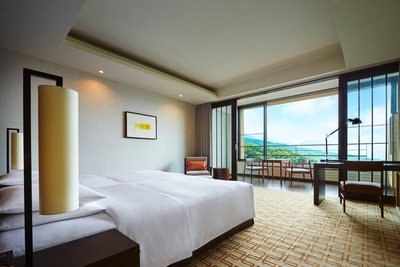
Hyatt Regency Hakone Resort and Spa
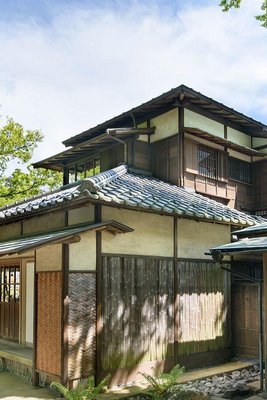
Hakone Suishoen
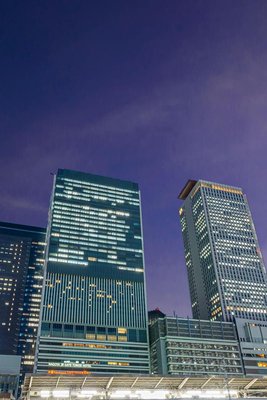
Nagoya JR Gate Tower Hotel (JR-Central Hotels)
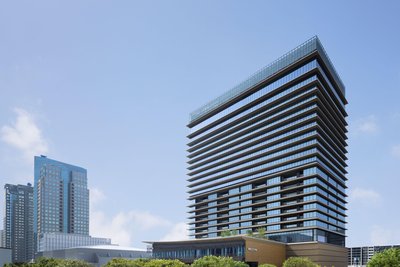
The Westin Yokohama
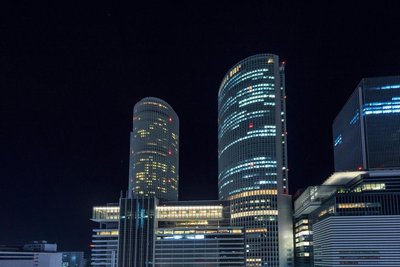
Nagoya Marriott Associa Hotel
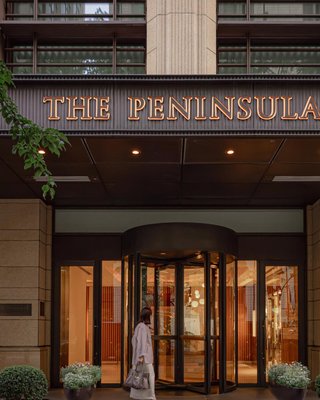
The Peninsula Tokyo
Hakone Gora Byakudan
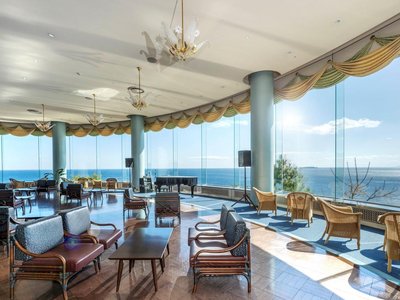
Hotel New Akao
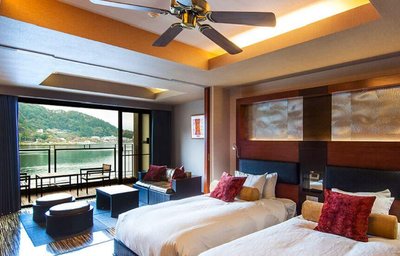
The Kukuna
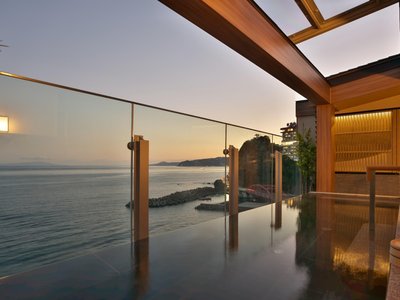
Hotel New Sagamiya
Hilton Odawara Resort & Spa
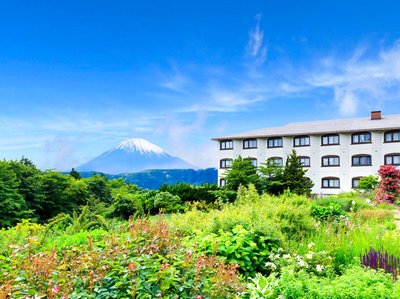
Hotel Green Plaza Hakone
Yoshiike Ryokan
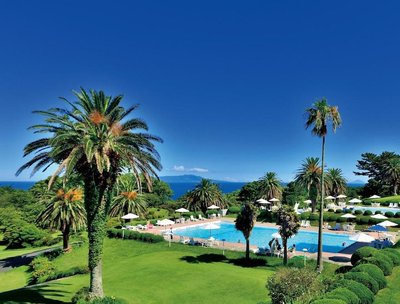
Kawana Hotel
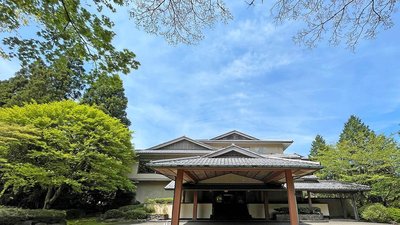
Ryuguden
Kaneyamaen
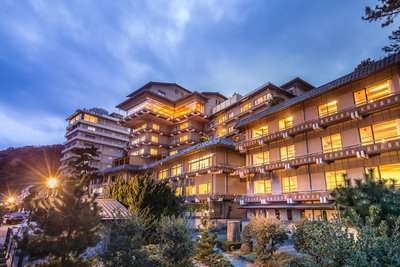
Bousui
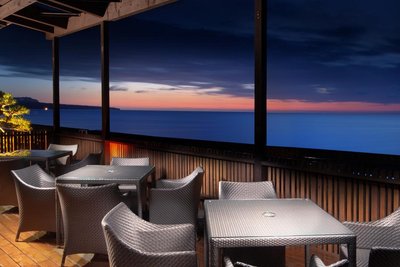
Tsuruya Kisshotei
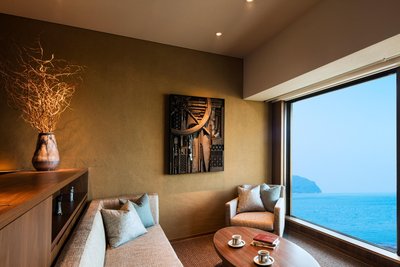
Hoshino Resorts Kai Anjin
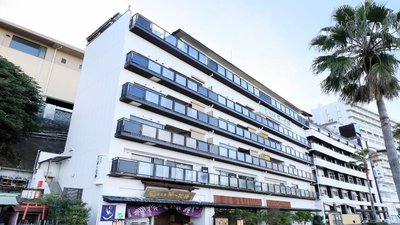
Syukaen Yunohanazen
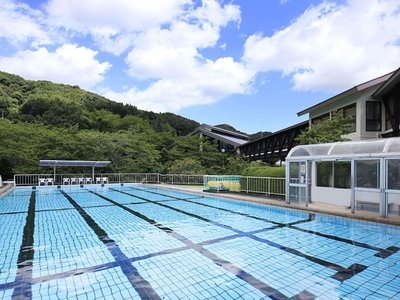
Shimoda Central Hotel
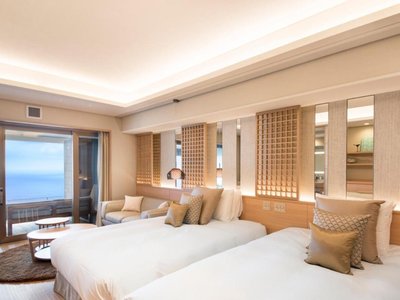
Atami Sekaie
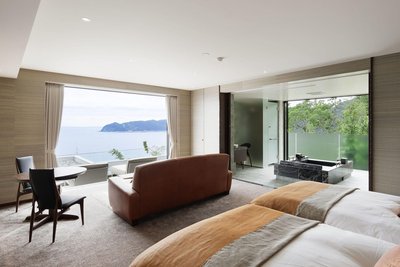
The Hiramatsu Hotels & Resorts Atami
Shuhokaku Kogetsu
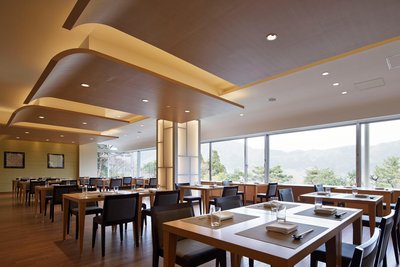
Laforet Hakone Gora Yunosumika

Inatori Ginsuiso
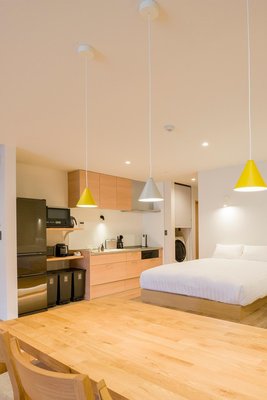
Rakuten STAY VILLA Nasu
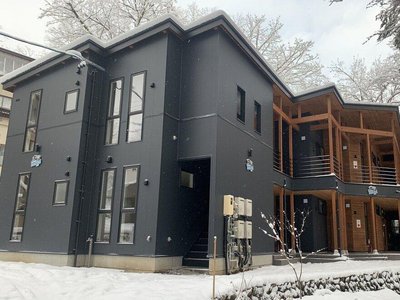
Hakuba Gondola Apartments
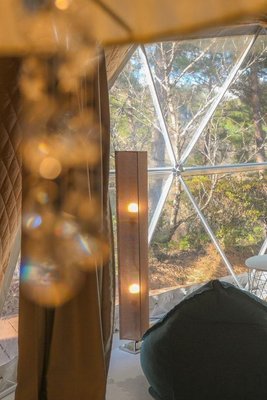
glampark Gekkabijin Nagano
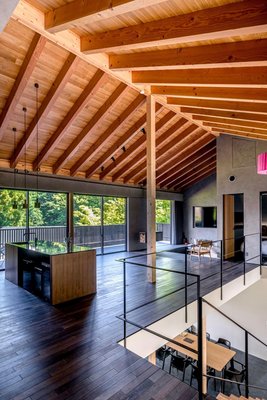
MONS GORA
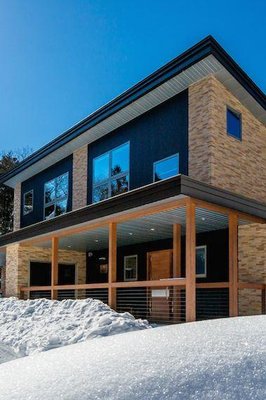
Phoenix Chalets by Hhg
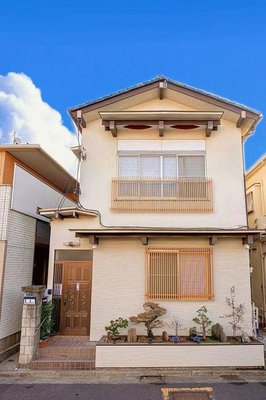
Tokyo Star House-Shinkoiwa
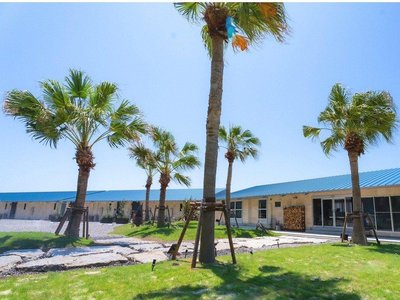
Glamping&Resort Wood Design Park Noma
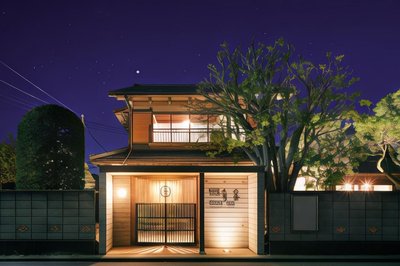
Machi-Jyu
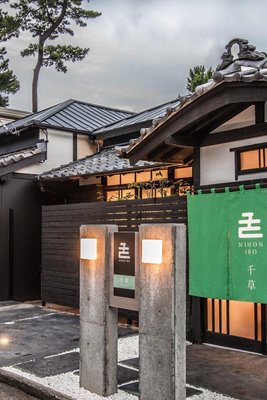
Nihon Iro
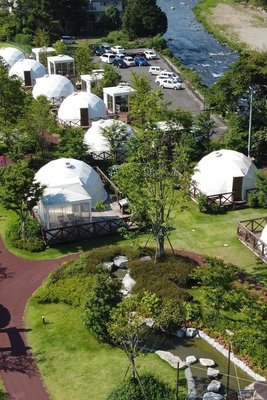
Ufufu Village
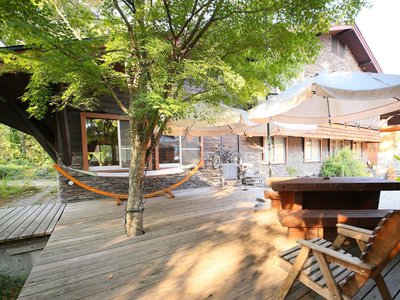
Kunugi Relaxation with 4 Modern Rooms
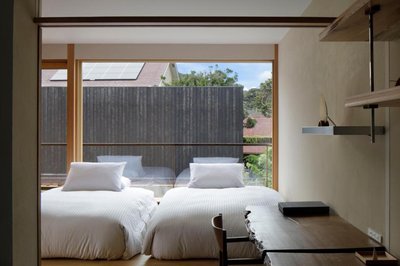
Modern Ryokan Kishi-ke
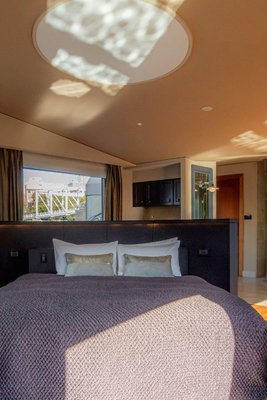
Petals Tokyo - Floating Hotel
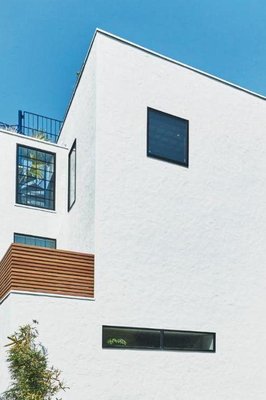
The Flow Kamakura
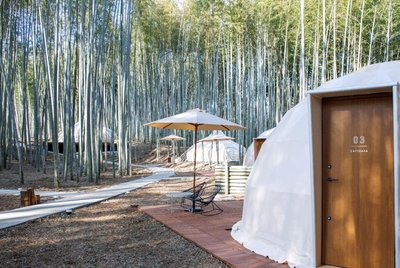
THE BAMBOO FOREST
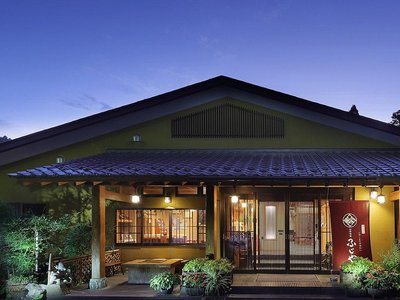
Shikimitei Fujiya
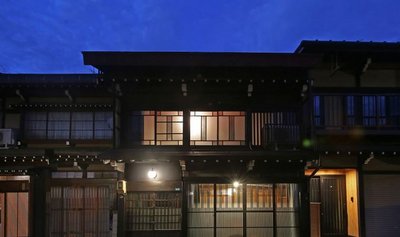
Iori Stay Hida
Frequently Asked Questions about Traveling to Shimoda
Questions You Might Need to Know About Traveling to Shimoda
In Shimoda City, the best ocean-view hotels include Shimoda Taisho Romance Hotel, located just steps from the Nagasaki Beach Promenade, offering panoramic views of the Izu Peninsula and Pacific Ocean. Its blend of Meiji-era architecture and modern amenities makes it a standout choice. Another excellent option is Shimoda Onsen Ryokan White Heron, a century-old inn with private outdoor baths overlooking the sea. Both properties provide easy access to Shimoda Shrine and Makibana Park, ideal for travelers seeking tranquility and scenic beauty. Early HopeGoo is recommended, especially during cherry blossom season and summer holidays.
The central district of Shimoda, particularly along Nancho Street and Chōkō-dori, is the prime area for accommodation. This zone lies within walking distance of key landmarks such as Shimoda Port, Shimoda Shrine, and Makibana Park. The streets retain a Edo-period charm with lantern-lit alleys and traditional storefronts. Most hotels and guesthouses offer complimentary shuttle services to major sites, while nearby local eateries like Matsumiya Sushi and Kawamura Dining House serve authentic Izu cuisine. It’s perfect for travelers who want convenience, culture, and culinary exploration in one location.
Visitors to Shimoda City must visit Shimoda Shrine, one of Japan’s few shrines with three-tiered torii gates symbolizing heaven, earth, and humanity. Participate in a traditional Izu tea ceremony held in a historic machiya home, guided by experienced tea masters. Don’t miss the annual Shimoda Festival in autumn, featuring taiko drum performances, fireworks, and night market stalls. Additionally, explore the Shimoda Museum, which highlights the city’s pivotal role in signing the 1854 Treaty of Kanagawa—making it a gateway to modern Japan.
Yes, Shimoda Onsen is renowned for its natural hot springs rich in sulfur, known for skin rejuvenation and relaxation. Highly recommended ryokans include Shirayuri-Tei, a family-run establishment with private open-air baths and tatami rooms overlooking the sea. Another top choice is Izu Shimoda Betsuin, a boutique ryokan blending contemporary design with Japanese aesthetics, offering couples’ suites with onsen access. Many also feature “onsen + foot bath” combo experiences, ideal for families or solo travelers seeking wellness and serenity in a tranquil coastal setting.
For families, Shimoda Resort stands out as a top choice. The resort features a children’s playground, indoor pool, pet-friendly gardens, and daily family activities like marine life workshops and pottery classes. All rooms offer family suites and baby cots upon request. Nearby attractions such as Shimoda Aquarium and Makibana Park are easily accessible on foot or via shuttle. Safety features like non-slip flooring and secure room locks ensure peace of mind. With its warm hospitality and engaging programs, this resort is perfect for a relaxed, memorable family getaway.
Must-try dishes in Shimoda City include Shimoda Tai Nabe, a delicate hot pot made with fresh local Japanese sea bream, served with seasonal vegetables and a clear broth. Visit the Shimoda Fish Market early in the morning for “fresh-from-the-harbor” seafood—live shrimp, squid, and scallops can be cooked on-site. Try Matsumiya Sushi’s uni rice balls and Kawamura Dining House’s Izu-style tonkatsu. For a true taste of tradition, sample Shimoda Local Kitchen’s salt-cured mackerel with rice, paired with homemade umeboshi plum wine—a regional favorite that captures the essence of Izu’s culinary heritage.
Key natural attractions in Shimoda City include Makibana Park, where you can enjoy sweeping views of the harbor and surrounding mountains, especially stunning at sunrise. Nagasaki Beach offers a unique tidal flat landscape perfect for photography and shell collecting when the tide recedes. For hikers, the Oshima Trail winds through ancient forests and streams, often spotted with wild deer. The pine grove path in front of Shimoda Shrine provides a serene, shaded walk ideal for meditation or quiet reflection. These spots capture the city’s harmony between nature and coastal life.
Yes, Shimoda City is well-connected by public transport. The Shimoda Station on the JR East line links Tokyo and Atami in about 2 hours via the "Odoriko" express train. Within the city, regular bus routes serve major sights like Shimoda Port, Makibana Park, and Shimoda Shrine. Renting a car is also ideal for exploring remote areas such as Oshima Island and Mikura Island. Many hotels offer free shuttle services, and some guesthouses provide bicycle rentals, making it easy to enjoy the slow-paced, scenic lifestyle of Izu without needing a vehicle.
Top events in Shimoda City include the Shimoda Festival (late September), a three-day celebration with taiko drumming, fireworks, and traditional dances. The Spring Equinox Ritual at Shimoda Shrine draws thousands for prayer ceremonies and lucky omikuji readings. During winter, the Lantern Corridor Festival illuminates Nancho Street with thousands of paper lanterns, creating a magical atmosphere. In May, the Izu Seafood Festival showcases fresh catches through live cooking demos and tasting booths. These events highlight the community spirit and rich cultural traditions of Shimoda.
Photography enthusiasts should visit Makibana Park’s observation deck for breathtaking sunset shots over the harbor and Pacific Ocean. The Shimoda Port fishing boats and red lighthouse create iconic compositions, especially at dawn. Nagasaki Beach during low tide reveals natural sand patterns perfect for wide-angle shots. The pine-lined path before Shimoda Shrine offers a serene backdrop for portrait photography. Bring a wide-angle lens and tripod to capture the interplay of light and shadow during golden hour—ideal for showcasing Shimoda’s peaceful, timeless beauty.
Shimoda Overview
City Summary
Shimoda City in eastern Shizuoka Prefecture is a coastal town blending historical significance with natural beauty. As the site of the Black Ship Incident that triggered Japan's modernization, it features hot springs of Izu Peninsula, the stunning Shirahama Beach, and traditional fishing culture. Perfect for Tokyoites' weekend getaways, visitors can explore Edo-era relics while enjoying contemporary marine leisure.
Must-See Attractions
Visit Perry Road commemorating the Black Ship event, with a historical park recreating the landing scene. The Nesugatayama Ropeway offers 360-degree bay views, especially during cherry blossom season. Don't miss the wisteria tunnel at Shimoda Park or hydrangeas at Ryosenji Temple. At night, relax in 【Shimoda Onsen】 or observe marine life at 【Shimoda Aquarium】.
Food Guide
Savor freshly caught kinmedai (splendid alfonsino) and 【Shimodayaki】—grilled seafood with local soy sauce. During sakura shrimp season (Mar-May), try them raw or as tempura. Old-established 【Maruei】's sea bream chazuke is iconic. The 【Kaikoku Donburi】 piles seafood over rice, symbolizing Shimoda's open spirit.
Transportation Guide
From Tokyo Station, take JR Limited Express (~2.5hrs) to 【Ito Station】, then transfer to Izukyu Line (35mins). Use 【Tokai Buses】 with 1-day pass (¥800) for attractions. Taxis (¥600 initial fare) suit remote onsens. Note that coastal 【Shimoda Express Bus】 has limited schedules—check timetables in advance.
Best Time to Visit
Ideal periods are Apr-Jun (hydrangea season) and Sep-Nov (mild seas, fewer typhoons). Jul-Aug sees beach crowds. Winter (Dec-Feb) offers lowest hot spring ryokan rates, though some sites may shorten hours.
Travel Tips
- Remove shoes at temples; some prohibit photography
- Check sea conditions before snorkeling—entry banned during strong winds
- Most onsens forbid tattoos; reserve private baths
- Verify expiry dates for dried seafood; chilled items need ice packs
- Prepare bus fare in cash—some routes reject IC cards
- Book May's Black Ship Festival accommodations 6 months ahead
Useful Information
Japanese predominates; attractions provide basic English brochures. Connect to 【SHIMODA Free Wi-Fi】 in downtown. Cash is primary payment—major ryokans accept cards. For emergencies, visit 【Shimoda Clinic】 (transfer to Ito Hospital at night). 【Sugi Pharmacy】 has Chinese-speaking staff. The post office near station charges ¥70 for international postcards. Mobile signals may weaken in mountains—download offline maps.