Hotels in Shimog
Discover your perfect stay in Shimog.
Shimog(Japan) Travel 2026: Cheap Flights, Hotels & Top Attractions
Popular Landmarks in Shimog
Discover the most iconic attractions in Shimog
Recommended Hotels in Shimog
Find the perfect place to stay in Shimog
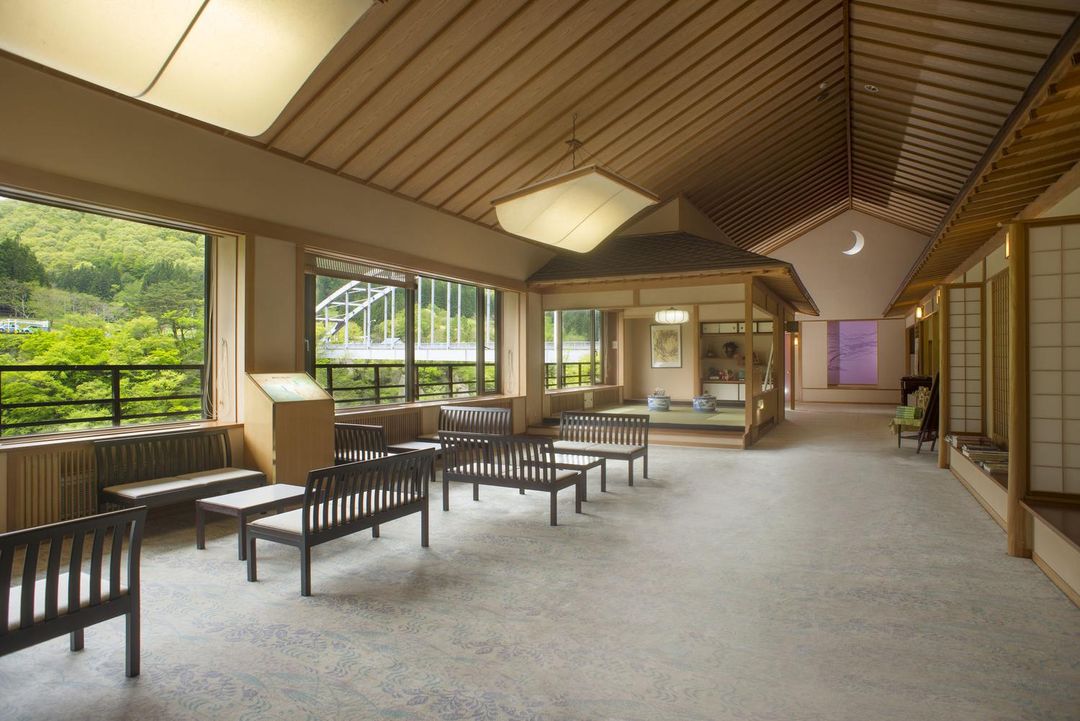
Toryukan
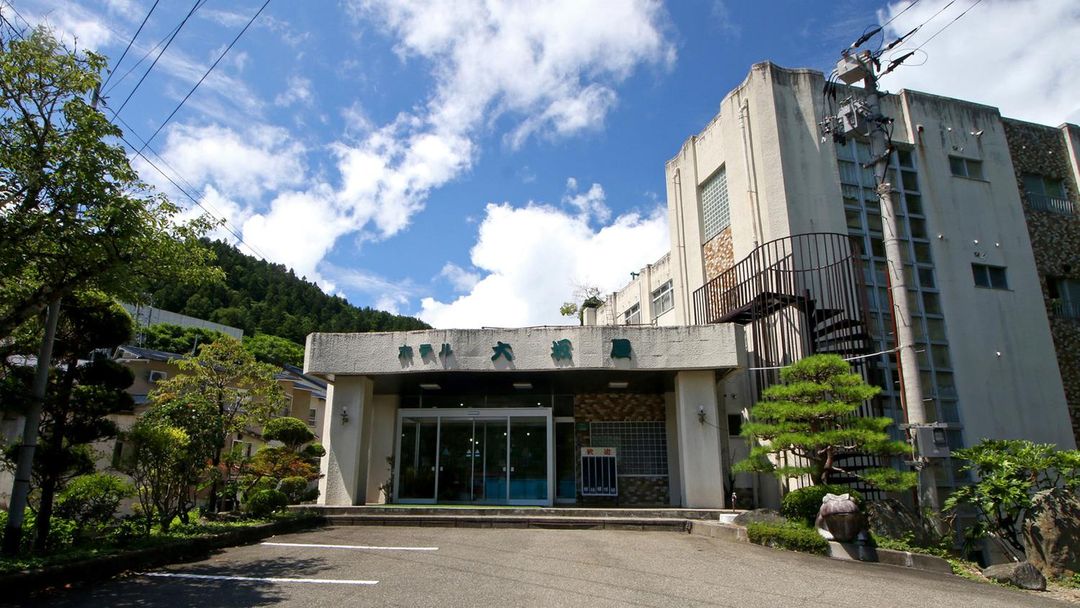
Aizu Yunokami Onsen Hotel Osakaya
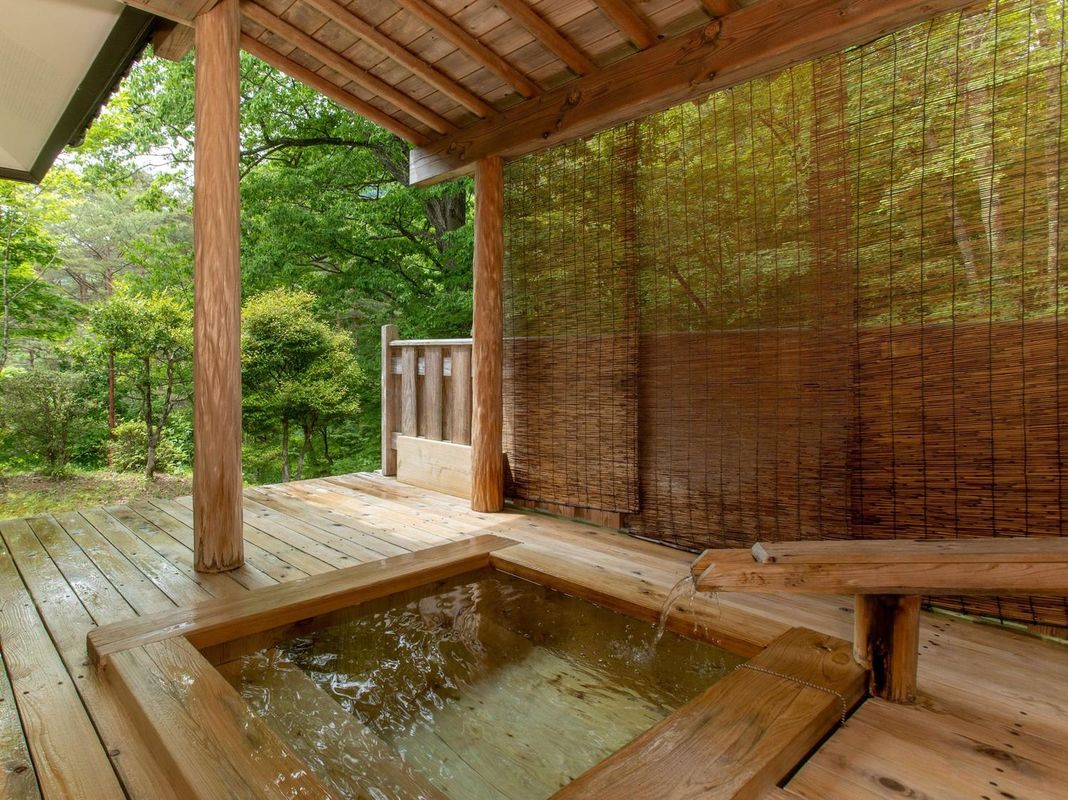
Tabist Koboshi No Yu Senshintei Aizu Yunokamionsen
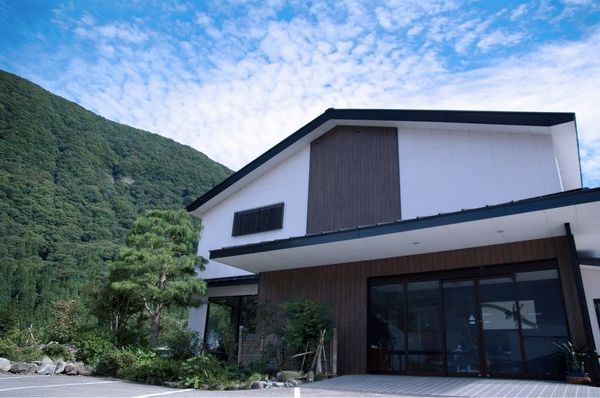
Yuki No Sato, Shisen
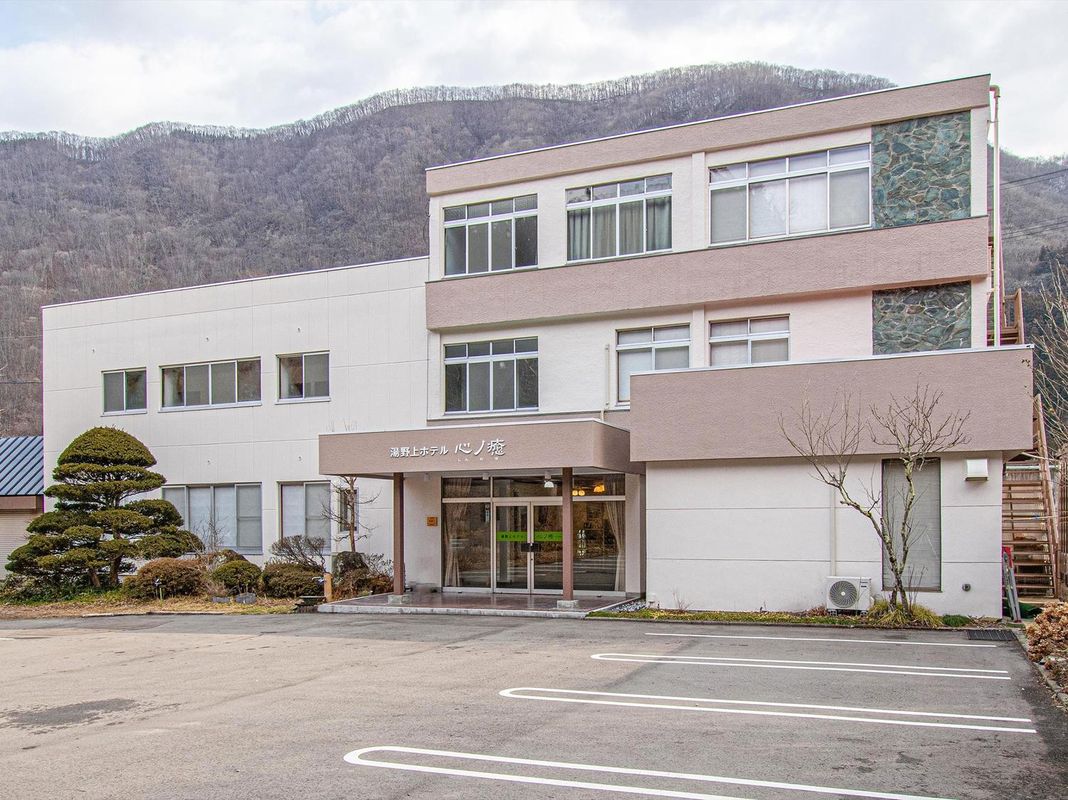
Yunokami Hotel
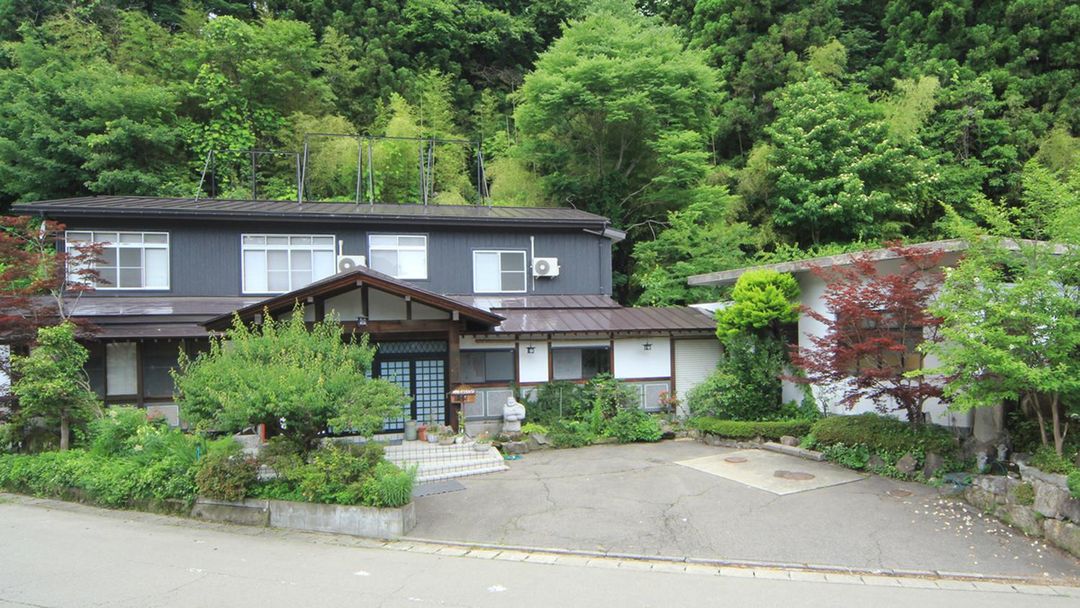
Tatenoyu
Yuraku No Yado Hiranoya
Best Hotels in Shimog
Discover curated hotel collections in Shimog
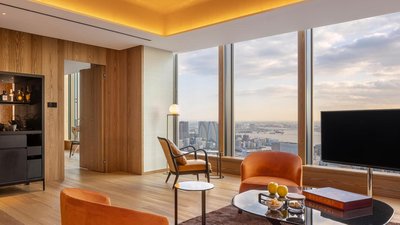
Bvlgari Hotel Tokyo
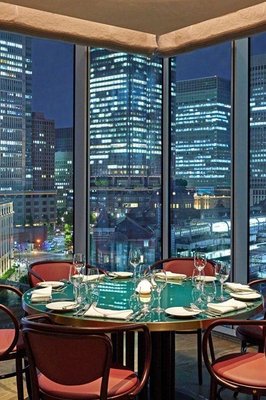
Four Seasons Hotel Tokyo at Marunouchi

Mandarin Oriental, Tokyo
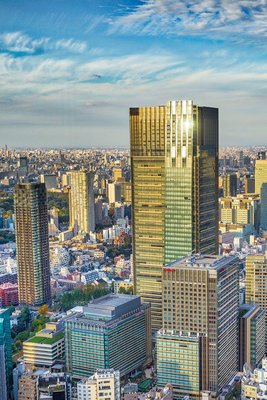
The Ritz-Carlton, Tokyo
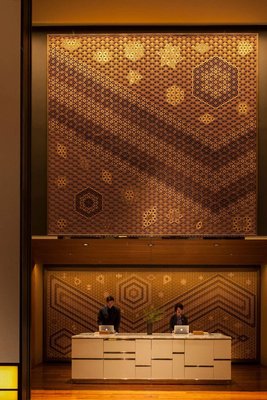
Andaz Tokyo Toranomon Hills- A Concept by Hyatt
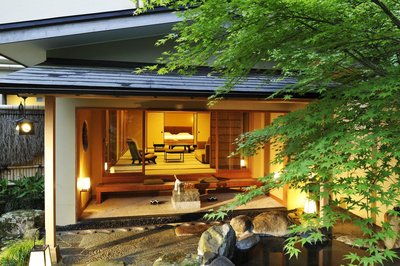
Gora Kadan

Hotel New Otani Tokyo the Main
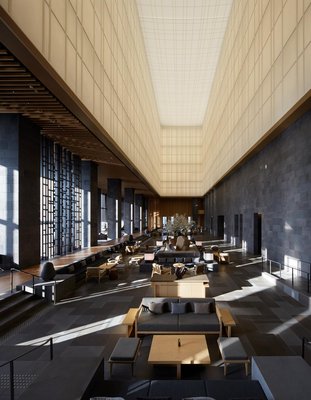
Aman Tokyo
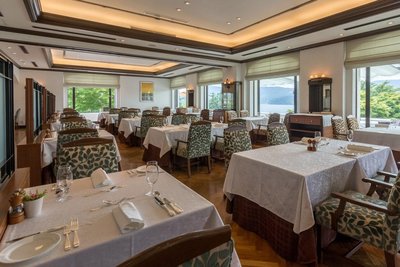
Odakyu Hotel de Yama
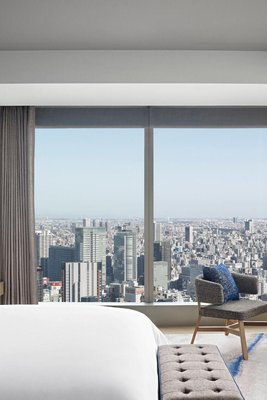
Four Seasons Hotel Tokyo at Otemachi
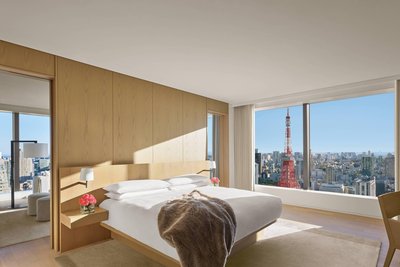
The Tokyo Edition, Toranomon

Hyatt Centric Kanazawa
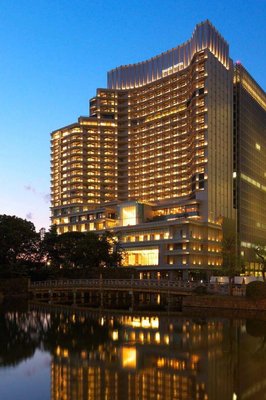
Palace Hotel Tokyo
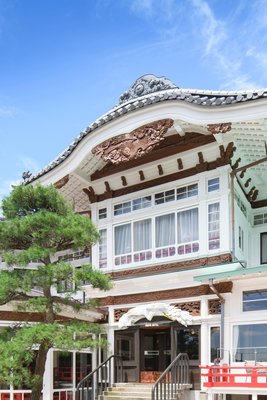
Fujiya Hotel
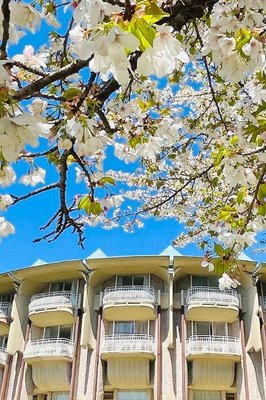
The Prince Hakone Lake Ashinoko
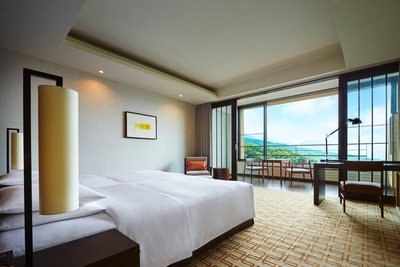
Hyatt Regency Hakone Resort and Spa
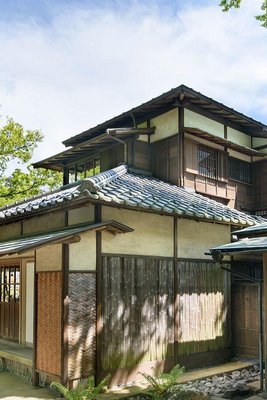
Hakone Suishoen
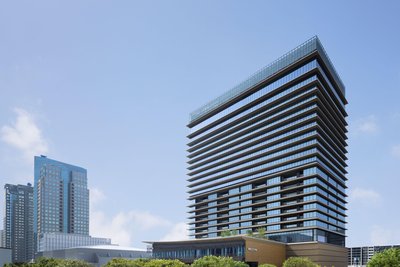
The Westin Yokohama
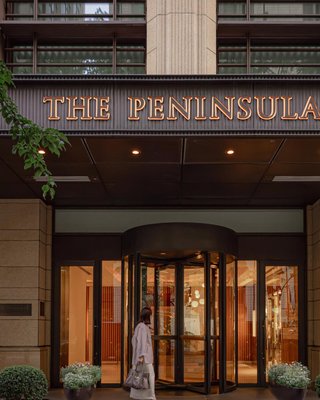
The Peninsula Tokyo

Imperial Hotel, Tokyo
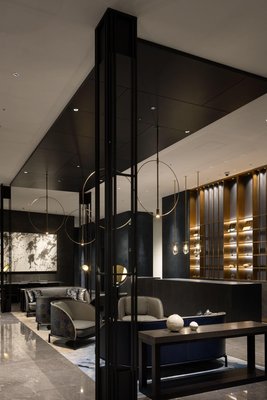
Bellustar Tokyo, A Pan Pacific Hotel
Bvlgari Hotel Tokyo
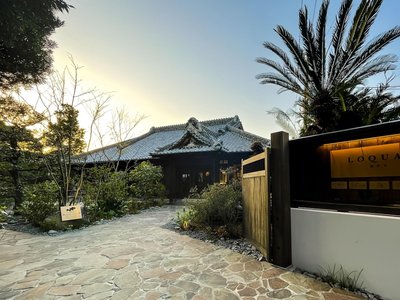
Loquat Nishiizu
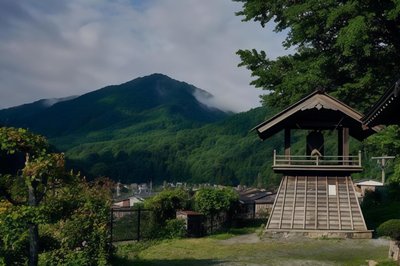
Byaku Narai
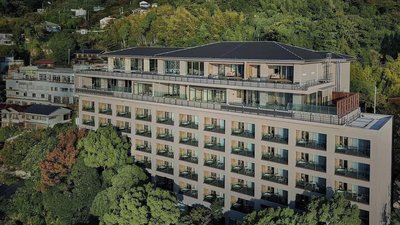
Atami Izusan Karaku
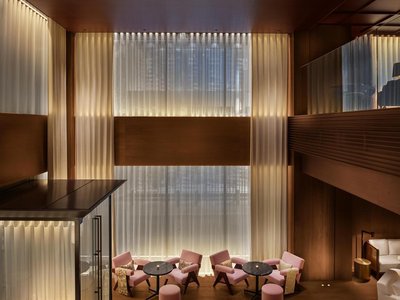
The Tokyo Edition, Ginza
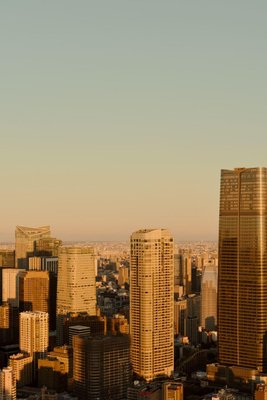
Janu Tokyo
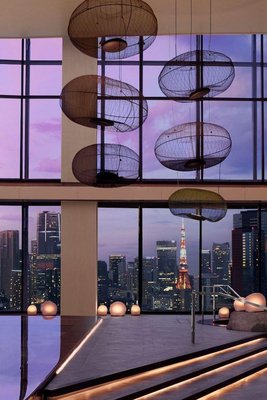
JW Marriott Hotel Tokyo
Four Seasons Hotel Tokyo at Marunouchi
Mandarin Oriental, Tokyo
The Ritz-Carlton, Tokyo
Andaz Tokyo Toranomon Hills- A Concept by Hyatt
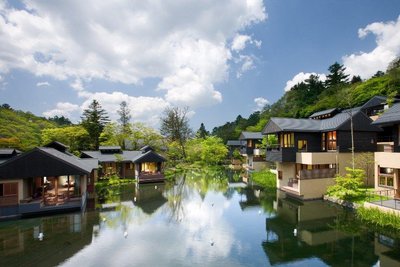
Hoshinoya Karuizawa
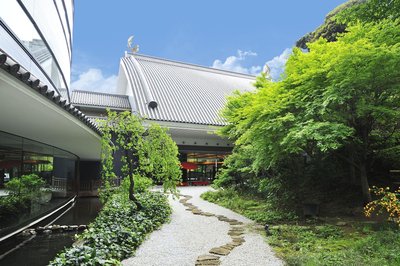
Hotel Gajoen Tokyo
Gora Kadan
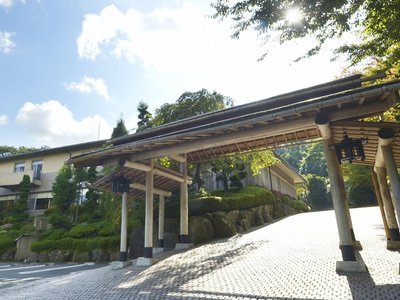
Gora Hanaougi
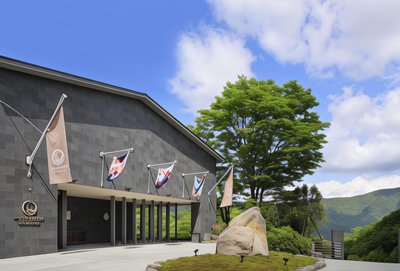
The Hiramatsu Hotels & Resorts Sengokuhara Hakone
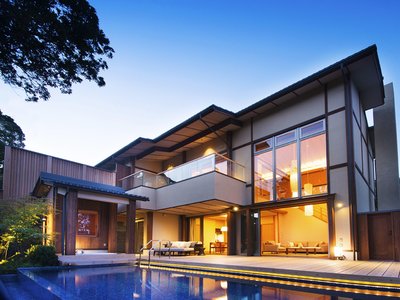
Abba Resorts Izu - Zagyosoh
Aman Tokyo
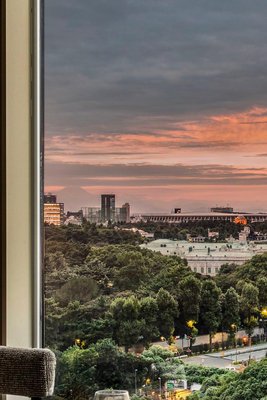
Hotel New Otani Tokyo, Executive House Zen

The Address Akakura
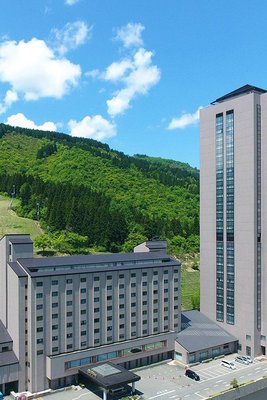
Naspa New Otani
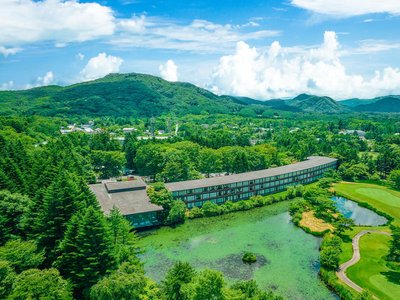
The Prince Karuizawa
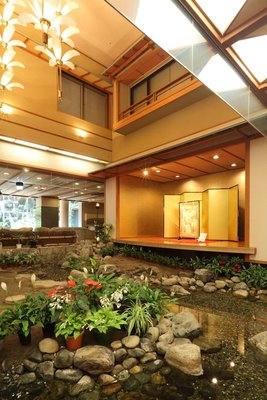
Hotel Futaba
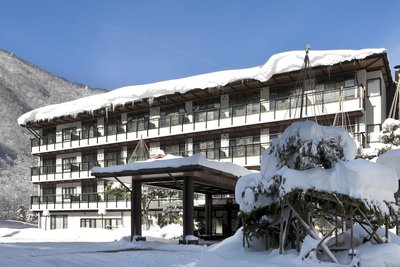
Okada Ryokan Warakutei
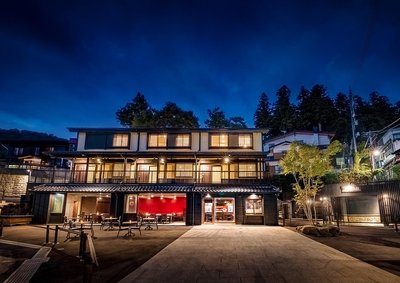
Ryokan Sakaya
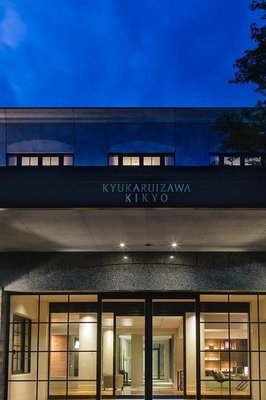
Kyukaruizawa Kikyo, Curio Collection by Hilton
Akakura Kanko Hotel
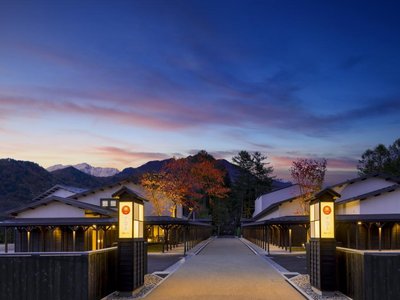
Hoshino Resorts KAI Alps
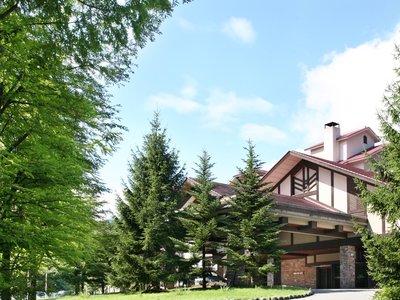
Hakuba Tokyu Hotel
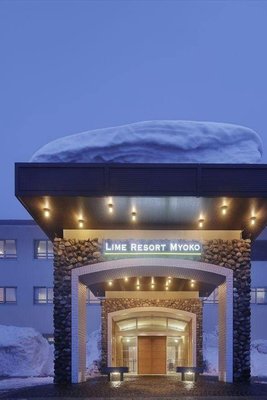
Lime Resort Myoko
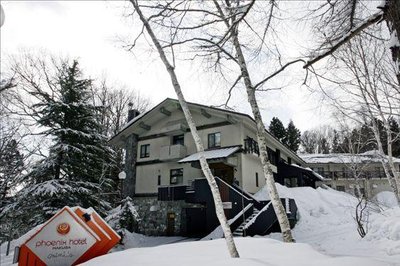
Phoenix Hotel by Hhg
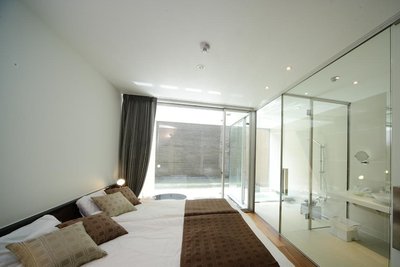
Four Seasons Yuzawa Quattro

Courtyard by Marriott Hakuba
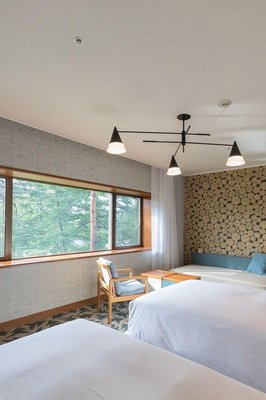
Karuizawa Prince Hotel East
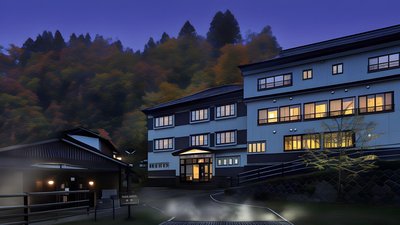
Zao Onsen Omiya Ryokan
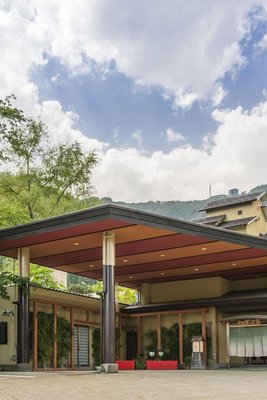
Shosenkaku Kagetsu
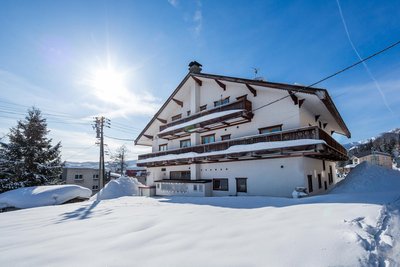
Marillen Hotel by Hhg
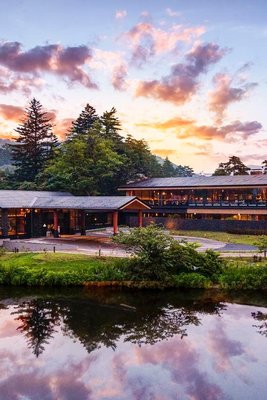
Karuizawa Prince Hotel West
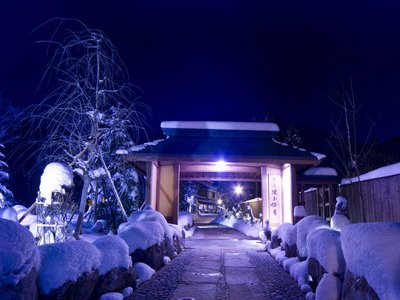
Miyama Ouan
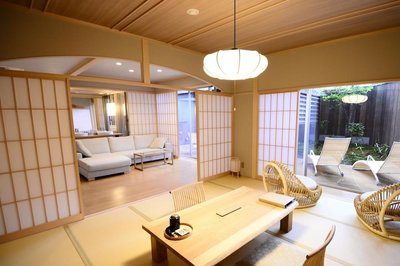
Hakone Gora Byakudan
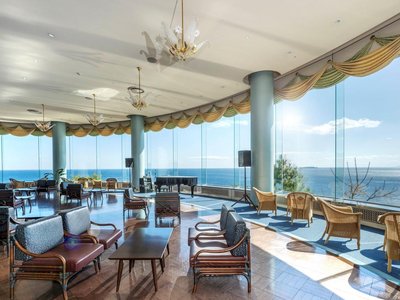
Hotel New Akao
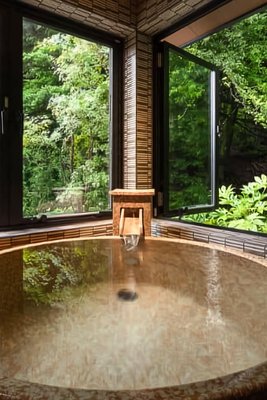
Hakkai Konohanakan
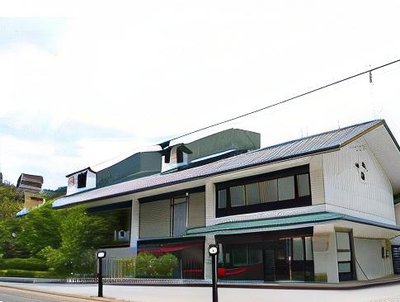
Auberge Suzukane

Onyado Nono Asakusa Bettei Hot Spring
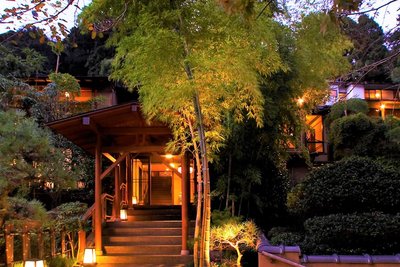
Shiki wo Ajiwau Yado Yamano Chaya
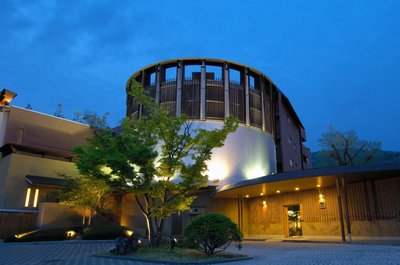
Hoshino Resorts Kai Matsumoto
The Address Akakura
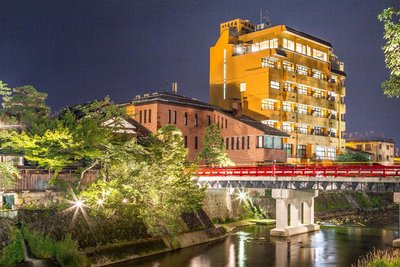
HONJIN HIRANOYA BEKKAN
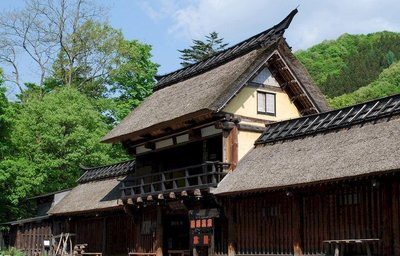
Kayabukinosato Yakushionsen Hatago
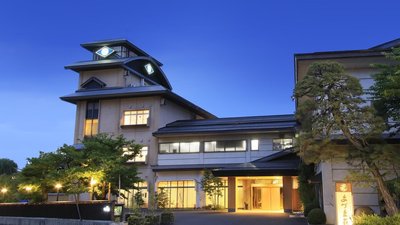
Shouhakutei Azumaso
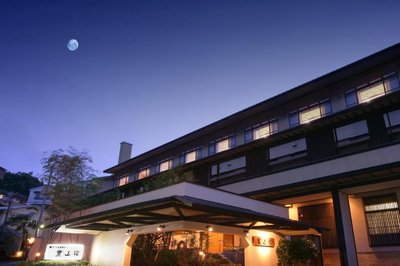
Hayamakan
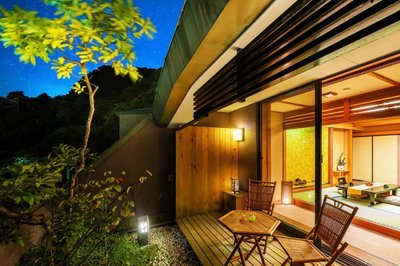
Konjakutei
Hotel Futaba
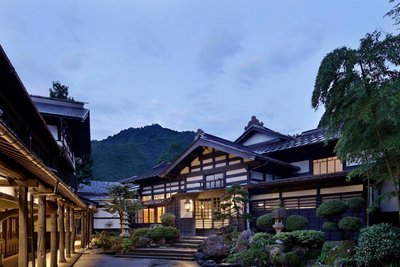
Ryugon

Tokinoniwa

The Kukuna
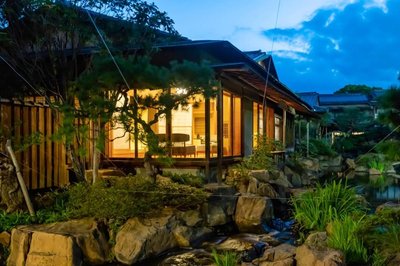
Tokiwa Hotel
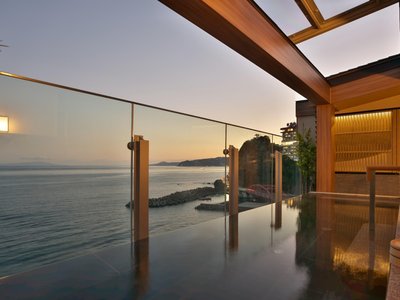
Hotel New Sagamiya
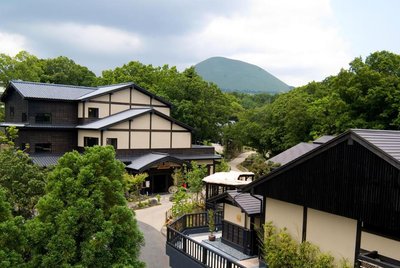
Mori no yu Kira No Sato 【Reopening on December 22, 2025】
Hakone Gora Byakudan
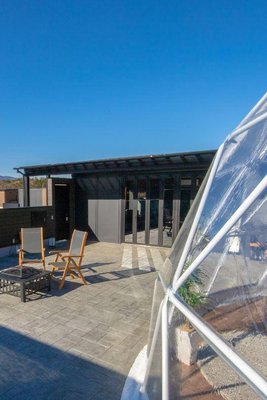
Panoramic Mt. Fuji Views from All Rooms – Vision Glamping Resort & Spa Yamanakako
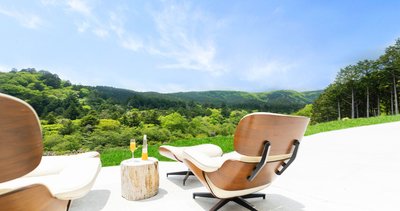
Shelter Garden Nikko
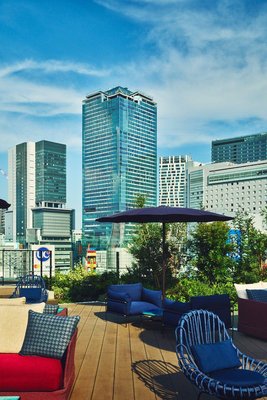
Hotel Indigo Tokyo Shibuya
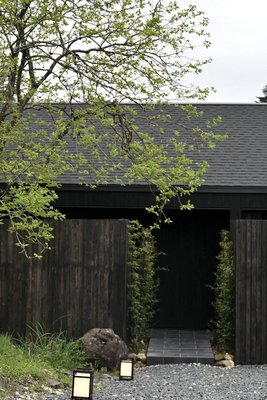
THE LAKOTAN
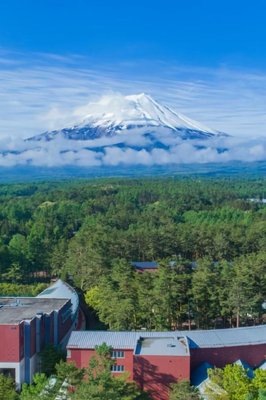
Forest Village (Fuji Premium Resort)
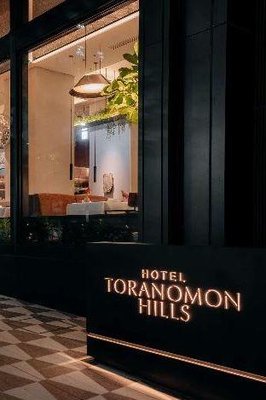
Hotel Toranomon Hills

Fufu Kyu-Karuizawa Restful Forest
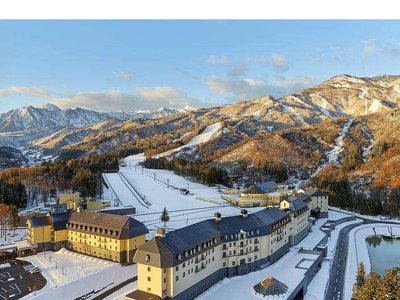
Lotte Arai Resort
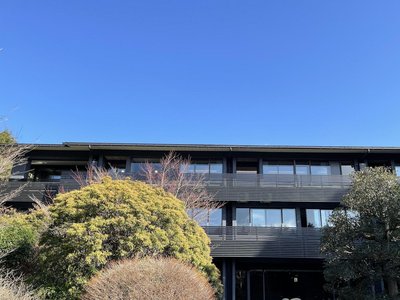
Sengokubara Cocon
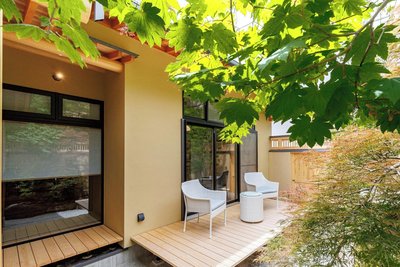
Shoraiso
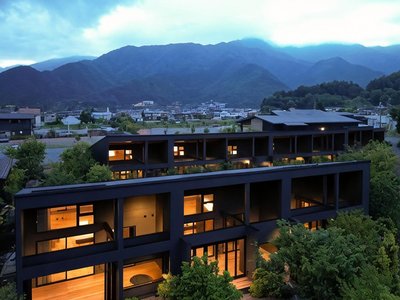
7C Villa and Winery

Hotel la Vigne Hakuba by Onko Chishin
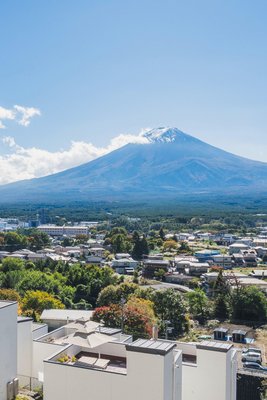
THE TOKI FujiKawaguchiko
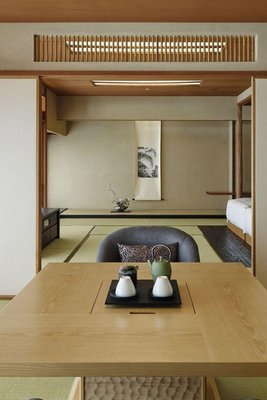
Takanawa Hanakohro (in Grand Prince Hotel Takanawa)
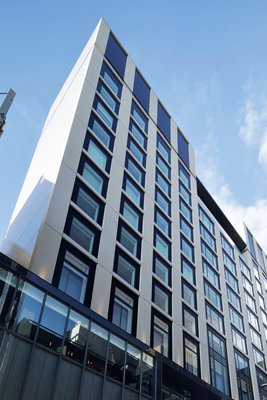
Hyatt Centric Ginza Tokyo
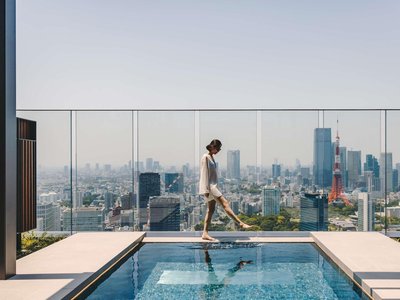
Fairmont Tokyo
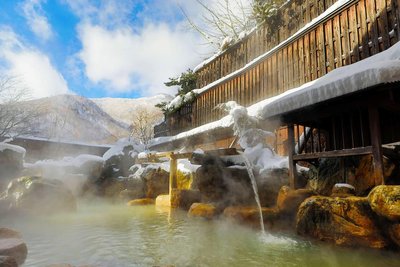
Miyamaouanbekkan yumegurinoyado hirayukan
HONJIN HIRANOYA BEKKAN
The Prince Karuizawa
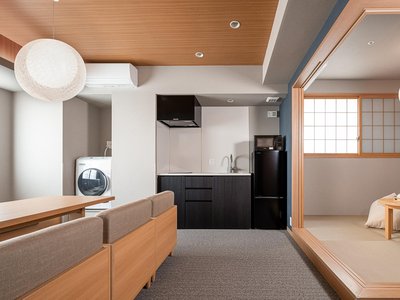
MIMARU SUITES Tokyo Asakusa
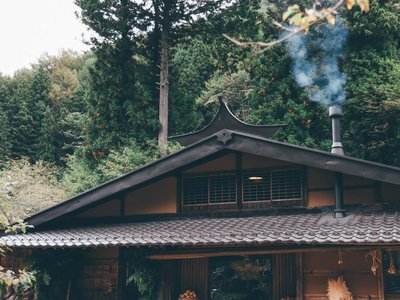
La Terra Resort

karaksa hotel colors Tokyo Yaesu
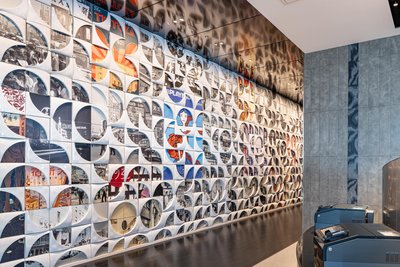
HOTEL GROOVE SHINJUKU, A PARKROYAL Hotel

EN Resort Grandeco Hotel
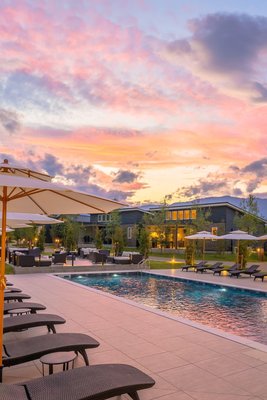
Awaumi Fujikawaguchiko Resort
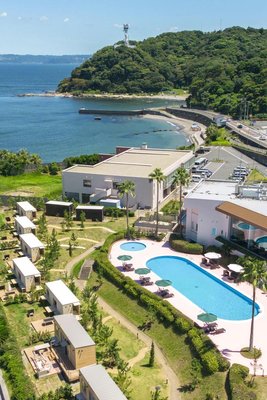
La vista Yokosuka Kannonzaki Terrace
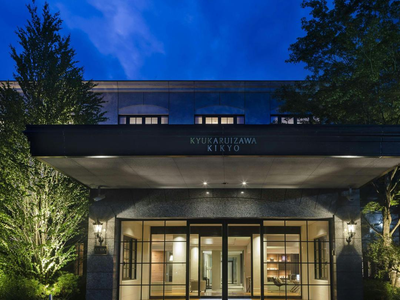
Fufu Karuizawa Wind of Sunshine
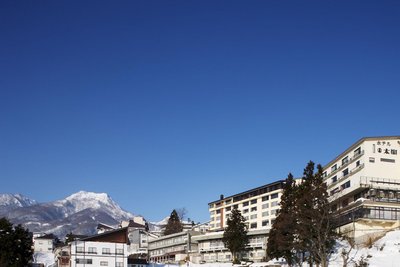
Hotel Taiko, Akakura Onsen
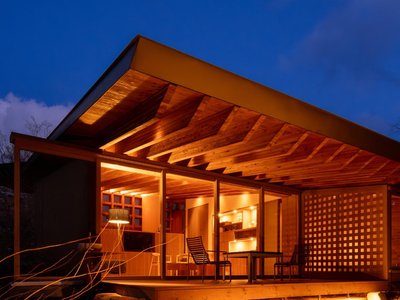
Nasu Mukunone
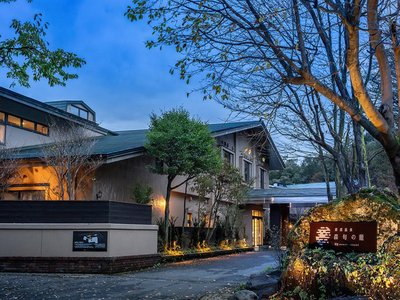
Nasu Onsen Shinshun no Kago Hewitt Resort

Scapes the Suite
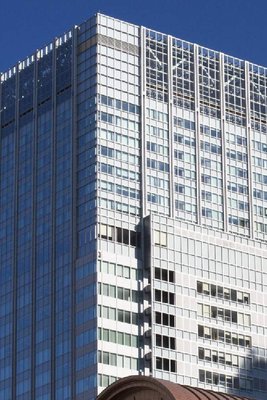
Hotel Metropolitan Tokyo Marunouchi
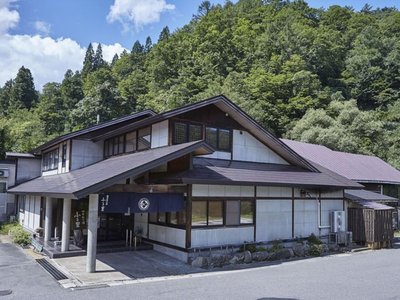
Fulsato
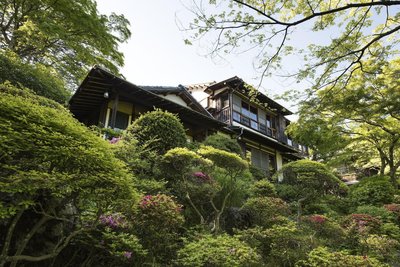
Gora Kansuiro
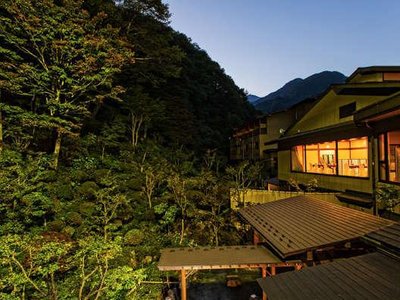
Futari Shizuka
Naspa New Otani
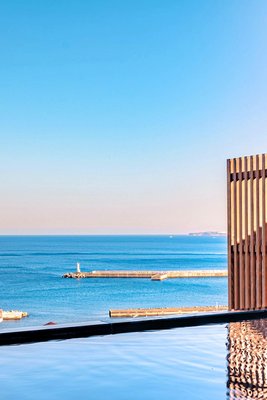
HOTEL KANICHI
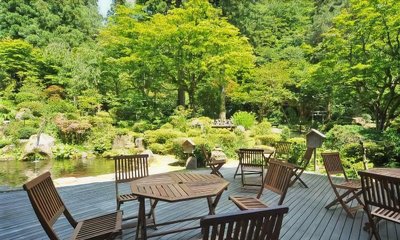
Choseikan
Shouhakutei Azumaso
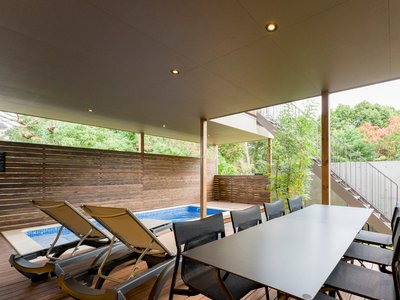
Rakuten STAY VILLA Kamogawa
Awaumi Fujikawaguchiko Resort
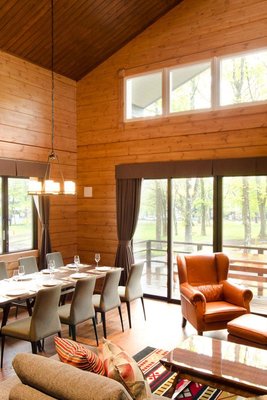
The Prince Villa Karuizawa
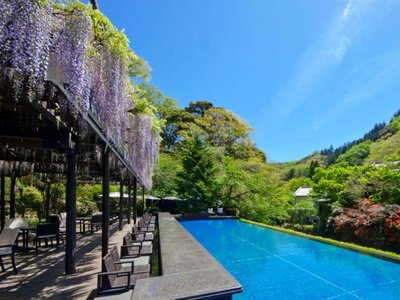
Tofuya Resort & Spa Izu
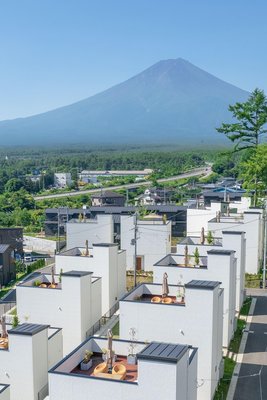
Fuji Granvilla -TOKI-
Hakone Gora Byakudan
Hotel New Akao
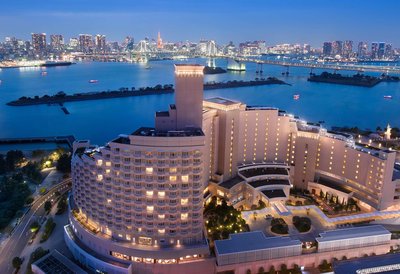
Hilton Tokyo Odaiba
JW Marriott Hotel Tokyo
The Prince Karuizawa
The Kukuna
Hotel New Sagamiya
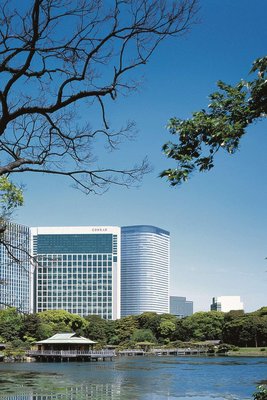
Conrad Tokyo
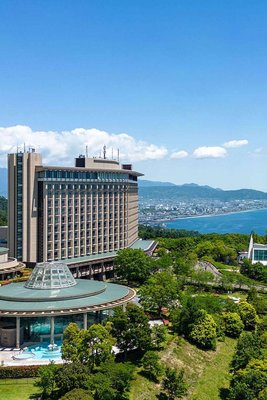
Hilton Odawara Resort & Spa
Hoshinoya Karuizawa
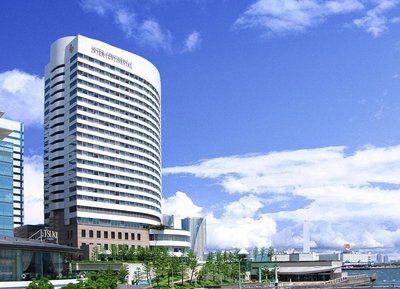
InterContinental Tokyo Bay
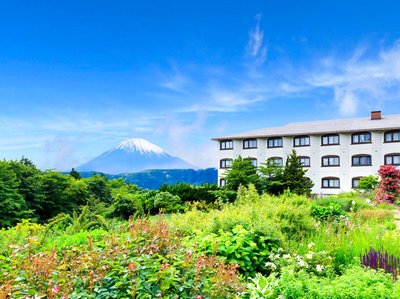
Hotel Green Plaza Hakone
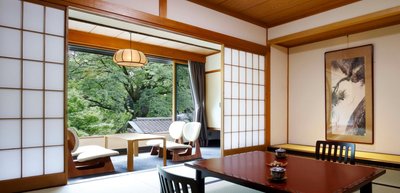
Yoshiike Ryokan
Akakura Kanko Hotel
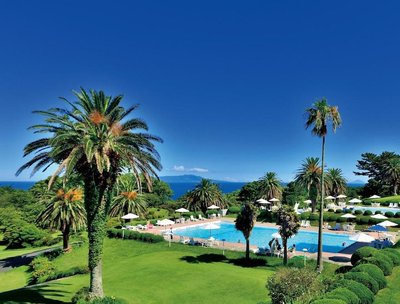
Kawana Hotel
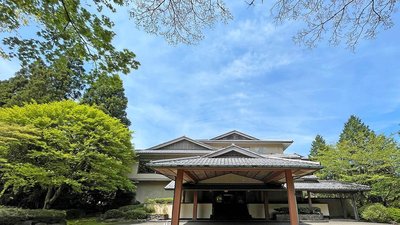
Ryuguden
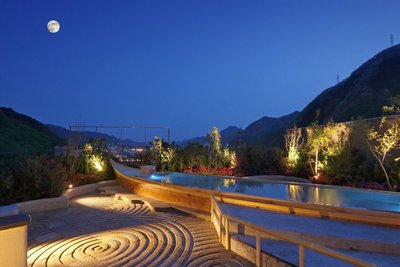
Asaya
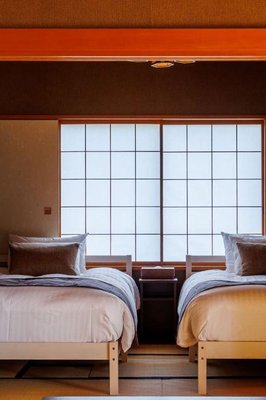
Sado Resort Hotel Azuma
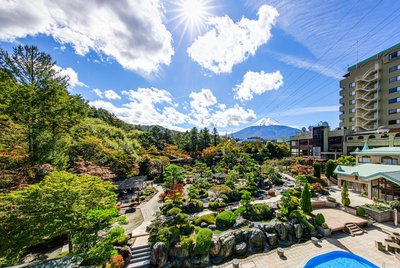
Kaneyamaen
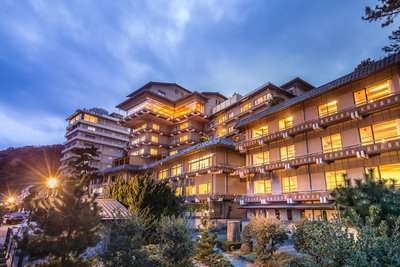
Bousui
Bellustar Tokyo, A Pan Pacific Hotel
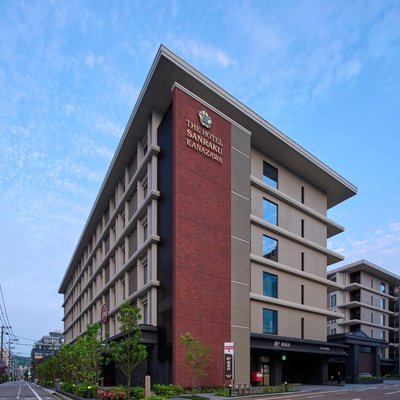
The Hotel Sanraku Kanazawa 21th December 2022 Open
JW Marriott Hotel Tokyo
Andaz Tokyo Toranomon Hills- A Concept by Hyatt
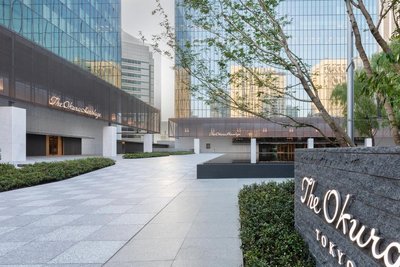
The Okura Tokyo
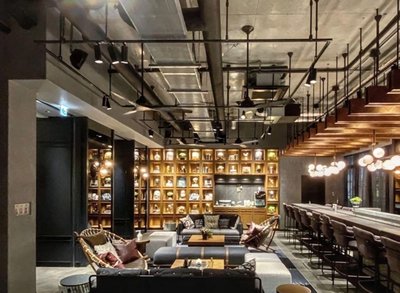
The Lively Azabujuban Tokyo
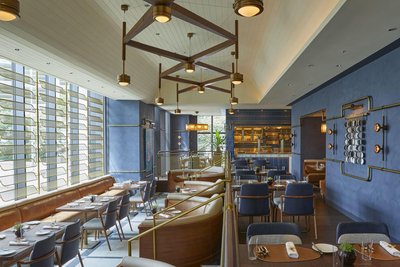
Kimpton Shinjuku Tokyo

HOTEL K5
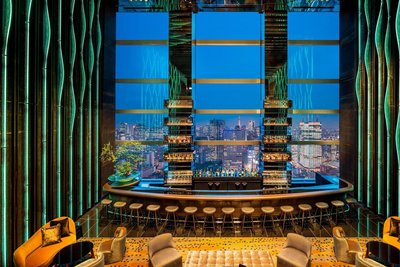
The Prince Gallery Tokyo Kioicho, a Luxury Collection Hotel
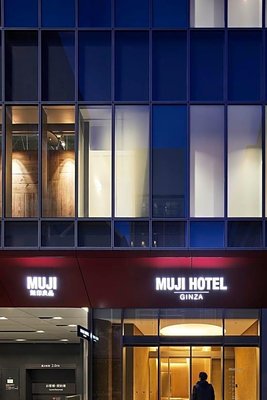
Muji Hotel Ginza
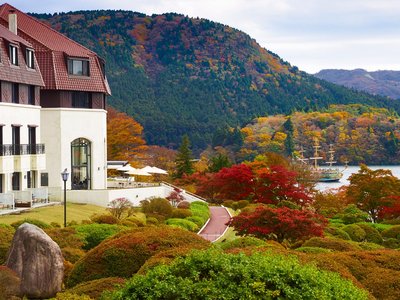
Hotakajyo
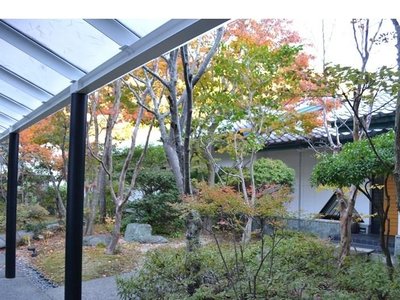
Auberge Suzukane
Onyado Nono Asakusa Bettei Hot Spring
Shiki wo Ajiwau Yado Yamano Chaya
Hoshino Resorts Kai Matsumoto
Konjakutei
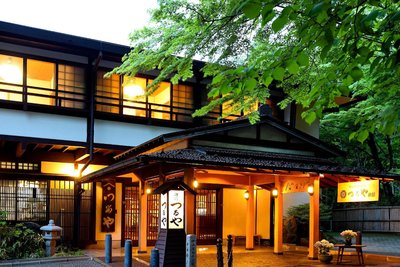
Tsuruya Ryokan
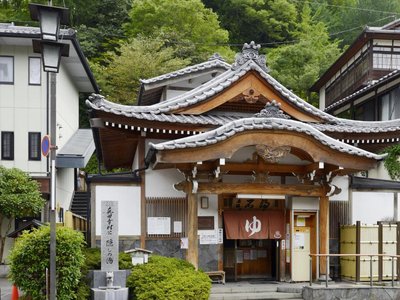
Nakamatsuya Ryokan
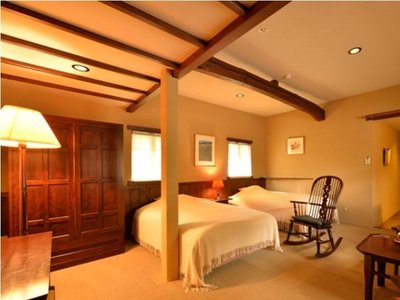
Ryokan Sugimoto
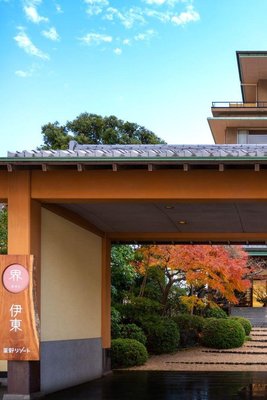
Hoshino Resorts Kai Ito
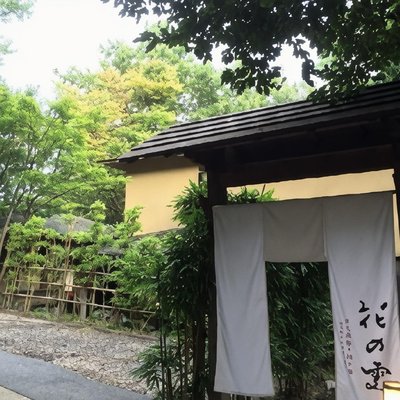
Hana No Kumo
Yoshiike Ryokan
Hotel Gajoen Tokyo
Gora Hanaougi
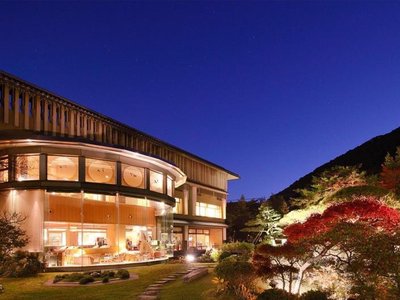
Shikisai Ichiriki
Sado Resort Hotel Azuma
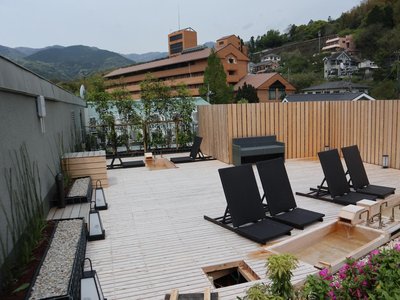
Fukiya Ryokan
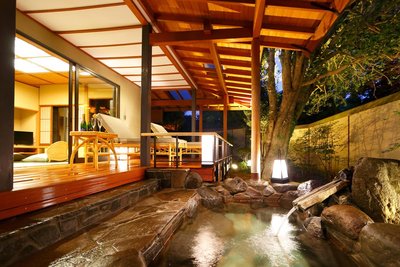
Yoshiharu Ryokan – Izu Nagaoka Onsen
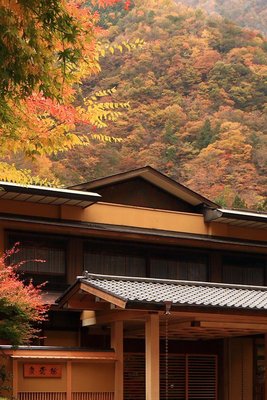
Nishiyama Onsen Keiunkan
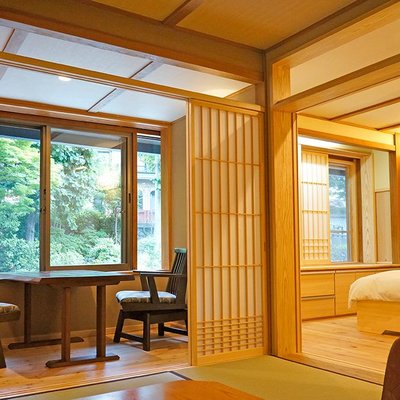
Sumiyosiya Ryokan

Rakuten STAY VILLA Nasu
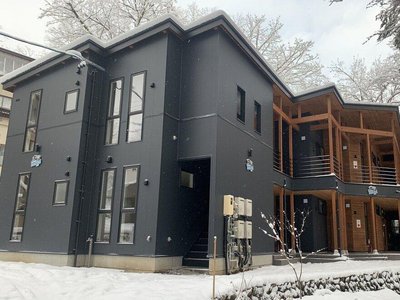
Hakuba Gondola Apartments
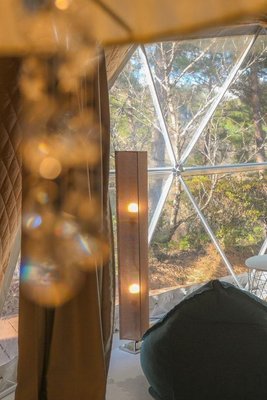
glampark Gekkabijin Nagano
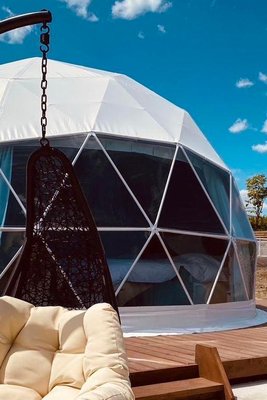
chillout glamping zao
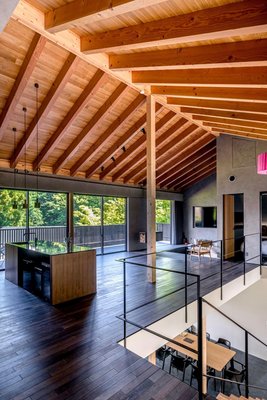
MONS GORA

Phoenix Chalets by Hhg
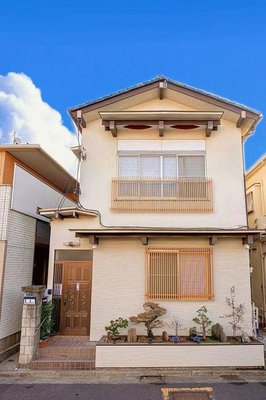
Tokyo Star House-Shinkoiwa
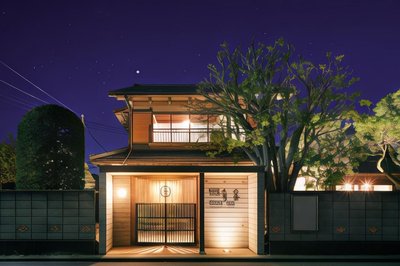
Machi-Jyu
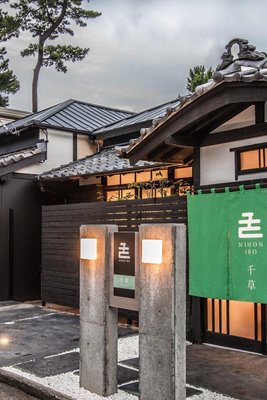
Nihon Iro
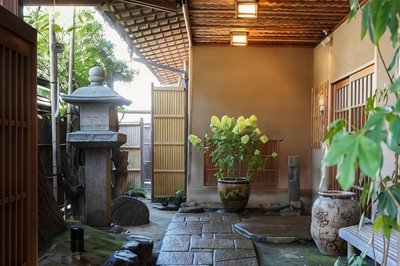
Ryokan Asadaya
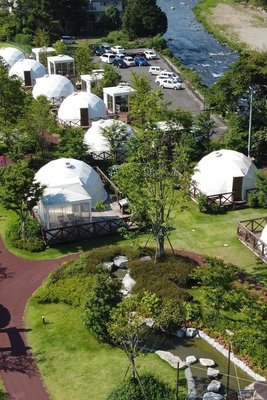
Ufufu Village
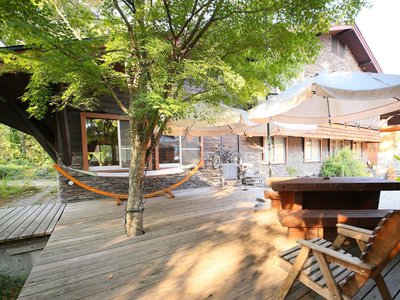
Kunugi Relaxation with 4 Modern Rooms
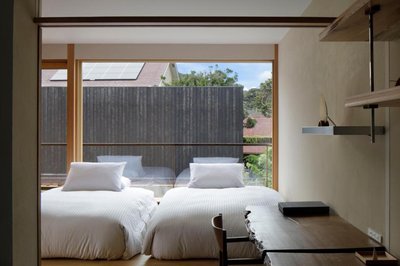
Modern Ryokan Kishi-ke

Petals Tokyo - Floating Hotel
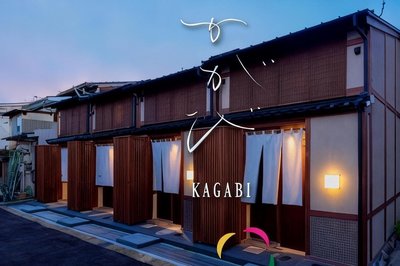
Kagabi Machiya House

The Flow Kamakura
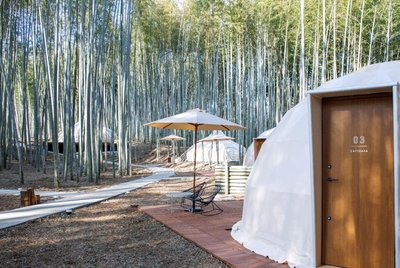
THE BAMBOO FOREST
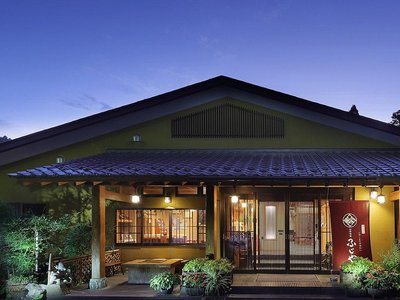
Shikimitei Fujiya
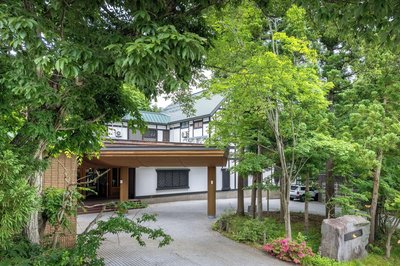
Forest Resort Yamanote Hotel
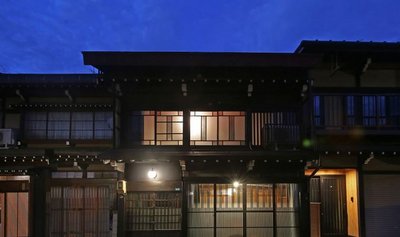
Iori Stay Hida
Frequently Asked Questions about Traveling to Shimog
Questions You Might Need to Know About Traveling to Shimog
In Shimo-cho, the top family-friendly option is Fukushima Prefectural Nature Park Resort Hotel, nestled beside the Ouchi Mountain Forest. This eco-lodge offers wooden cabins with spacious rooms, a children’s play area, and guided forest walks. Families can join local farm-to-table workshops, including rice planting and seasonal vegetable harvesting. Nearby, the Birdwatching Station and onsen foot baths provide peaceful outdoor activities. Accessible via a 30-minute bus ride from Koriyama Station, it’s an ideal base for nature-loving families seeking authentic rural Japan experiences.
The most photogenic locations in Shimo-cho are the Ouchi Mountain Viewpoint and the Shirakawa Ravine Trail. Stay at Shirakawa Mori no Ie, a traditional Japanese-style ryokan with open-air decks overlooking autumn foliage and crystal-clear streams. The inn provides kimono rentals for guests to capture scenic photos amid bamboo groves and stone bridges. Visit early morning for soft light and misty atmospheres—perfect for tranquil, artistic shots. These locations are especially stunning during fall, when maple trees blaze in red and gold, making them a favorite among photographers.
Visitors to Shimo-cho should not miss the annual Rice Harvest Festival (held in September) and hands-on washi paper-making workshops. Locals use water from the Kurokawa River to craft natural washi, a tradition passed down for generations. At the Shimo-cho Cultural Center, guests can make their own washi stationery while learning about sustainable craftsmanship. Don’t miss tasting Fukushima-style mochi, made from local rice, served warm with sweet bean paste. These immersive experiences offer deep insight into the town’s heritage and community values.
Recommended is Ouchi Onsen Ryokan, a century-old establishment located in the heart of Ouchi Onsen Town. Renowned for its natural sulfur-rich hot springs, the baths feature clear, therapeutic waters ideal for skin health. Rooms are traditional Japanese style with tatami mats and private outdoor rotenburo (outdoor baths). Daily meals include kaiseki cuisine using locally sourced ingredients like Fukushima’s Koshihikari rice and wild mountain vegetables. Guests can stargaze from the garden after sunset—a serene way to unwind in nature.
The best time to visit Shimo-cho is autumn (October to November), when the Ouchi Mountain maple leaves reach peak color, painting the hills in fiery reds and golds. Early morning or late afternoon visits to the Shirakawa Ravine Trail offer ideal lighting for photography. In mid-October, the Autumn Festival features traditional dances, local crafts, and food stalls. For quieter visits with mild weather, late spring (late April) is also excellent—cherry blossoms bloom softly, and fewer tourists mean more peaceful exploration.
The Ouchi Mountain Loop Trail (approx. 8 km) is ideal for beginners and families. Winding through ancient forests, rivers, and observation platforms, it offers gentle terrain and clear signage. Highlights include the source of Kurokawa River and birdwatching spots. Rest stops with drinking water are available along the route. After hiking, relax at Ouchi Onsen, where you can soak in natural hot springs. Maintained by the Fukushima Nature Conservation Association, the trail emphasizes sustainability and is perfect for discovering the natural beauty of Tohoku region.
Must-try dishes in Shimo-cho include Fukushima Koshihikari Rice Balls, grilled Kurokawa River trout, and mountain vegetable tempura. Visit Shimo-cho Market Dining Hall for authentic flavors using fresh, local ingredients. The trout, raised in clean river water, is grilled over charcoal and drizzled with plum sauce—deliciously tender. The mountain vegetable tempura features seasonal greens like ferns, bamboo shoots, and dandelions, lightly fried and served with dipping soy. These dishes reflect the town’s deep connection to its land and seasonal rhythms.
Yes! Mori no Ie Pet-Friendly Guesthouse is a top choice, located near Ouchi Forest. It welcomes dogs and cats with dedicated pet beds, feeding bowls, and cleaning kits. The hosts, retired educators, offer guided forest walks tailored for pets. The property has a fenced yard and nearby pet-friendly trails. They also host monthly Human-Nature Coexistence Workshops, teaching responsible animal interaction. Ideal for travelers wanting to explore Fukushima Prefecture with their furry companions.
Plan your day as follows: Start at Ouchi Mountain Viewpoint for panoramic views, then hike the Shirakawa Ravine Trail to the Washi Paper Workshop. Lunch at Shimo-cho Market Dining Hall with grilled trout and rice balls. Afternoon visit to the Fukushima Prefectural Nature Park Museum, followed by a relaxing soak at Ouchi Onsen Ryokan. Return via the scenic bus route, stopping to buy dried mountain vegetables and handmade washi stationery. All routes are accessible from Koriyama Station via local buses—efficient and enriching, capturing Shimo-cho’s essence in one day.
Main attractions in Shimo-cho are accessible via Koriyama Station and local buses operated by Fukushima Transportation. Take the Shimo-cho Line bus (30 minutes) to reach Ouchi Mountain Viewpoint and Shirakawa Ravine Entrance. Some sites, like Ouchi Onsen Ryokan, offer free shuttle services—book in advance. Electric bike rentals are available for short-distance exploration. Download the Fukushima Tourism Bus Timetable App for real-time updates. Though rural, the transport system is well-planned, enabling independent and stress-free travel throughout the region.
Shimog Overview
City Summary
Shimogo Town, located in southern Fukushima Prefecture, is a tranquil rural area renowned for its traditional Japanese countryside culture and unspoiled natural landscapes. Its core appeal lies in authentic agricultural experiences and seasonal beauty, particularly cherry blossoms in spring and golden rice fields in autumn.
Must-See Attractions
Top attractions include the Shimogo History Museum showcasing farming heritage, cycling paths along the Abukuma River, and nearby Ouchi-juku (Edo-period post town). Immersive activities like rice planting workshops and traditional craft classes are highly recommended.
Food Guide
Must-try local specialties include "Kozuyu" (regional soup) and "Shimi-dofu" (freeze-dried tofu). Street snacks feature grilled rice sticks and soy-glazed dumplings. Farm-to-table restaurants serve fresh mountain vegetables and wild game.
Transportation Guide
Accessible via bus from Koriyama Station (JR Tohoku Line to Aizu Railway, then transfer at Yunokami-Onsen Station). Buses run infrequently - check schedules in advance. Rental cars are ideal for flexibility, with free parking available.
Best Time to Visit
Best visited April-May (cherry blossoms) or September-November (harvest season). Summers are humid, while winter snow may disrupt transport.
Travel Tips
- Respect private farmlands - no trespassing
- Carry sufficient cash as most shops don't accept cards
- Buses depart punctually - arrive 5 mins early
- Practice strict trash recycling
- Many onsens prohibit tattooed guests
- Avoid walking alone after dark due to unlit roads
Useful Information
Japanese is primary language; tourist centers offer basic English. 4G coverage exists but weak in mountains. Cash dominates payments - few credit card options. Emergency numbers: 110 (police) or 119 (ambulance). Medical facilities are centralized. Book traditional ryokan accommodations well in advance.