Hotels in Shimoichi
Discover your perfect stay in Shimoichi.
Shimoichi(Japan) Travel 2026: Cheap Flights, Hotels & Top Attractions
Popular Landmarks in Shimoichi
Discover the most iconic attractions in Shimoichi
Best Hotels in Shimoichi
Discover curated hotel collections in Shimoichi
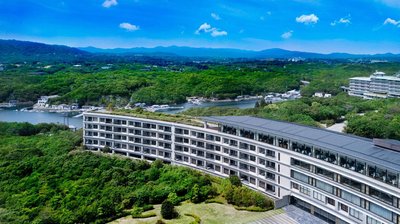
Shima Kanko Hotel the Bay Suites
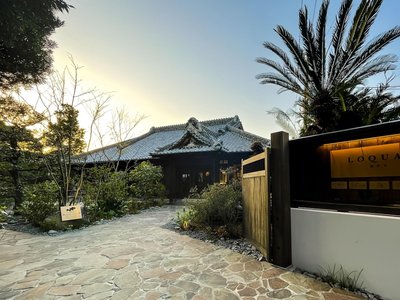
Loquat Nishiizu
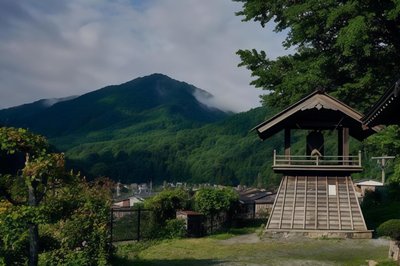
Byaku Narai
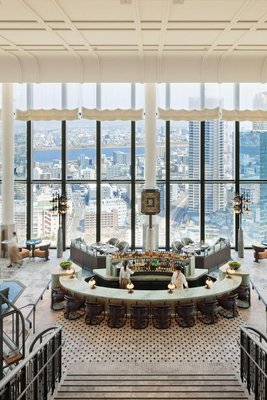
Waldorf Astoria Osaka
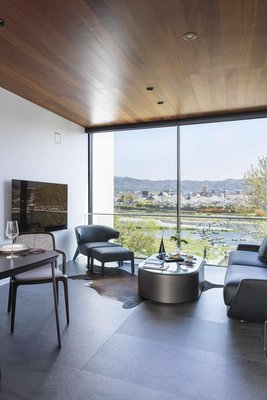
Kamo Residences by Reflections
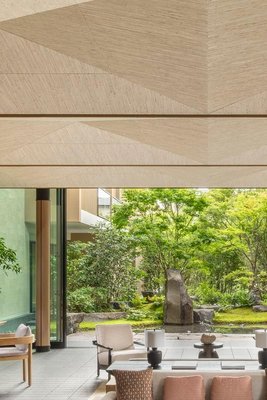
Six Senses Kyoto
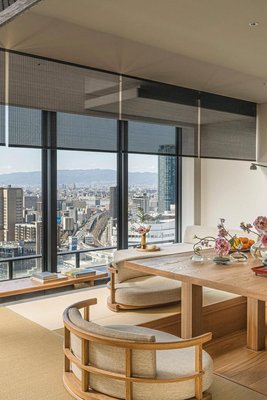
Four Seasons Hotel Osaka

Patina Osaka

The Ritz-Carlton, Osaka
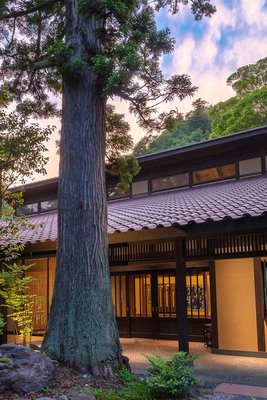
Arimasansoh Goshobessho

The Hiramatsu Hotels & Resorts Kashikojima
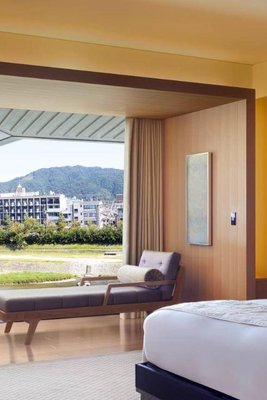
The Ritz-Carlton, Kyoto
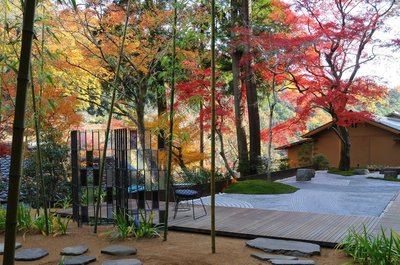
HOSHINOYA Kyoto
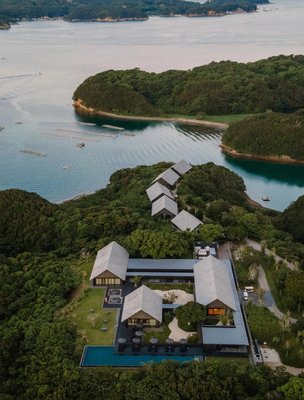
Amanemu
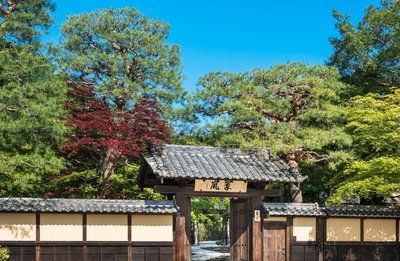
Suiran, a Luxury Collection Hotel, Kyoto
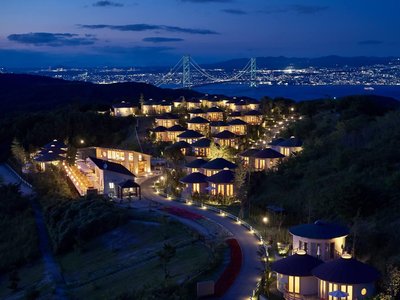
Grand Chariot Hokutoshichisei 135°
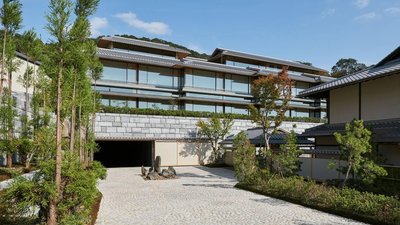
Park Hyatt Kyoto
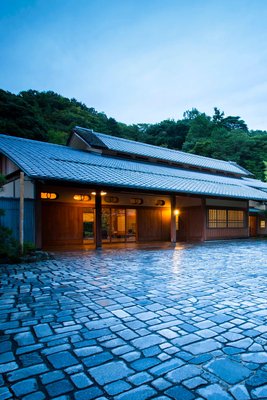
Sanyo-so

SETOUCHI RETREAT by Onko Chishin
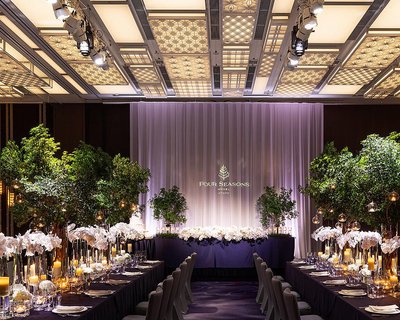
Four Seasons Hotel Kyoto
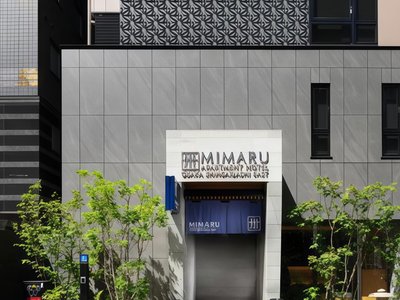
MIMARU Osaka Shinsaibashi East

Toba International Hotel Shiojitei
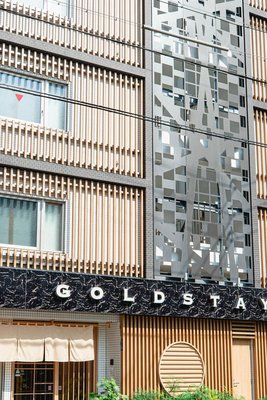
Gold Stay Nagoya OSU
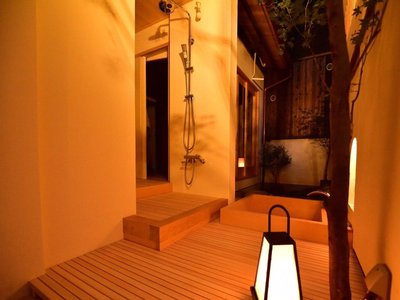
Yado Kiramachi
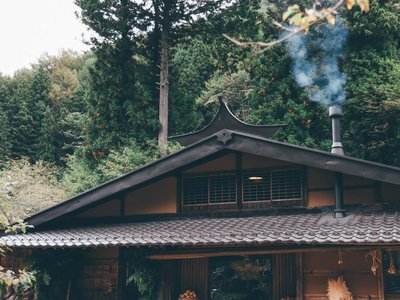
La Terra Resort
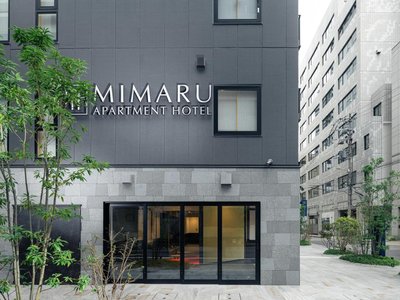
MIMARU Osaka Shinsaibashi North
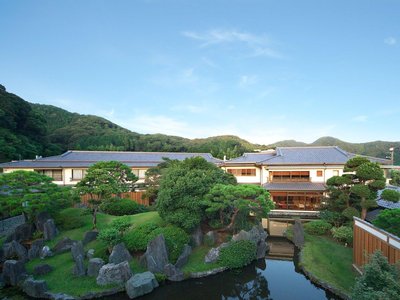
Kagetsutei
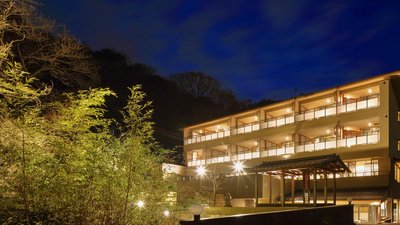
Okuno Hosomichi
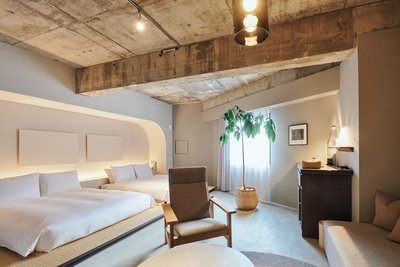
Korinkyo

GOLD STAY Nagoya Sakae
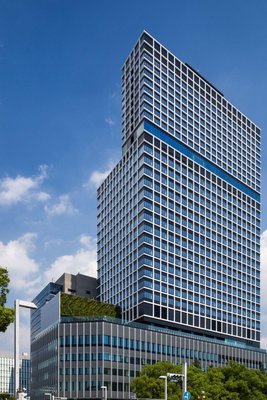
The Royal Park Hotel Iconic Nagoya
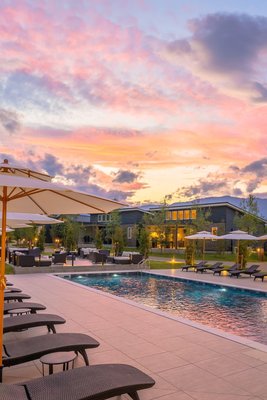
Awaumi Fujikawaguchiko Resort
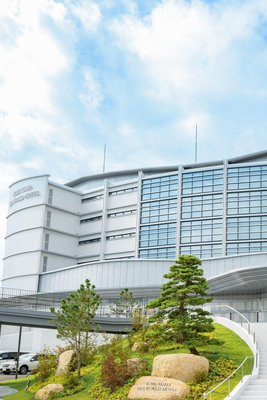
Kobe Suma Sea World Hotel
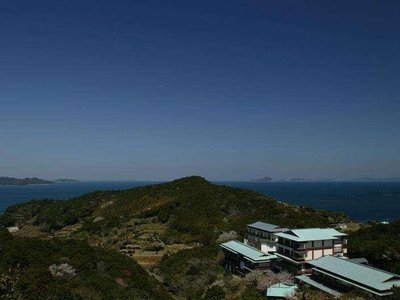
Hanashinsui
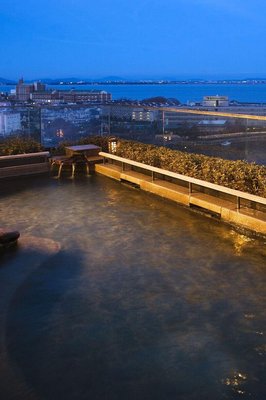
Yumotokan
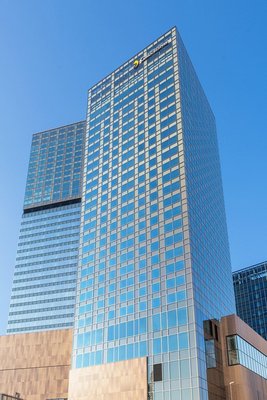
Hotel Hankyu GRAN RESPIRE OSAKA
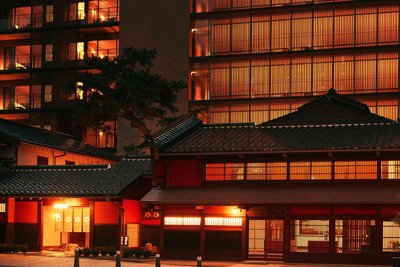
Hoshino Resorts Kai Kaga
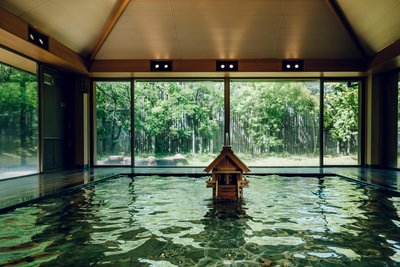
Hoshino Resorts KAI Tamatsukuri
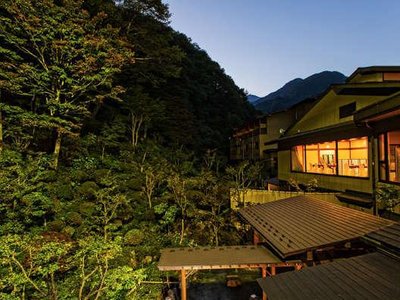
Futari Shizuka

Taikyourou
Yado Kiramachi
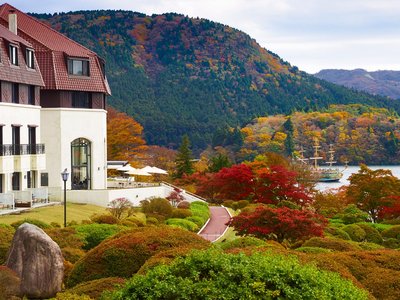
Hotakajyo
Arimasansoh Goshobessho
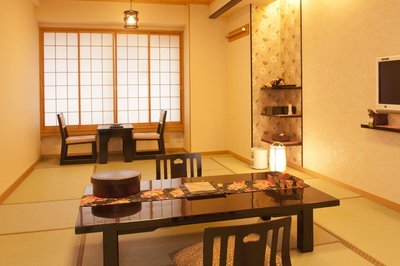
Matsui-Bekkan Hanakanzashi
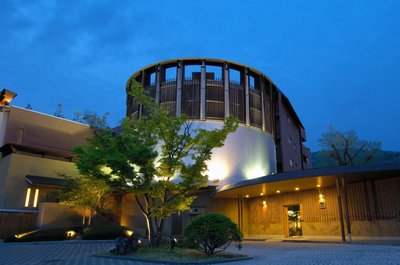
Hoshino Resorts Kai Matsumoto
Hoshino Resorts KAI Tamatsukuri
Taikyourou
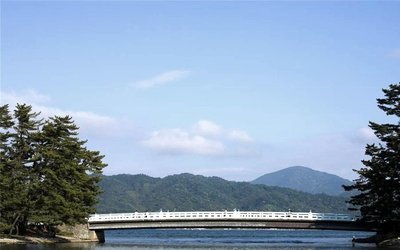
Monjusou Shourotei
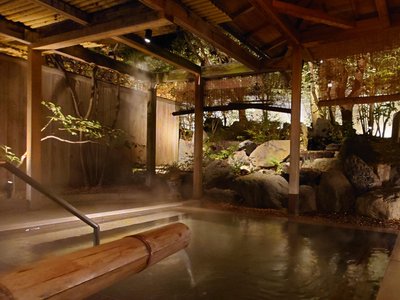
Kasuga Hotel
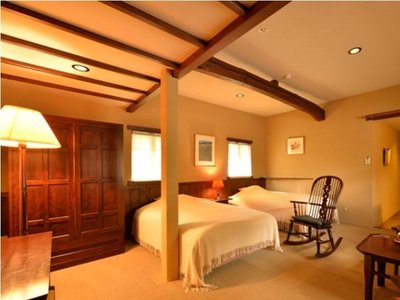
Ryokan Sugimoto
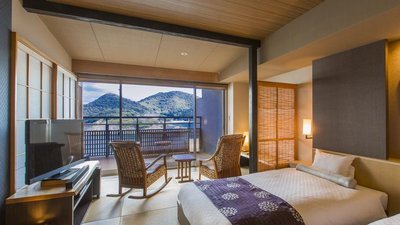
Migiwatei Ochi Kochi
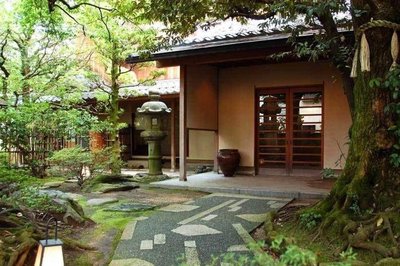
Kocho

Hotel New Wakasa
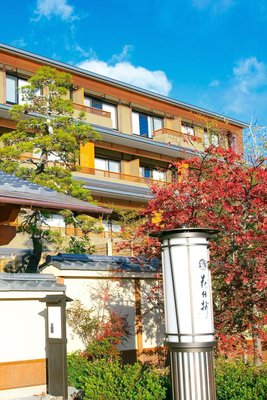
Kyoto Arashiyama Onsen Kadensho (Kyoritsu Resort)
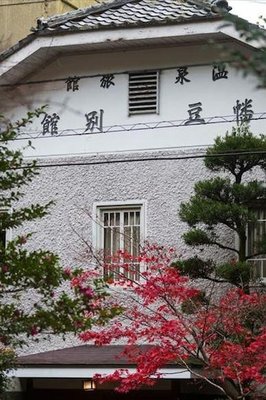
Oku-Mikawa・Yuya Onsen HAZU Bekkan
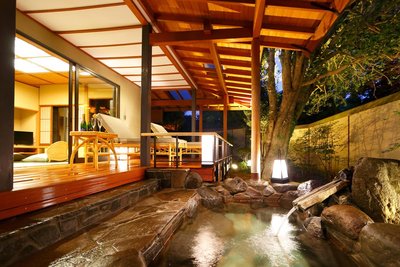
Yoshiharu Ryokan – Izu Nagaoka Onsen
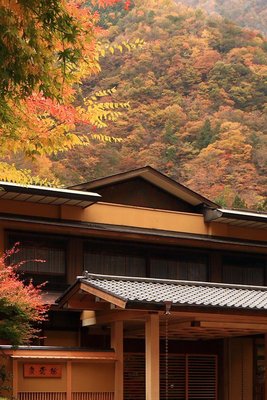
Nishiyama Onsen Keiunkan
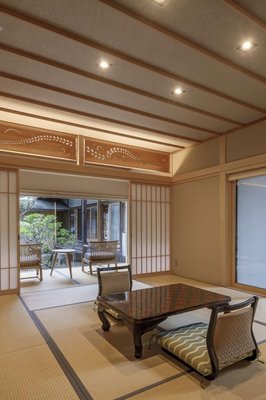
Ichijoin
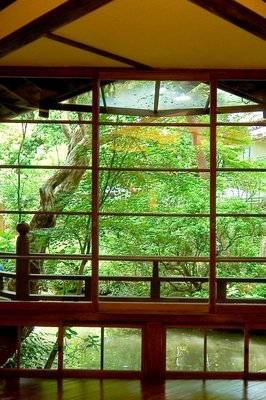
Yukairo Kikuya
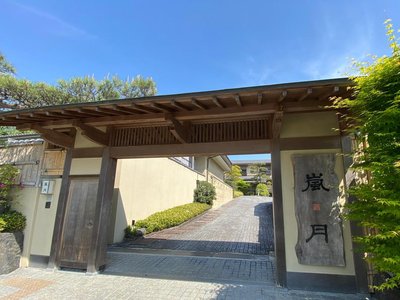
Rangetsu
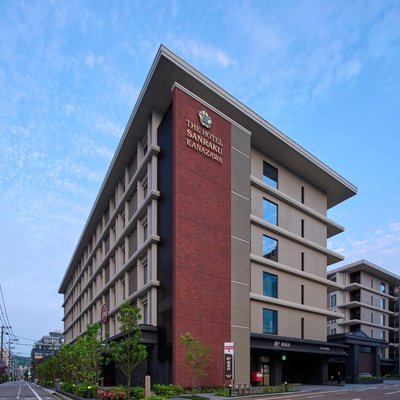
The Hotel Sanraku Kanazawa 21th December 2022 Open

22 PIECES
The Ritz-Carlton, Osaka

The Thousand Kyoto
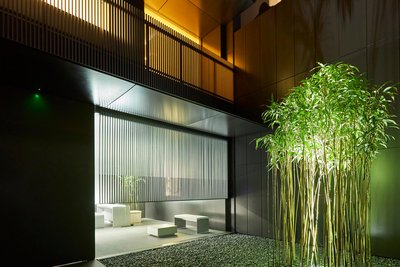
Mogana
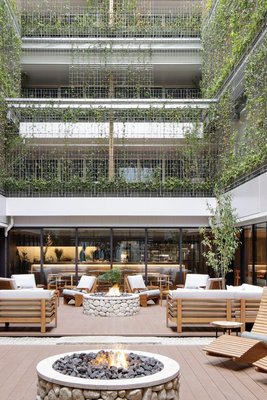
GOOD NATURE HOTEL KYOTO
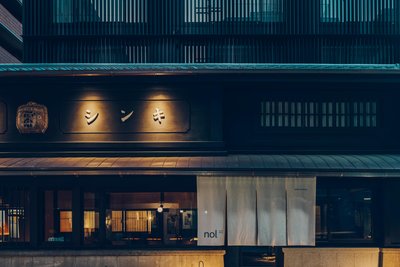
Nol Kyoto Sanjo
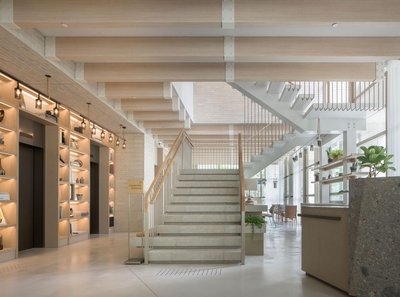
Zentis Osaka

Garrya Nijo Castle Kyoto
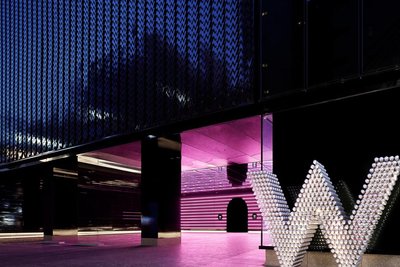
W Osaka

Hotel Kanra Kyoto

Aloft Osaka Dojima
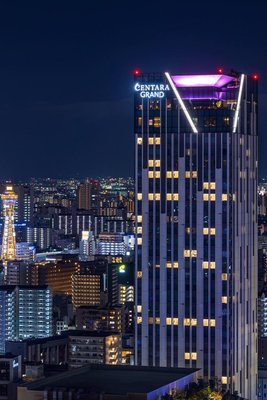
Centara Grand Hotel Osaka
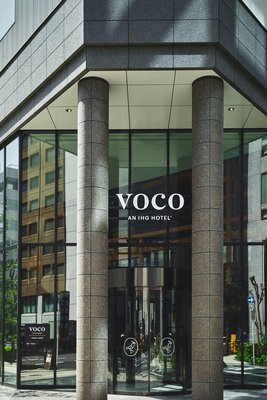
voco Osaka Central

TIAD, AUTOGRAPH COLLECTION
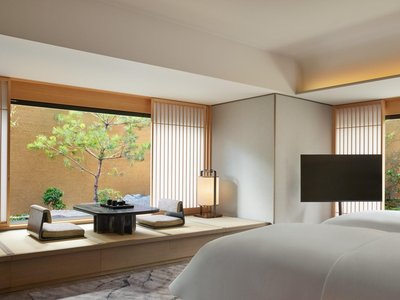
Dusit Thani Kyoto
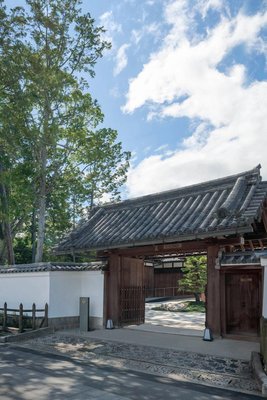
Shisui, a Luxury Collection Hotel, Nara

Hilton Kyoto
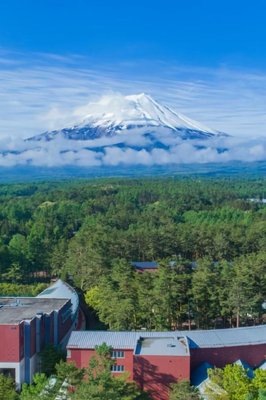
Forest Village (Fuji Premium Resort)
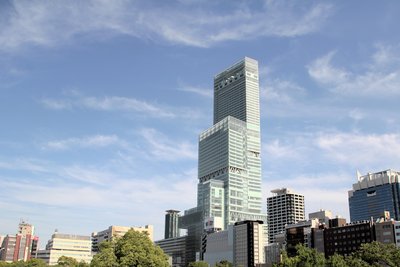
Osaka Marriott Miyako Hotel
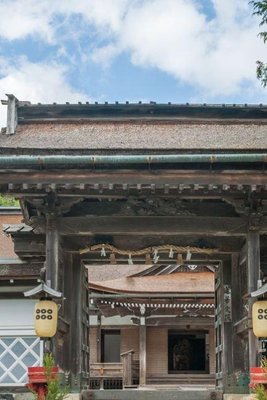
Koyasan Rengejoin
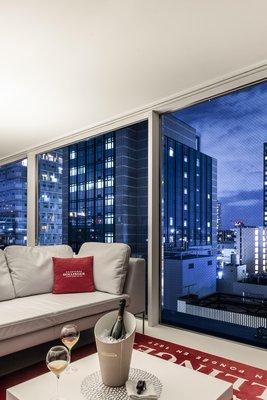
CUVÉE J2 HOTEL OSAKA by Onko Chishin
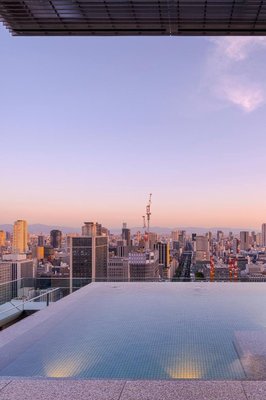
Candeo Hotels Osaka The Tower
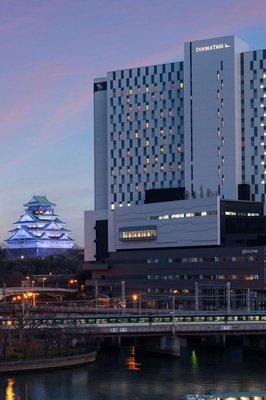
DoubleTree by Hilton Osaka Castle
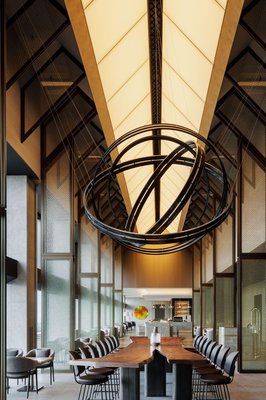
The Osaka Station Hotel, Autograph Collection
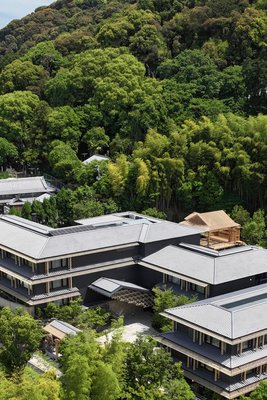
Banyan Tree Higashiyama Kyoto

Canopy by Hilton Osaka Umeda
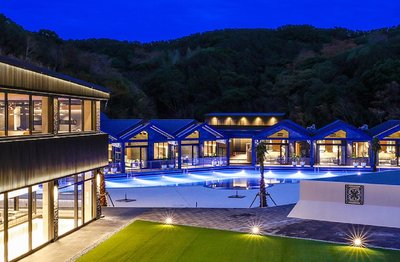
FIVE SPRING RESORT THE SHIRAHAMA
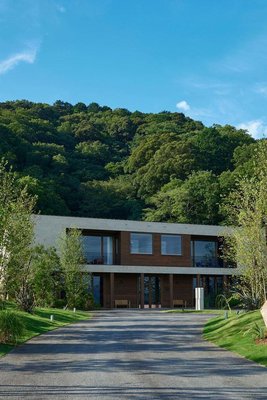
HACIENDA VISON
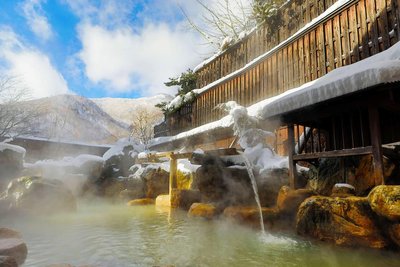
Miyamaouanbekkan yumegurinoyado hirayukan
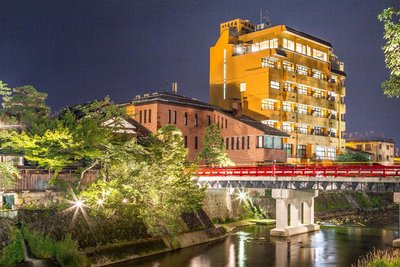
HONJIN HIRANOYA BEKKAN
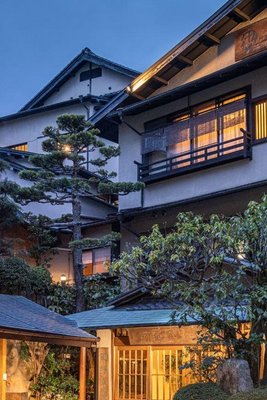
Arima Onsen Tocen Goshobo
Osaka Marriott Miyako Hotel
The Ritz-Carlton, Osaka
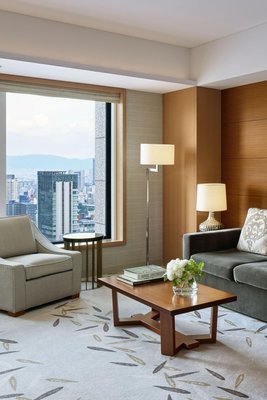
InterContinental Hotel Osaka
The Ritz-Carlton, Kyoto
Suiran, a Luxury Collection Hotel, Kyoto
GOOD NATURE HOTEL KYOTO
Park Hyatt Kyoto

Hyatt Centric Kanazawa
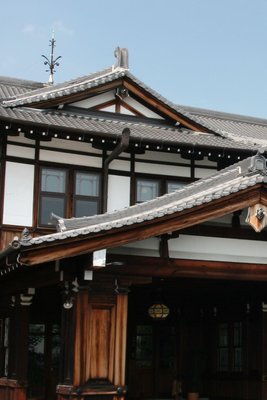
Nara Hotel
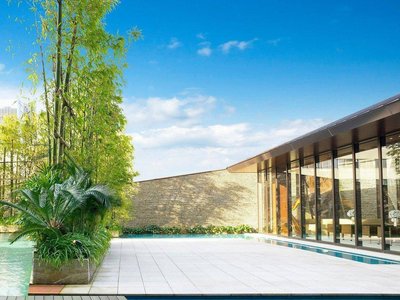
ORIENTAL HOTEL
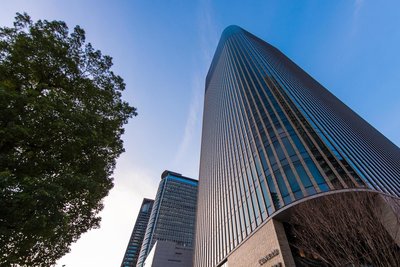
Conrad Osaka
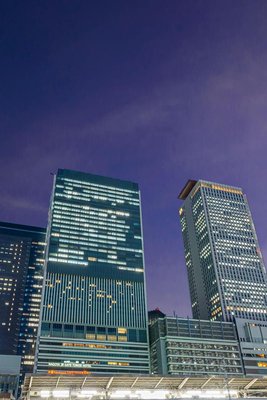
Nagoya JR Gate Tower Hotel (JR-Central Hotels)
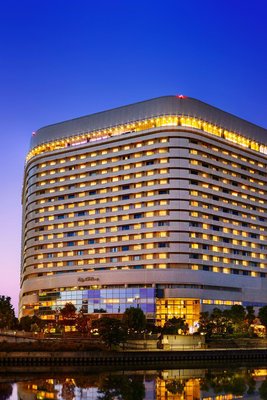
Hotel New Otani Osaka
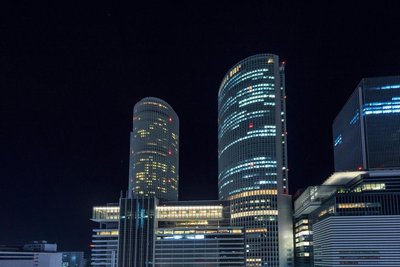
Nagoya Marriott Associa Hotel
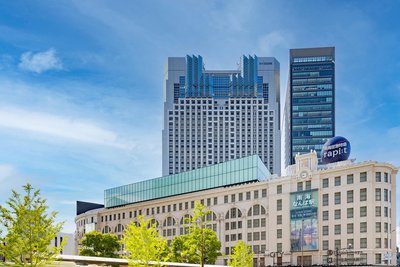
Swissotel Nankai Osaka
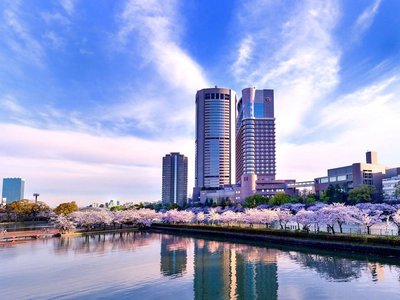
Imperial Hotel Osaka
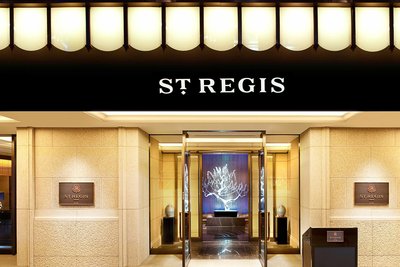
The St. Regis Osaka
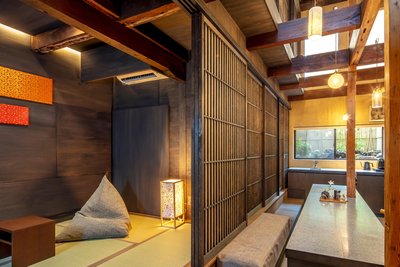
Kyo No Oozora Kihana
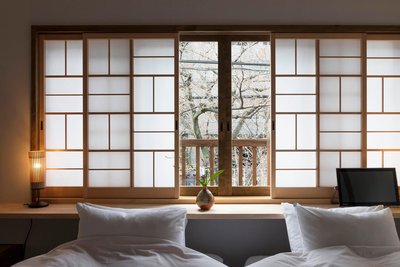
Hanagoromo Machiya House
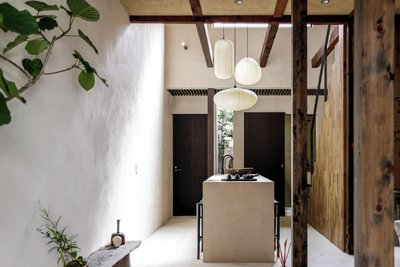
Maana Kiyomizu
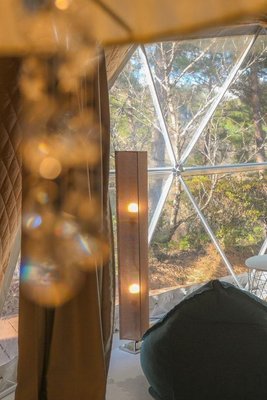
glampark Gekkabijin Nagano
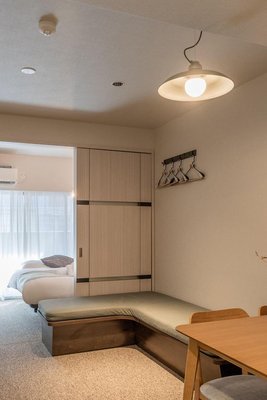
Apartment Hotel 11 Shinsaibashi
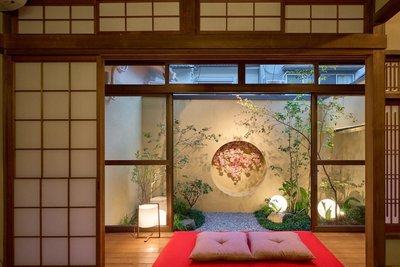
KONJAKUSO Osaka Tengachaya "NIHONCHA" Tea & Relax
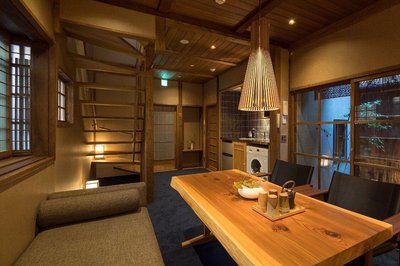
Bonbori an Machiya House
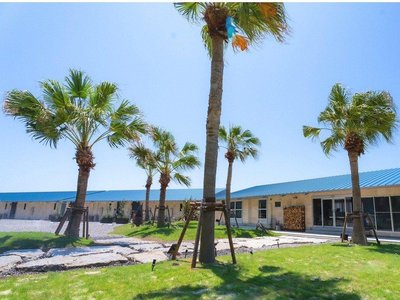
Glamping&Resort Wood Design Park Noma
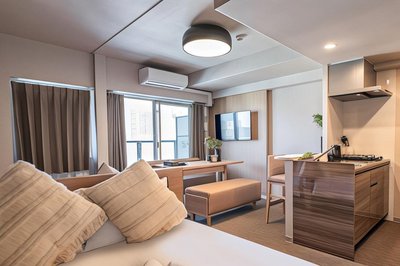
Apartment Hotel 11 Shinsaibashi III
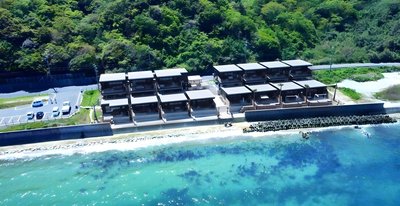
Solavilla Umi Terrace Minamiawaji
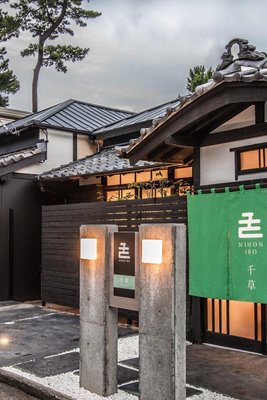
Nihon Iro
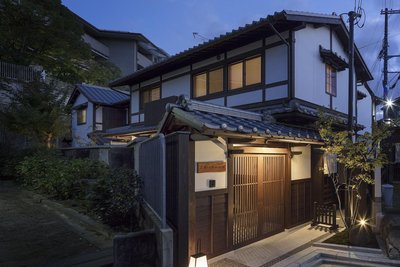
The Machiya Villa Sanjo Shirakawa Koji
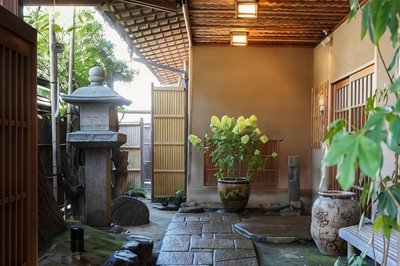
Ryokan Asadaya
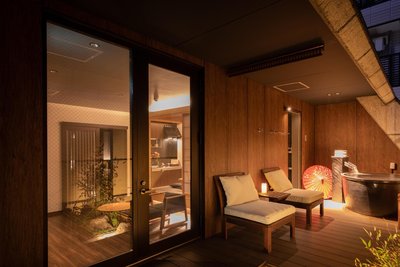
Konjaku-So Dotonbori
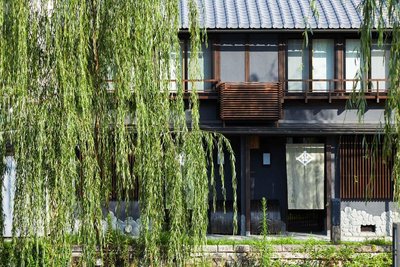
Gion Shirakawa No Yado

Kitashirakawa Natural Radium Onsen
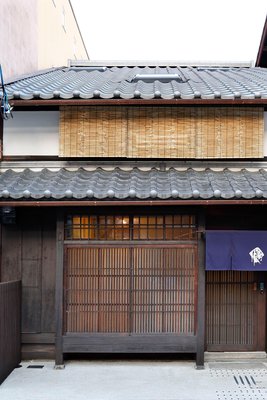
Kyo No Ondokoro Kamanza Nijo #2
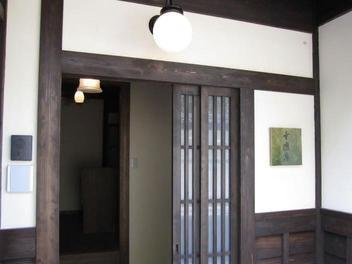
Gion Koyu an Machiya House
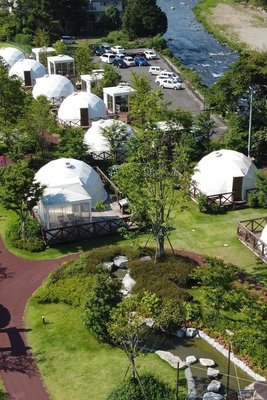
Ufufu Village
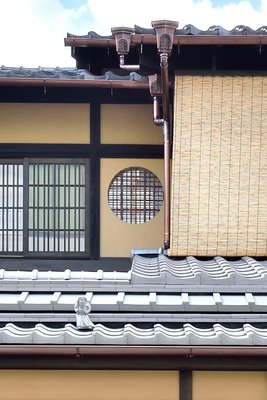
Kyo No Ondokoro Gokomachi Ebisugawa #3

Hotel Barrière Fouquet's New York

Shima Kanko Hotel the Bay Suites
Loquat Nishiizu
Byaku Narai
Waldorf Astoria Osaka
Kamo Residences by Reflections
Six Senses Kyoto
Four Seasons Hotel Osaka
Patina Osaka
The Ritz-Carlton, Osaka
Arimasansoh Goshobessho
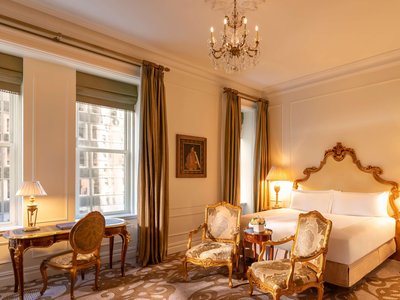
The Plaza - A Fairmont Managed Hotel
The Hiramatsu Hotels & Resorts Kashikojima
The Ritz-Carlton, Kyoto
HOSHINOYA Kyoto
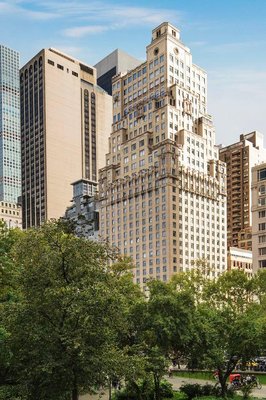
The Ritz-Carlton New York, Central Park

Four Seasons Hotel New York

The St. Regis New York
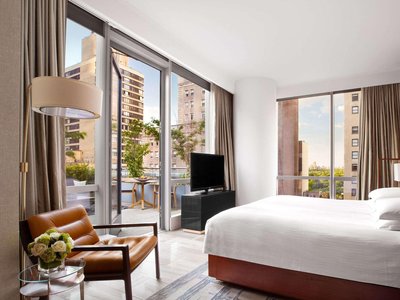
Park Hyatt New York
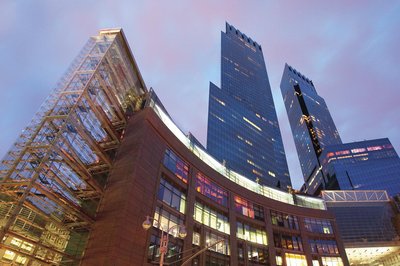
Mandarin Oriental New York
Frequently Asked Questions about Traveling to Shimoichi
Questions You Might Need to Know About Traveling to Shimoichi
For a tranquil nature escape in Shimotai Town, stay at Shimotai Town Cottage, a charming traditional Japanese inn nestled beside the Yoshino River. This eco-friendly retreat offers tatami-mat rooms with private gardens, ideal for morning tea overlooking misty mountain views. The inn hosts authentic Nara Prefecture cooking classes and tea ceremony workshops, led by local artisans.
Alternatively, consider Nara Prefectural Nature Park Resort, located just outside town. With forest trails, hot springs, and guided wildlife tours, it’s perfect for families and nature lovers seeking serenity. Both options emphasize sustainability and cultural immersion—book early, as demand grows due to increased tourism in this scenic region.
Yes, Shimotai Town is highly suitable for families. Nara Prefectural Nature Park Resort features spacious family suites, a children’s play area, and interactive outdoor programs like forest scavenger hunts and stream fishing excursions. Local guesthouses such as Shimotai Town Cottage offer extra beds and can arrange hands-on workshops, including making Nara matcha mochi with kids.
The town boasts safe, well-marked walking paths and accessible facilities for elderly or young travelers. There’s also a small children’s library and nature education center, blending learning with leisure. Opt for breakfast-inclusive packages to streamline your itinerary and enjoy a stress-free stay.
In Shimotai Town, must-try cultural experiences include hiking the Omiya Ancient Trail and participating in a traditional indigo dyeing workshop. Each spring, the town hosts the Yoshino River Cherry Blossom Festival, featuring kimono rentals, lantern displays, and bonfires under blooming sakura trees.
The Shimotai Folk Museum showcases ancient farming tools and looms, offering hands-on indigo-dyeing sessions led by local artisans. At night, join a mountain storytelling circle where elders share legends of the Omiya Shrine. These immersive activities are guided by heritage practitioners, providing an authentic glimpse into rural Nara Prefecture life and preserving intangible cultural traditions.
The ideal times to visit Shimotai Town are spring (March–May) and autumn (October–November). Spring brings breathtaking cherry blossoms along the Yoshino River, with soft mists rising from the valley—perfect for photography and attending the annual Cherry Blossom Festival, which includes hanami parties, lantern displays, and traditional music.
Autumn offers crisp weather and vibrant maple foliage, especially along the Omiya Mountain Trail, creating stunning scenery for hiking and sketching. Visitor numbers remain moderate, accommodations are reasonably priced, and most attractions operate fully. Summer is lush but prone to sudden rain; winter is cold, with some mountain roads closed. Avoid peak holidays for a quieter, more serene experience.
Near Shimotai Town, must-visit natural sites include Omiya Nature Reserve, Yoshino River Gorge Trail, and Shirayu Waterfall. Omiya Reserve features pristine forests and rare wildlife—ideal for birdwatching and eco-hiking, with interpretive signs and rest stations along the way.
The Yoshino River Gorge Trail spans 6 km, winding alongside crystal-clear streams and moss-covered rocks, offering refreshing walks during summer. Shirayu Waterfall, dropping 25 meters through dense woodland, is perfect for photography and quiet contemplation. All sites have clear signage, eco-friendly facilities, and sustainable access routes.
Guided nature tours are available through local agencies, providing expert insights into the region’s ecology. Bring non-slip shoes and trekking poles for safety and full enjoyment.
Transportation to Shimotai Town is manageable but requires planning. From Nara City, take the Kintetsu Nara Line to Kashiharajingu-mae Station, then transfer to a Nara Bus heading toward Shimotai Town—journey takes about 1.5 hours with limited departures. Check schedules in advance.
Driving via National Route 24 is recommended: a 1-hour drive with scenic views and several overlooks. While no subway serves the town, free shuttle services connect major lodges and attractions. Use Google Maps for real-time navigation—some rural stretches have weak signal.
For visitors unfamiliar with transit, HopeGoo accommodation packages that include airport or station pickup ensures smoother, stress-free travel.
Shimoichi Overview
City Summary
Shimochō, located in the southern part of Nara Prefecture, Japan, is a charming town known for its rural landscapes and rich history. It is famous for traditional agriculture and craftsmanship, particularly its high-quality green tea and woodwork. Surrounded by mountains, the town offers serene natural beauty, ideal for travelers seeking tranquility and cultural experiences.
Must-See Attractions
Key attractions in Shimochō include the historic Shimochō Tea Gardens, where visitors can participate in tea-picking experiences and enjoy local green tea. The town's traditional woodworking workshops showcase exquisite craftsmanship, with some offering tours and hands-on activities. The surrounding nature trails are perfect for hiking and enjoying the seasonal scenery.
Food Guide
Shimochō's cuisine features farm-to-table dishes, with local specialties like tea porridge and vegetable tempura being must-tries. Small eateries in town serve fresh seasonal ingredients, and green tea desserts such as matcha ice cream and tea dumplings are particularly popular among visitors.
Transportation Guide
Public transportation in Shimochō is limited, so renting a car or driving is recommended. Buses from Nara City take about an hour, but schedules are infrequent, so check timetables in advance. Walking or cycling is the best way to explore the town.
Best Time to Visit
The best times to visit Shimochō are spring (March to May) and autumn (September to November), when the weather is pleasant and the natural scenery is at its finest. Summers can be humid, and winters are cold with fewer tourists.
Travel Tips
- Respect local customs and follow instructions when visiting tea gardens or workshops.
- Plan ahead as shops and restaurants have limited operating hours.
- Carry cash, as some small establishments do not accept credit cards.
- Wear comfortable shoes for walking or hiking.
- Learn basic Japanese greetings to facilitate communication.
- Practice eco-friendly habits and avoid littering in natural areas.
Useful Information
Japanese is the primary language, with limited English proficiency, so a translation app is advisable. Internet coverage is generally good, but signal may be weak in remote areas. Cash is the primary payment method, though some larger venues accept credit cards. Medical facilities are concentrated in the town center, so carrying basic medications is recommended. Post offices and ATMs are scarce, so prepare cash in Nara City beforehand.









