Hotels in Shimojo
Discover your perfect stay in Shimojo.
Shimojo(Japan) Travel 2026: Cheap Flights, Hotels & Top Attractions
Popular Landmarks in Shimojo
Discover the most iconic attractions in Shimojo
Recommended Hotels in Shimojo
Find the perfect place to stay in Shimojo
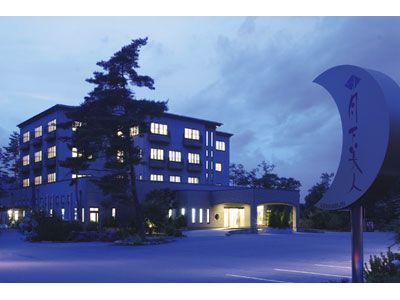
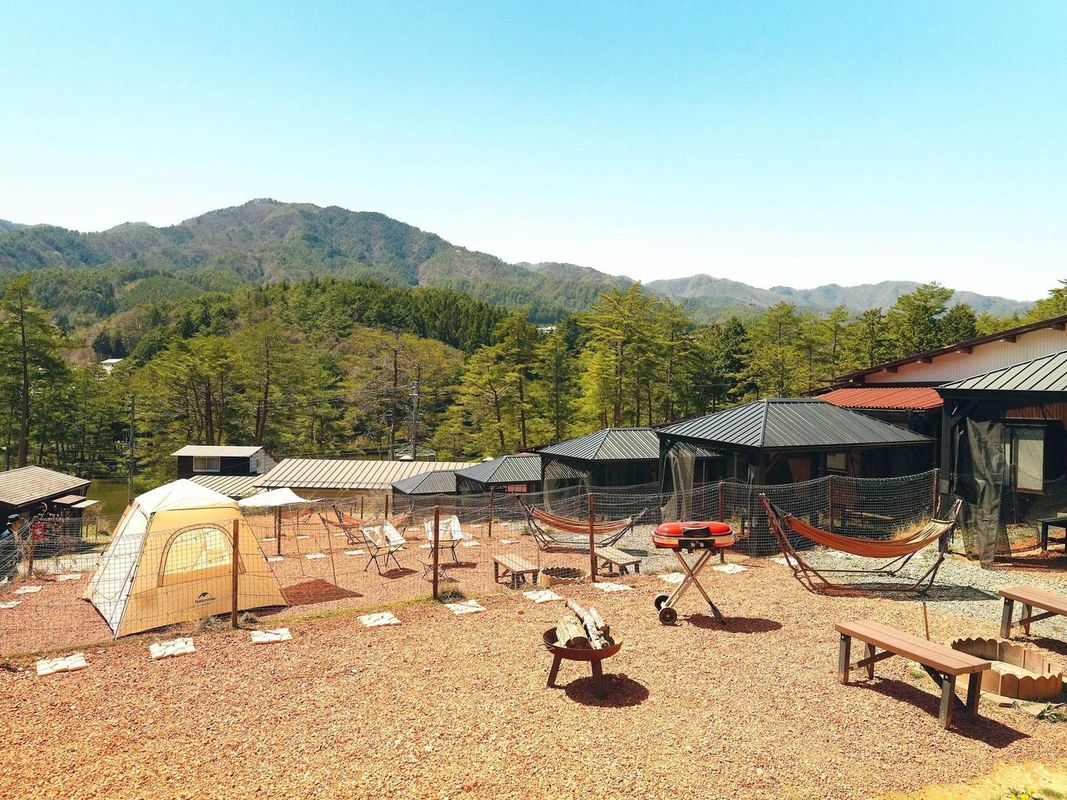
Gekkabijin
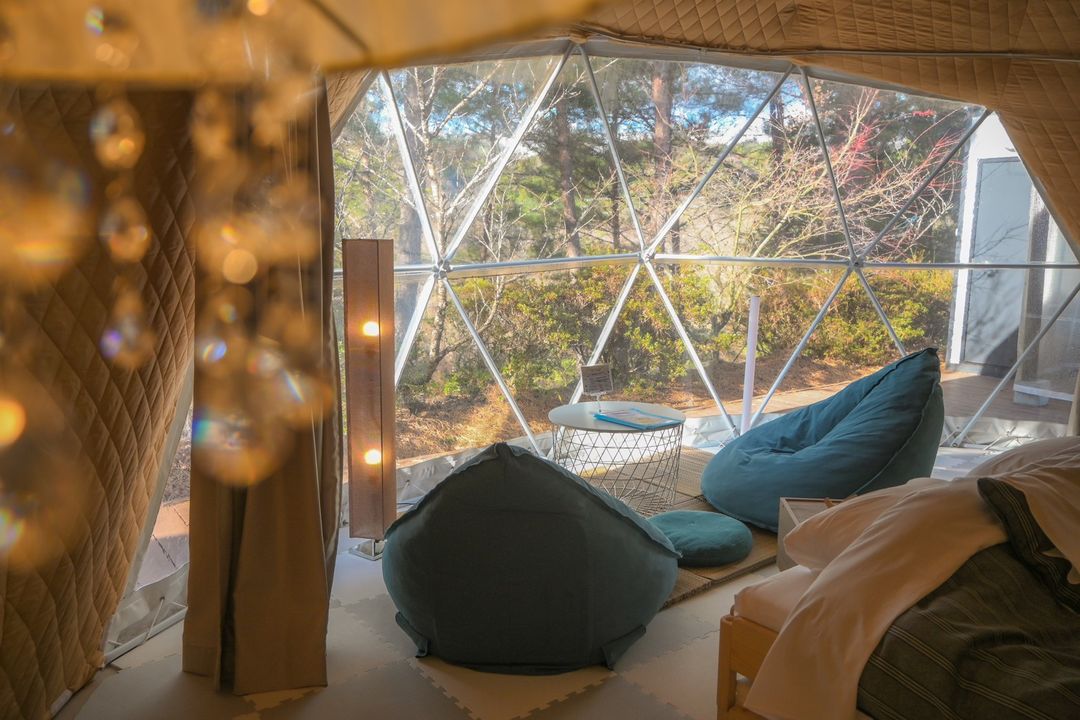
glampark Gekkabijin Nagano
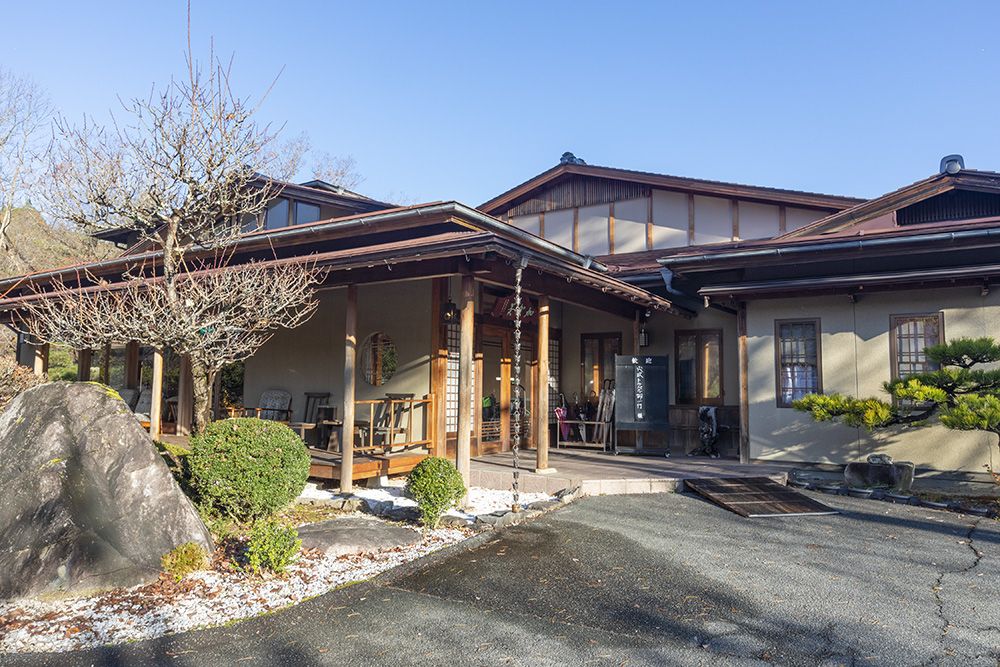
Sizukanaoyado Kagami
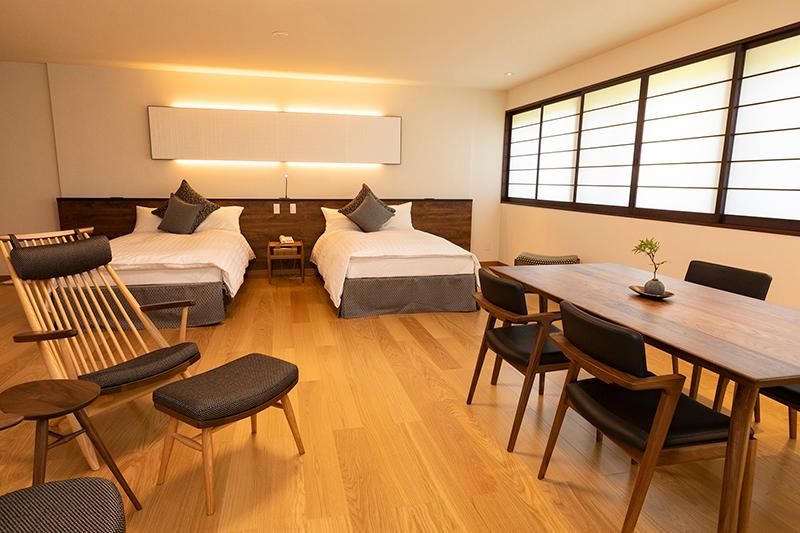
Kagami
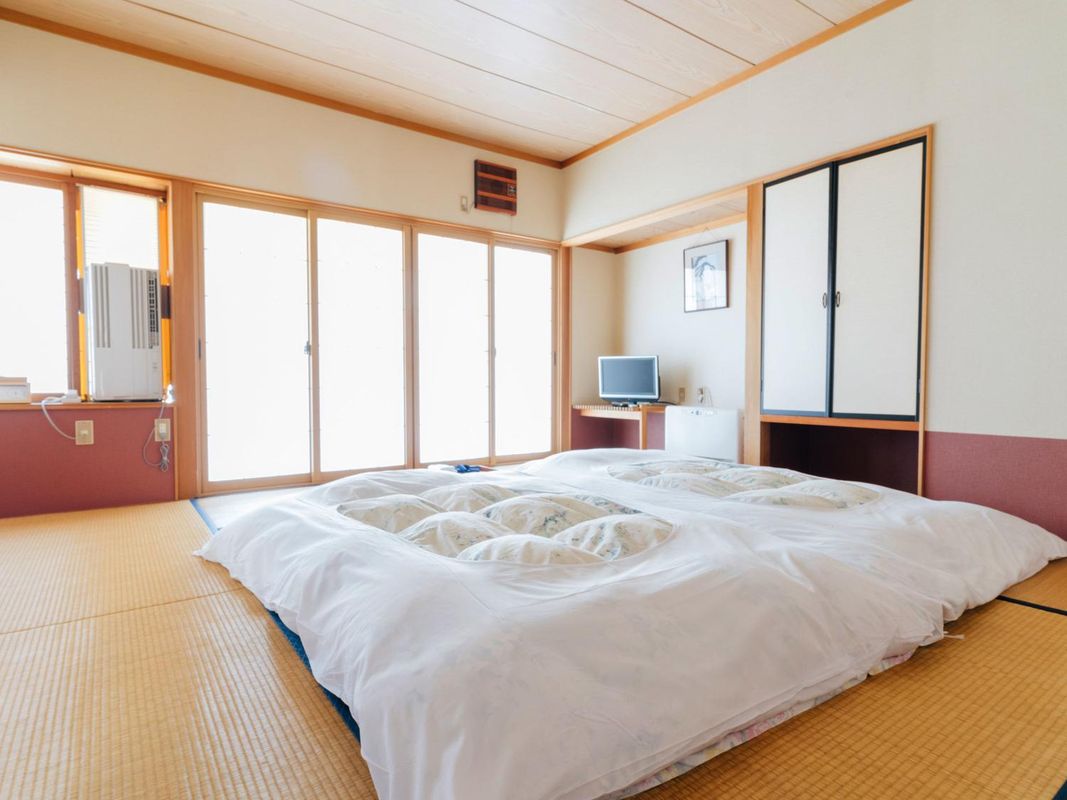
Oogute Kohan Shirasagi So
Ohgutekohan Shirasagisou
Best Hotels in Shimojo
Discover curated hotel collections in Shimojo
Kyo No Oozora Kihana
Hakuba Gondola Apartments
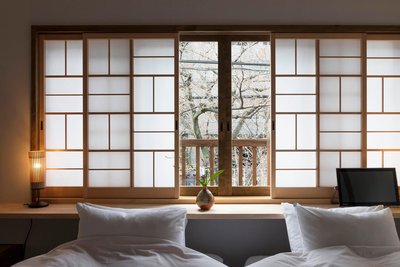
Hanagoromo Machiya House
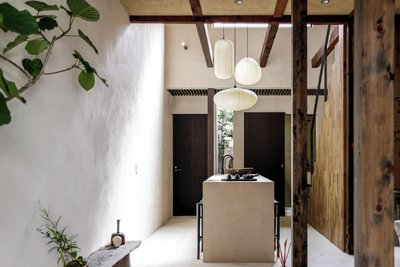
Maana Kiyomizu
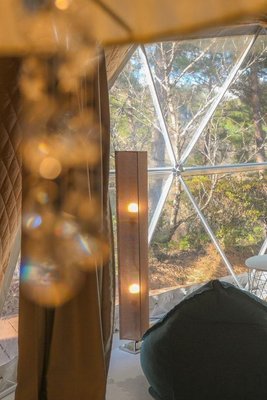
glampark Gekkabijin Nagano
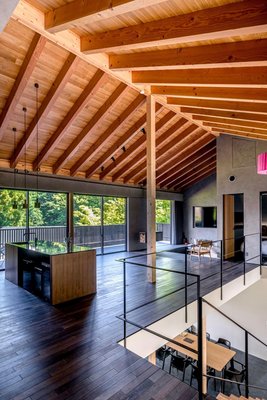
MONS GORA

Phoenix Chalets by Hhg
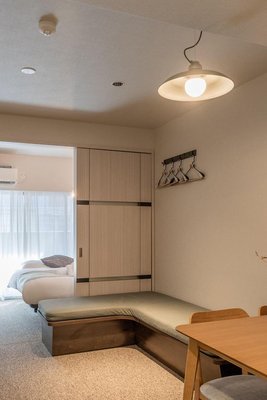
Apartment Hotel 11 Shinsaibashi
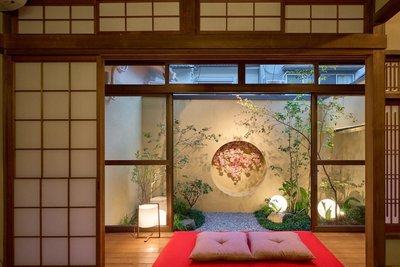
KONJAKUSO Osaka Tengachaya "NIHONCHA" Tea & Relax
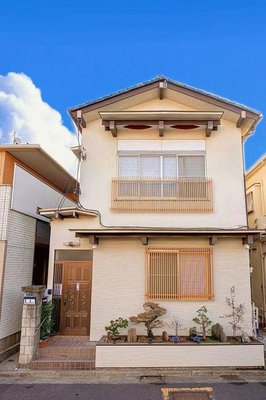
Tokyo Star House-Shinkoiwa
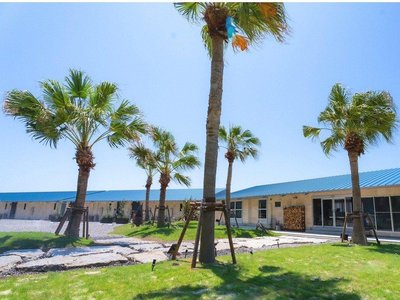
Glamping&Resort Wood Design Park Noma
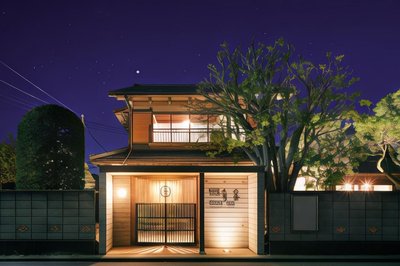
Machi-Jyu
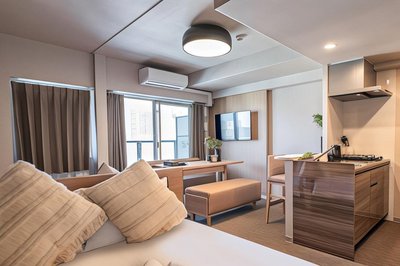
Apartment Hotel 11 Shinsaibashi III
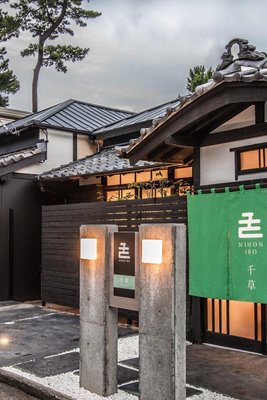
Nihon Iro

KONJAKUSO Osaka Bentencho "OKUJO-TEIEN" Rooftop Garden
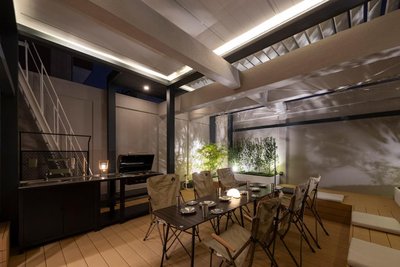
Shirakabanoyado-KINONOKI
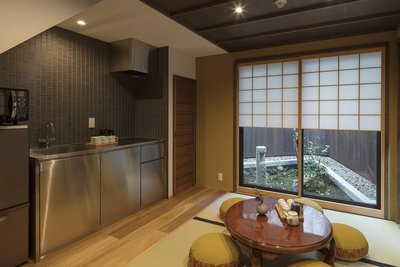
The Machiya Villa Sanjo Shirakawa Koji
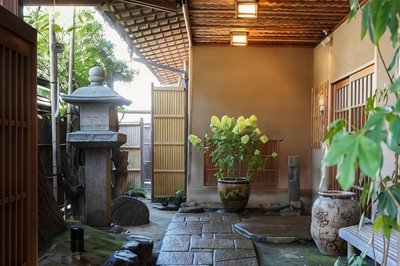
Ryokan Asadaya
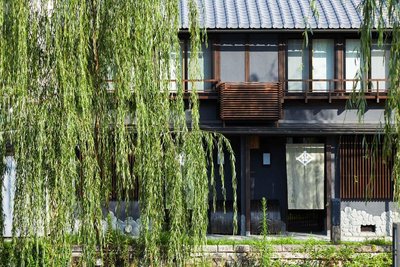
Gion Shirakawa No Yado

Kitashirakawa Natural Radium Onsen
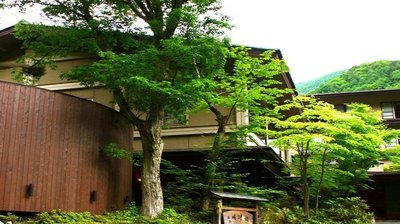
Myojinkan
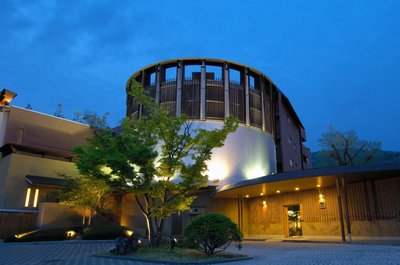
Hoshino Resorts Kai Matsumoto
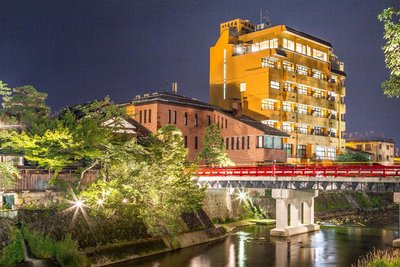
HONJIN HIRANOYA BEKKAN
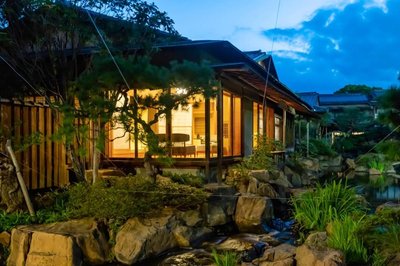
Tokiwa Hotel
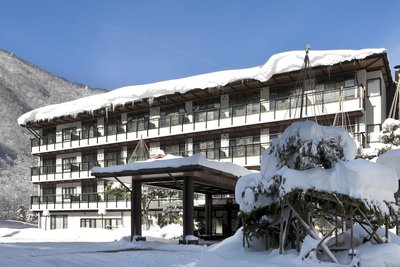
Okada Ryokan Warakutei
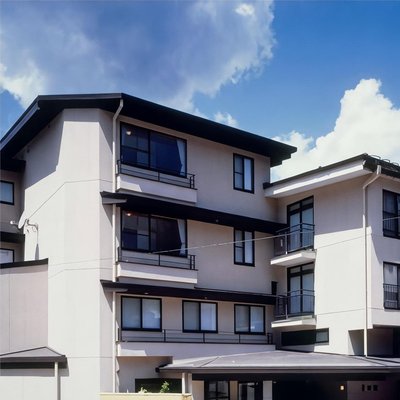
Hiratakan
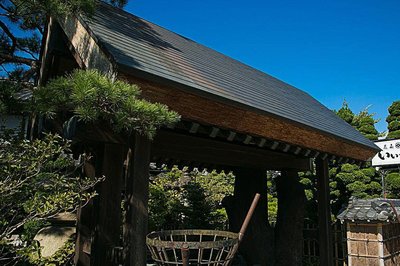
Hanaougi Bettei Iiyama
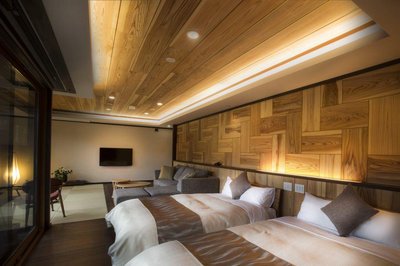
Hidatei Hanaougi
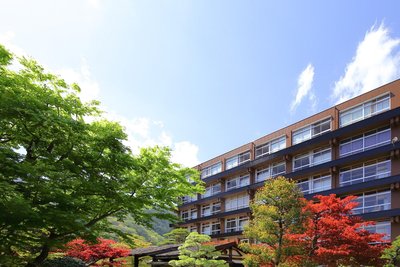
Bosenkan
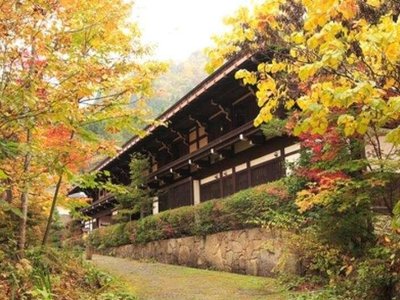
Yumoto Choza
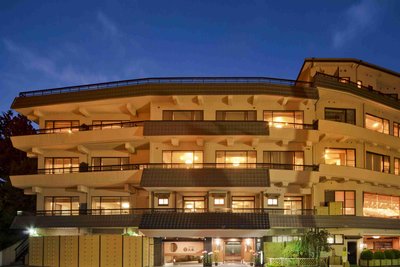
Maruei
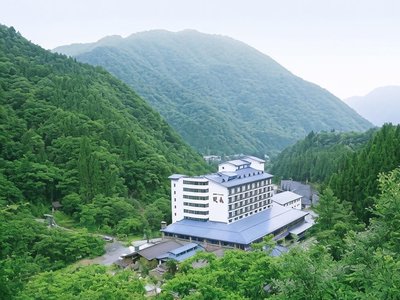
Okuhida Garden Hotel Yakedake
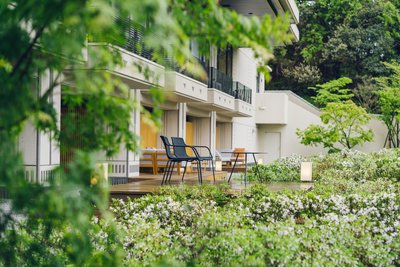
Hoshino Resorts Kai Enshu
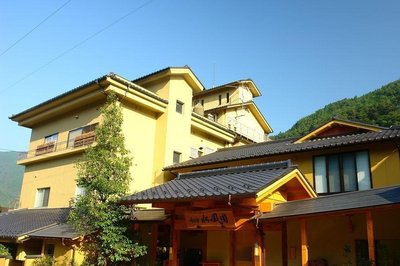
Suihoen
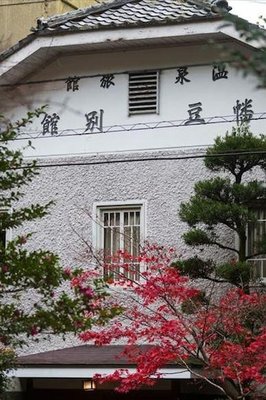
Oku-Mikawa・Yuya Onsen HAZU Bekkan
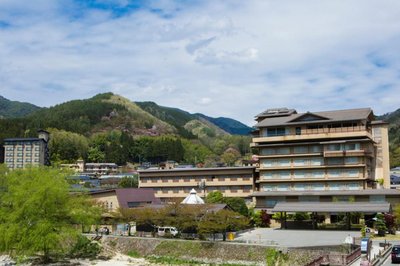
Hirugami Grand Hotel Tenshin
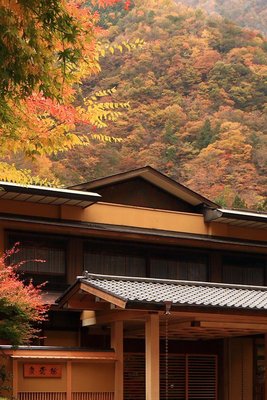
Nishiyama Onsen Keiunkan
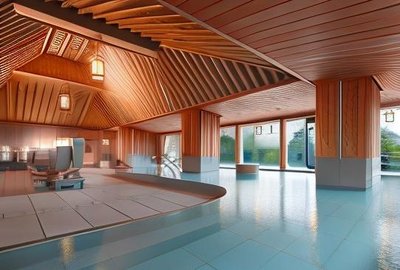
Suimeikan
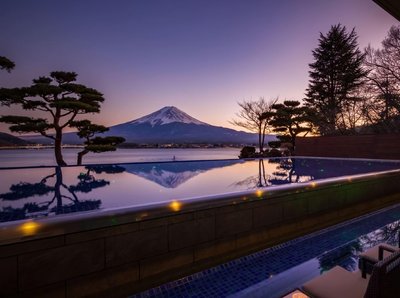
Shuhokaku Kogetsu
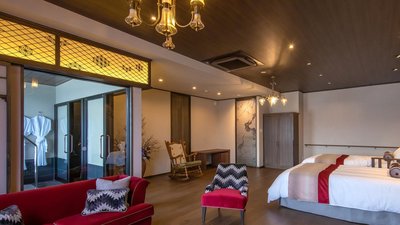
Kamisuwa Onsen Shinyu
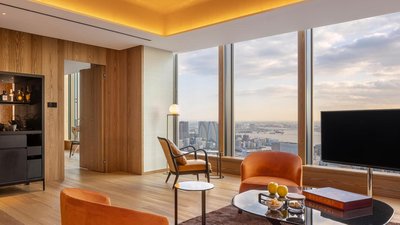
Bvlgari Hotel Tokyo
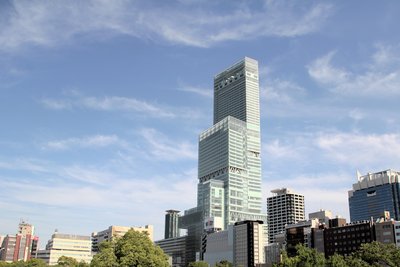
Osaka Marriott Miyako Hotel

The Ritz-Carlton, Osaka
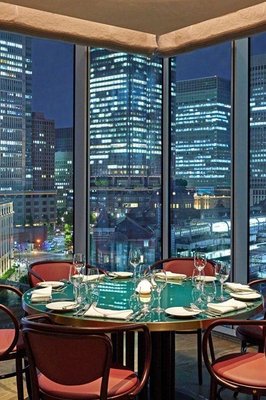
Four Seasons Hotel Tokyo at Marunouchi

Mandarin Oriental, Tokyo
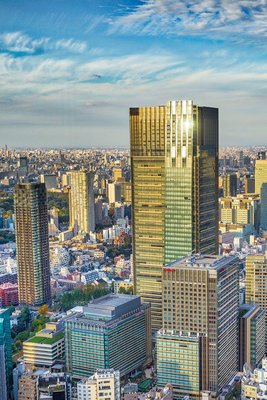
The Ritz-Carlton, Tokyo
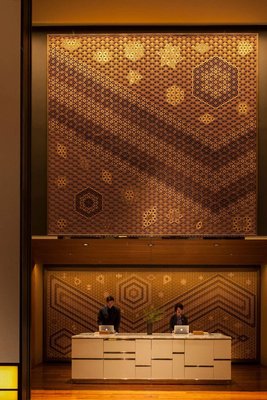
Andaz Tokyo Toranomon Hills- A Concept by Hyatt
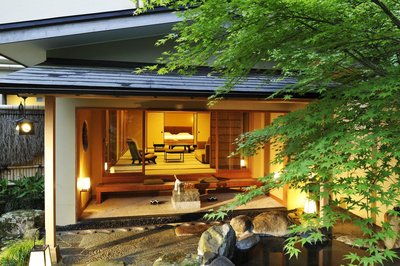
Gora Kadan
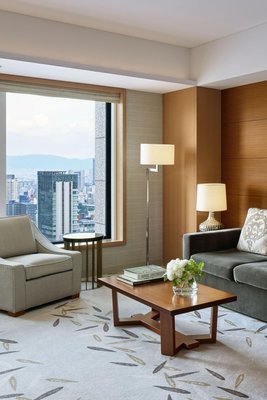
InterContinental Hotel Osaka
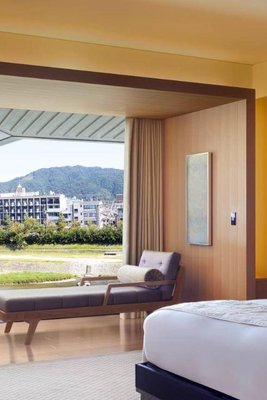
The Ritz-Carlton, Kyoto

Hotel New Otani Tokyo the Main
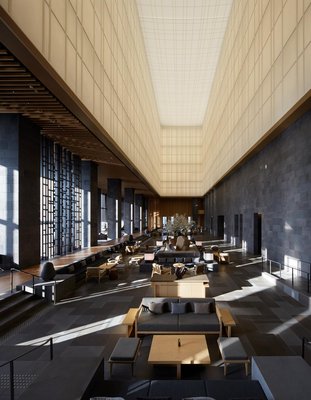
Aman Tokyo
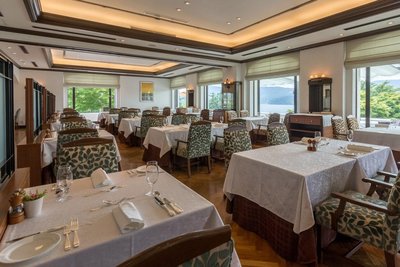
Odakyu Hotel de Yama
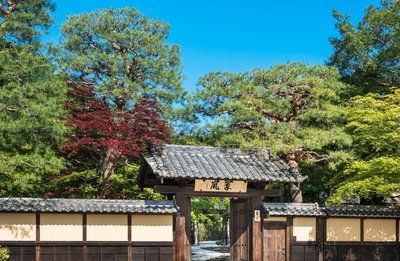
Suiran, a Luxury Collection Hotel, Kyoto
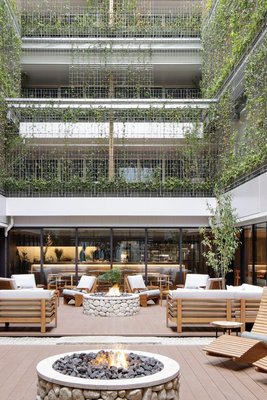
GOOD NATURE HOTEL KYOTO
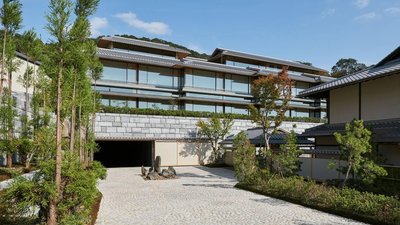
Park Hyatt Kyoto
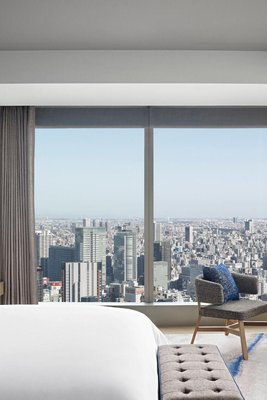
Four Seasons Hotel Tokyo at Otemachi

The Tokyo Edition, Toranomon

Hyatt Centric Kanazawa
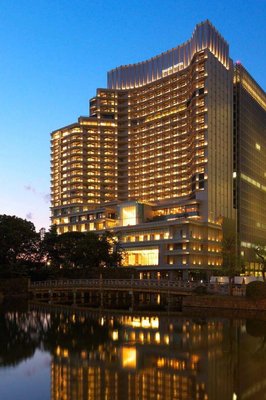
Palace Hotel Tokyo
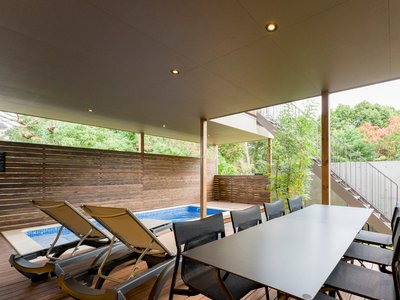
Rakuten STAY VILLA Kamogawa
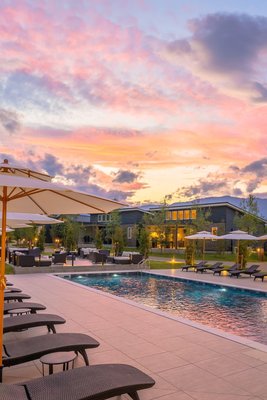
Awaumi Fujikawaguchiko Resort
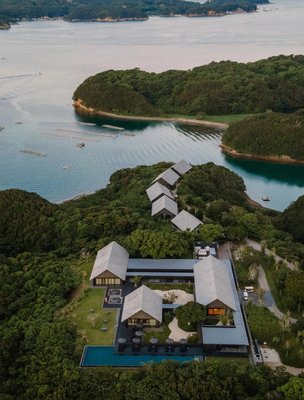
Amanemu
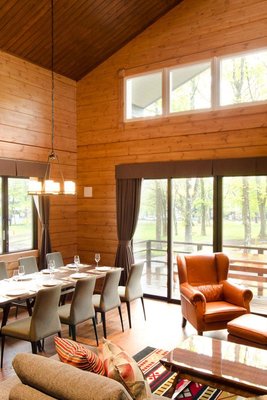
The Prince Villa Karuizawa
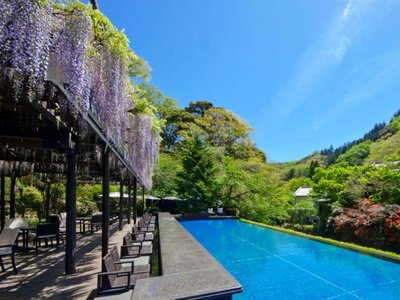
Tofuya Resort & Spa Izu
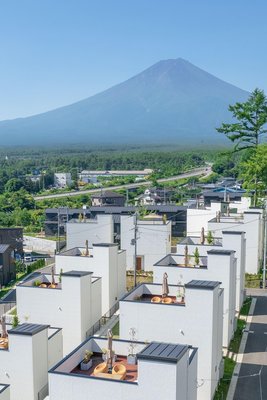
Fuji Granvilla -TOKI-
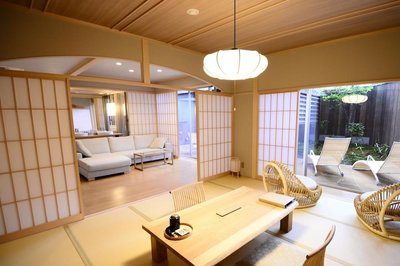
Hakone Gora Byakudan
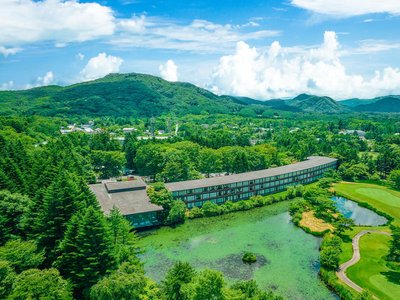
The Prince Karuizawa
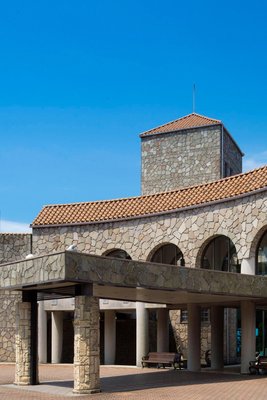
Izumigo Hotel Altia Toba

The Kukuna
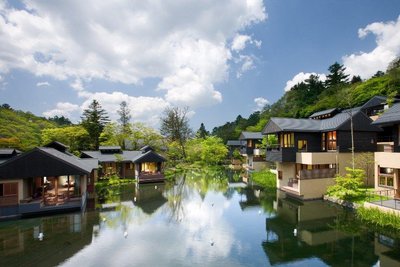
Hoshinoya Karuizawa
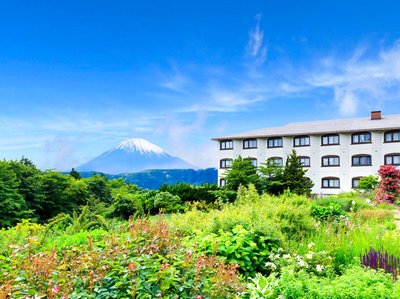
Hotel Green Plaza Hakone
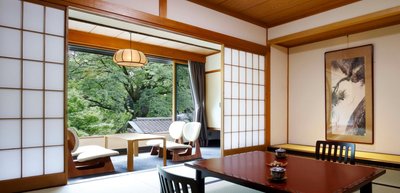
Yoshiike Ryokan
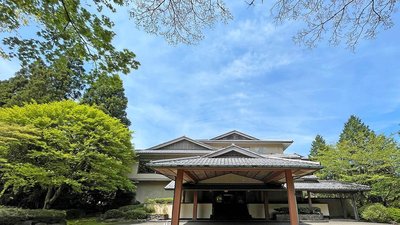
Ryuguden
Hoshino Resorts Kai Enshu
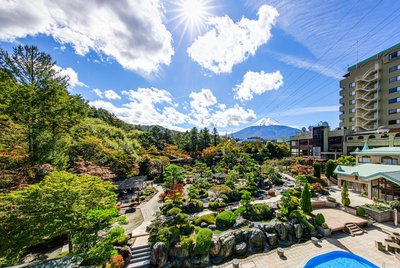
Kaneyamaen
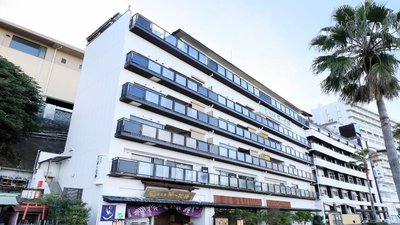
Syukaen Yunohanazen
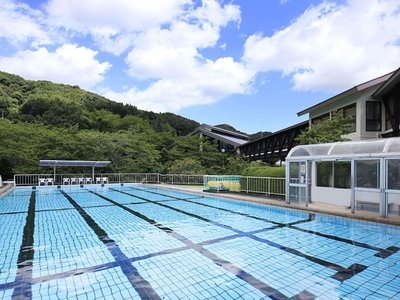
Shimoda Central Hotel
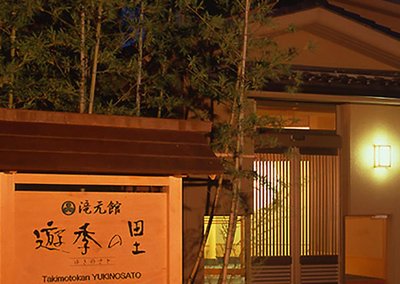
Takimotokan Yuki No Sato
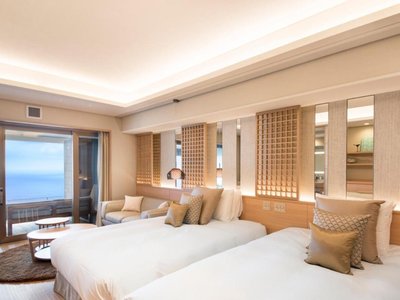
Atami Sekaie
Shuhokaku Kogetsu
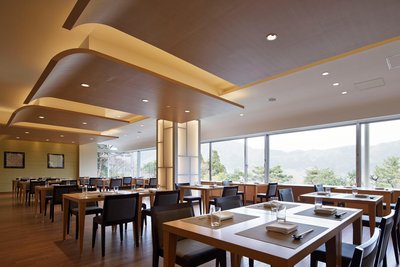
Laforet Hakone Gora Yunosumika
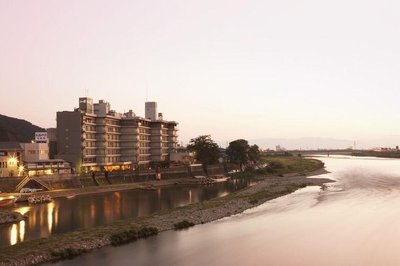
Juhachiro

Toba International Hotel
Odakyu Hotel de Yama
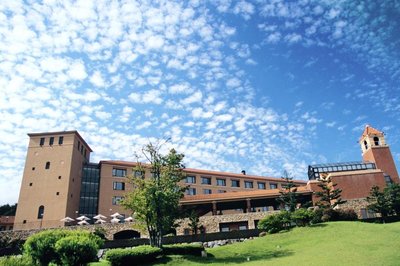
Fruit Park Fujiya Hotel

Legoland Japan Hotel
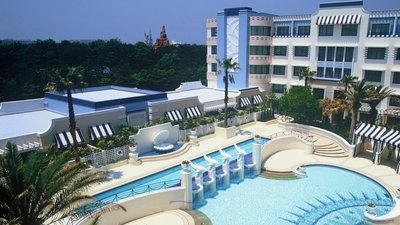
Disney Ambassador® Hotel

HOTEL UNIVERSAL PORT VITA
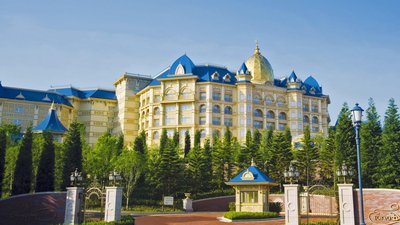
Tokyo Disneyland Hotel

The Park Front Hotel at Universal Studios Japan

HOTEL UNIVERSAL PORT

THE SINGULARI HOTEL & SKYSPA at UNIVERSAL STUDIOS JAPAN
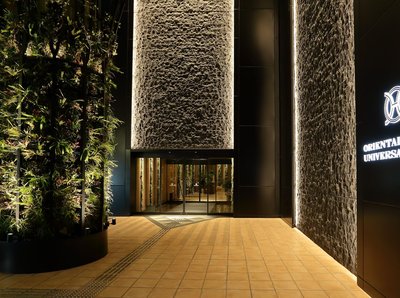
Oriental Hotel Universal City

Hotel Keihan Universal Tower
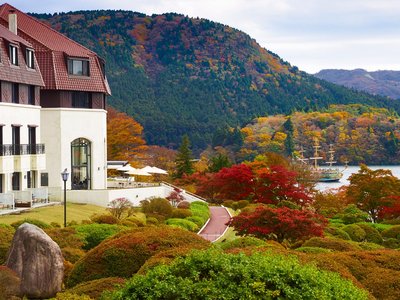
Hotakajyo
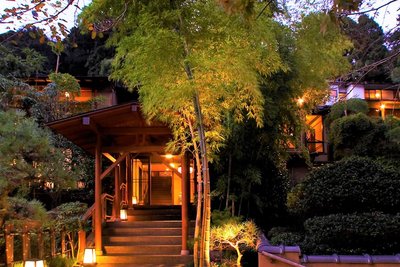
Shiki wo Ajiwau Yado Yamano Chaya
Hoshino Resorts Kai Matsumoto
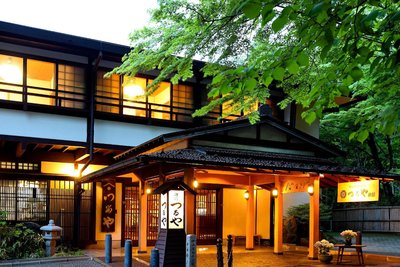
Tsuruya Ryokan
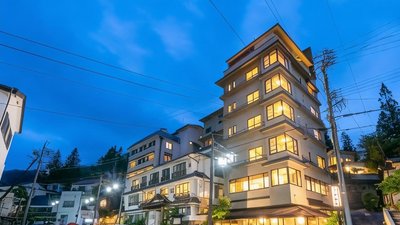
Nakamatsuya Ryokan
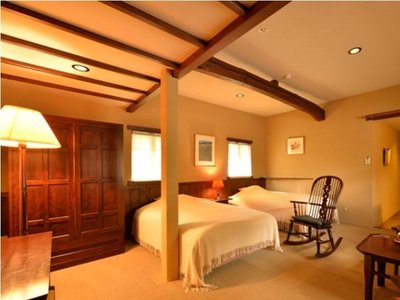
Ryokan Sugimoto
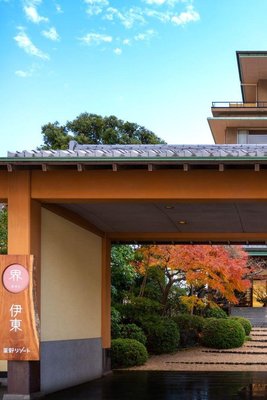
Hoshino Resorts Kai Ito
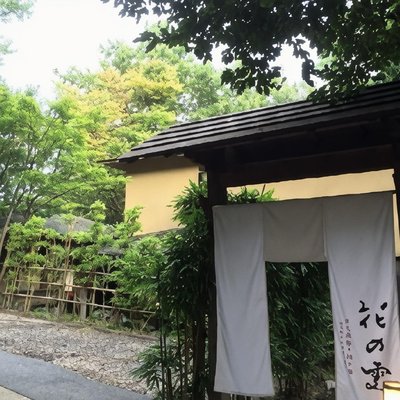
Hana No Kumo
Yoshiike Ryokan
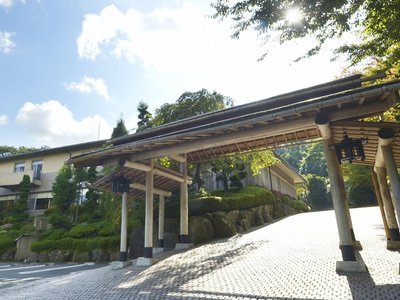
Gora Hanaougi
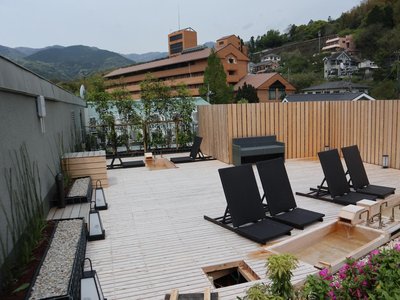
Fukiya Ryokan
Oku-Mikawa・Yuya Onsen HAZU Bekkan
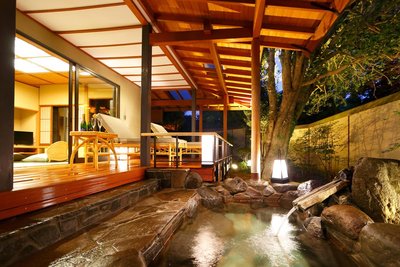
Yoshiharu Ryokan – Izu Nagaoka Onsen
Nishiyama Onsen Keiunkan
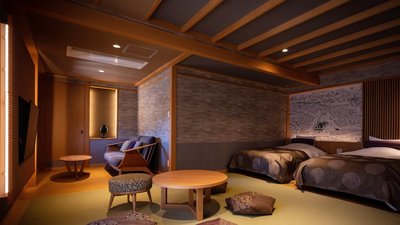
Naraya
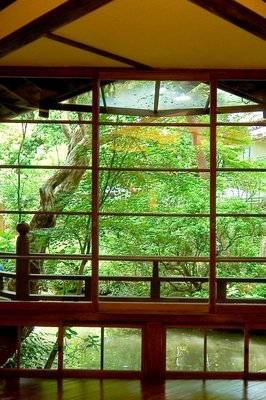
Yukairo Kikuya
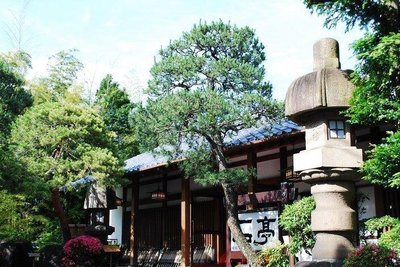
Atami Sekitei
Juhachiro
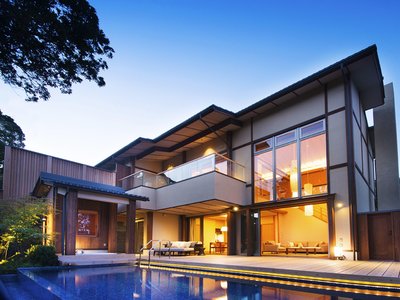
Abba Resorts Izu - Zagyosoh
Amanemu
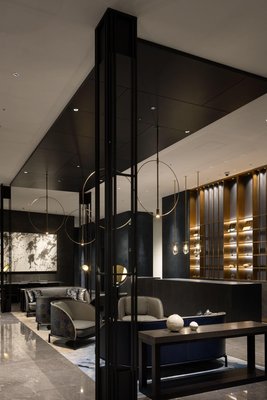
Bellustar Tokyo, A Pan Pacific Hotel
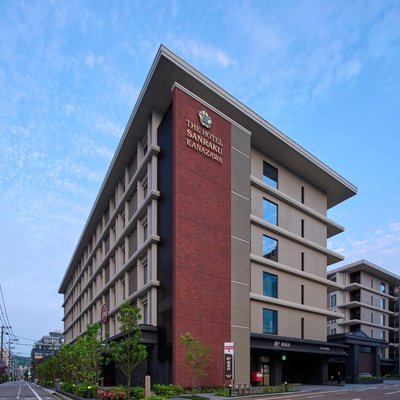
The Hotel Sanraku Kanazawa 21th December 2022 Open

22 PIECES
The Ritz-Carlton, Osaka
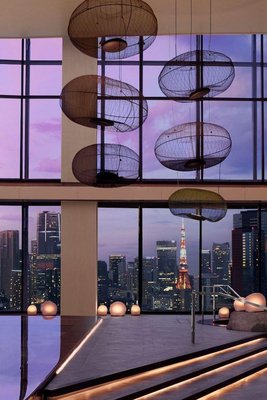
JW Marriott Hotel Tokyo
Andaz Tokyo Toranomon Hills- A Concept by Hyatt

The Thousand Kyoto
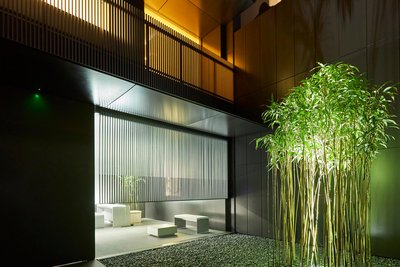
Mogana
GOOD NATURE HOTEL KYOTO
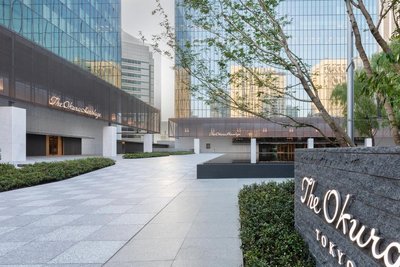
The Okura Tokyo
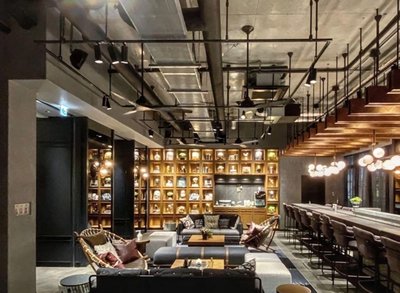
The Lively Azabujuban Tokyo
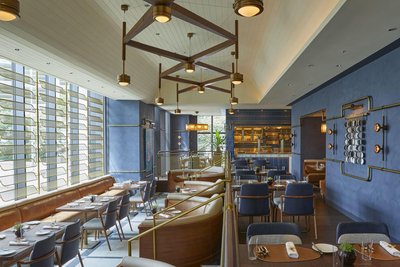
Kimpton Shinjuku Tokyo
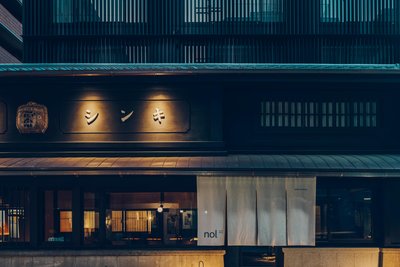
Nol Kyoto Sanjo

HOTEL K5
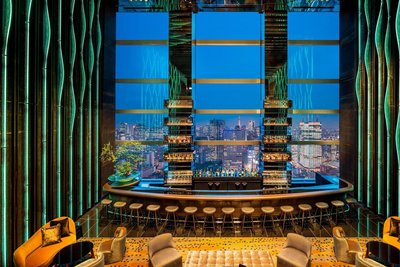
The Prince Gallery Tokyo Kioicho, a Luxury Collection Hotel

Zentis Osaka

Garrya Nijo Castle Kyoto

W Osaka

Hotel Kanra Kyoto

Aloft Osaka Dojima

The Address Akakura
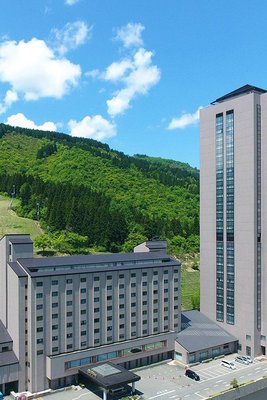
Naspa New Otani
The Prince Karuizawa
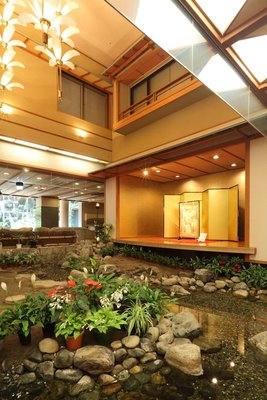
Hotel Futaba
Okada Ryokan Warakutei
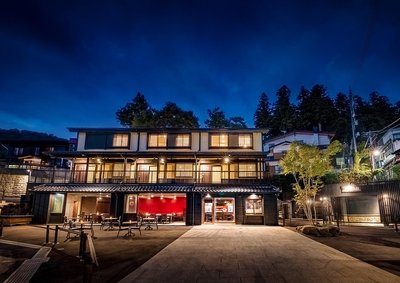
Ryokan Sakaya
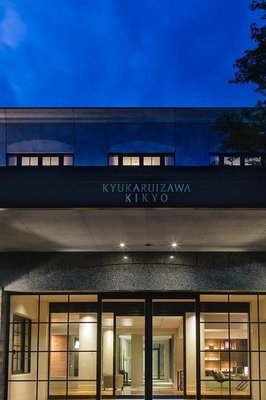
Kyukaruizawa Kikyo, Curio Collection by Hilton
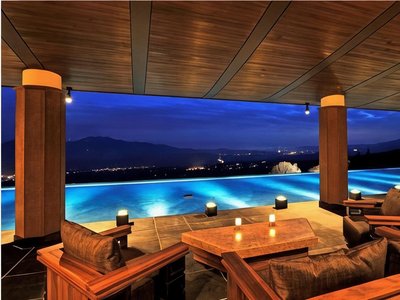
Akakura Kanko Hotel
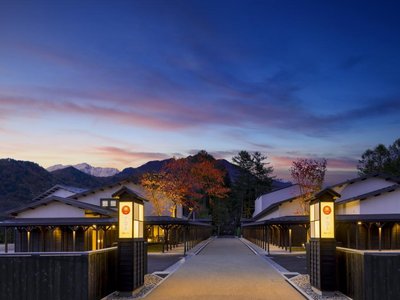
Hoshino Resorts KAI Alps
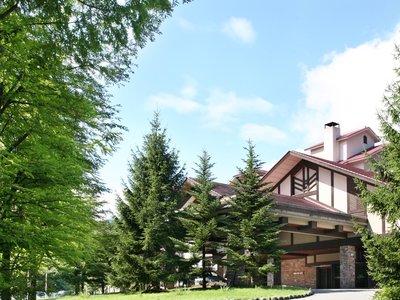
Hakuba Tokyu Hotel
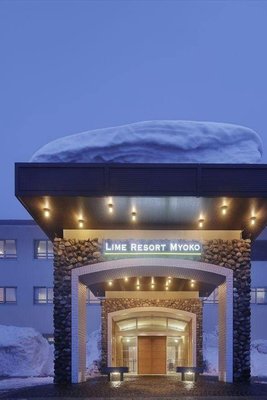
Lime Resort Myoko
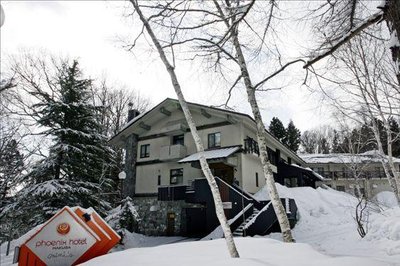
Phoenix Hotel by Hhg

Four Seasons Yuzawa Quattro
Courtyard by Marriott Hakuba
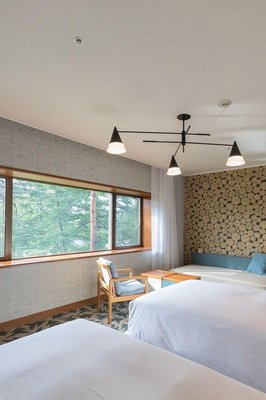
Karuizawa Prince Hotel East
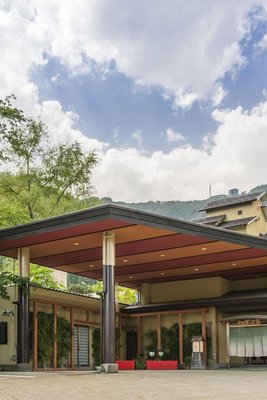
Shosenkaku Kagetsu
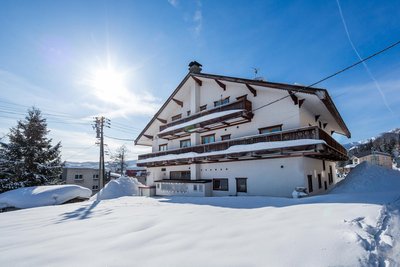
Marillen Hotel by Hhg
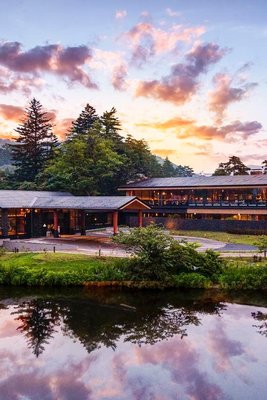
Karuizawa Prince Hotel West
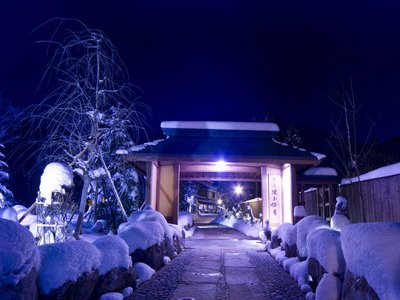
Miyama Ouan
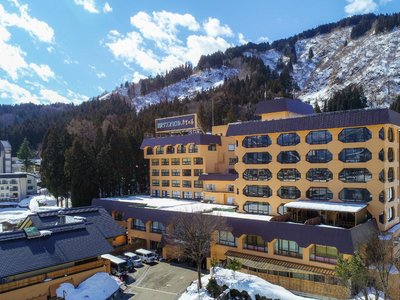
Yuzawa Grand Hotel
Frequently Asked Questions about Traveling to Shimojo
Questions You Might Need to Know About Traveling to Shimojo
In Shimoda, the best choice for an authentic experience is Shimoda Onsen Ryokan, a traditional Japanese inn nestled in the quiet mountains of Nagano Prefecture. This wooden-style ryokan features tatami-matted rooms, natural hot springs, and panoramic views of the Shinano River and seasonal landscapes. Guests enjoy Kaiseki dinners made with locally sourced ingredients like mountain vegetables and Shinshu wagyu beef. The inn also offers public bathhouses and tea ceremony workshops, blending comfort with cultural immersion. Its serene setting makes it ideal for travelers seeking genuine rural Japan.},{"locale":"en-US","question":"Which area in Shimoda is best for accommodation near nature and tranquility?","answer":"The best area for peaceful stays in Shimoda is the riverside zone near Shimoda Onsen, where several family-run inns and eco-friendly guesthouses offer direct access to natural hot springs and forest trails. These accommodations blend traditional Japanese architecture with modern comforts, providing quiet retreats surrounded by cherry blossoms in spring and vibrant autumn foliage. Staying here allows easy access to hiking paths along the Shinano River, as well as nearby farms and meditation gardens. The area’s clean air and low noise levels make it perfect for relaxation, making it a top pick for nature lovers and wellness seekers.},{"locale":"en-US","question":"What makes Shimoda's hot springs unique?","answer":"Shimoda Onsen stands out due to its mild alkaline carbonated hot spring water, known locally as "Beauty Bath" for its skin-friendly properties. Sourced from deep underground aquifers, the mineral-rich water promotes circulation and muscle relaxation. Many ryokans and public baths use this thermal spring, often set within wooden cabins and tranquil garden settings. The onsen area is especially enchanting during cherry blossom season and autumn foliage, when illuminated pathways create a dreamlike atmosphere. Visitors can enjoy both therapeutic soaks and scenic views, making it a quintessential part of Japan’s onsen culture.},{"locale":"en-US","question":"What cultural experiences should visitors not miss in Shimoda?","answer":"Visitors to Shimoda should try hands-on workshops in bamboo weaving and local farming life. Master artisans teach traditional techniques to craft baskets, lanterns, and decorative items using sustainably harvested bamboo. Additionally, farm stays allow guests to harvest high-altitude buckwheat, make soba noodles, and prepare rice balls with fresh produce. These immersive activities highlight Nagano’s agricultural heritage and sustainable lifestyle. Seasonal events like the Cherry Blossom Festival and Autumn Leaf Viewing Festival feature children’s crafts, food stalls, and folk performances, offering a genuine taste of rural Japanese community spirit.},{"locale":"en-US","question":"Is Shimoda suitable for family travel?","answer":"Yes, Shimoda is excellent for family trips, especially those seeking outdoor adventure and quiet relaxation. The town offers child-friendly ryokans with designated kids’ baths, playrooms, and spacious gardens. Nearby, the Shimoda Nature Education Center provides guided nature walks and wildlife observation programs perfect for kids. Families can also participate in seasonal festivals—like the Spring Cherry Blossom Festival with face painting and craft markets—or enjoy gentle forest hikes along the Shinano River. With clean air, minimal traffic, and a slow-paced rhythm, Shimoda creates a safe and enriching environment for all ages.},{"locale":"en-US","question":"What are the must-try local foods in Shimoda?","answer":"Must-try dishes in Shimoda include Shinshu soba noodles, crafted from locally grown buckwheat and served in a rich, savory broth made with regional soy sauce. Another highlight is Donabe-steamed dish (Toban), a hearty stew of chicken, mushrooms, and wild mountain vegetables cooked in clay pots. Many ryokans serve Kaiseki meals featuring seasonal ingredients like wild matsutake mushrooms and foraged herbs. For dessert, try persimmon cakes and matcha mochi, made with natural, non-GMO ingredients. These dishes reflect the region’s commitment to farm-to-table authenticity and culinary tradition.},{"locale":"en-US","question":"How can I get from Tokyo to Shimoda?","answer":"The most convenient way from Tokyo to Shimoda is to take the JR Tokaido Line to Nagano Station, then transfer to the Shinano Railway Line, which takes about 40 minutes to reach Shimoda Station. The total journey takes around 2 hours 30 minutes, passing through scenic mountain and farmland landscapes. For more flexibility, private car rentals or pre-booked shuttle services are available, offering a 3-hour drive via the historic Nakasendo Trail. Tickets should be booked in advance, especially during peak seasons. From the station, taxis and local buses connect directly to major ryokans and attractions.},{"locale":"en-US","question":"What natural scenery does Shimoda offer?","answer":"Shimoda boasts stunning seasonal landscapes along the Shinano River. In spring, cherry trees and azaleas bloom in vivid hues; summer brings lush green forests and cool streams ideal for fishing and hiking. Autumn transforms the hills into fiery red and gold tapestries reflected in the river. Winter blankets the region in pristine snow, preserving its remote, alpine character. Trails like Shimoda Nature Path and birdwatching platforms provide access to rare species such as Japanese eagles and golden eagles. With minimal light pollution and untouched ecosystems, Shimoda offers a rare opportunity to experience Japan’s unspoiled wilderness and forest therapy.},{"locale":"en-US","question":"What religious sites are worth visiting in Shimoda?","answer":"Key spiritual sites in Shimoda include Shimoda Inari Shrine, dedicated to agriculture and prosperity, featuring striking vermilion torii gates and traditional dance ceremonies during festivals. Another hidden gem is Ryuzen Temple, perched on a hillside with Edo-era Buddhist statues and ancient manuscripts. The temple hosts monthly meditation sessions and seasonal rituals like the Otae Festival, where locals perform purification dances and offer prayers for good harvests. These sites offer insight into Japan’s deep-rooted Shinto-Buddhist traditions and community-based spirituality.},{"locale":"en-US","question":"What local souvenirs should I buy in Shimoda?","answer":"Top souvenirs from Shimoda include handcrafted bamboo baskets, wooden carvings, and Shinshu cotton handkerchiefs made by local artisans. The monthly Shimoda Market gathers independent makers selling handmade soaps, natural dyes, and organic food boxes. Ryokans also sell limited-edition onsen salt and herbal pillows made with local herbs. For edible gifts, try highland buckwheat flour and persimmon cakes—both long-lasting and ideal for sharing. These authentic, sustainable products represent the region’s craftsmanship and connection to nature.
Shimojo Overview
City Summary
Shimojo is a tranquil town in Nagano Prefecture, Japan, renowned for its traditional Japanese charm and natural beauty. Away from urban hustle, it offers rich rural culture and onsen resources, making it ideal for relaxation and cultural immersion.
Must-See Attractions
Must-see spots include Shimojo Onsen with natural hot springs to relieve fatigue; mountain trails perfect for hiking, especially during autumn foliage. The town's historic temples and craft workshops showcase authentic Japanese countryside life.
Food Guide
Food highlights: Try local specialty soba noodles made from Nagano buckwheat, and sansai cuisine featuring wild mountain vegetables. Don't miss kaiseki meals at ryokans for refined Japanese dining.
Transportation Guide
Transport: Reach Shimojo via JR train from Nagano City (~1 hour). Within town, explore on foot or by rental bicycle. Check bus schedules for remote attractions. Driving offers flexibility but note icy mountain roads in winter.
Best Time to Visit
Best seasons are spring (Apr-May) and autumn (Sep-Nov) for pleasant weather and scenic beauty. Winter (Dec-Feb) suits onsen lovers but requires warm gear.
Travel Tips
- Onsen etiquette: Wash thoroughly before bathing; no swimwear allowed.
- Cash payments: Many shops accept cash only.
- Quiet culture: Keep voices low in public.
- Strict recycling: Follow local waste separation rules.
- Hiking safety: Mountain weather changes rapidly; carry rain gear.
- Reservations: Book premium ryokans in advance.
Useful Information
Practical info: Limited Wi-Fi; consider local SIM cards. Japanese is primary language; English proficiency low. Emergency: 110 (police), 119 (ambulance). Most shops open 10:00-18:00, possibly closed Wednesdays. Few medical facilities; bring essential medications.