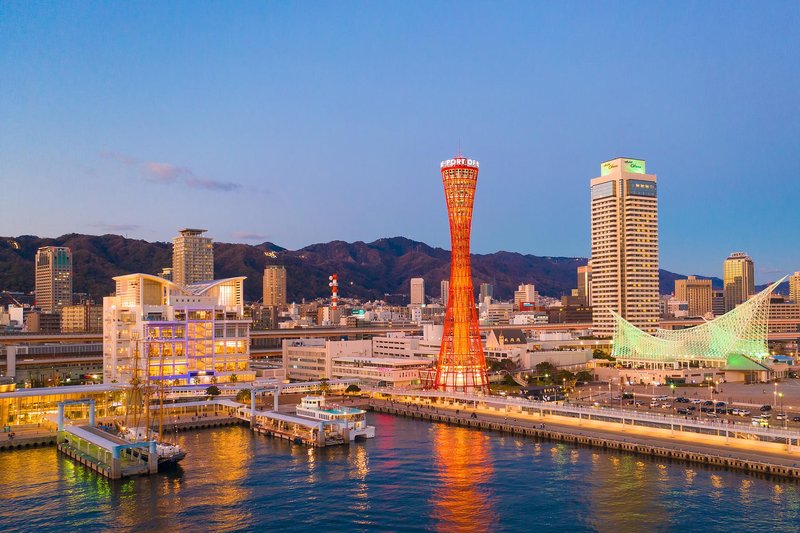
Hotels in Shimokitayama
Discover your perfect stay in Shimokitayama.
Shimokitayama(Japan) Travel 2026: Cheap Flights, Hotels & Top Attractions
Popular Landmarks in Shimokitayama
Discover the most iconic attractions in Shimokitayama
Best Hotels in Shimokitayama
Discover curated hotel collections in Shimokitayama
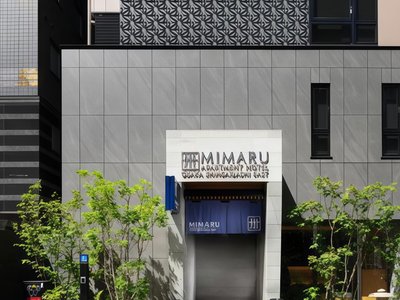
MIMARU Osaka Shinsaibashi East

Toba International Hotel Shiojitei
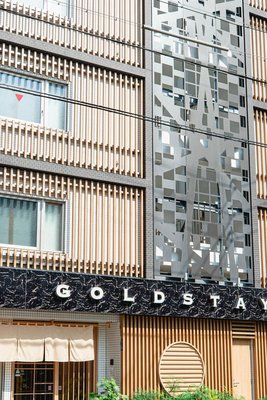
Gold Stay Nagoya OSU
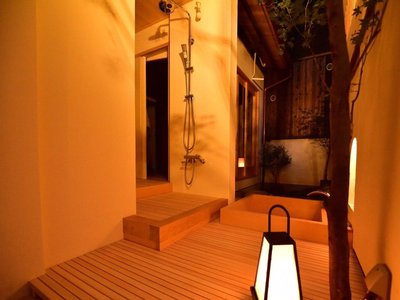
Yado Kiramachi
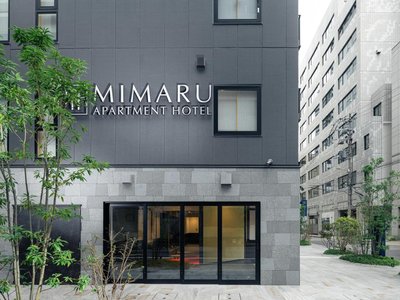
MIMARU Osaka Shinsaibashi North
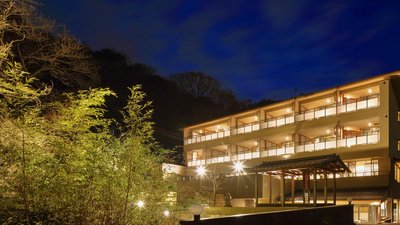
Okuno Hosomichi
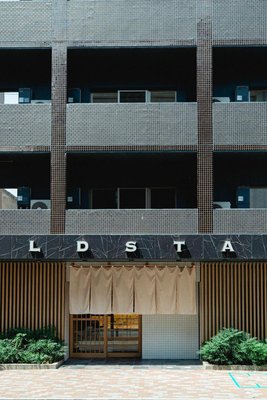
GOLD STAY Nagoya Sakae
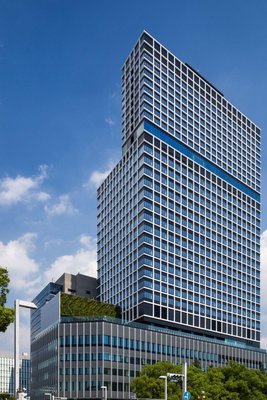
The Royal Park Hotel Iconic Nagoya
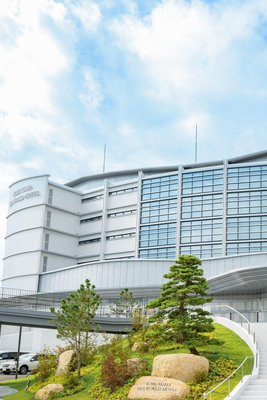
Kobe Suma Sea World Hotel
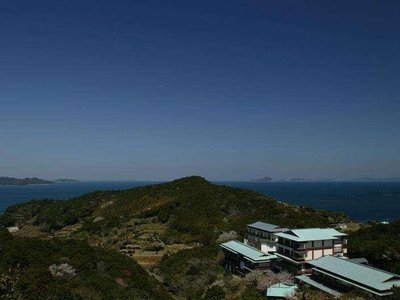
Hanashinsui
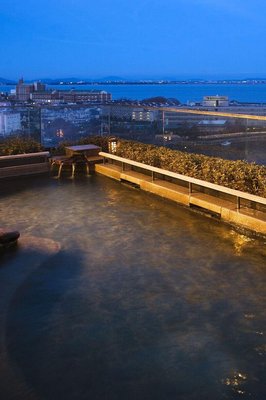
Yumotokan
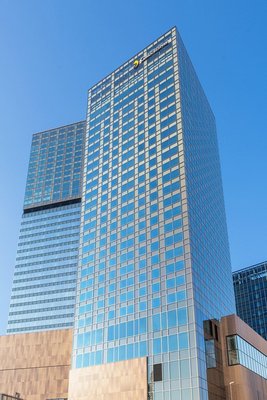
Hotel Hankyu GRAN RESPIRE OSAKA
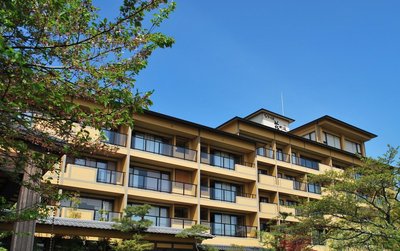
BIWAKO HANAKAIDO
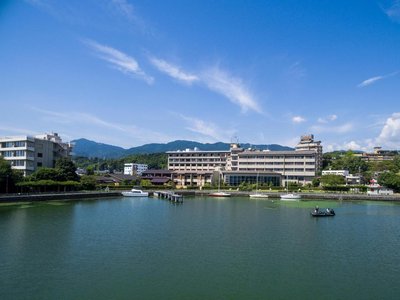
Biwako Ryokusuitei
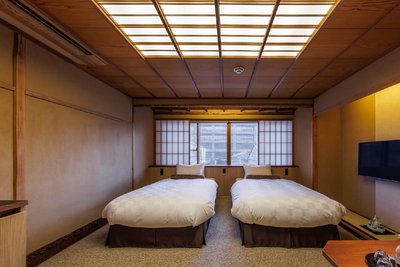
Kyoto Ryokan Sakanoue
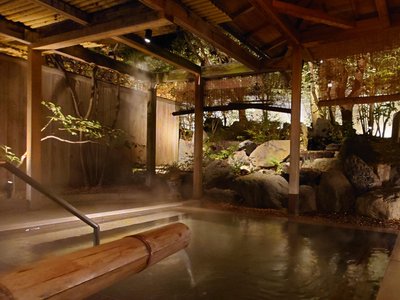
Kasuga Hotel
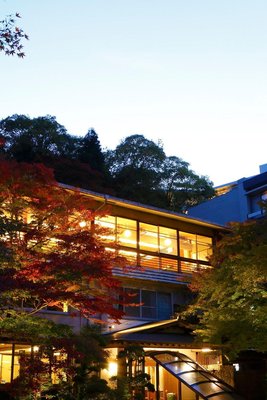
Negiya Ryofukaku
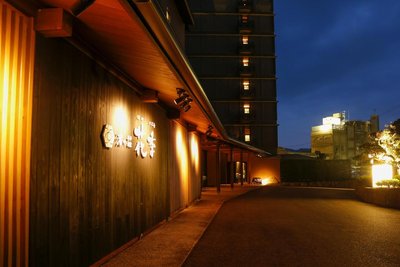
Hanagoyomi
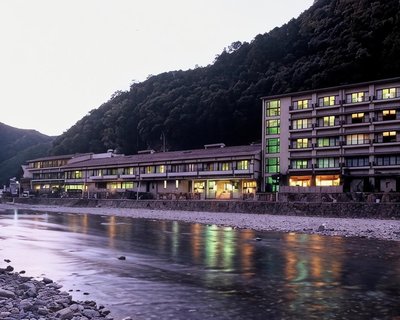
Kawayu Onsen Fujiya
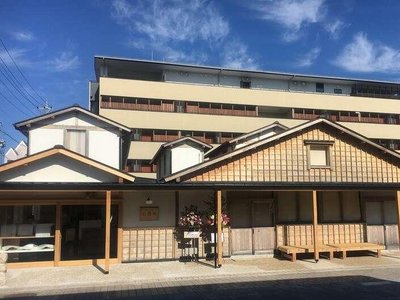
Isegekusando Iseshinsen
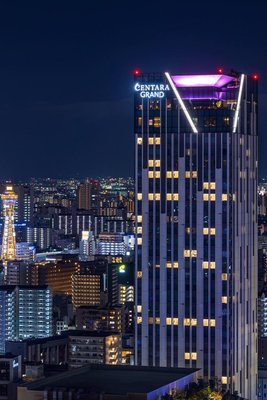
Centara Grand Hotel Osaka
voco Osaka Central
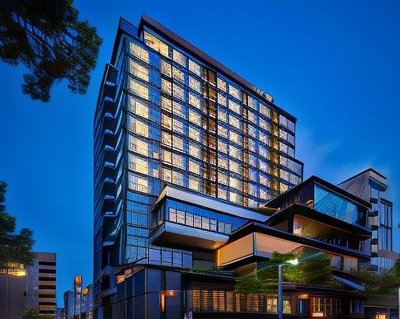
TIAD, AUTOGRAPH COLLECTION
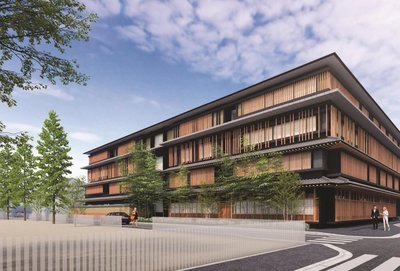
Dusit Thani Kyoto
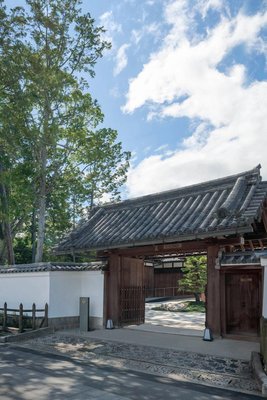
Shisui, a Luxury Collection Hotel, Nara

Hilton Kyoto
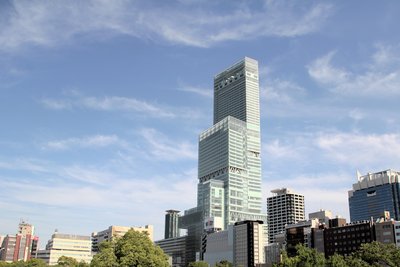
Osaka Marriott Miyako Hotel
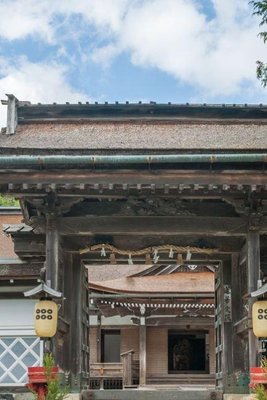
Koyasan Rengejoin
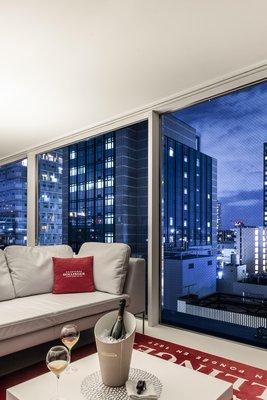
CUVÉE J2 HOTEL OSAKA by Onko Chishin
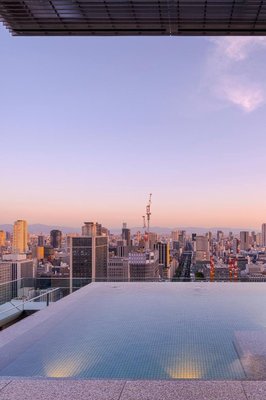
Candeo Hotels Osaka The Tower
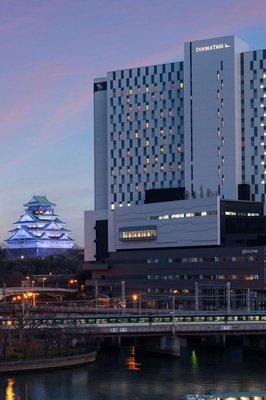
DoubleTree by Hilton Osaka Castle
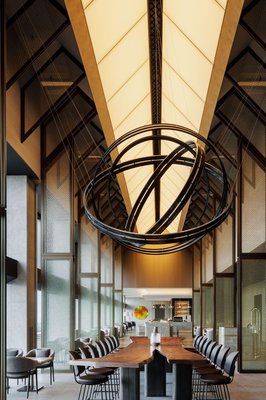
The Osaka Station Hotel, Autograph Collection
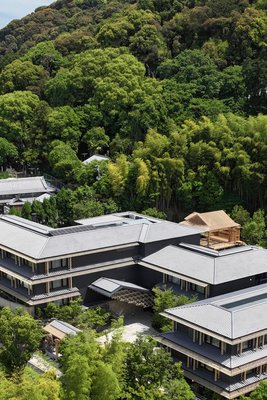
Banyan Tree Higashiyama Kyoto

Canopy by Hilton Osaka Umeda
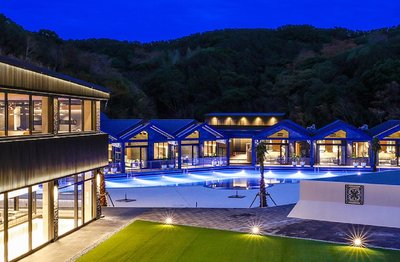
FIVE SPRING RESORT THE SHIRAHAMA
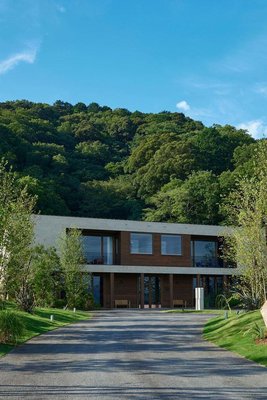
HACIENDA VISON
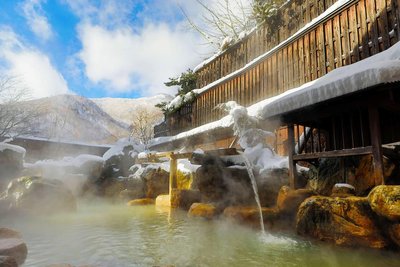
Miyamaouanbekkan yumegurinoyado hirayukan
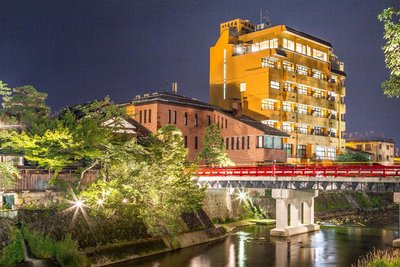
HONJIN HIRANOYA BEKKAN
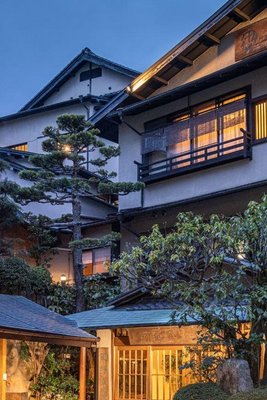
Arima Onsen Tocen Goshobo
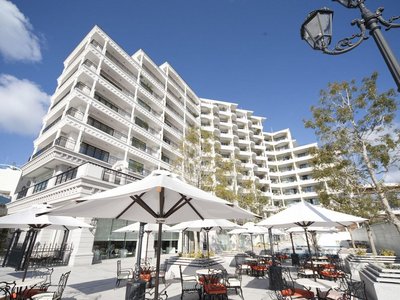
Hotel La Suite Kobe Harborland
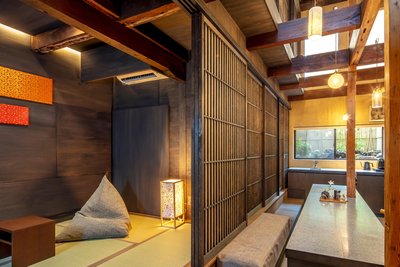
Kyo No Oozora Kihana
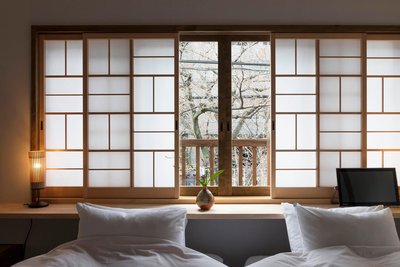
Hanagoromo Machiya House
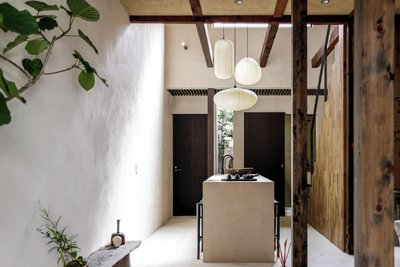
Maana Kiyomizu
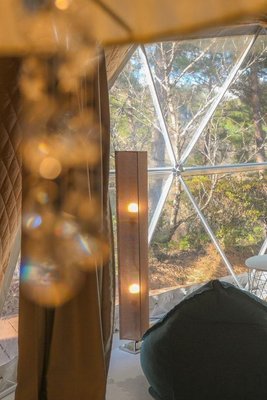
glampark Gekkabijin Nagano
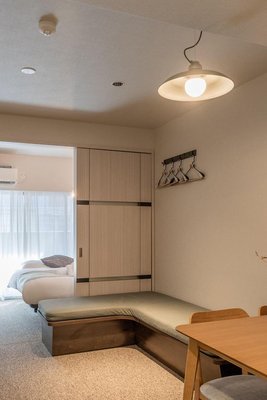
Apartment Hotel 11 Shinsaibashi
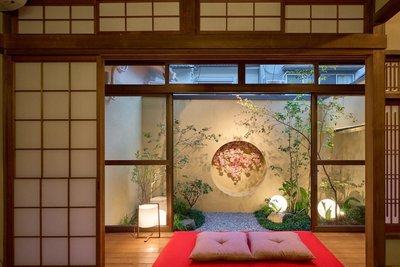
KONJAKUSO Osaka Tengachaya "NIHONCHA" Tea & Relax
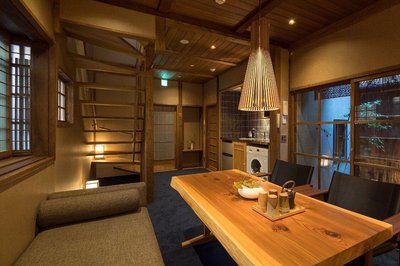
Bonbori an Machiya House
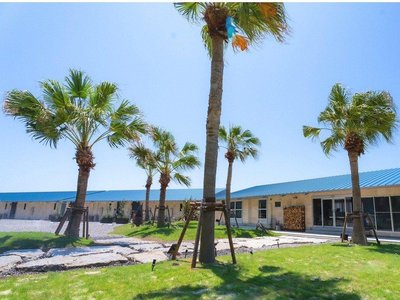
Glamping&Resort Wood Design Park Noma
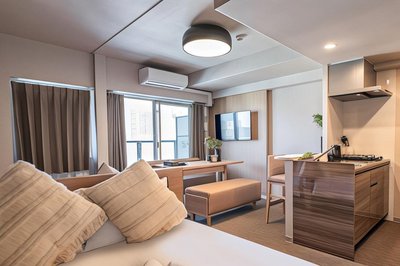
Apartment Hotel 11 Shinsaibashi III
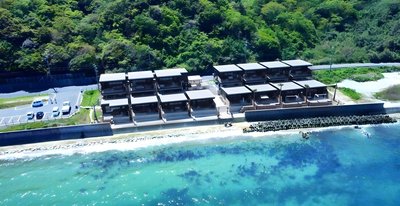
Solavilla Umi Terrace Minamiawaji
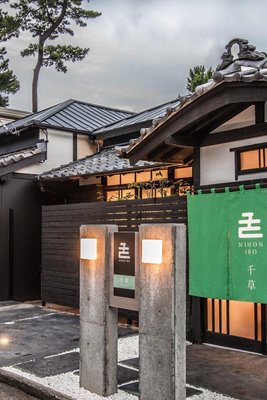
Nihon Iro
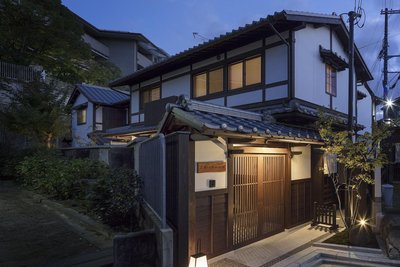
The Machiya Villa Sanjo Shirakawa Koji
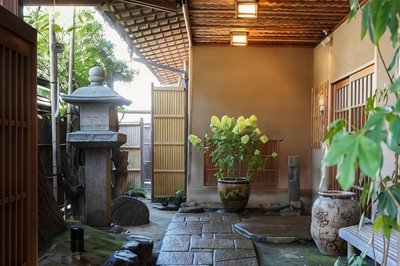
Ryokan Asadaya
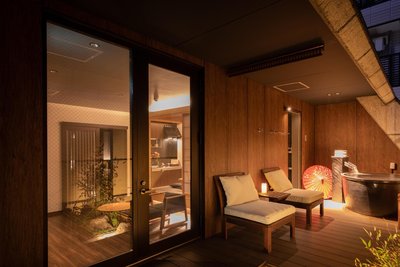
Konjaku-So Dotonbori
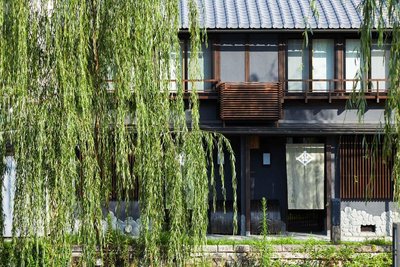
Gion Shirakawa No Yado

Kitashirakawa Natural Radium Onsen
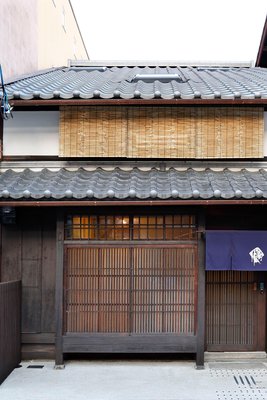
Kyo No Ondokoro Kamanza Nijo #2
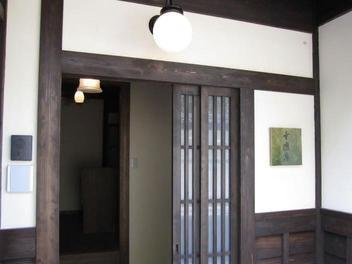
Gion Koyu an Machiya House
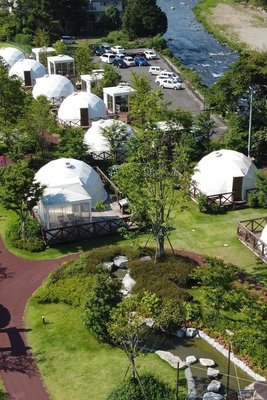
Ufufu Village
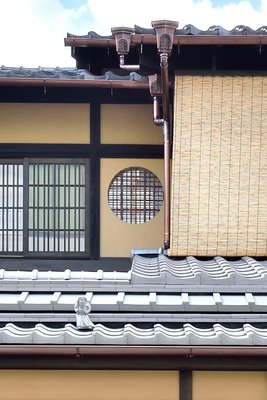
Kyo No Ondokoro Gokomachi Ebisugawa #3
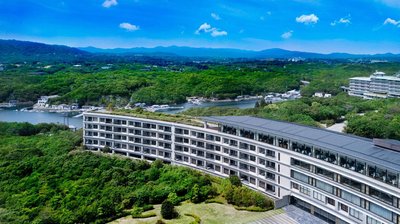
Shima Kanko Hotel the Bay Suites
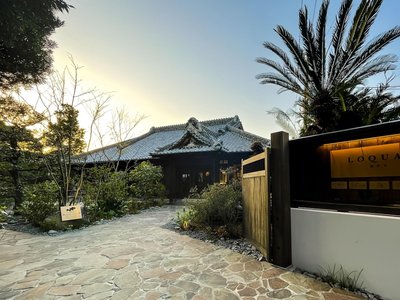
Loquat Nishiizu
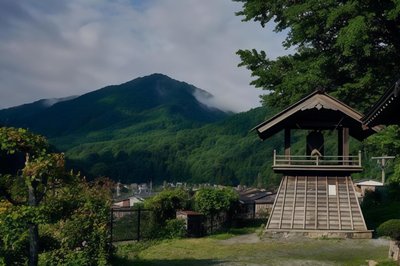
Byaku Narai
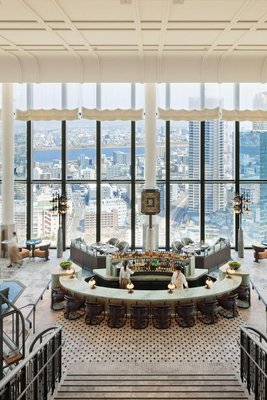
Waldorf Astoria Osaka
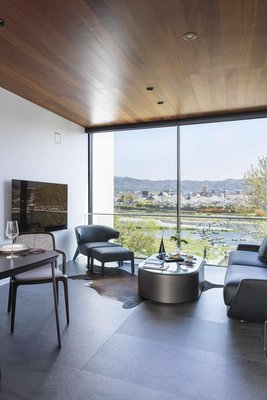
Kamo Residences by Reflections
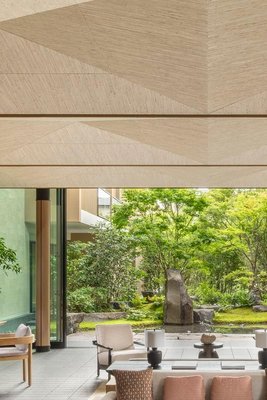
Six Senses Kyoto
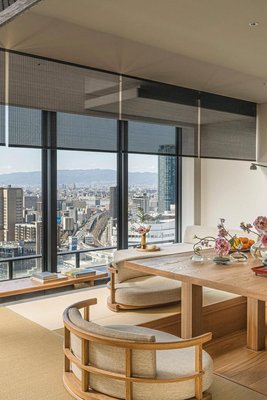
Four Seasons Hotel Osaka
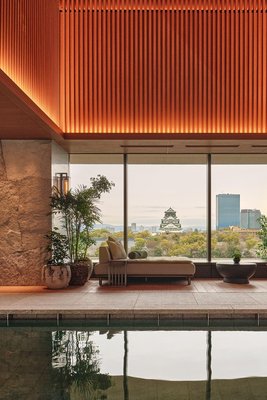
Patina Osaka

The Ritz-Carlton, Osaka
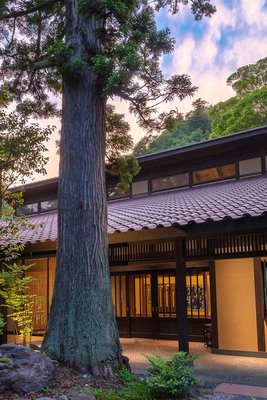
Arimasansoh Goshobessho
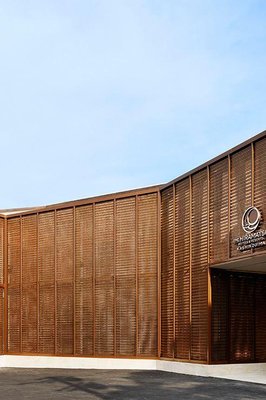
The Hiramatsu Hotels & Resorts Kashikojima
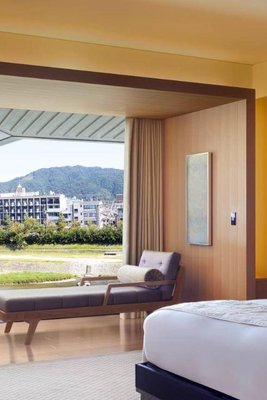
The Ritz-Carlton, Kyoto
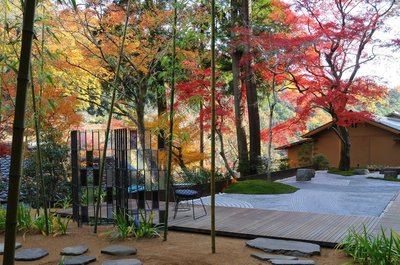
HOSHINOYA Kyoto
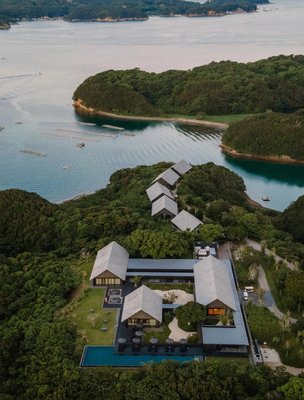
Amanemu
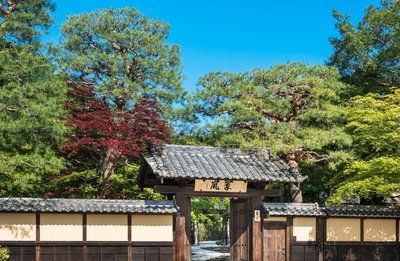
Suiran, a Luxury Collection Hotel, Kyoto
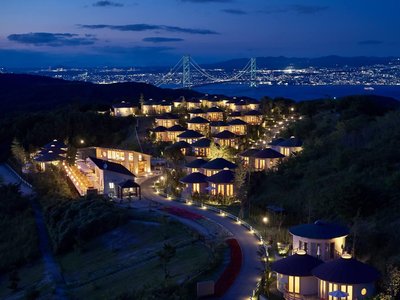
Grand Chariot Hokutoshichisei 135°
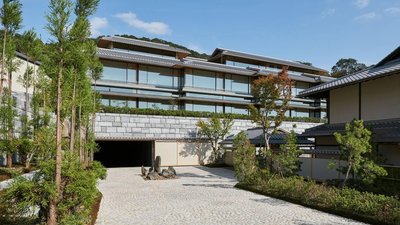
Park Hyatt Kyoto
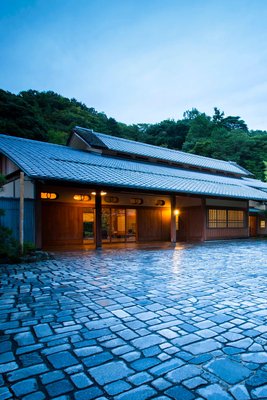
Sanyo-so
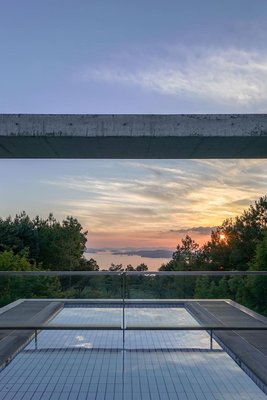
SETOUCHI RETREAT by Onko Chishin
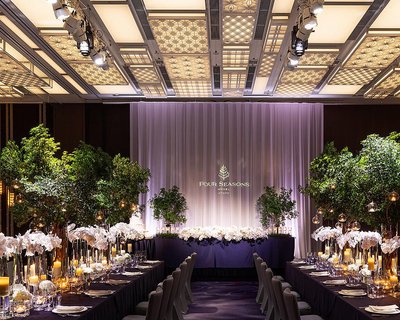
Four Seasons Hotel Kyoto
Frequently Asked Questions about Traveling to Shimokitayama
Questions You Might Need to Know About Traveling to Shimokitayama
In Shimokita Village, the top choice for a tranquil stay is Yamanoie Kūkan, a meticulously designed boutique inn nestled in a quiet valley overlooking the Tanba Highlands. Crafted with traditional Japanese woodwork and paper sliding doors, each room features a private onsen bath and floor heating, blending rustic charm with modern comfort. The inn offers authentic Nara prefecture farm cuisine made from locally sourced ingredients.
Another excellent option is Shimokita Sō, located near the village center and just a 5-minute walk from Shimokita Shrine. With its serene garden courtyard and open-air bath, it’s ideal for travelers seeking solitude. Both inns emphasize connection to nature and local culture, making them perfect for those wanting to experience genuine rural Japan away from crowds.
The village center is the most suitable area for first-time visitors, offering easy access to key landmarks like Shimokita Shrine and the community office. This district hosts several well-reviewed guesthouses such as Yamanoie Kūkan and Shimokita Sō, all within walking distance of hiking trails, small shops, and local eateries.
The area is peaceful yet well-connected, with free shuttle buses linking to nearby attractions like Tanba Highlands Natural Park and Bamboo Grove Path. Its central location makes it ideal for exploring the village’s natural beauty while enjoying quiet evenings filled with bird songs and flowing streams—perfect for immersing in authentic Japanese mountain life.
Visitors to Shimokita Village can enjoy rare cultural experiences such as a traditional tea ceremony workshop and washi paper-making session at Shimokita Washi Workshop, where master artisans guide guests through the entire process—from harvesting kozo bark to handcrafting sheets. Each piece becomes a lasting memory.
The annual Yamazakura Festival in spring features locals in traditional attire performing rituals at Shimokita Shrine, showcasing intricate wood-carved lanterns and clay figurines unique to the region. Additionally, hands-on farm life experiences allow families to plant rice, gather wild vegetables, and savor dishes like Nara-zuke and kaki-leaf sushi, offering deep insight into seasonal traditions and sustainable living in rural Japan.
While Shimokita Village itself lacks public onsen facilities, nearby Tanba Highlands Spa Area offers exceptional options. Yunori Yuki no Yado is a standout choice, located just 30 minutes by car. It features private outdoor baths with panoramic views of the Northern Alps snow-capped peaks, fed by mineral-rich underground springs known for their skin benefits.
For those preferring a more village-integrated experience, Yamanoie Kūkan provides rooms with private furo (bath) units, combining mountain air and wooden architecture for a meditative soak. Though not a full spa resort, these accommodations offer a serene, intimate way to unwind—ideal for a restorative journey into mountain wellness.
Absolutely, Shimokita Village is highly suitable for family travel, especially for those seeking nature-based activities. The village features a children’s nature trail with interactive stations for identifying insects, plants, and wildlife, encouraging curiosity and learning through play.
Each summer, the Little Farmer Camp invites kids to plant rice, pick strawberries, and make kaki-leaf sushi under expert guidance. The Washi Paper Workshop also welcomes families to craft their own handmade paper together. Many guesthouses, including Yamanoie Kūkan, provide child-safe beds, safety rails, and even small gardens. With low noise levels and safe surroundings, it’s an ideal destination for city families to reconnect with nature and tradition.
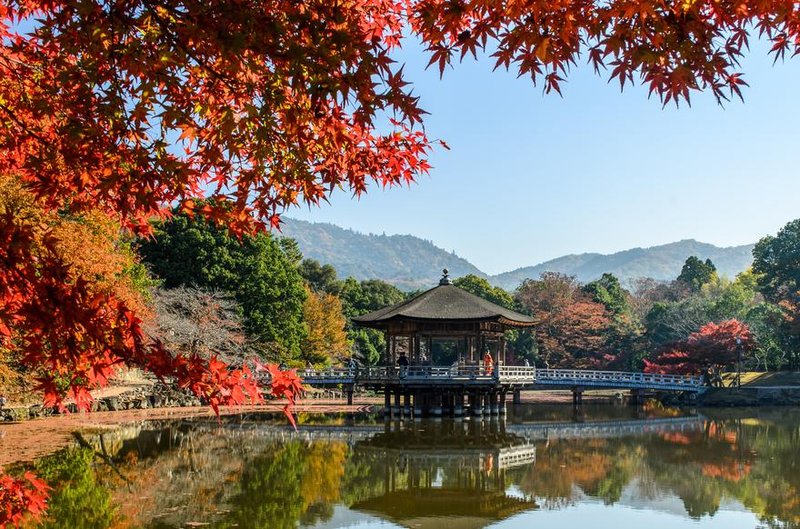
The prime spot for viewing autumn leaves in Shimokita Village is the Shirakawa Valley Trail within Tanba Highlands Natural Park, where maple, ginkgo, and oak trees create a breathtaking tapestry of red, orange, and gold. Early morning mist enhances the scene, turning the path into a dreamlike landscape.
Another must-visit is the Viewpoint Terrace behind Shimokita Shrine, reachable in 15 minutes. From here, visitors can capture sweeping vistas of the village nestled among crimson hills. The century-old maple tree in front of the shrine is a popular photo spot. Peak season runs from mid-November to early December—bring a blanket and thermos for a quiet moment among falling leaves and rustling branches.
In Shimokita Village, must-try dishes include Nara-zuke (fermented vegetables), kaki-leaf sushi (vinegared rice wrapped in persimmon leaves), and yamagai chicken stew—a slow-cooked dish using free-range chickens and wild mountain yams.
Visit Takane-ya Village Kitchen, a family-run restaurant serving daily-made handcrafted tofu and wild vegetable tempura. For a full immersion, book a farm-to-table meal package at Yamanoie Kūkan, where ingredients come directly from on-site gardens and neighboring farms. Weekly organic markets also offer fresh honey, mushrooms, and homemade jams—perfect for sampling local flavors and supporting sustainable agriculture.
To reach Shimokita Village from Nara City, take the Nara Bus to "Shimokita-guchi" station—approximately 70 minutes with hourly departures and a fare of around 800 JPY. Alternatively, hire a private car for about 4,000 JPY, ideal for groups or luggage-heavy travelers.
If driving, follow National Route 24 then switch to Prefectural Route 40, covering about 60 km in roughly one hour. The mountain roads are scenic but winding—watch for curves and speed limits. Free parking is available upon arrival, and some inns offer complimentary pickup service. Always check bus schedules in advance due to limited frequency.
Shimokita Village offers stunning photography opportunities: the Shirakawa Valley Trail at dawn, where mist-laden red maples reflect in the stream; Shimokita Shrine’s vermilion torii gate framed by ancient cherry trees; and the Viewpoint Terrace, ideal for wide-angle shots of the village draped in autumn colors.
The courtyard of Yamanoie Kūkan, with its paper sliding doors and natural light filtering through wood grain, creates a perfect frame for artistic compositions. In the late afternoon, the bamboo grove path glows golden under sunlight, with fallen leaves carpeting the ground—ideal for capturing stillness and texture. Bring a wide-angle lens and tripod to make the most of golden hour moments in this untouched mountain paradise.
Shimokita Village has a temperate continental climate with distinct seasons. Spring (March–May) brings mild temperatures and blooming cherry blossoms; summer (June–August) is cool and refreshing, perfect for escaping city heat, though brief showers occur.
Autumn (September–November) is the peak season—crisp air, vibrant foliage, and clear skies. Winter (December–February) is cold with occasional snowfall, transforming the landscape into a serene white canvas. For the best experience, visit between mid-October and early December, when the foliage reaches its peak and tourist crowds are minimal. Pack warm layers and non-slip shoes for safe exploration.
Shimokitayama Overview
City Summary
Shimokitayama Village is located in the southeastern part of Nara Prefecture, Japan, a serene village surrounded by mountains, known for its rich natural landscapes and traditional culture. It features clear rivers, dense forests, and hot springs, making it an ideal escape from urban noise. The village is also famous for traditional Japanese rural life and handicrafts, especially woodwork and textiles.
Must-See Attractions
The main attractions of Shimokitayama Village include its surrounding nature reserves, such as Odaigahara Mountain, which is perfect for hiking and wildlife spotting. The local hot springs offer relaxation, and workshops provide opportunities to experience traditional crafts. Additionally, the cherry blossoms and autumn leaves around the village are particularly stunning.
Food Guide
Shimokitayama's cuisine is deeply influenced by its natural environment, featuring mountain vegetables, river fish, and locally grown produce. Try local dishes like wild bracken and mushrooms, or grilled river fish. The handmade miso and soy sauce here also have unique flavors.
Transportation Guide
Public transport in Shimokitayama is limited, so renting a car is recommended. The village can be explored on foot or by bicycle, but some attractions may require driving. The nearest transport hub is Nara City, from where buses are available to the village. Check schedules in advance as services are infrequent.
Best Time to Visit
The best times to visit are spring (March to May) and autumn (September to November), when the weather is pleasant and the scenery is at its best. Cherry blossoms bloom in spring, while autumn brings vibrant foliage. Summers are hot and humid, while winters are cold with heavy snowfall.
Travel Tips
- Respect local customs; remain quiet when visiting shrines or temples.
- Mountain weather can change rapidly; pack rain and warm clothing.
- Some restaurants and shops may only accept cash, so carry enough yen.
- Waste separation is strict; follow local disposal rules.
- Rinse before entering hot springs and avoid wearing swimsuits.
- Mountain roads are narrow; drive with extra caution.
Useful Information
The primary language in Shimokitayama is Japanese, with limited English proficiency. Learning basic phrases or using a translation app is advisable. Network coverage is decent in the village center but may be unreliable in remote areas. Cash is the main payment method, though some shops and inns accept credit cards. Medical facilities are limited; the nearest hospital is in a nearby town, so bringing basic medication is recommended.