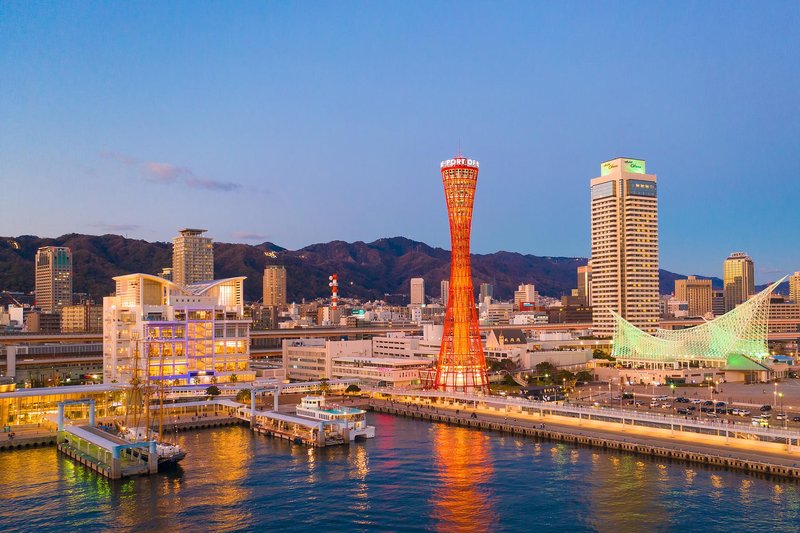
Hotels in Shimokitayama
Discover your perfect stay in Shimokitayama.
Shimokitayama(Japan) Travel 2026: Cheap Flights, Hotels & Top Attractions
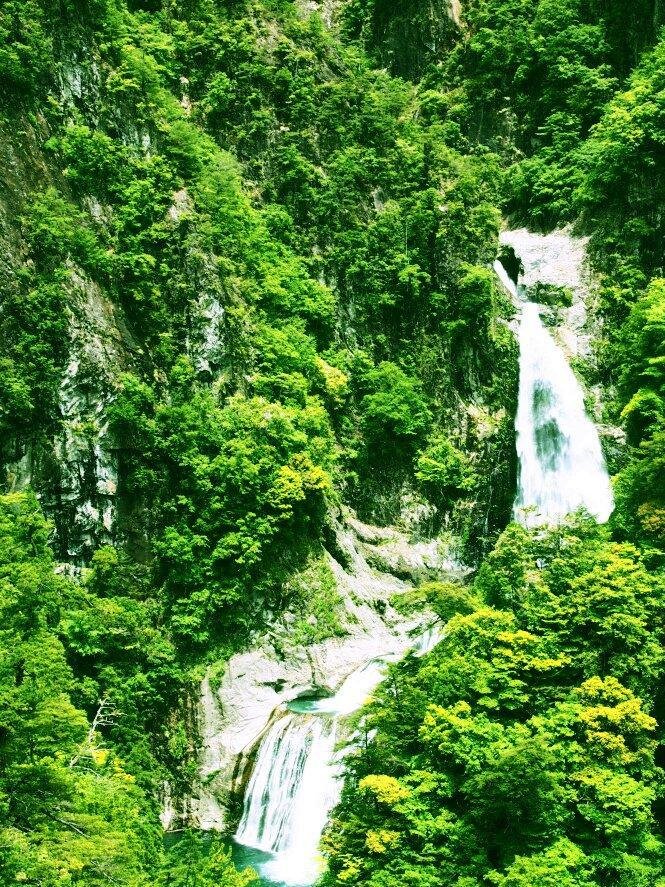
Popular Landmarks in Shimokitayama
Discover the most iconic attractions in Shimokitayama
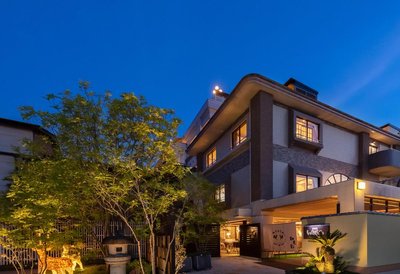
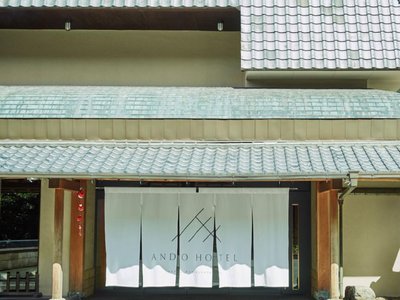
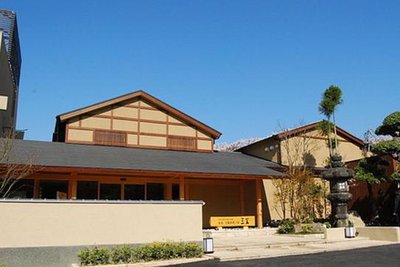
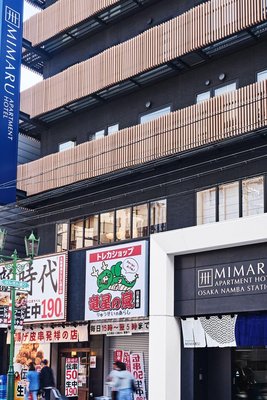
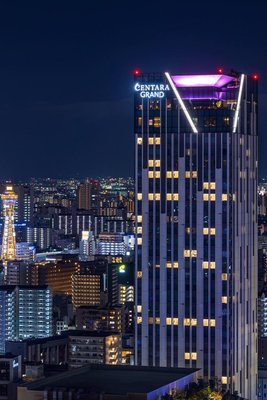
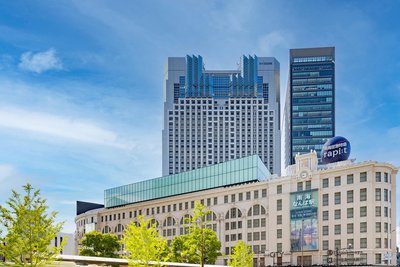
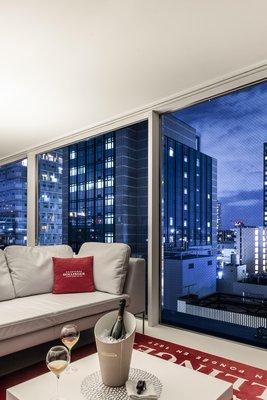
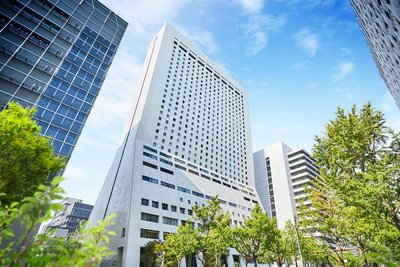
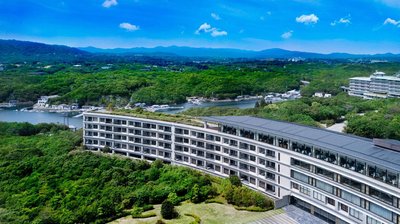
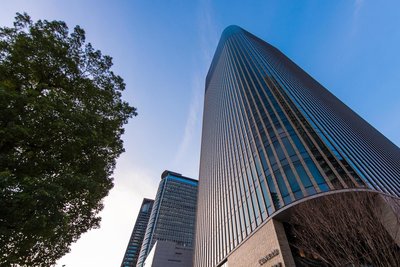
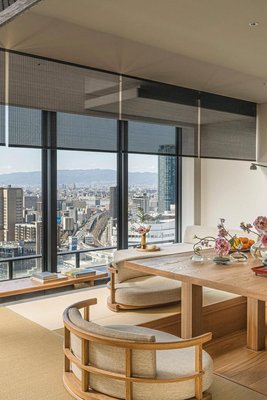
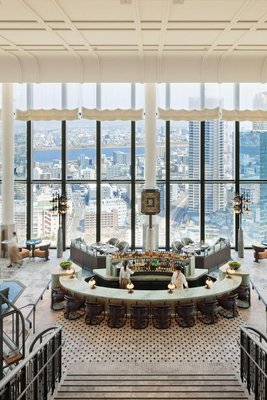
Best Hotels in Shimokitayama
Discover curated hotel collections in Shimokitayama




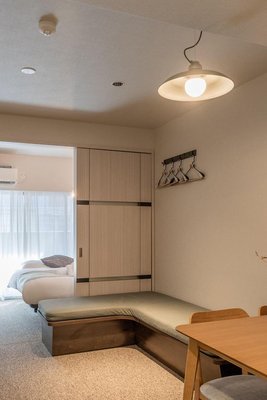
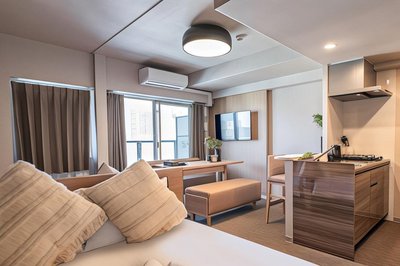
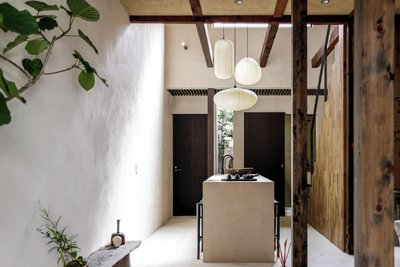
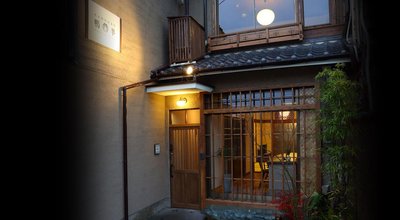
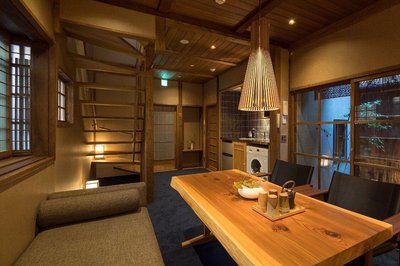
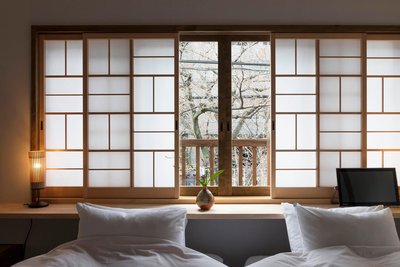
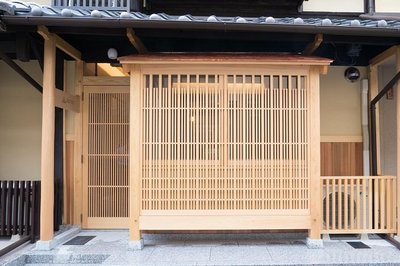
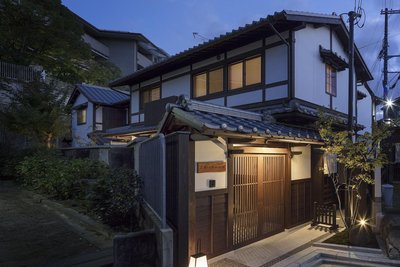
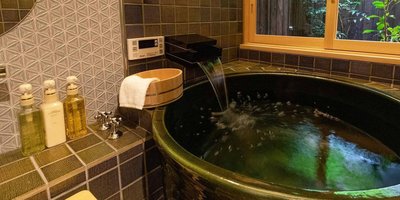
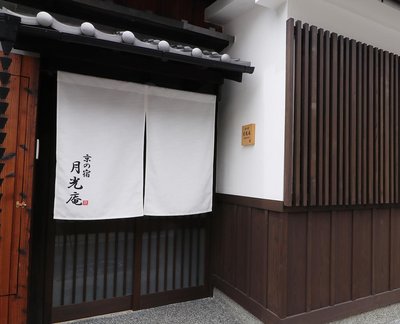
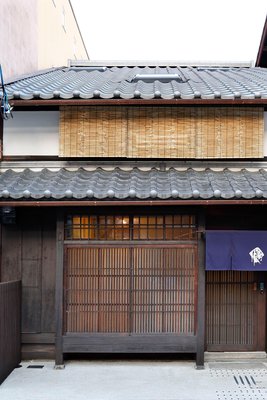


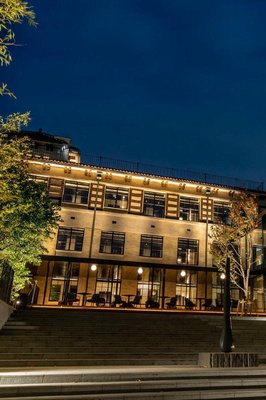
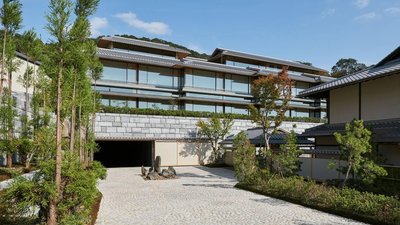
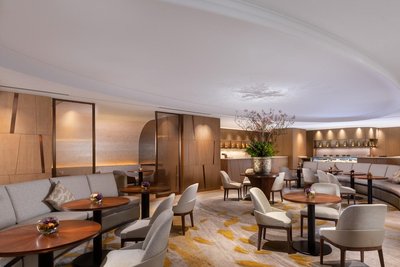
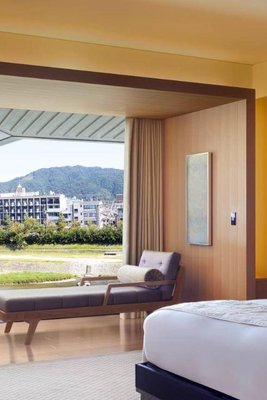
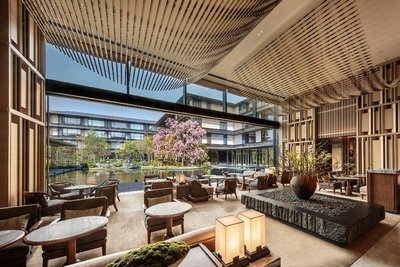
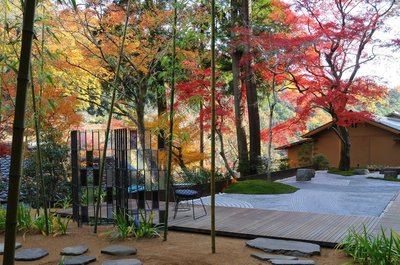
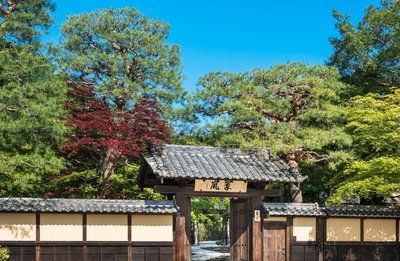
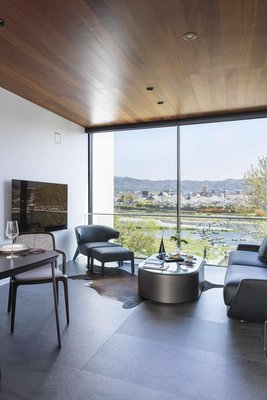
Frequently Asked Questions about Traveling to Shimokitayama
Questions You Might Need to Know About Traveling to Shimokitayama
Shimokitayama Overview
City Summary
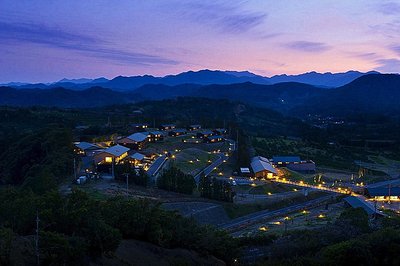
Shimokitayama Village is located in the southeastern part of Nara Prefecture, Japan, a serene village surrounded by mountains, known for its rich natural landscapes and traditional culture. It features clear rivers, dense forests, and hot springs, making it an ideal escape from urban noise. The village is also famous for traditional Japanese rural life and handicrafts, especially woodwork and textiles.
Must-See Attractions
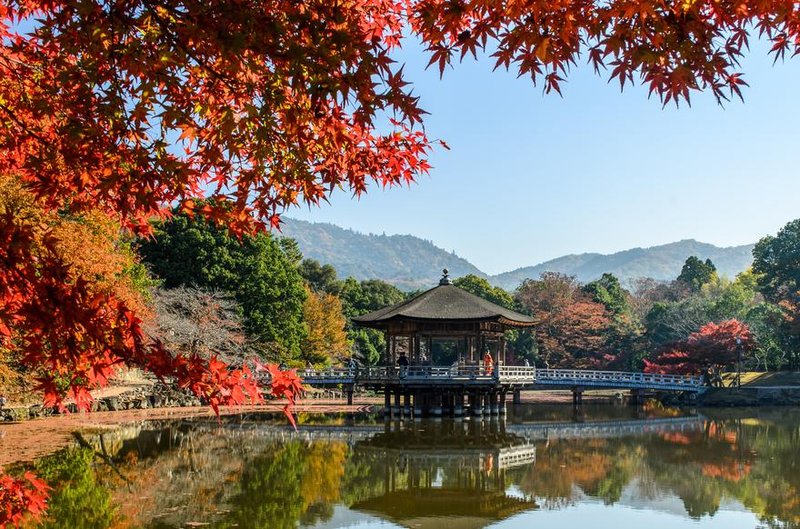
The main attractions of Shimokitayama Village include its surrounding nature reserves, such as Odaigahara Mountain, which is perfect for hiking and wildlife spotting. The local hot springs offer relaxation, and workshops provide opportunities to experience traditional crafts. Additionally, the cherry blossoms and autumn leaves around the village are particularly stunning.
Food Guide
Shimokitayama's cuisine is deeply influenced by its natural environment, featuring mountain vegetables, river fish, and locally grown produce. Try local dishes like wild bracken and mushrooms, or grilled river fish. The handmade miso and soy sauce here also have unique flavors.
Transportation Guide
Public transport in Shimokitayama is limited, so renting a car is recommended. The village can be explored on foot or by bicycle, but some attractions may require driving. The nearest transport hub is Nara City, from where buses are available to the village. Check schedules in advance as services are infrequent.
Best Time to Visit
The best times to visit are spring (March to May) and autumn (September to November), when the weather is pleasant and the scenery is at its best. Cherry blossoms bloom in spring, while autumn brings vibrant foliage. Summers are hot and humid, while winters are cold with heavy snowfall.
Travel Tips
- Respect local customs; remain quiet when visiting shrines or temples.
- Mountain weather can change rapidly; pack rain and warm clothing.
- Some restaurants and shops may only accept cash, so carry enough yen.
- Waste separation is strict; follow local disposal rules.
- Rinse before entering hot springs and avoid wearing swimsuits.
- Mountain roads are narrow; drive with extra caution.
Useful Information
The primary language in Shimokitayama is Japanese, with limited English proficiency. Learning basic phrases or using a translation app is advisable. Network coverage is decent in the village center but may be unreliable in remote areas. Cash is the main payment method, though some shops and inns accept credit cards. Medical facilities are limited; the nearest hospital is in a nearby town, so bringing basic medication is recommended.