Hotels in Shimonita
Discover your perfect stay in Shimonita.
Shimonita(Japan) Travel 2026: Cheap Flights, Hotels & Top Attractions
Popular Landmarks in Shimonita
Discover the most iconic attractions in Shimonita
Recommended Hotels in Shimonita
Find the perfect place to stay in Shimonita
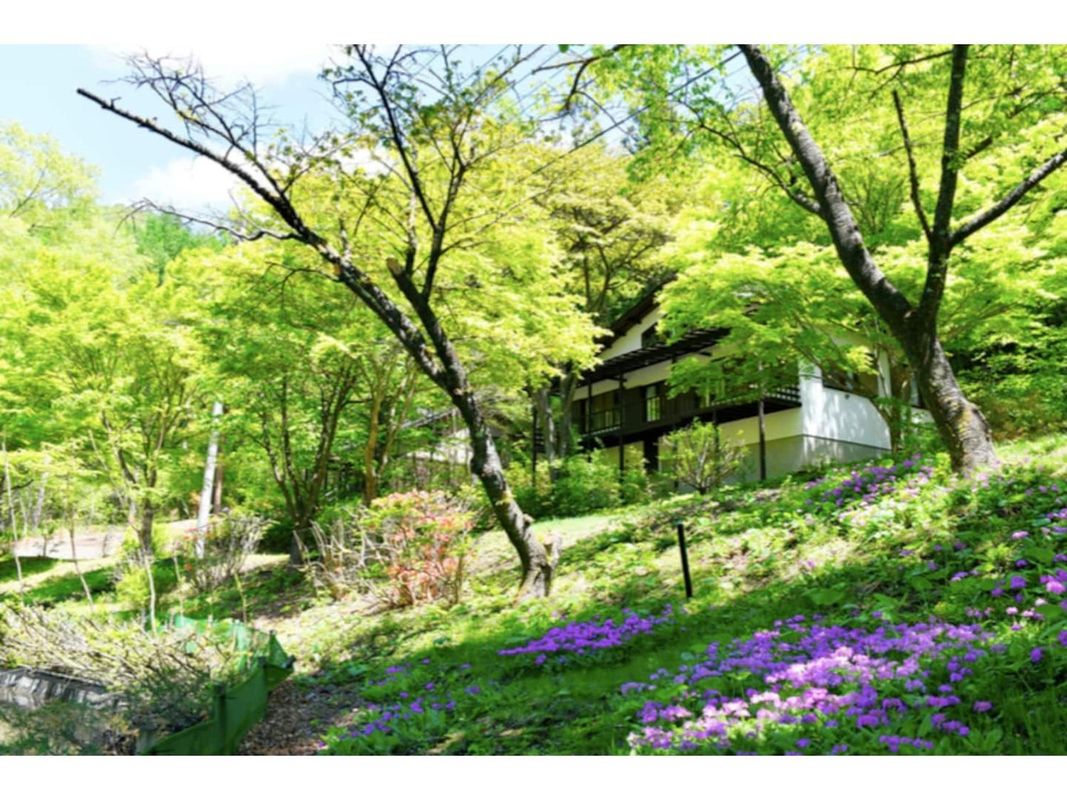
Polar Resort Minami Karuizawa 1
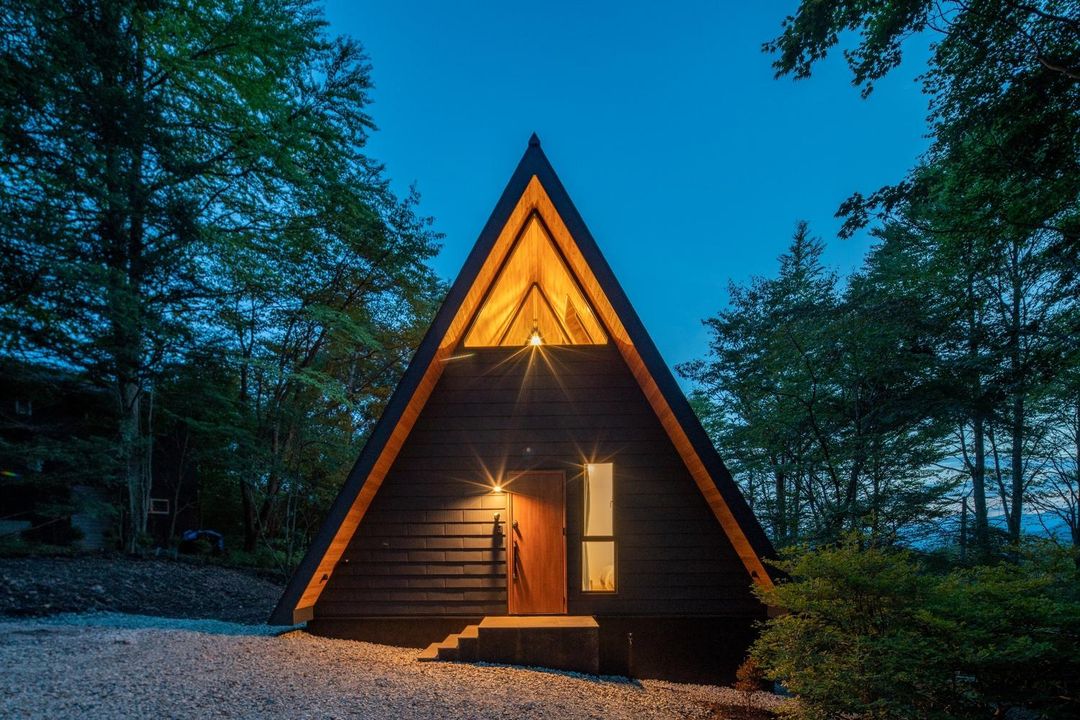
A-Frame House Minami Karuizawa
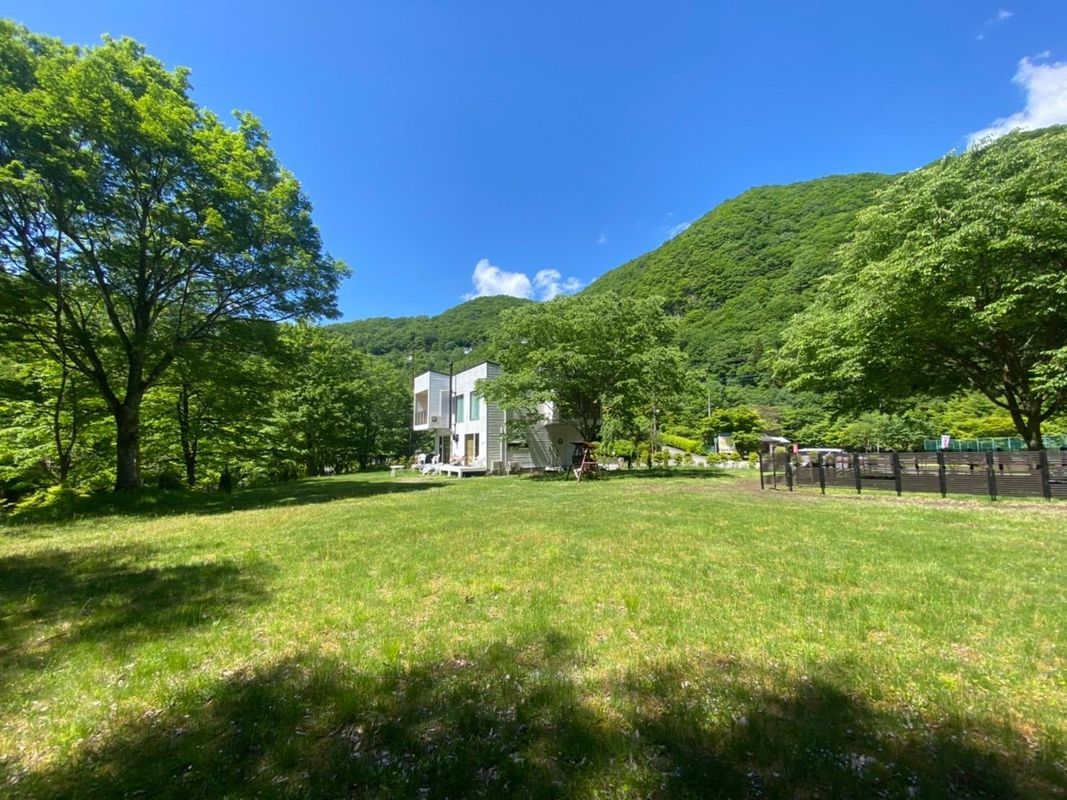
Polar House Minami Karuizawa 1
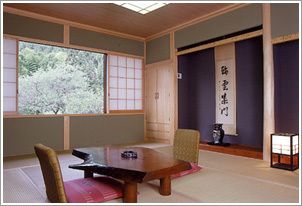
Shomonita Onsen Seiryuso
Best Hotels in Shimonita
Discover curated hotel collections in Shimonita
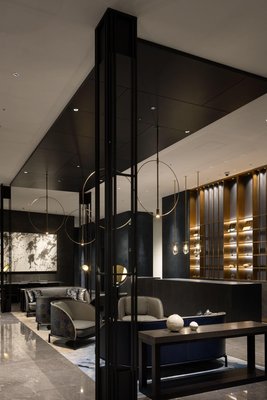
Bellustar Tokyo, A Pan Pacific Hotel
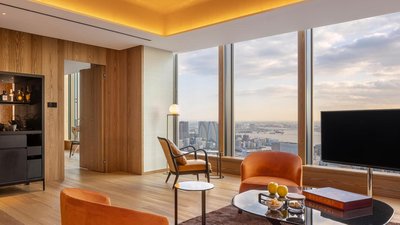
Bvlgari Hotel Tokyo
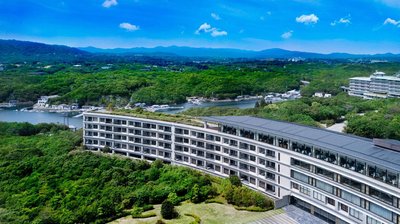
Shima Kanko Hotel the Bay Suites
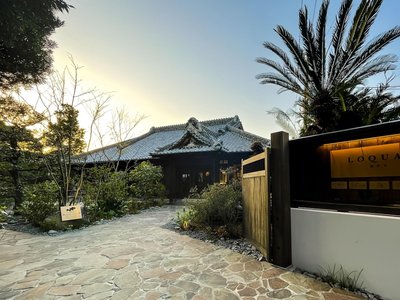
Loquat Nishiizu
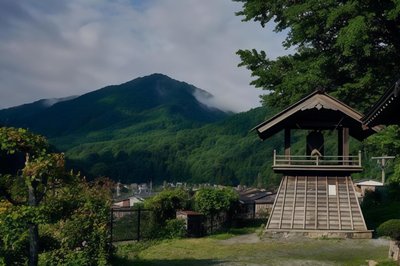
Byaku Narai
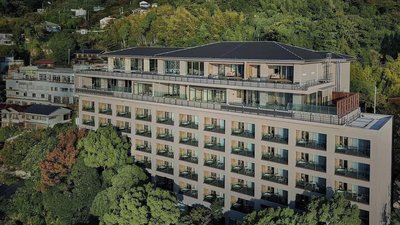
Atami Izusan Karaku
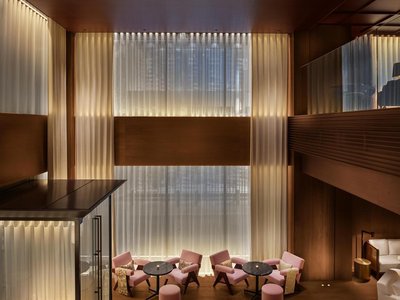
The Tokyo Edition, Ginza
Janu Tokyo
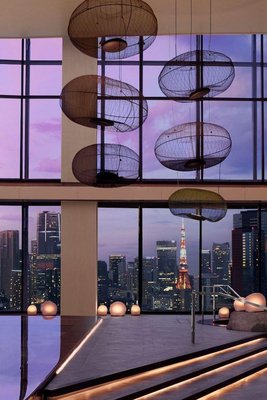
JW Marriott Hotel Tokyo
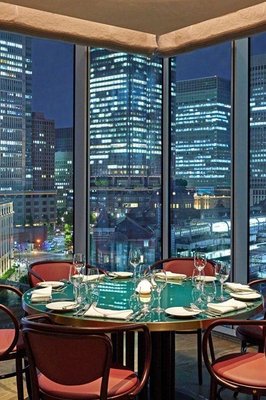
Four Seasons Hotel Tokyo at Marunouchi

Mandarin Oriental, Tokyo
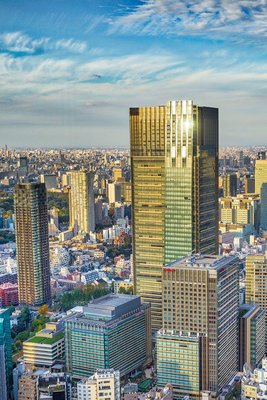
The Ritz-Carlton, Tokyo
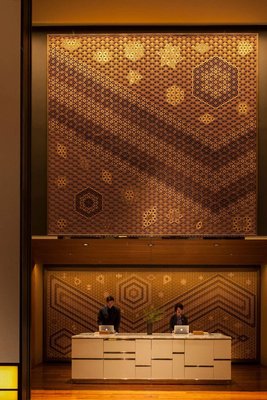
Andaz Tokyo Toranomon Hills- A Concept by Hyatt
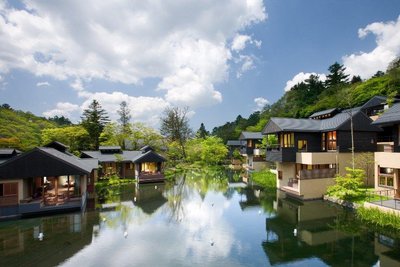
Hoshinoya Karuizawa
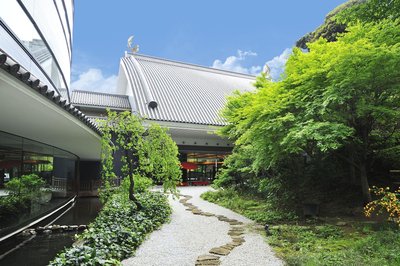
Hotel Gajoen Tokyo
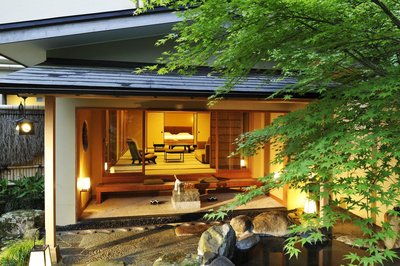
Gora Kadan
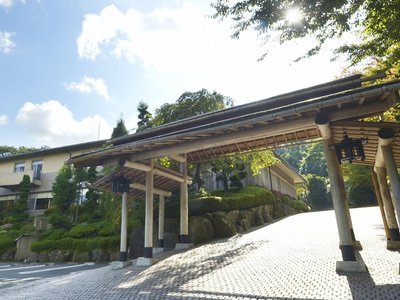
Gora Hanaougi
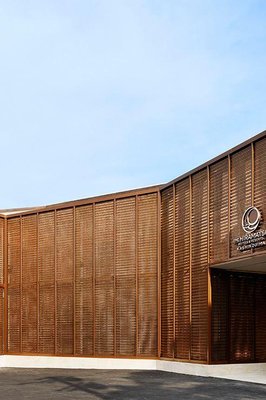
The Hiramatsu Hotels & Resorts Kashikojima
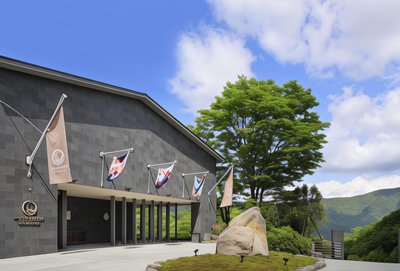
The Hiramatsu Hotels & Resorts Sengokuhara Hakone
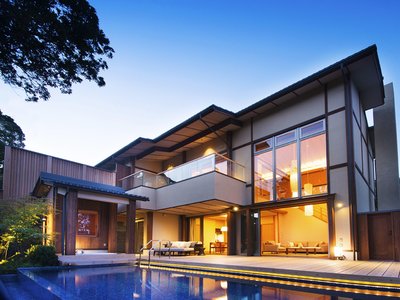
Abba Resorts Izu - Zagyosoh
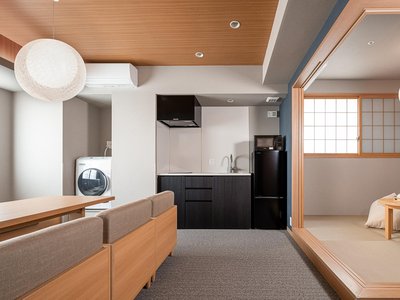
MIMARU SUITES Tokyo Asakusa
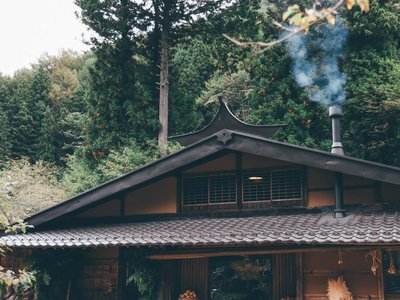
La Terra Resort
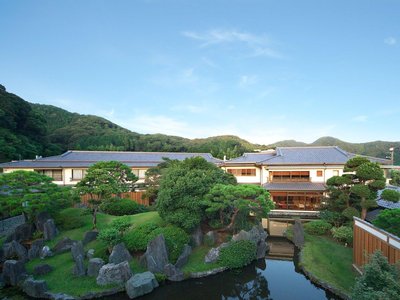
Kagetsutei

karaksa hotel colors Tokyo Yaesu
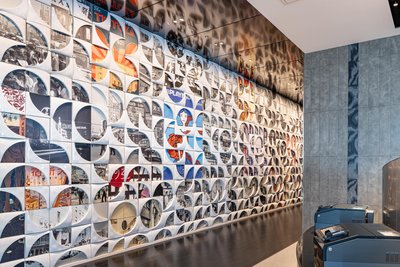
HOTEL GROOVE SHINJUKU, A PARKROYAL Hotel
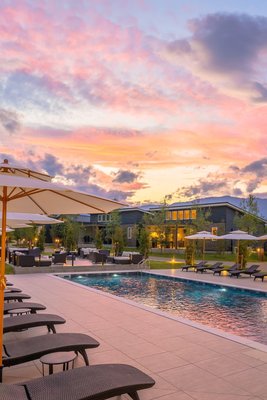
Awaumi Fujikawaguchiko Resort
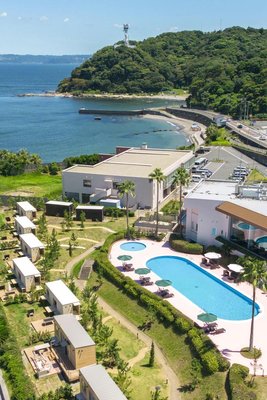
La vista Yokosuka Kannonzaki Terrace
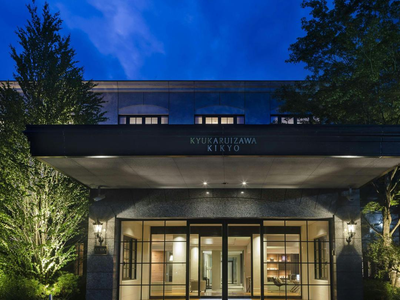
Fufu Karuizawa Wind of Sunshine
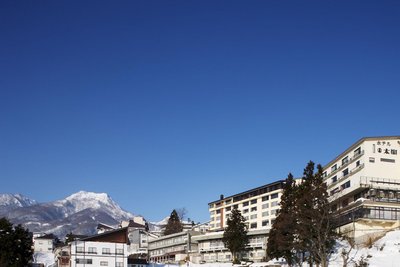
Hotel Taiko, Akakura Onsen
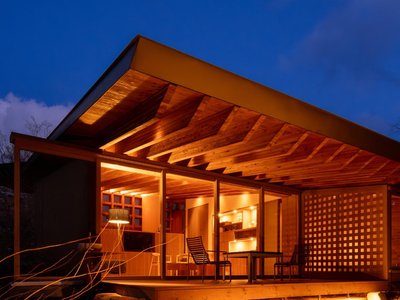
Nasu Mukunone
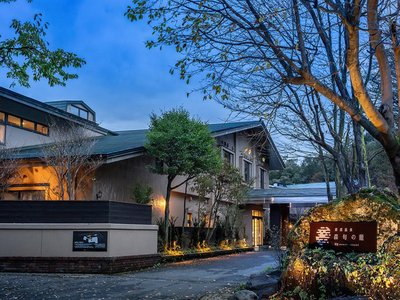
Nasu Onsen Shinshun no Kago Hewitt Resort

Scapes the Suite
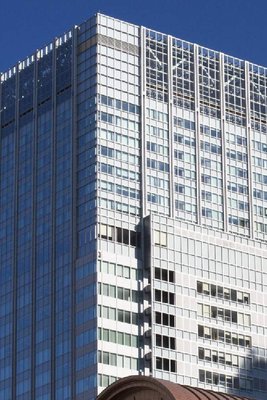
Hotel Metropolitan Tokyo Marunouchi
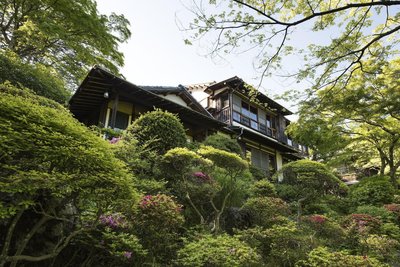
Gora Kansuiro
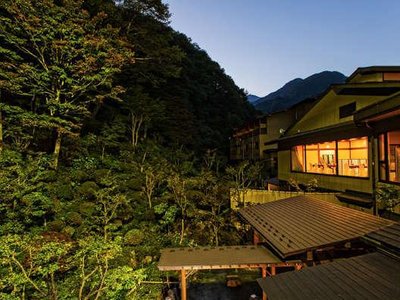
Futari Shizuka
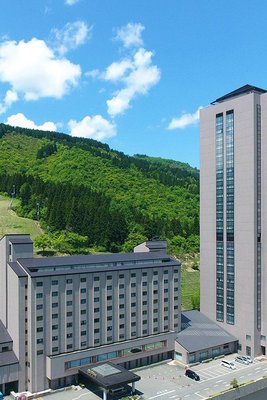
Naspa New Otani
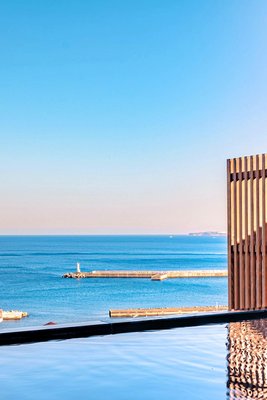
HOTEL KANICHI
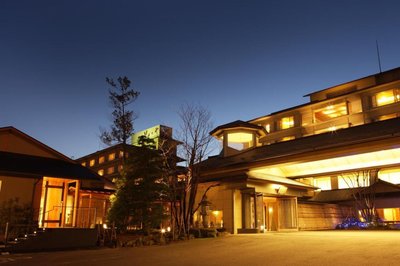
Yumotoya
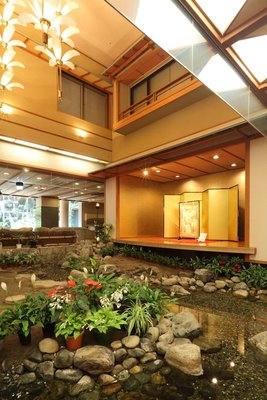
Hotel Futaba
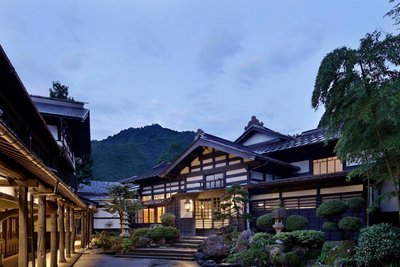
Ryugon
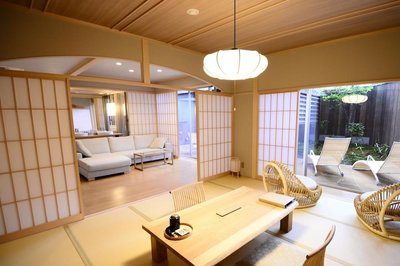
Hakone Gora Byakudan
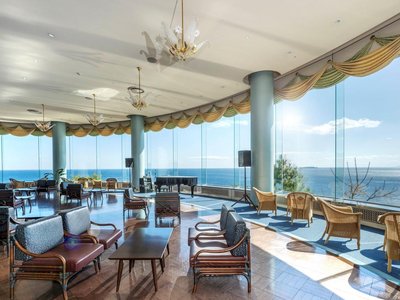
Hotel New Akao
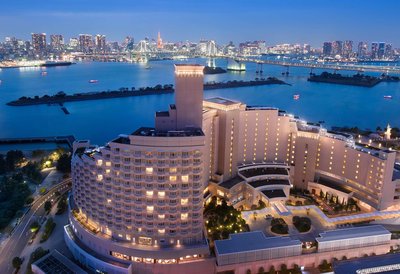
Hilton Tokyo Odaiba
JW Marriott Hotel Tokyo
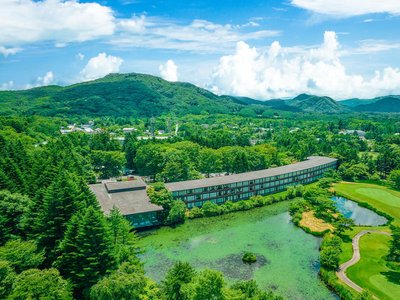
The Prince Karuizawa
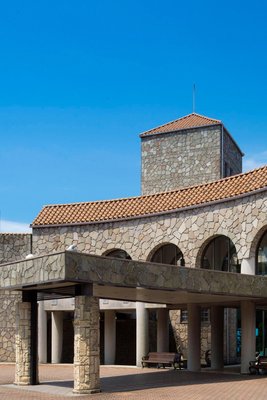
Izumigo Hotel Altia Toba
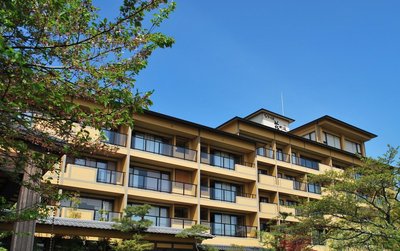
BIWAKO HANAKAIDO
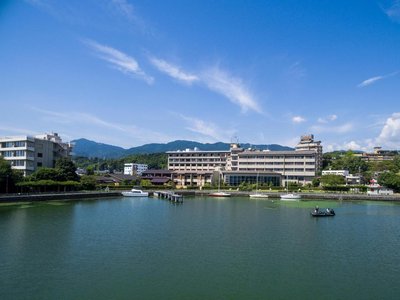
Biwako Ryokusuitei
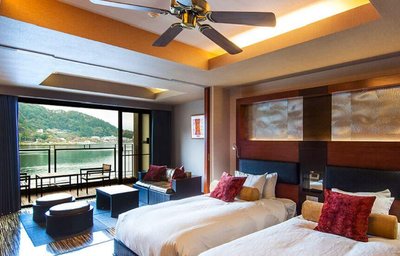
The Kukuna
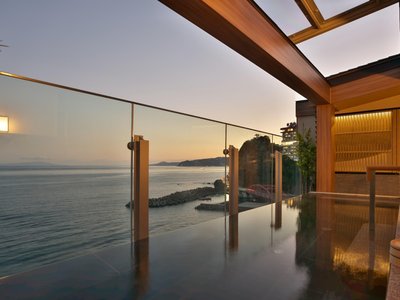
Hotel New Sagamiya
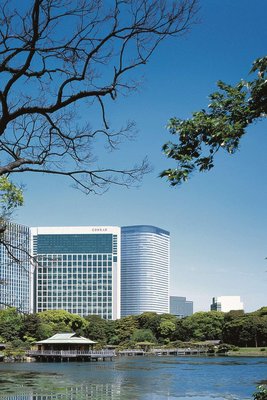
Conrad Tokyo
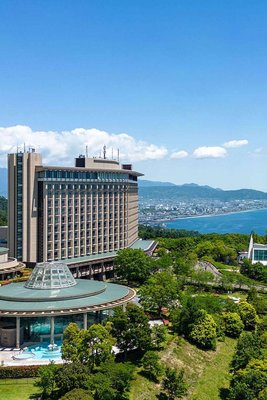
Hilton Odawara Resort & Spa
Hoshinoya Karuizawa
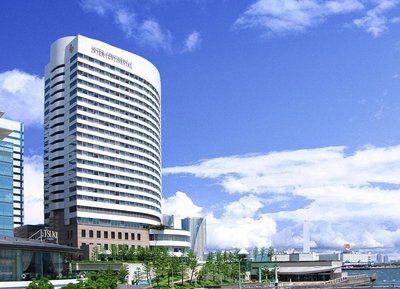
InterContinental Tokyo Bay
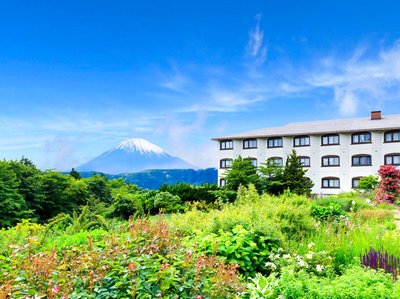
Hotel Green Plaza Hakone
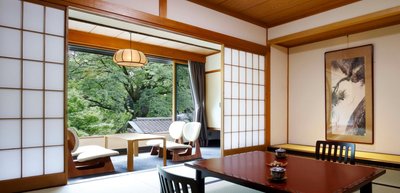
Yoshiike Ryokan
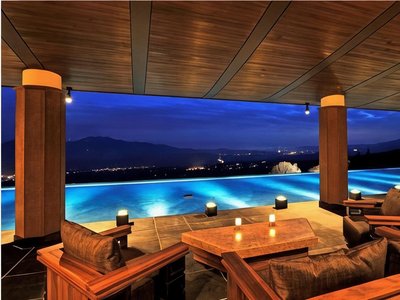
Akakura Kanko Hotel
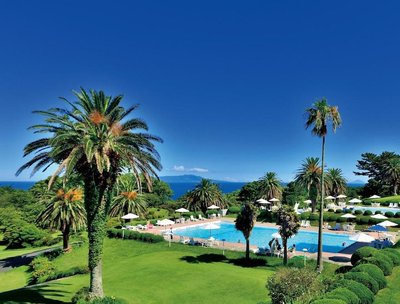
Kawana Hotel
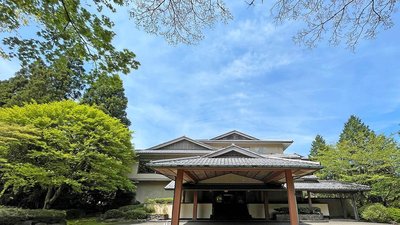
Ryuguden
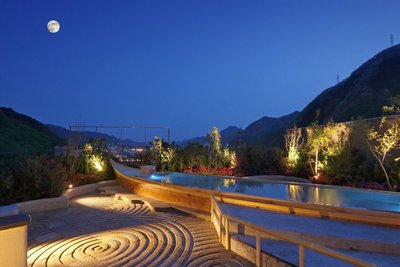
Asaya
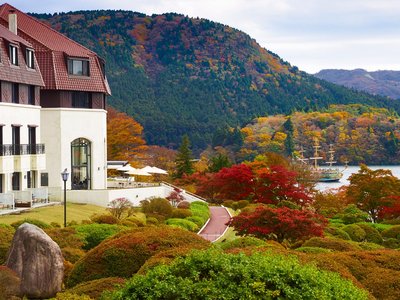
Hotakajyo
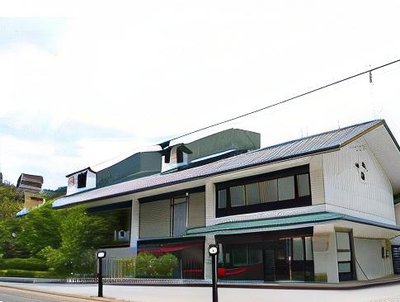
Auberge Suzukane

Onyado Nono Asakusa Bettei Hot Spring
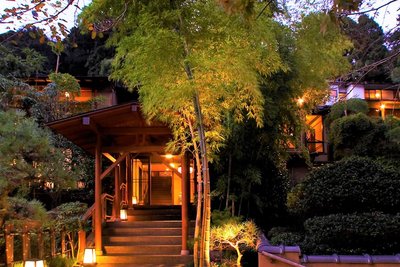
Shiki wo Ajiwau Yado Yamano Chaya
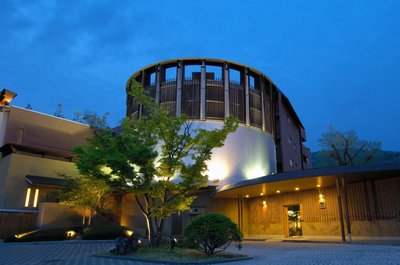
Hoshino Resorts Kai Matsumoto
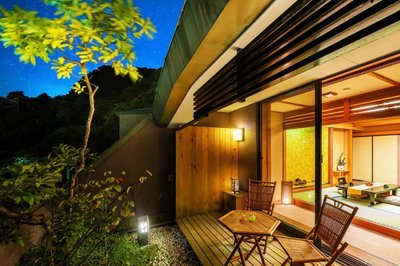
Konjakutei
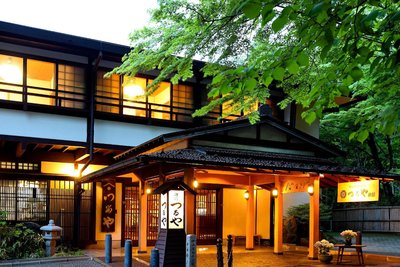
Tsuruya Ryokan
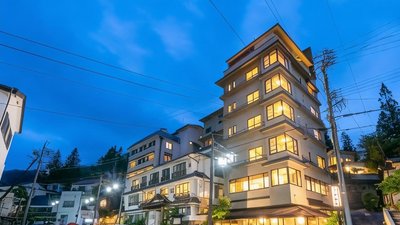
Nakamatsuya Ryokan
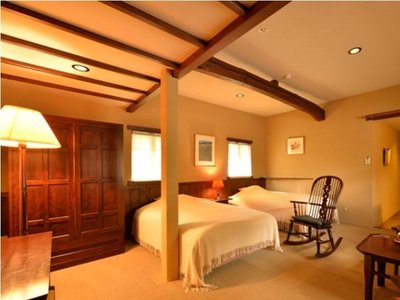
Ryokan Sugimoto
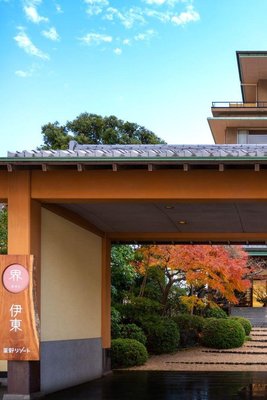
Hoshino Resorts Kai Ito
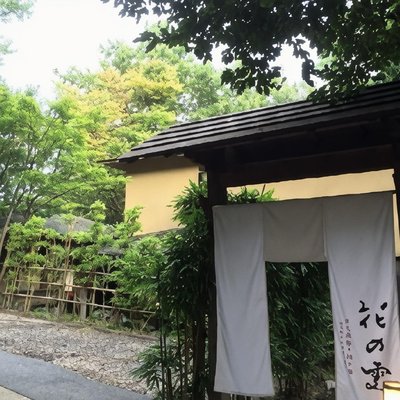
Hana No Kumo
Yoshiike Ryokan
Hotel Gajoen Tokyo
Gora Hanaougi
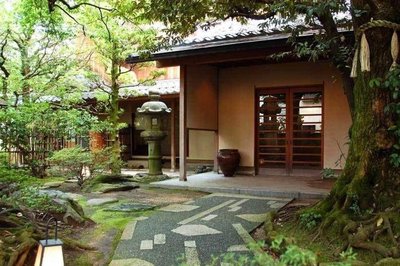
Kocho
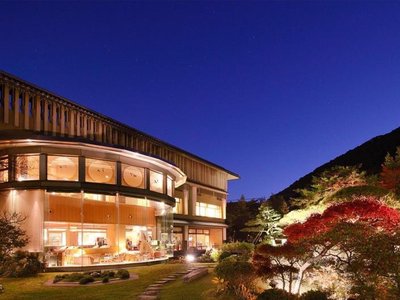
Shikisai Ichiriki
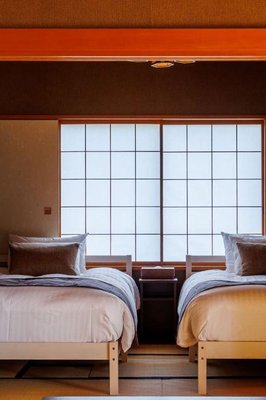
Sado Resort Hotel Azuma
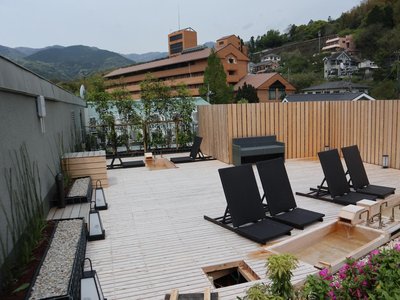
Fukiya Ryokan
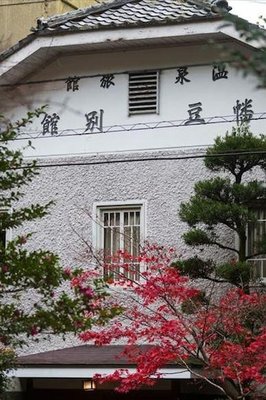
Oku-Mikawa・Yuya Onsen HAZU Bekkan
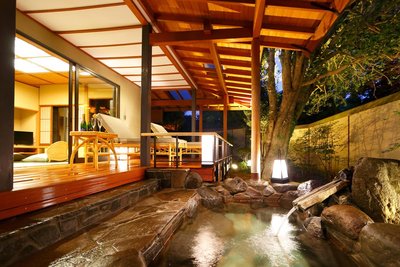
Yoshiharu Ryokan – Izu Nagaoka Onsen
Bellustar Tokyo, A Pan Pacific Hotel
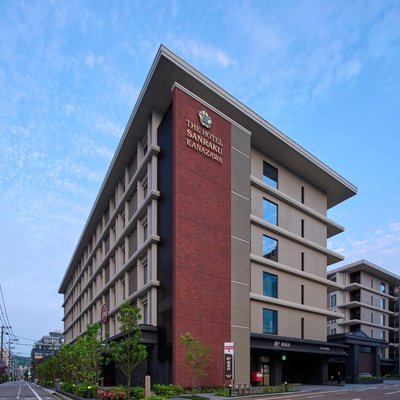
The Hotel Sanraku Kanazawa 21th December 2022 Open
JW Marriott Hotel Tokyo
Andaz Tokyo Toranomon Hills- A Concept by Hyatt
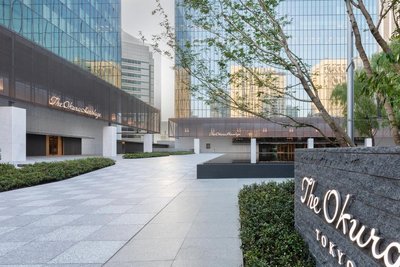
The Okura Tokyo
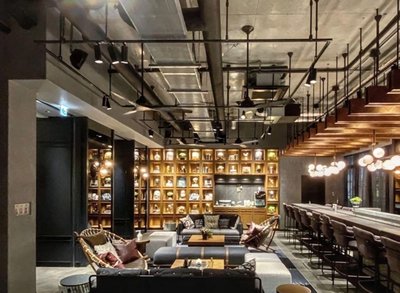
The Lively Azabujuban Tokyo
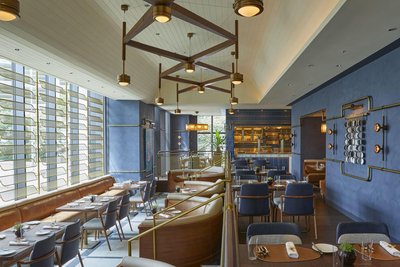
Kimpton Shinjuku Tokyo

HOTEL K5
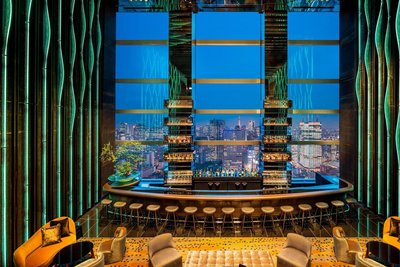
The Prince Gallery Tokyo Kioicho, a Luxury Collection Hotel
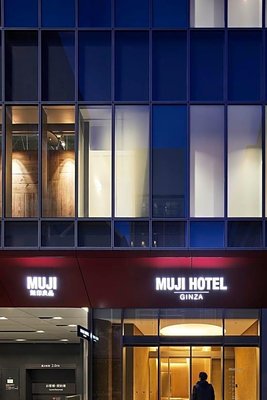
Muji Hotel Ginza
Hakone Gora Byakudan
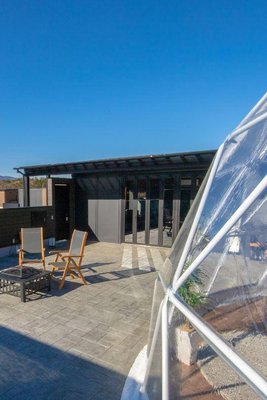
Panoramic Mt. Fuji Views from All Rooms – Vision Glamping Resort & Spa Yamanakako
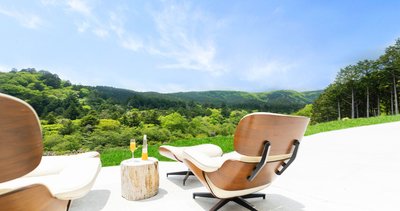
Shelter Garden Nikko
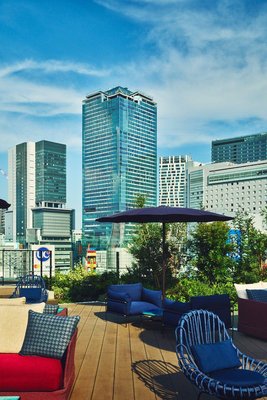
Hotel Indigo Tokyo Shibuya
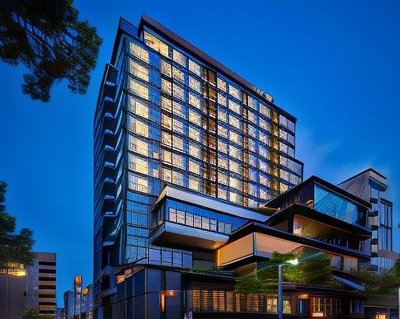
TIAD, AUTOGRAPH COLLECTION
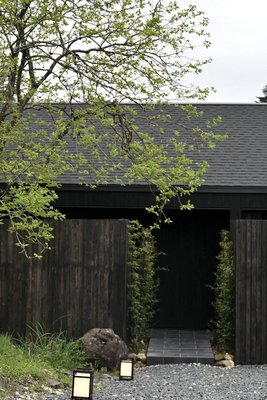
THE LAKOTAN
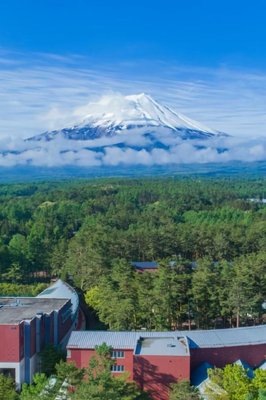
Forest Village (Fuji Premium Resort)

Hotel Toranomon Hills
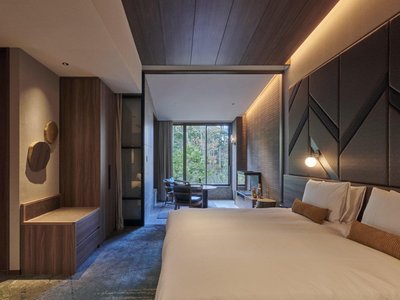
Fufu Kyu-Karuizawa Restful Forest
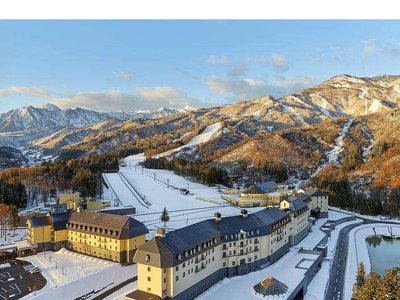
Lotte Arai Resort
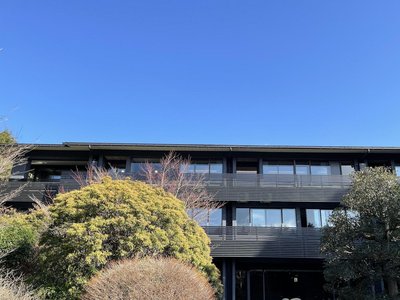
Sengokubara Cocon
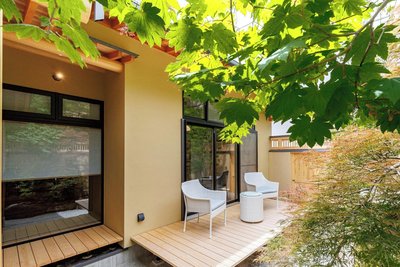
Shoraiso
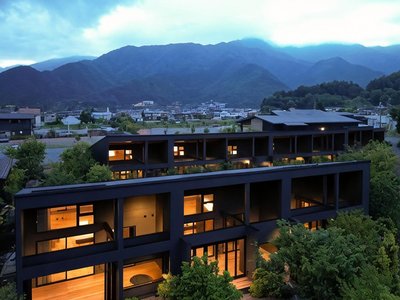
7C Villa and Winery
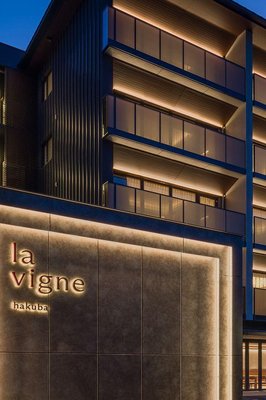
Hotel la Vigne Hakuba by Onko Chishin
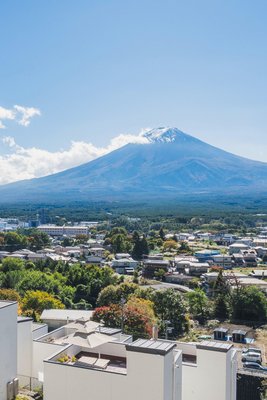
THE TOKI FujiKawaguchiko
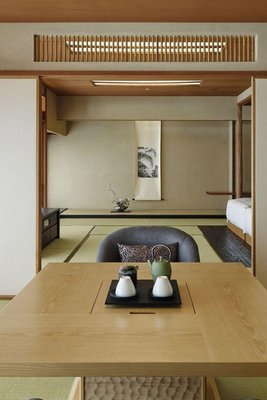
Takanawa Hanakohro (in Grand Prince Hotel Takanawa)
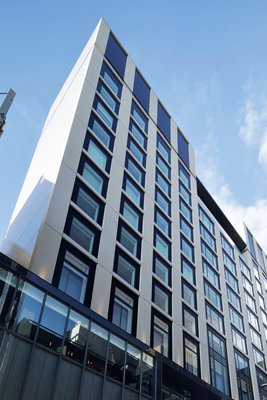
Hyatt Centric Ginza Tokyo
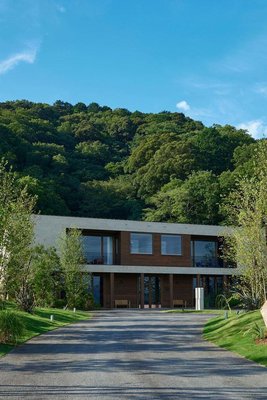
HACIENDA VISON
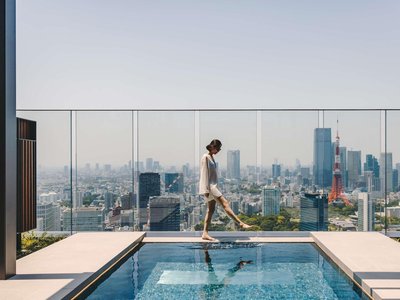
Fairmont Tokyo
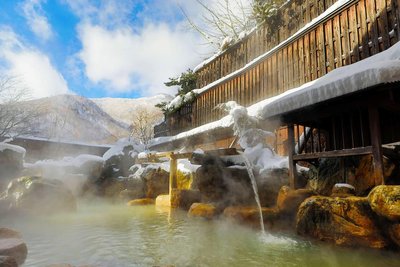
Miyamaouanbekkan yumegurinoyado hirayukan
Bvlgari Hotel Tokyo
Four Seasons Hotel Tokyo at Marunouchi
Mandarin Oriental, Tokyo
The Ritz-Carlton, Tokyo
Andaz Tokyo Toranomon Hills- A Concept by Hyatt
Gora Kadan

Hotel New Otani Tokyo the Main
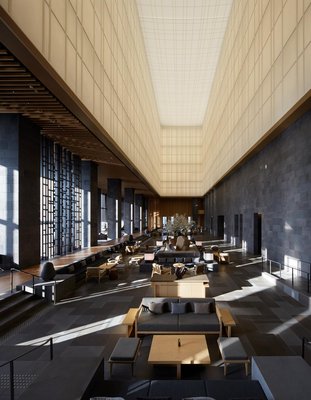
Aman Tokyo
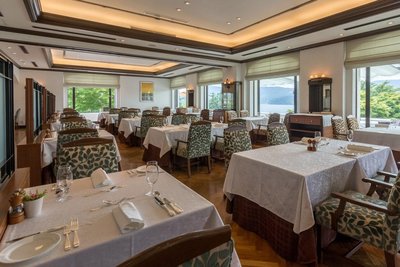
Odakyu Hotel de Yama
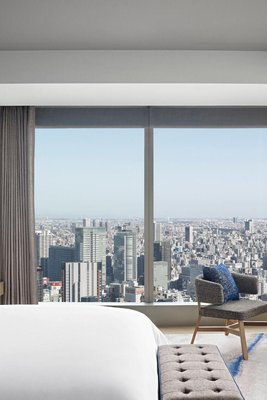
Four Seasons Hotel Tokyo at Otemachi
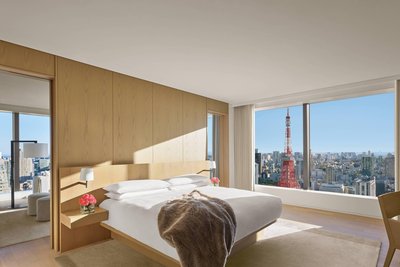
The Tokyo Edition, Toranomon

Hyatt Centric Kanazawa
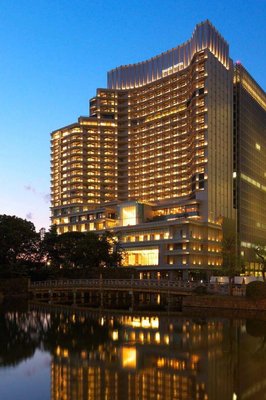
Palace Hotel Tokyo
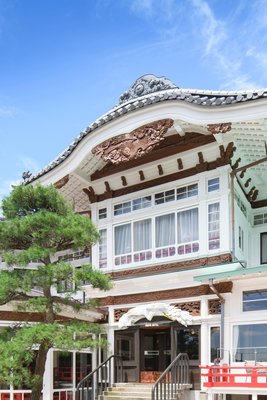
Fujiya Hotel
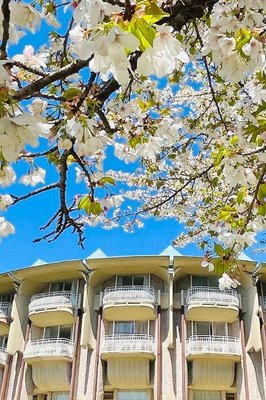
The Prince Hakone Lake Ashinoko
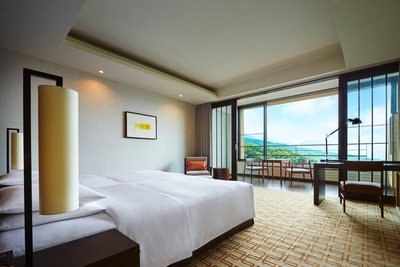
Hyatt Regency Hakone Resort and Spa
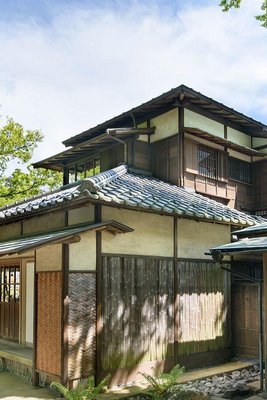
Hakone Suishoen
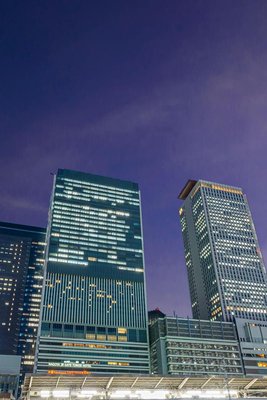
Nagoya JR Gate Tower Hotel (JR-Central Hotels)
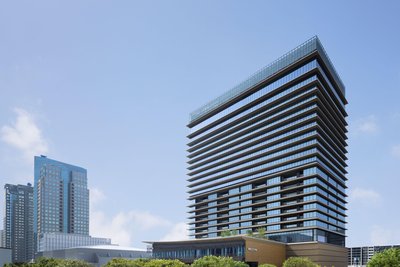
The Westin Yokohama
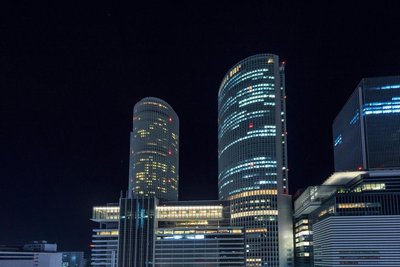
Nagoya Marriott Associa Hotel
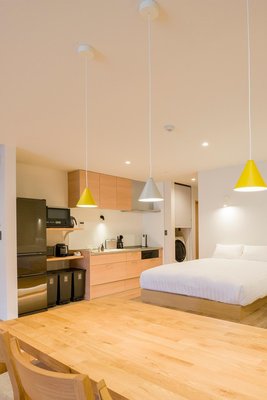
Rakuten STAY VILLA Nasu
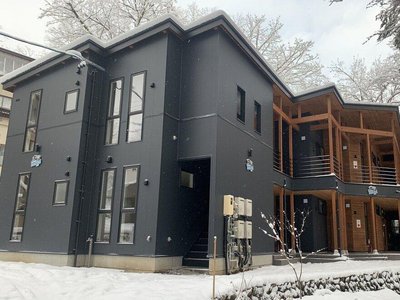
Hakuba Gondola Apartments
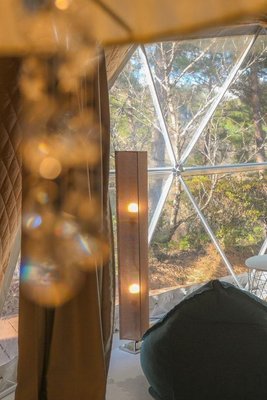
glampark Gekkabijin Nagano
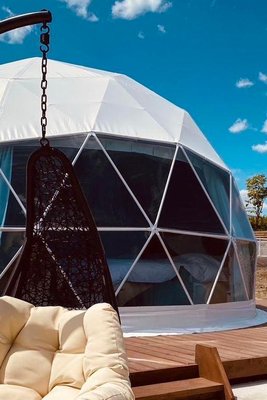
chillout glamping zao
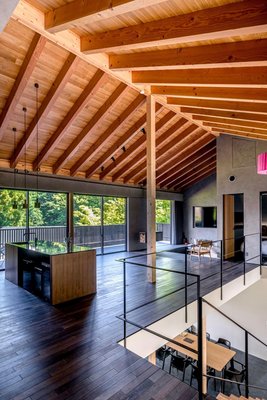
MONS GORA
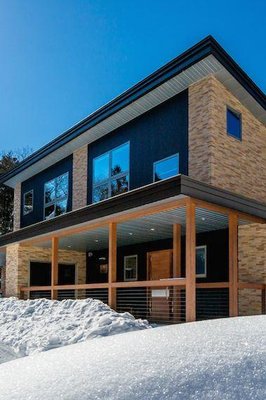
Phoenix Chalets by Hhg
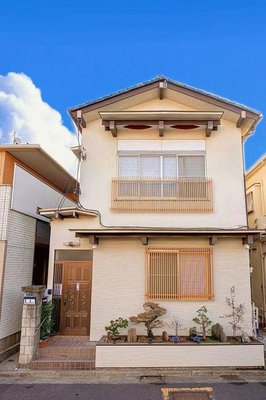
Tokyo Star House-Shinkoiwa
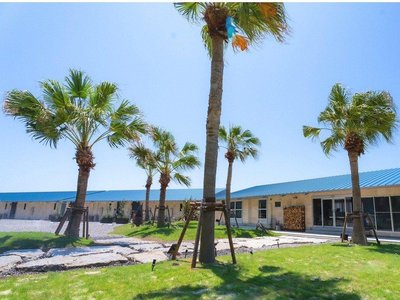
Glamping&Resort Wood Design Park Noma
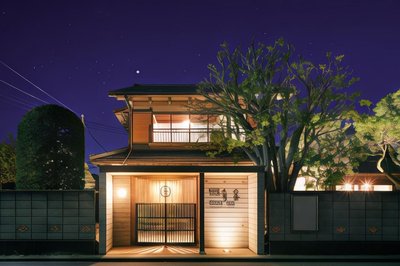
Machi-Jyu
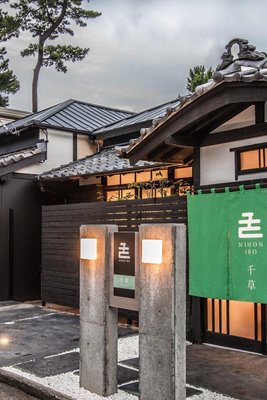
Nihon Iro
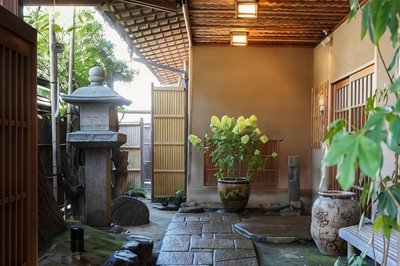
Ryokan Asadaya

Kitashirakawa Natural Radium Onsen
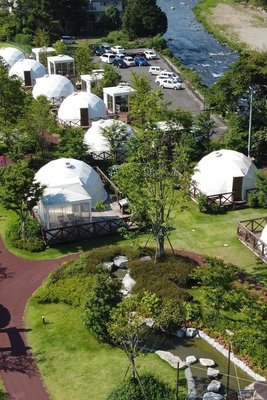
Ufufu Village
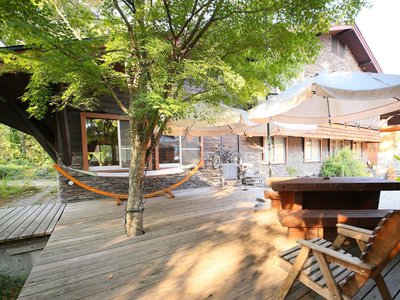
Kunugi Relaxation with 4 Modern Rooms
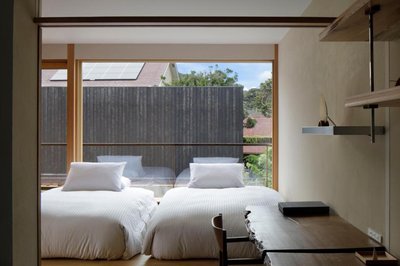
Modern Ryokan Kishi-ke
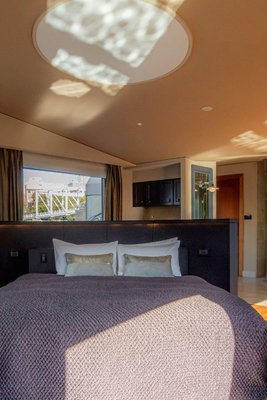
Petals Tokyo - Floating Hotel
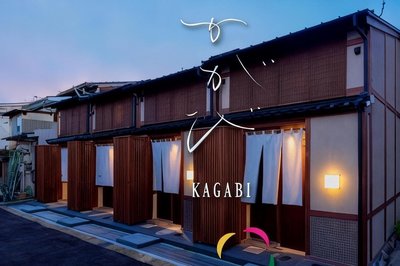
Kagabi Machiya House
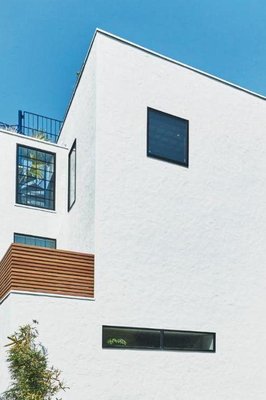
The Flow Kamakura
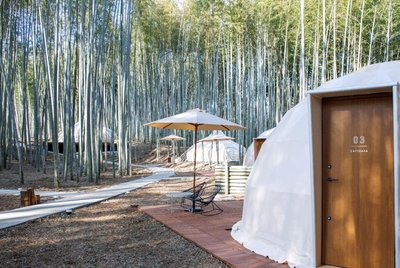
THE BAMBOO FOREST
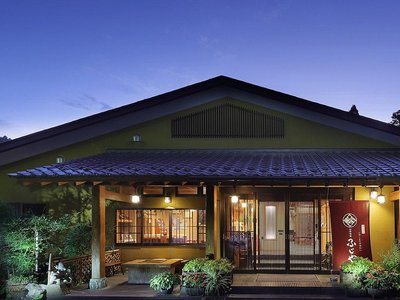
Shikimitei Fujiya
Bellustar Tokyo, A Pan Pacific Hotel

Hotel Barrière Fouquet's New York
Bvlgari Hotel Tokyo

Shima Kanko Hotel the Bay Suites
Loquat Nishiizu
Byaku Narai
Atami Izusan Karaku
The Tokyo Edition, Ginza
Janu Tokyo
JW Marriott Hotel Tokyo
Four Seasons Hotel Tokyo at Marunouchi

The Plaza - A Fairmont Managed Hotel
Mandarin Oriental, Tokyo
The Ritz-Carlton, Tokyo
Andaz Tokyo Toranomon Hills- A Concept by Hyatt
Hoshinoya Karuizawa
Hotel Gajoen Tokyo
Gora Kadan
Gora Hanaougi
The Hiramatsu Hotels & Resorts Kashikojima
Frequently Asked Questions about Traveling to Shimonita
Questions You Might Need to Know About Traveling to Shimonita
In Kanna Town, the top choice for authentic Japanese experience is Kanna Onsen Ryokan, a family-run inn featuring tatami rooms, kaiseki dining, and private outdoor onsen baths. Located near the Tagawa River, it offers serene views of forested hills and seasonal cherry blossoms. Guests can enjoy local specialties like Grass Carp Dried Fish and wild mountain vegetables. The ryokan also provides guided nature walks and seasonal festivals, making it ideal for travelers seeking cultural immersion and peaceful retreats in rural Gunma.
The central district of Kanna Town is the most convenient area for lodging, offering easy access to Kanna Station, local shops, and walking trails. This region hosts several charming guesthouses and ryokans such as Yamano Fū Ryokan, known for its warm hospitality and home-style meals. Strolling through the quiet alleys at dusk reveals traditional wooden houses and lantern-lit streets, perfect for experiencing the town’s slow-paced rhythm. Plus, it's just a 10-minute walk from the Tagawa River Trail, ideal for morning hikes or evening strolls.
Kanna Town offers immersive cultural experiences centered around nature and tradition. Visitors can join spring wild herb foraging tours, where locals teach how to identify and harvest edible plants like ferns and bamboo shoots, followed by cooking classes using fresh ingredients. The Kanna Town Folk Museum hosts hands-on workshops in washi paper-making and wood carving, showcasing the craftsmanship passed down through generations. These activities provide deep insights into Gunma’s rural heritage and sustainable living practices.
Yes, Kanna Town boasts excellent natural hot springs, primarily located in the Kanna Onsen Area. The mineral-rich, alkaline carbonic acid waters are renowned for their skin-soothing properties and stress-relieving benefits. Kanna Onsen Ryokan and Tagawa Onsen Hakkan feature open-air baths with scenic views of the river valley and surrounding mountains. Some resorts even offer "forest bathing" integration, combining onsen therapy with quiet woodland walks—perfect for rejuvenating both body and mind under starlit skies.
Absolutely! Kanna Town is an ideal destination for families seeking safety, tranquility, and nature-based activities. The Children’s Nature Learning Garden offers interactive ecological lessons, letting kids explore local flora and fauna. The Tagawa River Play Zone features shallow waters and picnic areas, perfect for children to splash safely. Many lodgings, including Yamano Fū Ryokan, provide child-friendly meals, game rooms, and family suites, ensuring a comfortable and joyful trip for all ages.
The Tagawa River Trail is a must-visit, stretching 5 km along a crystal-clear stream surrounded by lush forests and birdwatching spots. In autumn, the Red Leaf Valley transforms into a breathtaking tapestry of crimson and gold, attracting photographers and hikers alike. For panoramic views, head to Oya Mountain Observation Deck, which offers sweeping vistas of the entire Kanna Basin and distant peaks. Early mornings here are especially magical, with mist rising over the valley—a true highlight for nature lovers.
Kanna Town’s cuisine highlights regional ingredients: try Dried Grampus Carp (a traditional Gunma delicacy), Tagawa River Bass Hot Pot, and wild vegetable tempura made from freshly foraged greens. Restaurants like Yama no Mi Restaurant offer a "One-Day Farmer Experience Meal", where guests pick ingredients, cook together, and enjoy a full meal—connecting them directly to the land. These dishes reflect the town’s deep respect for seasonal abundance and sustainable farming.
While rural, Kanna Town has reliable transport links. From Tokyo Station, take the Tobu Railway to Kanna Station (~90 minutes), with frequent and punctual services. Free shuttle buses connect the station to major hotels and attractions. Local roads are well-maintained, making car rentals practical for exploring remote trails. For public transit, the Tourist Bus System covers key sites at affordable fares, allowing visitors without cars to easily access scenic spots and cultural venues.
The highlight is the Summer Mountain Festival, featuring traditional dances, illuminated float parades, and bonfire ceremonies honoring nature and ancestors. In autumn, the Autumn Red Leaf Lantern Festival lights up the Tagawa River trail with thousands of handmade paper lanterns, creating a dreamlike atmosphere. The annual Spring Wild Herb Market brings together local farmers selling fresh foraged vegetables, handmade goods, and regional snacks—ideal for tasting authentic country life and supporting local artisans.
Accommodation prices in Kanna Town are very reasonable. Budget guesthouses start at ¥4,000–6,000 per night, including breakfast and onsen access. Mid-range ryokans like Kanna Onsen Ryokan charge ¥8,000–15,000, with dinner and full-day onsen privileges. For private villas or family suites, expect ¥18,000–25,000, perfect for groups. Overall, Kanna offers exceptional value—low prices with high-quality experiences, making it one of Japan’s best-kept secrets for budget-conscious, nature-loving travelers.
Shimonita Overview
City Summary
Shimonita Town in Gunma Prefecture, Japan, is renowned for its natural beauty and traditional culture. Famous for Shimonita leeks and handmade soba noodles, it's ideal for travelers seeking tranquility and an authentic rural Japanese experience.
Must-See Attractions
Ohmine Mountain attracts hikers with panoramic views from its summit. Shimonita Shrine offers rich history and traditional festivals. Visitors can also join soba-making workshops to craft and taste fresh noodles.
Food Guide
Don't miss Shimonita leeks, often used in hot pots and grilled dishes. Handmade soba noodles paired with local soy sauce are a must-try. Street stalls serve grilled rice dumplings and mochi, showcasing rustic flavors.
Transportation Guide
Buses are the primary transit option, connecting nearby towns. Renting a car is recommended for exploring rural areas freely. Trains only reach neighboring stations, so check schedules in advance. Most attractions are accessible on foot or by rented bicycle.
Best Time to Visit
Visit in spring (March-May) for mild weather and cherry blossoms, or autumn (September-November) for stunning foliage. Summers are hot, and winters may bring snow.
Travel Tips
- Observe shrine etiquette: purify hands before entering.
- Drive cautiously on narrow rural roads.
- Carry cash as many small shops don't accept cards.
- Book soba workshops and popular eateries in advance.
- Pack layers for mountain temperature drops.
- Dispose of trash properly; public bins are scarce.
Useful Information
Japanese is the main language; English is limited—download a translation app. Mobile coverage is decent but spotty in mountains. Cash dominates; few places accept cards. Dial 110 (police) or 119 (ambulance) in emergencies. Pharmacies are rare, so bring essential medications.









