Hotels in Shimotsuma
Discover your perfect stay in Shimotsuma.
Shimotsuma(Japan) Travel 2026: Cheap Flights, Hotels & Top Attractions
Popular Landmarks in Shimotsuma
Discover the most iconic attractions in Shimotsuma
Recommended Hotels in Shimotsuma
Find the perfect place to stay in Shimotsuma
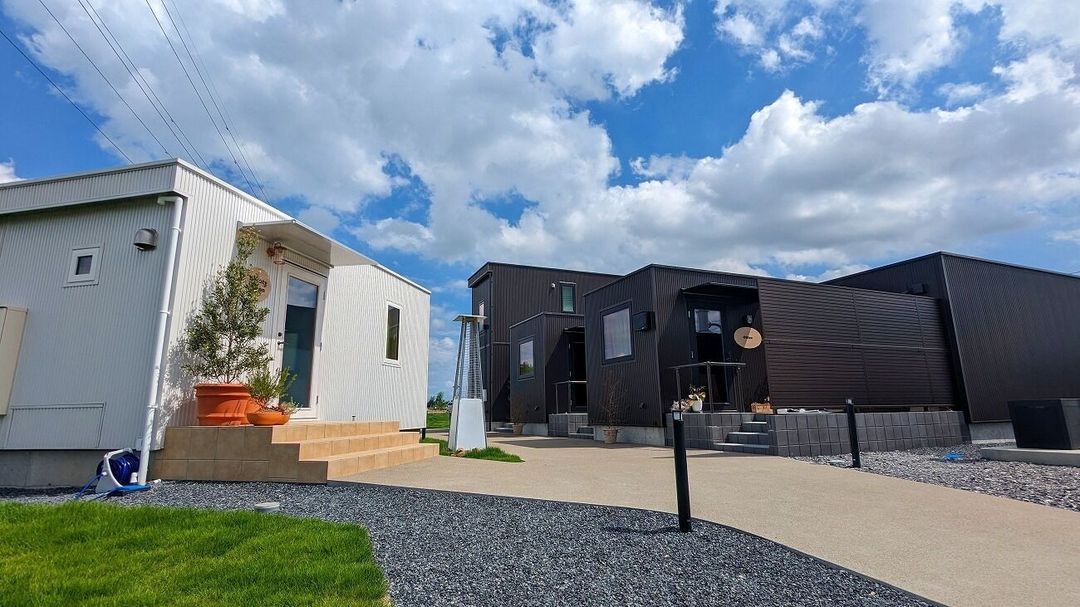
BITOKENKOUNOMACHI COSMIC TOWN
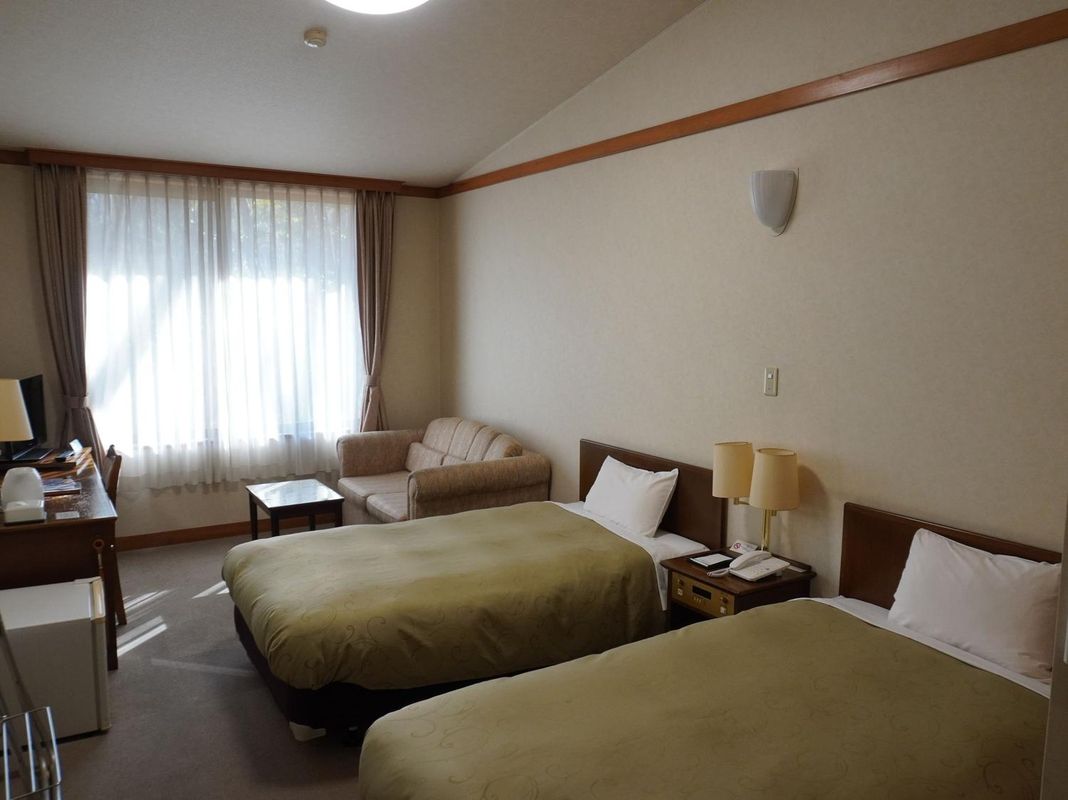
Beers Park Shimotsuma

Hotel Route Inn Shimotsuma
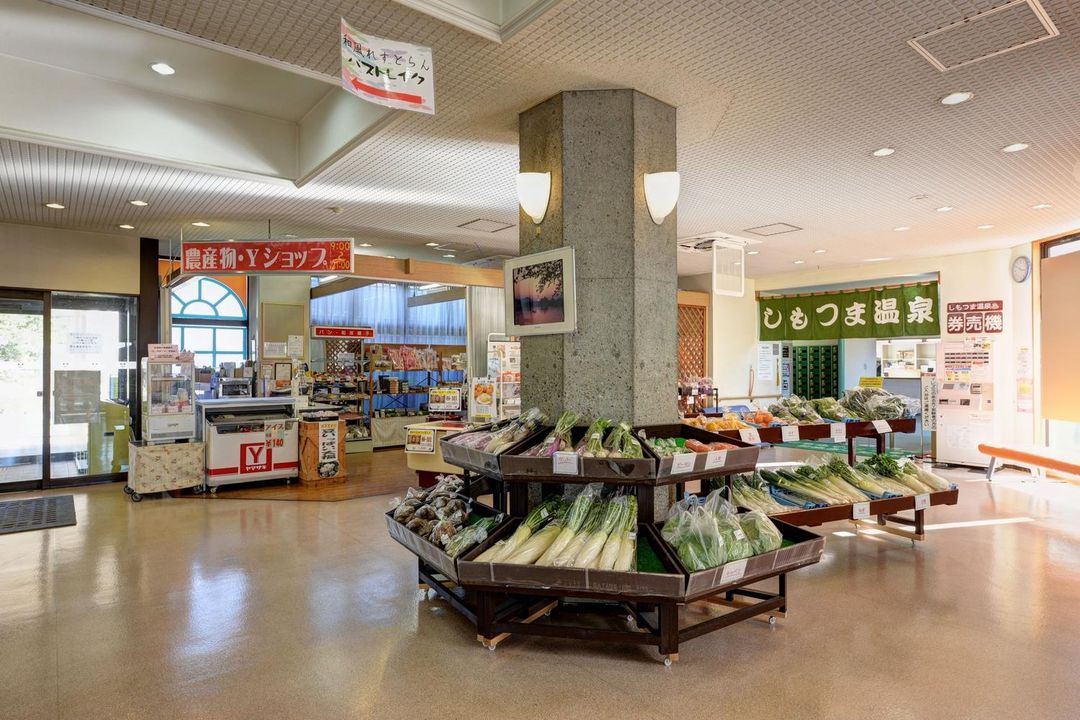
Beerspark Shimotsuma
Best Hotels in Shimotsuma
Discover curated hotel collections in Shimotsuma
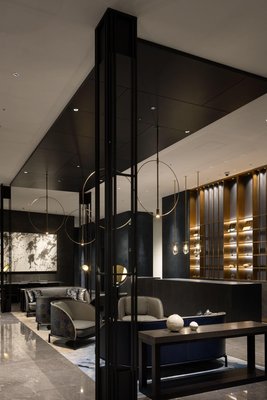
Bellustar Tokyo, A Pan Pacific Hotel
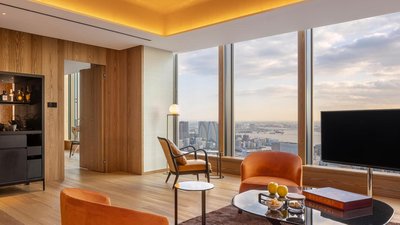
Bvlgari Hotel Tokyo
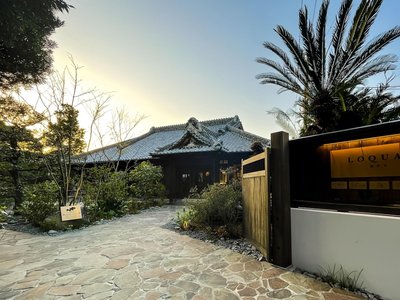
Loquat Nishiizu
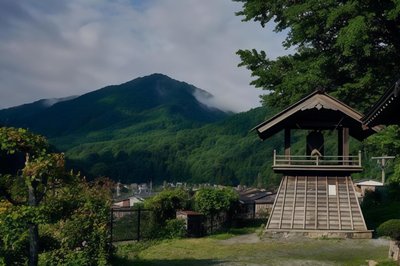
Byaku Narai
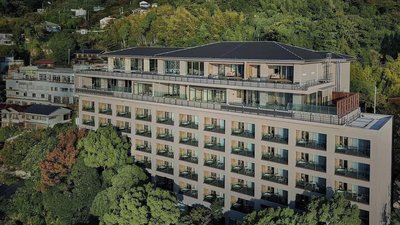
Atami Izusan Karaku
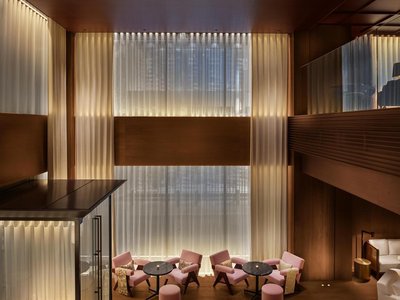
The Tokyo Edition, Ginza
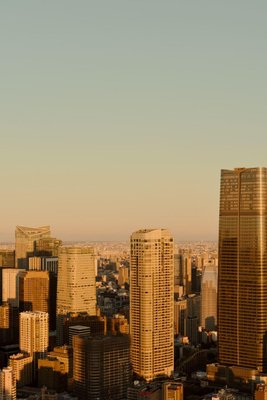
Janu Tokyo
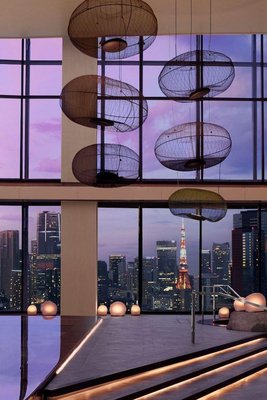
JW Marriott Hotel Tokyo
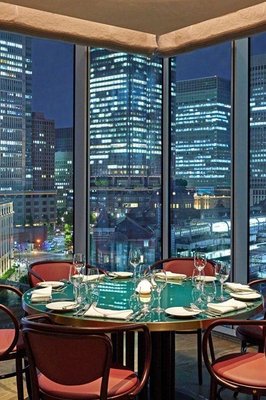
Four Seasons Hotel Tokyo at Marunouchi

Mandarin Oriental, Tokyo
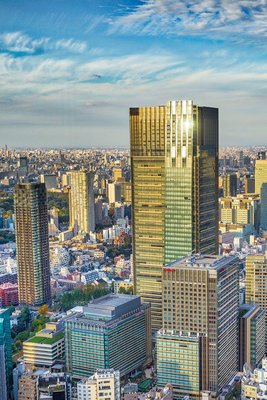
The Ritz-Carlton, Tokyo
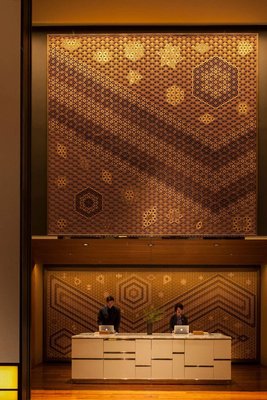
Andaz Tokyo Toranomon Hills- A Concept by Hyatt
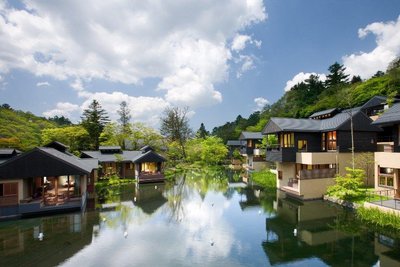
Hoshinoya Karuizawa
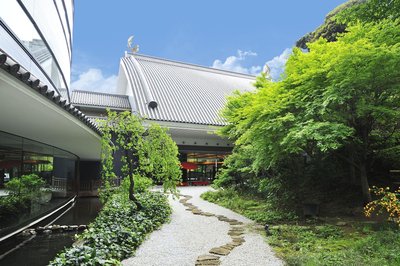
Hotel Gajoen Tokyo
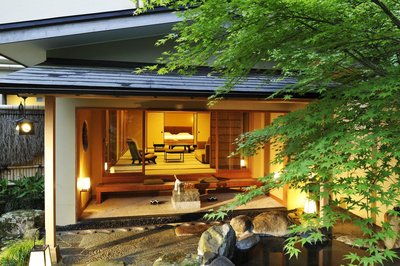
Gora Kadan
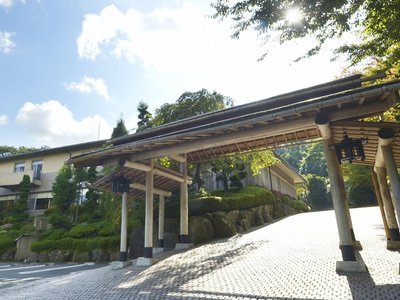
Gora Hanaougi
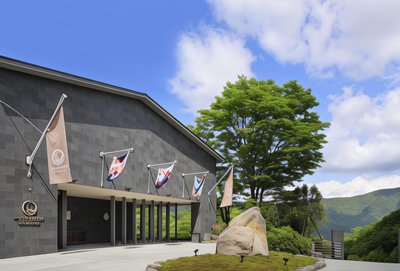
The Hiramatsu Hotels & Resorts Sengokuhara Hakone

Abba Resorts Izu - Zagyosoh
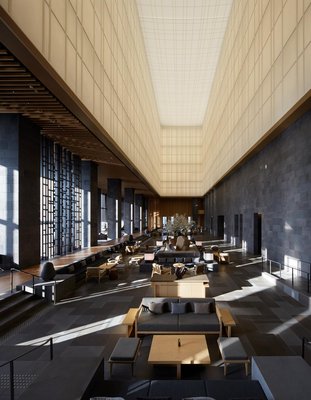
Aman Tokyo
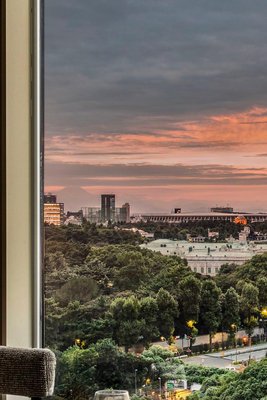
Hotel New Otani Tokyo, Executive House Zen
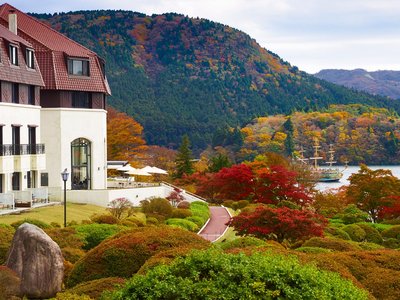
Hotakajyo
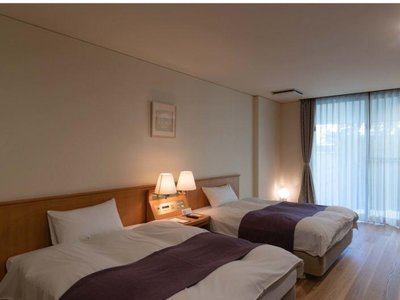
Auberge Suzukane

Onyado Nono Asakusa Bettei Hot Spring
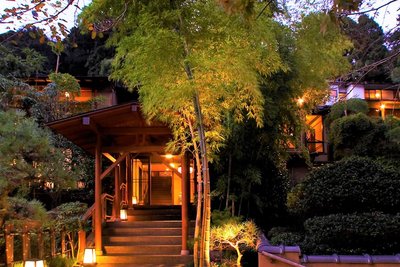
Shiki wo Ajiwau Yado Yamano Chaya
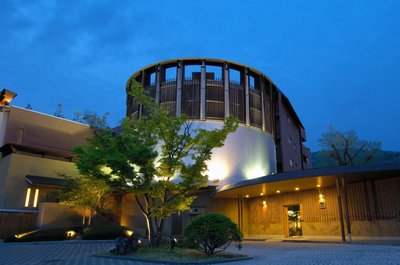
Hoshino Resorts Kai Matsumoto
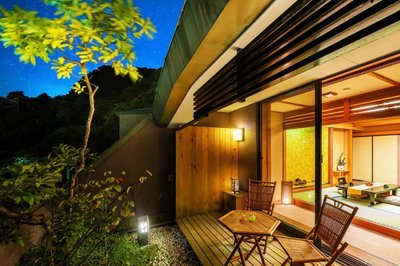
Konjakutei
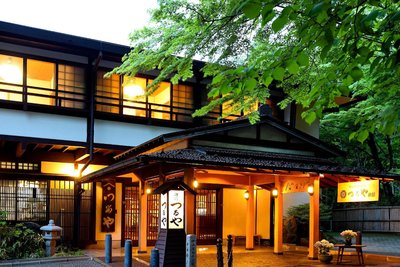
Tsuruya Ryokan
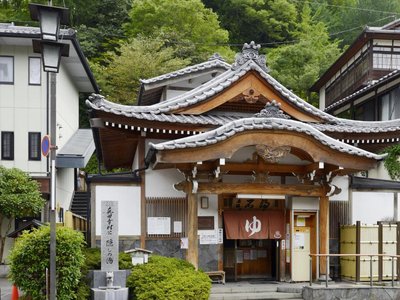
Nakamatsuya Ryokan
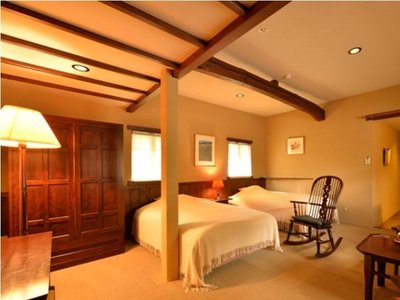
Ryokan Sugimoto
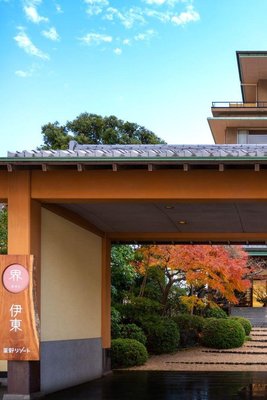
Hoshino Resorts Kai Ito
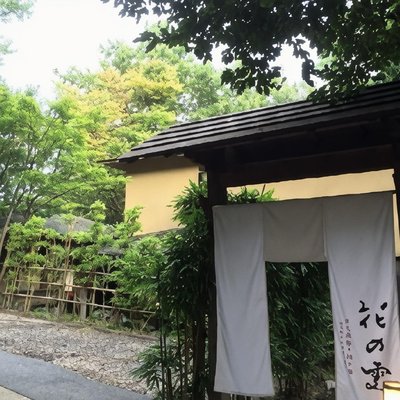
Hana No Kumo
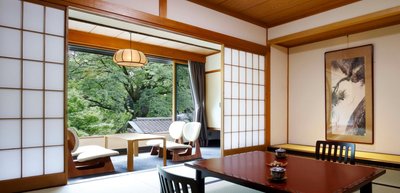
Yoshiike Ryokan
Hotel Gajoen Tokyo
Gora Hanaougi
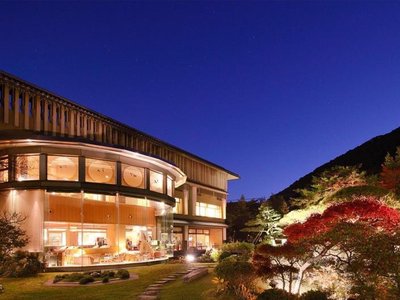
Shikisai Ichiriki
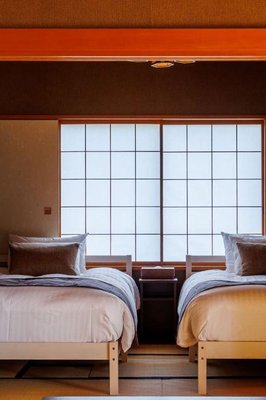
Sado Resort Hotel Azuma
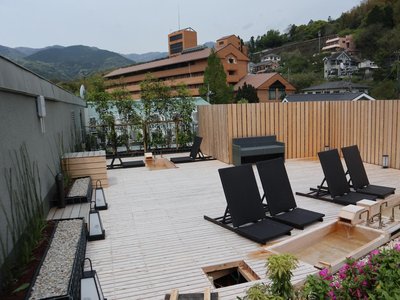
Fukiya Ryokan
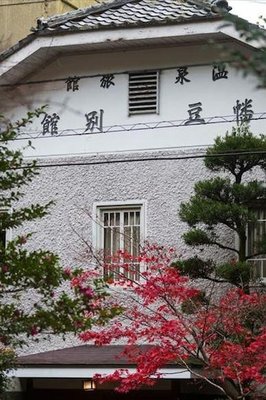
Oku-Mikawa・Yuya Onsen HAZU Bekkan
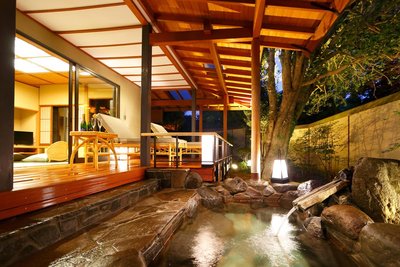
Yoshiharu Ryokan – Izu Nagaoka Onsen
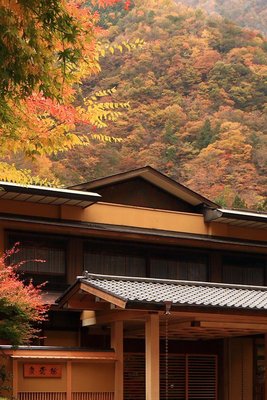
Nishiyama Onsen Keiunkan

Rakuten STAY VILLA Nasu

Hakuba Gondola Apartments
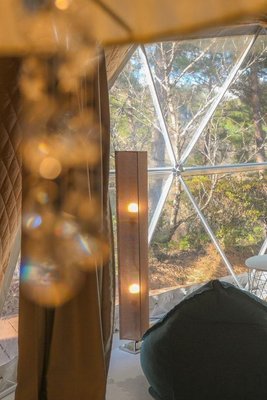
glampark Gekkabijin Nagano
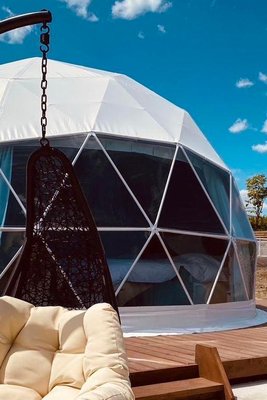
chillout glamping zao
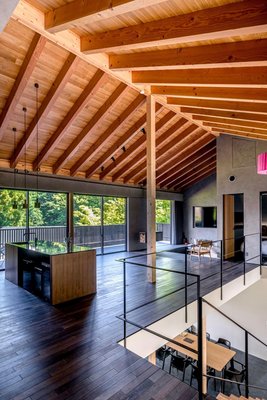
MONS GORA

Phoenix Chalets by Hhg
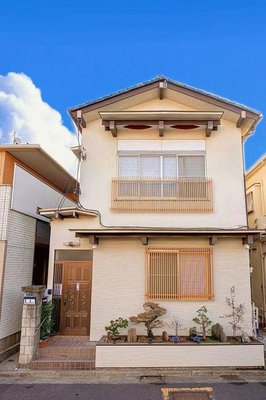
Tokyo Star House-Shinkoiwa
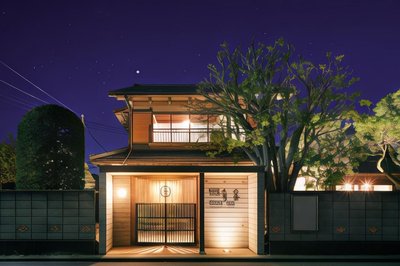
Machi-Jyu
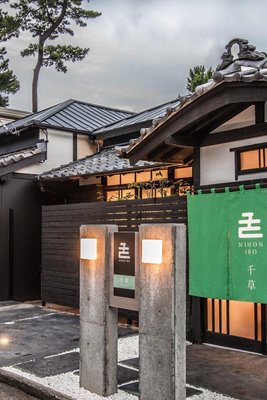
Nihon Iro
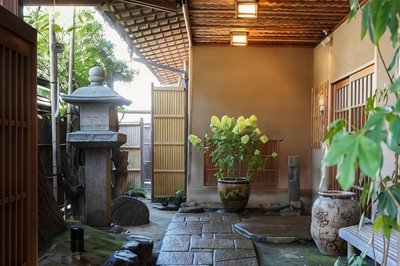
Ryokan Asadaya
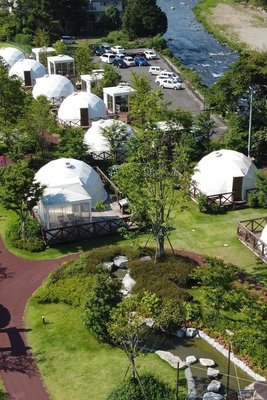
Ufufu Village
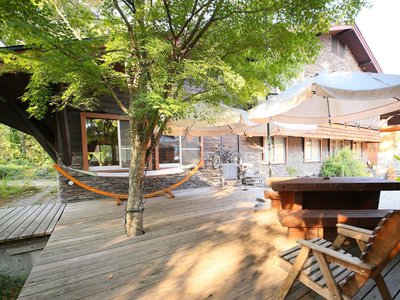
Kunugi Relaxation with 4 Modern Rooms

Modern Ryokan Kishi-ke

Petals Tokyo - Floating Hotel
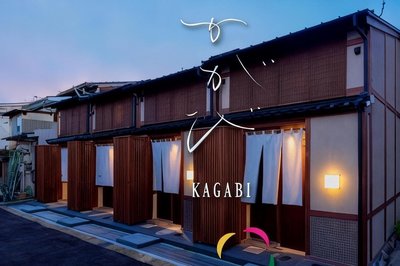
Kagabi Machiya House
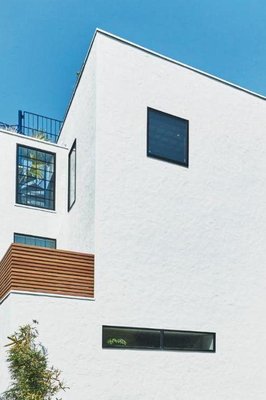
The Flow Kamakura
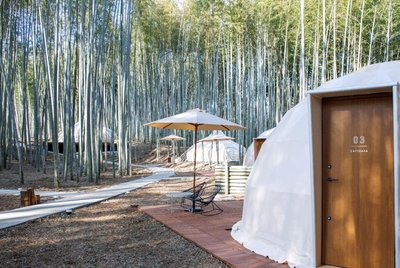
THE BAMBOO FOREST
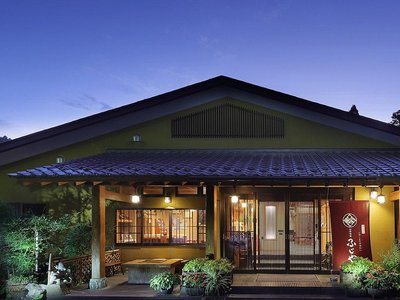
Shikimitei Fujiya
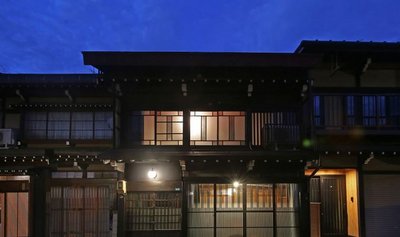
Iori Stay Hida

Hotel Barrière Fouquet's New York

The Plaza - A Fairmont Managed Hotel
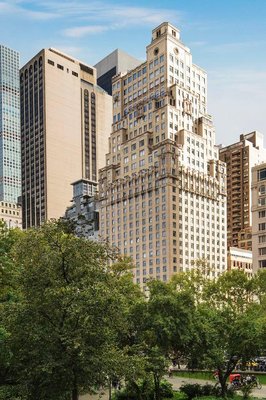
The Ritz-Carlton New York, Central Park
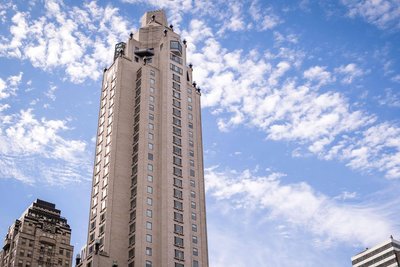
Four Seasons Hotel New York

The St. Regis New York

Park Hyatt New York
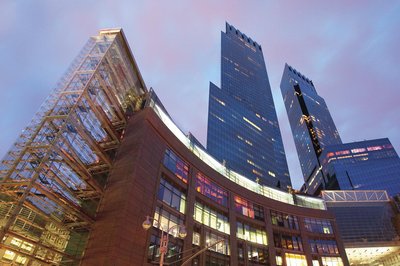
Mandarin Oriental New York

Times Square Edition New York

Loews Regency New York Hotel

Lowell Hotel
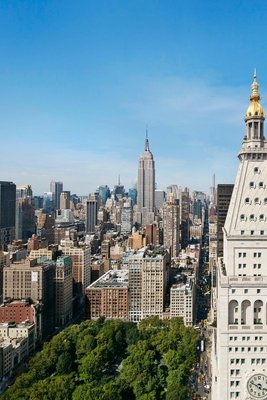
New York Edition

Baccarat Hotel New York

Equinox Hotel New York

Four Seasons Hotel New York Downtown

The Langham, New York, Fifth Avenue

The Carlyle, A Rosewood Hotel

The Chatwal, in the Unbound Collection by Hyatt

The Mark New York
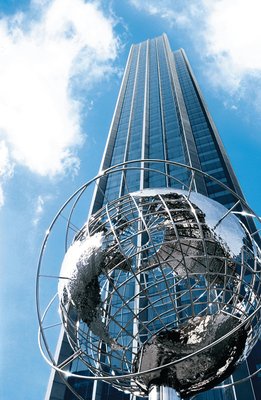
Trump International Hotel & Tower® New York
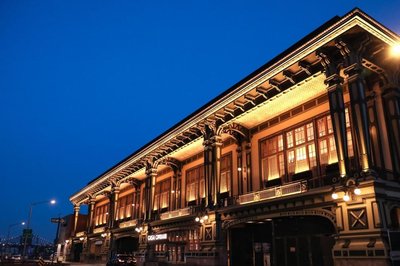
Casa Cipriani New York
Frequently Asked Questions about Traveling to Shimotsuma
Questions You Might Need to Know About Traveling to Shimotsuma
In Shiojiri City, the best choice for traditional Japanese charm is Shimosa Yado Hō Ryokan, a boutique guesthouse nestled near the Shiojiri Inari Shrine. The property features authentic tatami-matted rooms, sliding shoji doors, and serene garden views. Each room offers a quiet retreat with access to shared onsen baths and seasonal kaiseki meals made from local ingredients. Guests can enjoy tea ceremonies, kimono rentals, and guided walks through historic alleyways. Located just minutes from the Shiojiri Station, it blends accessibility with deep cultural immersion, making it ideal for travelers seeking an authentic taste of rural Ibaraki.
The central district around Shiojiri Station is the most convenient area for first-time visitors. It offers easy access to major attractions like the Shiojiri Inari Shrine, Shiojiri City Museum, and the Shiojiri Market. The area features well-preserved machiya-style townhouses, many converted into cozy guesthouses such as Shiojiri no Sato Yado. With nearby restaurants, convenience stores, and bike rental services, it’s perfect for exploring on foot or by bicycle. Evening strolls along the Shiojiri River provide a peaceful atmosphere, ideal for experiencing the quiet charm of this hidden gem in Ibaraki Prefecture.
Tourists in Shiojiri City can participate in the annual Shiojiri Inari Festival (held every August), featuring grand mikoshi processions and traditional folk dance performances. At the Shiojiri City Museum, visitors can explore exhibits on Edo-period history and samurai culture. For hands-on experiences, try woodworking workshops at the Shiojiri Artisan Village, where you can craft traditional lacquerware or bamboo baskets. History enthusiasts should visit the former Shiojiri Women's School, offering guided tours on early 20th-century female education in Japan. These immersive activities offer a genuine connection to Shiojiri’s identity as a cultural hub in northern Ibaraki.
Must-try dishes in Shiojiri City include Shiojiri Beef Bowl, made with locally raised water buffalo meat simmered in a rich, savory sauce. Another highlight is local rice balls (onigiri) wrapped in seaweed and filled with umeboshi plum, showcasing the region’s agricultural pride. Don’t miss Shiojiri Tofu, known for its silky texture—served cold with soy sauce or in hot soup. At the Shiojiri Market, sample freshly grilled mochi skewers dipped in black sugar syrup—a sweet treat perfect for a snack. These flavors, available at Shimosa Yado Hō Ryokan’s dining hall or small street stalls, reflect the city’s deep-rooted culinary traditions.
Yes, Shiojiri City is highly suitable for families. The Shiojiri Children’s Science Museum offers interactive experiments and nature discovery programs ideal for kids. The Shiojiri River Greenway has dedicated bike paths and picnic zones, perfect for family rides and outdoor relaxation. The Shiojiri City Museum includes a children’s corner with role-playing games about Edo-era life. Many guesthouses, such as Shiojiri no Sato Yado, offer family rooms with kid-friendly amenities like bath mats and board games. During festivals like the Inari Festival, special events like face painting and lantern-making engage young visitors. With safe streets and a calm environment, it’s an excellent destination for intergenerational travel.
Transportation in Shiojiri City is convenient via the Tobu Railway Noda Line, which connects directly to Shiojiri Station from Tokyo (approx. 90 minutes). The station is well-linked to local buses serving key sites like the Shiojiri Inari Shrine and Shiojiri City Museum. Within the city, renting bicycles or electric scooters is recommended for exploring narrow alleys and countryside trails. For drivers, the Kanto Expressway provides quick access to surrounding cities. Additionally, the Shiojiri City Tourist Bus offers loop routes with multilingual audio guides, ideal for visitors unfamiliar with the area. Overall, the transport network supports both day trips and longer stays seamlessly.
Each season in Shiojiri City brings unique beauty. In spring, cherry blossoms bloom along the Shiojiri River, creating a pink canopy perfect for picnics. Summer shines during the Shiojiri Inari Festival, with vibrant processions and fireworks. Autumn transforms the hillsides into golden hues—ideal for hiking at Shiojiri Mountain and photographing the scenic shrine forest paths. In winter, snow blankets the historic machiya districts, while warm onsen baths at Shimosa Yado Hō Ryokan offer cozy relief. Seasonal farm experiences like spring rice planting and autumn harvest festivals allow visitors to connect deeply with rural life. Every time of year reveals a different facet of this tranquil, culturally rich city.
Top photo spots in Shiojiri City include the historic machiya alleyways near Shiojiri Inari Shrine, where wooden facades, stone lanterns, and red torii gates create a timeless backdrop. The Shiojiri River bridge framed by reeds and willow trees offers stunning reflections, especially at golden hour. The Shiojiri City Museum’s garden, designed in the traditional tsukubai style, provides a serene setting for photography. At Shimosa Yado Hō Ryokan, the rooftop terrace and tatami-lined rooms deliver authentic Japanese aesthetic shots. For candid moments, visit the Shiojiri Market during morning hours, capturing vendors arranging fresh produce and handmade crafts. A wide-angle lens enhances the depth and detail of these picturesque scenes.
While not bustling, Shiojiri City offers enchanting nighttime experiences. The Shiojiri Inari Shrine holds a monthly evening illumination ceremony, casting soft light across the sacred path. Along the Shiojiri River, illuminated pathways and floating lanterns create a dreamy atmosphere—perfect for evening walks or boat rides. Shimosa Yado Hō Ryokan hosts night tea gatherings under the stars, often accompanied by traditional shakuhachi flute music. During the Inari Festival, expect lantern processions and fireworks displays. For stargazers, the low light pollution allows clear views of the Milky Way. Walking through quiet streets, listening to wind chimes, offers a meditative experience of the city’s peaceful rhythm after dark.
Tourists should consider purchasing Ibaraki-made lacquerware, handcrafted in Shiojiri Artisan Village, often decorated with motifs of cherry blossoms and shrines—ideal as elegant gifts. Shiojiri Tofu Chips and rice cakes (mochi) are popular edible souvenirs, long-lasting and full of local flavor. At the Shiojiri Market, pick up fresh rice, organic vegetables, or dried mushrooms packed for travel. Shimosa Yado Hō Ryokan sells exclusive handmade stationery sets and scented yukata bags. For fashion lovers, rent a kimono and take photos before buying a custom-designed obi sash or wooden geta sandals. These items not only reflect regional craftsmanship but also serve as lasting memories of your visit to this cultural heart of Ibaraki.
Shimotsuma Overview
City Summary
Shimotsuma City, located in the southwest of Ibaraki Prefecture, Japan, is a tranquil town blending tradition and modernity. Known for its agriculture, especially strawberries and rice, it boasts vast rural landscapes. The city preserves rich historical heritage, including ancient temples and shrines, while also developing unique handicraft culture, notably the traditional fabric "Yuki Tsumugi." Shimotsuma's slow-paced lifestyle and humble charm make it an ideal escape from urban bustle.
Must-See Attractions
Must-see attractions in Shimotsuma include Shimotsuma Castle Ruins, a haven for history enthusiasts to feel the ambiance of the Warring States period. Komyo-ji Temple is an ancient Buddhist temple with a serene environment. The Yuki Tsumugi Heritage Center showcases local traditional weaving, where visitors can try the craft. Additionally, farmland scenery and strawberry-picking experiences are highly recommended, especially for families.
Food Guide
Shimotsuma's cuisine highlights local produce, with strawberries being the star—enjoy fresh strawberry desserts and jams. Ibaraki ramen, with its rich broth and chewy noodles, is another highlight. Dishes made from local rice, such as onigiri and sushi, are also worth trying. Street vendors sell simple yet flavorful snacks like roasted sweet potatoes and mochi dumplings.
Transportation Guide
Transportation in Shimotsuma relies mainly on buses and taxis. The bus network covers major attractions, but schedules are limited, so check timetables in advance. From Tokyo, take the JR Joban Line to Shimotsuma Station (about 1.5 hours). Renting a car is another good option for exploring the countryside. Note that walking and cycling are popular for short-distance travel.
Best Time to Visit
The best times to visit are spring (March-May) and autumn (September-November). Spring offers cherry blossoms and lush farmland, while autumn has mild weather for outdoor activities. Summers are hot, and winters are cold, but fewer crowds mean a more peaceful experience.
Travel Tips
- Respect local culture: Follow shrine etiquette, like washing hands.
- Cash is king: Many small shops and stalls only accept cash.
- Dress comfortably: Wear light clothing and sneakers for outdoor sights.
- Book ahead: Activities like strawberry picking require reservations.
- Sort trash: Follow Japan's strict waste segregation rules.
- Keep quiet: Maintain a low volume to respect the peaceful environment.
Useful Information
For language, English is not widely spoken, so learn basic Japanese or use a translation app. Internet coverage is good—consider a local SIM or portable Wi-Fi. Payment is mostly cash-based, though some shops accept cards. For emergencies, head to Shimotsuma City Hospital or dial 119. Post offices and convenience stores offer ATMs and currency exchange. Carry a map or use offline navigation due to spotty connectivity.