Hotels in Shimotsuma
Discover your perfect stay in Shimotsuma.
Shimotsuma(Japan) Travel 2026: Cheap Flights, Hotels & Top Attractions
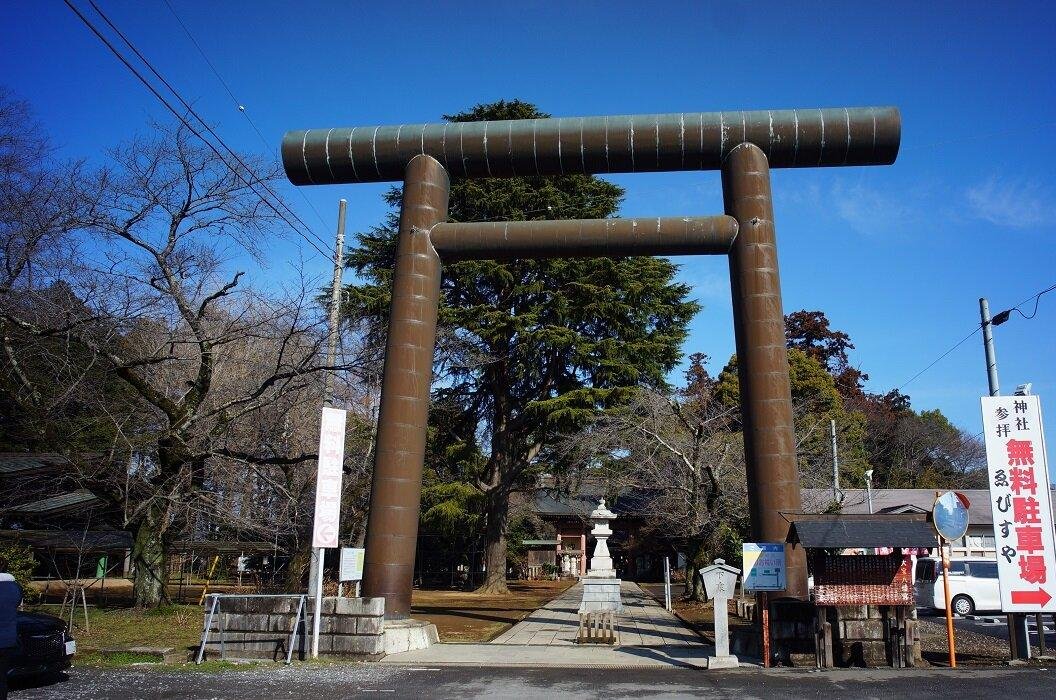
Popular Landmarks in Shimotsuma
Discover the most iconic attractions in Shimotsuma
Recommended Hotels in Shimotsuma
Find the perfect place to stay in Shimotsuma
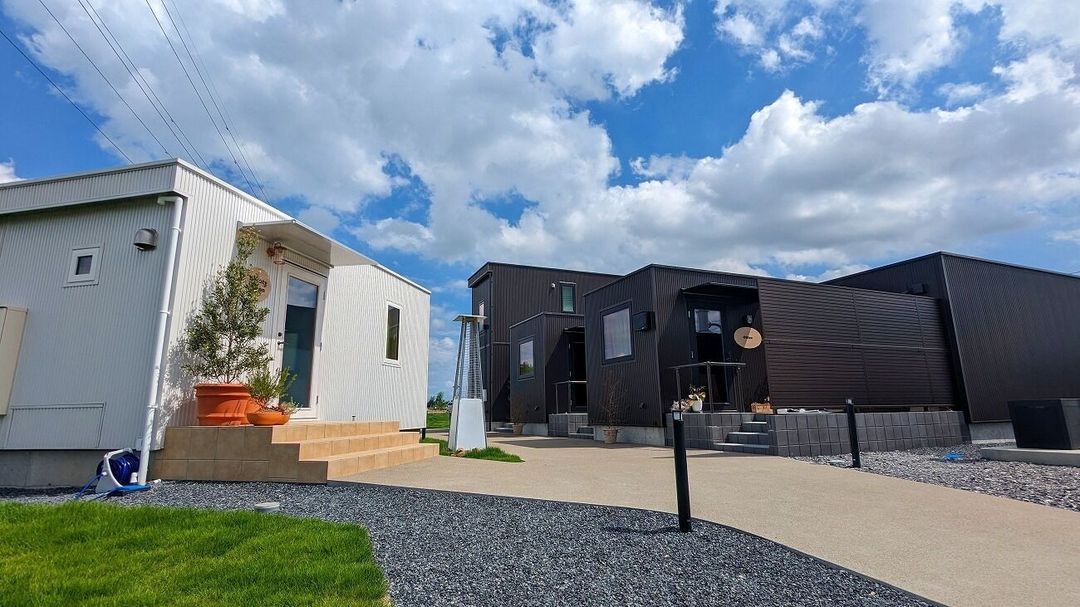
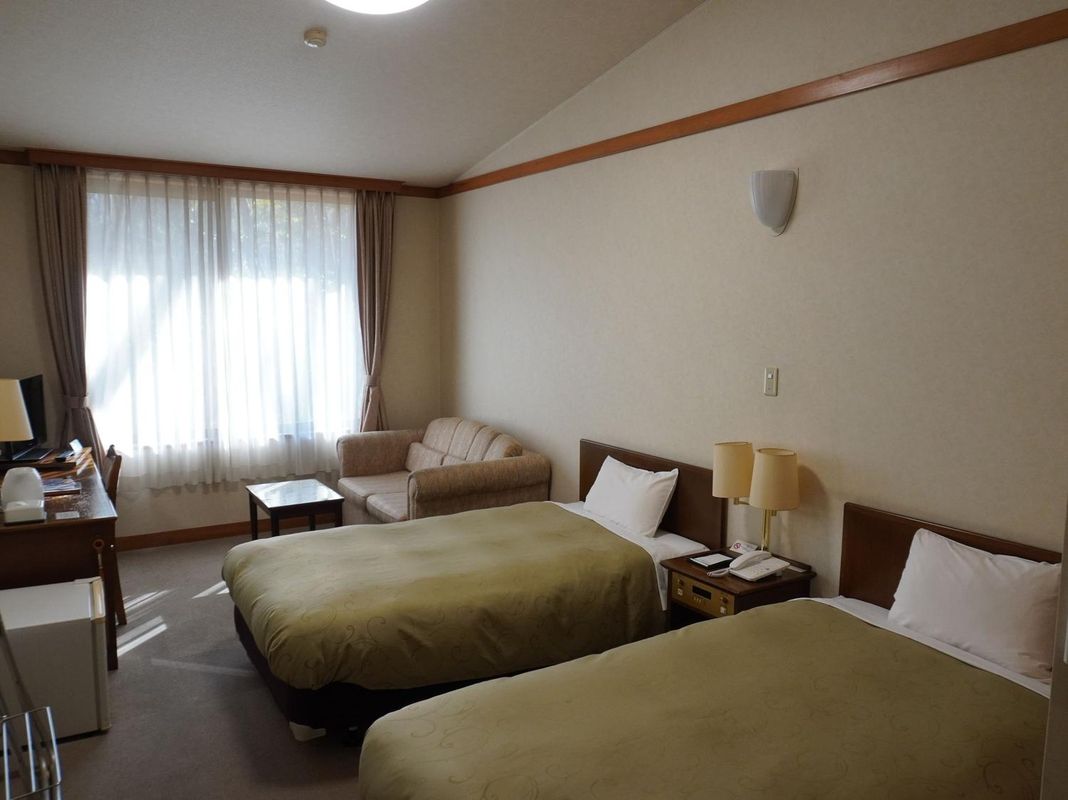

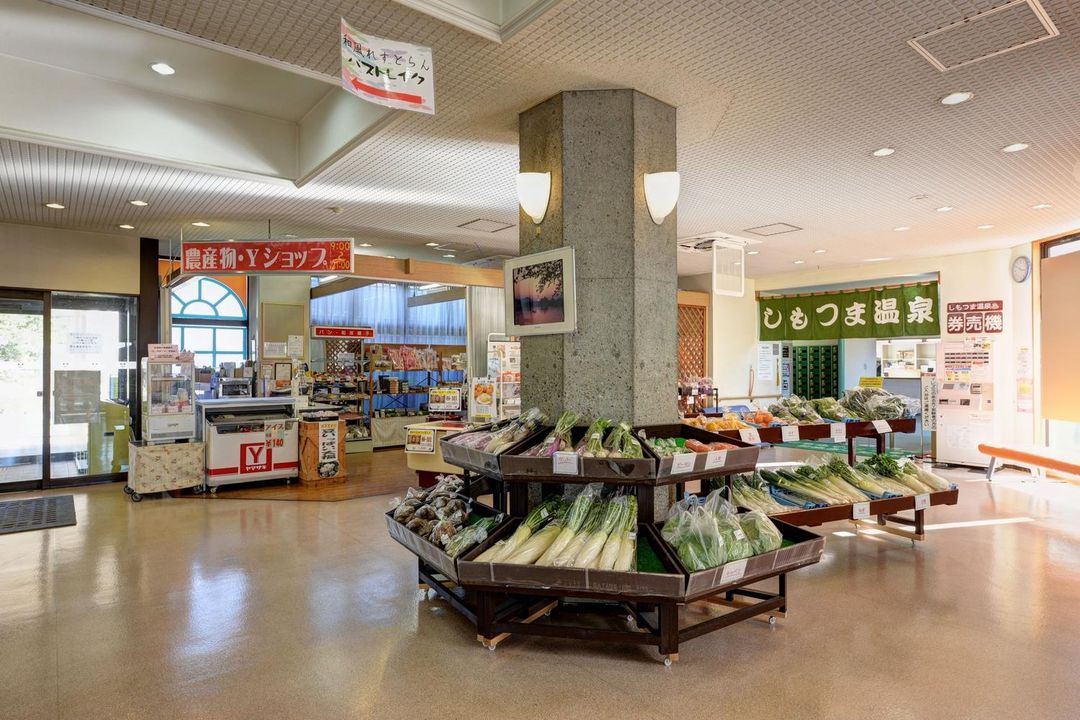
Best Hotels in Shimotsuma
Discover curated hotel collections in Shimotsuma















































Frequently Asked Questions about Traveling to Shimotsuma
Questions You Might Need to Know About Traveling to Shimotsuma
Shimotsuma Overview
City Summary
Shimotsuma City, located in the southwest of Ibaraki Prefecture, Japan, is a tranquil town blending tradition and modernity. Known for its agriculture, especially strawberries and rice, it boasts vast rural landscapes. The city preserves rich historical heritage, including ancient temples and shrines, while also developing unique handicraft culture, notably the traditional fabric "Yuki Tsumugi." Shimotsuma's slow-paced lifestyle and humble charm make it an ideal escape from urban bustle.
Must-See Attractions
Must-see attractions in Shimotsuma include Shimotsuma Castle Ruins, a haven for history enthusiasts to feel the ambiance of the Warring States period. Komyo-ji Temple is an ancient Buddhist temple with a serene environment. The Yuki Tsumugi Heritage Center showcases local traditional weaving, where visitors can try the craft. Additionally, farmland scenery and strawberry-picking experiences are highly recommended, especially for families.
Food Guide
Shimotsuma's cuisine highlights local produce, with strawberries being the star—enjoy fresh strawberry desserts and jams. Ibaraki ramen, with its rich broth and chewy noodles, is another highlight. Dishes made from local rice, such as onigiri and sushi, are also worth trying. Street vendors sell simple yet flavorful snacks like roasted sweet potatoes and mochi dumplings.
Transportation Guide
Transportation in Shimotsuma relies mainly on buses and taxis. The bus network covers major attractions, but schedules are limited, so check timetables in advance. From Tokyo, take the JR Joban Line to Shimotsuma Station (about 1.5 hours). Renting a car is another good option for exploring the countryside. Note that walking and cycling are popular for short-distance travel.
Best Time to Visit
The best times to visit are spring (March-May) and autumn (September-November). Spring offers cherry blossoms and lush farmland, while autumn has mild weather for outdoor activities. Summers are hot, and winters are cold, but fewer crowds mean a more peaceful experience.
Travel Tips
- Respect local culture: Follow shrine etiquette, like washing hands.
- Cash is king: Many small shops and stalls only accept cash.
- Dress comfortably: Wear light clothing and sneakers for outdoor sights.
- Book ahead: Activities like strawberry picking require reservations.
- Sort trash: Follow Japan's strict waste segregation rules.
- Keep quiet: Maintain a low volume to respect the peaceful environment.
Useful Information
For language, English is not widely spoken, so learn basic Japanese or use a translation app. Internet coverage is good—consider a local SIM or portable Wi-Fi. Payment is mostly cash-based, though some shops accept cards. For emergencies, head to Shimotsuma City Hospital or dial 119. Post offices and convenience stores offer ATMs and currency exchange. Carry a map or use offline navigation due to spotty connectivity.









