Hotels in Shingū
Discover your perfect stay in Shingū.
Shingū(Japan) Travel 2026: Cheap Flights, Hotels & Top Attractions
Popular Landmarks in Shingū
Discover the most iconic attractions in Shingū
Recommended Hotels in Shingū
Find the perfect place to stay in Shingū
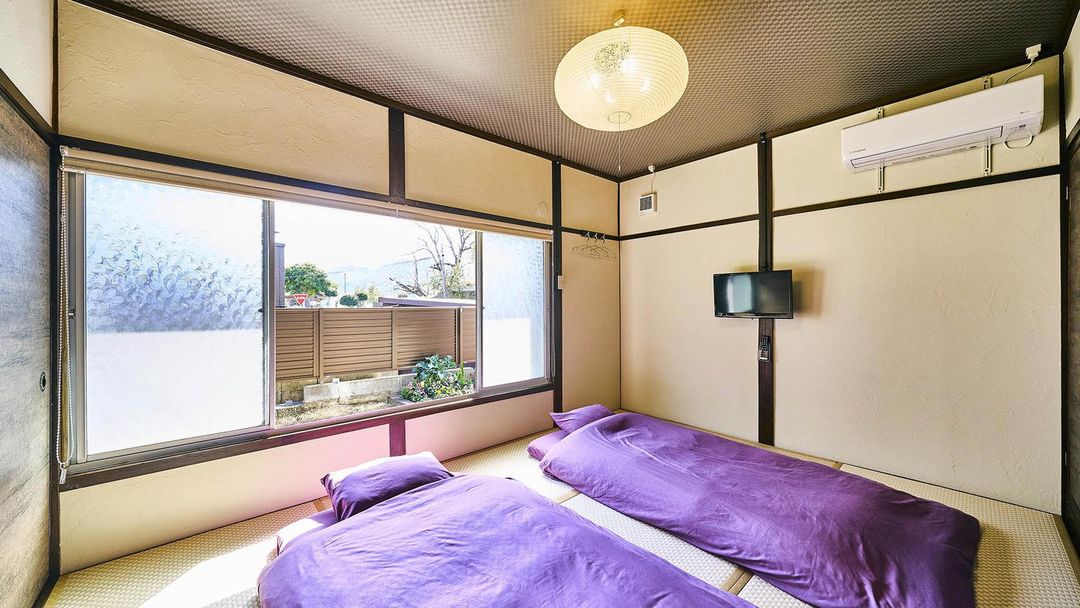
Kokoyui Guesthouse Shingu
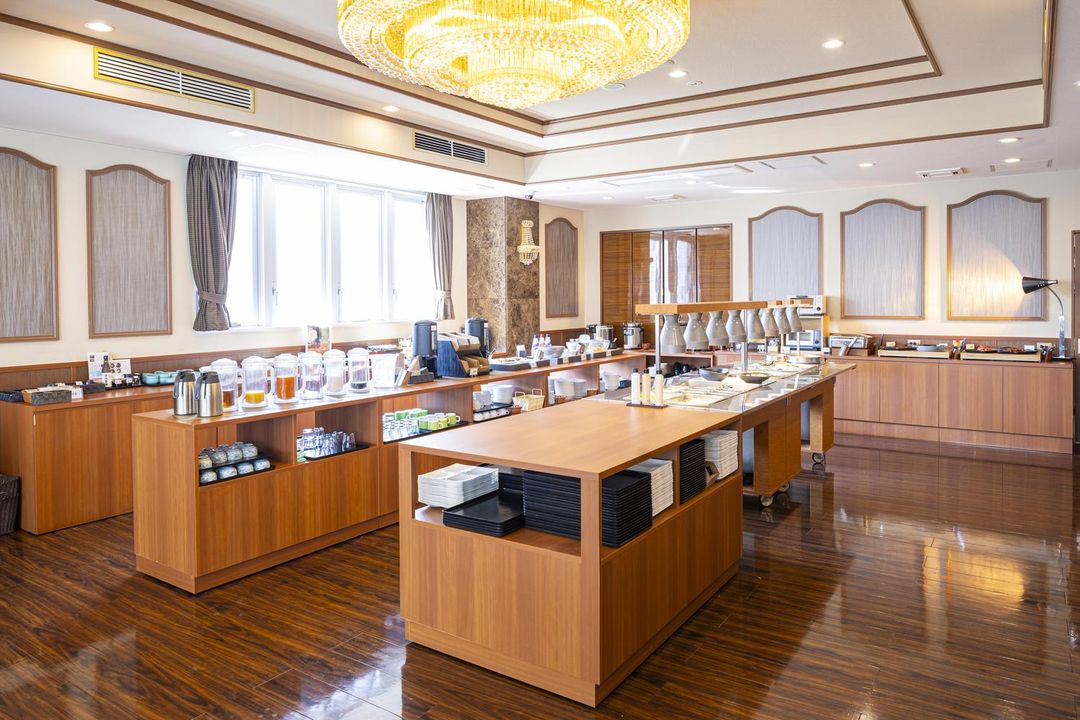
Hotel Newpalace
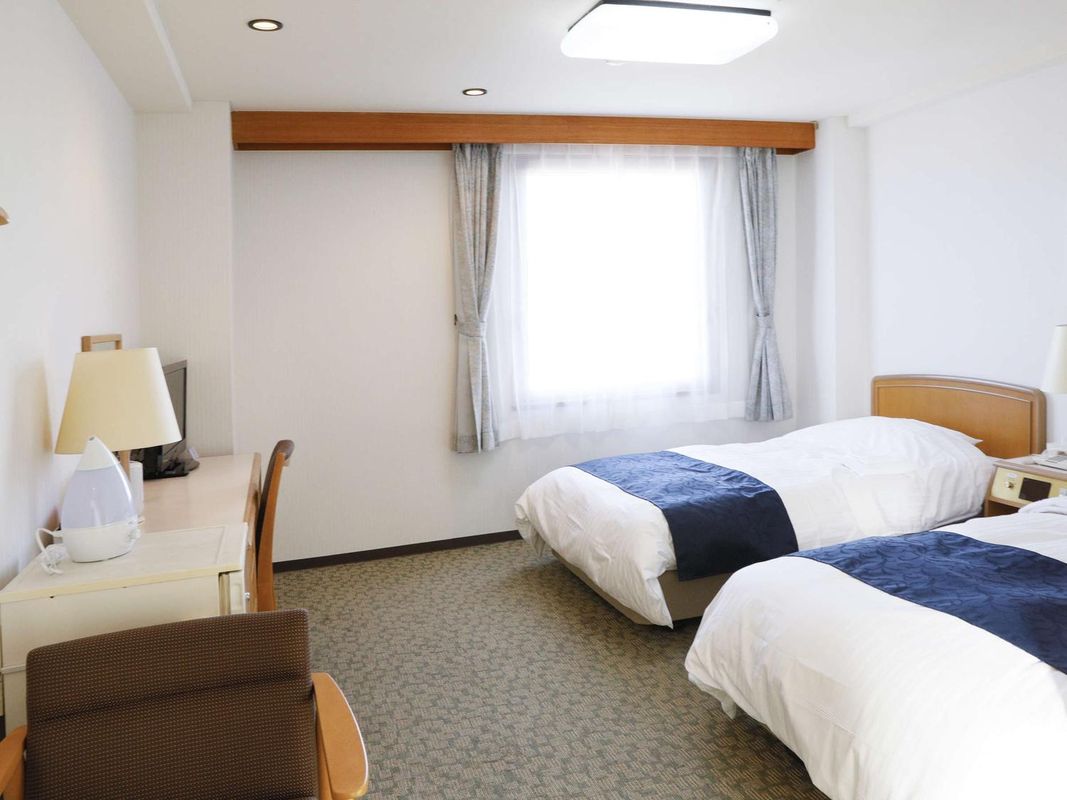
Gran Hotel
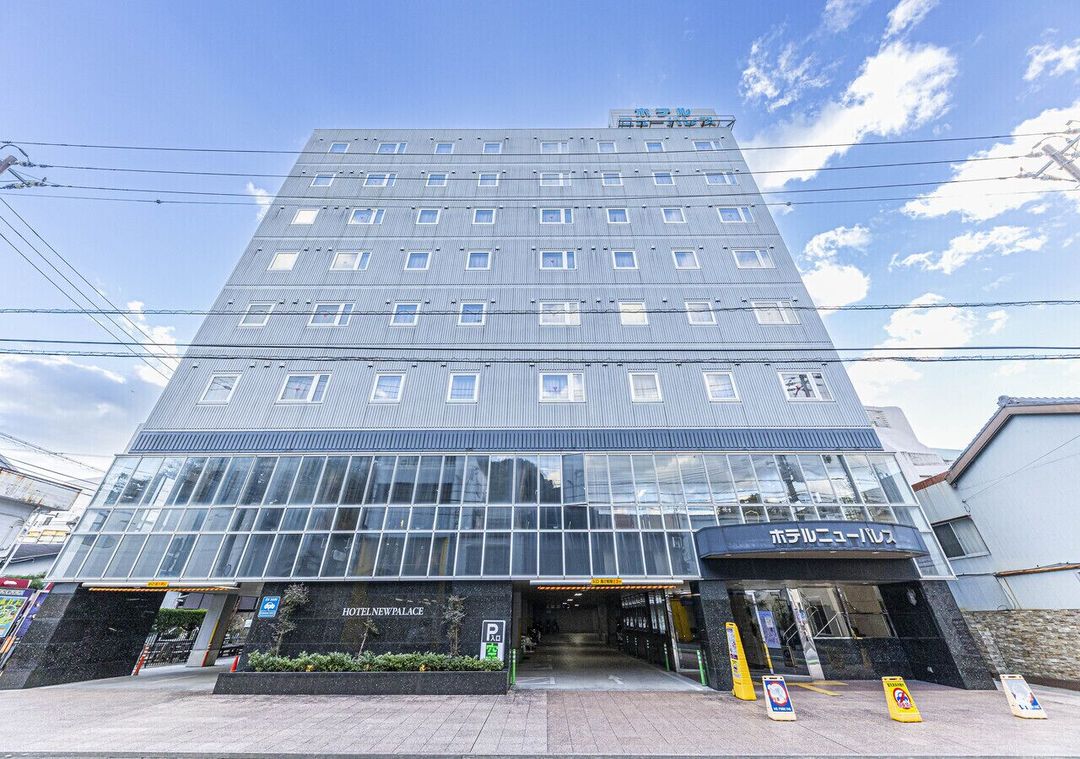
Hotel New Palace
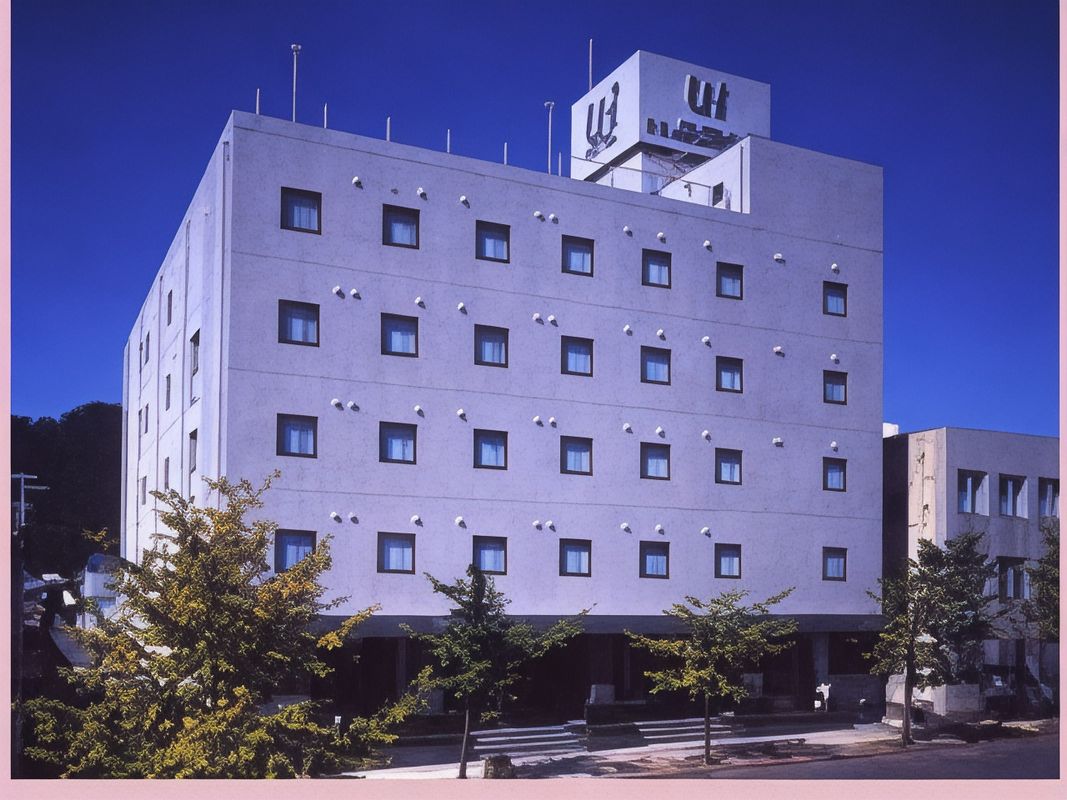
Shingu UI Hotel
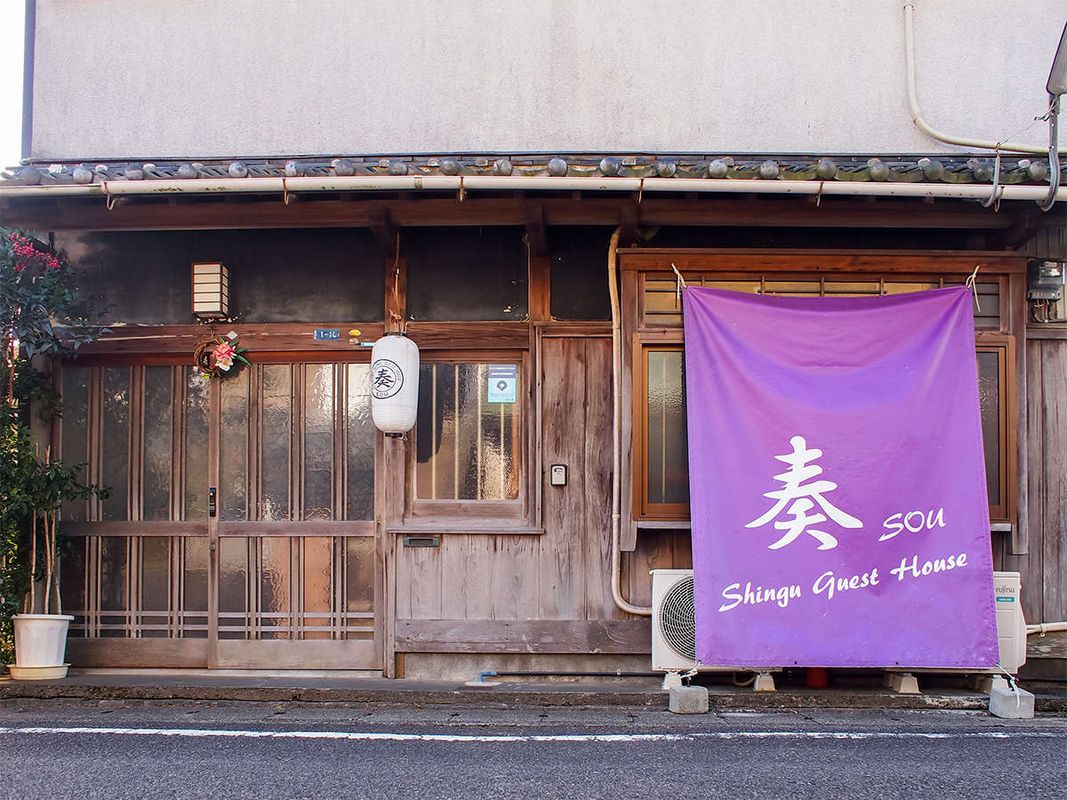
Shingu Guest House Sou
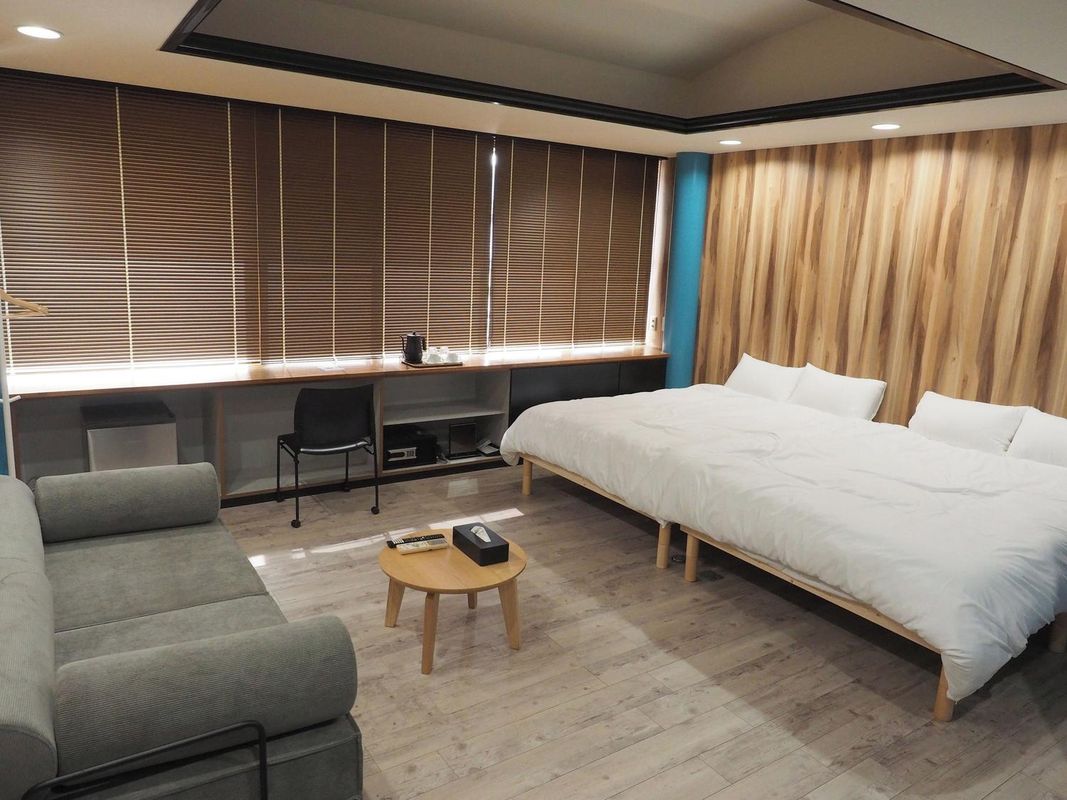
MarketStay shingu
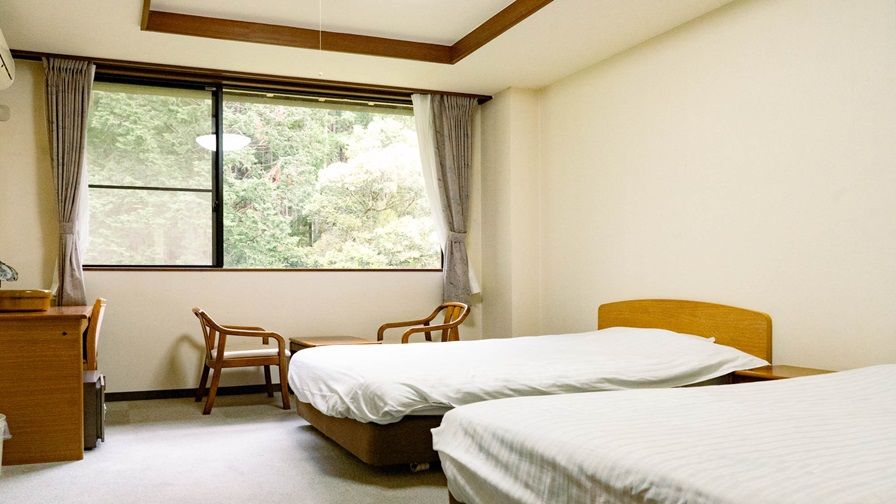
Takata Green Land Kumotori Onsen
Best Hotels in Shingū
Discover curated hotel collections in Shingū
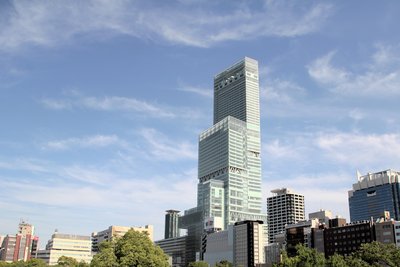
Osaka Marriott Miyako Hotel
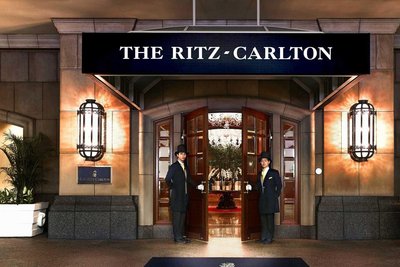
The Ritz-Carlton, Osaka
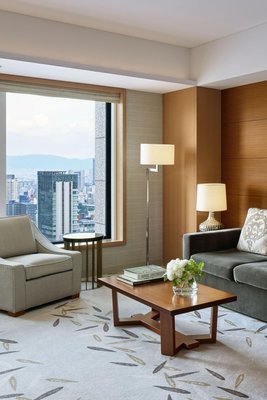
InterContinental Hotel Osaka
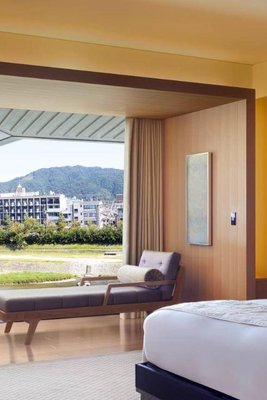
The Ritz-Carlton, Kyoto
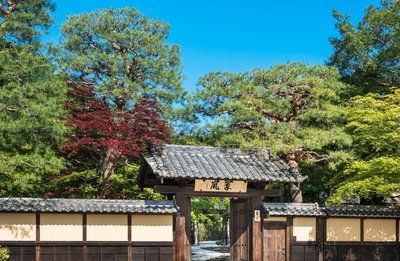
Suiran, a Luxury Collection Hotel, Kyoto
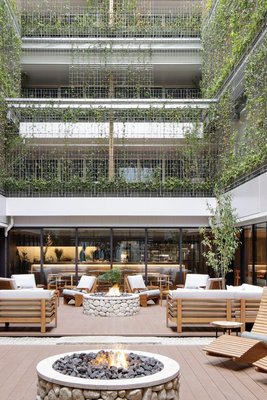
GOOD NATURE HOTEL KYOTO
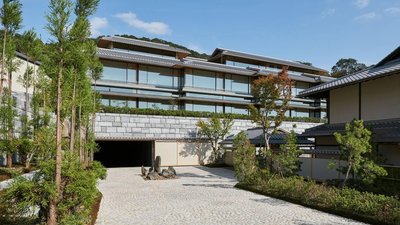
Park Hyatt Kyoto
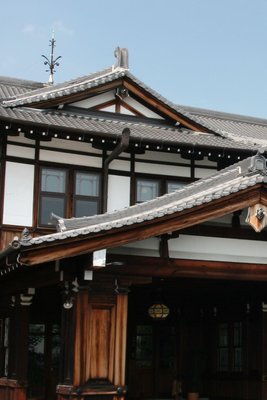
Nara Hotel
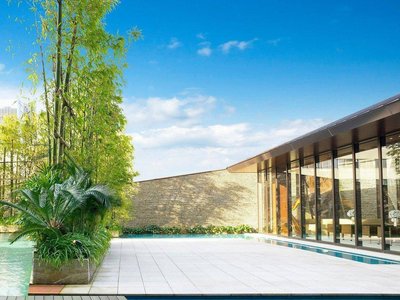
ORIENTAL HOTEL
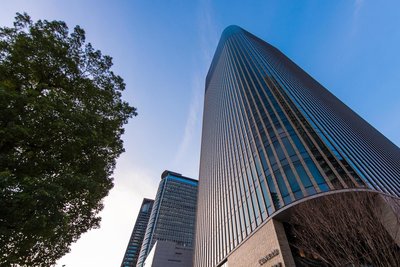
Conrad Osaka
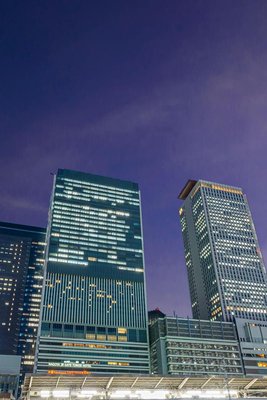
Nagoya JR Gate Tower Hotel (JR-Central Hotels)
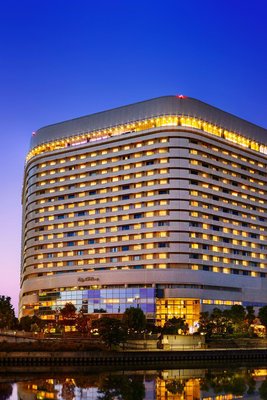
Hotel New Otani Osaka
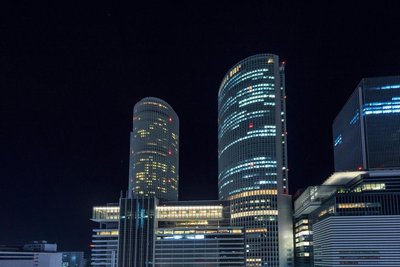
Nagoya Marriott Associa Hotel
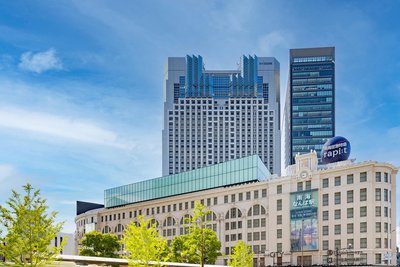
Swissotel Nankai Osaka
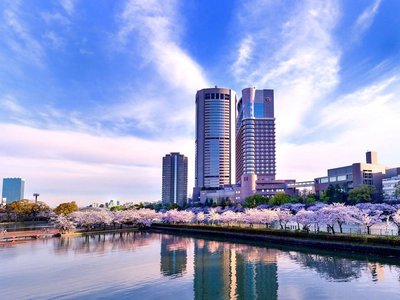
Imperial Hotel Osaka
The St. Regis Osaka
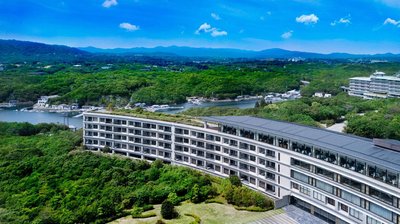
Shima Kanko Hotel the Bay Suites
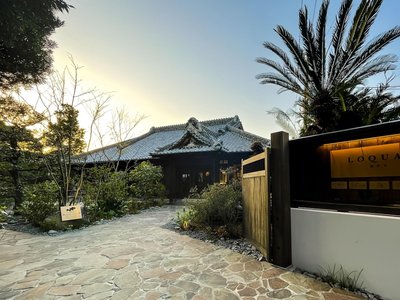
Loquat Nishiizu
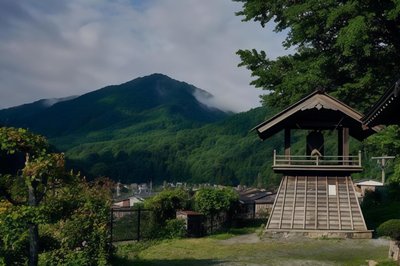
Byaku Narai
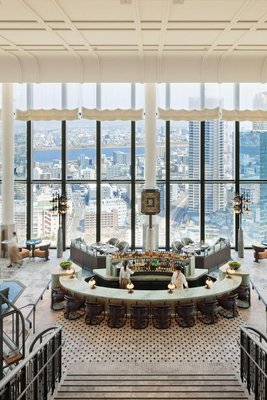
Waldorf Astoria Osaka
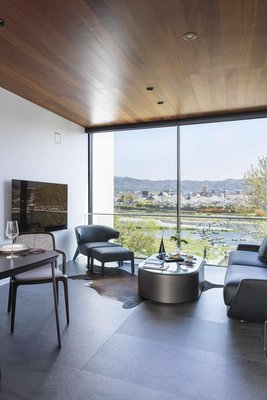
Kamo Residences by Reflections
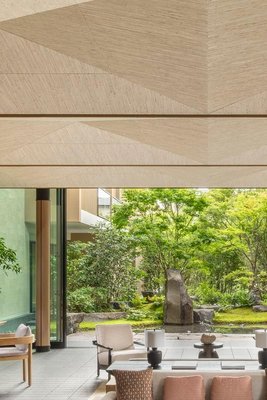
Six Senses Kyoto
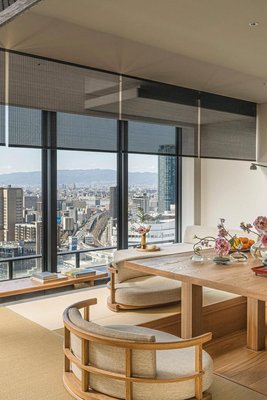
Four Seasons Hotel Osaka

Patina Osaka
The Ritz-Carlton, Osaka
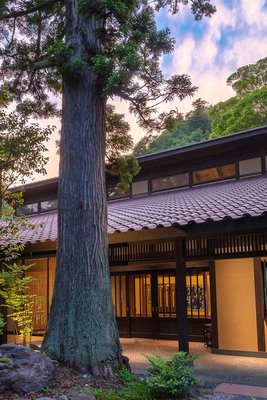
Arimasansoh Goshobessho
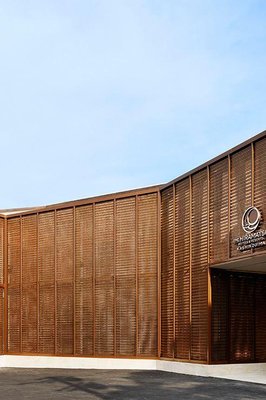
The Hiramatsu Hotels & Resorts Kashikojima
The Ritz-Carlton, Kyoto
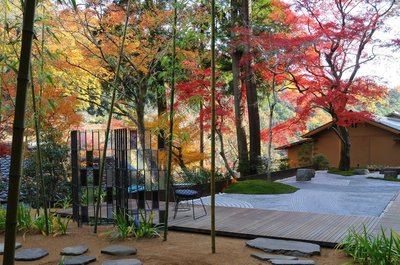
HOSHINOYA Kyoto
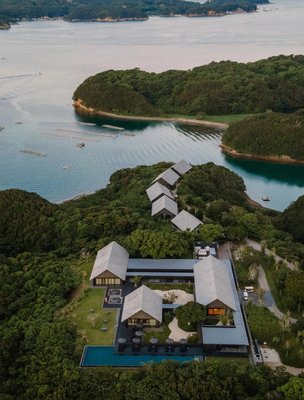
Amanemu
Suiran, a Luxury Collection Hotel, Kyoto
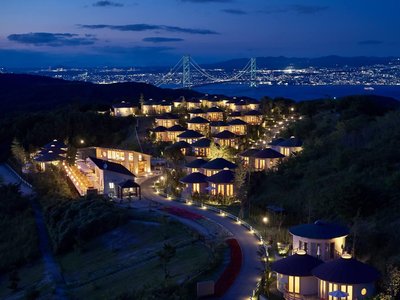
Grand Chariot Hokutoshichisei 135°
Park Hyatt Kyoto
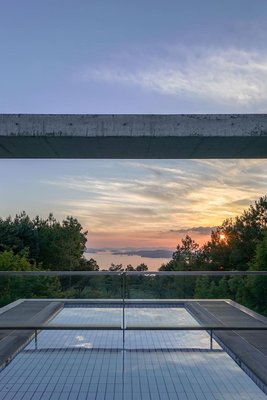
SETOUCHI RETREAT by Onko Chishin
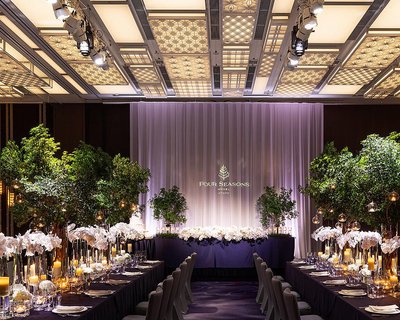
Four Seasons Hotel Kyoto
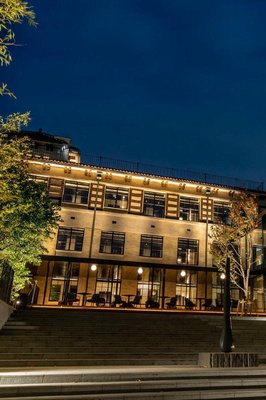
The Hotel Seiryu Kyoto Kiyomizu - a Member of the Leading Hotels of the World-

Toba International Hotel Shiojitei
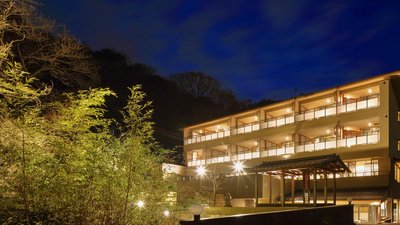
Okuno Hosomichi

XYZ Private Spa and Seaside Resort
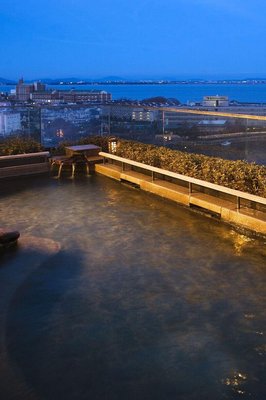
Yumotokan
Arimasansoh Goshobessho
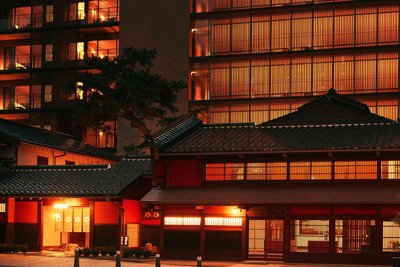
Hoshino Resorts Kai Kaga

Taikyourou
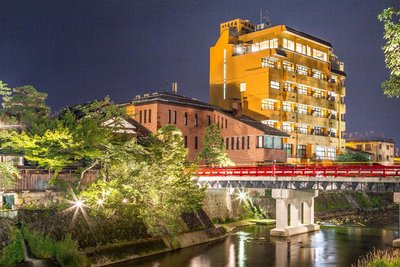
HONJIN HIRANOYA BEKKAN
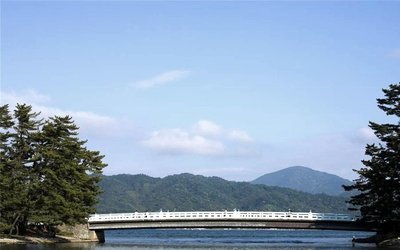
Monjusou Shourotei
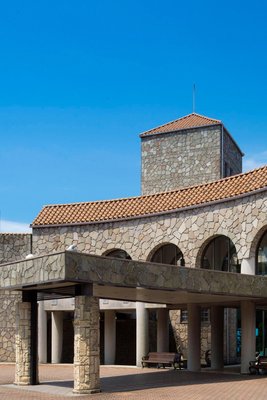
Izumigo Hotel Altia Toba
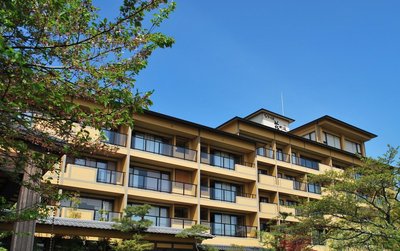
BIWAKO HANAKAIDO
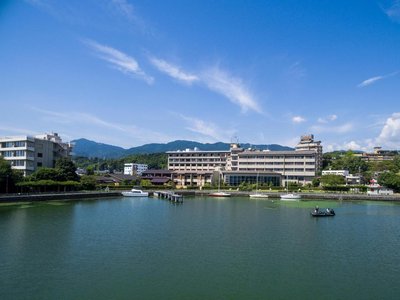
Biwako Ryokusuitei
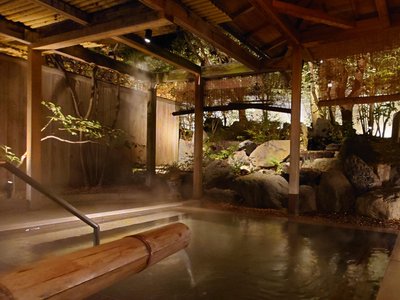
Kasuga Hotel
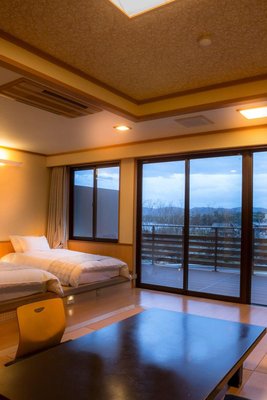
Hotel Kitanoya
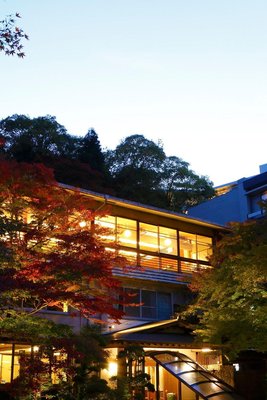
Negiya Ryofukaku
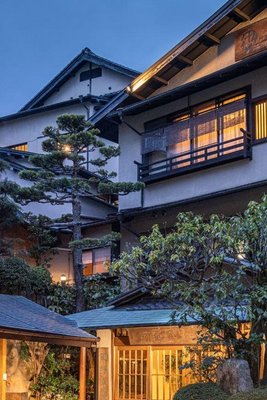
Arima Onsen Tocen Goshobo
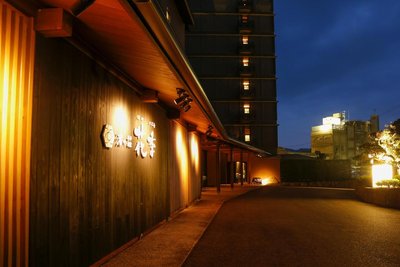
Hanagoyomi
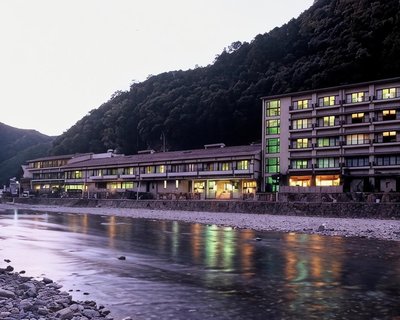
Kawayu Onsen Fujiya
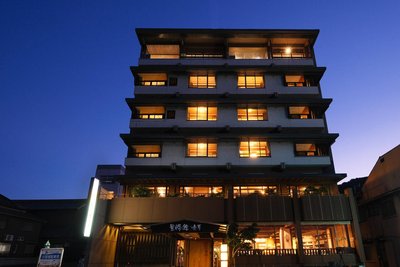
Keishokan Sazanamitei
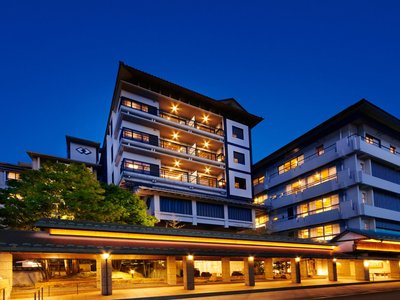
Yunokuni Tensyo
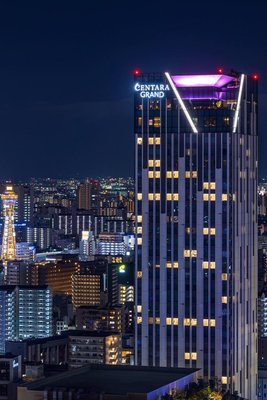
Centara Grand Hotel Osaka
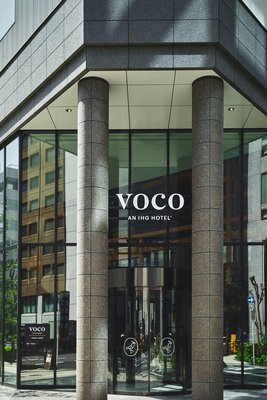
voco Osaka Central
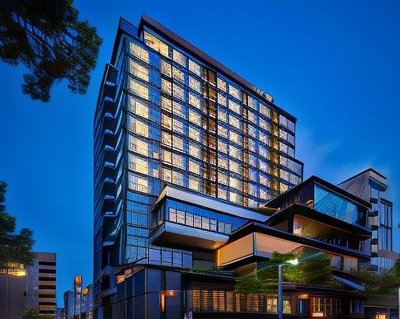
TIAD, AUTOGRAPH COLLECTION
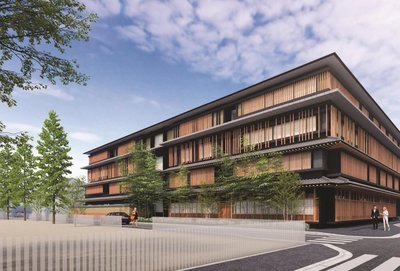
Dusit Thani Kyoto
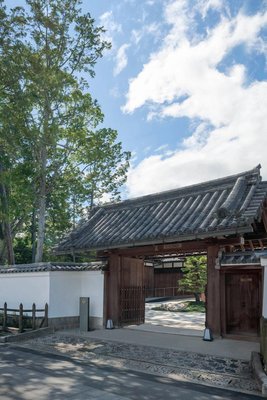
Shisui, a Luxury Collection Hotel, Nara

Hilton Kyoto
Osaka Marriott Miyako Hotel
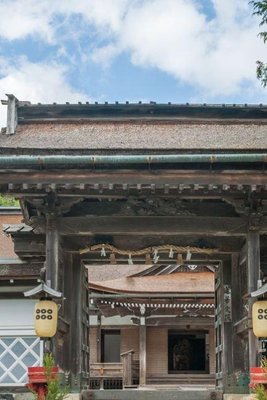
Koyasan Rengejoin
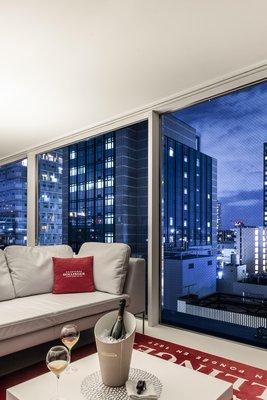
CUVÉE J2 HOTEL OSAKA by Onko Chishin
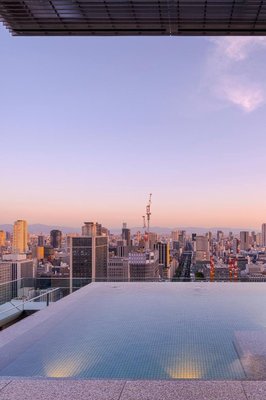
Candeo Hotels Osaka The Tower
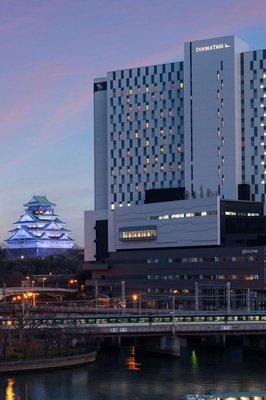
DoubleTree by Hilton Osaka Castle
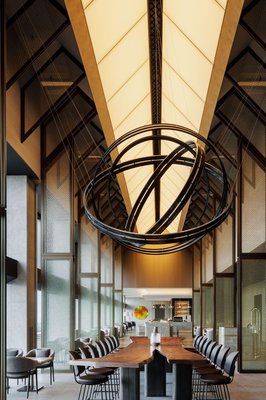
The Osaka Station Hotel, Autograph Collection
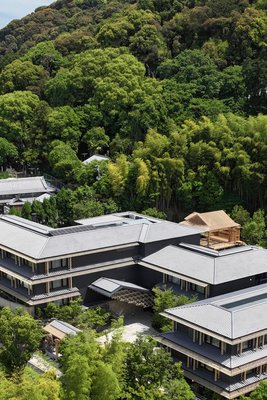
Banyan Tree Higashiyama Kyoto
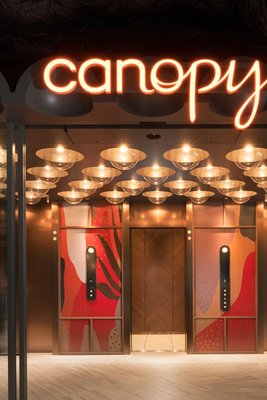
Canopy by Hilton Osaka Umeda
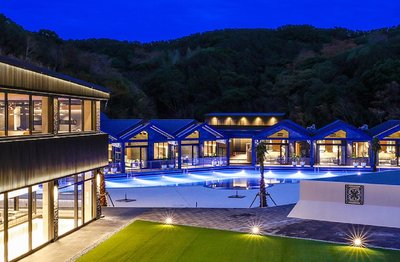
FIVE SPRING RESORT THE SHIRAHAMA
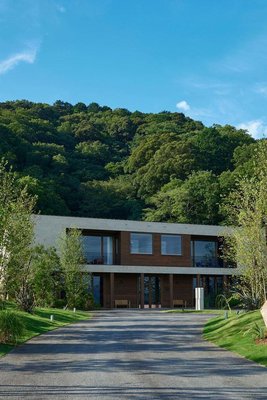
HACIENDA VISON
HONJIN HIRANOYA BEKKAN
Arima Onsen Tocen Goshobo
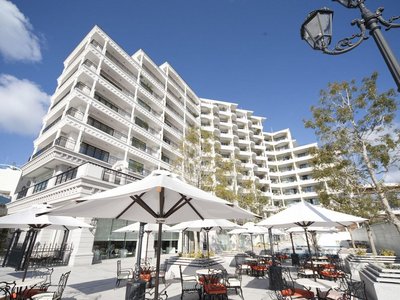
Hotel La Suite Kobe Harborland
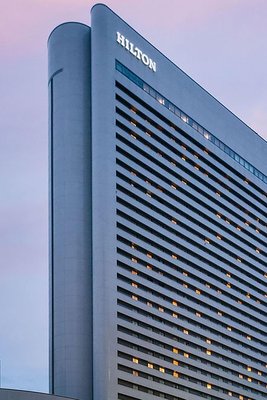
Hilton Osaka Hotel
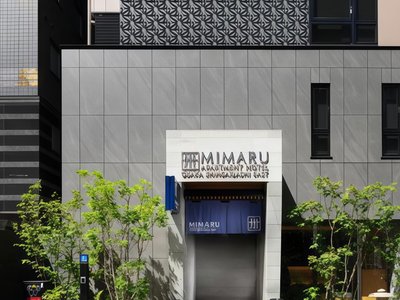
MIMARU Osaka Shinsaibashi East
Toba International Hotel Shiojitei
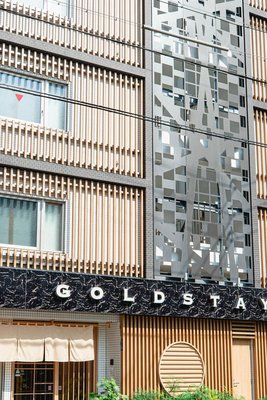
Gold Stay Nagoya OSU
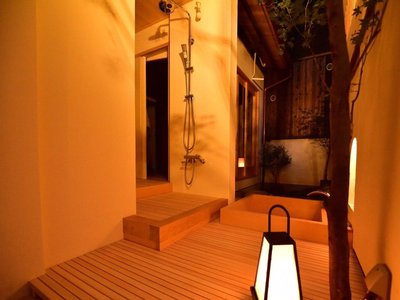
Yado Kiramachi
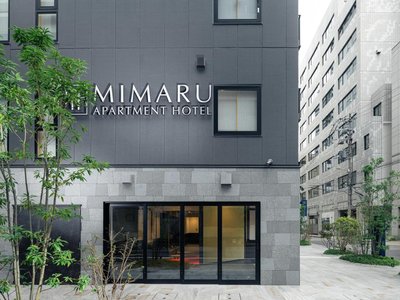
MIMARU Osaka Shinsaibashi North
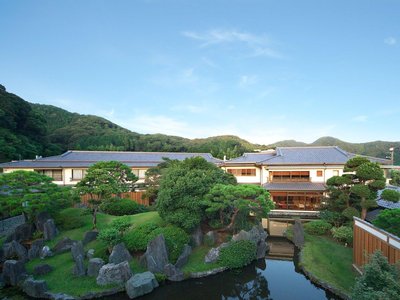
Kagetsutei
Okuno Hosomichi

GOLD STAY Nagoya Sakae
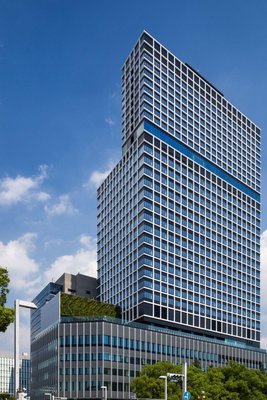
The Royal Park Hotel Iconic Nagoya
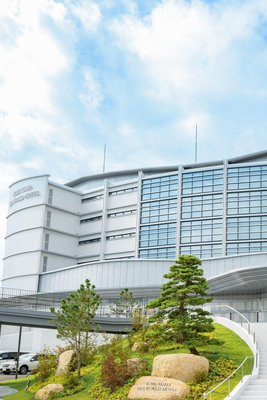
Kobe Suma Sea World Hotel
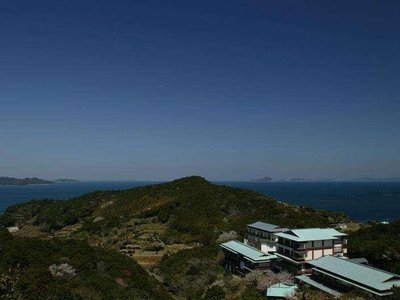
Hanashinsui
Yumotokan
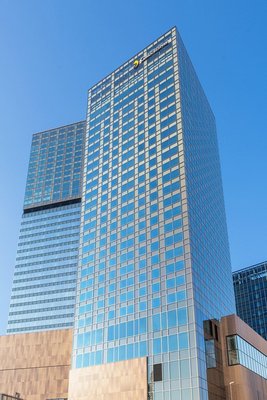
Hotel Hankyu GRAN RESPIRE OSAKA
Hoshino Resorts Kai Kaga
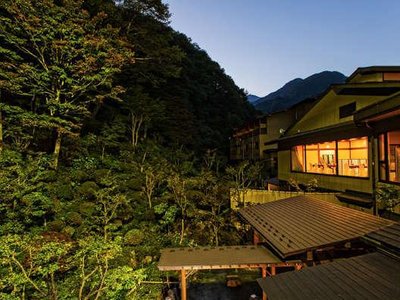
Futari Shizuka
Taikyourou
Monjusou Shourotei
BIWAKO HANAKAIDO
Biwako Ryokusuitei
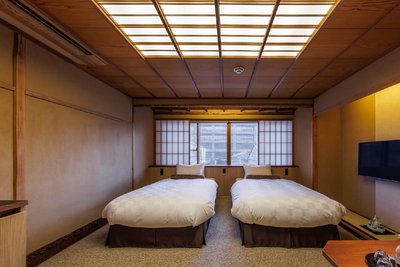
Kyoto Ryokan Sakanoue
XYZ Private Spa and Seaside Resort
Osaka Marriott Miyako Hotel
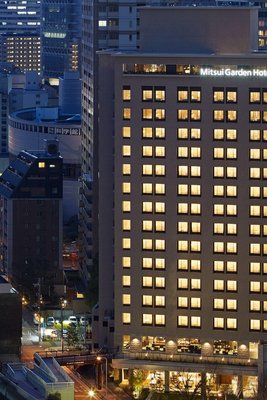
Mitsui Garden Hotel Osaka Premier
Izumigo Hotel Altia Toba
BIWAKO HANAKAIDO
Biwako Ryokusuitei
Hotel Kitanoya
Hanagoyomi
Kawayu Onsen Fujiya
Hotel La Suite Kobe Harborland

AoAwo Naruto Resort
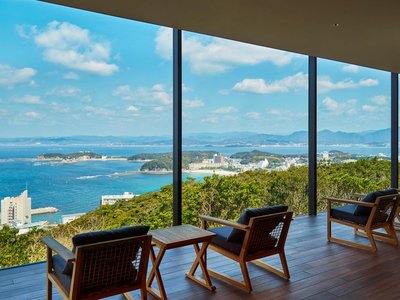
Infinito Hotel and Spa
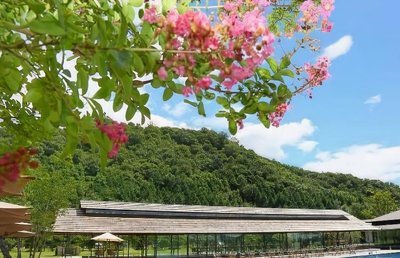
Bella Vista Spa and Marina Onomichi
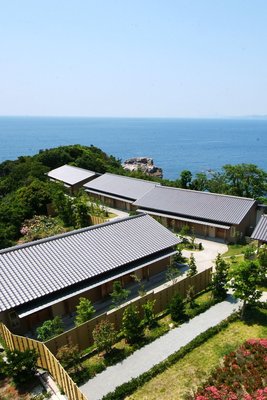
Hamachidorinoyu Kaisyu
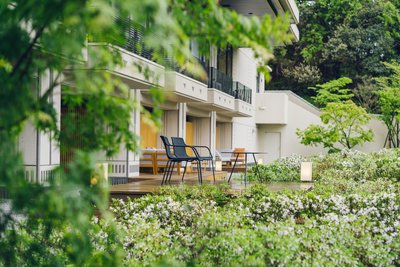
Hoshino Resorts Kai Enshu
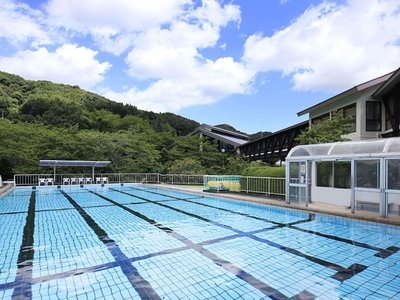
Shimoda Central Hotel
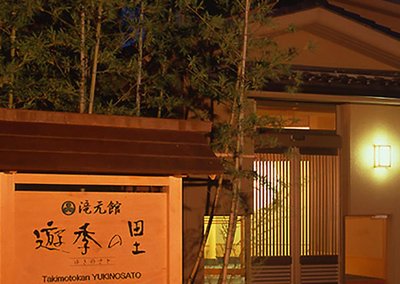
Takimotokan Yuki No Sato
The Ritz-Carlton, Kyoto
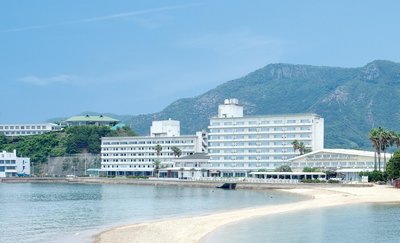
Shodoshima International Hotel
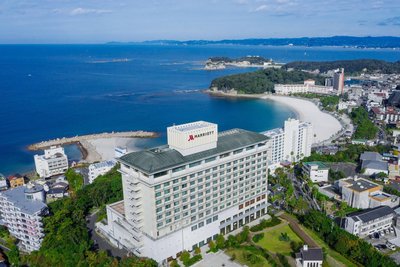
Nanki-Shirahama Marriott Hotel

22 PIECES
The Ritz-Carlton, Osaka

The Thousand Kyoto
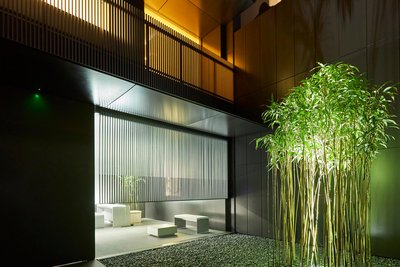
Mogana
GOOD NATURE HOTEL KYOTO
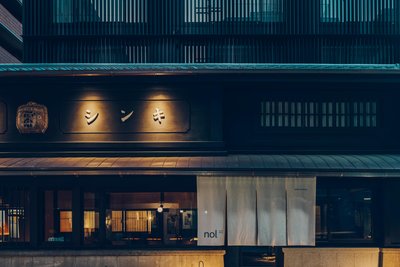
Nol Kyoto Sanjo

Zentis Osaka

Garrya Nijo Castle Kyoto
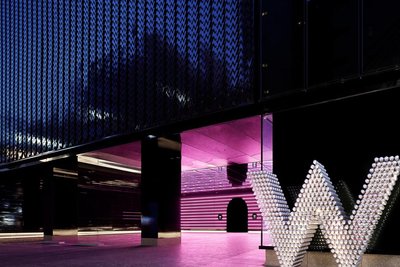
W Osaka
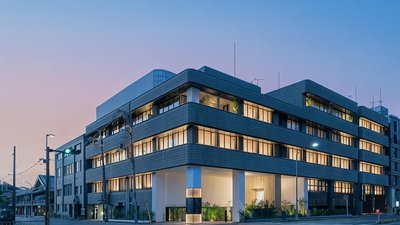
Hotel Kanra Kyoto
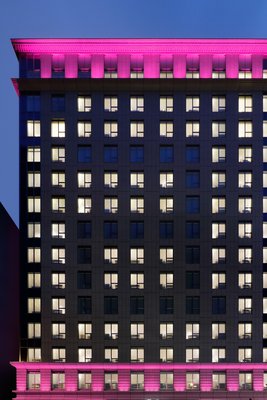
Aloft Osaka Dojima
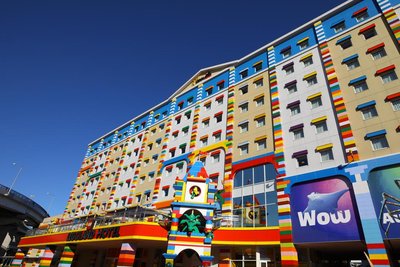
Legoland Japan Hotel
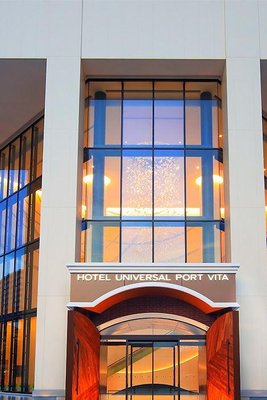
HOTEL UNIVERSAL PORT VITA

The Park Front Hotel at Universal Studios Japan
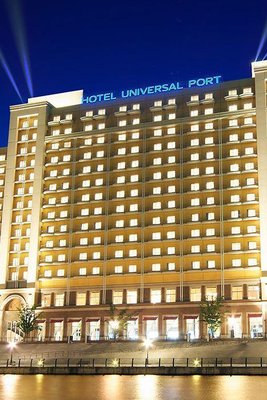
HOTEL UNIVERSAL PORT

THE SINGULARI HOTEL & SKYSPA at UNIVERSAL STUDIOS JAPAN
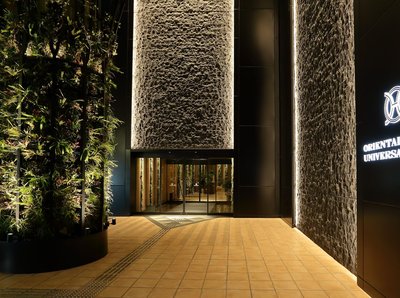
Oriental Hotel Universal City

Hotel Keihan Universal Tower
Yado Kiramachi
Arimasansoh Goshobessho
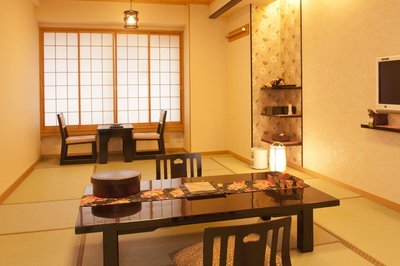
Matsui-Bekkan Hanakanzashi
Taikyourou
Monjusou Shourotei
Kasuga Hotel
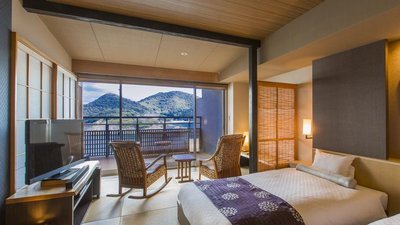
Migiwatei Ochi Kochi
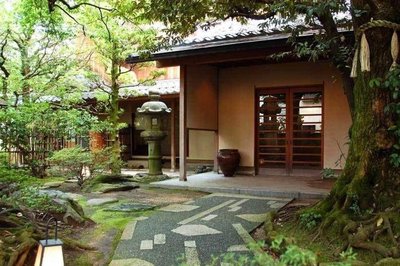
Kocho
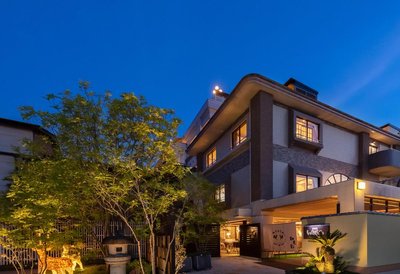
Hotel New Wakasa
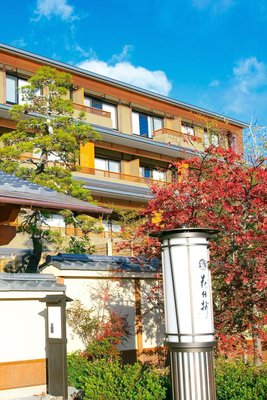
Kyoto Arashiyama Onsen Kadensho (Kyoritsu Resort)
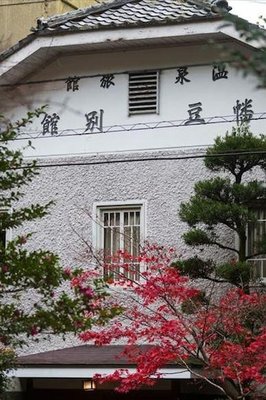
Oku-Mikawa・Yuya Onsen HAZU Bekkan
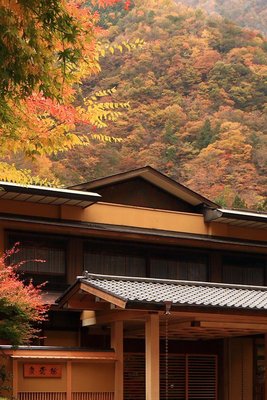
Nishiyama Onsen Keiunkan
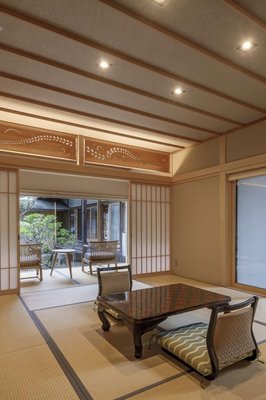
Ichijoin
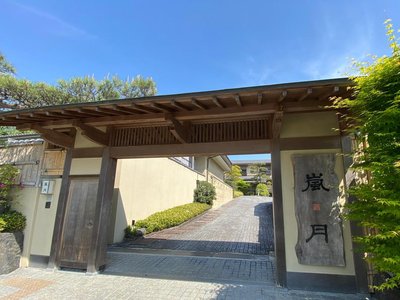
Rangetsu
The Ritz-Carlton, Kyoto
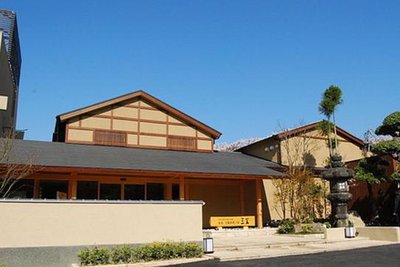
Mikasa
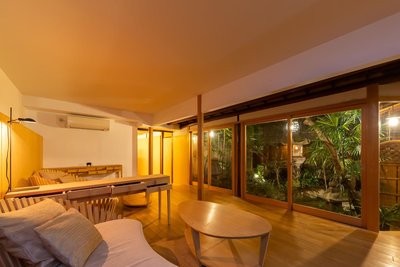
Izuyasu Traditional Kyoto Inn Serving Kyoto Cuisine
HOSHINOYA Kyoto
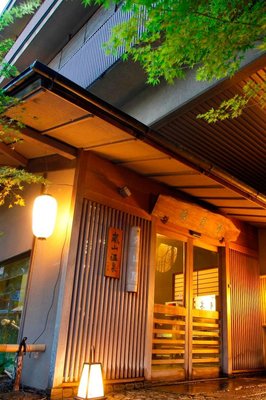
Togetsutei
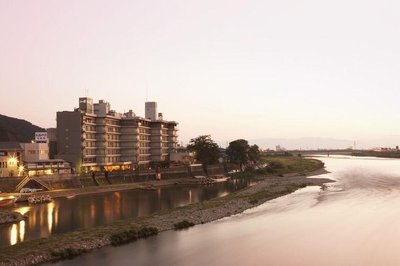
Juhachiro
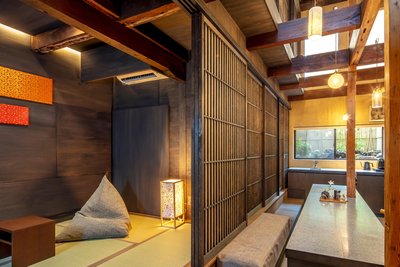
Kyo No Oozora Kihana
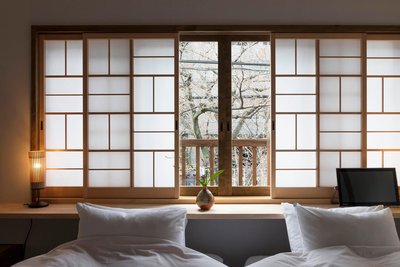
Hanagoromo Machiya House
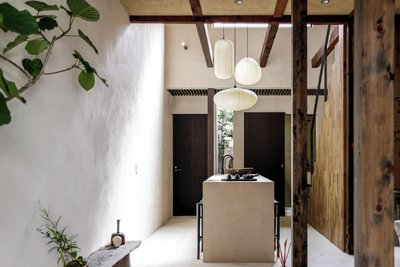
Maana Kiyomizu
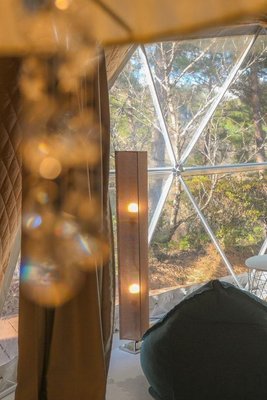
glampark Gekkabijin Nagano
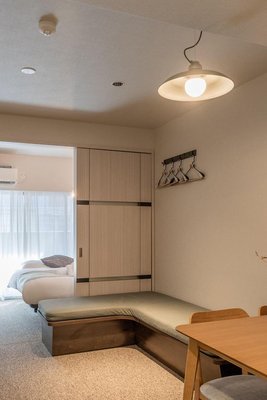
Apartment Hotel 11 Shinsaibashi
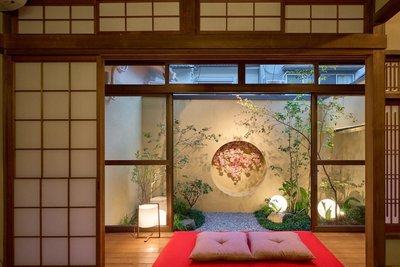
KONJAKUSO Osaka Tengachaya "NIHONCHA" Tea & Relax
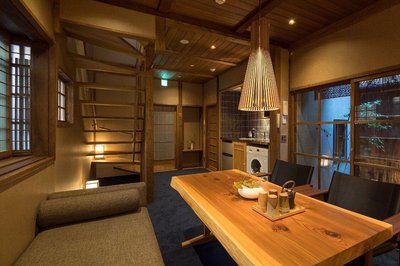
Bonbori an Machiya House
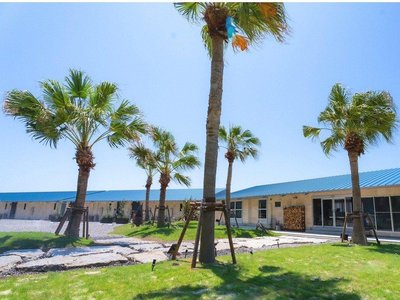
Glamping&Resort Wood Design Park Noma
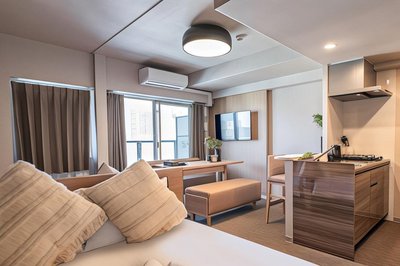
Apartment Hotel 11 Shinsaibashi III
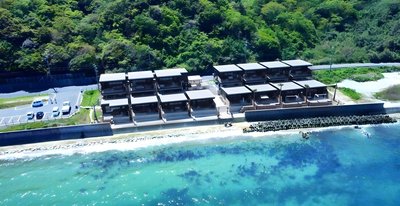
Solavilla Umi Terrace Minamiawaji
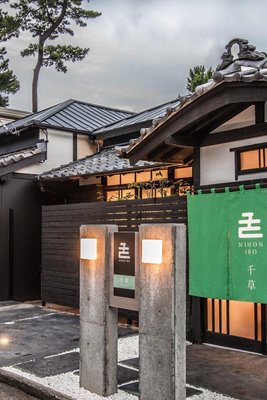
Nihon Iro
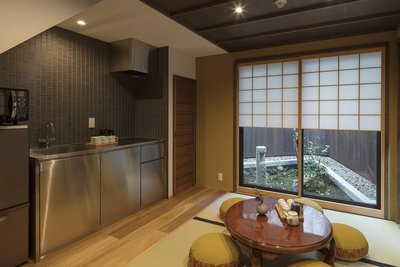
The Machiya Villa Sanjo Shirakawa Koji
Konjaku-So Dotonbori
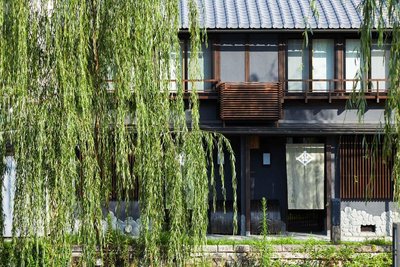
Gion Shirakawa No Yado

Kitashirakawa Natural Radium Onsen
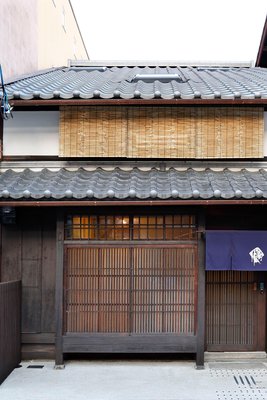
Kyo No Ondokoro Kamanza Nijo #2
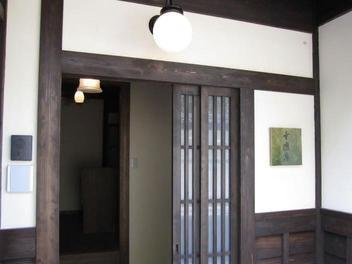
Gion Koyu an Machiya House
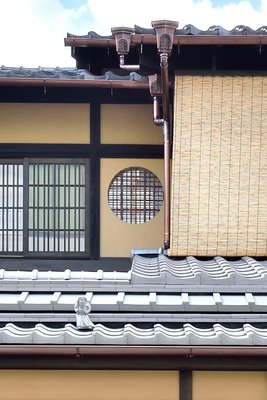
Kyo No Ondokoro Gokomachi Ebisugawa #3

Sana Mane - Glamp Domes
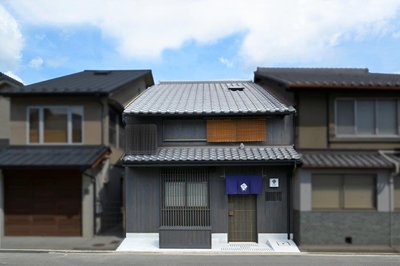
Kyo No Ondokoro Goshonishi #6
Frequently Asked Questions about Traveling to Shingū
Questions You Might Need to Know About Traveling to Shingū
In Shingu City, the top choice for families is Yamato Hotel Shingu, located near the heart of town and close to the Kumano Kodo Trail entrance. The hotel offers spacious family rooms, a children's play area, and an on-site hot spring bath. For a more immersive experience, consider Kumano River Resort Hotel, which features private hot springs and ocean-view rooms ideal for multi-generational stays. Additionally, local homestays like "Kumano Suku" offer traditional Japanese meals and guided cultural tours, allowing families to connect with authentic Wakayama Prefecture life and customs.
All these accommodations prioritize safety, accessibility, and guest comfort, making them perfect for travelers seeking both relaxation and meaningful experiences in a serene coastal setting.
The best area for staying in Shingu City is the city center and Kumano Riverfront district, where major attractions like Shingu Station and Kumano Hongu Taisha Shrine are easily accessible. This region hosts a cluster of mid-to-high-end hotels such as Yamato Hotel Shingu and Kumano River Hot Spring Inn, offering convenient walking access to temples, restaurants, and shops. The riverside streets also preserve traditional machiya-style buildings, creating a tranquil, picturesque atmosphere—especially enchanting at dusk when lanterns glow along the riverbanks. It’s an ideal base for exploring both spiritual heritage and local charm in a relaxed pace.
Additionally, many lodgings here provide multilingual staff and free shuttle services, enhancing convenience for international visitors.
In Shingu City, one must experience the ceremonial rites at Kumano Hongu Taisha Shrine, a UNESCO World Heritage site with over 2,000 years of history. Visitors can wear traditional shrine garments, learn sacred rituals, and participate in morning bell ceremonies. Another highlight is hiking the Kumano Kodo pilgrimage trail, where ancient stone lanterns, moss-covered paths, and wooden bridges create a meditative journey through nature and history.
Many local inns also offer hands-on workshops such as wagashi (Japanese sweets) making, where guests craft matcha mochi and seasonal confections using regional ingredients. These immersive activities allow travelers to engage deeply with the spiritual and culinary traditions of Wakayama Prefecture.
Shingu City is renowned for its natural hot springs, and the top-rated option is Kumano River Onsen Inn, whose mineral-rich waters originate from 1,500 meters underground, known for skin and joint health benefits. The inn blends modern architecture with traditional timber design, featuring open-air baths with views of the river and surrounding forests. Each room includes a private soaking tub.
Another exceptional choice is Matsukaze Ryokan, a boutique hot spring villa offering personalized service. Every suite comes with an individual bath, and guests enjoy kaiseki dinners paired with local sake. Both properties provide additional wellness treatments like herbal foot soaks and back compresses, making them ideal for rejuvenation amidst scenic landscapes.
For photography enthusiasts, Yamato Hotel Shingu stands out with its castle-like façade, cherry blossom-lined pathways, and meticulously designed Japanese garden—especially stunning during spring bloom. Another photogenic gem is "Hikari no Ie", a glass-walled eco-mansion along the Kumano River, offering panoramic views of water, sky, and stars at night. Its transparent walls make it a dream location for astrophotography and romantic shots.
Additionally, the traditional tea house ryokan near Kumano Hongu Taisha features shoji screens, tatami floors, and dark lattice doors—perfect for capturing elegant kimono portraits. Early morning fog adds ethereal beauty, turning the entire area into a living postcard.
To taste authentic flavors in Shingu City, visit Kumano Meibutsu-ya near Shingu Station, famous for dishes like Kumano beef sukiyaki and fresh seafood sashimi with seaweed salad. Ingredients come directly from local farms and nearby waters, ensuring peak freshness.
For a deeper cultural bite, head to "Tsuchizō Restaurant" in the old town, where daily limited black bean rice and pickled umeboshi are served in rustic bowls. At night markets, enjoy grilled mackerel skewers and sweet mochi balls paired with cold sake. Each dish reflects the rich bounty of Wakayama Prefecture’s mountains and sea, offering a true taste of regional identity and hospitality.
Shingu City is ideal for travelers seeking spiritual retreat, cultural immersion, and nature connection. History lovers will be captivated by the ancient Kumano Hongu Taisha Shrine and the Kumano Kodo Pilgrimage Route, steeped in centuries-old tradition. Nature enthusiasts can explore lush forests, meandering rivers, and scenic trails along the Kumano River.
Families will appreciate family-friendly accommodations with hot springs and child-safe environments. Couples can enjoy intimate getaways at glass villas or private ryokans. Even solo travelers find peace in the city’s slow rhythm and welcoming locals. It’s a destination that invites reflection, discovery, and reconnection with nature and self.
Yes, Shingu City is well-connected via JR Kisei Main Line, with direct trains from Osaka (~2 hours). Free shuttle buses link key sites like Kumano Hongu Taisha Shrine and Kumano River Hot Spring Area. For those traveling by car, the Kii Peninsula Expressway runs through the city, offering access to scenic overlooks and rest stops.
Shingu Port provides ferry services to Wakayama City and Nanki-Shirahama, enabling easy day trips. Many hotels offer assistance with arranging tourist taxis and provide detailed maps in multiple languages. With reliable public transit and thoughtful infrastructure, navigating Shingu City is straightforward even for first-time visitors.
For couples seeking romance, Hikari no Ie, a glass-walled riverside villa, offers unparalleled intimacy—its transparent walls reveal starlit skies and flowing river views, perfect for quiet evenings together. Another top pick is Matsukaze Ryokan, a secluded hot spring inn where each suite features a private outdoor bath, rose petals in the tub, and a kaiseki dinner served under candlelight.
For a more traditional ambiance, stay at a tea house ryokan near Kumano Hongu Taisha, where you can share early morning prayers, sip matcha beneath paper lanterns, and listen to temple bells echo through the valley. Most romantic lodgings include complimentary wine, handwritten notes, and special evening rituals—making love stories feel timeless against the backdrop of sacred nature.
The best times to visit Shingu City are spring (March to May) and autumn (October to November). Spring brings cherry blossoms along the Kumano River, creating breathtaking photo opportunities, while autumn paints the Kumano Kodo trails in vibrant red and gold hues—ideal for hiking and photography.
Weather is mild and comfortable during these seasons, perfect for extended outdoor exploration. Winter offers a unique experience: the night illumination ceremony at Kumano Hongu Taisha Shrine, where lanterns light up the ancient shrine grounds, evoking a mystical atmosphere. Summer can be hot and humid but still rewarding, with beach festivals and cool mountain escapes available. Avoid peak typhoon season (July–August) for the most pleasant travel experience.
Shingū Overview
City Summary
Shingu City, located in Wakayama Prefecture, Japan, is a city rich in history and natural beauty. As the home of Kumano Hayatama Taisha, one of the Kumano Sanzan, it is a significant religious site in Japan. Surrounded by dense forests and clear rivers, the city offers stunning natural landscapes such as Nachi Falls and the Kumano Kodo pilgrimage routes. Shingu is not only a spiritual hub but also an ideal destination to explore traditional Japanese culture and nature.
Must-See Attractions
Must-see attractions include Kumano Hayatama Taisha, a sacred shrine with a long history. Nachi Falls, one of Japan's tallest waterfalls, offers breathtaking views. The Kumano Kodo is an ancient pilgrimage trail where visitors can experience the blend of history and nature. Additionally, Shingu Castle Ruins provide insight into the city's past, while Ukishima Forest showcases a unique wetland ecosystem.
Food Guide
Food recommendations: Shingu's cuisine is influenced by its mountainous and coastal resources. Must-try street food includes mackerel sushi, made with locally caught fish. Kumano beef is another specialty, known for its tender texture. Don't miss the local plum products, as Wakayama is famous for its plums, including pickled plums and plum wine.
Transportation Guide
Transportation guide: The main transportation options in Shingu are JR trains and buses. The JR Kisei Line connects Shingu with nearby cities. Local buses cover major attractions but have limited schedules, so check timetables in advance. Renting a car is a good option for exploring remote natural sites. Taxis are suitable for short trips but can be expensive.
Best Time to Visit
Best time to visit is during spring (March to May) and autumn (September to November). Spring offers cherry blossoms and mild weather, while autumn features vibrant foliage. Summers are hot and humid, and winters are colder but less crowded.
Travel Tips
- Respect local culture: Follow shrine etiquette, such as purifying hands and mouth.\n2. Wear comfortable clothing: Proper footwear and attire are essential for hiking the Kumano Kodo.\n3. Carry cash: Some small shops and rural areas may not accept credit cards.\n4. Dispose of trash properly: Japan has strict waste separation rules.\n5. Learn basic Japanese phrases: Such as "arigatou" (thank you).\n6. Check weather forecasts: Mountain weather can be unpredictable.
Useful Information
Practical information:\n- Language: Japanese is primary; some attractions may have English signs.\n- Internet: Free Wi-Fi is available in the city, but signal is weak in mountainous areas.\n- Payment: Credit cards are accepted in cities, but cash is more common.\n- Emergency services: Hospitals are well-equipped; dial 119 for emergencies.\n- Voltage: 100V, Type A plugs; an adapter may be needed.