Hotels in Shingū
Discover your perfect stay in Shingū.
Shingū(Japan) Travel 2026: Cheap Flights, Hotels & Top Attractions
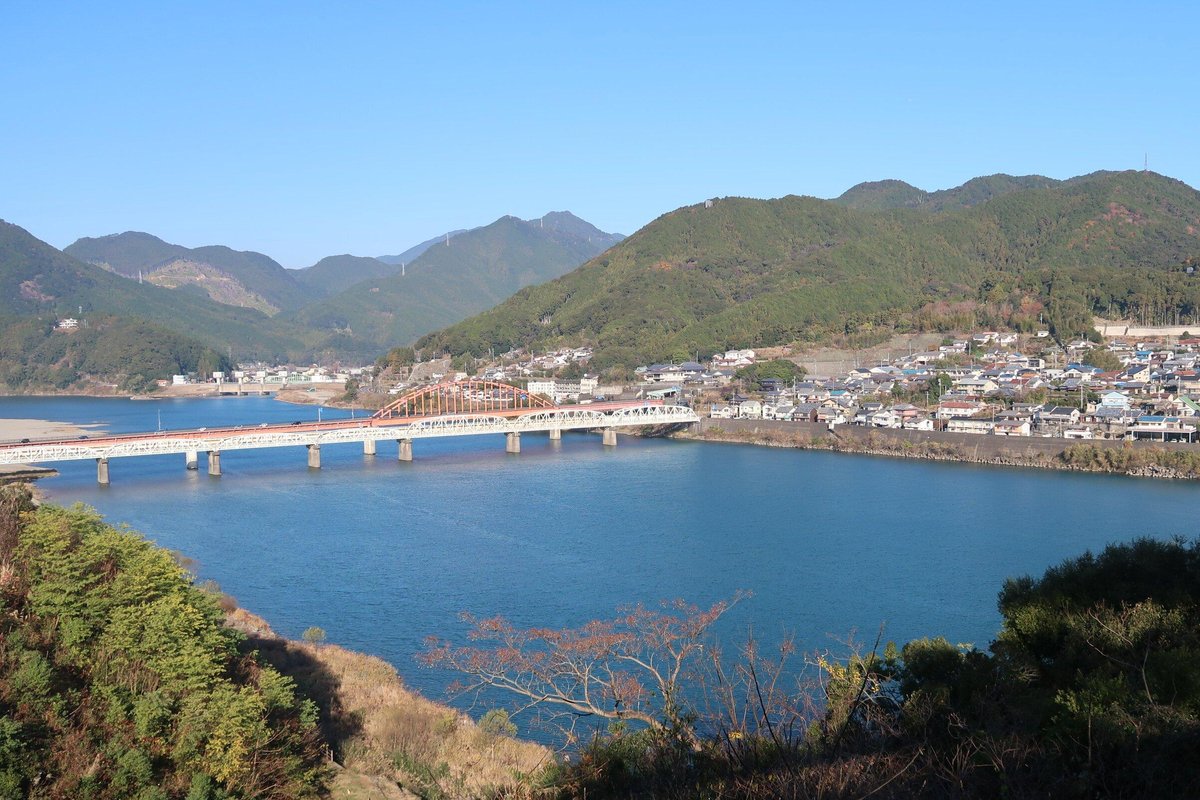
Popular Landmarks in Shingū
Discover the most iconic attractions in Shingū
Recommended Hotels in Shingū
Find the perfect place to stay in Shingū
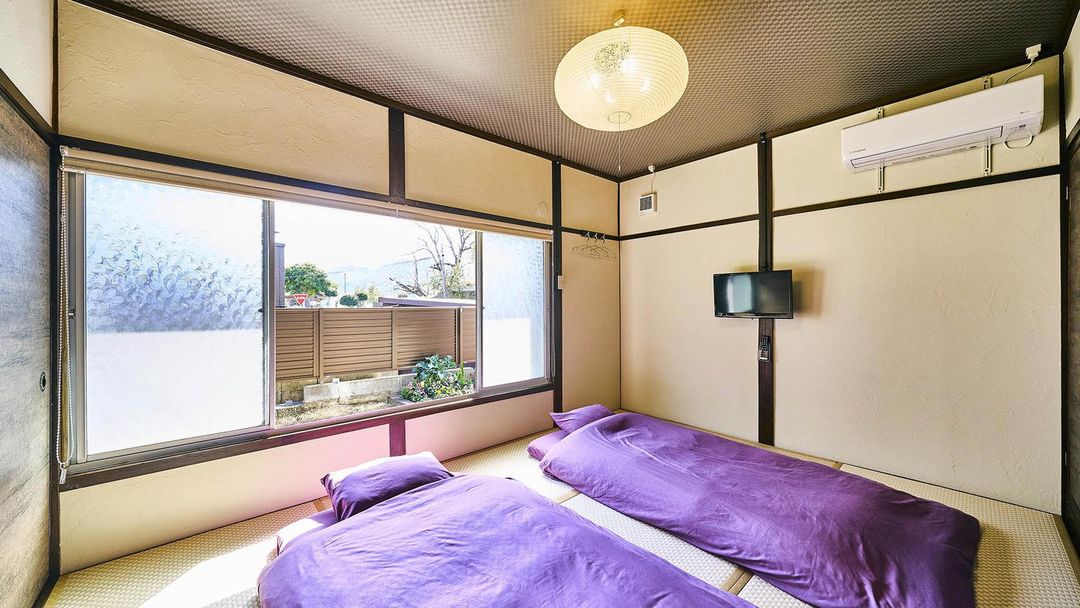
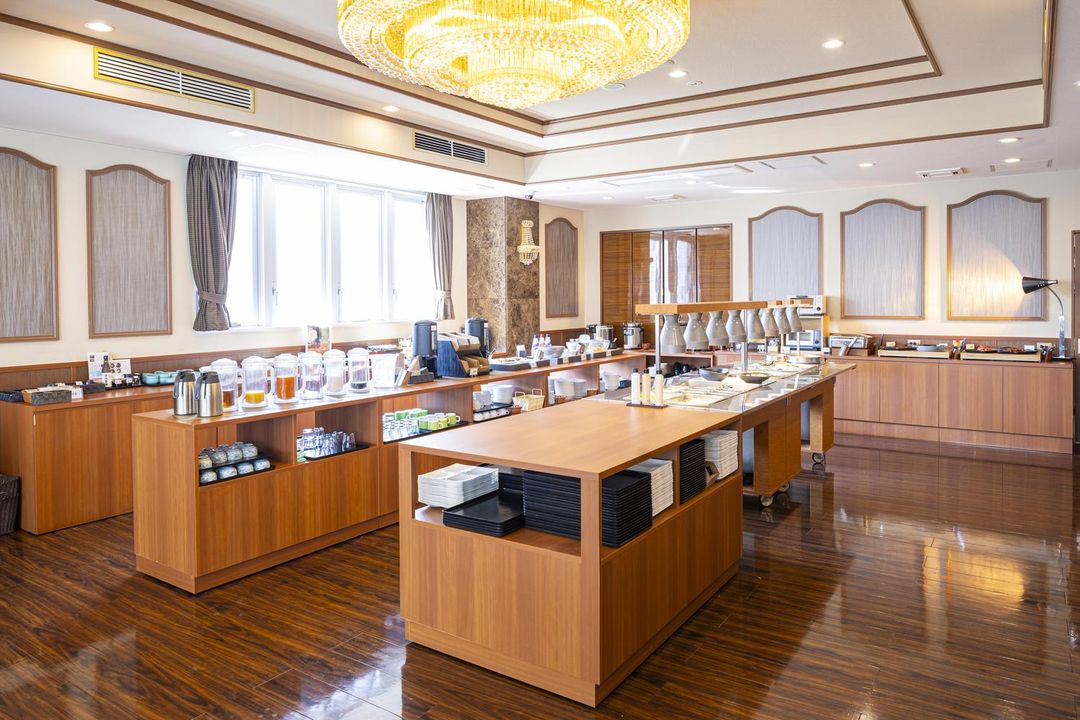
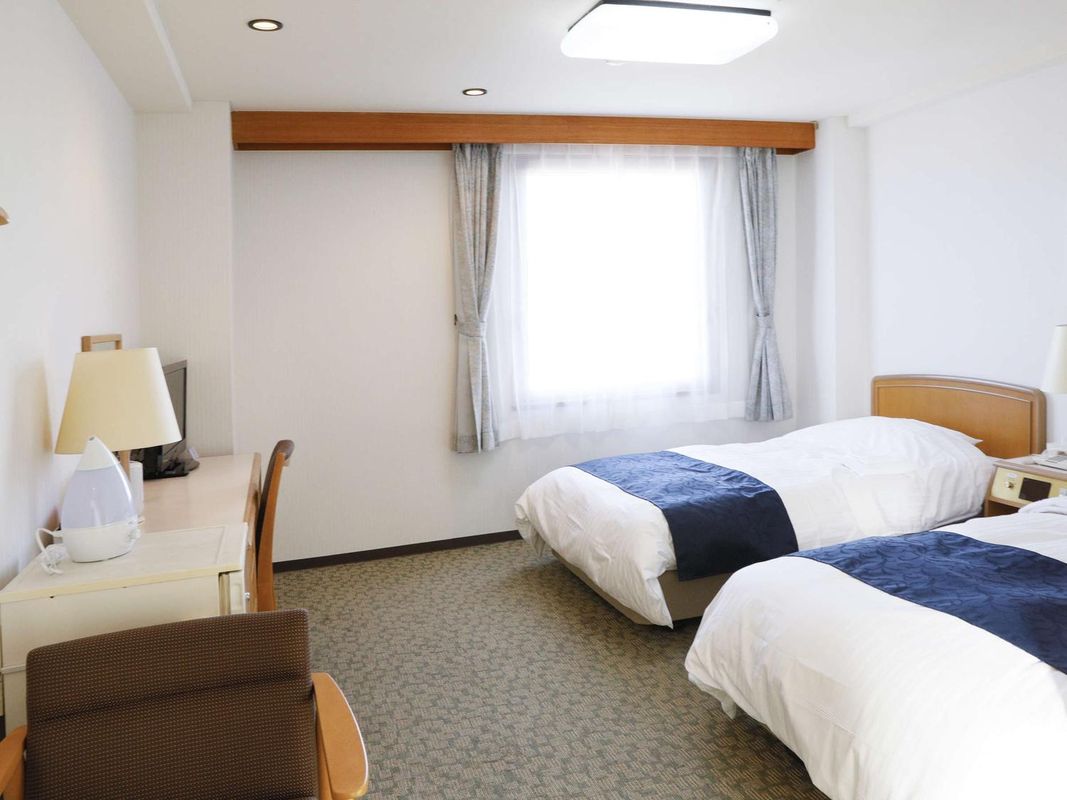


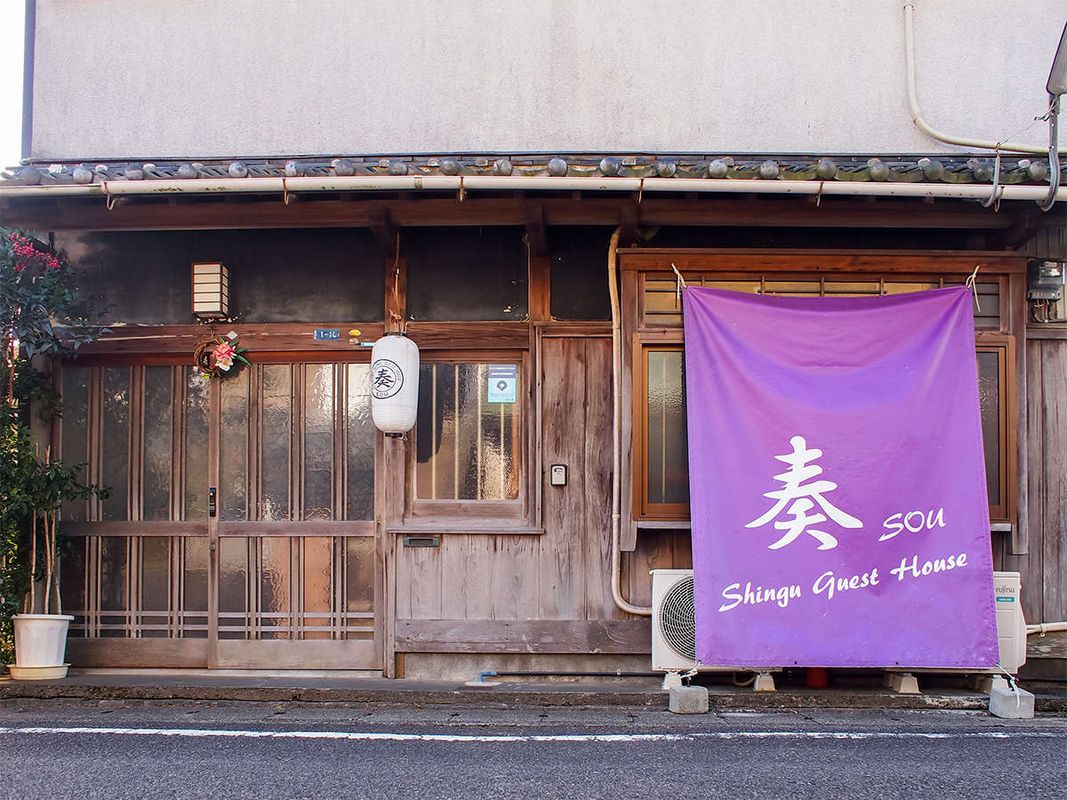

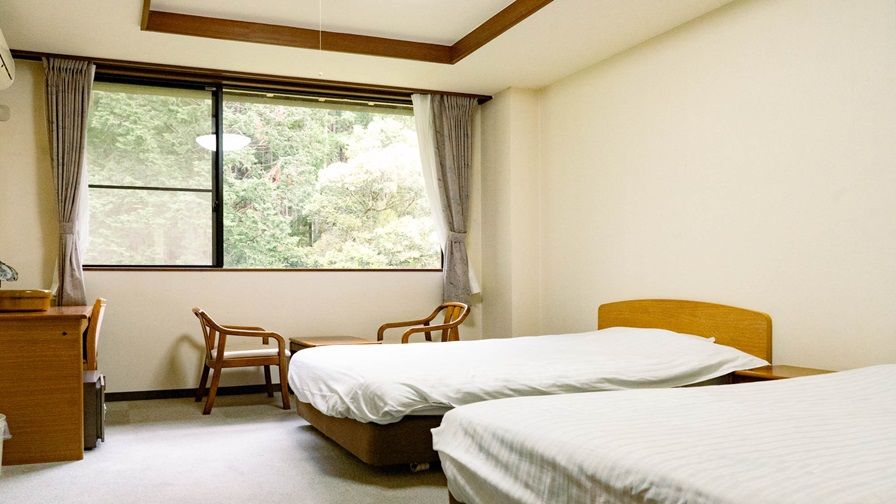
Best Hotels in Shingū
Discover curated hotel collections in Shingū












































































Frequently Asked Questions about Traveling to Shingū
Questions You Might Need to Know About Traveling to Shingū
Shingū Overview
City Summary
Shingu City, located in Wakayama Prefecture, Japan, is a city rich in history and natural beauty. As the home of Kumano Hayatama Taisha, one of the Kumano Sanzan, it is a significant religious site in Japan. Surrounded by dense forests and clear rivers, the city offers stunning natural landscapes such as Nachi Falls and the Kumano Kodo pilgrimage routes. Shingu is not only a spiritual hub but also an ideal destination to explore traditional Japanese culture and nature.
Must-See Attractions
Must-see attractions include Kumano Hayatama Taisha, a sacred shrine with a long history. Nachi Falls, one of Japan's tallest waterfalls, offers breathtaking views. The Kumano Kodo is an ancient pilgrimage trail where visitors can experience the blend of history and nature. Additionally, Shingu Castle Ruins provide insight into the city's past, while Ukishima Forest showcases a unique wetland ecosystem.
Food Guide
Food recommendations: Shingu's cuisine is influenced by its mountainous and coastal resources. Must-try street food includes mackerel sushi, made with locally caught fish. Kumano beef is another specialty, known for its tender texture. Don't miss the local plum products, as Wakayama is famous for its plums, including pickled plums and plum wine.
Transportation Guide
Transportation guide: The main transportation options in Shingu are JR trains and buses. The JR Kisei Line connects Shingu with nearby cities. Local buses cover major attractions but have limited schedules, so check timetables in advance. Renting a car is a good option for exploring remote natural sites. Taxis are suitable for short trips but can be expensive.
Best Time to Visit
Best time to visit is during spring (March to May) and autumn (September to November). Spring offers cherry blossoms and mild weather, while autumn features vibrant foliage. Summers are hot and humid, and winters are colder but less crowded.
Travel Tips
- Respect local culture: Follow shrine etiquette, such as purifying hands and mouth.\n2. Wear comfortable clothing: Proper footwear and attire are essential for hiking the Kumano Kodo.\n3. Carry cash: Some small shops and rural areas may not accept credit cards.\n4. Dispose of trash properly: Japan has strict waste separation rules.\n5. Learn basic Japanese phrases: Such as "arigatou" (thank you).\n6. Check weather forecasts: Mountain weather can be unpredictable.
Useful Information
Practical information:\n- Language: Japanese is primary; some attractions may have English signs.\n- Internet: Free Wi-Fi is available in the city, but signal is weak in mountainous areas.\n- Payment: Credit cards are accepted in cities, but cash is more common.\n- Emergency services: Hospitals are well-equipped; dial 119 for emergencies.\n- Voltage: 100V, Type A plugs; an adapter may be needed.