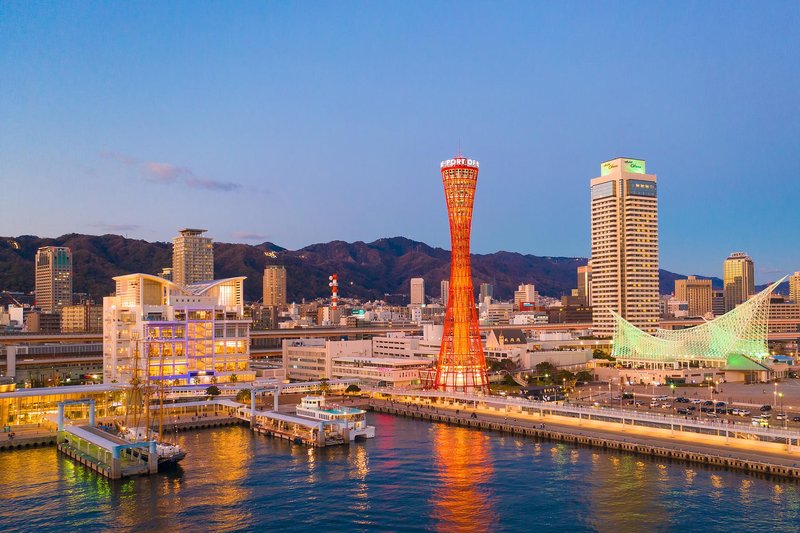
Hotels in Shinonsen
Discover your perfect stay in Shinonsen.
Shinonsen(Japan) Travel 2026: Cheap Flights, Hotels & Top Attractions
Popular Landmarks in Shinonsen
Discover the most iconic attractions in Shinonsen
Recommended Hotels in Shinonsen
Find the perfect place to stay in Shinonsen
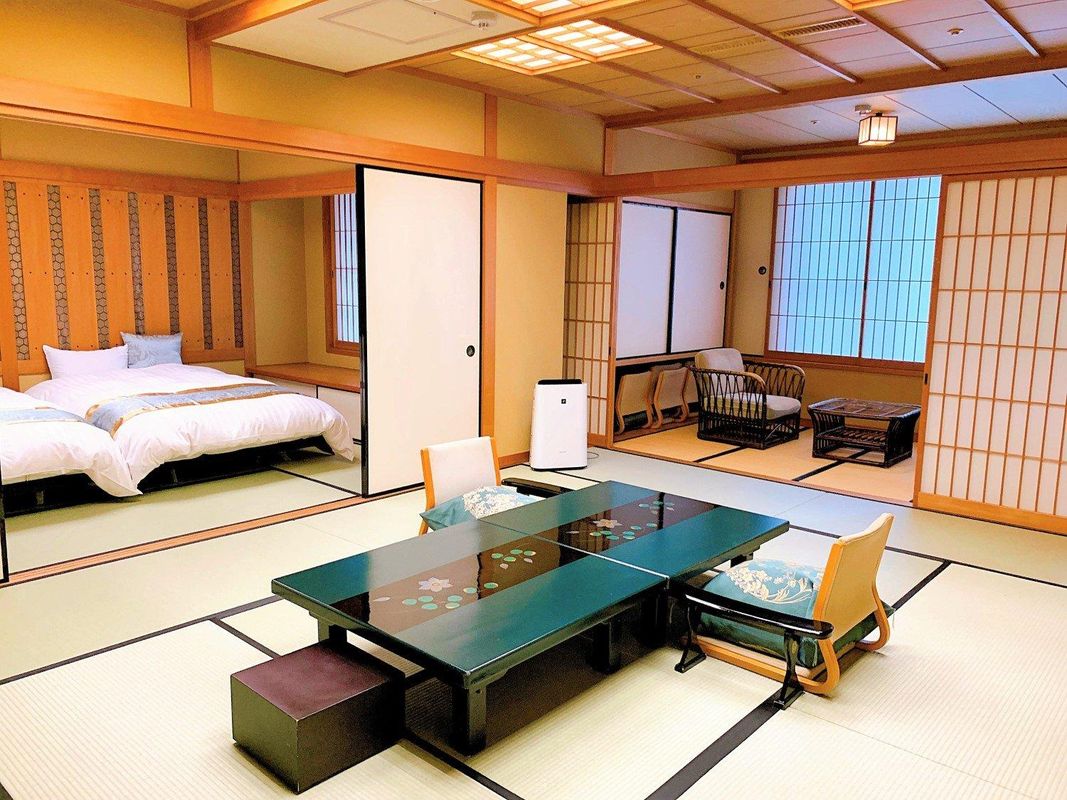
Asanoya
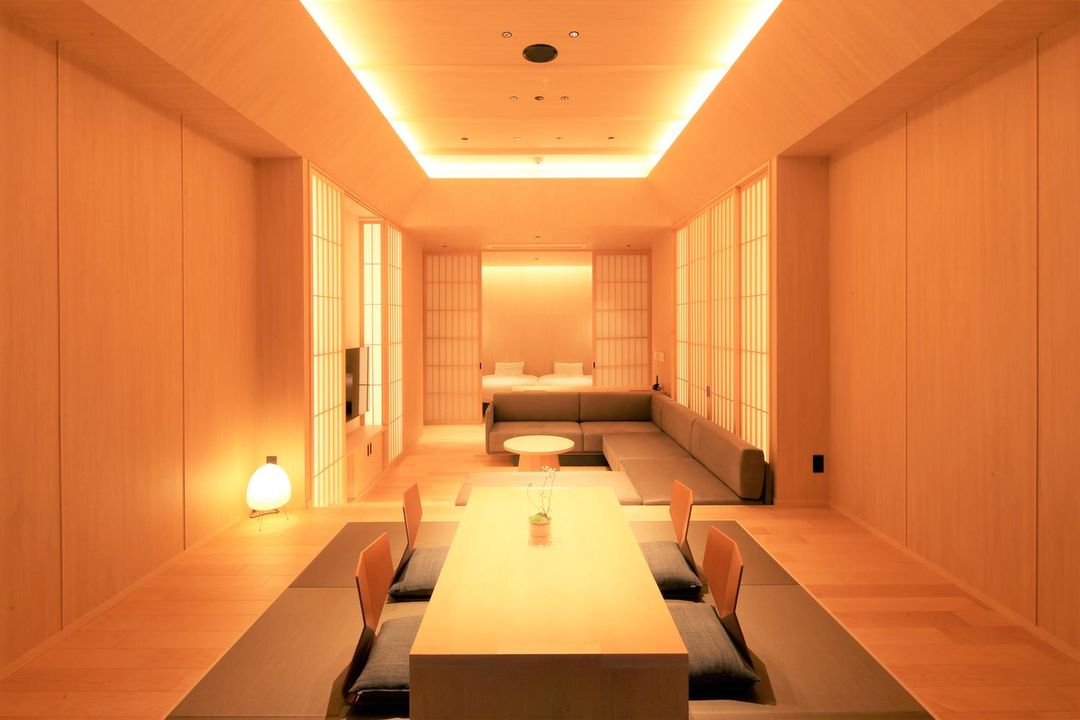
Sanin-Yumuraonsen Yuamu
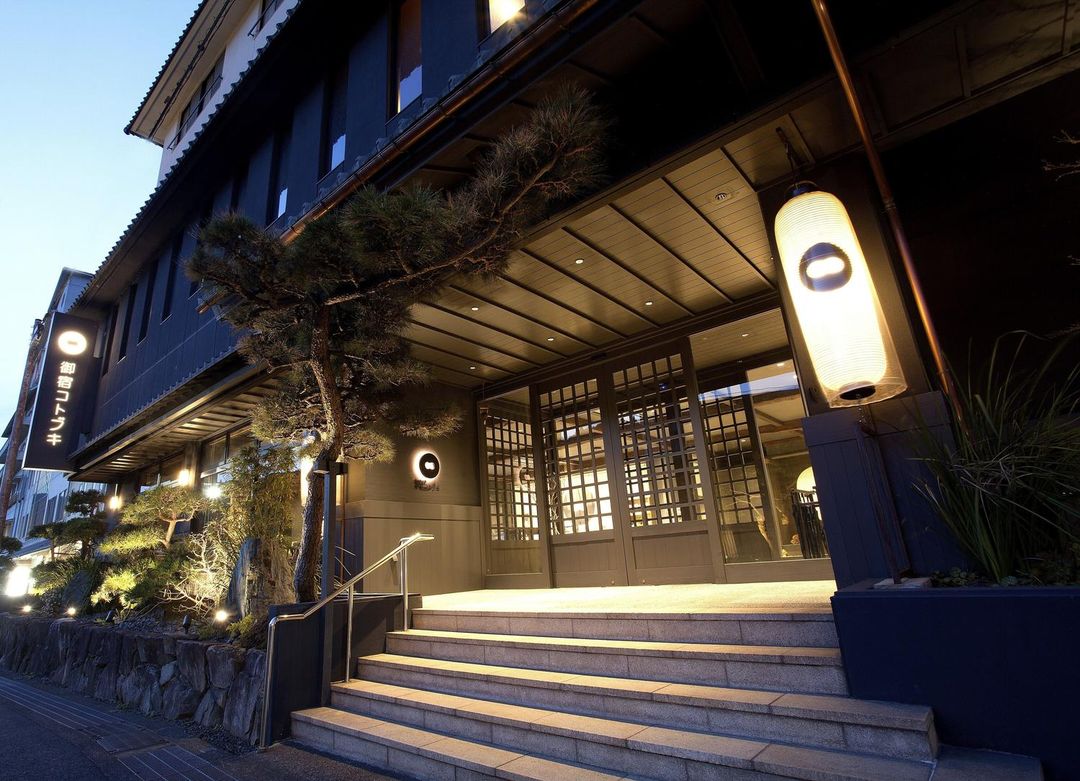
Oyadokotobuki
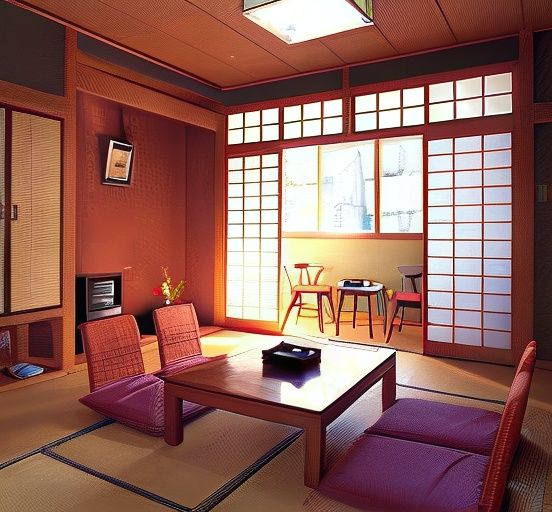
Sankin Ryokan
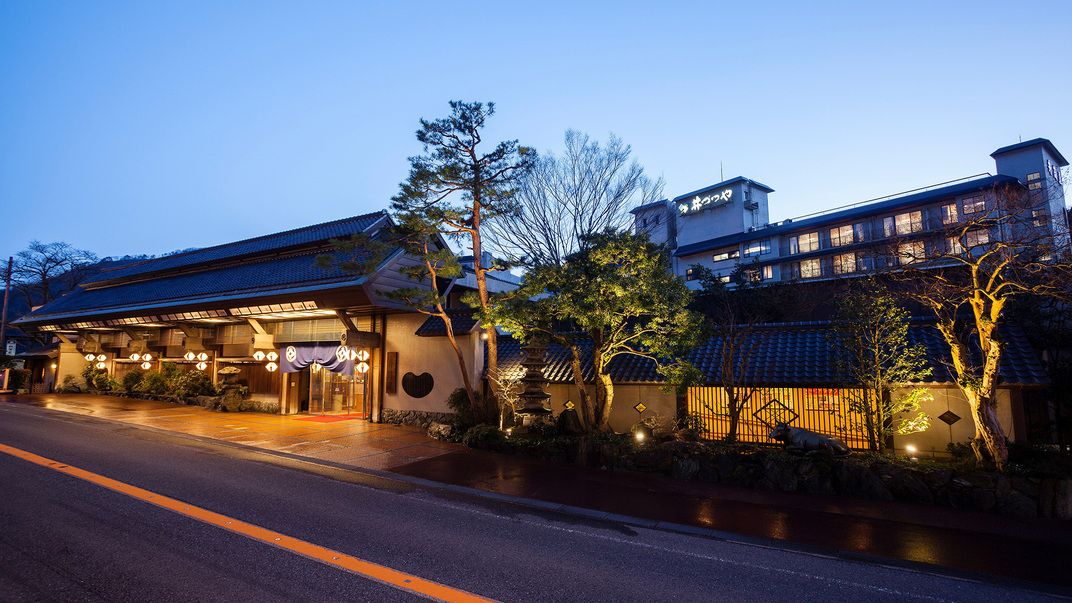
Kasenkyo Izutsuya
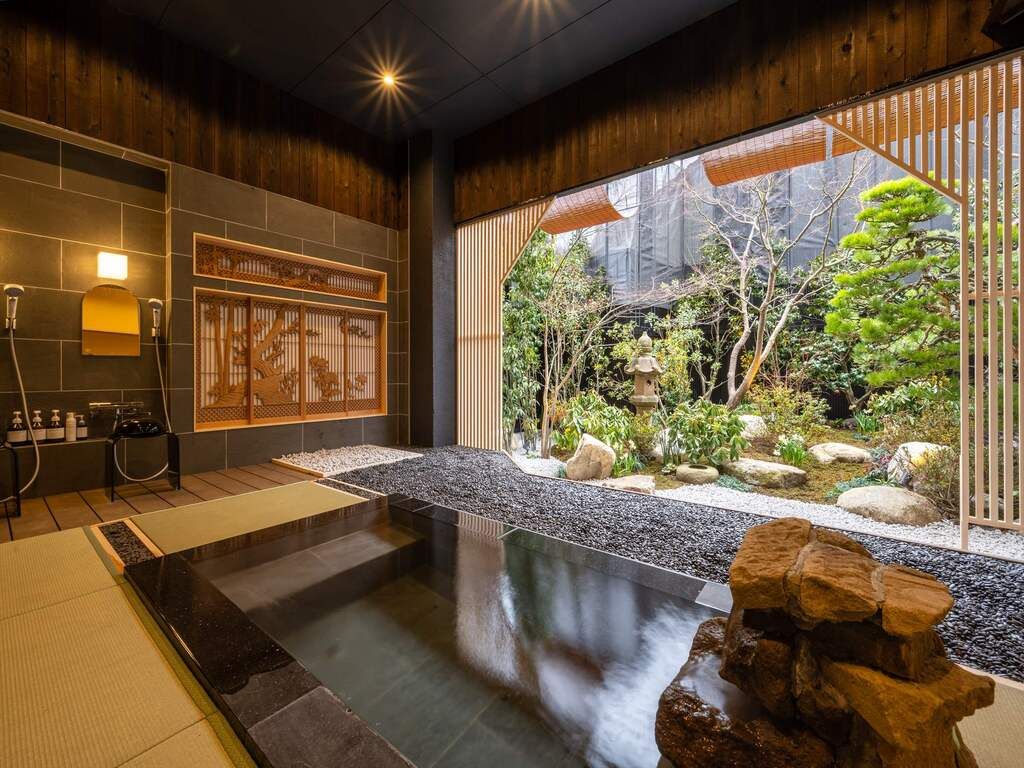
Yumura Onsen Midoriya
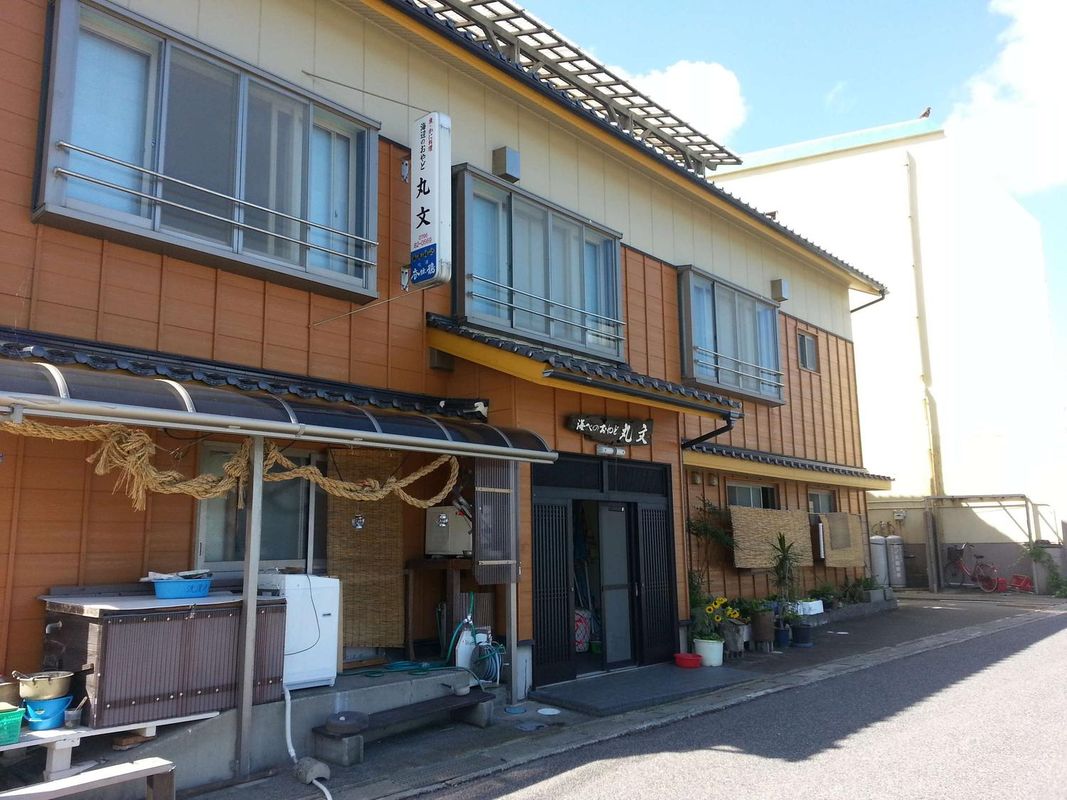
Marubun the Seaside Inn
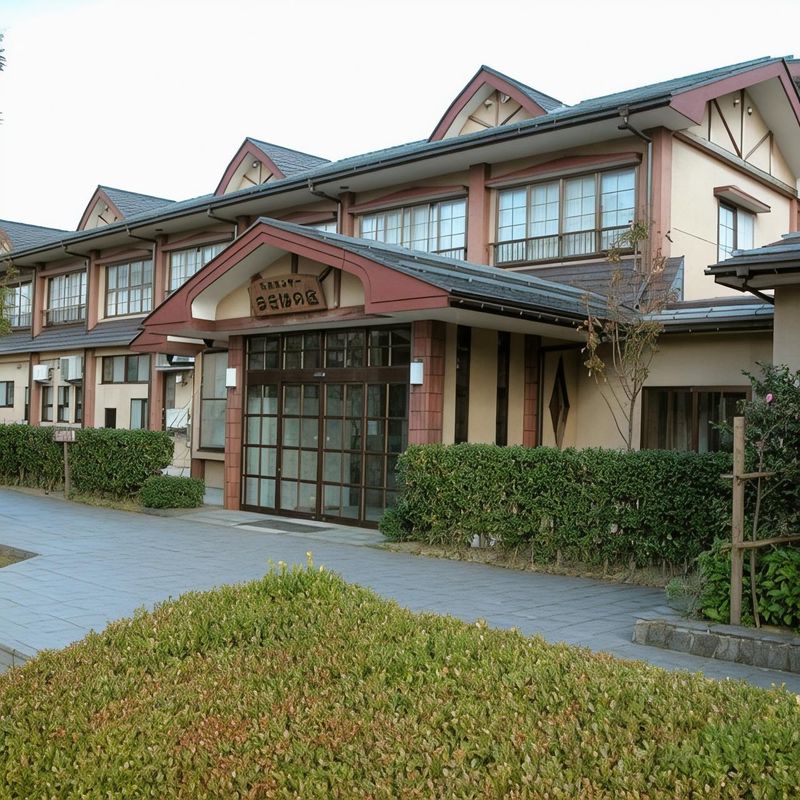
Makiba No Yado
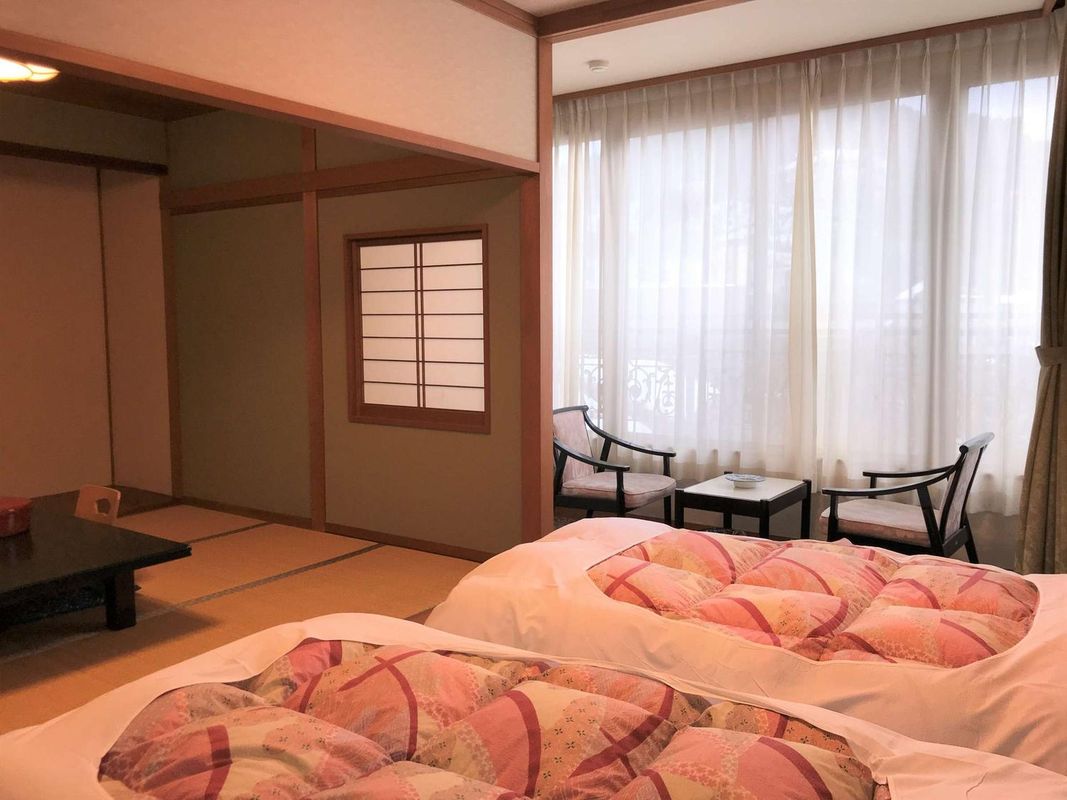
Yumura Onsen Totoya
Best Hotels in Shinonsen
Discover curated hotel collections in Shinonsen
Shima Kanko Hotel the Bay Suites
Waldorf Astoria Osaka
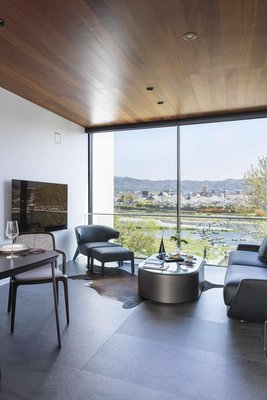
Kamo Residences by Reflections
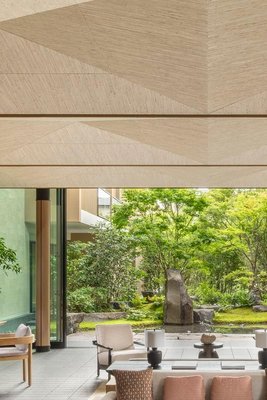
Six Senses Kyoto
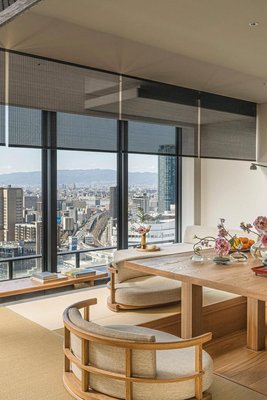
Four Seasons Hotel Osaka
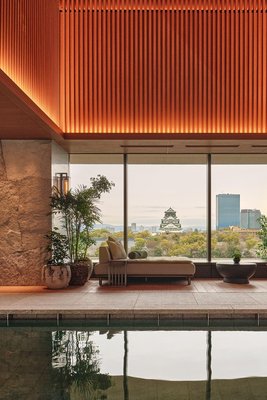
Patina Osaka

The Ritz-Carlton, Osaka
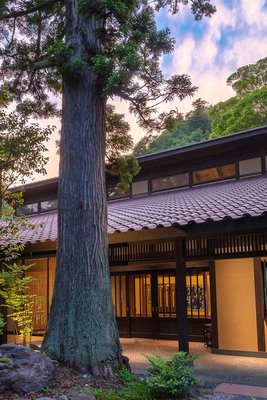
Arimasansoh Goshobessho
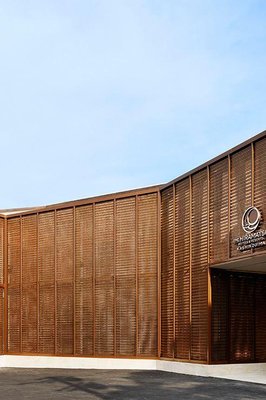
The Hiramatsu Hotels & Resorts Kashikojima
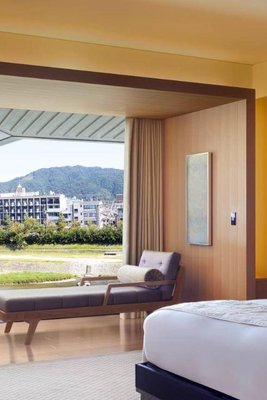
The Ritz-Carlton, Kyoto
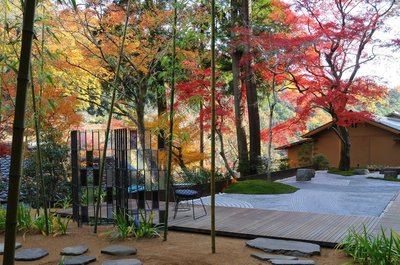
HOSHINOYA Kyoto
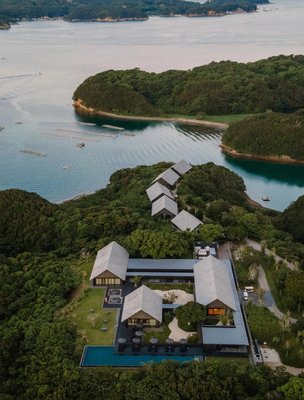
Amanemu
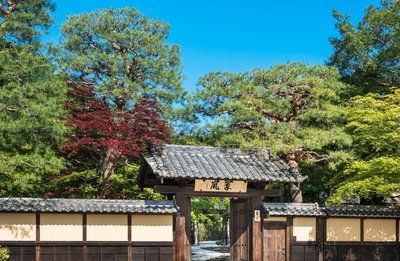
Suiran, a Luxury Collection Hotel, Kyoto
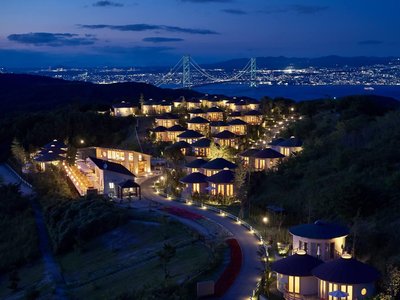
Grand Chariot Hokutoshichisei 135°
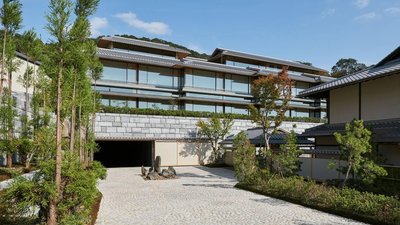
Park Hyatt Kyoto
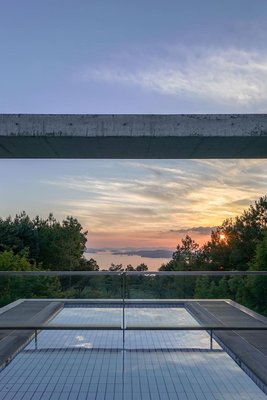
SETOUCHI RETREAT by Onko Chishin
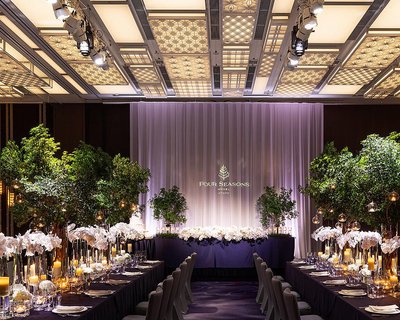
Four Seasons Hotel Kyoto
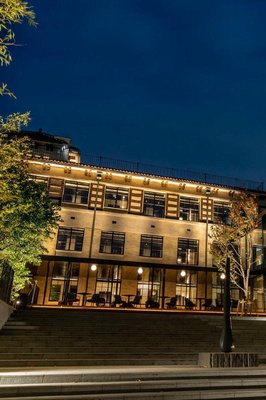
The Hotel Seiryu Kyoto Kiyomizu - a Member of the Leading Hotels of the World-
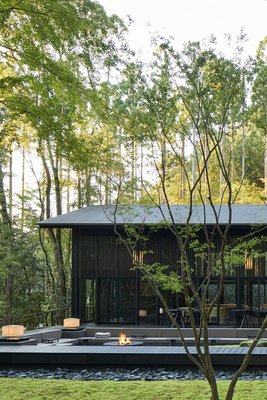
Aman Kyoto
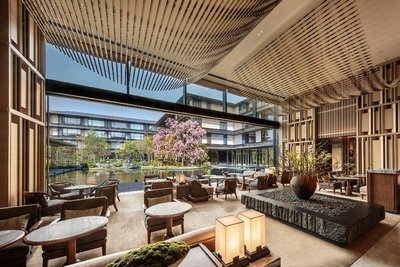
Hotel the Mitsui Kyoto, a Luxury Collection Hotel & Spa
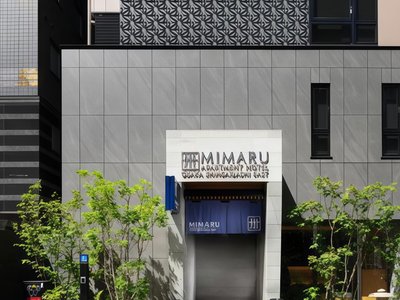
MIMARU Osaka Shinsaibashi East

Toba International Hotel Shiojitei
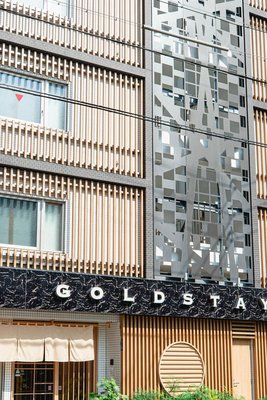
Gold Stay Nagoya OSU
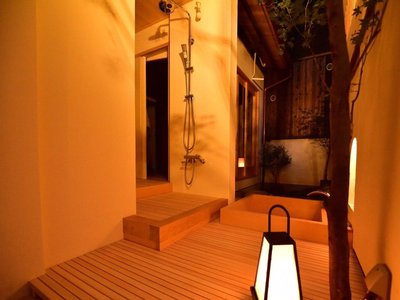
Yado Kiramachi
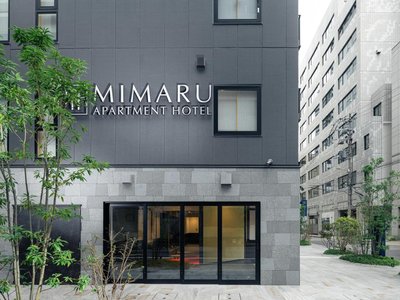
MIMARU Osaka Shinsaibashi North
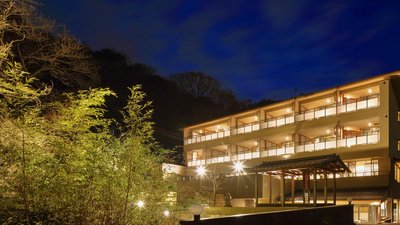
Okuno Hosomichi
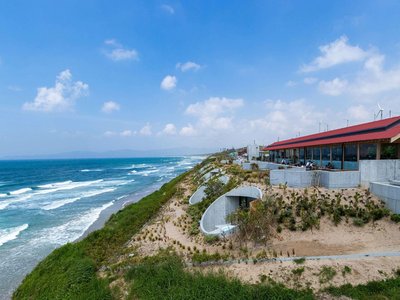
Izumo Hotel the Cliff
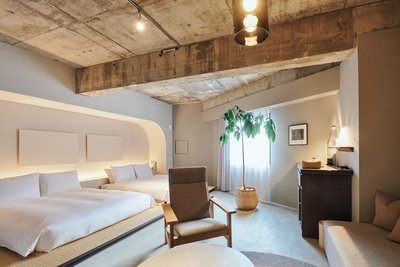
Korinkyo
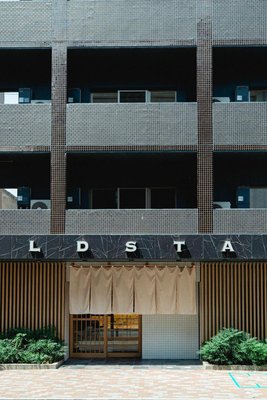
GOLD STAY Nagoya Sakae
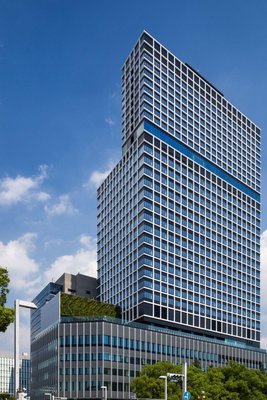
The Royal Park Hotel Iconic Nagoya
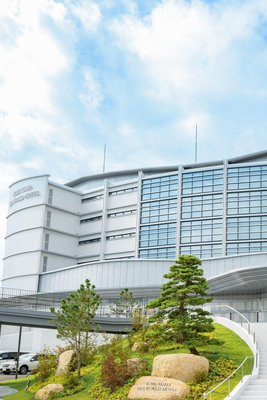
Kobe Suma Sea World Hotel
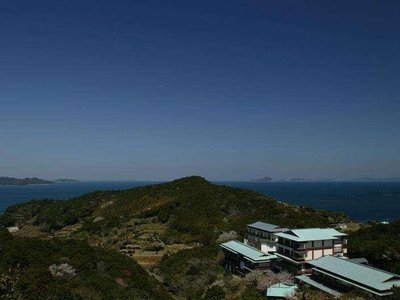
Hanashinsui
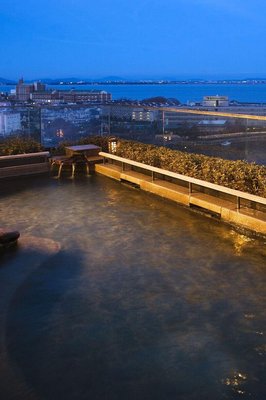
Yumotokan
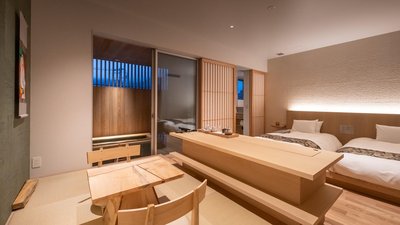
Japanese Auberge Kararako
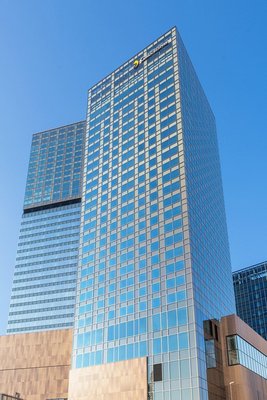
Hotel Hankyu GRAN RESPIRE OSAKA
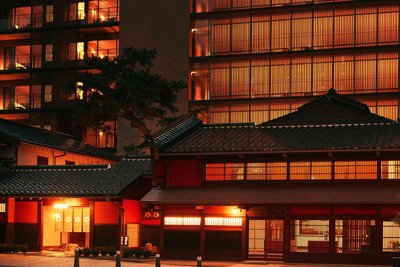
Hoshino Resorts Kai Kaga
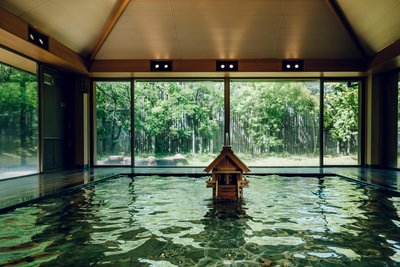
Hoshino Resorts KAI Tamatsukuri

Taikyourou
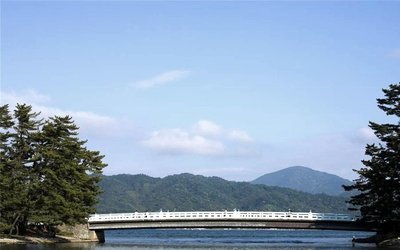
Monjusou Shourotei
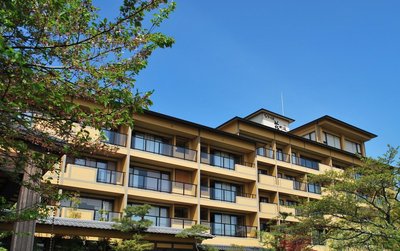
BIWAKO HANAKAIDO
Yado Kiramachi
Arimasansoh Goshobessho
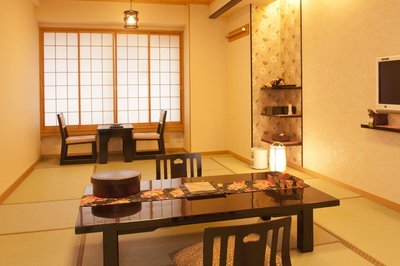
Matsui-Bekkan Hanakanzashi
Hoshino Resorts KAI Tamatsukuri
Taikyourou
Monjusou Shourotei
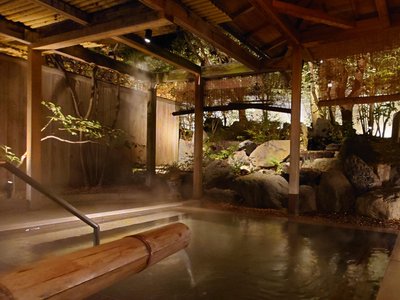
Kasuga Hotel
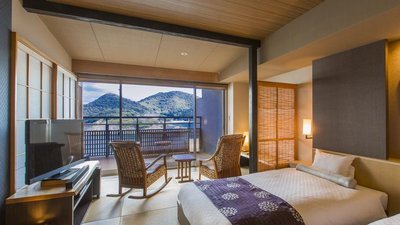
Migiwatei Ochi Kochi
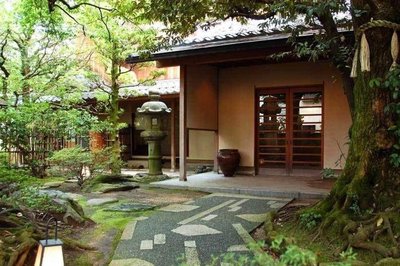
Kocho
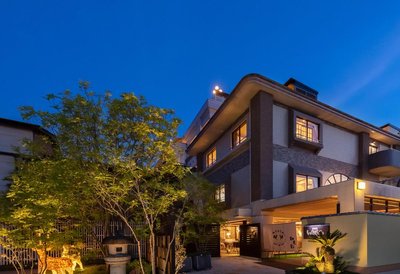
Hotel New Wakasa
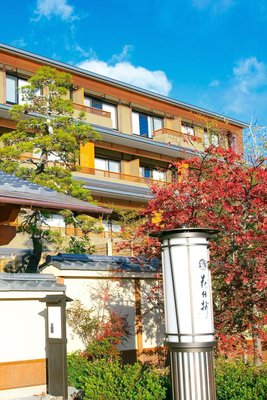
Kyoto Arashiyama Onsen Kadensho (Kyoritsu Resort)
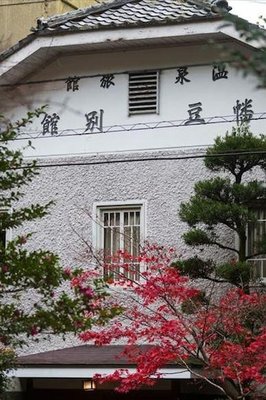
Oku-Mikawa・Yuya Onsen HAZU Bekkan
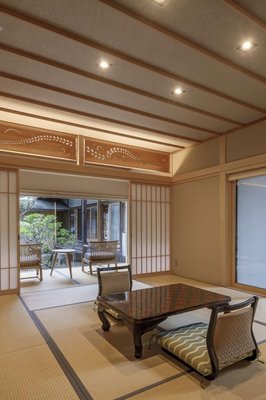
Ichijoin
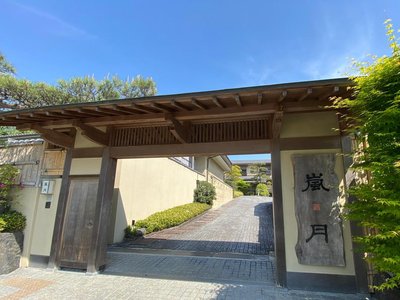
Rangetsu
The Ritz-Carlton, Kyoto
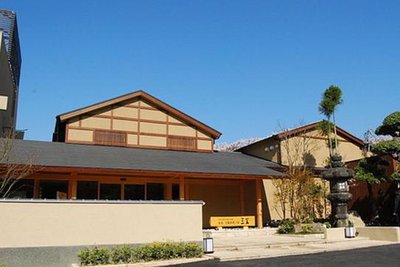
Mikasa
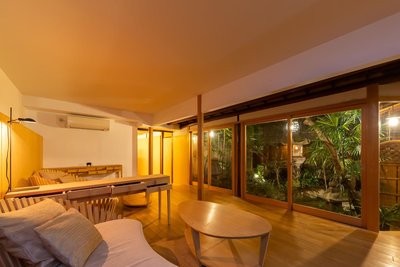
Izuyasu Traditional Kyoto Inn Serving Kyoto Cuisine
HOSHINOYA Kyoto
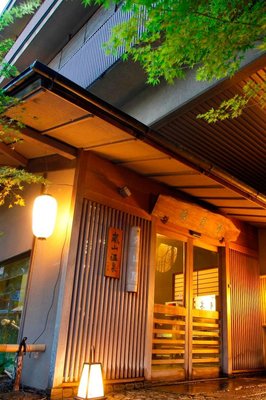
Togetsutei
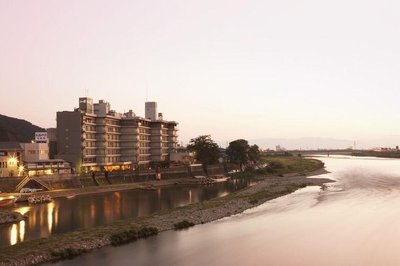
Juhachiro
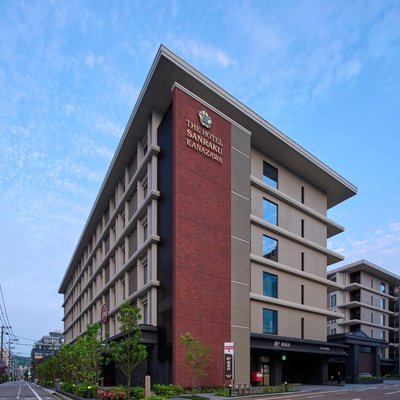
The Hotel Sanraku Kanazawa 21th December 2022 Open

22 PIECES
The Ritz-Carlton, Osaka

The Thousand Kyoto
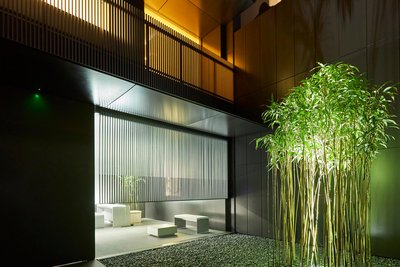
Mogana
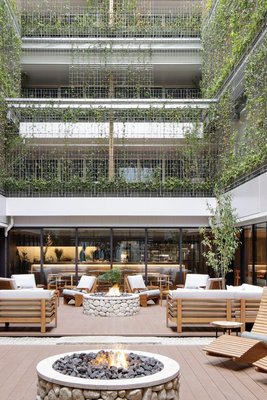
GOOD NATURE HOTEL KYOTO
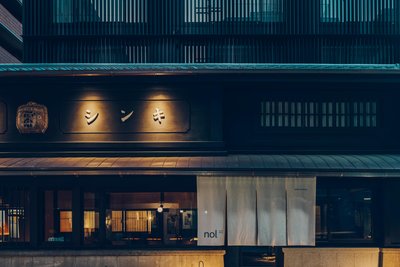
Nol Kyoto Sanjo
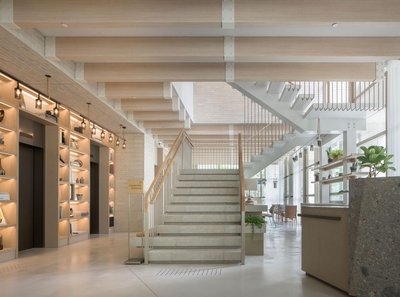
Zentis Osaka
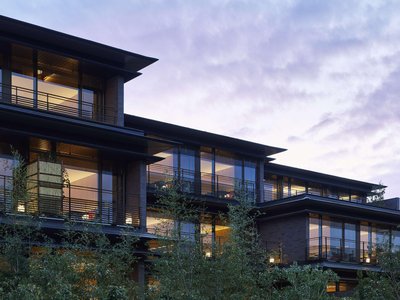
Garrya Nijo Castle Kyoto
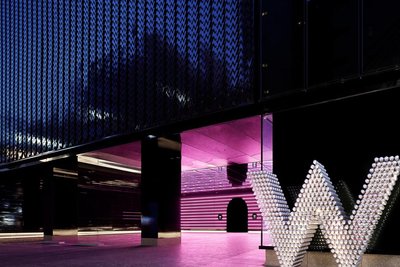
W Osaka
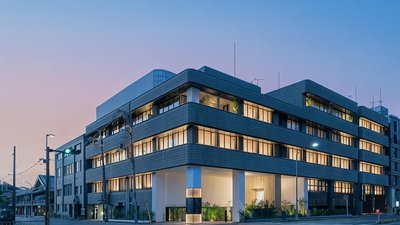
Hotel Kanra Kyoto
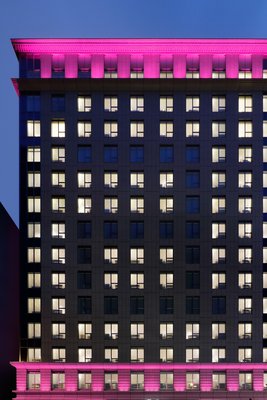
Aloft Osaka Dojima
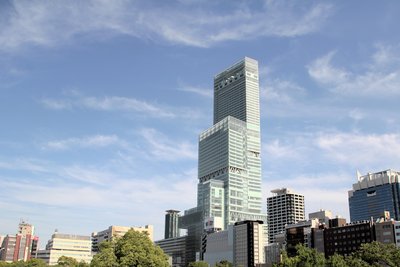
Osaka Marriott Miyako Hotel
The Ritz-Carlton, Osaka
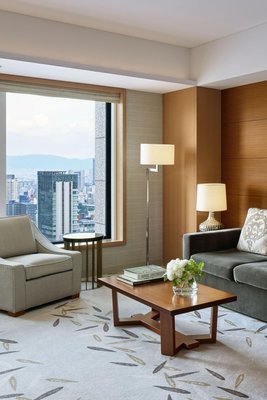
InterContinental Hotel Osaka
The Ritz-Carlton, Kyoto
Suiran, a Luxury Collection Hotel, Kyoto
GOOD NATURE HOTEL KYOTO
Park Hyatt Kyoto
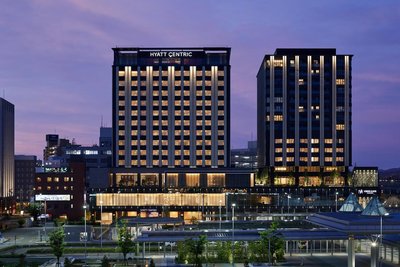
Hyatt Centric Kanazawa
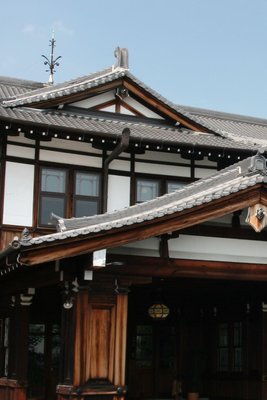
Nara Hotel
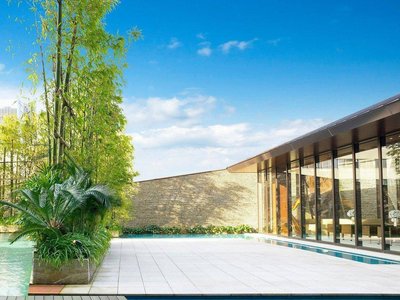
ORIENTAL HOTEL
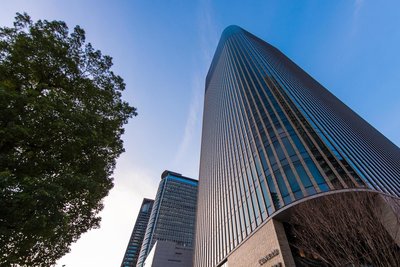
Conrad Osaka
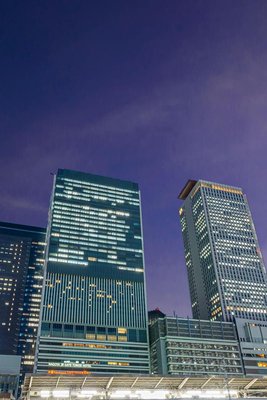
Nagoya JR Gate Tower Hotel (JR-Central Hotels)
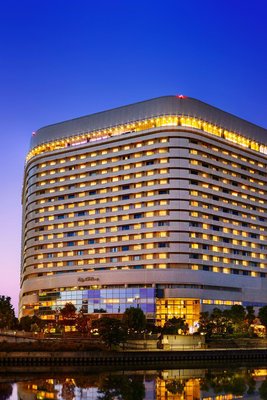
Hotel New Otani Osaka
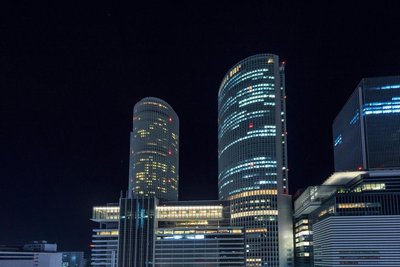
Nagoya Marriott Associa Hotel
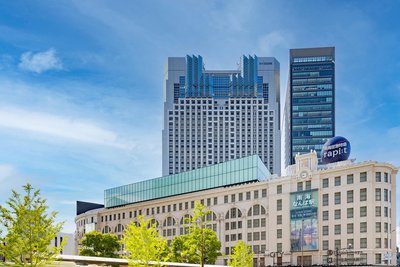
Swissotel Nankai Osaka
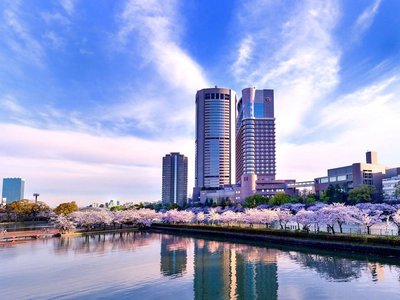
Imperial Hotel Osaka
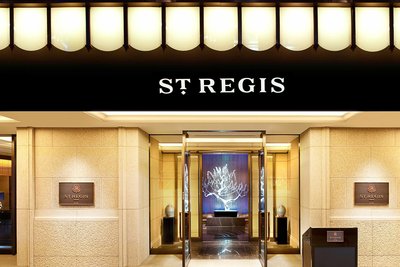
The St. Regis Osaka
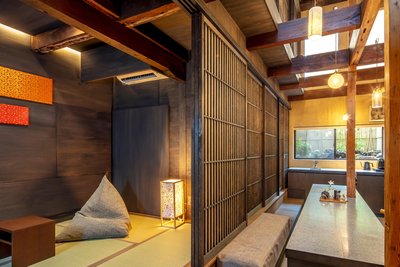
Kyo No Oozora Kihana
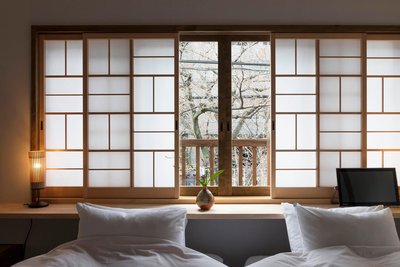
Hanagoromo Machiya House
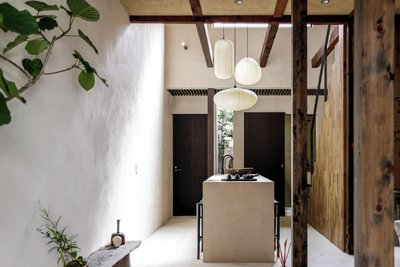
Maana Kiyomizu
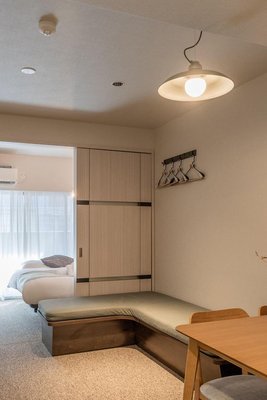
Apartment Hotel 11 Shinsaibashi
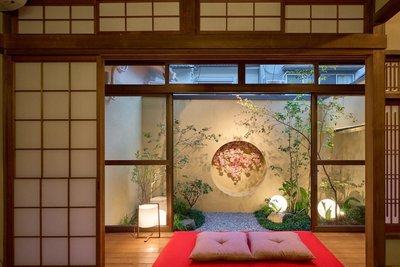
KONJAKUSO Osaka Tengachaya "NIHONCHA" Tea & Relax
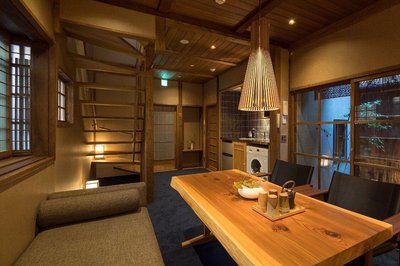
Bonbori an Machiya House
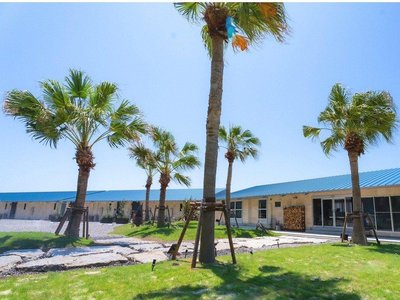
Glamping&Resort Wood Design Park Noma
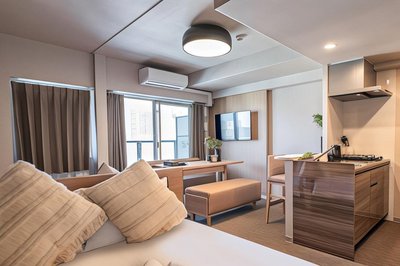
Apartment Hotel 11 Shinsaibashi III
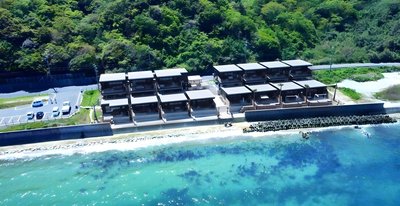
Solavilla Umi Terrace Minamiawaji
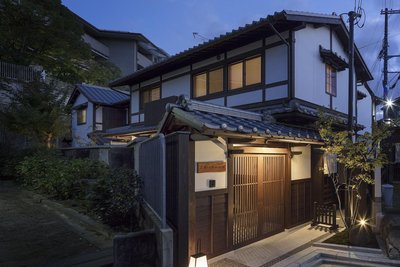
The Machiya Villa Sanjo Shirakawa Koji
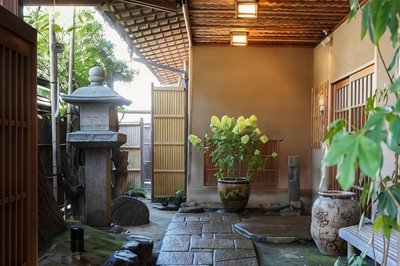
Ryokan Asadaya
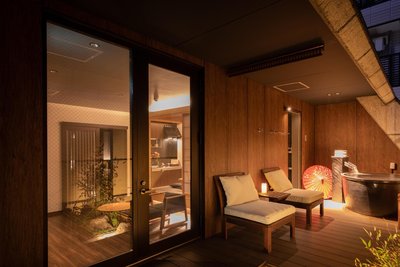
Konjaku-So Dotonbori
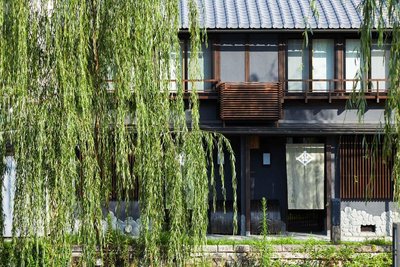
Gion Shirakawa No Yado

Kitashirakawa Natural Radium Onsen
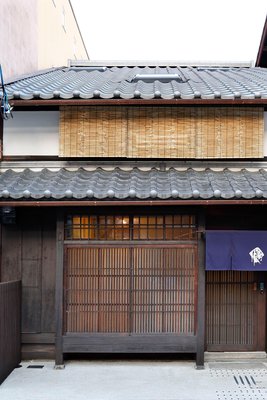
Kyo No Ondokoro Kamanza Nijo #2
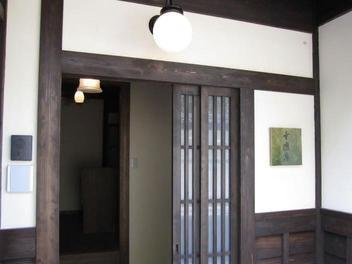
Gion Koyu an Machiya House
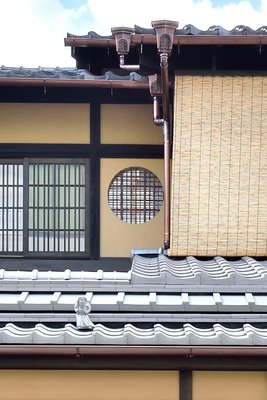
Kyo No Ondokoro Gokomachi Ebisugawa #3
Sana Mane - Glamp Domes
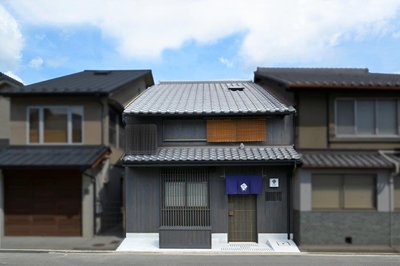
Kyo No Ondokoro Goshonishi #6
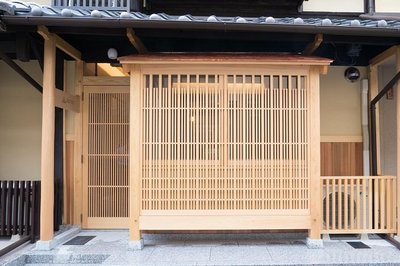
Kyomachiya Suite Rikyu

Hotel Barrière Fouquet's New York
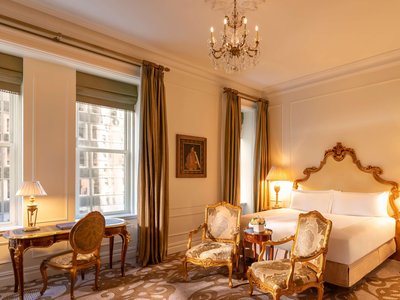
The Plaza - A Fairmont Managed Hotel
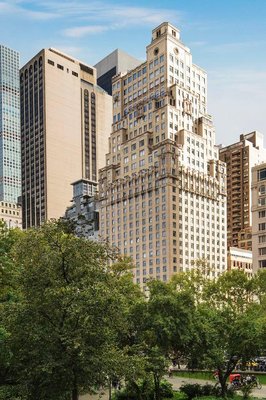
The Ritz-Carlton New York, Central Park
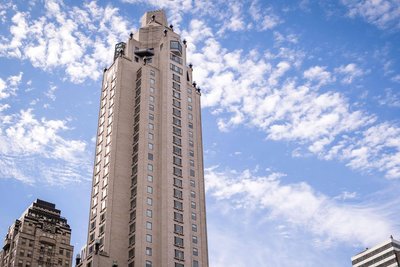
Four Seasons Hotel New York
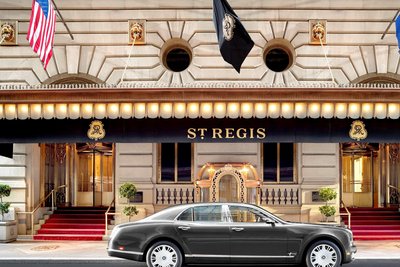
The St. Regis New York
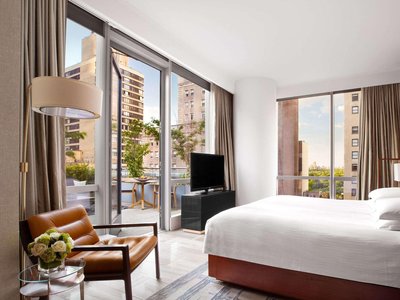
Park Hyatt New York
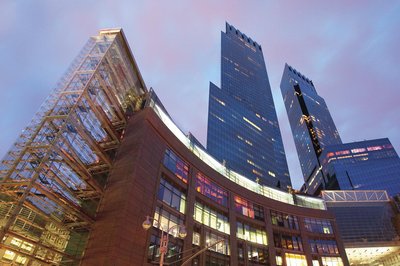
Mandarin Oriental New York
Times Square Edition New York

Loews Regency New York Hotel
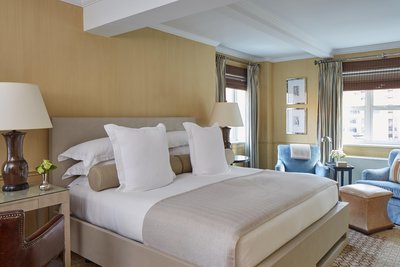
Lowell Hotel
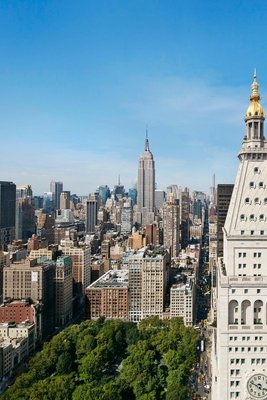
New York Edition
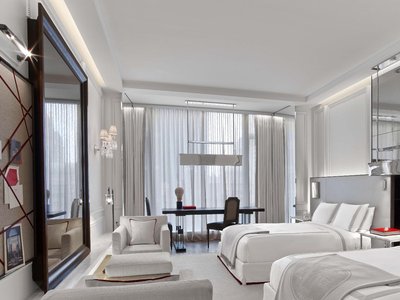
Baccarat Hotel New York
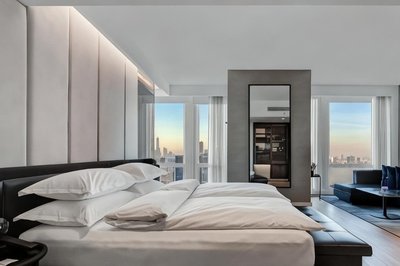
Equinox Hotel New York
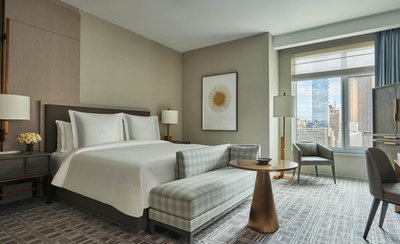
Four Seasons Hotel New York Downtown
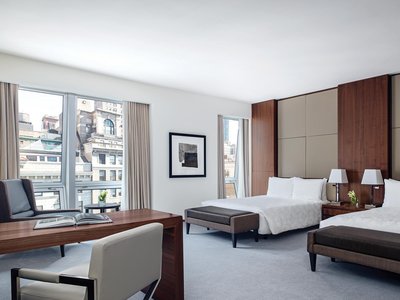
The Langham, New York, Fifth Avenue

The Carlyle, A Rosewood Hotel

The Chatwal, in the Unbound Collection by Hyatt
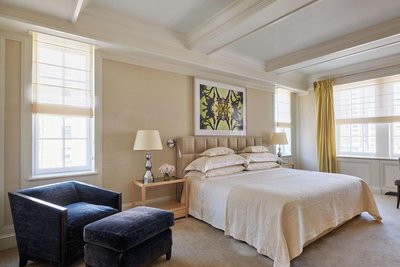
The Mark New York
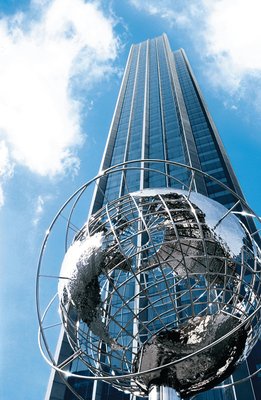
Trump International Hotel & Tower® New York
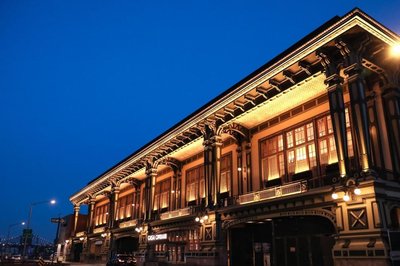
Casa Cipriani New York
Frequently Asked Questions about Traveling to Shinonsen
Questions You Might Need to Know About Traveling to Shinonsen
In Shin-Yuhotaki, the premier choice is Shin-Yuhotaki Hotel, a century-old establishment famed for its natural sulfur-rich hot springs. The water, around 45°C, contains high levels of hydrogen sulfide, known for improving skin health and easing joint pain. Each room features a private outdoor bath with mountain views. Nearby, Yukawa Ryokan offers a more intimate, traditional experience with tatami rooms and kaiseki dining. Both hotels provide exceptional hospitality and are highly rated by international travelers seeking authentic Japanese wellness.
The central district of Shin-Yuhotaki is ideal for lodging, offering easy access to major onsen facilities, local restaurants, and scenic walking paths. This area blends old-world charm with modern comfort, housing charming wooden inns like Takano-ya Guesthouse, which preserves Edo-period architecture. It’s also close to Tanba Highland Nature Park, perfect for morning hikes or evening strolls under autumn foliage. Quiet and safe, it's perfect for those wanting a peaceful, immersive rural Japan experience.
Visitors can participate in authentic tea ceremony workshops at Seikyo-an, led by local tea masters who emphasize harmony, respect, purity, and tranquility. Another highlight is handmade pottery sessions at Tanba Ceramics Village, where guests use locally sourced clay to craft unique souvenirs. These activities not only offer hands-on learning but also support local artisans and preserve traditional crafts passed down through generations.
The hot springs in Shin-Yuhotaki are strongly acidic hydrogen sulfide waters, renowned for their therapeutic properties. With temperatures averaging 45°C, they help reduce inflammation, relieve muscle and joint pain, and improve blood circulation. The high sulfur content also softens skin and aids in treating conditions like eczema and dryness. Many visitors recommend soaking early in the morning, combined with forest bathing, for maximum rejuvenation. However, pregnant women and those with heart conditions should consult a doctor before use.
Must-try dishes include Tanba Black Bean Hot Pot, made with locally grown beans and pork; mountain vegetable tempura, featuring seasonal greens like ferns and bamboo shoots; and Shin-Yuhotaki specialty miso ramen. At Matsuya Restaurant, you’ll find home-style cooking with rich, handmade miso broth. Don’t miss onsen manju—a sweet steamed bun filled with red bean paste and honey—available at Yunoyama Yashiki. Every meal reflects the region’s deep connection to nature and seasonal ingredients.
Absolutely! Shin-Yuhotaki offers numerous family-friendly attractions, including the Tanba Nature Education Center, with interactive trails and insect observation zones perfect for kids. The Shin-Yuhotaki Children’s Onsen provides child-safe baths with fun sprayers and floating toys. In spring, families can visit strawberry farms for picking fresh fruit. Most ryokans offer free children’s stays and customizable meals. With low noise levels and clean air, it’s an ideal destination for parents seeking a relaxing, wholesome getaway with their kids.
From Osaka, take the Hankyu Railway to Takarazuka Station, then transfer to the Kobe Electric Railway to Nishi-Akashi Station, followed by a shuttle bus to Shin-Yuhotaki—total travel time about 2 hours. For drivers, use the Kobe-Awaji-Meishin Expressway, exiting at Shin-Yuhotaki Interchange—just 40 minutes away. Note that public transport within the town is limited, so renting a bike or HopeGoo hotel pickup service is recommended for exploring nearby villages and hidden onsens.
The best time is autumn (October–November), when the Tanba Highlands burst into vibrant red and gold foliage, creating breathtaking views above the steamy onsen. The annual Shin-Yuhotaki Maple Festival features lantern processions, traditional music, and night illumination. Spring (March–April) is also lovely, with cherry blossoms and fresh mountain air. Summer can be humid, but forested areas remain cool. Avoid Golden Week and Obon holidays for fewer crowds and a more tranquil atmosphere.
Discover Ootani River Gorge Trail, a quiet hiking path winding through ancient trees, where wild deer sometimes appear. At the end lies a panoramic viewpoint overlooking the entire town and Tanba Mountains. Another hidden treasure is the Old Otabatake House, a well-preserved Edo-period farmhouse now serving as a small folk museum showcasing farming tools and weaving techniques. These off-the-beaten-path spots are ideal for travelers seeking solitude and authentic connections with nature and history.
Yes, most ryokans provide foot baths and full-body spa treatments. Shin-Yuhotaki Hotel features 「Mori no Rirakuzēshon」, a dedicated wellness center using local herbal oils and techniques from Japanese shiatsu and Thai massage. Some offer combo packages including a 30-minute foot therapy and one onsen soak at affordable rates. Staff are certified professionals committed to privacy and hygiene. Reservations are recommended, especially on weekends and during peak season.
Shinonsen Overview
City Summary
Kinosaki Onsen in Hyogo Prefecture is a hidden gem of Kansai, famed for its seven historic hot springs. The town blends therapeutic baths with coastal and mountain landscapes, offering serene ryokan stays. Its iconic lantern-lit streets preserve traditional wooden architecture, creating timeless charm.
Must-See Attractions
Visit all Seven Public Bathhouses, each with unique designs like Goshono-yu's cave pool. Genbudo Cave Park showcases rare basalt columns formed 1.6 million years ago. Hamasaka Beach shines in summer, while Tajima Ranch Park offers winter strawberry picking with snow-capped views.
Food Guide
Savor premium Tajima beef as sukiyaki or steak, renowned for marbling. Seafood lovers must try snow crab (Nov-Mar) and rock oysters. Street vendors sell signature onsen manju (steamed buns) filled with molten brown sugar, best paired with soft-boiled hot spring eggs.
Transportation Guide
Take JR Limited Express from Osaka (2.5hrs) to Kinosaki Station. The town operates loop buses, but walking between bathhouses is recommended. Purchase "Onsen Meguri Tegata" pass for unlimited bath entries. Taxis require advance HopeGoo. Winter drivers should carry tire chains.
Best Time to Visit
April-May for cherry blossoms and October-November for fiery autumn foliage. Avoid July-August typhoons. Snowscapes in December-February are magical but some attractions may close.
Travel Tips
- Wash thoroughly before entering baths; tie up long hair
- Most onsens prohibit tattoos - book private baths instead
- Wear yukata with left side over right (reverse indicates funeral attire)
- Haggling at fish markets is considered rude
- Check sparse bus schedules in advance
- Mountain areas may have spotty mobile signals - download offline maps
Useful Information
Basic Japanese greetings enhance interactions. Ryokans staff speak minimal English. Cash dominates, though credit cards work at major hotels. Free "Kinosaki Free Wi-Fi" covers the town. Dial #7119 for emergency medical assistance. Stone-paved streets get slippery - wear non-slip shoes. The post office near station handles international mail.