Hotels in Shinshinotsu
Discover your perfect stay in Shinshinotsu.
Shinshinotsu(Japan) Travel 2026: Cheap Flights, Hotels & Top Attractions
Popular Landmarks in Shinshinotsu
Discover the most iconic attractions in Shinshinotsu
Recommended Hotels in Shinshinotsu
Find the perfect place to stay in Shinshinotsu
Best Hotels in Shinshinotsu
Discover curated hotel collections in Shinshinotsu









Frequently Asked Questions about Traveling to Shinshinotsu
Questions You Might Need to Know About Traveling to Shinshinotsu
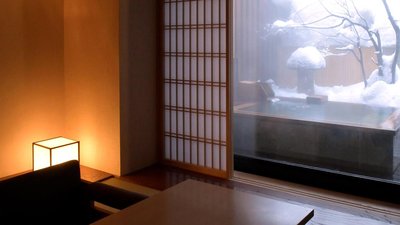
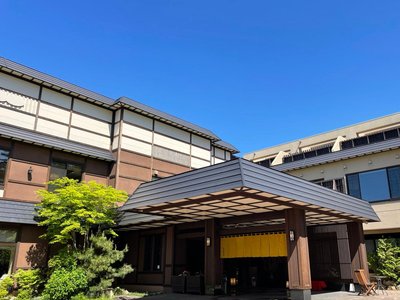
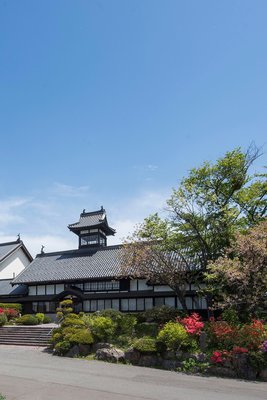
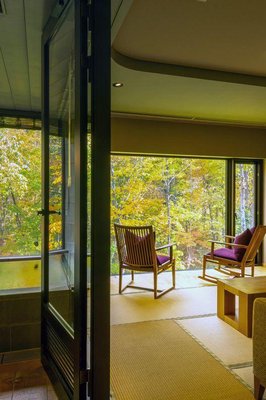
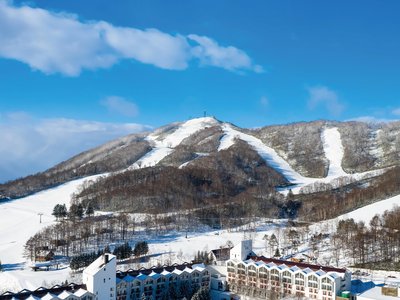
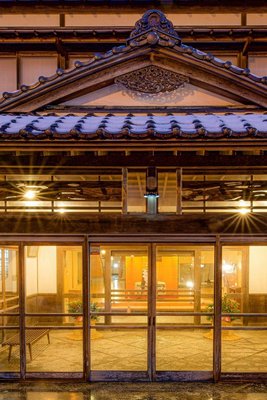
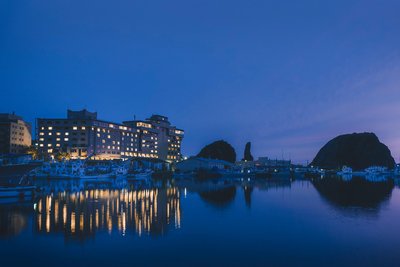
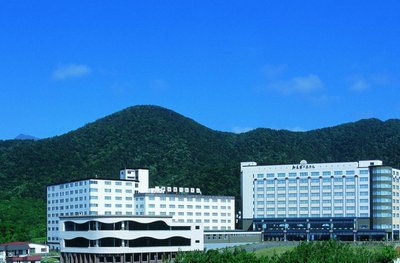
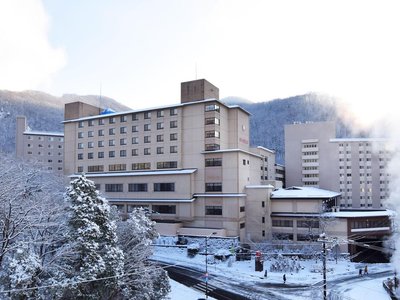
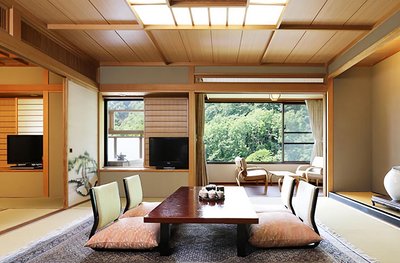
In Shinshinotsu Village, the top choice for families is Yukinomori Onsen Ryokan, a traditional Japanese inn offering private outdoor baths with views of snow-capped mountains and pine forests. Rooms feature tatami mats and futon beds, ideal for children. Located near Shinshinotsu Ski Resort, guests enjoy winter skiing and summer hiking in Daisetsuzan National Park. The village is accessible by bus from Sapporo in about 2 hours, making it a perfect base for family adventures in Hokkaido's pristine wilderness.
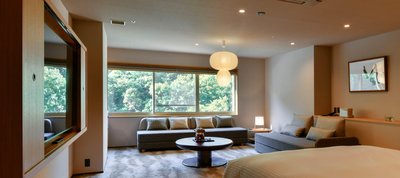
The prime accommodation zone in Shinshinotsu Village is the central onsen district, close to major hot springs and dining spots. This area offers easy access to the Shinshinotsu Onsen Entrance and features traditional wooden guesthouses and local inns. Quiet at night, it’s ideal for stargazing and viewing the Northern Lights (in winter). For those seeking solitude, consider the hillside resort cottages in the eastern part of the village, nestled among trees with panoramic mountain views. HopeGoo ahead is recommended, especially during ski season and cherry blossom time.
Visitors to Shinshinotsu Village can participate in authentic Ainu craft workshops, learning traditional Makiri embroidery and birch bark art techniques. These hands-on sessions offer deep insight into Ainu spiritual connection with nature. The annual Snow Festival in October features torchlight processions and sacred rituals open to guests. Additionally, the Ainu Cultural Museum showcases totem poles, musical instruments, and oral histories, providing a comprehensive understanding of Hokkaido’s indigenous heritage.
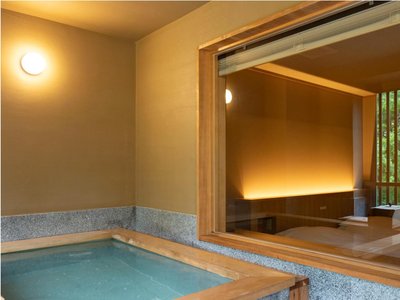
The hot springs in Shinshinotsu Village are renowned for their mild alkaline sulfur-rich waters, known for skin rejuvenation and joint relief. The most famous is Tenmatsuri Onsen, sourced from 300 meters underground, maintaining a steady 42°C temperature. It features open-air baths with mountain views and scenic decks overlooking the Daisetsuzan Range. Some inns offer "Forest Spring Wellness Packages" combining herbal baths with guided meditation, allowing guests to fully unwind in nature’s embrace.
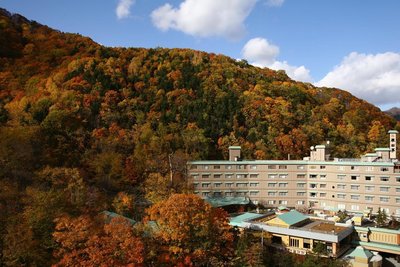
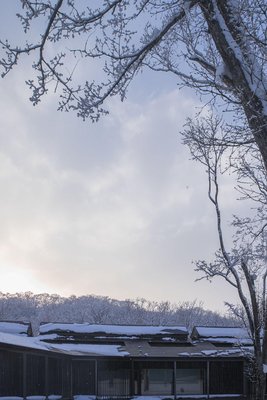
Shinshinotsu Village shines in every season: Winter (December–March) offers excellent skiing at Shinshinotsu Ski Resort with fresh powder and well-maintained lifts; Spring (April–May) brings cherry blossoms and wildflowers along forest trails; Summer (June–August) provides cool temperatures perfect for hiking and camping; Autumn (September–November) displays vibrant foliage against snowy peaks. Plan your trip based on interests—avoid peak holidays for a more peaceful experience.
Key landmarks include Tenmatsuri Shrine, an ancient mountain shrine dedicated to mountain deities, hosting fire ceremonies during festivals; Yuki no Hashi (Snow Bridge), a wooden arch spanning a stream, crystalline when frozen—ideal for photos; and the Daisetsuzan Overlook, offering sweeping views of glaciers and untouched forests. Also worth visiting is the Snow Sculpture Monument, commemorating centuries of snow disaster resilience. All sites are easily accessible by foot or bike.
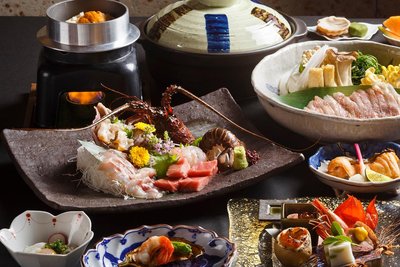
Must-try dishes in Shinshinotsu Village include Hokkaido miso stewed beef (Jingisukan), slow-cooked with local beef and rich miso paste; Snow hare cuisine, featuring tender meat from mountain-hunted hares in sushi and soups; and Ainu honey-glazed apples, made with wild honey harvested locally. Many restaurants offer "Wild Mountain Dinner" menus with deer meat, ferns, and wild mushrooms, paired with homemade plum wine—perfect for tasting authentic regional flavors.
Plan your day as follows: Start with a hike to Daisetsuzan Overlook for sunrise views and misty valleys; lunch at Tenmatsuri Onsen Ryokan with a meal of Ainu-style cuisine including wild vegetable rice and hare soup; afternoon visit to the Ainu Cultural Museum and a hands-on craft workshop; evening stroll across Snow Bridge, then soak in Tenmatsuri Onsen; conclude with a small bonfire gathering featuring Ainu songs. Total duration: ~8 hours—ideal for self-drive or pre-booked shuttle service.
Yes, Shinshinotsu Village is highly suitable for solo travelers. With low population density and serene atmosphere, it’s perfect for introspection and relaxation. Most inns offer single rooms with private baths, ensuring privacy. Guests can read by the bridge, explore the onsen district, or join guided forest walks and photography workshops to meet like-minded travelers. The village has 24-hour convenience stores and vending machines, and locals are warm and welcoming—creating a safe, supportive environment for independent exploration.
There is no railway in Shinshinotsu Village; access is primarily by road. Take a JR Hokkaido Bus from Sapporo Station, taking about 2 hours with 3–4 daily departures—book online in advance. The village operates a free sightseeing shuttle bus connecting key attractions and lodgings—valid with the Shinshinotsu Tour Pass. For self-driving, follow National Route 274, offering breathtaking mountain scenery. Winter driving requires four-wheel drive and snow chains. Taxis are unavailable; arrange pickup services ahead of time.
Shinshinotsu Overview
City Summary
Niikappu Village is a serene agricultural village located in central Hokkaido, Japan, renowned for its vast rice fields and stunning seasonal landscapes. The village is particularly famous for its summer greenery and autumn golden rice waves, making it a paradise for photography enthusiasts. Surrounded by majestic mountains and clear rivers, Niikappu offers abundant opportunities for outdoor activities such as hiking, fishing, and birdwatching.
Must-See Attractions
Must-see attractions include the Niikappu Rice Field Art, where giant patterns are planted in the fields each summer, visible from observation decks. Cape Kamui is another breathtaking spot with its dramatic cliffs and ocean views. Additionally, the village's hot spring facilities provide a perfect way to relax after exploring nature.
Food Guide
Food recommendations focus on local produce, such as fresh Hokkaido milk and rice-based desserts. Village restaurants serve authentic Japanese cuisine, including seafood bowls and miso soup made with local ingredients. In winter, don't miss the sizzling Genghis Khan barbecue, a Hokkaido specialty.
Transportation Guide
Transportation primarily relies on rental cars or buses. From Sapporo, buses to Niikappu take about 2 hours. As attractions are spread out, renting a car or using local taxi services is recommended. Public transport is limited, so plan accordingly.
Best Time to Visit
The best time to visit is summer (June to August) and autumn (September to October), when the weather is pleasant and the rice fields are at their most beautiful. Winter (December to February) is cold but ideal for those who enjoy snowscapes and hot springs.
Travel Tips
- Respect local customs: Remove shoes and stay quiet when entering shrines or temples.
- Prepare for weather changes: Hokkaido's weather is unpredictable, especially in winter; pack warm clothing.
- Carry cash: Some village businesses may not accept credit cards.
- Eco-friendly travel: Dispose of trash properly to keep the village clean.
- Book in advance: Popular restaurants and hot springs may require reservations.
Useful Information
Practical information:
- Language: Japanese is the main language; English is limited, so a translation app is helpful.
- Internet: Wi-Fi coverage is sparse; consider a local SIM card or roaming.
- Payment: Cash is preferred; credit cards are accepted at larger establishments.
- Emergency: The nearest hospital is in a neighboring city; travel insurance is recommended.