Hotels in Shintō
Discover your perfect stay in Shintō.
Shintō(Japan) Travel 2026: Cheap Flights, Hotels & Top Attractions
Popular Landmarks in Shintō
Discover the most iconic attractions in Shintō
Recommended Hotels in Shintō
Find the perfect place to stay in Shintō
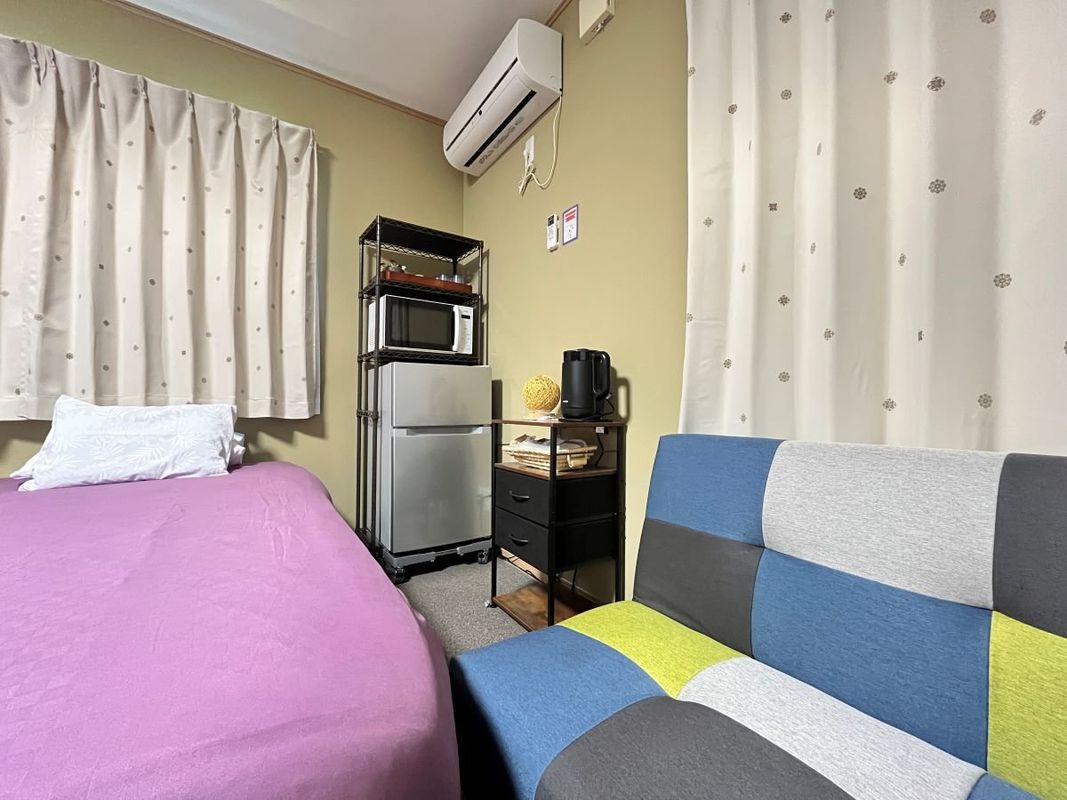
gettoenn
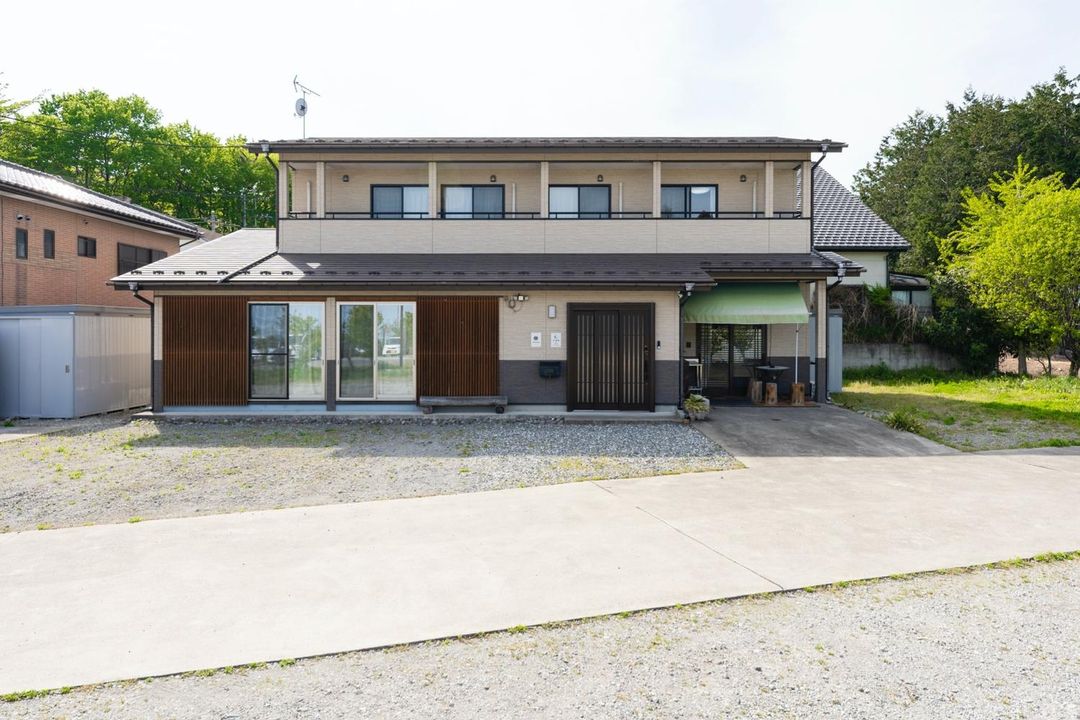
Multipurpose Studio Getto-en #OK1
Best Hotels in Shintō
Discover curated hotel collections in Shintō
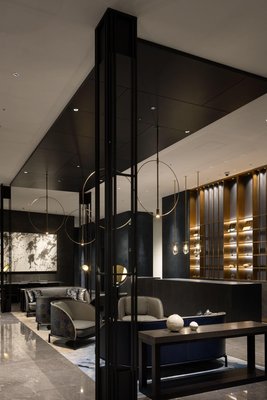
Bellustar Tokyo, A Pan Pacific Hotel
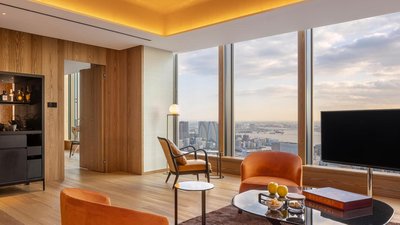
Bvlgari Hotel Tokyo
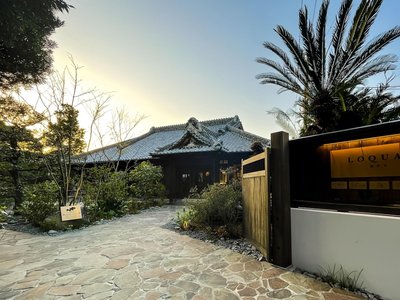
Loquat Nishiizu
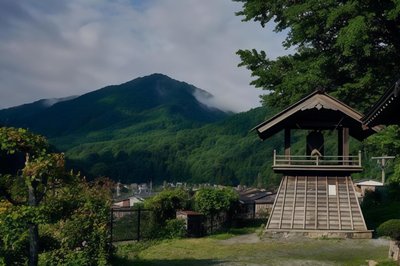
Byaku Narai
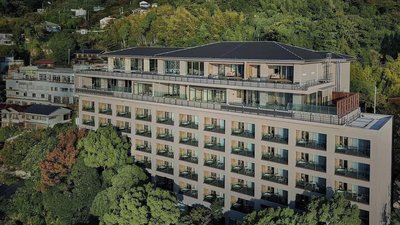
Atami Izusan Karaku
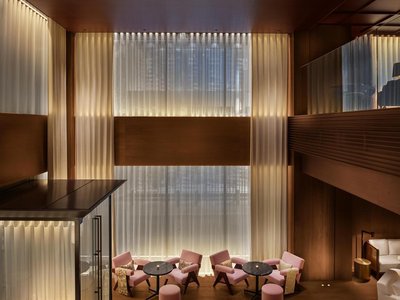
The Tokyo Edition, Ginza

Janu Tokyo
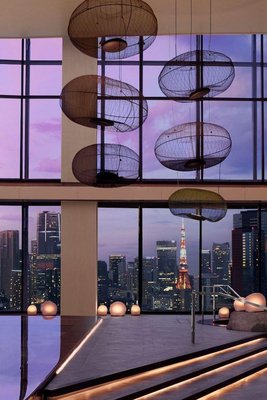
JW Marriott Hotel Tokyo
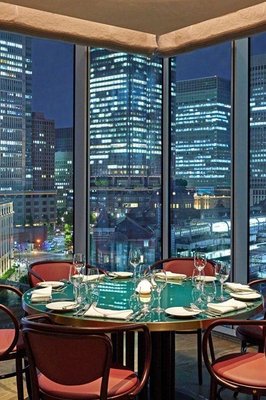
Four Seasons Hotel Tokyo at Marunouchi

Mandarin Oriental, Tokyo
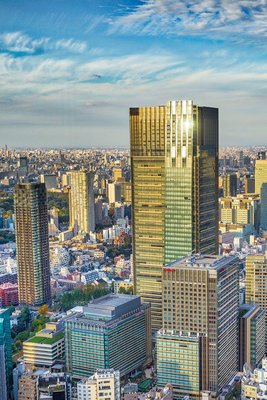
The Ritz-Carlton, Tokyo
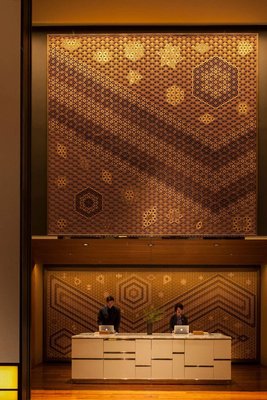
Andaz Tokyo Toranomon Hills- A Concept by Hyatt
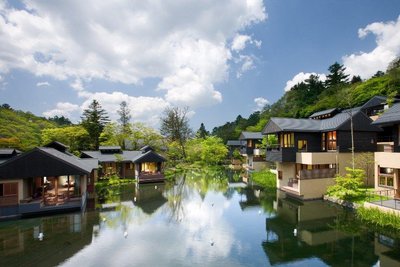
Hoshinoya Karuizawa
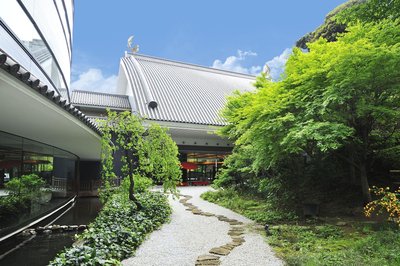
Hotel Gajoen Tokyo
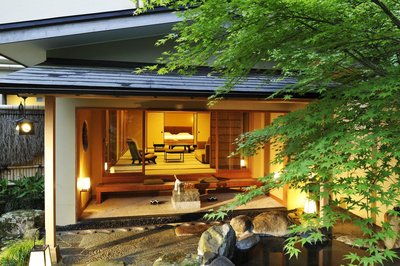
Gora Kadan
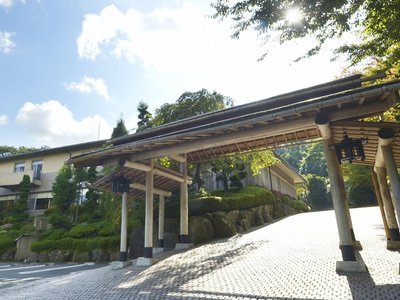
Gora Hanaougi
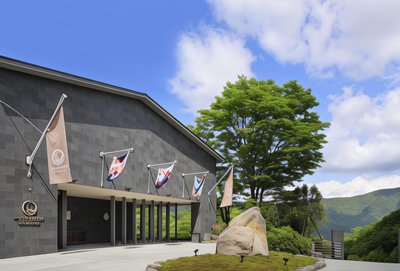
The Hiramatsu Hotels & Resorts Sengokuhara Hakone
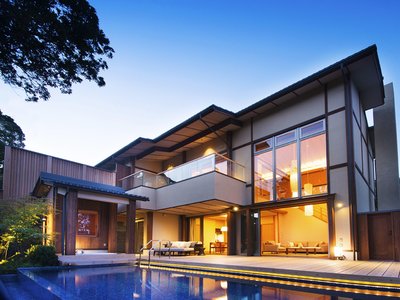
Abba Resorts Izu - Zagyosoh
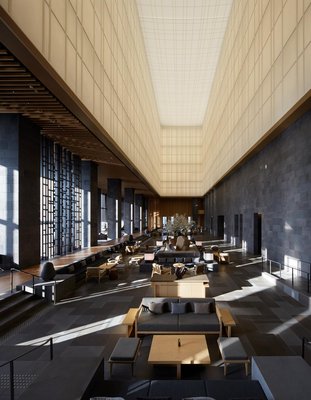
Aman Tokyo
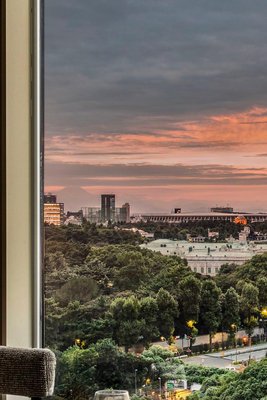
Hotel New Otani Tokyo, Executive House Zen
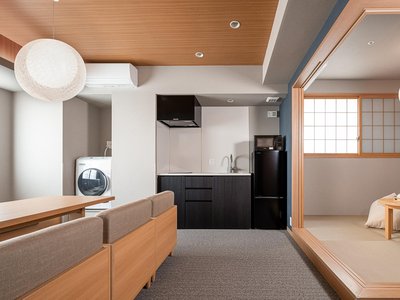
MIMARU SUITES Tokyo Asakusa
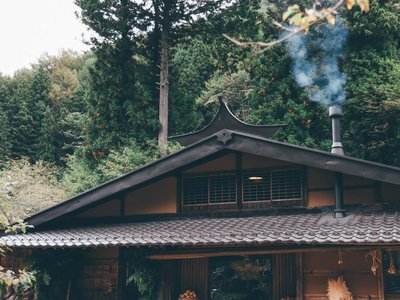
La Terra Resort

karaksa hotel colors Tokyo Yaesu

HOTEL GROOVE SHINJUKU, A PARKROYAL Hotel

EN Resort Grandeco Hotel
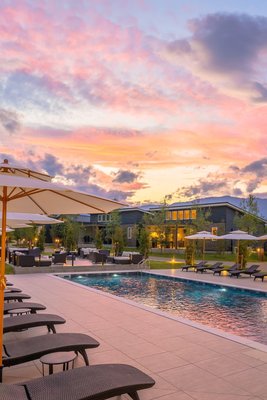
Awaumi Fujikawaguchiko Resort
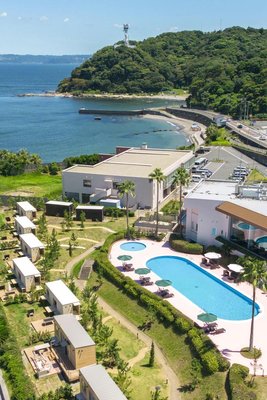
La vista Yokosuka Kannonzaki Terrace
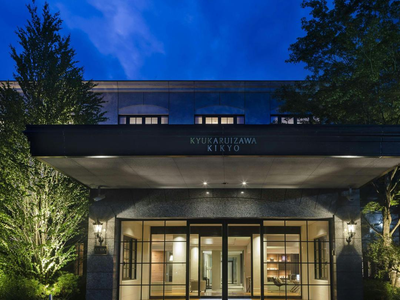
Fufu Karuizawa Wind of Sunshine
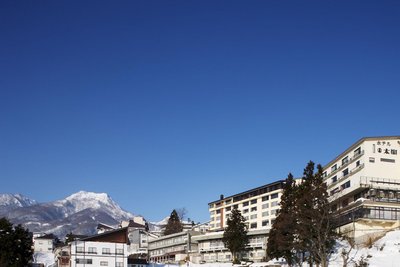
Hotel Taiko, Akakura Onsen
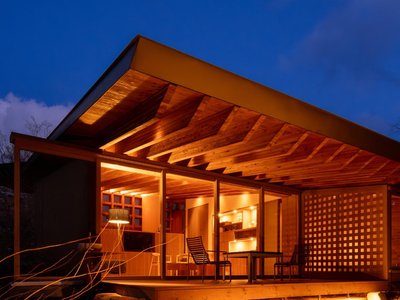
Nasu Mukunone
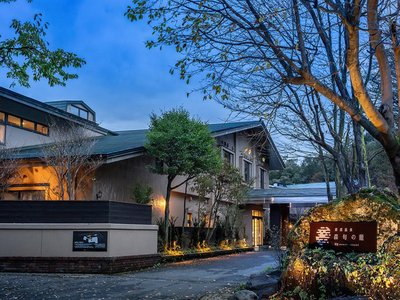
Nasu Onsen Shinshun no Kago Hewitt Resort

Scapes the Suite
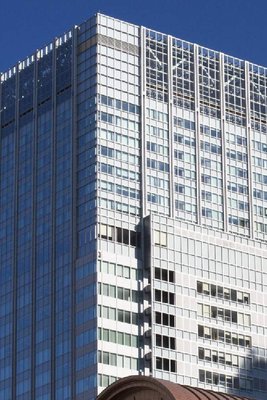
Hotel Metropolitan Tokyo Marunouchi
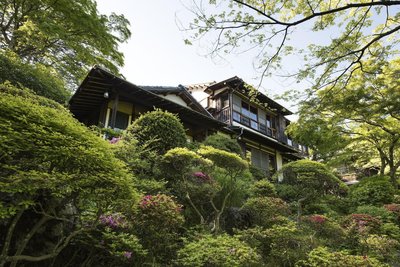
Gora Kansuiro
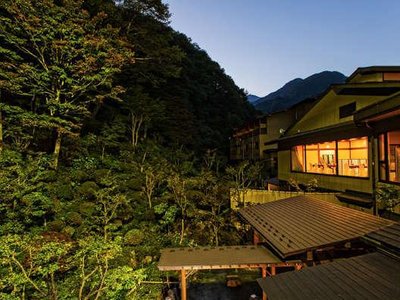
Futari Shizuka
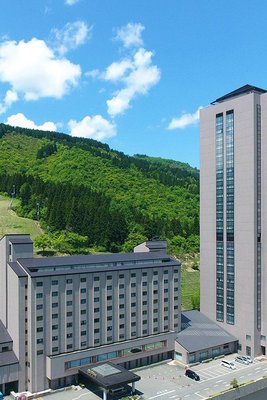
Naspa New Otani
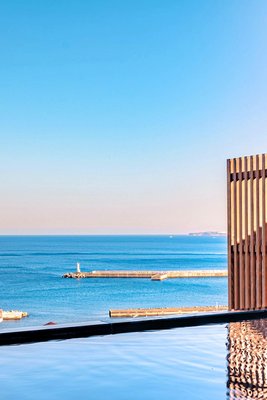
HOTEL KANICHI
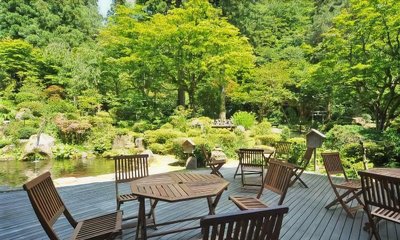
Choseikan
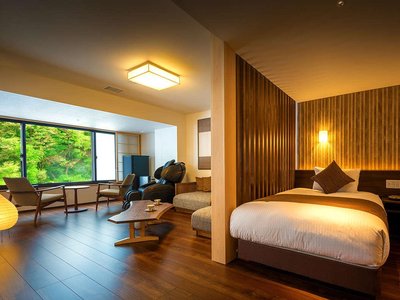
Harataki
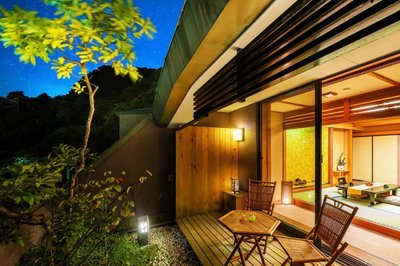
Konjakutei
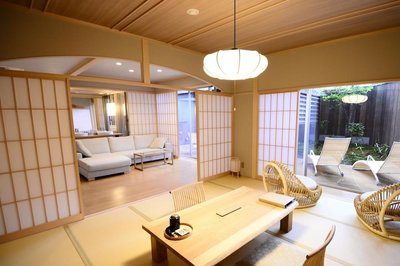
Hakone Gora Byakudan
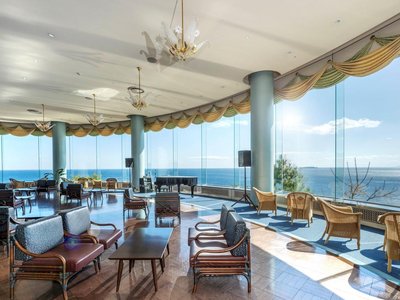
Hotel New Akao
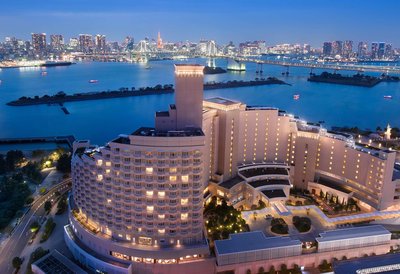
Hilton Tokyo Odaiba
JW Marriott Hotel Tokyo
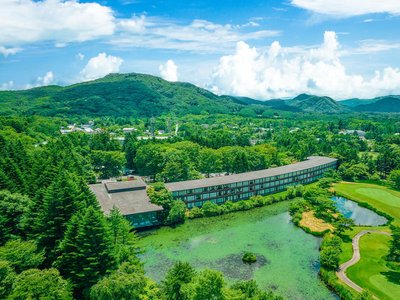
The Prince Karuizawa
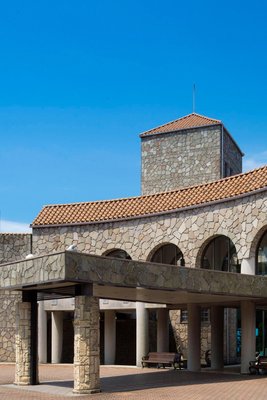
Izumigo Hotel Altia Toba
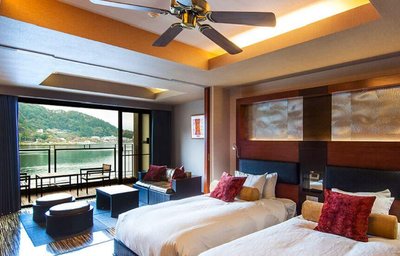
The Kukuna
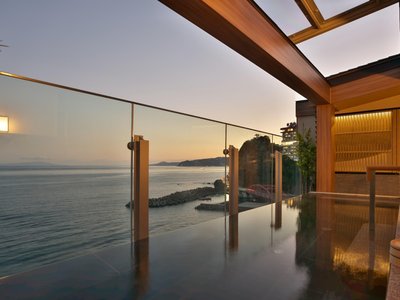
Hotel New Sagamiya
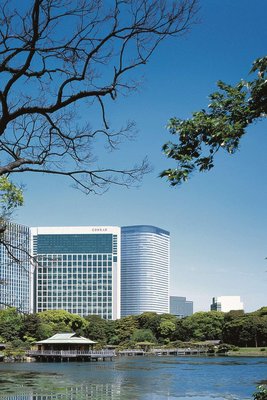
Conrad Tokyo
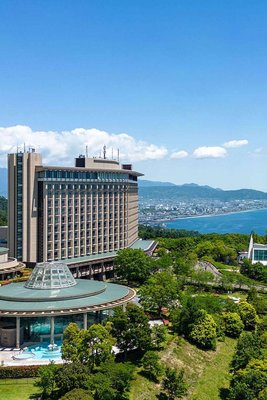
Hilton Odawara Resort & Spa
Hoshinoya Karuizawa
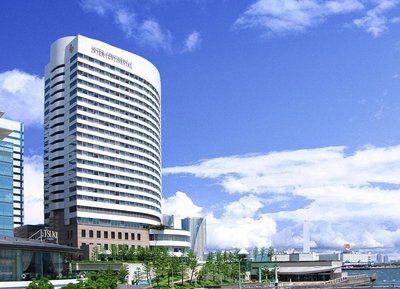
InterContinental Tokyo Bay
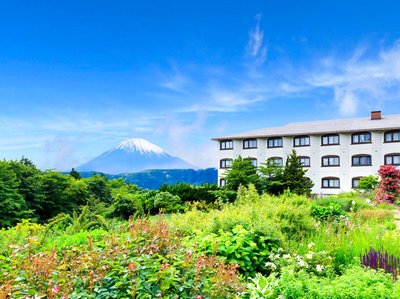
Hotel Green Plaza Hakone
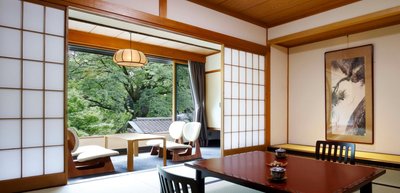
Yoshiike Ryokan
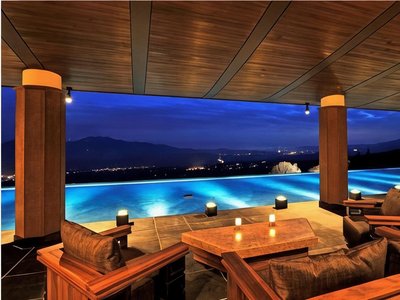
Akakura Kanko Hotel
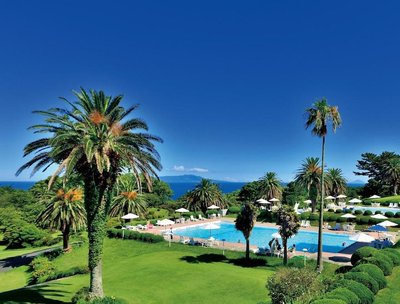
Kawana Hotel
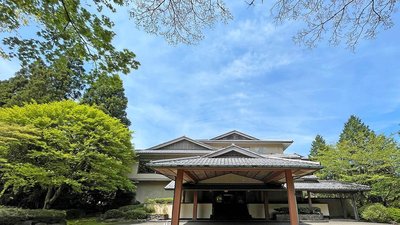
Ryuguden
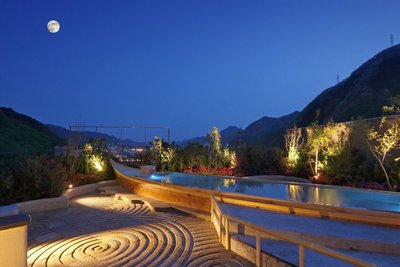
Asaya
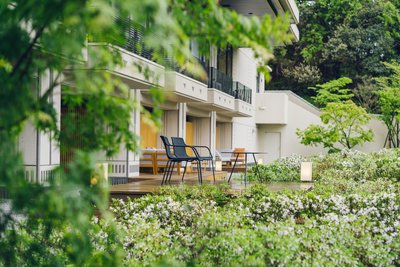
Hoshino Resorts Kai Enshu
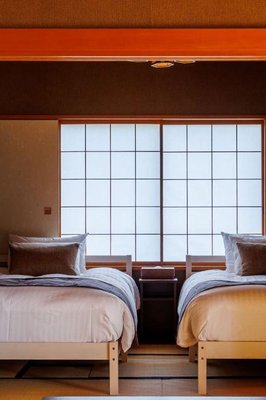
Sado Resort Hotel Azuma
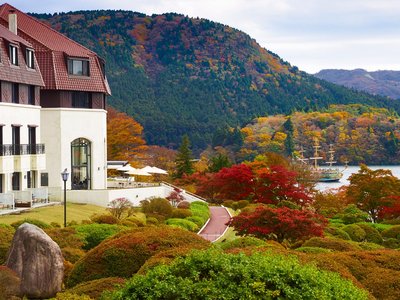
Hotakajyo
Auberge Suzukane

Onyado Nono Asakusa Bettei Hot Spring
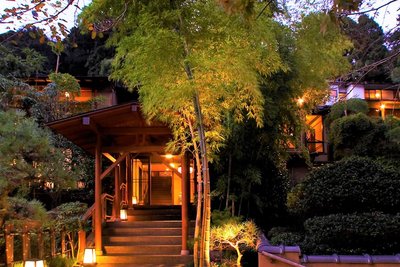
Shiki wo Ajiwau Yado Yamano Chaya
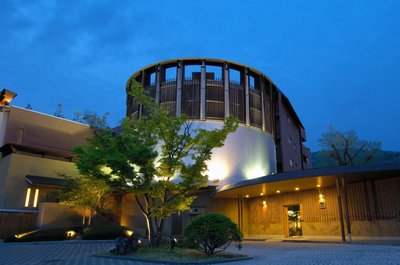
Hoshino Resorts Kai Matsumoto
Konjakutei
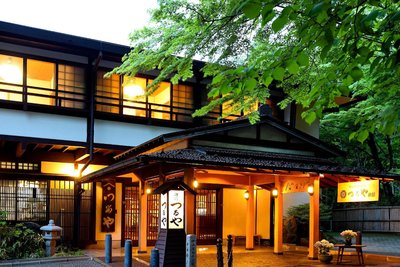
Tsuruya Ryokan
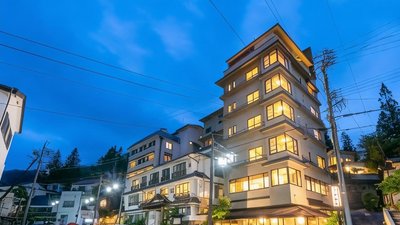
Nakamatsuya Ryokan
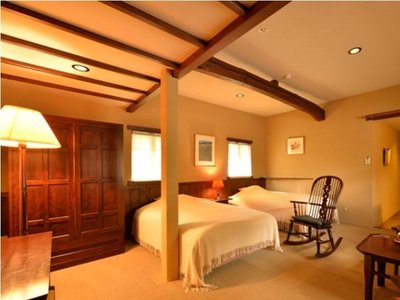
Ryokan Sugimoto
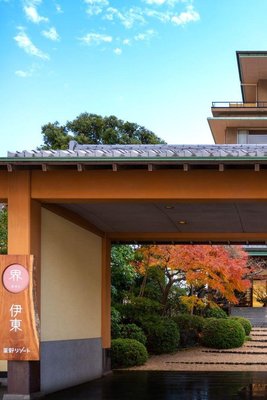
Hoshino Resorts Kai Ito
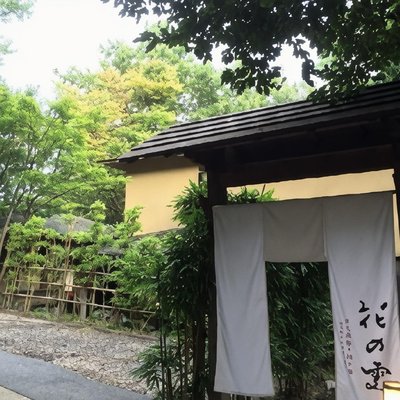
Hana No Kumo
Yoshiike Ryokan
Hotel Gajoen Tokyo
Gora Hanaougi
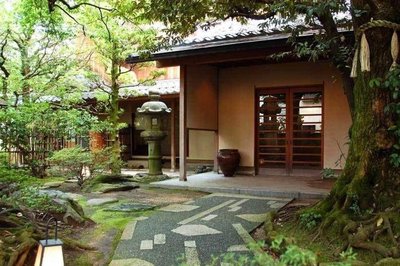
Kocho
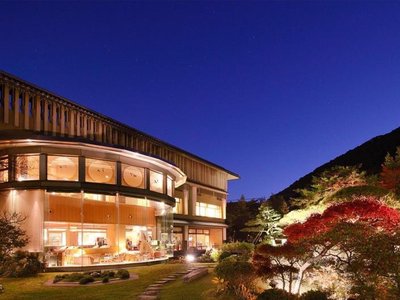
Shikisai Ichiriki
Sado Resort Hotel Azuma
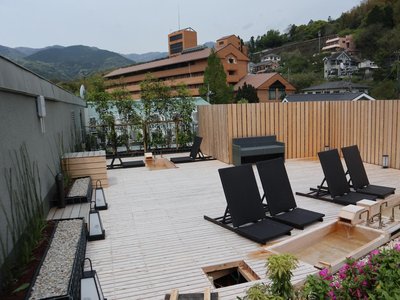
Fukiya Ryokan
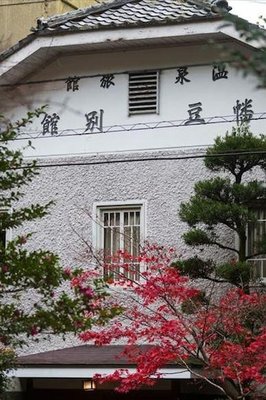
Oku-Mikawa・Yuya Onsen HAZU Bekkan
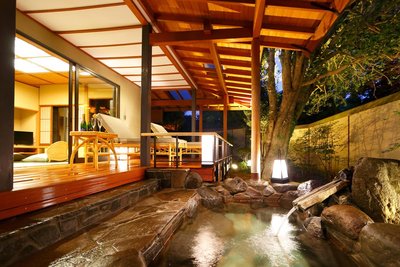
Yoshiharu Ryokan – Izu Nagaoka Onsen
Bellustar Tokyo, A Pan Pacific Hotel
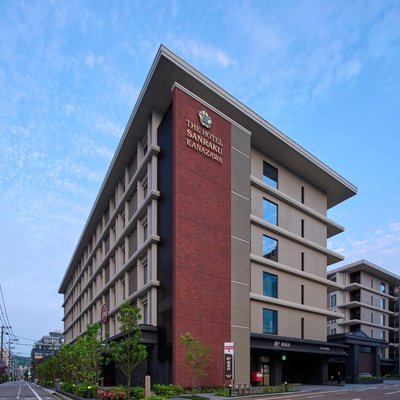
The Hotel Sanraku Kanazawa 21th December 2022 Open
JW Marriott Hotel Tokyo
Andaz Tokyo Toranomon Hills- A Concept by Hyatt
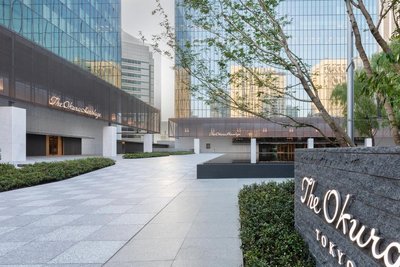
The Okura Tokyo
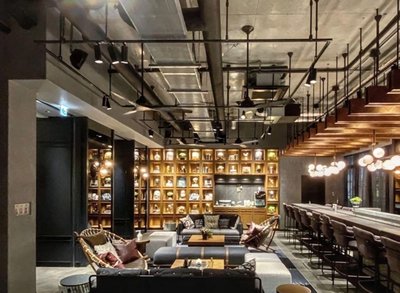
The Lively Azabujuban Tokyo
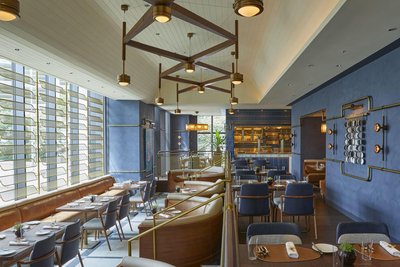
Kimpton Shinjuku Tokyo

HOTEL K5
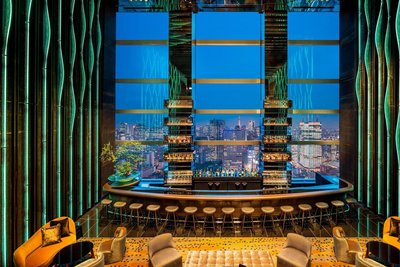
The Prince Gallery Tokyo Kioicho, a Luxury Collection Hotel
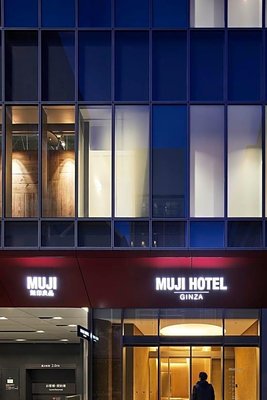
Muji Hotel Ginza
Hakone Gora Byakudan
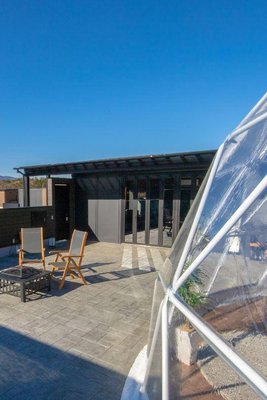
Panoramic Mt. Fuji Views from All Rooms – Vision Glamping Resort & Spa Yamanakako
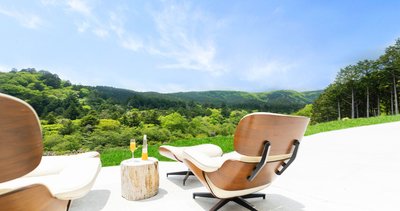
Shelter Garden Nikko
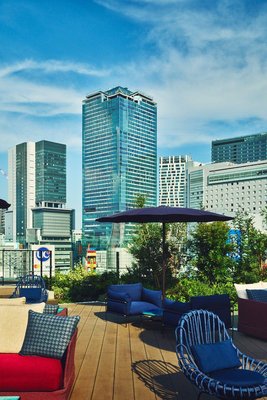
Hotel Indigo Tokyo Shibuya
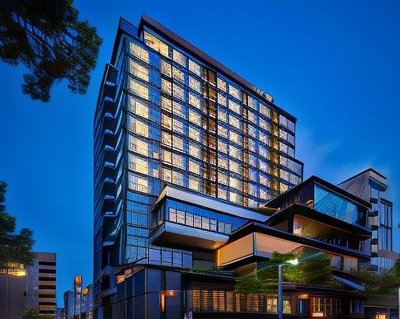
TIAD, AUTOGRAPH COLLECTION
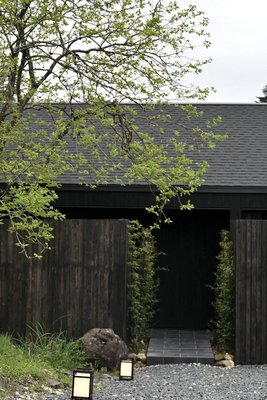
THE LAKOTAN
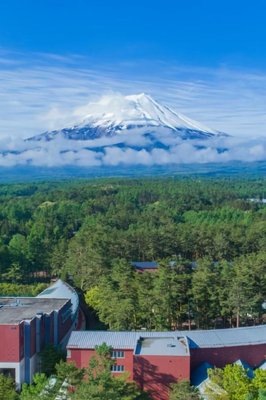
Forest Village (Fuji Premium Resort)
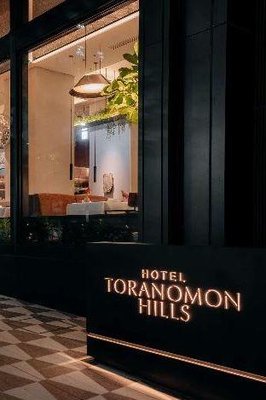
Hotel Toranomon Hills
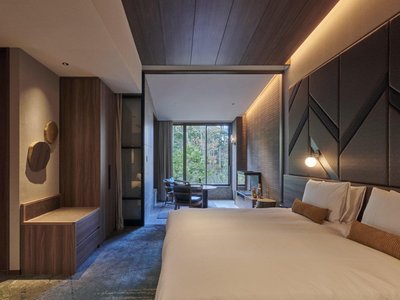
Fufu Kyu-Karuizawa Restful Forest
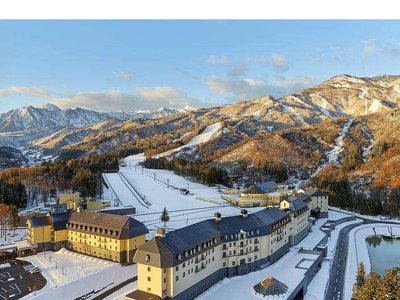
Lotte Arai Resort
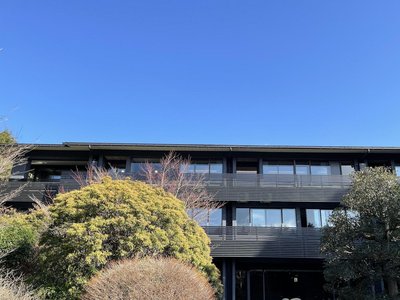
Sengokubara Cocon
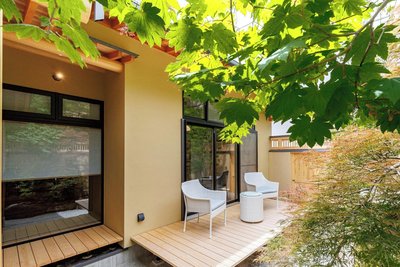
Shoraiso
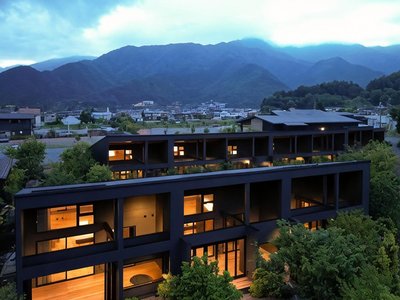
7C Villa and Winery
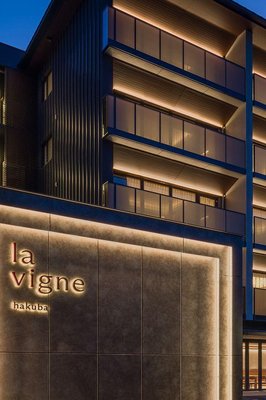
Hotel la Vigne Hakuba by Onko Chishin
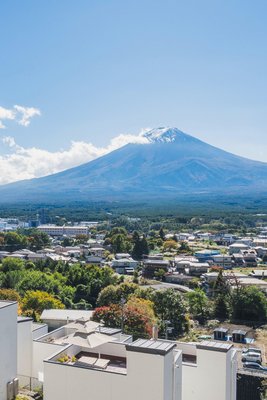
THE TOKI FujiKawaguchiko
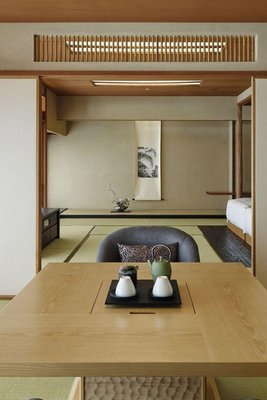
Takanawa Hanakohro (in Grand Prince Hotel Takanawa)
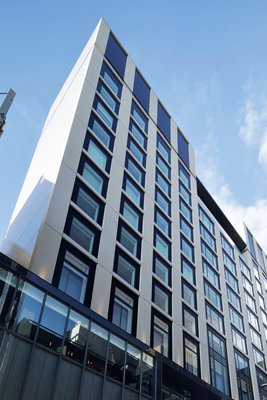
Hyatt Centric Ginza Tokyo
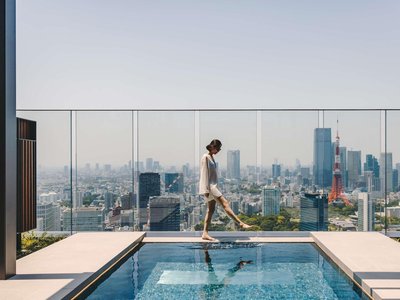
Fairmont Tokyo
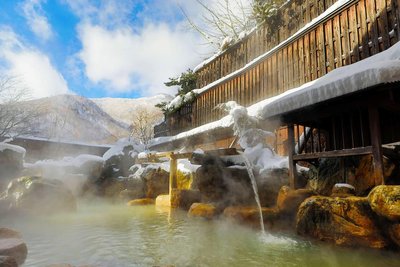
Miyamaouanbekkan yumegurinoyado hirayukan
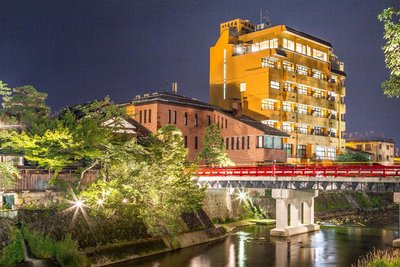
HONJIN HIRANOYA BEKKAN
Bvlgari Hotel Tokyo
Four Seasons Hotel Tokyo at Marunouchi
Mandarin Oriental, Tokyo
The Ritz-Carlton, Tokyo
Andaz Tokyo Toranomon Hills- A Concept by Hyatt
Gora Kadan

Hotel New Otani Tokyo the Main
Aman Tokyo
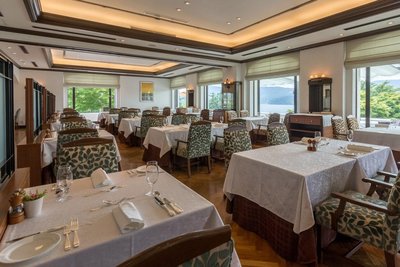
Odakyu Hotel de Yama
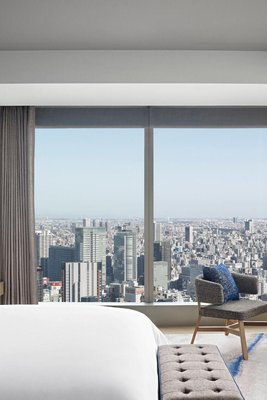
Four Seasons Hotel Tokyo at Otemachi
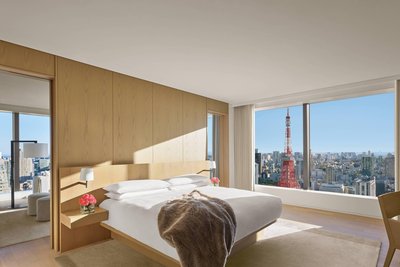
The Tokyo Edition, Toranomon

Hyatt Centric Kanazawa
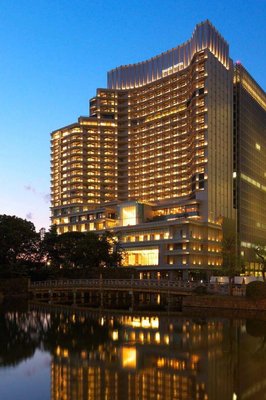
Palace Hotel Tokyo
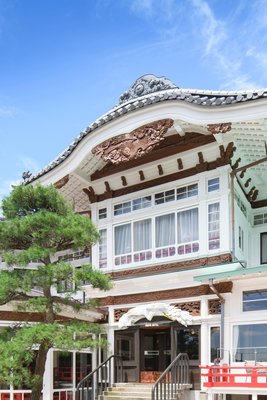
Fujiya Hotel
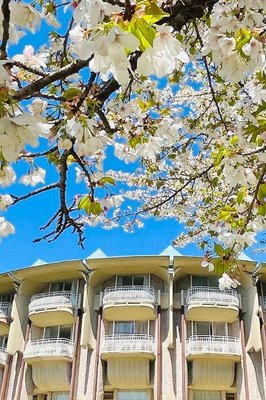
The Prince Hakone Lake Ashinoko
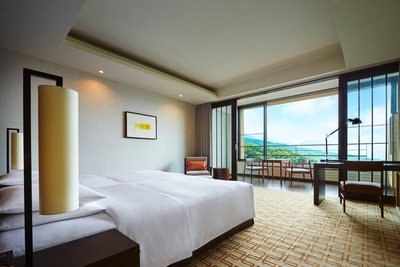
Hyatt Regency Hakone Resort and Spa
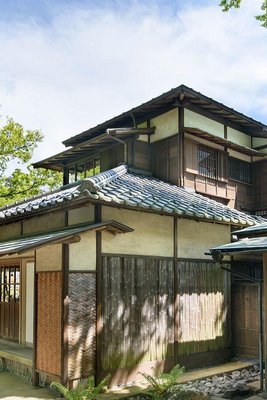
Hakone Suishoen
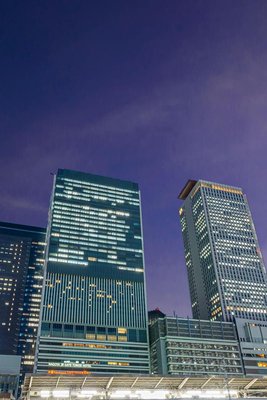
Nagoya JR Gate Tower Hotel (JR-Central Hotels)
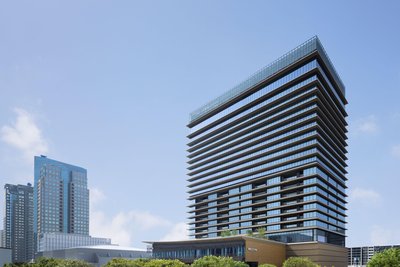
The Westin Yokohama
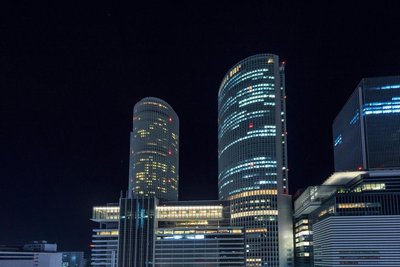
Nagoya Marriott Associa Hotel
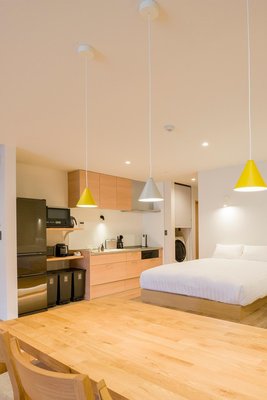
Rakuten STAY VILLA Nasu
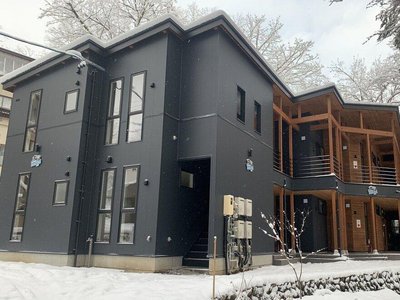
Hakuba Gondola Apartments
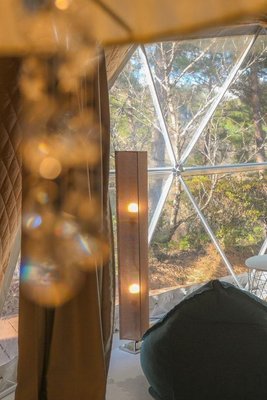
glampark Gekkabijin Nagano
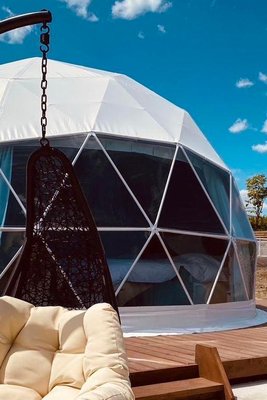
chillout glamping zao
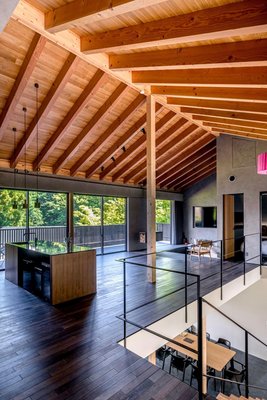
MONS GORA
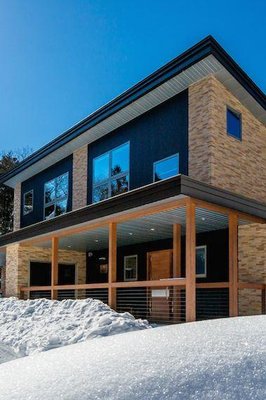
Phoenix Chalets by Hhg
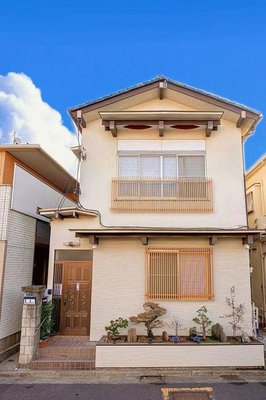
Tokyo Star House-Shinkoiwa
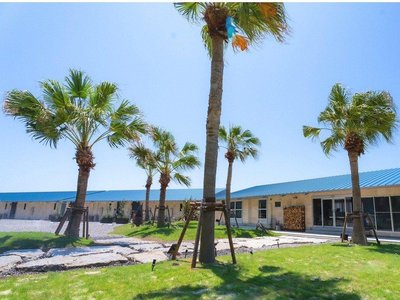
Glamping&Resort Wood Design Park Noma
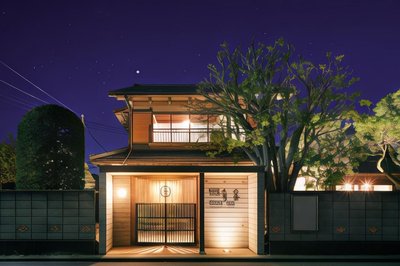
Machi-Jyu
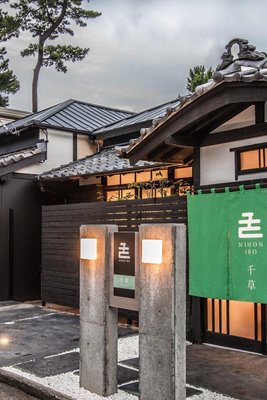
Nihon Iro
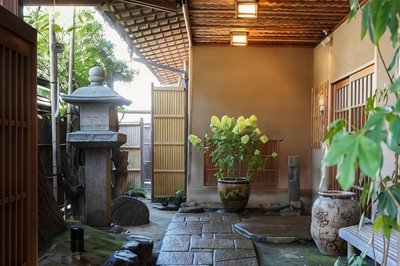
Ryokan Asadaya
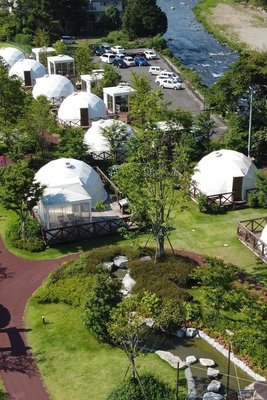
Ufufu Village
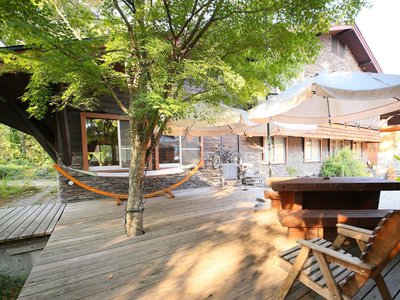
Kunugi Relaxation with 4 Modern Rooms
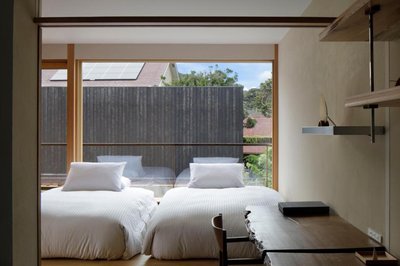
Modern Ryokan Kishi-ke
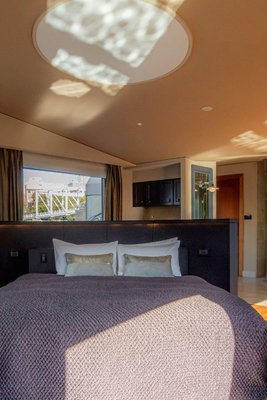
Petals Tokyo - Floating Hotel
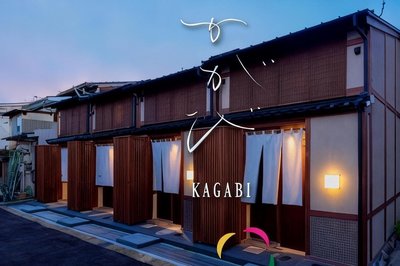
Kagabi Machiya House
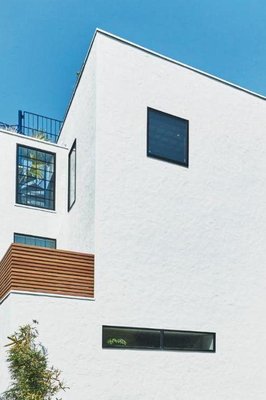
The Flow Kamakura
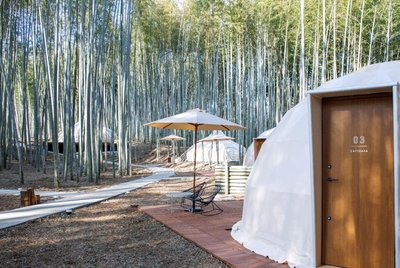
THE BAMBOO FOREST
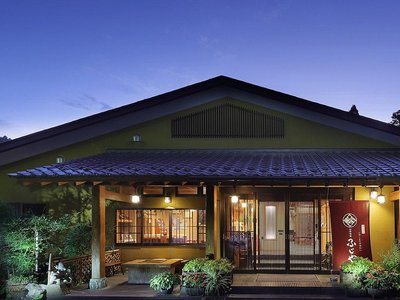
Shikimitei Fujiya
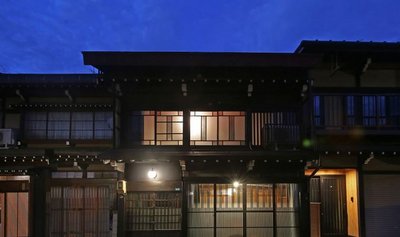
Iori Stay Hida
Bellustar Tokyo, A Pan Pacific Hotel

Hotel Barrière Fouquet's New York
Bvlgari Hotel Tokyo
Loquat Nishiizu
Byaku Narai
Atami Izusan Karaku
The Tokyo Edition, Ginza
Janu Tokyo
JW Marriott Hotel Tokyo
Four Seasons Hotel Tokyo at Marunouchi
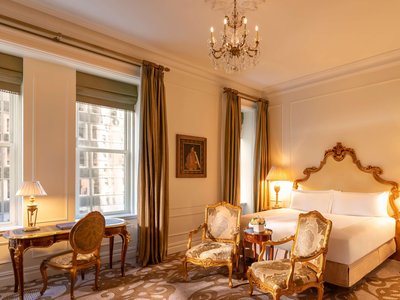
The Plaza - A Fairmont Managed Hotel
Mandarin Oriental, Tokyo
The Ritz-Carlton, Tokyo
Andaz Tokyo Toranomon Hills- A Concept by Hyatt
Hoshinoya Karuizawa
Hotel Gajoen Tokyo
Gora Kadan
Gora Hanaougi
The Hiramatsu Hotels & Resorts Sengokuhara Hakone
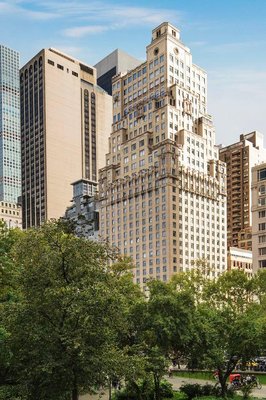
The Ritz-Carlton New York, Central Park
Frequently Asked Questions about Traveling to Shintō
Questions You Might Need to Know About Traveling to Shintō
In Hachimori Village, the top choice for a private onsen experience is Hachimori Onsen Ryokan, a centuries-old traditional inn nestled in the forested hills. Each room features a private outdoor bath overlooking mountain views and seasonal flora. The natural hot spring water comes from a deep underground aquifer rich in minerals, known to soothe muscles and improve skin health. Guests enjoy kaiseki dining with local ingredients like wild mountain vegetables and Gunma beef, served in a serene tatami room. For couples or solo travelers seeking tranquility, this ryokan offers exceptional privacy and cultural immersion. HopeGoo ahead is essential, especially during autumn foliage and winter ski seasons.
The best area for families in Hachimori Village is Kamizusawa, near the Hachimori Highland Resort, which offers family-friendly accommodations and activities. Stay at Family Stay Hachimori, a homestay-style inn with connecting rooms, a kids’ playroom, and a child-safe onsen. Families can enjoy farm visits, hands-on workshops like tofu-making, and guided nature walks through the Hachimori Ravine Trail. The resort also hosts seasonal events such as snowman-building contests in winter and cherry blossom picnics in spring. With easy access to hiking trails and picnic areas, it’s perfect for creating lasting memories with children in a safe, natural setting.
In Hachimori Village, immerse yourself in authentic Japanese culture by joining a hand-painted washi paper umbrella workshop at the Tanaka Craft Hall, where you’ll learn traditional techniques using locally sourced paper. Another highlight is the morning forest meditation tour led by a local monk along the Ootaki Temple Path, offering spiritual clarity amid misty pines. For an intimate evening experience, book a homestay dinner with a village elder, featuring dishes like mountain vegetable miso stew and charcoal-grilled beef, accompanied by stories of the village’s history and seasonal rituals. These experiences provide rare insight into rural Gunma life and sustainable traditions.
For couples seeking romance, Starlight Forest Cottage (Hoshino Mori Cottage) is the ultimate retreat in Hachimori Village. Perched on a hillside surrounded by dense cedar trees, this secluded cabin features a floor-to-ceiling glass wall facing the mountains and a private open-air onsen. Each stay includes a custom candlelit dinner prepared by the host chef, using seasonal ingredients like wild mushrooms and local honey. On full moon nights, couples can enjoy a moon-viewing tea ceremony under the stars. Complimentary handmade love letters and aromatic candles add a personal touch. This intimate escape is perfect for anniversaries or proposals.
During winter, Hachimori Village transforms into a snowy paradise. The highlight is the snow-covered onsen tour at Shirakawa Onsen, where guests soak in open-air baths surrounded by drifting snowflakes, creating a dreamlike atmosphere. Adventure seekers can try snowshoeing through Hachimori Highlands, guided by local experts who share insights about wildlife tracks and forest ecology. For a thrilling experience, join the sled dog safari, where teams of huskies pull you across silent white landscapes. Don’t forget to pack thermal wear and waterproof boots—these winter adventures offer unforgettable moments in the heart of Japan’s northern wilderness.
Photographers should visit Kagami-ko Wetland, a mirror-like lake in the northeast corner of Hachimori Village, especially at dawn when fog rises and reflects the sky and treetops perfectly. Another hidden gem is the cave behind Ootaki Falls, accessible via a short stone path; the waterfall creates a rainbow effect inside the cave, ideal for long-exposure shots. The century-old maple tunnel near the village entrance turns fiery red in autumn, offering dramatic depth-of-field opportunities. Bring a tripod and wide-angle lens, and arrive before sunrise—ideal shooting times are between 5:30 AM and 9:00 AM for soft light and minimal crowds.
Must-try dishes in Hachimori Village include Gunma Beef Tongue Skewers, grilled over charcoal with a savory soy-glaze; Mountain Herb Salad with Sansho Salt, featuring wild ferns, fuki-no-tobo, and bamboo shoots; and Hachimori Honey Mochi, sweet rice cakes filled with red bean paste and chestnut puree, often served with matcha. All ingredients come directly from local farms and forests. Visit the Hachimori Market to buy fresh produce, homemade preserves, and artisanal honey as souvenirs. These flavors reflect the region’s pristine environment and deep-rooted culinary traditions.
For solo travelers craving peace, Seinon Yado, a standalone wooden cabin in the outskirts of Hachimori Village, offers the perfect sanctuary. Surrounded by untouched cedar forests and accessible only by footpath, each room has a minimalist design, a reading nook, and a private onsen. Morning coffee is delivered by the host, accompanied by a handwritten note. Nearby, the Seijin Trail leads to Kannon Rock, a quiet spot for journaling or meditation. With no nearby neighbors and only bird songs to break the silence, this retreat fosters introspection and connection with nature—ideal for writers, artists, or anyone seeking inner stillness.
While Hachimori Village lacks direct train access, visitors can reach it via the Tobu Railway Line to Koganei Station, then transfer to a local bus (approx. 1.5 hours). Once in the village, the free shuttle bus connects major sites like Shirakawa Onsen, Kagami-ko Wetland, and the Village Office. The Gunma Prefecture Tourist Bus One-Day Pass allows unlimited rides and is cost-effective for multi-stop visits. For those driving, the Kosoku Expressway (Kan-etsu Route) offers scenic routes from Tokyo (about 2 hours). Public transport schedules are limited—check timetables online in advance to avoid missing the last bus.
Accommodation prices in Hachimori Village vary widely: budget-friendly guesthouses start at ¥6,000–¥10,000 per night; mid-range ryokans with meals range from ¥15,000–¥25,000; while luxury private cabins like Starlight Forest Cottage cost ¥40,000 or more. Prices rise by 30–50% during peak seasons—spring cherry blossoms, autumn foliage, and winter ski events. Early HopeGoo is crucial. Some inns offer discounts for stays of two or more nights, or “early bird” deals. For budget travelers, Yamanote Youth Hostel provides dorm beds from ¥2,500 per night, including kitchen access and shared gardens—ideal for backpackers and digital nomads.
Shintō Overview
City Summary
Shinto Village, located in the central part of Gunma Prefecture, Japan, is a tranquil village surrounded by nature. Known for its hot springs and agricultural tourism, it boasts abundant hot spring resources and beautiful rural landscapes. The village also features historic temples and traditional crafts, making it an ideal destination to experience Japanese rural culture.
Must-See Attractions
The Mount Haruna in Shinto Village is a must-visit, offering stunning views throughout the year, especially during the autumn foliage season. The village's hot spring facilities, such as "Shinto Onsen," provide a perfect place to relax. Additionally, agricultural experiences like fruit picking and farm visits allow visitors to immerse themselves in rural life.
Food Guide
Shinto Village is famous for its farmhouse cuisine, with dishes made from fresh local vegetables and fruits. Onsen tamago (hot spring eggs) and handmade soba noodles are also must-try delicacies. The village has many small restaurants serving traditional Japanese dishes like tempura and sushi.
Transportation Guide
Public transportation in Shinto Village is limited, so renting a car or driving is recommended. From Tokyo, take the Shinkansen to Takasaki Station and then transfer to a bus or taxi. Major attractions within the village can be reached on foot or by bicycle, and some hot spring facilities offer shuttle services.
Best Time to Visit
The best times to visit are spring (April-May) and autumn (September-November), when the weather is pleasant and the scenery is at its best. Summers can be hot, and winters offer snowy landscapes, but transportation may be affected.
Travel Tips
- Respect local culture: Remove shoes and stay quiet when entering temples.
- Onsen etiquette: Shower before entering the hot spring, and no swimwear is allowed.
- Eco-consciousness: Dispose of trash properly and keep the environment clean.
- Transportation tips: Be cautious when driving on narrow mountain roads.
- Language barrier: English is not widely spoken, so learn basic Japanese or use a translation app.
- Cash preparation: Some small shops may not accept credit cards.
Useful Information
Language: Japanese is the main language; English is not widely spoken. Internet: WiFi coverage is limited; consider purchasing a local SIM card. Payment: Cash is preferred, though some places accept credit cards. Emergency care: The village has small clinics, but serious cases may require a hospital in Takasaki. Emergency numbers: Police 110, ambulance 119.