Hotels in Shirakawa
Discover your perfect stay in Shirakawa.
Shirakawa(Japan) Travel 2026: Cheap Flights, Hotels & Top Attractions
Popular Landmarks in Shirakawa
Discover the most iconic attractions in Shirakawa
Recommended Hotels in Shirakawa
Find the perfect place to stay in Shirakawa
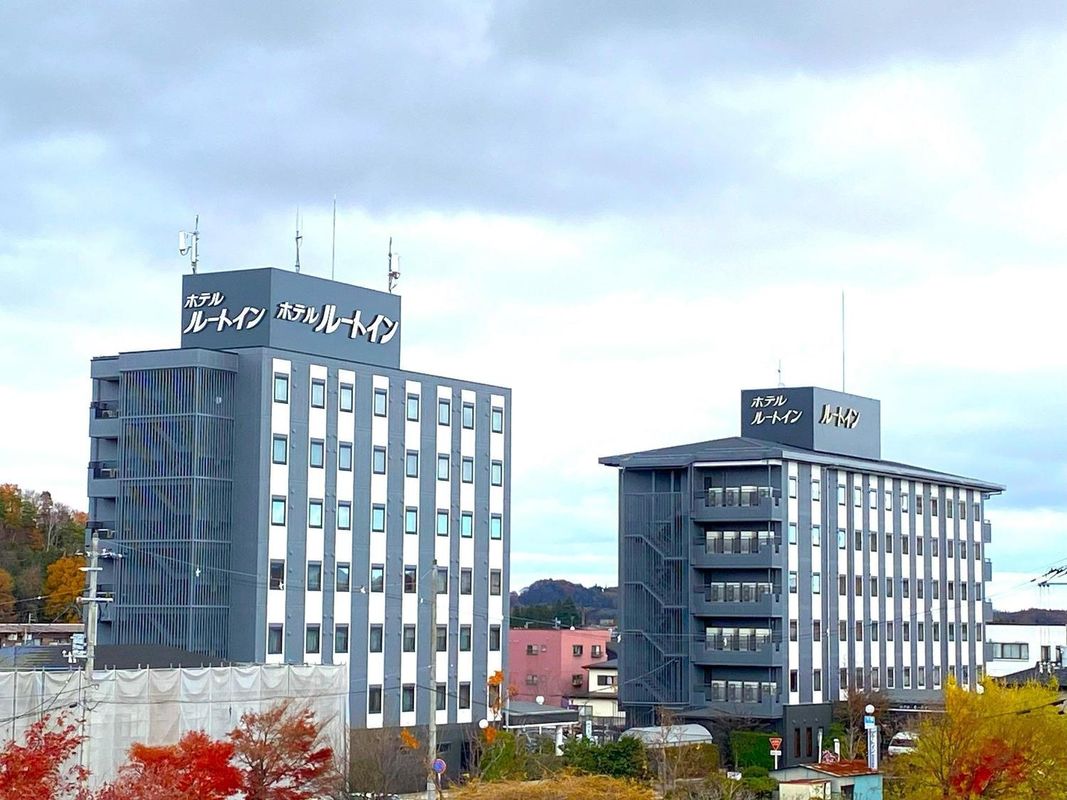
Hotel Route-Inn Shin-Shirakawa Eki Higashi
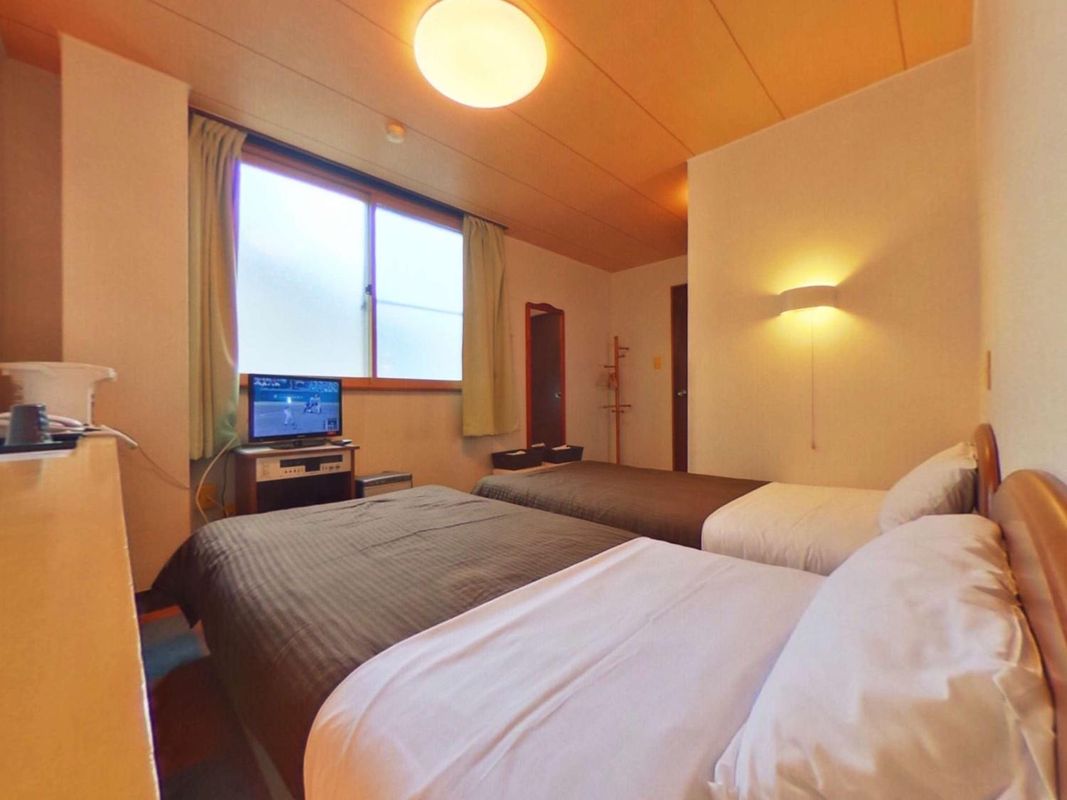
Shirakawa Business Hotel
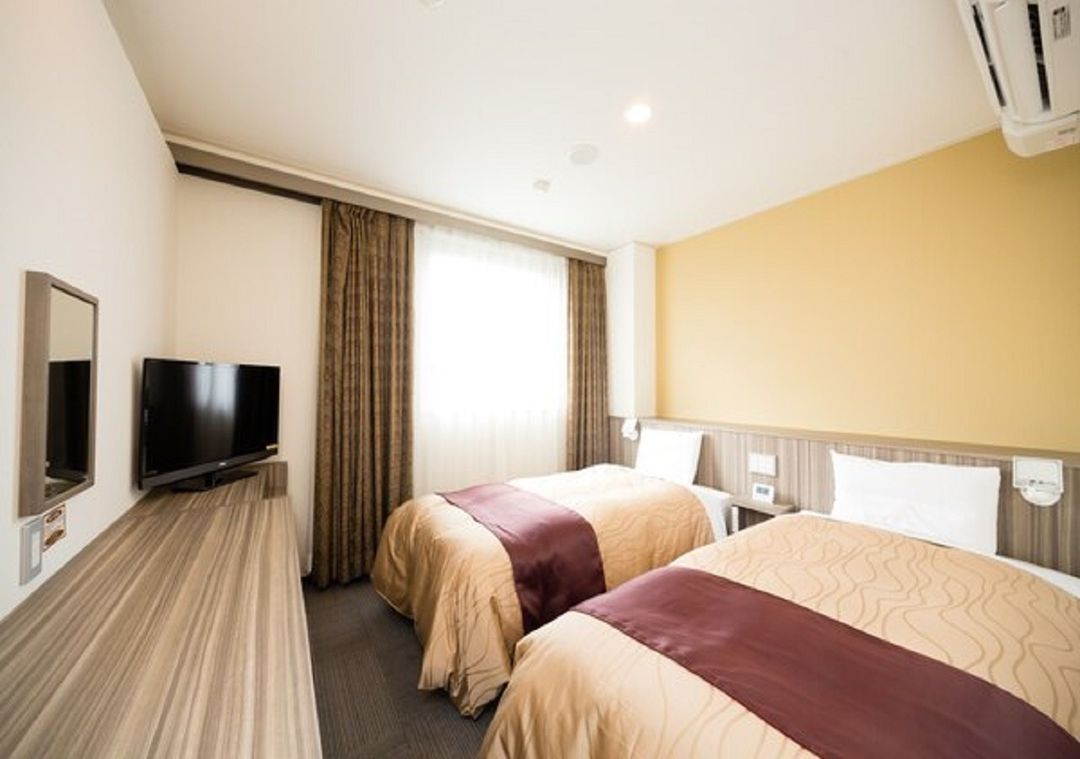
Casa Hotel Shinshirakawa
Best Hotels in Shirakawa
Discover curated hotel collections in Shirakawa
Bellustar Tokyo, A Pan Pacific Hotel
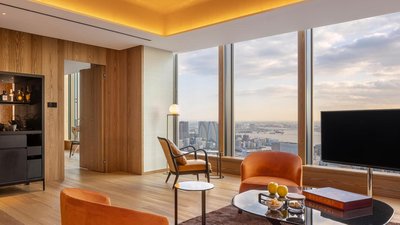
Bvlgari Hotel Tokyo
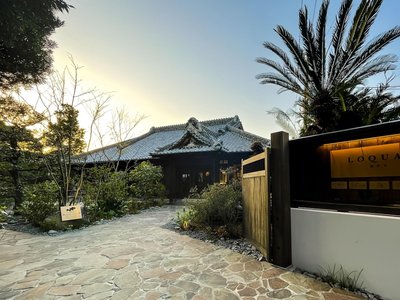
Loquat Nishiizu
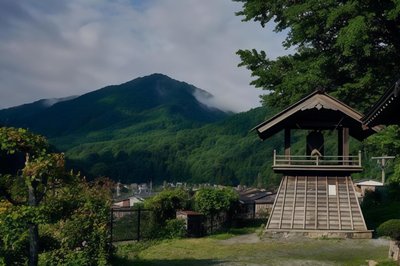
Byaku Narai
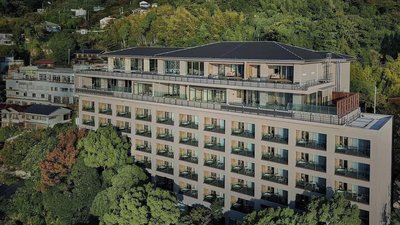
Atami Izusan Karaku
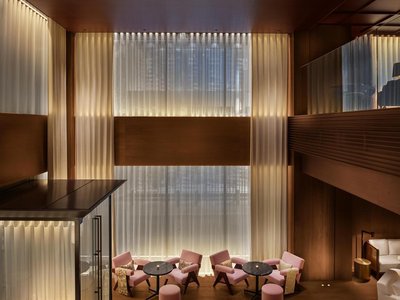
The Tokyo Edition, Ginza
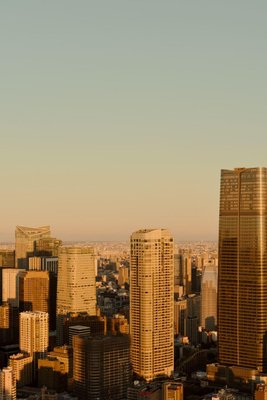
Janu Tokyo
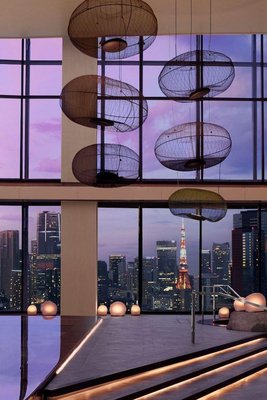
JW Marriott Hotel Tokyo
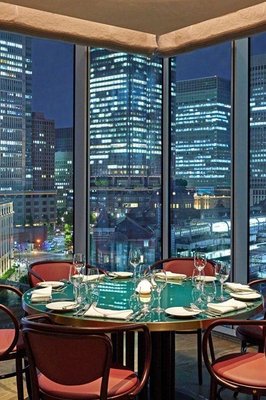
Four Seasons Hotel Tokyo at Marunouchi

Mandarin Oriental, Tokyo
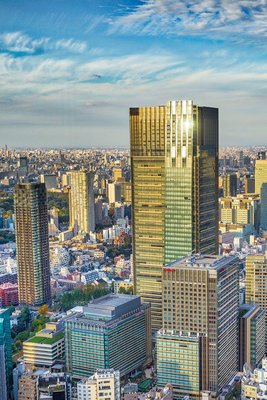
The Ritz-Carlton, Tokyo
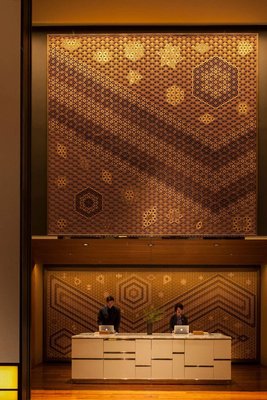
Andaz Tokyo Toranomon Hills- A Concept by Hyatt
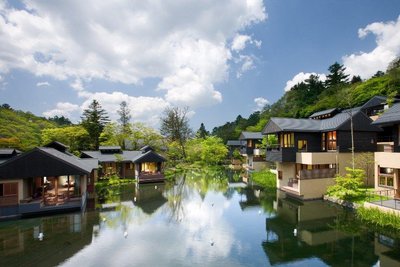
Hoshinoya Karuizawa
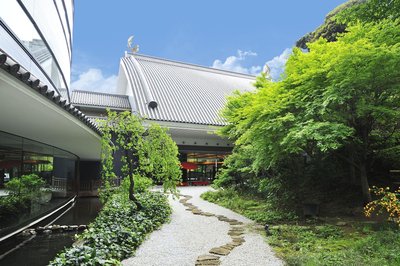
Hotel Gajoen Tokyo
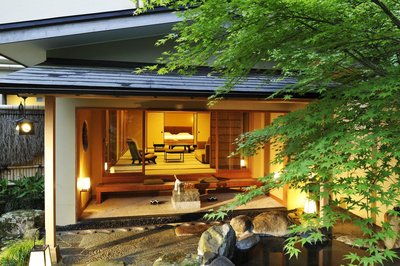
Gora Kadan
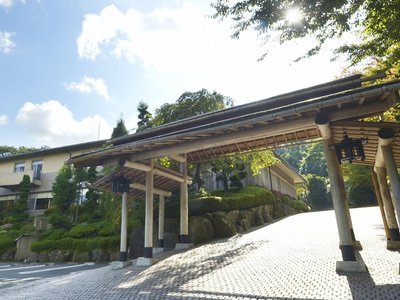
Gora Hanaougi
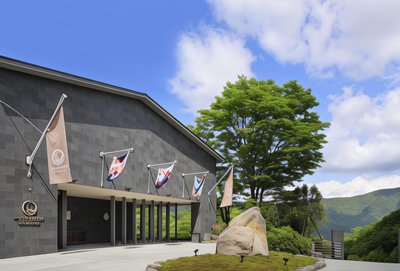
The Hiramatsu Hotels & Resorts Sengokuhara Hakone
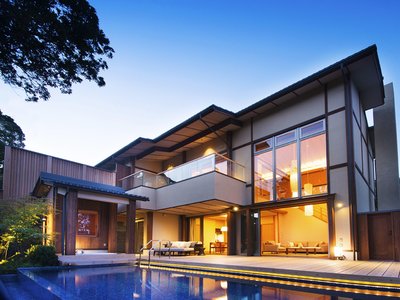
Abba Resorts Izu - Zagyosoh
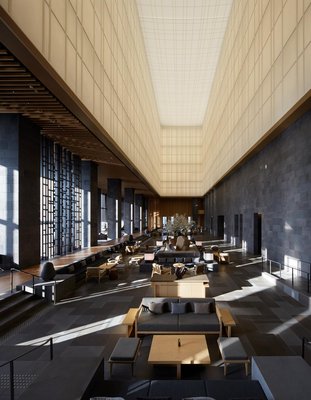
Aman Tokyo
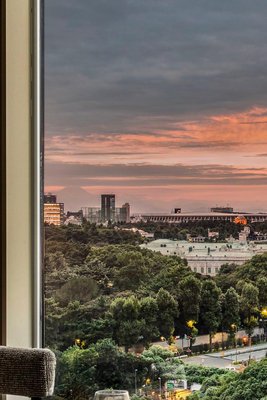
Hotel New Otani Tokyo, Executive House Zen
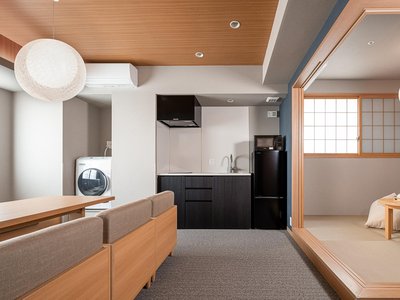
MIMARU SUITES Tokyo Asakusa
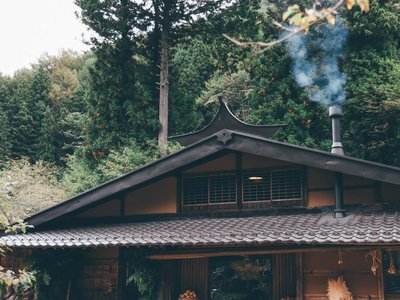
La Terra Resort

karaksa hotel colors Tokyo Yaesu
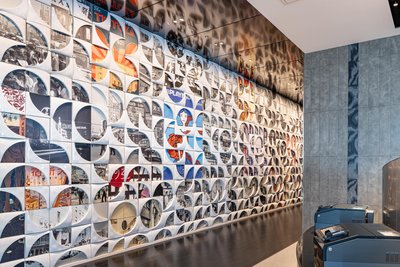
HOTEL GROOVE SHINJUKU, A PARKROYAL Hotel

EN Resort Grandeco Hotel
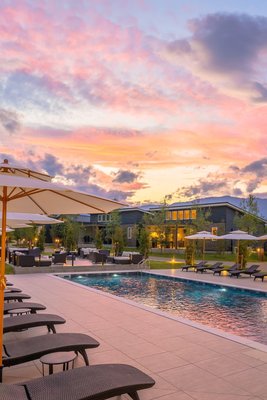
Awaumi Fujikawaguchiko Resort
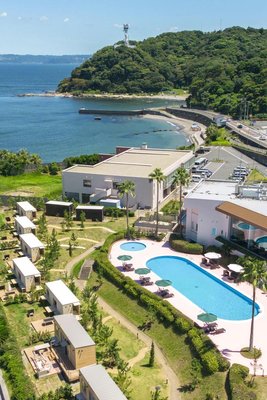
La vista Yokosuka Kannonzaki Terrace
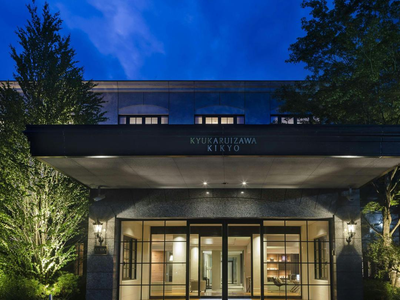
Fufu Karuizawa Wind of Sunshine
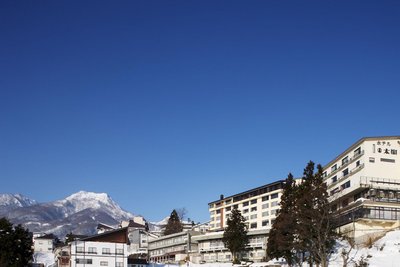
Hotel Taiko, Akakura Onsen
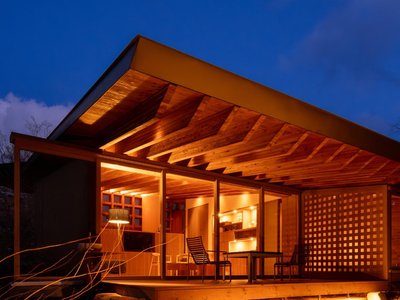
Nasu Mukunone
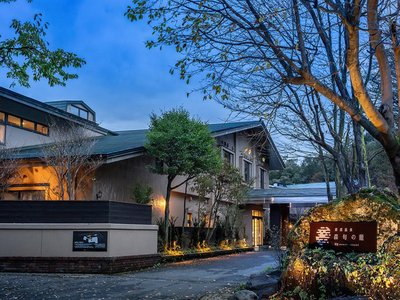
Nasu Onsen Shinshun no Kago Hewitt Resort

Scapes the Suite
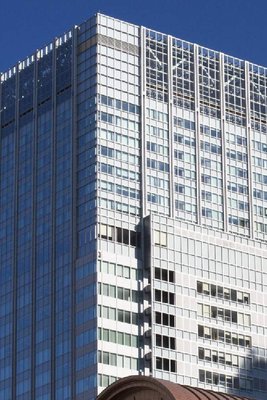
Hotel Metropolitan Tokyo Marunouchi
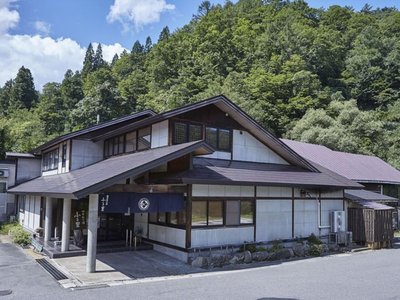
Fulsato
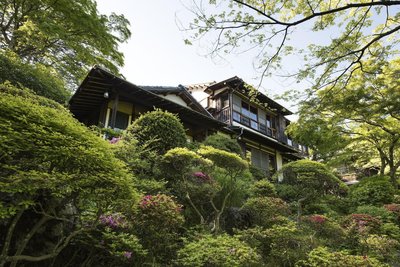
Gora Kansuiro
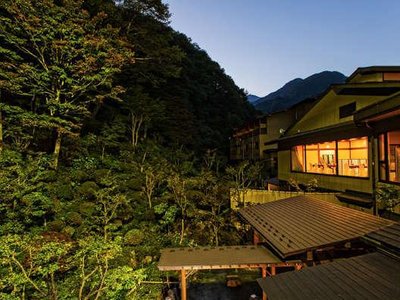
Futari Shizuka
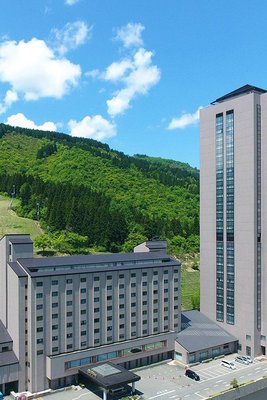
Naspa New Otani
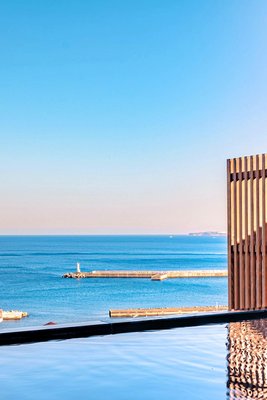
HOTEL KANICHI
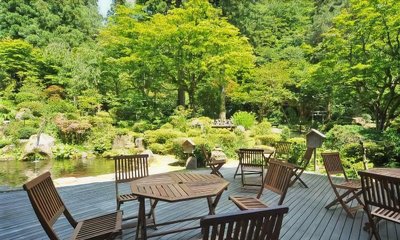
Choseikan
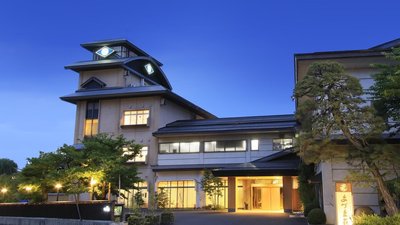
Shouhakutei Azumaso
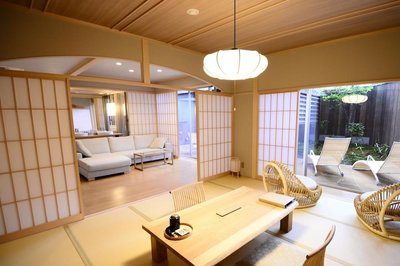
Hakone Gora Byakudan
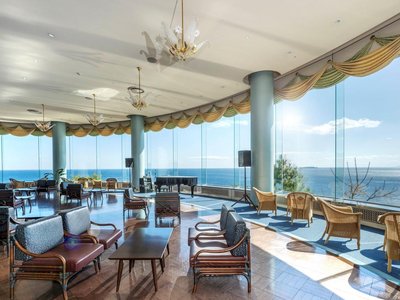
Hotel New Akao
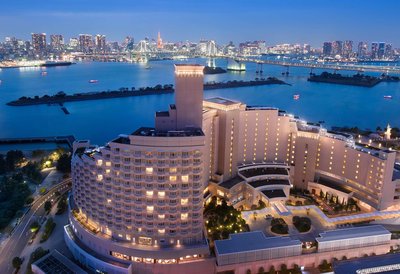
Hilton Tokyo Odaiba
JW Marriott Hotel Tokyo
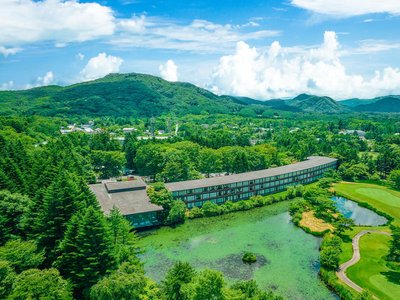
The Prince Karuizawa
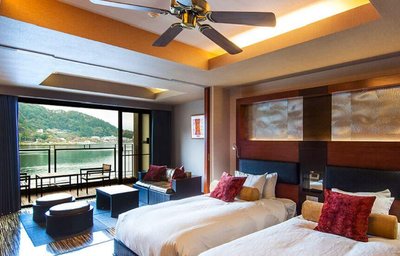
The Kukuna
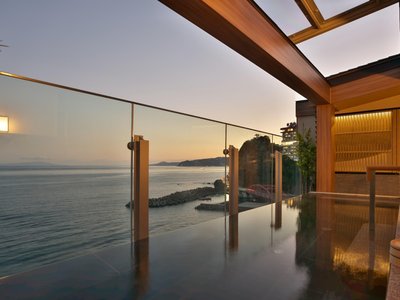
Hotel New Sagamiya
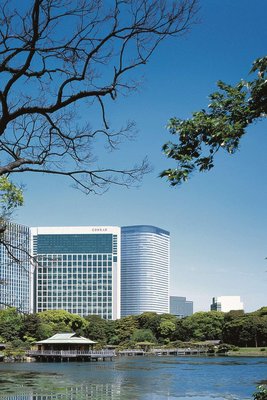
Conrad Tokyo
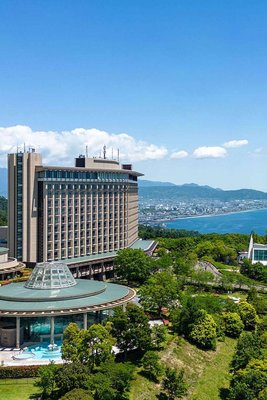
Hilton Odawara Resort & Spa
Hoshinoya Karuizawa
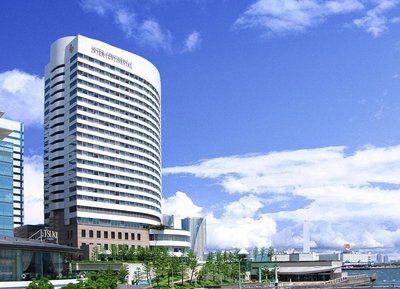
InterContinental Tokyo Bay
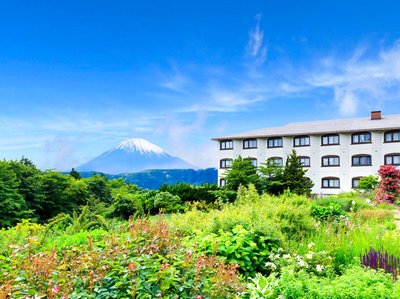
Hotel Green Plaza Hakone
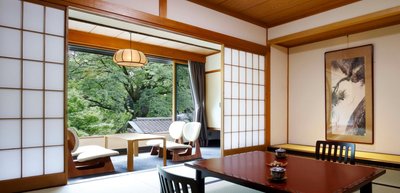
Yoshiike Ryokan
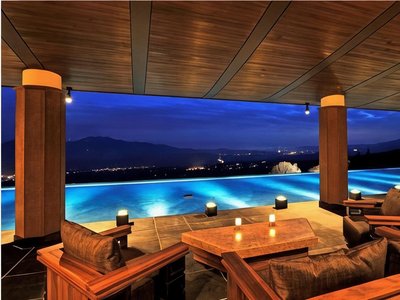
Akakura Kanko Hotel
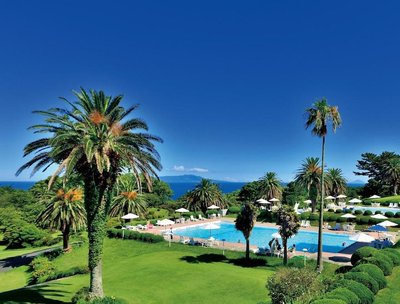
Kawana Hotel
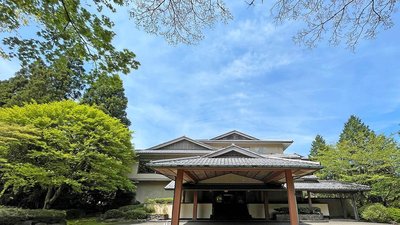
Ryuguden
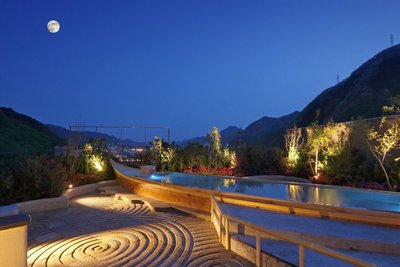
Asaya
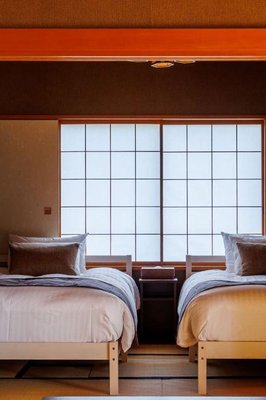
Sado Resort Hotel Azuma
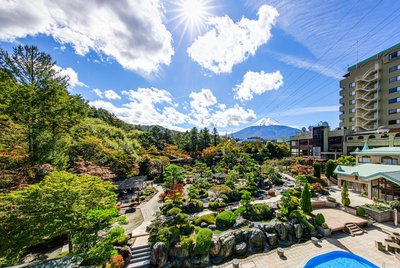
Kaneyamaen
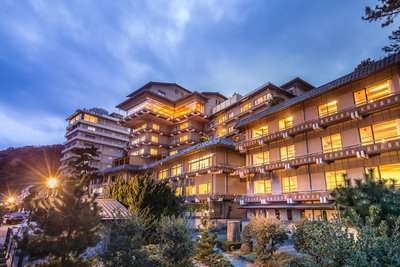
Bousui
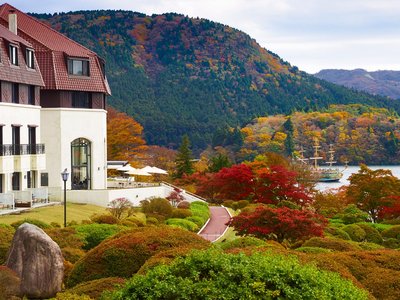
Hotakajyo
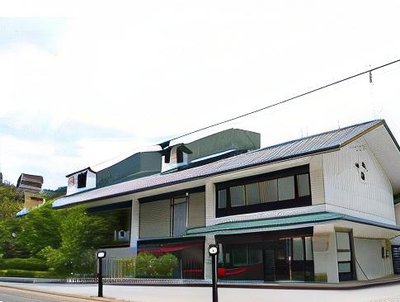
Auberge Suzukane

Onyado Nono Asakusa Bettei Hot Spring
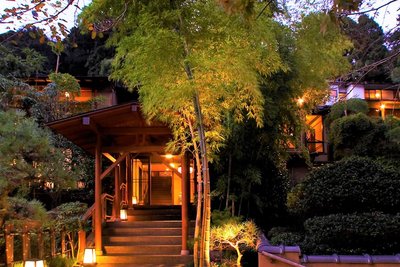
Shiki wo Ajiwau Yado Yamano Chaya
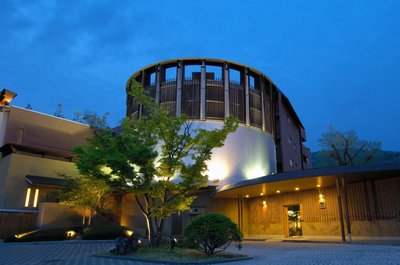
Hoshino Resorts Kai Matsumoto
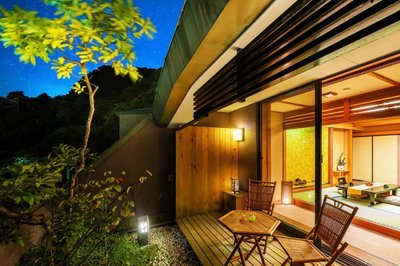
Konjakutei
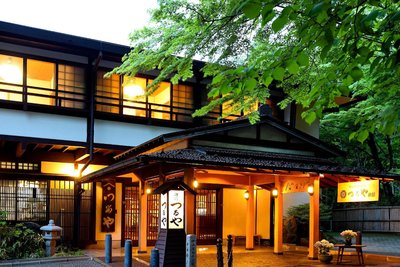
Tsuruya Ryokan
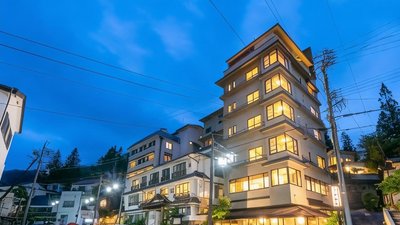
Nakamatsuya Ryokan
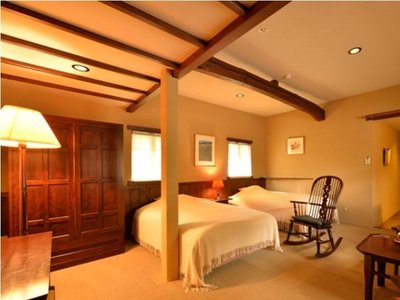
Ryokan Sugimoto
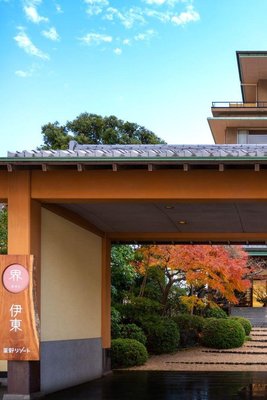
Hoshino Resorts Kai Ito
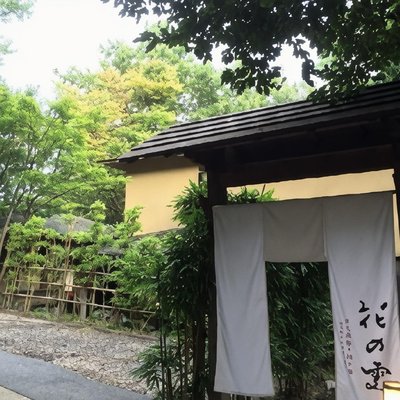
Hana No Kumo
Yoshiike Ryokan
Hotel Gajoen Tokyo
Gora Hanaougi
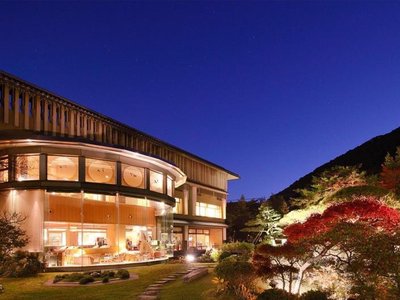
Shikisai Ichiriki
Sado Resort Hotel Azuma
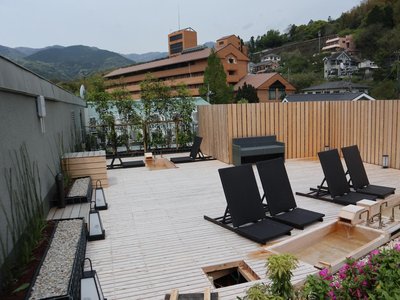
Fukiya Ryokan
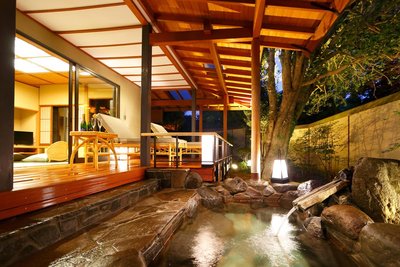
Yoshiharu Ryokan – Izu Nagaoka Onsen
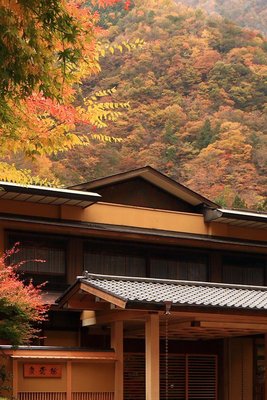
Nishiyama Onsen Keiunkan
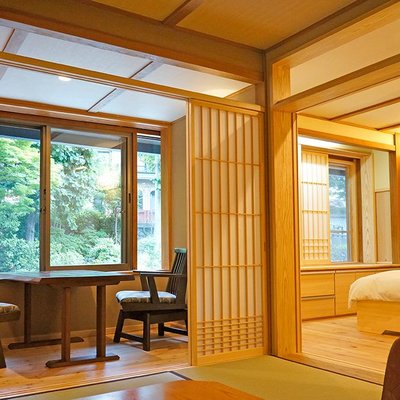
Sumiyosiya Ryokan
Bellustar Tokyo, A Pan Pacific Hotel
JW Marriott Hotel Tokyo
Andaz Tokyo Toranomon Hills- A Concept by Hyatt
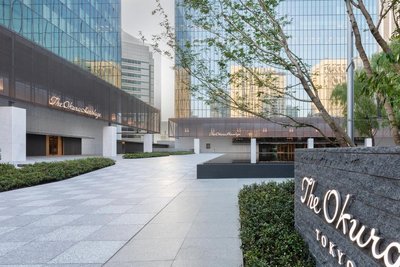
The Okura Tokyo
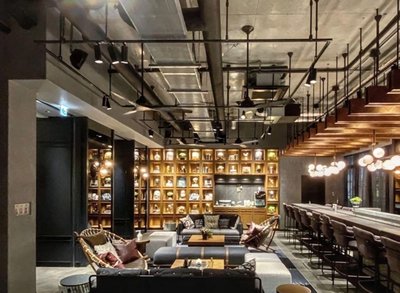
The Lively Azabujuban Tokyo
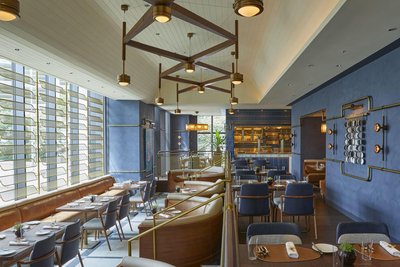
Kimpton Shinjuku Tokyo

HOTEL K5
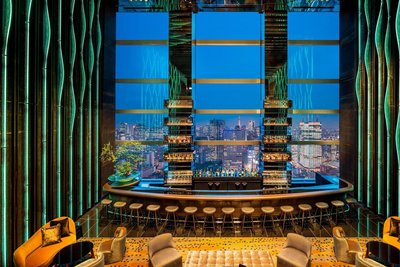
The Prince Gallery Tokyo Kioicho, a Luxury Collection Hotel
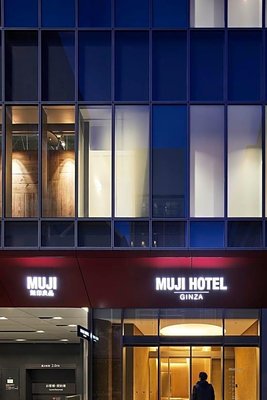
Muji Hotel Ginza
Hakone Gora Byakudan
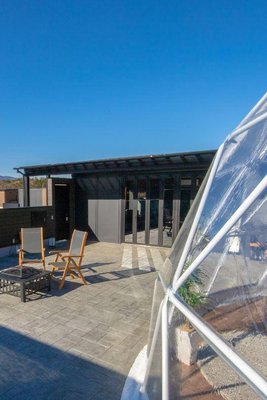
Panoramic Mt. Fuji Views from All Rooms – Vision Glamping Resort & Spa Yamanakako
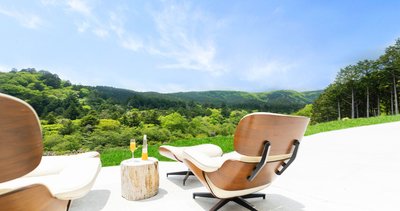
Shelter Garden Nikko
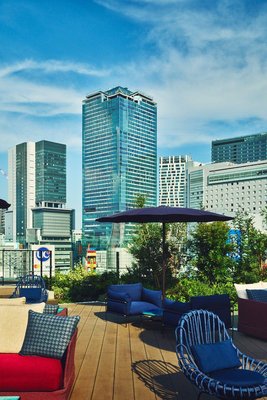
Hotel Indigo Tokyo Shibuya
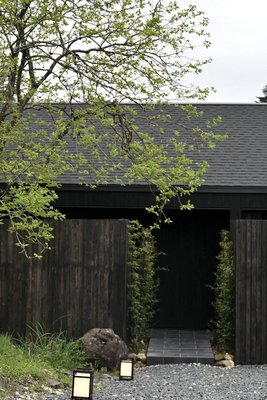
THE LAKOTAN
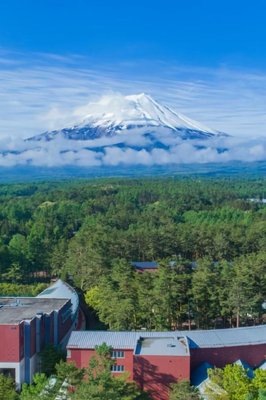
Forest Village (Fuji Premium Resort)
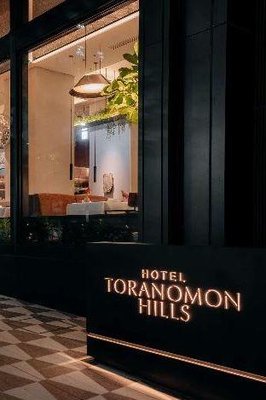
Hotel Toranomon Hills
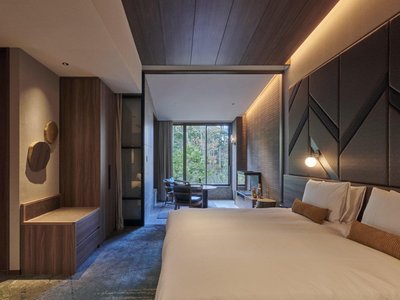
Fufu Kyu-Karuizawa Restful Forest
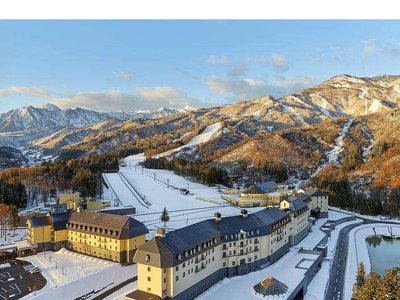
Lotte Arai Resort
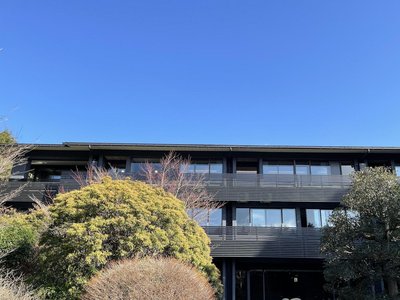
Sengokubara Cocon
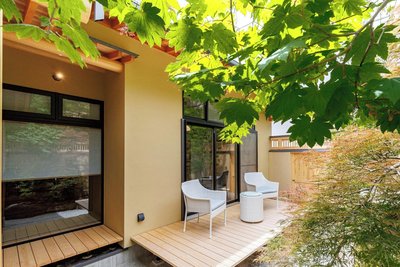
Shoraiso
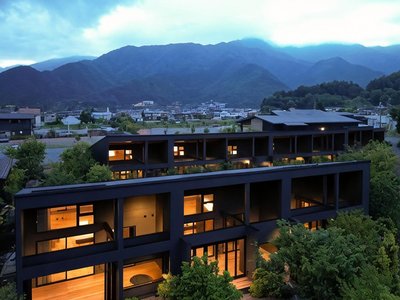
7C Villa and Winery
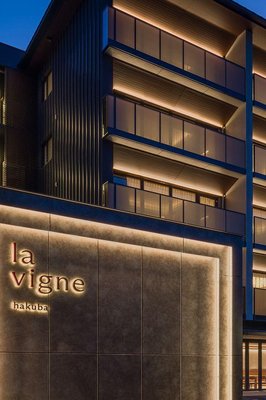
Hotel la Vigne Hakuba by Onko Chishin
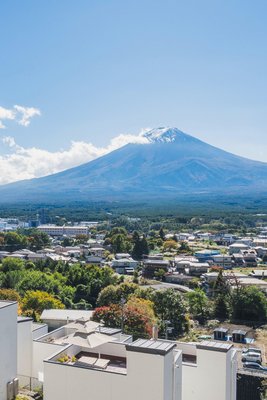
THE TOKI FujiKawaguchiko
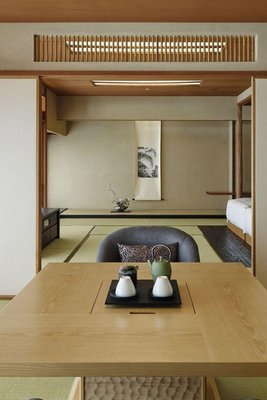
Takanawa Hanakohro (in Grand Prince Hotel Takanawa)
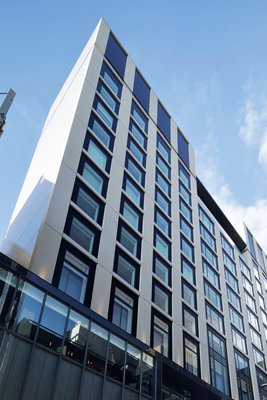
Hyatt Centric Ginza Tokyo
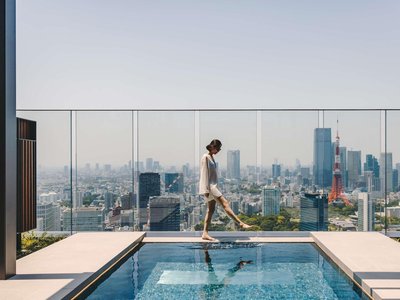
Fairmont Tokyo
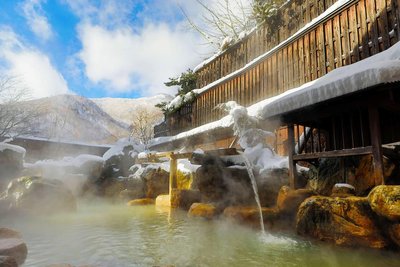
Miyamaouanbekkan yumegurinoyado hirayukan
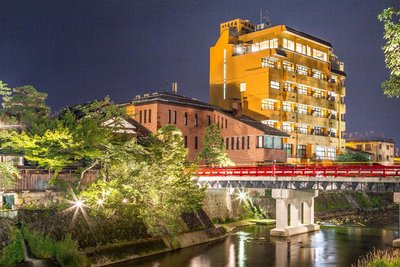
HONJIN HIRANOYA BEKKAN
The Prince Karuizawa
Bvlgari Hotel Tokyo
Four Seasons Hotel Tokyo at Marunouchi
Mandarin Oriental, Tokyo
The Ritz-Carlton, Tokyo
Andaz Tokyo Toranomon Hills- A Concept by Hyatt
Gora Kadan
Hotel New Otani Tokyo the Main
Aman Tokyo
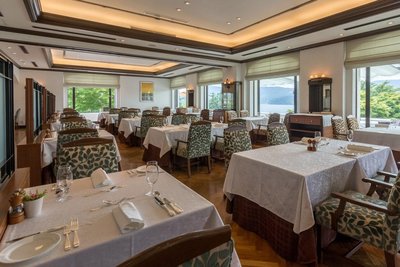
Odakyu Hotel de Yama
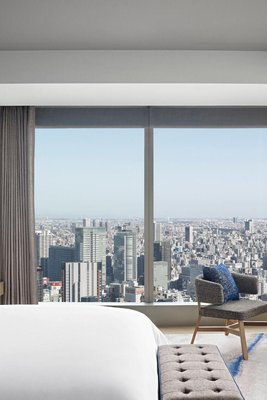
Four Seasons Hotel Tokyo at Otemachi
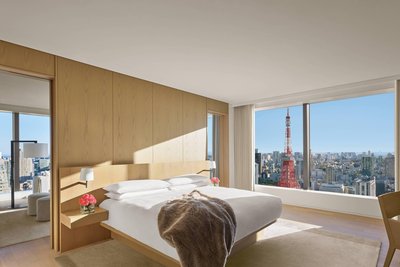
The Tokyo Edition, Toranomon
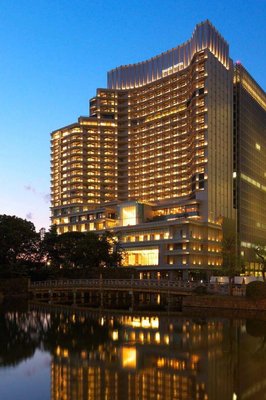
Palace Hotel Tokyo
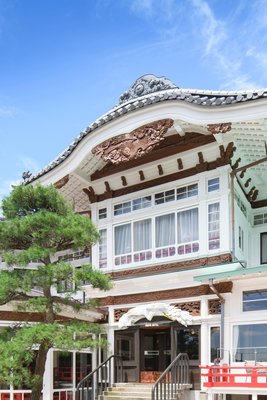
Fujiya Hotel
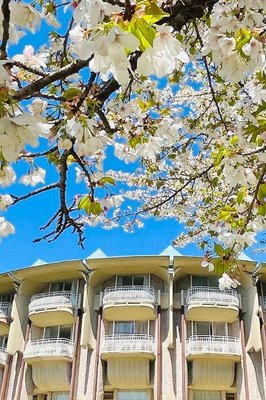
The Prince Hakone Lake Ashinoko
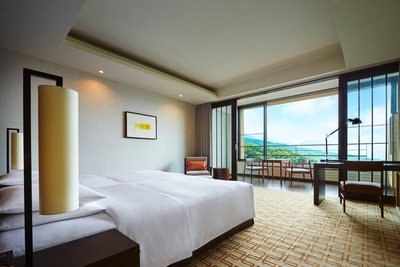
Hyatt Regency Hakone Resort and Spa
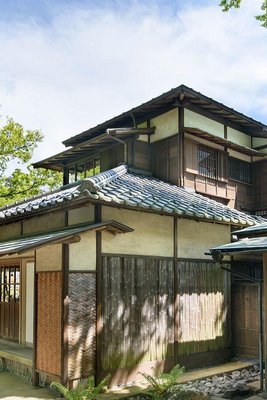
Hakone Suishoen
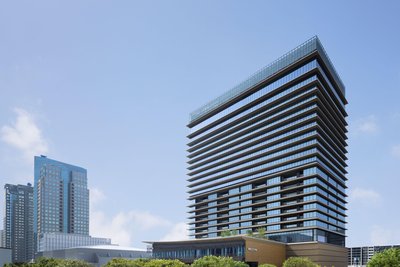
The Westin Yokohama
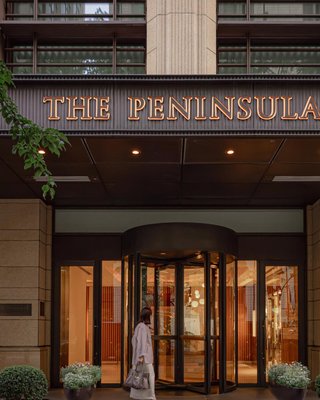
The Peninsula Tokyo

Imperial Hotel, Tokyo
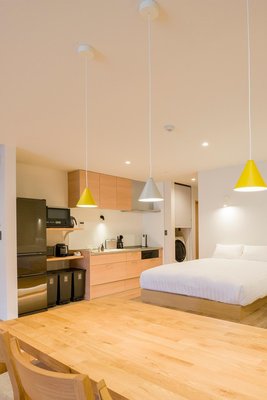
Rakuten STAY VILLA Nasu
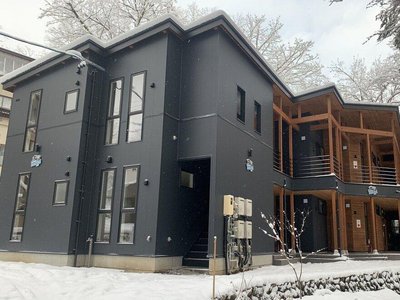
Hakuba Gondola Apartments
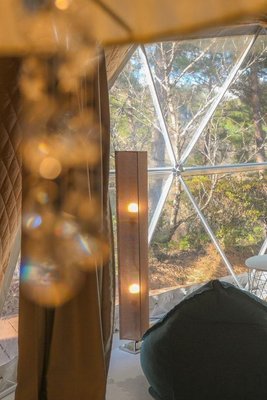
glampark Gekkabijin Nagano
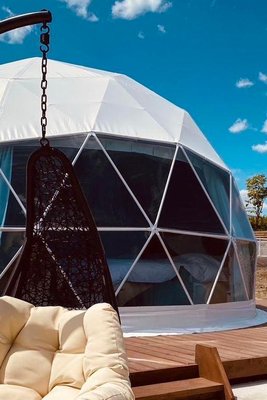
chillout glamping zao
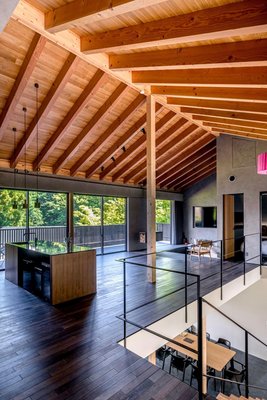
MONS GORA
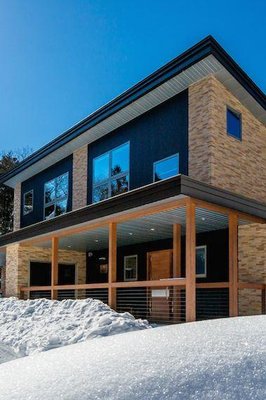
Phoenix Chalets by Hhg
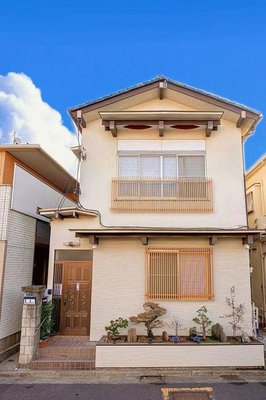
Tokyo Star House-Shinkoiwa
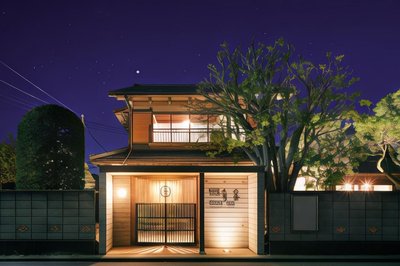
Machi-Jyu
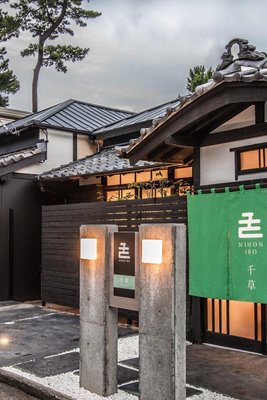
Nihon Iro
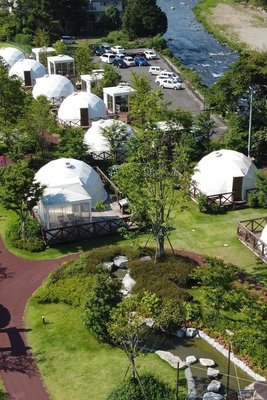
Ufufu Village
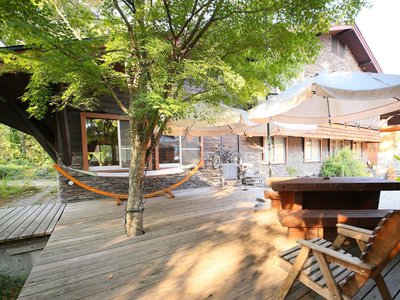
Kunugi Relaxation with 4 Modern Rooms
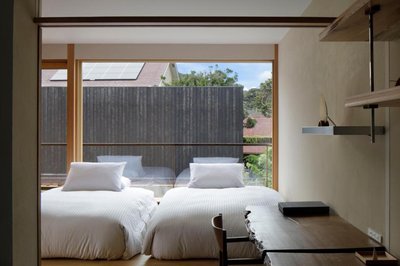
Modern Ryokan Kishi-ke
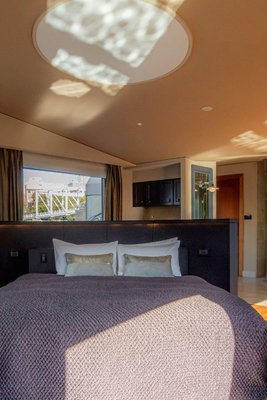
Petals Tokyo - Floating Hotel
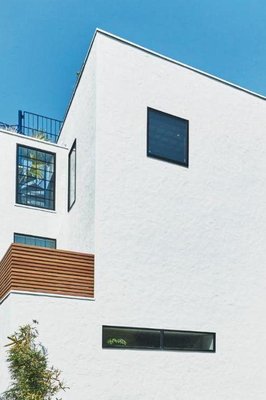
The Flow Kamakura
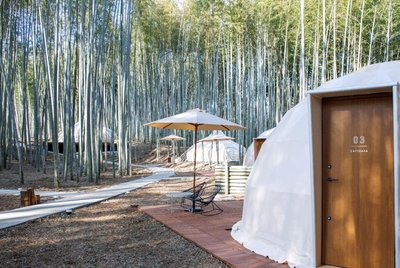
THE BAMBOO FOREST
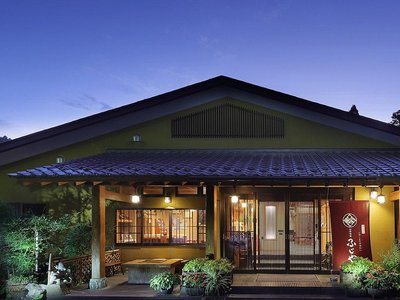
Shikimitei Fujiya
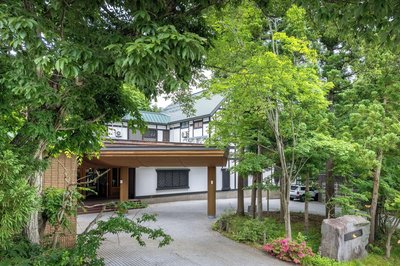
Forest Resort Yamanote Hotel
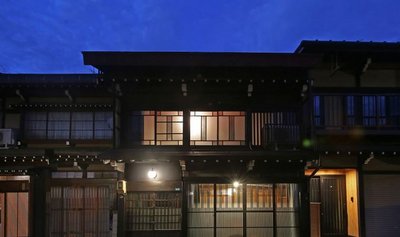
Iori Stay Hida

Hotel Barrière Fouquet's New York
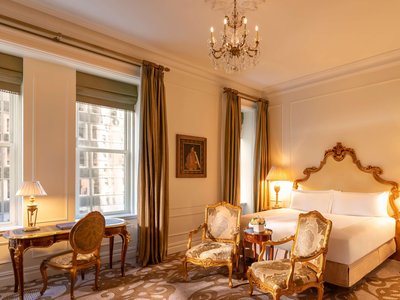
The Plaza - A Fairmont Managed Hotel
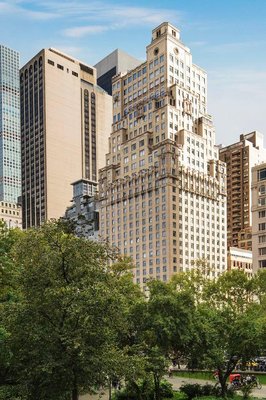
The Ritz-Carlton New York, Central Park
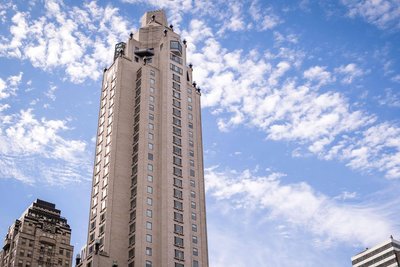
Four Seasons Hotel New York
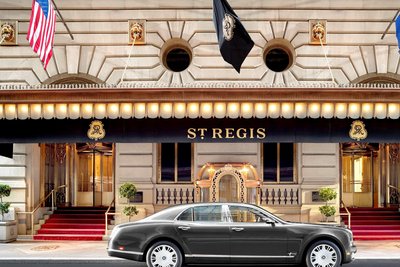
The St. Regis New York
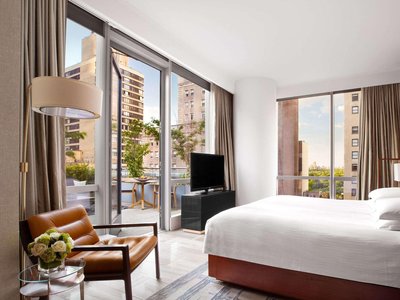
Park Hyatt New York
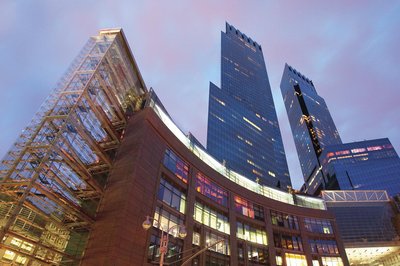
Mandarin Oriental New York
Times Square Edition New York

Loews Regency New York Hotel
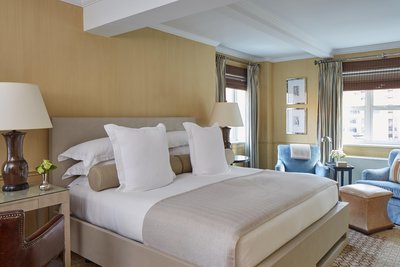
Lowell Hotel
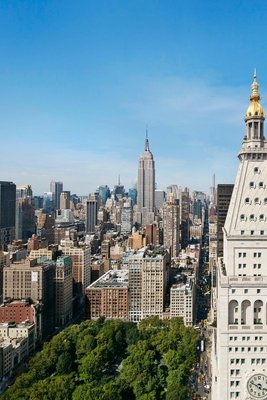
New York Edition
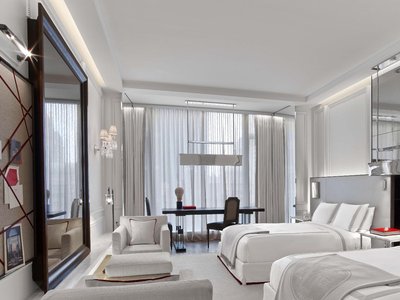
Baccarat Hotel New York
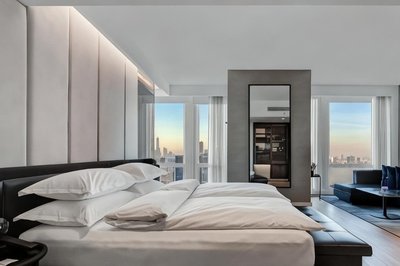
Equinox Hotel New York

Four Seasons Hotel New York Downtown
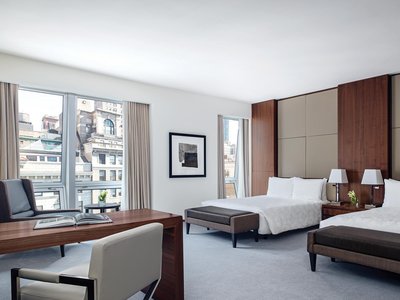
The Langham, New York, Fifth Avenue

The Carlyle, A Rosewood Hotel

The Chatwal, in the Unbound Collection by Hyatt
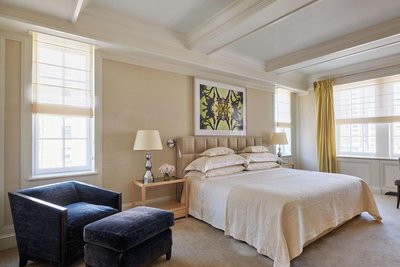
The Mark New York
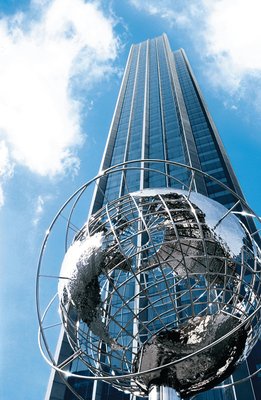
Trump International Hotel & Tower® New York
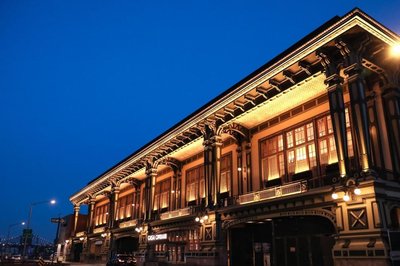
Casa Cipriani New York
Frequently Asked Questions about Traveling to Shirakawa
Questions You Might Need to Know About Traveling to Shirakawa
In Shiroishi, the top pick for families is Yukimura Onsen Kogen - Yuki no Yado, a traditional ryokan nestled in a forested valley. It features private outdoor onsen baths, spacious tatami rooms with kotatsu heaters, and kid-friendly meals like grilled mackerel and local rice cakes. The property is just a 10-minute walk from Shiroishi Castle Ruins, offering easy access to history and nature. Children love the seasonal snow lanterns during winter, while parents enjoy the serene mountain views. All staff speak basic English, making it ideal for international families seeking authentic Japanese hospitality.
For an immersive stay, try Shiroishi Machiya Renovation Project: Hana no Ie, a restored Edo-period townhouse converted into a boutique guesthouse. Each room reflects original architectural details—wooden beams, sliding shoji screens, and handmade washi paper lamps. Guests can join hands-on workshops such as washi paper crafting or tea ceremony demonstrations led by local artisans. Located near Shiroishi Shrine and the historic walking trail, this experience blends heritage preservation with modern comfort. Perfect for travelers who value storytelling, craftsmanship, and quiet authenticity.
The highlight of winter in Shiroishi is the Shiwa Snow Festival, held annually in February. Visitors are drawn to the dazzling ice lantern displays along the Shiroishi River Path, where hundreds of hand-carved ice sculptures glow under soft LED lighting. A signature event is the Snow Lantern Night Walk, where guests stroll through glowing trails surrounded by snow-covered trees, creating a magical atmosphere. Nearby Shiroishi Ski Resort offers excellent slopes for skiing and snowboarding, making it a complete winter escape combining art, nature, and adventure.
From Shiroishi, must-visit spots include Shiroishi Castle Ruins, a nationally designated historic site with well-preserved stone walls and a panoramic view of the Abukuma River Valley. Another gem is Shiroishi Shrine, dating back to the Heian period, whose main hall is a National Treasure adorned with intricate carvings. For nature lovers, Omo-numa Wetland Park is a haven for migratory birds, especially in spring. Early morning birdwatching here offers stunning photo opportunities, and it's only a 15-minute drive from downtown Shiroishi.
For a romantic retreat, choose Shiroishi Onsen Hanamichi, a secluded ryokan featuring private onsen suites with floor-to-ceiling glass walls overlooking snowy forests. The intimate dining experience includes a kaiseki dinner served in-room with local sake. Monthly "Moonlight Poetry Nights" invite couples to share verses and enjoy tea ceremonies beneath the stars. With minimal lighting and soundproofed rooms, this hotel creates a dreamlike ambiance perfect for reconnection. Its location near the Shiroishi River Trail adds to the sense of tranquility and privacy.
Must-try specialties in Shiroishi include Shiroishi beef, a premium Wagyu raised on high-altitude pastures, best enjoyed as a grilled steak or in a rich sukiyaki pot. Fresh Abukuma River fish like sweet-scented ayu and yamame trout feature in local sushi and hot pots. Don’t miss Shiroishi soy sauce, aged for years and used in everything from miso soup to tempura dipping sauce. At Shiroishi Station Market, sample sweet potato mochi and red bean rice balls, paired with a warm cup of black soybean tea—a comforting taste of regional tradition.
Capture unforgettable moments at Shiroishi Castle Ruins at golden hour—the sunset casts long shadows across ancient stone walls, blending history and light beautifully. The Snow Lantern Path along the river is another photogenic gem, where illuminated paper lanterns reflect in frozen water, creating ethereal scenes. For wildlife photography, visit Omo-numa Wetland Park early morning to photograph cranes and herons in flight. Lastly, the bamboo-lined alleyway in front of Hana no Ie guesthouse provides a perfect frame for traditional-style portraits, especially when wearing a kimono.
Yes, Shiroishi is highly suitable for self-driving tours. Accessible via the Tohoku Shinkansen to Koriyama Station, then a scenic 40-minute ride on the JR Iwate Line to Shiroishi Station, or directly by car from Tokyo (approx. 2 hours). The city’s roads are well-maintained, and major attractions like Shiroishi Ski Resort and Omo-numa Wetland Park are within 30 minutes’ drive. Free parking is available at most sites, and winter driving routes are clearly marked with snow warnings. Renting a 4WD is recommended for mountainous areas with heavy snowfall.
Shiroishi’s hot springs are renowned for their natural alkaline sulfur-rich waters, known for soothing skin and easing muscle fatigue. The Shiroishi Onsen Area lies deep in mountain valleys, with mineral-rich pools surrounded by pine forests. Many ryokans offer private open-air baths with panoramic views of changing seasons—snow-laden trees in winter, cherry blossoms in spring. Some spas even integrate forest bathing (shinrin-yoku) and guided meditation sessions for holistic wellness. All facilities are certified by the Japan Hot Spring Association, ensuring safety and quality, making it one of the most respected onsen regions in northern Japan.
While not yet inscribed by UNESCO, Shiroishi Castle Ruins and Shiroishi Shrine hold significant cultural value. The castle’s stone ramparts and reconstructed turrets represent a rare intact example of Sengoku-era fortification design. The shrine’s main hall, a National Treasure, showcases exquisite Heian-period carpentry with complex roof structures and symbolic motifs. Additionally, the Shiroishi Machiya District preserves over 30 original Edo-era wooden houses, now used as craft studios and museums. These sites collectively reflect the region’s deep-rooted heritage in architecture, religion, and community life—making them vital components of Japan’s intangible cultural landscape.
Shirakawa Overview
City Summary
Shirakawa City, located in southern Fukushima Prefecture, Japan, is a tranquil town rich in history and natural beauty. Renowned for the Shirakawa Barrier ruins—one of the ancient Oshu Three Barriers—it bears witness to the region's historical transitions. Surrounded by picturesque countryside and hot springs, Nanko Park stands as one of Japan's oldest parks, offering stunning seasonal landscapes. The city is also famous for traditional crafts like Shirakawa Daruma dolls and its signature Shirakawa Ramen, showcasing vibrant local culture.
Must-See Attractions
Top attractions include the Shirakawa Barrier Site, a designated Important Cultural Property that evokes the Heian period atmosphere. Nanko Park, with 1,200 years of history, boasts spectacular cherry blossoms in spring and fiery foliage in autumn. Visitors can experience crafting lucky Shirakawa Daruma dolls at local workshops. For relaxation, the nearby Shirakawa Onsen offers therapeutic baths. Culture enthusiasts shouldn't miss the Shirakawa City History Museum for deep insights into local traditions.
Food Guide
Shirakawa's culinary highlight is Shirakawa Ramen, featuring thick noodles in a broth simmered with chicken bones and dried fish, topped with chashu pork. Street vendors sell adorable Daruma Senbei crackers, perfect as souvenirs. Local produce shines in dishes like Shirakawa eggs and seasonal mushroom hot pots. Traditional sweets include mochi rice cakes dusted with soybean flour—a simple yet nostalgic treat.
Transportation Guide
The JR Tohoku Main Line serves Shirakawa, with bullet trains from Tokyo Station reaching Shin-Shirakawa Station in 80 minutes, followed by a 10-minute local train ride to downtown. Most attractions are walkable, but renting bicycles (≈¥500/day) is recommended. Buses (municipal or Aizu lines) access outlying hot spring areas—check limited schedules in advance. Taxis start at ¥600, ideal for group travel. Drivers can reach the city in 15 minutes from Shirakawa IC on the Tohoku Expressway.
Best Time to Visit
The best times to visit are April-May (cherry blossoms) and October-November (autumn colors), with pleasant weather. Summer (June-August) hosts lively festivals despite humidity, while winter (December-February) offers snowy onsen experiences—note some mountain roads may close.
Travel Tips
- Maintain quietness at shrines/temples; check photography rules.
- Wash thoroughly before entering onsen baths; swimsuits prohibited.
- Book Daruma workshops early—weekends get busy.
- Rural roads lack lighting; return before sunset.
- Cash remains dominant; few shops accept cards.
- Follow strict trash sorting—convenience stores have recycling bins.
Useful Information
English signage is minimal outside stations/tourist centers—a translation app helps. Free WiFi is available at transit hubs, visitor centers, and major sites like Nanko Park. For medical needs, Shirakawa Municipal Hospital offers 24/7 emergency care (look for "病院" signs). Voltage is 100V (Type A plugs). Exchange currency in Tokyo/Shin-Shirakawa—few local banks handle foreign cash. Dial 110 (police) or 119 (ambulance) in emergencies; the tourist office provides multilingual assistance (9:00-17:00).









