Shirakawa(Japan) Travel 2026: Cheap Flights, Hotels & Top Attractions
Popular Landmarks in Shirakawa

Discover the most iconic attractions in Shirakawa

Ogimachi Castle Observation Deck12 hotelsさくら街道白川郷 ひらせ温泉キャンプサイト5 hotelsOgimachi Suspension Bridge12 hotelsGassho-zukuri Minkaen12 hotelsMt. Sanpou-Kuzure5 hotelsFormer Fujisaka Family House Resting Place12 hotelsTengudo Shrine12 hotelsHachiman Shrine5 hotelsWater Lily Pond12 hotelsAshikurahachiman Shrine13 hotelsRoad Station Shirakawa-go12 hotelsNagase House12 hotelsKanda House12 hotelsHachiman Shrine Shirakawa17 hotelsNakano Chojiro family residence12 hotelsShirakawa Village Hall12 hotelsOgimachi12 hotelsIijimahachiman Shrine12 hotelsTerao Parking Lot12 hotelsMyozenji Museum12 hotelsHatotani Hachiman Shrine12 hotelsHachiman Shrine13 hotelsKaerikumo Shrine5 hotelsOgimachi Castle Ruins12 hotelsMIBORO Dam Side Park MIBORO Electricity Museum/Shokawa Zakura Memorial5 hotelsShiroyama Tenshukaku Observation Deck12 hotelsHida Shirakawa Parking Area Outbound Line12 hotelsShirakawa Nursery12 hotelsDeai no Yakata, Shirakawago Tourist Information Center12 hotels豆吉本舗(白川郷店)12 hotelsShirakawa-go12 hotelsOishimbo12 hotelsGassho Ohashi Bridge Observation Spot1 hotelsMyozenji12 hotelsBinen Yumeromu Museum12 hotelsShirakawa go no Yu12 hotels佐藤民芸品店12 hotelsOld Teraguchi Residence12 hotelsWada House12 hotelsJin Homura Art Museum12 hotelsWhite Road Shirakawago Observatory12 hotelsShirakawa-go Tajima House Sericulture Museum17 hotelsAmo Natural Park11 hotelsShirakawa-go Bus Terminal12 hotelsOld Toyama Folk House Museum5 hotelsRoadside Station Hida Hakusan5 hotelsShiramizu-no-yu Oshirakawa Hot Spring5 hotelsMiboro Dam5 hotels

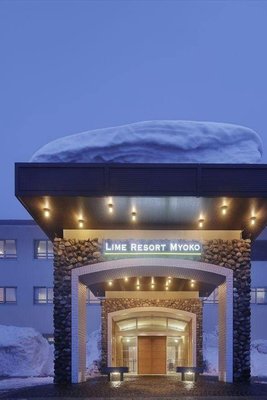
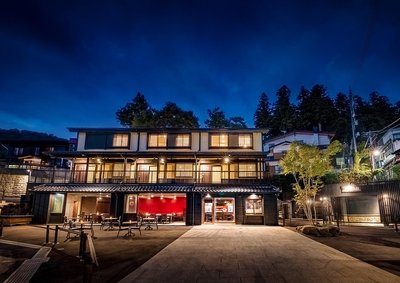
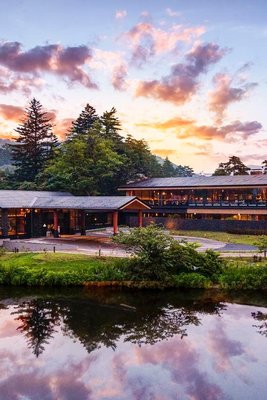
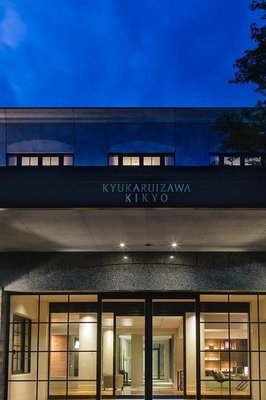
Best Hotels in Shirakawa

Discover curated hotel collections in Shirakawa
Frequently Asked Questions about Traveling to Shirakawa

Questions You Might Need to Know About Traveling to Shirakawa

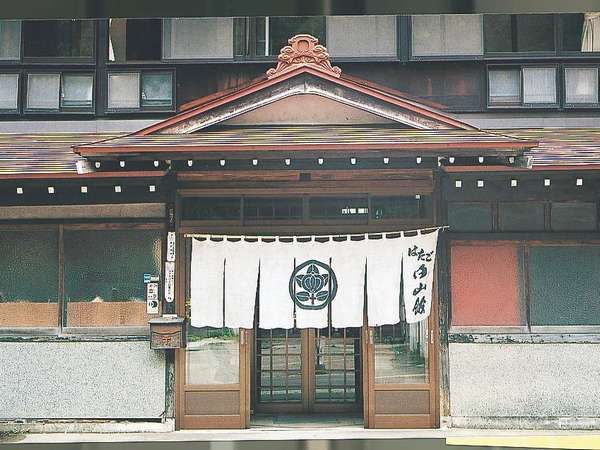
In Shirakawa-go, stay at Gasshō-mura Minshuku or Hida Koyama Ryokan, where authentic gasshō-style farmhouses have been converted into guesthouses. These UNESCO World Heritage homes feature steep thatched roofs designed to withstand heavy snow, and many offer hands-on experiences like thatching workshops and traditional cooking classes. Guests can enjoy local dishes such as Hida beef stew and mountain vegetable tempura served in wooden dining rooms. Staying here provides a rare glimpse into rural Japanese life, with minimal modern amenities and maximum cultural immersion.

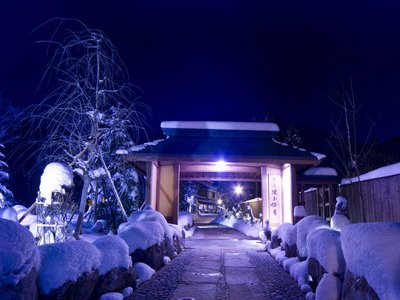
The Ogimachi district is ideal for peaceful, authentic stays. Nestled within the UNESCO World Heritage site, this historic village preserves its original layout and architecture. Choose family-run inns like Tanaka House or Matsubara Guesthouse, which offer personalized hospitality and intimate meals prepared with locally sourced ingredients. With narrow stone paths and no commercial signage, it’s perfect for travelers seeking tranquility. Morning walks through snow-dusted alleys or evening views of glowing lanterns create an unforgettable sense of serenity and connection to nature.

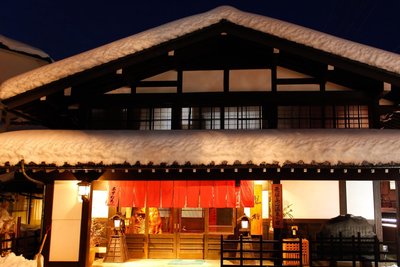
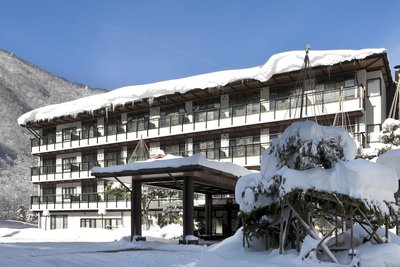
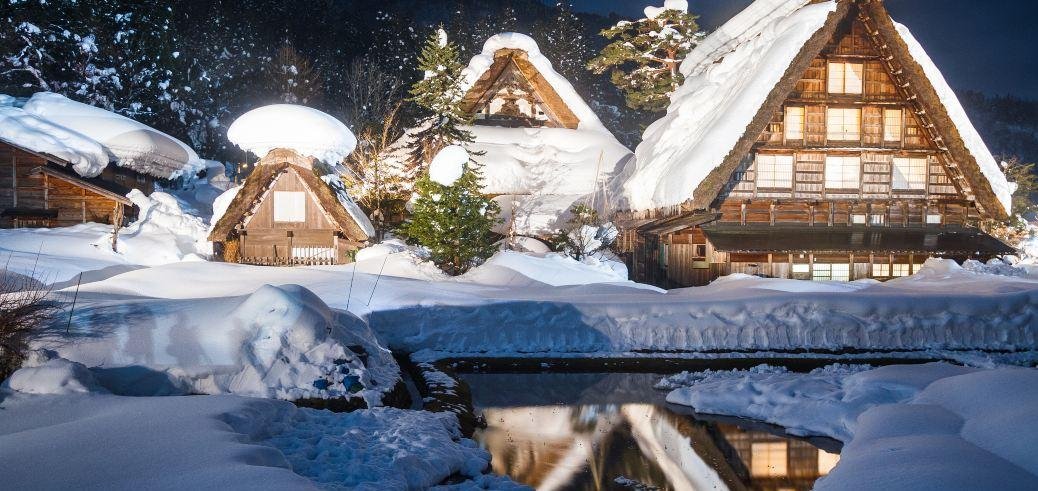
Winter in Shirakawa-go transforms the village into a fairy-tale landscape. Many inns host snow-lit gasshō-roof tours and evening candlelight ceremonies where traditional paper lanterns illuminate the thatched roofs. Guests can participate in local crafts workshops, such as making washi paper lanterns or bamboo baskets. Some inns even offer onsen baths with mountain views, where you can soak under stars while listening to the soft crunch of snow. Early HopeGoo is essential—winter rooms sell out months ahead due to high demand.

Yes! Kids-Friendly Minshuku inlets like Hida Family Inn and Shirakawa-go Children's Cottage cater specifically to families. They provide child-sized beds, play areas, and activities such as farm visits, vegetable harvesting, and paper-making workshops. Meals include child-friendly portions, and some offer family cooking sessions using local ingredients. Located near the main path, these inns balance accessibility with authenticity, making them ideal for parents who want their children to experience real Japanese rural life in a safe, welcoming environment.

To truly live like a local, stay at family-owned gasshō houses such as Yamada House or Suzuki Homestay. These inns operate on a "one-family-one-guest" model: guests join hosts for morning tea, help gather wild vegetables, and cook together using seasonal produce. You’ll learn about farming rituals, wood-fired stoves, and regional dialects through daily interaction. While language may be limited, warmth and gestures bridge the gap. This immersive approach fosters deep respect for tradition and creates lasting memories beyond sightseeing.

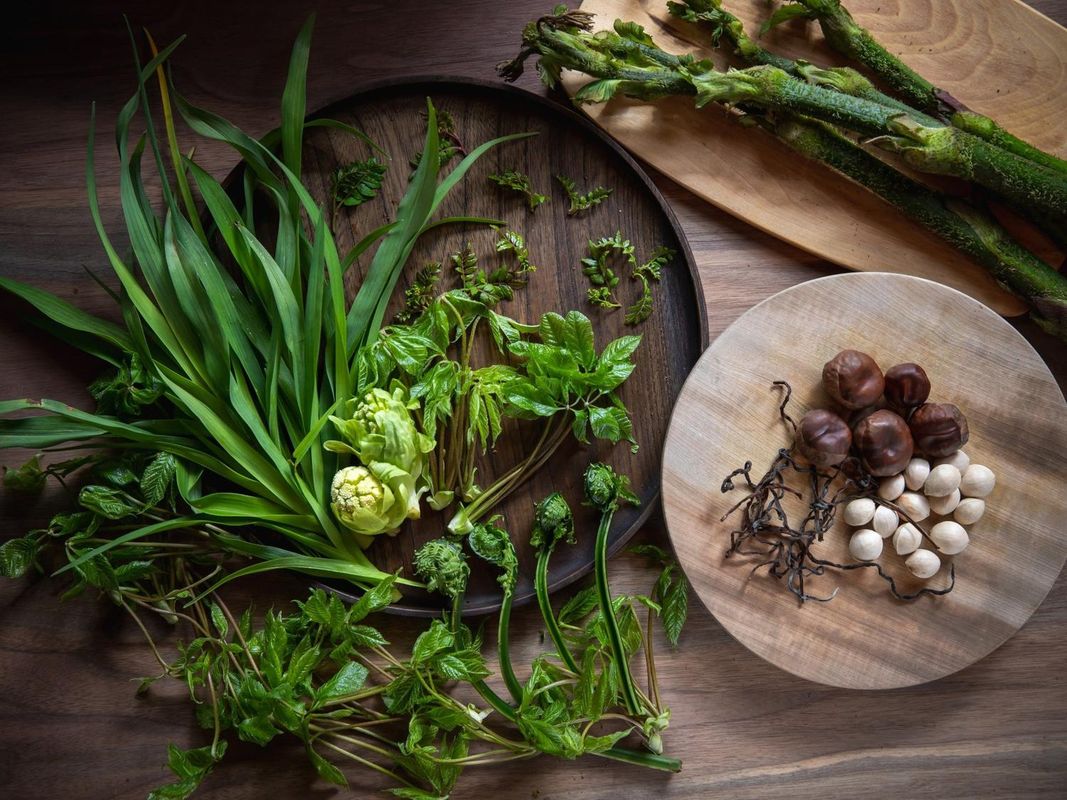
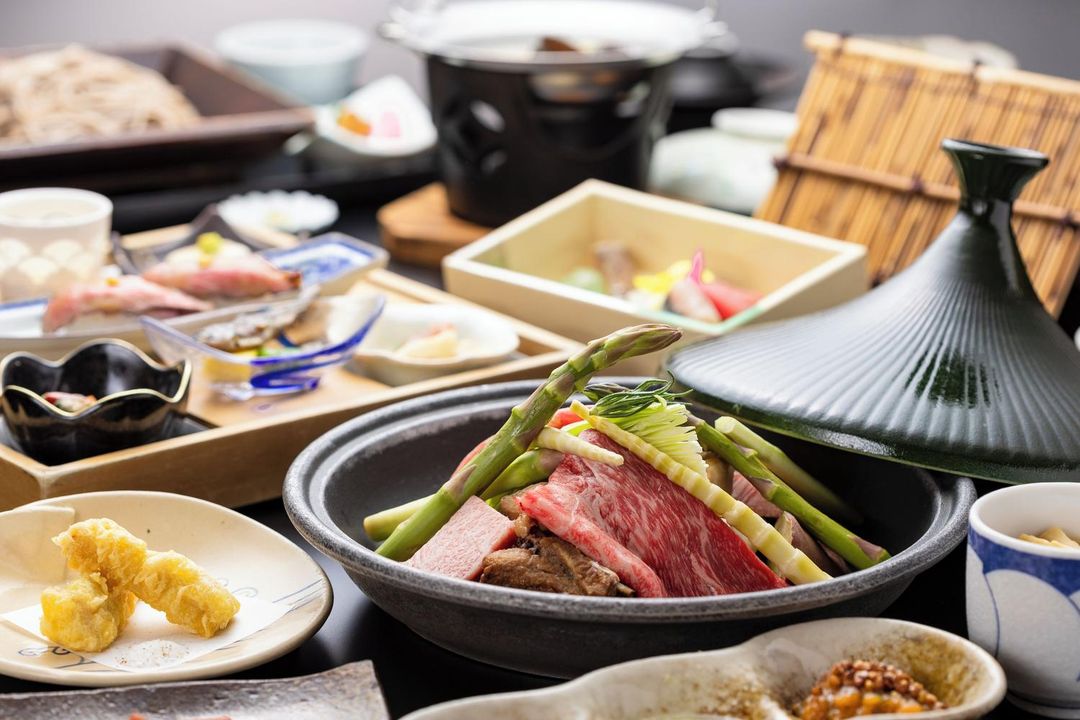
Shirakawa-go inns serve hearty, seasonal dishes rooted in Hida region traditions. Expect Hida beef hot pots (Gyūnabe), mountain vegetable tempura, and fermented soybean paste soup (Nattō Jiru). Many prepare meals using ingredients from their own gardens or nearby farms, emphasizing zero-waste cooking. Dishes are often served on hand-carved wooden tables in communal dining rooms. Special treats include miso rice balls and homemade sake brewed on-site. The focus is on flavor, freshness, and sustainability—true taste of the land.

Absolutely. Shirakawa-go is a photographer’s dream, especially in winter when snow blankets the gasshō-style roofs. Stay at river-view inns like Kawaguchi Gasshō House, offering prime sunrise and twilight shots. Many inns grant access to hidden vantage points not marked on maps—perfect for capturing misty mornings or illuminated rooftops. Some even lend tripods and wide-angle lenses to guests. For those with long-exposure gear, the lack of light pollution allows stunning night photography of starry skies above the snow-covered village.

Shirakawa-go Bus Stop Inn is located just 5 minutes from the Shirakawa-go Tourist Bus Terminal, making it ideal for travelers arriving via train or bus. It connects directly to Takayama Station and Hida Furukawa Station via shuttle services. Despite its convenience, the inn maintains a quiet, traditional atmosphere with no commercial signage. It also features a free parking lot and luggage storage, perfect for multi-day explorers. From here, you can easily visit nearby attractions like Hida Shrine and Kusakabe Village.

Check-in is usually after 3:00 PM, and check-out before 10:00 AM. However, some inns extend check-out time until 11:00 AM during winter due to snow-clearing duties and stove maintenance. Late arrivals should notify the inn in advance. Guests are expected to assist with basic clean-up tasks, such as returning borrowed slippers and kitchen tools. Respect for the host’s schedule and traditions is key—many inns operate without formal reception desks, relying on trust and mutual understanding.

While most inns primarily communicate in Japanese, major ones like Shirakawa-go Experience House and Hida Koyama provide basic English materials including maps, menus, and FAQs. Some hosts speak simple English or use translation apps. Contact the Shirakawa-go Tourism Office (+81-576-29-3145) for assistance in English. Though full-service guides aren’t available, the warm hospitality and visual cues ensure smooth communication. HopeGoo online with clear requests helps guarantee better language support.

Shirakawa Overview
City Summary

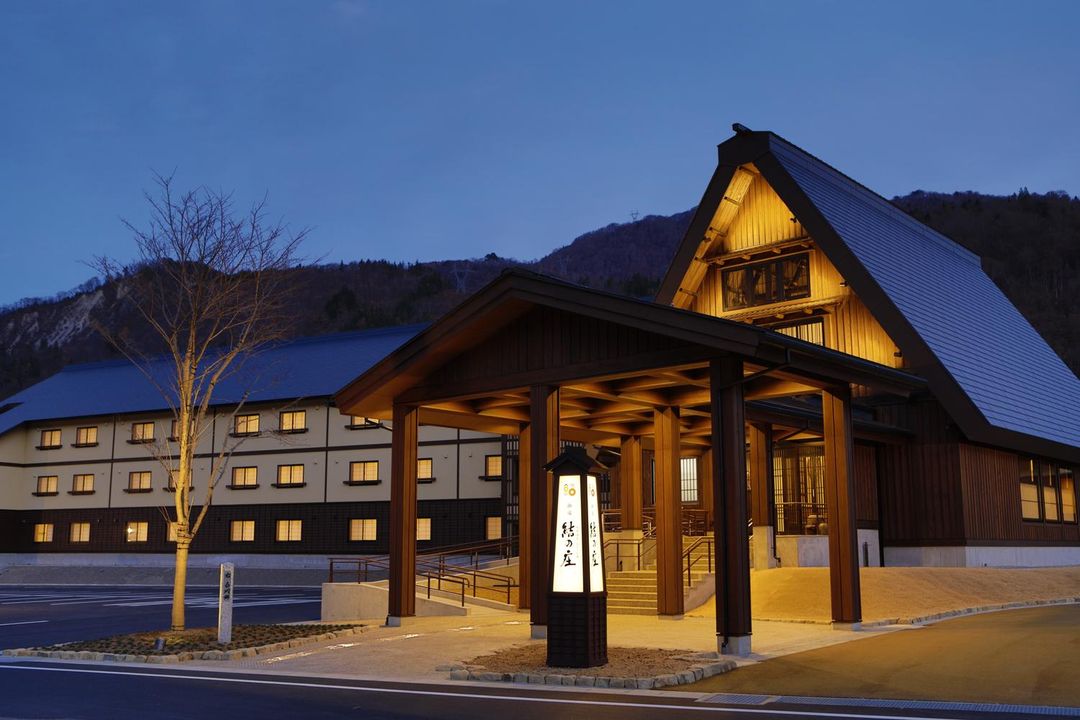
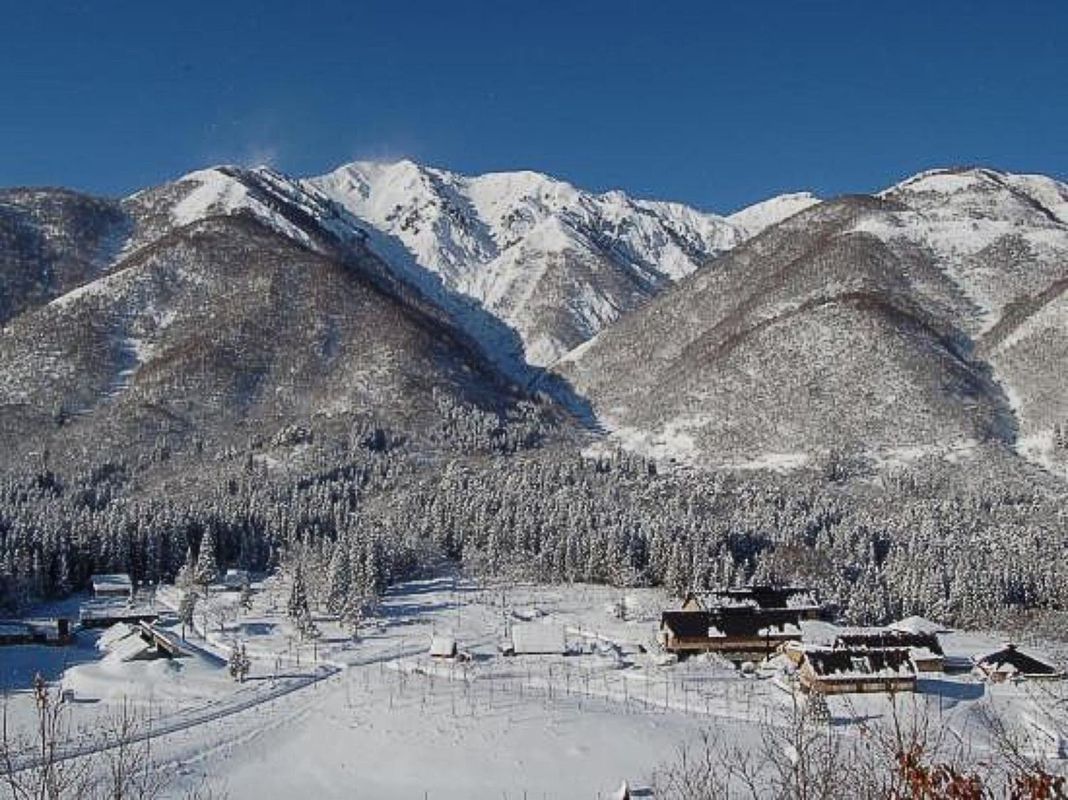
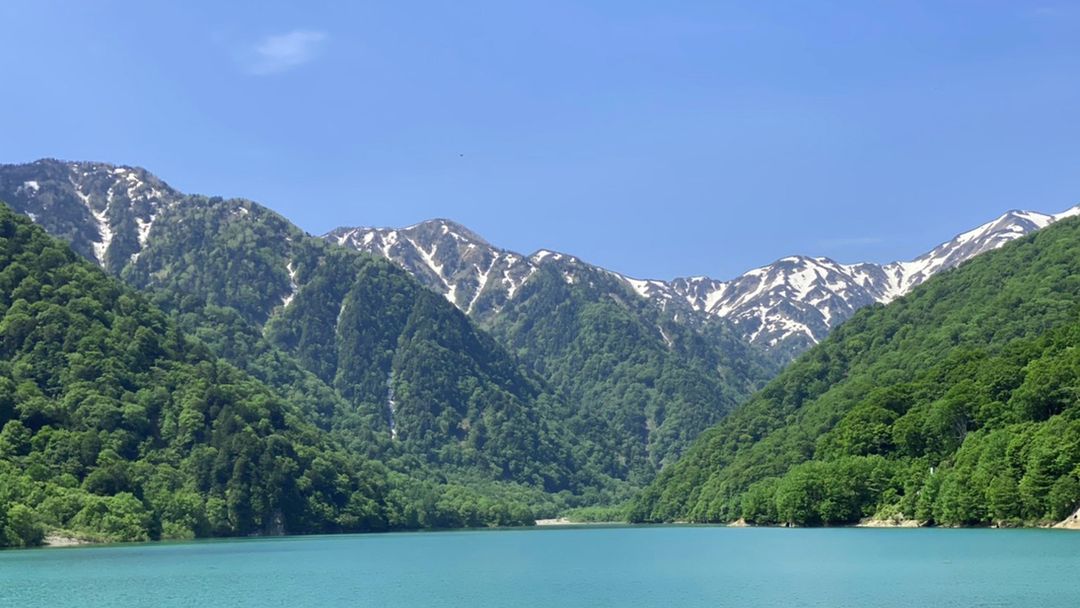
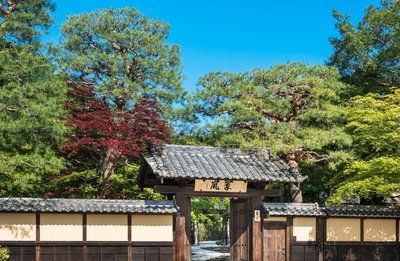
Shirakawa-go, located in Gifu Prefecture, Japan, is renowned for its unique "gassho-zukuri" farmhouses, a UNESCO World Heritage Site. The village offers a picturesque blend of traditional culture and natural beauty, especially during winter when the snow-covered roofs create a fairy-tale-like scenery. It's a perfect destination to experience rural Japan.
Must-See Attractions

The highlight of Shirakawa-go is the "gassho-zukuri" villages, such as Ogimachi, where the thatched roofs resemble hands in prayer. The Shirakawa-go Folklore Village showcases traditional lifestyles and crafts. In winter, the village hosts illumination events, where the snow and lights create a magical atmosphere.

Other Cities You Might Like

Explore more amazing destinations