Hotels in Shirakawa
Discover your perfect stay in Shirakawa.
Shirakawa(Japan) Travel 2026: Cheap Flights, Hotels & Top Attractions
Popular Landmarks in Shirakawa
Discover the most iconic attractions in Shirakawa
Recommended Hotels in Shirakawa
Find the perfect place to stay in Shirakawa

Minoshirakawa Golf Club
Best Hotels in Shirakawa
Discover curated hotel collections in Shirakawa
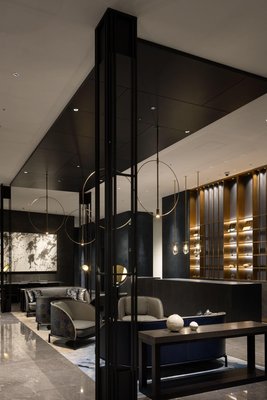
Bellustar Tokyo, A Pan Pacific Hotel
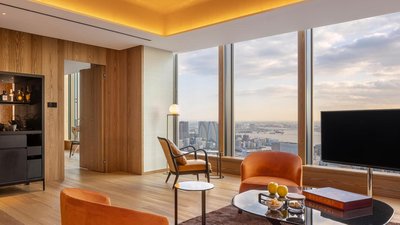
Bvlgari Hotel Tokyo
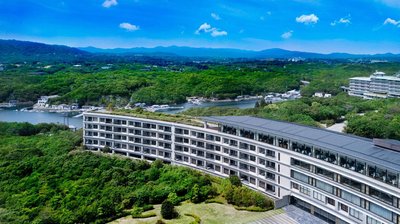
Shima Kanko Hotel the Bay Suites
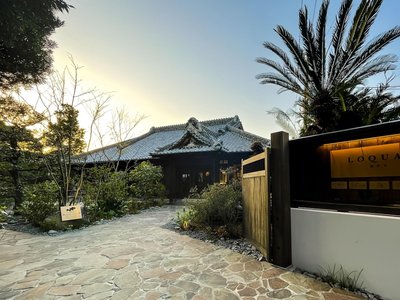
Loquat Nishiizu
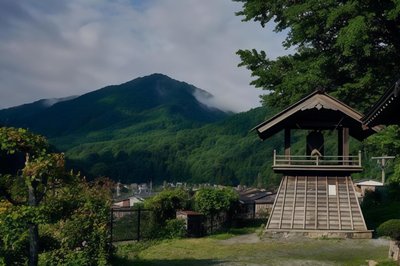
Byaku Narai
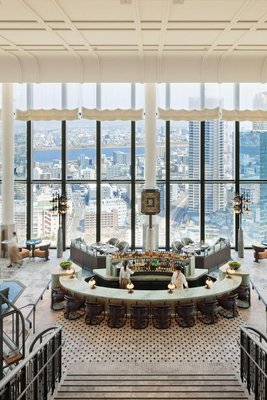
Waldorf Astoria Osaka
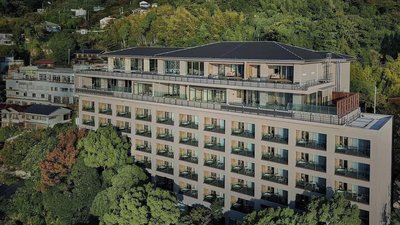
Atami Izusan Karaku
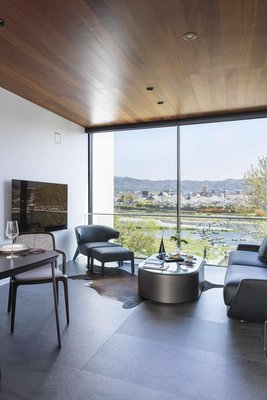
Kamo Residences by Reflections
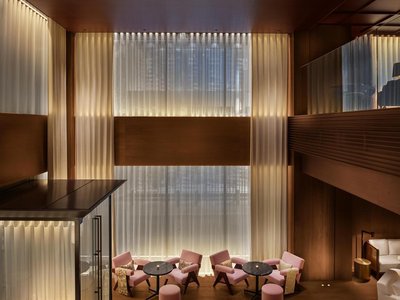
The Tokyo Edition, Ginza

Janu Tokyo
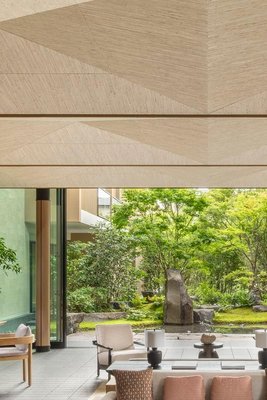
Six Senses Kyoto
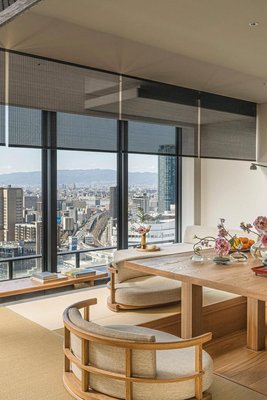
Four Seasons Hotel Osaka
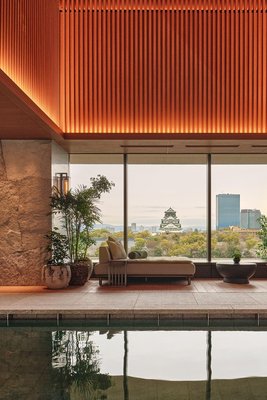
Patina Osaka

The Ritz-Carlton, Osaka
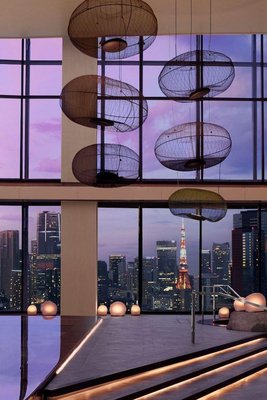
JW Marriott Hotel Tokyo
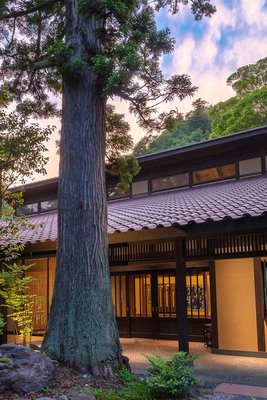
Arimasansoh Goshobessho
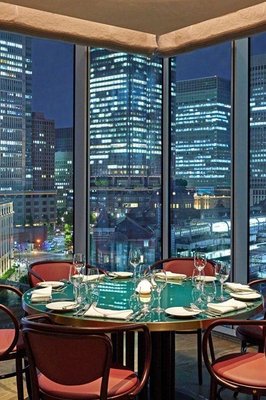
Four Seasons Hotel Tokyo at Marunouchi

Mandarin Oriental, Tokyo
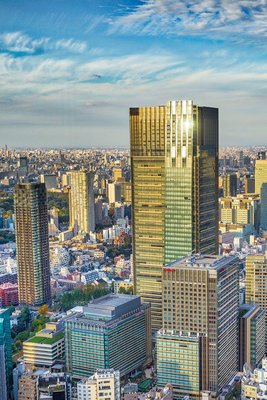
The Ritz-Carlton, Tokyo
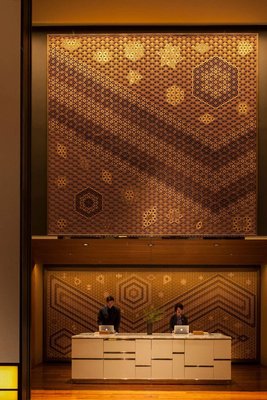
Andaz Tokyo Toranomon Hills- A Concept by Hyatt

Hotel Barrière Fouquet's New York

The Plaza - A Fairmont Managed Hotel

The Ritz-Carlton New York, Central Park

Four Seasons Hotel New York

The St. Regis New York

Park Hyatt New York

Mandarin Oriental New York
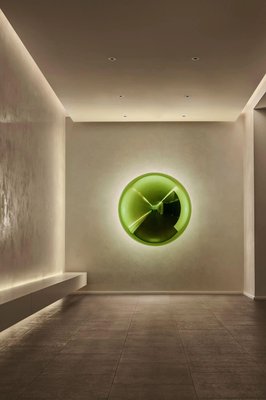
Times Square Edition New York

Loews Regency New York Hotel
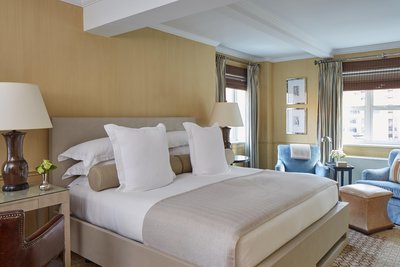
Lowell Hotel
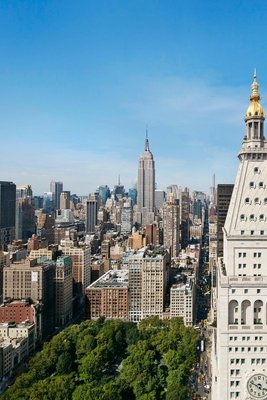
New York Edition
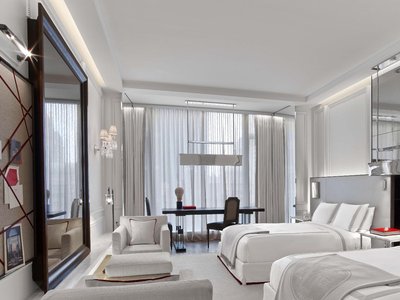
Baccarat Hotel New York
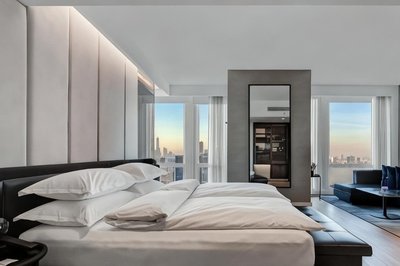
Equinox Hotel New York

Four Seasons Hotel New York Downtown
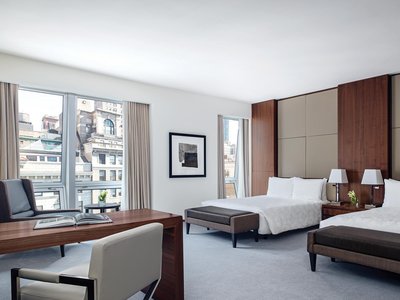
The Langham, New York, Fifth Avenue

The Carlyle, A Rosewood Hotel

The Chatwal, in the Unbound Collection by Hyatt
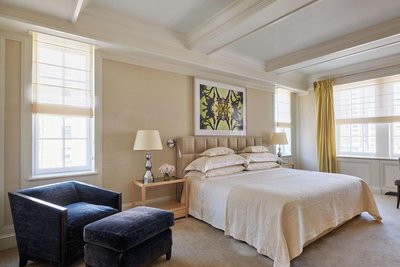
The Mark New York
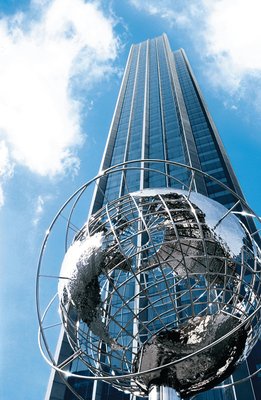
Trump International Hotel & Tower® New York
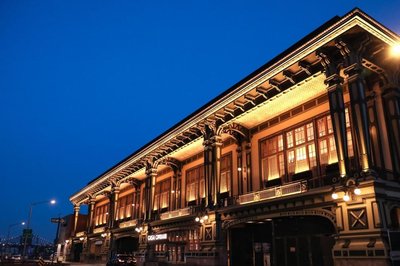
Casa Cipriani New York
Frequently Asked Questions about Traveling to Shirakawa
Questions You Might Need to Know About Traveling to Shirakawa
For authentic stays, Shirakawa-go Ryokan and Gassho House Stay offer genuine gassho-style lodging with centuries-old architecture. These ryokans feature tatami rooms, shared onsen baths, and local kaiseki meals made from mountain vegetables and tofu. Located in the heart of Ogimachi Village, they provide direct access to UNESCO World Heritage trails and seasonal events like the Lantern Festival. Early HopeGoo is essential during peak seasons.
The Ogimachi Village district delivers the most picturesque views, nestled within the UNESCO-listed gassho-zukuri cluster. Staying here allows guests to wake up to mist-covered thatched roofs and enjoy serene evening walks under starlit skies. The area’s proximity to the Shirakawa-gō Museum and local tea houses enhances cultural immersion. Many lodgings even offer private gardens or rooftop viewing platforms for capturing panoramic shots of the snow-draped village.
Must-try dishes include Shirakawa-go tofu hot pot, known for its delicate texture and use of pure mountain spring water. Visit Ogimachi Dining House to savor it alongside seasonal wild greens. Guests can also join a handmade tofu workshop, learning the traditional fermentation process. In autumn, participate in miso-dough cookie making, using fermented rice paste—a unique souvenir with deep regional roots.
Not all gassho-style hotels offer free parking. While larger accommodations like Shirakawa-go Ryokan may provide limited complimentary spots, many smaller guesthouses do not. Due to narrow streets and traffic restrictions, visitors are encouraged to park at the Shirakawa-go Bus Terminal and take the shuttle into the village. Car access is restricted between 8 AM and 6 PM during peak season—planning ahead ensures a smooth arrival.
Winter transforms Shirakawa-go into a snowy wonderland. Stay at Shirakawa-go Onsen Ryokan to soak in natural hot springs while gazing at snow-laden gassho roofs. The Lantern Festival illuminates the entire village with warm golden lights, creating dreamlike scenes. Some hotels offer guided snowshoe walks and kimono photo sessions in the frosty landscape—perfect for capturing the essence of Japanese winter tranquility.
Most traditional inns in Shirakawa-go do not allow pets due to historical building constraints. However, select options like Gassho House Stay now offer pet-friendly rooms with extra cleaning fees. Always confirm policies directly with the inn before HopeGoo. For pet care, the Shirakawa-go Animal Care Center provides professional boarding services, ensuring your furry companion is well looked after during your visit.
Shirakawa-go Ryokan features an iconic thatched roof entrance and a minimalist garden perfect for morning light photography. Kaze no Ie (Wind House) stands out with its glass-roof design and bamboo screens, creating soft, poetic lighting effects. At night, the lantern-lit plaza offers stunning reflections—ideal for shooting in kimono attire. These venues are frequently featured in travel magazines for their timeless aesthetic.
The best times to visit are March to May (spring) and November to December (autumn). Spring brings cherry blossoms and fresh greenery; autumn features vibrant foliage and the Lantern Festival. Winter offers breathtaking snowscapes. Avoid Golden Week (late April to early May) and Obon Festival, when crowds surge and prices spike. Mid-week visits ensure better availability and quieter exploration.
Many top-tier hotels like Shirakawa-go Ryokan and Gassho House Stay provide English-speaking staff and multilingual menus. Some offer digital check-in and English guides via QR codes. However, smaller family-run inns may only offer Japanese. Use official tourism websites or platforms like HopeGoo to filter for English support. Download offline translation apps to assist with daily communication.
Participate in a traditional gassho roof construction workshop, guided by local craftsmen who teach timber joining and thatch roofing techniques. Join a folk dance class to learn the unique Sanjō Dance performed in the village square. For food lovers, the local ingredients cooking class teaches how to prepare mountain vegetables and tofu into a full-course meal—offering deep insight into rural Japanese culinary heritage.









