Hotels in Shirako
Discover your perfect stay in Shirako.
Shirako(Japan) Travel 2026: Cheap Flights, Hotels & Top Attractions
Popular Landmarks in Shirako
Discover the most iconic attractions in Shirako
Recommended Hotels in Shirako
Find the perfect place to stay in Shirako
Kujukurihama Shirako Youth Hostel
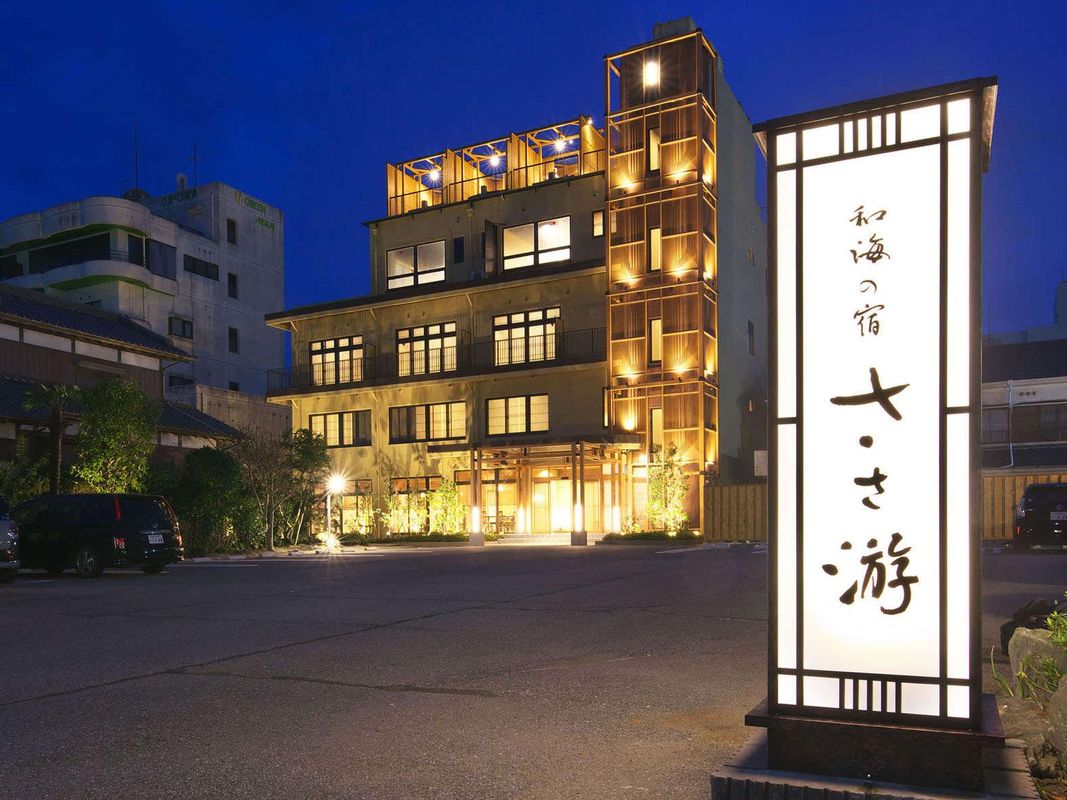
Sasayu
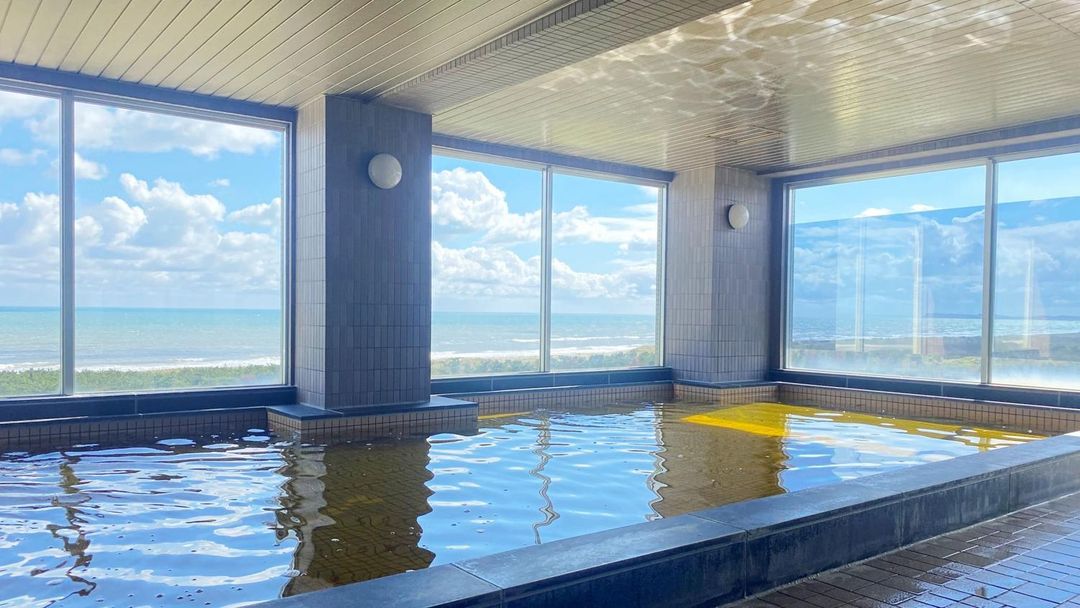
Hotel Shirako Sunrize Otsuka
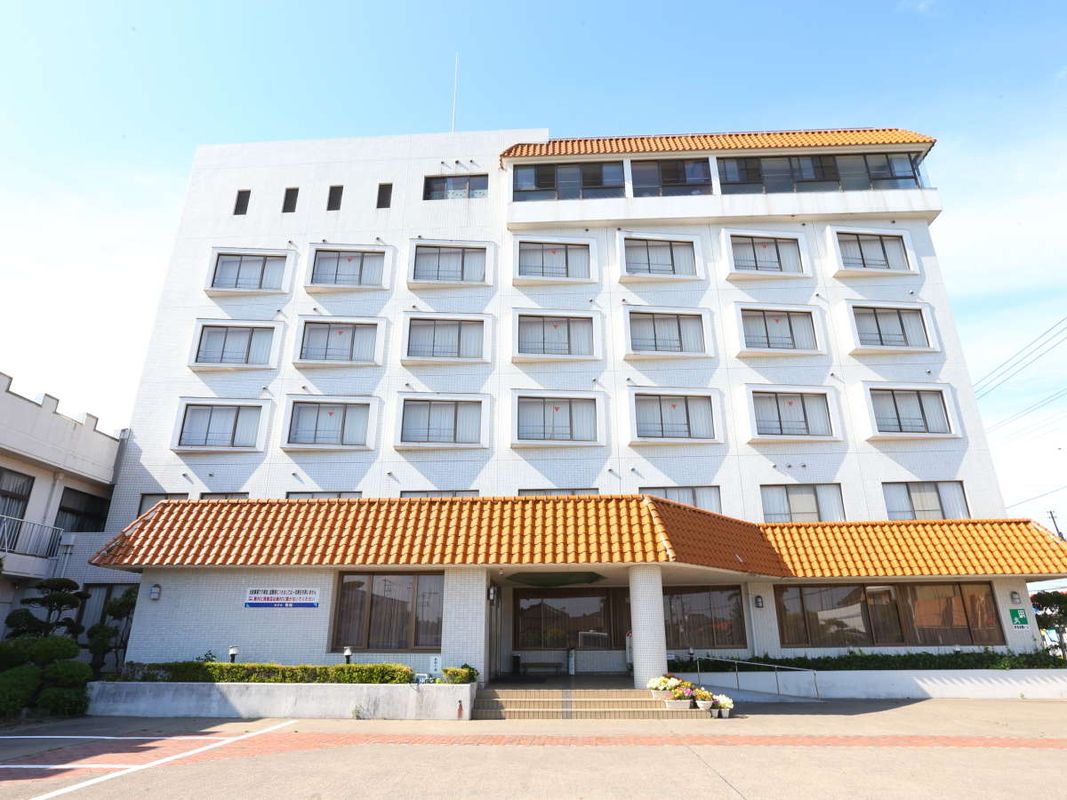
Hotel Hakuyo
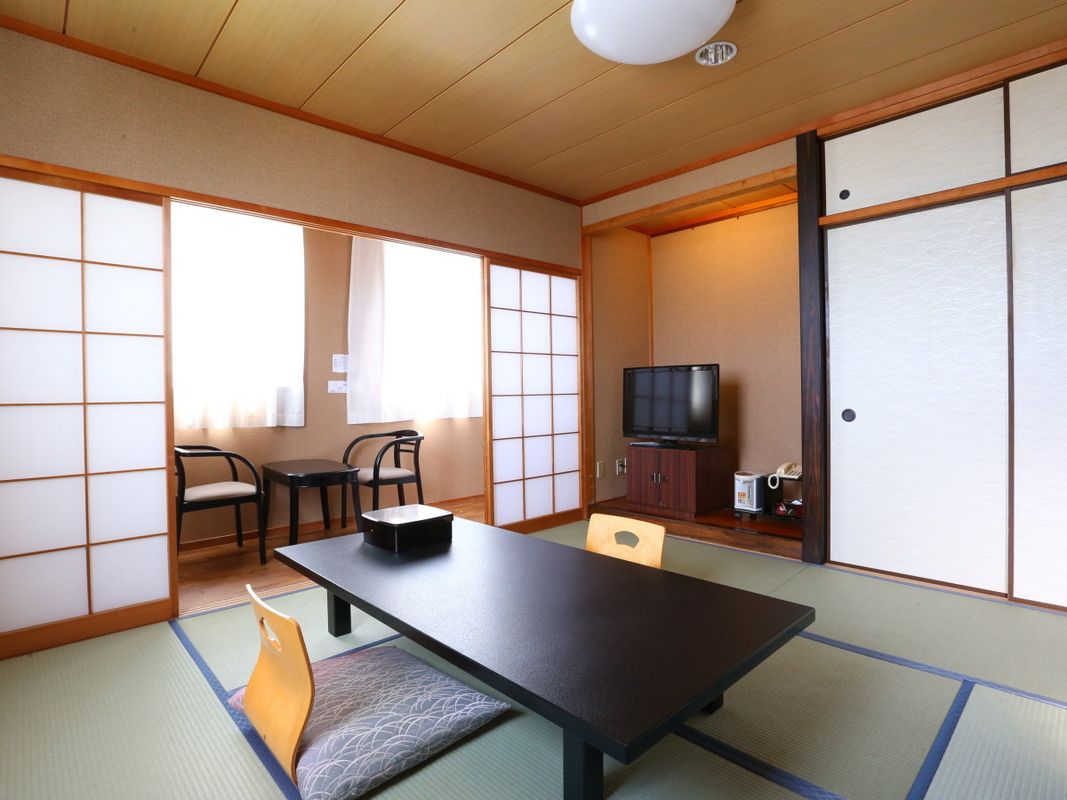
Shirako New Seaside Hotel
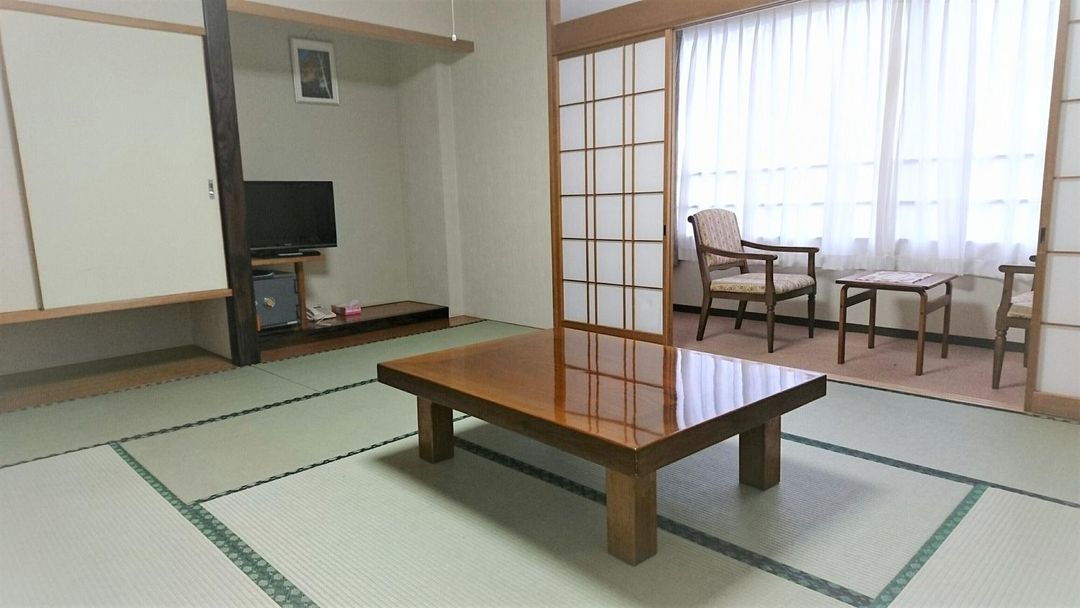
Hotel New Otsuka
Best Hotels in Shirako
Discover curated hotel collections in Shirako
Bellustar Tokyo, A Pan Pacific Hotel
Bvlgari Hotel Tokyo
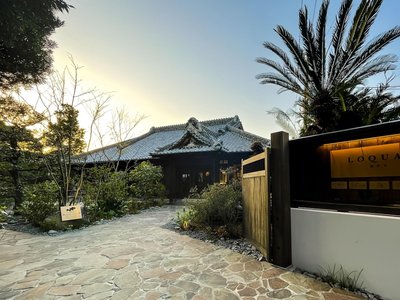
Loquat Nishiizu
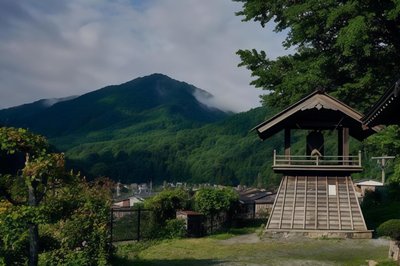
Byaku Narai
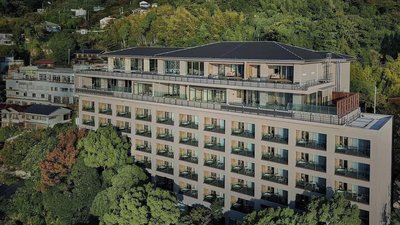
Atami Izusan Karaku
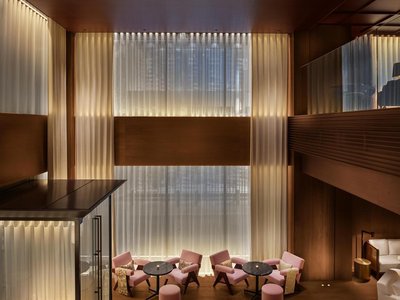
The Tokyo Edition, Ginza
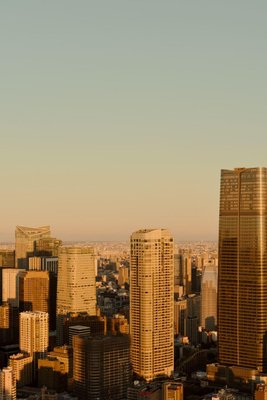
Janu Tokyo
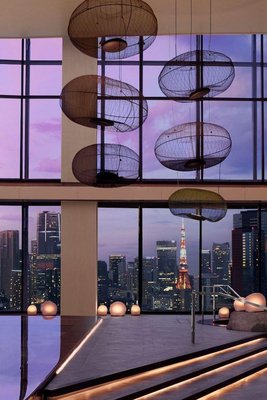
JW Marriott Hotel Tokyo
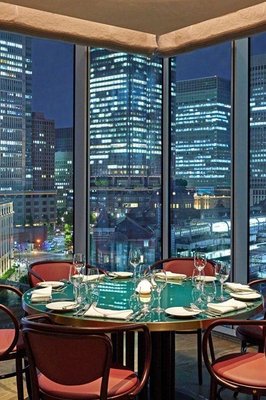
Four Seasons Hotel Tokyo at Marunouchi

Mandarin Oriental, Tokyo
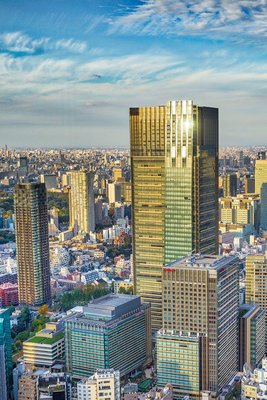
The Ritz-Carlton, Tokyo
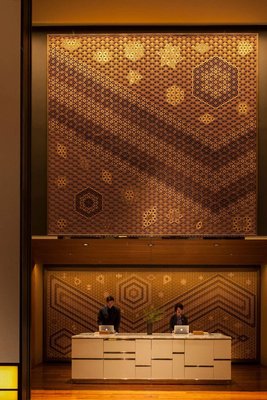
Andaz Tokyo Toranomon Hills- A Concept by Hyatt
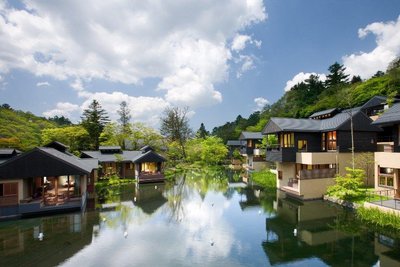
Hoshinoya Karuizawa
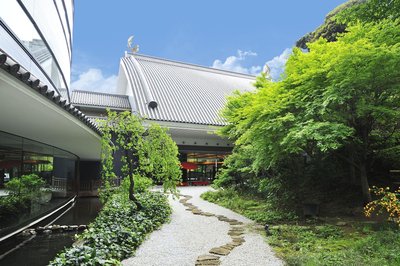
Hotel Gajoen Tokyo
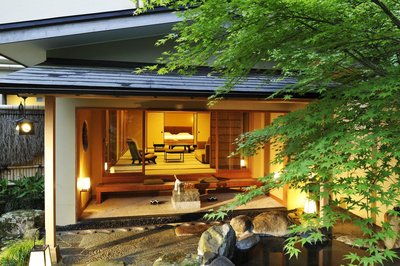
Gora Kadan
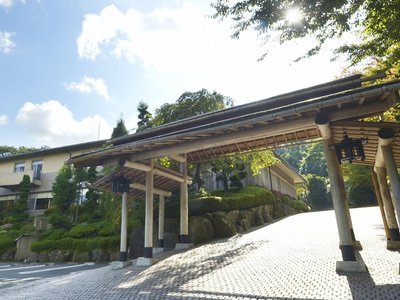
Gora Hanaougi
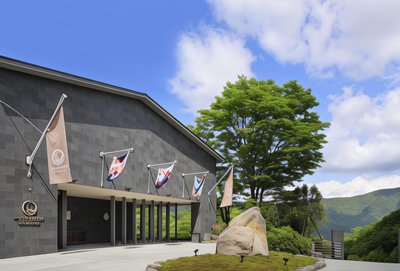
The Hiramatsu Hotels & Resorts Sengokuhara Hakone
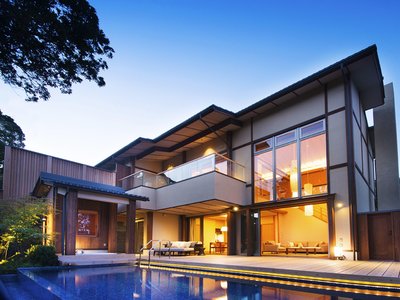
Abba Resorts Izu - Zagyosoh
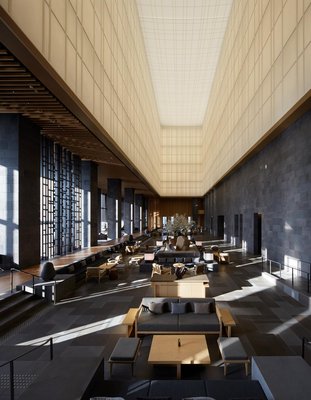
Aman Tokyo
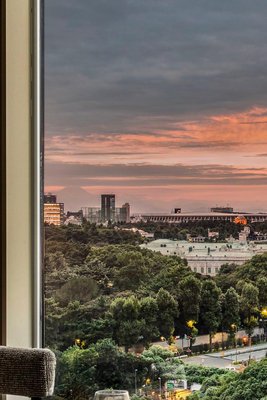
Hotel New Otani Tokyo, Executive House Zen
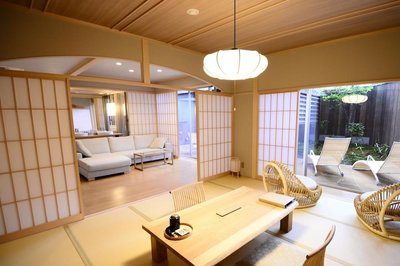
Hakone Gora Byakudan
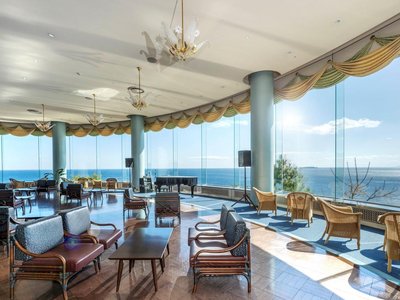
Hotel New Akao
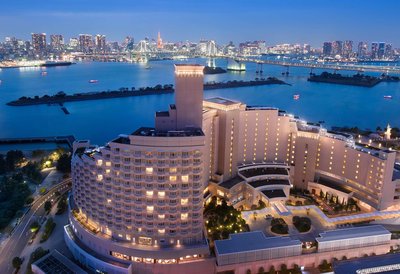
Hilton Tokyo Odaiba
JW Marriott Hotel Tokyo
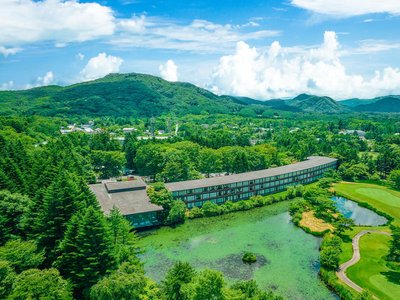
The Prince Karuizawa
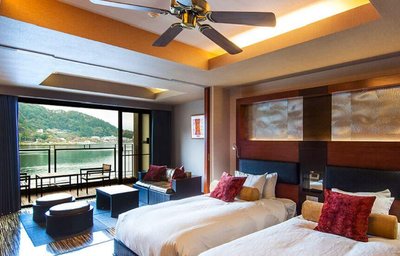
The Kukuna
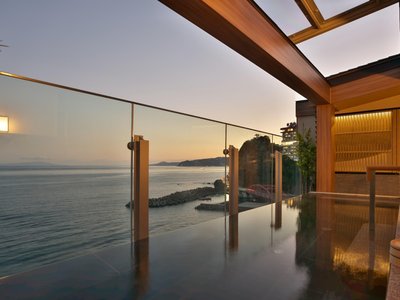
Hotel New Sagamiya
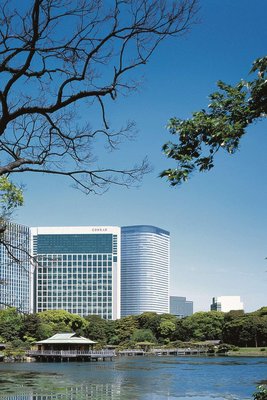
Conrad Tokyo
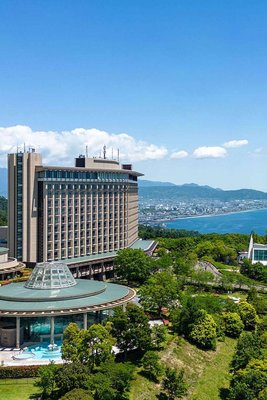
Hilton Odawara Resort & Spa
Hoshinoya Karuizawa
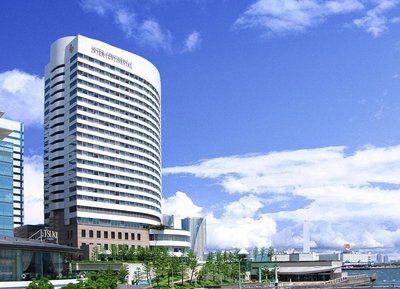
InterContinental Tokyo Bay
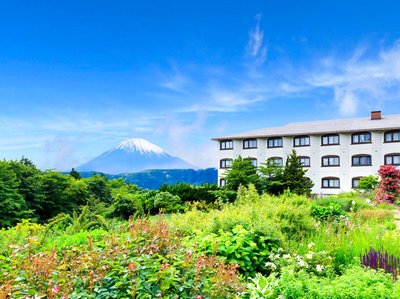
Hotel Green Plaza Hakone
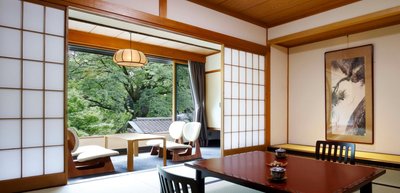
Yoshiike Ryokan
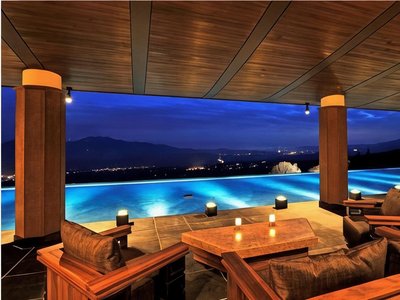
Akakura Kanko Hotel
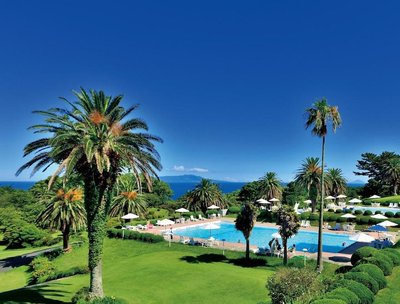
Kawana Hotel
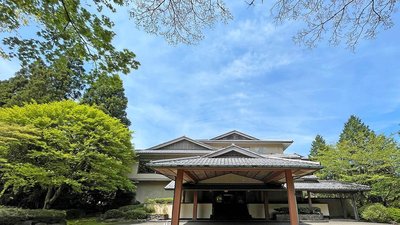
Ryuguden
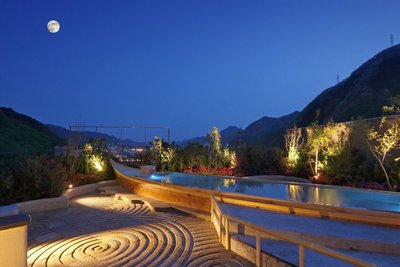
Asaya
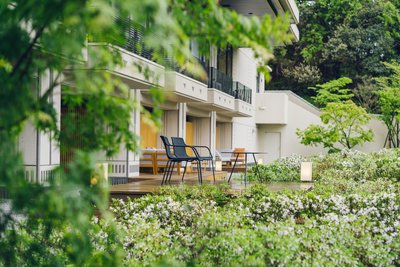
Hoshino Resorts Kai Enshu
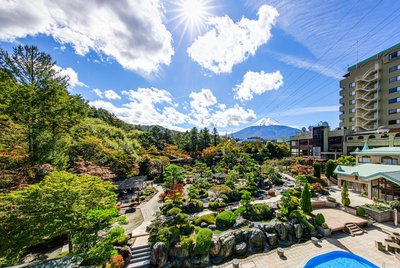
Kaneyamaen
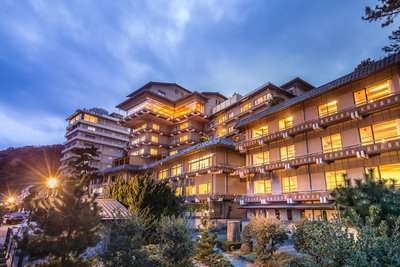
Bousui
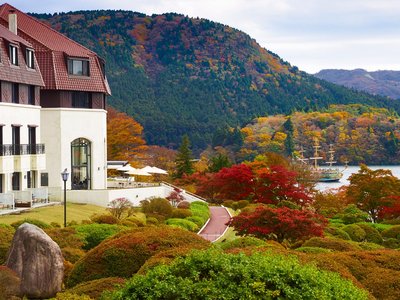
Hotakajyo
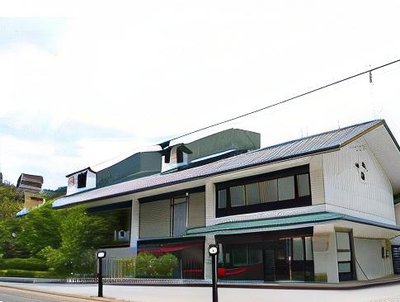
Auberge Suzukane

Onyado Nono Asakusa Bettei Hot Spring
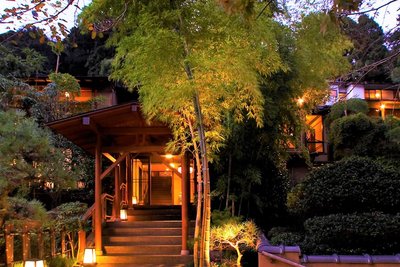
Shiki wo Ajiwau Yado Yamano Chaya
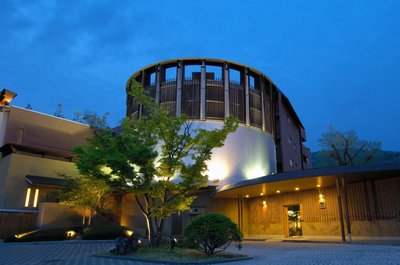
Hoshino Resorts Kai Matsumoto
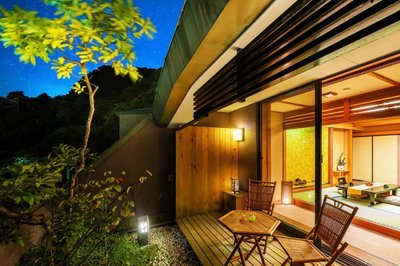
Konjakutei
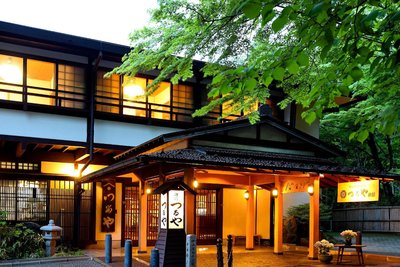
Tsuruya Ryokan
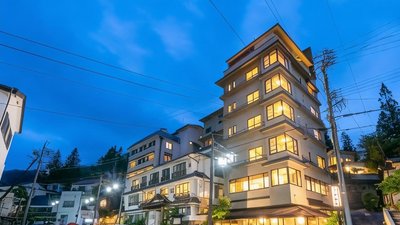
Nakamatsuya Ryokan
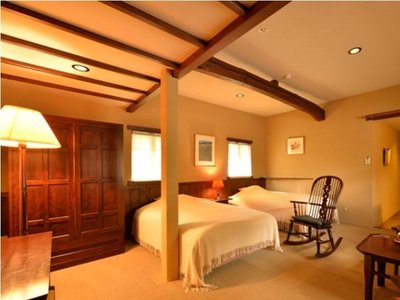
Ryokan Sugimoto
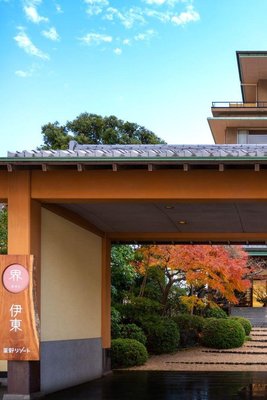
Hoshino Resorts Kai Ito
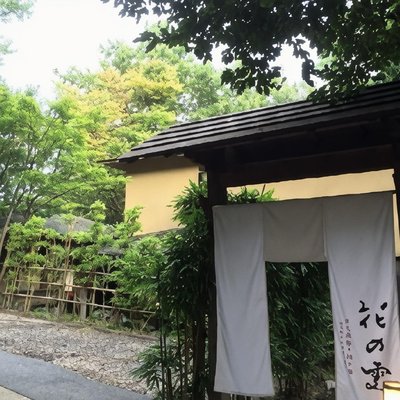
Hana No Kumo
Yoshiike Ryokan
Hotel Gajoen Tokyo
Gora Hanaougi
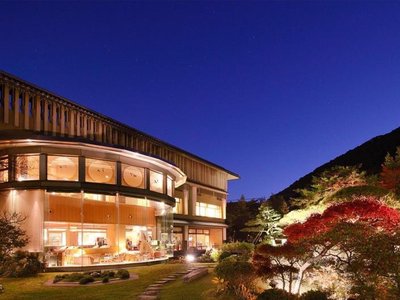
Shikisai Ichiriki
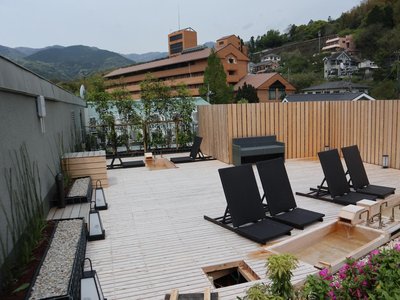
Fukiya Ryokan
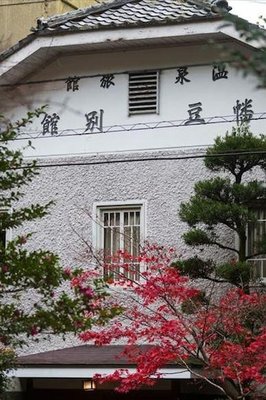
Oku-Mikawa・Yuya Onsen HAZU Bekkan
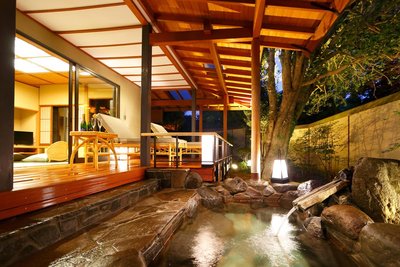
Yoshiharu Ryokan – Izu Nagaoka Onsen
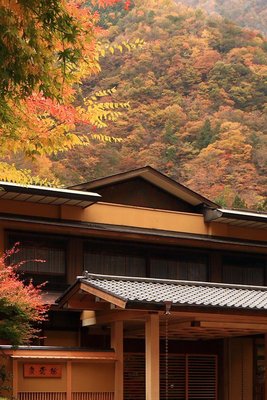
Nishiyama Onsen Keiunkan
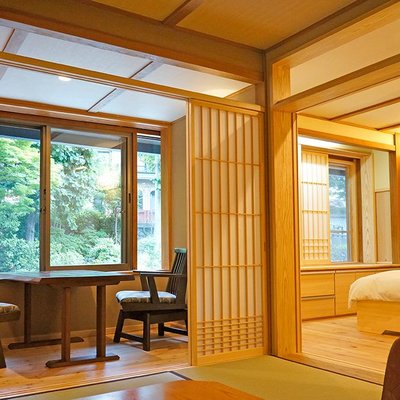
Sumiyosiya Ryokan
Bellustar Tokyo, A Pan Pacific Hotel
JW Marriott Hotel Tokyo
Andaz Tokyo Toranomon Hills- A Concept by Hyatt
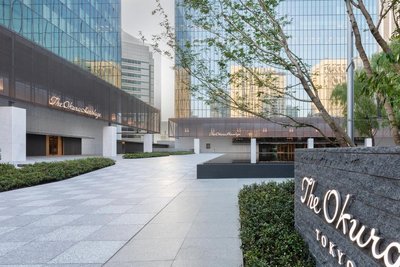
The Okura Tokyo
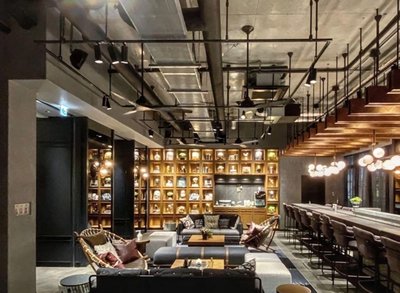
The Lively Azabujuban Tokyo
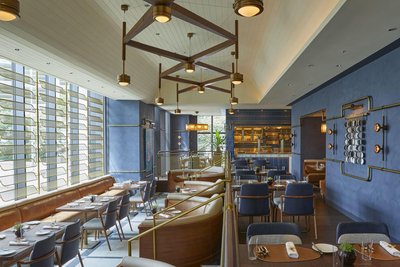
Kimpton Shinjuku Tokyo

HOTEL K5
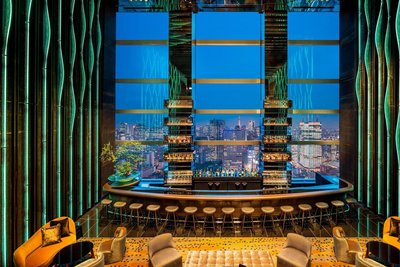
The Prince Gallery Tokyo Kioicho, a Luxury Collection Hotel
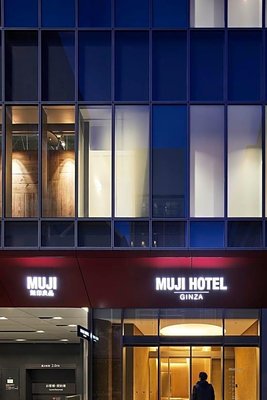
Muji Hotel Ginza
Hakone Gora Byakudan
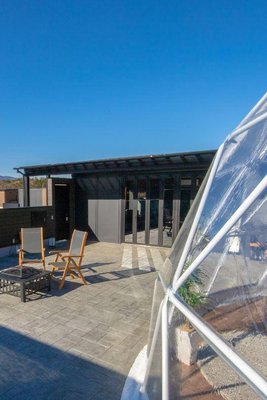
Panoramic Mt. Fuji Views from All Rooms – Vision Glamping Resort & Spa Yamanakako
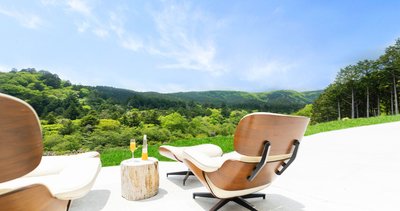
Shelter Garden Nikko
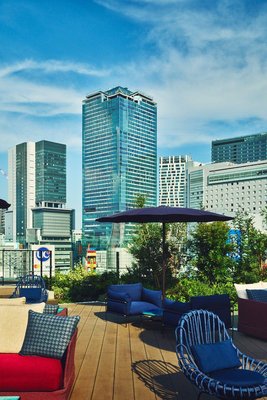
Hotel Indigo Tokyo Shibuya
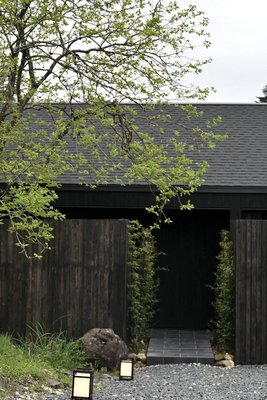
THE LAKOTAN
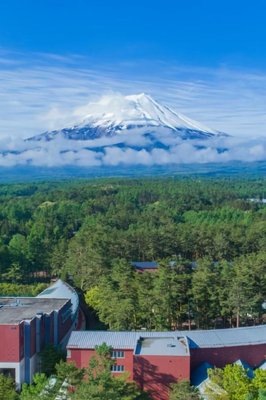
Forest Village (Fuji Premium Resort)
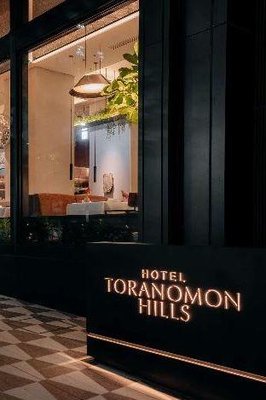
Hotel Toranomon Hills
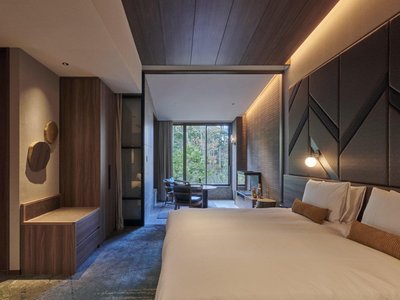
Fufu Kyu-Karuizawa Restful Forest
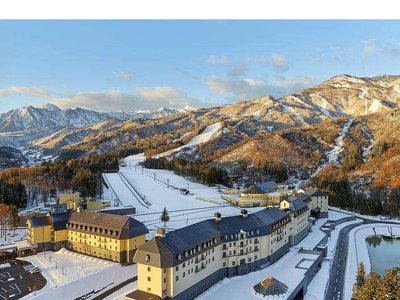
Lotte Arai Resort
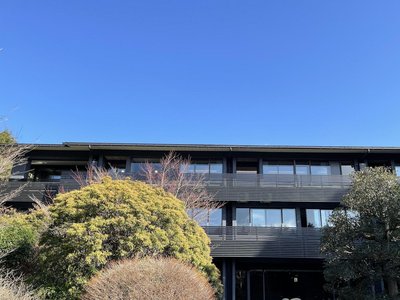
Sengokubara Cocon
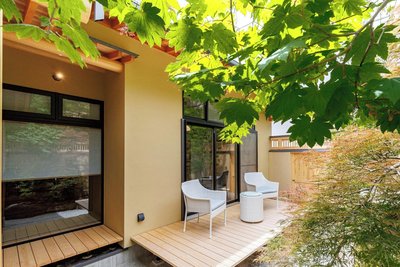
Shoraiso
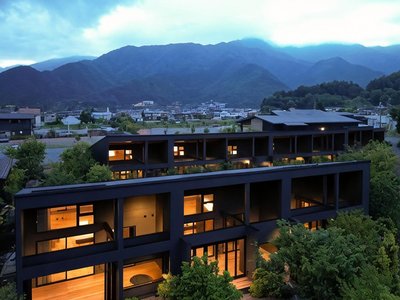
7C Villa and Winery
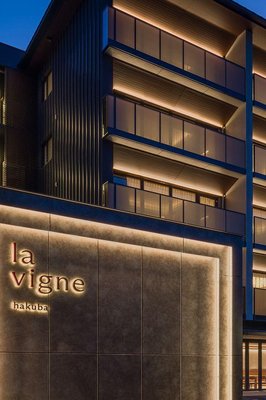
Hotel la Vigne Hakuba by Onko Chishin
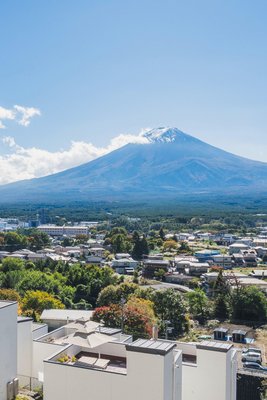
THE TOKI FujiKawaguchiko
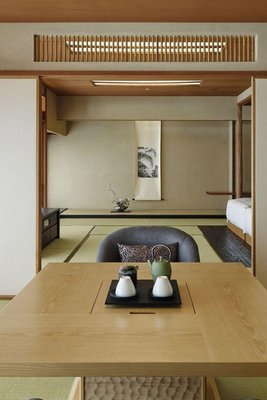
Takanawa Hanakohro (in Grand Prince Hotel Takanawa)
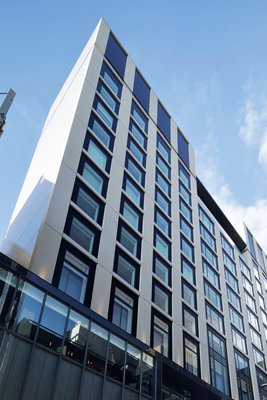
Hyatt Centric Ginza Tokyo
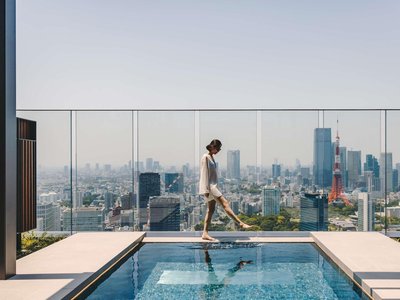
Fairmont Tokyo
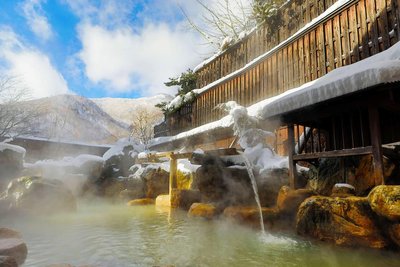
Miyamaouanbekkan yumegurinoyado hirayukan
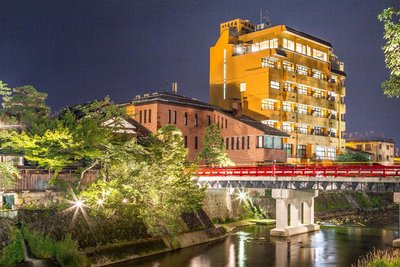
HONJIN HIRANOYA BEKKAN
The Prince Karuizawa
Bvlgari Hotel Tokyo
Four Seasons Hotel Tokyo at Marunouchi
Mandarin Oriental, Tokyo
The Ritz-Carlton, Tokyo
Andaz Tokyo Toranomon Hills- A Concept by Hyatt
Gora Kadan
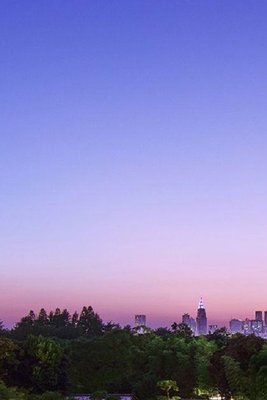
Hotel New Otani Tokyo the Main
Aman Tokyo
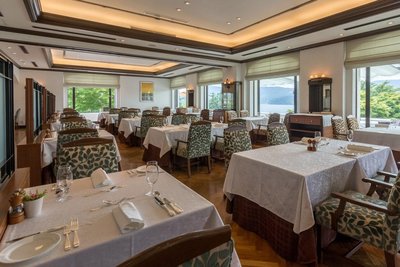
Odakyu Hotel de Yama
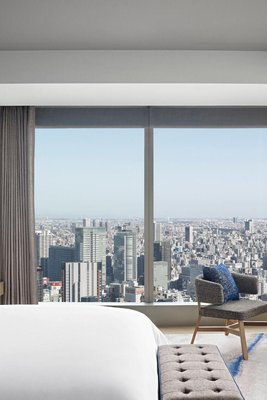
Four Seasons Hotel Tokyo at Otemachi
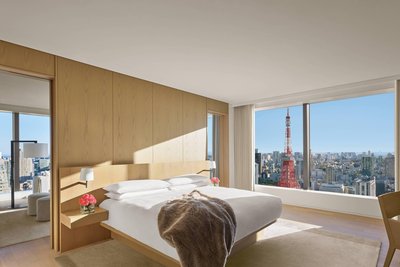
The Tokyo Edition, Toranomon
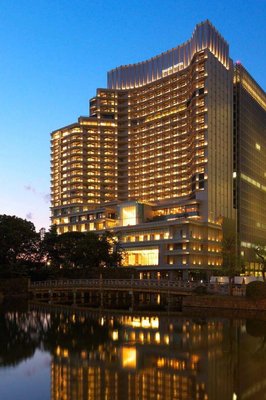
Palace Hotel Tokyo
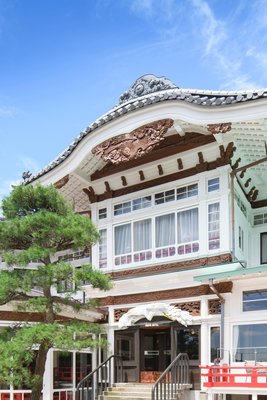
Fujiya Hotel
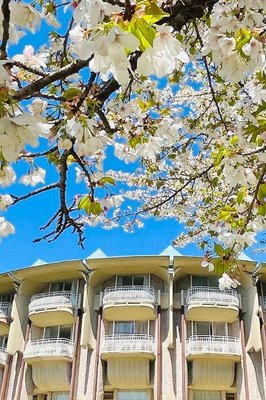
The Prince Hakone Lake Ashinoko
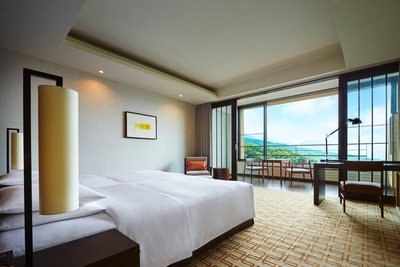
Hyatt Regency Hakone Resort and Spa
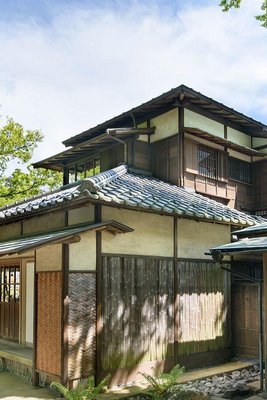
Hakone Suishoen
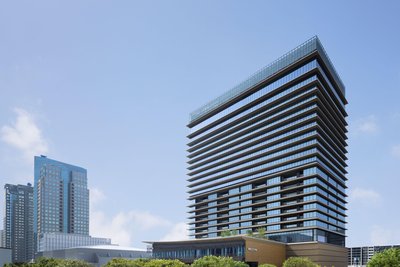
The Westin Yokohama
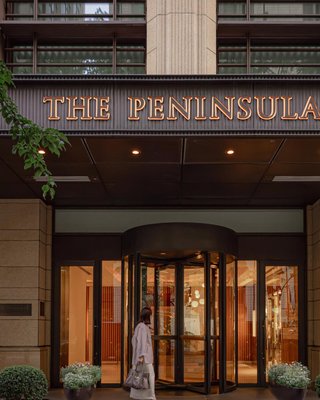
The Peninsula Tokyo

Imperial Hotel, Tokyo
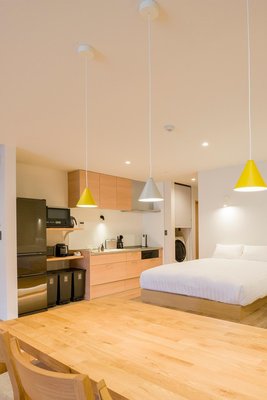
Rakuten STAY VILLA Nasu
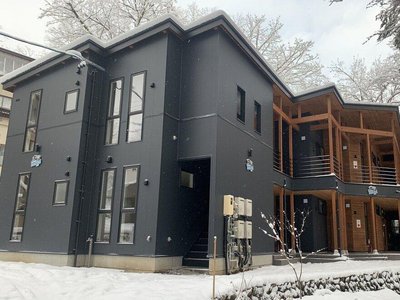
Hakuba Gondola Apartments
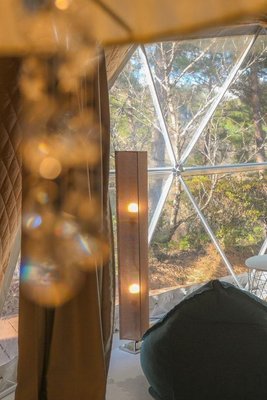
glampark Gekkabijin Nagano
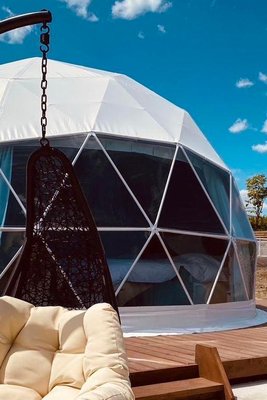
chillout glamping zao
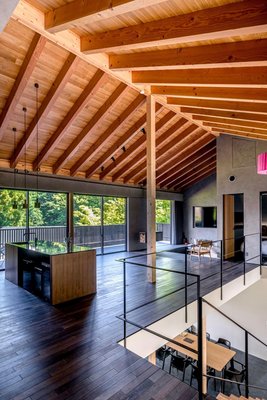
MONS GORA
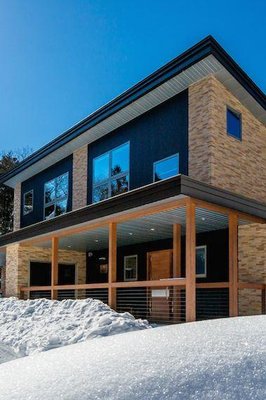
Phoenix Chalets by Hhg
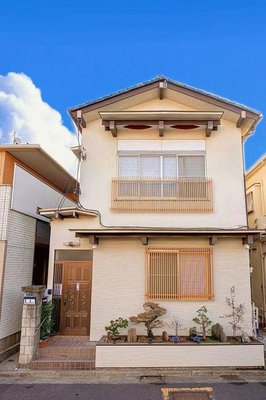
Tokyo Star House-Shinkoiwa
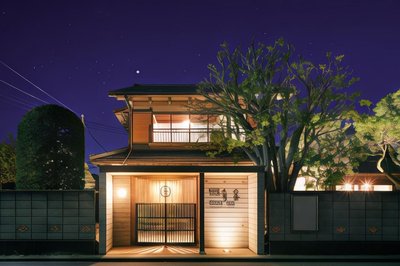
Machi-Jyu
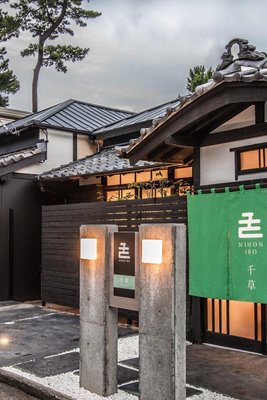
Nihon Iro
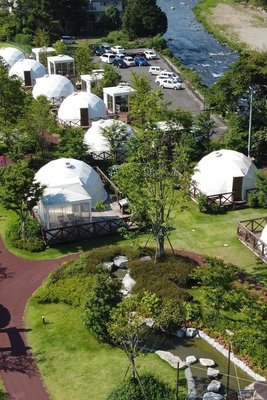
Ufufu Village
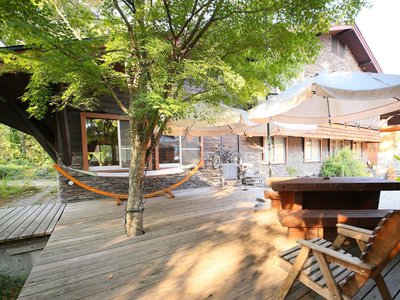
Kunugi Relaxation with 4 Modern Rooms
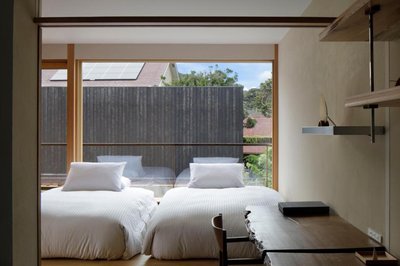
Modern Ryokan Kishi-ke
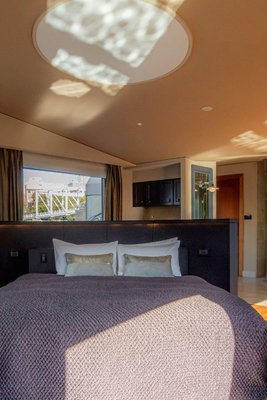
Petals Tokyo - Floating Hotel
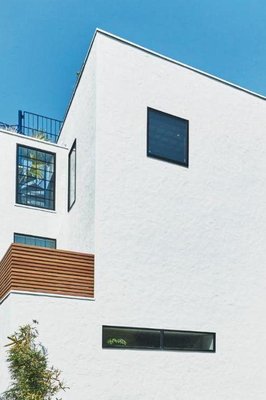
The Flow Kamakura
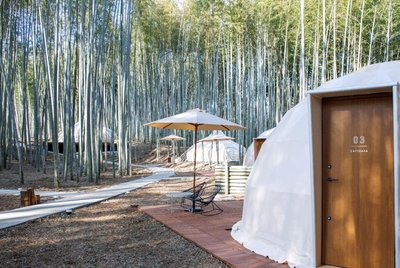
THE BAMBOO FOREST
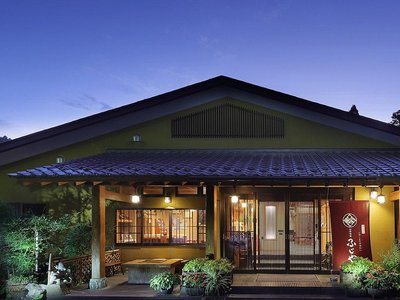
Shikimitei Fujiya
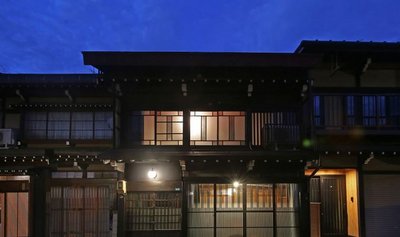
Iori Stay Hida

Hotel Barrière Fouquet's New York
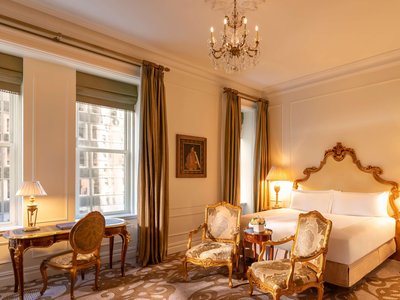
The Plaza - A Fairmont Managed Hotel
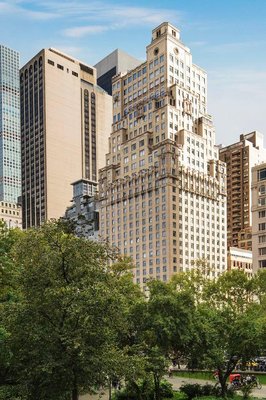
The Ritz-Carlton New York, Central Park
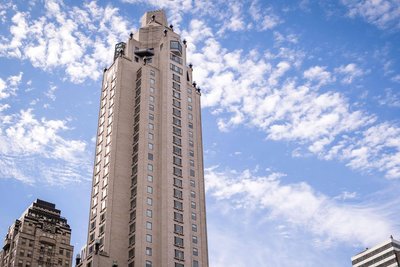
Four Seasons Hotel New York
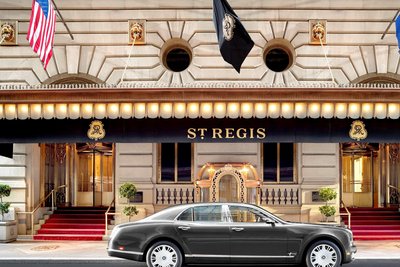
The St. Regis New York
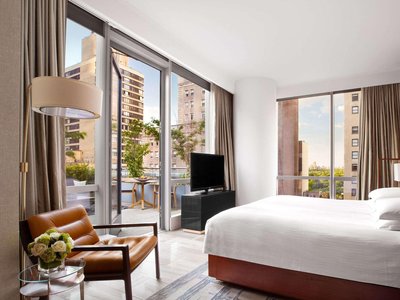
Park Hyatt New York
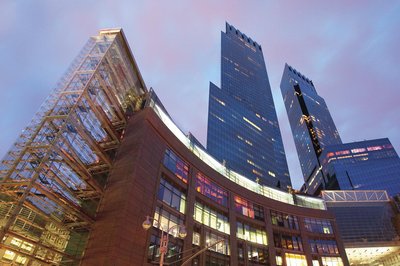
Mandarin Oriental New York
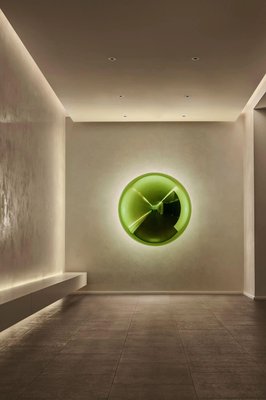
Times Square Edition New York
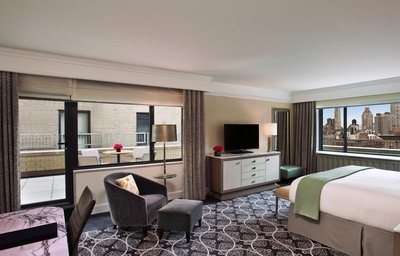
Loews Regency New York Hotel
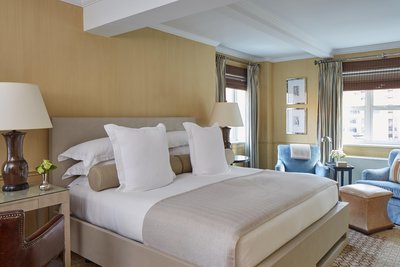
Lowell Hotel
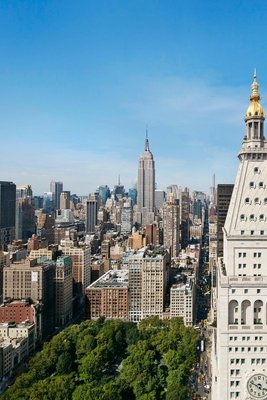
New York Edition
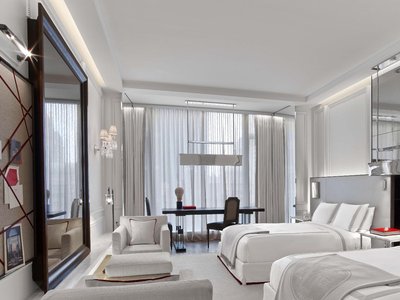
Baccarat Hotel New York
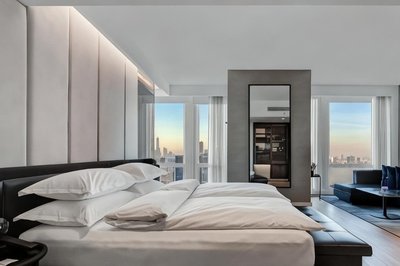
Equinox Hotel New York
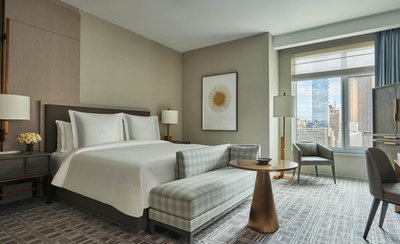
Four Seasons Hotel New York Downtown
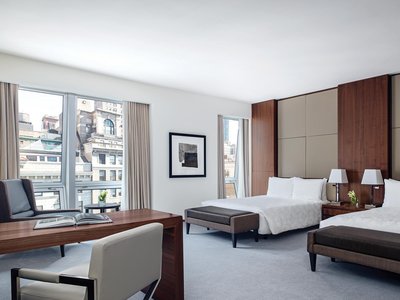
The Langham, New York, Fifth Avenue

The Carlyle, A Rosewood Hotel

The Chatwal, in the Unbound Collection by Hyatt
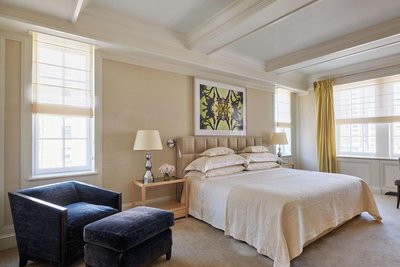
The Mark New York
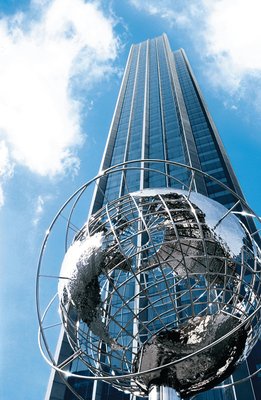
Trump International Hotel & Tower® New York
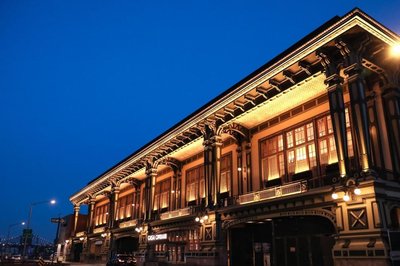
Casa Cipriani New York
Frequently Asked Questions about Traveling to Shirako
Questions You Might Need to Know About Traveling to Shirako
For a tranquil stay in Shirako Town, consider staying near Shirako Beach or along Kanagawa River. The area offers quiet, family-friendly accommodations with easy access to nature and local culture.
Shirako Town Tourist Hotel is highly recommended—this mid-range hotel features ocean-view rooms, traditional Japanese gardens, and free parking. It’s ideal for visitors seeking comfort and proximity to Shirako Shrine and coastal walks.
Alternatively, Shirako Minshuku House, a locally run guesthouse, provides authentic Chiba Prefecture home cooking and a warm, personalized experience. Perfect for travelers wanting to immerse themselves in rural Japanese life, especially during cherry blossom season or summer beach festivals.
In Shirako Town, families should consider West Shirako Resort Hotel, located just steps from Shirako Beach. This hotel features spacious family suites, a dedicated children’s playroom, and complimentary shuttle services to nearby attractions like Shirako Shrine and Chiba Prefectural Natural Park.
The property also offers outdoor barbecue areas, breakfast buffets with kid-friendly options, and rooms with private balconies overlooking the sea. Its calm, safe environment makes it perfect for parents seeking a stress-free vacation.
Another great option is Shirako Minshuku House, where families can enjoy homemade meals using local ingredients and participate in seasonal activities such as beachcombing and rice-planting workshops—ideal for creating lasting memories.
Visitors to Shirako Town can immerse in unique local traditions. The annual Shirako Shrine Festival in March features traditional dance performances and purification rituals, reflecting deep-rooted Shinto customs in Chiba Prefecture.
At Shirako Agricultural Experience Park, guests can participate in hands-on rice planting and harvesting, learn about sustainable farming, and taste freshly made Chiba-style rice balls. Summer brings fishing excursions on the Tokyo Bay, where visitors learn traditional netting techniques and enjoy fresh seafood caught on-site.
For craft lovers, the Bamboo Weaving Workshop offers lessons from master artisans, guiding you to create practical bamboo baskets or decorative items. These immersive experiences are highly recommended and should be booked in advance—perfect for travelers seeking authentic, memorable encounters.
The best time to visit Shirako Town is during spring (March to May) and early summer (June). Spring brings stunning cherry blossoms around Shirako Shrine, creating picturesque pathways ideal for strolling and photography.
In June, the town hosts the Tokyo Bay Summer Festival, featuring spectacular firework displays, traditional boat processions, and night market stalls offering local delicacies. The weather is pleasant, and seawater is warm—perfect for swimming at Shirako Beach.
Autumn (September to November) is another excellent window: cool temperatures, fewer crowds, and beautiful foliage in Chiba Prefectural Natural Park. Avoid peak travel periods like Golden Week and Obon Festival for a quieter, more relaxed experience.
Must-try dishes in Shirako Town highlight fresh seafood and local produce. Start with Tokyo Bay Sea Urchin Rice, made with daily-harvested uni and fragrant Chiba-grown Koshihikari rice—rich, sweet, and unforgettable.
Another highlight is Shirako Harbor Fresh Seabream Sashimi, prized for its tender texture and clean ocean flavor. Enjoy it at local favorites like Umi no Yume Dining Hall.
Don’t miss Bamboo Tube Rice, a regional specialty where rice and vegetables are steamed in bamboo tubes, infusing a subtle earthy aroma. For dessert, try Shirako Strawberry Daifuku—soft mochi filled with juicy local strawberries, sweet yet refreshing.
These specialties are available at Shirako Town Tourist Market and select restaurants; best enjoyed with a stay package for full culinary immersion.
Yes, Shirako Town is highly accessible by car, making it ideal for self-driving travelers. From central Tokyo, take the Higashi-Kanto Expressway—a scenic route that takes about 1 hour.
Local roads are well-maintained and wide, with ample free parking available at hotels, beaches, shrines, and parks. You can easily reach Shirako Beach, Shirako Shrine, and Chiba Prefectural Natural Park without hassle.
While Chiba Prefecture Bus services connect major sites, schedules are limited. For flexibility and convenience, renting a car is strongly recommended. Alternatively, visitors can take a train to Matsugasaki Station and transfer via taxi. Overall, driving offers the most efficient way to explore this coastal gem.
Shirako Overview
City Summary
Shirako Town is a serene coastal town located in the southern part of Chiba Prefecture, Japan, renowned for its abundant seafood resources and longstanding fishing traditions. The Kujukuri Beach, one of Japan's longest beaches, attracts surfers and beachgoers. The town's rural landscapes and hot springs also offer ideal spots for relaxation.
Must-See Attractions
Kujukuri Beach is a must-visit for surfing, sunbathing, and beach walks. Shirako Fishing Port offers a glimpse into local fishermen's lives and fresh seafood. Shirako Onsen is famous for its therapeutic effects. History enthusiasts can explore the Shirako Town Historical Folk Museum to learn about local culture.
Food Guide
Shirako is known for its seafood cuisine, especially oysters and abalone, served fresh from the port. Don't miss the seafood rice bowl and grilled fish. The town also has a rich tradition of soy sauce and miso production.
Transportation Guide
Public transport in Shirako relies on buses and trains. From Tokyo, take the JR East Line to Chiba and transfer to a bus. Renting a car or bicycle is recommended for exploring the area. Check bus schedules in advance to avoid delays.
Best Time to Visit
The best seasons to visit are spring (March-May) and autumn (September-November) for mild weather. Summer (June-August) is ideal for beach activities but crowded. Winter (December-February) is quieter, perfect for hot springs.
Travel Tips
- Safety: Be mindful of waves and tides when swimming.
- Etiquette: Follow onsen rules, such as washing before entering.
- Customs: Respect local fishermen's traditions.
- Language: Learn basic Japanese phrases like "Konnichiwa" (Hello) and "Arigato" (Thank you).
- Payment: Cash is widely used; carry enough yen.
- Internet: Some areas have weak signals; download offline maps.
Useful Information
Language: Japanese is primary; English is limited—use a translation app. Internet: Buy prepaid SIMs or rent Wi-Fi devices at convenience stores. Payment: Cash is preferred; credit cards accepted at major hotels. Emergency: The nearest hospital is in Mobara City; travel insurance is advised. Emergency contacts: Dial 119 for ambulance, 110 for police.









