Hotels in Shiraoka
Discover your perfect stay in Shiraoka.
Shiraoka(Japan) Travel 2026: Cheap Flights, Hotels & Top Attractions
Popular Landmarks in Shiraoka
Discover the most iconic attractions in Shiraoka
Recommended Hotels in Shiraoka
Find the perfect place to stay in Shiraoka
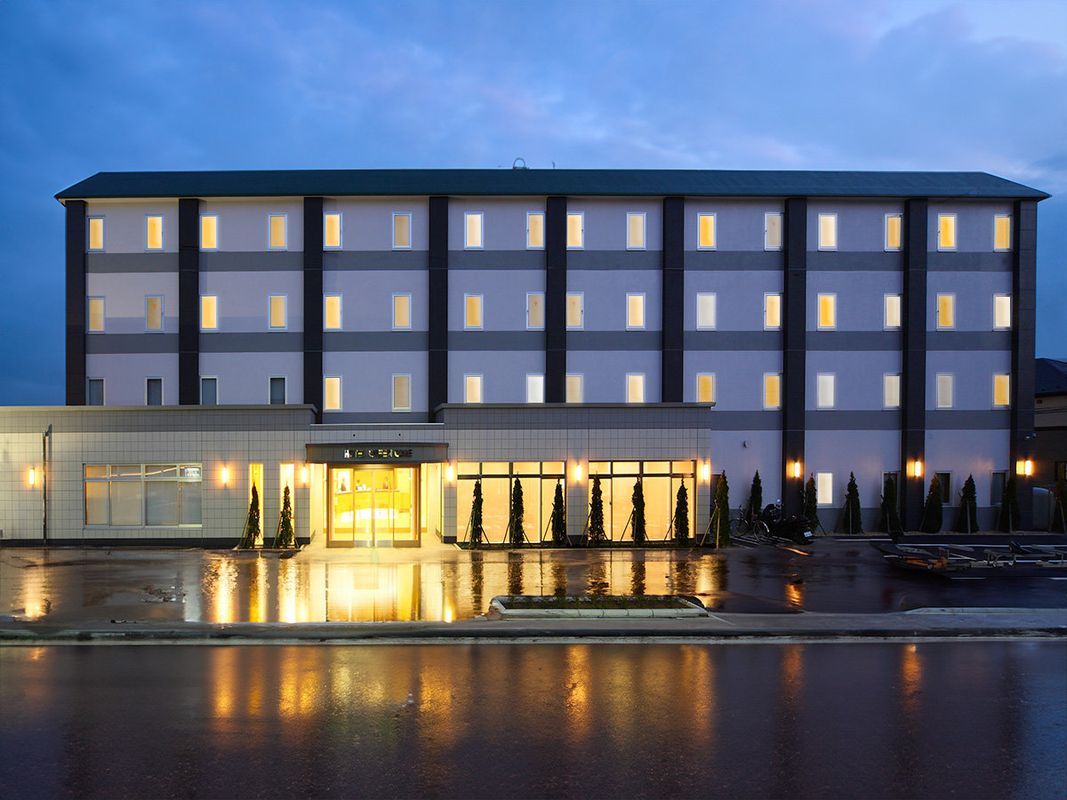
Best Hotels in Shiraoka
Discover curated hotel collections in Shiraoka
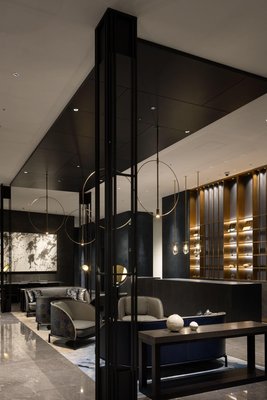
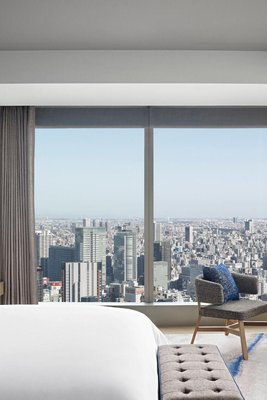
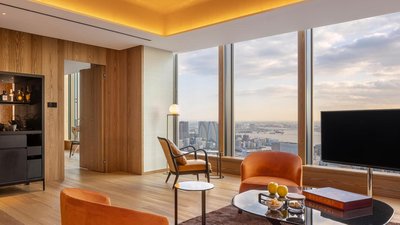









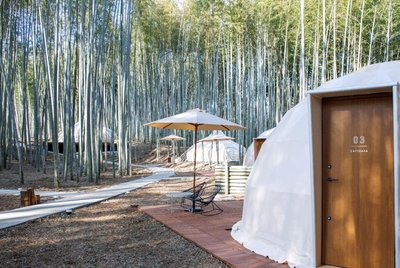
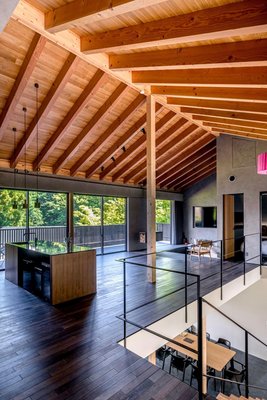
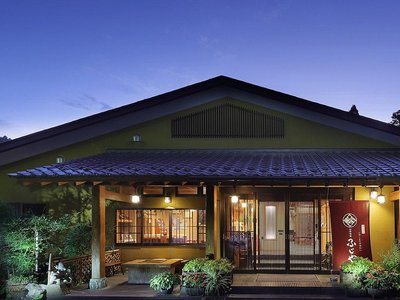

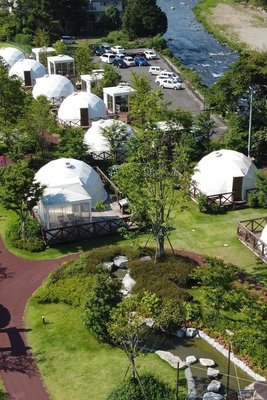











Frequently Asked Questions about Traveling to Shiraoka
Questions You Might Need to Know About Traveling to Shiraoka
In White Mountain City, recommended accommodations include Hakodate Tokyu REI Hotel, located near Hakodate Station, offering comfortable rooms, free Wi-Fi, and easy access to local transport. The hotel is ideal for business travelers and tourists seeking a quiet base. Nearby attractions like White Mountain Civic Center and Omiya Park provide opportunities to experience rural charm and seasonal festivals. For those exploring Saitama’s countryside, this area offers a peaceful retreat with modern convenience.
The best area for staying in White Mountain City is around Hakodate Station, where several budget-friendly and mid-range hotels are concentrated, including Hotel Sunroute Plaza Hakodate. This district offers walkable access to the station, supermarkets, and dining options. With connections to the Tobu Railway Norada Line, travelers can easily reach Omiya or Tokyo within 30 minutes. Additionally, nearby spots like White Mountain Greenway and Kawagoe Old Town make it perfect for leisurely exploration.
Must-try cultural experiences in White Mountain City include visiting Hakodate Shrine, especially during the annual Hakodate Ryōtaikai Festival held in spring, showcasing traditional rituals and folk performances. Participate in local agricultural workshops at nearby farms to learn rice planting or vegetable harvesting, gaining insight into Saitama’s farming heritage. The Hakodate Historical Archives also offers exhibits on the city’s evolution from Edo-era villages to modern suburban life.
Yes, White Mountain City is highly suitable for families. The city features White Mountain Children's Park and White Mountain Sports Park, both equipped with safe playgrounds and open green spaces ideal for kids. The White Mountain Civic Center hosts regular family workshops such as crafts and tea ceremonies, promoting intergenerational bonding. Nearby Kawagoe City offers historical streets and delicious snacks, making it an excellent day-trip destination for family adventures.
While not a culinary hotspot, White Mountain City offers authentic Saitama regional dishes like pork miso hot pot (Saitama Jinya Nabe) and Omiya mochi. Visit local shops along Hakodate Station Front Street to sample freshly made rice crackers and yuzu tea. Seasonal menus often feature farm-fresh vegetables and local duck meat, highlighting the area’s agricultural roots and providing a genuine taste of everyday Japanese cuisine.
The most convenient way to reach Tokyo from White Mountain City is by taking the Tobu Railway Norada Line to Omiya Station, then transferring to the Tohoku Shinkansen or Yamanote Line, which takes about 30 minutes to Tokyo Station. Alternatively, connect via Seibu Railway to Ikebukuro, then transfer to multiple lines into central Tokyo. Use a Suica card or IC card for seamless transfers. Local buses from Hakodate Bus Terminal also offer direct routes to major Tokyo hubs.
Although primarily residential, White Mountain City boasts scenic spots like the White Mountain Greenway, a 2.5-kilometer riverside trail perfect for walking, cycling, and photography. The Omiya Park (15-minute drive away) features lakes, flower gardens, and birdwatching areas. The White Mountain Agricultural Park offers seasonal farm experiences such as rice planting and harvest tours, allowing visitors to connect with nature and local agriculture in a tranquil setting.
Yes, White Mountain City offers rich photographic opportunities. The White Mountain Greenway and its junction with Kawagoe Old Town present striking contrasts between traditional wooden houses and modern urban landscapes. Early mornings bring misty river views with soft lighting—ideal for landscape shots. The Hakodate Shrine’s vermilion torii gate framed by ancient trees creates dramatic compositions. Bring a wide-angle lens to capture the harmonious blend of architecture and nature throughout the year.
Yes, White Mountain City has several short, accessible hiking paths. The White Mountain Greenway is about 2.5 km long with benches and signage, perfect for families or solo walkers. Another option is the Omiya Park Loop Trail, approximately 4 km, passing through lakes and gardens with abundant birdlife. For longer hikes, consider walking from Hakodate Station along the Norada Line railway greenbelt to Kawagoe City, roughly 6 km, offering views of traditional townhouses and rice paddies along the way.
Nighttime in White Mountain City is relaxed and community-oriented. Stroll through Hakodate Station Front Street, where illuminated stalls serve grilled yakitori and oden. The White Mountain Civic Center occasionally hosts evening concerts or craft markets, reflecting local culture. For stargazing, head to the grassy banks of Omiya Park’s lake, away from city lights. With minimal nightlife, the city offers a serene, low-key atmosphere ideal for unwinding after a day of exploration.
Shiraoka Overview
City Summary
Shiraoka City, located in the southeastern part of Saitama Prefecture, Japan, is a small town where pastoral landscapes harmoniously coexist with modern conveniences. Known for its tranquil living environment and rich agricultural resources, it is particularly famous for fresh vegetables and traditional Japanese farm products. The city boasts several historical temples and parks, offering visitors a peaceful retreat from urban noise.
Must-See Attractions
Key attractions in Shiraoka include the historic Komyo-ji Temple, where the serene garden and古朴 architecture evoke the Zen spirit of traditional Japan. The Shiraoka City Library, with its unique modern design and extensive collection, attracts culture enthusiasts. For nature lovers, the rural scenery and seasonal farm activities, such as strawberry picking, provide excellent opportunities to connect with nature.
Food Guide
Shiraoka's culinary culture is deeply influenced by its agricultural background, featuring fresh vegetables and traditional Japanese dishes. Try restaurants run by local farmers to savor dishes like freshly harvested vegetable tempura and Saitama's specialty "Fukaya leek" cuisine. For street food, don't miss the local roasted sweet potatoes and traditional Japanese sweets, offering authentic rural flavors.
Transportation Guide
Transportation in Shiraoka mainly relies on buses and bicycles, with bus routes covering major attractions and running frequently and punctually. Renting a bike is recommended for exploring the rural scenery and country lanes. From Tokyo, take the JR East Line to Shiraoka Station, about an hour's ride. Taxis are relatively convenient but expensive, so plan your route in advance.
Best Time to Visit
The best times to visit are spring (March to May) and autumn (September to November), when the weather is pleasant for outdoor activities. These seasons also feature numerous farm activities and festivals, offering rich local cultural experiences. Summers are hot, and winters are cold, but with fewer tourists, making it ideal for those seeking peace and quiet.
Travel Tips
- Respect local customs; remove shoes when entering temples.
- Shiraoka is primarily agricultural; do not enter private farmland without permission.
- Strict waste segregation rules apply; follow local disposal regulations.
- Most shops and restaurants only accept cash; carry sufficient yen.
- Keep noise levels low in public spaces.
- When renting a bike, follow traffic rules, especially on rural roads.
Useful Information
The official language in Shiraoka is Japanese, with low English proficiency. Download a translation app or carry a Japanese phrasebook. Free Wi-Fi is limited; consider purchasing a local SIM card or renting a Wi-Fi device. Cash is the primary payment method, though some large stores accept credit cards. For emergencies, dial 110 (police) or 119 (ambulance). Several clinics and small hospitals are available in the city.









