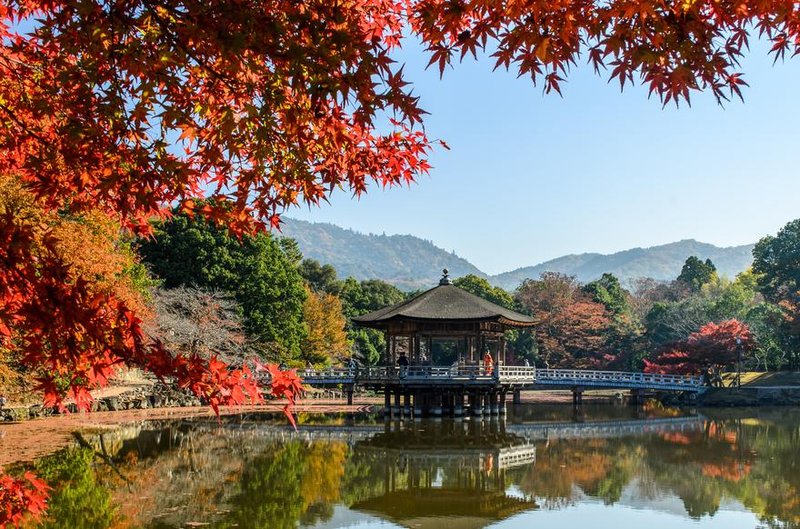
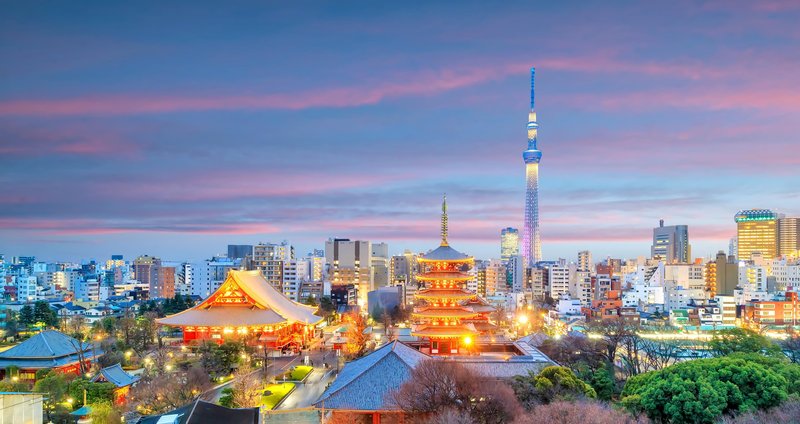
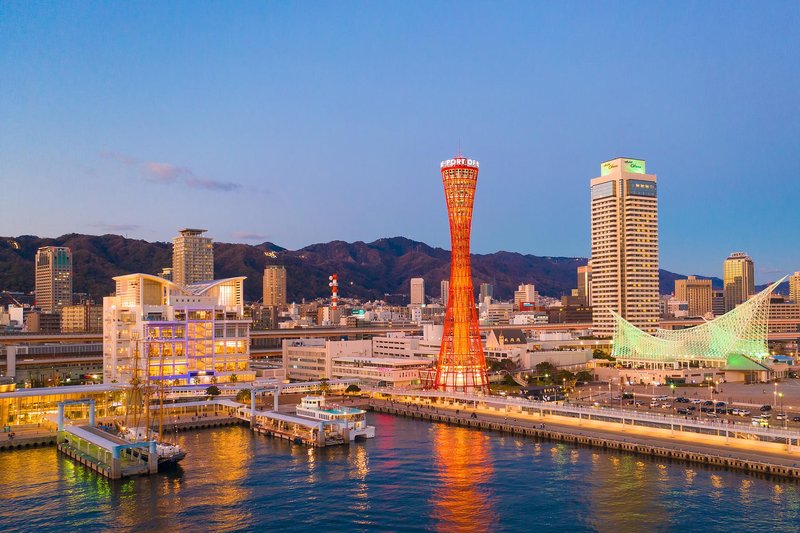
Hotels in Shitara
Discover your perfect stay in Shitara.
Shitara(Japan) Travel 2026: Cheap Flights, Hotels & Top Attractions
Popular Landmarks in Shitara
Discover the most iconic attractions in Shitara
Recommended Hotels in Shitara
Find the perfect place to stay in Shitara
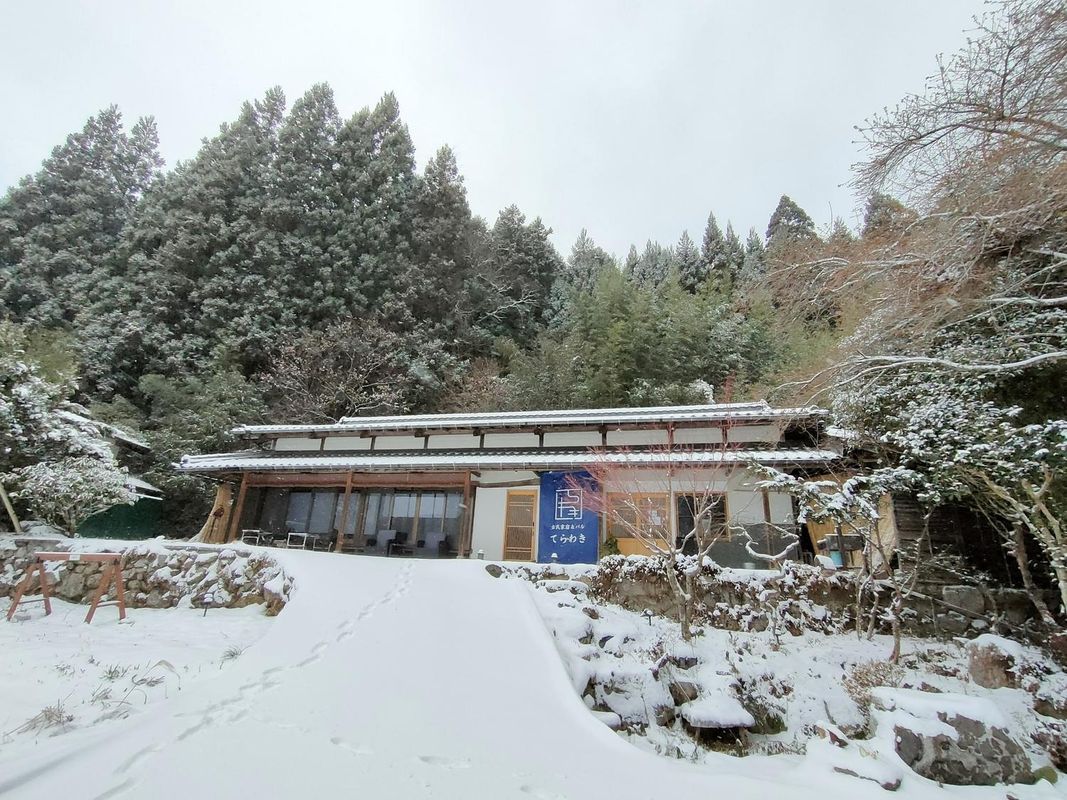
Old Folk House Inn & Bar Terawaki
Best Hotels in Shitara
Discover curated hotel collections in Shitara
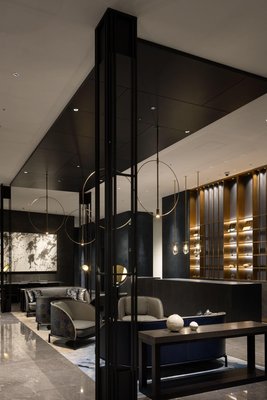
Bellustar Tokyo, A Pan Pacific Hotel
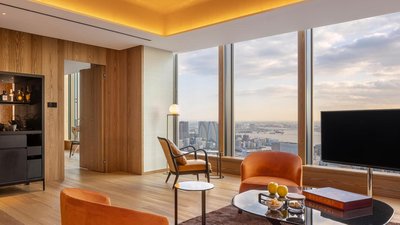
Bvlgari Hotel Tokyo
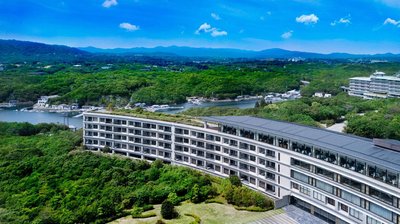
Shima Kanko Hotel the Bay Suites
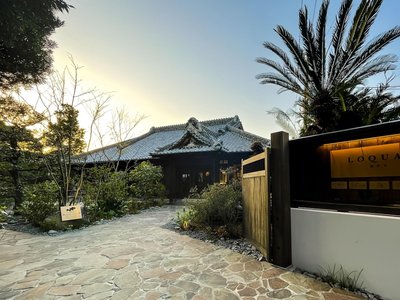
Loquat Nishiizu
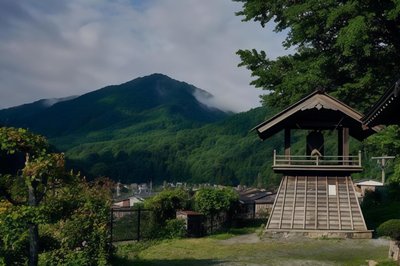
Byaku Narai
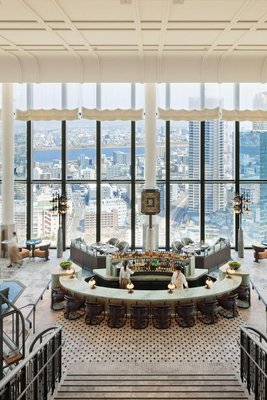
Waldorf Astoria Osaka
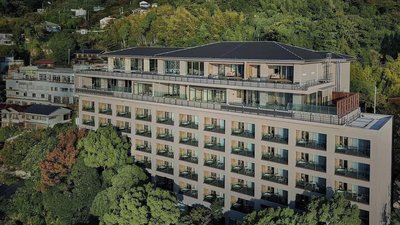
Atami Izusan Karaku
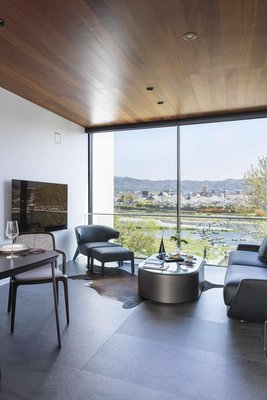
Kamo Residences by Reflections
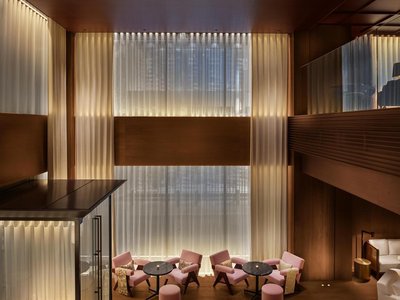
The Tokyo Edition, Ginza
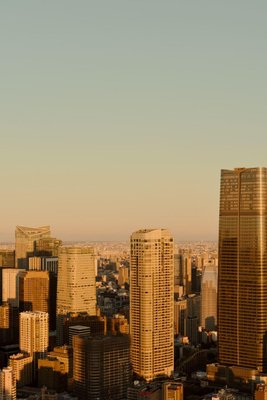
Janu Tokyo
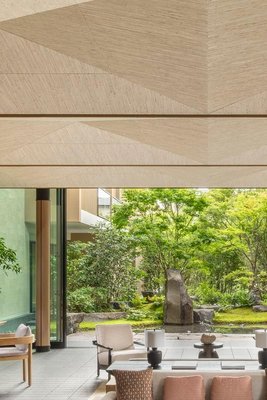
Six Senses Kyoto
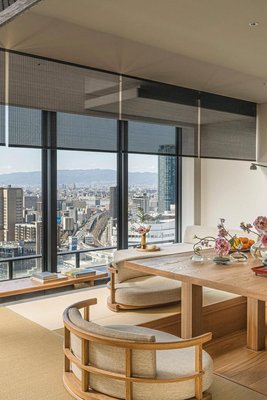
Four Seasons Hotel Osaka
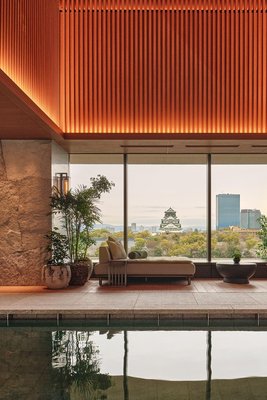
Patina Osaka

The Ritz-Carlton, Osaka
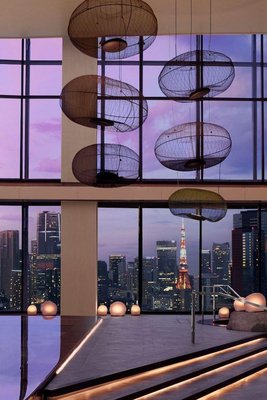
JW Marriott Hotel Tokyo
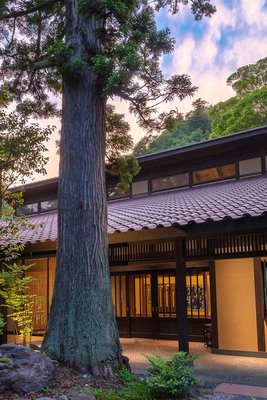
Arimasansoh Goshobessho
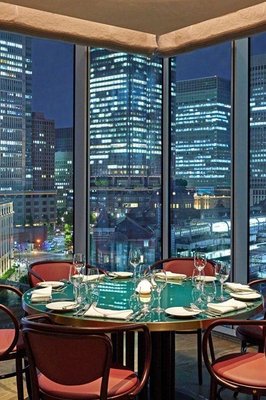
Four Seasons Hotel Tokyo at Marunouchi

Mandarin Oriental, Tokyo
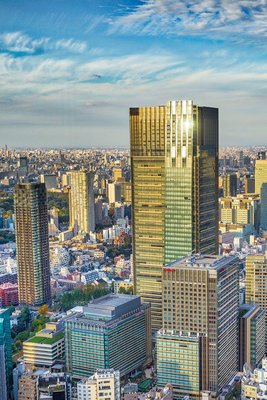
The Ritz-Carlton, Tokyo
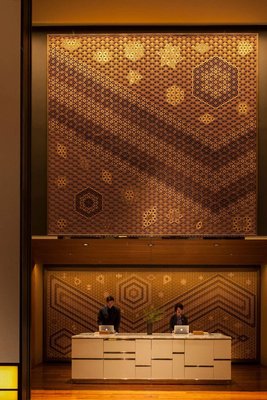
Andaz Tokyo Toranomon Hills- A Concept by Hyatt

Toba International Hotel Shiojitei
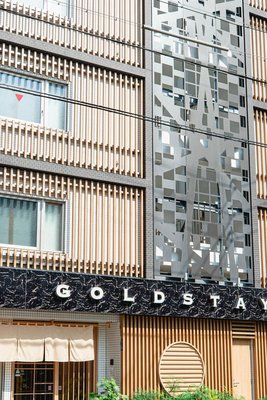
Gold Stay Nagoya OSU

La Terra Resort

Kagetsutei

GOLD STAY Nagoya Sakae
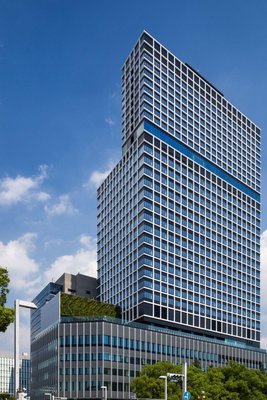
The Royal Park Hotel Iconic Nagoya
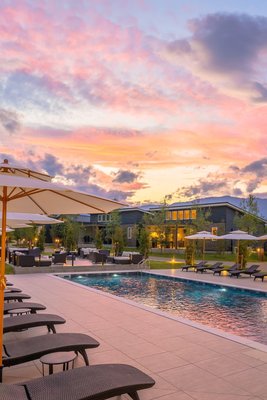
Awaumi Fujikawaguchiko Resort
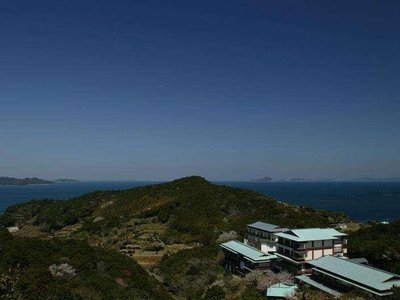
Hanashinsui
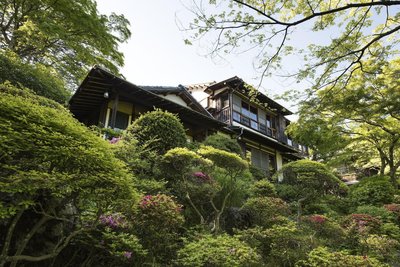
Gora Kansuiro
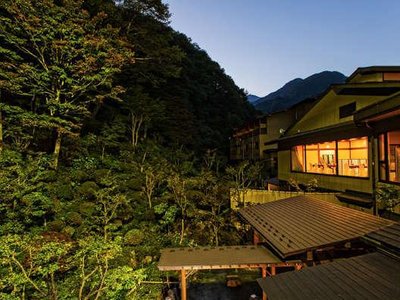
Futari Shizuka
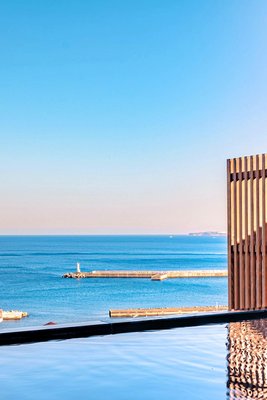
HOTEL KANICHI
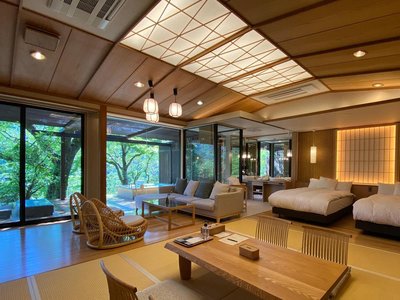
Kaiseki Ryokan Ashikari
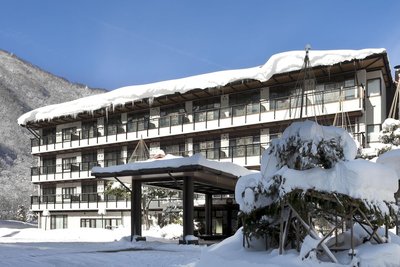
Okada Ryokan Warakutei
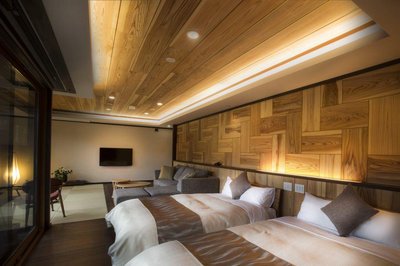
Hidatei Hanaougi
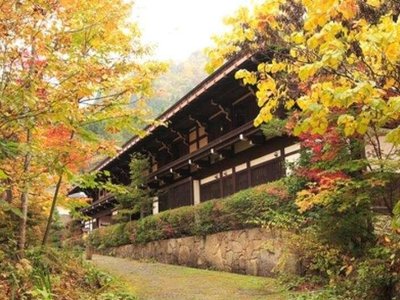
Yumoto Choza
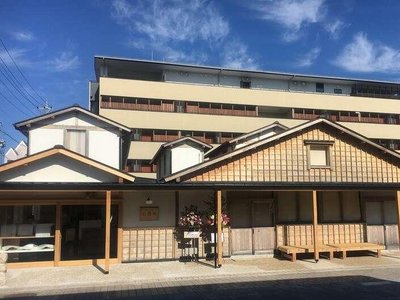
Isegekusando Iseshinsen
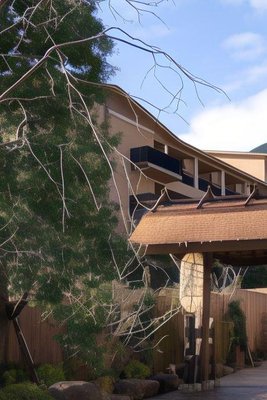
Setsugetsuka
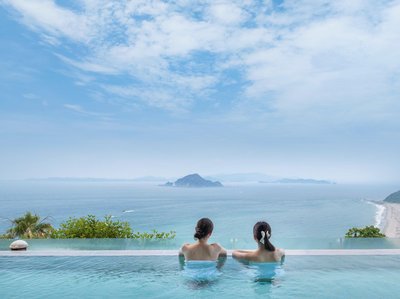
Irago Ocean Resort
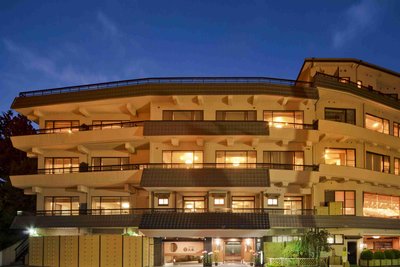
Maruei
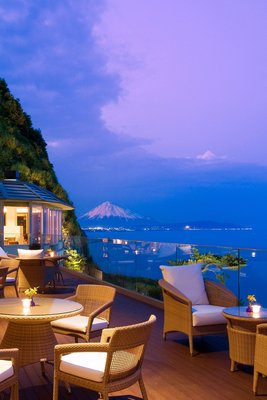
Yaizu Grand Hotel

XYZ Private Spa and Seaside Resort
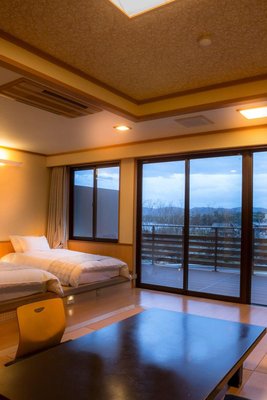
Hotel Kitanoya
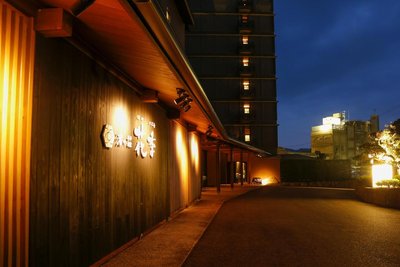
Hanagoyomi
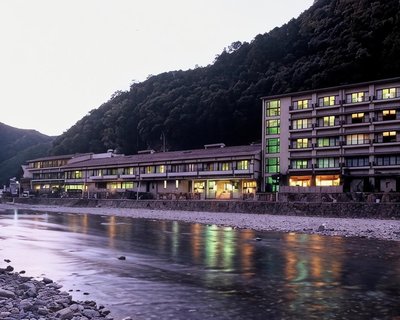
Kawayu Onsen Fujiya
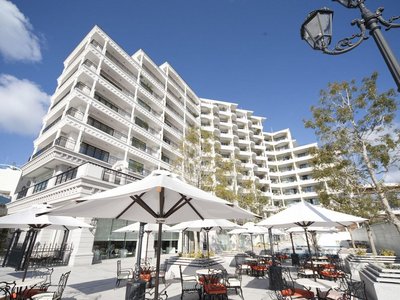
Hotel La Suite Kobe Harborland

AoAwo Naruto Resort
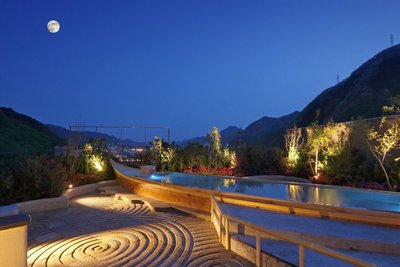
Asaya
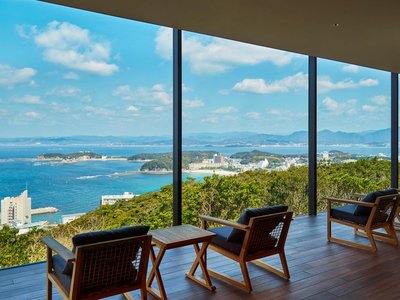
Infinito Hotel and Spa
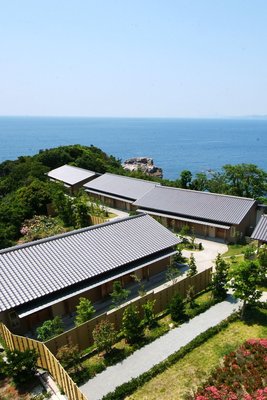
Hamachidorinoyu Kaisyu
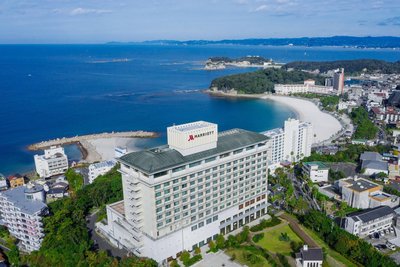
Nanki-Shirahama Marriott Hotel
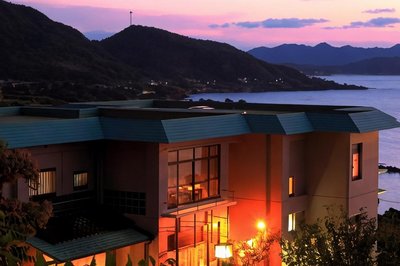
Jukaitei
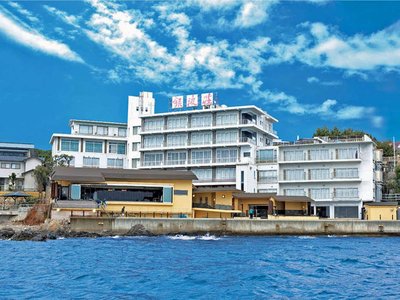
Ginpaso

Kobe Minato Onsen Ren
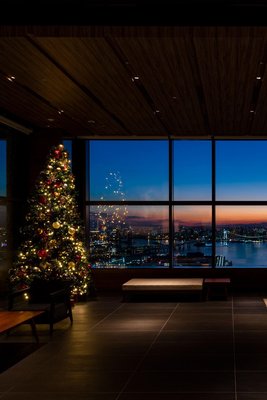
Mitsui Garden Hotel Toyosu Premier / Tokyo
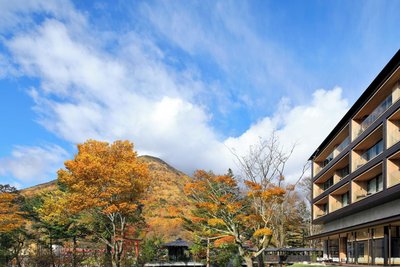
The Ritz-Carlton, Nikko
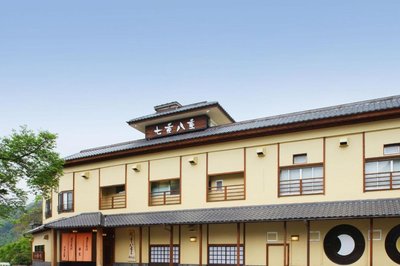
Nanaeyae
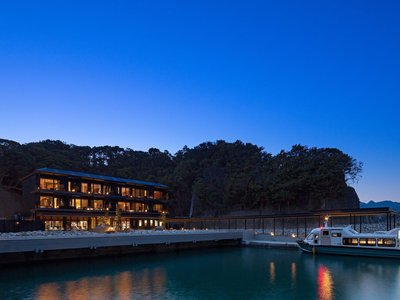
Kumano-Bettei Nakanoshima
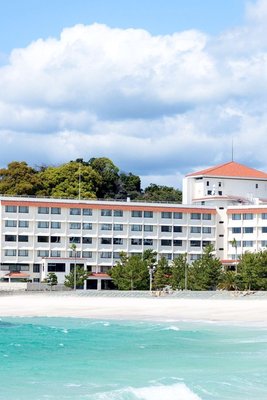
Shiraraso Grand Hotel
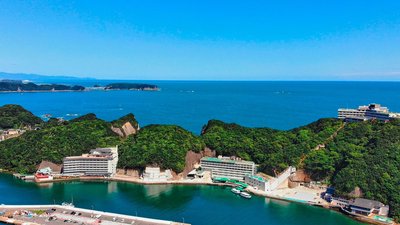
Hotel Urashima
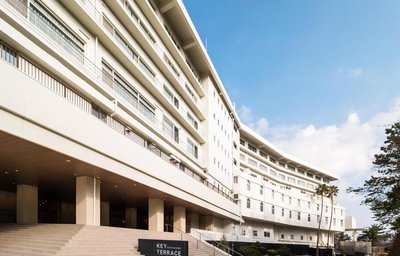
Shirahama Key Terrace Hotel Seamore
Bellustar Tokyo, A Pan Pacific Hotel
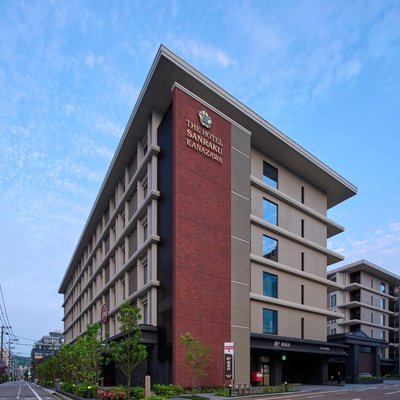
The Hotel Sanraku Kanazawa 21th December 2022 Open
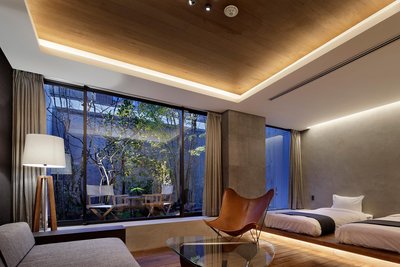
22 PIECES
The Ritz-Carlton, Osaka
JW Marriott Hotel Tokyo
Andaz Tokyo Toranomon Hills- A Concept by Hyatt

The Thousand Kyoto
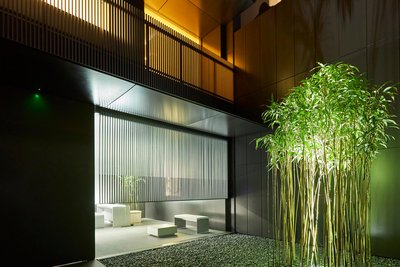
Mogana
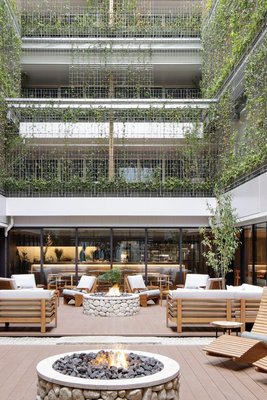
GOOD NATURE HOTEL KYOTO
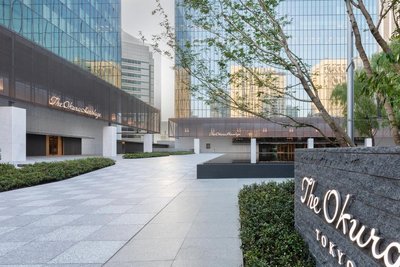
The Okura Tokyo
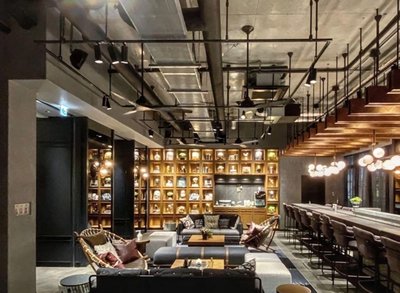
The Lively Azabujuban Tokyo
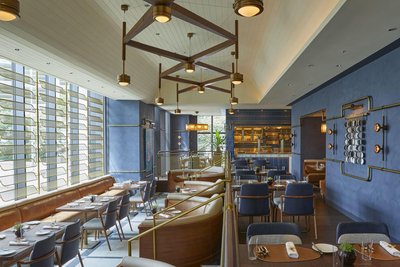
Kimpton Shinjuku Tokyo
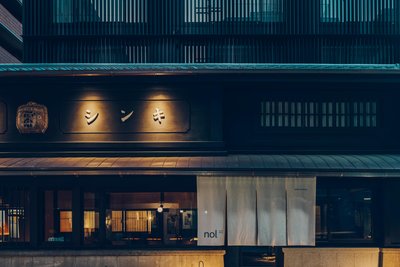
Nol Kyoto Sanjo

HOTEL K5
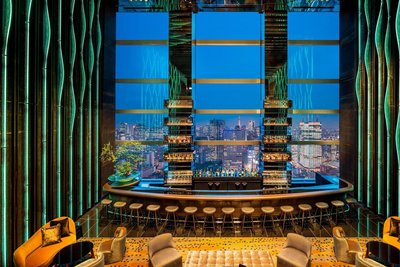
The Prince Gallery Tokyo Kioicho, a Luxury Collection Hotel
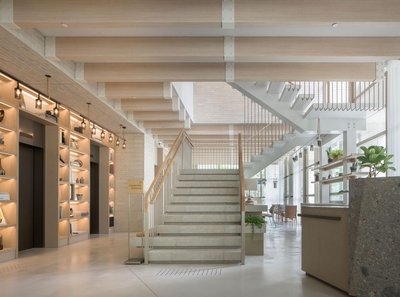
Zentis Osaka

Garrya Nijo Castle Kyoto
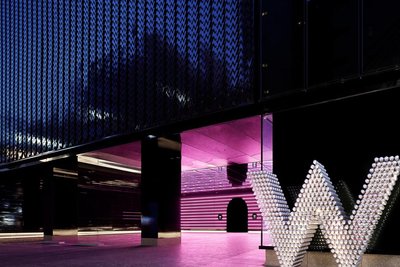
W Osaka

Hotel Kanra Kyoto

Aloft Osaka Dojima
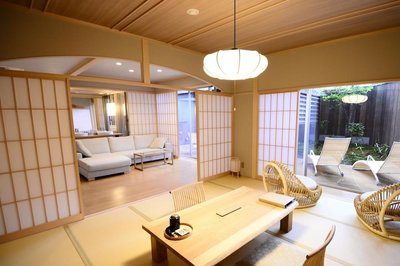
Hakone Gora Byakudan
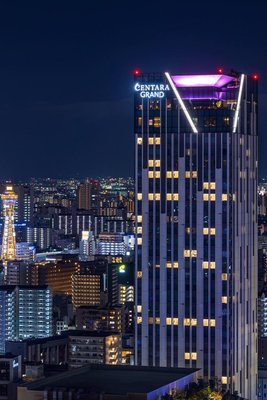
Centara Grand Hotel Osaka
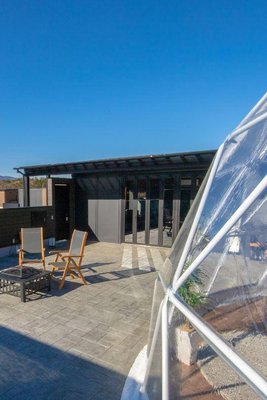
Panoramic Mt. Fuji Views from All Rooms – Vision Glamping Resort & Spa Yamanakako
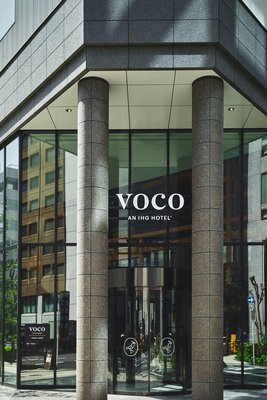
voco Osaka Central
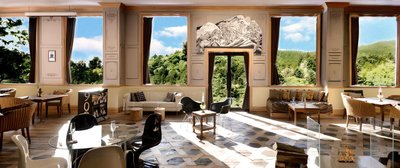
Shelter Garden Nikko
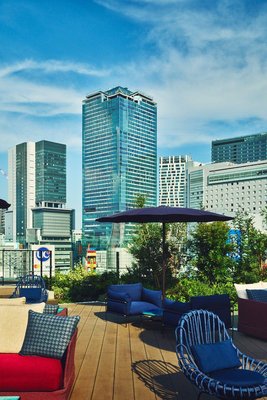
Hotel Indigo Tokyo Shibuya
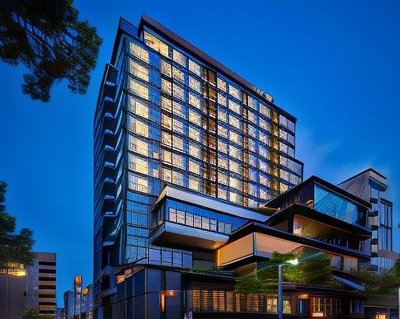
TIAD, AUTOGRAPH COLLECTION
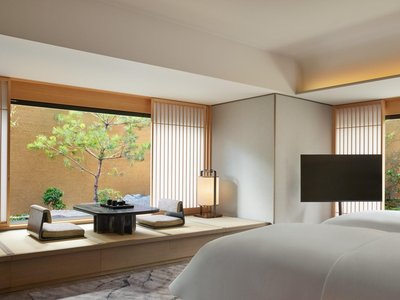
Dusit Thani Kyoto
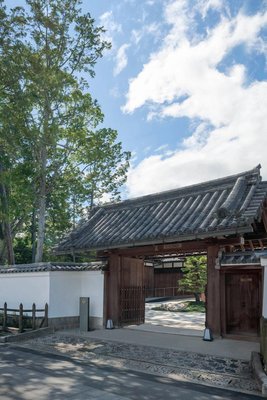
Shisui, a Luxury Collection Hotel, Nara

Hilton Kyoto
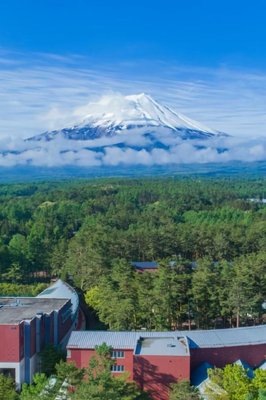
Forest Village (Fuji Premium Resort)
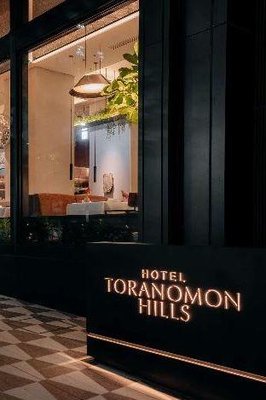
Hotel Toranomon Hills
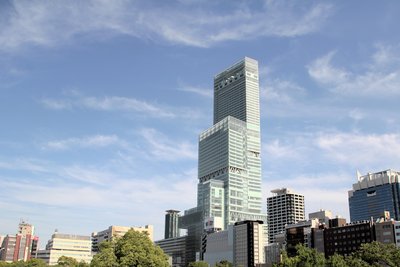
Osaka Marriott Miyako Hotel
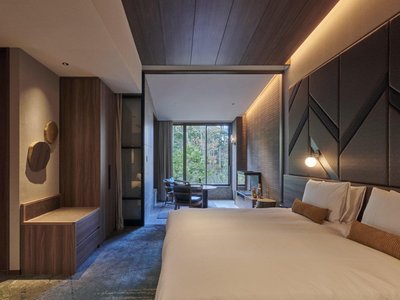
Fufu Kyu-Karuizawa Restful Forest
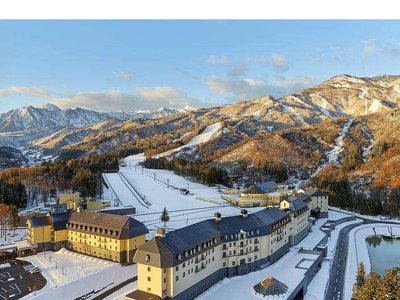
Lotte Arai Resort
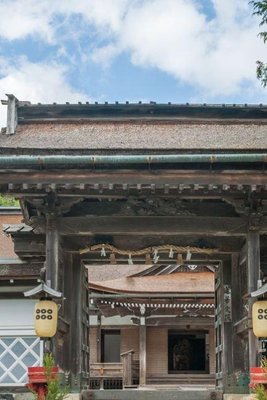
Koyasan Rengejoin
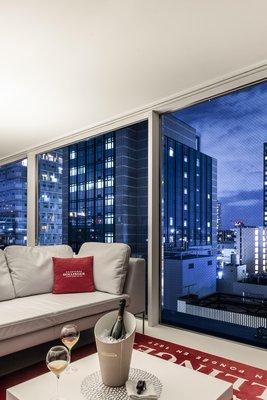
CUVÉE J2 HOTEL OSAKA by Onko Chishin

Sengokubara Cocon
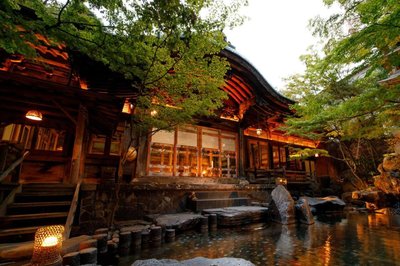
Shoraiso
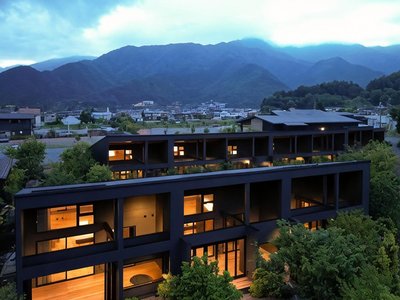
7C Villa and Winery
Bvlgari Hotel Tokyo
Osaka Marriott Miyako Hotel
The Ritz-Carlton, Osaka
Four Seasons Hotel Tokyo at Marunouchi
Mandarin Oriental, Tokyo
The Ritz-Carlton, Tokyo
Andaz Tokyo Toranomon Hills- A Concept by Hyatt
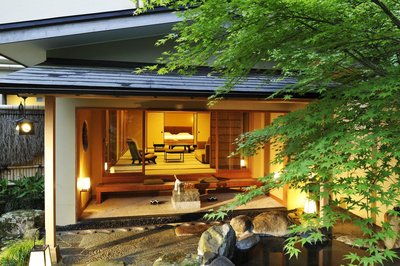
Gora Kadan
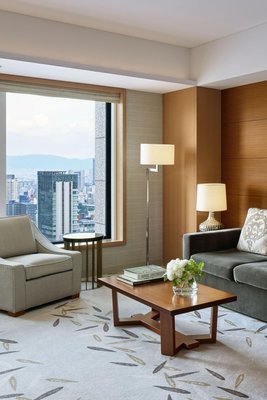
InterContinental Hotel Osaka
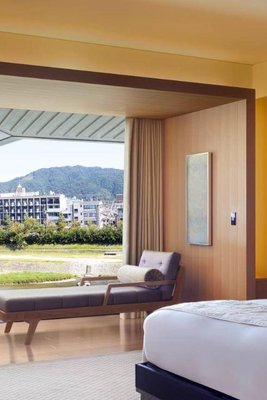
The Ritz-Carlton, Kyoto

Hotel New Otani Tokyo the Main
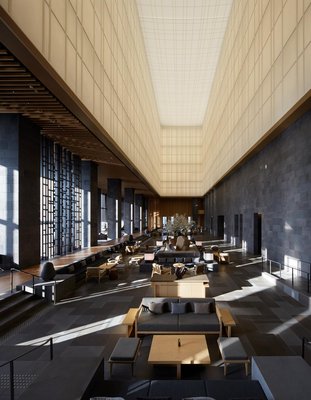
Aman Tokyo
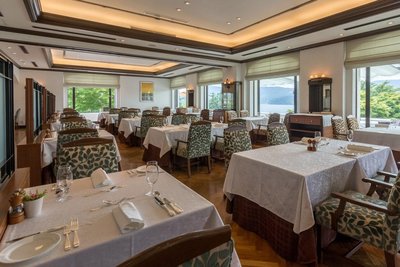
Odakyu Hotel de Yama
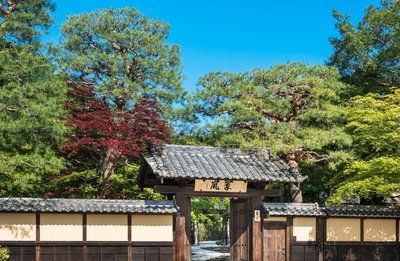
Suiran, a Luxury Collection Hotel, Kyoto
GOOD NATURE HOTEL KYOTO
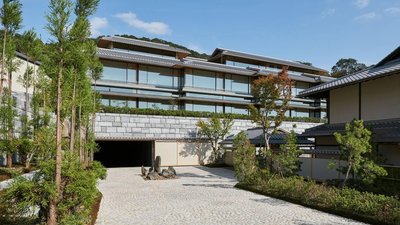
Park Hyatt Kyoto
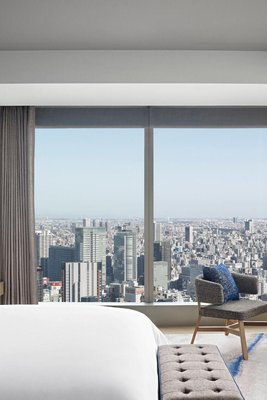
Four Seasons Hotel Tokyo at Otemachi
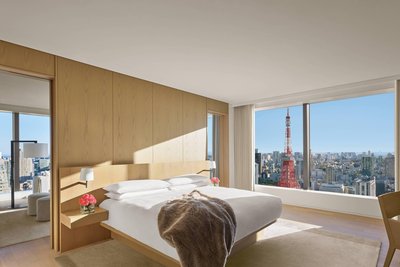
The Tokyo Edition, Toranomon

Hyatt Centric Kanazawa
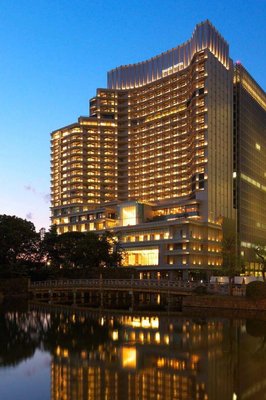
Palace Hotel Tokyo
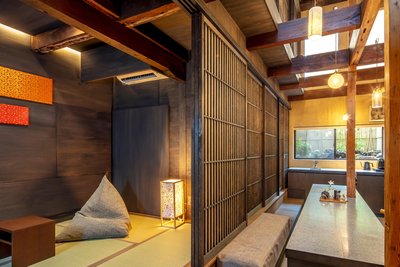
Kyo No Oozora Kihana
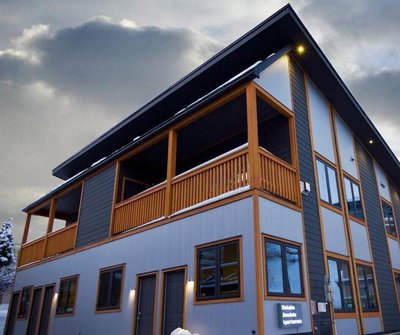
Hakuba Gondola Apartments
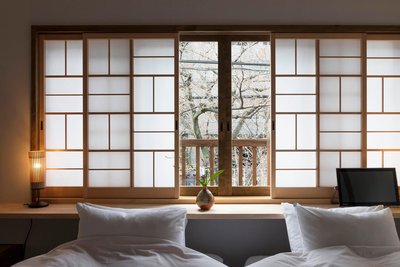
Hanagoromo Machiya House
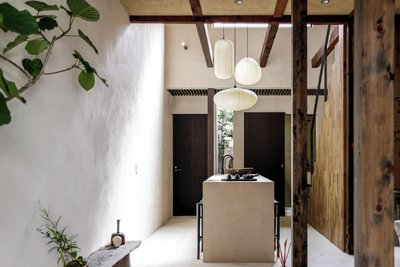
Maana Kiyomizu
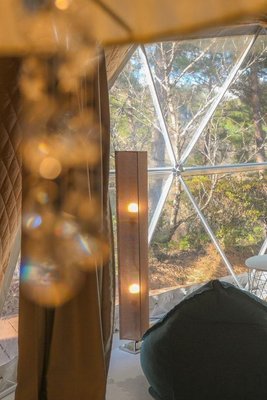
glampark Gekkabijin Nagano
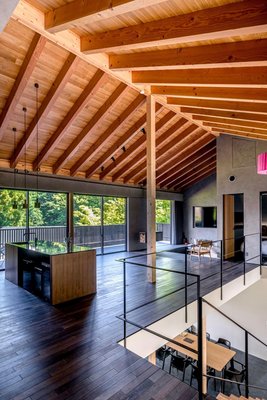
MONS GORA

Phoenix Chalets by Hhg
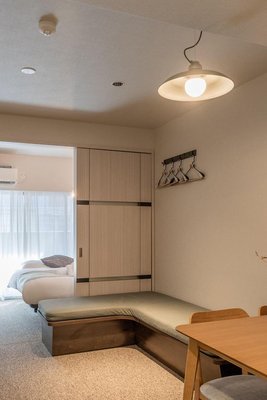
Apartment Hotel 11 Shinsaibashi
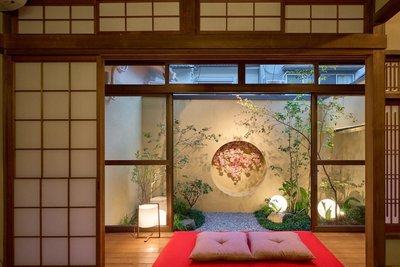
KONJAKUSO Osaka Tengachaya "NIHONCHA" Tea & Relax
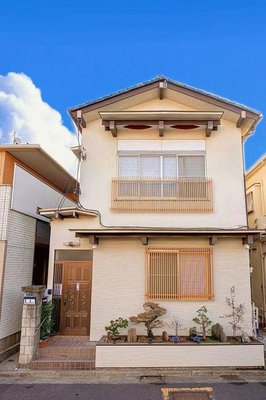
Tokyo Star House-Shinkoiwa
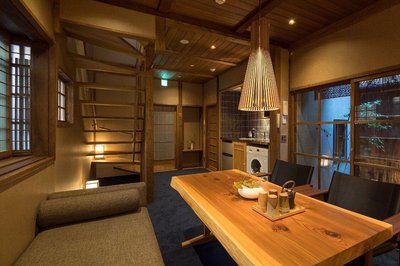
Bonbori an Machiya House
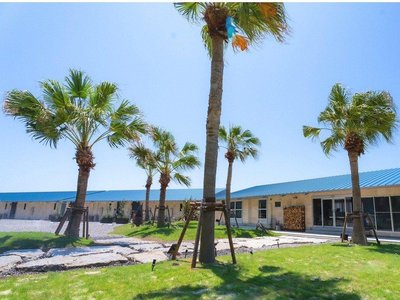
Glamping&Resort Wood Design Park Noma
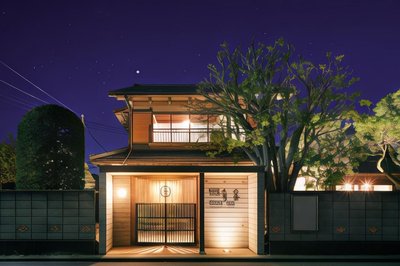
Machi-Jyu
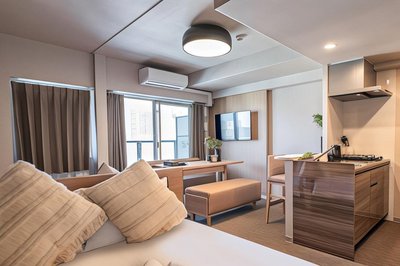
Apartment Hotel 11 Shinsaibashi III
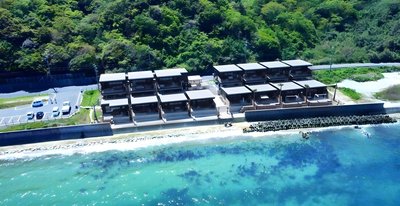
Solavilla Umi Terrace Minamiawaji
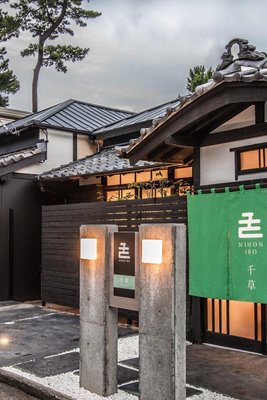
Nihon Iro
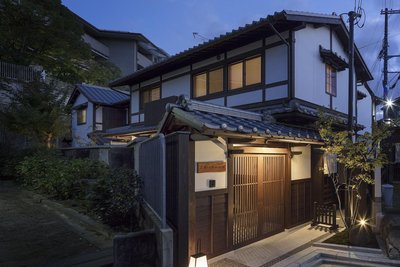
The Machiya Villa Sanjo Shirakawa Koji
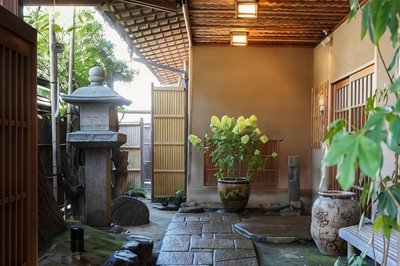
Ryokan Asadaya
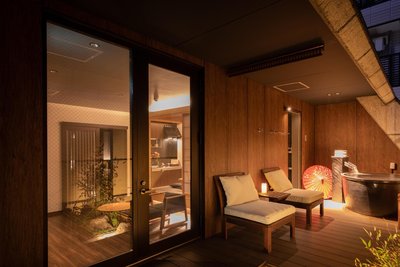
Konjaku-So Dotonbori
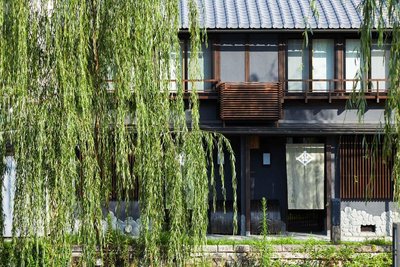
Gion Shirakawa No Yado
Bellustar Tokyo, A Pan Pacific Hotel

Hotel Barrière Fouquet's New York
Bvlgari Hotel Tokyo

Shima Kanko Hotel the Bay Suites
Loquat Nishiizu
Byaku Narai
Waldorf Astoria Osaka
Atami Izusan Karaku
Kamo Residences by Reflections
The Tokyo Edition, Ginza
Janu Tokyo
Six Senses Kyoto
Four Seasons Hotel Osaka
Patina Osaka
The Ritz-Carlton, Osaka
JW Marriott Hotel Tokyo
Arimasansoh Goshobessho
Four Seasons Hotel Tokyo at Marunouchi
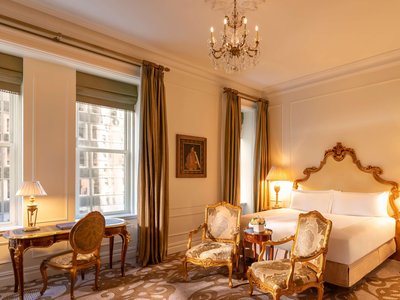
The Plaza - A Fairmont Managed Hotel
Mandarin Oriental, Tokyo
Frequently Asked Questions about Traveling to Shitara
Questions You Might Need to Know About Traveling to Shitara
In Seto Town, the top choice for families is Sakuragawa Onsen Minshuku, a cozy traditional inn nestled among mountains and near the Seto River. It offers spacious family rooms, private onsen baths, and child-friendly activities like river fishing and nature walks. The inn’s Japanese-style garden and wooden architecture create a peaceful retreat, while nearby Aichi Prefectural Natural Museum provides interactive exhibits perfect for kids.
Guests can also join weekend farm experiences such as rice planting and tofu-making through local cooperatives. Early HopeGoo is recommended, especially during cherry blossom season and autumn foliage months.
Key features: Private onsen • Family suites • Nature-based activities.
The Seto Riverfront and Seto Forest Park areas are ideal for tranquil, scenic stays in Seto Town. These neighborhoods offer serene, low-density living with lush greenery and minimal traffic. The riverside zone is perfect for early morning walks along the Seto River, while the forest park vicinity provides access to hiking trails and birdwatching spots.
Many guesthouses here feature open-air baths facing trees and streams, blending indoor comfort with outdoor beauty. Public transport links to major cities like Nagoya and Toyota are convenient, making it easy to explore beyond Seto Town.
Top highlights: Riverfront tranquility • Forest proximity • Easy city access.
Seto Town offers unforgettable cultural experiences like the Seto River Lantern Festival and Traditional Farming Workshops. Held annually in summer, the lantern festival lights up the Seto River with handmade paper lanterns, symbolizing peace and harmony, accompanied by taiko drumming and folk dances.
Local cooperatives also host weekend farming experiences—try rice planting, vegetable harvesting, and homemade tofu-making. Some inns even offer a "One Acre Field" program, allowing guests to remotely monitor crop growth.
These immersive events foster genuine connections with locals and showcase the community’s spirit of harmony with nature.
Must-try: Lantern Festival • Farm-to-table workshops • Community storytelling.
Seto Town is a photographer’s dream. Visit the morning mist zones along the Seto River at dawn for ethereal reflections and soft light perfect for landscape shots. The century-old cherry blossom path in Seto Forest Park bursts into bloom each spring, creating a romantic tunnel of pink petals over stone bridges.
Don’t miss the Shōwa-era old town streets, where weathered storefronts and hand-painted signs exude nostalgic charm—ideal for candid street photography.
Bring a tripod and wide-angle lens to capture the golden hour glow. Early mornings offer the best lighting and fewer crowds.
Top locations: River mist scenery • Cherry blossom tunnel • Vintage town alleys.
Though not a major hot spring destination, Seto Town offers unique experiences at Seto Onsen Annex, a hidden gem using natural mineral-rich waters high in silicates—excellent for skin health. The inn blends minimalist Japanese design with modern comfort, featuring private open-air baths overlooking bamboo groves and streams.
Some rooms host evening onsen meditation sessions, guided by local practitioners who use nature sounds and breathwork to deepen relaxation. Meals include locally sourced ingredients, often served in tatami dining rooms.
Highlights: Private rooftop baths • Nature-inspired wellness • Cultural immersion dining.
Yes, Seto Town is highly bike-friendly. The town has a well-maintained 15-kilometer cycling route connecting the Seto River, Seto Forest Park, and Aichi Prefectural Natural Museum. The path is flat, shaded, and safe for all ages.
Bike rentals are available at Seto Town Hall Square, including e-bikes and child seats, plus free maps and audio guides. Ride to Haru no Bridge for stunning river reflections or stop by fishermen’s huts along the river for a taste of local life.
Best time: Early morning to avoid heat. Bring sunscreen and snacks.
Ideal for: Family rides • Scenic views • Well-equipped rentals.
Must-try dishes in Seto Town include Seto River bass sushi and wild mountain vegetable tempura. The fresh bass is caught daily and served with seasonal rice—available at Seto Market stalls. The tempura features wild ferns, dandelion greens, and mountain celery, lightly fried and drizzled with yuzu sauce.
Visit Kasuga Local Kitchen for their signature Seto-style chicken stew, made with free-range chickens and kelp broth, served with homegrown vegetables.
Many inns offer "Dining with Locals" evenings, where guests share meals with farmers and learn about food origins. Perfect for authentic culinary exploration.
Delicious highlights: Bass sushi • Mountain veg tempura • Chicken stew.
Seto Town’s Tourist Shuttle Bus connects key attractions daily, running from Nagoya Station to Seto Town Hall (approx. 45 minutes). Buses feature bilingual audio guides (including Chinese), free Wi-Fi, and touch-screen maps.
Routes cover the Seto River, Seto Forest Park, Aichi Prefectural Natural Museum, and the historic old town. A Seto Town Pass grants unlimited rides and 20% off entry fees to major sites.
Pick up your info card at the Seto Tourist Information Center upon arrival for real-time updates.
Key benefits: Multilingual guides • Pass discounts • Direct access to sights.
The highlight is the Seto River Summer Festival, held every July, featuring a river fireworks display, traditional taiko drum battles, and a bustling night market. Fireworks reflect on the water, creating a magical visual experience.
Another must-attend event is the Autumn Mountain Vegetable Harvest Festival, where visitors join locals in gathering wild ferns and herbs, then learn to cook them. At year-end, the Seto Light Night Festival transforms old streets into a glowing wonderland with handmade lanterns.
These events celebrate community spirit and deep-rooted traditions—perfect for travelers seeking authentic cultural immersion.
Top events: Summer fireworks • Harvest festival • Lantern-lit nights.
Seto Town’s guesthouses emphasize harmony with nature through traditional materials and design. For example, Mori no Ie Inn uses local cedar and bamboo, with thatched roofs and exposed wooden beams, creating a warm, rustic atmosphere.
Rooms open onto private gardens or terraces, maximizing natural light and airflow. Some feature "Garden Reading Rooms" with tatami seating and tea sets, ideal for quiet reflection.
A standout feature is the shared garden dinner—evenings when hosts invite guests to dine outdoors, sharing stories behind the day’s ingredients.
Others include forest meditation spaces with floor cushions and ambient nature sounds, promoting mental clarity and stillness.
Defining traits: Natural materials • Indoor-outdoor flow • Community dining.
Shitara Overview
City Summary
Shitara Town, located in the northeastern part of Aichi Prefecture, Japan, is a peaceful town surrounded by abundant nature. Known for its traditional culture of the Okumikawa region and distinct four-season landscapes, it is especially famous for cherry blossoms in spring and autumn foliage. Shitara also preserves local folk culture, including traditional crafts and rural life experiences, making it ideal for travelers seeking cultural and natural immersion.
Must-See Attractions
Shitara's attractions focus on nature and culture. Meiji no Mori Quasi-National Park is perfect for hiking and leaf-peeping, with trails offering stunning mountain and valley views. The Shitara Town History and Folklore Museum showcases local history and traditional crafts, particularly woodwork and textiles. Don’t miss staying at a hot spring ryokan to experience Japanese onsens and local hospitality.
Food Guide
Shitara's cuisine reflects its mountainous terrain. Try wild vegetable dishes and river fish specialties like grilled sweetfish and soba noodles. Local products include miso and pickles made with fresh mountain ingredients. For an authentic taste, visit local eateries or ryokans offering seasonal kaiseki meals.
Transportation Guide
Public transport in Shitara relies on buses, with town buses covering major sights, but schedules are limited. From Nagoya, take the JR Tokaido Line to Toyohashi Station, then transfer to the Iida Line to Shitara Station (approx. 2 hours). Renting a car is recommended for flexibility, as parking is readily available.
Best Time to Visit
The best times to visit are spring (March-May) for cherry blossoms and autumn (September-November) for foliage. Summers are humid, while winters see occasional snow, offering quieter experiences.
Travel Tips
- Local etiquette: Remove shoes before entering onsens or temples.
- Eco-consciousness: Carry out trash in natural areas.
- Attire: Wear sturdy shoes and layers for outdoor activities.
- Reservations: Book ryokans and restaurants in advance.
- Cash: Rural areas prefer cash over cards.
- Timing: Check bus schedules to avoid missing the last ride.
Useful Information
Japanese is the primary language; English is rarely spoken, so bring a phrasebook or translation app. Mobile coverage is decent but may waver in mountains—consider a pocket Wi-Fi. Cash is key; some hotels or shops accept cards. For emergencies, dial 110 (police) or 119 (ambulance). Shitara Clinic handles basic care; serious cases require transfer to Toyohashi hospitals.