Hotels in Shitara
Discover your perfect stay in Shitara.
Shitara(Japan) Travel 2026: Cheap Flights, Hotels & Top Attractions
Popular Landmarks in Shitara
Discover the most iconic attractions in Shitara
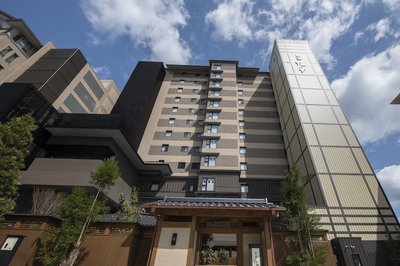
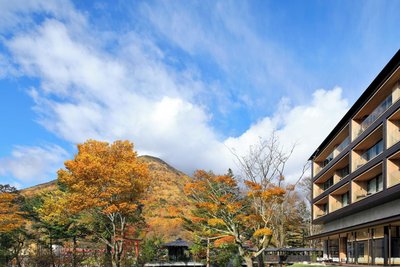
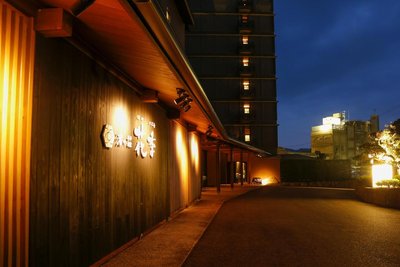
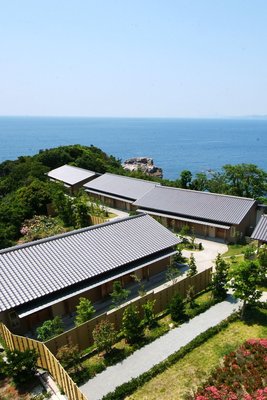
Recommended Hotels in Shitara
Find the perfect place to stay in Shitara
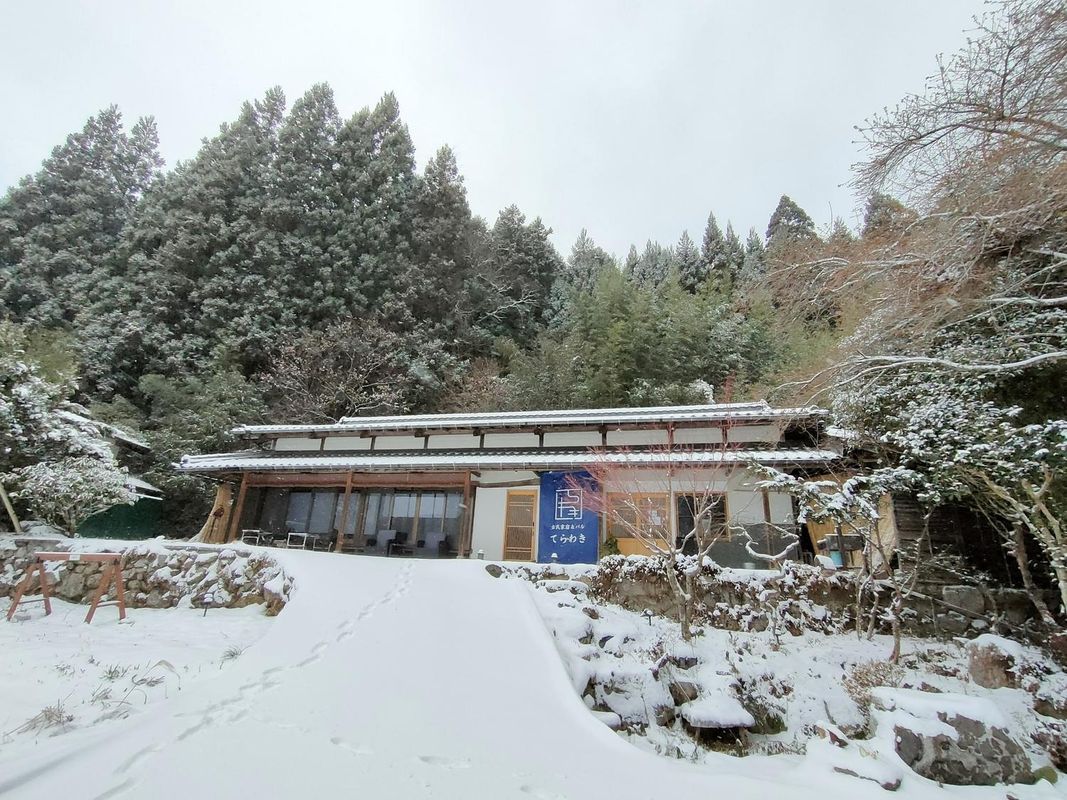
Best Hotels in Shitara
Discover curated hotel collections in Shitara
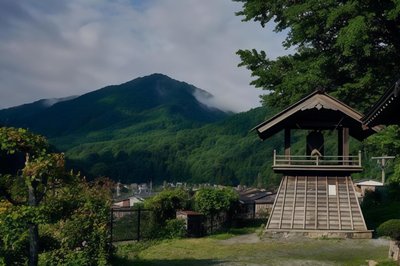
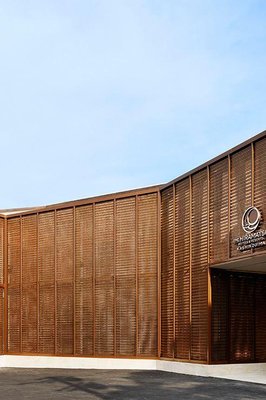

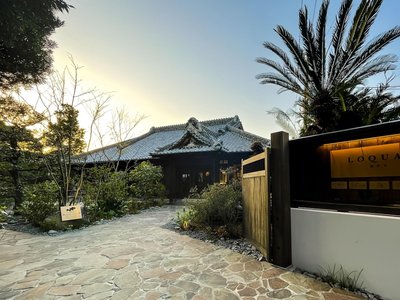

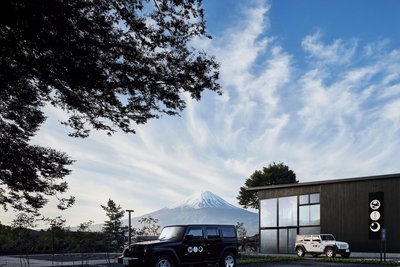
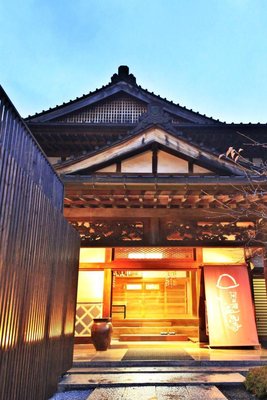
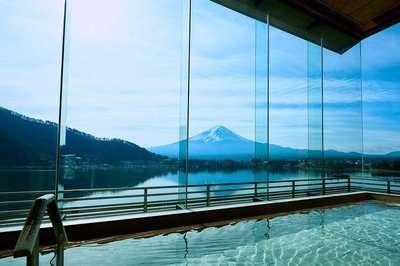
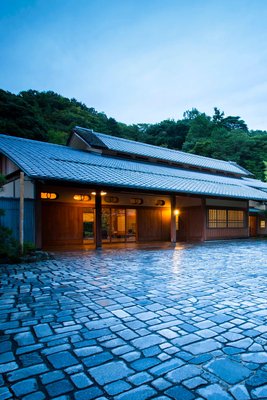
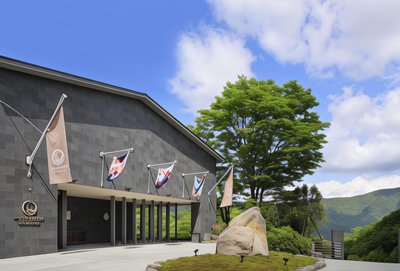
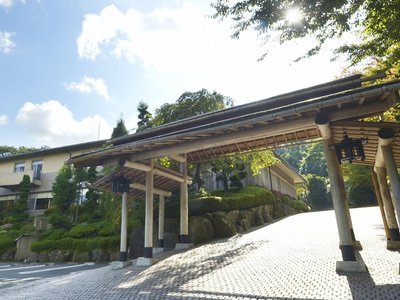
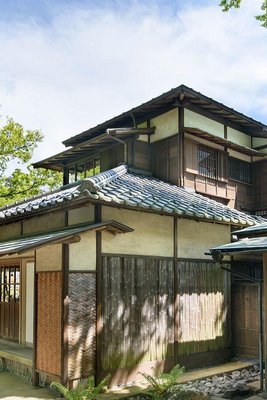
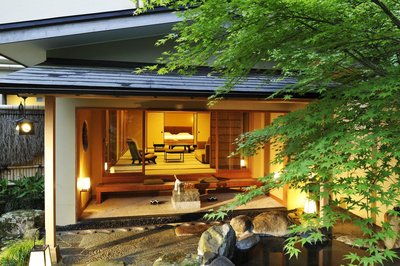




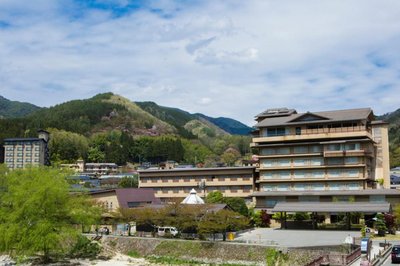

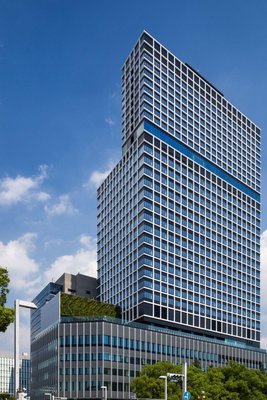
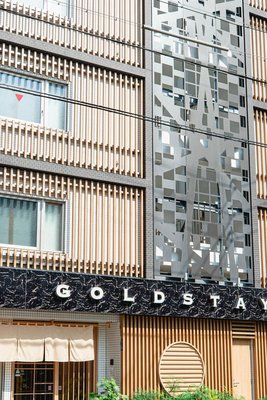

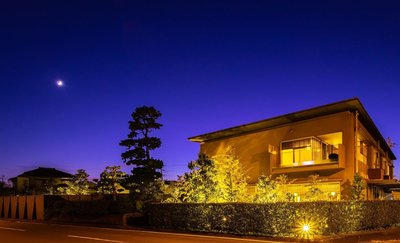
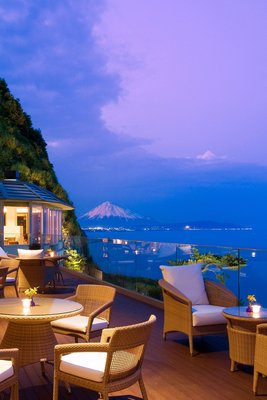


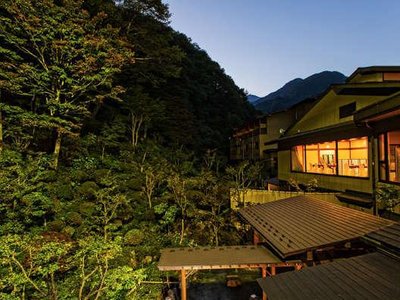
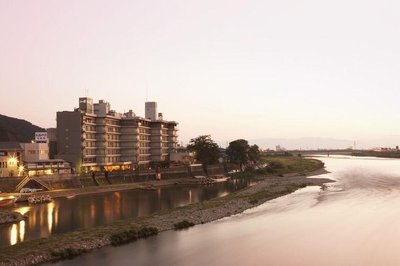
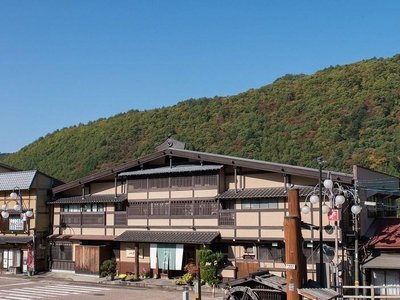
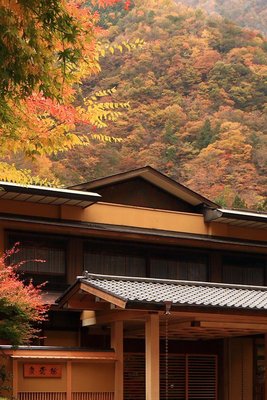

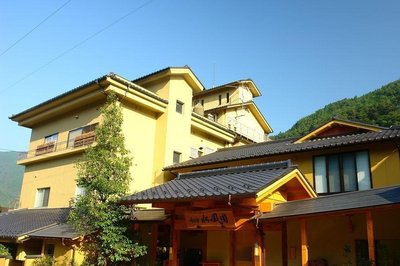
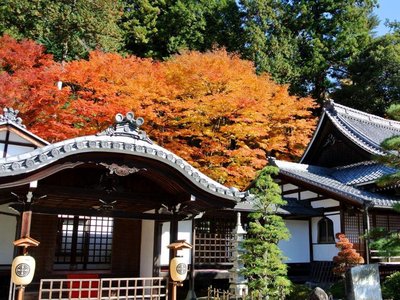
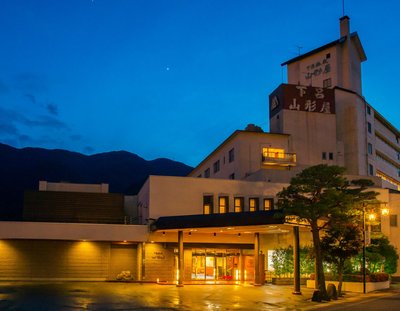
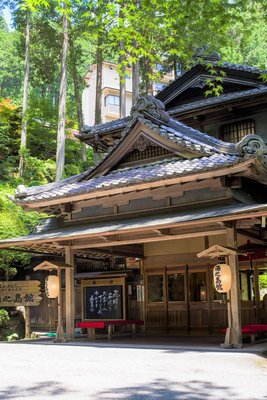
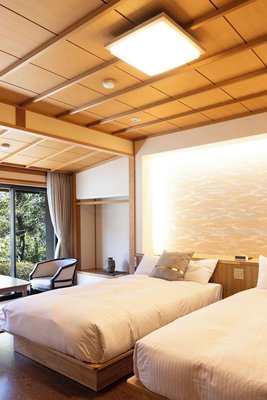



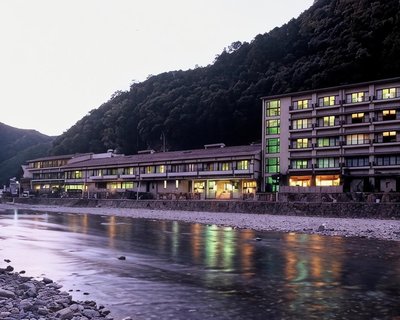




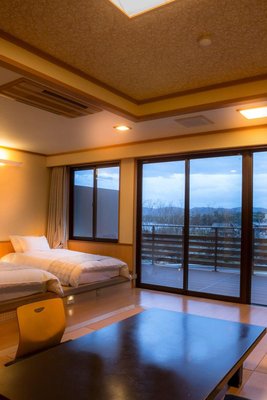






























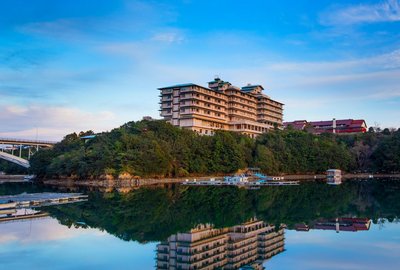

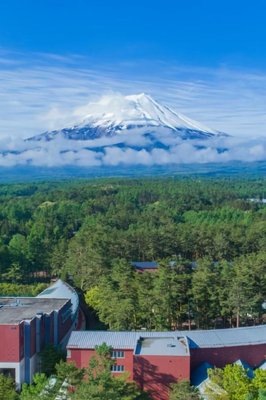
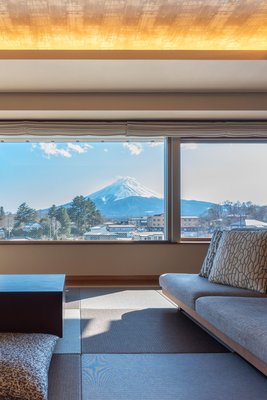
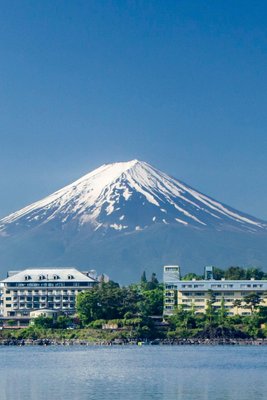
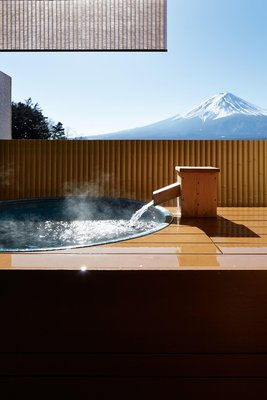
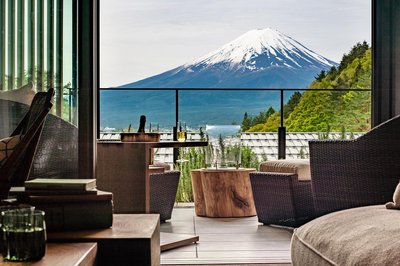
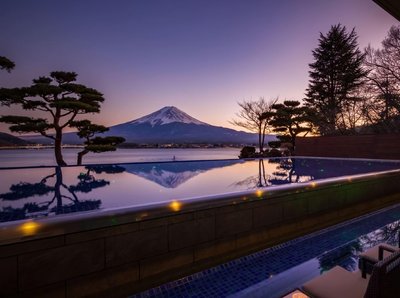
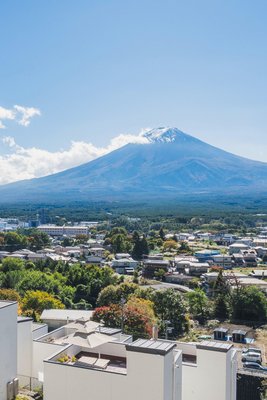

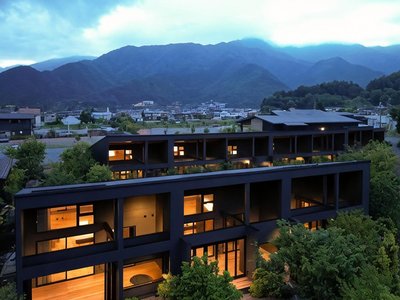
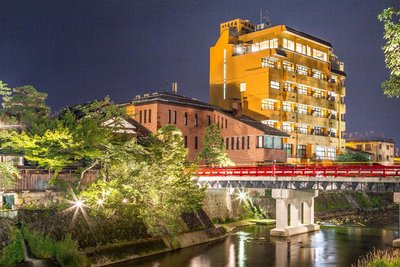
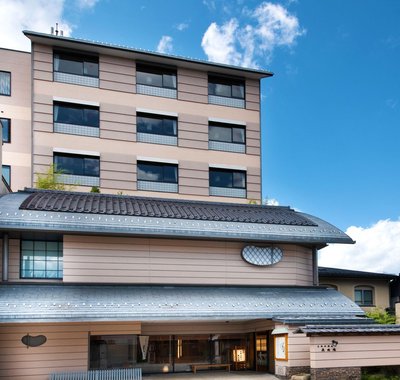
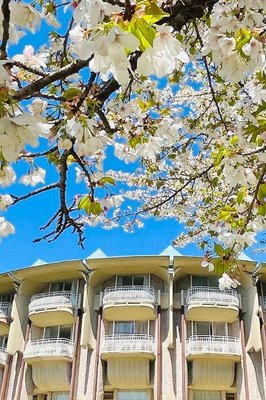


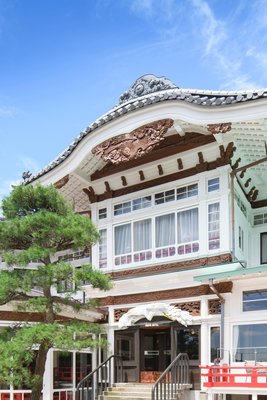
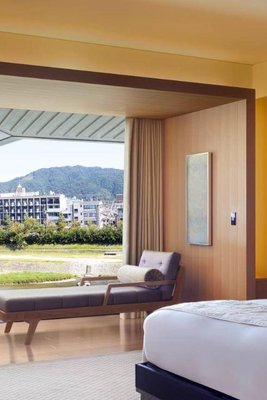
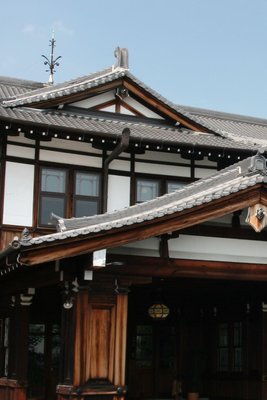
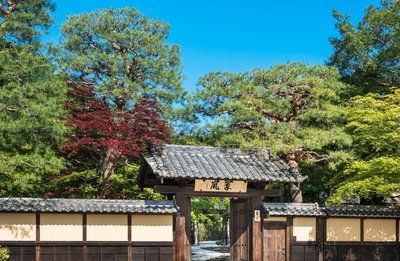








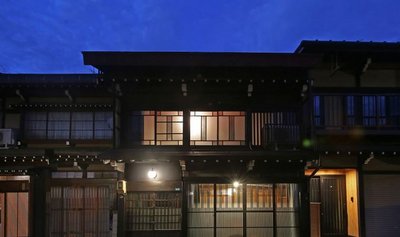


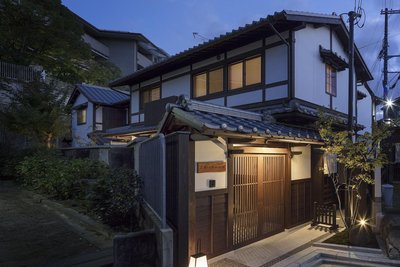
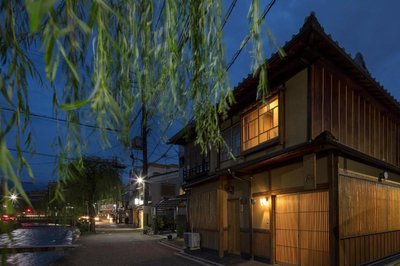
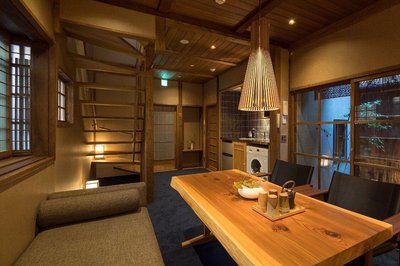

Frequently Asked Questions about Traveling to Shitara
Questions You Might Need to Know About Traveling to Shitara
Shitara Overview
City Summary
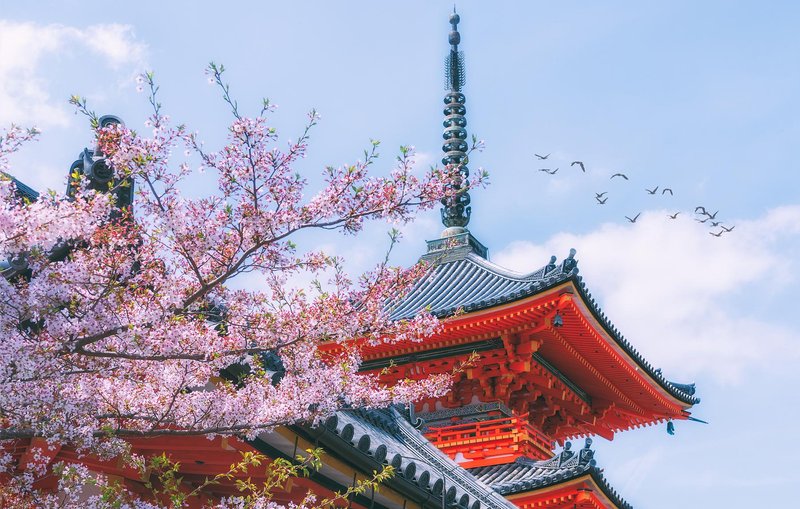
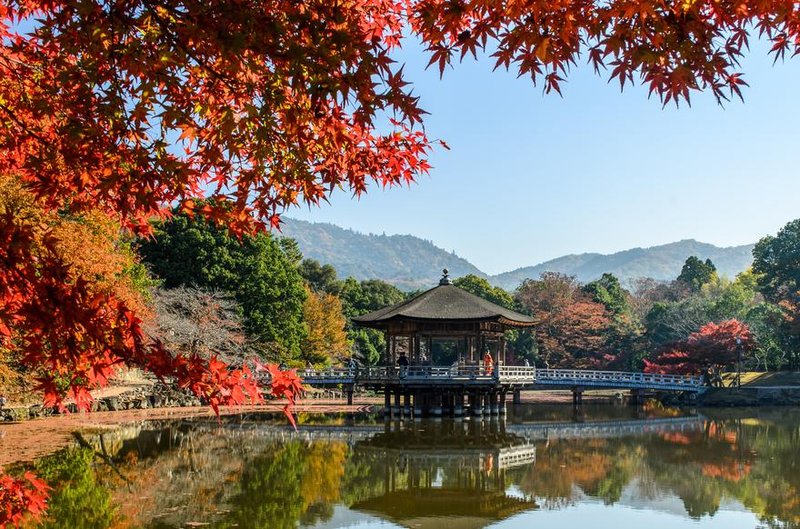
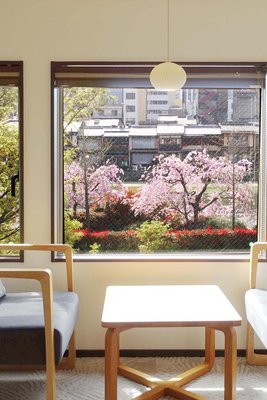
Shitara Town, located in the northeastern part of Aichi Prefecture, Japan, is a peaceful town surrounded by abundant nature. Known for its traditional culture of the Okumikawa region and distinct four-season landscapes, it is especially famous for cherry blossoms in spring and autumn foliage. Shitara also preserves local folk culture, including traditional crafts and rural life experiences, making it ideal for travelers seeking cultural and natural immersion.
Must-See Attractions
Shitara's attractions focus on nature and culture. Meiji no Mori Quasi-National Park is perfect for hiking and leaf-peeping, with trails offering stunning mountain and valley views. The Shitara Town History and Folklore Museum showcases local history and traditional crafts, particularly woodwork and textiles. Don’t miss staying at a hot spring ryokan to experience Japanese onsens and local hospitality.
Food Guide
Shitara's cuisine reflects its mountainous terrain. Try wild vegetable dishes and river fish specialties like grilled sweetfish and soba noodles. Local products include miso and pickles made with fresh mountain ingredients. For an authentic taste, visit local eateries or ryokans offering seasonal kaiseki meals.
Transportation Guide
Public transport in Shitara relies on buses, with town buses covering major sights, but schedules are limited. From Nagoya, take the JR Tokaido Line to Toyohashi Station, then transfer to the Iida Line to Shitara Station (approx. 2 hours). Renting a car is recommended for flexibility, as parking is readily available.
Best Time to Visit
The best times to visit are spring (March-May) for cherry blossoms and autumn (September-November) for foliage. Summers are humid, while winters see occasional snow, offering quieter experiences.
Travel Tips
- Local etiquette: Remove shoes before entering onsens or temples.
- Eco-consciousness: Carry out trash in natural areas.
- Attire: Wear sturdy shoes and layers for outdoor activities.
- Reservations: Book ryokans and restaurants in advance.
- Cash: Rural areas prefer cash over cards.
- Timing: Check bus schedules to avoid missing the last ride.
Useful Information
Japanese is the primary language; English is rarely spoken, so bring a phrasebook or translation app. Mobile coverage is decent but may waver in mountains—consider a pocket Wi-Fi. Cash is key; some hotels or shops accept cards. For emergencies, dial 110 (police) or 119 (ambulance). Shitara Clinic handles basic care; serious cases require transfer to Toyohashi hospitals.