Hotels in Shizukuishi
Discover your perfect stay in Shizukuishi.
Shizukuishi(Japan) Travel 2026: Cheap Flights, Hotels & Top Attractions
Popular Landmarks in Shizukuishi
Discover the most iconic attractions in Shizukuishi
Recommended Hotels in Shizukuishi
Find the perfect place to stay in Shizukuishi
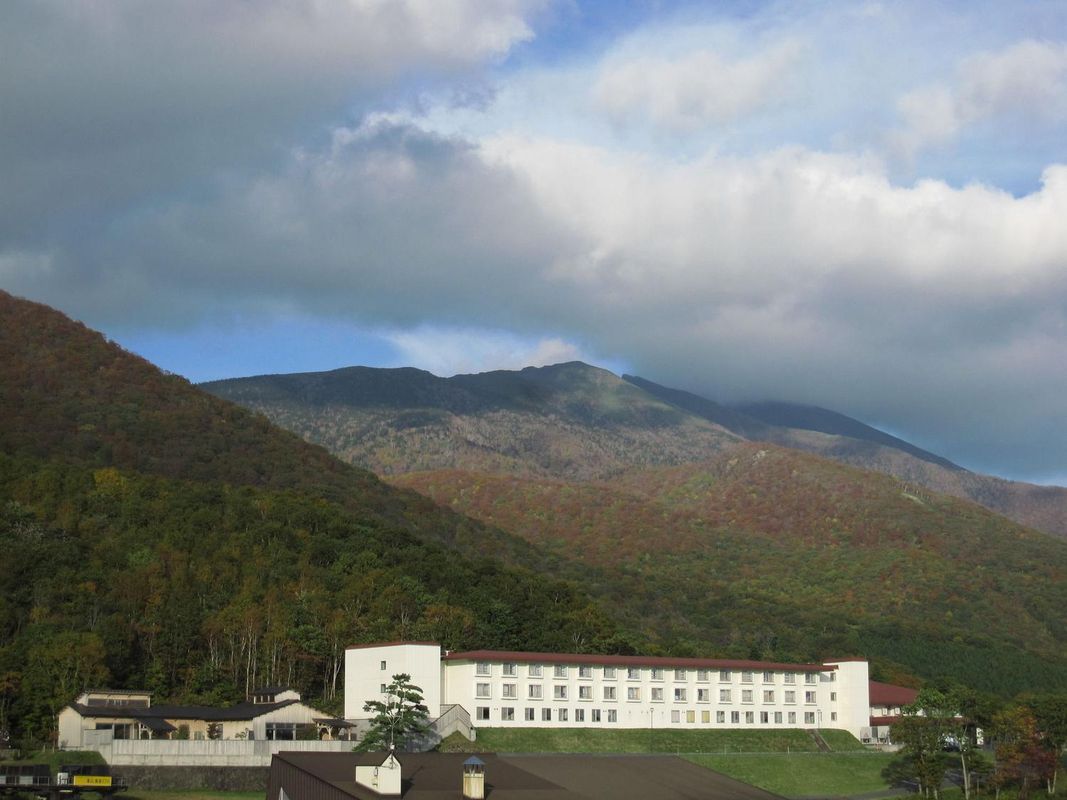
Kyukamura Iwate-Amiharionsen
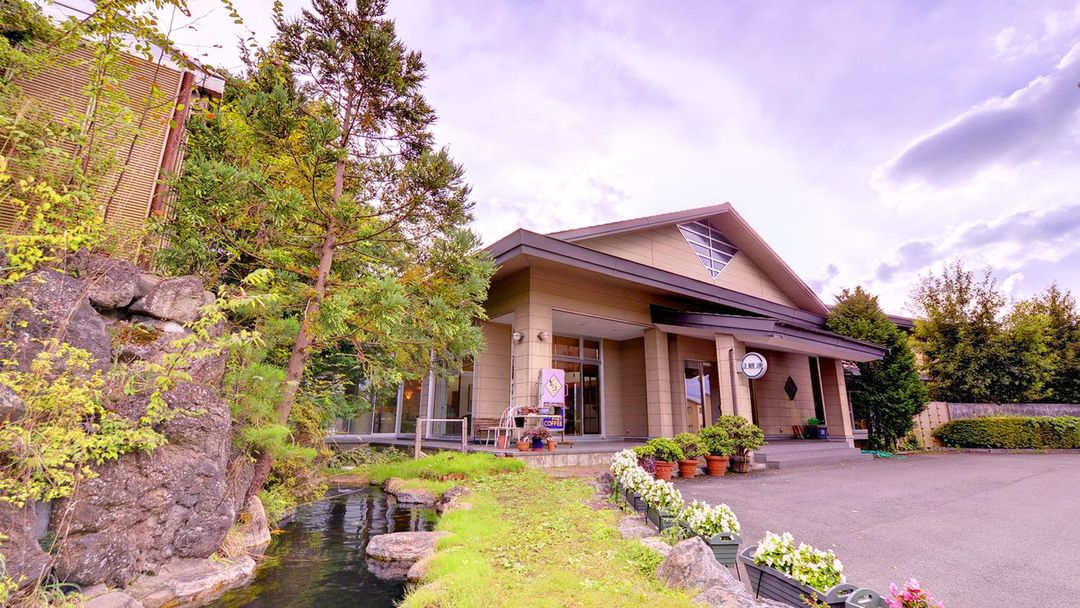
Hotel Hananoyu
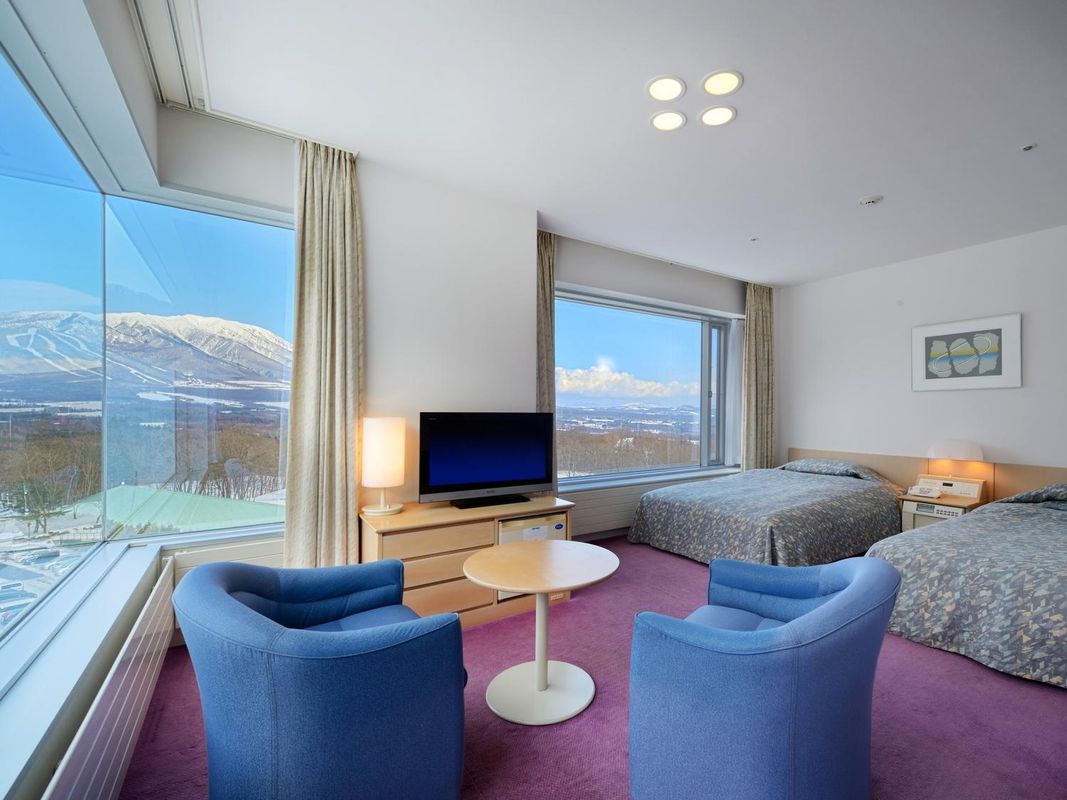
Shizukuishi Prince Hotel
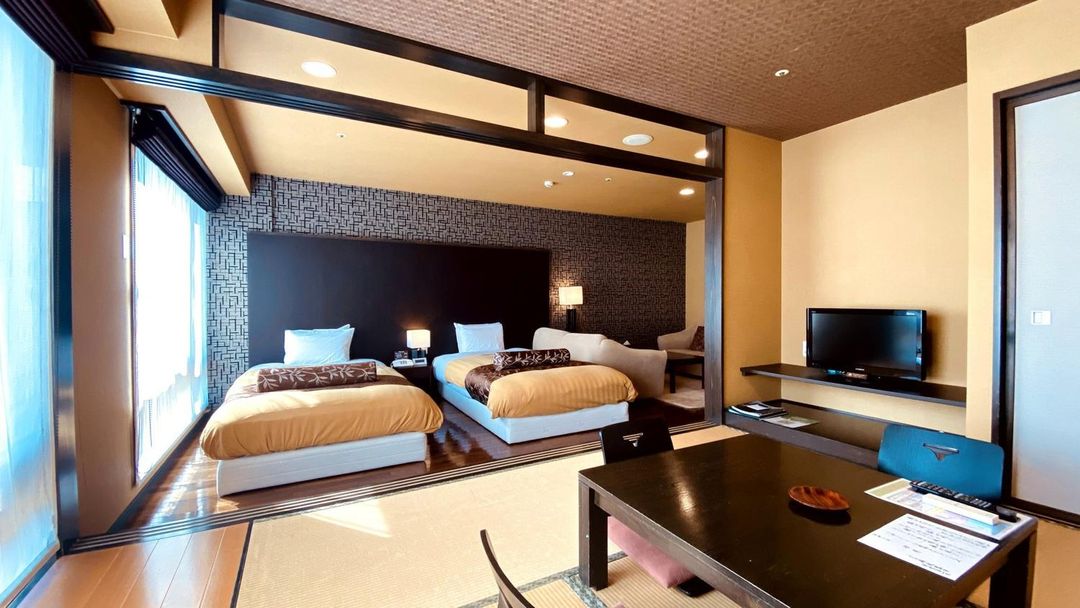
Hotel Morinokaze Oshuku
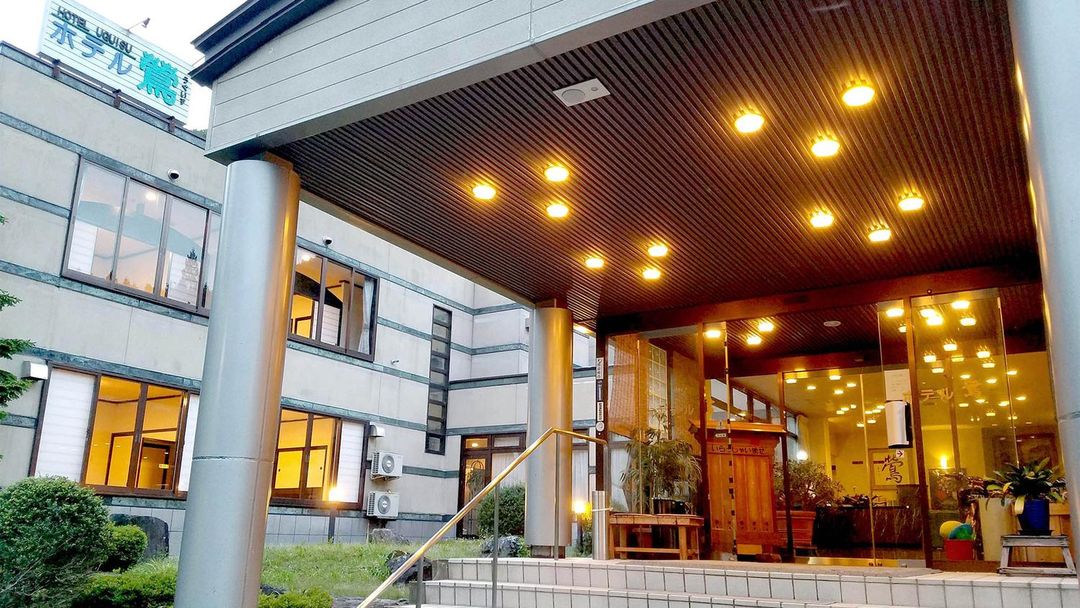
Hotel Uguisu
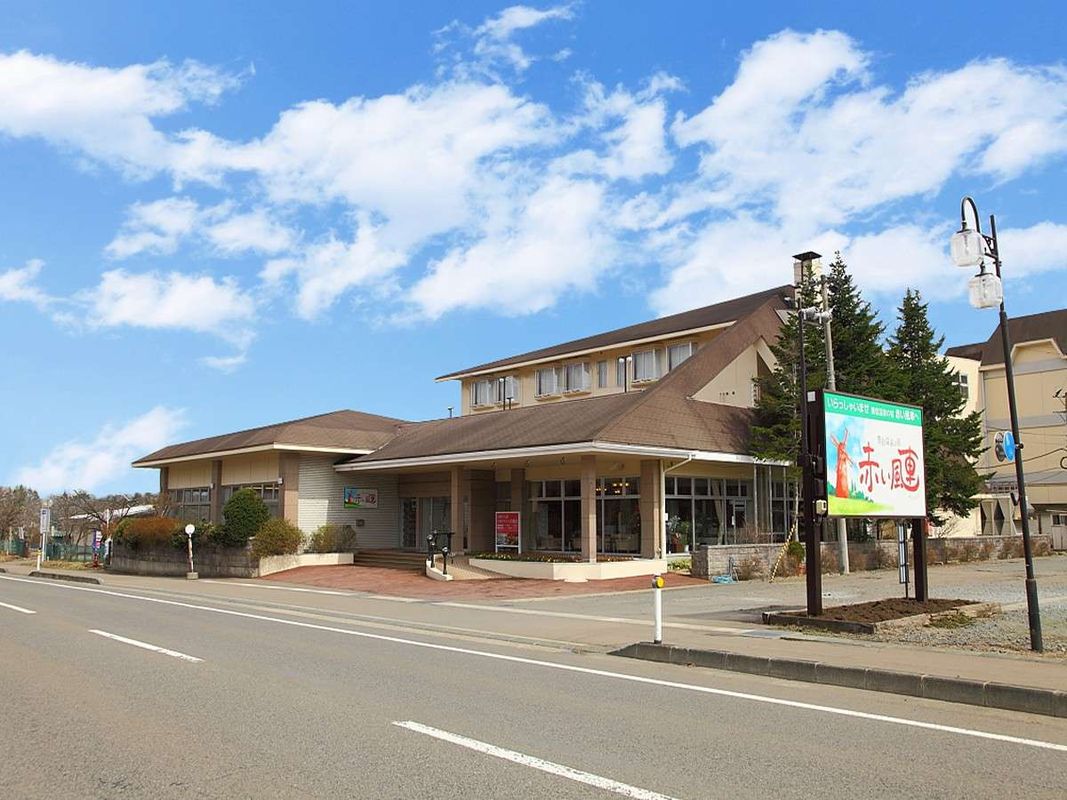
Akai Fusha
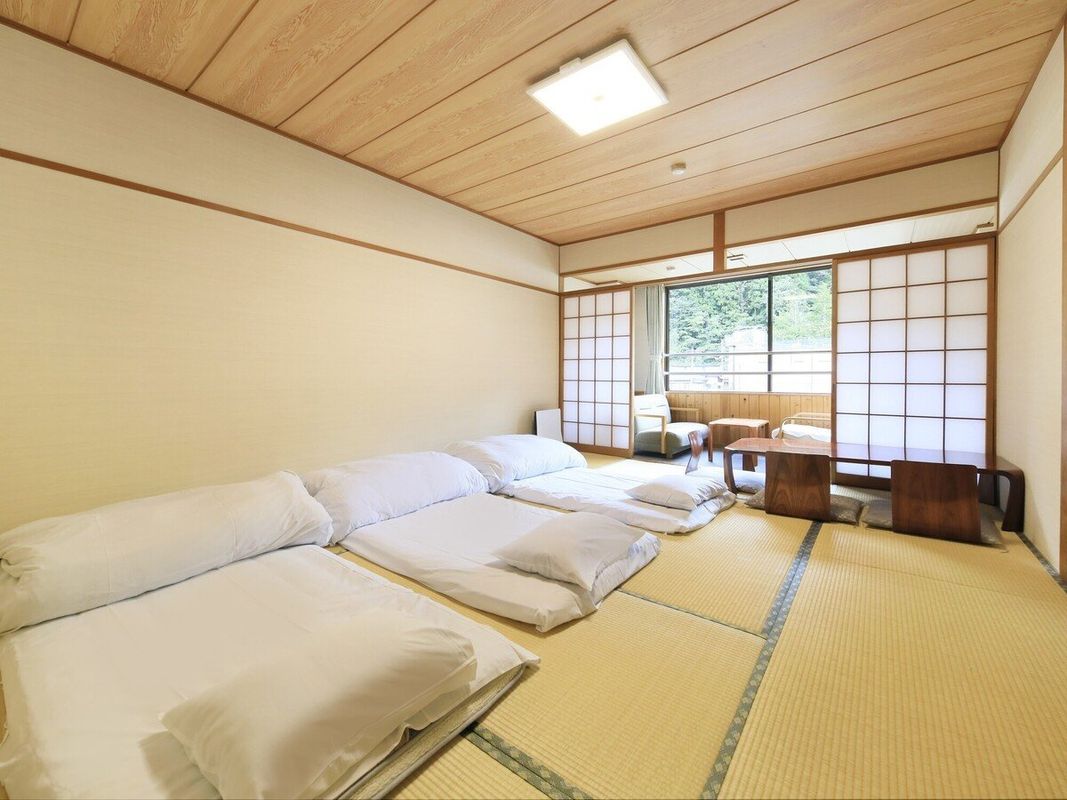
Hotel Kagasuke
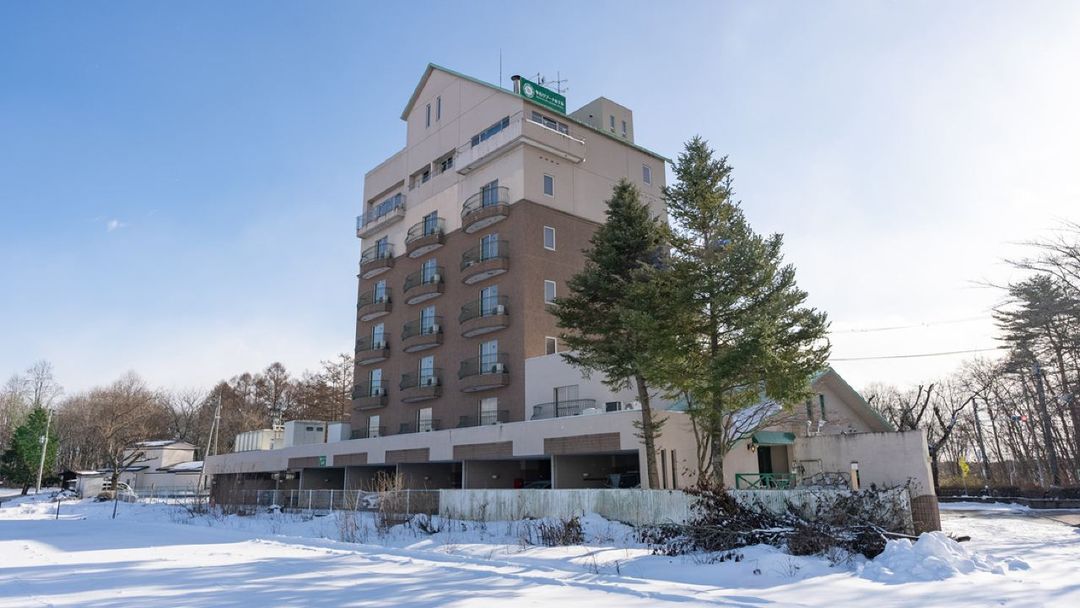
Tabist Shizukuishi Resort Hotel
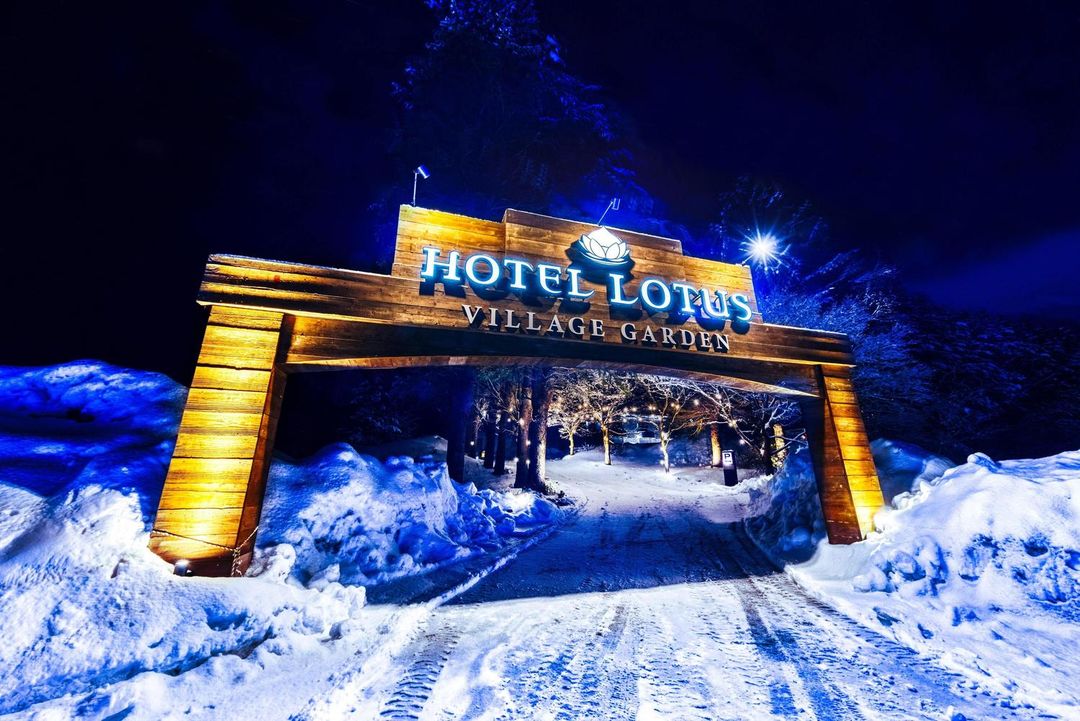
Hotel Lotus morioka - Adult Only
Best Hotels in Shizukuishi
Discover curated hotel collections in Shizukuishi

EN Resort Grandeco Hotel
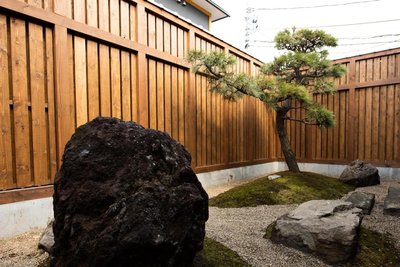
Hotel Zen-Adult Only
Fulsato

Crowne Plaza - ANA RESORT APPI KOGEN
Choseikan
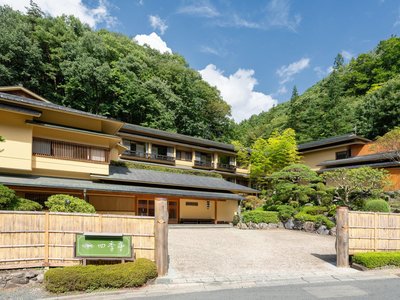
Shikitei Morioka TsunagiOnsen
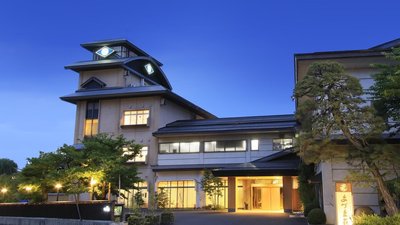
Shouhakutei Azumaso
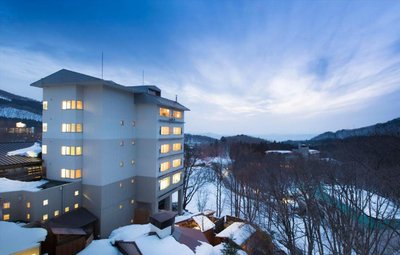
Takamiya Hotel Lucent

Hayamakan
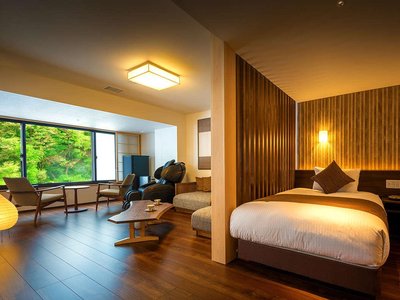
Harataki
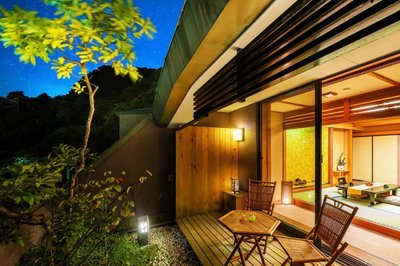
Konjakutei
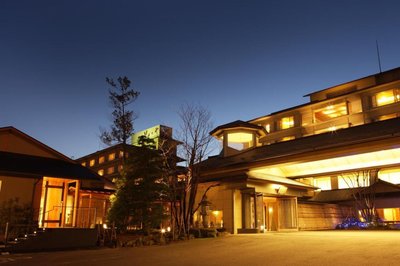
Yumotoya
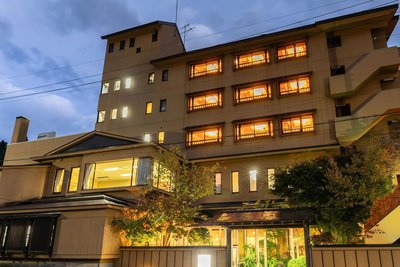
Kashintei Shirahama
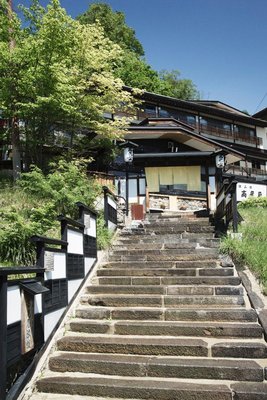
Takamiya Ryokan Miyamaso
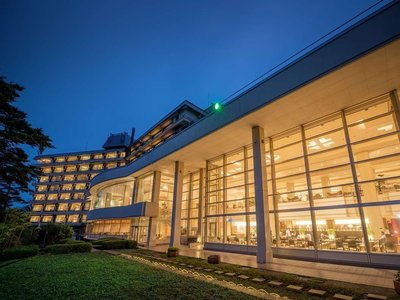
Hotel Matsushima Taikanso

Onyado Toho
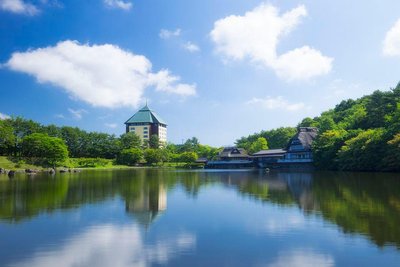
Hoshino Resorts Aomoriya
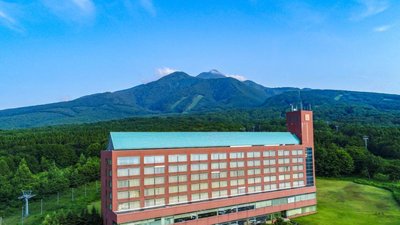
Rockwood Hotel & Spa
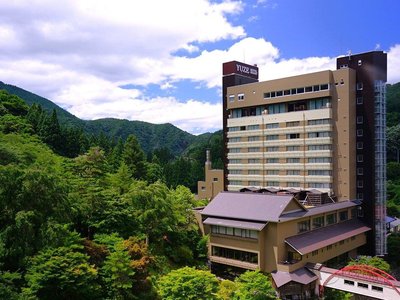
Yuze Hotel
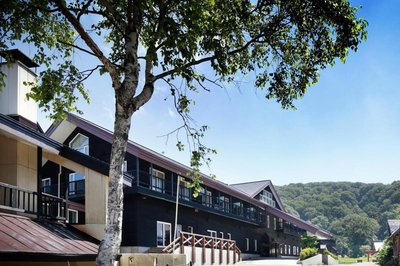
Hotel Jogakura
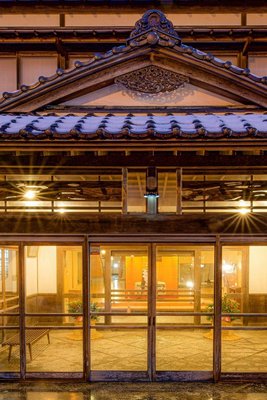
Wakamatsu Hot Spring Resort

Komatsu-Kan Kofu-Tei
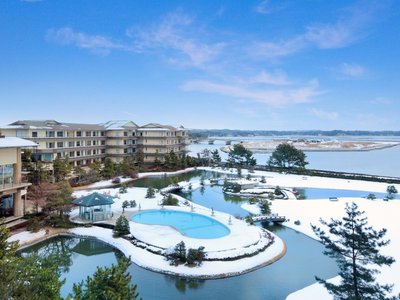
Matsushima Ichinobo
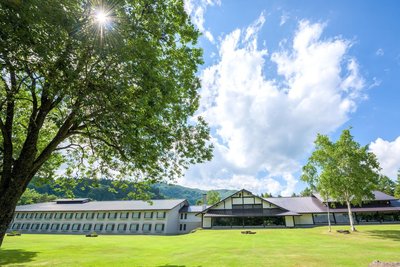
Towada Prince Hotel

Heiseikan Shiosaitei Hanatsuki
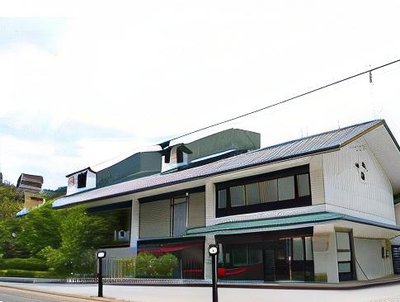
Auberge Suzukane
Wakamatsu Hot Spring Resort
Konjakutei
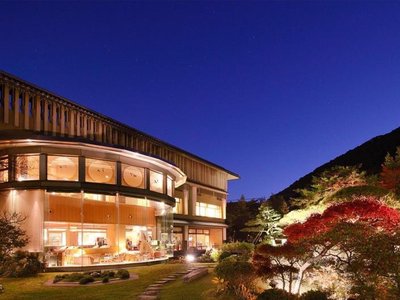
Shikisai Ichiriki
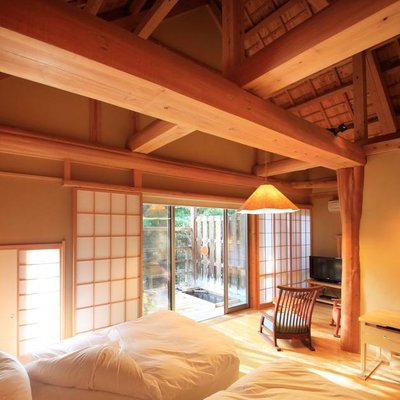
Daikon-No-Hana
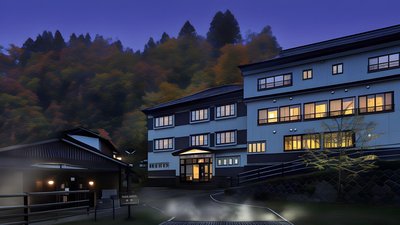
Zao Onsen Omiya Ryokan
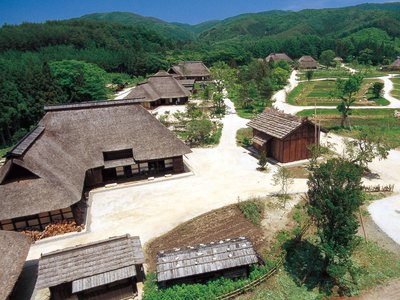
Jodogahama Park Hotel

Hotel Barrière Fouquet's New York

The Plaza - A Fairmont Managed Hotel
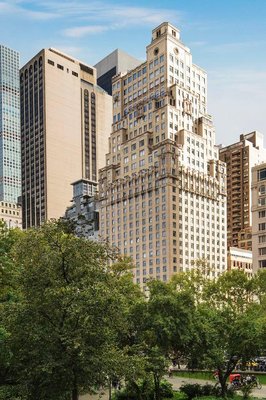
The Ritz-Carlton New York, Central Park

Four Seasons Hotel New York

The St. Regis New York

Park Hyatt New York
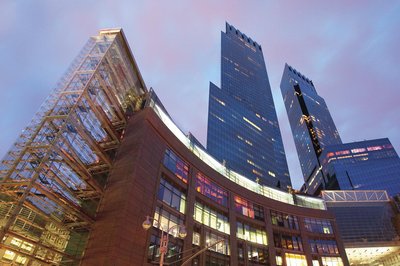
Mandarin Oriental New York

Times Square Edition New York

Loews Regency New York Hotel

Lowell Hotel
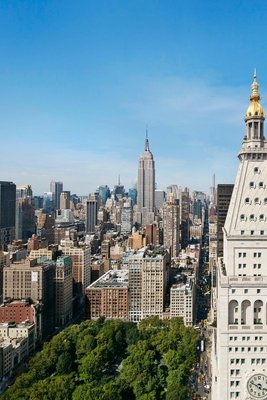
New York Edition

Baccarat Hotel New York

Equinox Hotel New York

Four Seasons Hotel New York Downtown
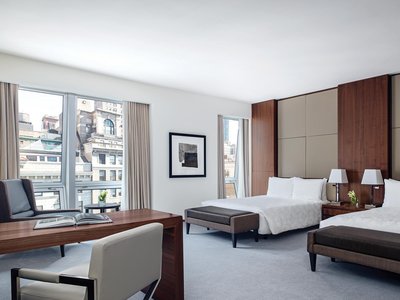
The Langham, New York, Fifth Avenue

The Carlyle, A Rosewood Hotel

The Chatwal, in the Unbound Collection by Hyatt

The Mark New York

Trump International Hotel & Tower® New York
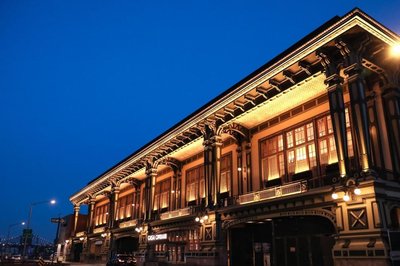
Casa Cipriani New York
Frequently Asked Questions about Traveling to Shizukuishi
Questions You Might Need to Know About Traveling to Shizukuishi
In Shuzenji Town, recommend staying at Shuzenji Highland Hotel, nestled amidst serene forests near the Shuzenji River. This family-oriented hotel offers spacious rooms, a kids' playroom, and private onsen baths. Located just minutes from Shuzenji Station and Iwate Prefectural Museum, it provides easy access to cultural sites.
The hotel is renowned for its breakfast featuring fresh local ingredients—such as Iwate dairy products and seasonal vegetables—offering guests a true taste of regional cuisine. For a tranquil stay, consider riverside guesthouses with panoramic views of the valley, where you can enjoy stargazing and the soothing sounds of flowing water, perfect for a peaceful family getaway.
The ideal area for accommodation in Shuzenji Town is the central district, located right next to Shuzenji Station and the main shopping street. This zone boasts convenient access to amenities, dining options, and multiple boutique hotels and inns such as Shuzenji Kyodokan Hotel, which blends traditional Japanese design with modern comfort.
Another excellent choice is the riverside neighborhood along the Shuzenji River, known for its quiet ambiance and scenic views. Many lodgings here offer garden terraces or river-facing rooms, allowing guests to stroll easily to Shuzenji Park and Seasonal Flower Garden, immersing themselves in the town’s natural beauty throughout the year.
Visitors to Shuzenji Town should not miss the Shuzenji Textile Workshop, where they can participate in traditional Iwate Shibori dyeing techniques using natural indigo. Craft your own hand-dyed scarf or fabric souvenir to take home.
The annual Shuzenji Festival in spring features traditional dances, kimono parades, and local delicacies like Shuzenji buckwheat noodles and potato stew gatherings. Additionally, the Shuzenji Shrine hosts spiritual rituals that attract both pilgrims and tourists, offering a deep connection to local heritage and community faith.
A must-visit attraction in Shuzenji Town is the Shuzenji Gorge, a stunning natural canyon with well-maintained hiking trails popular among nature enthusiasts. Nearby, Shuzenji Gorge Villa Hotel stands out—a boutique ryokan blending Japanese garden aesthetics with contemporary design. Its view-facing rooms overlook the gorge, and it features private onsen baths.
Another highlight is the Mount Iwate Observatory, reachable within 15 minutes by car, offering panoramic views of the entire Shuzenji basin and snow-capped peaks. The surrounding Shuzenji Mountain Lodge offers minimalist Japanese-style rooms and a tea ceremony space, providing a peaceful retreat immersed in mountain serenity.
In Shuzenji Town, Shuzenji Onsen Koyado is one of the most acclaimed hot spring resorts, boasting over a century of history. Its open-air baths face the Shuzenji River, creating breathtaking winter scenes where steam mingles with snow-covered trees, evoking a dreamlike atmosphere.
Another top option is Iwate Mountain Foot Spa Hotel, combining modern wellness technology with traditional bath culture. It offers various therapeutic baths—mineral-rich, carbonated, and herbal infusions. The hotel’s kaiseki restaurant serves dishes made from local mountain produce and seafood, paired with locally brewed sake, delivering a complete sensory journey into Shuzenji’s culinary heritage.
To fully immerse in Shuzenji Town’s culinary culture, visit Shuzenji Market Old Street, home to century-old shops like Shuzenjiya Honke, famous for handmade Shuzenji buckwheat noodles made with locally grown buckwheat flour—known for their firm texture and aromatic flavor.
Every weekend, the market hosts the Local Ingredient Market, where visitors can purchase artisanal items like Iwate beef jerky, pickled vegetables, and homemade jams. Join hands-on cooking classes led by local chefs to learn how to prepare traditional dishes such as Shuzenji hot pot and wild vegetable tempura, leaving with unforgettable flavors and memories.
Shuzenji Town is exceptionally well-suited for winter tourism, particularly due to its Shuzenji Ski Resort, just a 10-minute drive from downtown. The resort offers slopes for all skill levels and provides professional instructors and rental equipment.
During winter, the Shuzenji Snow Lantern Festival transforms the Shuzenji River into a magical pathway lined with thousands of handmade paper lanterns. Guests can enjoy a relaxing evening stroll under the lights after soaking in an onsen at Shuzenji Onsen Koyado. Another unique experience is the Snowfire Dinner, where guests dine outdoors around a bonfire made from locally gathered pine wood, enjoying grilled venison and mountain vegetables—reviving ancient hunting traditions.
Guesthouses in Shuzenji Town stand out for their community-based philosophy. Many are run by long-standing local families, such as Shuzenji Farm Cottage, where owners grow organic vegetables and raise free-range chickens, serving them as part of daily breakfasts.
These guesthouses often feature traditional wooden architecture with tatami floors and shoji screens. Some include small private gardens or ponds where guests can observe carp and seasonal flora. Visitors may also join farm activities like rice planting, harvesting, or wild herb picking, gaining firsthand insight into rural life and ecological wisdom in Shuzenji Town.
Though located in a rural area, Shuzenji Town offers surprisingly convenient transportation. Shuzenji Station lies on the Tōhoku Main Line, with regular trains from Morioka Station taking about 30 minutes.
Recommended stays include Shuzenji Central Hotel, which provides complimentary shuttle buses to the station and major attractions, plus EV charging stations for self-drive travelers. Meanwhile, Shuzenji Highland Inn and Shuzenji Mountain Lodge partner with local communities to offer shared bicycles and guided tours, enabling eco-friendly exploration of forest trails and historic villages.
Photography lovers should explore the Shuzenji White Birch Trail, located upstream along the Shuzenji River. The rows of silver-trunked birches appear ethereal in morning mist, making it a perfect spot for minimalist and light-focused compositions.
Another hidden gem is the Old Shuzenji Bridge Ruins, an abandoned iron bridge now reclaimed by nature, draped in ivy and moss. Especially striking at sunset, the reflection of the rusted structure in the still river creates a hauntingly beautiful image. These locations lie off main tourist routes—access is recommended via maps provided by the Shuzenji Town Tourism Association with safety guidelines for responsible exploration.
Shizukuishi Overview
City Summary
Shizukuishi Town, located in Iwate Prefecture, Japan, is a tranquil town surrounded by nature. Known for its hot springs and ski resorts, particularly the Shizukuishi Ski Resort, it attracts many skiing enthusiasts. The town's rural scenery and traditional Japanese inns offer visitors an authentic taste of Japanese countryside life. Additionally, Shizukuishi is one of the gateways to Mount Iwate, making it ideal for outdoor enthusiasts.
Must-See Attractions
The Shizukuishi Ski Resort is a must-visit in winter, offering slopes for all skill levels. In summer, Mount Iwate is popular for hiking, with breathtaking natural views along the trails. The Shizukuishi Hot Springs are perfect for relaxation, renowned for their therapeutic properties. The town's traditional craft shops and farmers' markets are also worth exploring, offering local handicrafts and fresh produce.
Food Guide
Shizukuishi's cuisine is heavily influenced by local agriculture, with soba noodles and mountain vegetable dishes being specialties. Try "wanko soba," a fun traditional way of eating soba noodles. Fresh milk and dairy products, especially ice cream and cheese, are also highly recommended. In winter, warm nabe dishes and grilled fish are must-tries.
Transportation Guide
Shizukuishi is accessible by bus and taxi. From Morioka Station, it takes about 40 minutes by bus, with frequent departures. Within the town, walking or renting a bike is feasible, but taxis are advised for remote areas. In winter, due to heavy snow, check traffic conditions in advance and allow extra time. Drivers should be cautious of snowy roads.
Best Time to Visit
The best time to visit Shizukuishi is winter (December to February) for skiing and snowy landscapes. Summer (June to August) is ideal for hiking and outdoor activities, with cool weather. Spring and autumn are quieter, perfect for those seeking tranquility.
Travel Tips
- Ski Gear: Bring or rent ski equipment in winter to fully enjoy the slopes.
- Onsen Etiquette: Shower before entering the hot spring, and no swimwear is allowed.
- Cash Payments: Some small shops and ryokans only accept cash, so carry enough yen.
- Weather Check: Heavy snow in winter may affect travel; check forecasts beforehand.
- Hiking Safety: In summer, bring enough water and sunscreen, and monitor weather changes.
- Language Barrier: English is not widely spoken; learn basic Japanese or use a translation app.
Useful Information
Language: Japanese is the main language; English is limited, so a translation app is helpful. Internet: Free Wi-Fi is available in town, but signal is weak in rural areas. Payment: Cash is preferred, though some shops accept credit cards. Emergency: Dial 119 for emergencies; the nearest hospital is in Morioka. The town's tourist center provides maps and information, so visit upon arrival for assistance.









